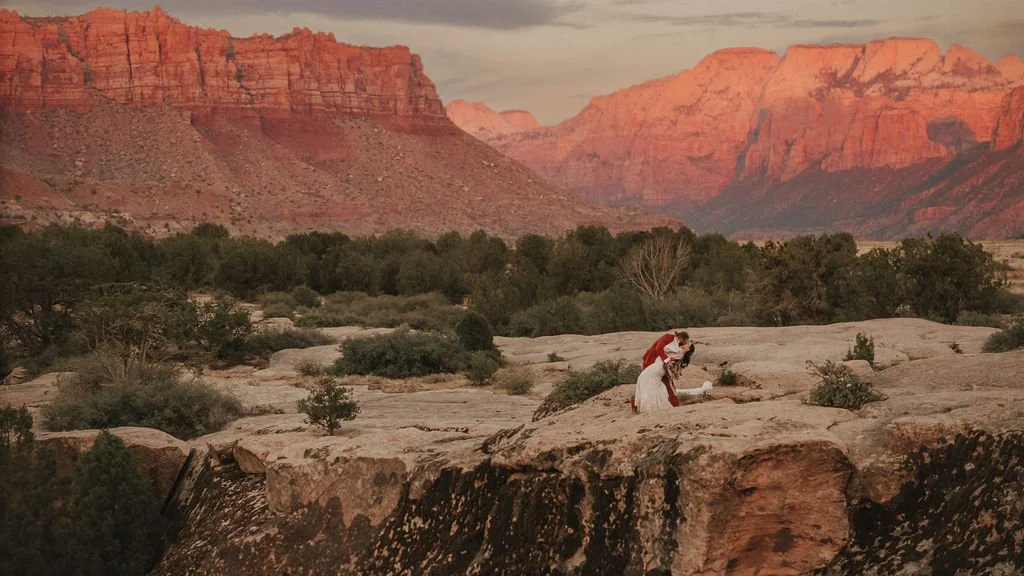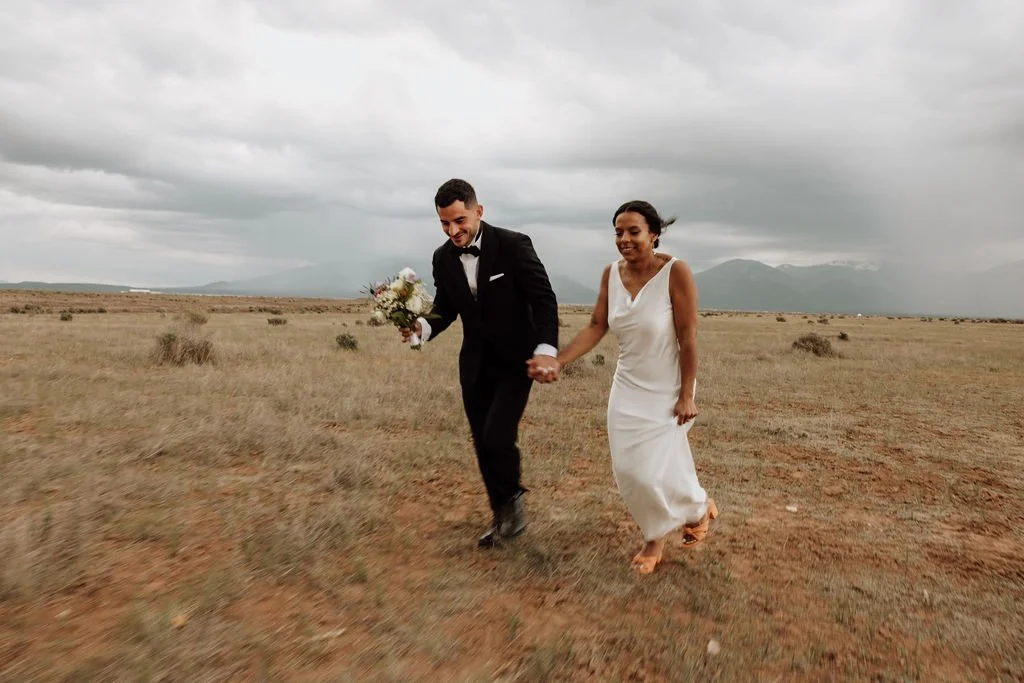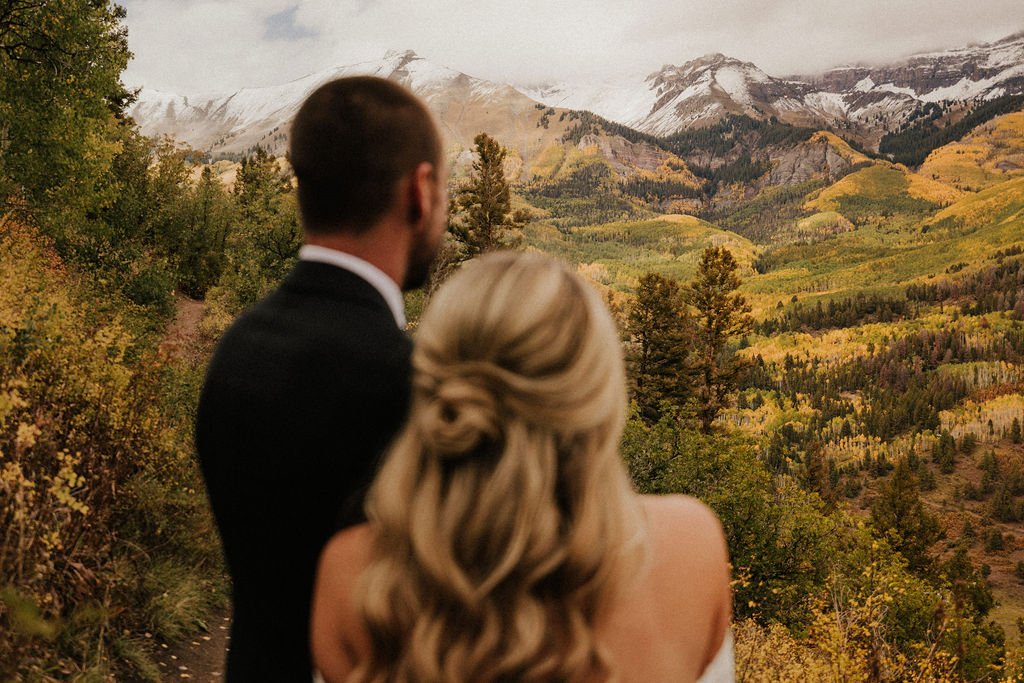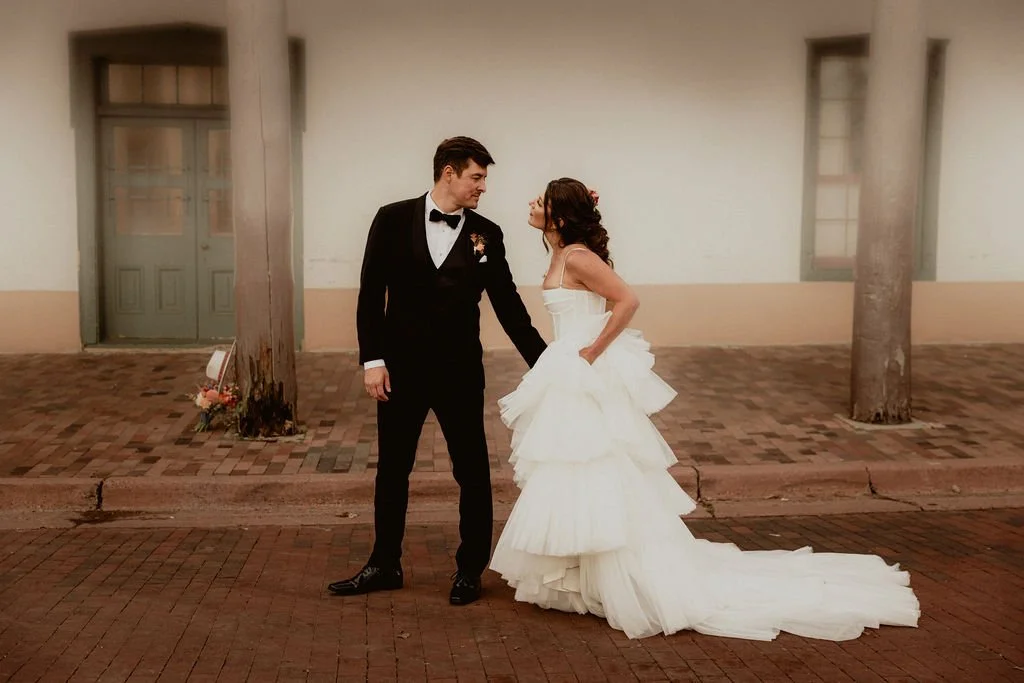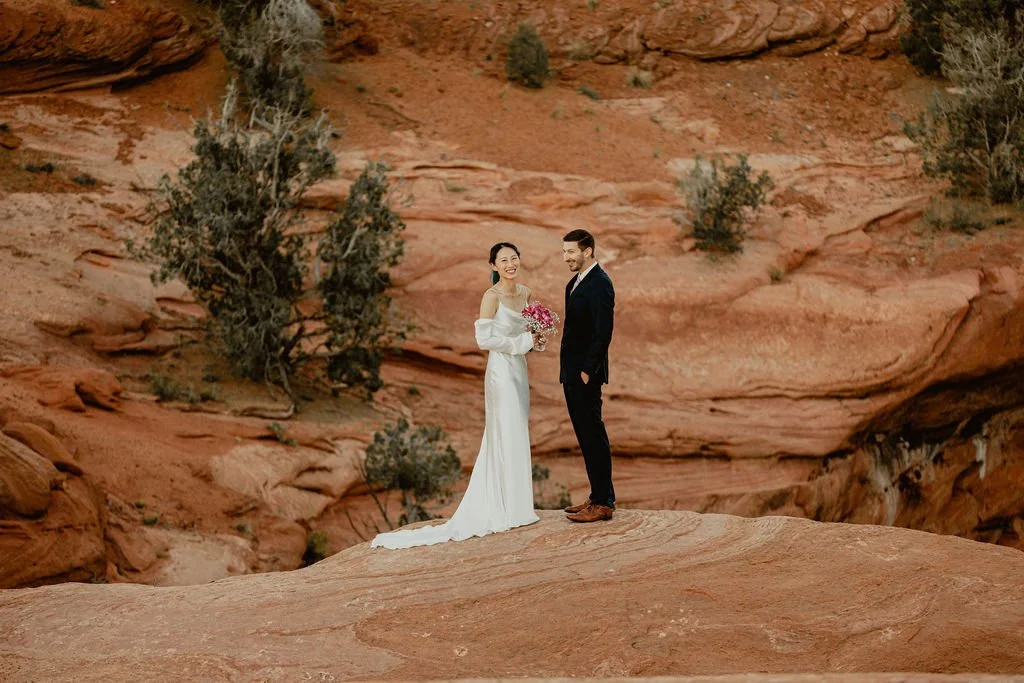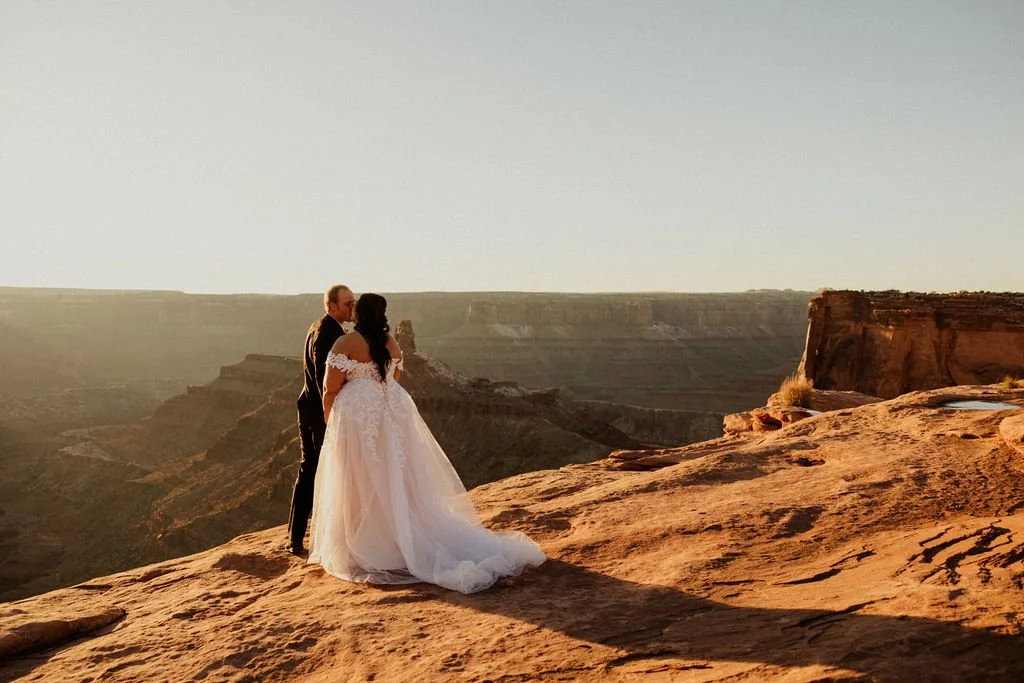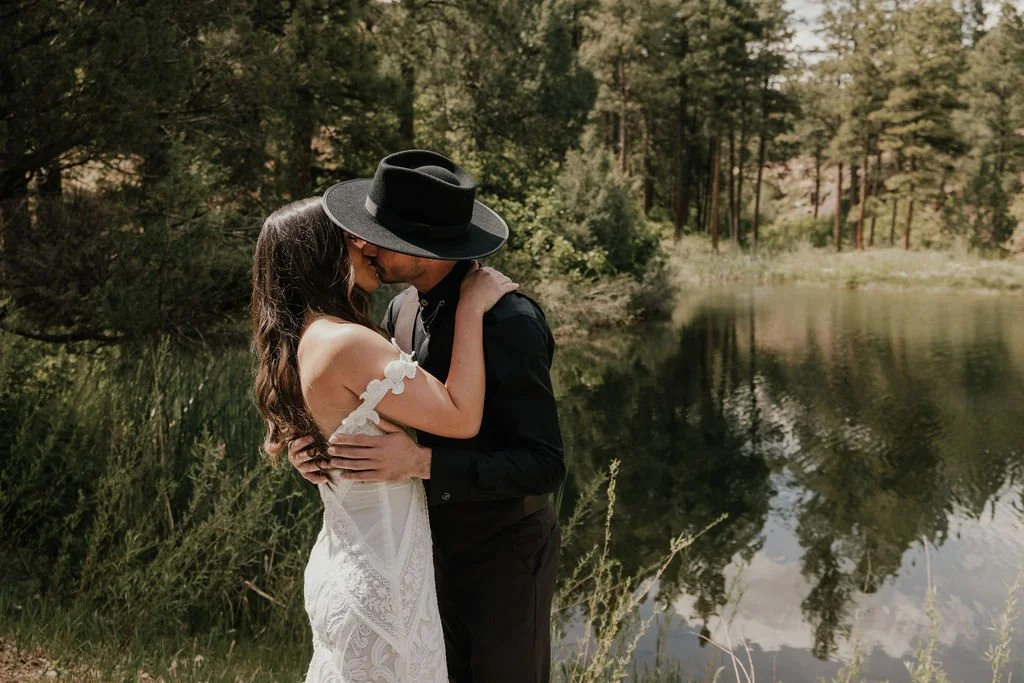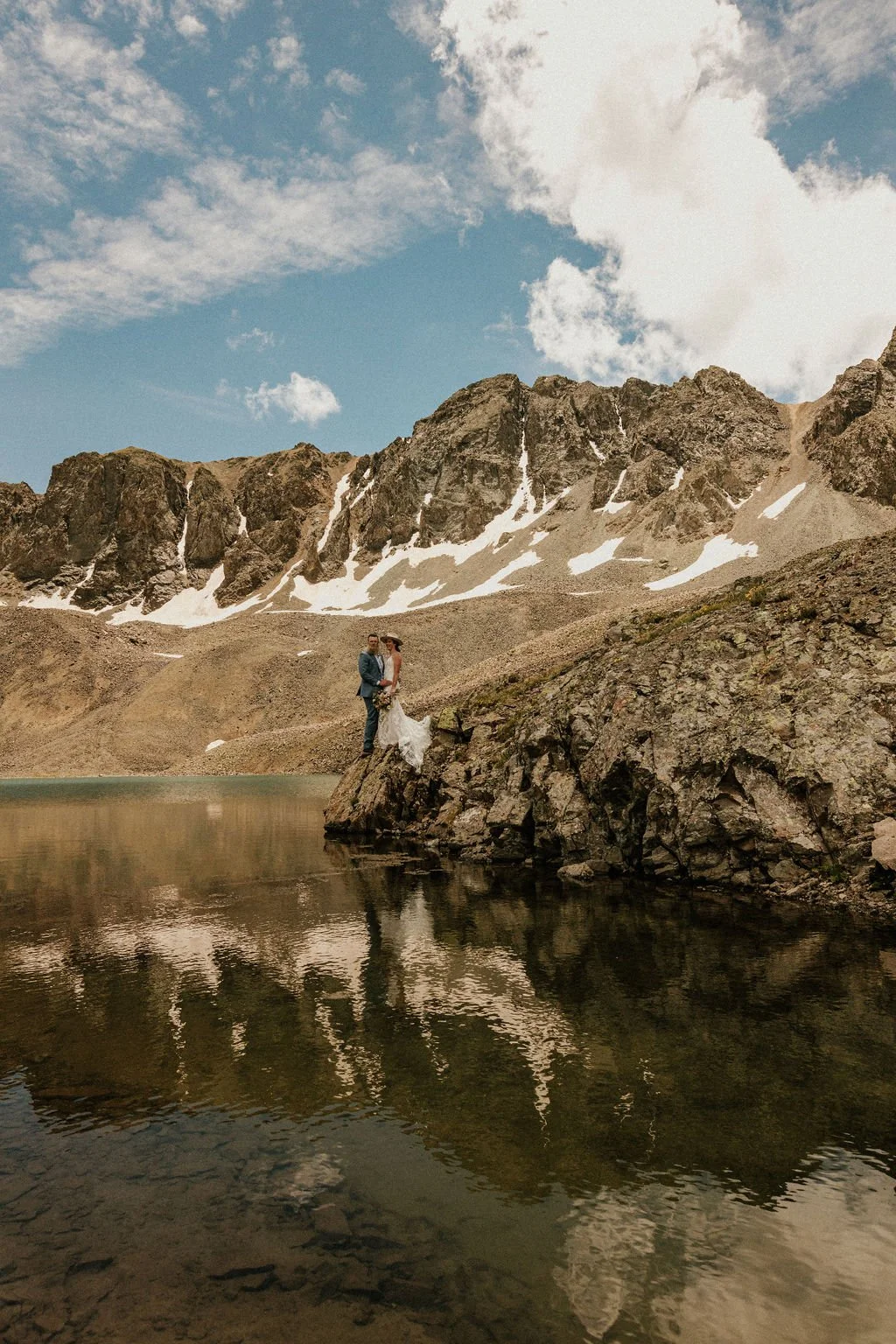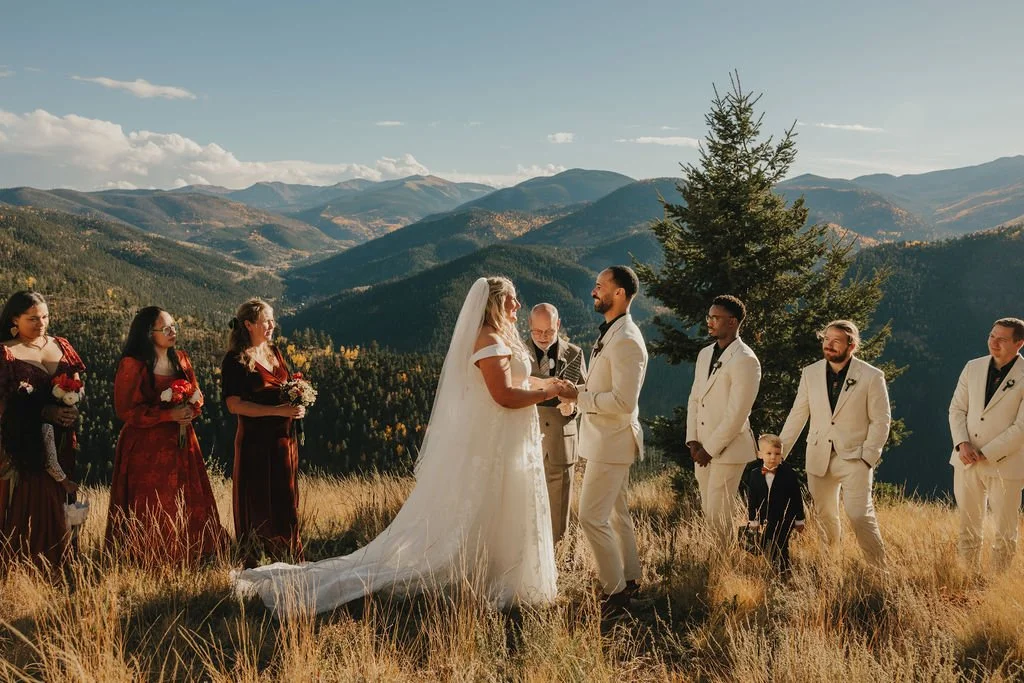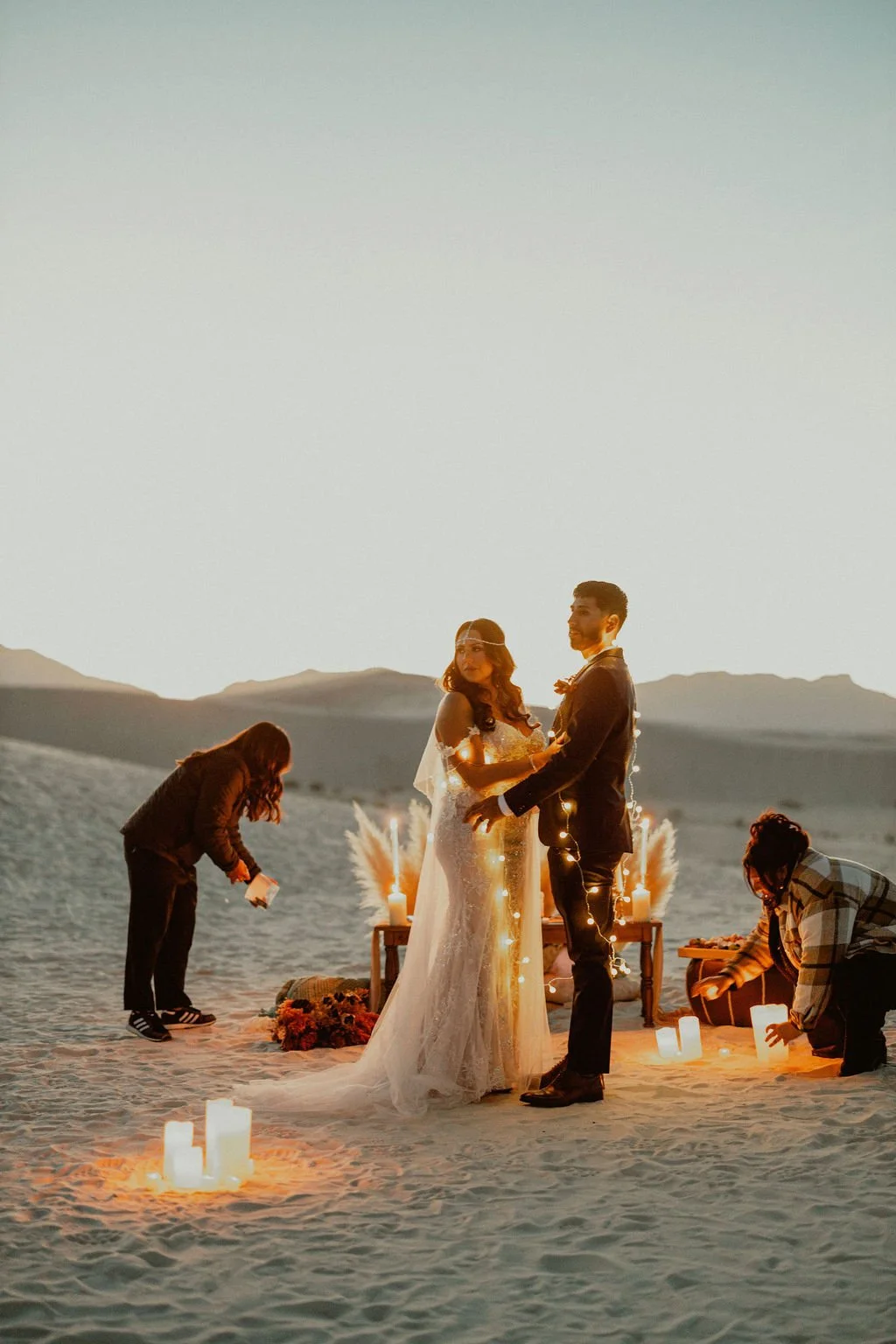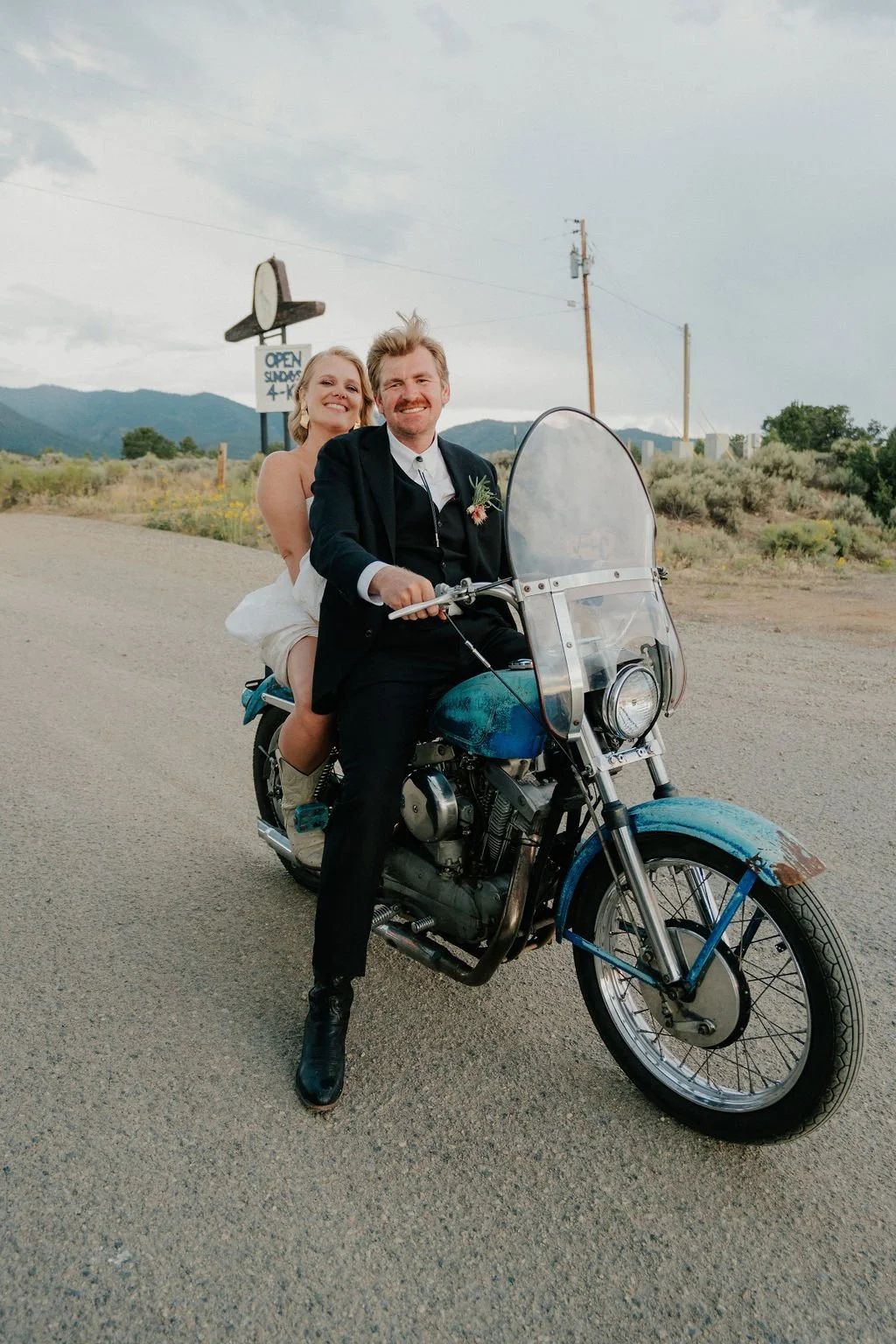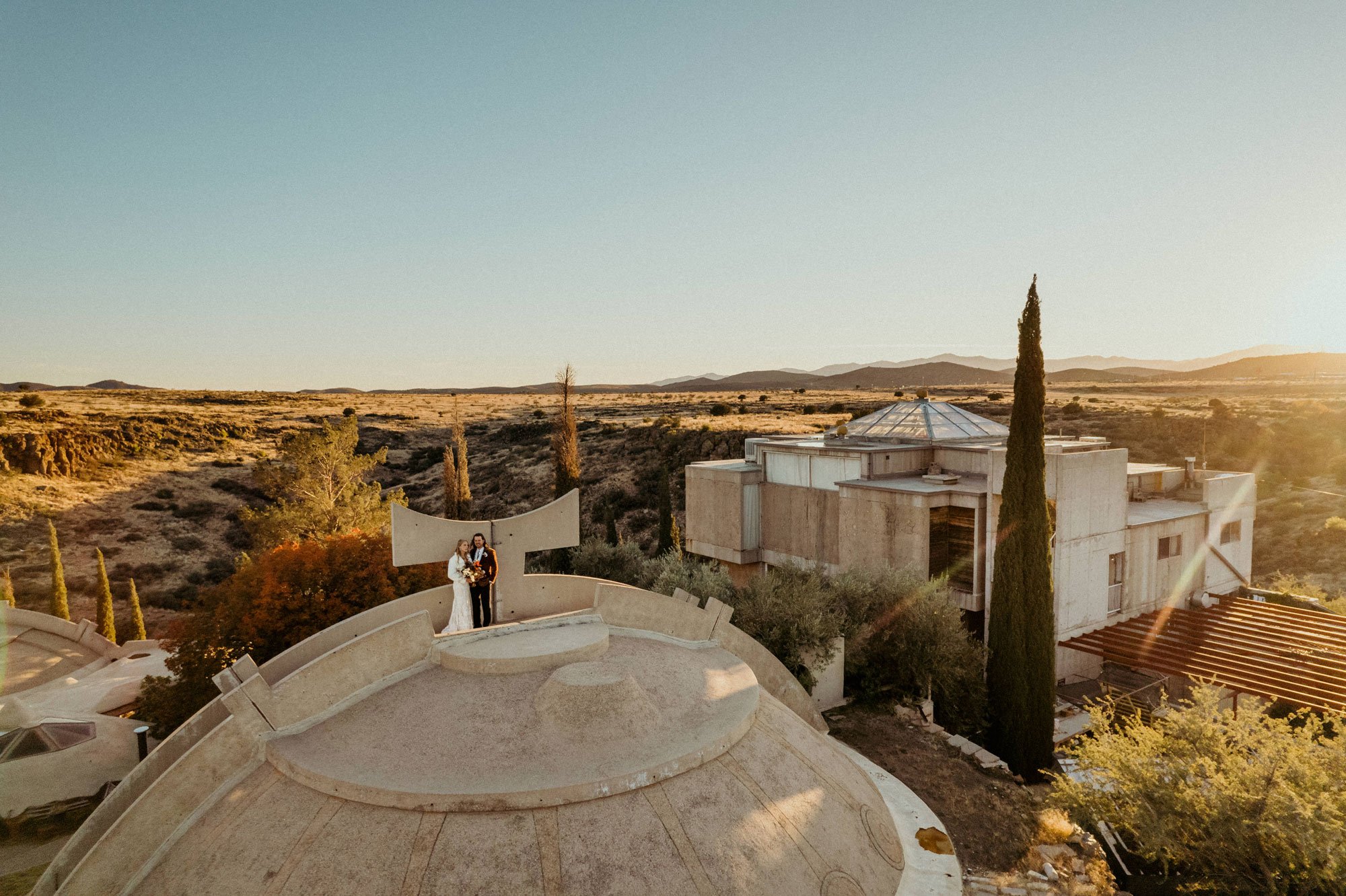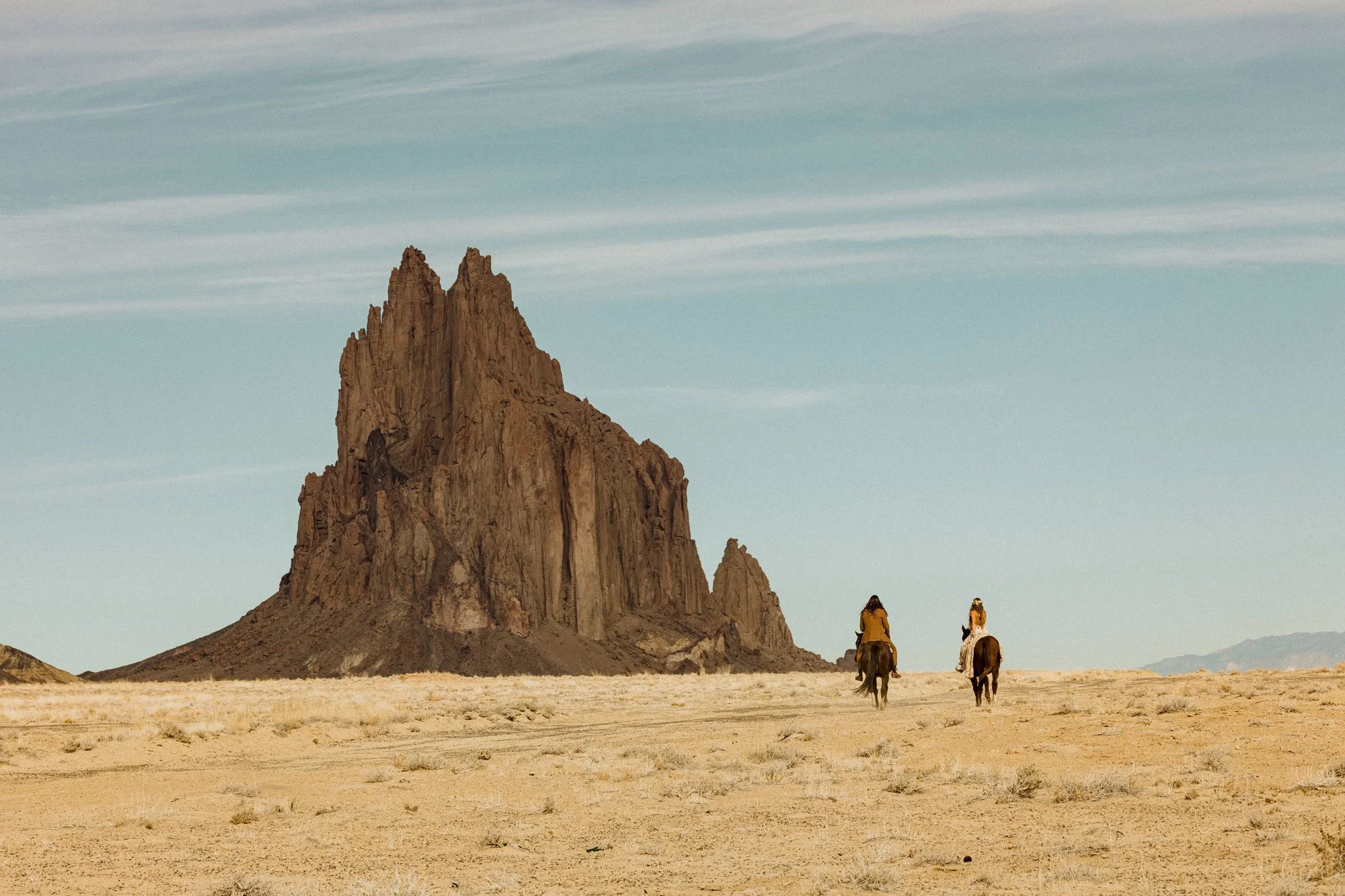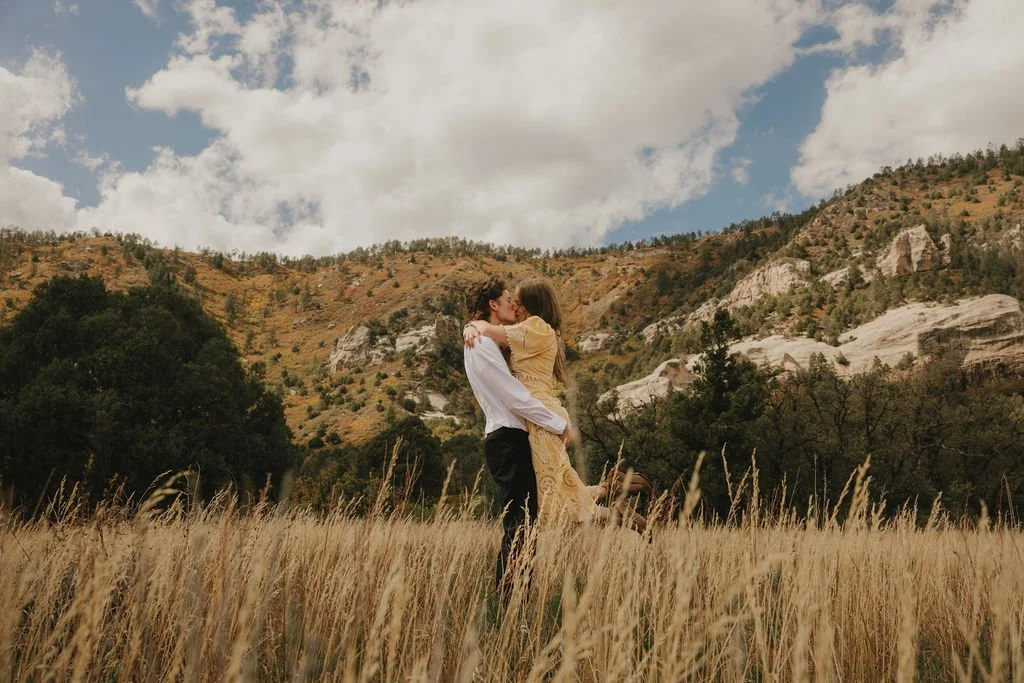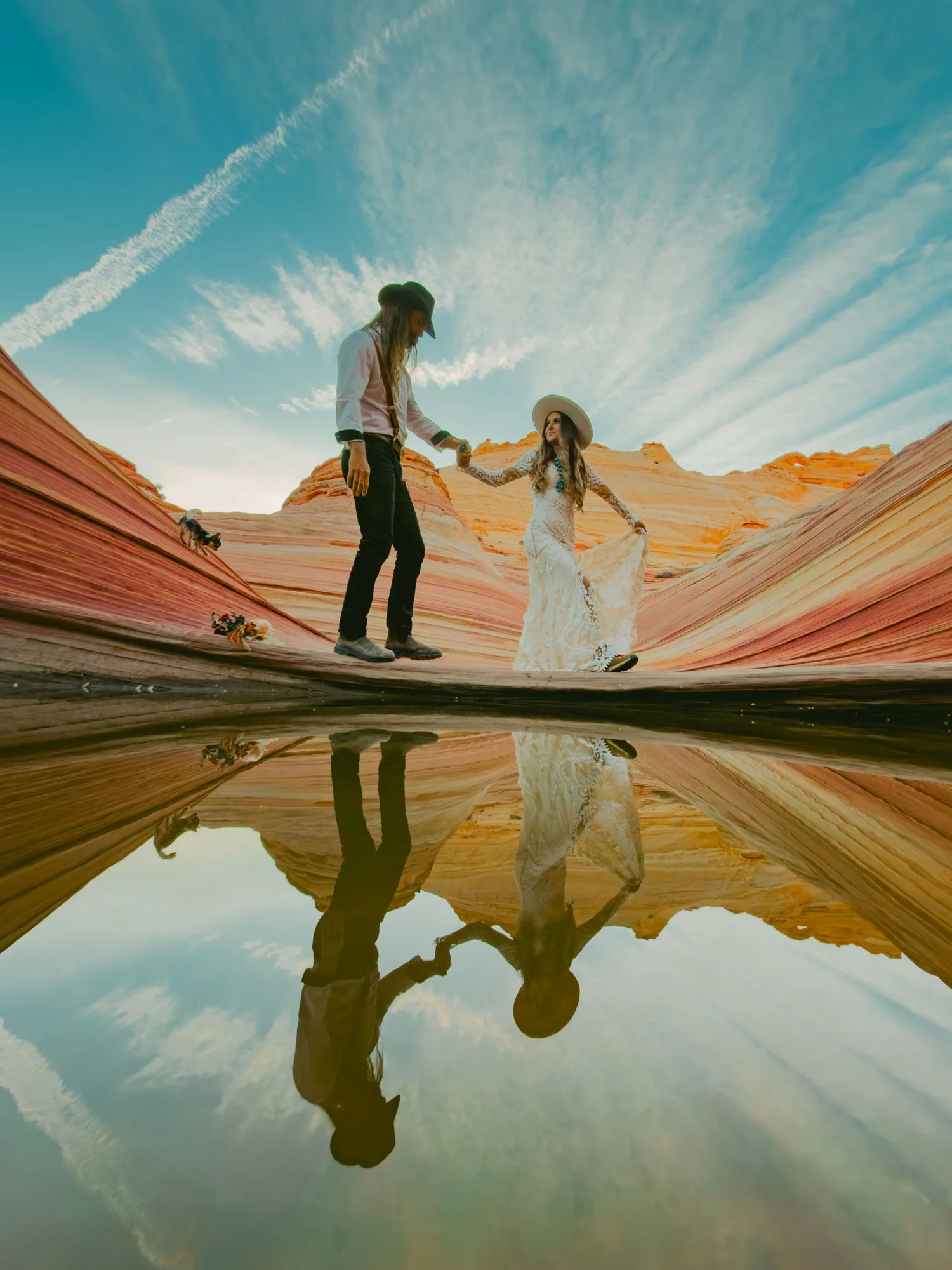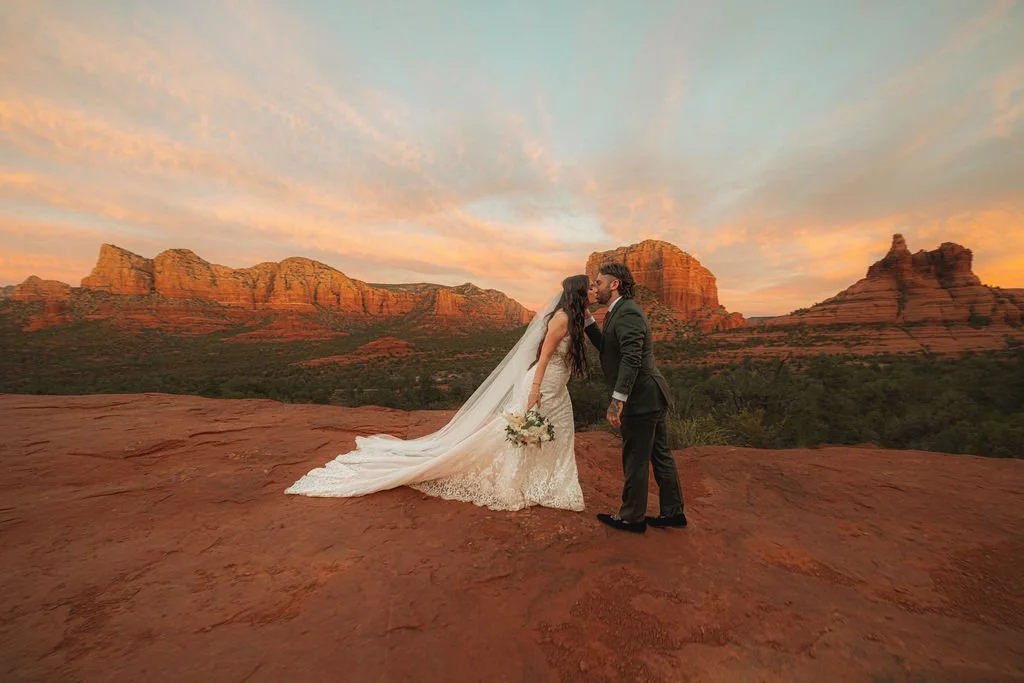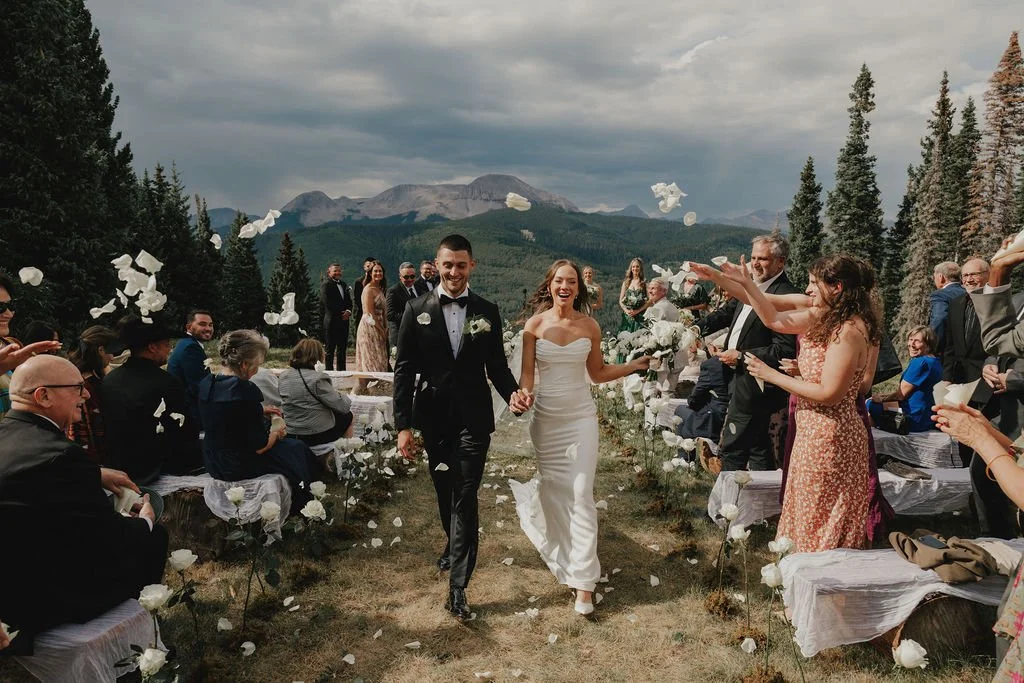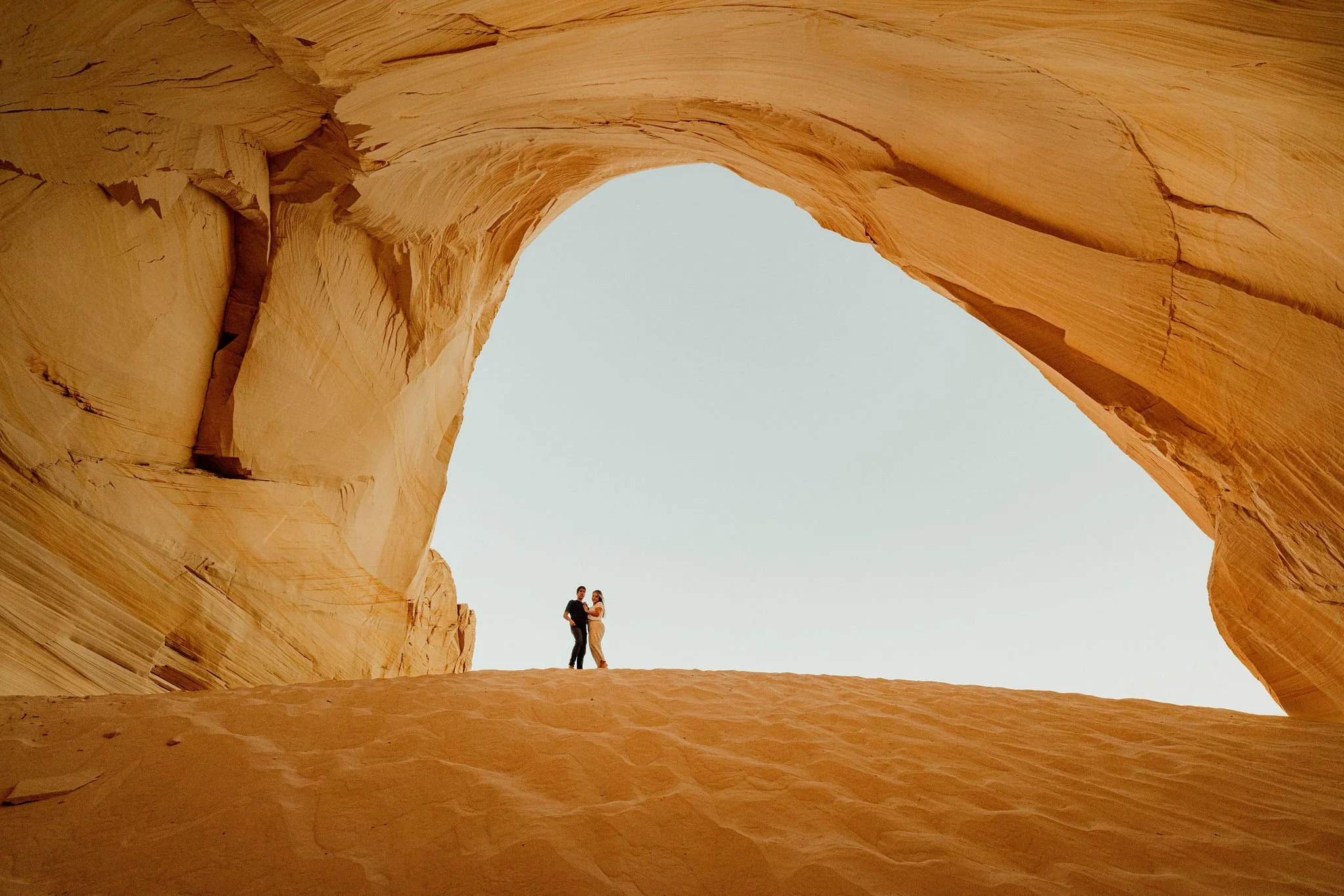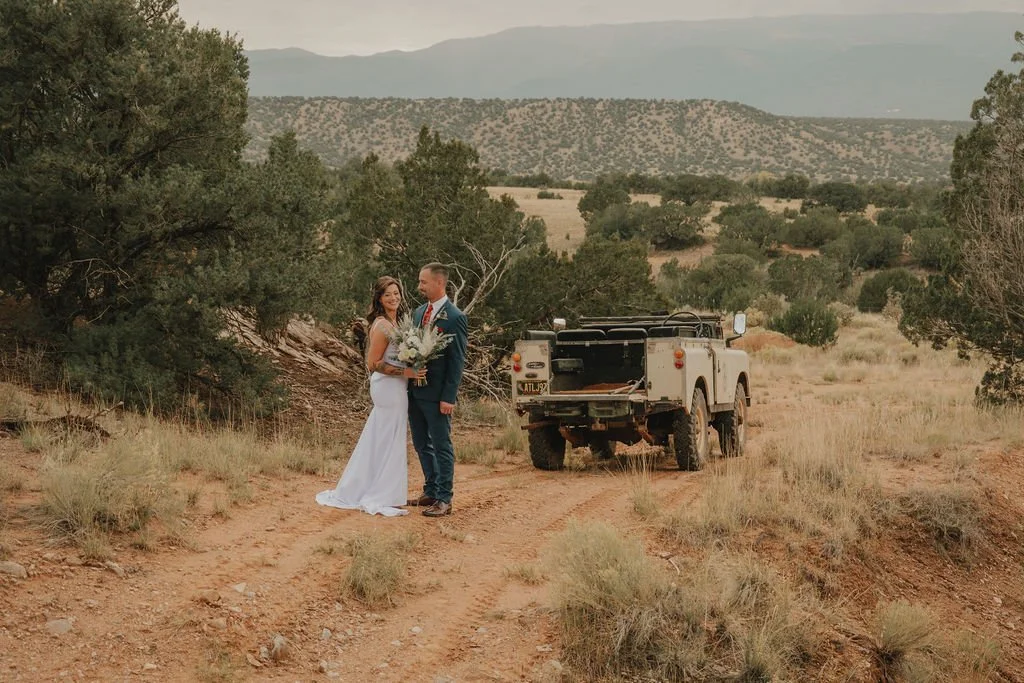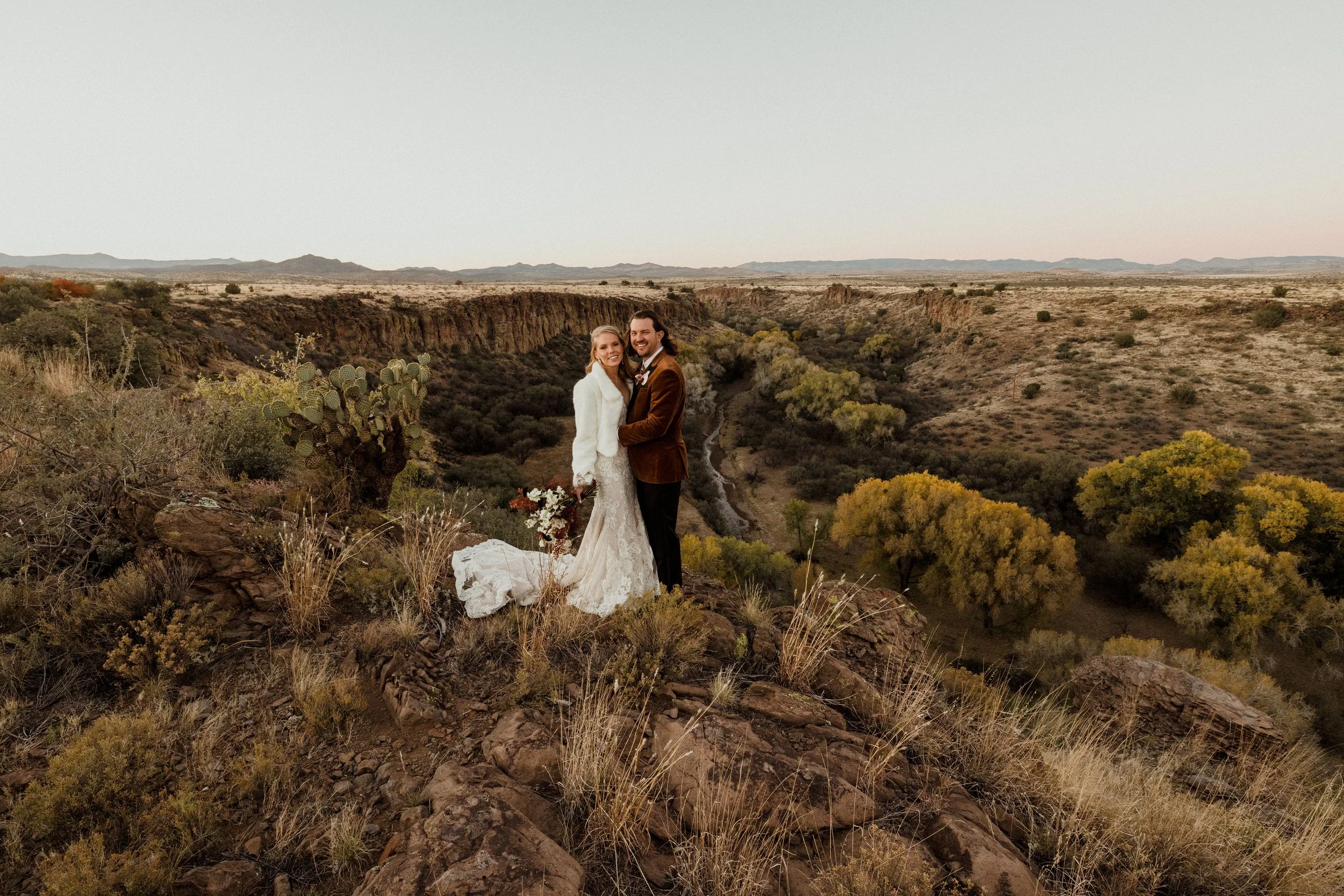
Flagstaff is one of the few places in Arizona where a couple can say "I do" on a ponderosa-pine mountainside in the morning and be sipping margaritas on a downtown patio by sunset, and that is exactly why so many intimate couples search for a Flagstaff micro wedding photographer in the first place: the short answer is that a Flagstaff micro wedding photographer like Shutterfreek documents small-scale, guest-light ceremonies (typically 2 to 30 people) across Flagstaff's forests, lava fields, and historic downtown, pairing documentary-style storytelling with adventure-ready logistics so couples get authentic, high-impact imagery without the cost or complexity of a traditional 150-guest wedding.
If you are planning a smaller celebration in Flagstaff, Sedona, or anywhere in Northern Arizona, this guide breaks down what a micro wedding actually looks like here, what it costs, how to plan it, and what separates a photographer who merely "shoots weddings" from one who specializes in small, adventurous ceremonies.
What Is a Micro Wedding, and Why Flagstaff Works So Well for One
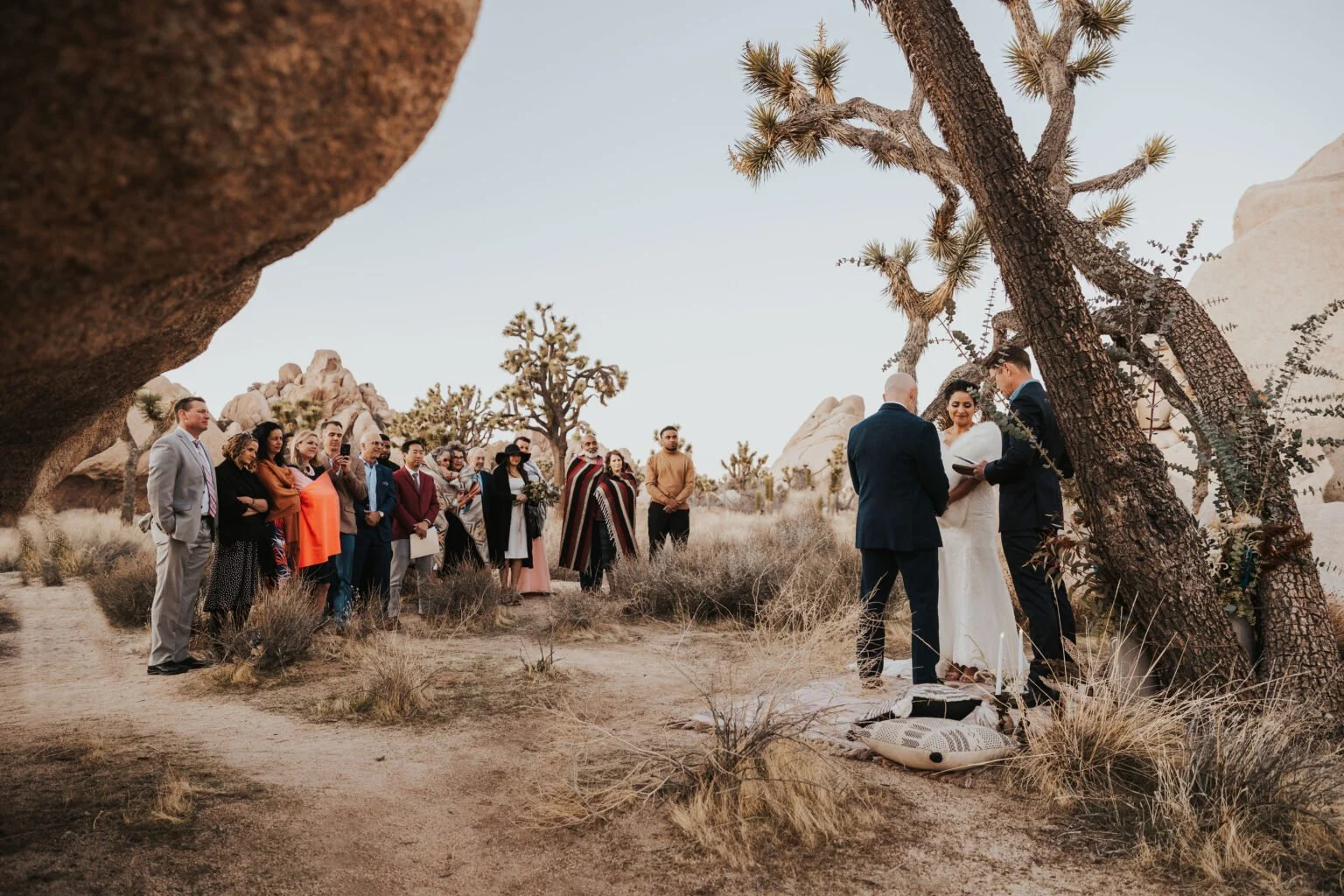
A micro wedding sits in the space between an elopement and a full wedding. Elopements are usually just the couple (plus maybe a witness or officiant), while traditional weddings can run 100+ guests. A micro wedding typically includes somewhere between 2 and 30 of your closest people, which keeps the day intimate without cutting out the family members you actually want there.
Flagstaff happens to be one of the best-suited cities in the Southwest for this format. At over 6,900 feet of elevation, it offers four real seasons, a walkable historic downtown, and immediate access to the Coconino National Forest, Lowell Observatory grounds, Buffalo Park, and the San Francisco Peaks. Most couples do not realize how much geographic variety sits within a 20-minute drive of downtown Flagstaff. You can have an aspen-grove ceremony in the morning and a brewery reception by dinner, all without leaving the same small radius.
This matters for photography specifically. A smaller guest list means fewer logistics to manage on a wedding day, which means more actual time behind the camera capturing real moments instead of herding a large crowd through formal portraits. For couples who want image quality over guest-count quantity, Flagstaff's compact geography is a genuine advantage.
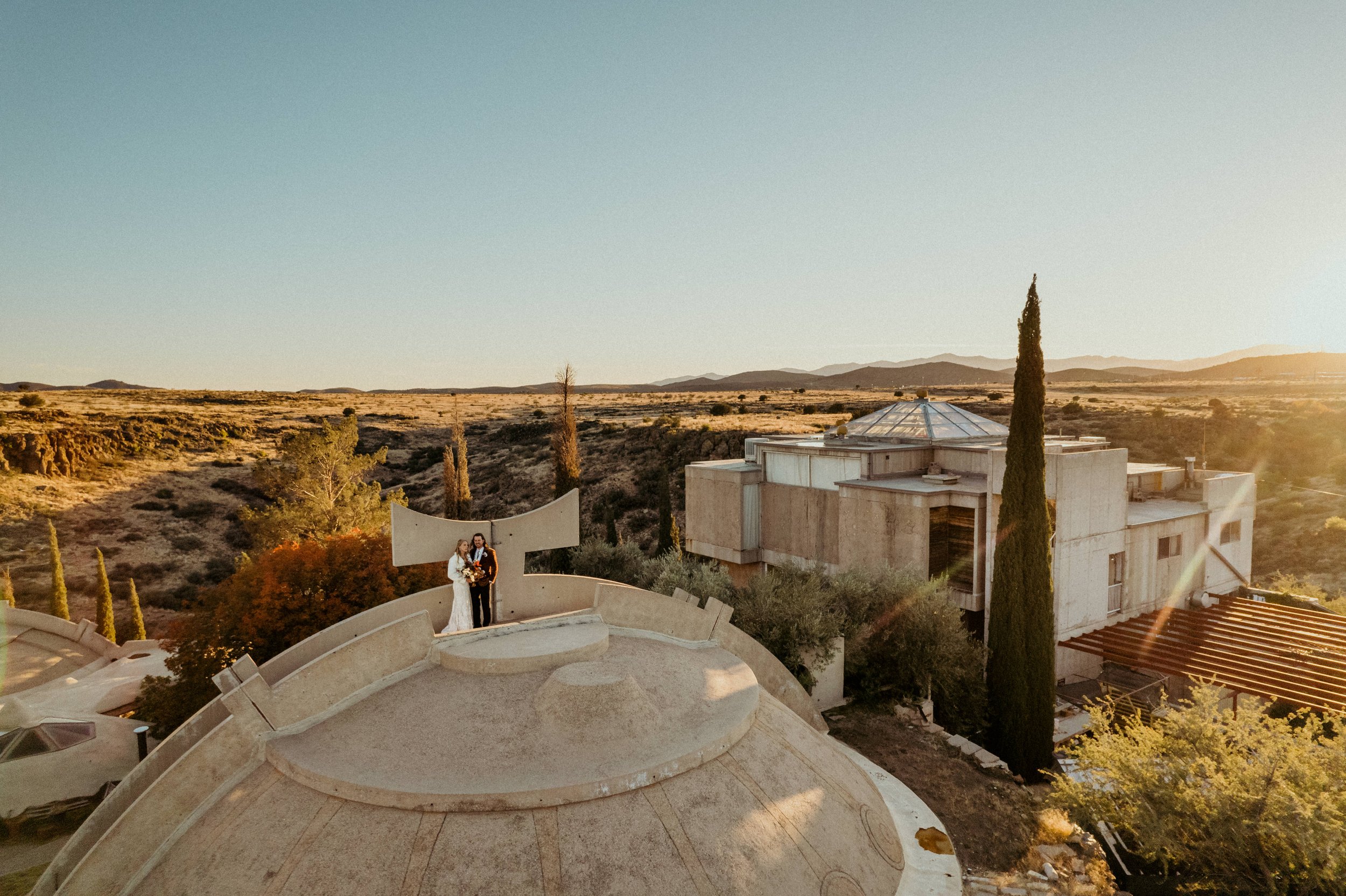
Where Couples Are Hosting Micro Weddings Around Flagstaff
Venue choice drives almost everything else about a Flagstaff micro wedding, from permitting requirements to the light a photographer has to work with.
| Location | Guest Capacity | Permit Needed | Best Season | Photography Style |
|---|---|---|---|---|
| Buffalo Park | Up to 30 | City of Flagstaff special use permit | May–October | Open meadow, mountain backdrop |
| Coconino National Forest clearings | Up to 20 | USFS special use permit | June–September | Pine forest, natural light |
| Downtown Flagstaff (Heritage Square area) | Up to 40 | City permit for ceremony use | Year-round | Historic brick, string lights |
| Arizona Snowbowl | Up to 30 | Resort booking, no separate permit | June–September, Dec–Feb for snow | Mountain views, alpine backdrop |
| Private backyard/Airbnb | Flexible | None (property owner approval) | Year-round | Candid, relaxed, golden hour |
Permits are one of the most overlooked parts of planning a micro wedding on public land. The U.S. Forest Service and City of Flagstaff both require advance applications for ceremonies with hired vendors on public property, and processing can take several weeks. A photographer who has already shot inside the Coconino National Forest or at Buffalo Park can usually tell you exactly which permit office to contact and what the current turnaround time looks like, which saves couples from scrambling a week before the wedding.
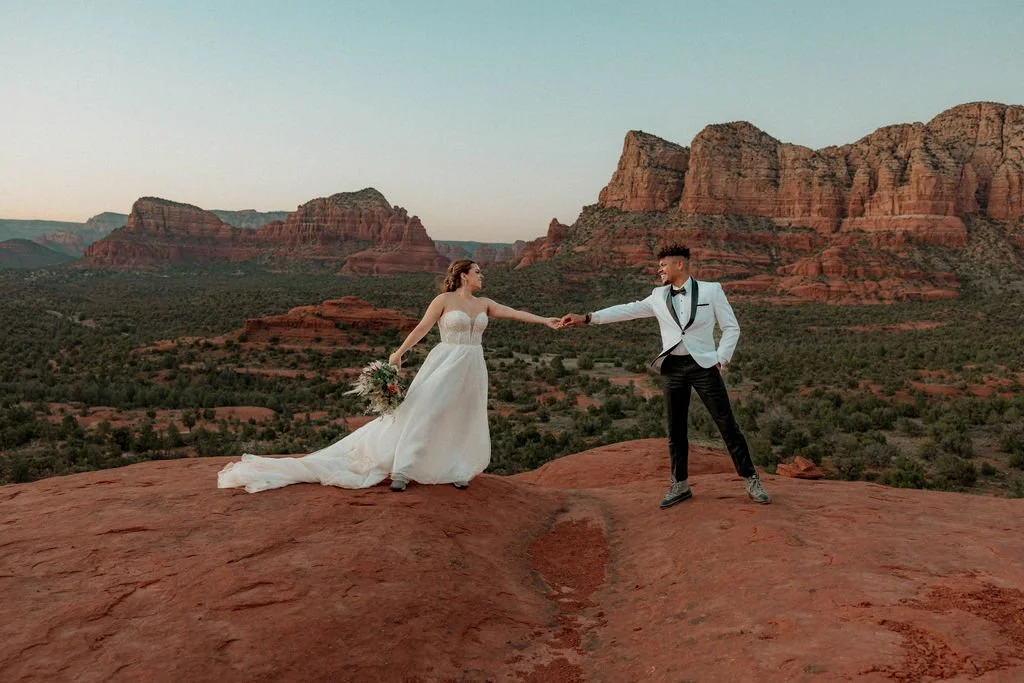
Couples who want even more dramatic, remote scenery sometimes extend their celebration into a longer adventure elopement rather than a single-day ceremony. Shutterfreek's elopements coverage is built specifically for that kind of trip, whether that's a sunrise hike to a viewpoint or a multi-location day across Northern Arizona's red rock and pine country.
What a Micro Wedding Day With Shutterfreek Actually Looks Like
Because the guest list is small, a Shutterfreek micro wedding timeline is built around the couple's real priorities instead of a rigid formal schedule. A typical day includes:
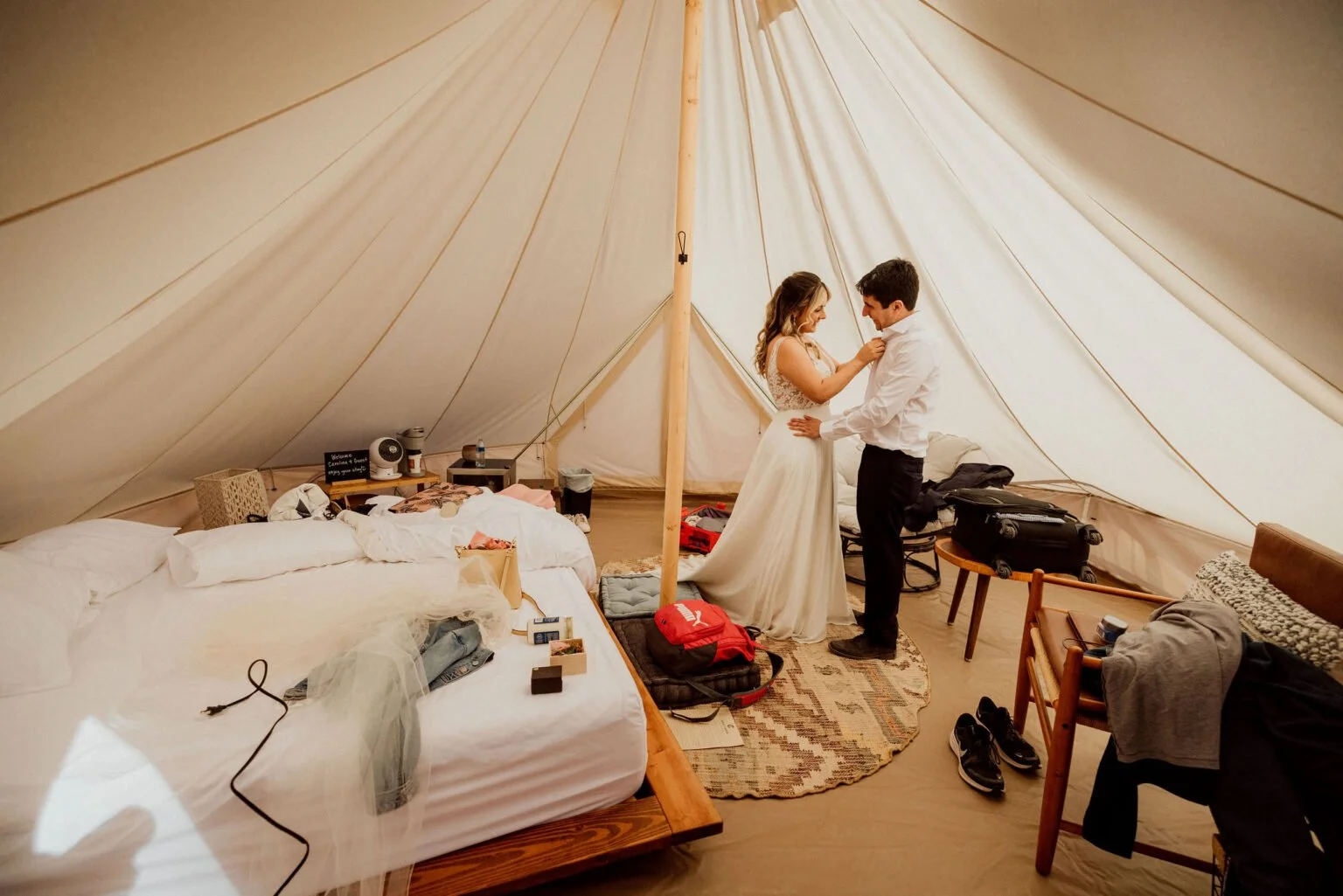
Getting-ready coverage (optional, usually 30–45 minutes) — candid prep shots at an Airbnb, hotel room, or private home.
First look or ceremony lead-up — natural, unposed moments as the couple and small guest group gather.
Ceremony — fully documented, often 15–30 minutes for a micro wedding versus 45+ for a large wedding.
Portraits — because the guest list is small, this phase gets more time and attention per couple than a typical large wedding allows.
Reception or celebration dinner — toasts, a shared meal, and candid interaction shots.
Most Flagstaff micro weddings run 3 to 6 hours of total coverage, compared to the 8–10 hours common for a 150-guest wedding. That shorter timeline is one of the biggest reasons micro weddings cost less overall, even when a couple still books a full-service, experienced photographer.
What a Flagstaff Micro Wedding Photographer Should Bring to the Table
Not every wedding photographer is set up to shoot well in Flagstaff's terrain or at its elevation. Before booking, couples should look for:
Altitude and terrain experience. Flagstaff sits above 6,900 feet, and many ceremony sites require a short hike with gear. A photographer who regularly shoots in the Coconino National Forest or on the San Francisco Peaks already knows how to manage pack weight, timing around thinner air, and changing weather.
Permit familiarity. As covered above, public land ceremonies need permits. A seasoned local photographer can flag this early instead of a couple finding out too late.
A portfolio of small-guest-count weddings, not just large ballroom events. The posing, pacing, and candid-moment instincts for a 12-person wedding are different from a 150-person one.
Weather contingency planning. Flagstaff has monsoon season (July–August) and snow season (November–March); an experienced photographer has backup locations and timing built into the plan.
A documentary-first, adventure-ready shooting style, since many Flagstaff micro weddings now incorporate a hike, scenic overlook, or off-pavement location as part of the day.
This is also where real experience, rather than just equipment, shows up in the final gallery. Shutterfreek's team has photographed ceremonies across Northern Arizona's forests and high desert, plus adventure elopements in neighboring states, which carries directly into how a Flagstaff micro wedding is planned and shot, including intimate elopements that involve hiking, four-wheel-drive access, or sunrise timing.
Flagstaff Micro Wedding Photography Packages and Pricing
Pricing for a Flagstaff micro wedding photographer typically scales with hours of coverage, number of locations, and deliverables.
| Package Type | Typical Coverage | Locations | Best For |
|---|---|---|---|
| Elopement/Micro (Essentials) | 2–3 hours | 1 location | 2–10 guests, simple ceremony |
| Half-Day Micro Wedding | 4–5 hours | 1–2 locations | 10–20 guests, ceremony + portraits |
| Full Micro Wedding | 6–8 hours | 2–3 locations | 20–30 guests, ceremony + reception |
| Adventure Add-On | +1–3 hours | Remote/hike-in site | Couples wanting a scenic hike or overlook portrait session |
Most Flagstaff-area photographers price micro wedding packages below their full-wedding packages because of the shorter day length, though couples should always confirm what is included: raw files, edited digital galleries, travel fees for forest or mountain locations, and print rights all vary by studio. It's worth asking directly whether a quoted price includes permit-location travel, since driving time to spots like Snowbowl or deeper forest clearings can affect scheduling.
Best Time of Year to Plan a Flagstaff Micro Wedding
Flagstaff's elevation gives it a genuinely four-season climate, which is rare in Arizona and worth building into the planning timeline:
Spring (April–May): Mild temperatures, wildflowers starting to bloom, fewer crowds than summer. Occasional late snow at higher elevations.
Summer (June–August): Warm days, cool evenings, and the most reliable ceremony weather — but July and August bring the Southwest monsoon, so afternoon storms should be planned around with a morning or early-evening ceremony time.
Fall (September–October): Many photographers and couples consider this the best window; aspen groves on the San Francisco Peaks turn gold, usually peaking in late September to early October, and daytime light is soft and warm.
Winter (November–March): Flagstaff is one of the only places in Arizona that reliably gets snow, making for dramatic, unique wedding photography for couples who want something different from the typical desert wedding look.
Couples planning a fall aspen-season micro wedding should book 9–12 months out, since that window is in high demand for both venues and photographers. Couples open to a winter or early-spring date often find more availability and lower venue costs.
Extending the Trip: Flagstaff as a Basecamp for a Southwest Adventure Wedding
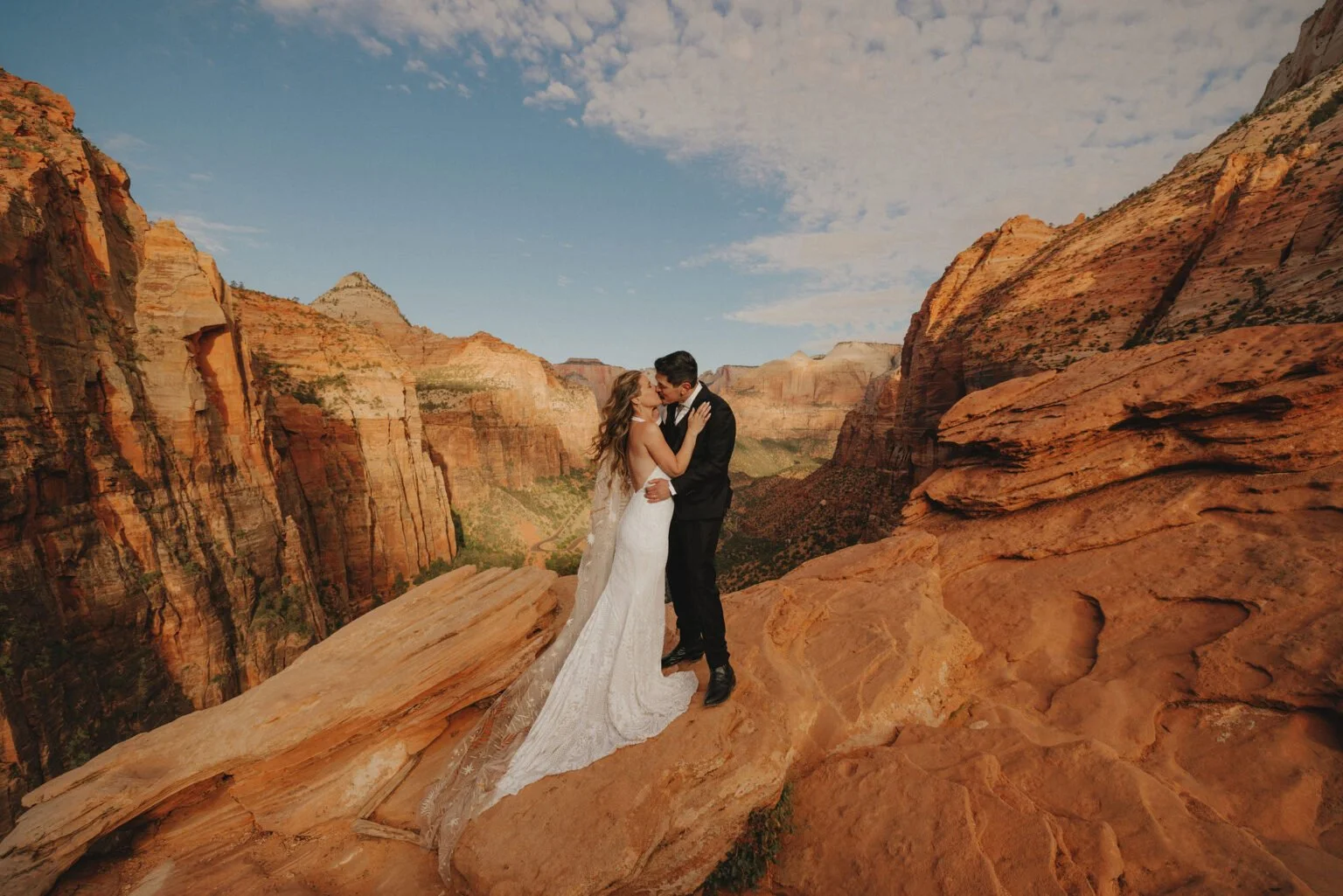
Flagstaff's location makes it a natural basecamp for couples who want to combine their micro wedding with a broader regional adventure. Sedona is less than an hour south, the Grand Canyon's South Rim is about 80 minutes north, and couples planning a true multi-state adventure often extend their trip toward Utah's red rock country or New Mexico's high desert for additional portrait sessions or a second ceremony location.
Shutterfreek regularly documents this kind of trip-based wedding coverage, including Utah weddings adventure elopements for couples heading toward Zion, Moab, or the Utah desert after their Flagstaff ceremony, and New Mexico weddings adventure elopements for couples continuing east toward White Sands or Santa Fe. Because the team already shoots across this entire region, couples planning a Flagstaff-based micro wedding with a multi-state honeymoon or portrait extension can book one photographer for the whole trip instead of coordinating separate vendors in each state.
For couples still deciding between a single-location Flagstaff ceremony and a longer, multi-stop adventure wedding, it's worth looking at a few finished galleries from each style — the Utah weddings adventure elopements portfolio in particular shows how a second-day portrait session in a different state can round out a Flagstaff wedding without adding another full ceremony.
How to Book a Flagstaff Micro Wedding Photographer: A Simple Timeline
9–12 months out: Lock your date and venue, especially for fall or peak summer weekends; research permit requirements if using public land.
6–9 months out: Book your photographer and confirm package details, coverage hours, and travel fees.
2–3 months out: Submit any required USFS or city permits; confirm backup weather locations with your photographer.
2–4 weeks out: Finalize the day-of timeline, shot priorities, and family/group photo list if applicable.
Day of: Trust the plan, a photographer experienced with Flagstaff's terrain and light will adjust in real time for weather, timing, or last-minute changes.
Final Thoughts
A Flagstaff micro wedding gives couples something a large wedding often can't: more time with the people who matter most, more flexibility in location and season, and photography that captures real moments instead of managing a crowd. Whether the day stays entirely within Flagstaff's forests and downtown or extends into a broader Southwest adventure, the right photographer should bring local permit knowledge, terrain experience, and a documentary eye to the day. If you're planning a Flagstaff micro wedding, elopement, or a multi-state adventure celebration, Shutterfreek's team has the regional experience to document it well from first look to last toast.
Frequently Asked Questions
-
Most Flagstaff micro wedding photography packages range from roughly $800 for a 2–3 hour elopement-style session to $2,500+ for a full 6–8 hour micro wedding with multiple locations and a larger deliverable package. Exact pricing depends on coverage hours, number of locations, travel to permitted sites, and what's included in the final gallery.
-
Yes, in most cases. Ceremonies with hired vendors (photographers, officiants) on Coconino National Forest land generally require a special use permit from the U.S. Forest Service, and City of Flagstaff parks like Buffalo Park require a city special use permit as well. Processing can take several weeks, so apply early.
-
Late September through early October is widely considered the best window because of peak aspen color on the San Francisco Peaks and mild daytime temperatures. Summer is popular for reliable weather but requires planning around monsoon storms in July and August.
-
There's no official rule, but most Flagstaff micro weddings fall between 2 and 30 guests. Below that range, it typically shifts into elopement territory; above it, venues and permitting requirements often change.
-
Yes. Photographers who already work across the Southwest, such as Shutterfreek, often document multi-state adventure weddings that start in Flagstaff and extend into Utah or New Mexico for additional portrait locations, which lets couples book one photographer for the entire trip instead of separate vendors per state.
Keep reading