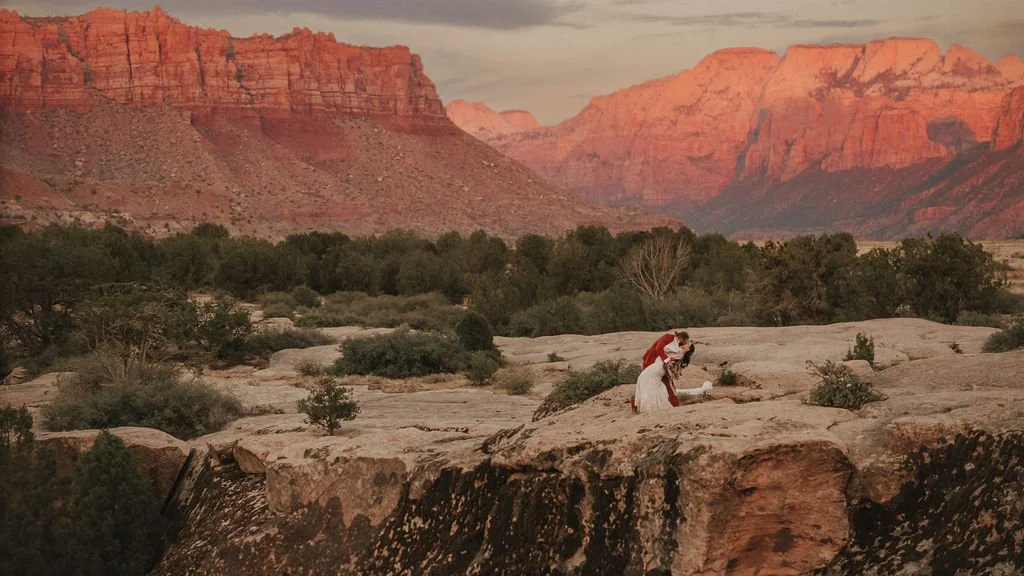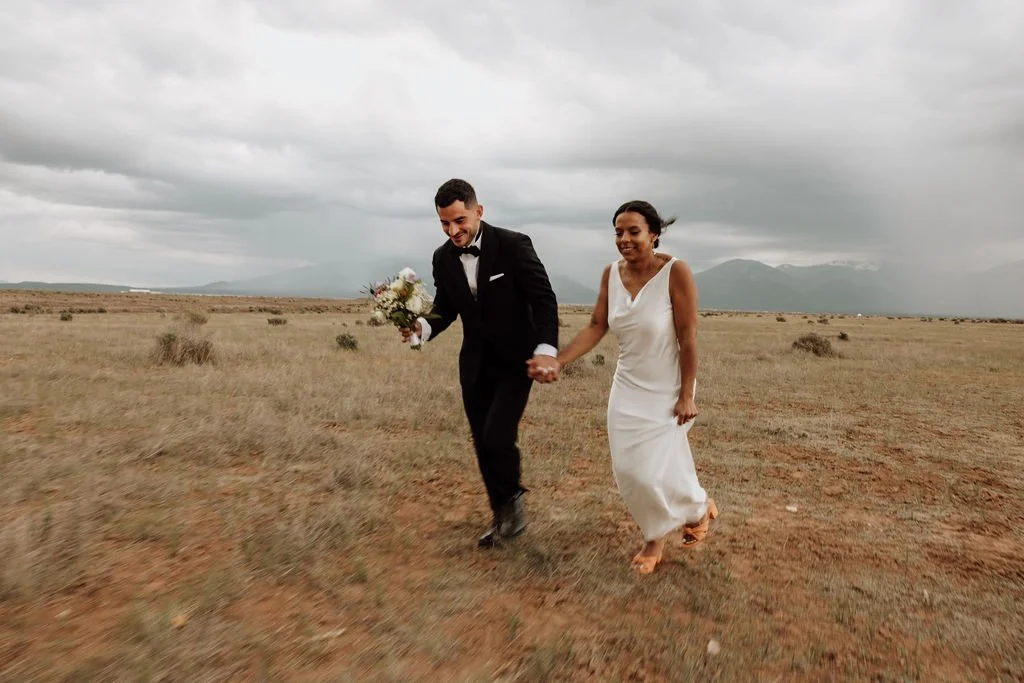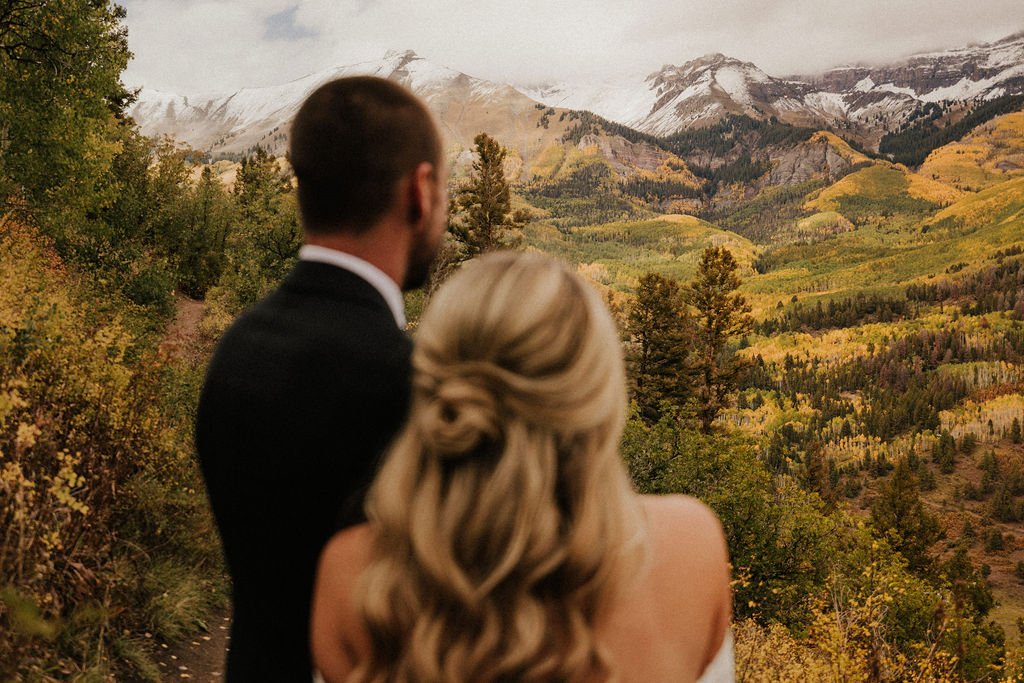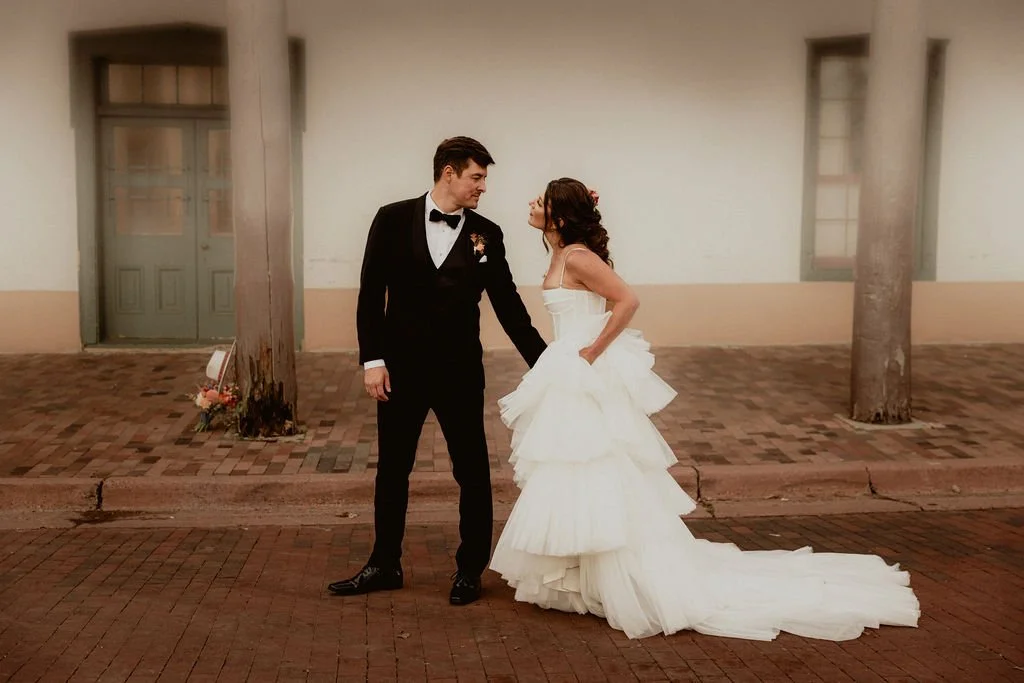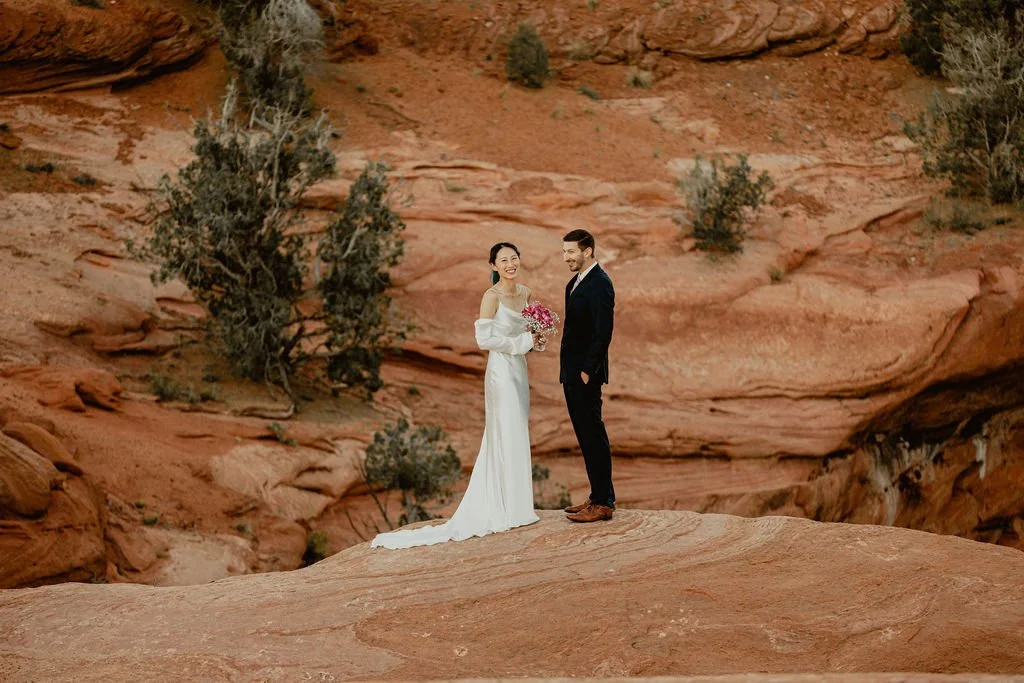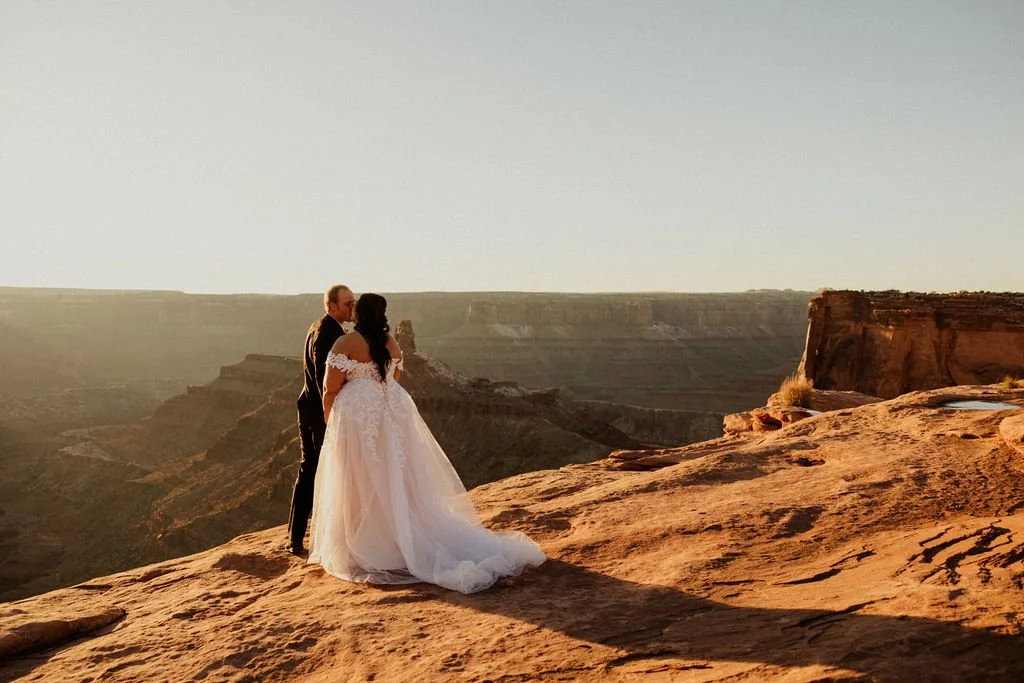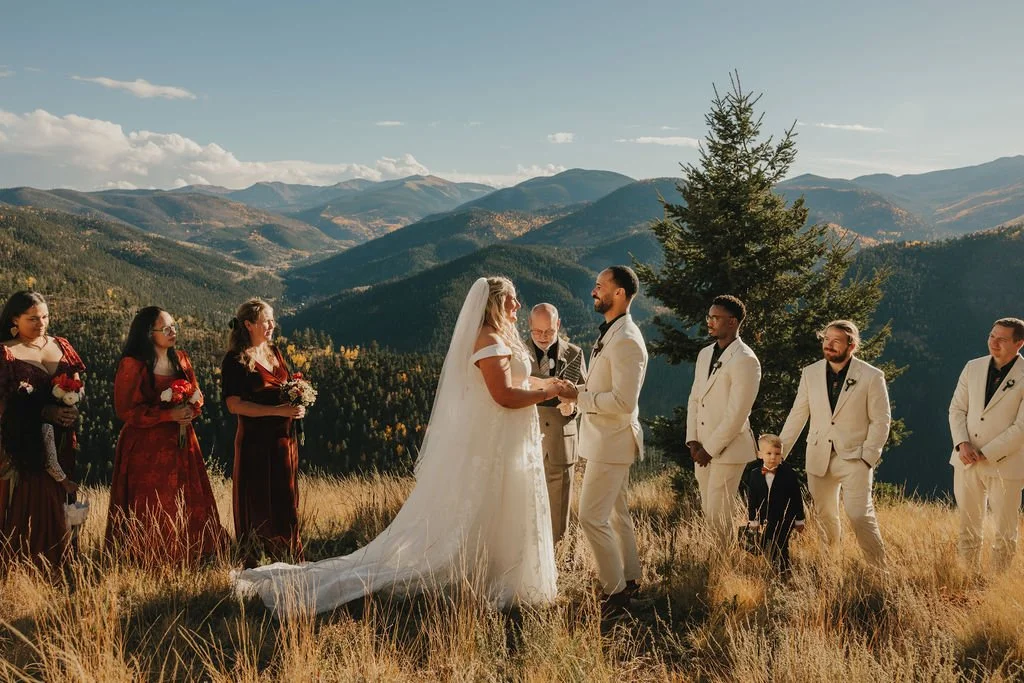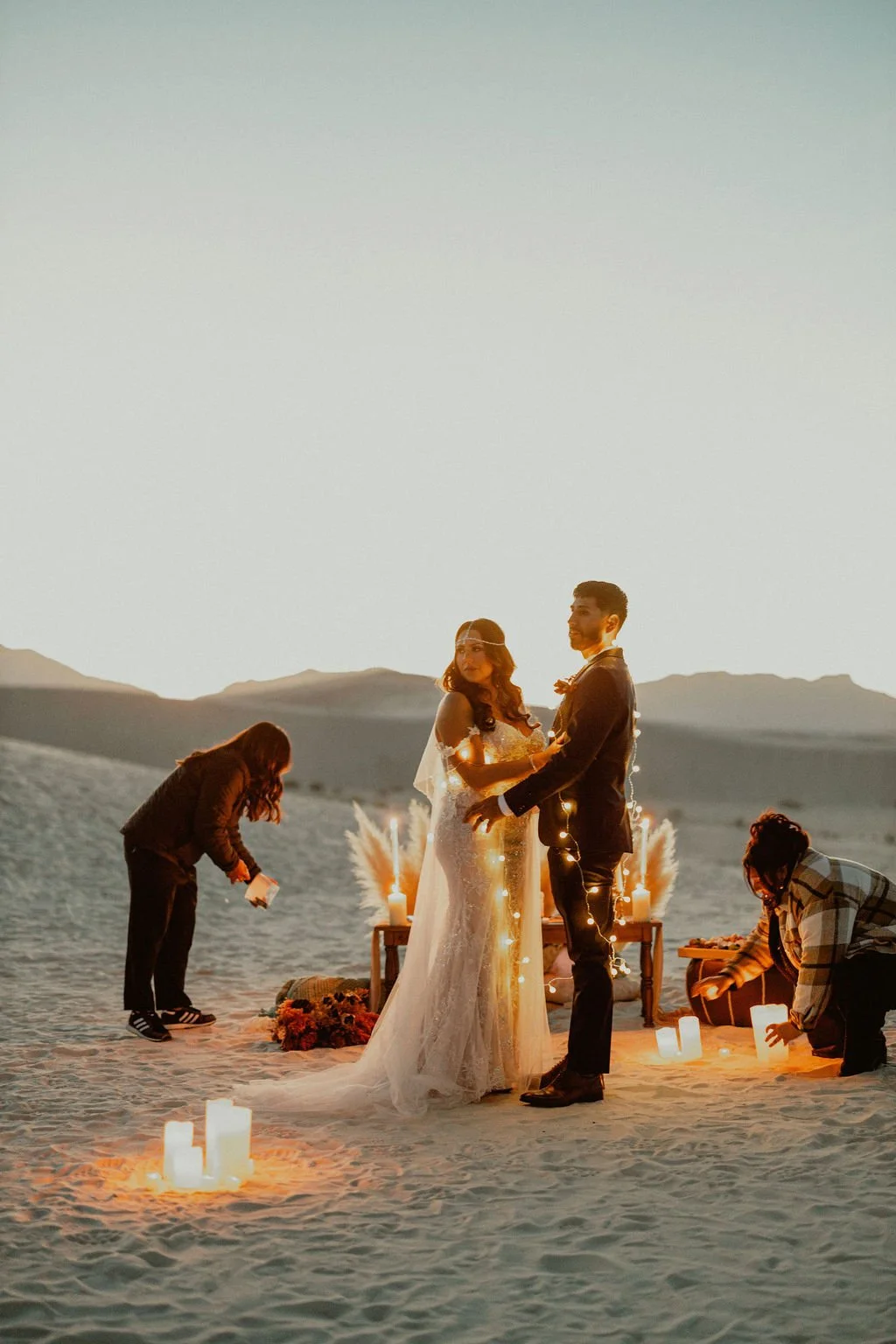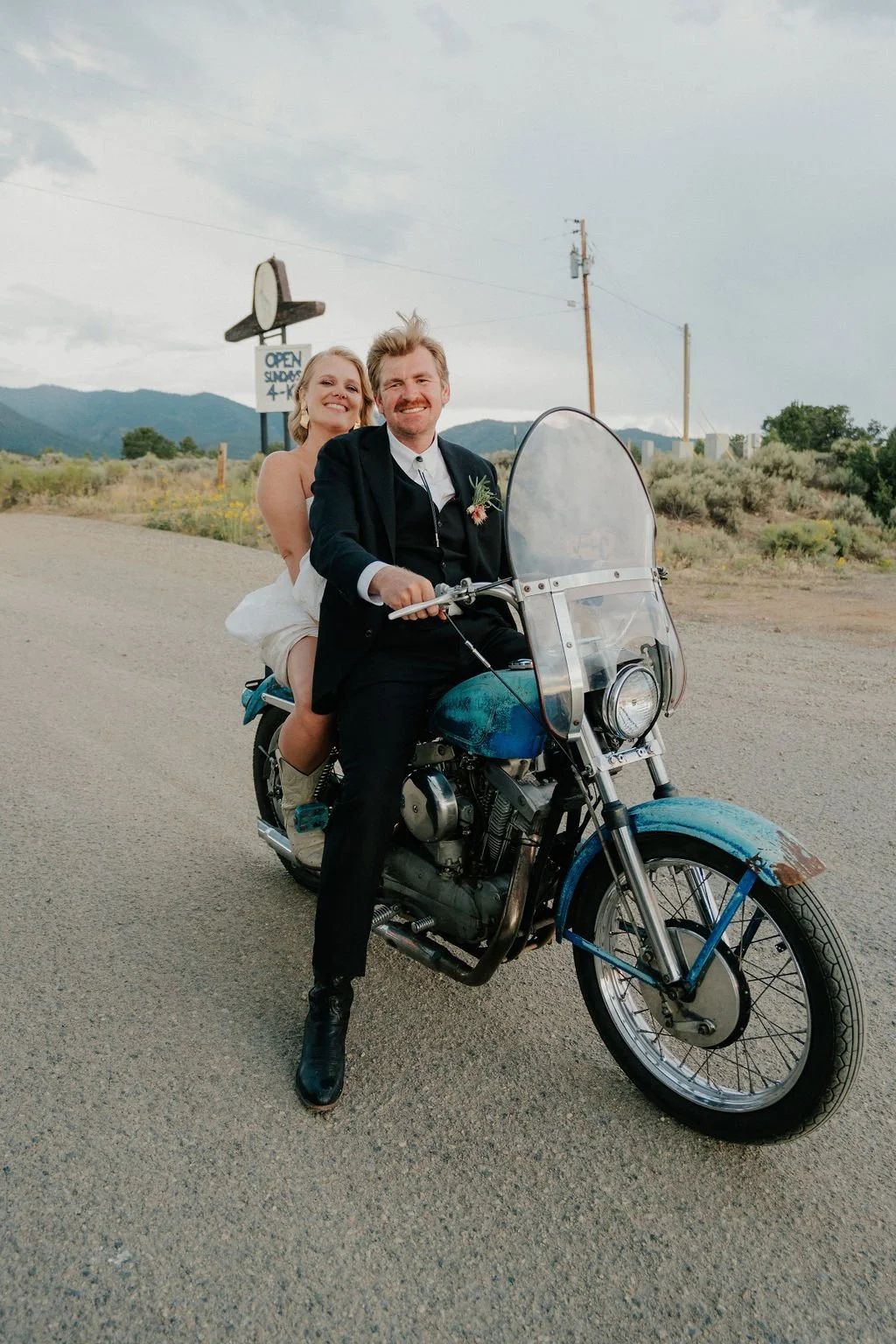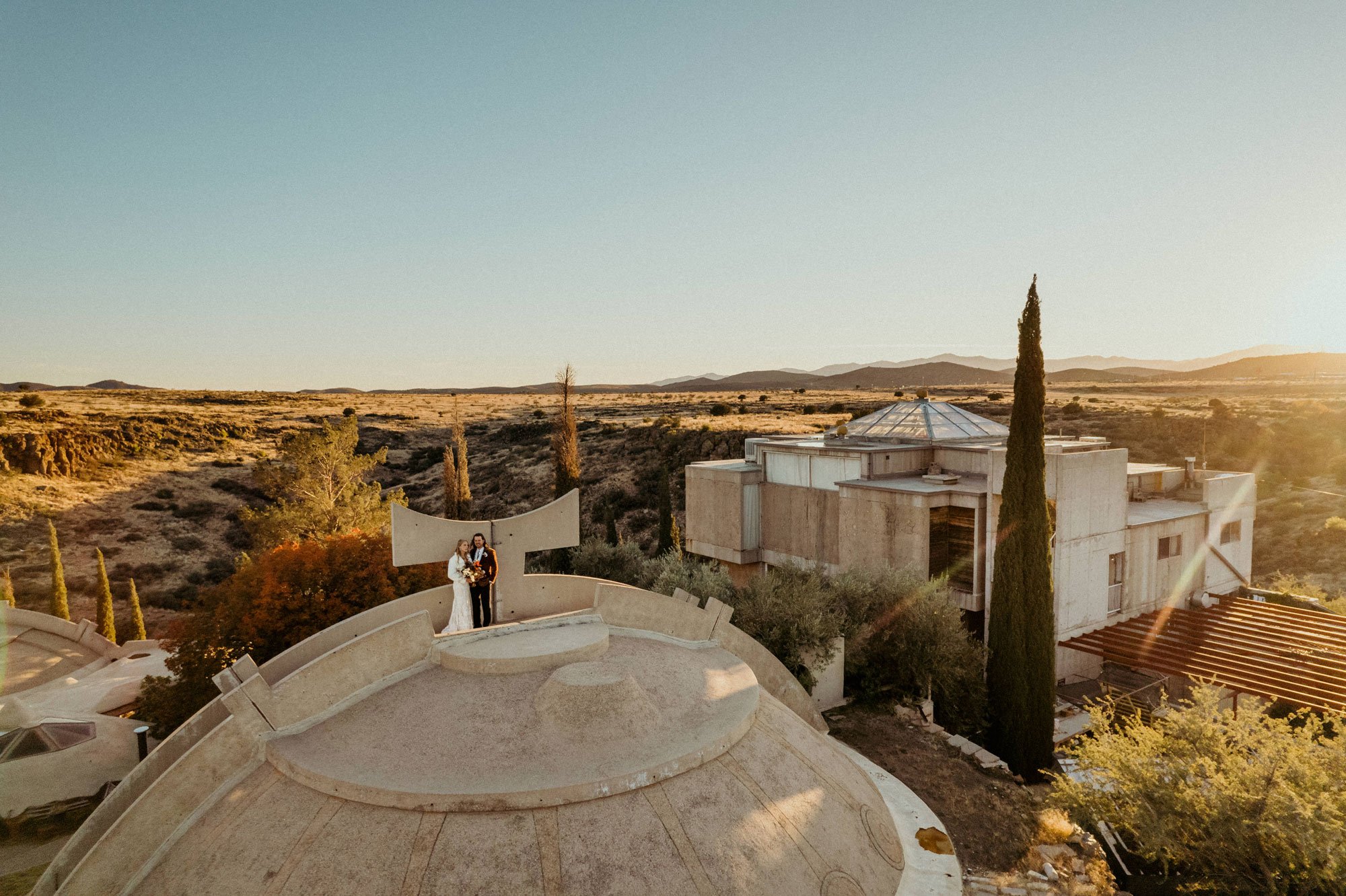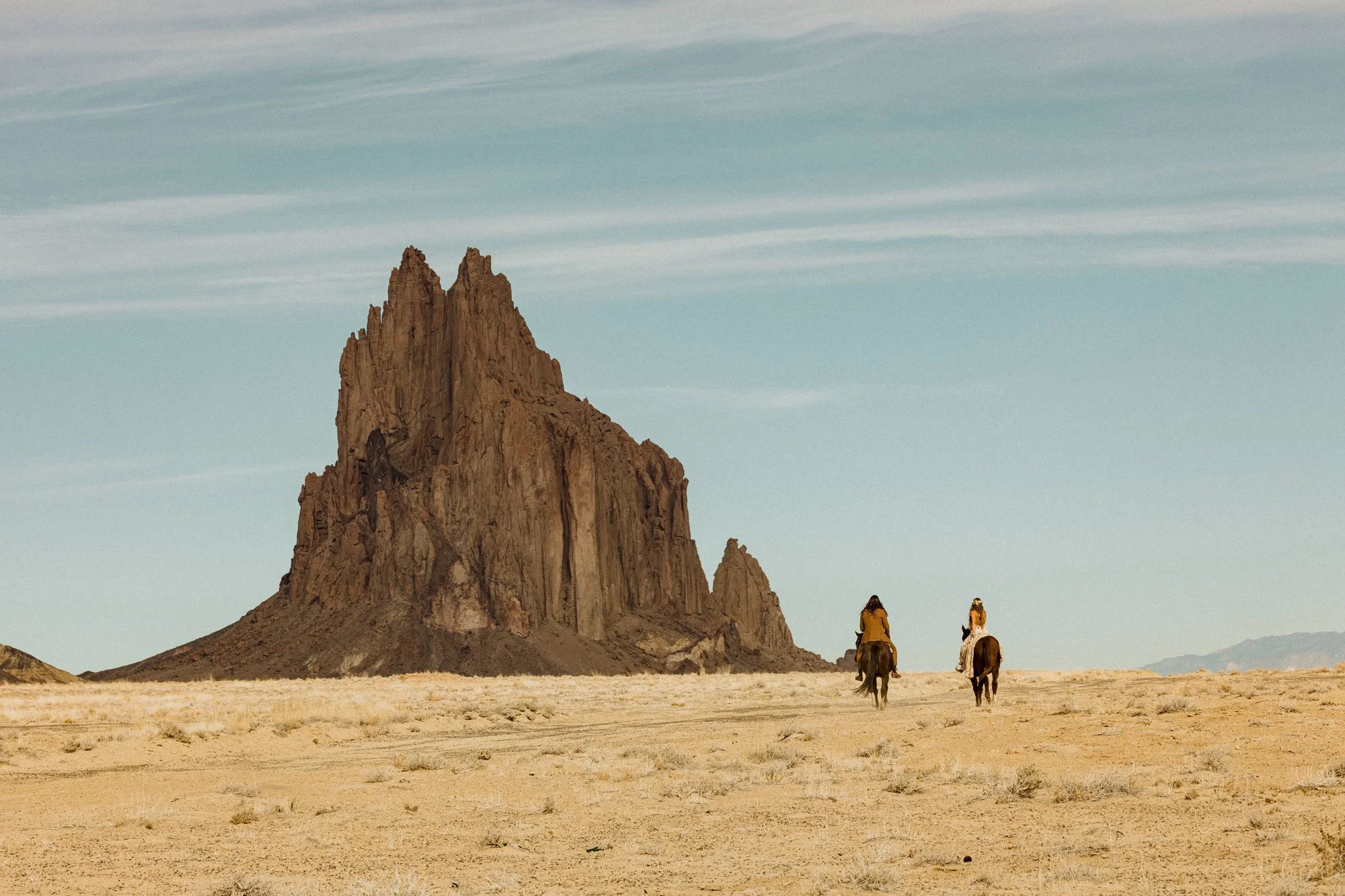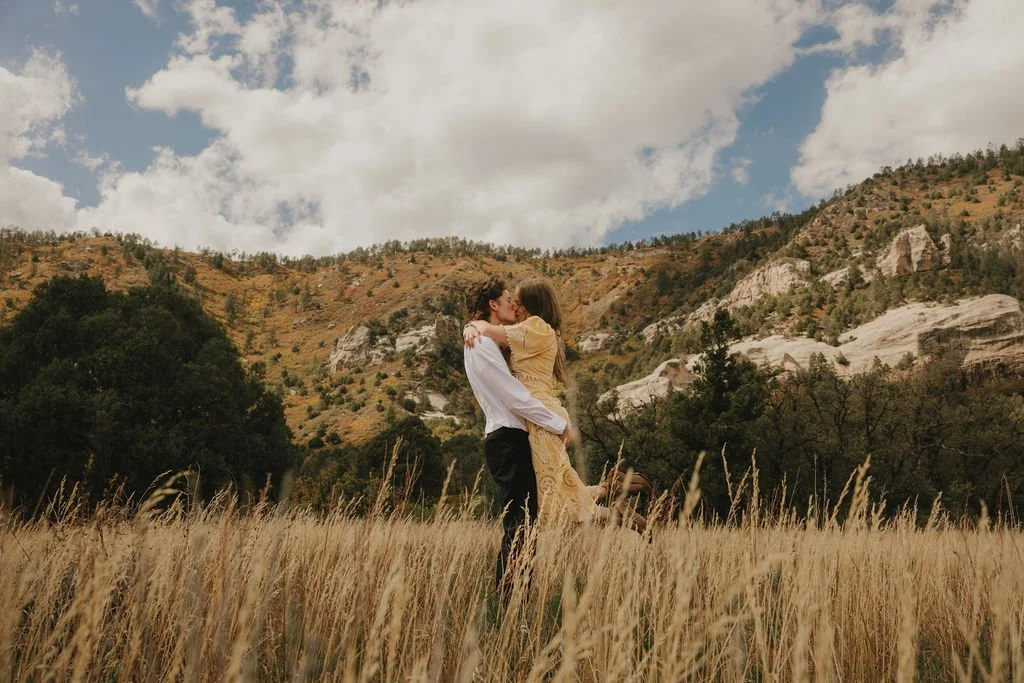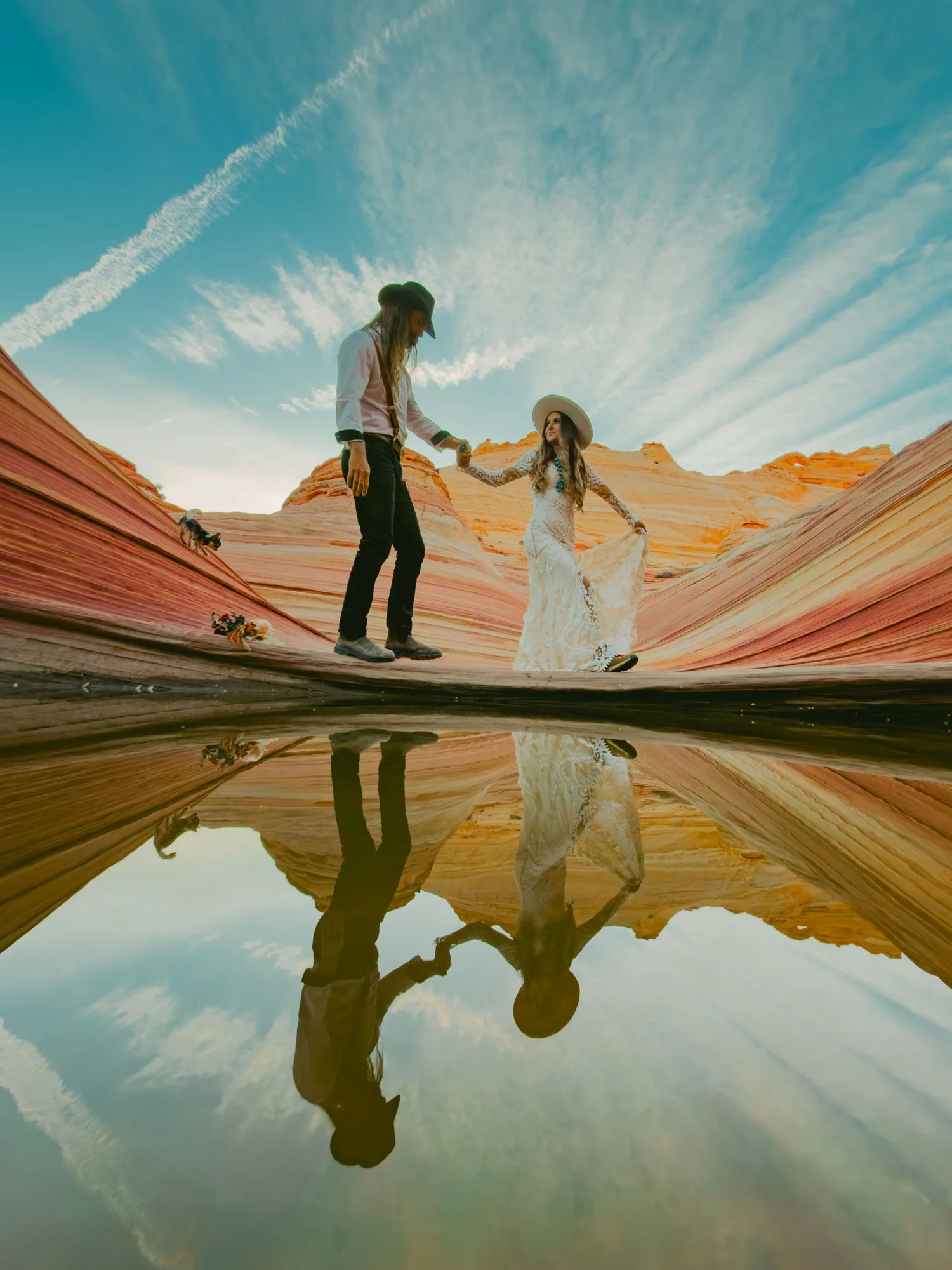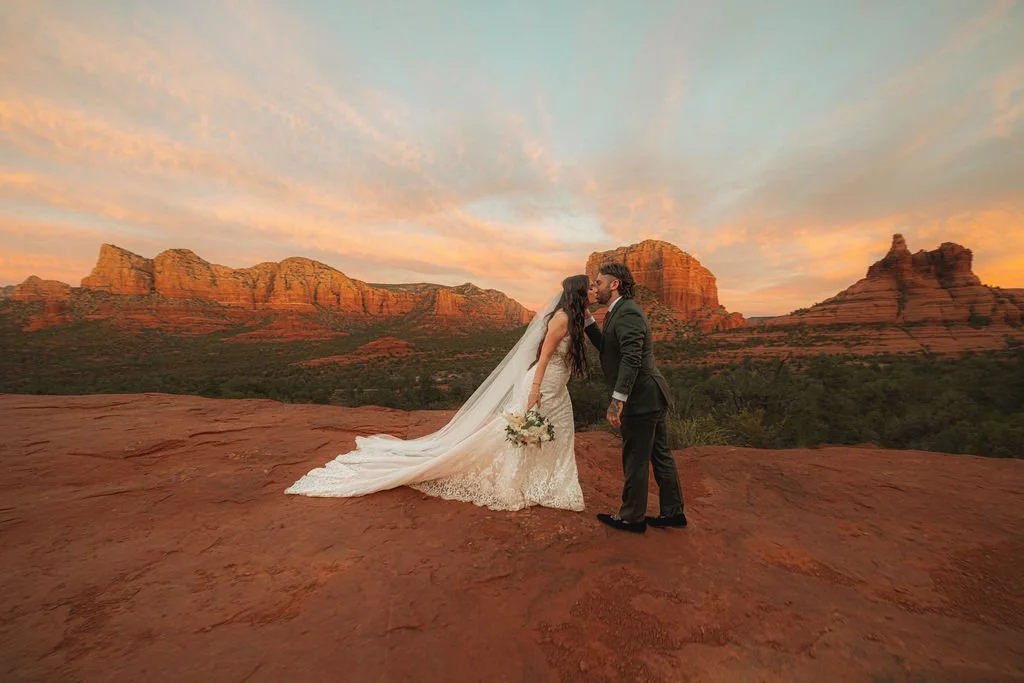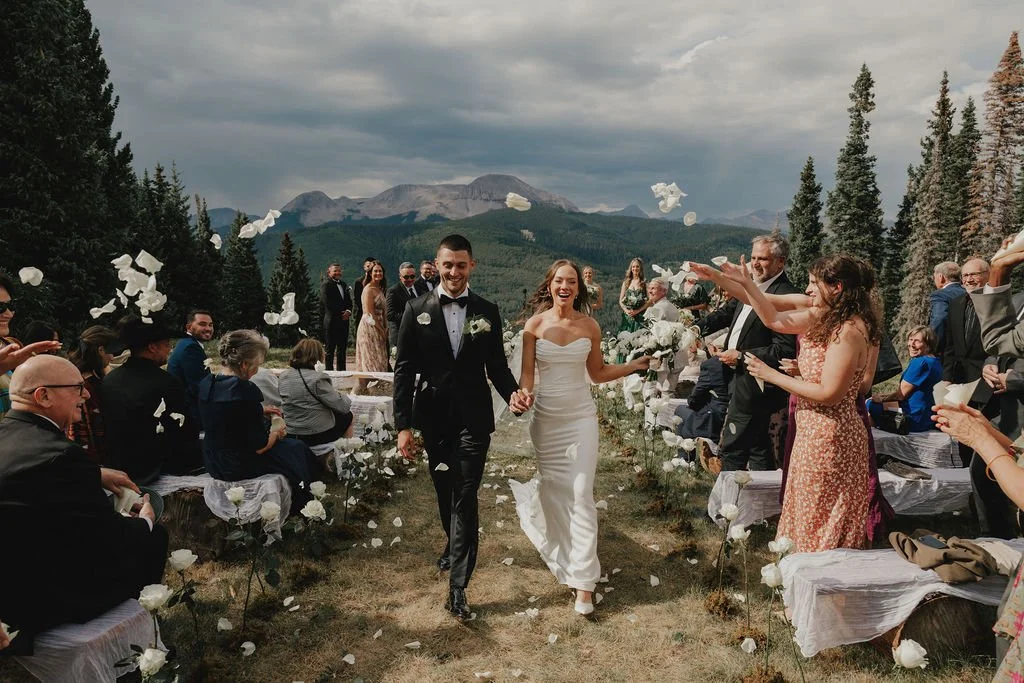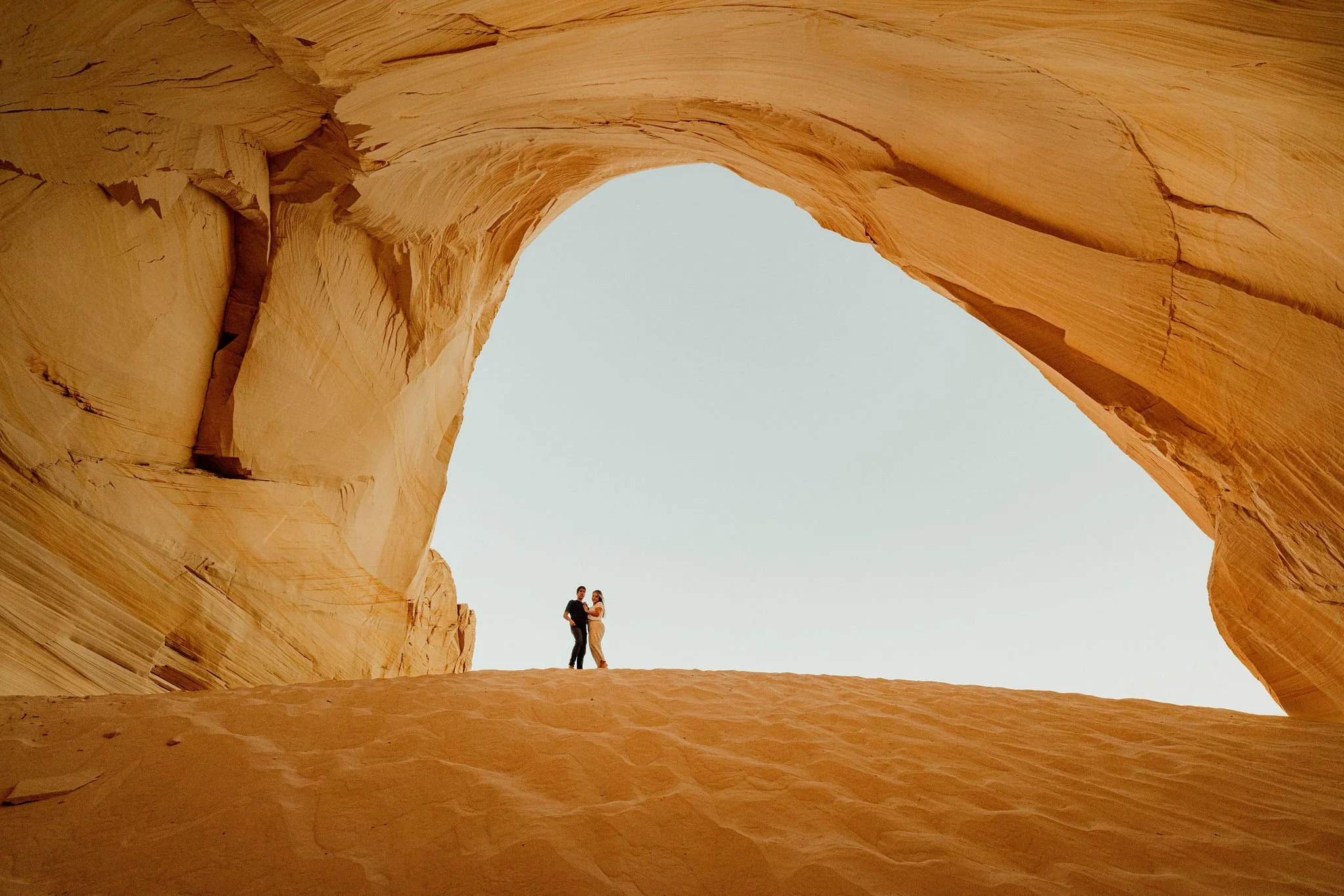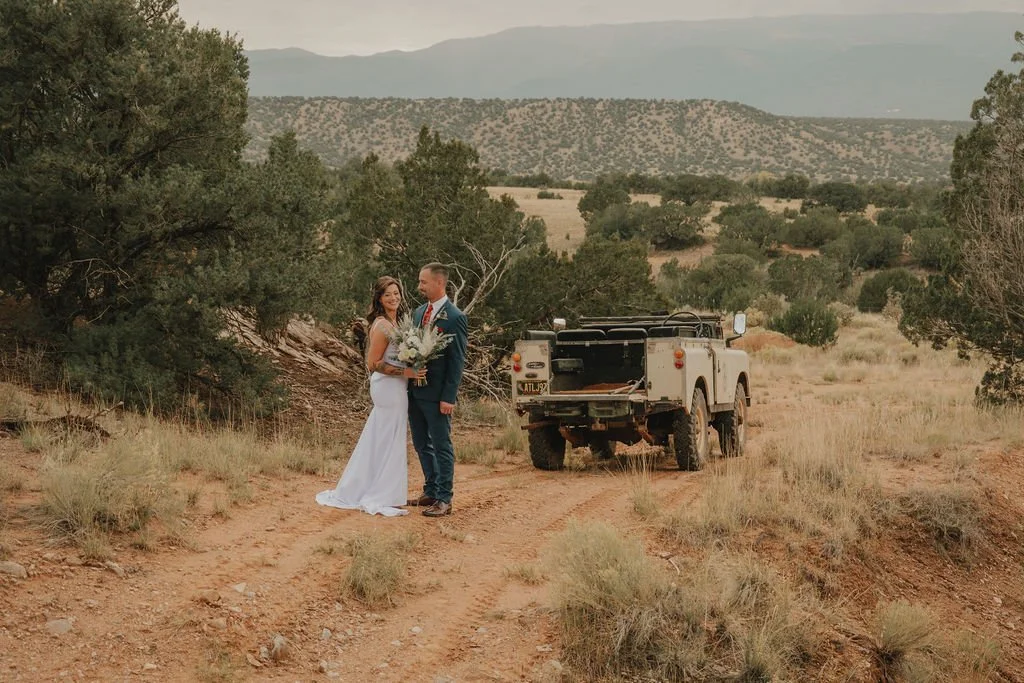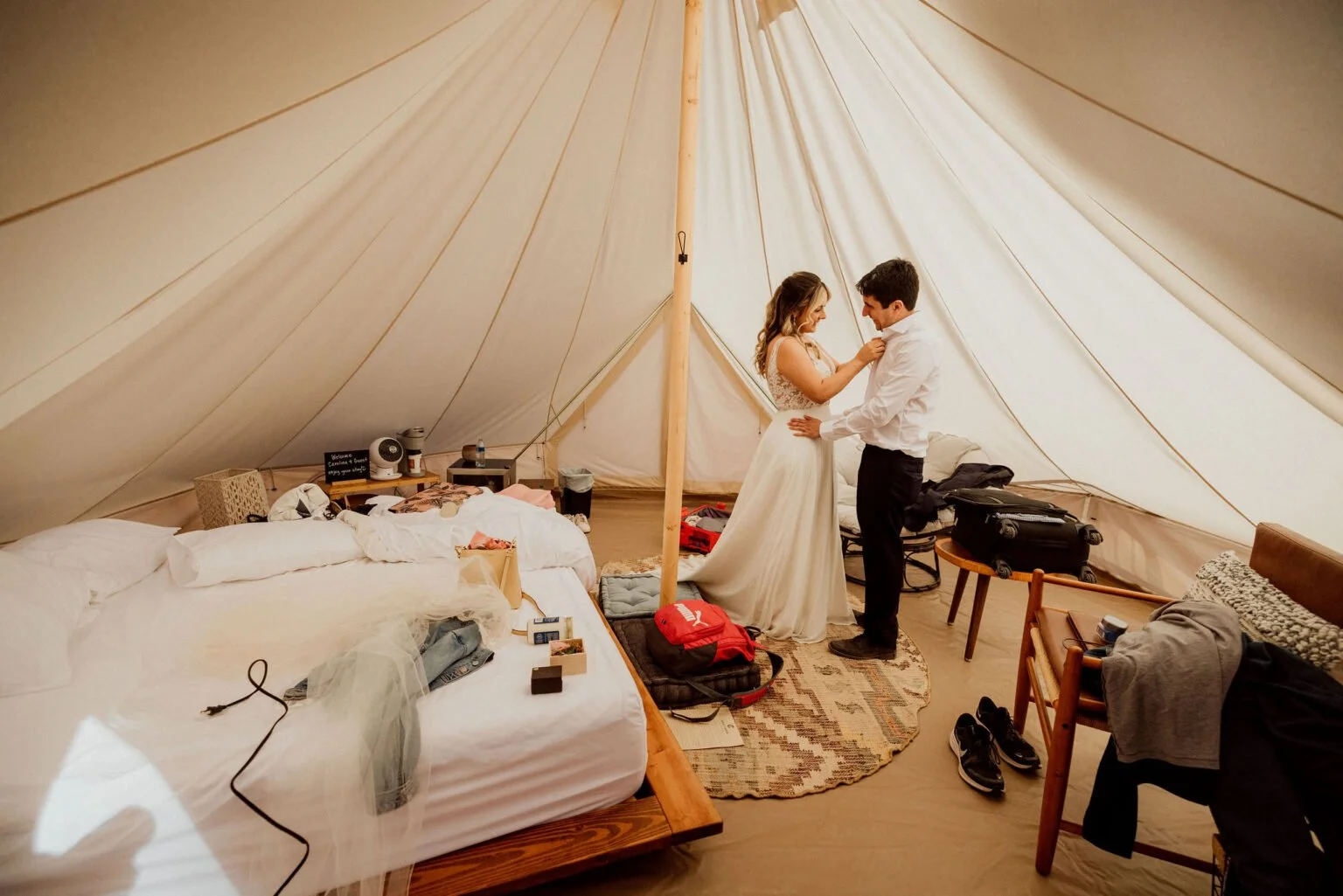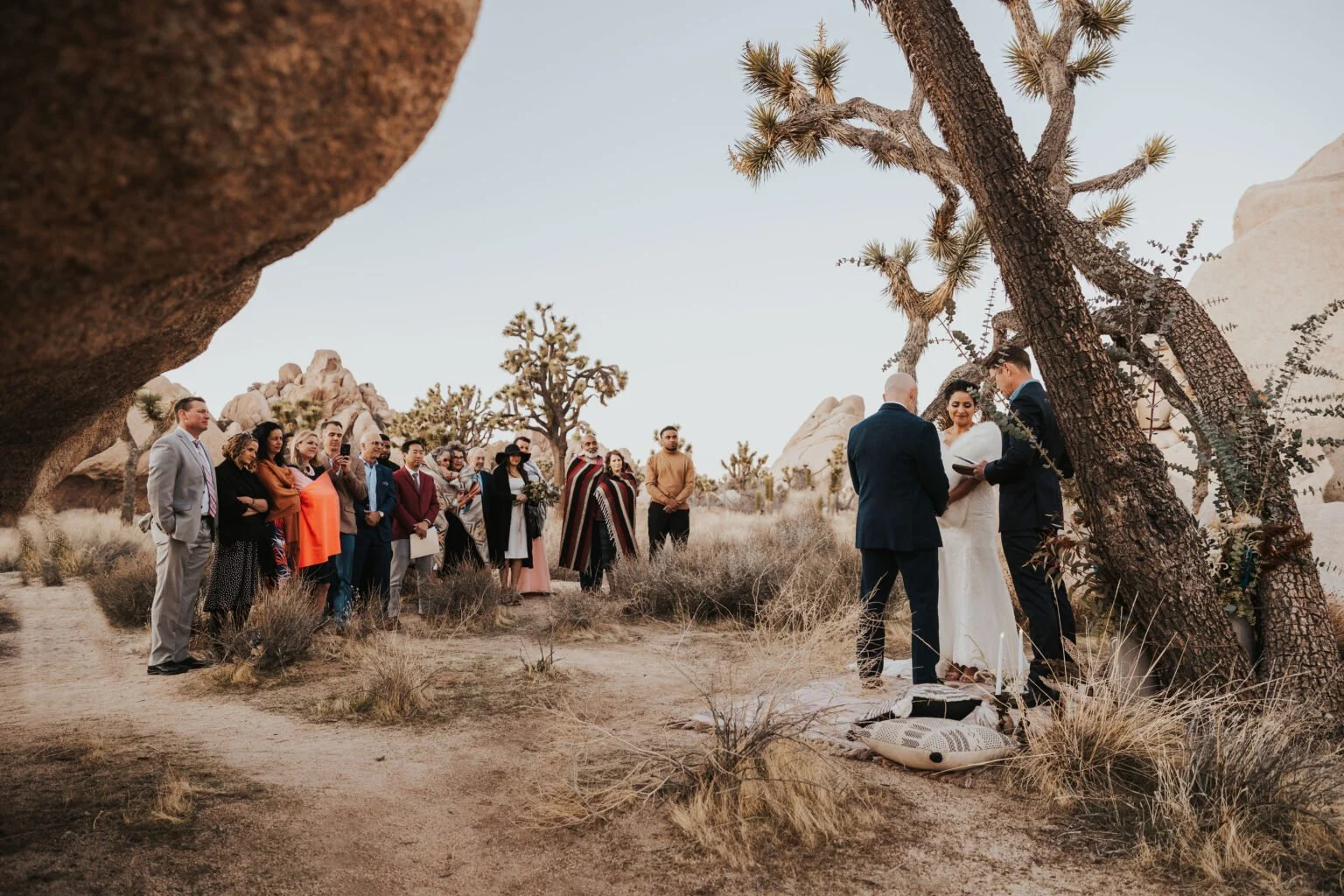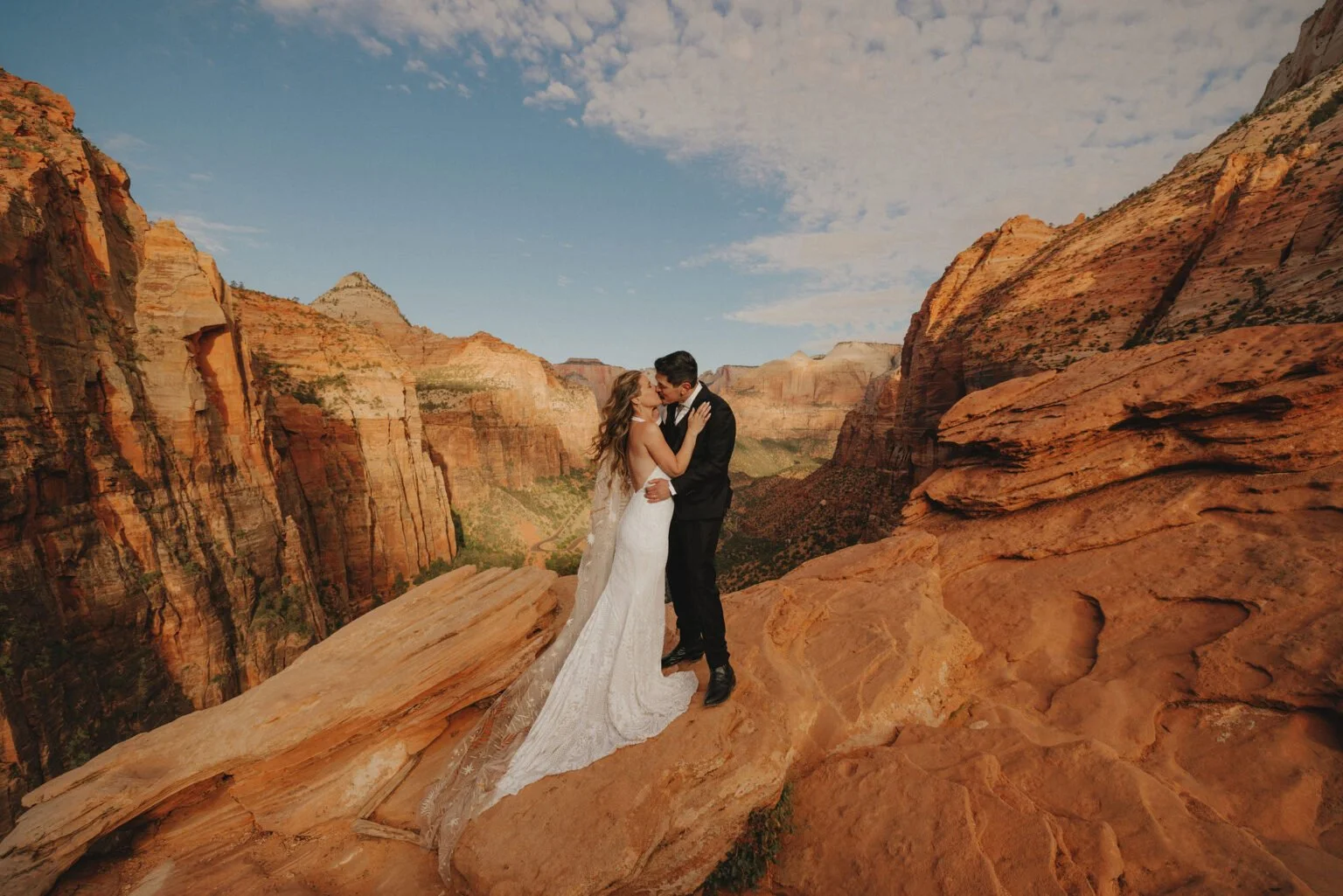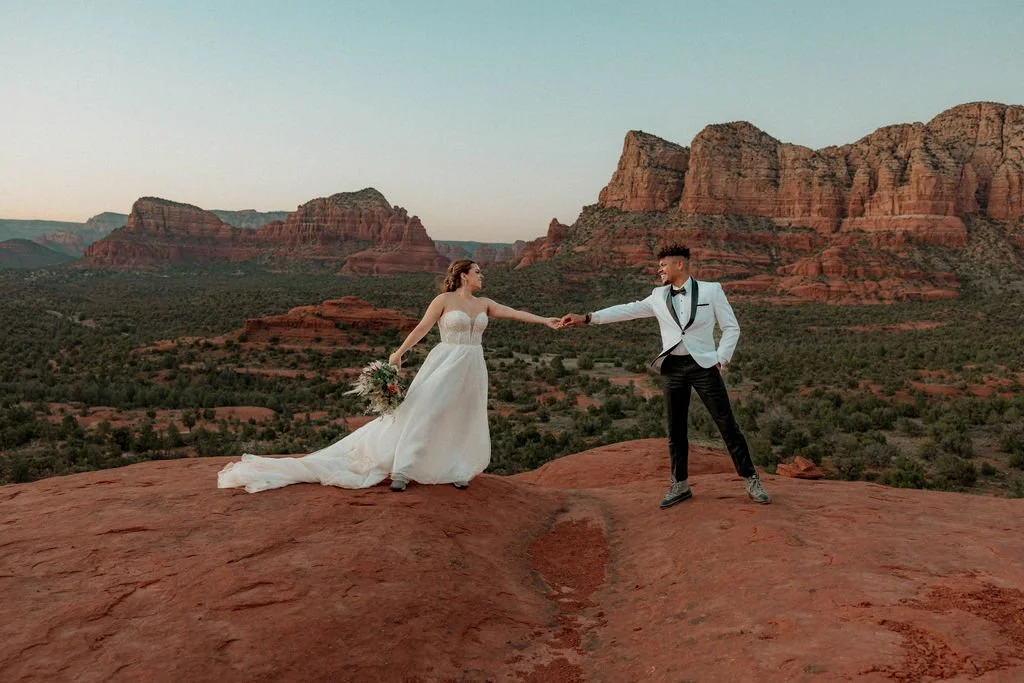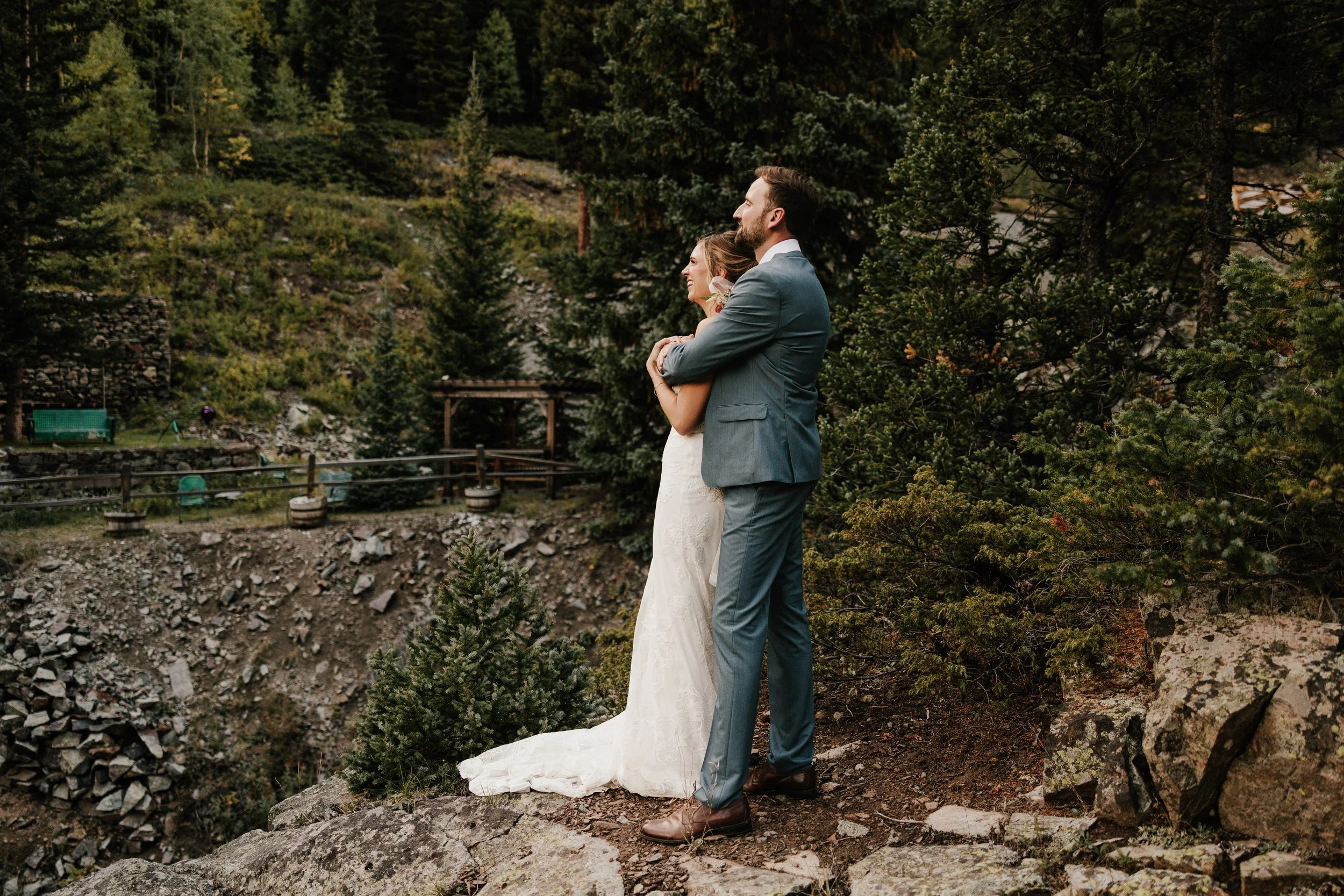
A Sedona engagement photographer is a locally based photography specialist who plans and shoots engagement sessions among Sedona's red rock formations, using permitted trailheads, knowledge of seasonal light, and desert-specific posing and safety experience to turn a short hike into a set of gallery-worthy portraits. Shutterfreek has spent years photographing couples across Sedona's most photogenic terrain, from Cathedral Rock to Airport Mesa, which is exactly the kind of on-the-ground familiarity that separates a generic portrait photographer from one who actually understands this landscape. If you're searching for that photographer right now, this guide walks through where to shoot, when to shoot, what it costs, and how to plan a session that looks effortless in photos and feels easy in person.
Why Sedona Is One of the Best Backdrops for Engagement Photos
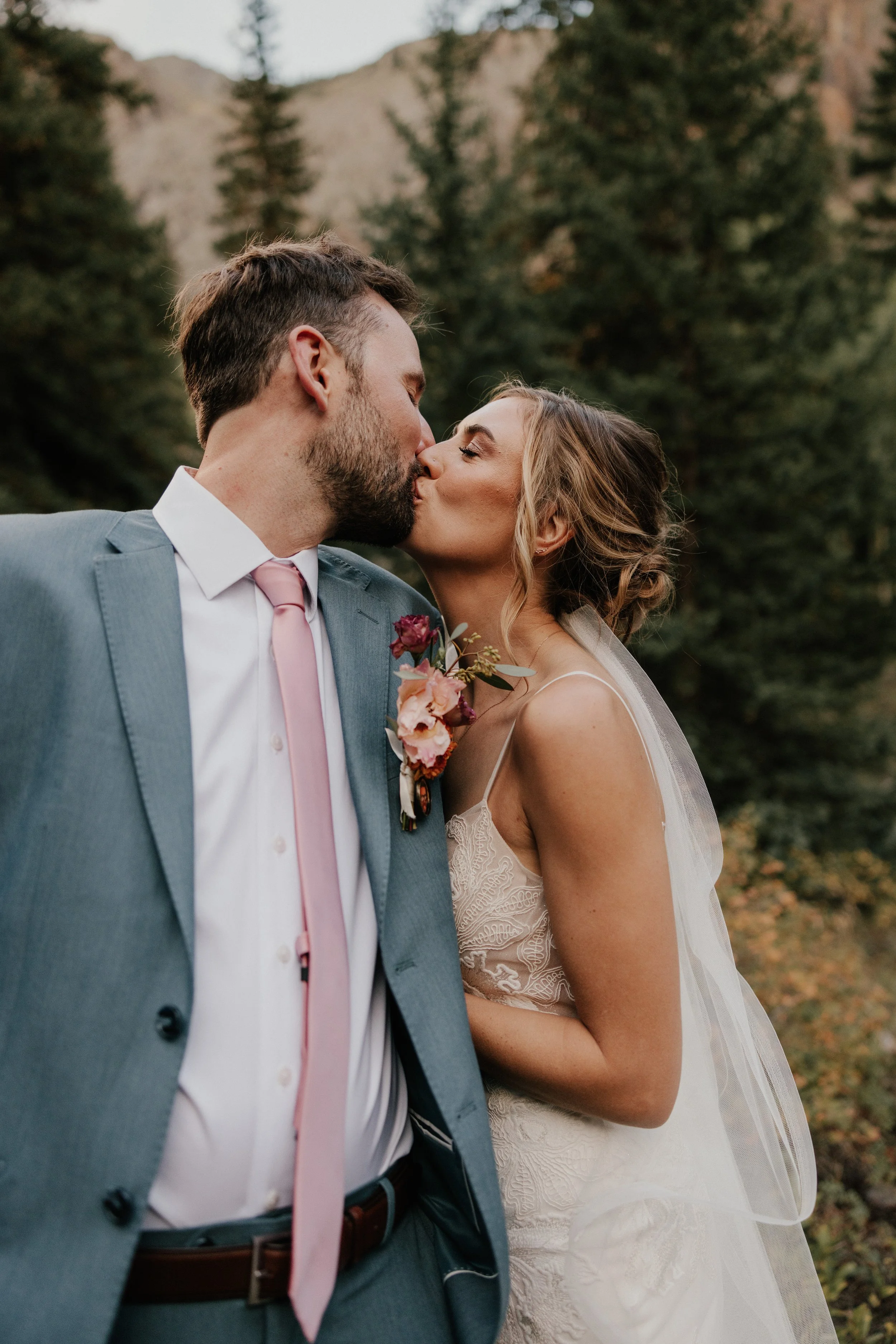
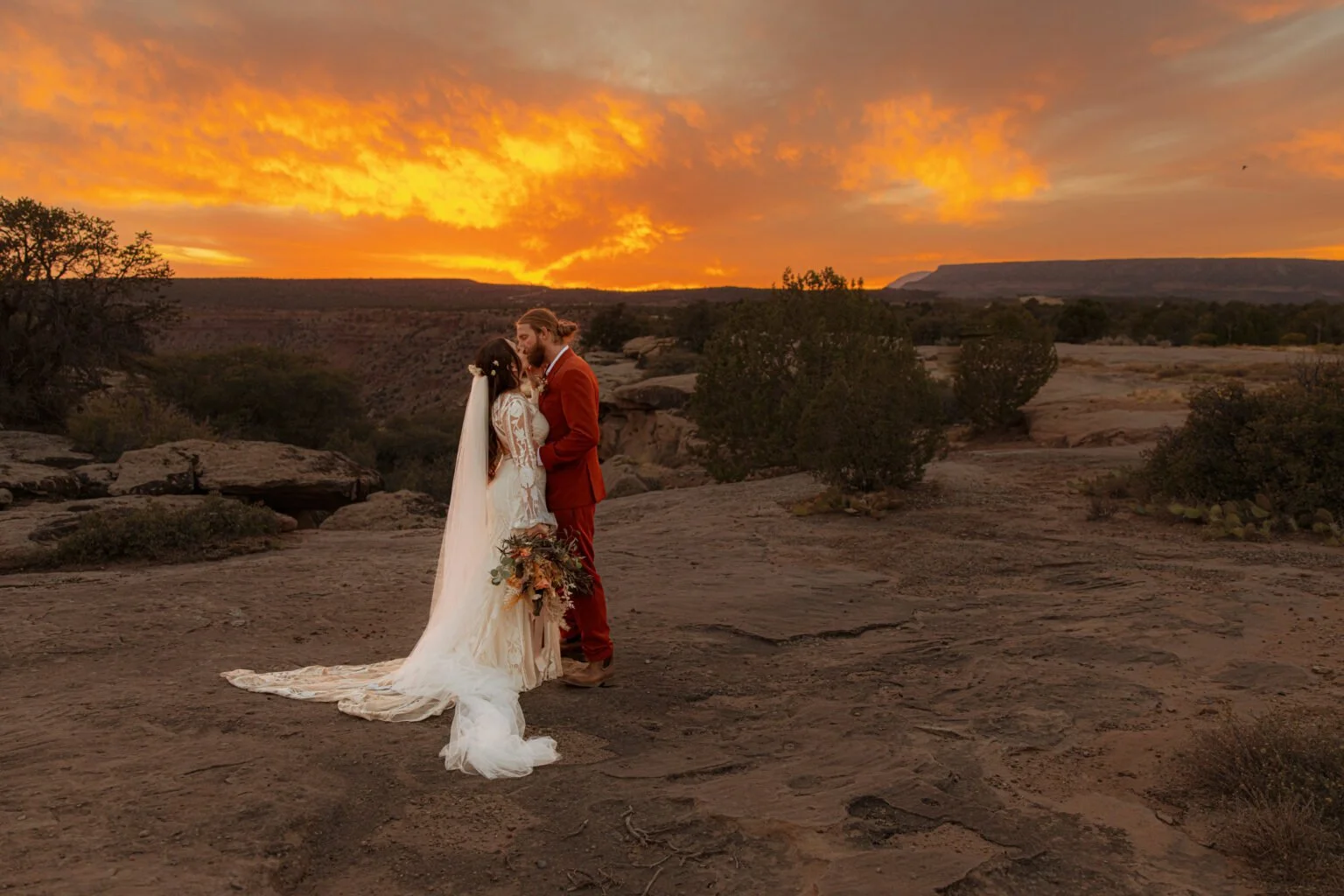
Sedona's combination of towering sandstone buttes, high-desert vegetation, and consistently dramatic light is rare within a few hours of a major airport. Couples traveling from Phoenix, Flagstaff, or out of state get a backdrop that looks nothing like a typical studio or city park, without needing a multi-day expedition to reach it. A photographer based in the area brings three things a visiting photographer usually can't match on a first trip:
Trail-specific timing — knowing which rock faces catch light at 7:10 a.m. versus 6:40 p.m., and how that shifts month to month
Permit and access knowledge — which locations require a Red Rock Pass, which require a commercial use permit for paid sessions, and which trails close seasonally
Weather and terrain judgment — reading monsoon season cloud buildup, flash-flood risk in washes, and footing on slickrock in sandals or heels
This local depth is also what search engines and couples alike look for when evaluating a specialist versus a generalist: real sessions, real trail names, and real outcomes, not stock advice repeated from a blog template.
Best Sedona Locations for Engagement Photos
Not every red rock view works for every couple. Some locations suit a short, easy session; others reward a longer hike with a more dramatic, less crowded frame. The table below compares the most requested spots.
Best Hiking Locations for Photography
Explore the best scenic locations, trail difficulty, and permit requirements.
| Location | Hike Difficulty | Best For | Permit Needed |
|---|---|---|---|
| Cathedral Rock (Red Rock Crossing) | Easy–Moderate | Classic red rock backdrop, sunset color, water reflection shots | Red Rock Pass (parking) |
| Airport Mesa | Easy | Panoramic valley views, quick sunrise/sunset access | Red Rock Pass (parking) |
| Bell Rock Pathway | Easy | Open desert foreground, minimal elevation gain | Red Rock Pass (parking) |
| Devil's Bridge | Strenuous | Dramatic natural arch, adventurous couples, longer session | Red Rock Pass + permit for commercial shoots |
| Chapel of the Holy Cross grounds | Easy | Architectural framing against red rock, soft late-afternoon light | None for grounds photos |
| Boynton Canyon | Moderate | Canyon walls, shaded morning light, fewer crowds | Red Rock Pass (parking) |
For couples who want the red rock look of Sedona but are also weighing a fully off-grid, no-crowd experience, it's worth comparing it against a dedicated elopements package, since some of these same logistics, permits, timing, terrain, apply just as much to a two-person elopement as they do to an engagement session.
Best Time of Year and Day to Shoot in Sedona
Light quality in Sedona changes dramatically by season, and a photographer who shoots here year-round can tell you which months to avoid, not just which to book.
| Season | Light & Weather | Pros | Cons |
|---|---|---|---|
| Spring (Mar–May) | Soft, clear, wildflowers possible | Comfortable temps, green desert accents | Popular — trails are busier |
| Summer (Jun–Aug) | Harsh midday sun, monsoon storms Jul–Aug | Dramatic storm-light sessions possible | Heat exhaustion risk, flash-flood closures |
| Fall (Sep–Nov) | Warm, stable, golden light | Best overall light-to-crowd ratio | Weekend trailheads fill early |
| Winter (Dec–Feb) | Crisp air, occasional snow dusting on rock | Unique snow-on-red-rock images, fewer crowds | Shorter daylight window, cold mornings |
Sunrise and sunset ("golden hour") remain the two most requested call times regardless of season, since low-angle light saturates the iron-oxide red in the rock far more than midday sun does. A photographer who has shot the same trailhead across multiple seasons can tell a couple, with real confidence, whether a 6:45 a.m. or 5:50 p.m. call time will work better for their specific date.
What to Expect During a Sedona Engagement Session
A well-run session typically follows a predictable arc, even though every couple's photos look different:
Pre-session consultation — location, wardrobe, and permit planning based on the couple's comfort with hiking
Arrival and light walk-through — scouting the first angle while light is still building
Primary shooting block — usually 60–90 minutes across one or two nearby locations to avoid rushed driving between permits
Candid and detail coverage — rings, hands, walking shots, and quieter in-between moments alongside posed portraits
Wrap and preview — a quick look at a handful of frames on the back of the camera before heading out
Couples who've traveled a long way sometimes extend this into a two-location day, pairing an easy-access spot like Airport Mesa with a more remote canyon shoot later in the trip.
What Influences Sedona Engagement Photography Pricing
Pricing for a Sedona engagement photographer generally depends on a handful of concrete factors rather than a flat rate:
Session length — a one-hour single-location session costs less than a half-day, two-location shoot
Permit fees — commercial use permits for certain Forest Service trails add a line-item cost
Travel distance — sessions outside the immediate Sedona/Oak Creek Canyon corridor may carry a travel fee
Turnaround and deliverables — rush editing, printed albums, and expanded digital galleries are typically priced as add-ons
Season and demand — fall weekend sunset slots are the most competitively booked time of year
Rather than comparing photographers on sticker price alone, it's worth asking what's actually included, permit handling, a second shooting location, and a guaranteed online gallery are the details that most affect value.
How to Prepare for Your Session
Dress for the terrain, not just the camera — earth tones, rust, sage, and cream photograph well against red rock; avoid stark white or neon, which can blow out in bright sun
Choose footwear that can actually hike — sandals and heels work for short, easy-access spots only
Pack water and sun protection — even a short trail session runs 10–20 minutes each way in full sun
Build in buffer time — Sedona's single main highway backs up on weekends, especially near Oak Creek Canyon
Confirm the permit situation in advance — your photographer should handle commercial-use permits, but you should know which trail requires one before arrival
Beyond Sedona: Red Rock Sessions Across the Southwest
Sedona isn't the only red rock landscape worth considering for engagement or elopement photography. Couples drawn to this aesthetic often also look at Utah's canyon country or New Mexico's high desert for a similar feel with different terrain and permit rules. Shutterfreek's Utah weddings adventure elopements guide covers canyon and arch locations with their own seasonal light patterns, while the New Mexico weddings adventure elopements guide walks through high-desert and badlands terrain for couples who want something even less crowded than Sedona's busier trailheads. Many couples planning a Southwest-based elopement will actually scout two or three of these regions before settling on one, since light, crowd levels, and permit complexity vary more than most people expect between states.
Common Mistakes Couples Make When Booking a Sedona Session
Booking the "prettiest" location without checking crowd levels — Cathedral Rock at sunset is gorgeous, but it's also the most photographed spot in Sedona; a photographer familiar with the area can suggest a quieter angle nearby with nearly the same view
Scheduling around personal availability instead of light — a 2 p.m. Saturday slot might be the only open time for a couple, but it's also the hardest light to work with; shifting even 90 minutes can change the entire look of the gallery
Skipping the permit conversation — some couples assume any outdoor photo is automatically allowed; commercial sessions on national forest land have real rules, and showing up without the right permit can mean being asked to stop mid-session
Underestimating the hike — a trail that looks short on a map can still mean uneven slickrock, elevation gain, and full sun exposure; footwear and timing matter more than most couples expect on their first visit.
Why Local Experience Matters: The Shutterfreek Approach
Shutterfreek approaches every Sedona engagement session the same way it approaches adventure elopements across Utah and New Mexico: location scouting first, permits handled in advance, and a shot list built around how light actually moves across a specific trail, not a generic "best spots" list pulled from someone else's blog. That distinction matters for search engines and couples alike. Google's current guidance rewards content written from direct, first-hand experience, and a photography business is no exception: the difference between a photographer who has personally stood at Airport Mesa at 6:50 a.m. in November and one who hasn't shown up in the final gallery, not just in the blog post. Shutterfreek's team has run sessions across all four Sedona seasons, which is why the timing and location guidance above reflects actual shoot days rather than general travel advice.
Ready to Book Your Sedona Engagement Session?
Whether you're picturing a sunrise shoot at Bell Rock or a longer sunset session out toward Boynton Canyon, the right local photographer should be able to walk you through permits, timing, and backup locations before you ever set foot on the trail. If you're also weighing a full elopement instead of a traditional engagement session, Shutterfreek's Sedona and Southwest guides, including the Utah and New Mexico adventure elopement pages linked above, are a good next stop for comparing terrain, permit rules, and seasonal light across the region.
Frequently Asked Questions
-
Most Sedona engagement sessions range based on length, number of locations, and whether a commercial permit is required for the chosen trailhead. A single-location, one-hour sunset session sits at the lower end of that range; a half-day, multi-location shoot with permit fees and expanded deliverables sits at the higher end.
-
Personal photos on most trails only require a standard Red Rock Pass for parking. Paid, professional sessions on Coconino National Forest land generally require a commercial use permit, which an experienced local photographer should already carry or apply for on your behalf.
-
Fall and spring generally offer the best balance of comfortable temperatures, stable weather, and warm, saturated light. Summer sessions are possible but require careful timing around heat and monsoon storms, while winter can produce unique, low-crowd images with occasional snow on the rock.
-
For peak fall and spring sunset slots, booking 2–4 months ahead is common, since the most requested golden-hour time windows fill first. Off-peak dates and weekday sessions can often be booked with just a few weeks' notice.
-
Yes. Many couples use a single trip to cover both an engagement session and a smaller elopement or vow renewal at a second location, which helps offset travel costs and permit logistics across one visit instead of two.
Keep reading