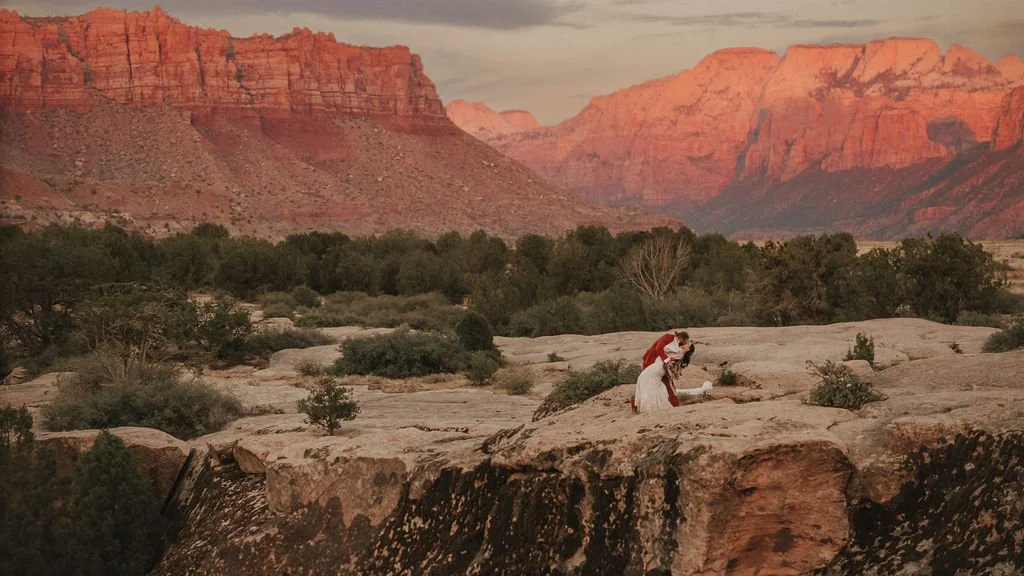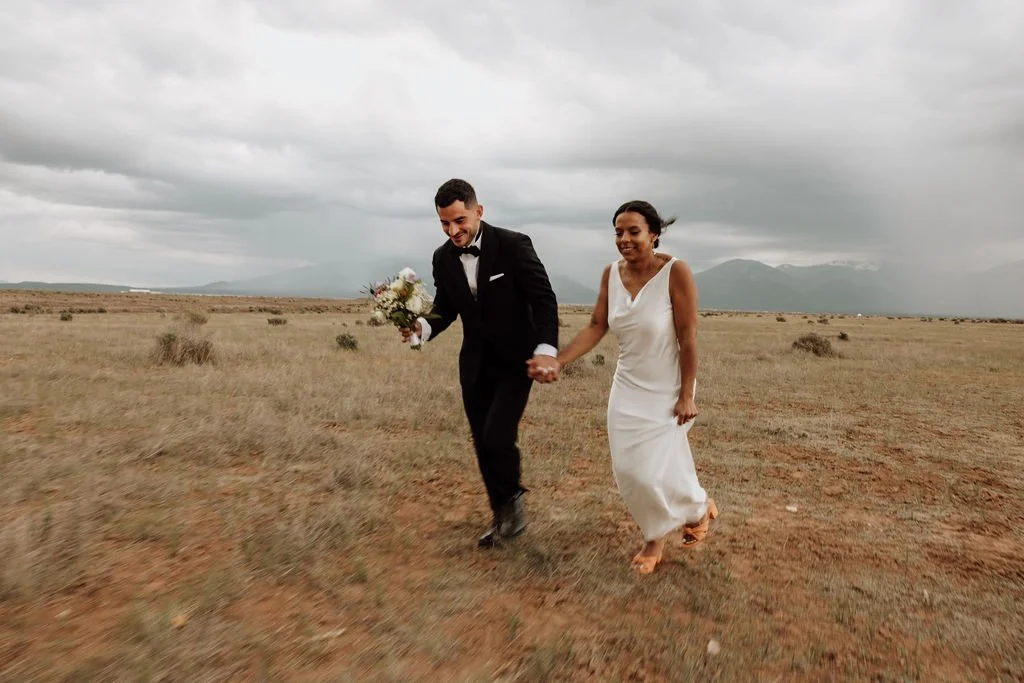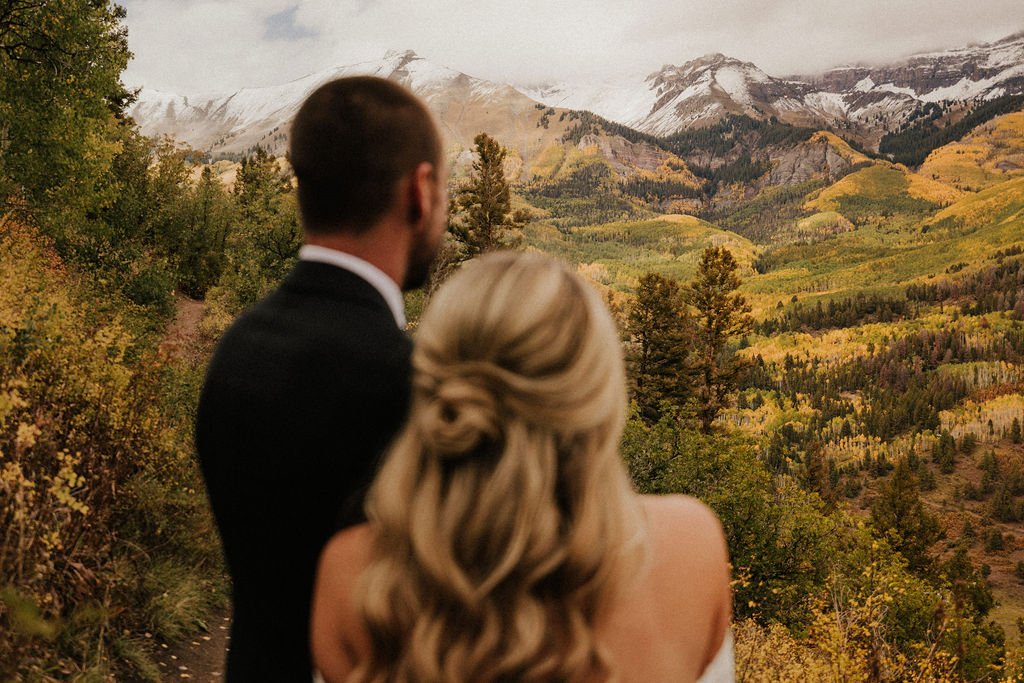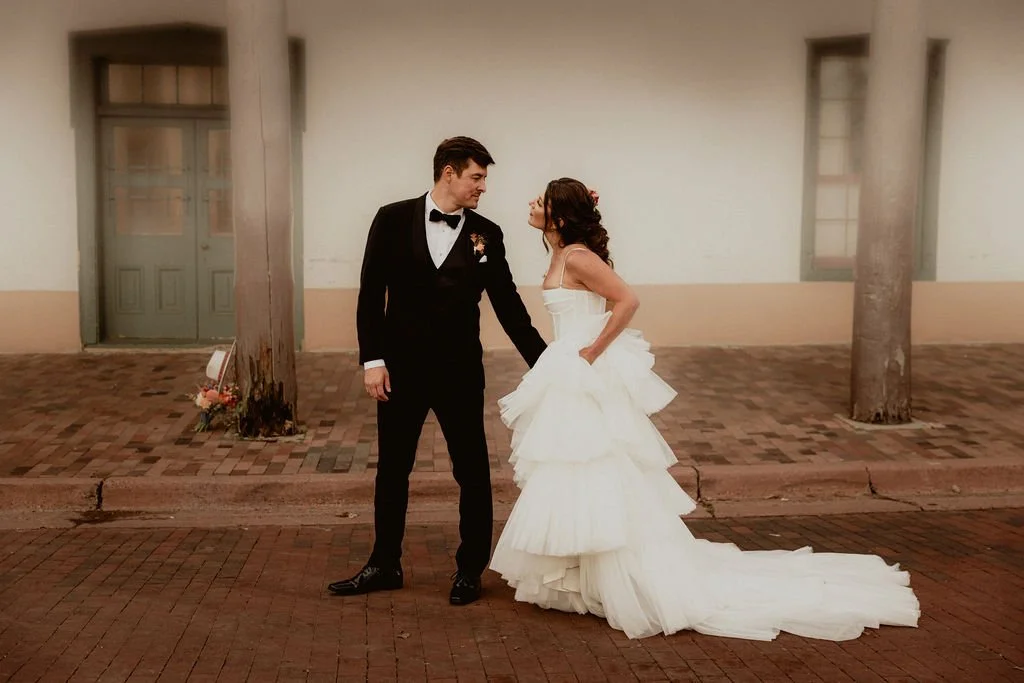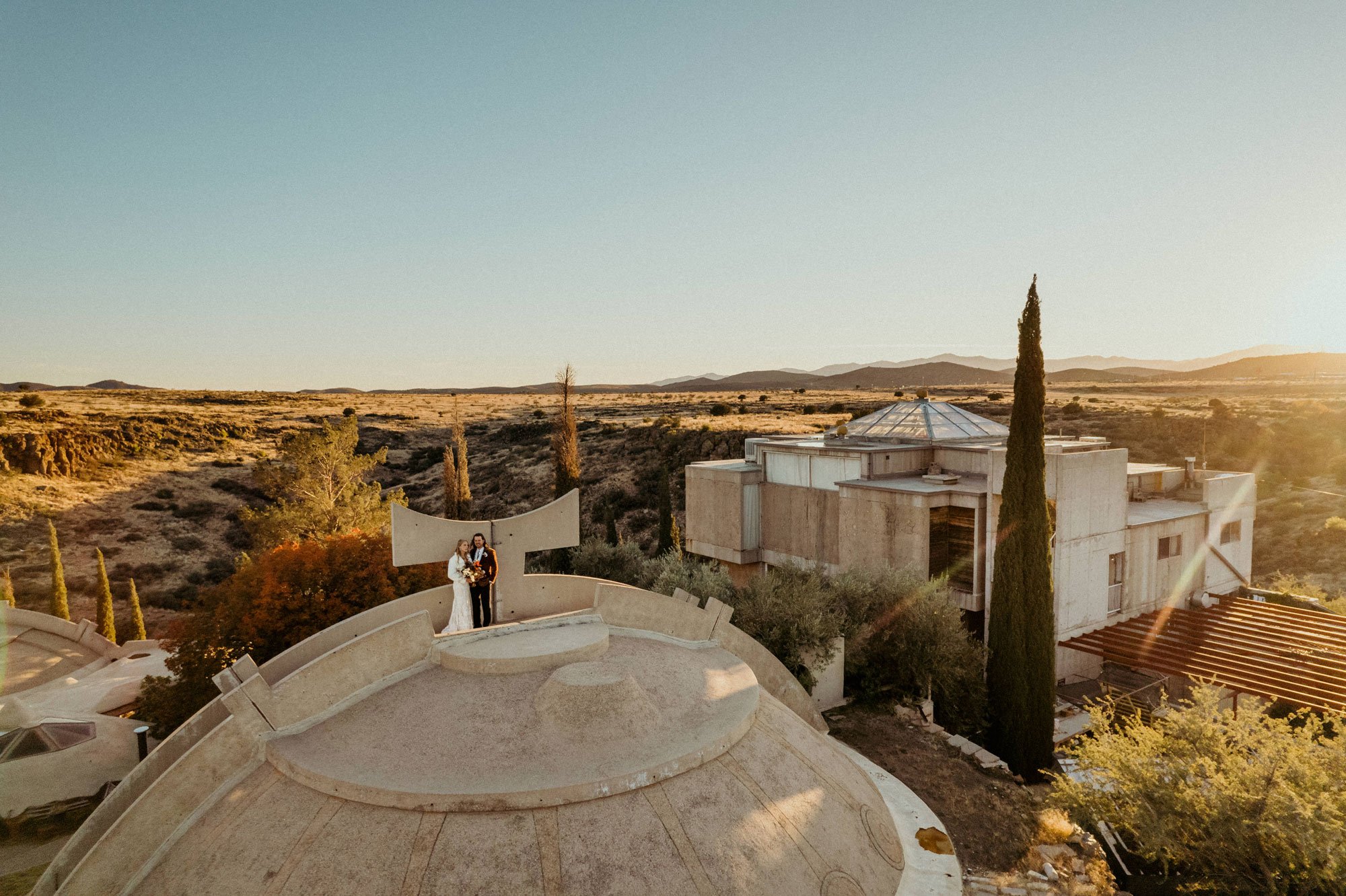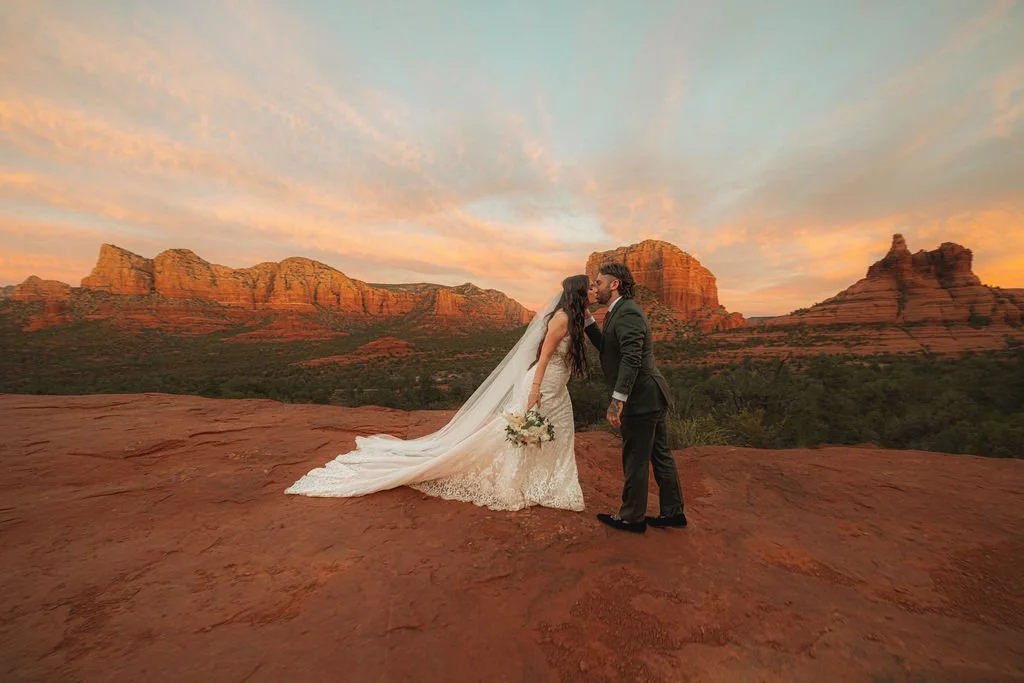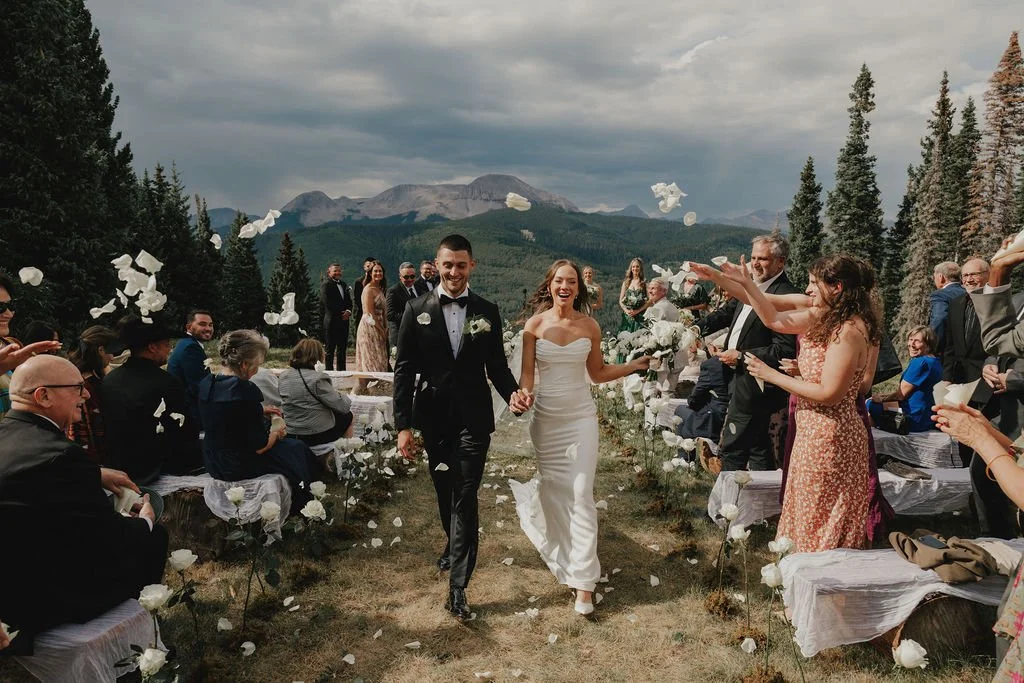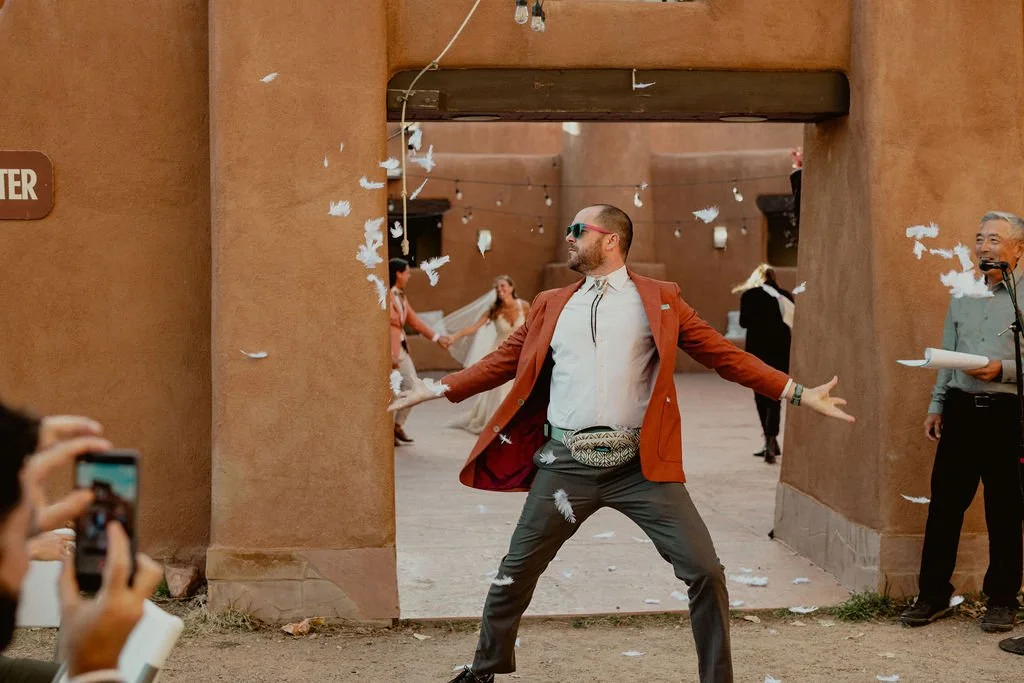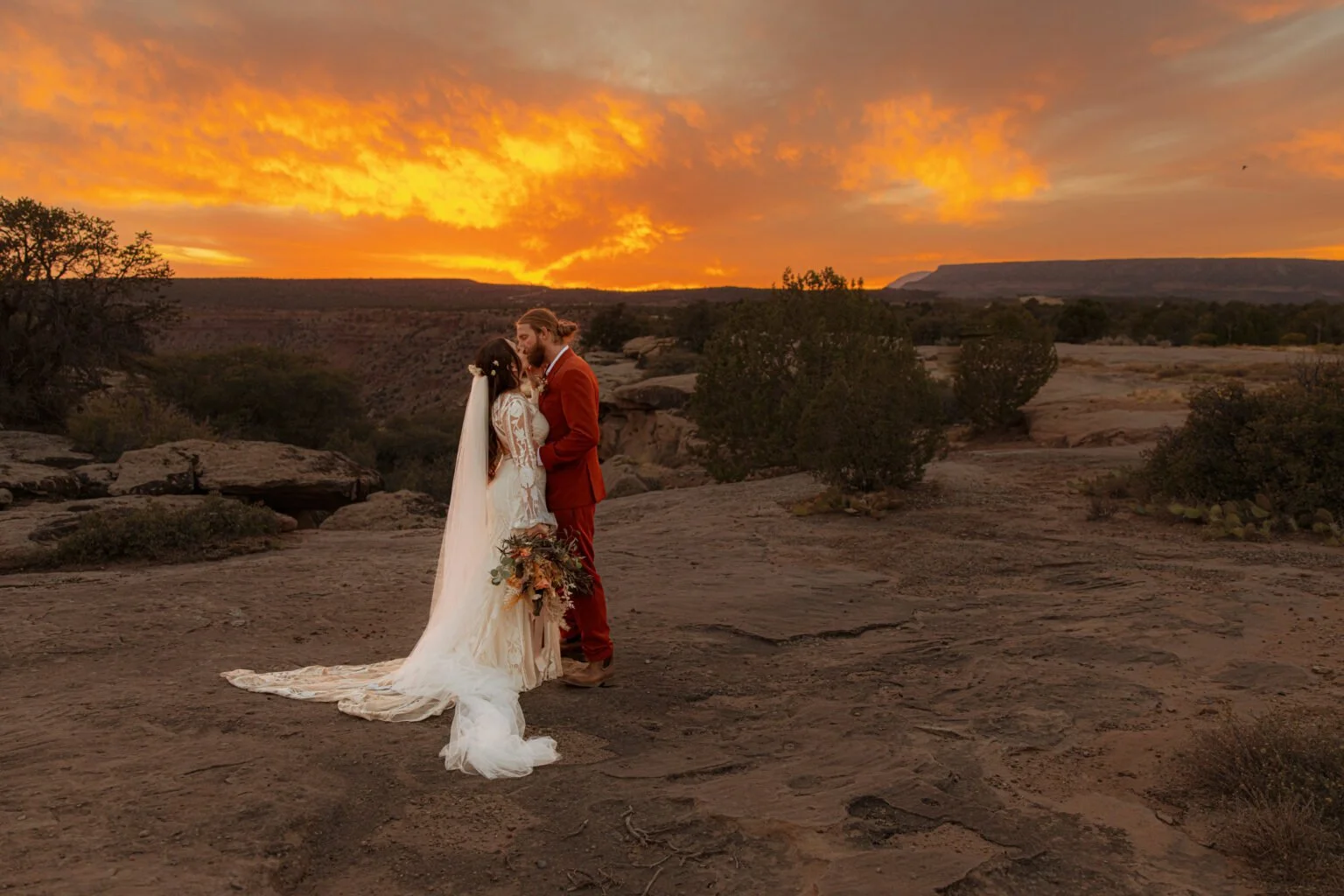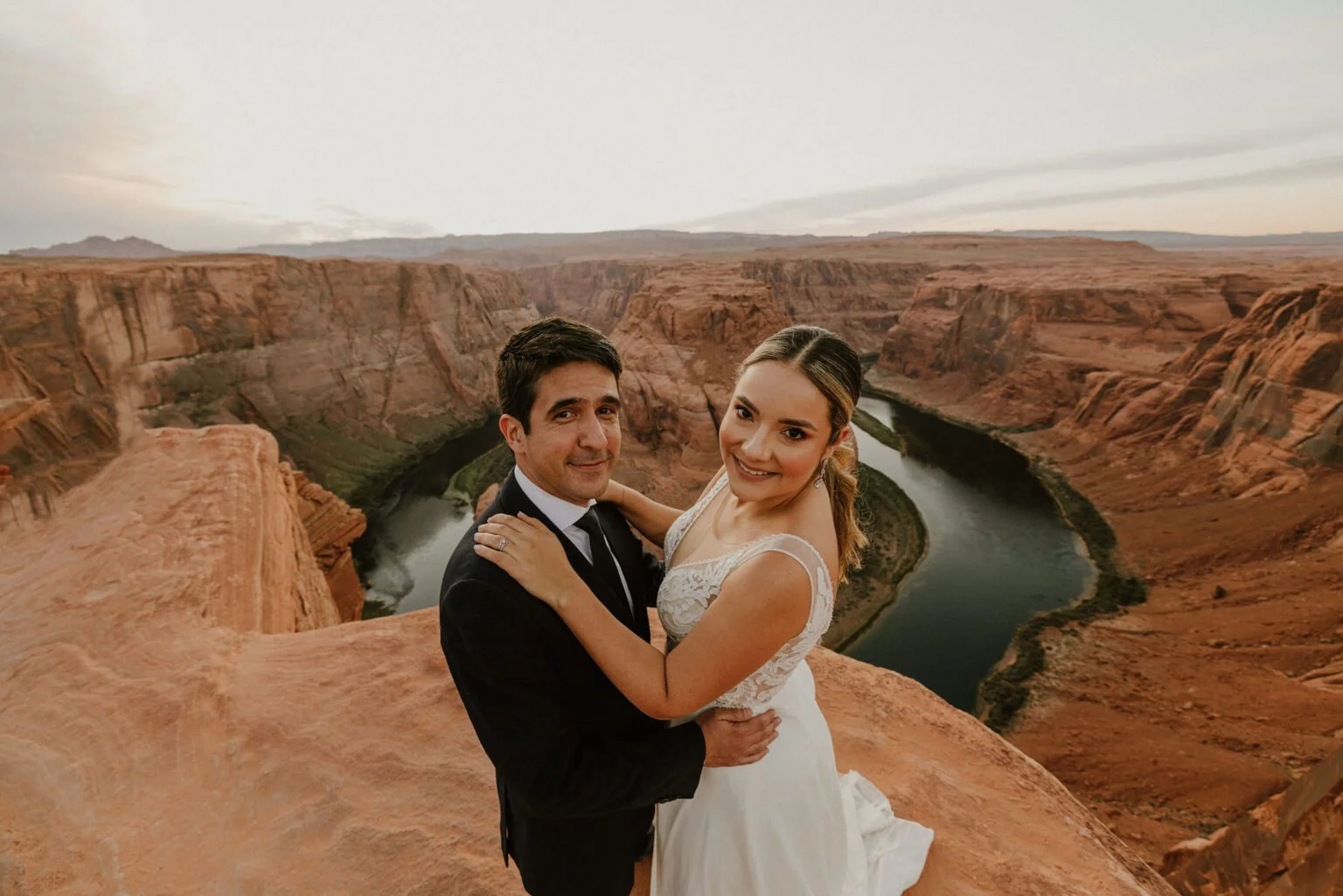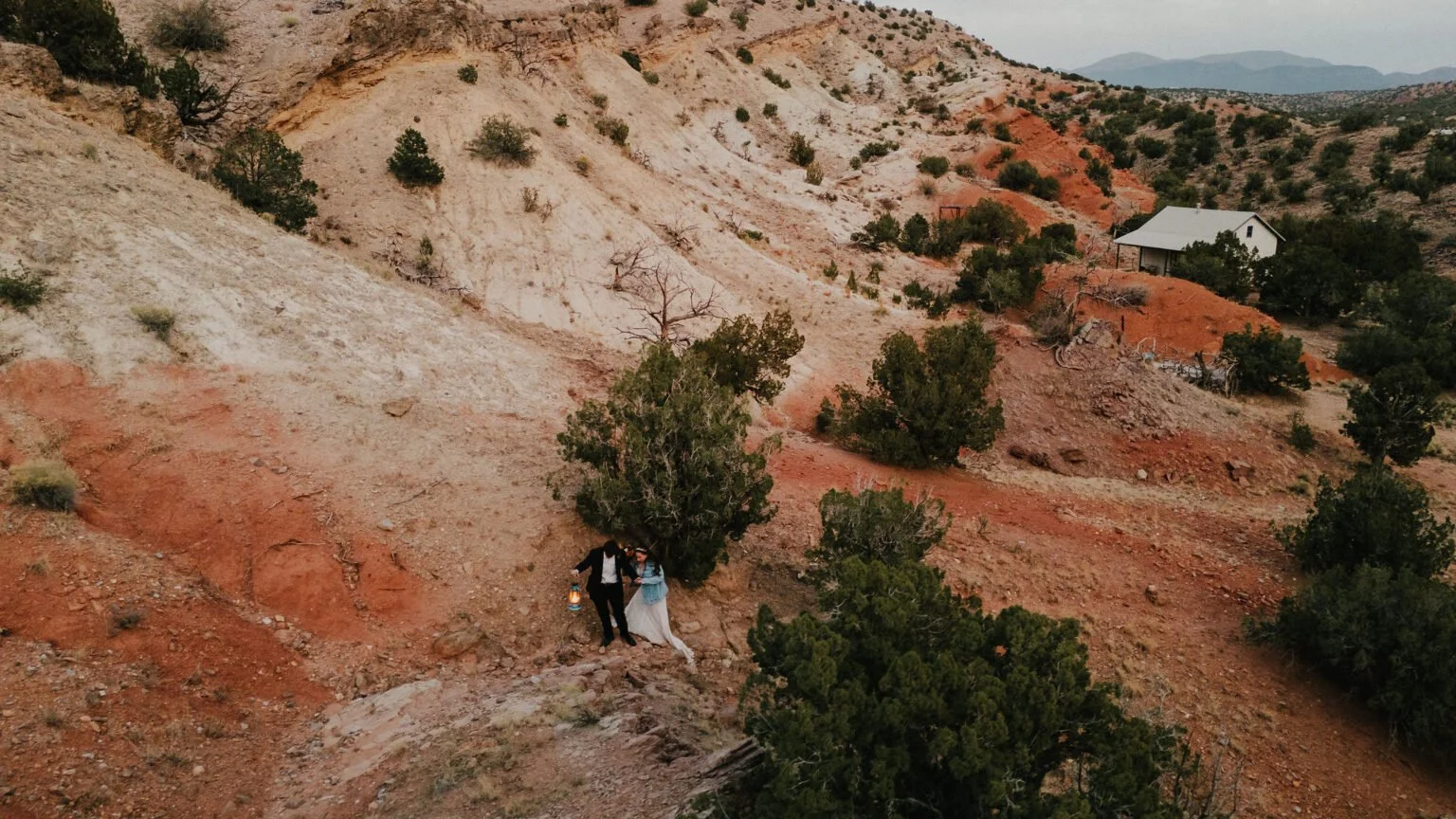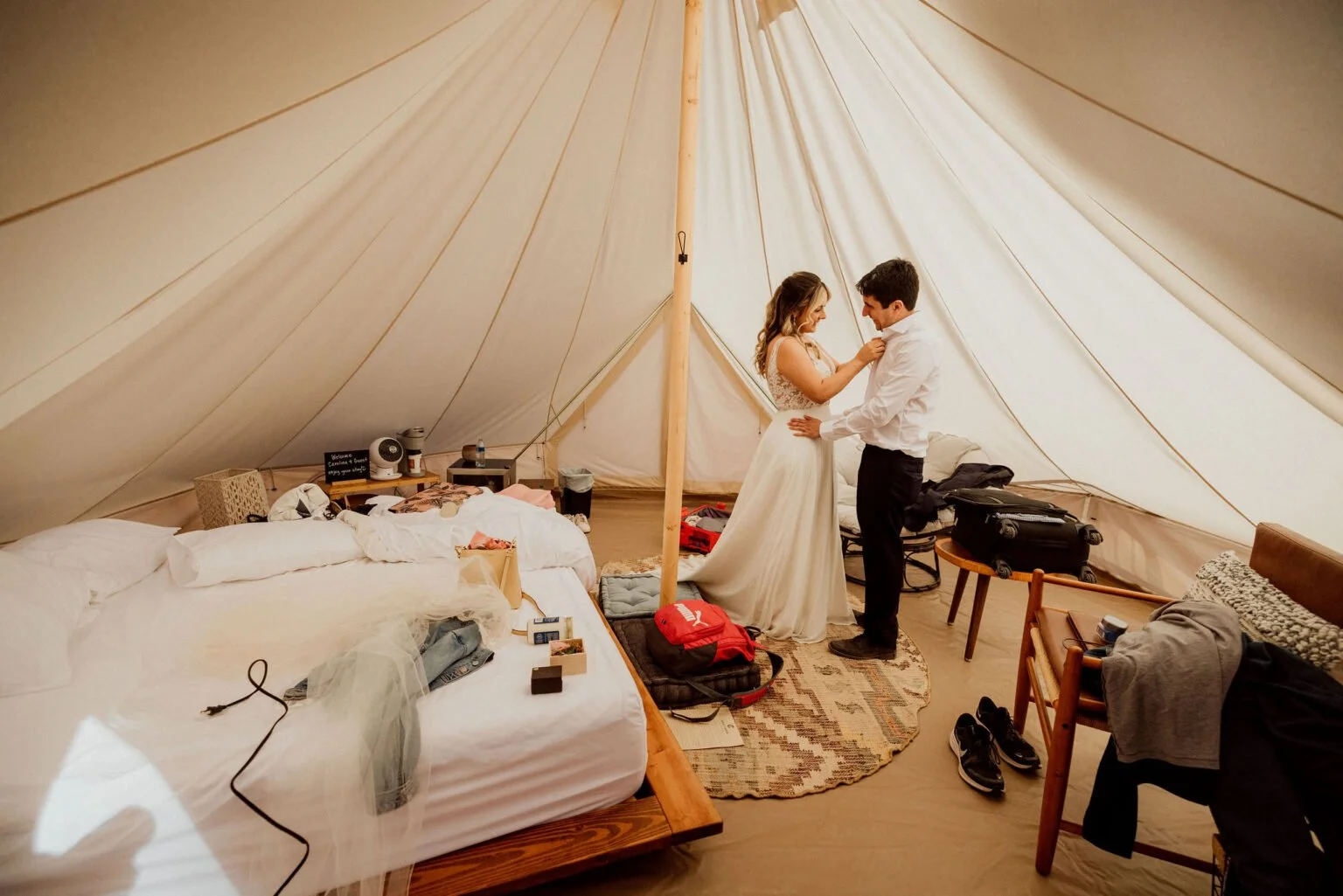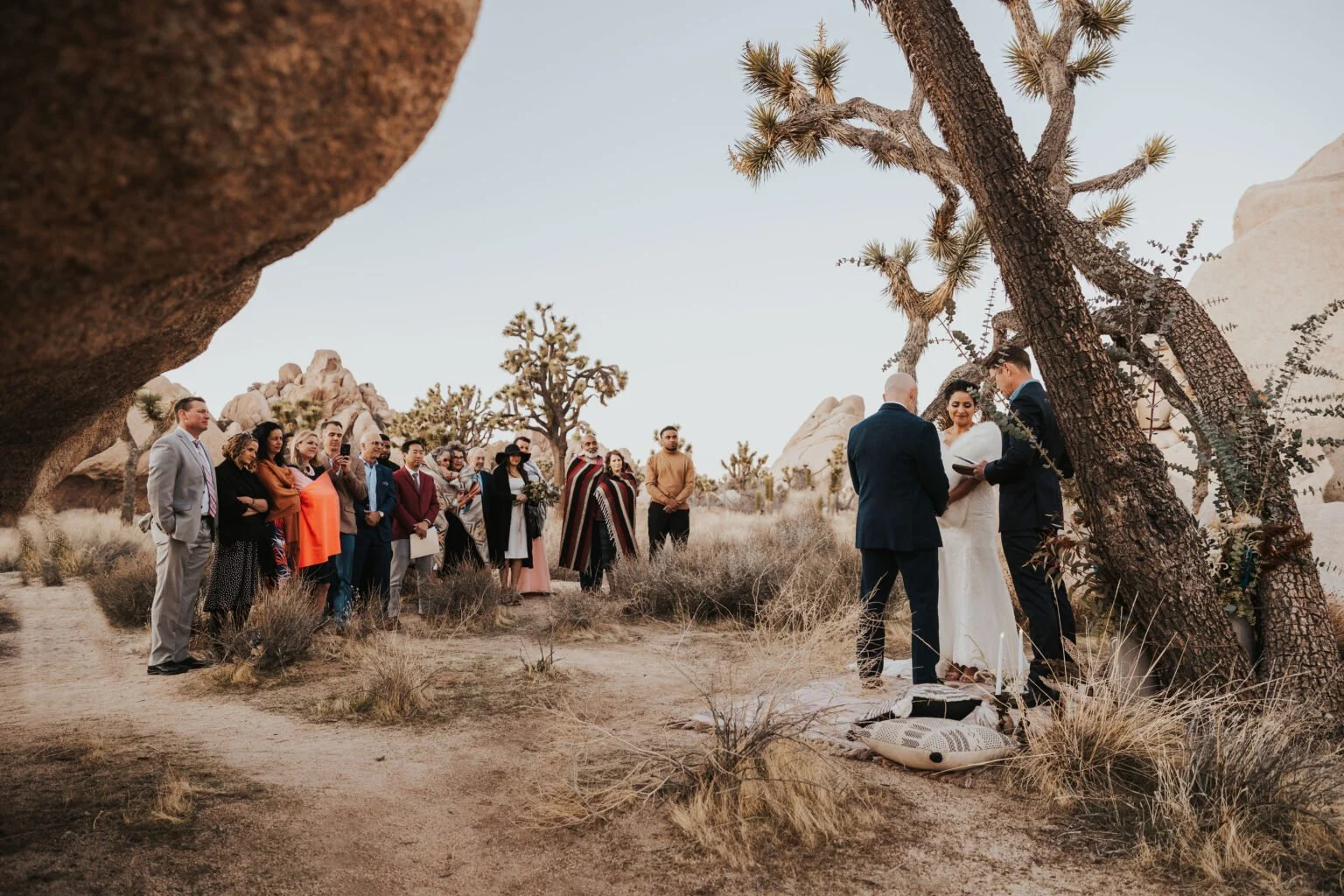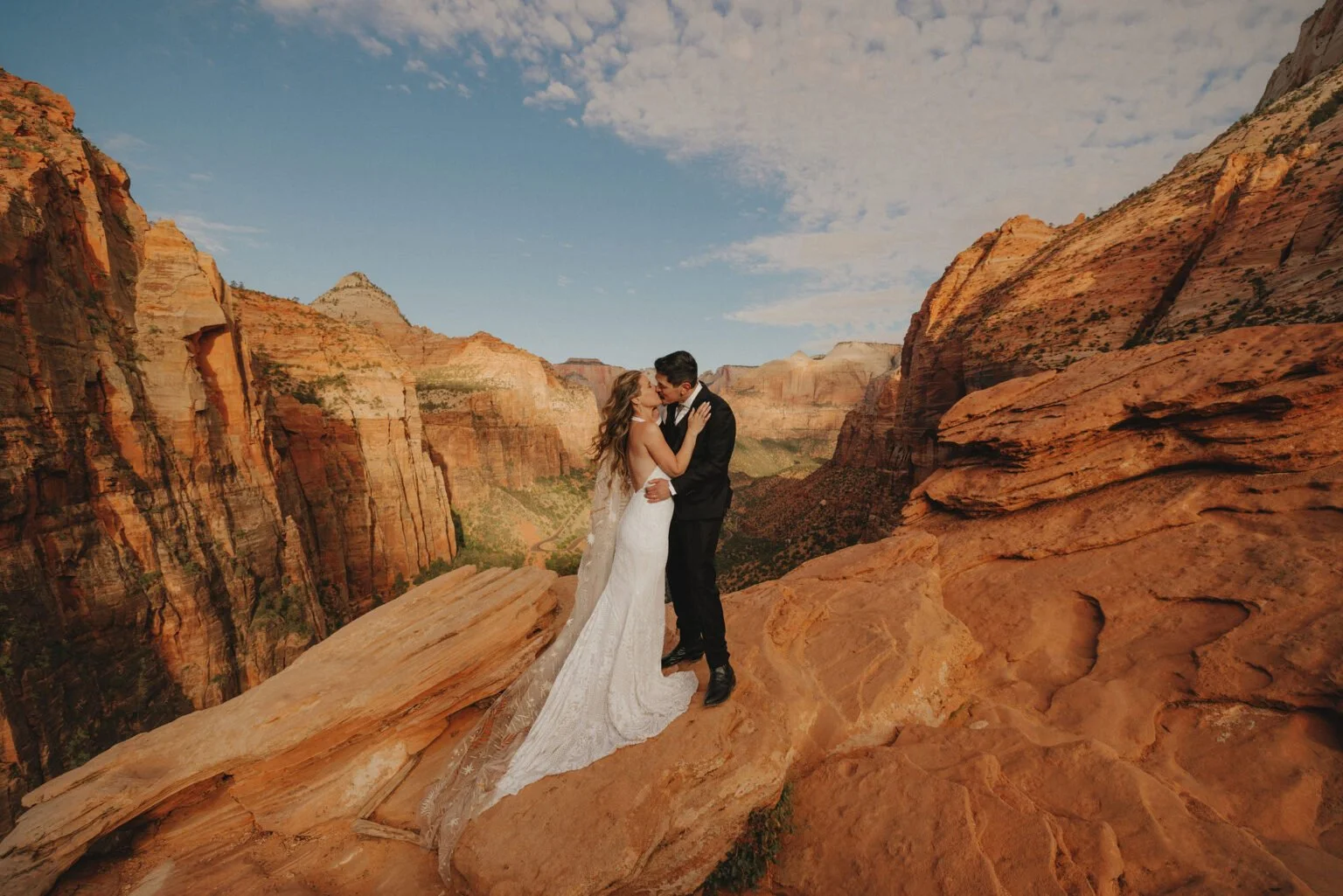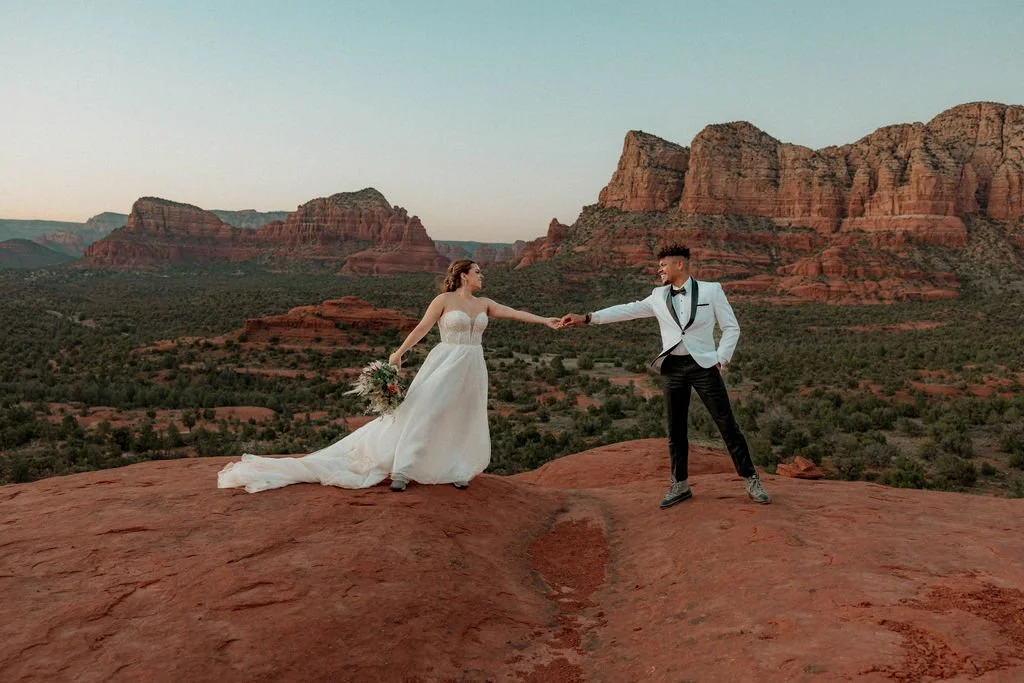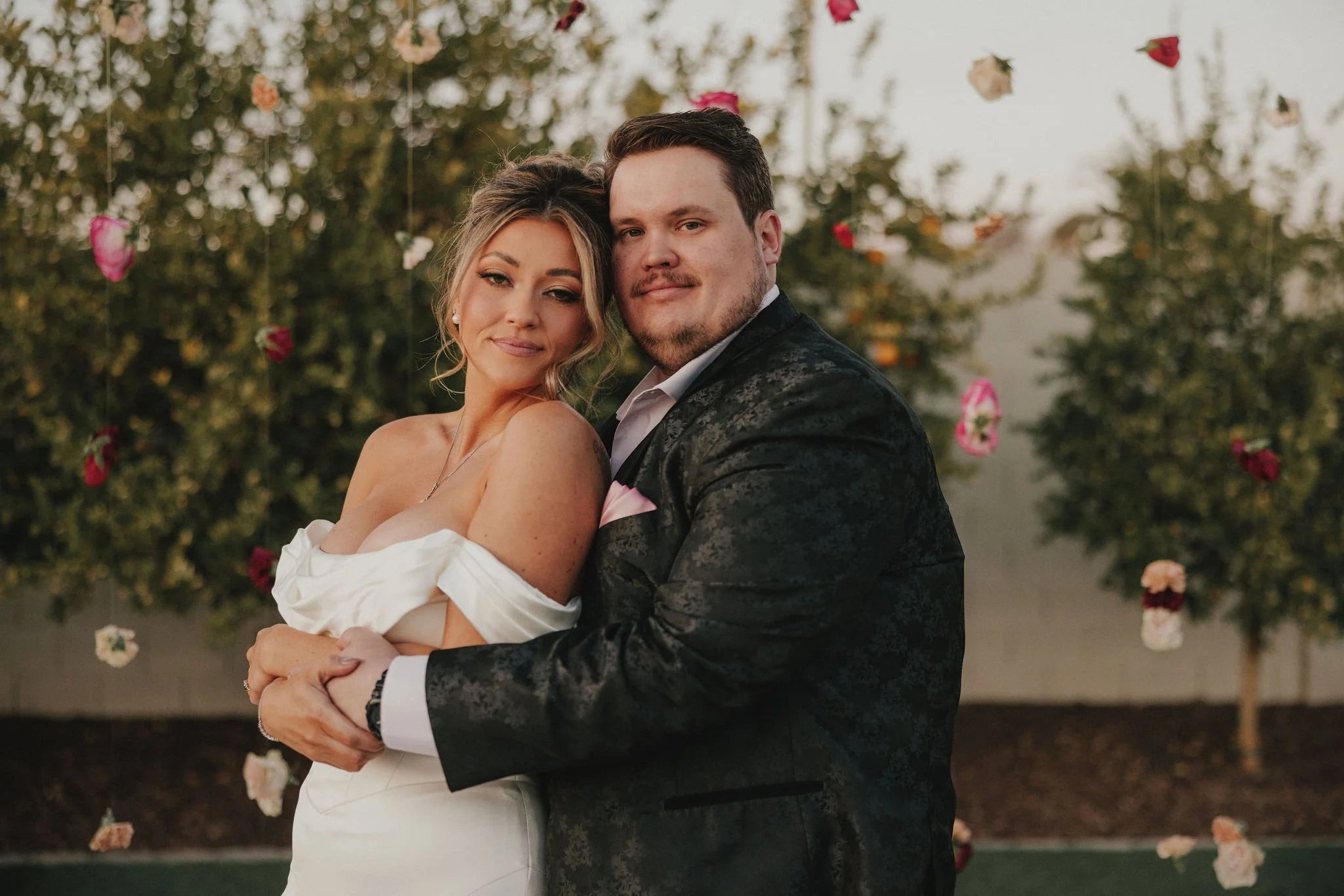
Mesa wedding photography is the art of documenting weddings in Mesa, Arizona using professional photographers who specialize in the East Valley's unique desert light, mountain backdrops, and indoor/outdoor venue landscapes, and at Shutterfreek, it means a documentary-meets-adventure approach that captures real emotion instead of stiff, posed portraits. Whether you're getting married at a resort ballroom in downtown Mesa or hiking out to Usery Mountain for sunrise vows, the right photographer turns a single day into a lifetime of memories you can actually feel when you look back at them.
If you're planning a wedding in Mesa, you already know this city offers something most couples don't expect from the desert: dramatic light, year-round sunshine, and a backdrop that ranges from lush botanical gardens to raw Sonoran landscapes. But not every photographer knows how to use that light, or how to move through a wedding day without getting in the way of it. This guide breaks down everything you need to know before booking Mesa wedding photography, from venues and pricing to the exact questions to ask before you sign a contract.
Why Mesa Is One of Arizona's Most Underrated Wedding Photography Locations
Phoenix and Scottsdale tend to get the spotlight in Arizona wedding guides, but Mesa holds its own, and in many ways, it's a better canvas for photography. The city sits at the base of the Superstition Mountains, giving couples access to red-rock desert scenery without the crowds or price tag of more "Instagram famous" locations.
Mesa's wedding scene has grown significantly over the last decade, with new boutique venues, restored historic properties, and desert resorts opening alongside the city's established favorites. For photographers, this means more creative backdrops. For couples, it means more ways to make a wedding feel personal instead of cookie-cutter.
The light itself is also a major factor. Mesa's elevation and dry climate produce some of the clearest golden hours in the state, long, warm, low-angle light that photographers chase for portraits. A skilled Mesa wedding photographer will build your timeline around this light rather than fighting against a midday sun, which is one of the biggest differences between amateur and professional wedding photography in the desert.
Top Mesa Wedding Venues and How They Photograph
Venue choice has a direct impact on how your wedding photos turn out, the architecture, lighting conditions, and landscape all shape the final gallery. Below is a comparison of popular venue types in the Mesa area and what they typically offer photographically.
| Venue Type | Example Setting | Best Light Conditions | Photography Style It Suits |
|---|---|---|---|
| Desert Resort | Pool/mountain-view resorts near Usery Pass | Golden hour, open sky portraits | Romantic, editorial, fine art |
| Botanical/Garden Venue | Lush greenery with desert accents | Soft, filtered shade midday | Timeless, classic portraiture |
| Historic Downtown Mesa | Restored brick buildings, courtyards | Dramatic shadows, urban textures | Documentary, moody, editorial |
| Mountain Preserve/Outdoor | Usery Mountain, Riparian Preserve trails | Sunrise/sunset, natural backdrops | Adventure, elopement-style |
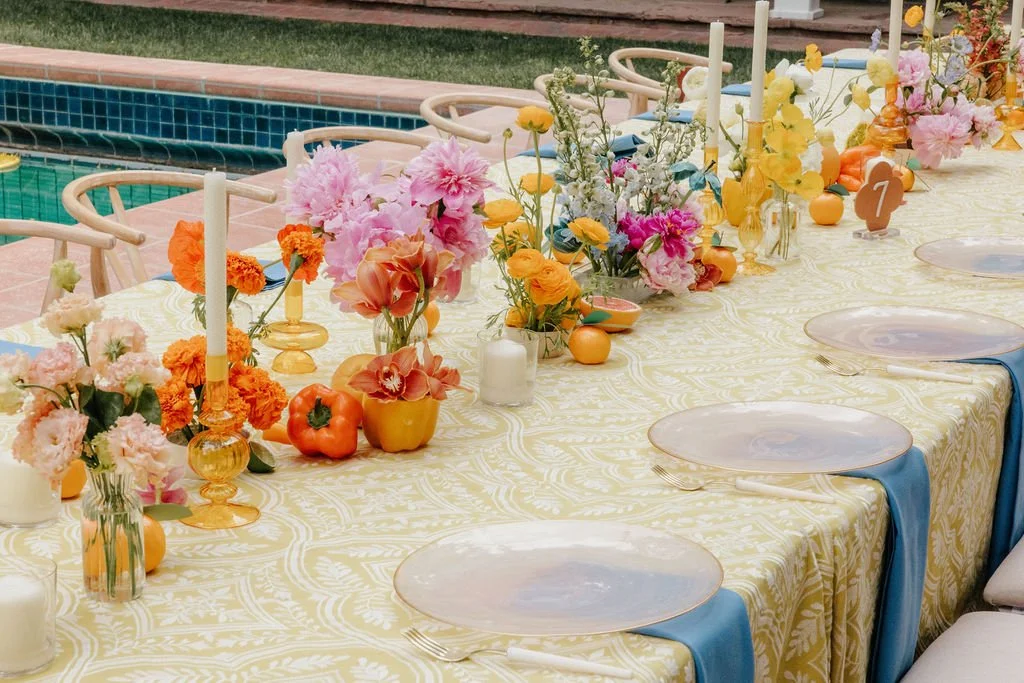
| Private Estate/Backyard | Custom desert landscaping | Flexible, photographer-dependent | Intimate, candid, lifestyle |
Each of these settings calls for a slightly different photographic approach, which is why experienced Mesa wedding photographers typically scout a venue, or ask detailed questions about it, before wedding day.
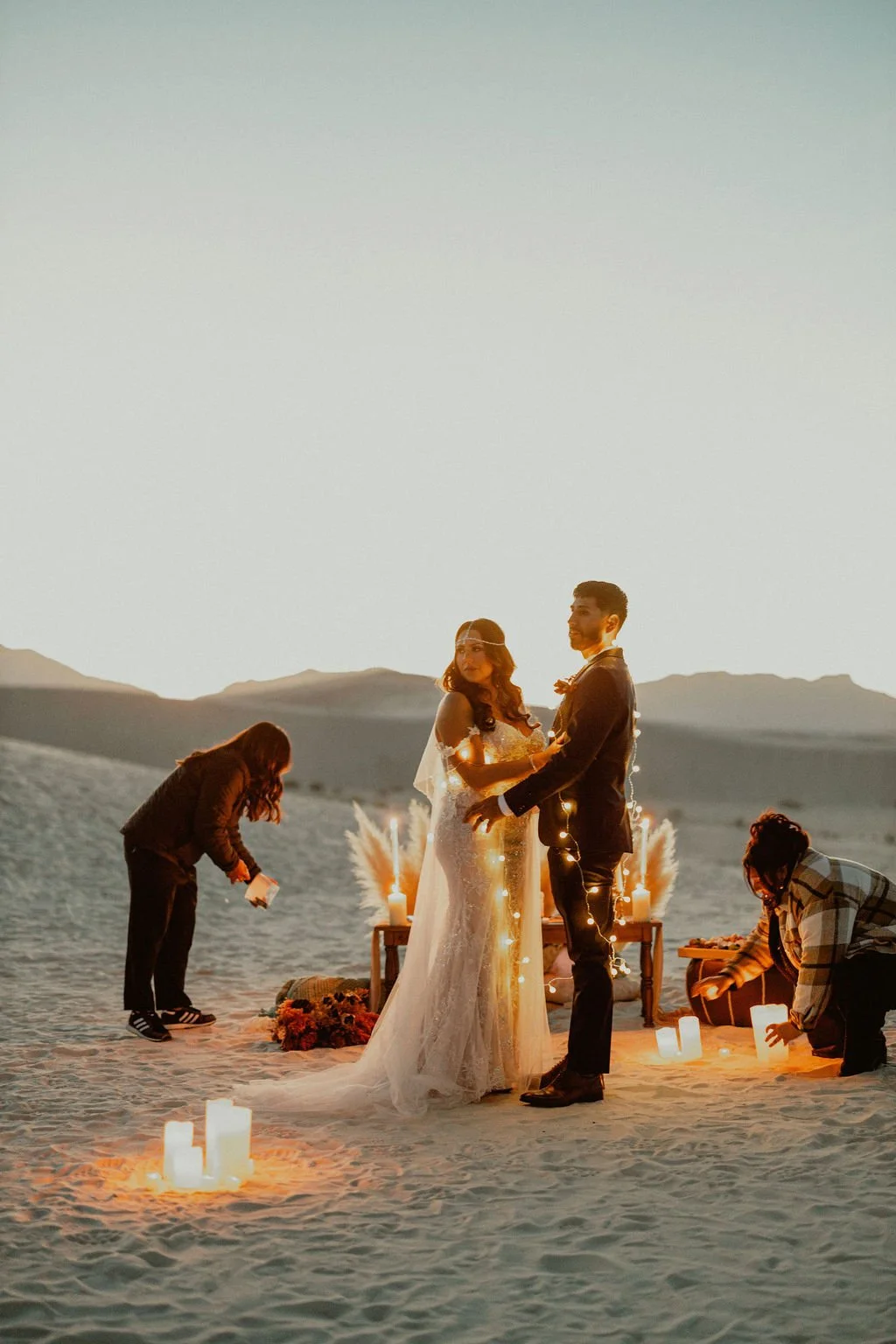
For couples who want something beyond a traditional venue entirely, many are opting for a more adventurous route altogether. If a ballroom or garden doesn't feel like "you," an intimate outdoor elopement might be a better fit than a conventional Mesa venue wedding.
Mesa Wedding Photography Styles: Finding Your Match
Not every photographer shoots the same way, and style mismatch is one of the most common regrets couples report after their wedding. Before booking, it helps to understand the major photography styles available in the Mesa market.
Traditional/Classic: Posed portraits, formal family groupings, symmetrical composition. Great for couples who want timeless, gallery-ready images.
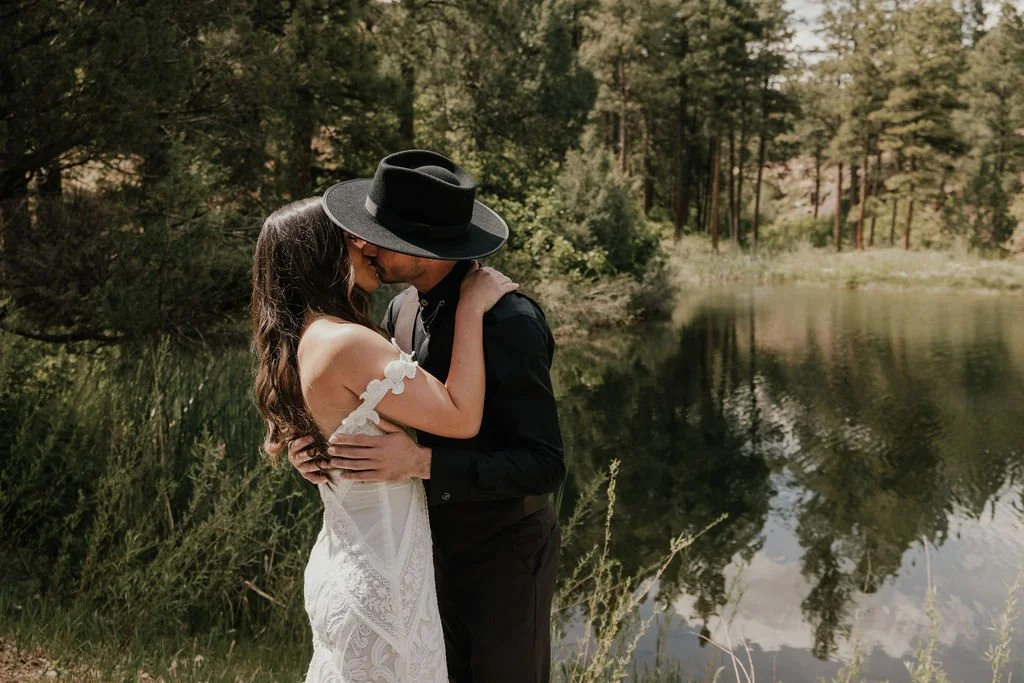
Photojournalistic/Documentary: Candid, unposed storytelling that captures real reactions and in-between moments.
Fine Art: Editorial lighting, intentional composition, often film-inspired color grading.
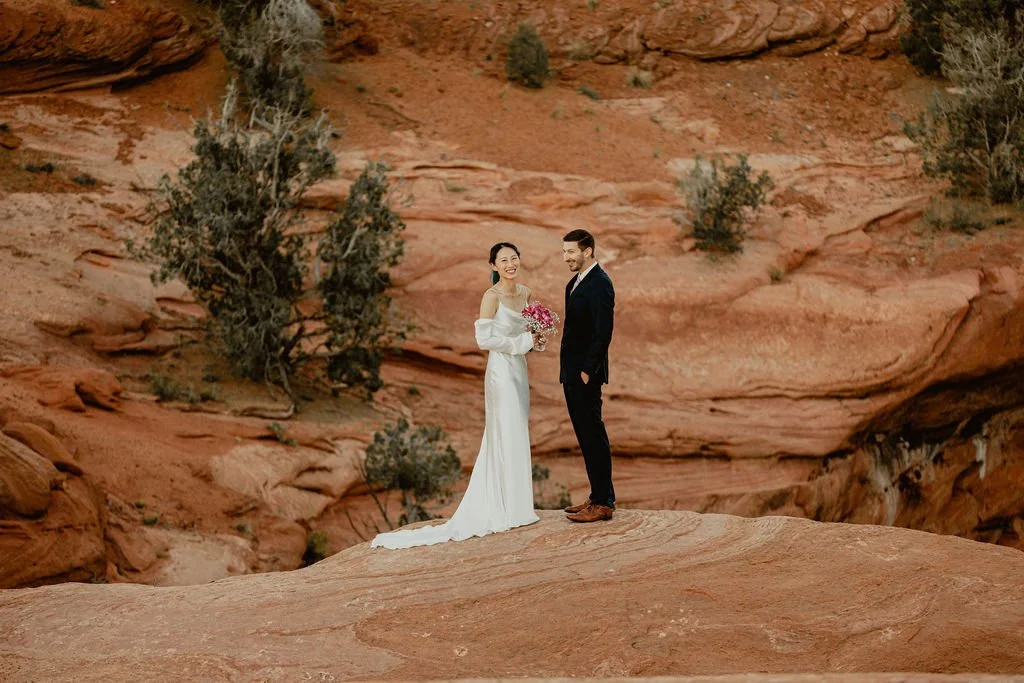
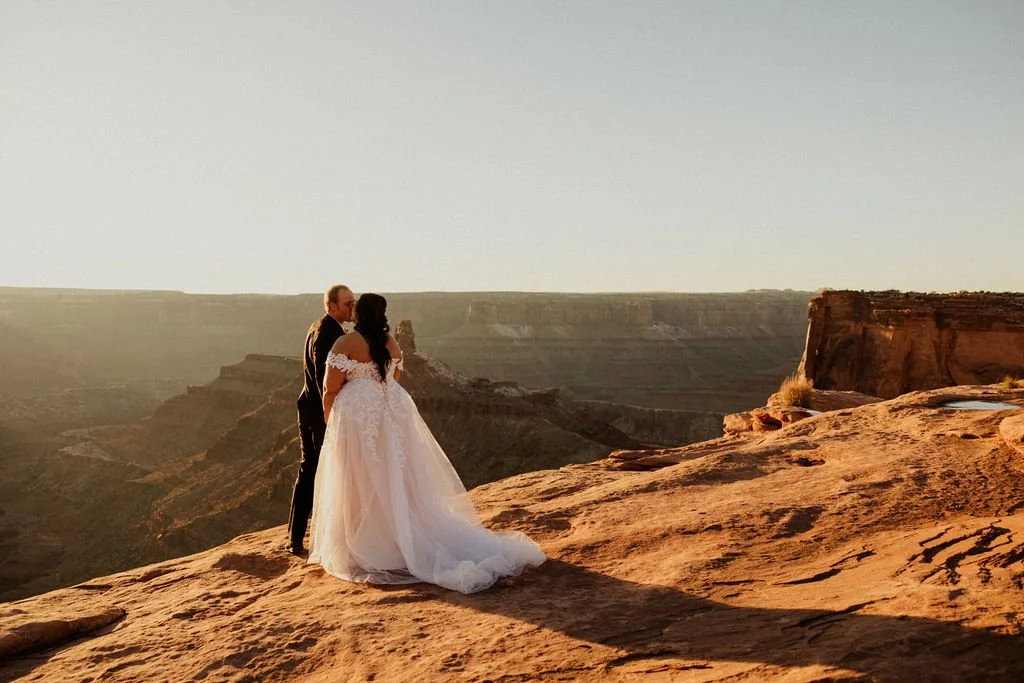
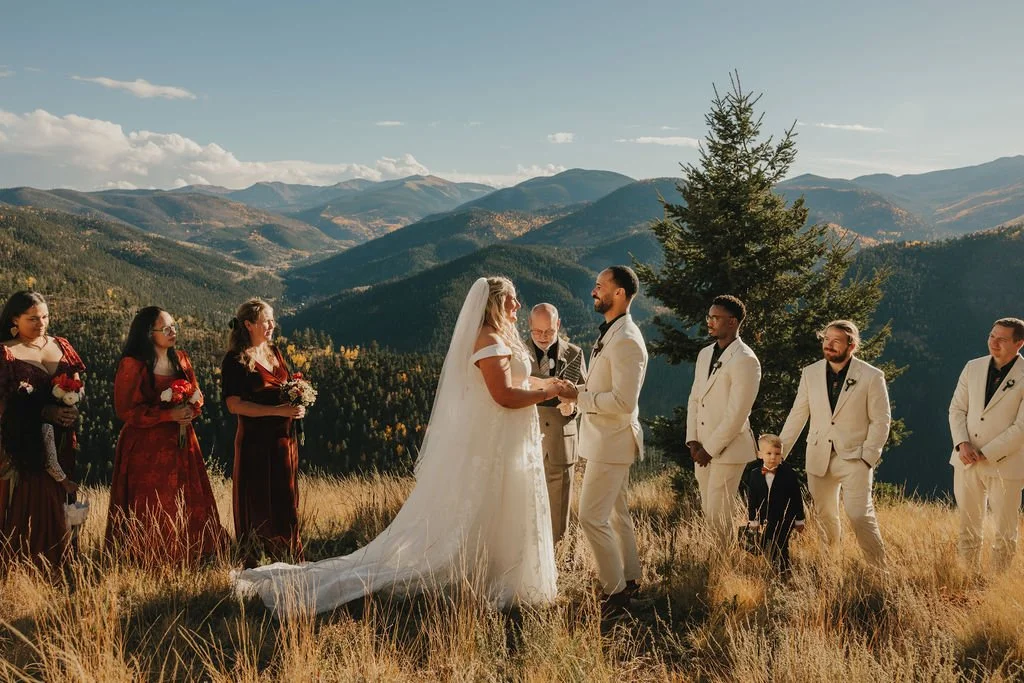
Adventure/Elopement Style: Built for couples hiking to a scenic overlook, eloping in the desert, or having a small, nontraditional ceremony outside a formal venue.
| Style | Posed vs. Candid | Ideal Wedding Size | Typical Editing Look |
|---|---|---|---|
| Traditional | Mostly posed | Medium to large weddings | Clean, bright, classic color |
| Photojournalistic | Mostly candid | Any size | Natural, true-to-life tones |
| Fine Art | Balanced mix | Medium weddings | Moody, film-like, editorial |
| Adventure/Elopement | Candid with guided moments | Small/intimate | Earthy, warm, landscape-forward |
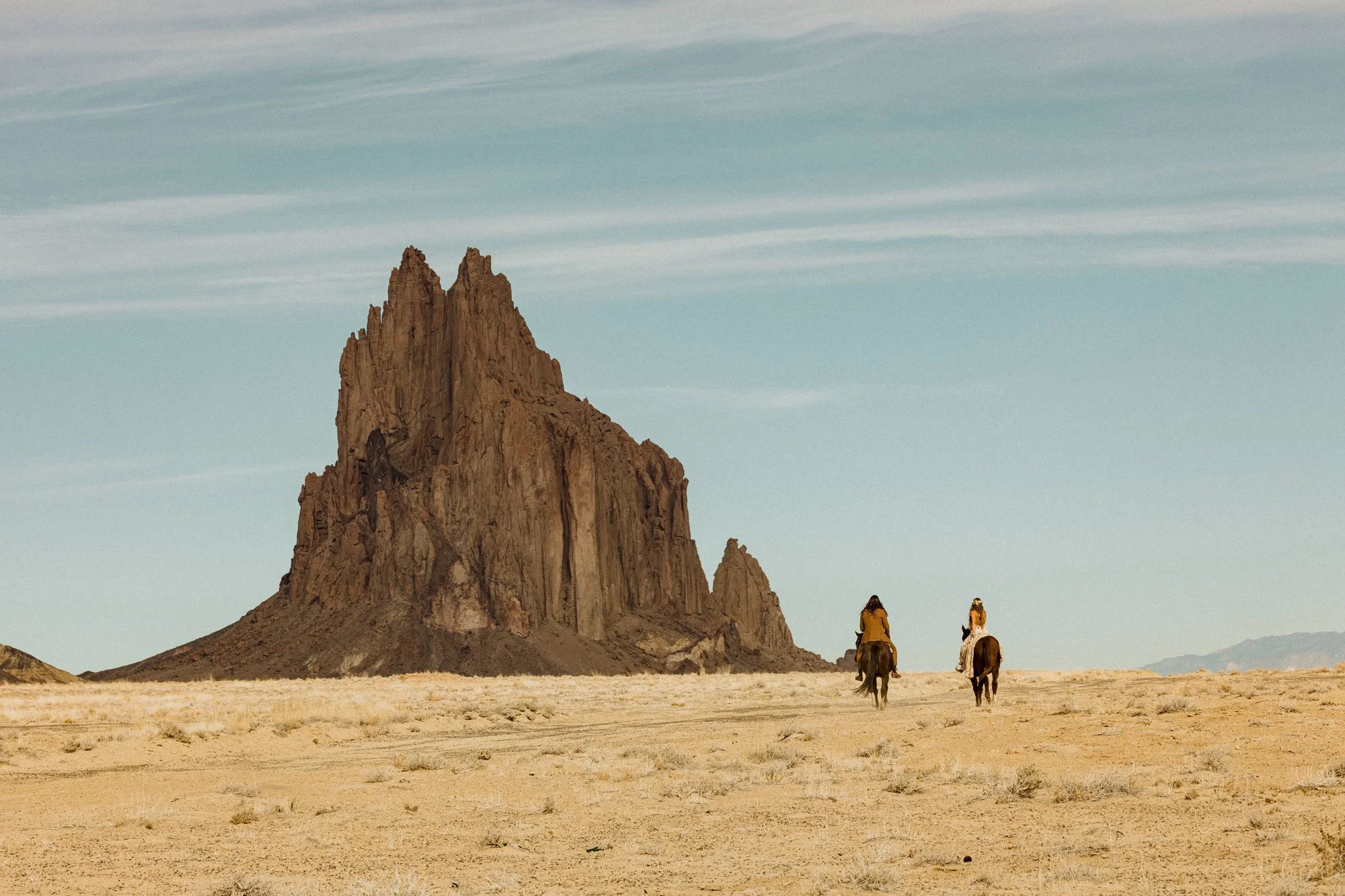
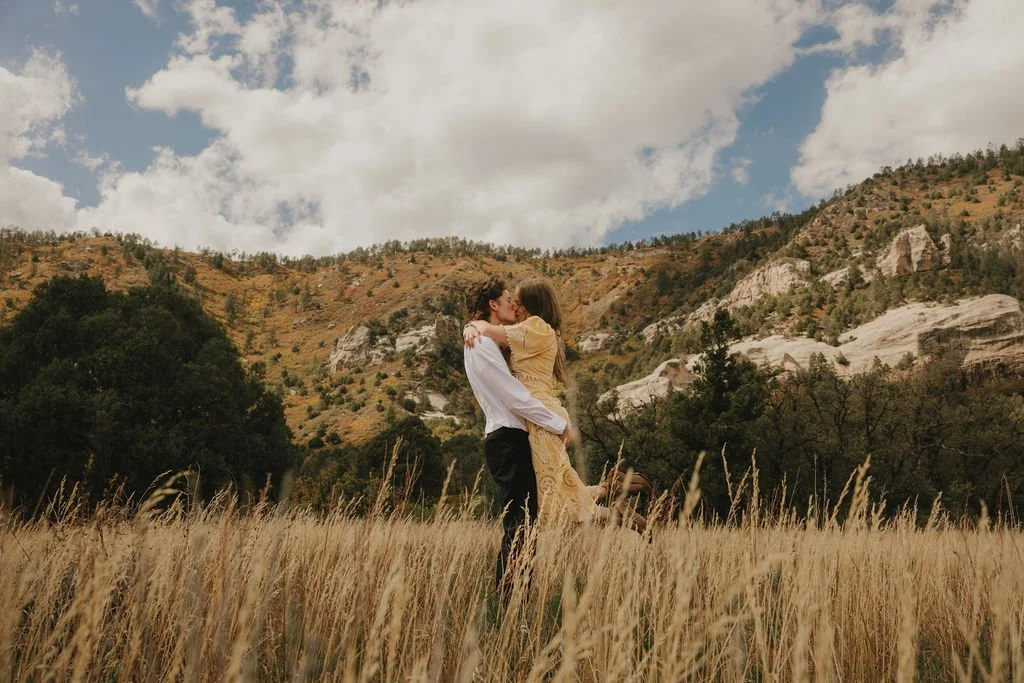
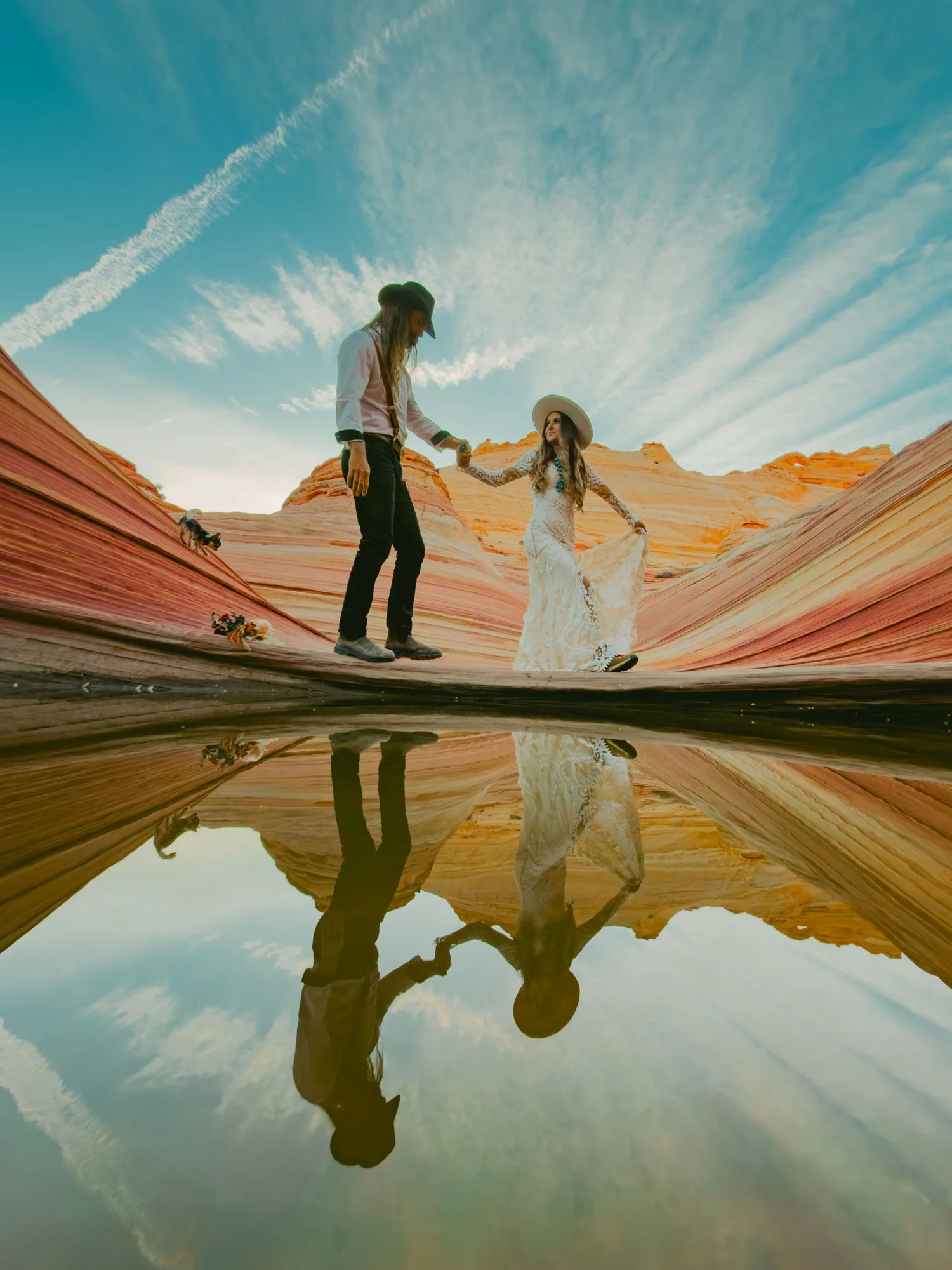
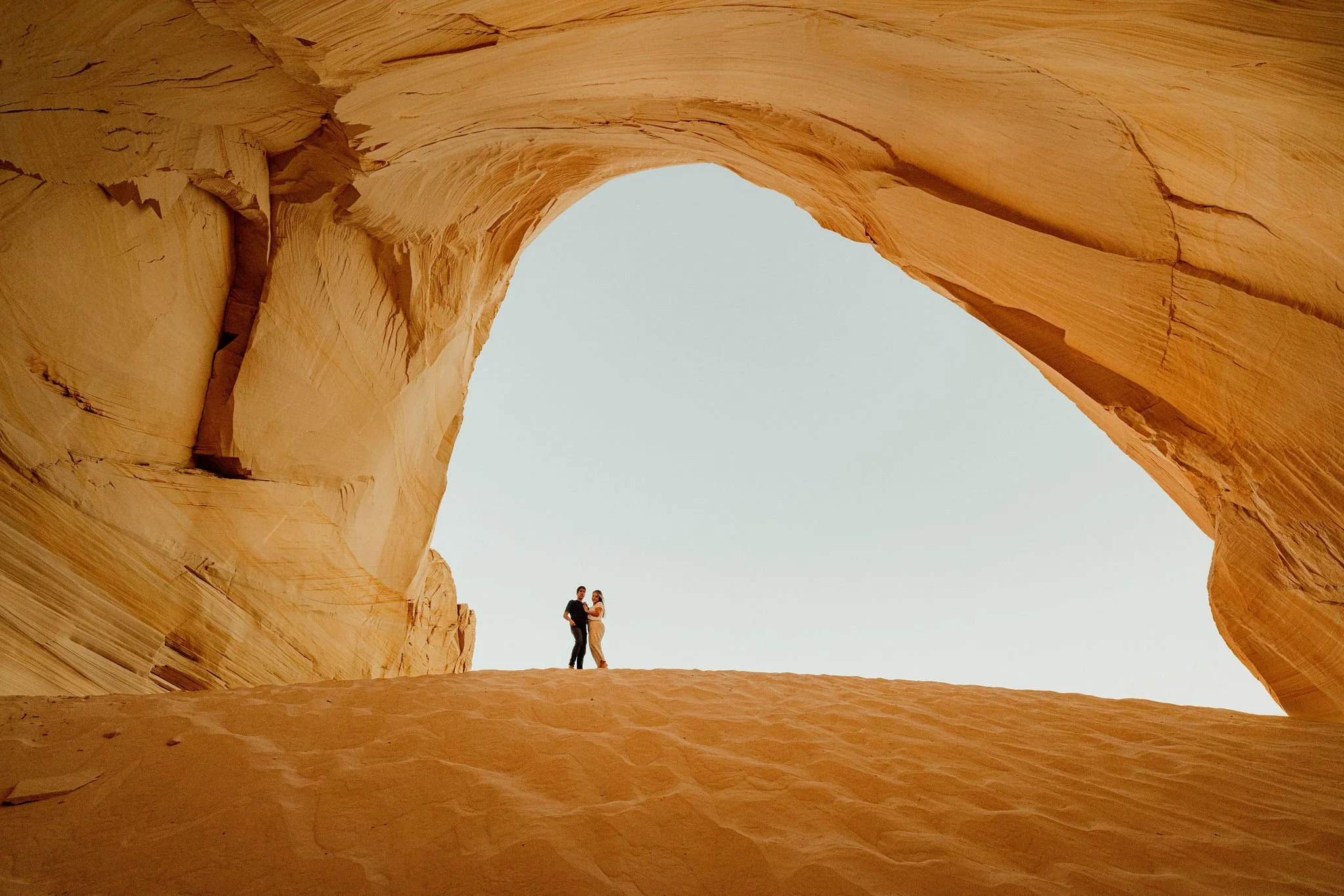
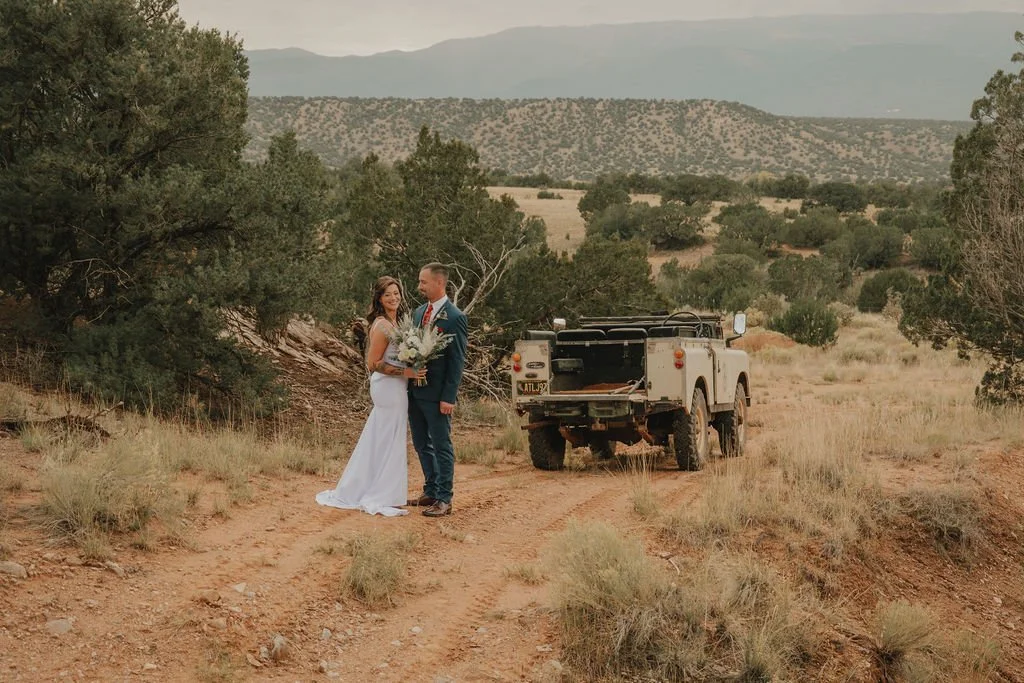
If your heart is set on dramatic red-rock or alpine scenery rather than a Mesa venue itself, it's worth knowing that many Mesa-based photographers, including our team, also travel for destination elopements. Couples chasing bigger landscapes often look at Utah's adventure elopement locations or the dramatic high-desert terrain of New Mexico for an adventure-style elopement as an alternative to a traditional Mesa ceremony.
What to Look for in a Mesa Wedding Photographer
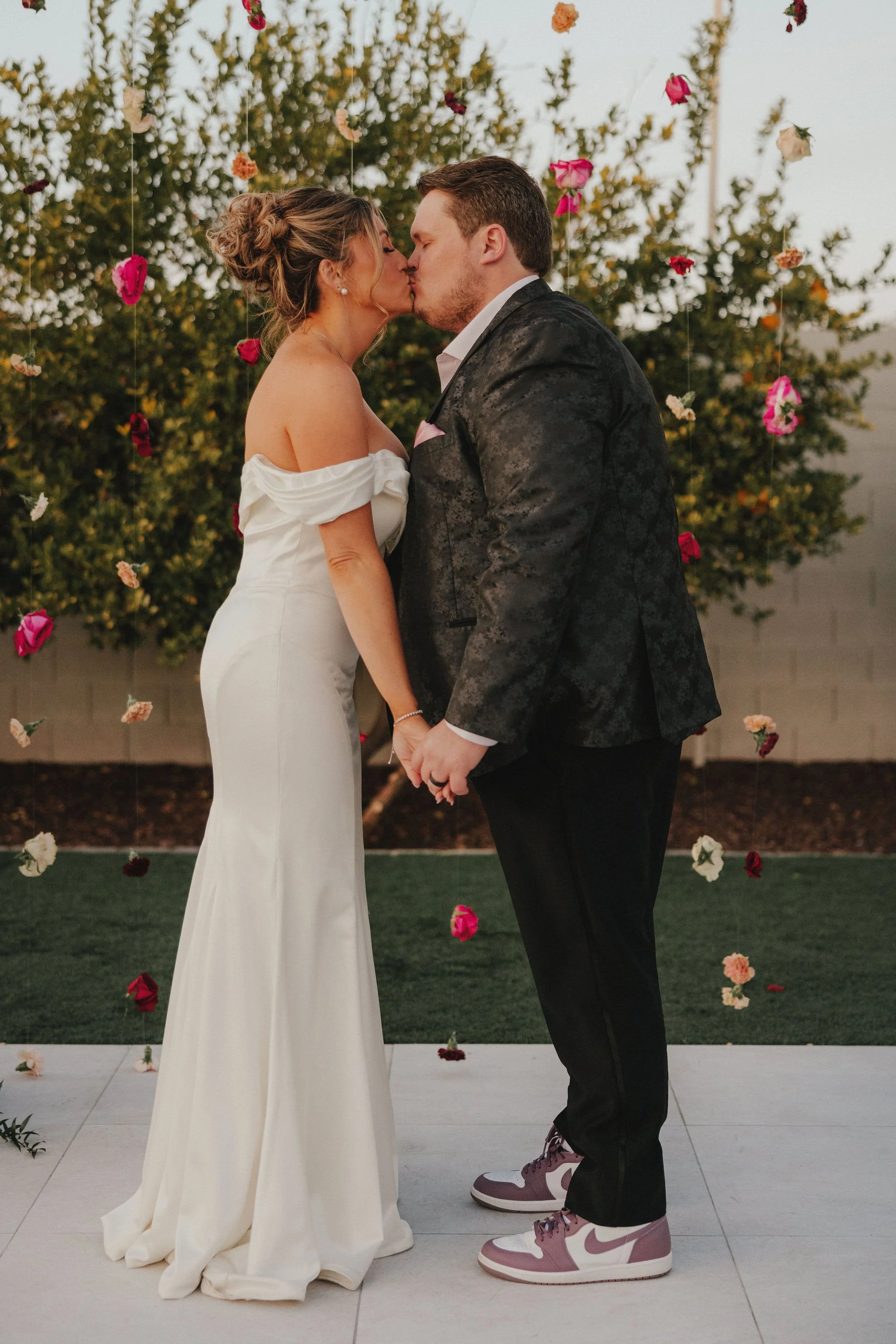
Hiring the right photographer is less about finding the "best" photographer in Mesa and more about finding the right fit for your day. Here's what experienced couples and planners recommend evaluating:
Portfolio consistency. Look at full wedding galleries, not just highlight reels, to see how a photographer handles different lighting situations throughout an entire day.
Experience with your specific venue type. A photographer who has shot desert mountain light will handle it very differently than one who's only worked in shaded gardens.
Turnaround time and deliverables. Ask how many images you'll receive, in what format, and how long editing takes.
Backup planning. Does the photographer have a second shooter or backup equipment in case of an emergency?
Communication style. Your photographer will be one of the people closest to you on your wedding day — personality fit matters as much as skill.
Reviews and testimonials. Look for patterns across multiple platforms (Google, The Knot, WeddingWire, Instagram) rather than relying on a handful of quotes on a photographer's own site.
A photographer with genuine experience in Mesa's specific terrain, not just generic "Arizona wedding photography", will know things like which hours avoid harsh overhead sun, which locations require permits, and how monsoon season (July–September) can affect an outdoor timeline.
Best Time of Year and Time of Day for Mesa Wedding Photos
Mesa's climate plays a bigger role in wedding photography than most couples realize when first planning.
Best Months: October through April offers the most comfortable temperatures and consistently clear skies, making it peak wedding season in Mesa. Spring (February–April) also brings desert wildflower blooms that add color to outdoor portraits.
Best Time of Day: For outdoor portraits, golden hour, roughly one hour before sunset — produces the warm, soft light most couples want. Many Mesa wedding photographers also recommend a "first look" earlier in the day to avoid rushing portraits before the ceremony.
Summer Weddings: June through September bring intense heat and monsoon storms. Couples marrying during these months often shift ceremonies to later evening hours or choose indoor/shaded venues, with photographers adjusting their lighting setup accordingly
Mesa Wedding Photography Pricing: What to Expect
Pricing for Mesa wedding photography varies based on experience level, hours of coverage, and deliverables, but here's a general market range:
Entry-level/part-time photographers: 1,500–2,500 for 6–8 hours of coverage
Mid-tier professional photographers: 2,800–4,500 for full-day coverage with a second shooter
High-end/boutique studios: 4,500–8,000+, often including albums, engagement sessions, and multi-day coverage (common for destination or elopement-style weddings)
Always ask exactly what's included, hours of coverage, number of edited images, usage rights, travel fees, and whether a second photographer is standard or an add-on. The cheapest quote isn't always the best value if it means fewer deliverables or inexperienced coverage of a once-in-a-lifetime day.
Beyond Mesa: When Couples Want Something Bigger
Not every couple wants a traditional wedding day in a Mesa venue, and that's completely valid. Over the past several years, more couples have been trading large guest lists and formal venues for intimate, adventure-driven ceremonies in dramatic natural settings.
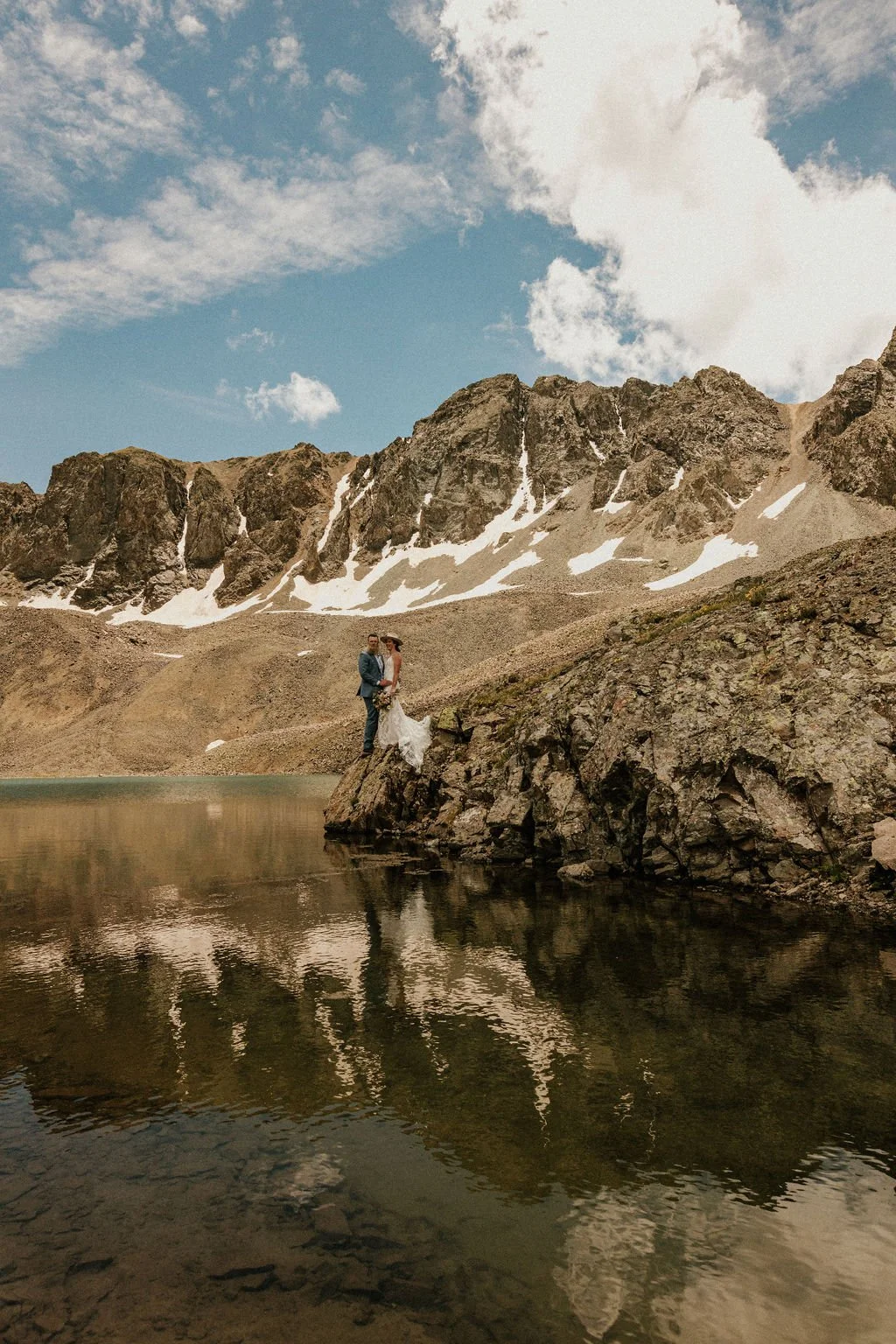
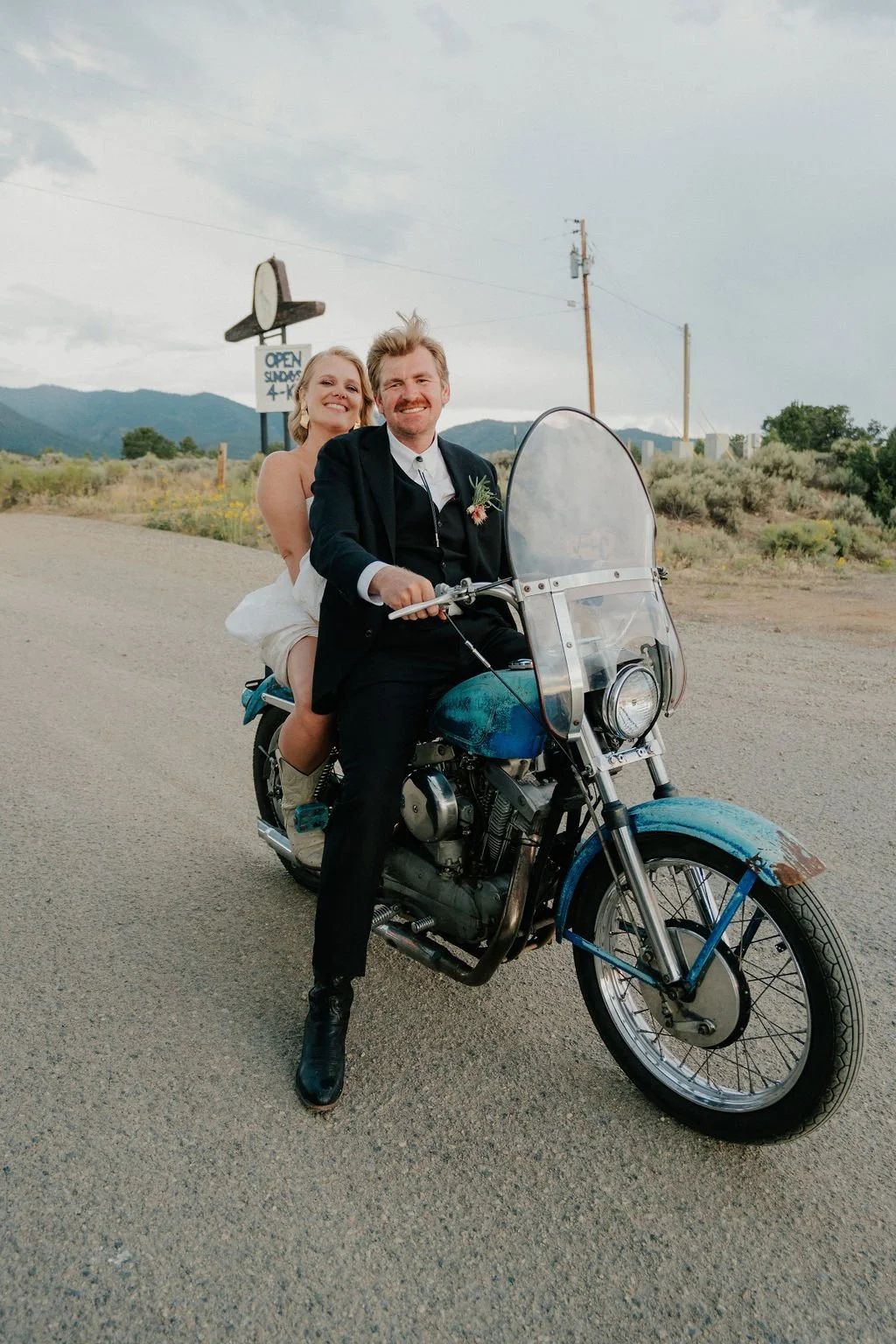
If that sounds like you, it's worth exploring options beyond city limits. Some couples base their day around small, intentional elopement experiences rather than a full wedding production. Others travel further out, choosing locations like Utah's red rock canyons for an adventure elopement, or heading toward New Mexico's high desert for a quieter, scenery-driven ceremony. A good photography team will offer both — polished, traditional Mesa wedding coverage and the flexibility to travel for a more adventurous elopement.
How to Book Your Mesa Wedding Photographer with Shutterfreek
At Shutterfreek, our approach blends documentary-style storytelling with the kind of intentional, cinematic light that Arizona's desert landscape makes possible. We've photographed weddings across Mesa's resorts, gardens, and mountain preserves, as well as adventure elopements across the Southwest, which means we understand how to adapt to almost any venue, timeline, or weather condition this region throws at us.
Booking typically works like this:
Initial consultation — we learn about your venue, timeline, and vision.
Custom package selection — based on hours of coverage, second shooter needs, and albums.
Contract and retainer — secures your date (popular Mesa wedding dates, especially October–April weekends, book out 9–14 months in advance).
Engagement session (optional) — a great way to get comfortable in front of the camera before the big day.
Wedding day coverage — full documentation from getting-ready moments through the reception send-off.
Gallery delivery — typically 4–8 weeks after the wedding, depending on season.
Final Thoughts
Mesa wedding photography is about more than finding someone with a nice camera — it's about finding a photographer who understands the desert light, respects your vision, and can adapt to whatever your wedding day throws their way. Whether you're planning a full celebration at a Mesa resort or dreaming of something smaller and wilder, the right photography team will make sure the story of your day is told honestly, beautifully, and in a way you'll want to revisit for decades.
Ready to talk through your Mesa wedding photography timeline, pricing, or venue? Reach out to Shutterfreek and let's build a coverage plan around your day.
-
Most couples in Mesa spend between $2,800 and $4,500 for a professional, full-day wedding photography package that includes a second shooter and edited digital gallery. Pricing can go lower for shorter coverage or higher for premium studios offering albums and multi-day coverage.
-
Popular dates, especially weekends between October and April, typically book 9 to 14 months out. If you have a specific photographer or date in mind, it's best to reach out as soon as your venue is confirmed.
-
Golden hour, roughly 45–60 minutes before sunset, offers the most flattering natural light for outdoor portraits in Mesa. Many couples also schedule a "first look" earlier in the day to maximize portrait time without rushing.
-
Many do, including Shutterfreek. If a traditional wedding venue isn't the right fit, photographers experienced in Mesa's desert light often also travel for adventure elopements in locations like Utah or New Mexico.
-
A solid contract should outline hours of coverage, number of edited images delivered, turnaround time, second-shooter details, usage/print rights, travel fees (if applicable), and a backup plan in case of emergency.
Keep reading