Best Places to Elope in New Mexico
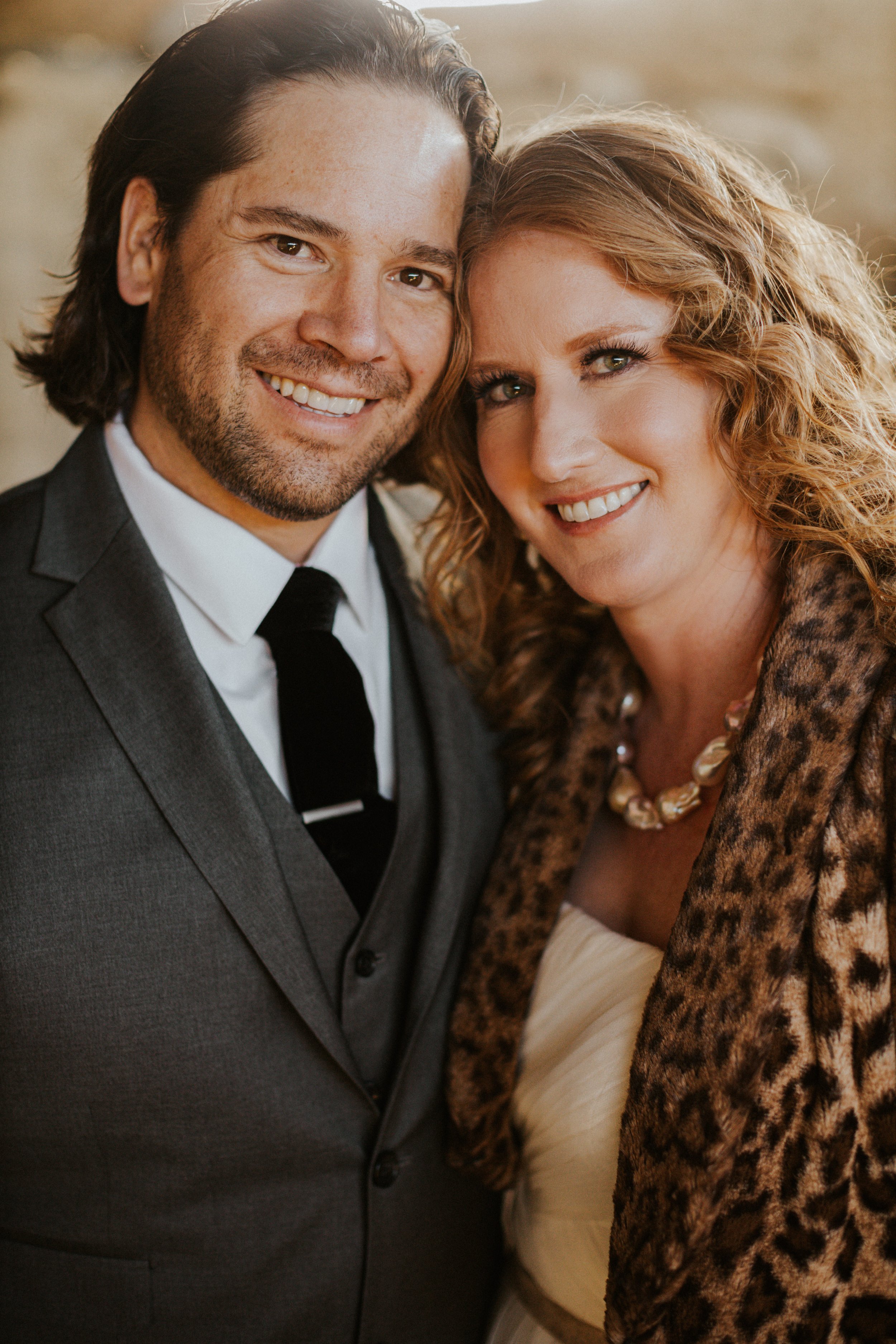
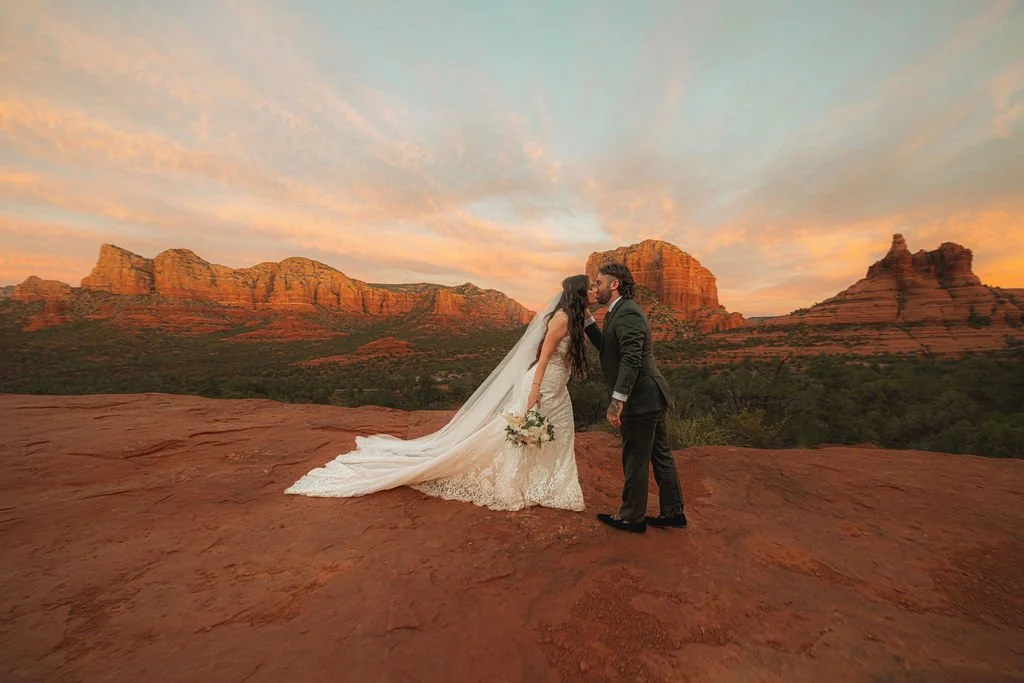
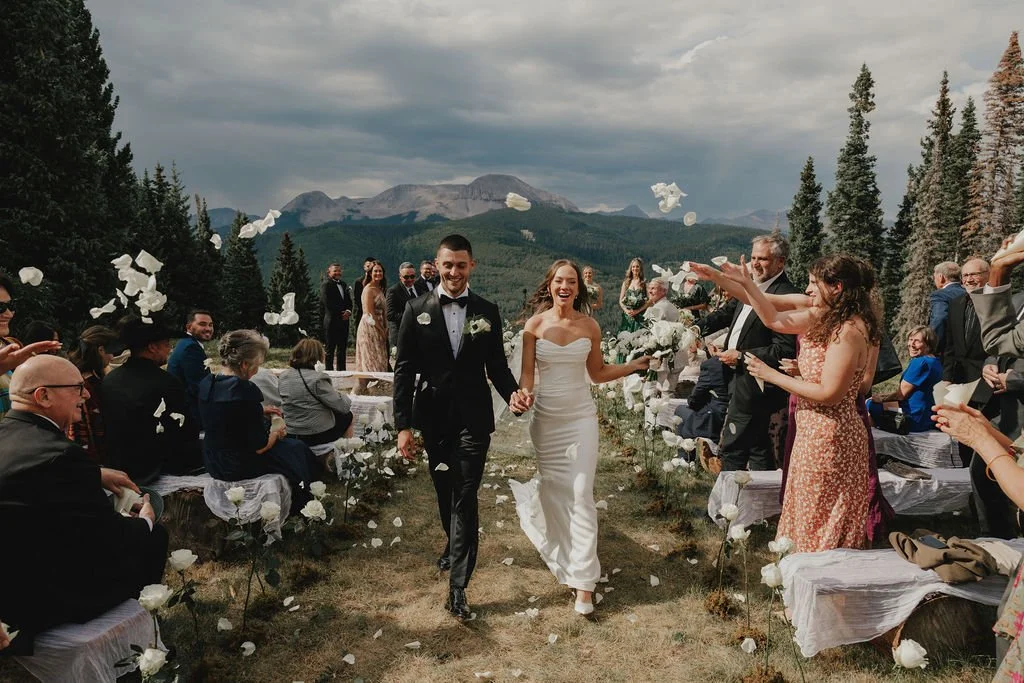
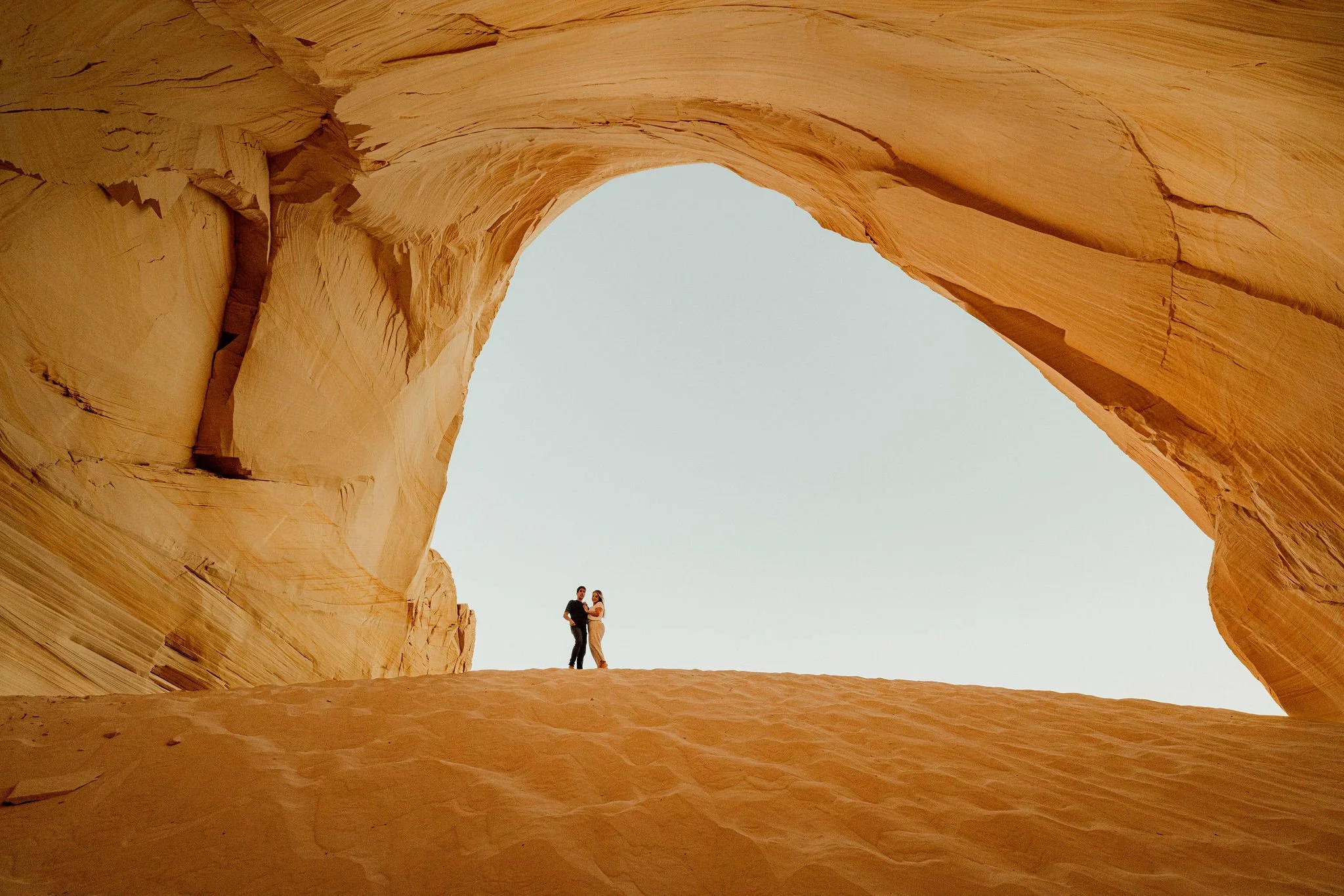
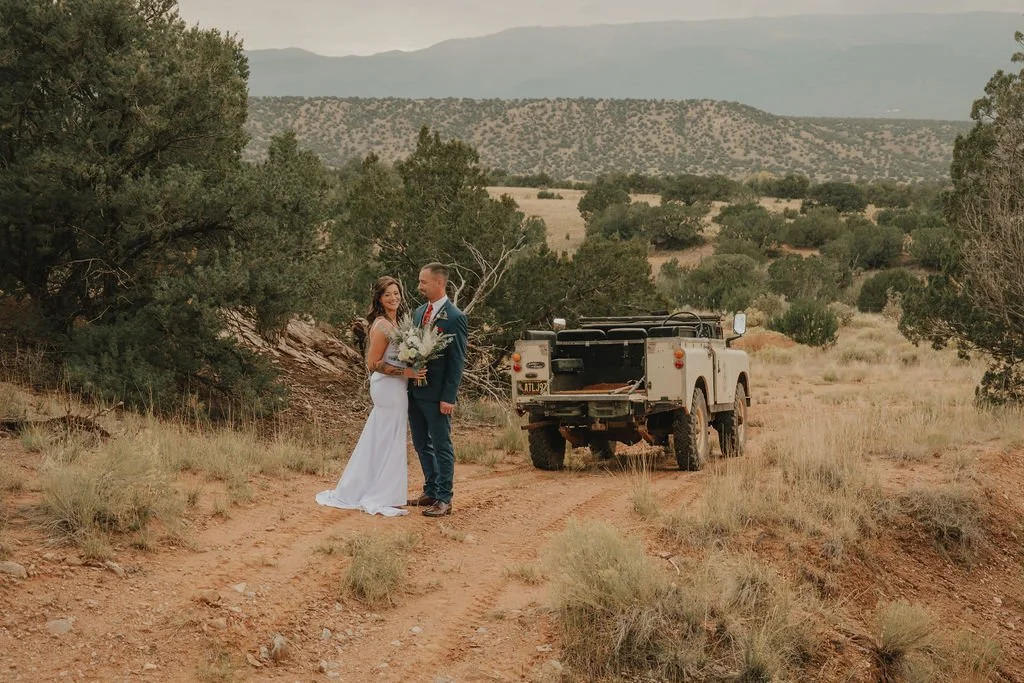
The best places to elope in New Mexico are White Sands National Park, Santa Fe's historic Plaza and canyon roads, Ghost Ranch in Abiquiu, the Sandia Mountains near Albuquerque, and Bandelier National Monument, each offering the kind of dramatic desert light, red rock backdrops, and quiet, permit-friendly settings that make an intimate wedding feel bigger than a full guest list ever could.
Whether you're picturing gypsum dunes at golden hour or a candlelit adobe courtyard in Taos, New Mexico's mix of high desert, alpine forest, and centuries-old architecture gives couples a backdrop no other state can fully replicate. As a New Mexico-based elopement photography team,Shutterfreek has photographed dozens of these ceremonies across the state, and this guide breaks down exactly where to go, when to go, and what to know before you book your date.
Why New Mexico Is One of the Best Elopement Destinations in the U.S.
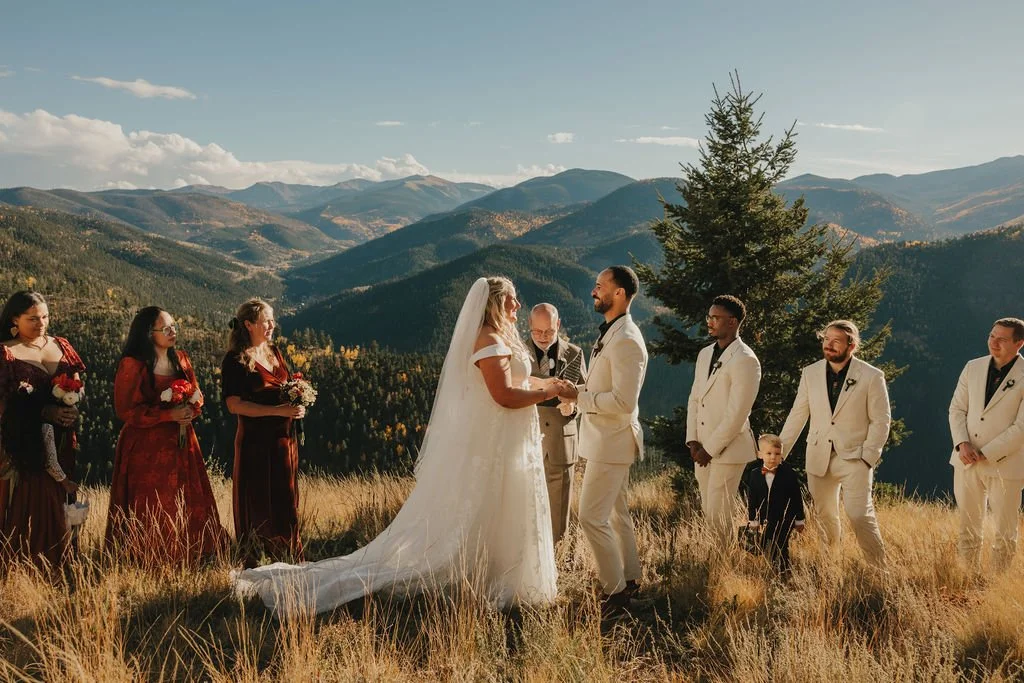
New Mexico earns its "Land of Enchantment" nickname honestly. It's one of the few states where you can have a desert dune ceremony in the morning and a mountain forest reception by dinner, all within a two-hour drive. A few reasons couples keep choosing it over more saturated elopement markets like Utah or Colorado:
Diverse terrain in a small radius. White gypsum dunes, red sandstone canyons, high alpine peaks, and adobe pueblos all sit within driving distance of Albuquerque and Santa Fe.
Reliable light. New Mexico averages over 280 sunny days a year, which matters enormously for photography-driven elopements.
Lower cost of entry. Compared to Utah's Zion or Colorado's Rocky Mountain National Park corridor, New Mexico's permit fees and vendor costs are still relatively affordable.
Fewer crowds. Many of the state's most photogenic spots see a fraction of the foot traffic of the Southwest's more Instagrammed parks.
If you're also weighing other Southwest states, our breakdown of adventure elopements in Utah covers how the two destinations compare for permits, terrain, and travel logistics.
The Best Places to Elope in New Mexico
1. White Sands National Park
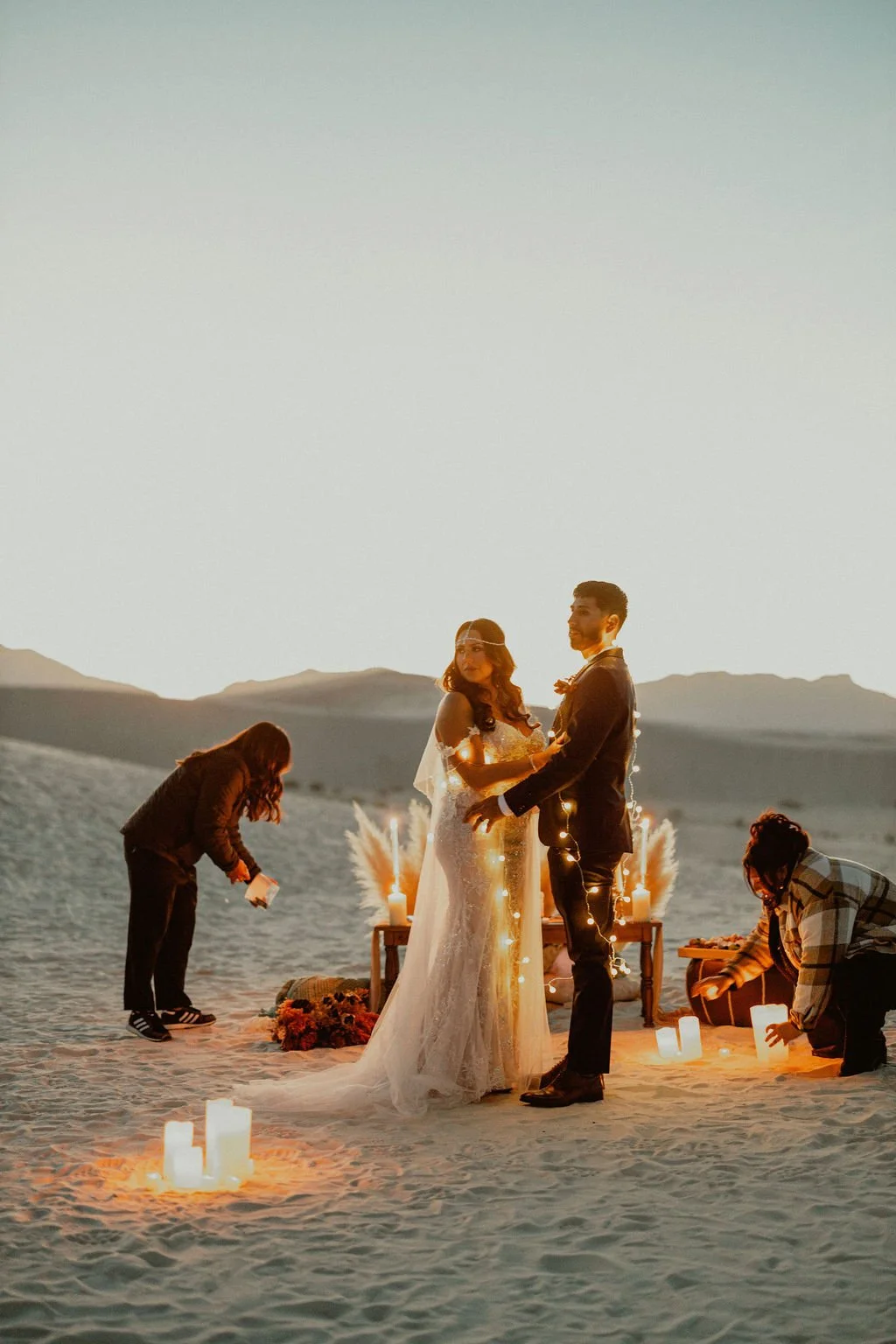
White Sands is the single most requested elopement location we shoot. The stark white gypsum dunes create a surreal, almost lunar backdrop that photographs beautifully in every season. Sunrise and sunset ceremonies are the most popular for the soft, warm light; midday works if you want high-contrast, graphic shadows. A wedding permit is required through the National Park Service, and group size is capped for smaller ceremonies, which makes it a natural fit for elopements rather than large weddings.
Best for: Couples who want a dramatic, minimalist backdrop with almost no competing scenery.
2. Santa Fe Plaza & Canyon Road
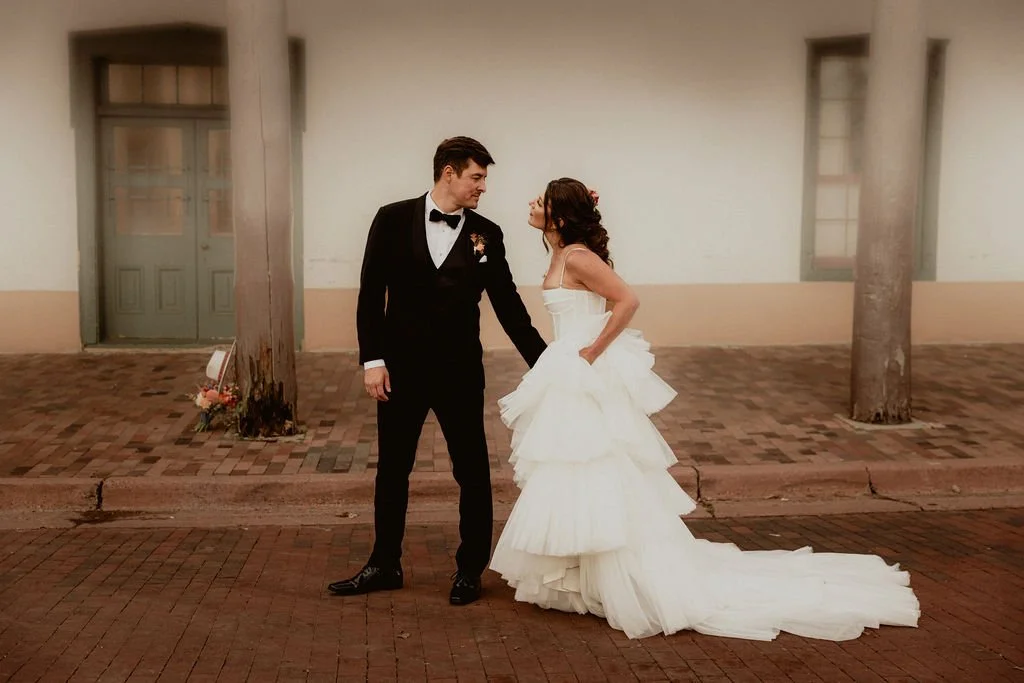
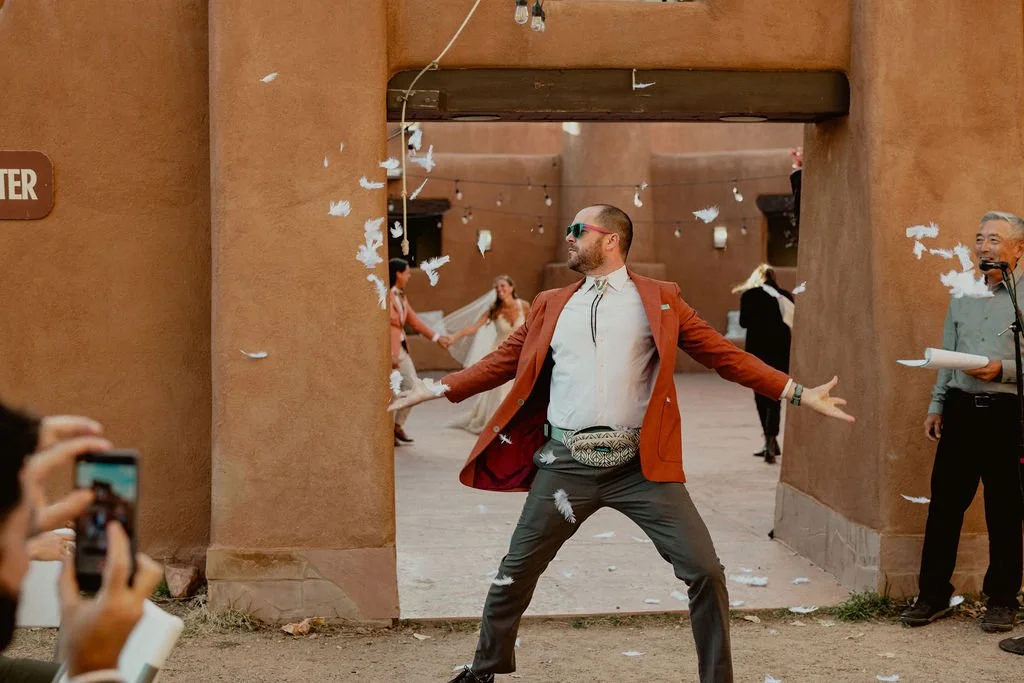
For couples who want history and architecture over raw landscape, Santa Fe delivers. The historic Plaza, the adobe walls of Canyon Road, and the surrounding art galleries give ceremonies a warm, textured, old-world feel. Many couples pair a courthouse or gallery-courtyard ceremony here with portraits at golden hour along the city's adobe alleyways.
Best for: City-adjacent elopements with easy access to restaurants, lodging, and vendors.
3. Ghost Ranch, Abiquiu
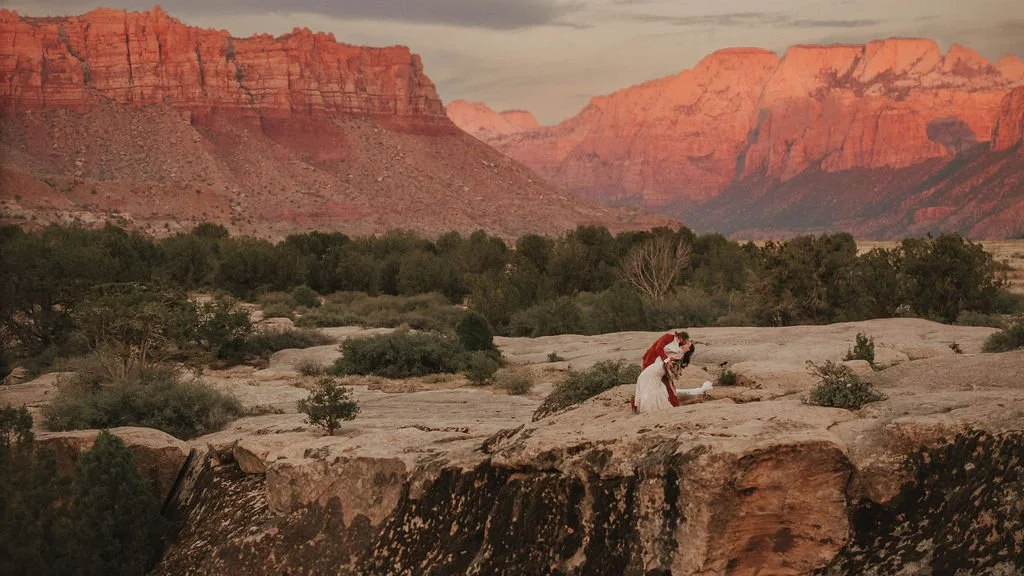
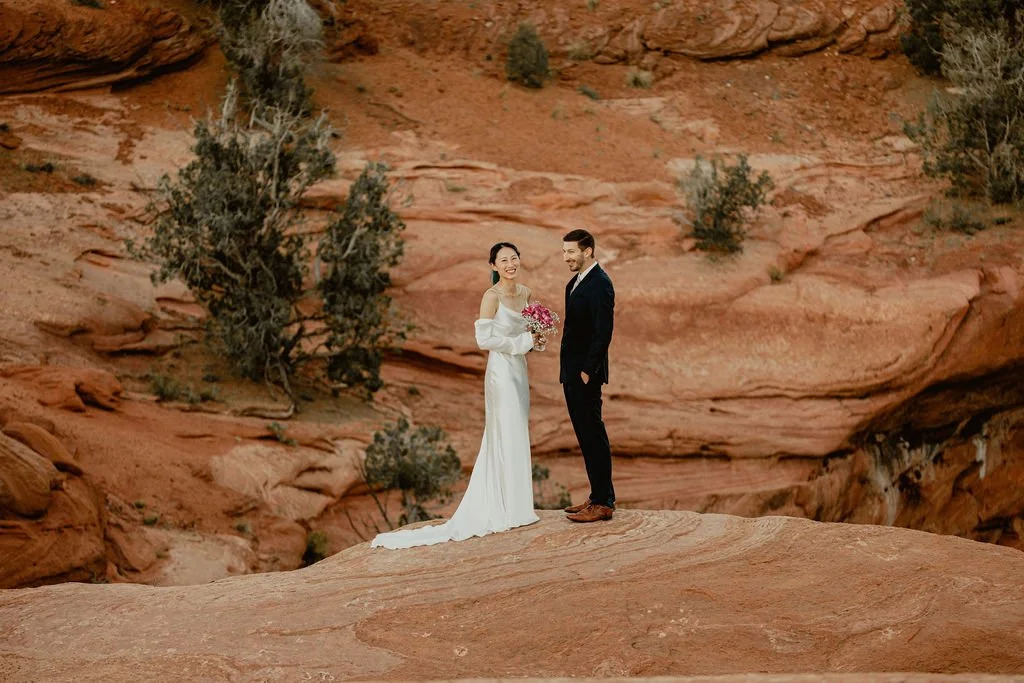
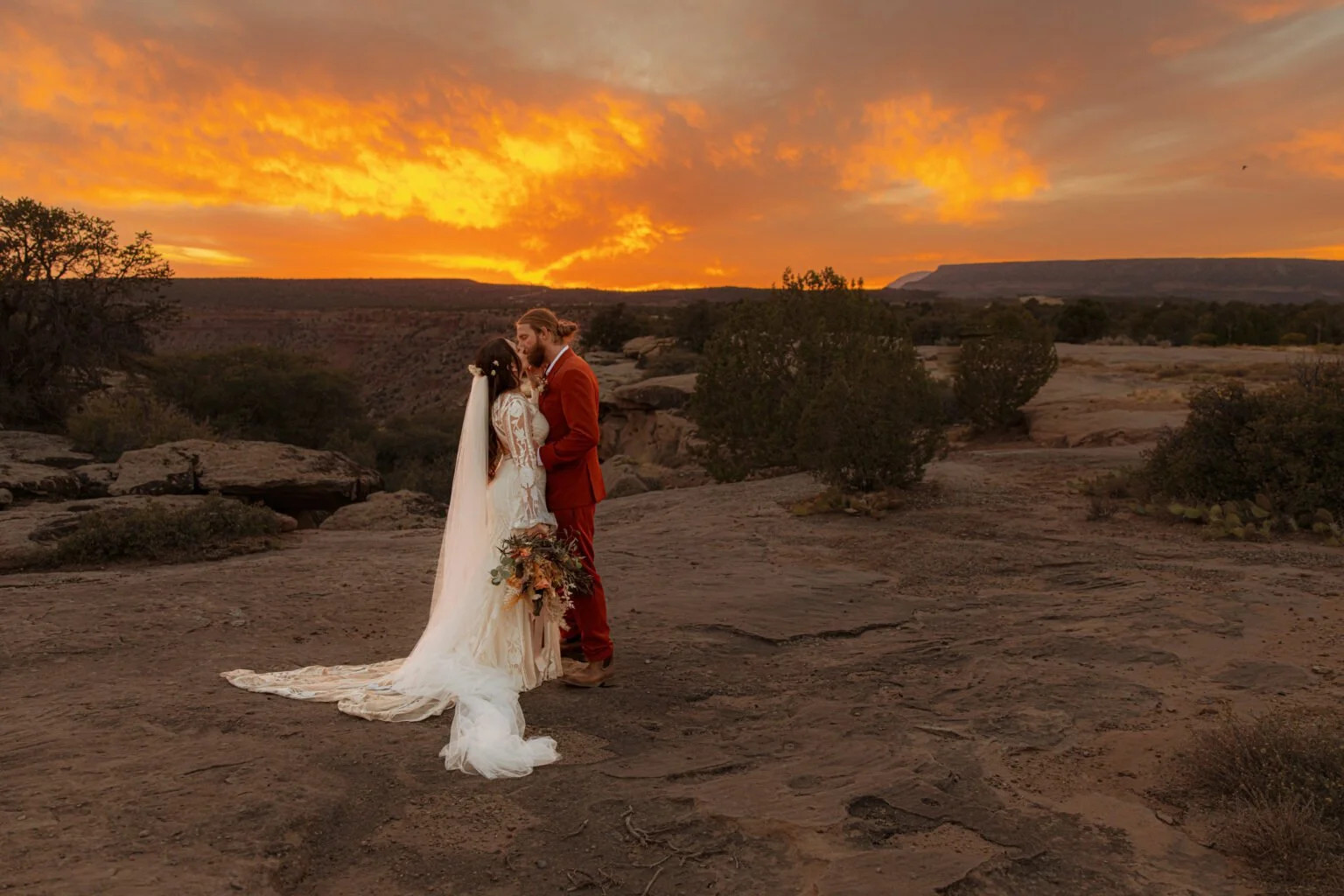
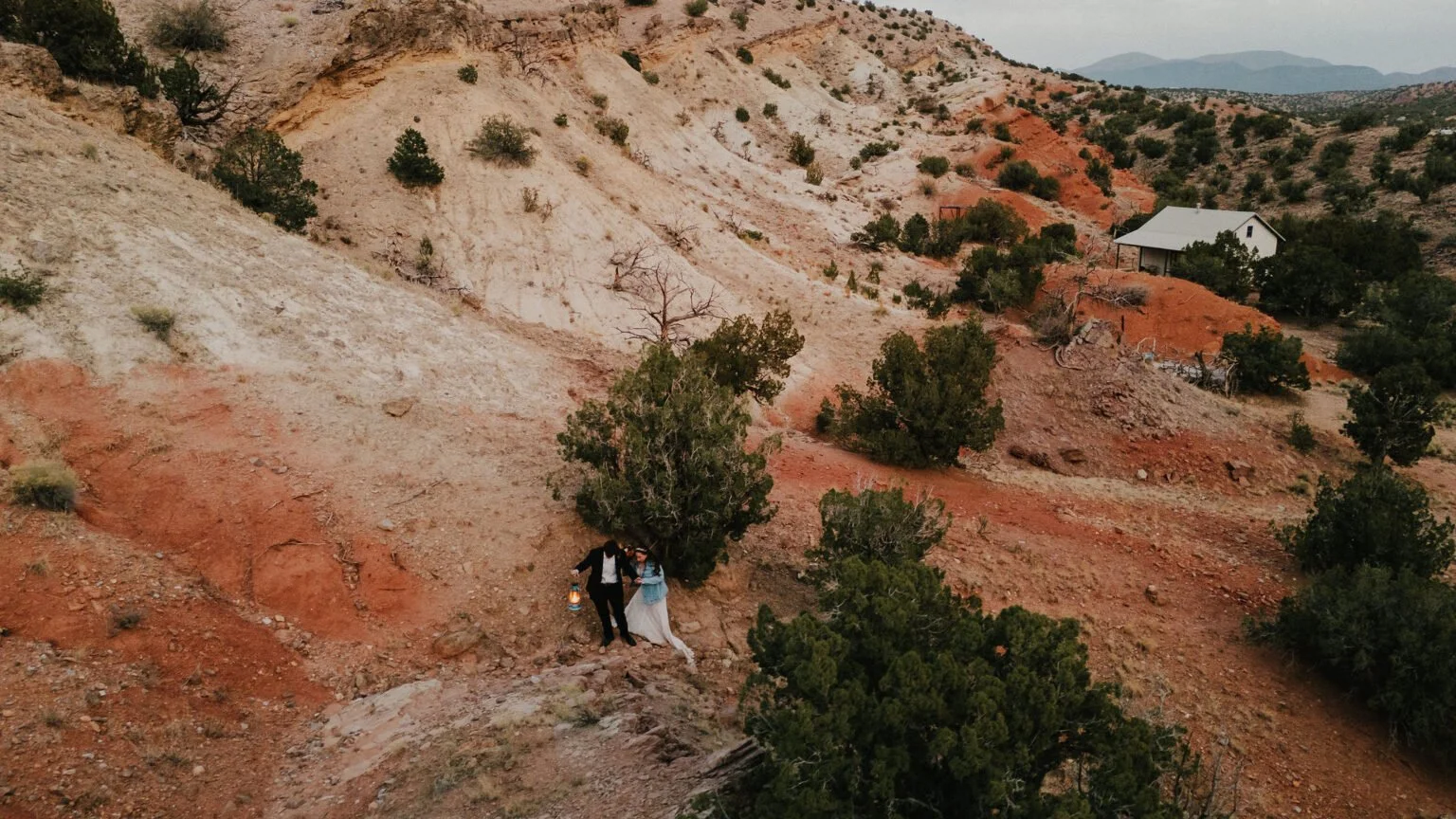
Made famous by Georgia O'Keeffe, Ghost Ranch's red and orange cliff formations are some of the most cinematic in the state. The ranch offers private event space and hiking trails that lead to secluded overlooks — ideal for a first-look or vow exchange away from other visitors.
Best for: Couples wanting bold color and total privacy.
4. Sandia Mountains, Albuquerque
Fifteen minutes from downtown Albuquerque, the Sandia Mountains offer pine forest, granite outcrops, and sweeping valley views without a long drive. The Sandia Peak Tramway also allows for a genuinely unique high-altitude ceremony option.
Best for: Couples who want mountain scenery without sacrificing city convenience.
5. Bandelier National Monument
Ancient cliff dwellings, canyon trails, and ponderosa pine forest make Bandelier one of the more understated elopement spots in the state. Permits are required and group sizes are limited, keeping the setting quiet even during peak season.
Best for: History-minded couples who want an archaeological backdrop.
6. Taos & the Rio Grande Gorge
Taos combines mountain-town charm with one of the most dramatic geological features in the Southwest — the 800-foot-deep Rio Grande Gorge. The gorge bridge and surrounding mesa make for striking wide-angle portraits.
Best for: Couples chasing a bold, cliff-edge visual.
7. Ojo Caliente
New Mexico's oldest natural mineral hot springs resort doubles as a relaxed, low-stress elopement venue. Couples often combine a small ceremony with a spa day, which is a nice option for anyone who wants their elopement to feel like a retreat rather than a production.
Best for: Low-key, wellness-focused elopements.
If you're also considering a slightly larger guest list, our guide to the best locations for small weddings in New Mexico covers venues that work for both intimate elopements and micro-weddings of 20–50 guests.
Comparison Table: Top New Mexico Elopement Locations at a Glance
| Location | Scenery Type | Permit Required | Best Season | Drive from Albuquerque |
|---|---|---|---|---|
| White Sands National Park | White gypsum dunes | Yes (NPS wedding permit) | Fall–Spring | ~3.5 hrs |
| Santa Fe Plaza & Canyon Road | Historic adobe architecture | Varies by site | Spring–Fall | ~1 hr |
| Ghost Ranch, Abiquiu | Red rock cliffs & mesas | Yes (private venue permit) | Spring, Fall | ~1.5 hrs |
| Sandia Mountains | Pine forest & granite | Sometimes (Forest Service land) | Summer, Fall | ~20 min |
| Bandelier National Monument | Canyon & cliff dwellings | Yes (NPS wedding permit) | Spring, Fall | ~1.5 hrs |
| Taos / Rio Grande Gorge | Canyon & mountain-town | Varies by site | Summer, Fall | ~2.5 hrs |
| Ojo Caliente | Hot springs & high desert | No (private resort) | Year-round | ~1.5 hrs |
Best Time of Year to Elope in New Mexico
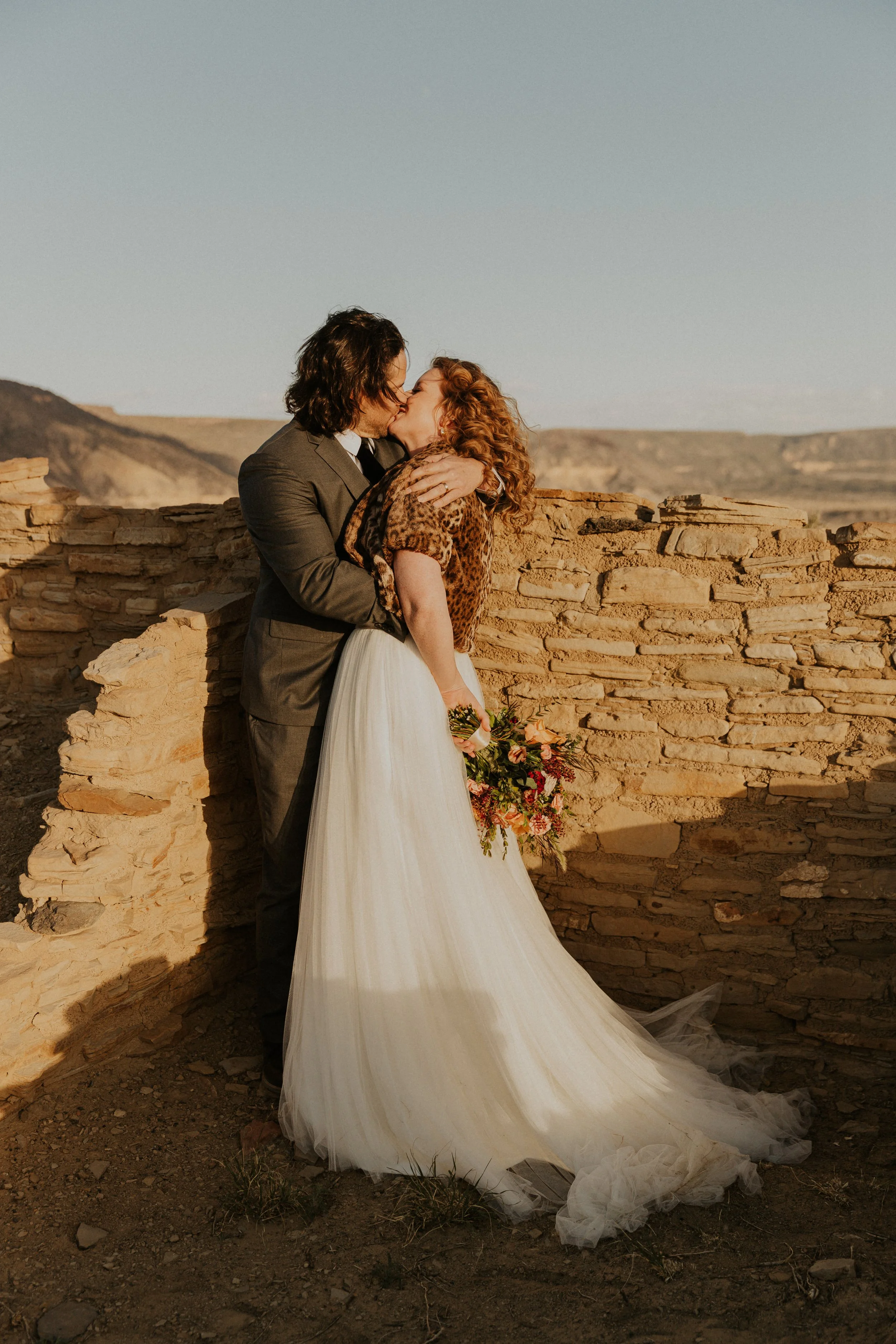
Timing affects both your comfort and your photos more than most couples expect. Summer afternoons in the desert can climb well above 90°F, while winter mornings in the mountains can dip below freezing. Here's how the seasons break down for the state's top elopement regions.
| Season | Weather & Conditions | Pros | Cons |
|---|---|---|---|
| Spring (Mar–May) | Mild, occasional wind | Wildflowers, comfortable temps; windy afternoons at White Sands | Occasional wind can affect outdoor shoots |
| Summer (Jun–Aug) | Hot days, monsoon storms in Jul/Aug | Long daylight hours, green mountains | Midday heat, afternoon thunderstorms |
| Fall (Sep–Nov) | Cool, clear, golden light | Cottonwood color, ideal photo light | Peak booking season, higher vendor demand |
| Winter (Dec–Feb) | Cold, occasional snow | Dramatic snow-on-red-rock scenery, low crowds | Limited daylight, cold-weather logistics |
Permits & Legal Requirements for Eloping in New Mexico
Before locking in a location, it's worth confirming three things:
Marriage license. New Mexico marriage licenses are issued at the county clerk's office, don't require a waiting period, and are valid statewide — you don't need to obtain the license in the same county where you're marrying.
Wedding/photography permits. National Park Service sites (White Sands, Bandelier) and some state parks require a separate special-use permit for ceremonies, on top of standard park entry. Private venues like Ghost Ranch have their own booking and permit process.
Group size limits. Many permit-required sites cap group size specifically to preserve the site for elopement-scale ceremonies, which is part of why these locations stay quiet even during peak wedding season.
Because permit requirements and fees change, it's worth confirming current rules directly with the managing agency before finalizing your date.
How to Choose the Right Elopement Photographer
Your location choice only pays off if the photographer you hire actually knows how to work that terrain, desert light, altitude, and remote trail access all require different planning than a standard venue wedding. A few things worth asking before you book:
Have they shot at this specific location before, or in similar high-desert/mountain conditions?
Are they familiar with the permit process for the site you've chosen?
Do they build in buffer time for hikes, elevation changes, or weather delays?
We go deeper into vetting questions, portfolio red flags, and pricing structures in our full guide on how to choose a wedding photographer, which applies just as much to elopements as it does to full weddings.
Planning Your New Mexico Elopement: A Shutterfreek Checklist
Book your permit early. Popular sites like White Sands and Bandelier can require permit applications weeks to months in advance, especially for fall dates.
Plan around light, not just scenery. Golden hour in the desert is short and dramatic — build your ceremony timeline around it rather than a fixed clock time.
Have a backup plan for wind and weather. Desert wind and summer monsoons are real factors, particularly at exposed sites like White Sands and the Rio Grande Gorge.
Hire local. A photographer who already knows the terrain, light, and permit process will save you planning time and deliver stronger images.
We specialize in exactly this kind of trip — full details on packages, timelines, and locations are on our New Mexico adventure elopement page.
What to Pack for a New Mexico Elopement
Terrain and altitude shift quickly across the state, so a little planning goes a long way on wedding-day logistics.
Footwear for two surfaces. Dune sand and canyon trail dirt behave very differently — bring a backup pair of shoes for hiking-heavy locations like Ghost Ranch or Bandelier.
Layers, even in summer. Desert temperatures can swing 30+ degrees between midday and evening, especially at higher-elevation sites like the Sandia Mountains.
Sun protection. High elevation and reflective white sand both increase UV exposure well beyond what most couples expect.
Water and snacks. Many of the best photo spots are a short hike from parking, and dehydration shows up fast in desert heat.
A flexible timeline. Building extra buffers around golden hour, permit check-ins, and hiking time keeps the day from feeling rushed.
Final Thoughts
New Mexico gives couples something few other states can: real terrain variety, dependable light, and locations that still feel undiscovered even as elopements grow more popular nationwide. Whether you're drawn to the white dunes of White Sands, the red cliffs of Ghost Ranch, or the adobe streets of Santa Fe, the right location is really a question of which landscape matches your story.
If you're ready to start planning, explore our full range of New Mexico elopement photography services or reach out directly, we'll help you match a location to your date, your guest count, and the kind of images you actually want to look back on.
Frequently Asked Questions
-
White Sands National Park is the most requested location for its dramatic white dune landscape, but Santa Fe and Ghost Ranch are close seconds for couples who want architecture or red rock scenery instead of desert dunes.
-
It depends on the site. National Park Service locations like White Sands and Bandelier require a wedding/special-use permit in addition to park entry, while some private venues handle permitting internally. County-level marriage licenses are required statewide regardless of ceremony location.
-
Costs vary widely by location and vendor choices, but many couples budget for a marriage license fee, a site or permit fee (if applicable), and photography, with total elopement costs typically running far lower than a traditional full-guest wedding.
-
October is widely considered the best month, thanks to cooler temperatures, golden cottonwood color, and consistently clear skies though it's also the busiest booking month, so early planning matters.
-
Yes. White Sands allows wedding ceremonies with an approved special-use permit, and it's one of the most popular elopement sites in the state due to its unique dune landscape and reliable golden-hour light.
Keep reading