How to Choose a Wedding Photographer: A Complete Guide for Couples
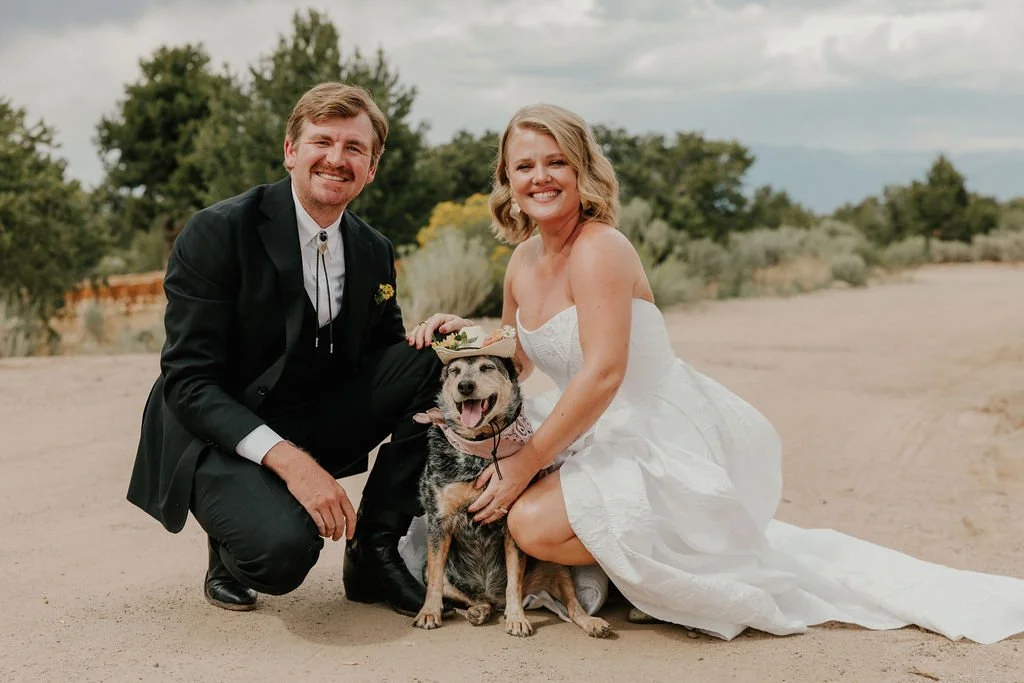
Choosing the right wedding photographer comes down to three things: finding someone whose artistic style matches your vision, whose personality makes you feel at ease, and whose pricing aligns with your budget. That's the short answer — but getting there takes a little more work. Your wedding photos are the only thing left after the cake is gone and the flowers have wilted. The right photographer transforms fleeting moments into permanent heirlooms. This guide walks you through every step of the process so you can book with confidence and never second-guess your decision.
Why Your Wedding Photographer Matters More Than You Think
Most couples spend more time selecting a wedding venue than they do choosing their photographer — and that's a mistake. The venue sets the stage for one day. The photographs last a lifetime.
A skilled wedding photographer does far more than press a shutter button. They manage lighting in unpredictable environments, direct awkward family groupings without drama, disappear into the background during emotional moments, and surface just in time to capture a tearful vow or a spontaneous first dance dip. That level of artistry and emotional intelligence is rare, and it doesn't show up on a price list.
When you work with a photographer like Shutterfreek — rooted in adventure, romance, and authentic storytelling — you're not just hiring someone with a camera. You're bringing on a visual collaborator who genuinely cares about your story.
Step 1 — Define Your Wedding Photography Style
Before you open a single Instagram profile or Google search, get clear on the look you want. Wedding photography styles vary wildly, and knowing which category speaks to you will save you hours of research and prevent you from accidentally booking the wrong fit.
The Main Photography Styles Explained
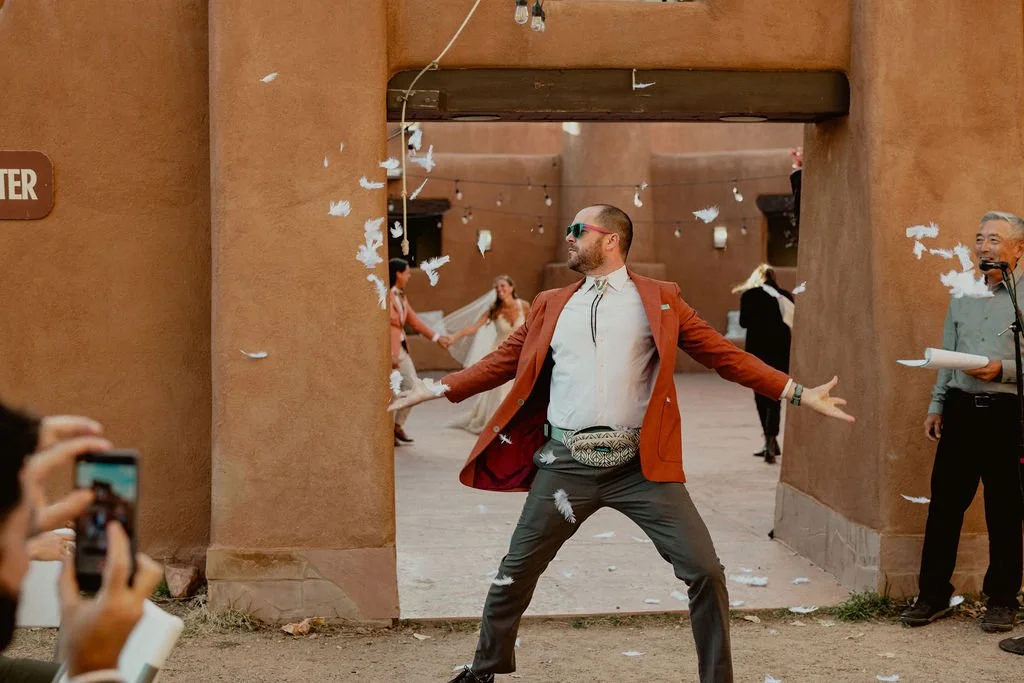
Documentary / Photojournalistic This style prioritizes candid, unposed moments. The photographer blends into the background and captures the day as it naturally unfolds — tears, laughter, chaos, and all. If you want your photos to feel like a movie still from your love story, this is it.
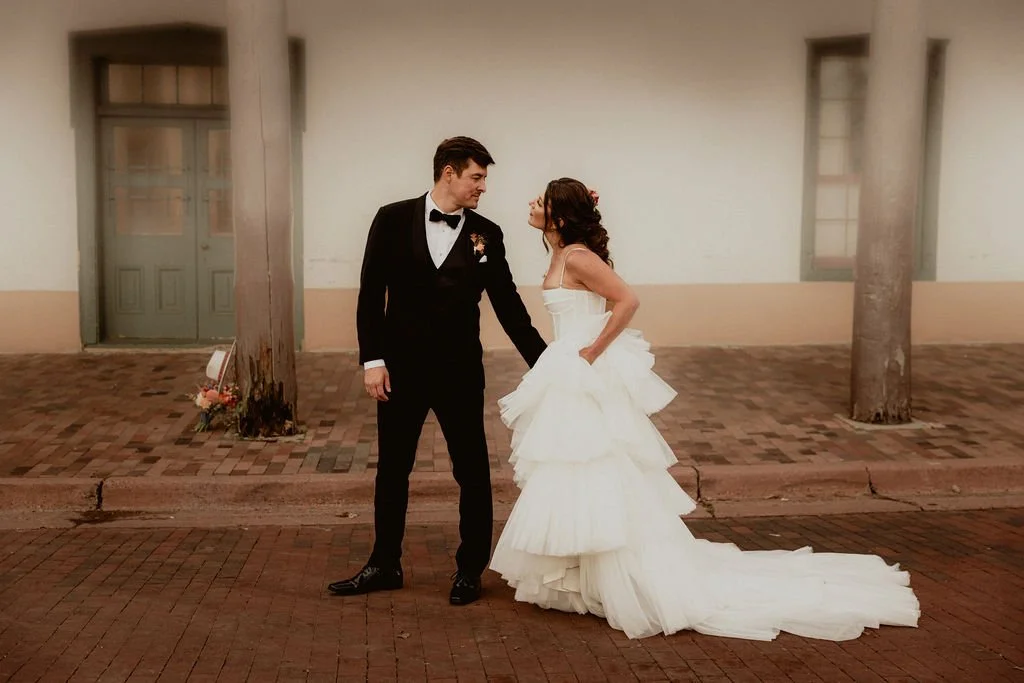
Fine Art / Editorial Heavily influenced by fashion and editorial photography, this style leans into artistic composition, dramatic light, and a polished, magazine-worthy aesthetic. Expect intentional posing, moody tones, and images that look like they belong on a gallery wall.
Classic / Traditional Time-tested portraits and posed group shots are the backbone of classic wedding photography. Formal, clean, and universally flattering — ideal for couples who want a timeless album their grandchildren can appreciate.
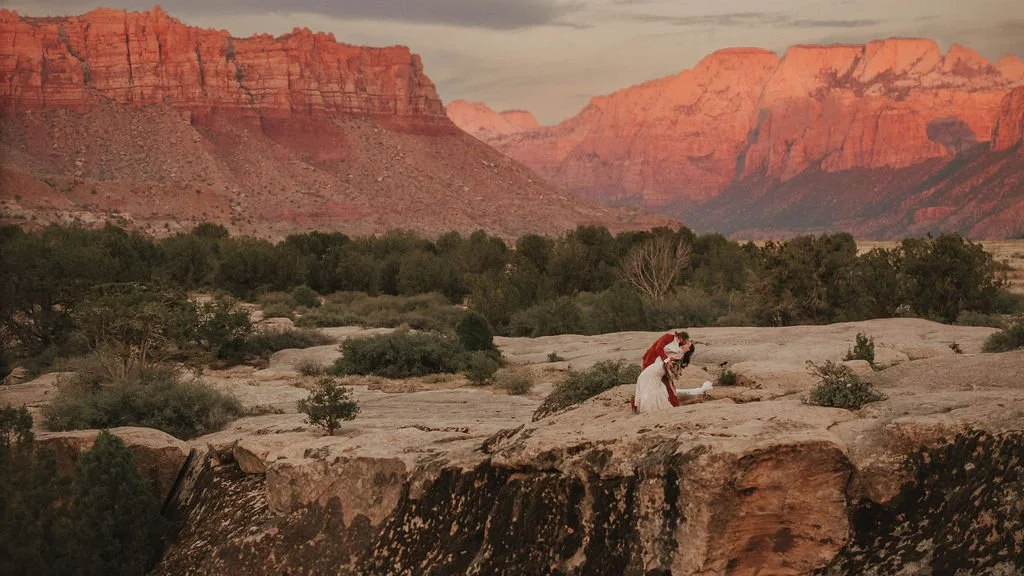
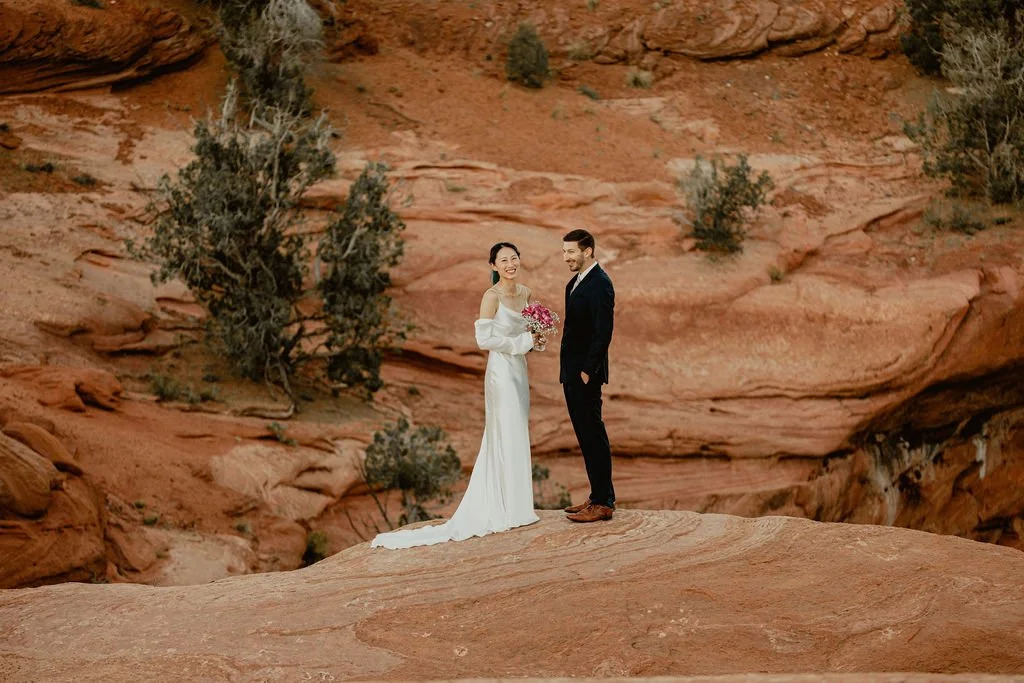
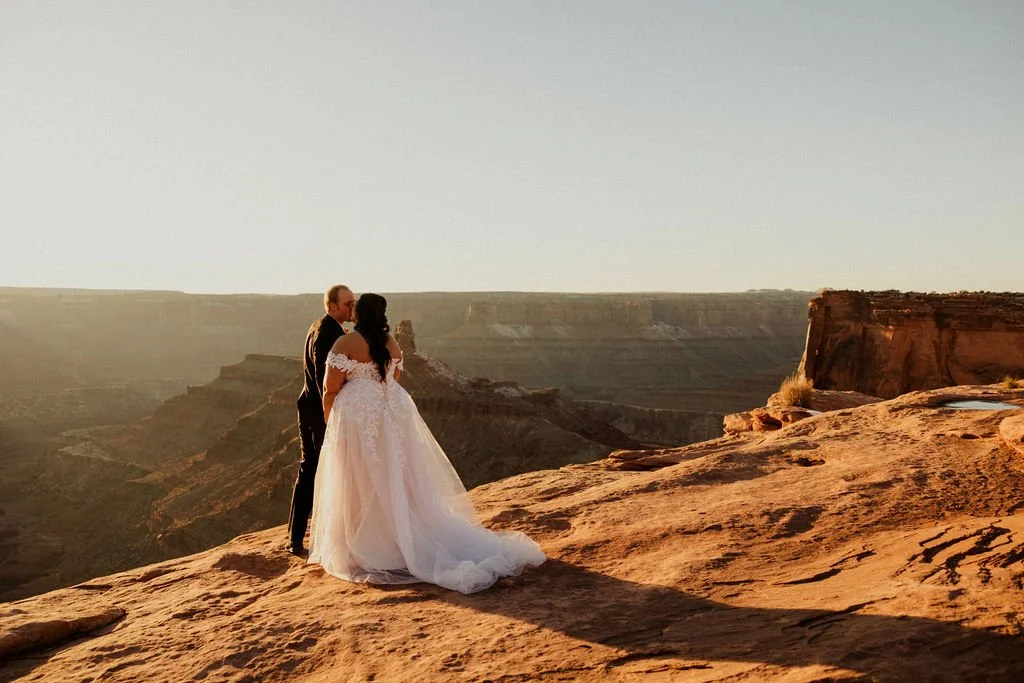
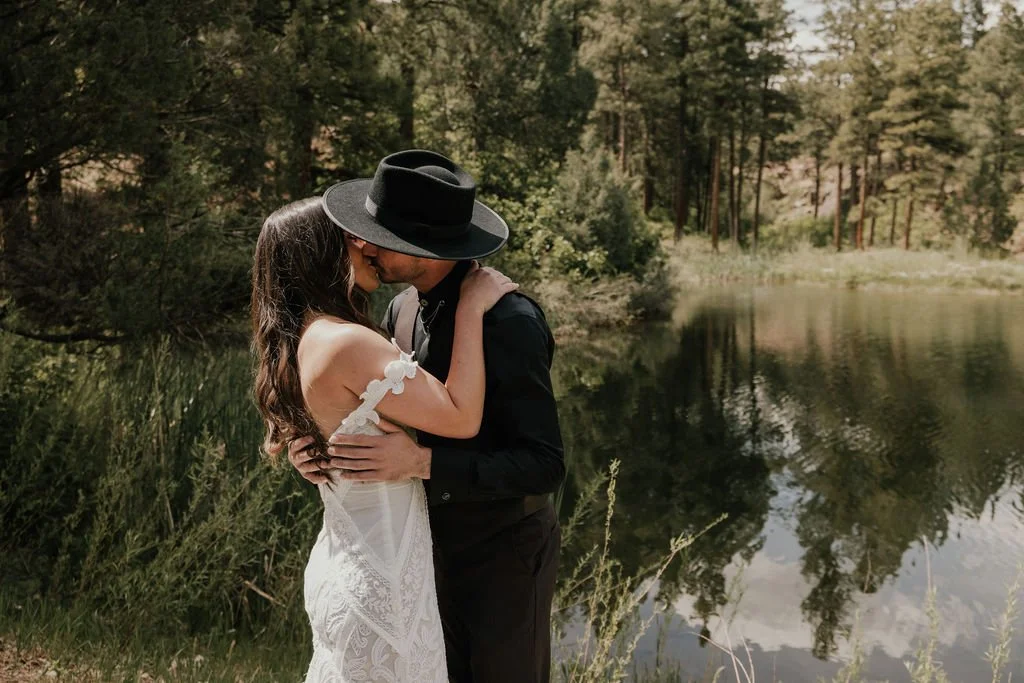
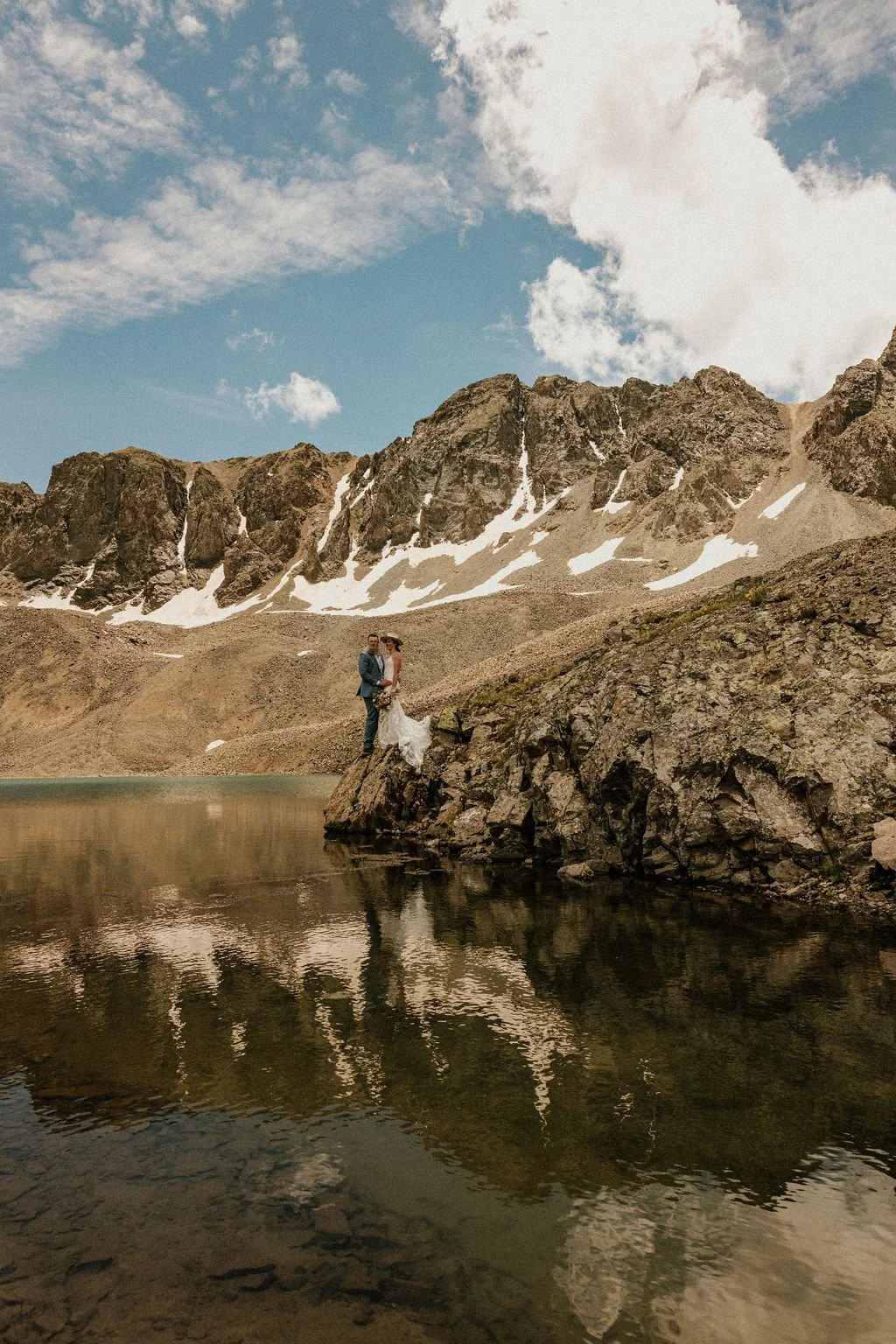
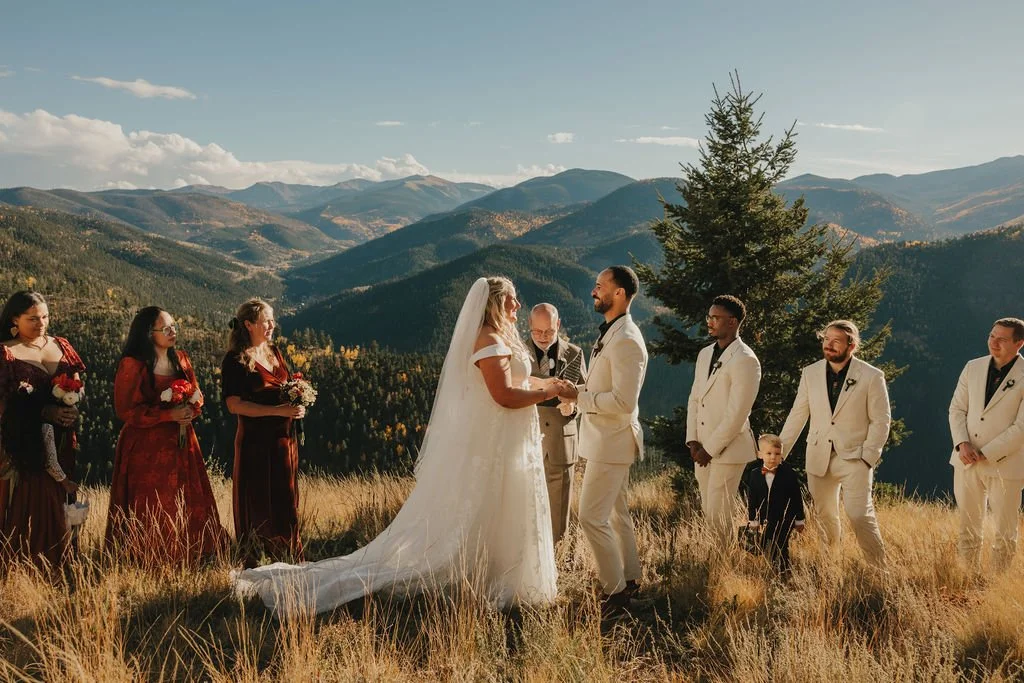
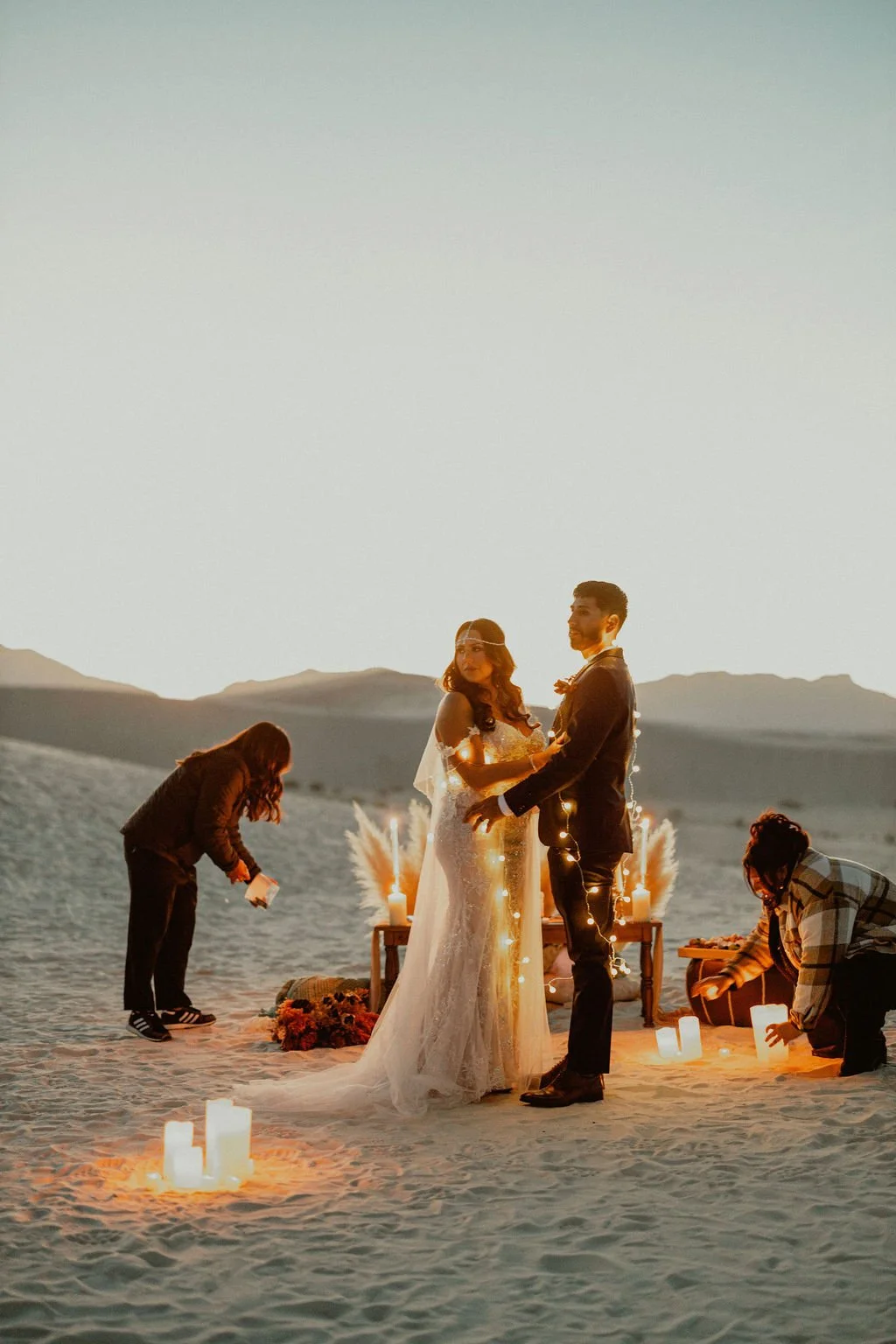
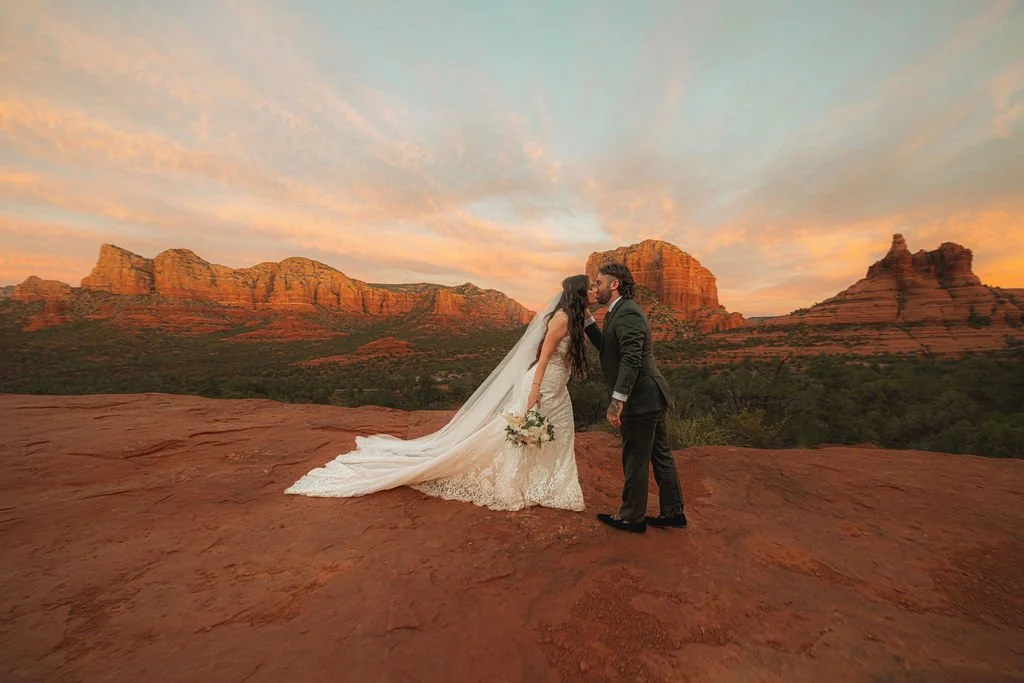
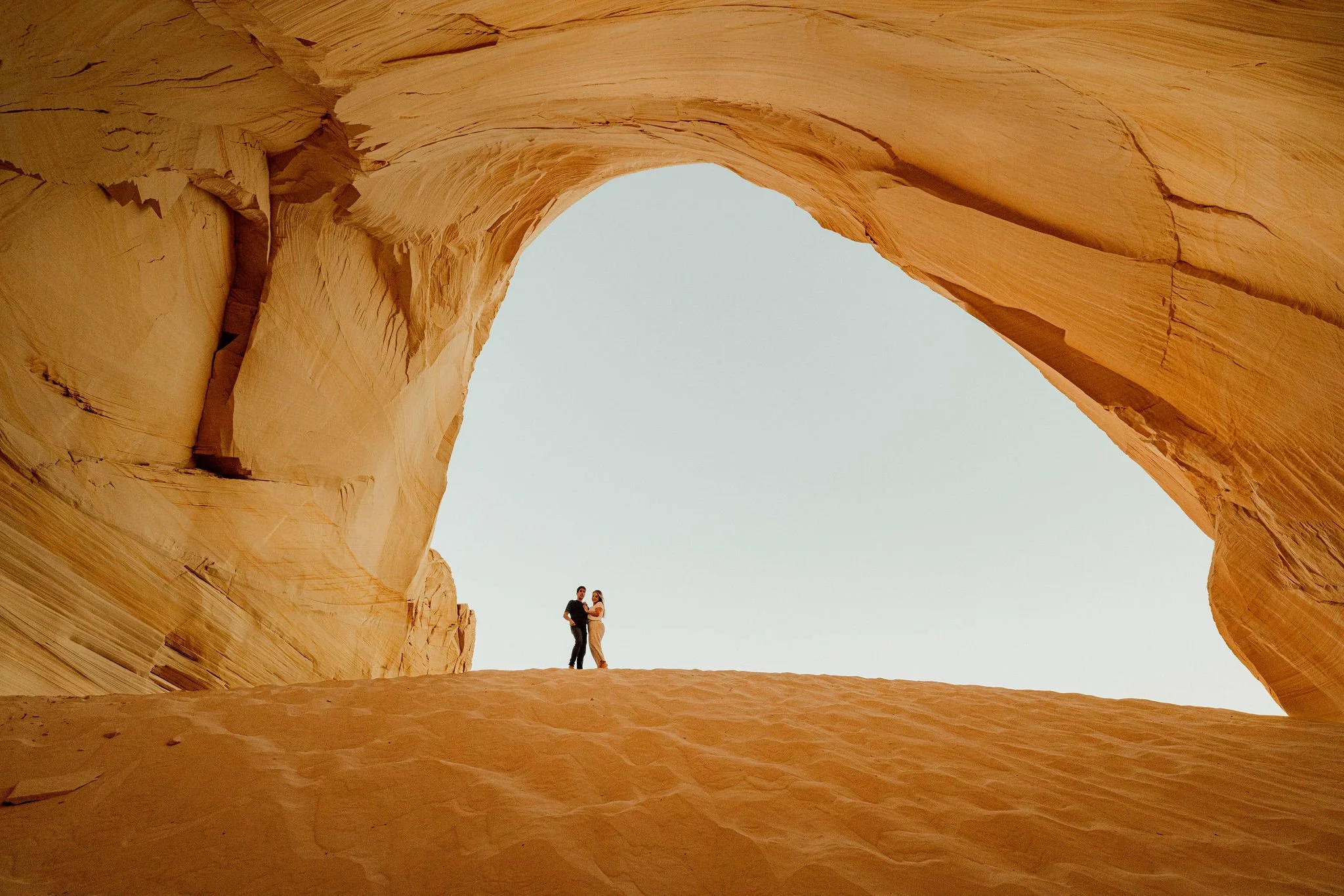
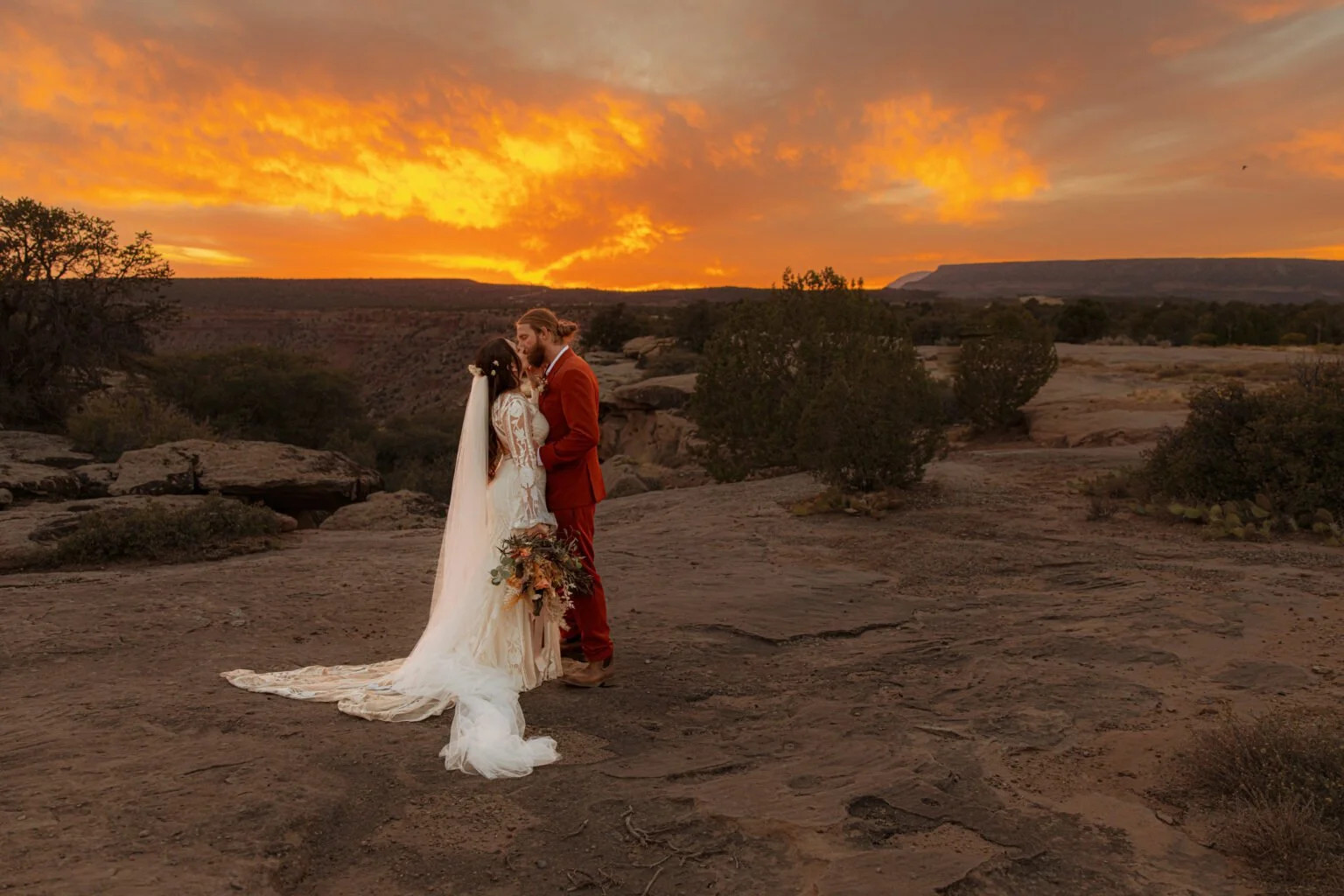
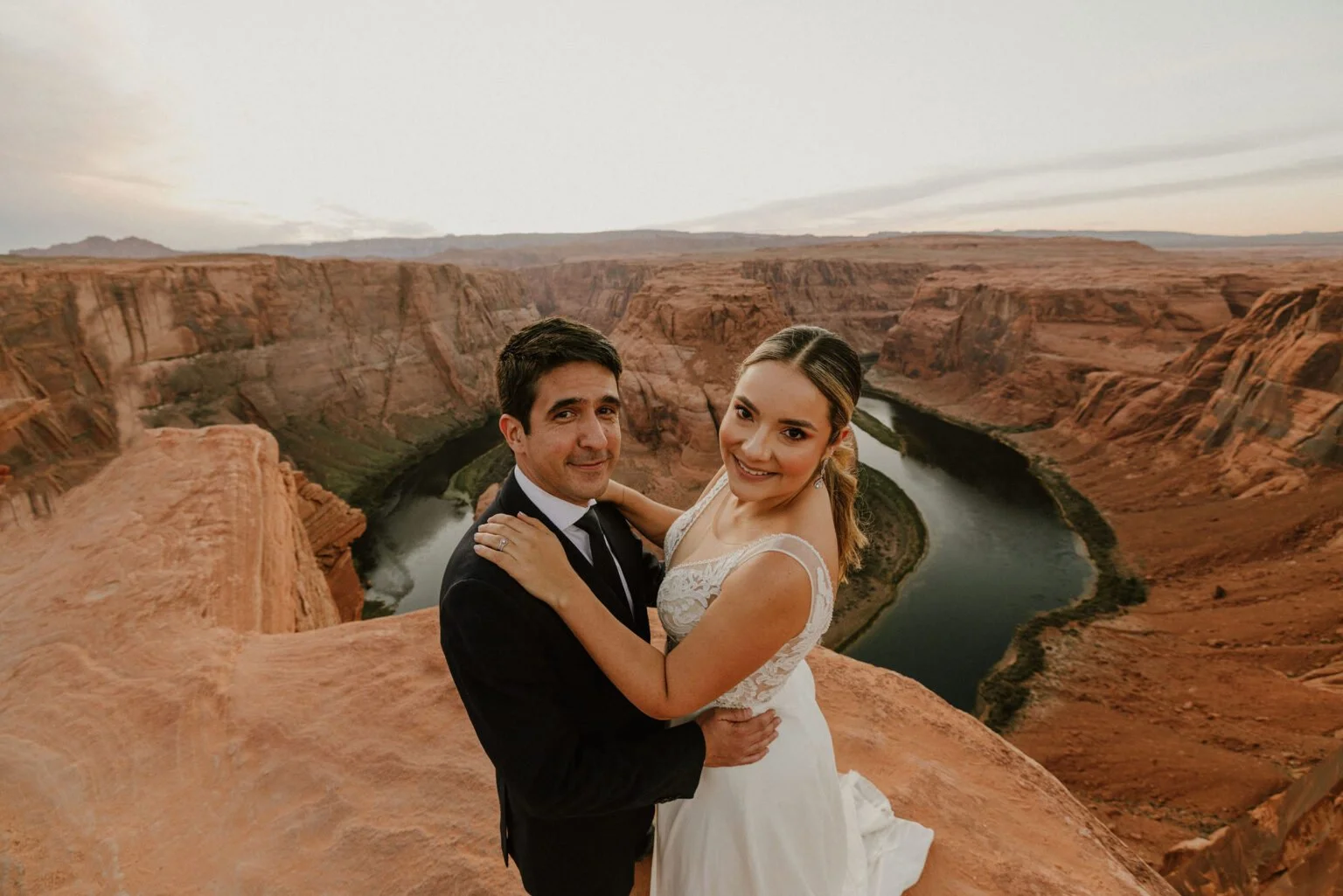
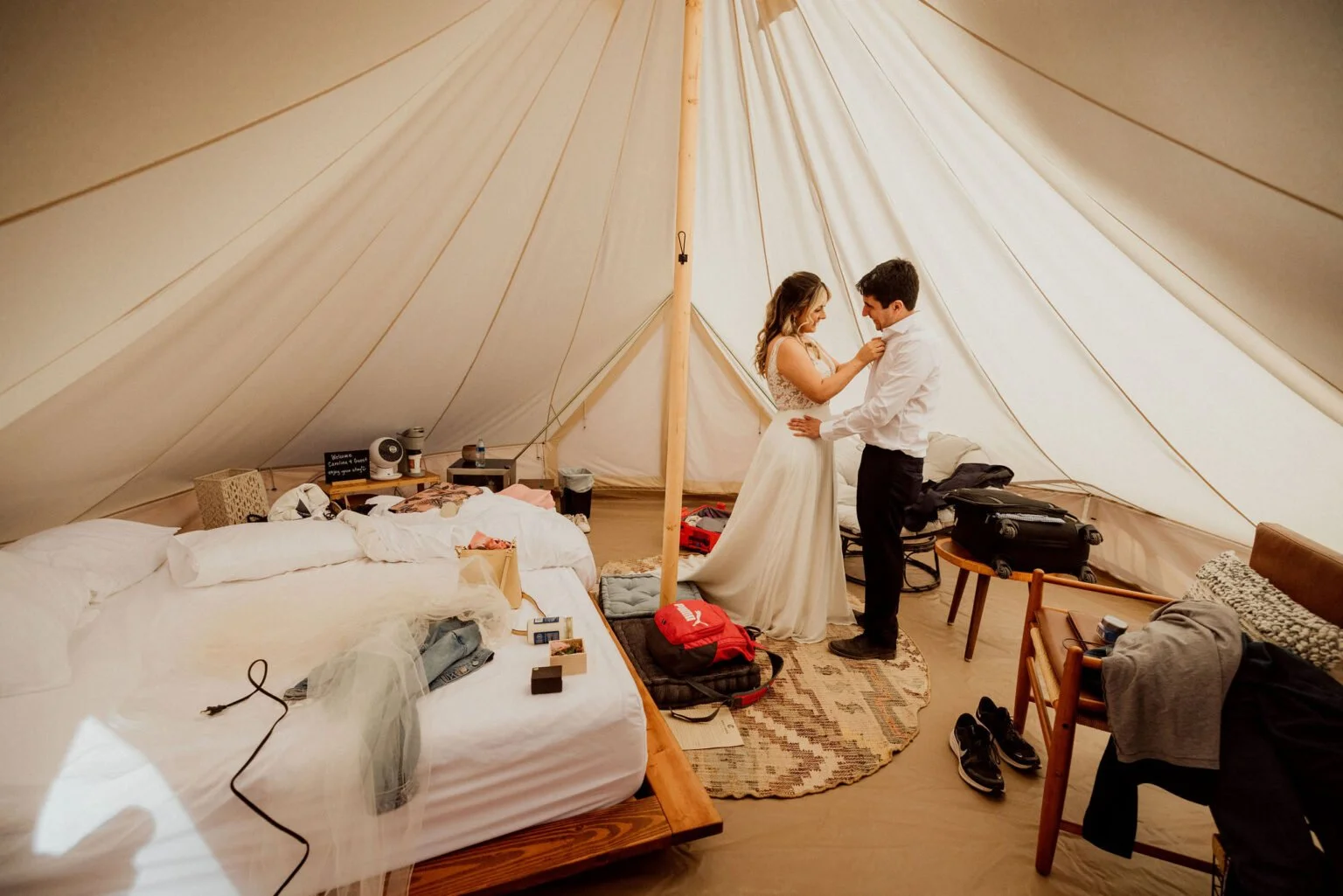
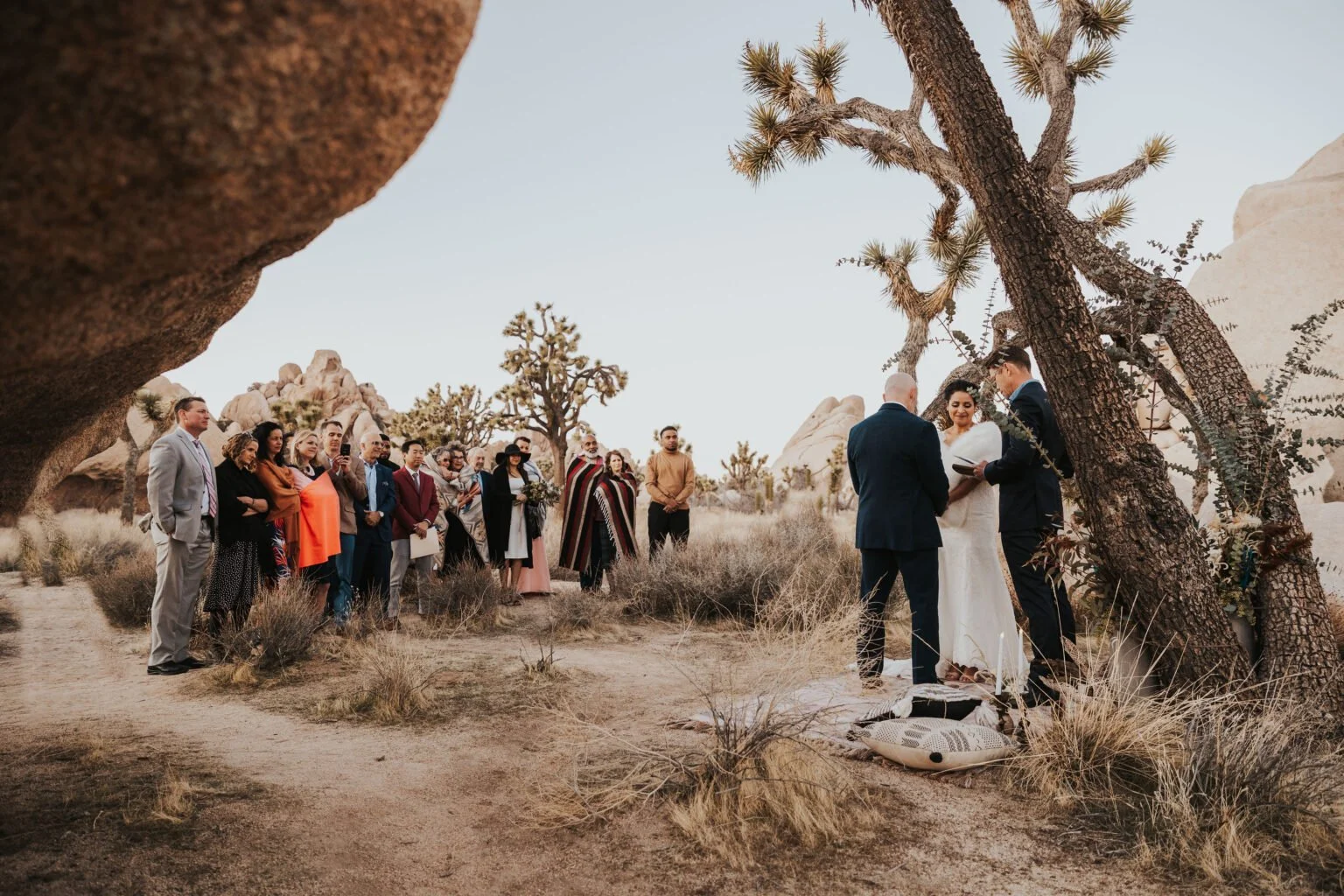
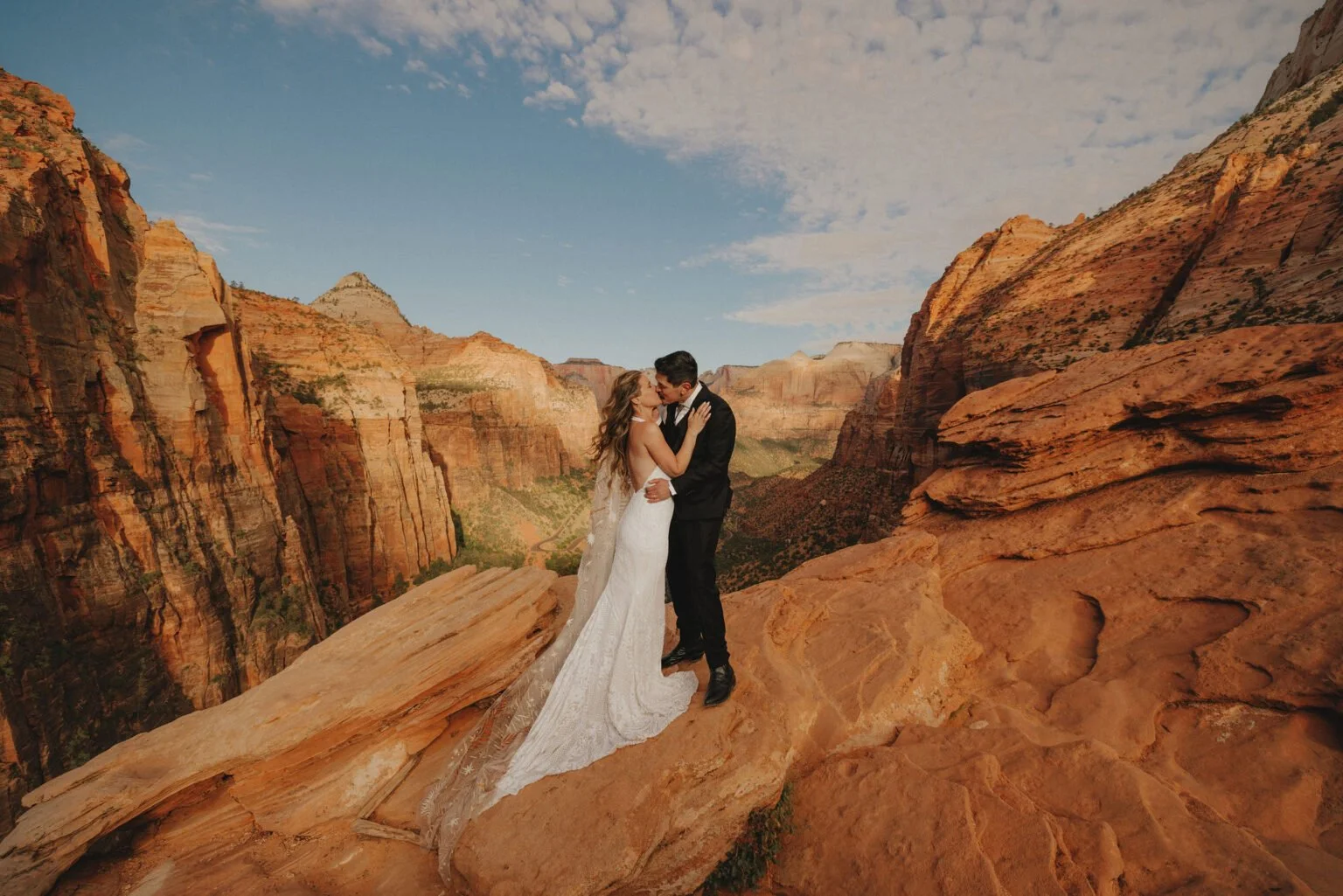
Adventure / Elopement Perfect for couples who aren't into traditional ballroom weddings. This style — Shutterfreek's specialty — embraces dramatic outdoor landscapes, wide open skies, canyon light, and raw natural beauty. Think mountaintop ceremonies, desert silhouettes, and forest elopements captured with a wanderer's eye.
Use this quick reference table to match your personality to a style:
Table 1 — Wedding Photography Styles at a Glance
| Photography Style | Best For | Typical Setting | Vibe |
|---|---|---|---|
| Documentary / Photojournalistic | Storytellers, candid lovers | Any venue | Natural, emotional, unscripted |
| Fine Art / Editorial | Fashion-forward, detail-oriented couples | Luxury venues, scenic outdoors | Polished, dramatic, curated |
| Classic / Traditional | Formal couples, large family groups | Banquet halls, chapels | Timeless, structured, elegant |
| Adventure / Elopement | Adventurous, outdoorsy, intimate couples | Mountains, deserts, forests | Raw, cinematic, romantic |
| Moody / Dark & Dramatic | Couples wanting bold, film-style imagery | Rustic or architectural settings | Atmospheric, artistic, bold |
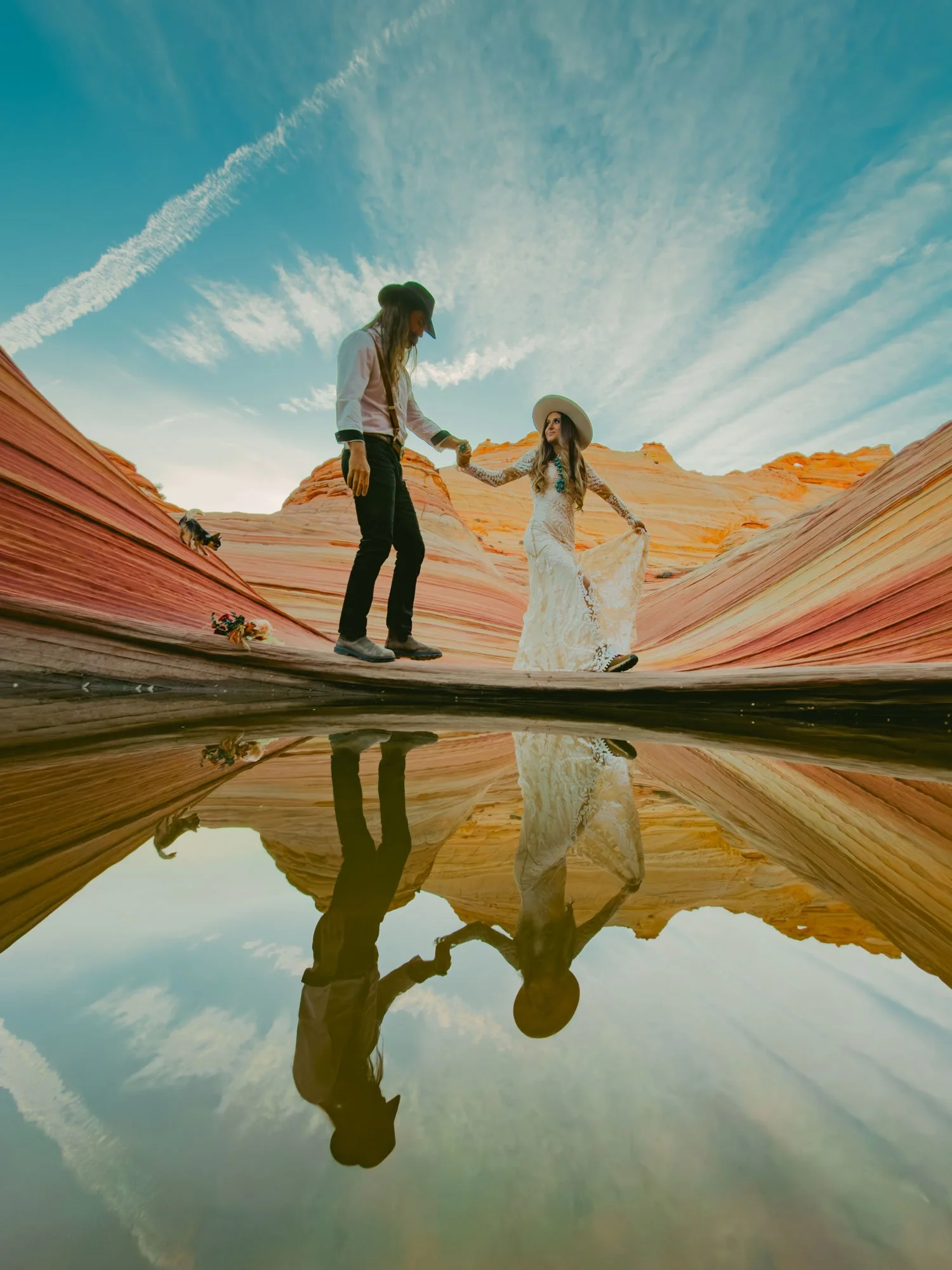
If adventure and wide-open landscapes speak to you, Shutterfreek specializes in exactly that. Our photographers work across some of the most breathtaking destinations in the American West, including utah weddings adventure elopements, where red rock canyon light creates an otherworldly backdrop for couples who want something extraordinary.
Step 2 — Set a Realistic Photography Budget
Wedding photography typically represents 10–15% of your total wedding budget — and for good reason. Unlike the DJ or the flowers, photographs are the only vendor's work you'll revisit for the rest of your life.
Understanding how photographers price their services helps you compare packages fairly and avoid sticker shock.
What Affects Wedding Photography Pricing
Several variables impact cost:
Experience level — A photographer with 10 years of weddings and a polished portfolio commands higher rates than someone just starting out. That experience gap shows up most in pressure situations: bad weather, difficult lighting, and chaotic timelines.
Coverage hours — Most couples need 8–10 hours of coverage. Half-day packages (4–6 hours) cost less but may miss key moments like getting ready or the late-night reception.
Second shooter — Having a second photographer means you capture the groom's reaction while the first shooter documents the bride's walk down the aisle simultaneously. This is especially important for larger weddings.
Deliverables — The number of edited images, turnaround time, and whether you receive an online gallery, USB drive, or printed album all factor into price.
Travel fees — Destination weddings and elopements in remote locations may include travel, accommodation, and location permit fees.
Table 2 — What to Expect at Each Budget Tier
| Budget Tier | Typical Price Range | What's Usually Included | Best For |
|---|---|---|---|
| Entry Level | $1,000 – $2,000 | 4–6 hrs coverage, 200–400 images, digital gallery | Small/intimate ceremonies, tight budgets |
| Mid-Range | $2,000 – $4,500 | 8 hrs coverage, 500–800 images, some editing, gallery | Most couples, standard wedding size |
| Premium | $4,500 – $8,000 | Full-day coverage, second shooter, album, premium editing | Larger weddings, high editorial quality |
| Luxury / Destination | $8,000+ | Multi-day coverage, travel included, fine art albums | Destination, elopements, high-end events |
Note: Prices vary by region and photographer. These are general industry benchmarks.
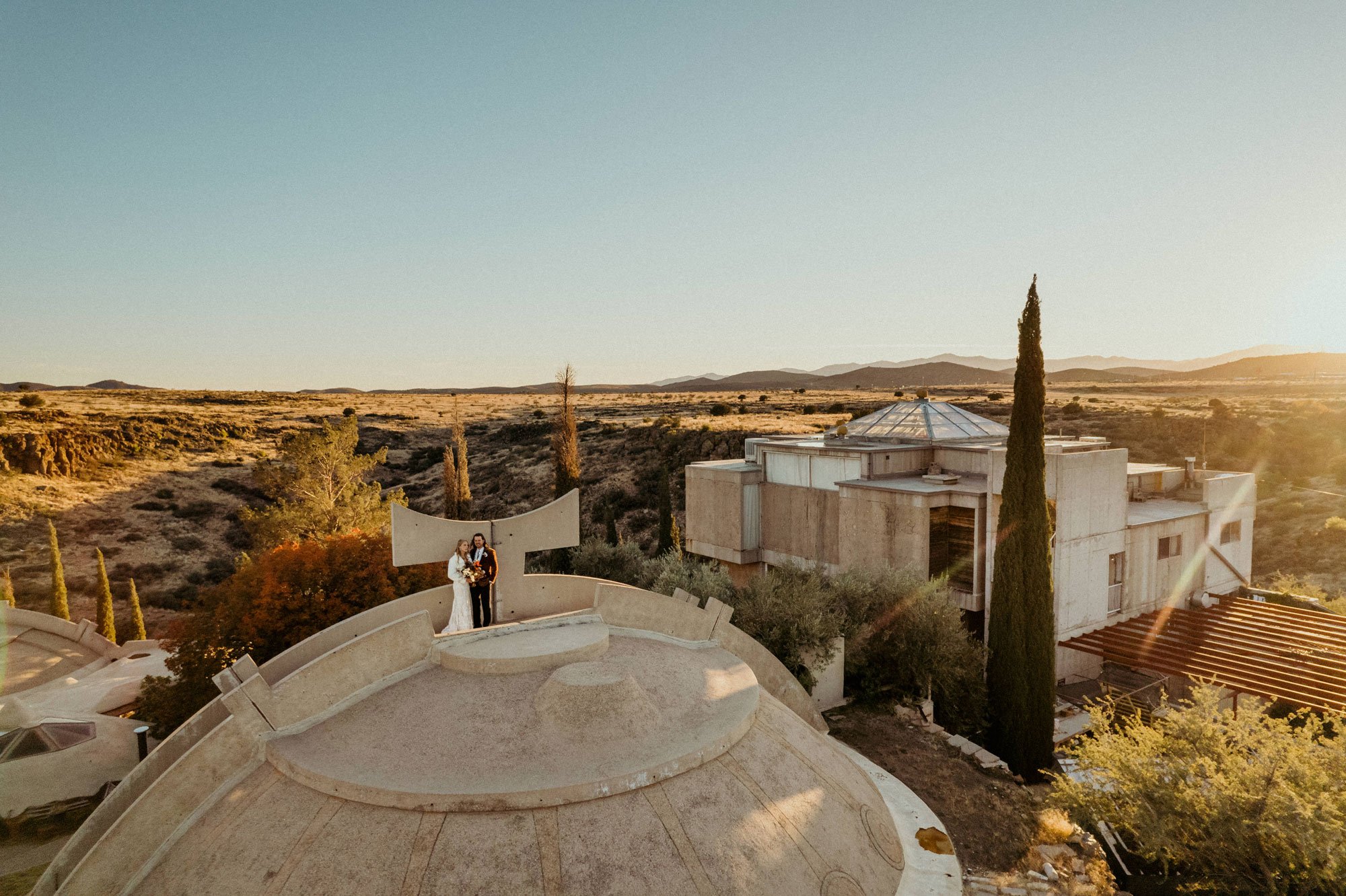
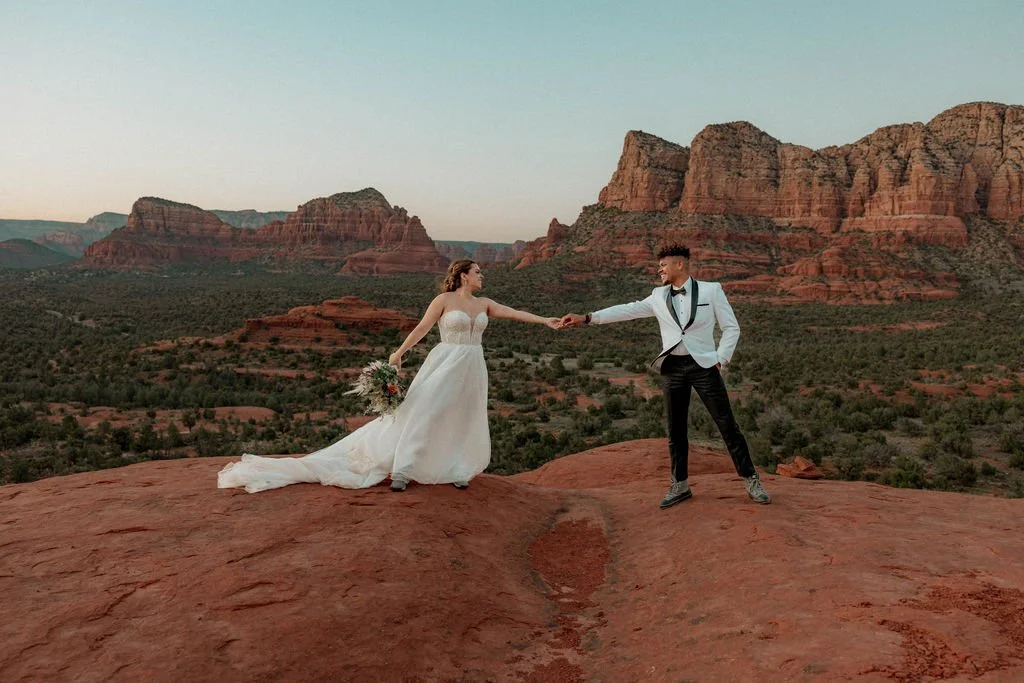
Couples planning intimate or adventure-based weddings often find that elopement packages offer exceptional value. For example, if you're dreaming of a ceremony among the ancient saguaro and sandstone of the Southwest, check out our arizona weddings adventure elopements packages — designed specifically for couples who want real moments in real places.
Step 3 — Research and Build Your Shortlist
With your style preference and budget in mind, it's time to find the actual humans behind the cameras. Here's how to research effectively without getting overwhelmed.
Where to Find Wedding Photographers
Instagram and Pinterest — Visual platforms are your best friend here. Search hashtags like #weddingphotographer, #adventureweddingphotographer, or location-specific tags like #utahweddingphotographer.
Wedding directories — Sites like The Knot, Junebug Weddings, and Fearless Photographers feature curated, vetted photographers organized by style and location.
Referrals — Ask recently married friends, your venue coordinator, or your wedding planner. Vendor referrals carry real weight because they're based on firsthand experience.
Google Search — Searching "wedding photographer [your location]" surfaces local businesses with reviews, which helps validate reputation.
How to Evaluate a Portfolio
Don't just look at the highlight images. Anyone can make one perfect photo. What you want to see is consistency across full wedding galleries — how do they shoot in low light? What do the family formals look like? Are the candid moments genuinely natural or do they feel staged?
Look for:
A consistent editing style (not a mash-up of 12 different filters)
Variety in lighting conditions (bright outdoor, dim reception, harsh midday sun)
Authentic emotions — real laughter, real tears, real connection
Strong composition and intentional framing
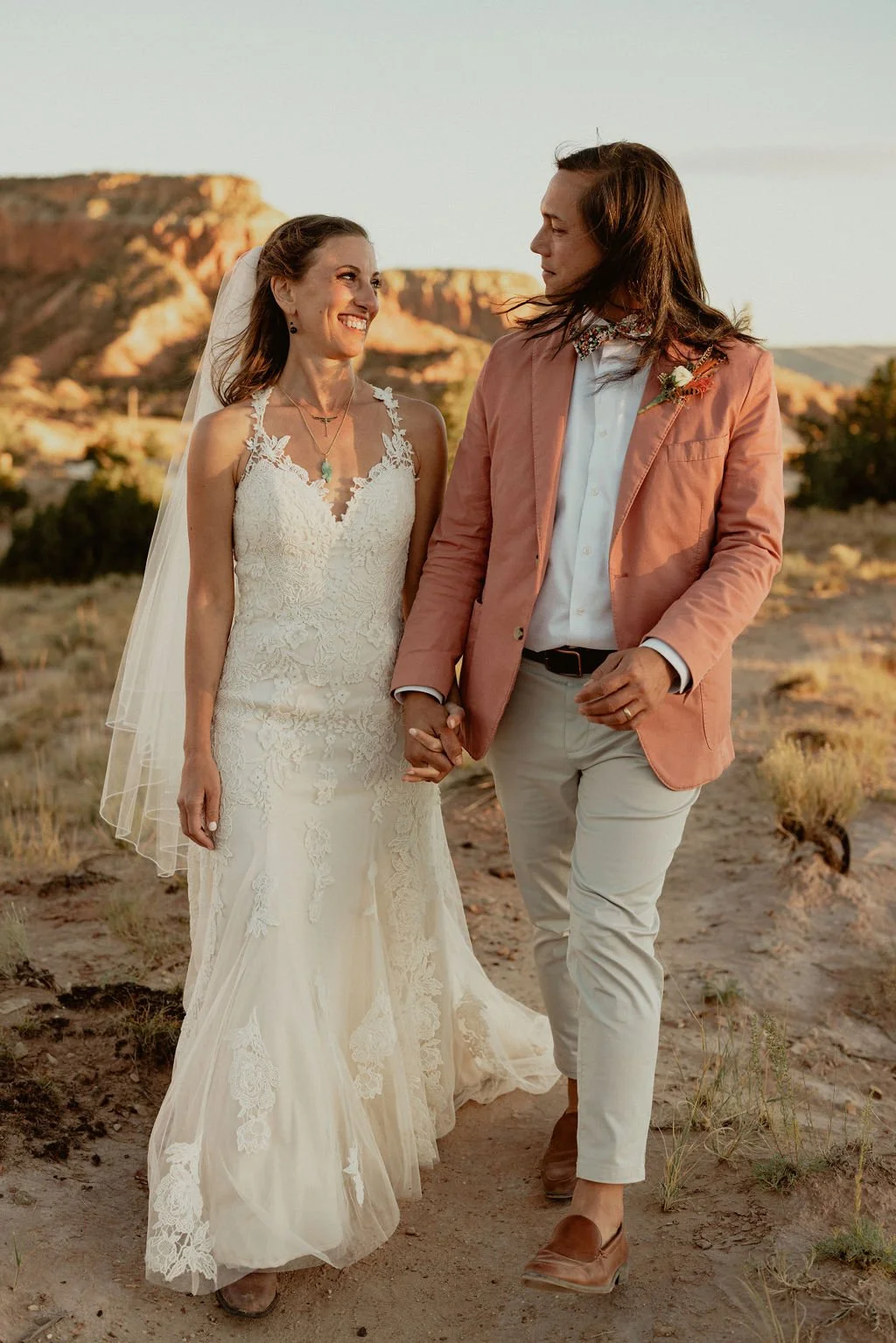
Step 4 — Ask the Right Questions Before You Book
Once you've narrowed your list to two or three photographers, it's time for consultations. This isn't just about confirming availability — it's about assessing fit, professionalism, and communication style.
Essential Questions to Ask Every Photographer
About their experience:
How many weddings have you photographed?
Have you shot at our venue or a similar location before?
How do you handle challenging lighting or unexpected weather?
About the process:
What does your typical wedding day timeline look like?
How do you approach family formals vs. candid moments?
Do you work with a second shooter, and if so, can we see their work?
About deliverables:
How many final edited images will we receive?
What is your typical turnaround time for the full gallery?
Do you offer printed albums, and what does that process look like?
About the contract:
What is your cancellation and rescheduling policy?
Are you the photographer who will actually shoot our wedding, or could it be someone from your team?
How do you back up our images?
These questions protect you legally and emotionally. A professional photographer welcomes them — and a hesitant or vague response to any of the above is a major red flag.
Step 5 — Assess Personality and Creative Chemistry
Here's something most wedding guides underestimate: you will spend more time with your photographer on your wedding day than with almost any other vendor. They're with you during the nervous getting-ready moments, the quiet walk to the altar, and the wild end-of-night celebrations.
If you feel uncomfortable in front of the camera, a photographer with strong direction skills can make you feel like a natural. If you're naturally playful and adventurous, you want someone who leans into that energy rather than trying to pose you into something stiff.
During your consultation, ask yourself:
Do I feel relaxed talking to this person?
Do they seem genuinely interested in us as a couple, or are we just another booking?
Does their energy match ours?
Trust your gut. A perfectly priced portfolio means nothing if the person behind the camera makes you tense on your wedding day.
Step 6 — Understand Contracts, Rights, and Deliverables
Before you hand over a deposit, read every line of the contract. A solid wedding photography contract protects both you and the photographer, and its absence is a serious warning sign.
What Every Contract Should Include
Full names and contact information for both parties
Date, time, and location of the wedding
Exact hours of coverage and overtime rate if applicable
Package details — number of images, delivery format, album inclusions
Payment schedule — deposit amount, due dates, final payment deadline
Image rights — who owns the photos and whether the photographer can use them in their portfolio
Cancellation policy — what happens if you cancel, postpone, or if the photographer becomes unavailable
Backup plan — what the photographer does if they face an emergency
On image rights specifically: most photographers retain the copyright to their images but grant couples full personal use rights. This is standard and completely fine — just make sure you can print, share, and display your photos freely.
Step 7 — Think Location and Destination
Where you get married shapes everything — the light, the mood, the backdrop, and who you should hire. A photographer who excels at urban rooftop weddings may not be the right fit for a remote canyon elopement.
If you're planning a destination wedding or an adventure elopement, prioritize photographers who have experience working in that specific environment. They'll know where the best light falls at what time of day, which locations require permits, and how to navigate terrain without sacrificing the shot.
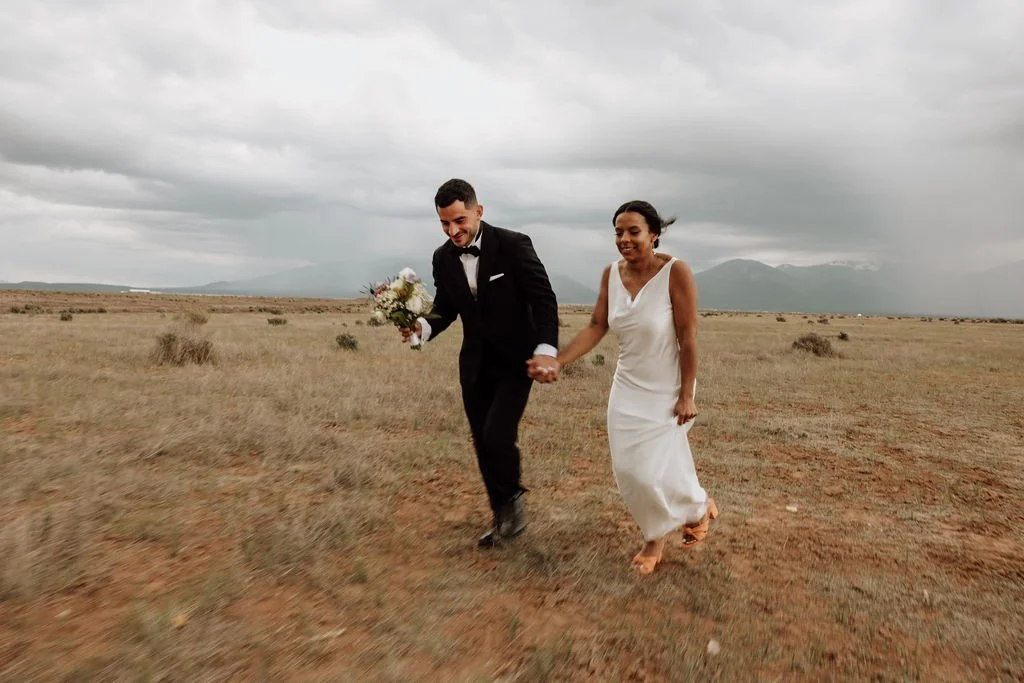
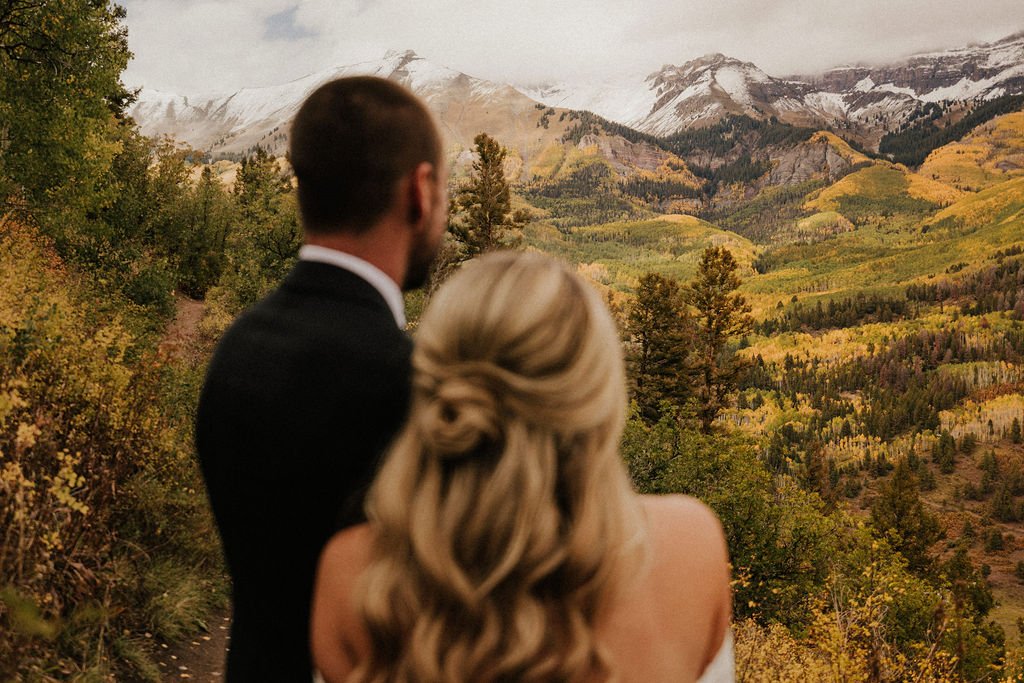
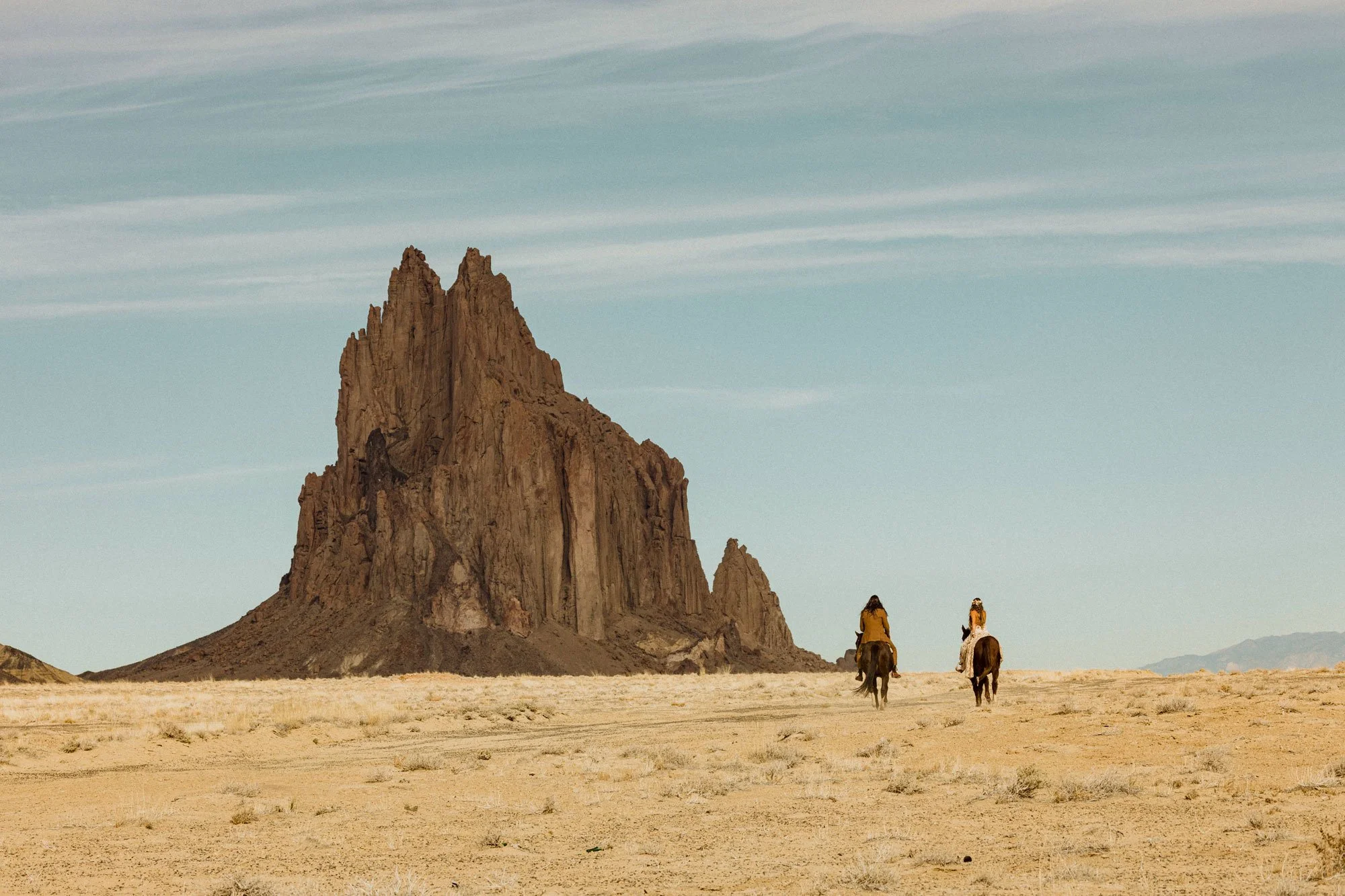
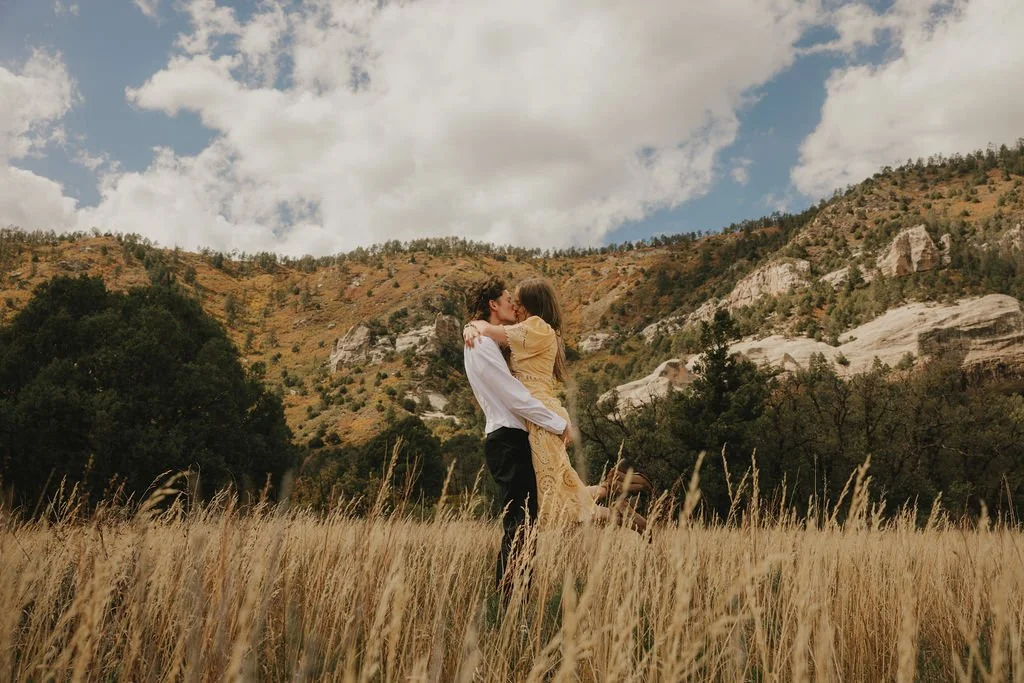
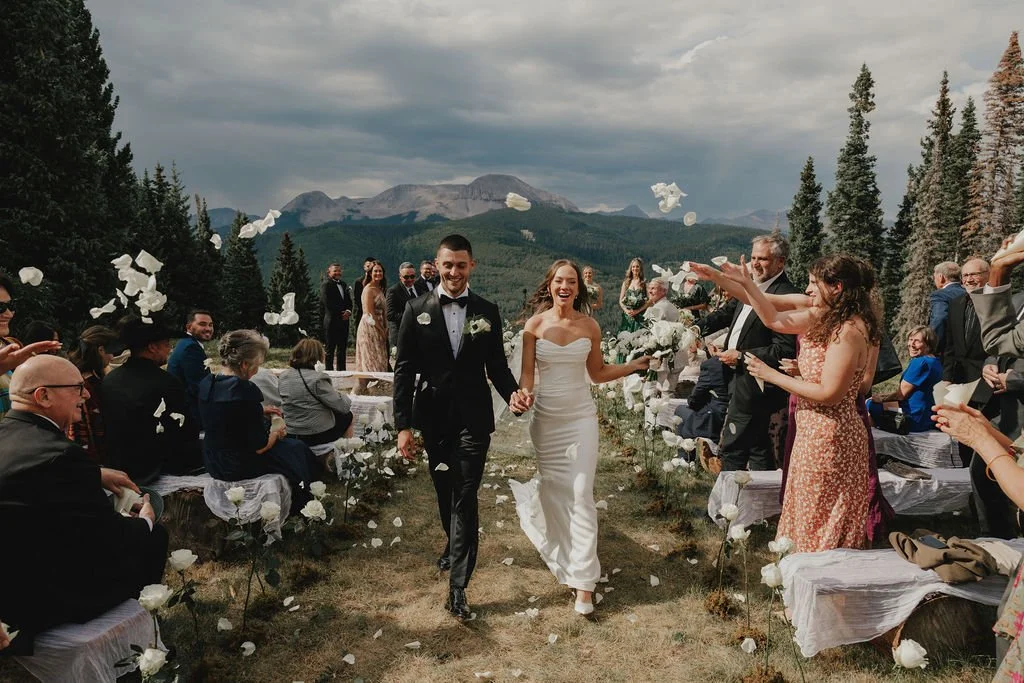
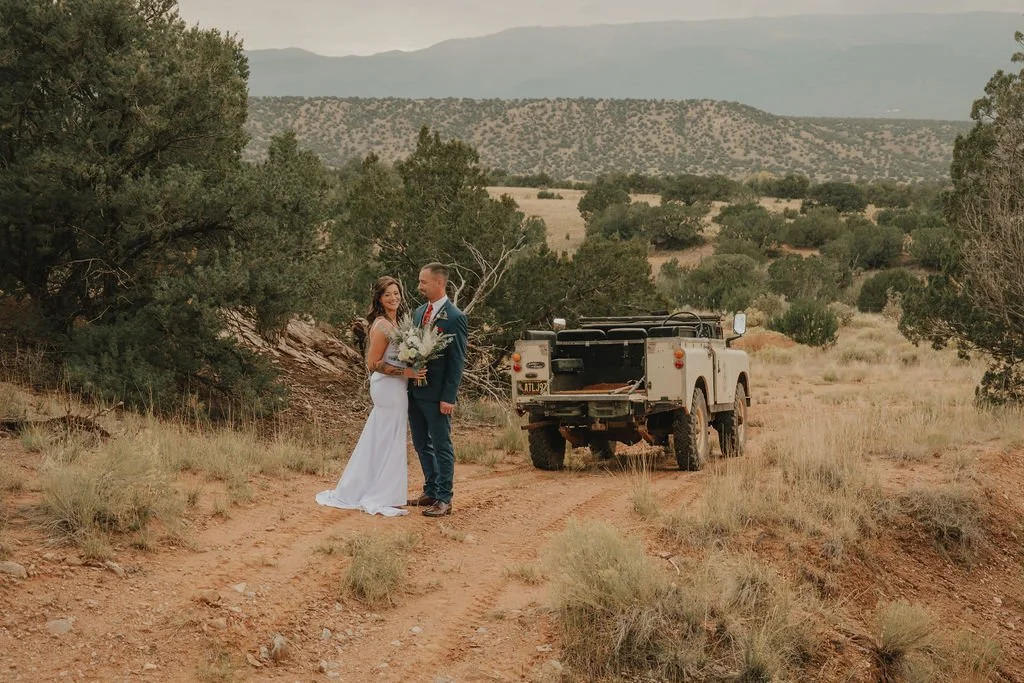
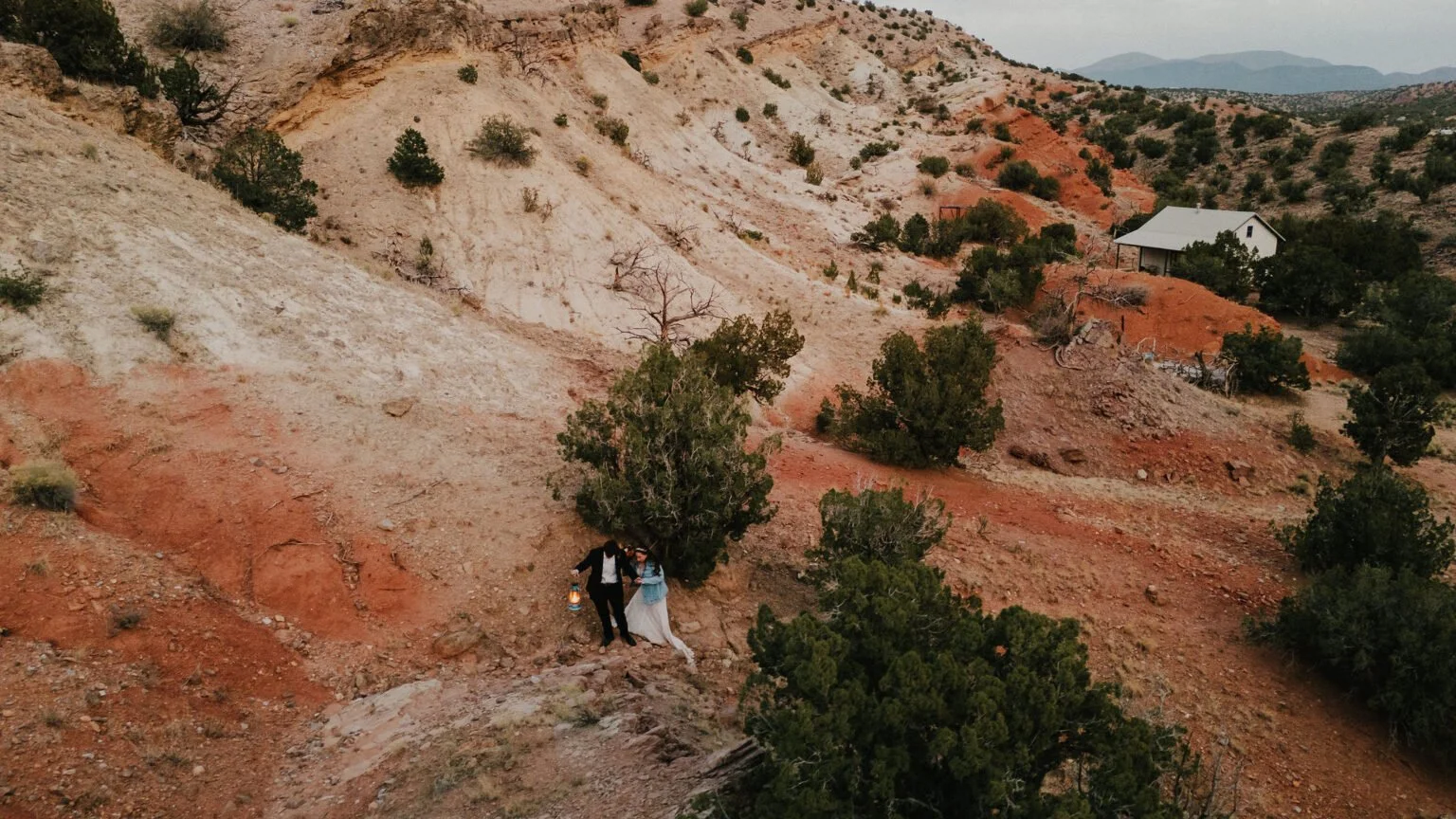
Shutterfreek has deep roots in the American West. Whether you're envisioning a ceremony in the volcanic landscapes of new mexico weddings adventure elopements, the dramatic peaks and wildflower meadows of colorado weddings adventure elopements, or a full-on off-the-beaten-path elopements experience, location expertise is what separates a good shot from a life-changing one.
Red Flags to Watch Out For When Booking a Photographer
Not every photographer who presents well online delivers in person. These warning signs deserve your attention:
No contract offered — Non-negotiable. Walk away.
Unwilling to share a full gallery — Highlight reels are easy. Ask to see a complete wedding from start to finish.
Vague or evasive about their backup plan — What happens if they get sick? If they don't have an answer, that's a problem.
Pressure to book immediately — Urgency tactics are a manipulation technique, not a sign of a healthy vendor relationship.
Inconsistent editing style — If their portfolio looks like five different photographers did the work, your final gallery will too.
No reviews or references — Even new photographers should be able to offer testimonials or references from past clients.
Communication is slow or unprofessional — How a photographer communicates before you book is exactly how they'll communicate after. Don't ignore poor responsiveness.
How Far in Advance Should You Book?
In most markets, popular wedding photographers book 12–18 months in advance for peak wedding season dates (May–October in the US). If you have a specific date and a photographer you love, don't wait.
For elopements and smaller intimate ceremonies, you may have more flexibility — but even adventure elopement photographers with limited availability fill up faster than couples expect.
General booking timeline guidance:
18+ months out — Ideal for popular dates and in-demand photographers
12 months out — Still solid for most regions and seasons
6–12 months out — Possible, but your top choices may already be booked
Under 6 months — Focus on photographers with open availability; elopement packages often have more flexibility here
Final Thoughts
Learning how to choose a wedding photographer isn't just about ticking boxes on a checklist. It's about finding someone whose creative vision aligns with yours, whose professionalism you trust, and whose presence on your wedding day feels like a gift rather than an obligation.
At Shutterfreek, we believe every love story deserves to be told in the landscape that reflects it — whether that's a canyon bathed in desert light, a wildflower meadow at 11,000 feet, or a hidden forest elopement far from the noise of the world. Our photographers don't just document weddings. They chase light, feel moments, and create photographs that will still take your breath away in thirty years.
When you're ready to start the conversation, we'd love to hear about your vision.
Frequently Asked Questions
-
Start by saving images you love — from Instagram, Pinterest, or wedding blogs — without worrying about who took them. Once you have 20–30 saved images, look for patterns. Do they tend to be bright and airy, moody and dark, candid and emotional, or structured and elegant? That pattern tells you your preferred style.
-
Consistency. Anyone can produce one stunning photo. What matters is whether a photographer delivers at a high level across an entire 8–10 hour wedding day — in varying light, with different personalities, and under the inevitable time pressure of a wedding timeline.
-
For local photographers, an in-person or video consultation is strongly recommended. For destination photographers — which is very common with adventure and elopement photography — a video call is entirely standard and sufficient.
-
Most photographers deliver between 50–100 edited images per hour of coverage. For an 8-hour wedding, that means a gallery of roughly 400–800 final images. Be wary of photographers who promise thousands of images — quantity often comes at the expense of quality editing.
-
Both can work beautifully — it depends on the type of wedding you're planning. For traditional venue-based weddings, a local photographer's knowledge of the venue and vendor relationships is a genuine advantage.
Keep reading