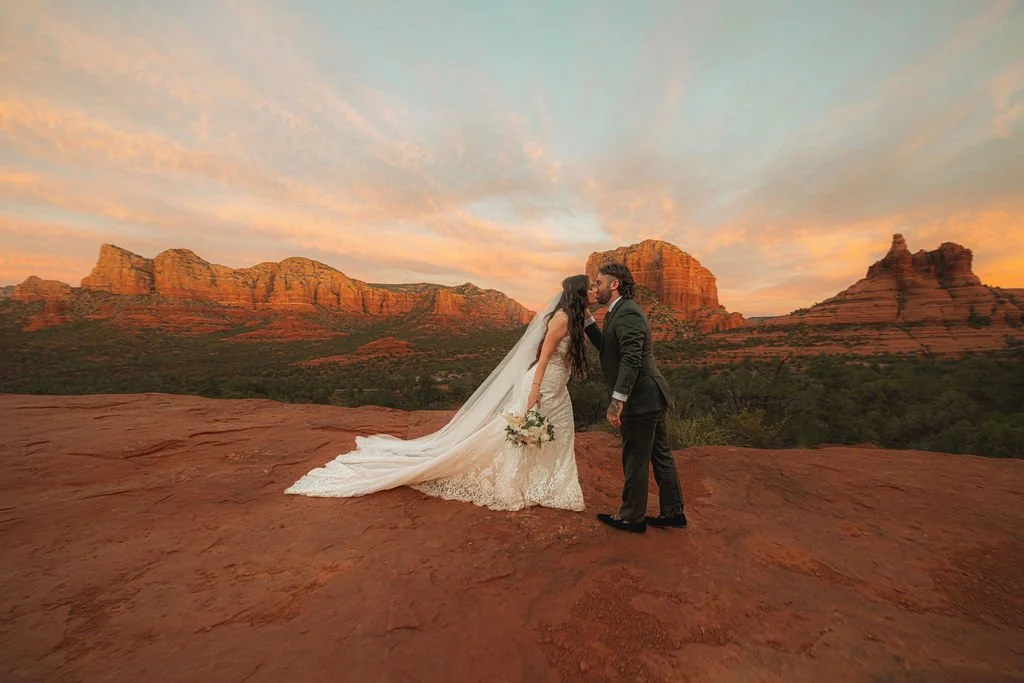
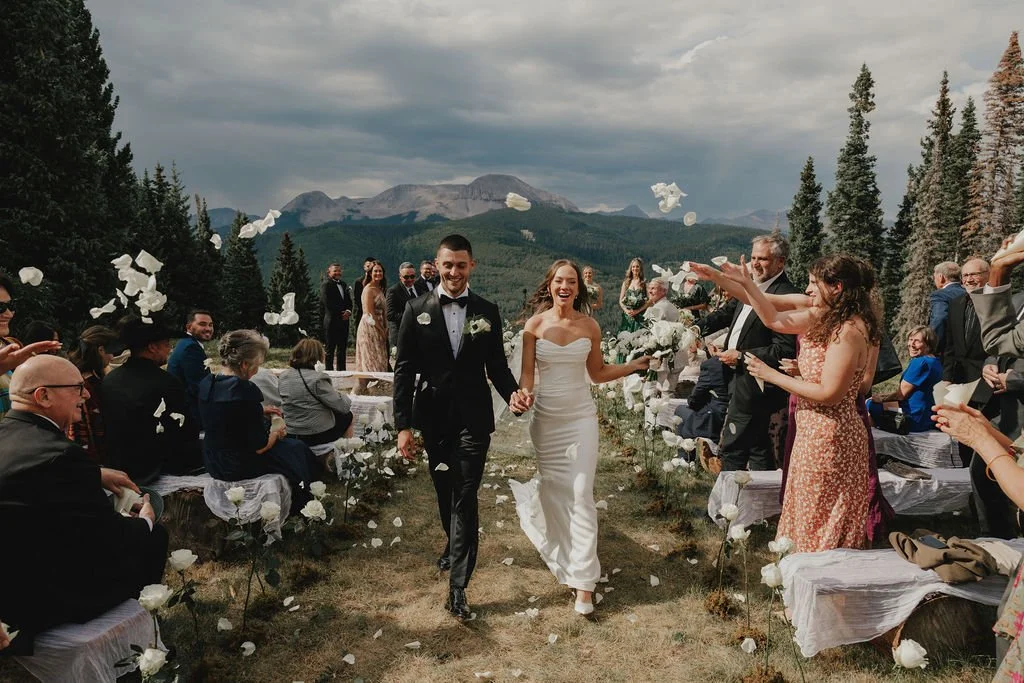
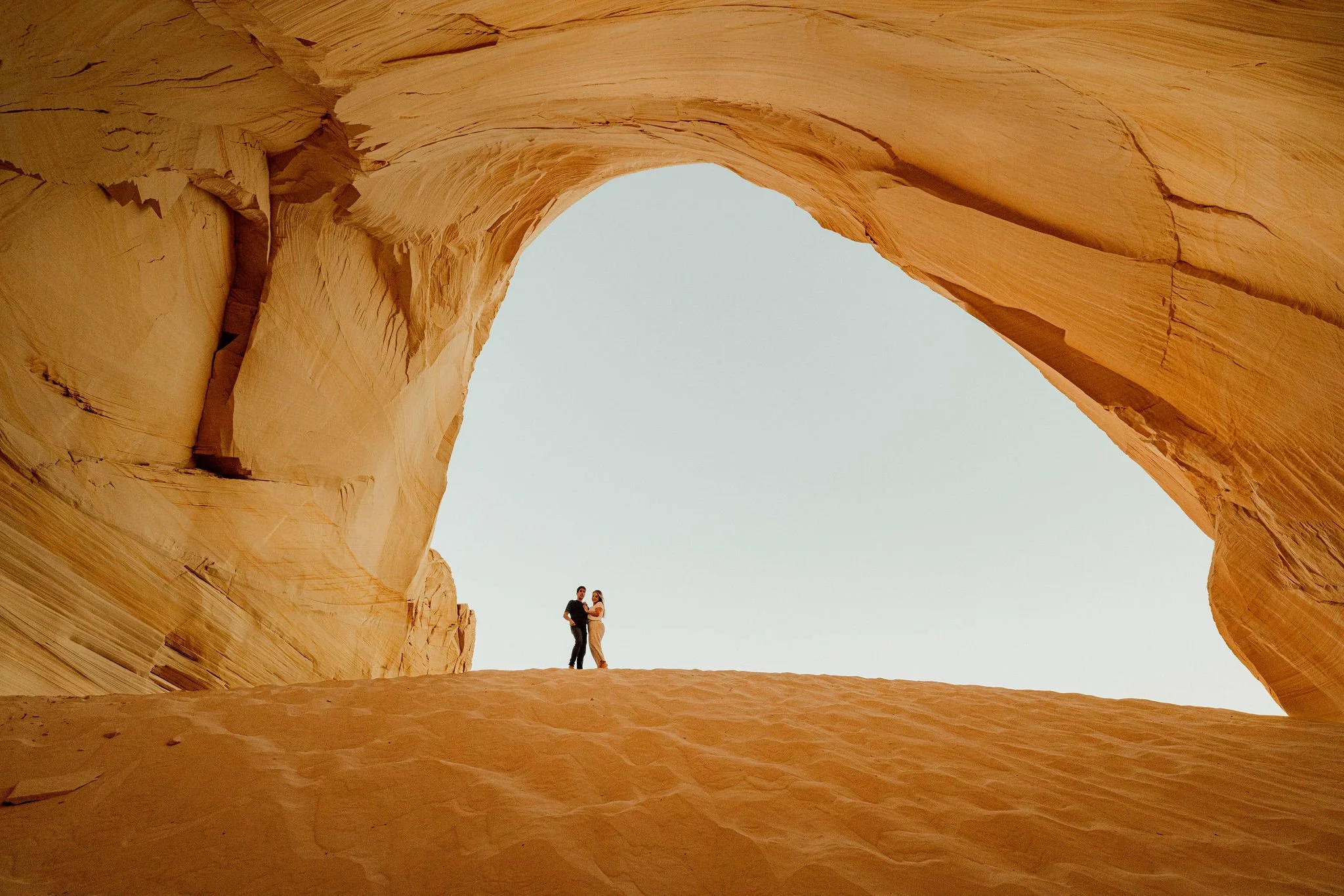
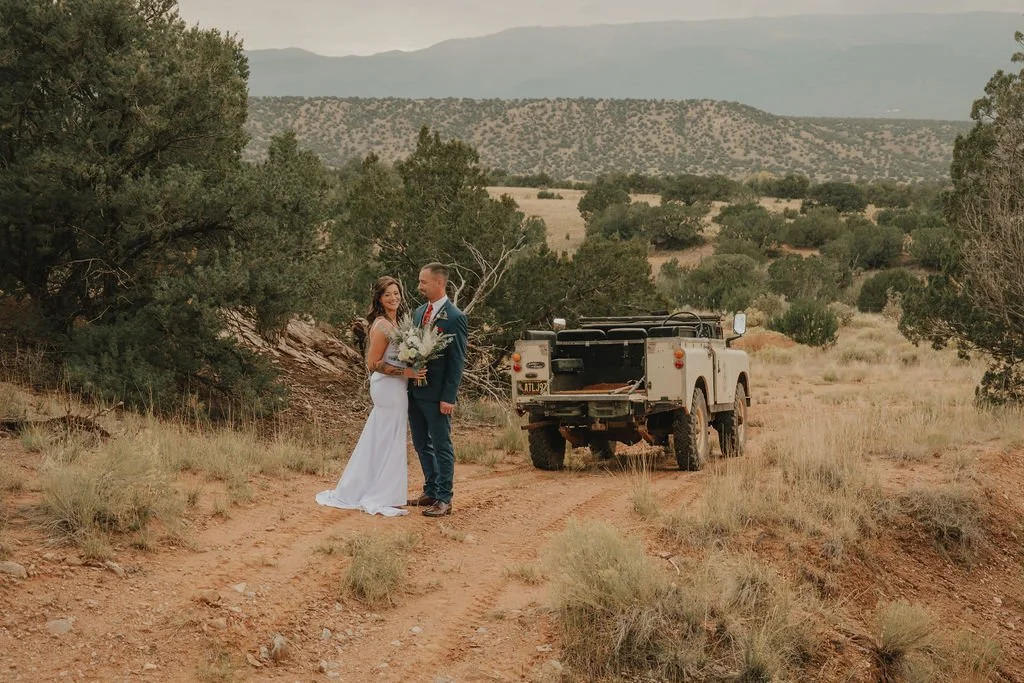
Zion Canyon Wedding Photographer: Your Guide to Adventure Elopements in Utah's Red Rock Country
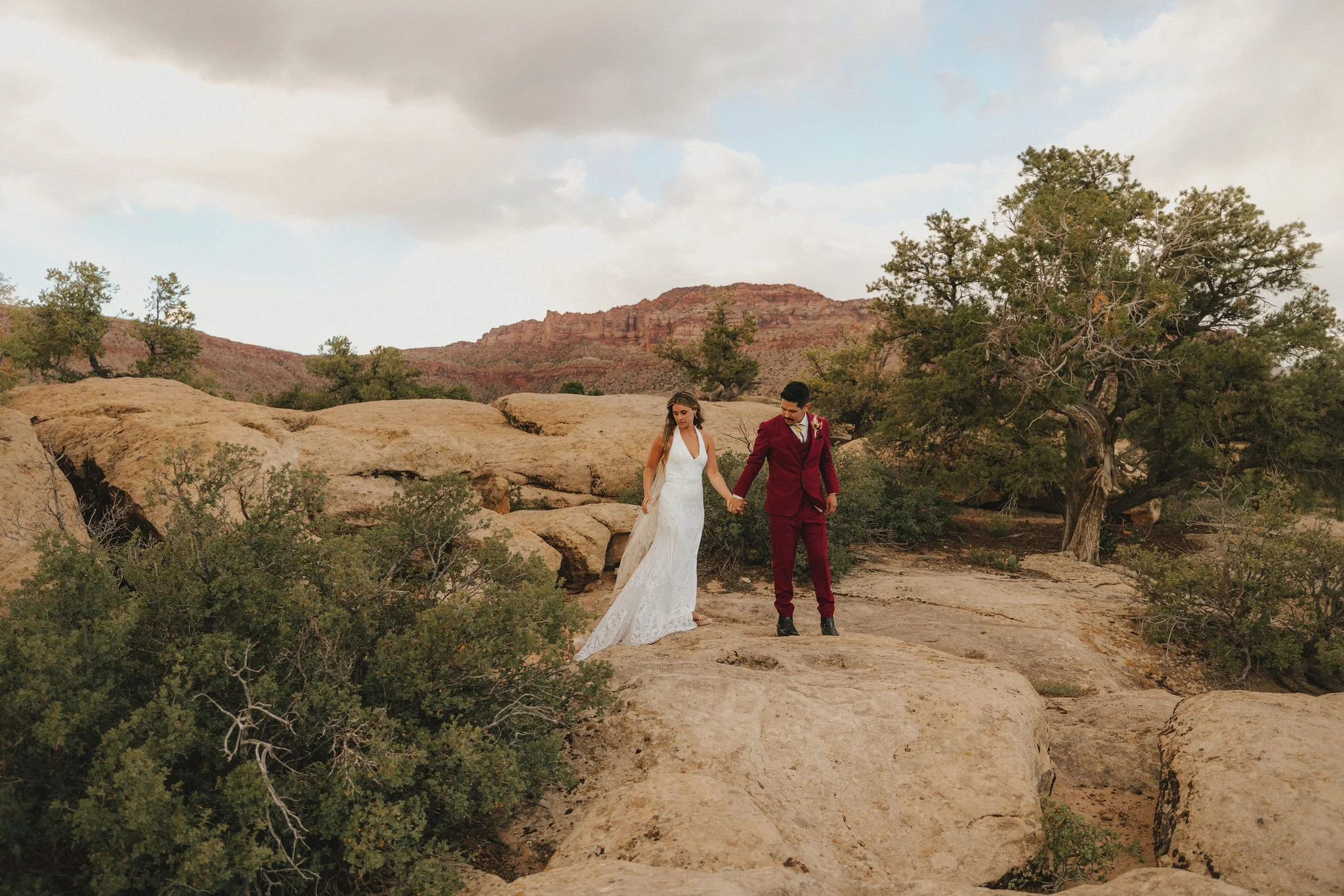
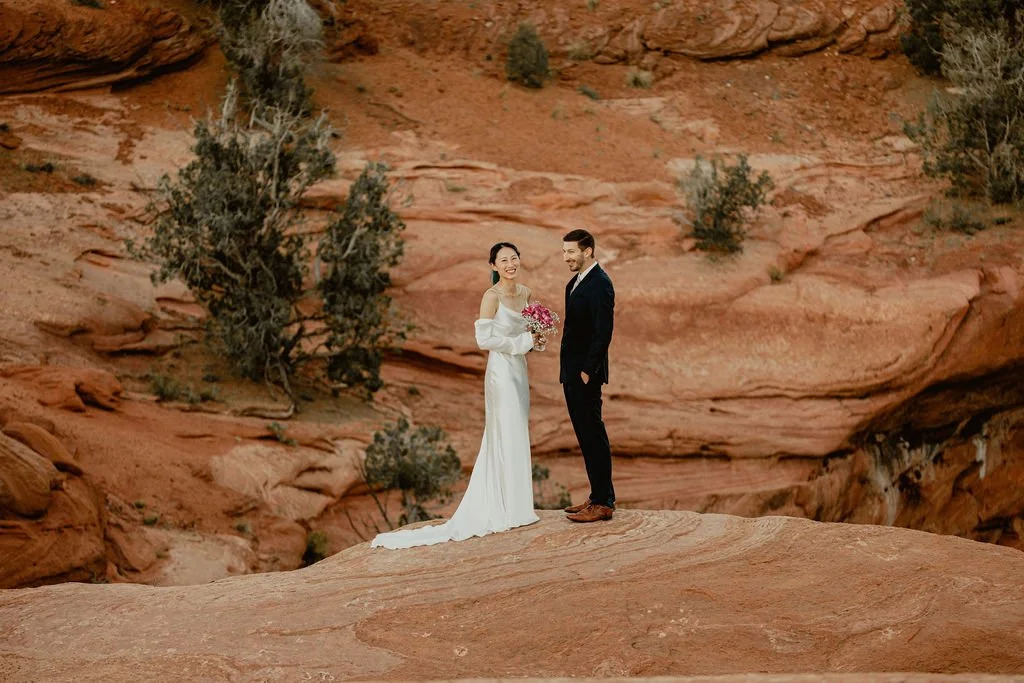
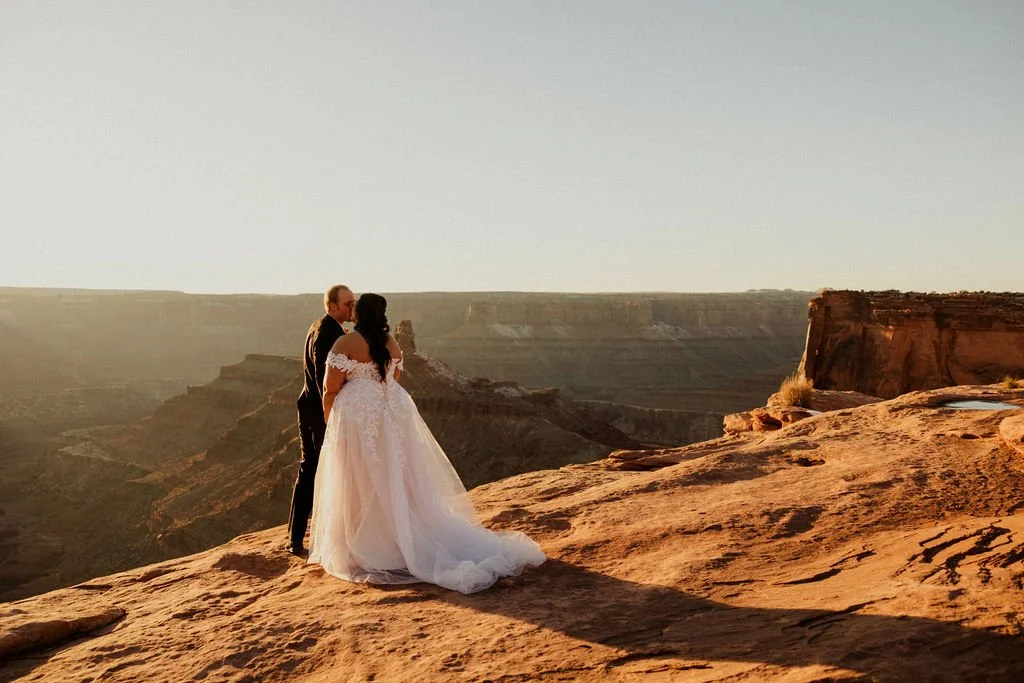
A Zion Canyon wedding photographer is a photographer who specializes in documenting weddings and elopements within Zion National Park and the surrounding Springdale, Utah area, someone who understands the park's permit system, knows how to work around shifting canyon light, and can safely guide couples to locations like Canyon Overlook, the Zion–Mt. Carmel Highway pullouts, and the East Rim without disrupting other visitors or violating National Park Service rules. Shutterfreek is one such team, and this guide breaks down exactly what a Zion Canyon elopement involves, from the best photo locations and permitting requirements to a realistic day-of timeline and how to choose the right photographer for red rock terrain.
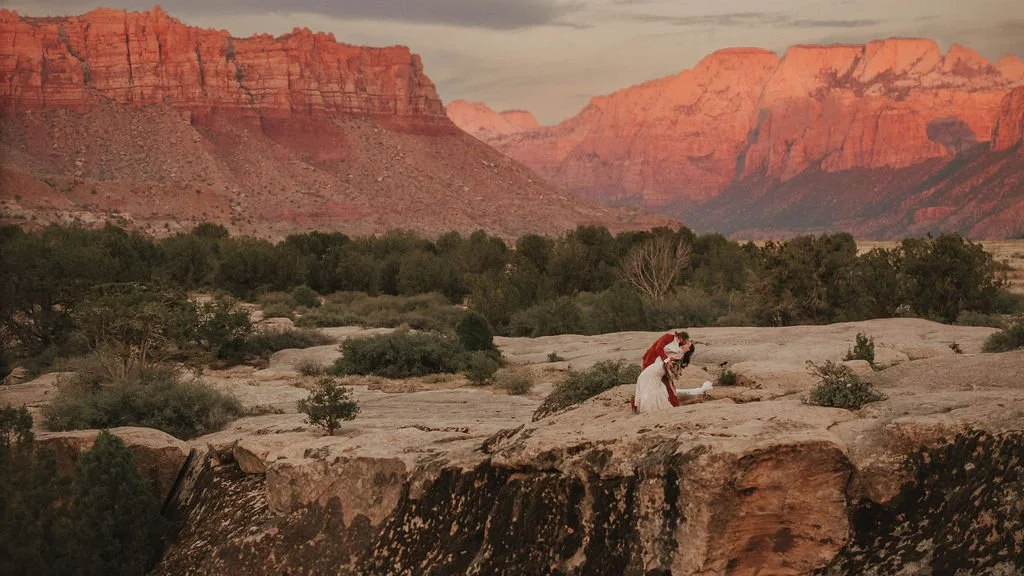
Zion Canyon has become one of the most requested backdrops for adventure elopements in the American Southwest, and for good reason. Nowhere else do couples get 2,000-foot sandstone walls, a winding river, slot canyons, and desert light all within a single park boundary. But shooting a wedding here isn't the same as shooting one in a ballroom or a garden venue. It requires a photographer who has actually hiked the terrain, knows where the National Park Service allows ceremonies, and can plan around crowds, heat, and permit restrictions. This guide covers everything a couple needs to know before booking.
What Makes Zion Canyon Different From a Typical Wedding Venue
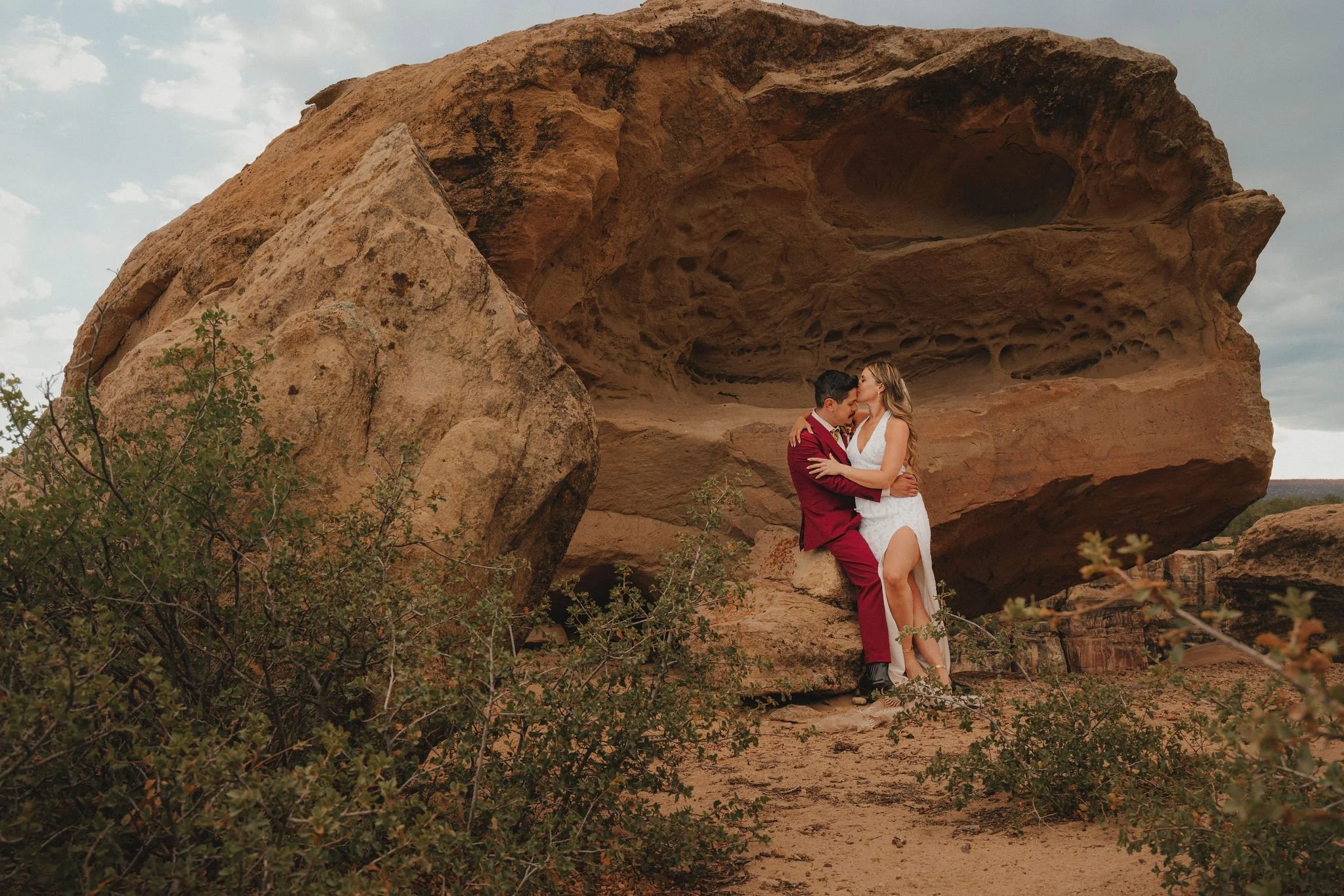
Unlike a resort or a private venue, Zion Canyon is public land managed by the National Park Service (NPS), which means logistics matter as much as artistry. A photographer working here needs to account for:
Permit requirements for any ceremony involving props, more than a small guest group, or commercial photography
Seasonal crowd patterns, since Zion sees over 4 million visitors a year, with spring and fall being the busiest
Shuttle system logistics, since much of the main canyon is only accessible by NPS shuttle for most of the year
Elevation and heat, since many of the best viewpoints require a hike, and summer temperatures regularly exceed 100°F
Light behavior in a canyon, where direct sun disappears behind canyon walls earlier than a standard sunset time would suggest
This is why couples researching "Zion Canyon wedding photographer" are often really asking a bigger question: who can handle both the creative and the logistical side of shooting in a national park. Photographers who regularly work adventure elopements, like the team behind Shutterfreek's elopement photography services, build their entire workflow around exactly these constraints.
Best Zion Canyon Locations for Wedding Photography
Not every corner of Zion is open to ceremonies, and not every location photographs the same way at different times of day. Below are the locations couples ask for most often, along with what to expect from each.
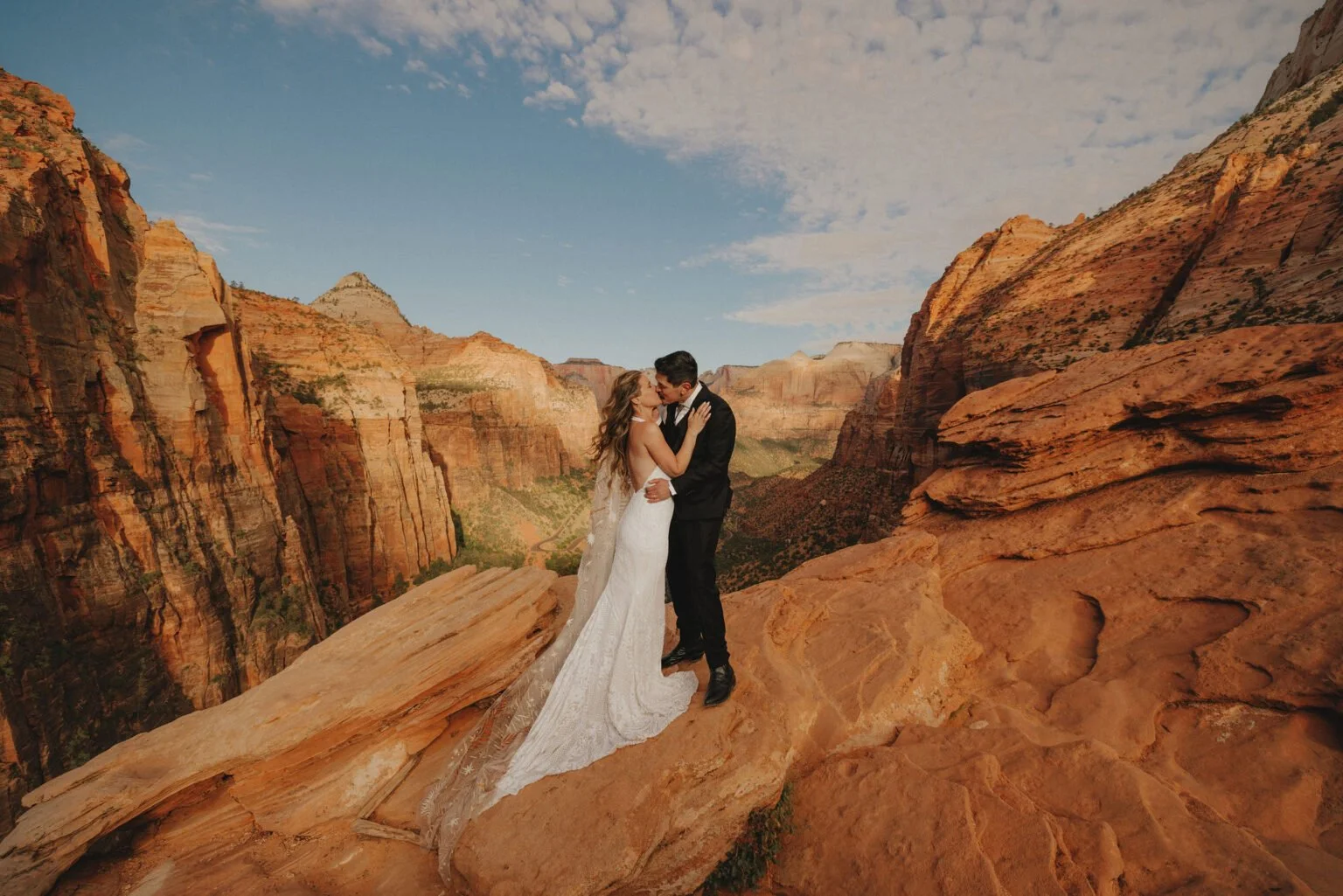
Canyon Overlook
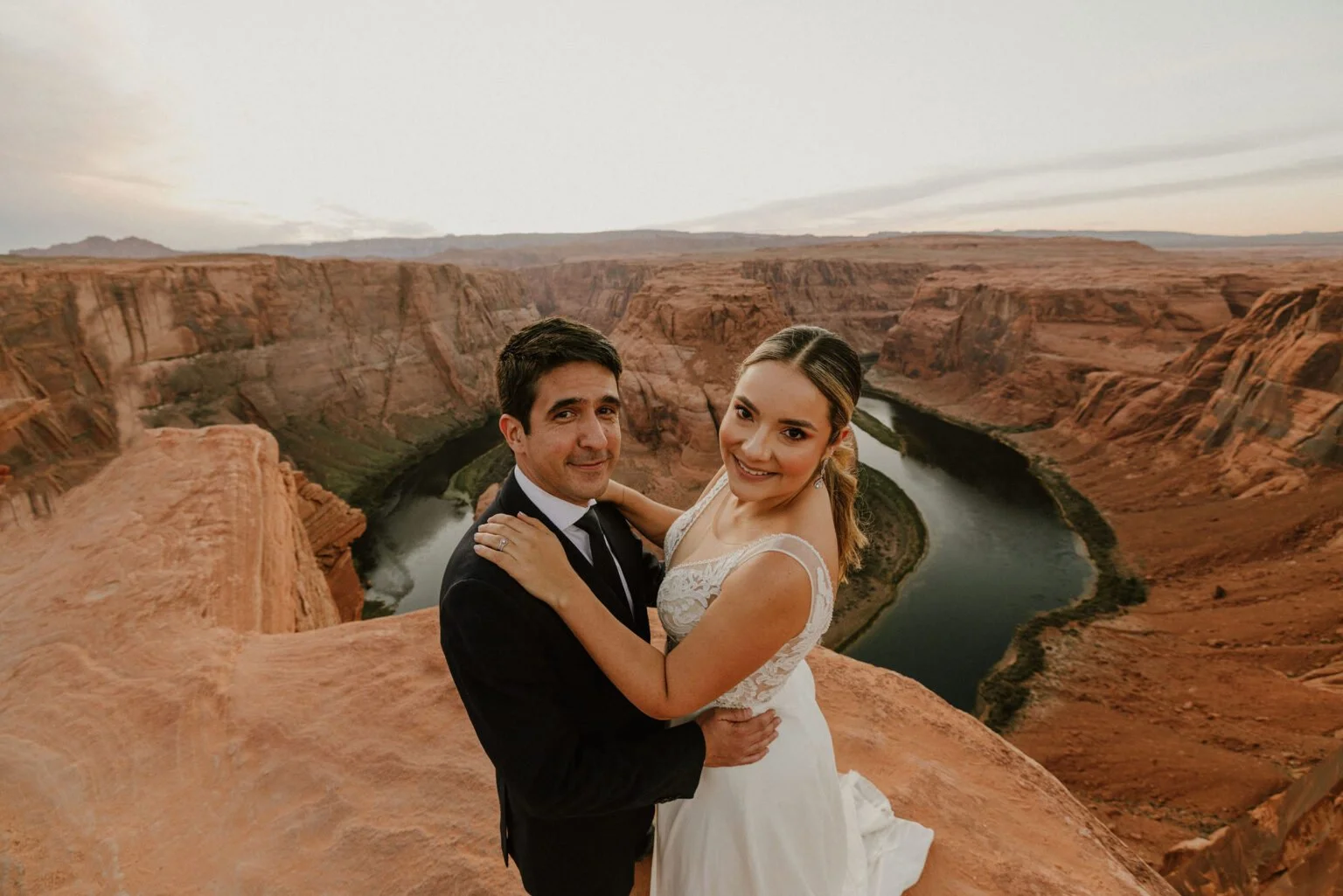
A short, moderate hike near the east entrance that ends at a dramatic ledge overlooking the lower canyon. Best for sunrise or late afternoon light, and popular for first-look photos because it's less trafficked than the main canyon floor.
The Zion–Mount Carmel Highway Pullouts
Several roadside pullouts along this historic highway offer sweeping views of slickrock domes and switchbacks without requiring a hike, making them a strong option for couples with mobility considerations or tight timelines.
Emerald Pools Area
A shaded, greener setting with waterfalls and pools, offering a contrast to the desert-red tones found elsewhere in the park — useful for couples who want variety within a single-day shoot.
The Narrows (Lower Section)
For couples comfortable wading in the Virgin River, the lower Narrows offer some of the most dramatic slot-canyon imagery in the park. This location requires extra planning around water flow and permit rules.
Watchman Trail
A shorter hike near the visitor center with strong views of the Watchman peak and the town of Springdale below — a good option for couples on a tighter schedule or arriving later in the day.
Photographers experienced in canyon terrain often combine two or three of these locations in a single day to give couples variety without overextending the schedule. This kind of multi-location planning is a hallmark of adventure-style coverage, similar to how Shutterfreek approaches its broader Utah adventure elopement packages across the state's national parks.
Zion National Park Wedding Permits: What Couples Need to Know
This is the part most couples underestimate. Zion is federal land, and ceremonies are regulated. Below is a general comparison of how permit requirements typically differ by group size and activity — always confirm current rules directly with the National Park Service, as policies can change seasonally.
Table 1: Zion Canyon Wedding & Elopement Permit Overview
| Ceremony Type | Typical Group Size | Special Use Permit Required? | Common Restrictions |
|---|---|---|---|
| Intimate elopement (no props) | 1–2 people | Usually not required for photography alone | No arches, no amplified sound, no path blocking |
| Small ceremony with officiant | 3–10 people | Often required if a designated site is reserved | Site reservation, time-limited window |
| Ceremony with décor/props | Any size | Required | Props must be removable, no permanent alterations, no flower petals or confetti |
| Commercial/promotional shoot | Any size | Always required | Separate commercial filming permit, insurance may apply |
Because these requirements shift and enforcement varies by ranger district, it's worth working with a photographer who has filed Zion permits before rather than learning the process for the first time on your wedding day. This is one of the most overlooked factors couples should weigh when comparing photographers, and it's covered in more depth in Shutterfreek's guide on how to choose a wedding photographer for adventure and destination settings.
A Realistic Timeline for a Zion Canyon Elopement Day
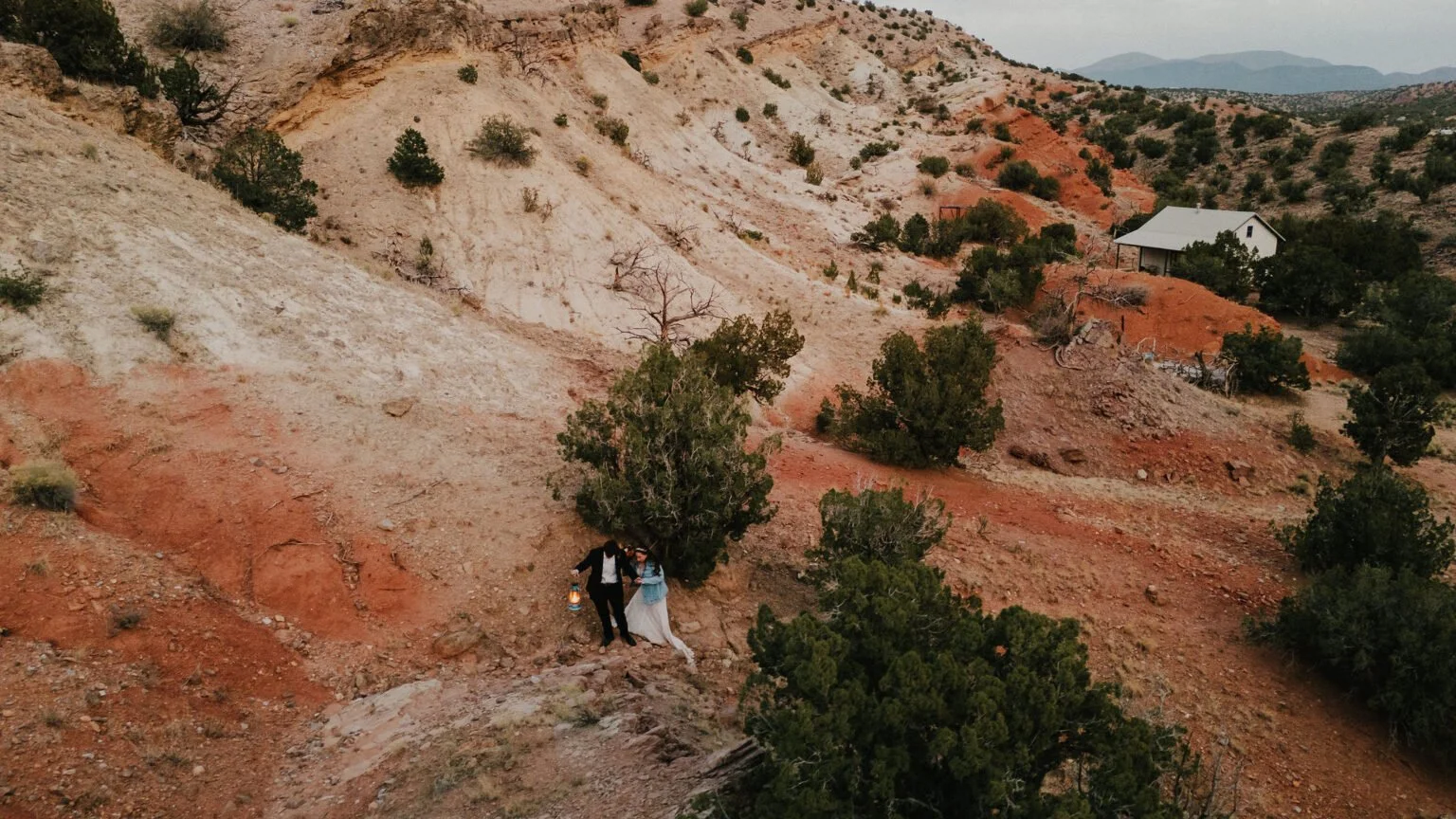
[IMAGE SUGGESTION 3: Couple mid-hike on a canyon trail, backpacks and dress/suit adapted for terrain, candid movement shot rather than posed. Alt text: "Couple hiking to elopement ceremony location in Zion Canyon"]
Every elopement is different, but most Zion Canyon wedding days follow a similar rhythm built around light and shuttle access:
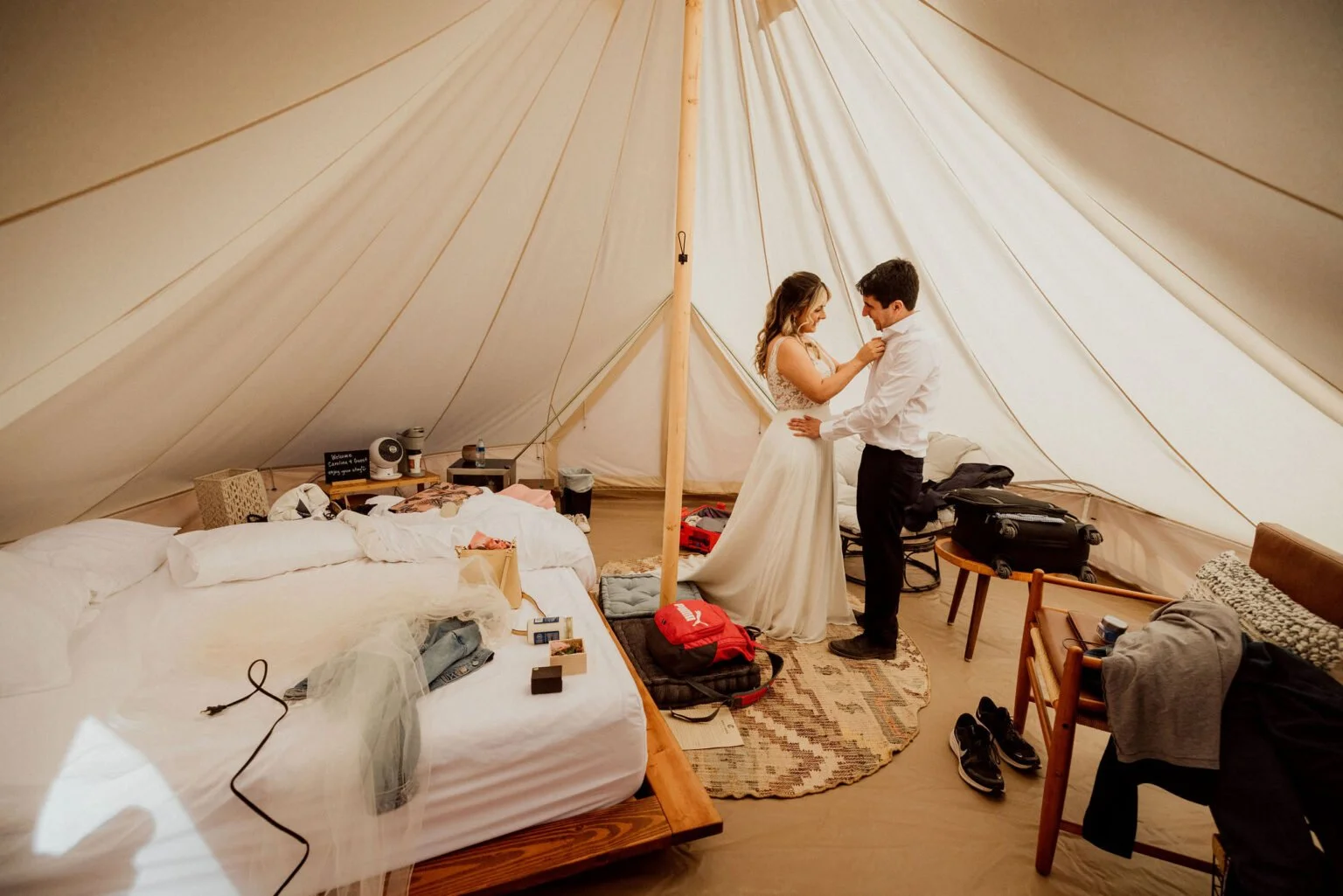
Early morning (6:00–8:00 AM): Hair, makeup, and getting-ready photos in Springdale, timed to beat the shuttle crowds
Mid-morning (8:30–10:30 AM): Hike to the primary ceremony location while light is still soft
Ceremony (10:30–11:30 AM): Vows, first look if not done earlier, ring exchange
Midday (11:30 AM–2:00 PM): Rest, food, and a wardrobe change if planned; this window avoids the harshest overhead light
Late afternoon (4:00–6:30 PM): Second location for portraits as light softens and shadows lengthen
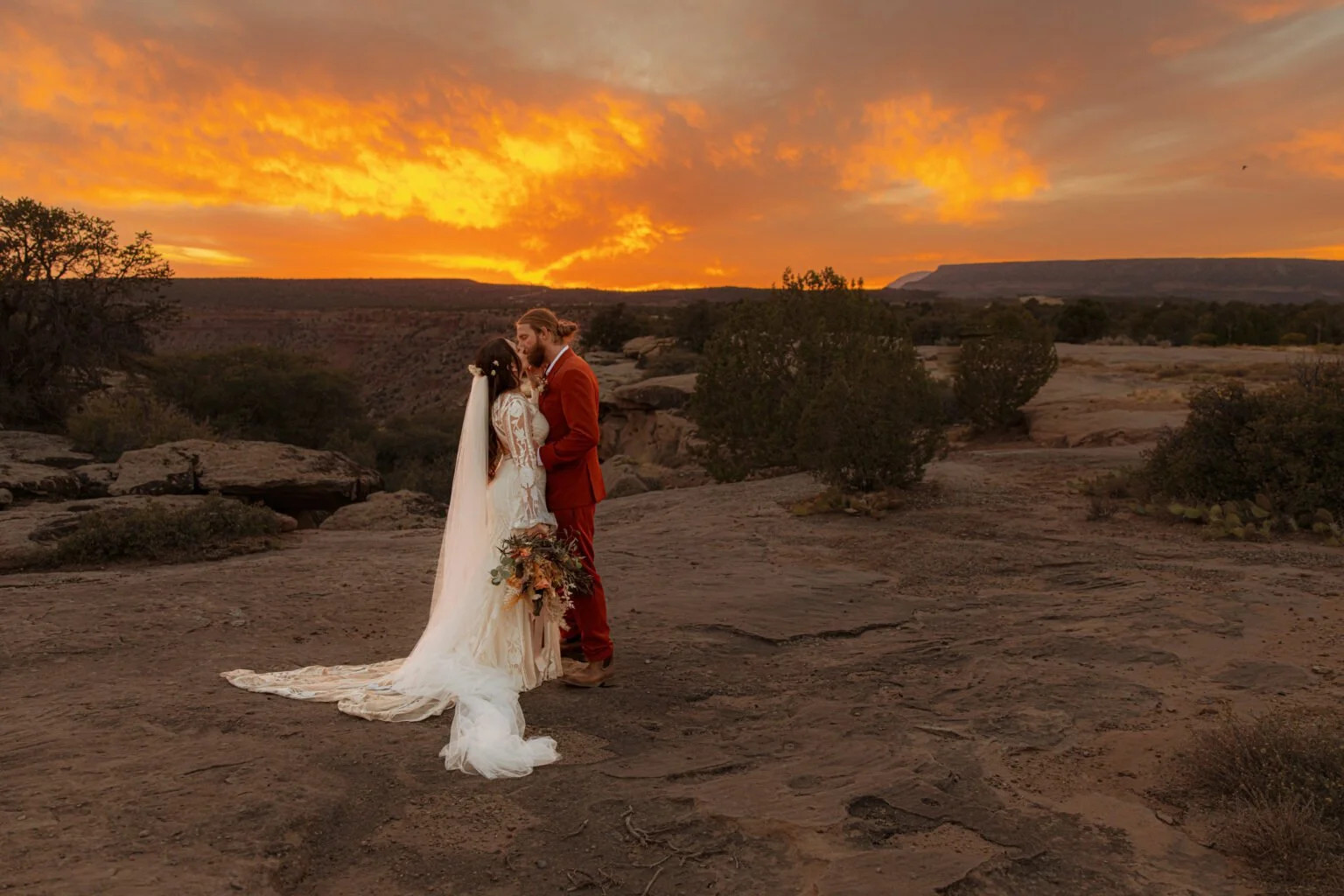
Golden hour (varies by season): Final portraits at the most photogenic overlook of the day
This structure isn't arbitrary — it's built around how light actually behaves inside a canyon, where walls block direct sun hours before the technical sunset time. A photographer unfamiliar with Zion's specific geography will often plan around a generic "golden hour" that doesn't apply once you're standing in shade at 4:30 PM. This is one of the clearest differences between a general wedding photographer and one who specializes in Utah elopement photography specifically.
Weather, Seasons, and How They Affect Your Photos
Zion's high-desert climate swings more than most couples expect, and it directly shapes both the photography plan and the guest experience. Spring brings runoff-fed waterfalls and greener canyon walls, but also higher river flow that can limit access to The Narrows. Summer delivers the most dramatic light contrast between shaded canyon walls and sun-bleached slickrock, but midday temperatures routinely climb past 100°F, which is why most experienced photographers avoid scheduling portraits between noon and 3:00 PM in June through August. Monsoon season, typically July through September, also brings the risk of flash flooding in narrow canyon sections, so a photographer familiar with the park will always have a backup location ready.
Fall is widely considered the sweet spot: daytime highs are manageable, cottonwood trees along the Virgin River turn gold by mid-to-late October, and crowds thin out noticeably after Labor Day. Winter is the quietest season by far, and while some higher-elevation trails may close or require traction devices, the low winter sun angle creates long, soft shadows across the canyon that are difficult to replicate any other time of year. Couples set on a specific season should build in flexibility, since Zion's weather can shift within the same day even outside of monsoon months.
What a Zion Canyon Elopement Package Typically Includes
Couples comparing photographers often find it hard to judge value from pricing alone, since coverage structures vary widely. Most full-service Zion Canyon elopement packages include pre-planning support (location scouting, permit guidance, and timeline building), a set number of coverage hours on the wedding day, a second shooter for larger or multi-location days, and a turnaround window for edited images. Some photographers also offer add-ons like drone footage where permitted, a "day-after" or "day-before" adventure session, or printed albums designed around the landscape itself. Because permits, hiking logistics, and light planning all take real time before the wedding day even arrives, the most valuable part of a package is often the planning support — not just the hours spent shooting.
How to Choose the Right Photographer for Zion Canyon
Picking a photographer for a national park wedding is a different exercise than picking one for a hotel ballroom. Below is a comparison of what to look for versus common red flags.
Table 2: Evaluating a Zion Canyon Wedding Photographer
| What to Look For | Why It Matters | Red Flag to Avoid |
|---|---|---|
| Portfolio shot specifically in Zion or similar canyon terrain | Confirms they know how to expose for high-contrast red rock and shifting canyon light | Portfolio is entirely indoor/studio or unrelated venues |
| Experience filing NPS special use permits | Prevents day-of surprises or ceremony relocation | Photographer has never worked in a national park |
| Physical fitness for hiking with gear | Some locations require a 1–3 mile hike carrying camera equipment | Photographer only offers roadside/parking-lot locations |
| Backup plan for heat, storms, or trail closures | Zion weather changes fast, especially in monsoon season (July–Sept) | No contingency plan discussed during booking |
| Local vendor relationships (officiants, hair/makeup) | Speeds up planning and reduces logistical stress | No familiarity with the Springdale/Zion area at all |
Choosing based on portfolio alone is a common mistake — a photographer can be technically excellent and still be a poor fit for canyon terrain if they've never planned around NPS permitting or elevation gain. For a deeper breakdown of vetting questions to ask any candidate, see Shutterfreek's full guide on choosing a wedding photographer.
Beyond Zion: Other Adventure Elopement Destinations to Consider
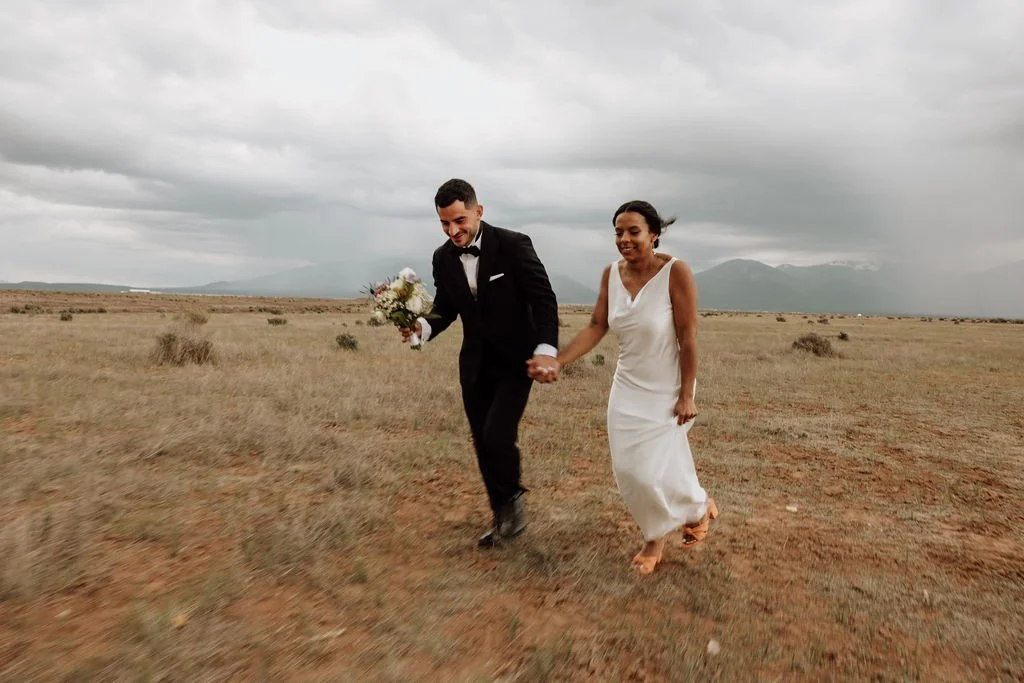
Couples drawn to Zion's dramatic scenery often also consider other Southwest desert locations for the same reasons — dramatic light, fewer guests, and a landscape that becomes part of the story rather than a backdrop. Shutterfreek shoots adventure elopements across the broader region, including New Mexico adventure elopements, which offer a different but equally striking desert palette. Couples deciding between states often find it useful to compare specific site options, such as those outlined in the guide to the best locations for small weddings in New Mexico, before finalizing a destination.
Final Thoughts
A Zion Canyon wedding photographer needs to be part artist, part logistics planner, and part local expert — someone who can read canyon light, navigate NPS permitting, and get a couple safely to a viewpoint that will still be spectacular an hour after the "ideal" sunset window has technically passed. Shutterfreek approaches every Zion Canyon elopement with that combination of technical planning and creative eye, drawing on experience across Utah's national parks and other Southwest adventure destinations. If you're planning a Zion Canyon elopement, start by reviewing location options, checking current NPS permit requirements, and booking a photographer who has actually worked this terrain before — not just photographed a wedding that happened to be outdoors.
Frequently Asked Questions
-
It depends on group size and whether you're using props, amplified sound, or a designated ceremony site. Small, prop-free elopements often don't require a special use permit, but anything beyond that typically does. Confirm current requirements with the National Park Service before booking.
-
Spring (April–May) and fall (September–October) offer the most comfortable temperatures and the best light, along with wildflowers or fall foliage depending on the month. Summer is workable but requires planning around extreme heat, and winter offers dramatic light with far fewer crowds.
-
Most couples book 6–12 months in advance, especially for peak season dates. NPS permits also have their own processing timelines, so early booking gives your photographer time to secure the right paperwork.
-
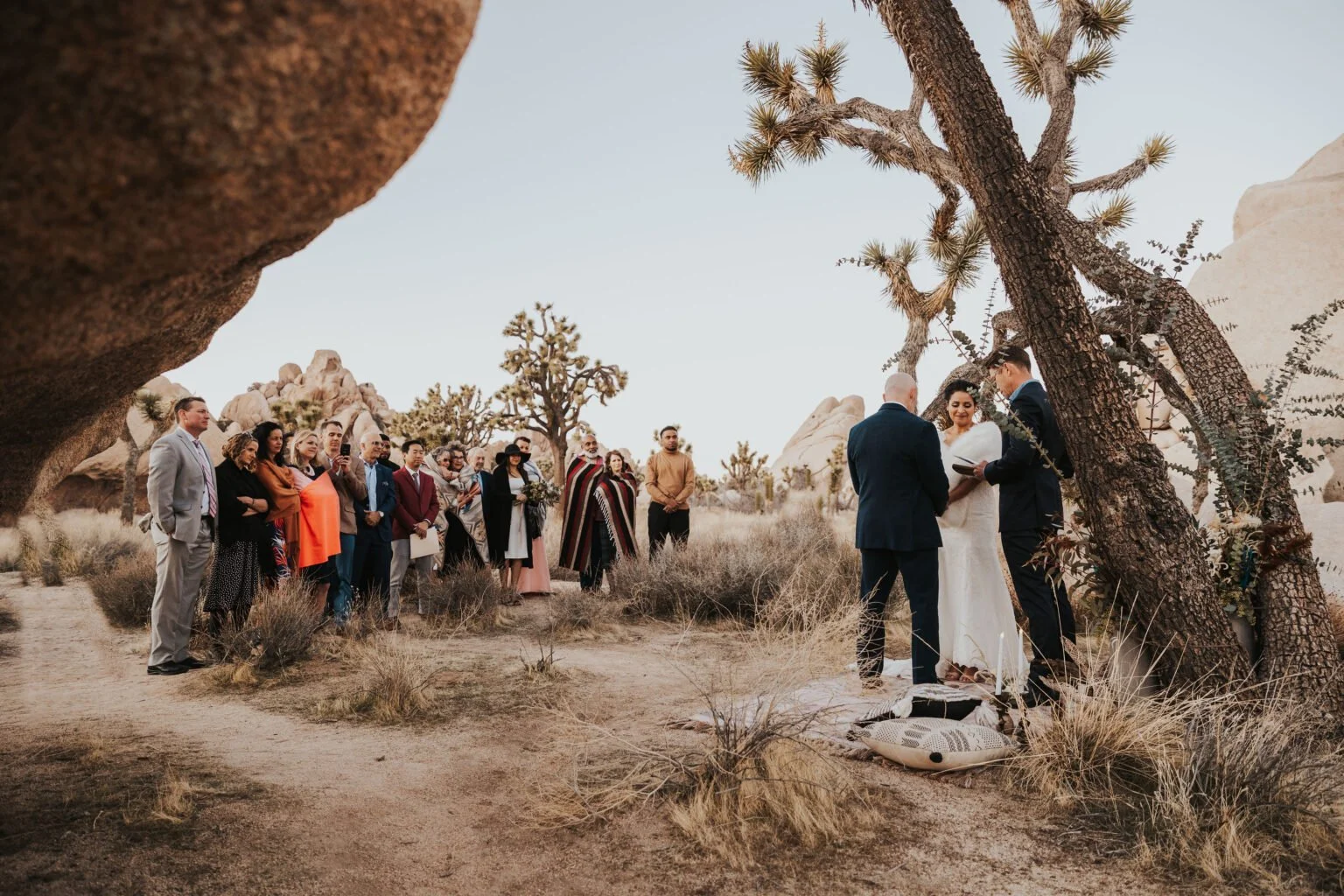
Larger ceremonies are possible but come with more permit requirements and location restrictions than an intimate elopement. Most couples choose Zion specifically for its intimate, small-group elopement experience rather than a full guest-list wedding.
-
Footwear matters most — many popular locations involve hiking on sand, slickrock, or uneven trail, so sturdy sandals or hiking-friendly shoes under a dress, or a shorter hem, are common choices. Layering also helps, since canyon temperatures can shift significantly between morning and midday.
Keep reading