Angel Fire Wedding Photographer: Your Guide to Mountain Wedding Photography in New Mexico
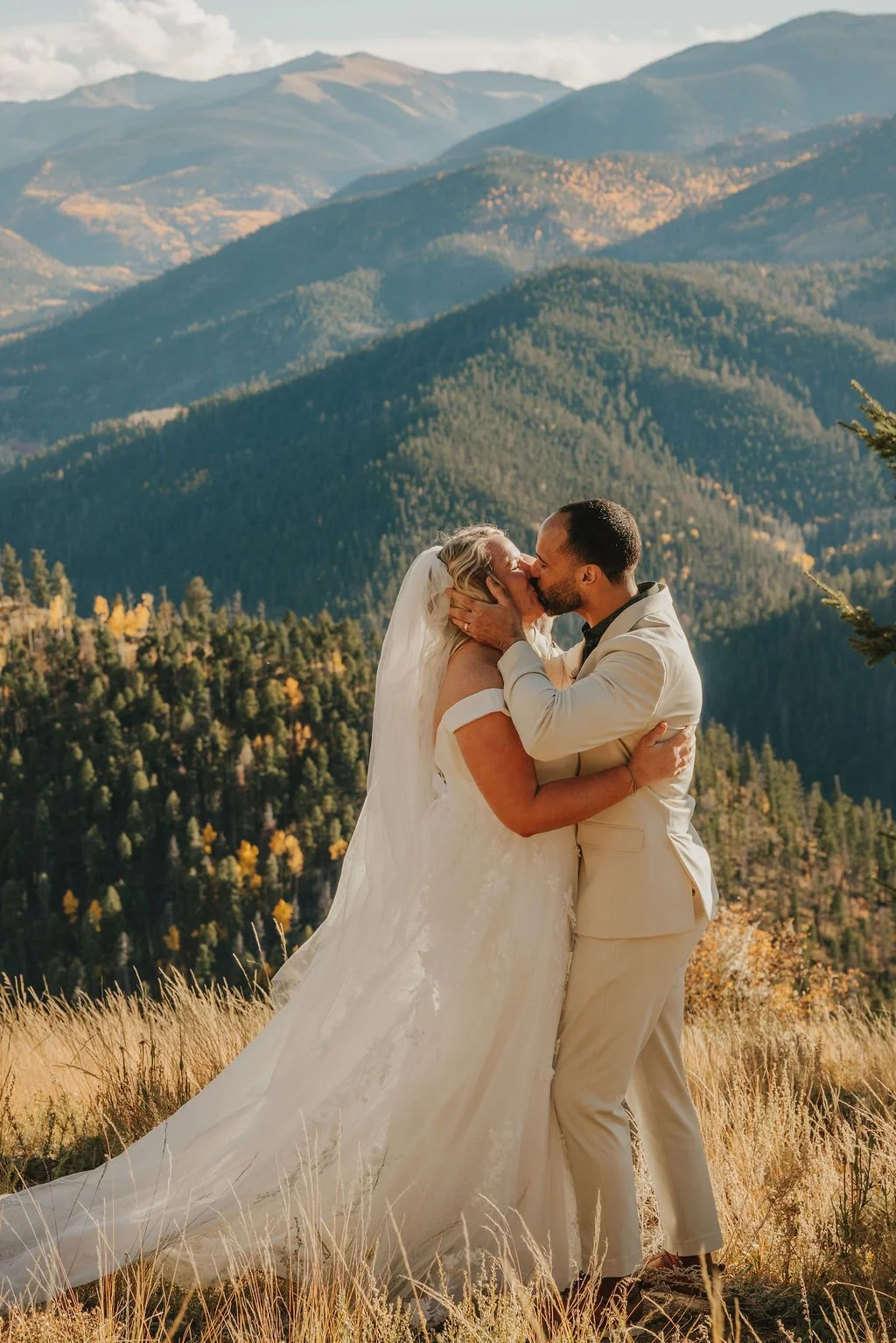
The best Angel Fire wedding photographer is one who understands mountain light, moves fast in changing weather, and has actually shot weddings at 8,600 feet, and that's exactly the kind of experience Shutterfreek brings to every couple who says "I do" in this corner of New Mexico.
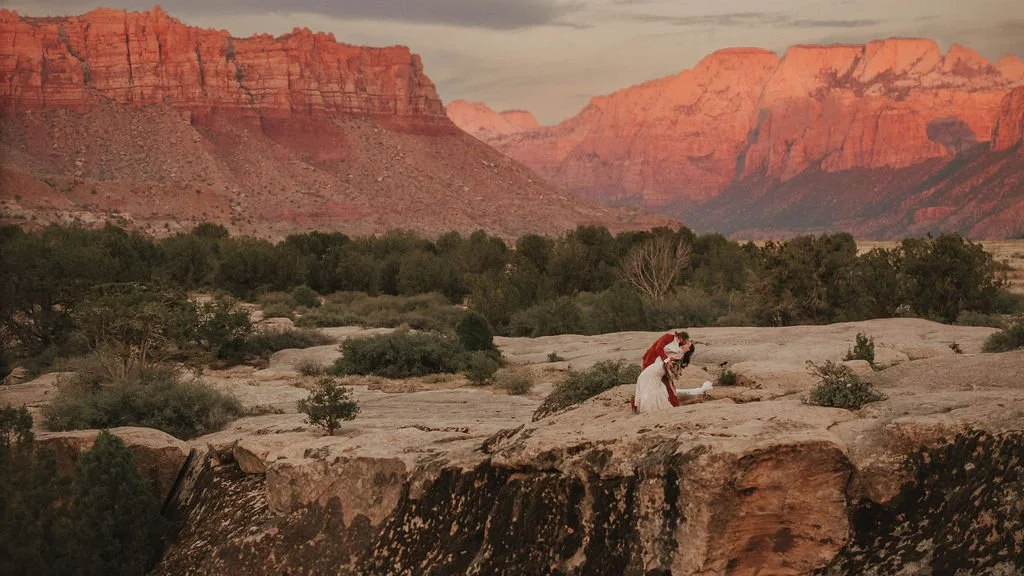
Angel Fire sits inside the Sangre de Cristo range, and that altitude changes everything about how a wedding day is photographed: the light shifts faster, afternoon storms roll in on a schedule of their own, and the backdrops are dramatic enough that a photographer needs to know how to use them rather than fight them. If you're planning a wedding or elopement in Angel Fire, this guide walks through what to look for in a photographer, what the village itself offers as a backdrop, and how to plan a day that actually works with the mountain rather than against it.
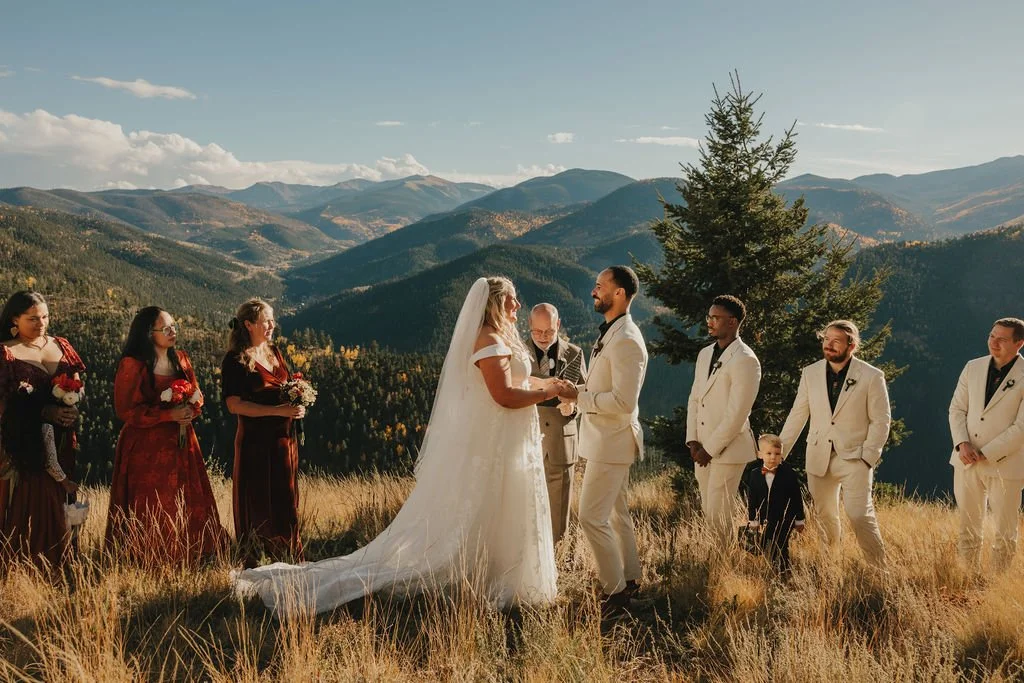
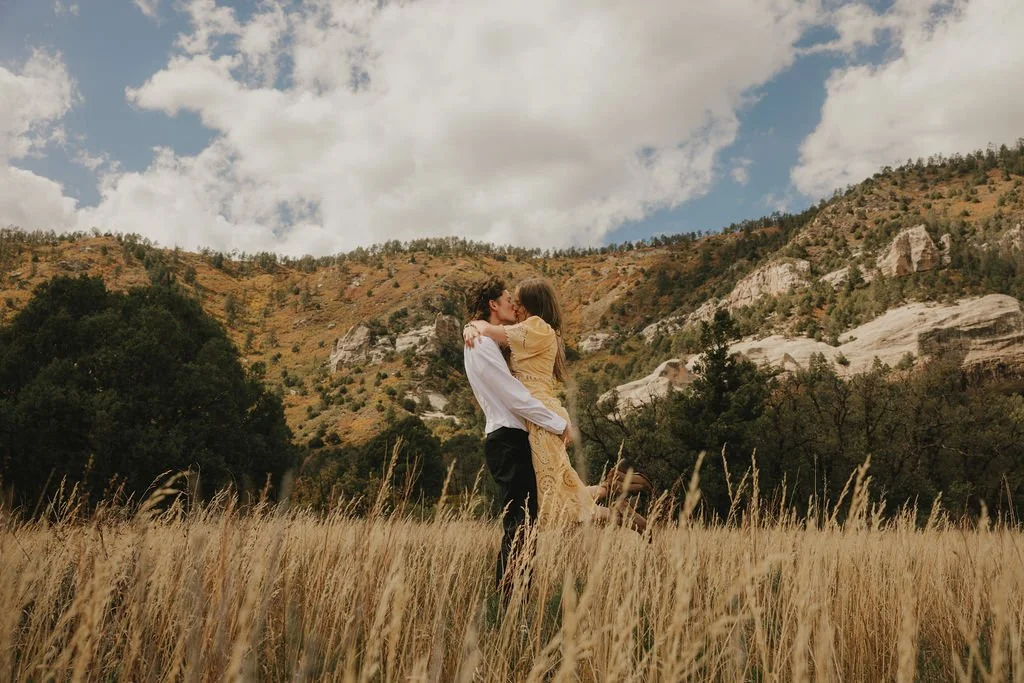
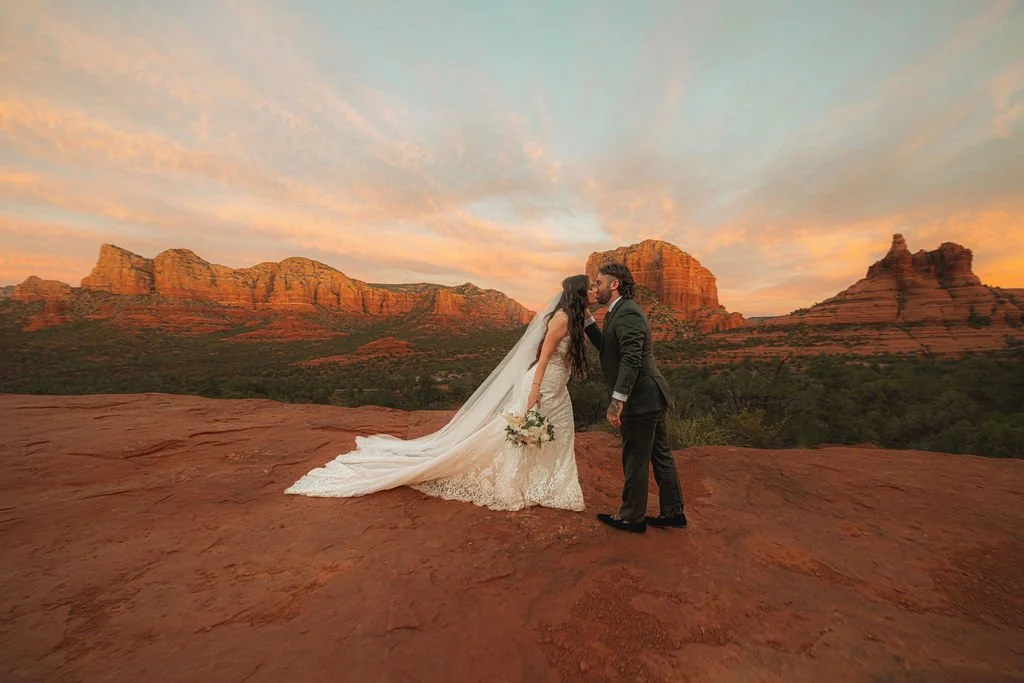
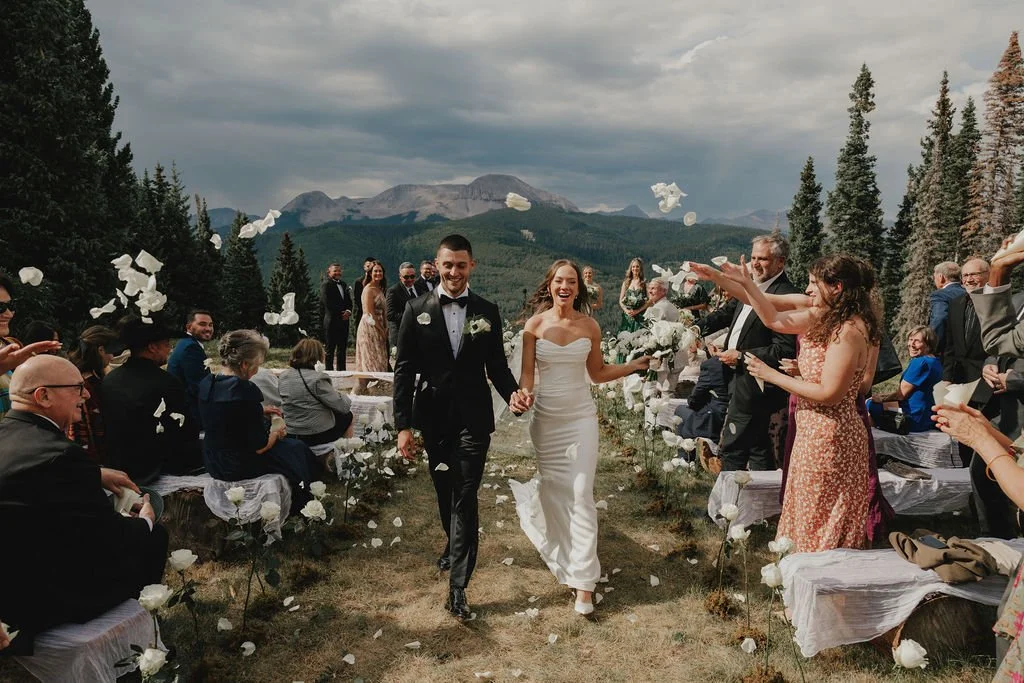
Angel Fire has quietly become one of New Mexico's favorite small-wedding destinations. It's close enough to Taos and Santa Fe for guests to fly in, remote enough to feel like an escape, and visually distinct from the desert imagery most people associate with the state. Aspen groves, ski-run meadows, and views that stretch across the Moreno Valley give couples a mountain-wedding feel without leaving New Mexico.
Why Angel Fire Is a Rising Wedding Destination in New Mexico
Angel Fire's appeal comes down to elevation and access. At over 8,600 feet, the village offers cooler summer temperatures than Santa Fe or Albuquerque, which matters for couples marrying in June through August when the desert lowlands can be uncomfortably hot for an outdoor ceremony. The surrounding Carson National Forest and the Angel Fire Resort grounds give couples ceremony and portrait locations that range from open alpine meadows to dense aspen stands, all within a short drive of most lodging.
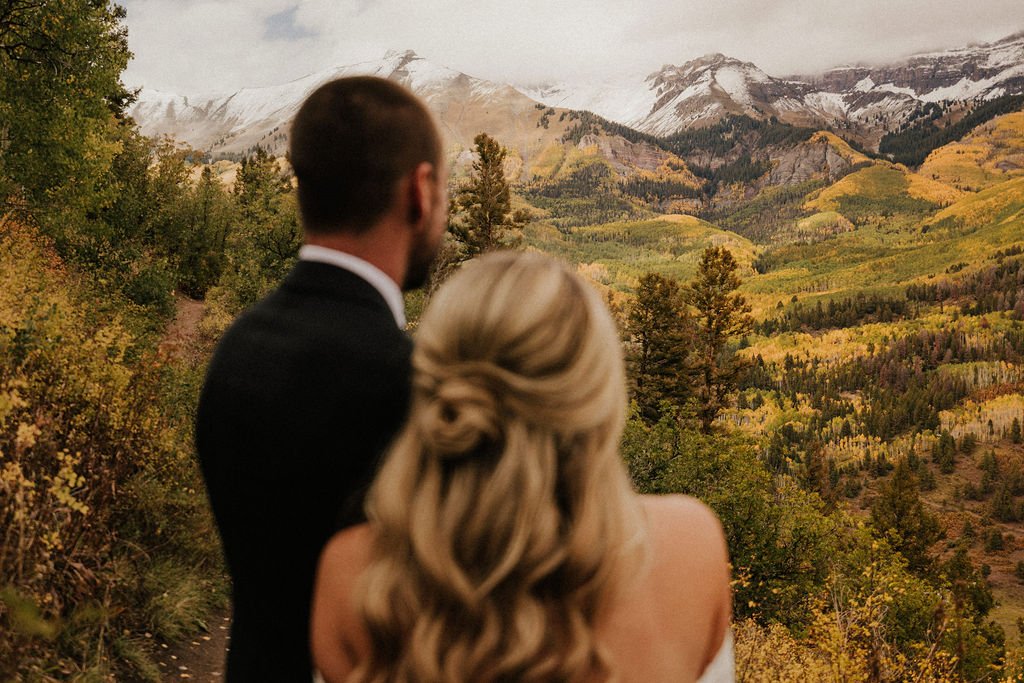
The area also draws couples who want a wedding that reads as "New Mexico" without leaning on the adobe-and-desert imagery that dominates Santa Fe wedding photography. Angel Fire's mountain character, pine forests, snow-capped peaks in shoulder season, and wildflower meadows in July, gives a different visual story, one that pairs well with couples planning an Angel Fire elopement or a small destination wedding built around the landscape itself.
Because Angel Fire is a smaller village than Taos or Red River, it also tends to favor couples who want an intimate, low-guest-count wedding. That makes it a natural fit for the kind of documentary, unposed photography style that works best when a couple isn't managing a large guest list, something worth reading about in more detail in this guide on how to choose a wedding photographer for a mountain or destination setting.
What to Look for in an Angel Fire Wedding Photographer
Not every wedding photographer is built for mountain terrain. Shooting in Angel Fire means working at altitude, managing rapidly changing light under tree cover, and often hiking to a ceremony site that isn't accessible by car. Here's what separates a photographer who's ready for that from one who isn't.
Experience With Mountain and Altitude Light
Light at 8,600 feet behaves differently than light at sea level. It's more intense at midday and shifts faster during golden hour, which means a photographer without mountain experience can easily misjudge exposure or lose the best light window entirely. A photographer who has shot in Angel Fire, Taos, or similar elevations will already know how to plan a timeline around it.
A Portfolio That Actually Shows Mountain Weddings
Ask to see real galleries from mountain or forest ceremonies, not just desert or ballroom weddings relabeled as "New Mexico." A strong portfolio should include aspen groves, alpine meadows, and varied weather conditions, proof the photographer can adapt when a storm rolls in mid-ceremony, which happens often in this region.
Willingness to Hike and Travel Light
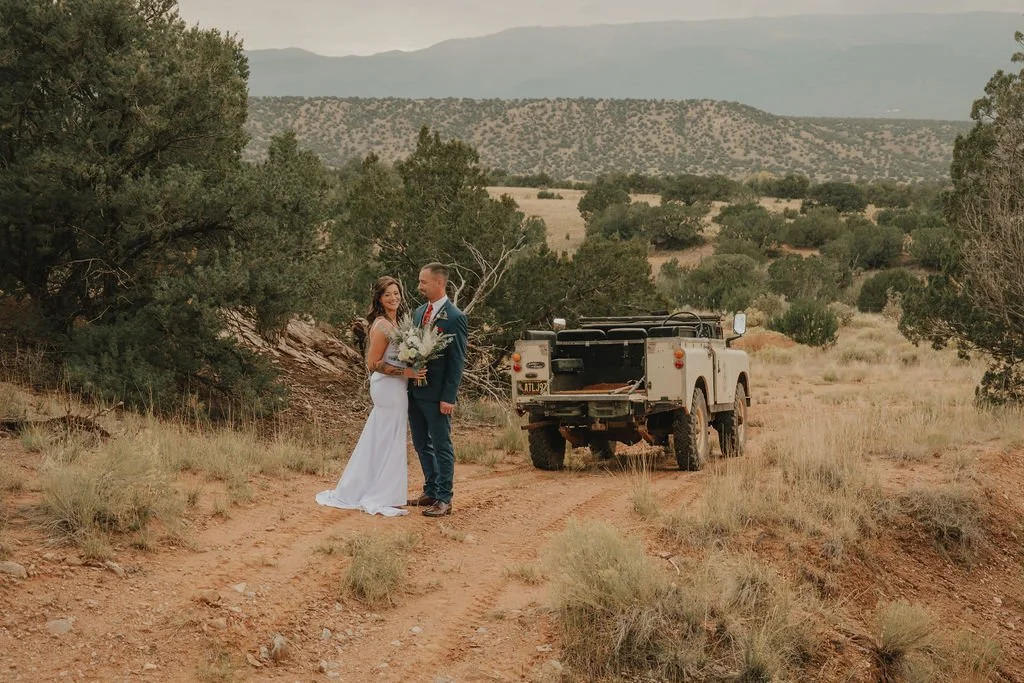
Some of the best portrait locations near Angel Fire require a walk from the parking area. A photographer who's used to carrying gear on foot, similar to what's required for an adventure elopement in New Mexico, will be far more comfortable working these locations than one used to shooting only in hotel ballrooms.
A Documentary or Photojournalistic Approach
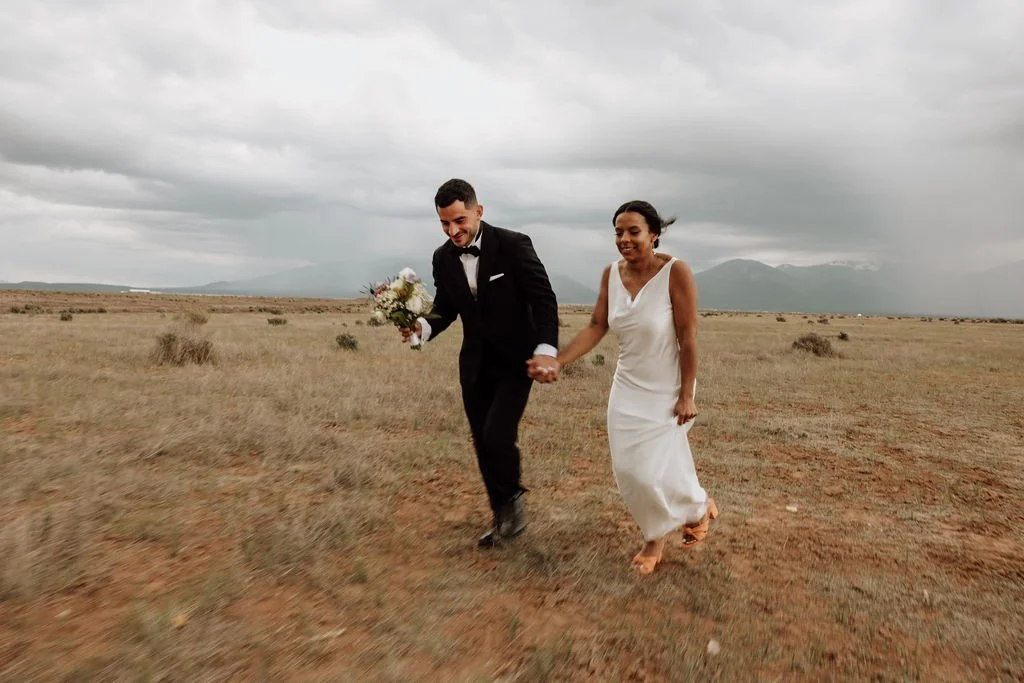
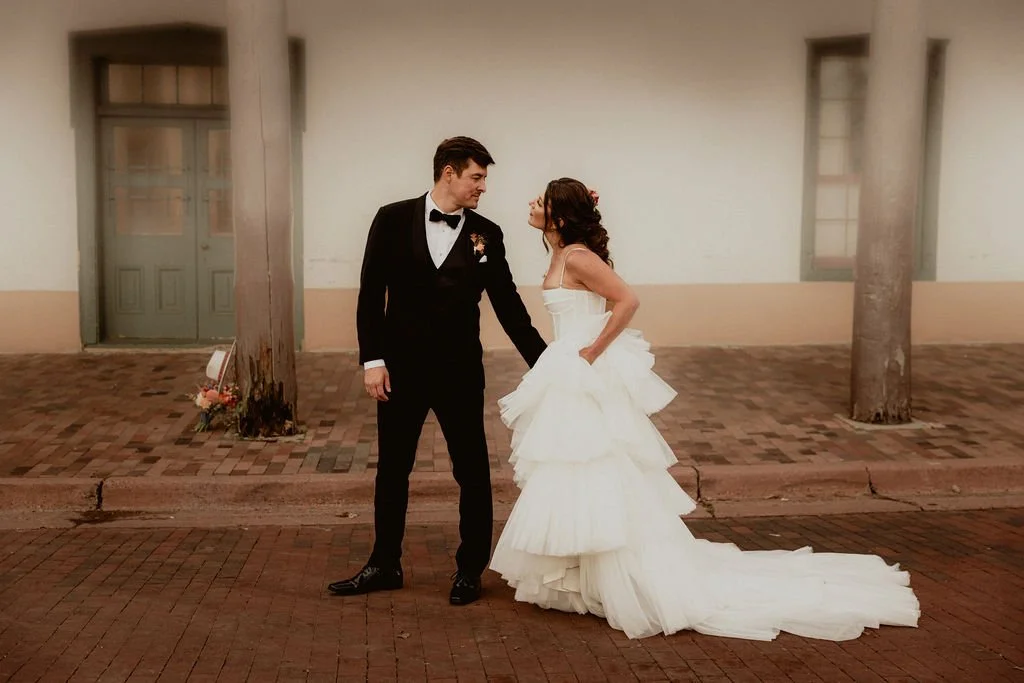
Angel Fire weddings tend to be smaller and more intimate, which suits a documentary shooting style over heavily posed, studio-style photography. This approach captures genuine moments, a couple laughing during vows, guests reacting to the mountain view, rather than a checklist of staged shots.
Comparison: Angel Fire vs. Other New Mexico Wedding Destinations
Couples often compare Angel Fire against Taos, Santa Fe, and Red River before booking. Here's how they stack up for photography purposes.
| Destination | Elevation | Landscape Style | Best For | Photography Light Conditions |
|---|---|---|---|---|
| Angel Fire | ~8,600 ft | Alpine meadows, aspen forests, ski-resort terrain | Intimate mountain weddings & elopements | Fast-shifting golden hour, cooler tones, forest dappled light |
| Taos | ~6,969 ft | Adobe architecture, high desert, Rio Grande Gorge | Cultural, artistic weddings | Warm desert light, dramatic sunsets, open sky |
| Santa Fe | ~7,199 ft | Adobe/Southwestern architecture, high desert | Formal, upscale weddings | Golden desert tones, consistent light year-round |
| Red River | ~8,750 ft | Narrow mountain valley, evergreen forest | Rustic, small-town charm weddings | Similar altitude challenges to Angel Fire, more shaded valley light |
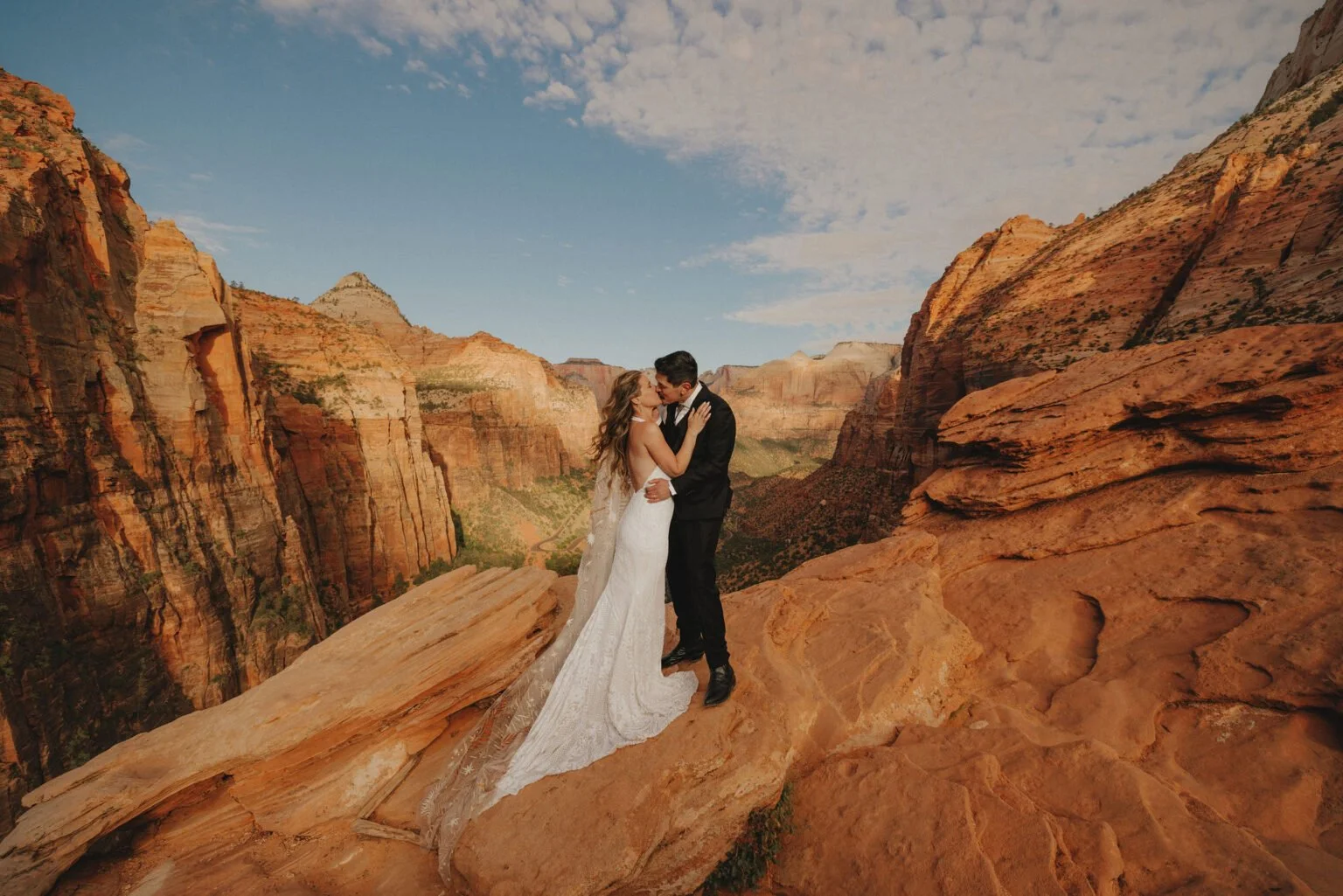
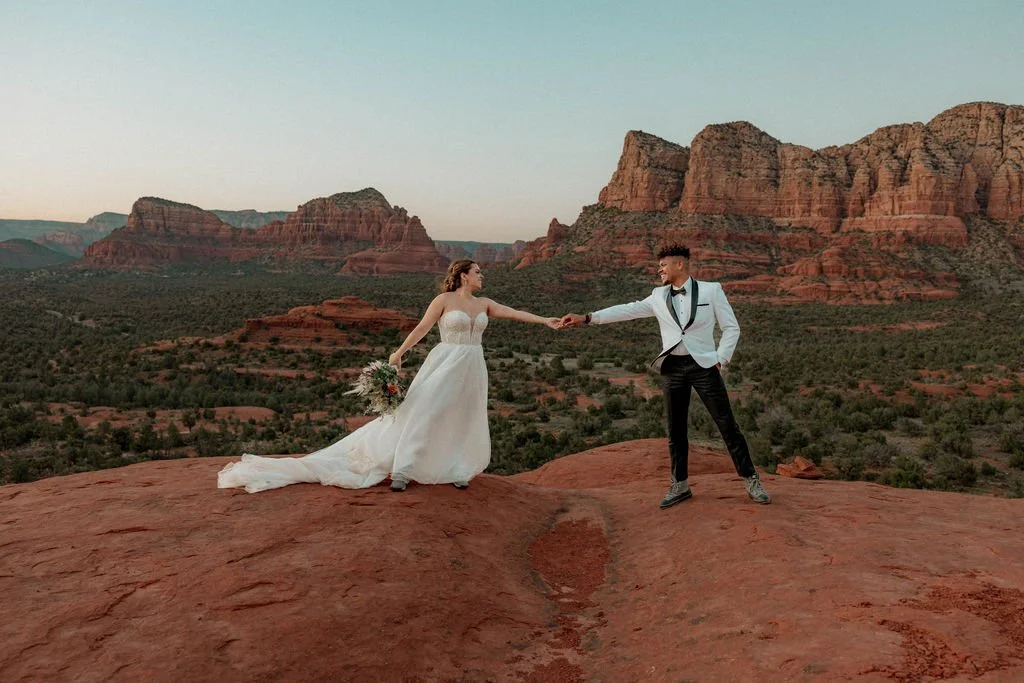
Each destination has its own visual identity, and the right choice usually comes down to the kind of imagery a couple wants in their album. For those drawn to the alpine, forested look, Angel Fire and Red River are closer matches; for classic Southwestern adobe backdrops, Taos and Santa Fe suit better. Couples weighing New Mexico against a neighboring state's mountain scenery sometimes also look at options like a Utah adventure elopement for comparison before settling on their final location.
Best Angel Fire Wedding Photography Locations
Angel Fire Resort Meadows
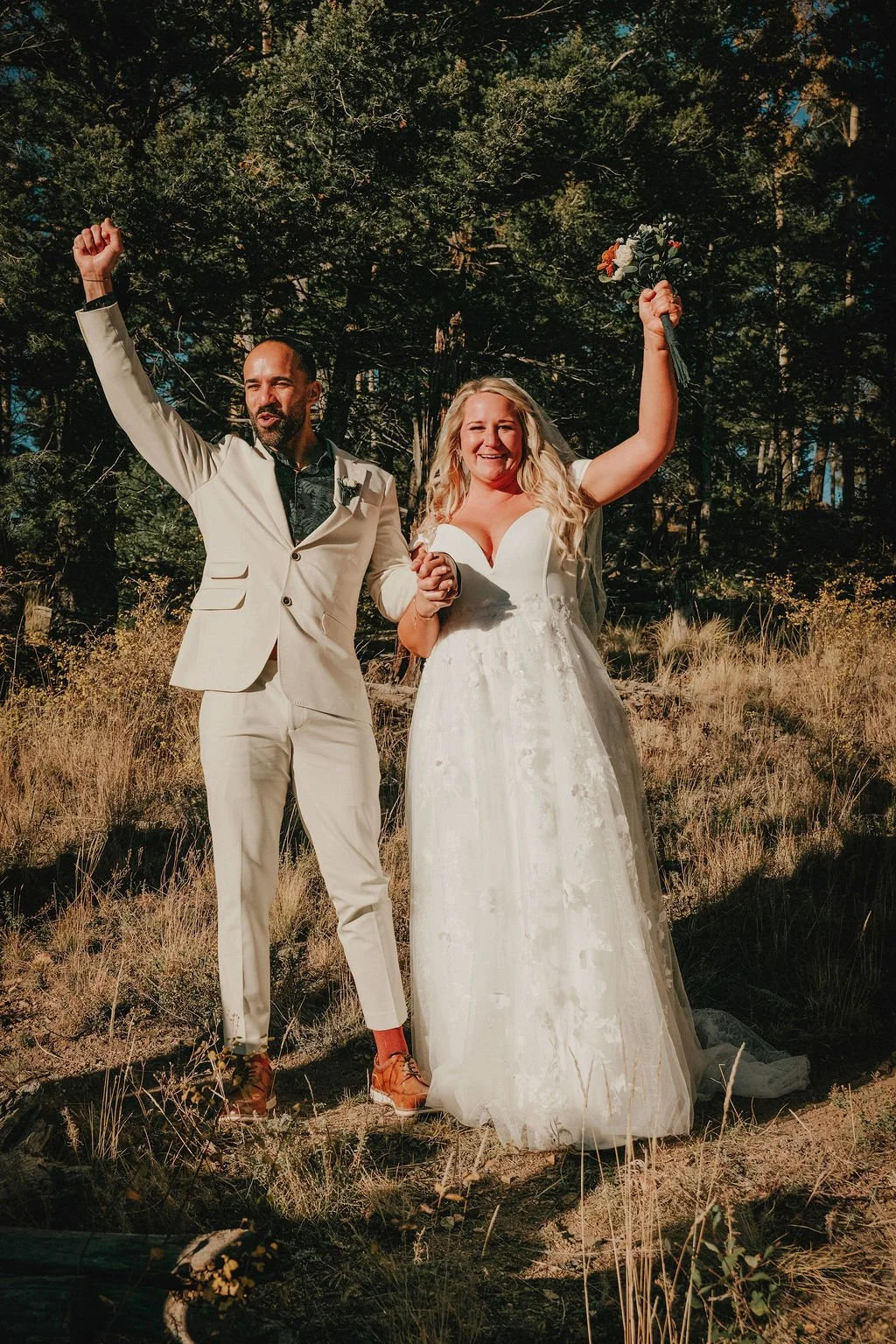
The open ski-run meadows at the base of the resort offer sweeping mountain views with minimal hiking required, making them a practical choice for couples who want a dramatic backdrop without a long trek. Late afternoon light here is especially strong for portraits.
Monte Verde Lake
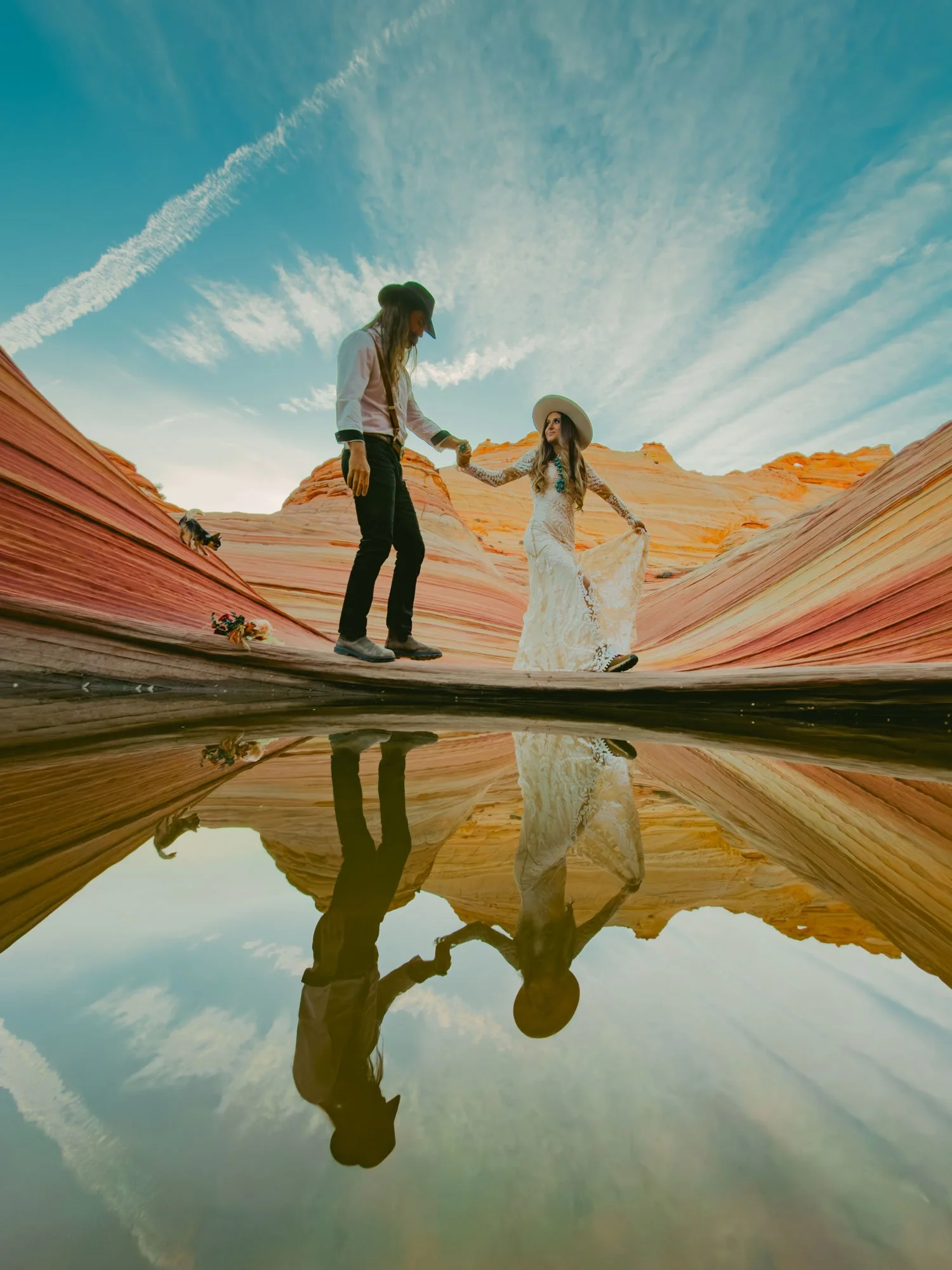
This small lake near the village center provides a calm water reflection shot and easy access, useful for couples who want variety without traveling far from their venue.
Carson National Forest Trailheads
For couples wanting a true forest-and-mountain feel, several trailheads just outside the village lead to aspen groves and overlooks. These spots require more planning, timing, permits where applicable, and physical stamina, but deliver some of the most distinctive images in the region.
Moreno Valley Overlooks
Wide-open views across the valley toward Wheeler Peak make for striking wide-angle shots, particularly at sunrise when the light hits the peak first and washes down into the valley.
For couples building a full location shortlist, it's also worth comparing Angel Fire against nearby small-wedding-friendly spots covered in this roundup of best locations for small weddings in New Mexico.
Planning Timeline: What to Expect Working With Shutterfreek in Angel Fire
Mountain weddings run on a tighter light schedule than lowland weddings, so timeline planning matters more here. A typical Angel Fire wedding day with Shutterfreek generally includes:
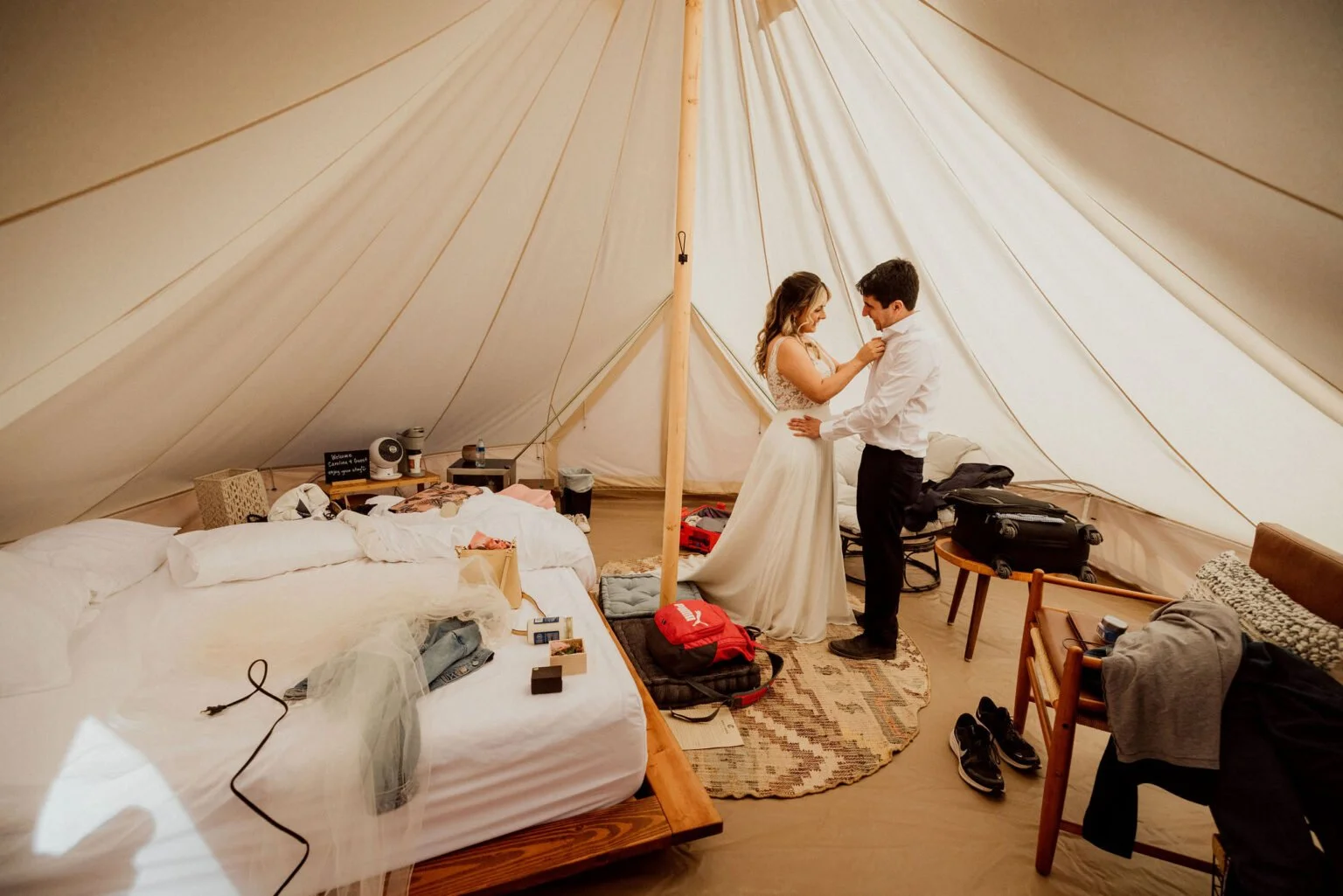
Getting-ready coverage in the morning, timed around when soft indirect light is available indoors.
First look and couple portraits scheduled before the midday sun becomes too harsh, often mid-morning at altitude.
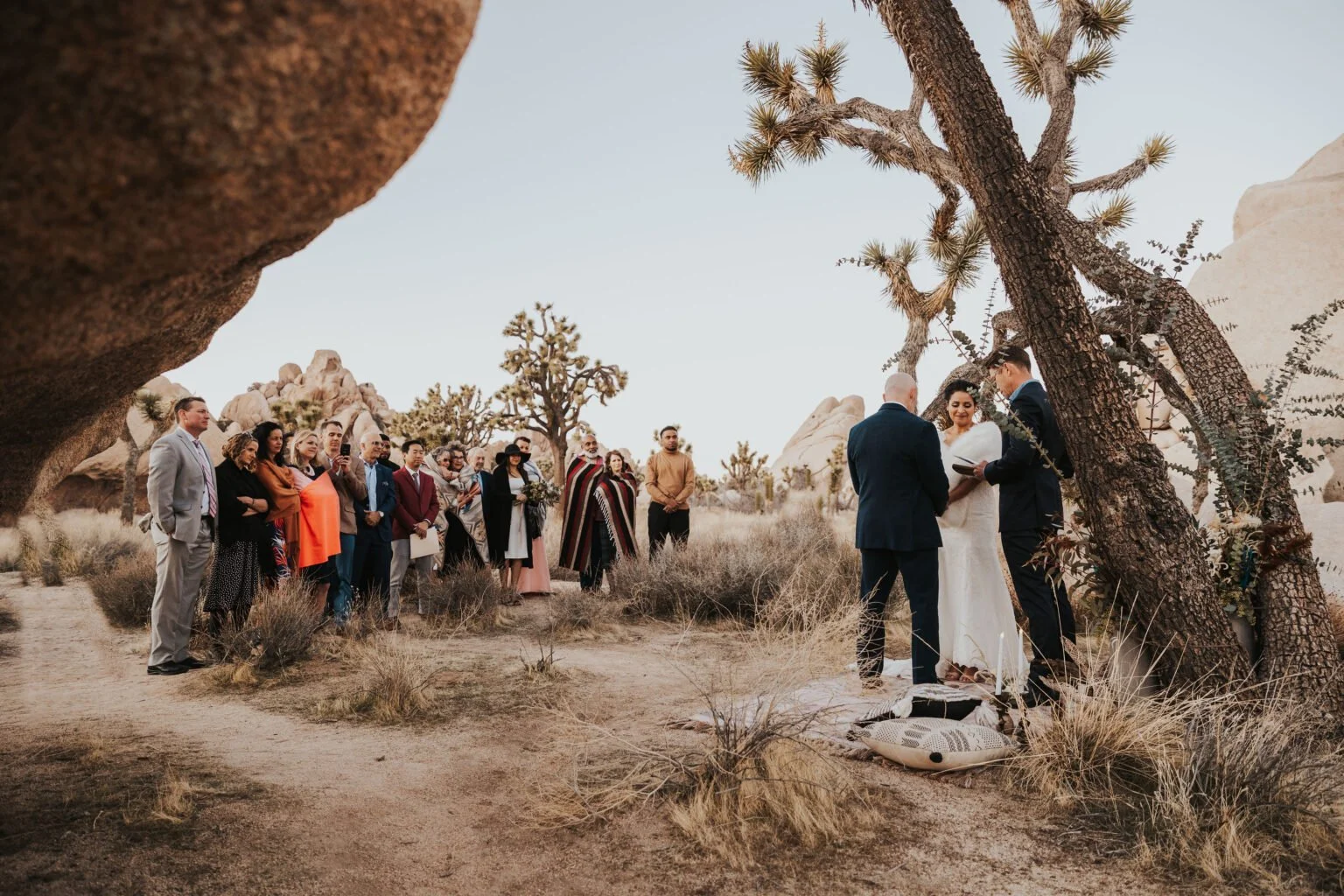
Ceremony coverage at the chosen location, with a weather contingency plan discussed in advance given how quickly mountain storms can build.
Golden hour portraits, which at this elevation can arrive earlier and move faster than couples expect, so this window is protected in the schedule rather than left flexible.
Reception coverage, including candid guest moments and details, wrapped with a night sky or string-light exit shot when the venue allows it.
Couples planning a smaller, more private day sometimes skip the traditional format entirely in favor of a hike-in ceremony, which follows much the same planning logic as an Angel Fire elopement package.
Angel Fire Wedding Season Guide for Photography
| Season | Months | Landscape Look | Weather Considerations | Best For |
|---|---|---|---|---|
| Spring | April–May | Melting snow, early green growth | Cool temperatures, occasional late snow | Small, quiet ceremonies with dramatic peaks |
| Summer | June–August | Wildflowers, full green meadows | Afternoon thunderstorms are common; plan morning ceremonies | Classic mountain wedding look |
| Fall | September–October | Golden aspens, crisp light | Cooler evenings, unpredictable early snow | Best foliage color for photography |
| Winter | November–March | Snow-covered peaks and trees | Cold temperatures, limited daylight hours | Intimate elopements, dramatic snow portraits |
Fall is consistently the most requested season for photography due to the aspen color change, but summer remains the most popular for full guest-count weddings because of easier travel and lodging availability.
Final Thoughts
Angel Fire offers something few other New Mexico wedding destinations can: true mountain scenery, from aspen groves to alpine meadows, without leaving the state. Choosing the right photographer for this terrain means finding someone who understands altitude light, is comfortable hiking to remote locations, and shoots in a documentary style suited to smaller, more intimate weddings. Shutterfreek has built its approach around exactly this kind of mountain and adventure wedding work across New Mexico, making it a natural fit for couples planning their day in Angel Fire.
Ready to plan your Angel Fire wedding photography? Reach out to Shutterfreek to talk through your date, location, and vision for the day.
Whether you're drawn to a full guest-list celebration at the resort or a quiet, hike-in ceremony among the aspens, the mountain setting rewards couples who plan around it rather than trying to force a lowland timeline onto an alpine location.
Working with a photographer who already knows Angel Fire's terrain, light, and weather patterns means less time spent explaining logistics on the wedding day itself, and more time actually enjoying it. That local familiarity, paired with a documentary approach that captures real reactions rather than staged poses, tends to be what couples remember most fondly when they look back at their gallery months or years later.
Frequently Asked Questions
-
Pricing for an Angel Fire wedding photographer typically depends on coverage hours, travel requirements, and deliverables like albums or engagement sessions. Because Angel Fire is a mountain destination with limited local vendor availability, most photographers price it similarly to other New Mexico destination weddings rather than as a standard in-town booking. Couples should request a detailed quote that clearly states what's included.
-
Fall (September to October) is widely considered the best time for photography because of the golden aspen color, while summer (June to August) is the most popular overall due to easier guest travel and cooler mountain temperatures compared to lower-elevation New Mexico cities.
-
Some locations within Carson National Forest or specific resort-owned land may require a permit or reservation for ceremonies and photography sessions, especially for larger groups. It's best to confirm requirements directly with the land manager or resort well before the wedding date.
-
Yes. Elopements and micro-weddings are a strong fit for Angel Fire's mountain terrain, and Shutterfreek offers dedicated coverage for these smaller, more intimate day formats, similar to the approach used for adventure elopements elsewhere in New Mexico.
-
Most couples book six to twelve months ahead, particularly for peak fall weekends when aspen color draws the most demand. Popular ceremony locations and photography time slots during golden hour fill quickly, so earlier booking gives more flexibility on date and location.
Keep reading