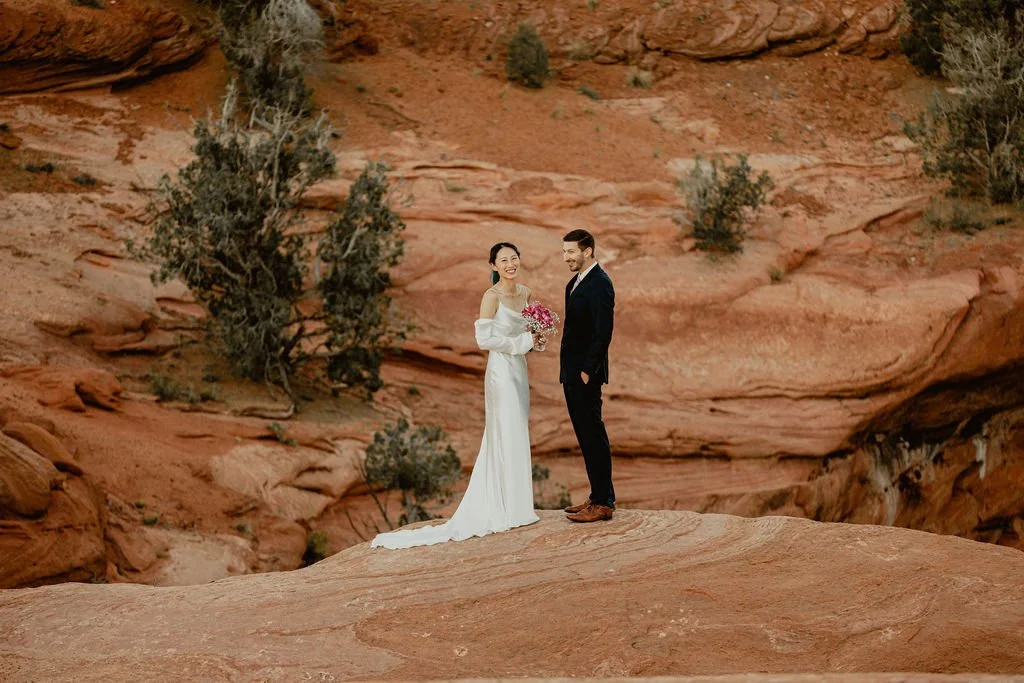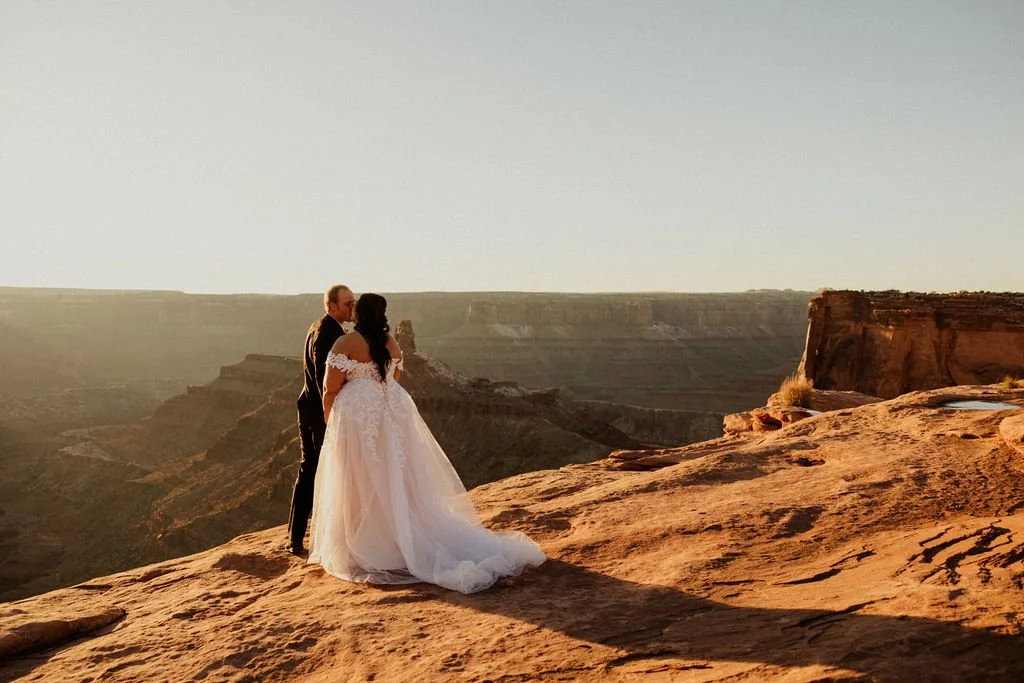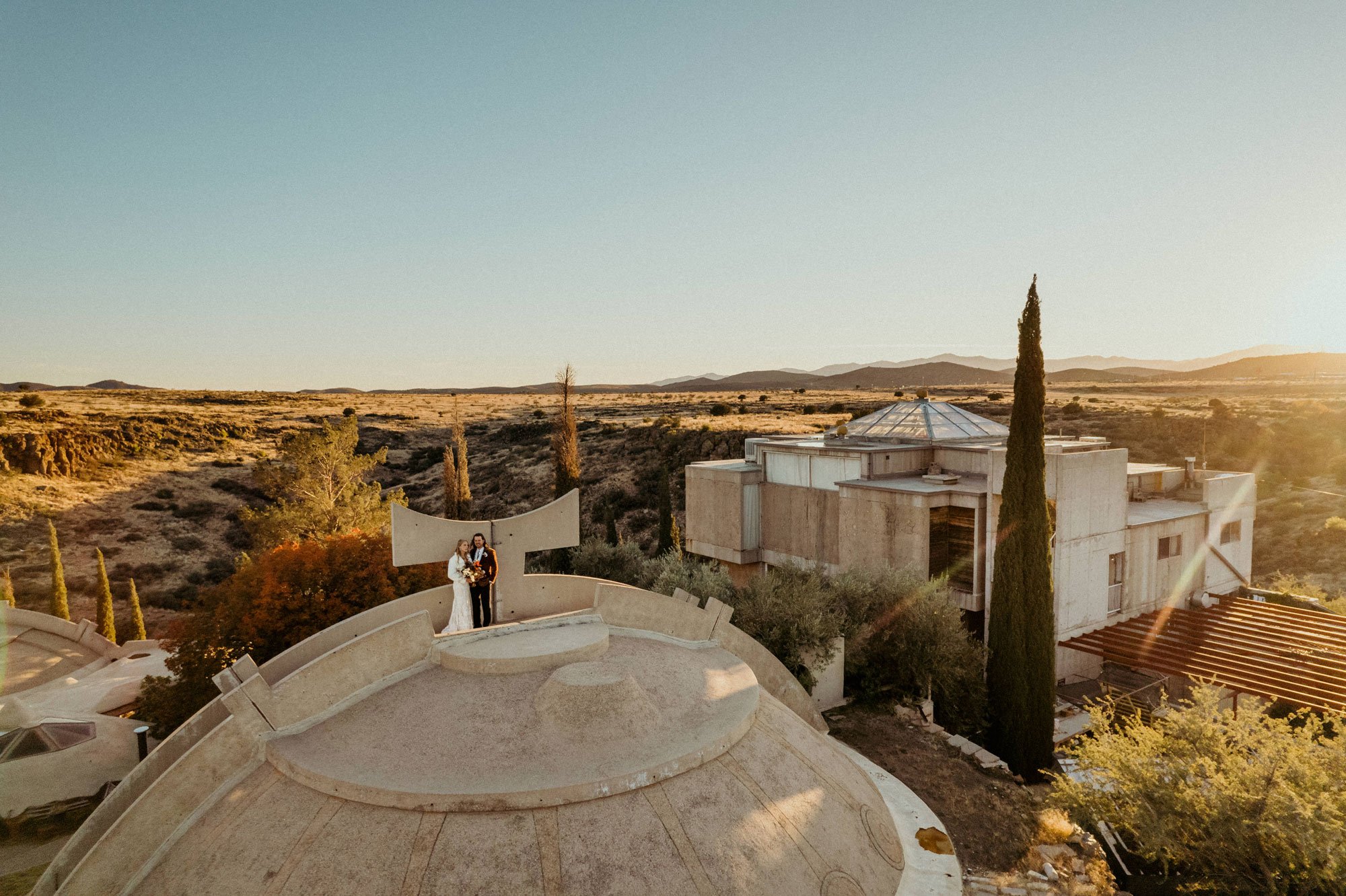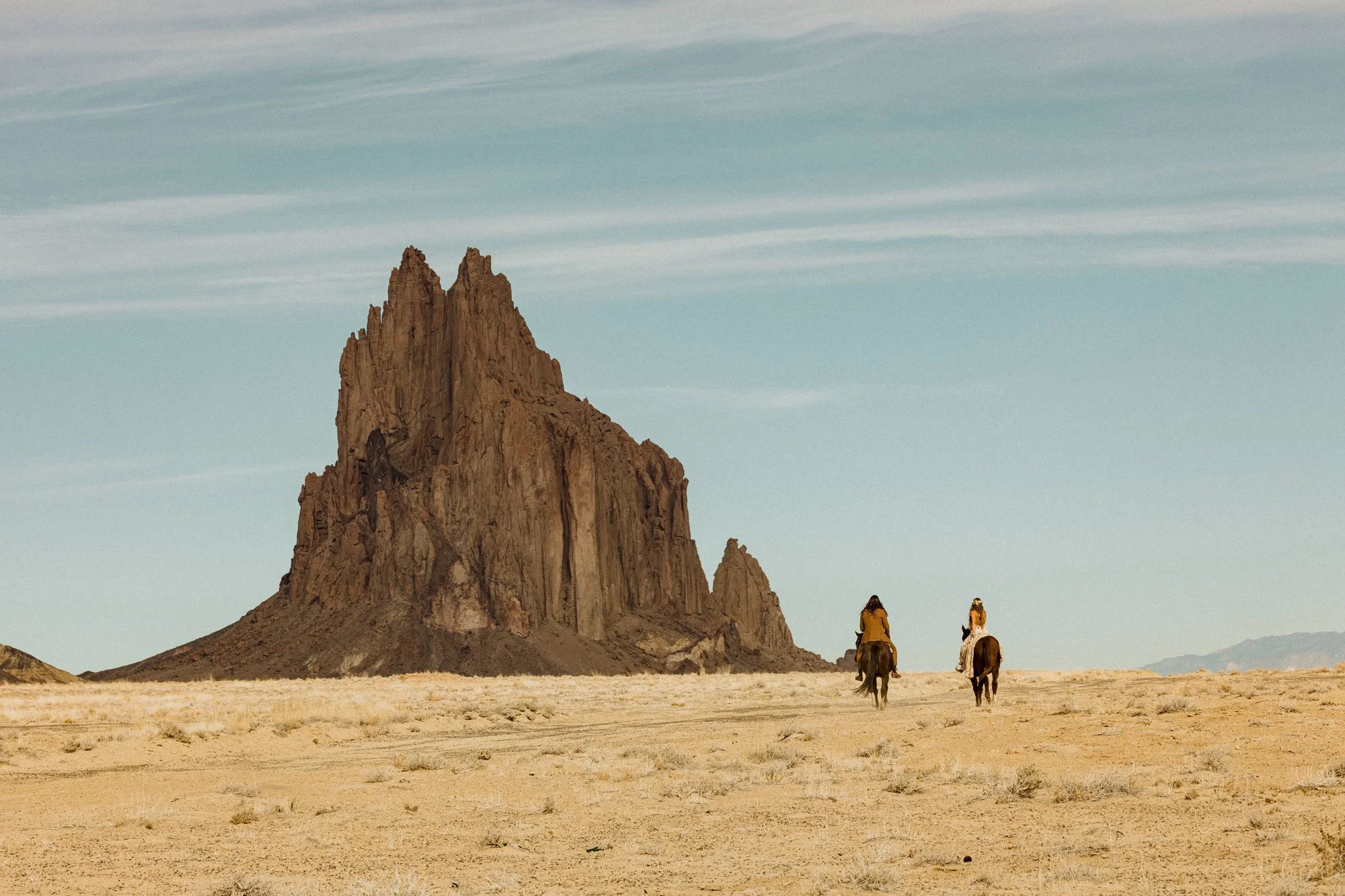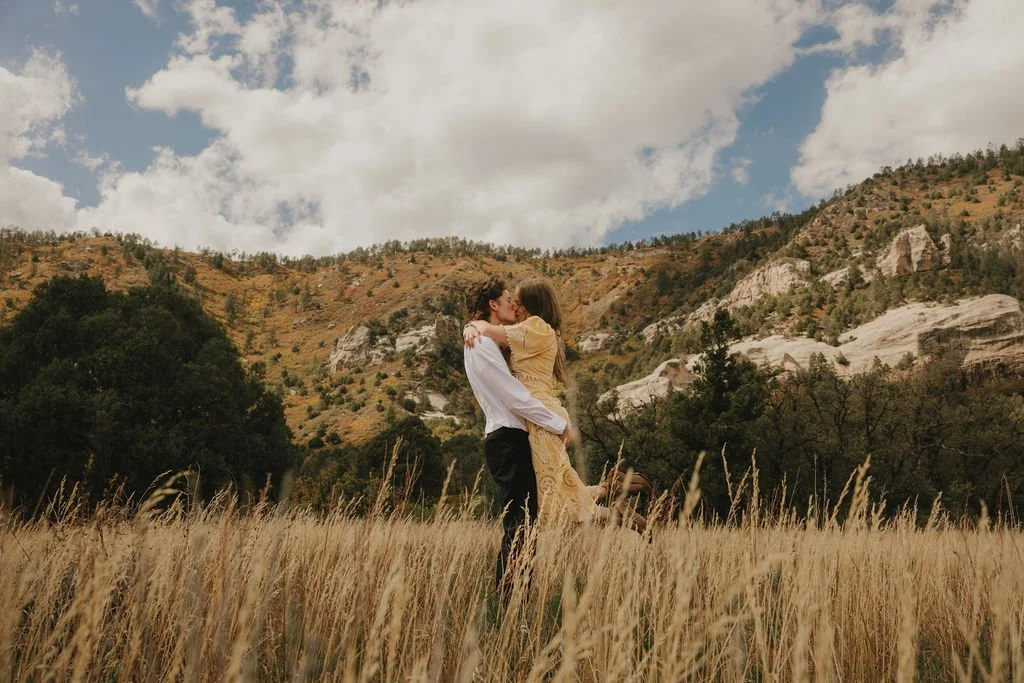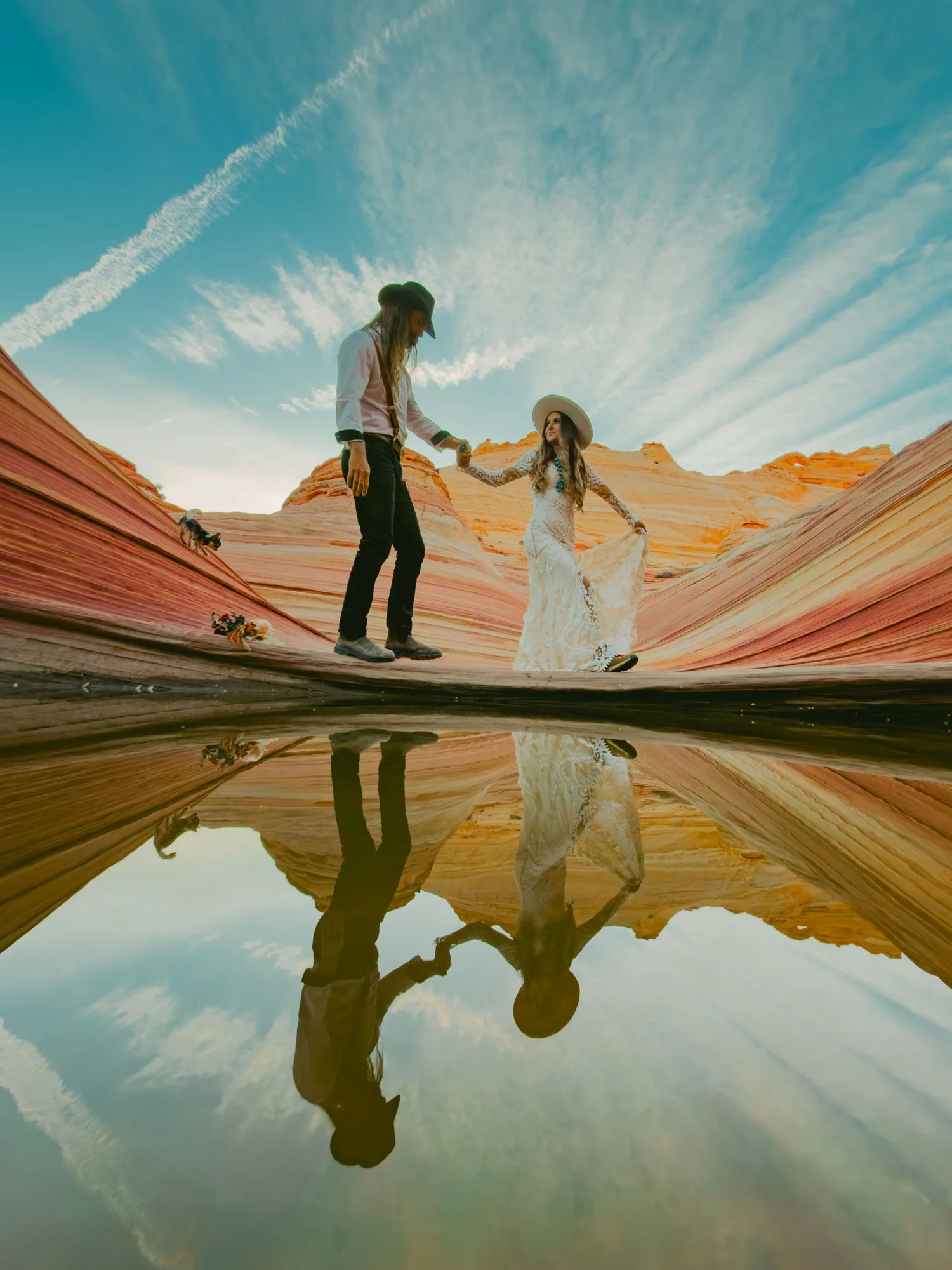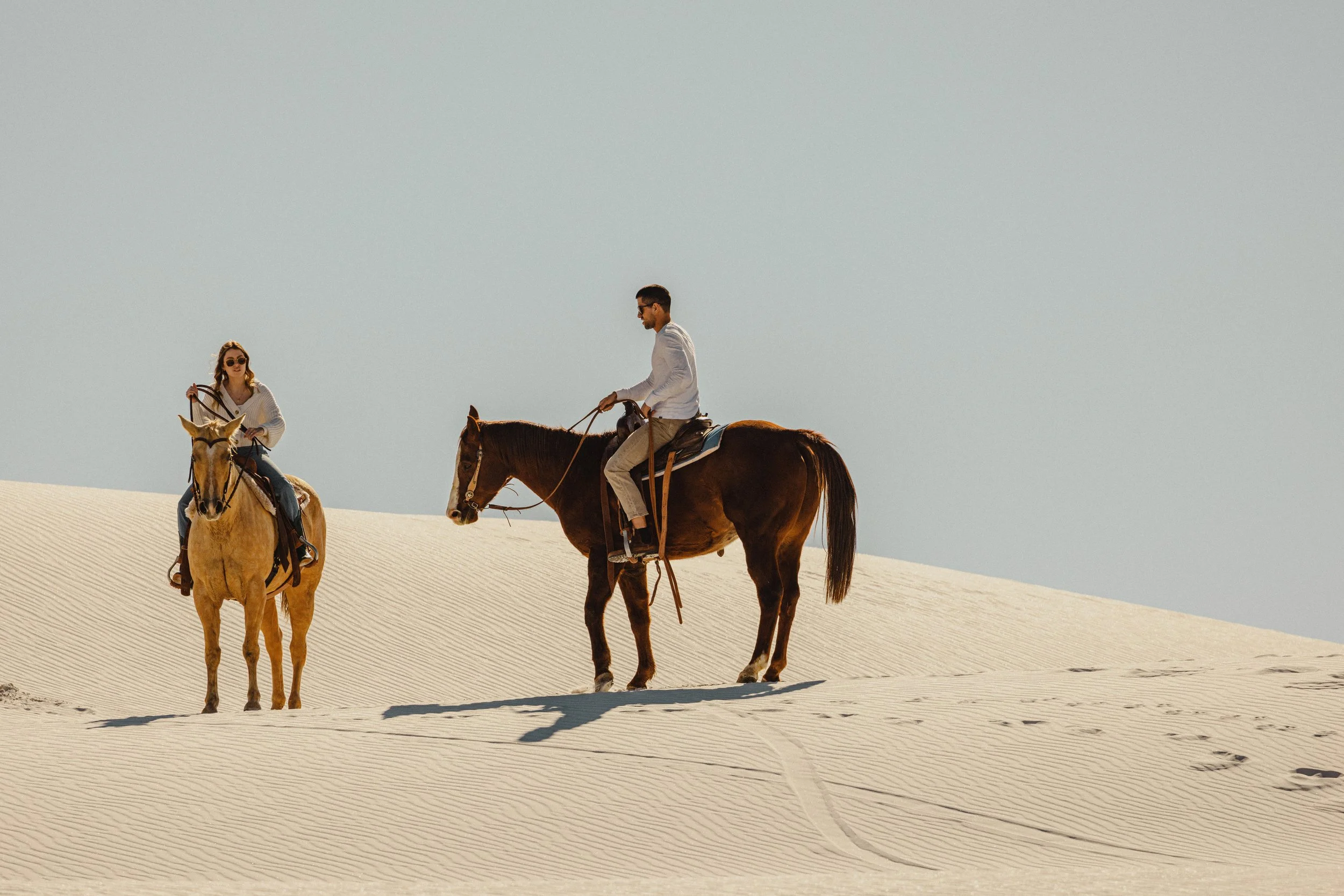
A White Sands destination wedding photographer is a specialist who plans, permits, and shoots weddings and elopements inside White Sands National Park, New Mexico — someone who already knows the National Park Service (NPS) permit process, the safest shooting hours on 100-degree gypsum dunes, and how to pose couples against a landscape that looks more like a snowfield than a desert. Shutterfreek is one of the few photography teams that works in White Sands year-round, and this guide walks you through everything we've learned from shooting real ceremonies on the dunes: permitting, timing, pricing expectations, and how the park compares to other Southwest elopement destinations.
If you're searching this term, you're probably trying to decide whether White Sands is the right backdrop for your day and who should be the one documenting it. Below, we'll answer both questions with the kind of first-hand detail you can only get from a team that's actually stood on those dunes at sunrise with a bride in tow.
Why Couples Choose White Sands National Park for Their Wedding
White Sands isn't a traditional wedding venue, there's no reception hall, no paved aisle, no backup plan if it rains. That's exactly the appeal. Couples who choose this location are usually drawn to one (or all) of these reasons:
The dunes look otherworldly. The gypsum sand is bright white and fine as powdered sugar, creating a landscape that photographs like nowhere else in the country.
Minimal crowds compared to other national parks. Unlike Zion or Arches, White Sands rarely feels overrun, which matters when you want quiet vows instead of tourists in the background.
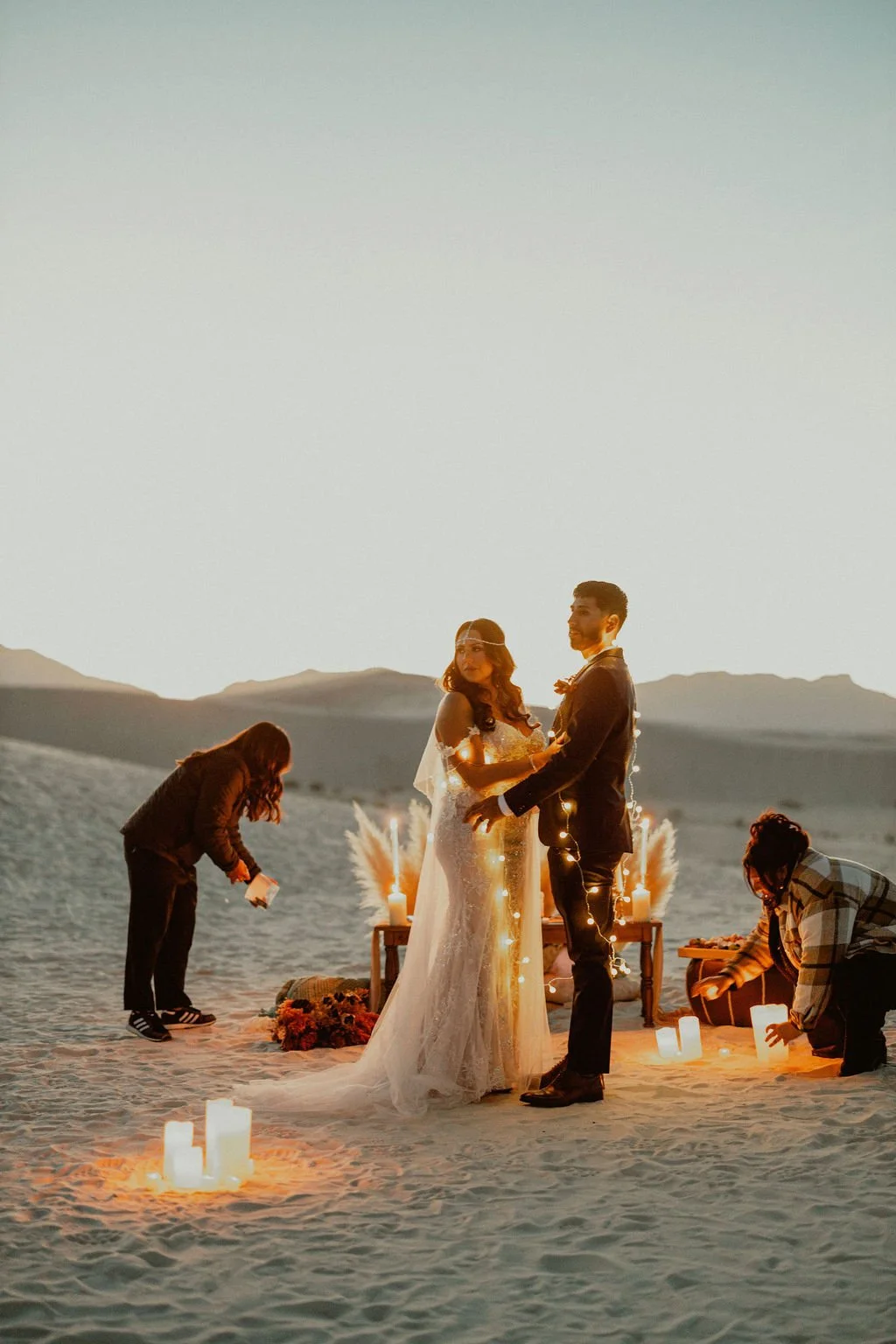
Dramatic light. Because the sand reflects so much light, both sunrise and sunset produce a soft, almost glowing quality that's difficult to recreate anywhere else.
It photographs well in every season, which is rare for a desert location, more on that in the seasonal breakdown below.
Because the park is remote, logistics matter more here than at a typical venue. This is where working with a photographer who already understands the terrain, rather than one who is improvising on the day, makes the biggest difference in how your photos turn out.
What Makes a White Sands Wedding Different From a Traditional Wedding
A few things separate a White Sands ceremony from a backyard or ballroom wedding, and any experienced destination wedding photographer should walk you through these before you book your date:
Permits are mandatory, not optional, for any wedding ceremony or commercial-style photography session inside the park.
Heat and sun exposure are real concerns from late spring through early fall; shoot timing has to work around this.
No shade, no restrooms near most dune fields, and limited cell signal — this is a logistics-heavy shoot, not a casual walk-and-click.
Wind can shift the sand between scouting and shooting, so compositions sometimes change at the last minute.
Group size and vehicle access are restricted in certain areas, which affects how many guests can realistically attend.
None of this should scare you away, it just means your photographer needs to double as a logistics coordinator, which is a core part of what a dedicated destination wedding photographer actually does.
How to Get a Wedding Permit for White Sands National Park
Every ceremony inside White Sands National Park requires a Special Use Permit issued by the National Park Service. Here's the general process:
Submit a Special Use Permit application through the park's administrative office, typically 2–4 weeks before your date (longer during peak season).
Pay the permit and processing fees, which vary based on group size and whether professional photography is involved.
Confirm your ceremony location — certain dune areas are pre-approved for weddings, while others may be restricted due to conservation or missile range testing closures (the park sits next to White Sands Missile Range, and the road occasionally closes for testing).
Provide proof of insurance if required for larger gatherings.
Reconfirm the week of your wedding, since road closures due to missile testing can shift access without much notice.
A photographer who has filed these permits before can usually anticipate delays and build in a backup time window, something that's nearly impossible to plan for on your own if this is your first time navigating it.
Best Time of Year and Time of Day to Shoot at White Sands
Lighting and temperature swing dramatically by season at White Sands, which changes both the comfort level of your ceremony and the mood of your photos. Here's how the seasons compare:
| Season | Avg. Daytime Temp | Best Shoot Window | Photo Mood | Crowd Level |
|---|---|---|---|---|
| Spring (Mar–May) | 70–85°F | Sunrise or 1 hr before sunset | Soft, golden, mild wind | Moderate |
| Summer (Jun–Aug) | 90–105°F | Sunrise only (before 8am) | Bright, high-contrast, harsh midday | High |
| Fall (Sep–Nov) | 65–80°F | Sunset, 1–2 hrs before dusk | Warm amber tones, calm air | Moderate |
| Winter (Dec–Feb) | 40–60°F | Midday or late afternoon | Cool-toned, crisp, occasional frost patterns | Low |
Takeaway: Fall and spring sunsets consistently produce the most flattering, comfortable conditions for both the couple and the photography team, while summer requires an early sunrise ceremony to avoid dangerous midday heat on reflective sand.
White Sands vs. Other Southwest Elopement Destinations
White Sands is one of several striking Southwest backdrops couples consider for an adventure elopement. Here's how it stacks up against two other popular regions we shoot regularly:
| Destination | Landscape Type | Permit Difficulty | Best For | Travel Accessibility |
|---|---|---|---|---|
| White Sands, NM | Gypsum dune fields | Moderate (NPS permit required) | Minimalist, high-contrast portraits | Easy — paved park road, close to Alamogordo |
| Utah Deserts (Arches/Moab area) | Red rock arches & canyons | Moderate–High (permits vary by site) | Dramatic rock formations, sunset silhouettes | Moderate — some sites require hiking |
| New Mexico High Desert (Bisti/Other NM sites) | Badlands, volcanic rock, open mesas | Low–Moderate | Rugged, earthy tones, unique rock textures | Moderate — remote roads |
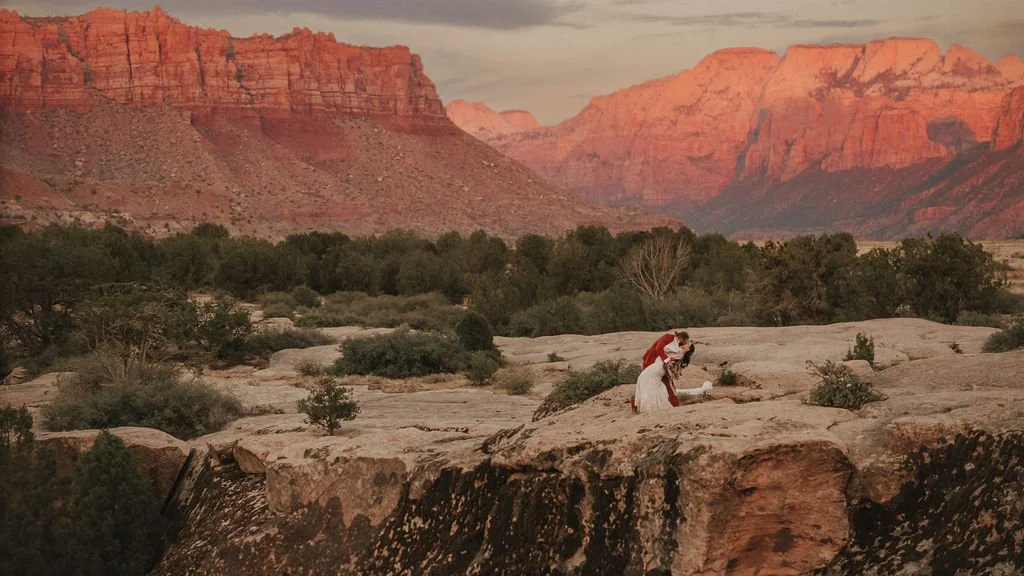
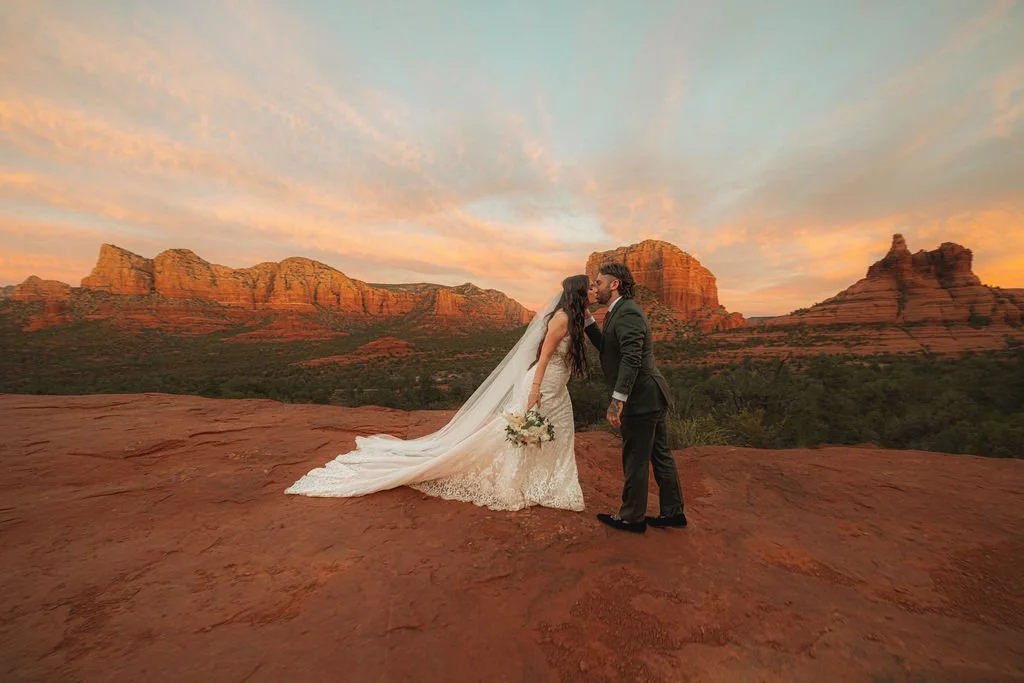
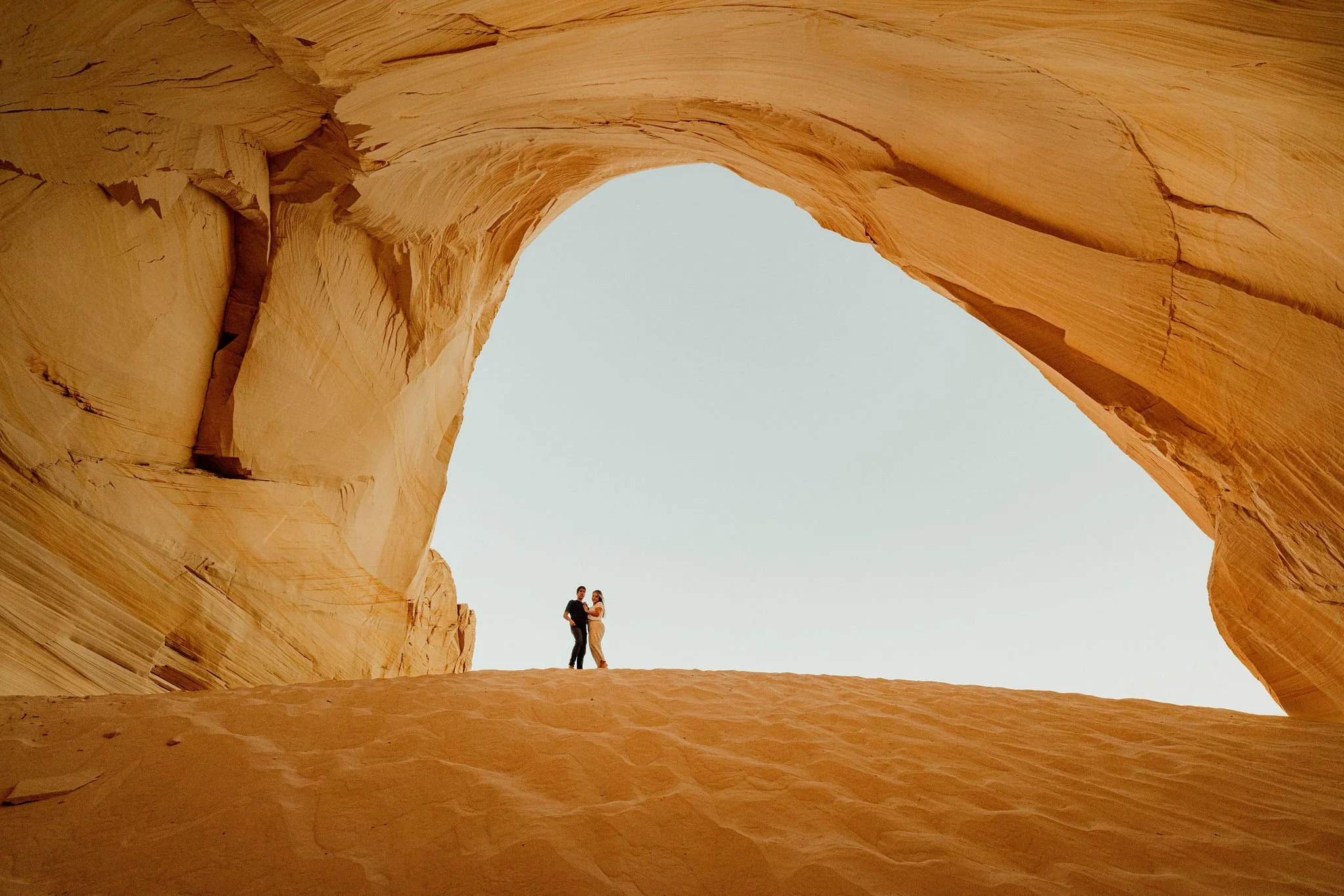
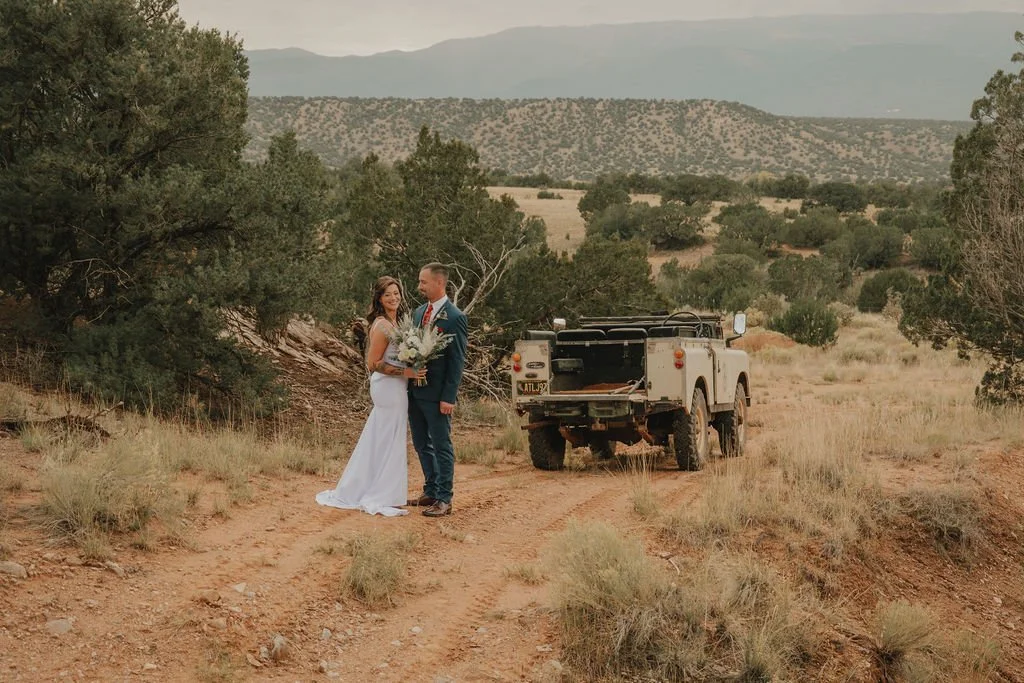
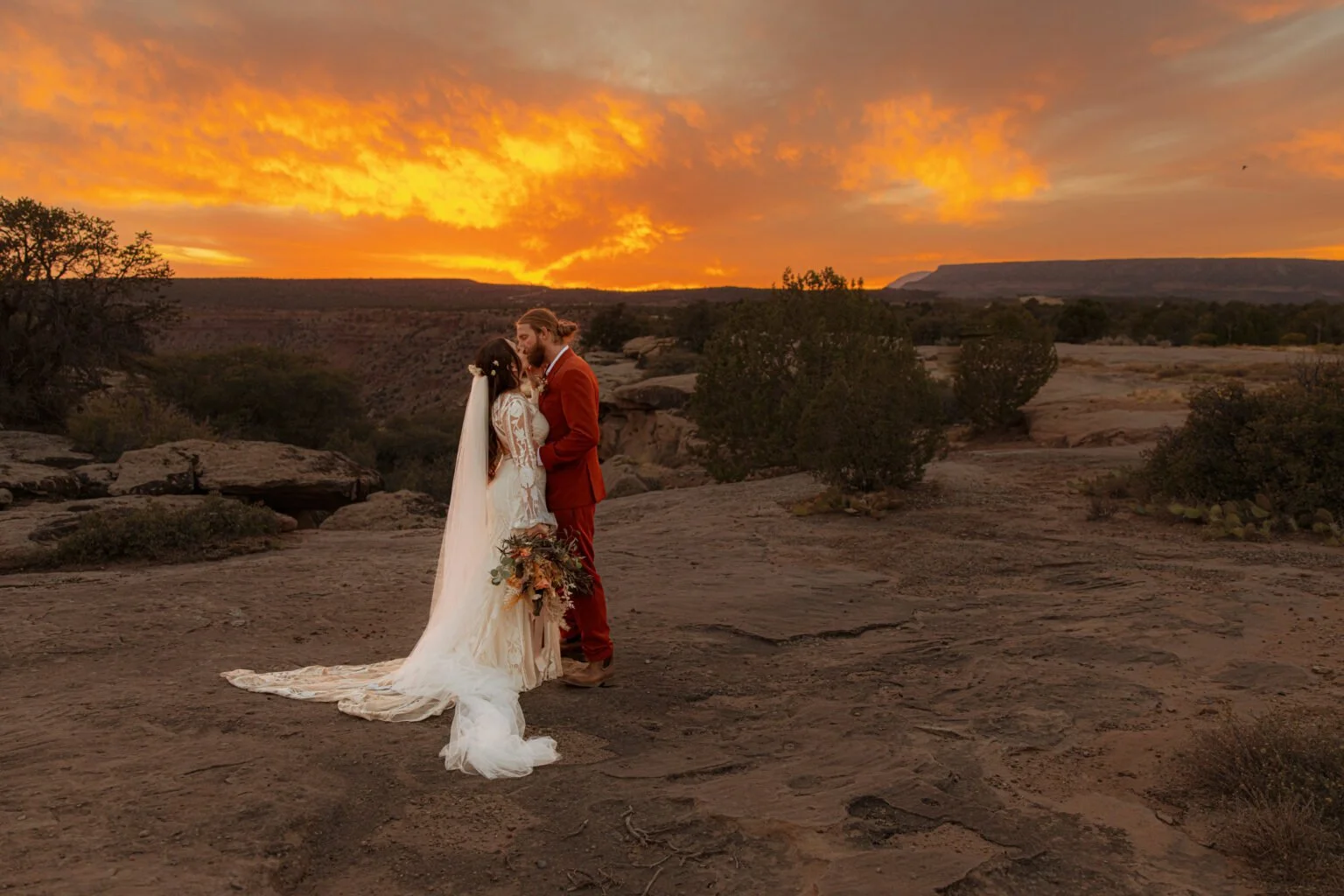
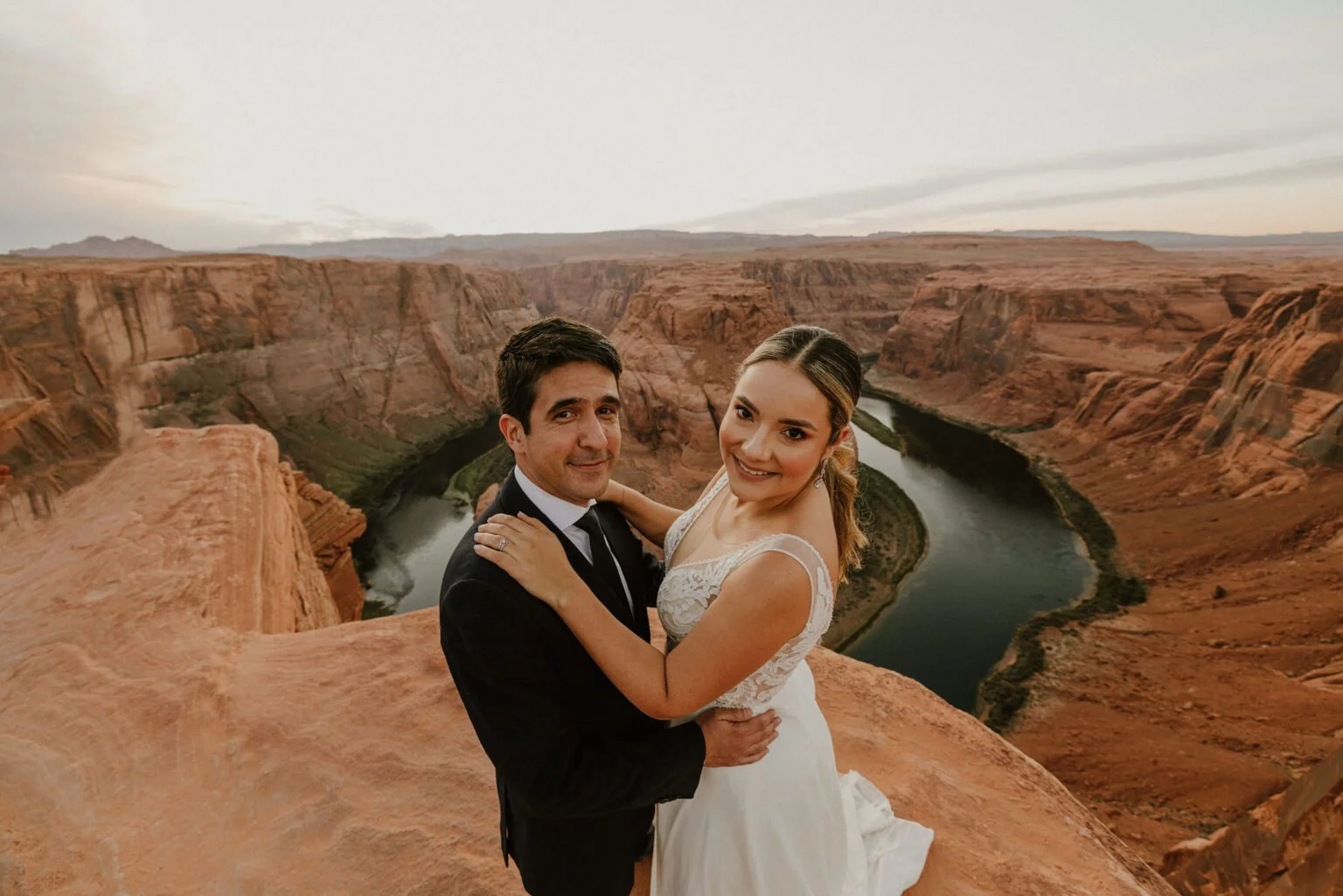
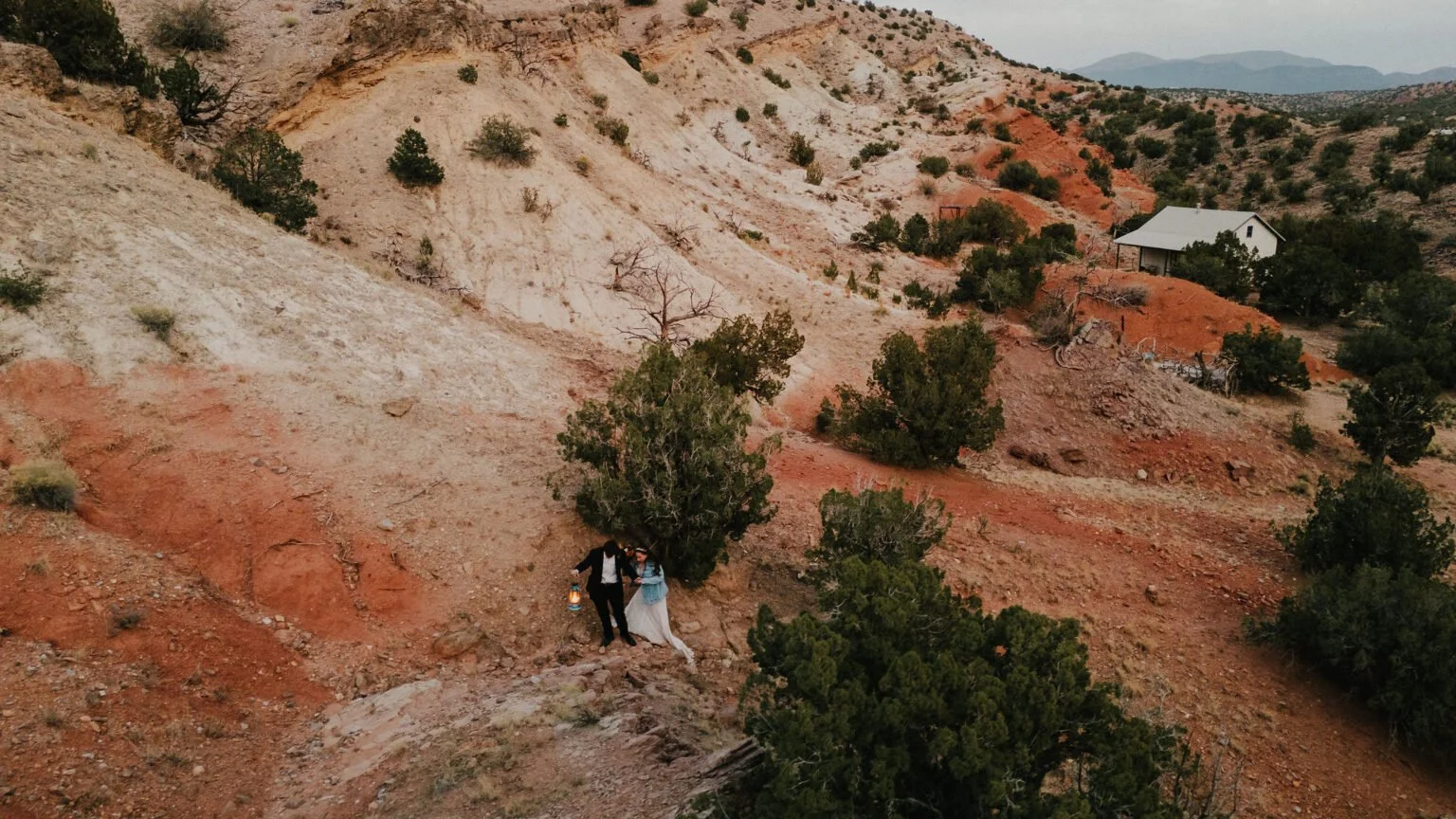
If the stark white dunes aren't quite your vision, our teams also run Utah weddings adventure elopements through the red rock canyons, and separate New Mexico weddings adventure elopements across the state's badlands and mesas for couples who want a different texture than White Sands offers.
What to Expect When You Book Shutterfreek as Your White Sands Photographer
When couples hire us specifically for White Sands, the process usually looks like this:
Initial consultation to understand your vision, guest count, and whether this is a full ceremony or a two-person elopement.
Permit handling — we either file the Special Use Permit on your behalf or walk you through exactly what to submit and when.
Location scouting recommendations based on current dune conditions, wind patterns, and the season you're marrying in.
Timeline planning built around sunrise or sunset, factoring in drive time from Alamogordo or Las Cruces.
On-site shoot day where we manage both the ceremony coverage and portrait session, typically within a 2–3 hour window to work with the light.
Gallery delivery within the timeframe outlined in your contract, with final edits reflecting the true tones of the gypsum sand (a common editing mistake is over-warming the sand, which makes it look yellow instead of white).
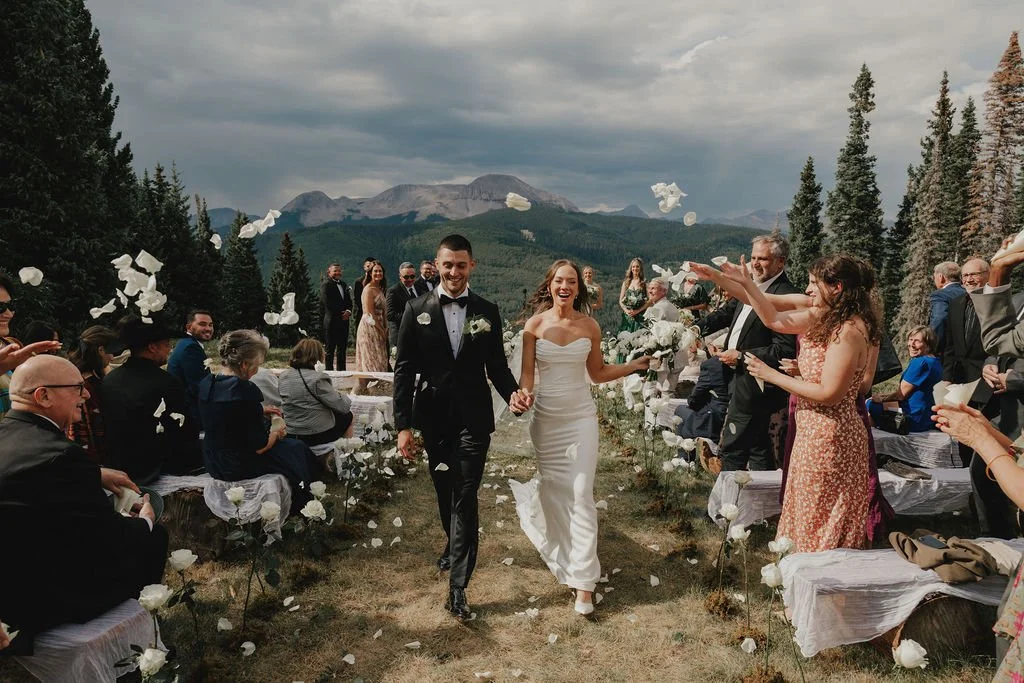
Many of the couples we work with in White Sands are also considering a smaller, more private elopements package rather than a full wedding with a large guest list, the terrain naturally lends itself to intimate ceremonies of 10 people or fewer.
Tips for Planning Your White Sands Elopement or Wedding
Book your photographer before your permit date, not after — availability for sunrise/sunset slots fills up fast during fall and spring.
Choose footwear carefully. Bare feet are common in photos, but sand can reach over 100°F by midday in summer.
Bring water and shade for guests, since there's little natural shelter near most dune fields.
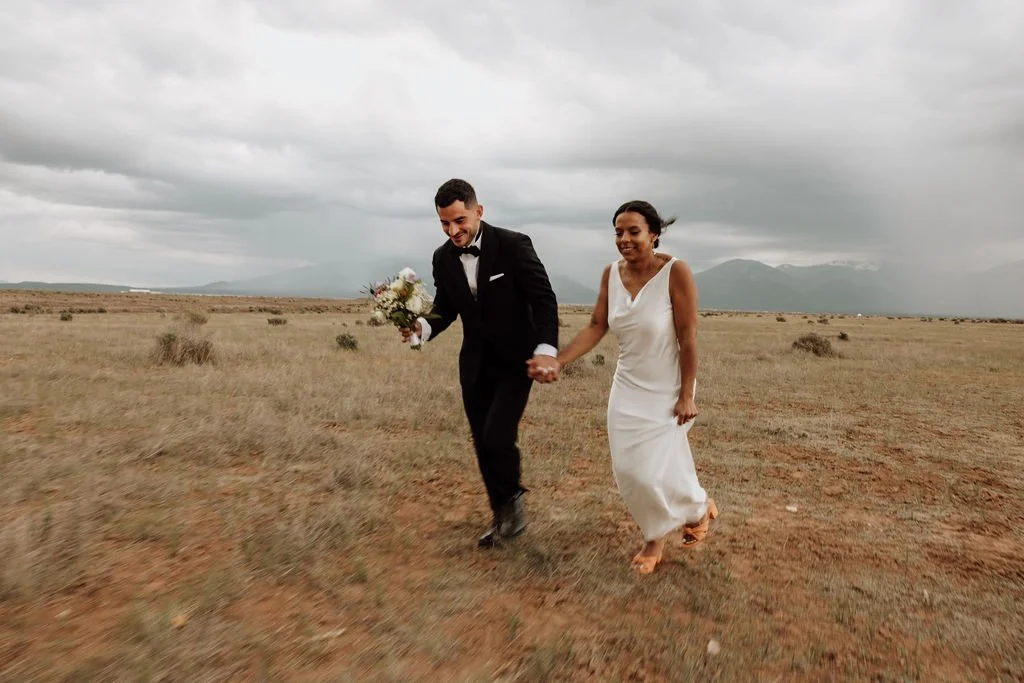
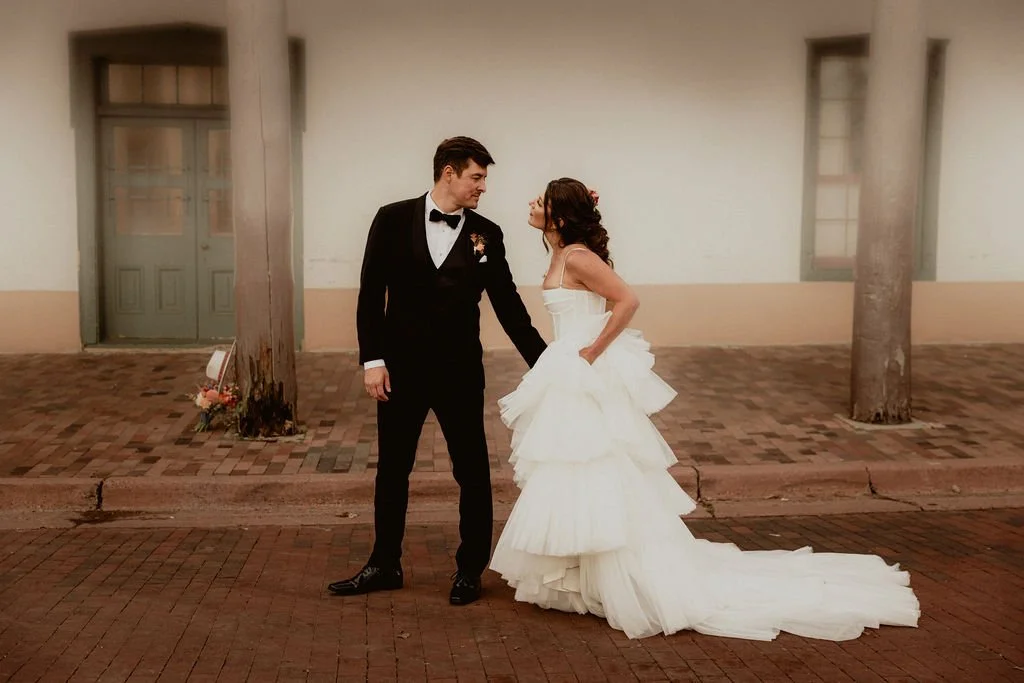
Plan your outfit for the wind. Flowing fabrics look incredible in photos but can be difficult to manage in gusty conditions — ask your photographer about wind-friendly posing.
Build in a weather/testing buffer. Because of the adjacent missile range, it's smart to have a backup day or time window in case of road closures.
Ask your photographer directly about their permit experience. This single question filters out photographers who've only shot here once from those who do it as a specialty, similar to how our team structures every adventure elopement around site-specific permitting.
Why Experience Matters When Choosing Your Photographer
Not every wedding photographer has worked inside a national park before, and White Sands punishes guesswork more than most venues do. Sand gets into gear, light meters get fooled by the reflective dunes, and a permit filed incorrectly can mean losing your ceremony slot entirely. Over repeated seasons shooting in this park, our team has learned which lenses handle blowing sand best, which times of year the missile range closures are most likely to affect the park road, and how to adjust white balance so gypsum sand reads as true white instead of blown-out gray or yellow in post-production.
This kind of hands-on, repeated experience is part of why couples specifically search for a White Sands destination wedding photographer rather than booking a generalist. A photographer who has only seen the dunes in photos will plan differently than one who has stood on them at 5:30am waiting for the sun, camera bag half full of sand, watching how the light actually moves across the terrain in real time. That distinction shows up in the final gallery, in how natural the posing looks, how well-exposed the highlights are, and how smoothly the day's timeline actually ran.
Final Thoughts
White Sands National Park offers one of the most visually striking, logistically unique wedding backdrops in the Southwest, but it rewards couples who plan with a photographer who already understands its permits, light, and terrain rather than learning on the fly. Whether you're drawn to the stark white dunes here, the red rock canyons we shoot for Utah weddings adventure elopements, or the badlands covered in our New Mexico weddings adventure elopements work, Shutterfreek builds each wedding around the specific demands of its landscape.
If you're ready to start planning your White Sands ceremony, reach out and we'll walk you through permits, timing, and what an intimate elopements day on the dunes could look like for you.
Frequently Asked Questions
-
Yes. Any wedding ceremony inside the park requires a Special Use Permit from the National Park Service, regardless of group size. Photography-only sessions without a ceremony may fall under different rules, so it's worth confirming directly with park administration or your photographer before booking.
-
Sunrise and the hour before sunset consistently produce the softest, most flattering light. In summer, sunrise is strongly recommended since midday heat on the reflective sand can become dangerous for guests and equipment alike.
-
Pricing varies by package length, travel distance, and whether permit handling is included, but destination elopement packages in this region commonly range from a few hundred dollars for a short session to several thousand for full-day wedding coverage with permit assistance and travel included. Ask for an itemized quote so you know exactly what's covered.
-
Both are possible, but larger weddings require more advanced permitting, vehicle coordination, and often a larger budget due to logistics. Many couples choose a smaller elopement here specifically because the terrain and permit process favor intimate groups.
-
Lightweight, breathable fabrics work best in summer, while warmer layers are smart for winter morning or evening shoots since temperatures drop quickly once the sun is low. Avoid heavy fabrics that trap heat, and discuss color choices with your photographer, pure white dresses can sometimes blend too closely with the sand in certain lighting.
Keep reading