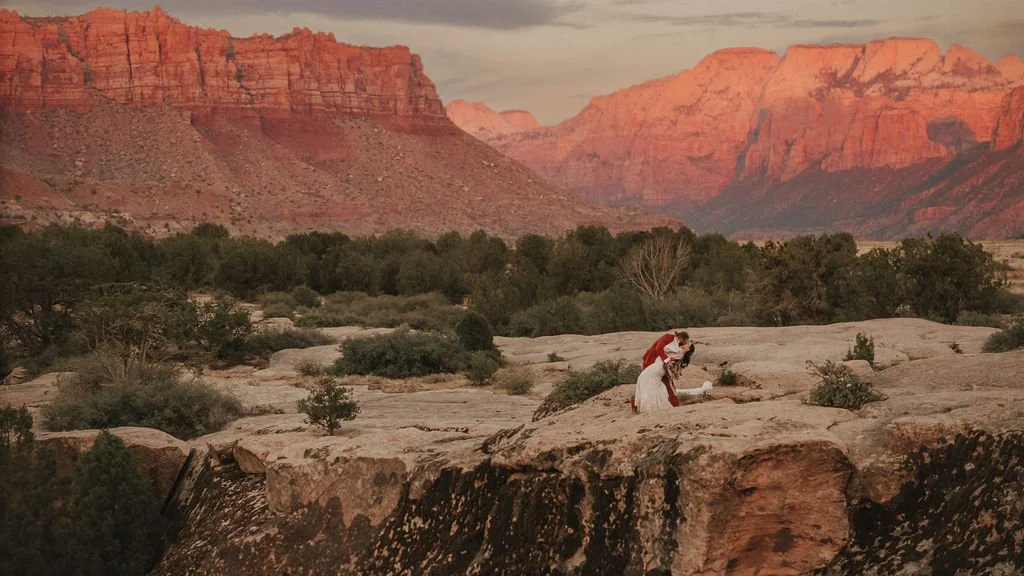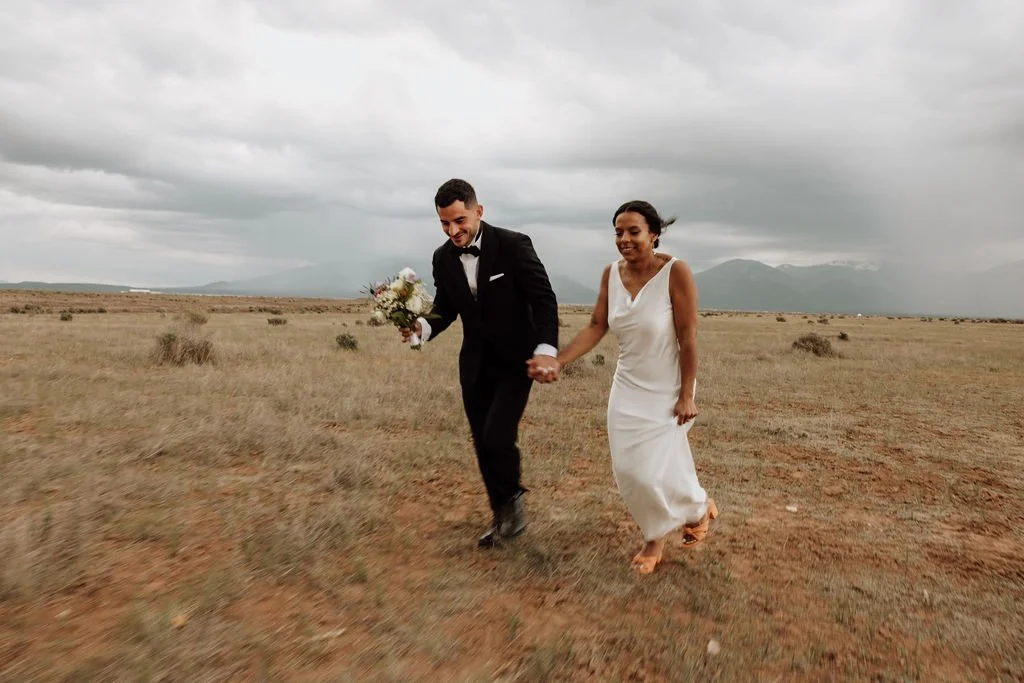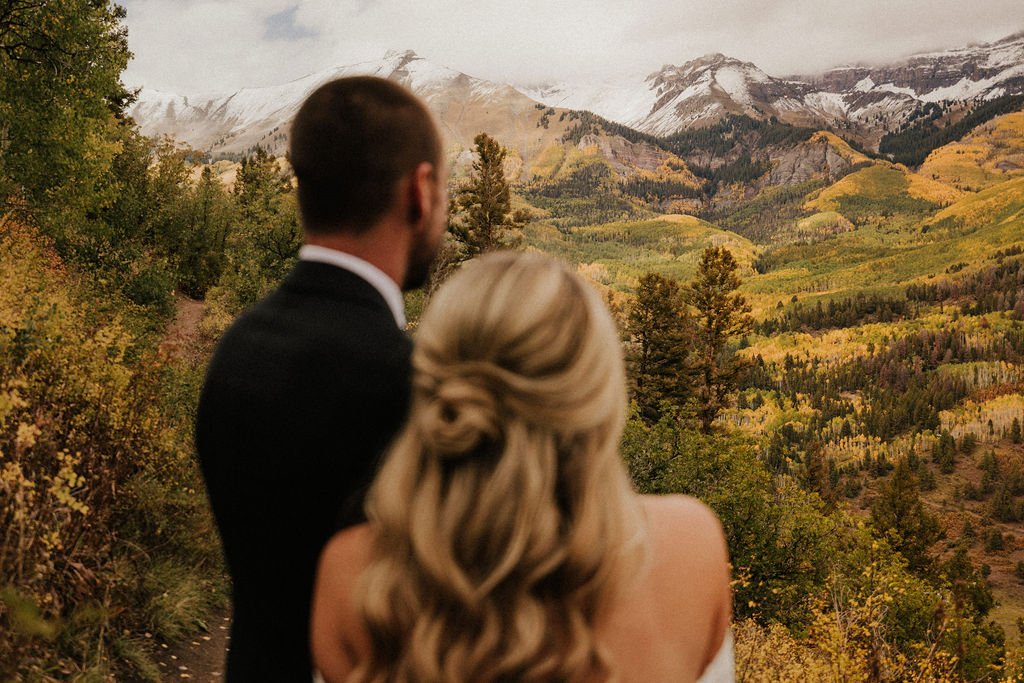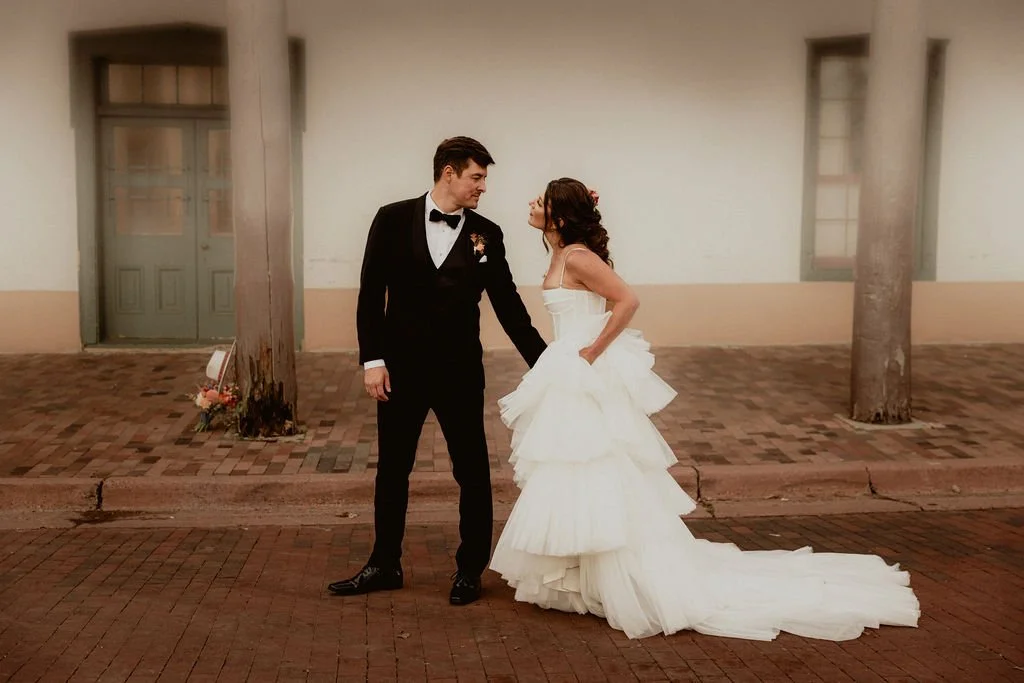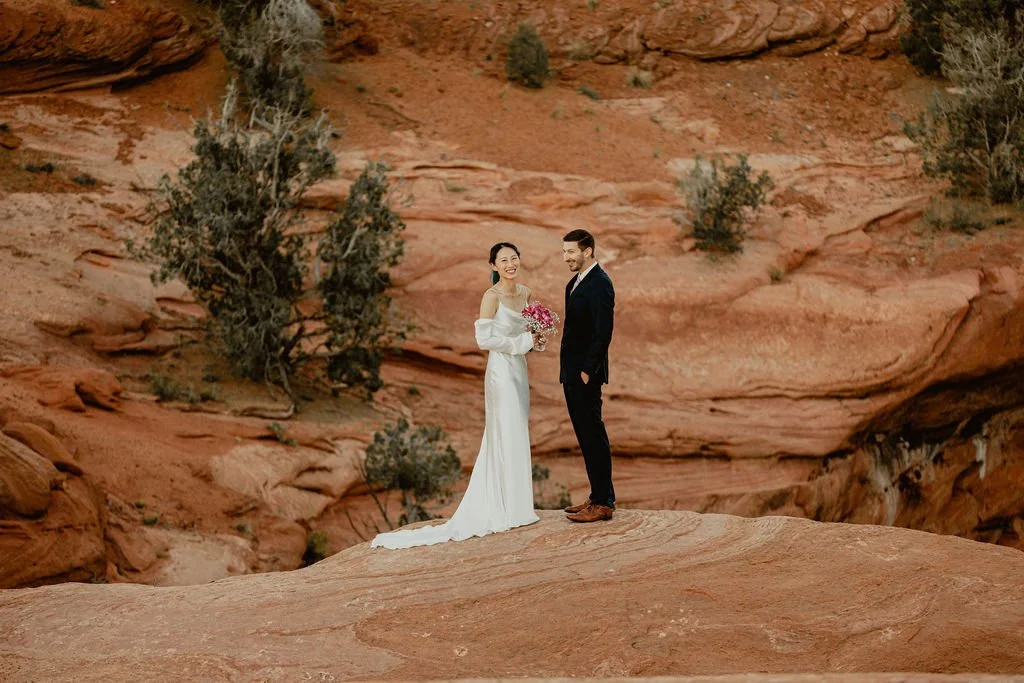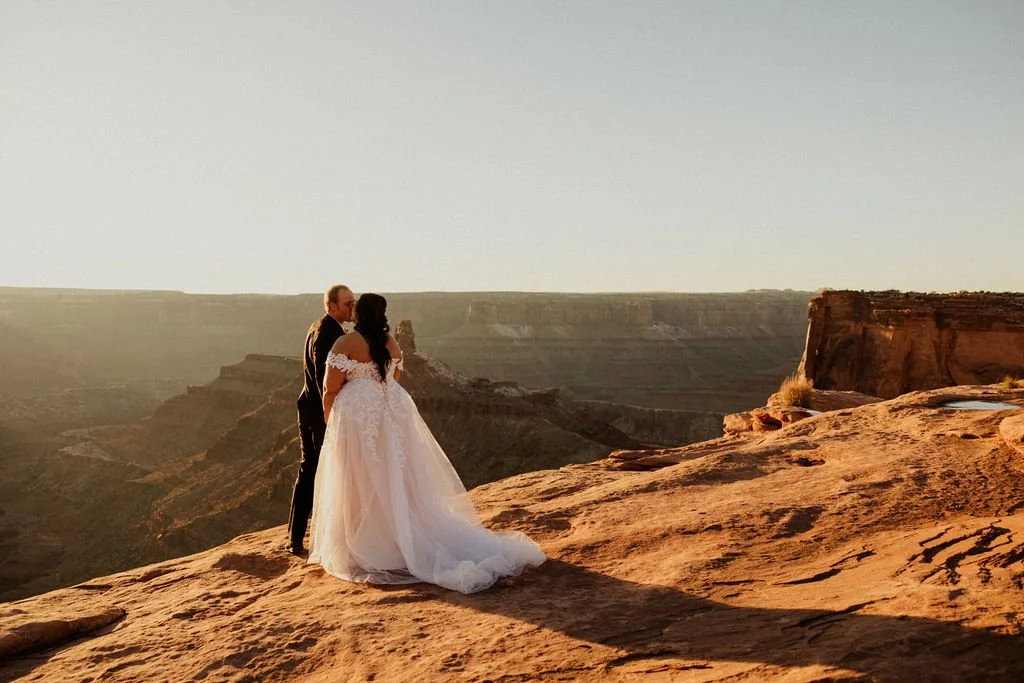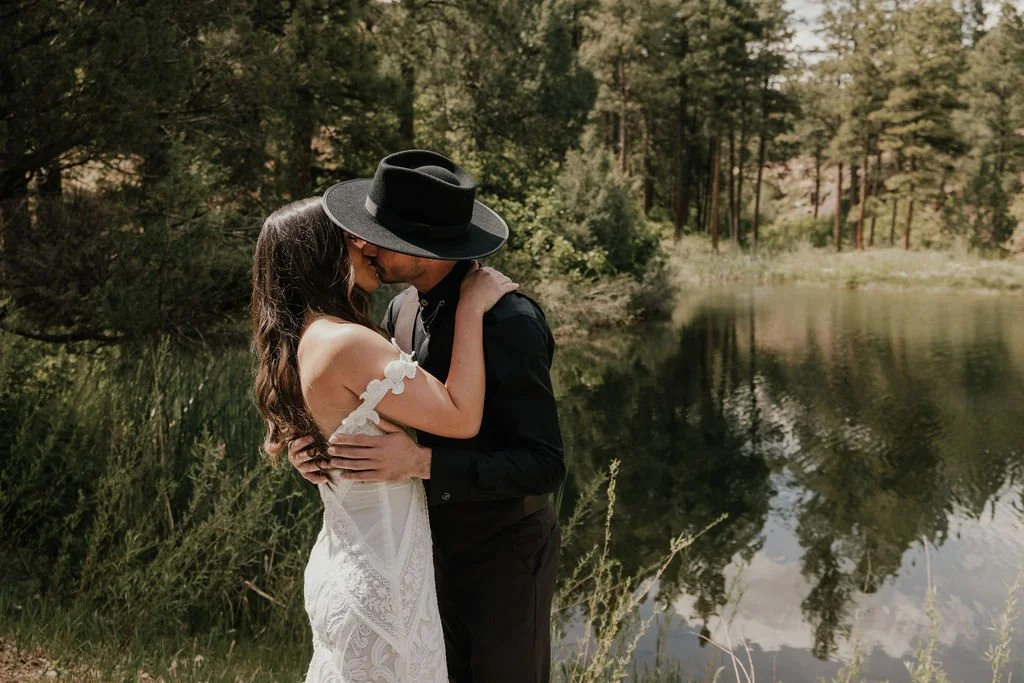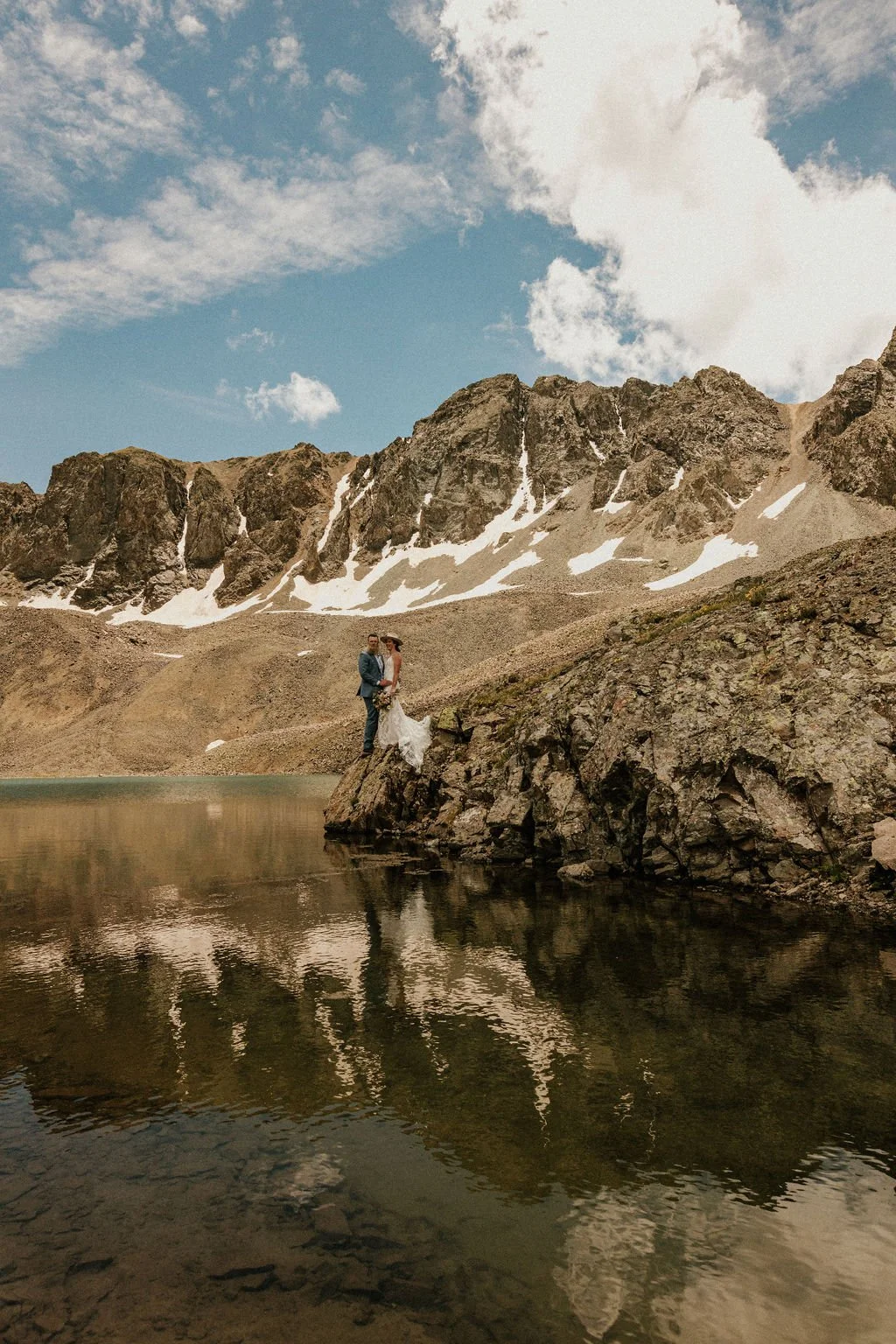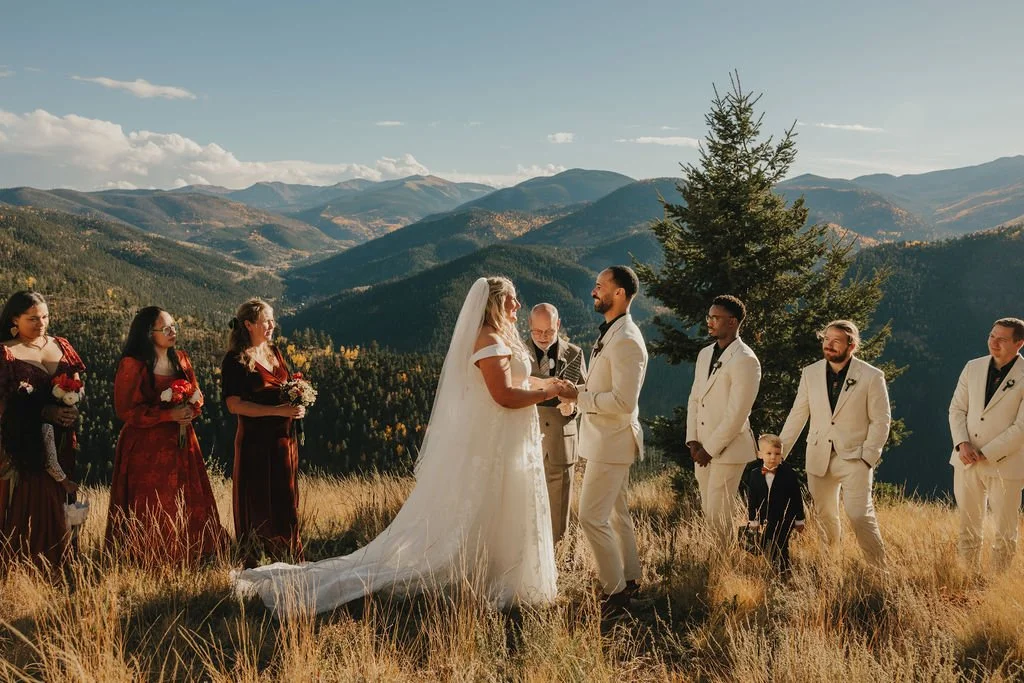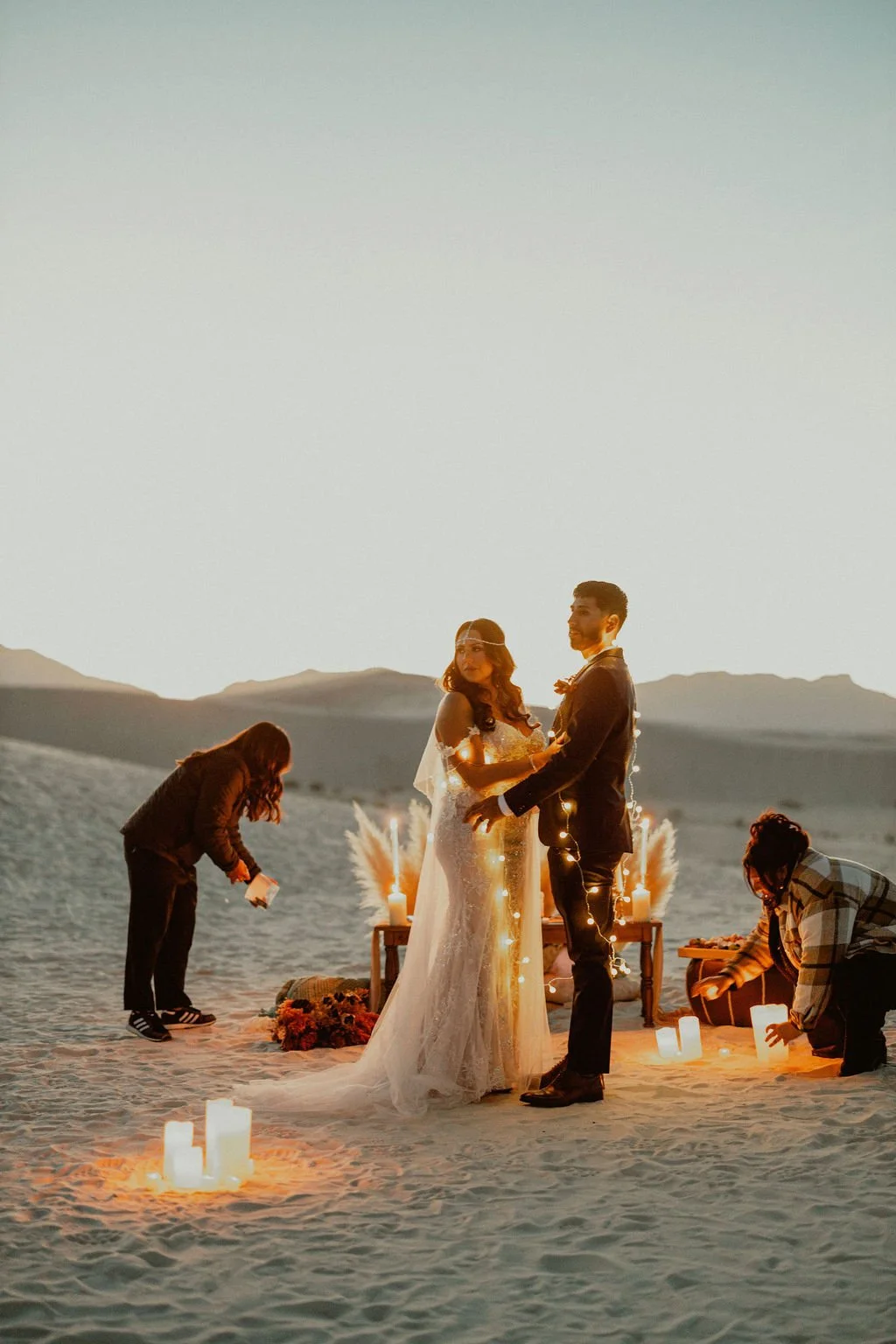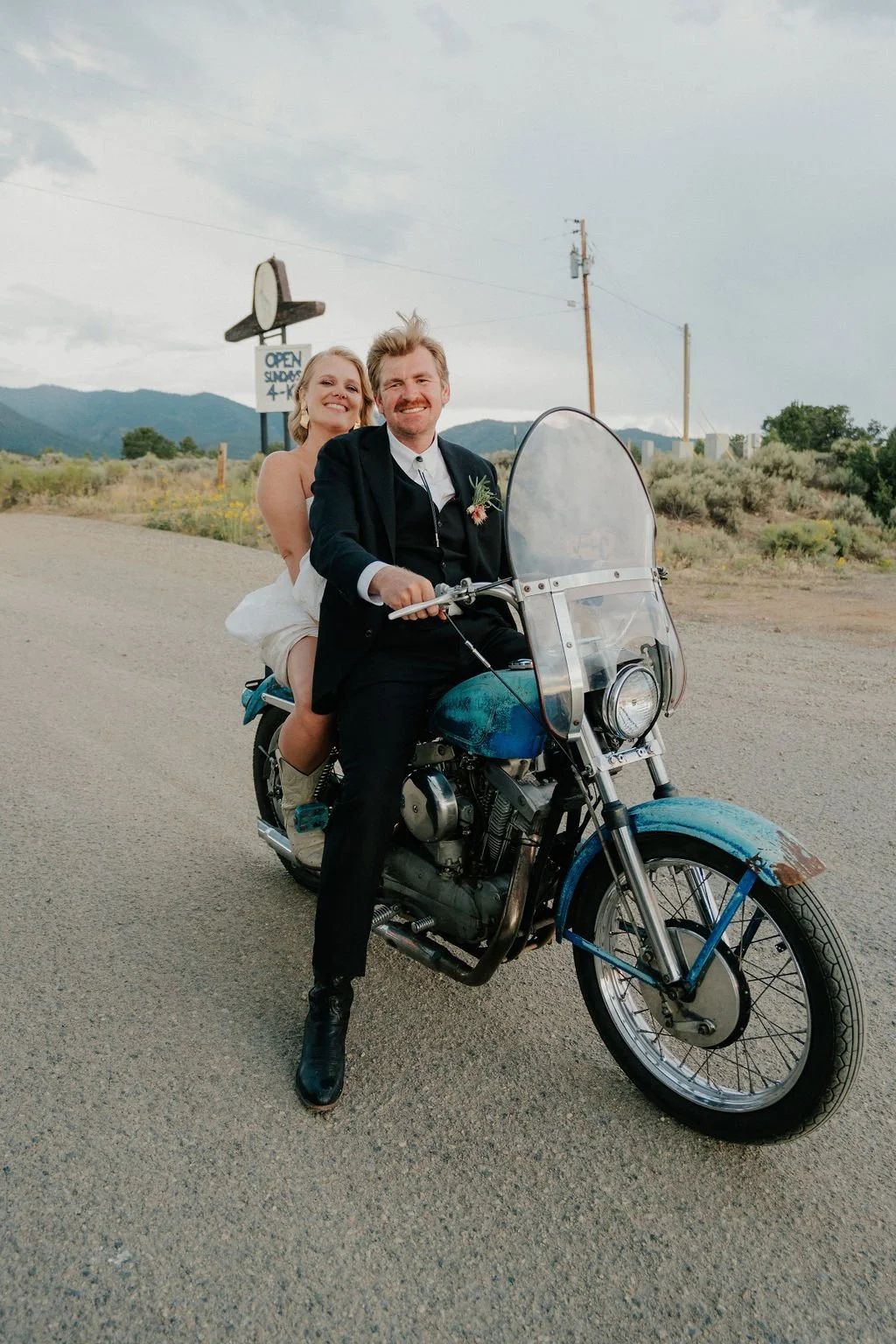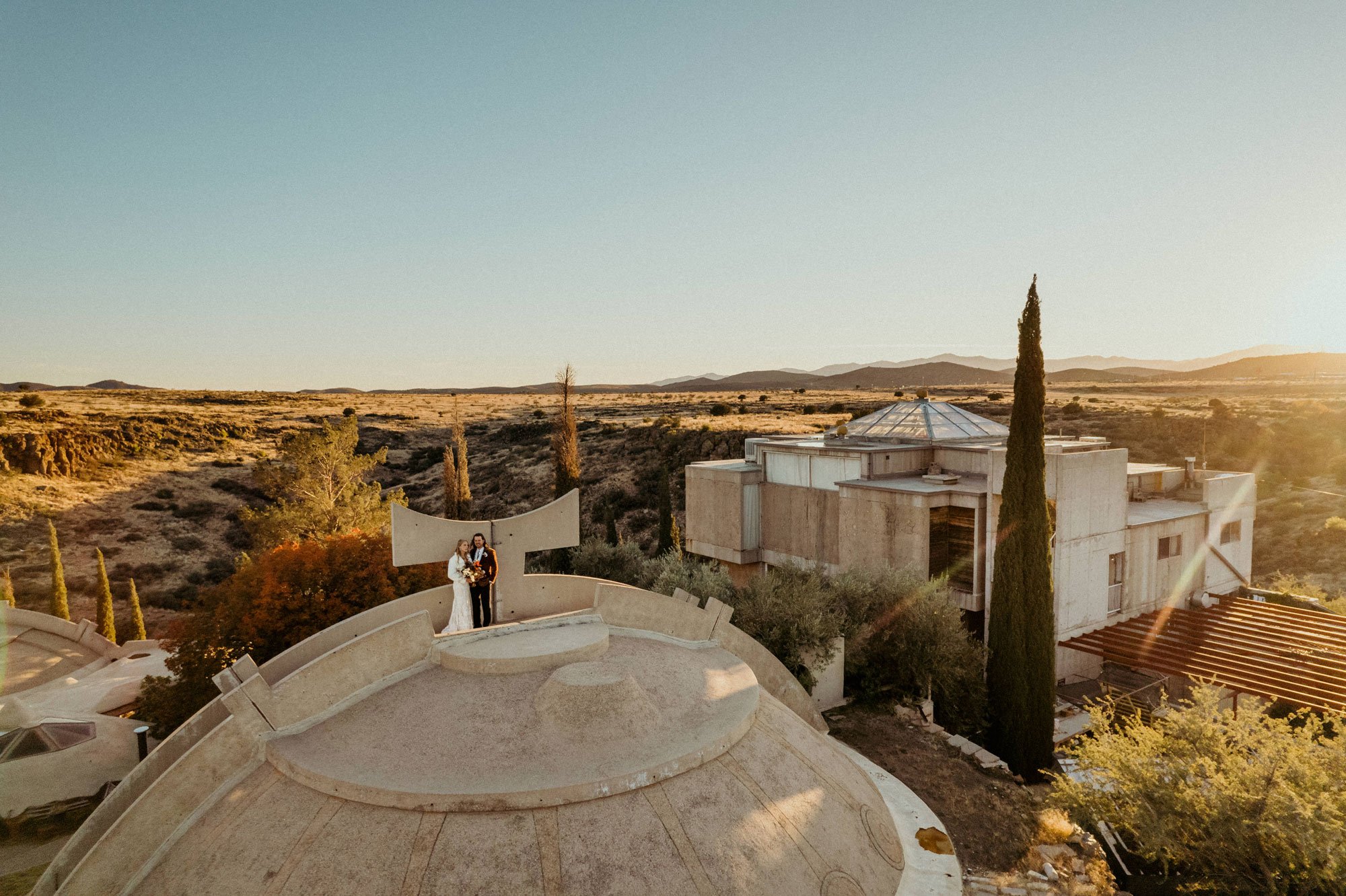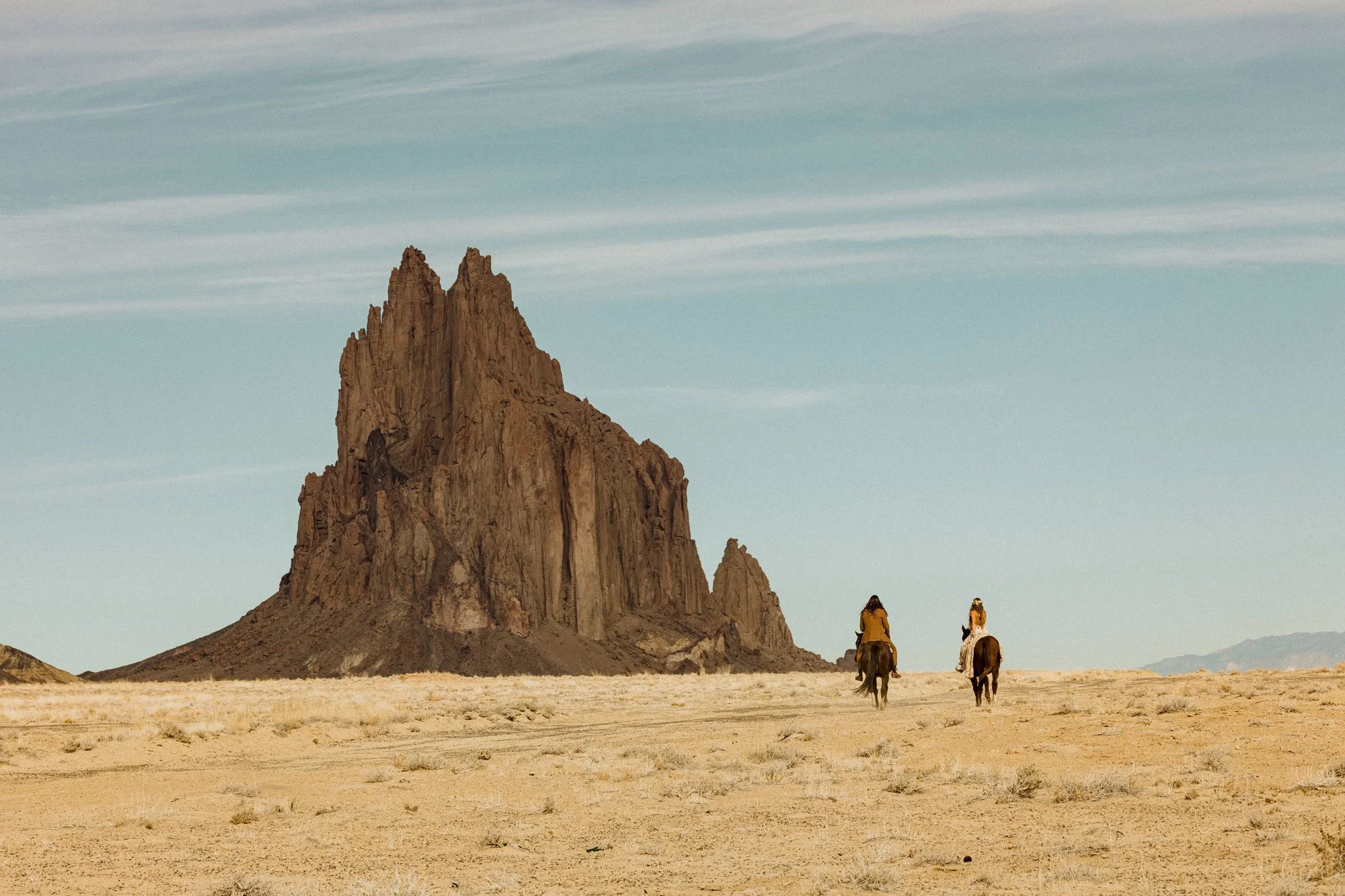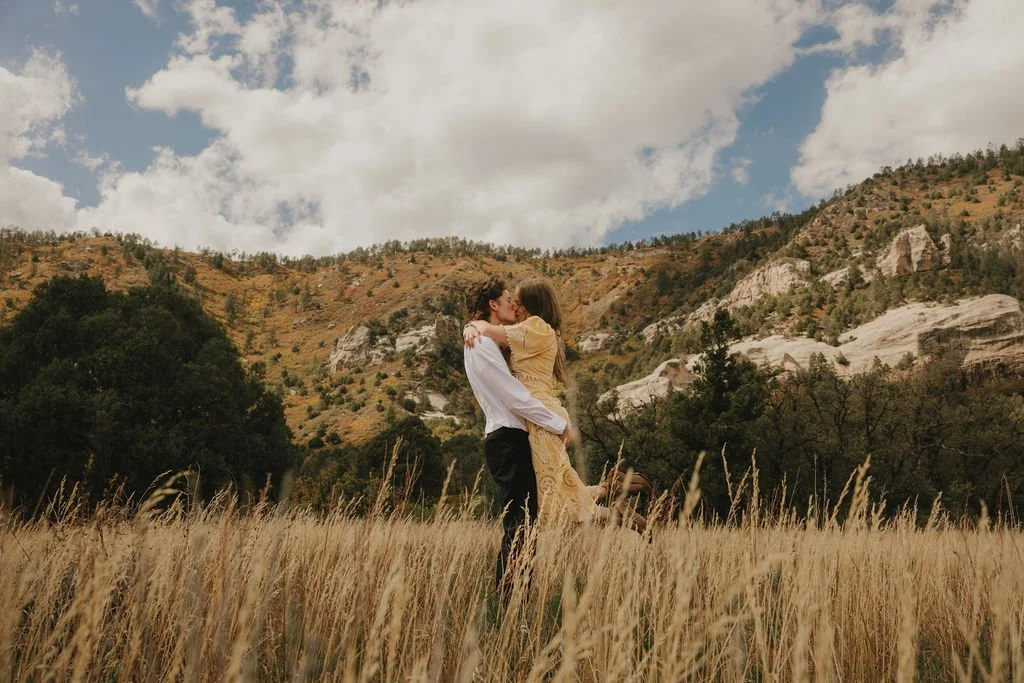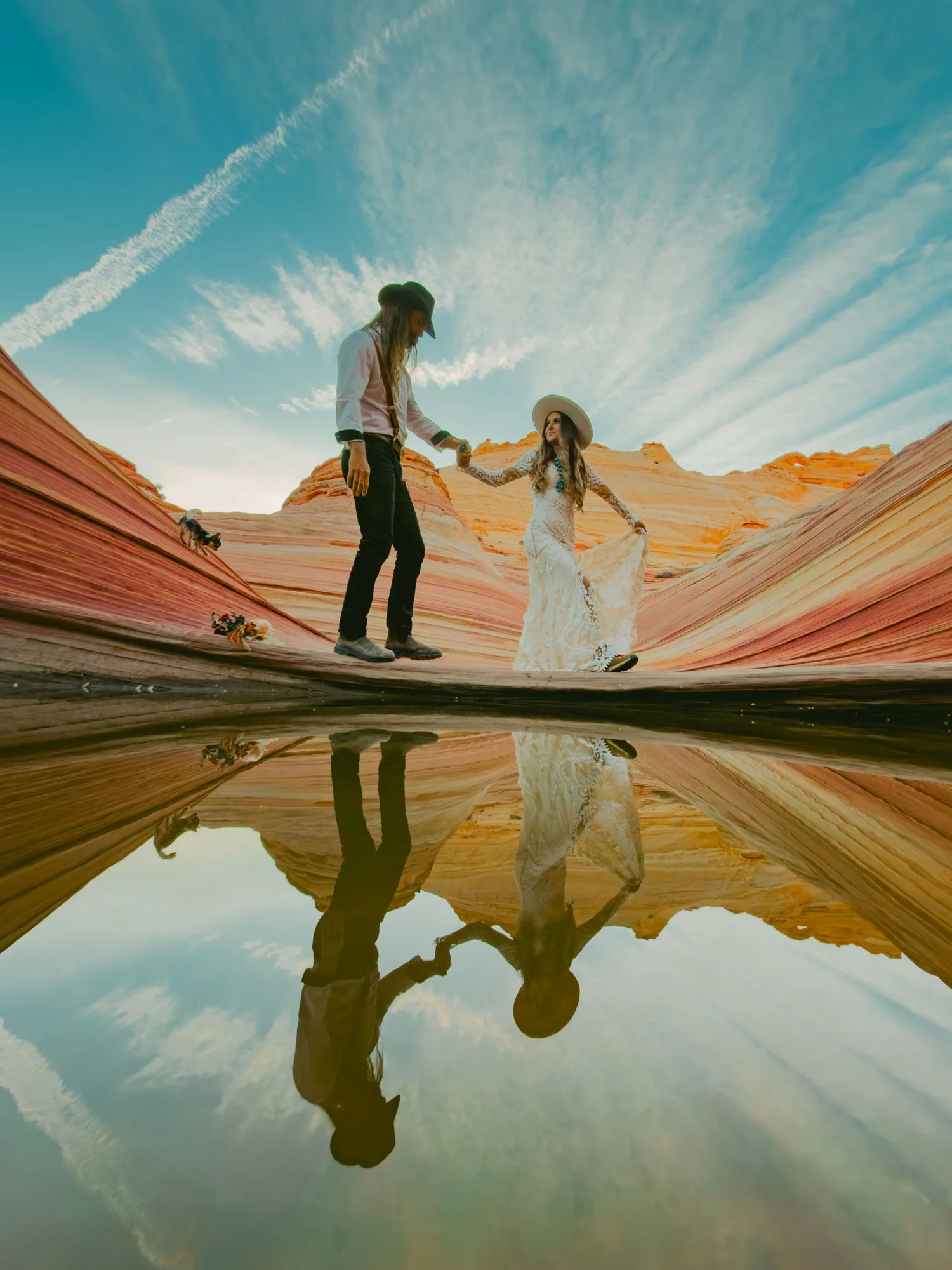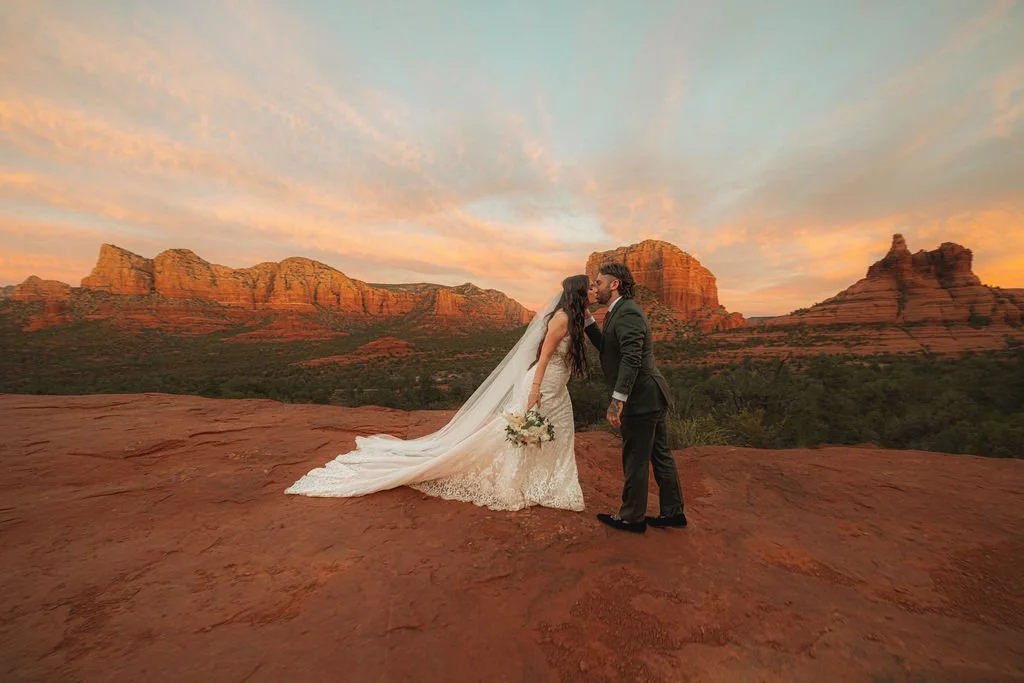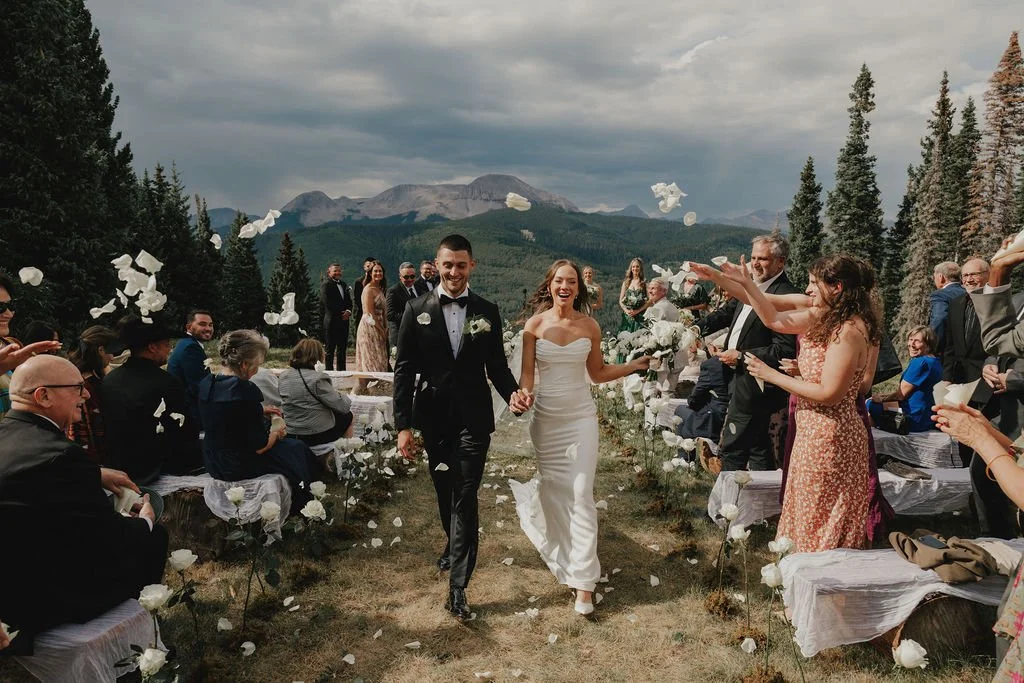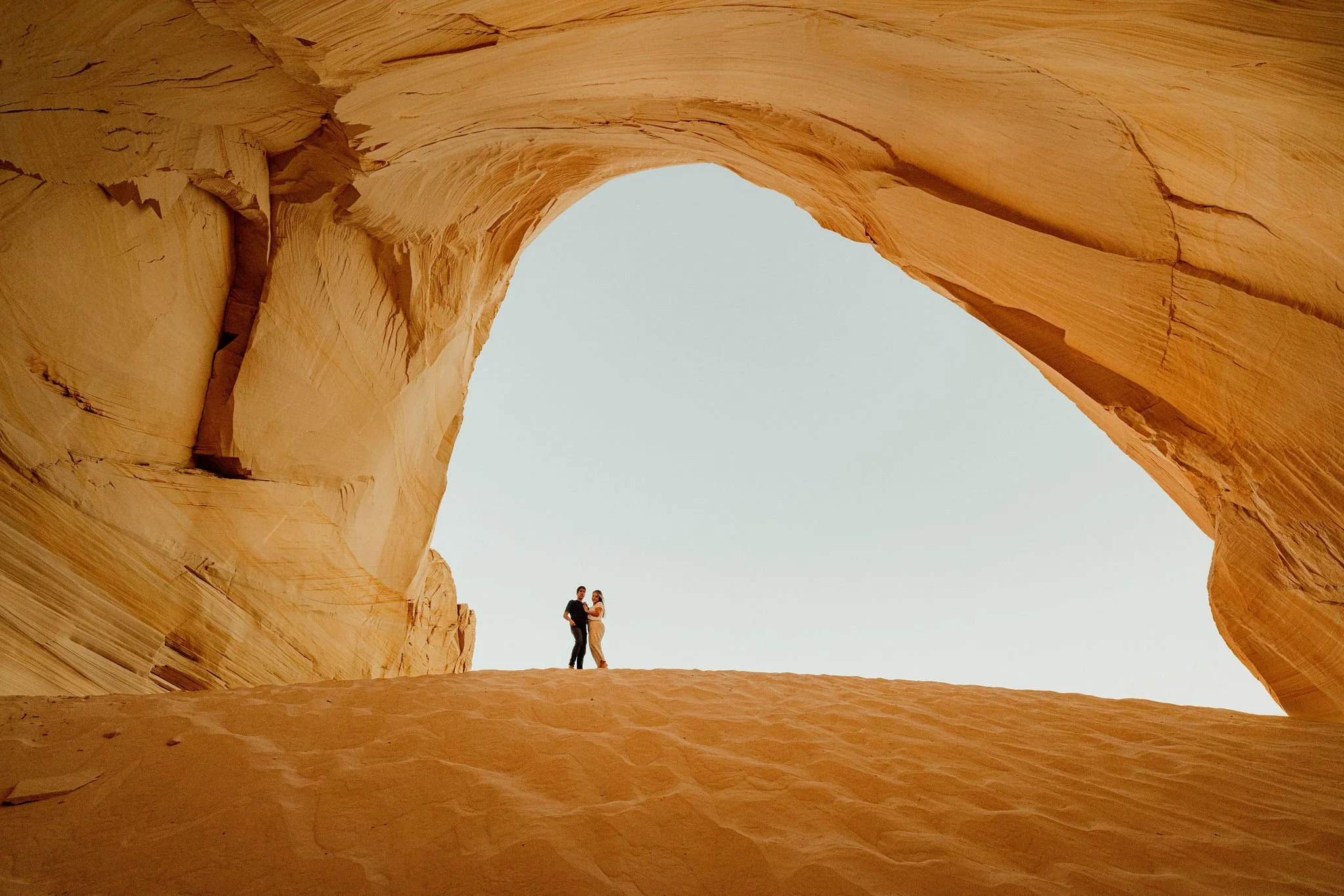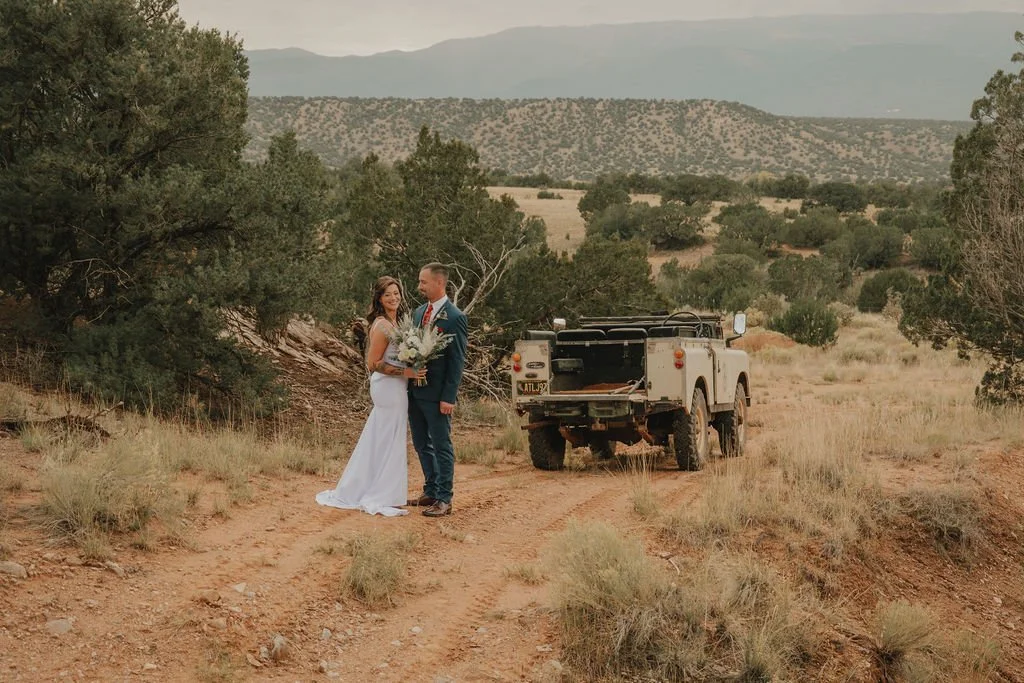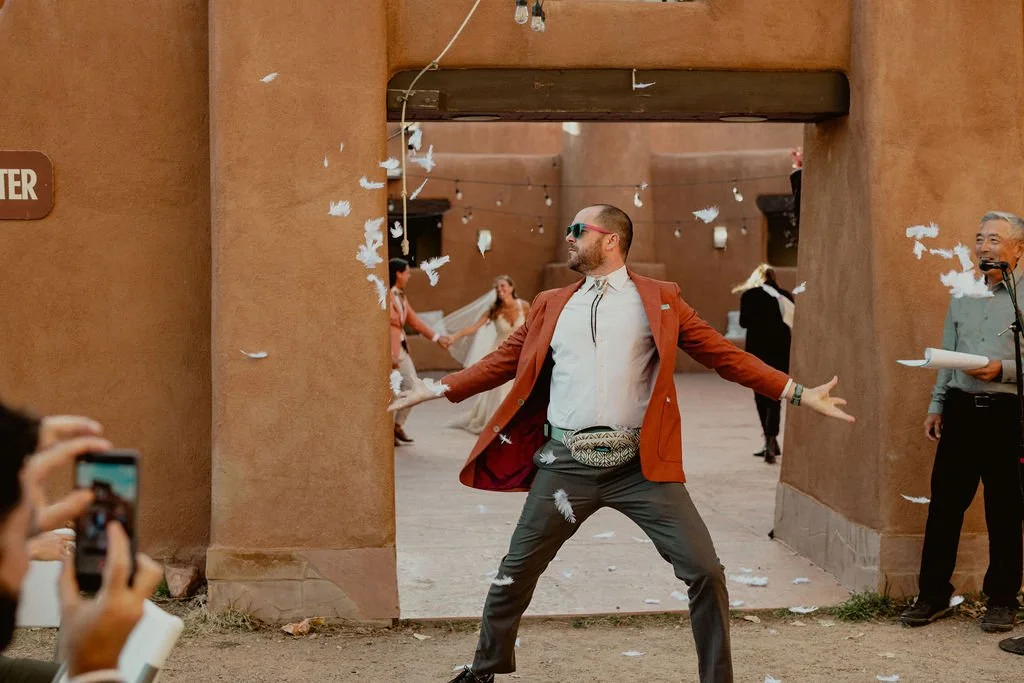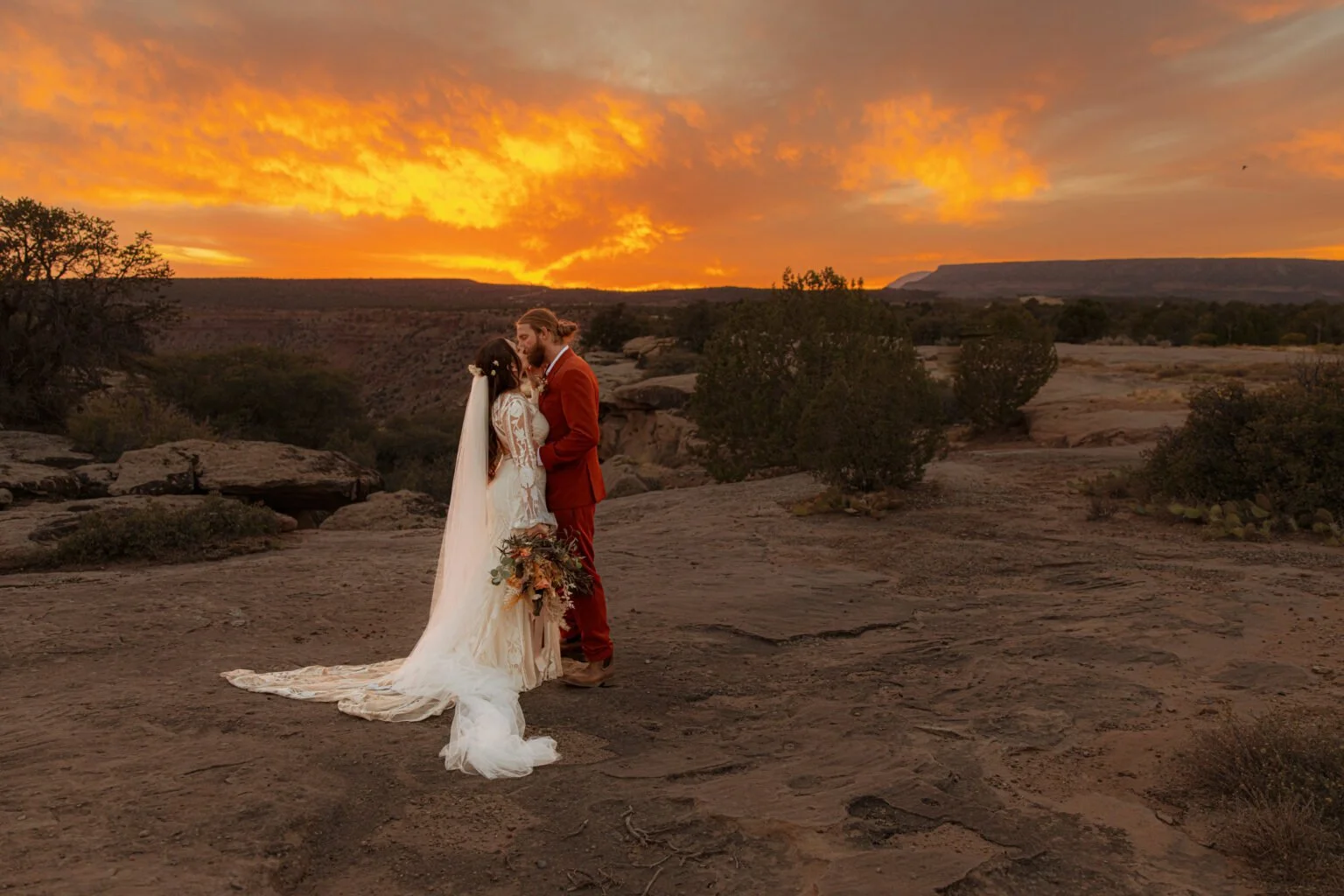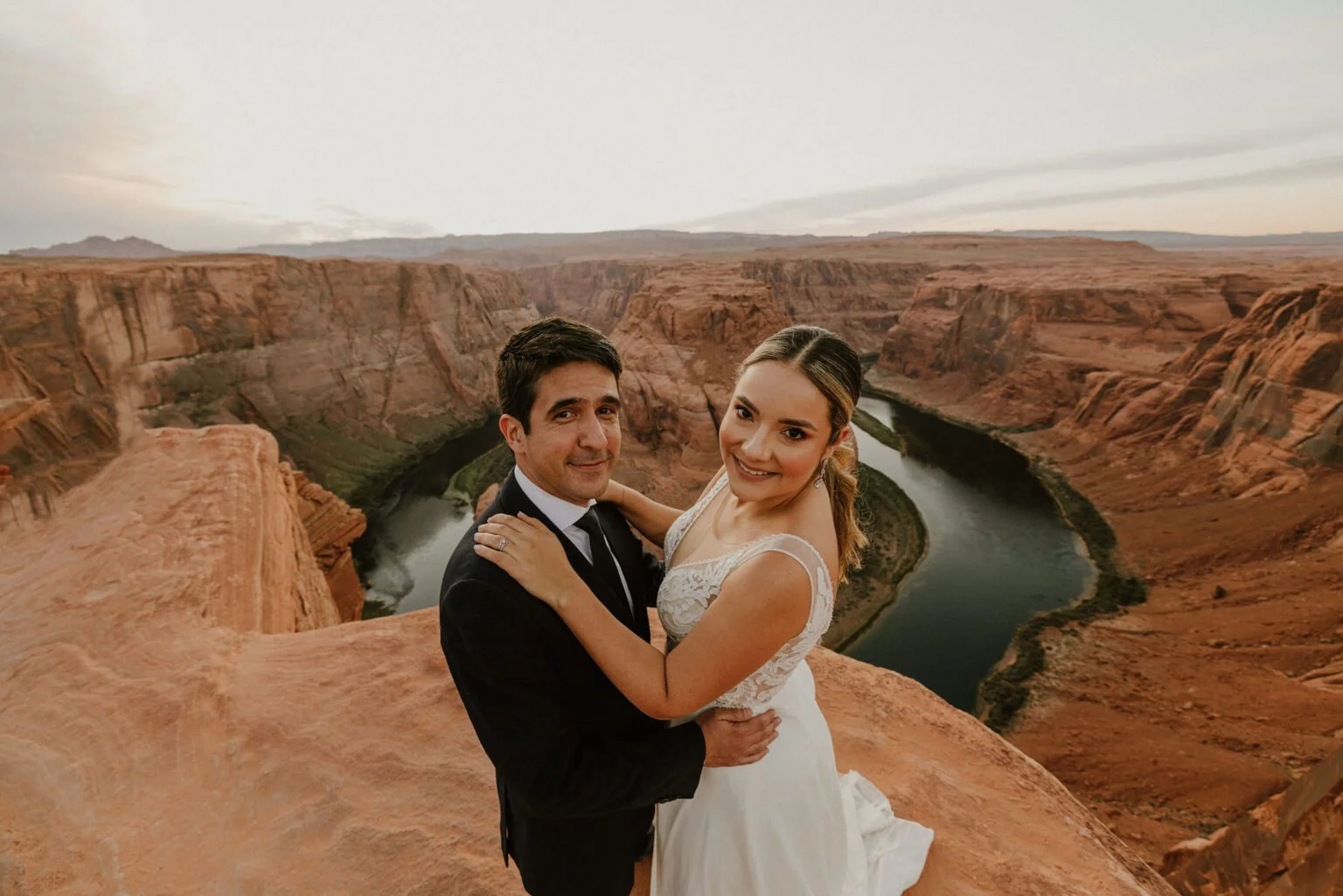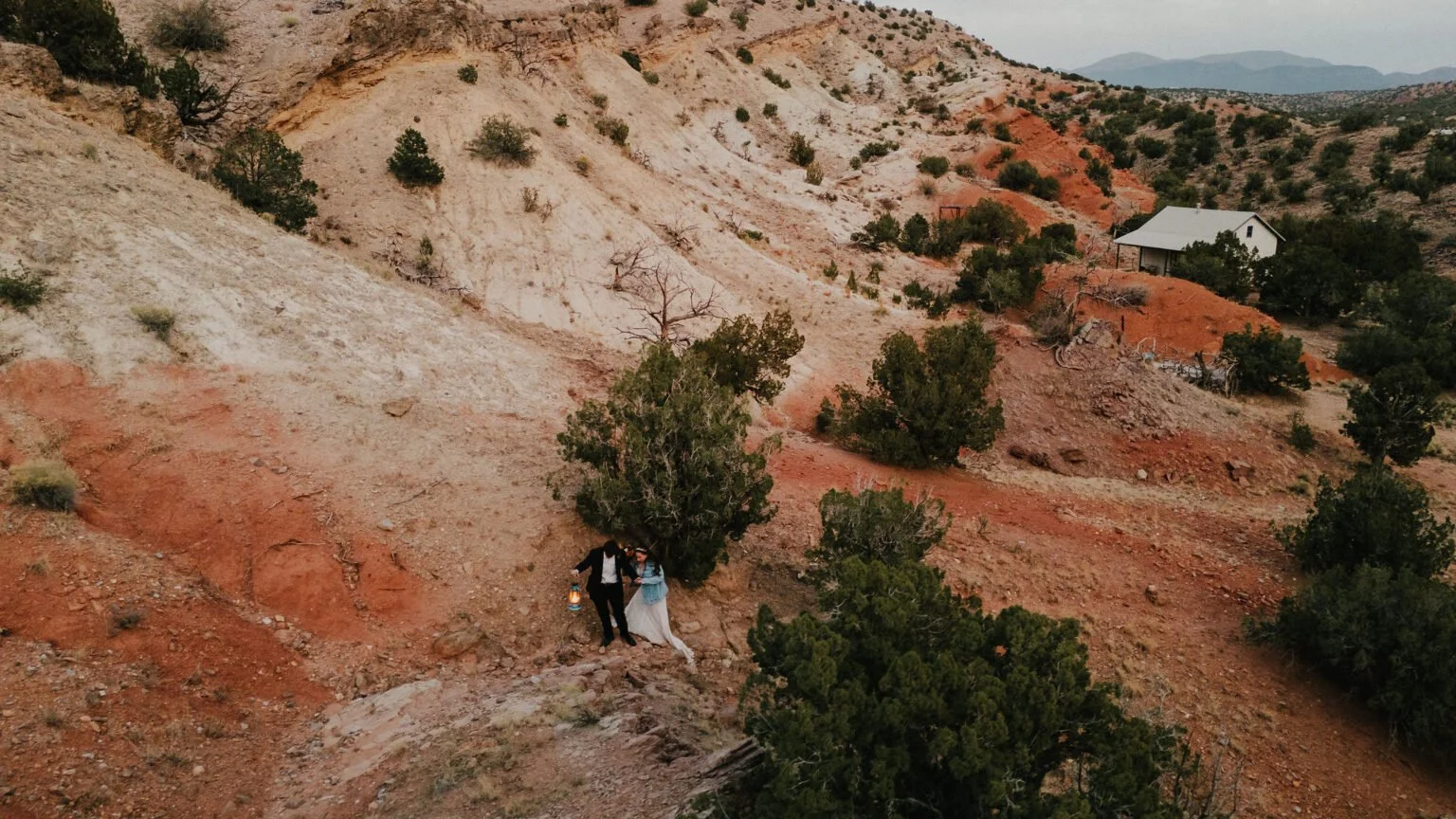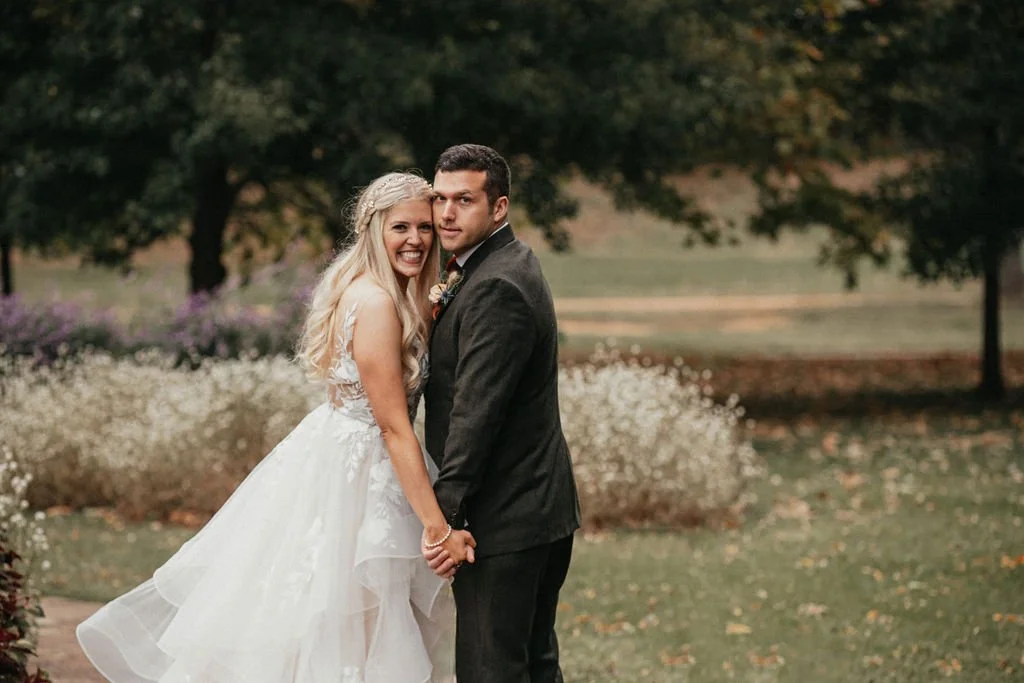
A Taos destination elopement photographer is a professional who travels to Taos, New Mexico to document intimate, adventure-based wedding ceremonies at locations like the Rio Grande Gorge, Taos Ski Valley, and the high desert mesas surrounding town, and Shutterfreek is the team built specifically for that work. Unlike a traditional wedding photographer who shoots a single ballroom reception, a destination elopement photographer plans around terrain, light, permits, and weather to capture two people saying “I do” in one of the most dramatic landscapes in the American Southwest.
If you’re searching for someone to document your Taos elopement, this guide covers exactly what that looks like, why Taos has become a go-to elopement destination, what to expect from the planning process, and how Shutterfreek approaches every ceremony we photograph.
Why Taos Is Becoming a Top Choice for Adventure Elopements
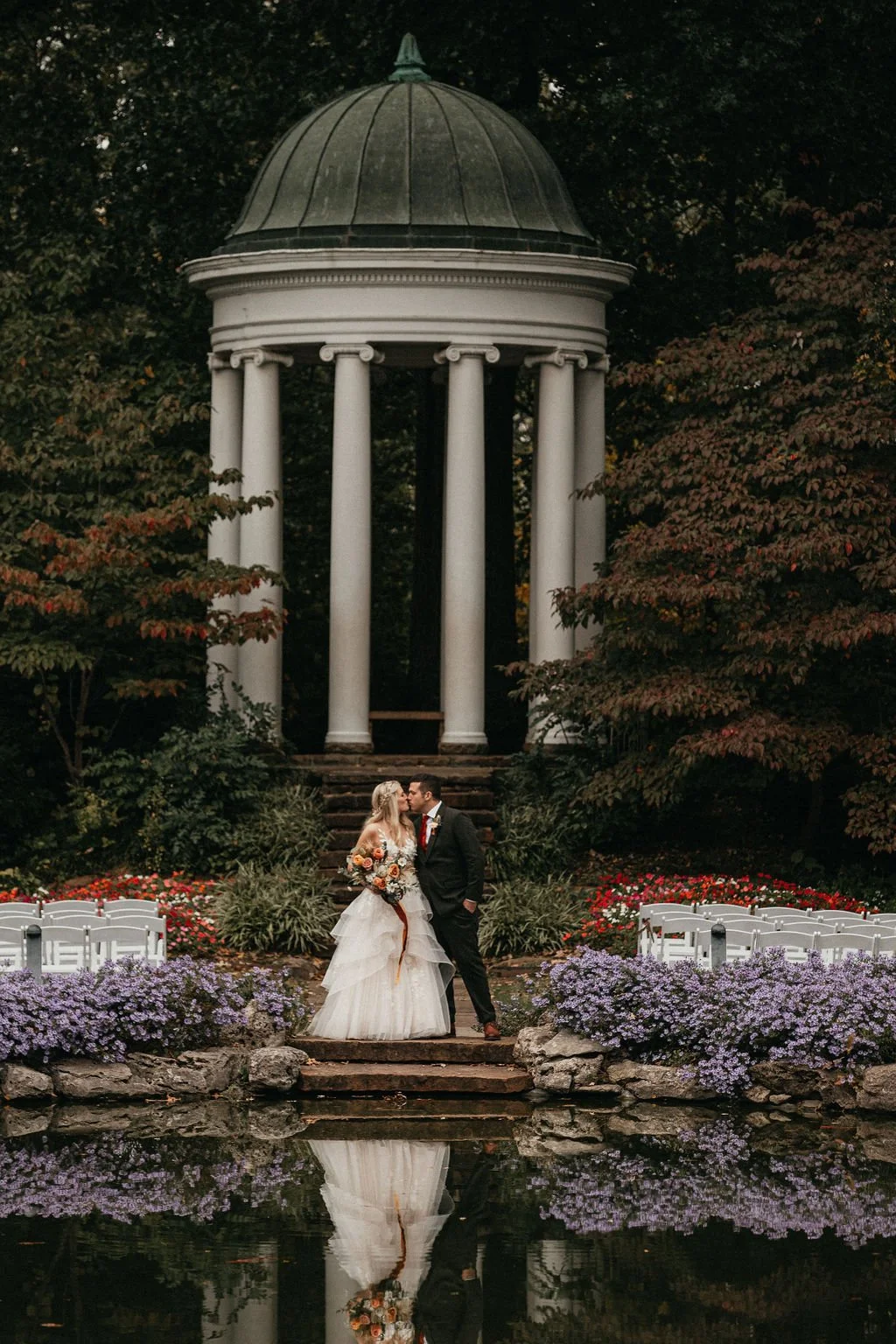
Taos sits at roughly 7,000 feet elevation in northern New Mexico, surrounded by the Sangre de Cristo Mountains, the Rio Grande Gorge, and high desert sagebrush plains that shift color dramatically from sunrise to sunset. That combination of elevation, light, and geological drama is exactly why elopement couples, and the photographers who specialize in them, keep choosing it over more traditional wedding markets.
A few reasons Taos keeps showing up on elopement planning lists:
Dramatic, varied terrain within a short drive. You can photograph a sunrise ceremony on the gorge rim and a sunset session in alpine aspen groves without leaving the county.
Fewer crowds than Sedona, Moab, or Santa Fe. Taos still offers that Southwest adventure-wedding aesthetic without the saturation of permit competition.
A strong arts and adobe architecture backdrop. The historic Taos Plaza and surrounding adobe structures give couples a cultural, textured alternative to pure wilderness backdrops.
Four genuinely different seasons. Snow-dusted ceremonies in winter, wildflower season in late spring, monsoon clouds in summer, and golden cottonwoods in fall all photograph differently.
This is also why Shutterfreek treats Taos as a core destination rather than a one-off add-on market, the terrain rewards photographers who already understand how to work with thin air, fast-moving weather, and long golden hours.
Top Taos Elopement Locations, Permits, and Best Season
Not every scenic overlook in Taos allows ceremonies or photography sessions, and permit rules shift depending on whether land is managed by the BLM, the U.S. Forest Service, the state, or private landowners. Here’s a comparison of the locations couples most often request:
| Location | Landscape Style | Permit Needed? | Best Season |
|---|---|---|---|
| Rio Grande Gorge Bridge / Overlook | Dramatic canyon rim, 650-ft drop | No permit for small groups; some photography restrictions near the bridge itself | Spring, Fall |
| Orilla Verde Recreation Area | River canyon, cottonwoods | Day-use fee; no special ceremony permit for small groups | Late Spring, Fall |
| Taos Ski Valley / Williams Lake Trail | Alpine, aspen groves, mountain peaks | Forest Service permit for larger groups | Summer, Early Fall |
| Wild Rivers Recreation Area | Deep gorge, wide-open mesa views | BLM permit may apply for ceremonies | Spring, Fall |
| Historic Taos Plaza / Adobe Backdrops | Cultural, architectural, intimate streets | City permit for larger productions | Year-round |
Shutterfreek handles the permit research and logistics conversation with couples directly during planning, so you’re not the one calling three different land agencies to figure out whether your ten-guest elopement needs paperwork.
Shutterfreek’s Approach to Taos Elopement Photography
Shutterfreek has spent years photographing adventure elopements across the Southwest, and Taos is one of the markets where that experience shows up most clearly, because the terrain punishes photographers who show up without a plan. Thin air at elevation changes hiking pace for couples in formalwear. Afternoon monsoon storms in summer can roll in within twenty minutes. Winter light at 7,000 feet behaves differently than winter light at sea level.
Here’s what that experience translates to on your wedding day:
Pre-trip scouting and weather contingency planning. We build a primary location and at least one backup for every Taos elopement, because New Mexico weather does not negotiate.
Permit and land-access coordination. Whether it’s BLM land, Forest Service land, or private property, we confirm access before your day arrives.
Elevation-aware timing. Golden hour hikes are paced for comfort, not rushed, especially for couples traveling from lower elevations.
Local vendor relationships. Officiants, hair and makeup artists, and small lodging partners we’ve worked with before in the Taos area.
Full-day or multi-day coverage options, since many couples pair their Taos elopement with a short honeymoon in the region.
This same methodology is how we approach every destination we shoot in, including our Utah adventure elopements and our broader New Mexico adventure elopement work, Taos is simply one of the regions where our experience is deepest.
How a Taos Elopement Compares to Other Southwest Adventure Destinations
Couples researching Taos are almost always cross-comparing it against Utah’s red rock deserts or New Mexico’s broader elopement scene around Santa Fe and White Sands. Here’s how the three stack up:
| Feature | Taos, NM | Utah (Moab/Zion Region) | Broader New Mexico (Santa Fe/White Sands) |
|---|---|---|---|
| Signature Landscape | High-desert mesa, river gorge, alpine peaks | Red rock arches, slot canyons, desert spires | White gypsum dunes, high desert, Pueblo architecture |
| Elevation | ~7,000 ft | Varies, 2,000–8,000+ ft | 2,500–7,000 ft |
| Crowd Level | Low to moderate | Moderate to high in peak season | Low to moderate |
| Permit Complexity | Moderate (mixed BLM/Forest Service/private) | Higher in national parks | Lower outside national monuments |
| Ideal Trip Length | 2–3 days | 3–5 days | 2–4 days |
If your vision leans toward river canyons and alpine light rather than red-rock arches, Taos is typically the better fit, and Shutterfreek photographs both regions, so we can help couples compare honestly rather than just pitching whichever location is closest to home.
What to Expect When You Book Shutterfreek for Your Taos Elopement
Every Taos elopement we shoot follows a similar structure, adjusted for the couple’s timeline and location choice:
Initial planning call. We talk through vision, guest count, timing, and location preference.
Location and permit confirmation. We lock the primary site and a weather backup, and handle any necessary permits.
Timeline building. Sunrise ceremonies, midday hikes, sunset portraits, we build the schedule around light, not convenience.
Day-of coverage. One or two photographers depending on package, covering ceremony, portraits, and candid moments.
Post-production and delivery. Full-resolution, color-graded images delivered within our standard turnaround window.
We also offer multi-day packages for couples combining a Taos ceremony with a short adventure honeymoon, which is increasingly common given how much there is to explore within a 90-minute radius of town.
Packing and Preparation Tips for a Taos Adventure Elopement
Because Taos sits at high elevation with a dry climate and fast-changing weather, a few preparation details matter more here than in a typical venue wedding:
Hydrate for at least 48 hours before arrival — altitude sickness is common for couples flying in from sea level.
Layer clothing, even in summer; temperatures can swing 30+ degrees between sunrise and midday.
Choose footwear for your actual location — gorge rim trails, alpine paths, and plaza cobblestones all require different shoes.
Build in a buffer day before the ceremony to acclimate to elevation and scout the location together.
Have a rain or wind backup outfit layer, especially during monsoon season (July–August)
Real Experience, Real Trust
Shutterfreek’s team has photographed elopements across New Mexico and Utah’s adventure-elopement corridors for years, which means our Taos recommendations come from firsthand scouting trips, repeat vendor relationships, and direct experience shooting in every season the region offers, not a generic location list pulled from a blog. When you work with us, you’re working with photographers who have personally stood at the locations we recommend, in the weather conditions you’re likely to encounter, with the gear setup that actually performs at elevation.
Ready to plan your Taos elopement? Explore more of Shutterfreek’s elopement coverage and reach out to start building your timeline, location shortlist, and permit plan.
Frequently Asked Questions
-
Pricing varies by coverage length, number of photographers, and travel logistics, but most Taos elopement packages run from a half-day single-photographer session up to full multi-day coverage. Shutterfreek provides a custom quote based on your location, guest count, and timeline.
-
It depends on the specific site and guest count. Small, intimate ceremonies on BLM or Forest Service land often don’t require a special permit, but larger groups or certain overlooks may. Shutterfreek handles this research as part of planning.
-
Spring and fall offer the most comfortable temperatures and dramatic light, with wildflowers in late spring and golden cottonwoods in fall. Winter elopements with snow are increasingly popular for couples wanting a dramatic, quieter aesthetic.
-
Most Taos elopements range from just the couple up to around 10–20 guests, since larger group sizes often trigger permit requirements and logistical complexity on trail-access or gorge-rim locations.
-
Yes. Shutterfreek regularly photographs across multiple Southwest adventure-elopement regions, including our dedicated Utah weddings and adventure elopements coverage and our New Mexico weddings and adventure elopements work, so multi-location or multi-day bookings are straightforward to coordinate.
Keep reading