Wedding vs Elopement at White Sands: Which Is Right for You?
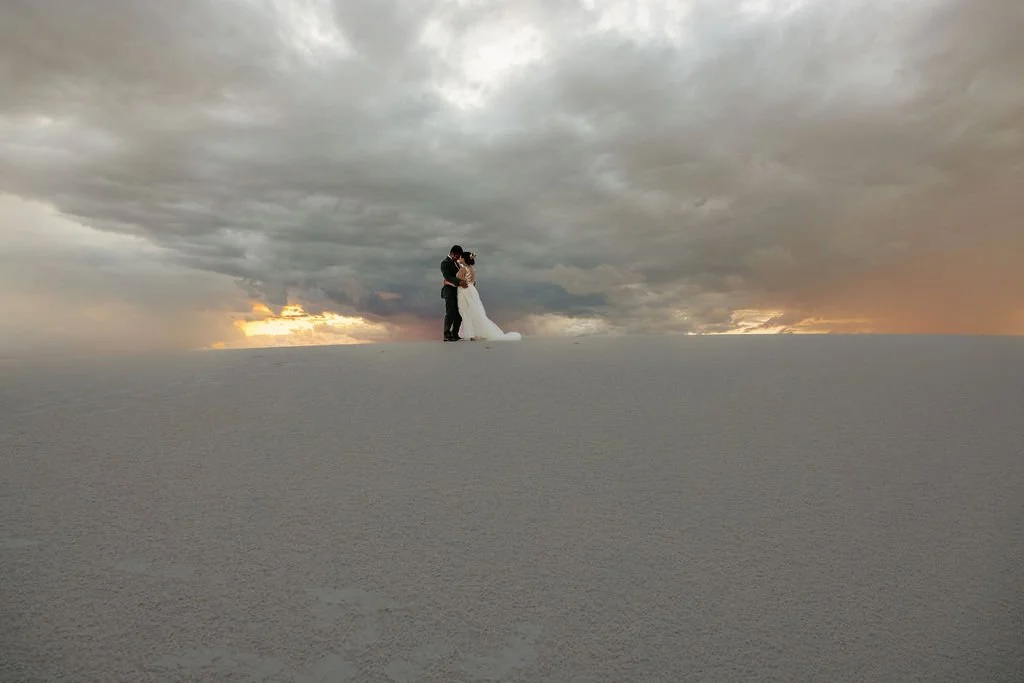
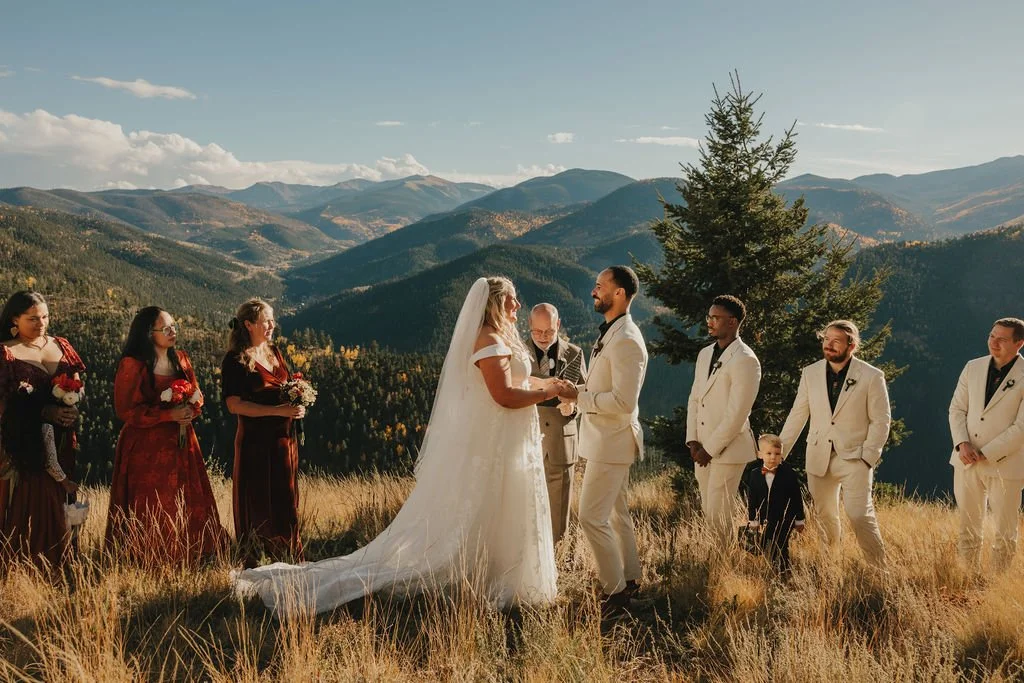
A wedding at White Sands National Park means a larger, planned celebration with guests, a reserved group-use permit, and more logistics on the gypsum dunes, while an elopement means a smaller, more flexible ceremony, often just the couple and a photographer, that requires only a standard entrance fee and no special permit for groups under 10. Both options let you say "I do" against the same otherworldly white dunes near Alamogordo, New Mexico; the right choice comes down to your guest list, budget, and how much you want the desert landscape itself to be the main event.
At Shutterfreek, we've photographed both intimate elopements and full-scale weddings across White Sands, the Utah desert, and national parks throughout New Mexico. This guide breaks down exactly how a White Sands wedding differs from a White Sands elopement, cost, permits, timing, and what each experience actually feels like on the ground, so you can plan the day that fits your relationship, not someone else's checklist.
What Makes White Sands National Park a Wedding-Worthy Destination
White Sands National Park sits in the Tularosa Basin of southern New Mexico, home to the largest gypsum dune field on Earth. Unlike quartz-based sand dunes, gypsum stays cool underfoot even in summer, and it reflects light in a way that turns sunrise and sunset into a natural softbox for photography. Couples are drawn here for the same reasons photographers are: the dunes look almost lunar, the light is dramatic without being harsh, and there's no other backdrop in the American Southwest quite like it.
The park is roughly 90 minutes from Las Cruces and about 15 minutes from Alamogordo, making it accessible for both a small elopement crew flying into El Paso and a larger wedding party road-tripping in from across the state. Because the park is also an active White Sands Missile Range testing site, road closures happen periodically — something we'll cover in the permits section below, and something every couple marrying here needs to plan around.
Wedding vs Elopement at White Sands: Key Differences
The core distinction isn't just guest count — it's how much of your day is structured around logistics versus spontaneity. Here's how the two compare side by side.
| Factor | Wedding at White Sands | Elopement at White Sands |
|---|---|---|
| Guest count | Typically 10–100+ | Usually 1–9 (often just the couple) |
| Permit required | Yes — Special Use Permit from the NPS | No, for groups under 10 (standard entrance fee only) |
| Planning timeline | 6–12+ months | 1–3 months, sometimes faster |
| Average cost | $8,000–$30,000+ | $1,500–$6,000 |
| Vendor coordination | Multiple (caterer, florist, planner, photographer) | Minimal (often just a photographer and officiant) |
| Ceremony flexibility | Fixed time/location per permit terms | Highly flexible — chase the light, move locations |
| Best for | Couples wanting family and friends present | Couples wanting an intimate, adventure-style day |
If you're weighing whether an intimate ceremony fits your style, our elopement photography team can walk you through what a stripped-down, adventure-focused day at White Sands actually looks like from booking to final gallery.
Planning a Traditional Wedding at White Sands
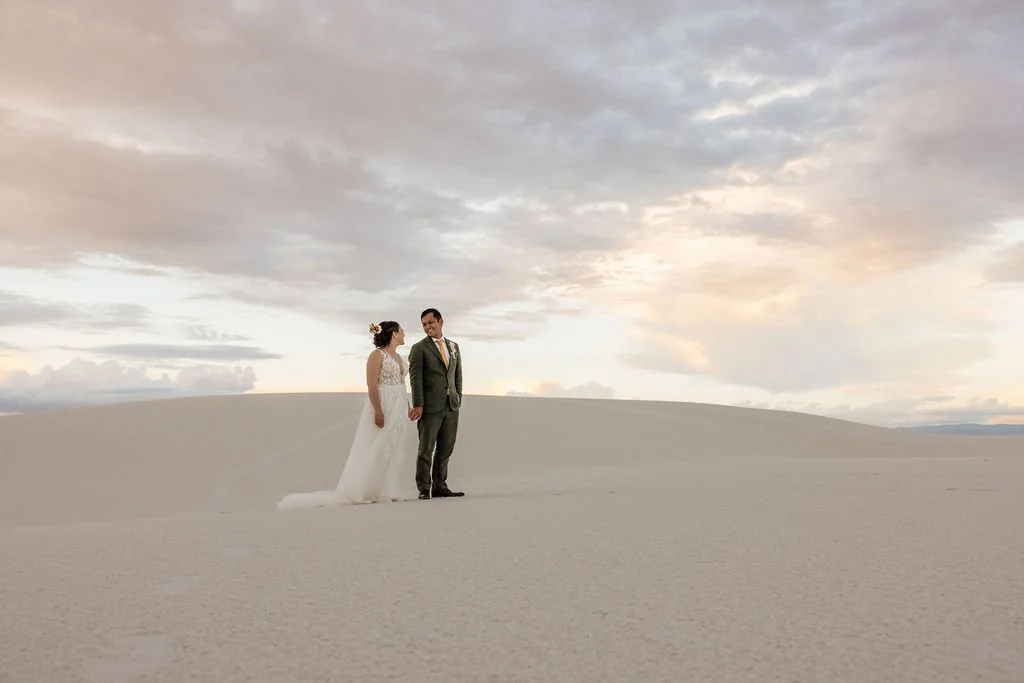
A full wedding at White Sands requires a Special Use Permit from the National Park Service, which the NPS reviews on a case-by-case basis depending on group size, proposed location, and date. Because the park sits on an active missile range, some dates are simply unavailable due to testing closures — which is why couples planning a larger White Sands wedding should start the permit process at least six months out.
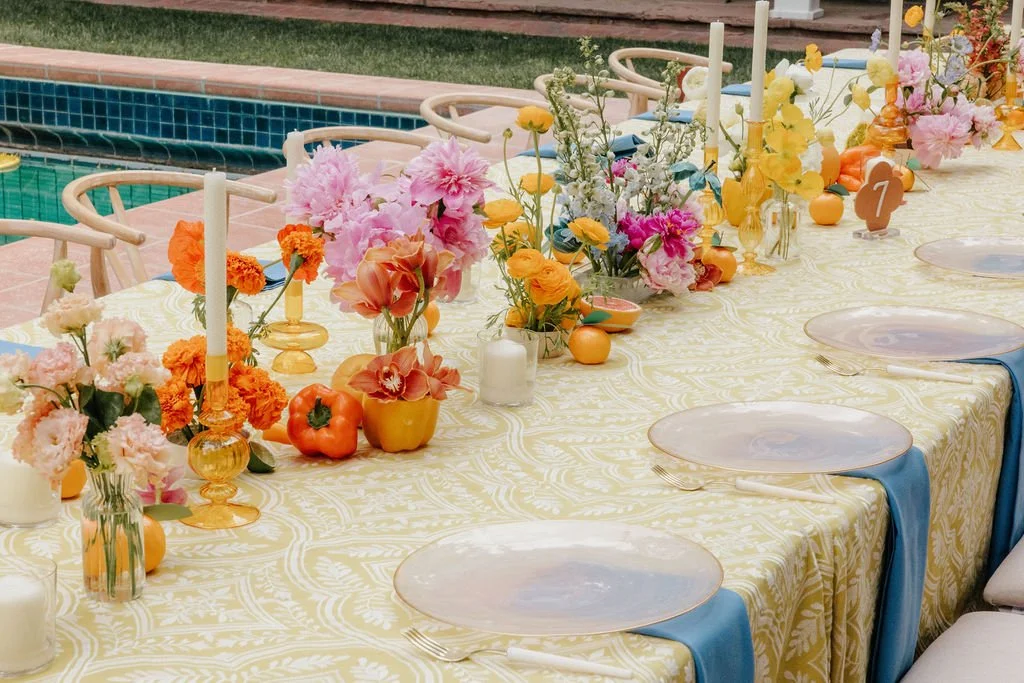
Beyond the permit, a traditional wedding here means coordinating the same vendor list you'd need anywhere else: catering, rentals, a planner familiar with National Park Service logistics, and transportation for guests who may not be used to walking on sand in formalwear. The park has no on-site venue, restrooms are limited to visitor center facilities, and there's no shade for miles — so a midday June wedding is a very different experience than an October sunset ceremony.
The upside is scale and presence: your parents can watch you say your vows, your best friends can toast you afterward, and the day can include a reception nearby in Alamogordo or Las Cruces. For couples exploring how other national park settings handle these same logistics, our breakdown of national park weddings in New Mexico covers permit timelines and vendor considerations that apply well beyond White Sands.
Eloping at White Sands: What the Day Actually Looks Like
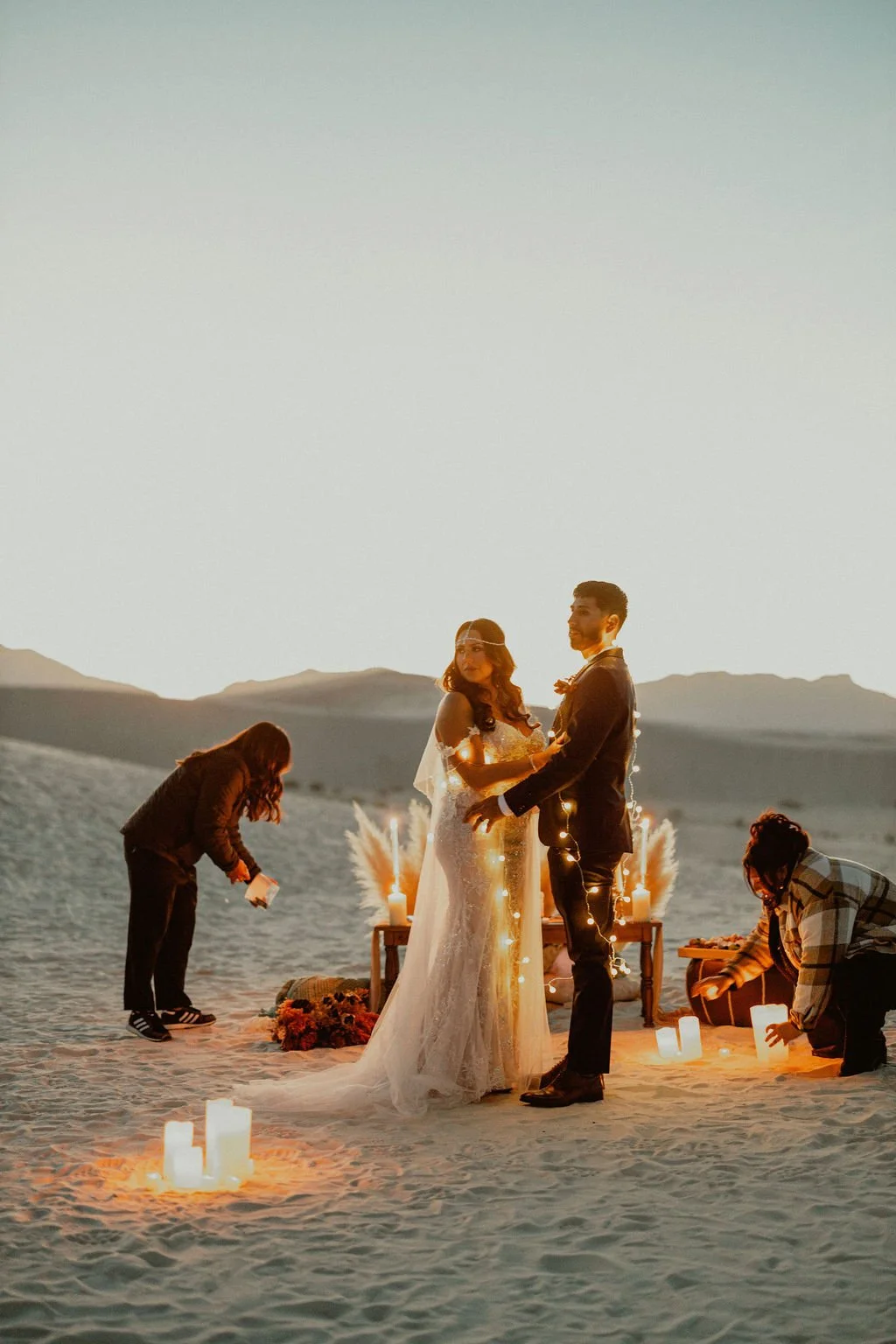
An elopement at White Sands strips the day down to its essentials: the two of you, an officiant, and usually one photographer capturing everything. Because groups under 10 people don't need a Special Use Permit — just the standard park entrance fee — elopements can be booked with far less lead time and far more flexibility around sunrise, sunset, or even golden-hour timing that shifts by a few weeks.
This format tends to appeal to couples who want the landscape to carry the day rather than a guest list. A typical elopement timeline might include a first-look on the dunes, a short ceremony as the light turns gold, and an hour or two of adventure portraits before the crowds arrive. Some couples pair their White Sands elopement with a short road trip through nearby state parks or extend the experience into a multi-day New Mexico honeymoon.
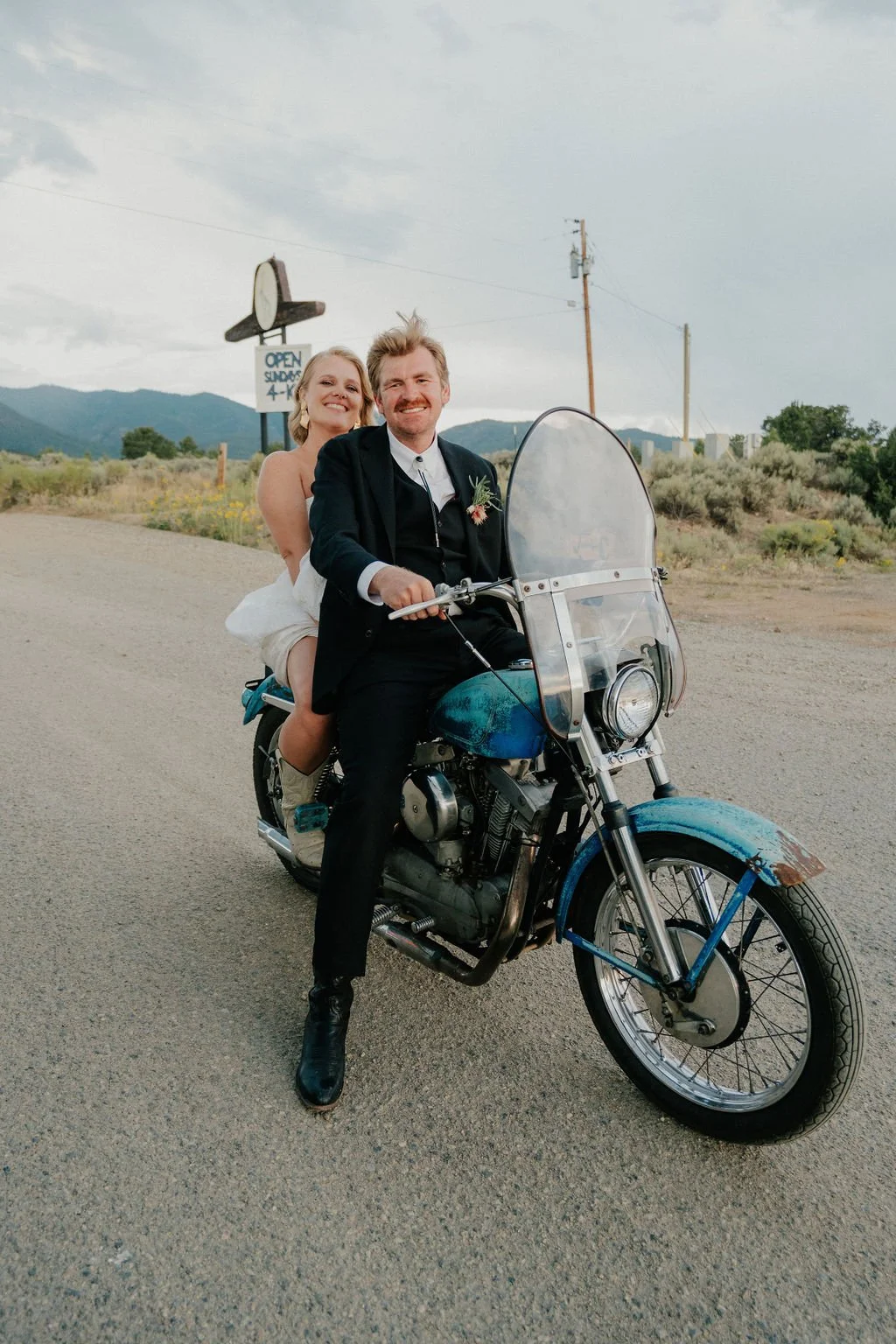
If you're comparing regions, our guide to New Mexico adventure elopements outlines other backdrops — lava fields, red rock canyons, high desert mesas, that pair well with a White Sands ceremony if you want more than one location in a single trip. Couples drawn to this same stripped-down style sometimes look further west too; our Utah adventure elopements coverage shows how the format translates to slot canyons and red rock arches for couples weighing multiple desert destinations.
Cost Comparison: Wedding vs Elopement at White Sands
Budget is usually the deciding factor once couples understand the permit and logistics differences. Below is a general cost breakdown based on typical vendor pricing in the White Sands / Alamogordo / Las Cruces area — actual costs vary by season, vendor, and guest count.
| Expense Category | Wedding (50–100 guests) | Elopement (1–9 people) |
|---|---|---|
| NPS permit/fees | $200–$500 (Special Use Permit) | $25 park entrance fee |
| Photography | $3,000–$6,000+ | $1,200–$3,500 |
| Officiant | $300–$800 | $200–$500 |
| Catering/reception | $4,000–$15,000+ | Often none, or a small dinner ($200–$600) |
| Florals/styling | $1,500–$5,000 | $200–$800 |
| Attire | $1,500–$4,000+ | $500–$2,000 |
| Estimated total | $8,000–$30,000+ | $1,500–$6,000 |
The gap isn't just about scale — it's about what you're prioritizing. Couples who value the photography and the landscape itself over reception logistics often find that elopement budgets stretch further toward better light, more locations, and a longer shoot time with their photographer.
Permits, Legal Requirements, and Timing at White Sands
Whether you're eloping or hosting a full wedding, a few logistics apply to everyone marrying at White Sands National Park:
Marriage license: New Mexico requires a state marriage license, obtainable from any county clerk's office (no waiting period, no blood test, and licenses issued in one county are valid statewide).
Park access: White Sands closes periodically for missile testing on the adjacent range — typically for a few hours at a time, a handful of days per month. Always check current closure schedules before locking in a ceremony date.
Group size threshold: Under 10 people generally does not require a Special Use Permit; 10 or more does, and the NPS reviews applications for date, location, and impact on other visitors.
Best months: Spring (March–May) and fall (September–November) offer the mildest temperatures. Summer ceremonies should be scheduled at sunrise or sunset to avoid triple-digit heat on white sand that reflects light and heat intensely.
Golden hour timing: Because the dunes reflect so much ambient light, the hour before sunset is widely considered the most photogenic and most comfortable window for a ceremony.
Choosing Between a Wedding and an Elopement: Questions to Ask Yourselves
If you're still undecided, a few honest questions tend to clarify things quickly:
Do you want extended family physically present for your vows, or is a celebration afterward (at home or a reception) enough?
Is your budget better spent on more guests, or on more time, more locations, and better light with your photographer?
How important is spontaneity — chasing sunset instead of working around a fixed ceremony block?
Are you comfortable with a smaller legal ceremony now and a larger celebration later (a increasingly common "elopement + reception" hybrid)?
How much do you want the White Sands landscape itself, rather than décor or guest experience, to define your wedding photos?
There's no wrong answer — plenty of couples do a private elopement at White Sands and host a full reception back home weeks later, getting both the intimacy and the celebration.
Why Photography Approach Changes Between a Wedding and an Elopement
Photographing a wedding at White Sands requires managing group formals, timeline coordination with other vendors, and shooting around a fixed permit window — often midday, when the light is flattest. Photographing an elopement is a different discipline entirely: it's about mobility, chasing changing light across dune ridgelines, and building a longer, more intentional shoot list since there's no reception to rush back for.
This is part of why couples researching this destination should look specifically for a White Sands wedding photographer with experience in both formats, someone who understands NPS permit logistics for larger groups and knows how to work fast, light, and flexible for a two-person elopement. At Shutterfreek, we build our White Sands elopement packages specifically around this flexibility: sunrise or sunset timing, multiple dune locations within a single session, and enough shoot time to actually enjoy the day instead of running a timeline.
How Shutterfreek Helps You Plan Either Option
We've spent years photographing couples across New Mexico's national parks and the broader Southwest, which means we usually know before you do whether a date is likely to run into a missile-range closure, which dune access points give the best light for your ceremony time, and how to sequence a shoot so you're not fighting midday heat in formalwear. Whether you're planning a 100-person wedding with a full vendor team or a two-person sunrise elopement, our role is the same: make sure the landscape does the heavy lifting in your photos, not the logistics.
If you're still deciding between the two formats, we're happy to walk through both budgets, timelines, and permit requirements with you directly, it's usually a 15-minute conversation that saves weeks of second-guessing.
Final Thoughts
Whether you choose a full wedding or an intimate elopement, White Sands National Park delivers a backdrop no other venue in the Southwest can replicate. The decision ultimately comes down to how you want to spend your budget and your time — on guests and celebration, or on light, landscape, and each other. Either way, Shutterfreek is ready to help you plan the day and capture it the way it actually happened.
Frequently Asked Questions
-
Only if your group is 10 or more people. In that case, you'll need a Special Use Permit from the National Park Service, which should be requested at least several months in advance. Groups under 10 only need to pay the standard park entrance fee.
-
Elopements typically run $1,500–$6,000 total, while full weddings with 50–100 guests generally range from $8,000–$30,000 or more, depending on catering, florals, and vendor choices.
-
Spring (March–May) and fall (September–November) offer the most comfortable temperatures. Summer ceremonies should be scheduled around sunrise or sunset to avoid extreme midday heat reflected off the white gypsum sand.
-
Yes, with an approved Special Use Permit from the NPS. Keep in mind the park has no on-site venue, limited restroom facilities, and no natural shade, so larger weddings require more logistical planning than a typical outdoor venue.
-
For elopements, 4–8 weeks is often enough given the flexible permitting. For full weddings, especially during popular fall and spring weekends, booking 6–12 months ahead is recommended to secure both your date and your preferred photographer.
Keep reading