Utah Adventure Elopement Photographer: Capturing Wild Love in the Mountains, Deserts & Slot Canyons
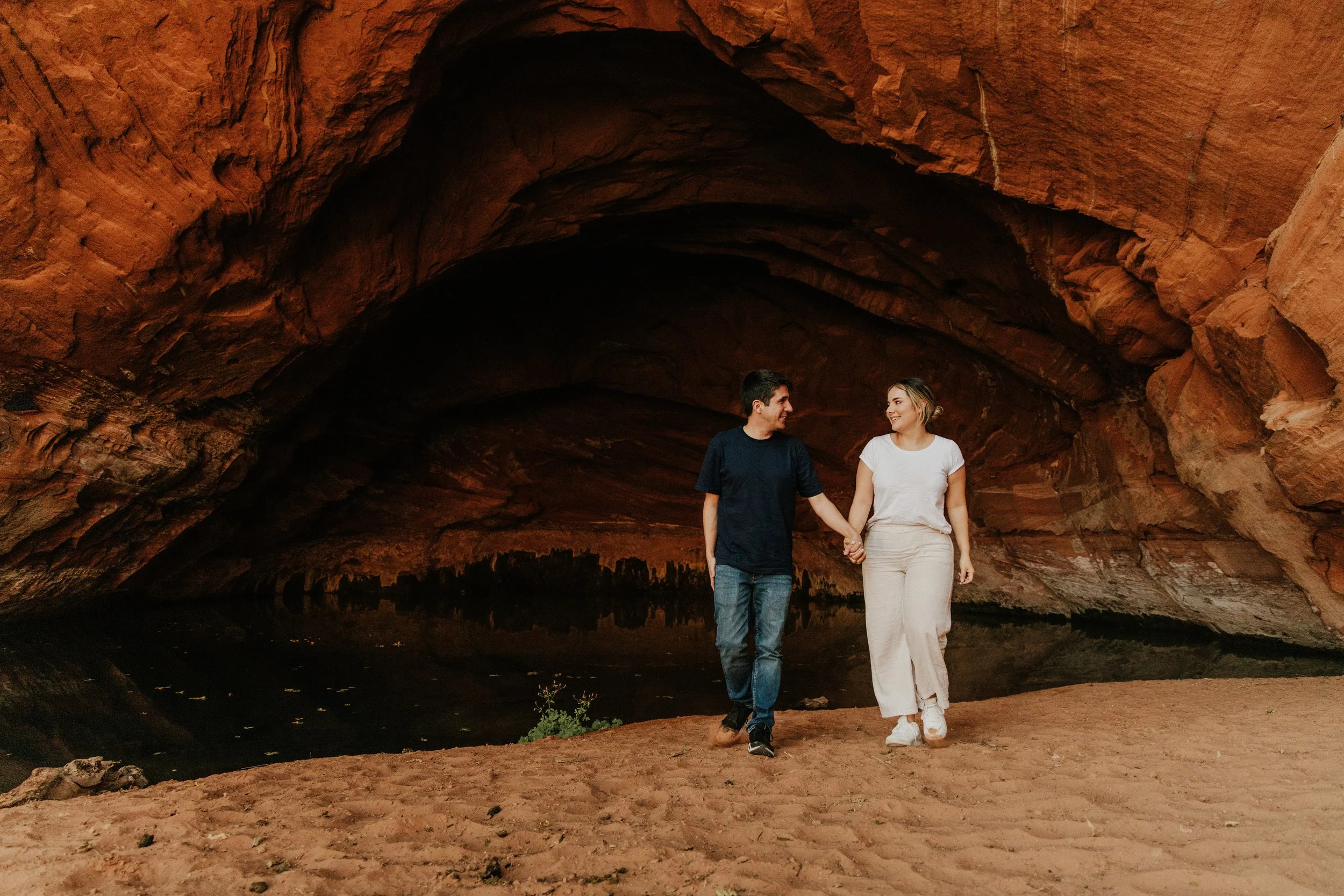
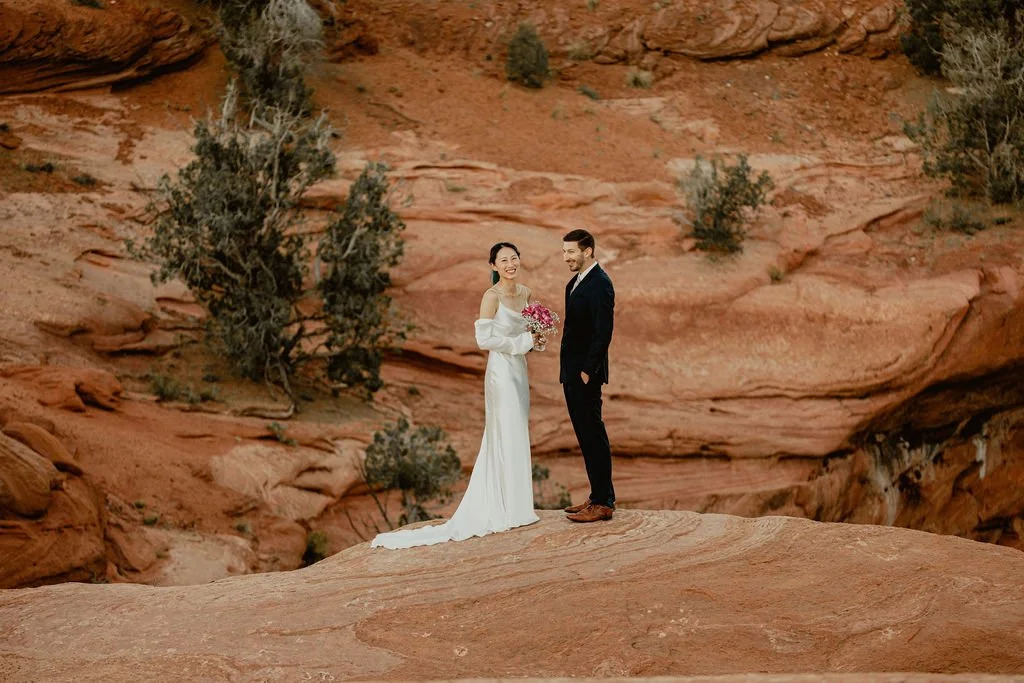
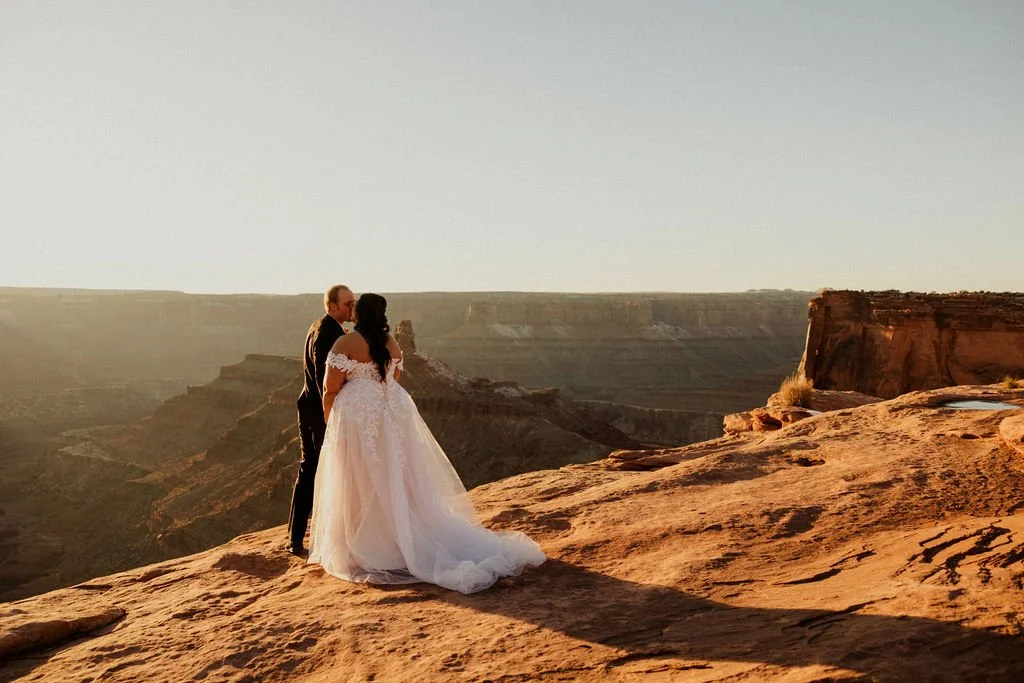
Shutterfreek is a Utah adventure elopement photographer specializing in intimate, adventure-driven weddings held in the state's most dramatic backcountry locations — from the sandstone arches of Moab to the slot canyons of Zion and the alpine ridgelines of the Wasatch Range. Rather than a traditional venue-based wedding, an adventure elopement pairs a small, hand-picked location with a couple willing to hike, climb, or simply walk further off the beaten path to say their vows somewhere that actually reflects who they are — and Shutterfreek exists to document exactly that kind of day, with the technical mountain and desert experience to keep couples safe while still delivering editorial-quality images.
If you're searching for a Utah adventure elopement photographer, you're likely one of two kinds of couples: you already know your dream location and need someone who can hike in with you and shoot it beautifully, or you have no idea where to start and need a guide who's done this dozens of times before. Either way, this article walks through what an adventure elopement in Utah actually looks like, the best locations across the state, what permits and planning look like, and how to choose a photographer who can actually deliver on the promise of "adventure" — not just pretty light.
What Makes an Adventure Elopement Different From a Traditional Wedding
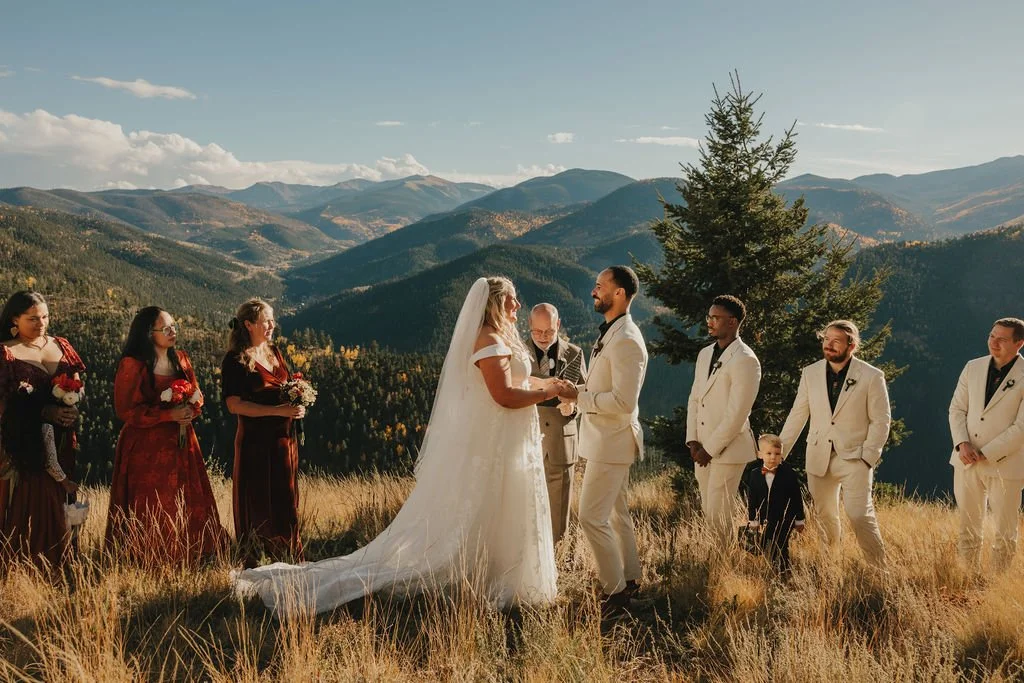
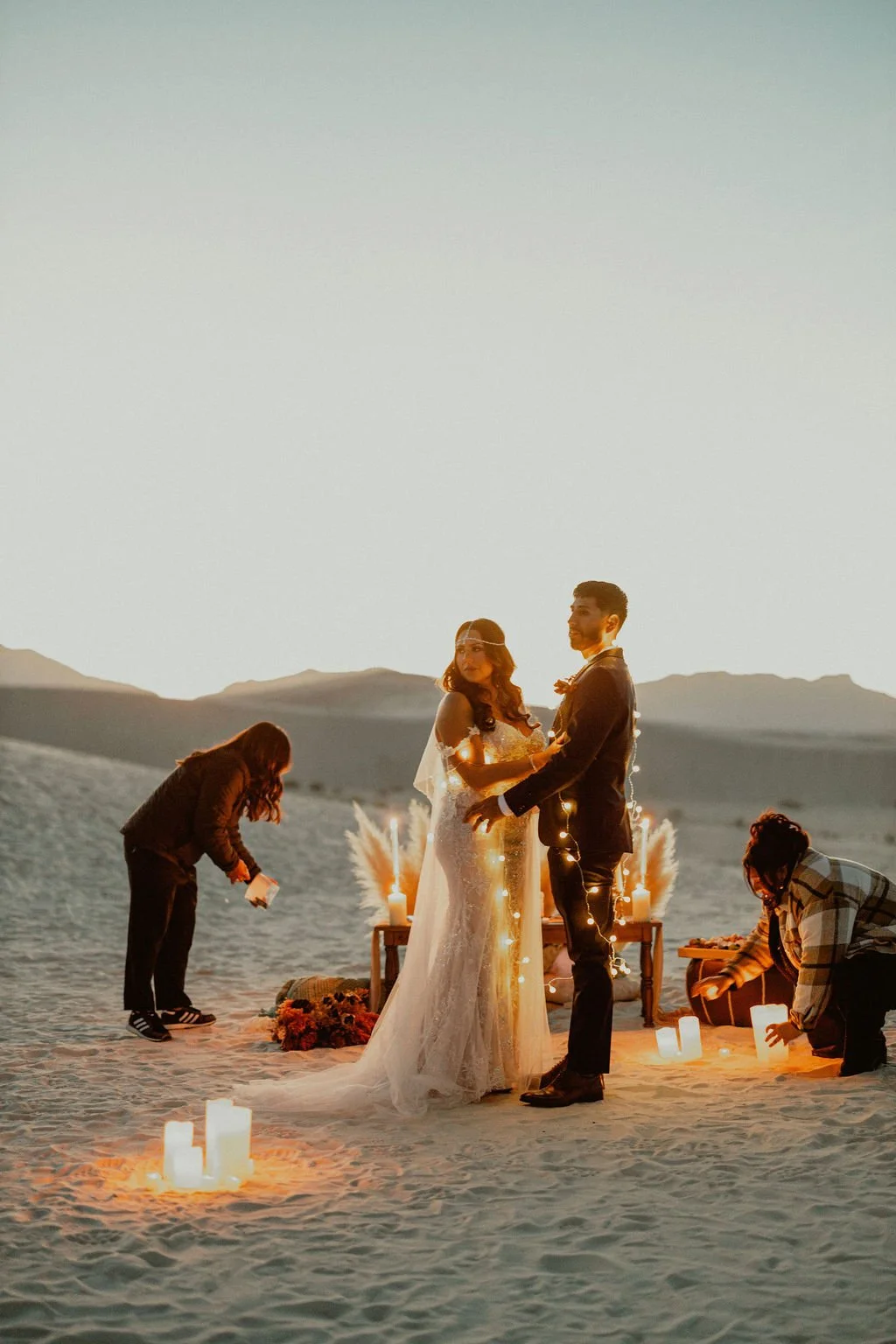
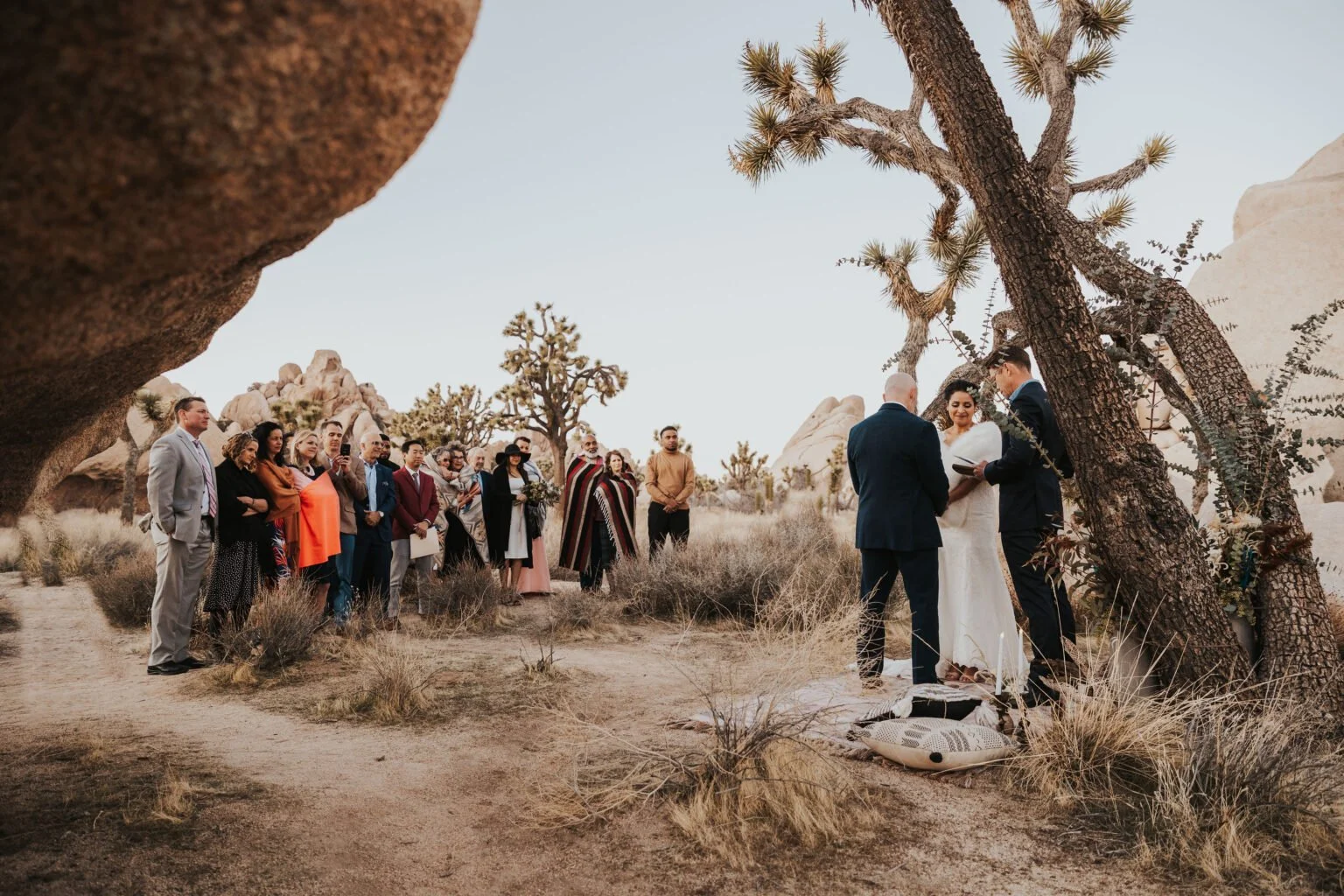
An adventure elopement isn't simply a small wedding, it's a wedding built around a landscape instead of a venue. Couples choose a canyon rim, a mountain summit, a hidden waterfall, or a remote desert mesa as their "altar," often hiking anywhere from fifteen minutes to several hours to reach it. The ceremony itself is usually short and deeply personal, officiated by a friend, family member, or licensed officiant who joins the hike, with photography and sometimes videography as the primary documentation of the day since guest count is intentionally kept low (often between two and twenty people).
This format has grown rapidly across Utah because the state offers an unmatched range of terrain within a few hours of Salt Lake City, desert, alpine forest, slot canyon, and high plateau are all reachable in a single day trip. For a deeper look at how Shutterfreek approaches this exact style of wedding day, the elopements page walks through the full experience from first consultation to final gallery delivery.
Why Experience and Local Terrain Knowledge Matter
Search engines and couples alike increasingly favor photographers who can demonstrate first-hand, on-the-ground experience rather than generic wedding portfolio work. A qualified Utah adventure elopement photographer should be able to speak to:
Direct experience shooting in the specific location you're considering, including how light and weather behave there at different times of year
Physical readiness to carry gear over uneven terrain, sometimes for multiple hours, without slowing the couple down
Working knowledge of permit requirements for national parks, state parks, and BLM land across Utah
Established relationships with local officiants, hair and makeup artists, and elopement planners who also specialize in this niche
A body of published work specific to adventure elopements, not just standard venue weddings relabeled
Shutterfreek's team has shot extensively across southern and central Utah's public lands, and the utah weddings adventure elopements page documents that location-specific portfolio in more depth, including real couples' elopements in several of the parks covered below.
Best Locations for a Utah Adventure Elopement
Utah is home to five national parks plus dozens of state parks and BLM wilderness areas, which is part of why it has become one of the most searched adventure elopement destinations in the country. Below are the locations couples ask about most often.
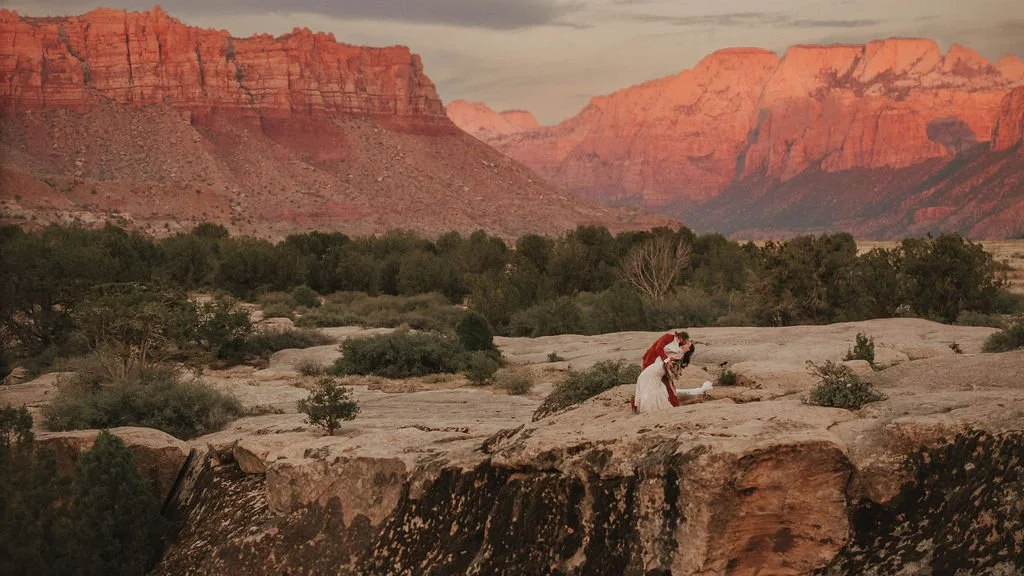
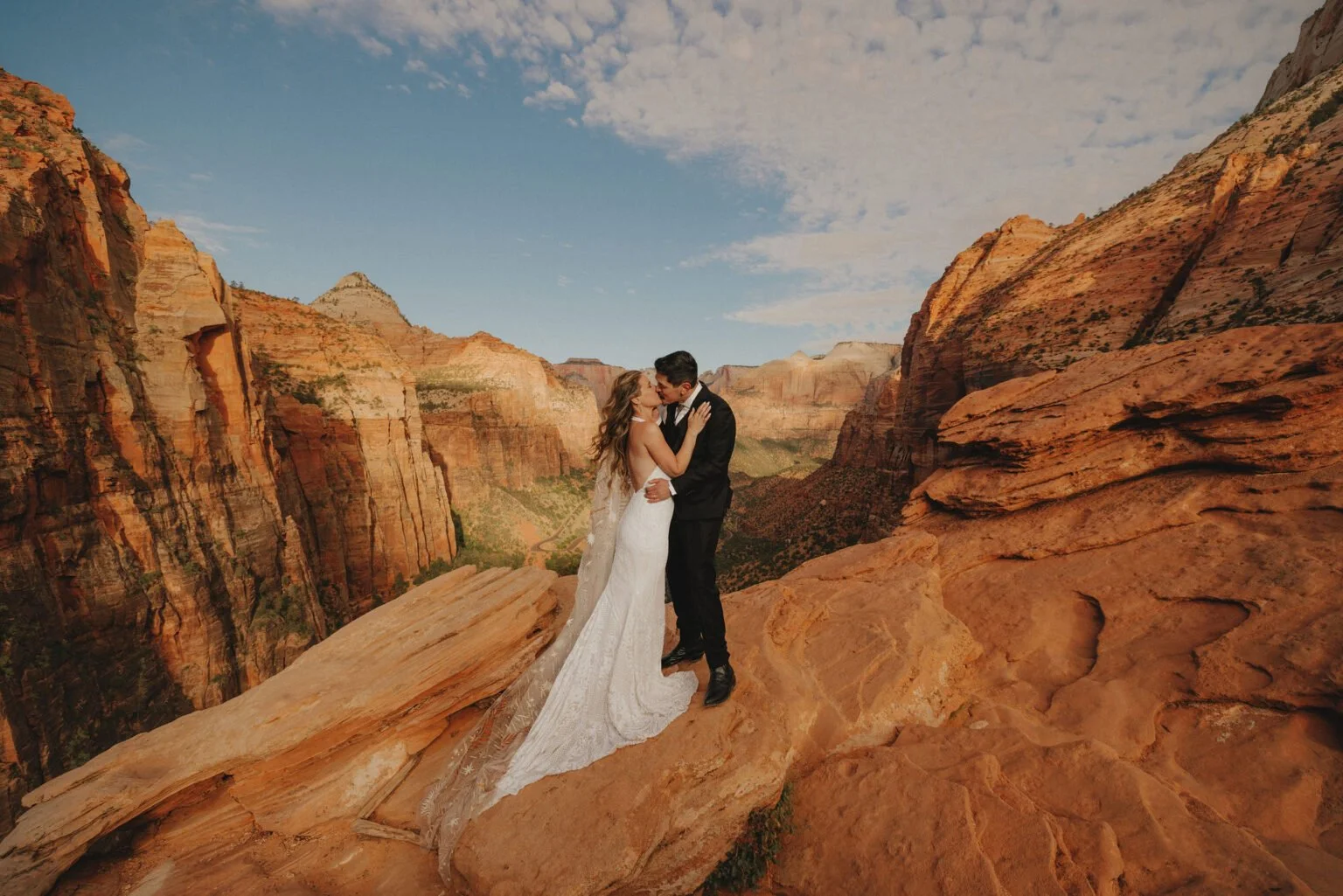
Zion National Park offers dramatic canyon walls, the Virgin River, and iconic overlooks like Canyon Overlook and The Watchman, though permits are required for any group ceremony inside the park boundary and popular trailheads can be crowded during peak season.
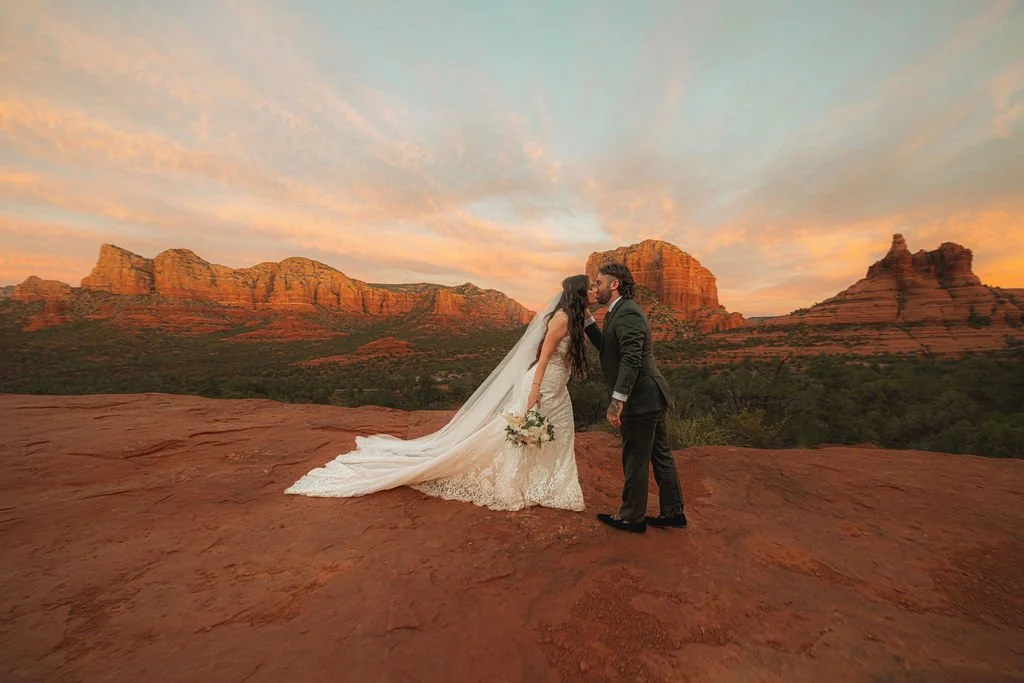
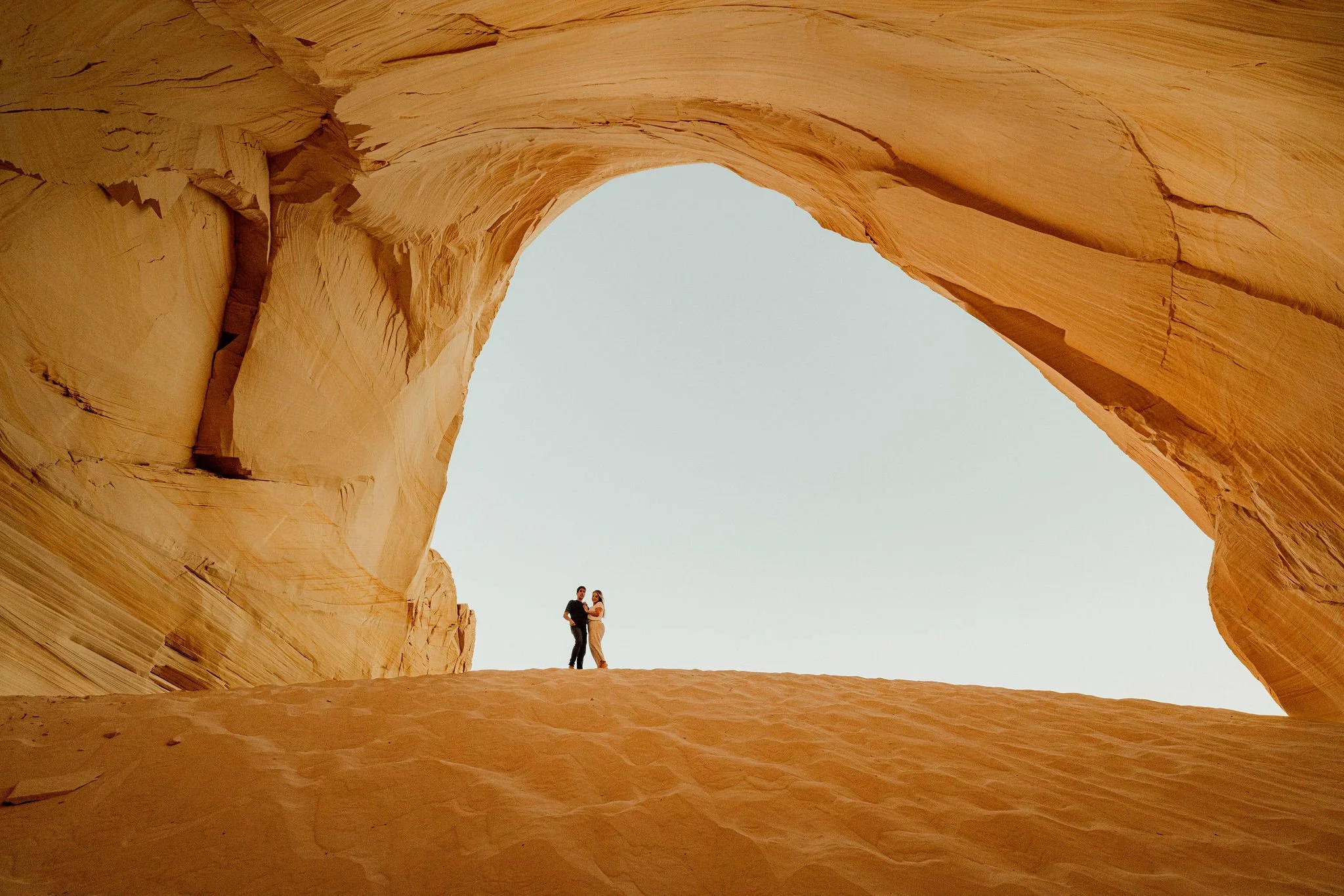
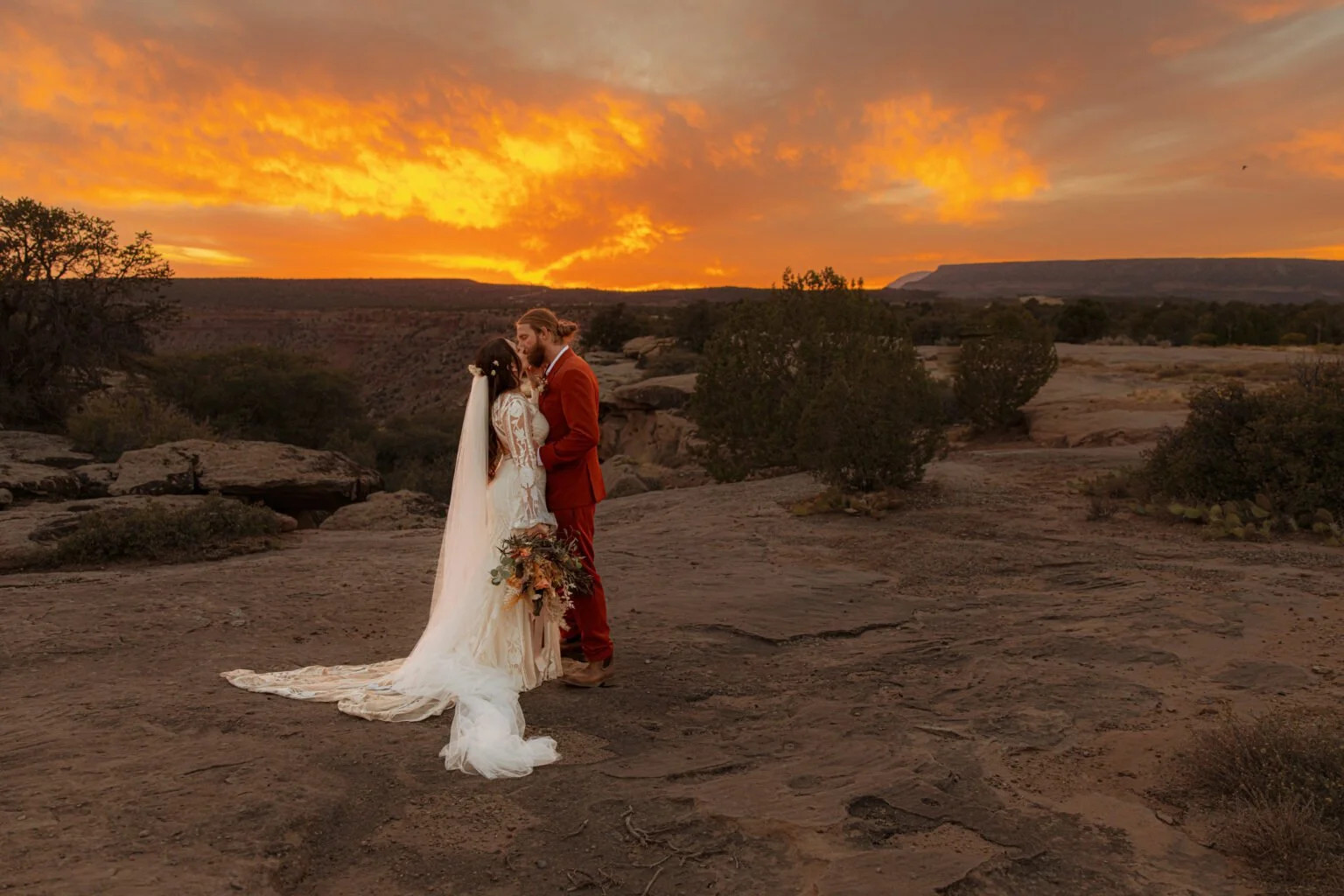
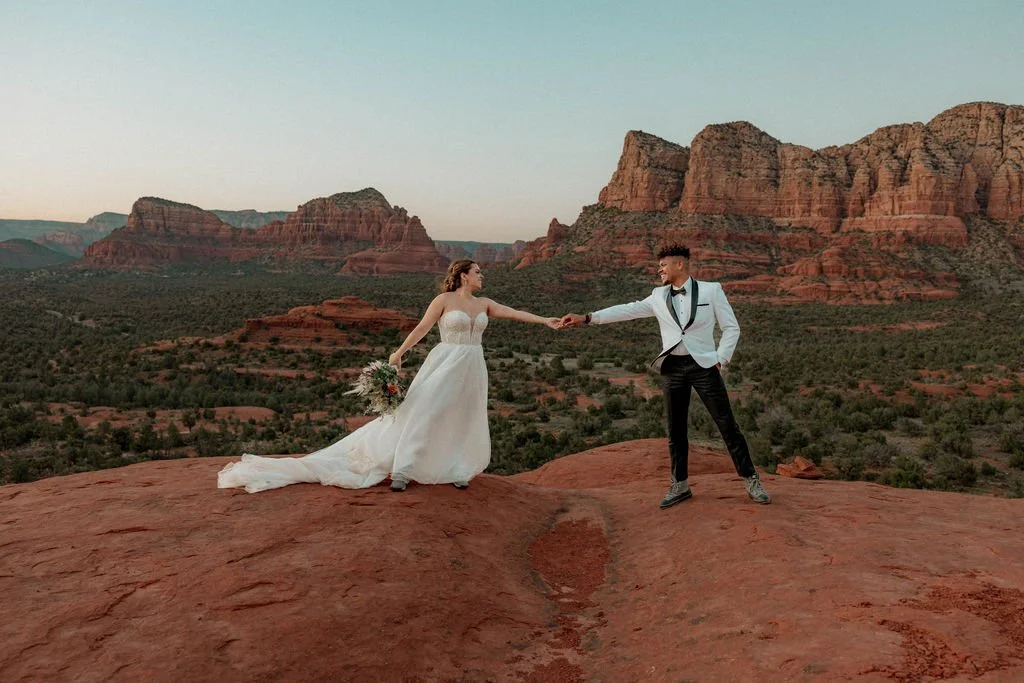
Moab (Arches & Canyonlands) is the most requested destination for red-rock elopements, with Delicate Arch, Mesa Arch, and Dead Horse Point offering some of the most photographed sunrise and sunset vantage points in the American Southwest.
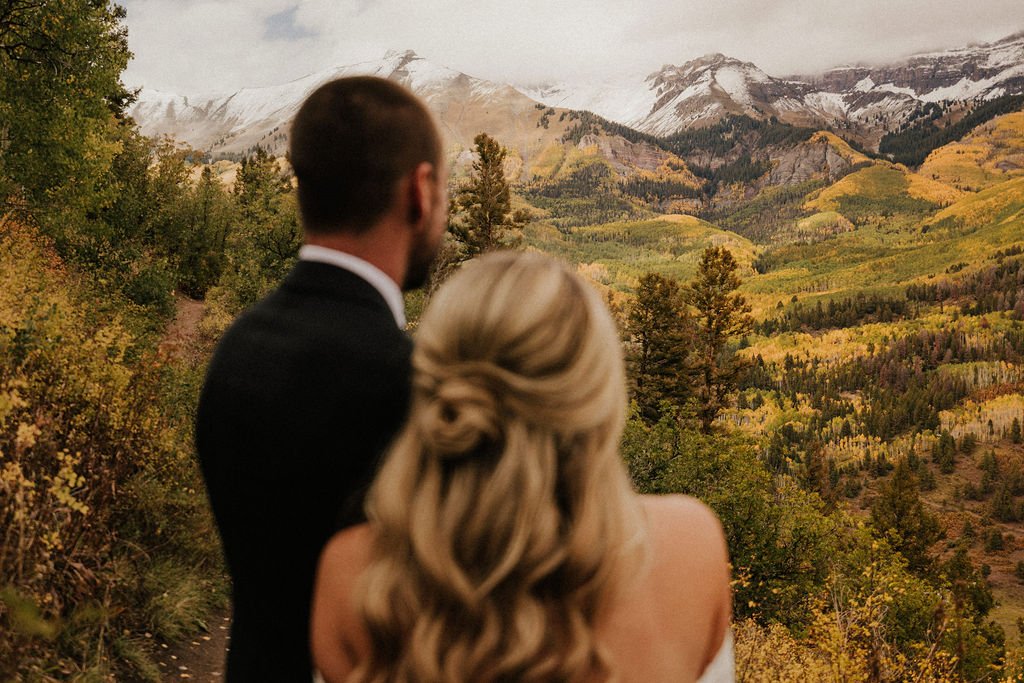
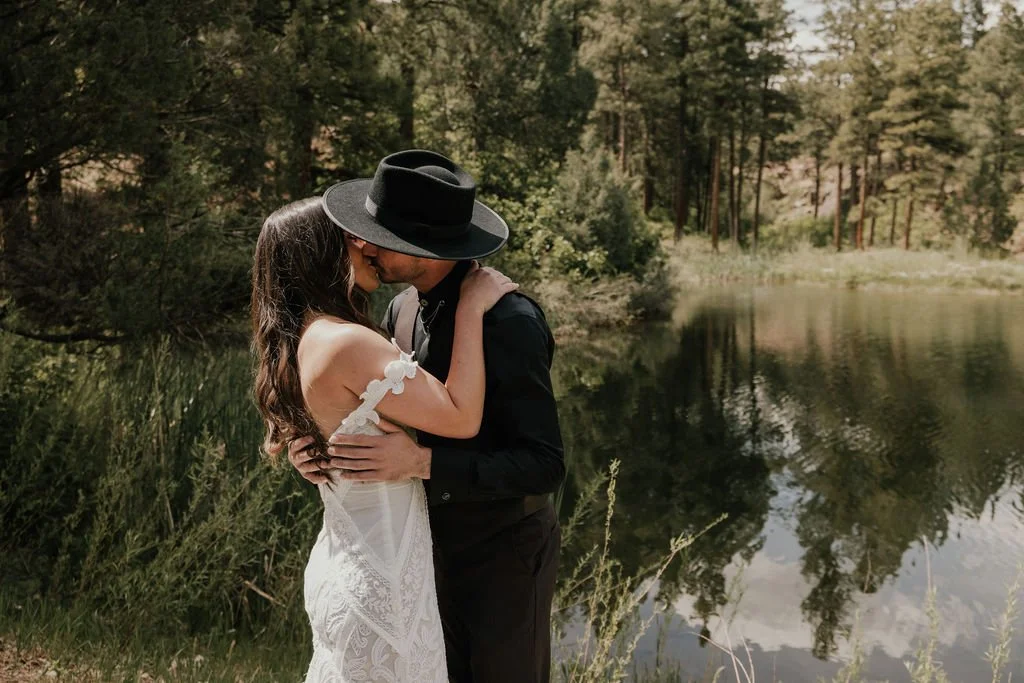
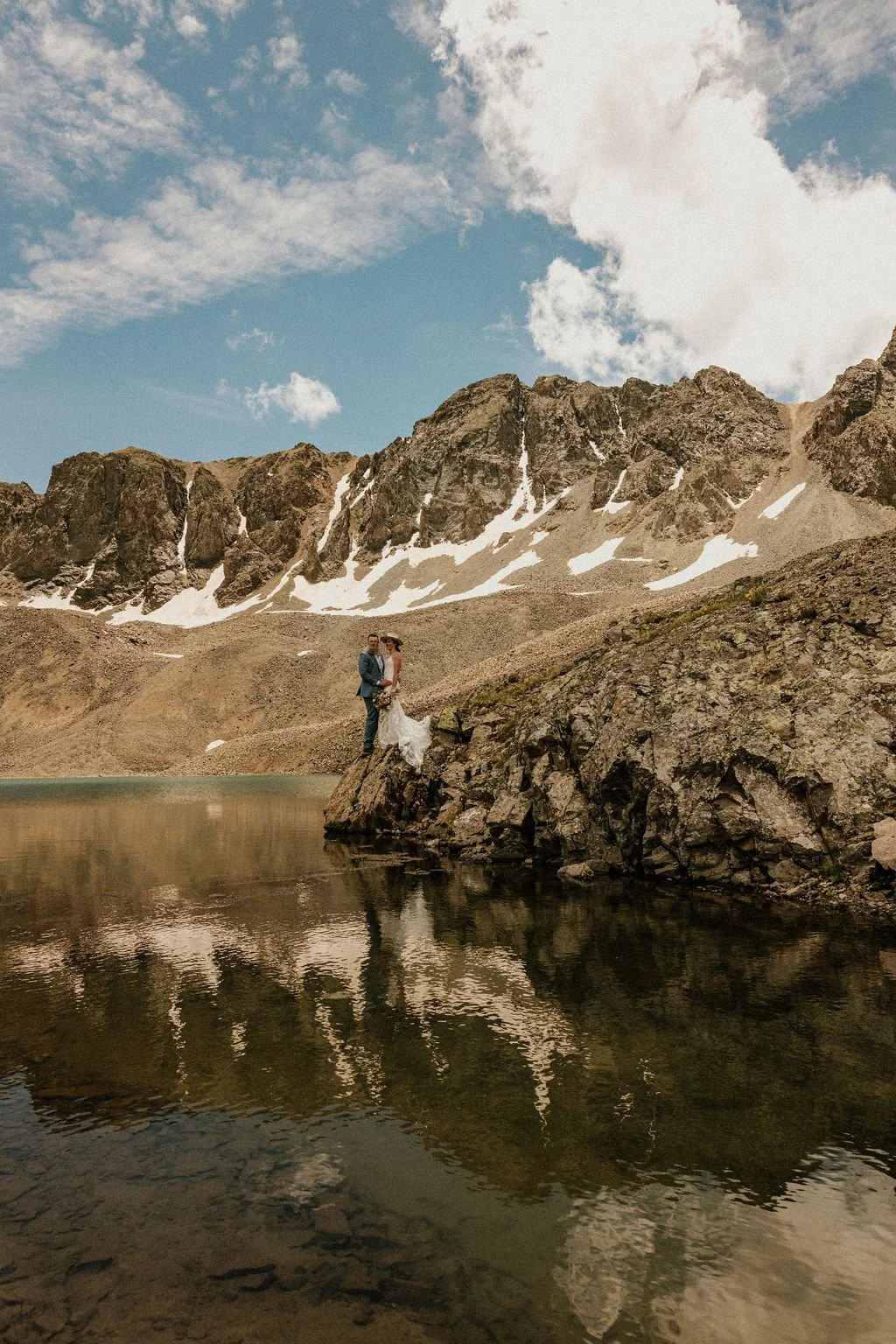
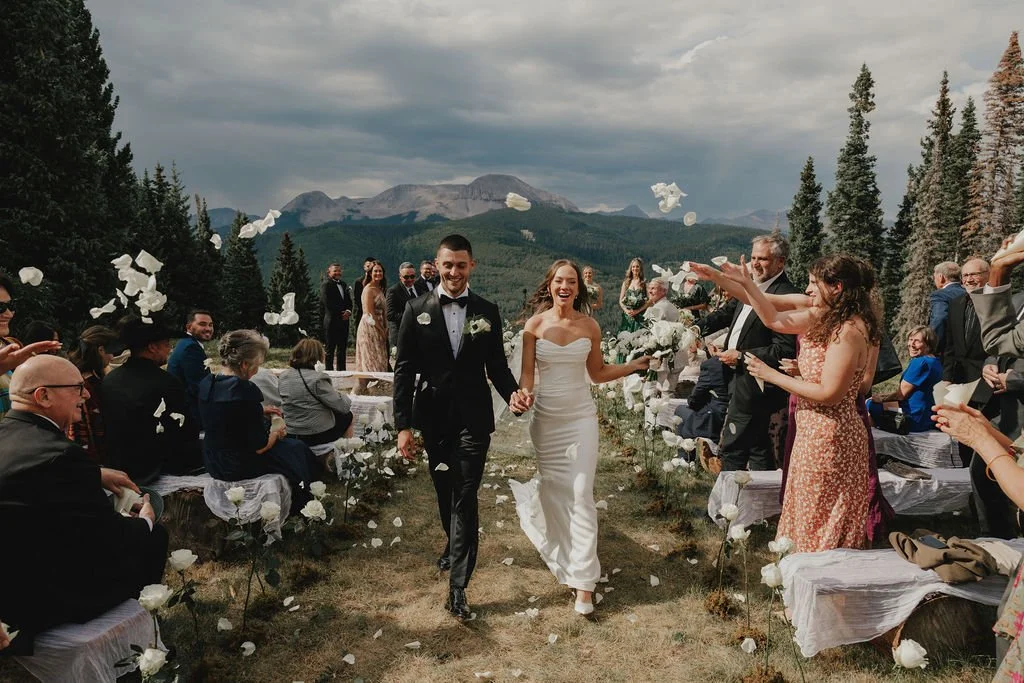
The Wasatch Range near Salt Lake City and Park City gives couples alpine lakes, aspen groves, and granite peaks, making it the strongest choice for a fall foliage or high-altitude summer elopement without the multi-hour drive south.
Capitol Reef National Park is far less crowded than Zion or Arches, offering orchards, waterpocket-fold cliffs, and a genuinely secluded feel for couples who want privacy above all else.
Bryce Canyon National Park is best known for its hoodoo amphitheaters and is one of the only major Utah parks where sunrise light hits the formations directly, making early-morning ceremonies especially dramatic.
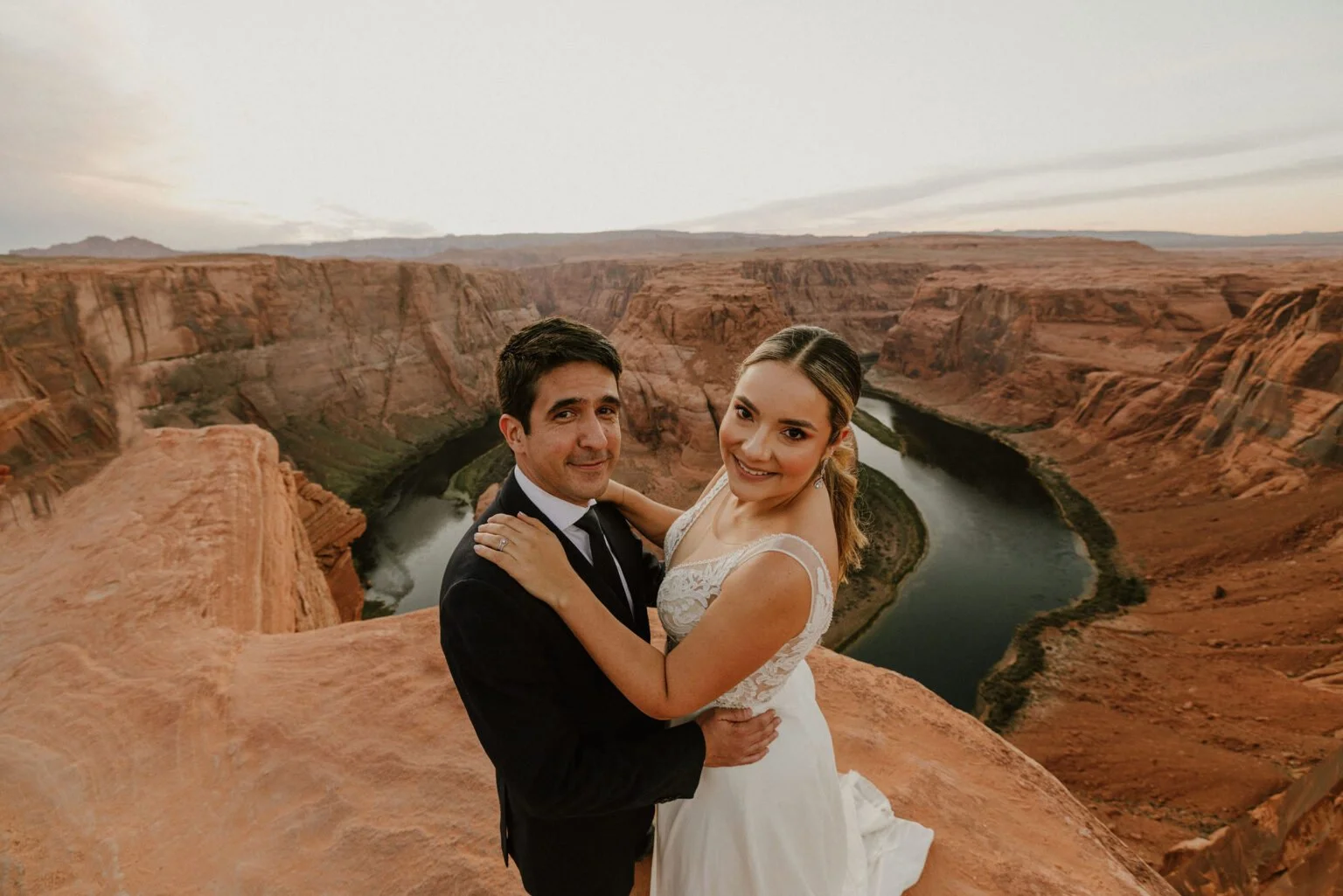
Lake Powell / Glen Canyon appeals to couples wanting water alongside desert rock, with options ranging from a boat-accessed cove to a rim-top ceremony overlooking the lake.
Table 1: Utah Adventure Elopement Locations
| Location | Best Season | Permit Required | Hike Difficulty | Ideal For |
|---|---|---|---|---|
| Zion National Park | Spring & Fall | Yes, for group ceremonies | Moderate to Strenuous | Canyon walls, river views |
| Moab (Arches & Canyonlands) | Spring & Fall | Yes, permit + limited group size | Easy to Moderate | Iconic red-rock arches |
| Wasatch Range | Summer & Fall | Sometimes, land-dependent | Moderate to Strenuous | Alpine lakes, fall foliage |
| Capitol Reef National Park | Spring & Fall | Yes, for ceremonies | Easy to Moderate | Privacy, fewer crowds |
| Bryce Canyon National Park | Late Spring–Early Fall | Yes | Moderate | Sunrise hoodoo views |
| Lake Powell / Glen Canyon | Late Spring–Summer | Depends on access point | Easy (boat) to Strenuous (rim) | Water + desert combination |
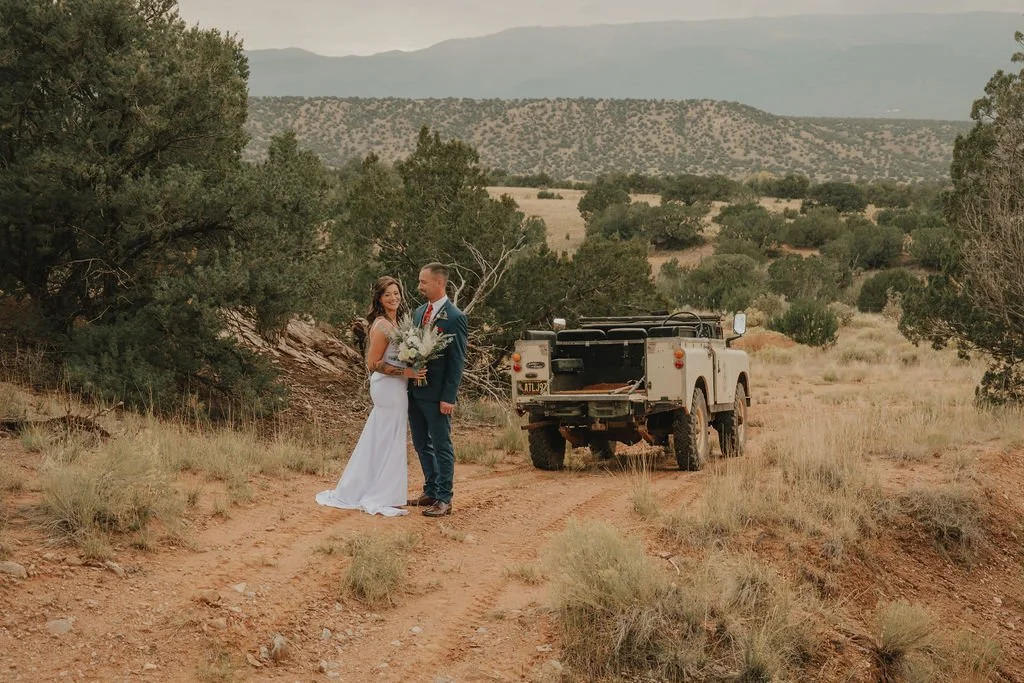
Couples torn between a red-rock and an alpine setting often ask how Utah compares to nearby New Mexico, which offers a similar high-desert palette with its own permit landscape, that comparison is covered in detail on the new mexico weddings adventure elopements page for anyone weighing both states.
How to Plan a Utah Adventure Elopement, Step by Step
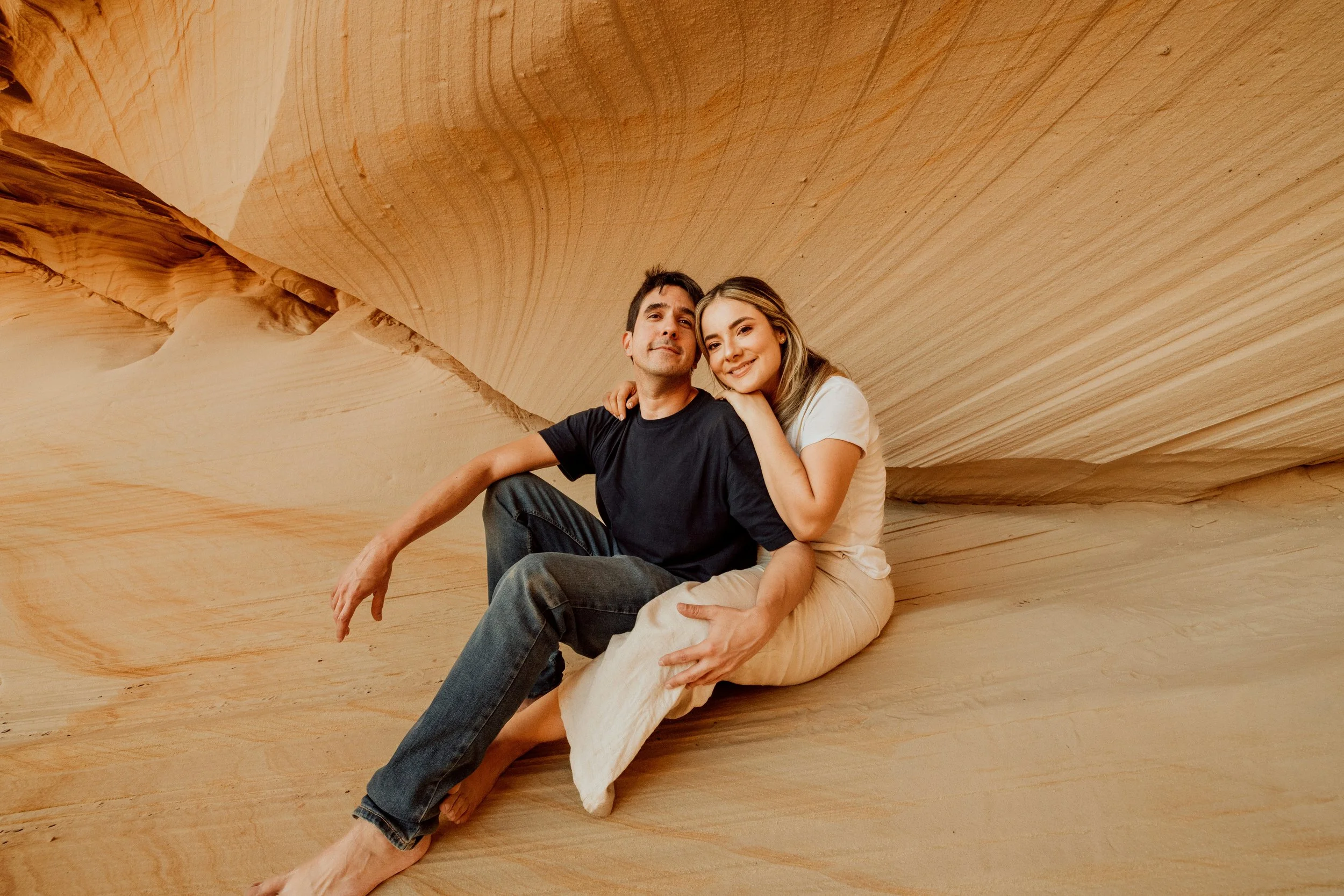
Planning an adventure elopement involves a different sequence than a traditional wedding, largely because location and permits drive the timeline rather than a venue booking.
Choose your season and general region first. Desert locations like Moab and Zion are brutal in July and August, while Wasatch alpine trails may still hold snow through May, so season should narrow your location shortlist before anything else.
Secure your marriage license. Utah requires both parties to apply in person at a County Clerk's office, and the license is valid statewide for 30 days from issue, so timing this close to your elopement date matters.
Book your photographer early. Adventure elopement photographers who specialize in backcountry work take a limited number of dates per season, especially during peak fall foliage weeks in September and October.
Apply for any required permits. National park special-use permits for elopement ceremonies typically need to be submitted several weeks to a few months in advance, and requirements vary significantly by park.
Plan your hike and backup weather date. A strong adventure elopement photographer will help you build in a contingency plan, since desert flash floods and alpine thunderstorms can both shut down a planned route with little warning.
Coordinate hair, makeup, and attire for movement. Adventure elopement attire needs to survive wind, dust, and elevation change, so many couples choose a lighter dress or a convertible outfit rather than a full traditional gown for the hike itself.
Confirm your day-of timeline with your photographer. Sunrise and sunset ceremonies are heavily favored for the quality of light, which means most adventure elopements start very early or run into the evening.
What a Day-Of Adventure Elopement Timeline Actually Looks Like
Most Utah adventure elopements follow a similar rhythm regardless of location: couples meet their photographer before sunrise or a few hours before sunset, hike in together while getting candid, unposed coverage along the trail, hold a short ceremony at the chosen point, and then spend remaining daylight on portraits before hiking back out. A typical timeline runs three to five hours total, which is considerably shorter than a full wedding day but requires far more precision, since the photographer is also managing safety, pacing, and changing light in real time.
Adventure Elopement vs. Traditional Wedding: A Cost and Experience Comparison
Couples researching this topic often want a direct sense of how an adventure elopement compares to a traditional wedding, both financially and experientially, before committing to the format.
Table 2: Adventure Elopement vs. Traditional Wedding
| Factor | Adventure Elopement | Traditional Wedding |
|---|---|---|
| Average Guest Count | 0–20 | 80–150+ |
| Typical Total Cost | $3,000–$12,000 | $25,000–$40,000+ |
| Planning Timeline | 1–6 months | 9–18 months |
| Location Flexibility | High (public lands, remote sites) | Limited to venue availability |
| Permit Requirements | Often required for public land | Rarely required (private venue) |
| Photography Focus | Documentary, landscape-driven | Portrait and reception-driven |
| Weather Dependency | High | Moderate |
Budget is one of the most common deciding factors couples raise when choosing between an elopement and a full wedding, and while every state's cost breakdown differs slightly, the new mexico wedding budget guide offers a useful line-item comparison that applies to Utah planning as well, since permit costs, travel, and vendor pricing follow similar patterns across the Southwest.
Permits and Logistics for National Park Elopements in Utah
Permit rules differ by park and are one of the most frequently misunderstood parts of Utah elopement planning. Zion, Arches, Canyonlands, Bryce Canyon, and Capitol Reef all fall under National Park Service jurisdiction, and each requires a special-use permit for any wedding ceremony, regardless of guest count, along with a modest application fee. BLM land and Utah state parks generally have separate, sometimes more flexible, permitting processes, and a handful of BLM areas near Moab allow smaller ceremonies without a formal permit depending on group size and whether commercial photography equipment is involved.
Because rules change and are enforced inconsistently between ranger districts, an experienced adventure elopement photographer who has personally navigated these permits for past couples is one of the most valuable resources during the planning phase, not just for compliance, but for knowing which locations are worth the paperwork.
Best Time of Year to Elope in Utah
Utah's elopement season generally peaks in spring (April–May) and fall (September–October), when temperatures are moderate and desert trails are passable without extreme heat. Summer remains popular for Wasatch alpine locations above 8,000 feet, where cooler temperatures persist even in July, but is generally avoided for Zion and Moab due to triple-digit heat. Winter elopements are a smaller but growing niche, particularly in the Wasatch for couples wanting a snow-covered mountain backdrop, though road access and trail conditions require more careful planning.
Why Hire a Specialized Adventure Elopement Photographer
Not every wedding photographer is equipped for backcountry work, and this is one of the more important distinctions couples should evaluate before booking. Adventure elopement photography requires comfort hiking with heavy gear over multiple hours, familiarity with how to shoot in shifting canyon or alpine light, an understanding of Leave No Trace principles on public land, and the judgment to know when a planned location isn't safe to reach that day.
A photographer without this specific experience may deliver beautiful portraits in a controlled setting but struggle with the physical and logistical demands of a true backcountry ceremony. Shutterfreek's approach centers specifically on this kind of documentary, terrain-aware coverage, and the full range of past work across Utah's parks and public lands is available on the utah elopement photographer page for couples who want to see real examples before reaching out.
Final Thoughts
An adventure elopement in Utah is as much a physical undertaking as it is a wedding, and the photographer you choose should be equipped for both sides of that equation, someone who can keep pace on a canyon trail before sunrise and still deliver images that hold up as a lasting record of the day. Shutterfreek has built its elopement work specifically around Utah's parks and public lands, from red-rock arches near Moab to alpine ridgelines in the Wasatch, and is available to help couples plan everything from location selection to permit logistics to the final gallery. Reach out through the elopements page to start planning your own Utah adventure elopement.
Frequently Asked Questions
-
Most Utah adventure elopement photographers charge between $1,500 and $5,000 depending on hours of coverage, hiking distance, and whether the package includes a second shooter or drone footage. Full-day packages with extensive hiking or multi-location coverage tend to fall toward the higher end of that range.
-
Yes. Zion, Arches, Canyonlands, Bryce Canyon, and Capitol Reef all require a special-use wedding permit for any ceremony, regardless of how small the group is, and applications should generally be submitted several weeks to a few months in advance depending on the park.
-
April, May, September, and October are generally considered the best months, offering moderate temperatures and manageable trail conditions in the desert parks, while July and August are better reserved for higher-elevation Wasatch locations.
-
Photographers who specialize in adventure elopements typically recommend booking six to twelve months ahead, especially for fall foliage dates in September and October, since experienced backcountry photographers take a limited number of bookings per season.
-
Shutterfreek works with couples on both the creative and logistical sides of the day, including location recommendations based on season and hiking ability, guidance on which permits apply, and full-day photography coverage from trailhead to ceremony to portraits.
Keep reading