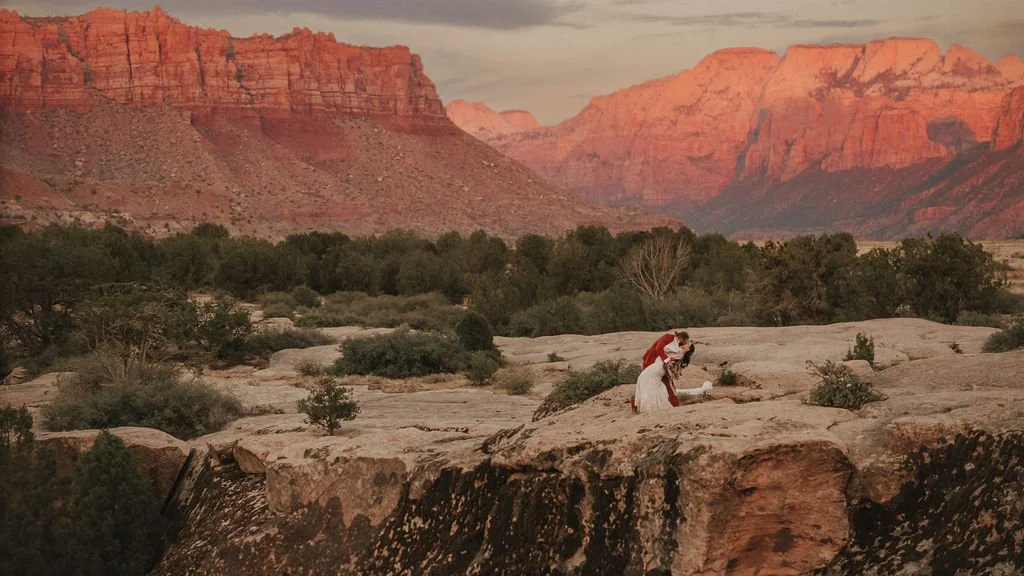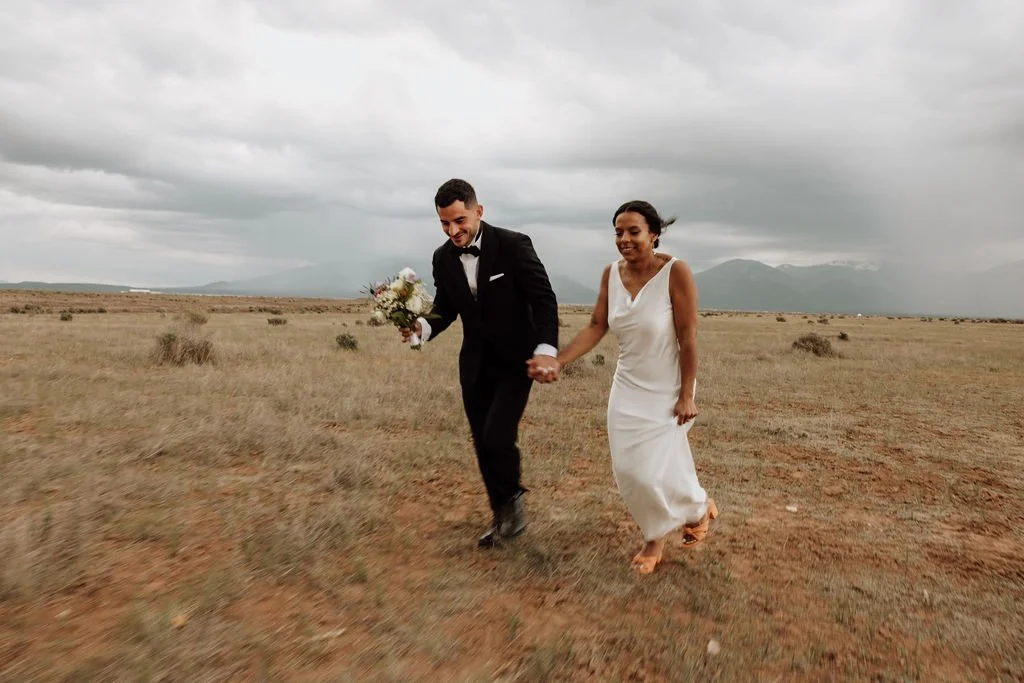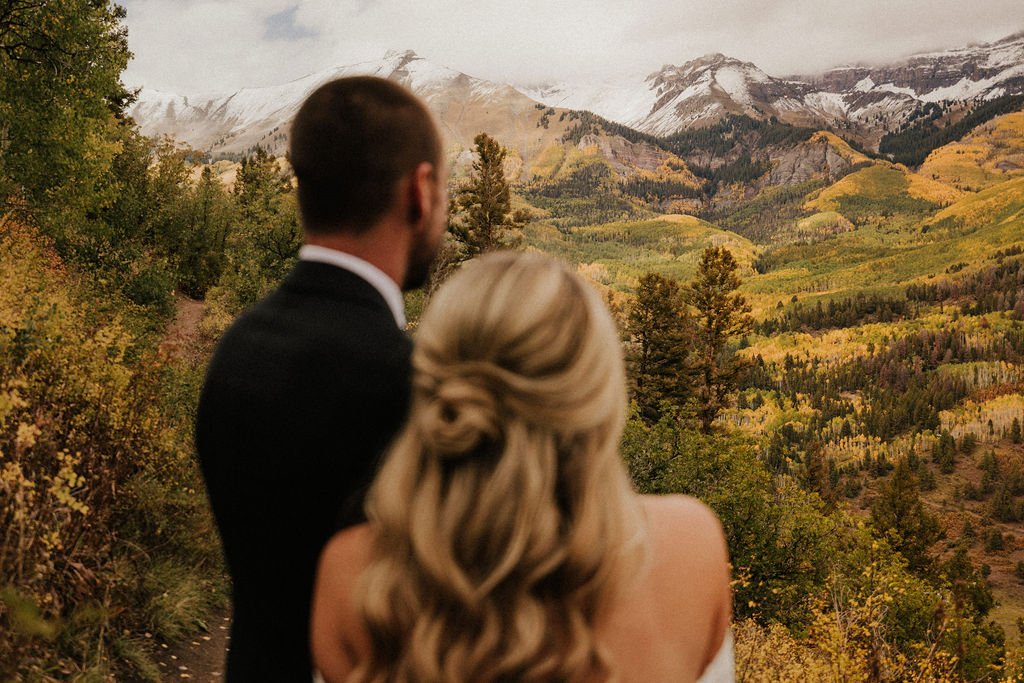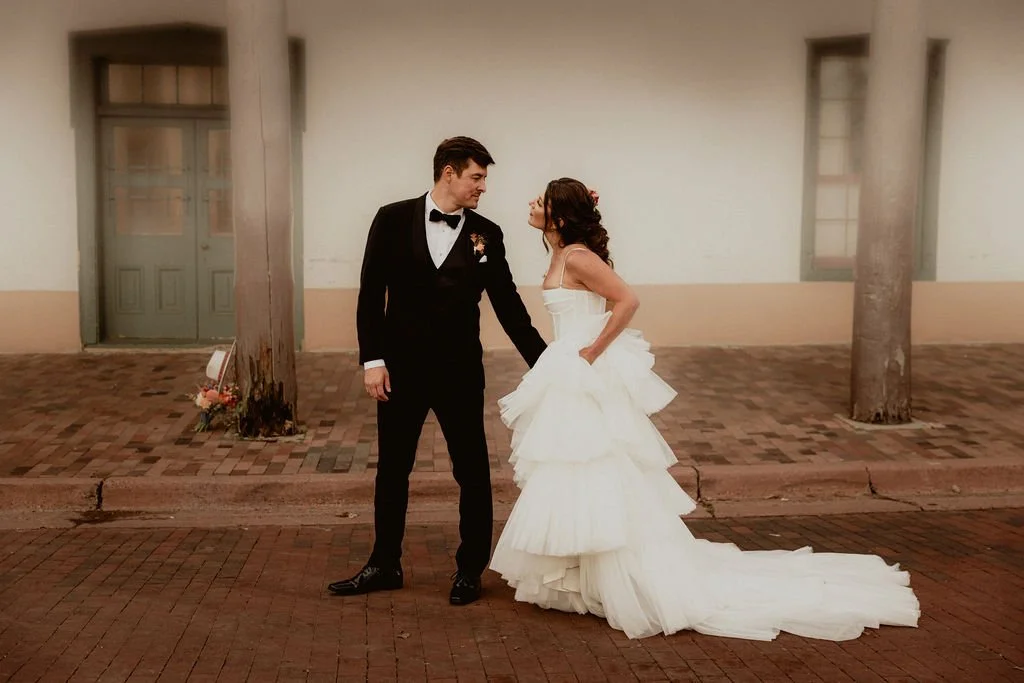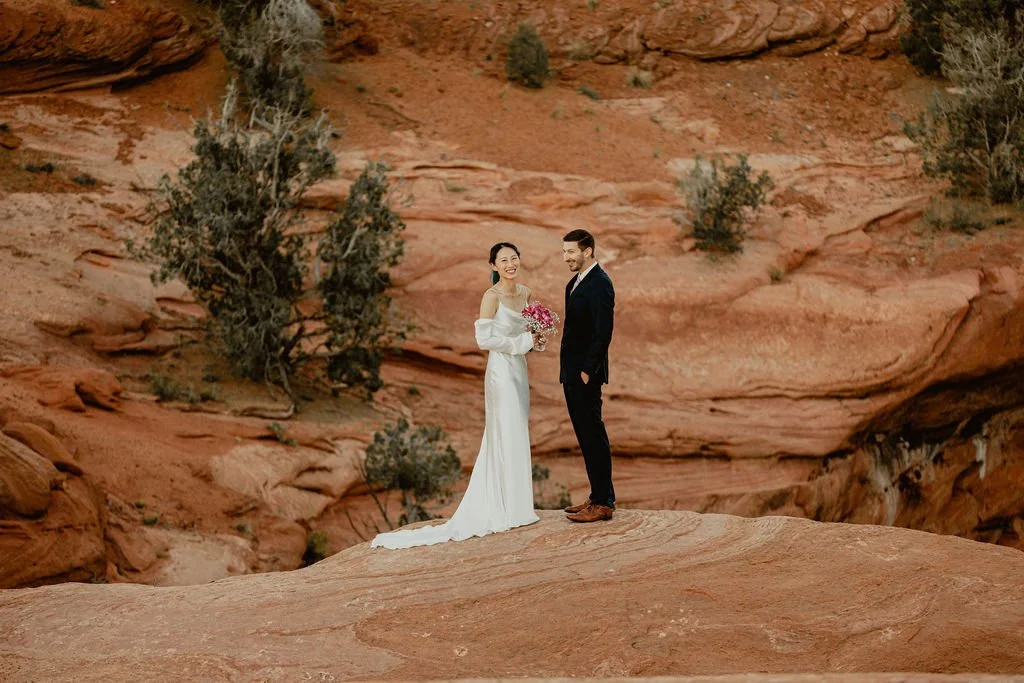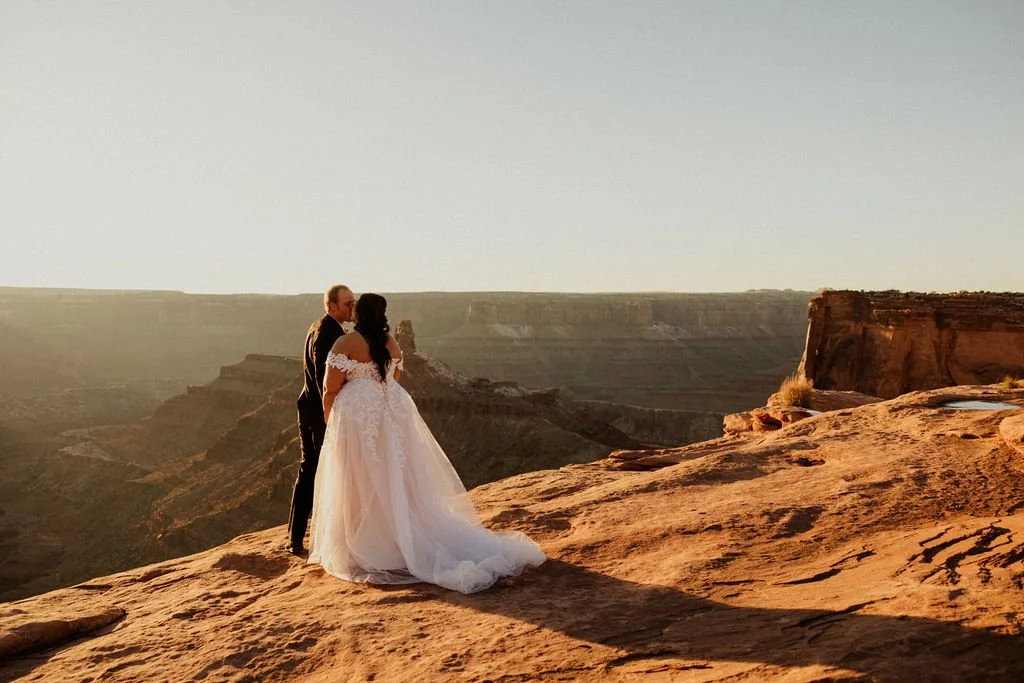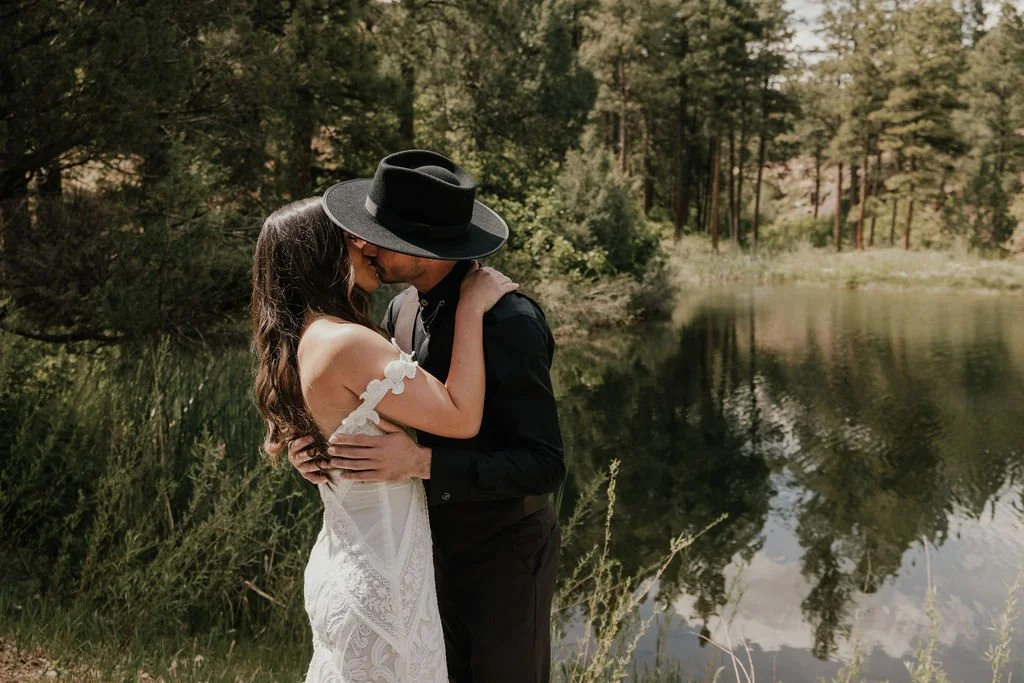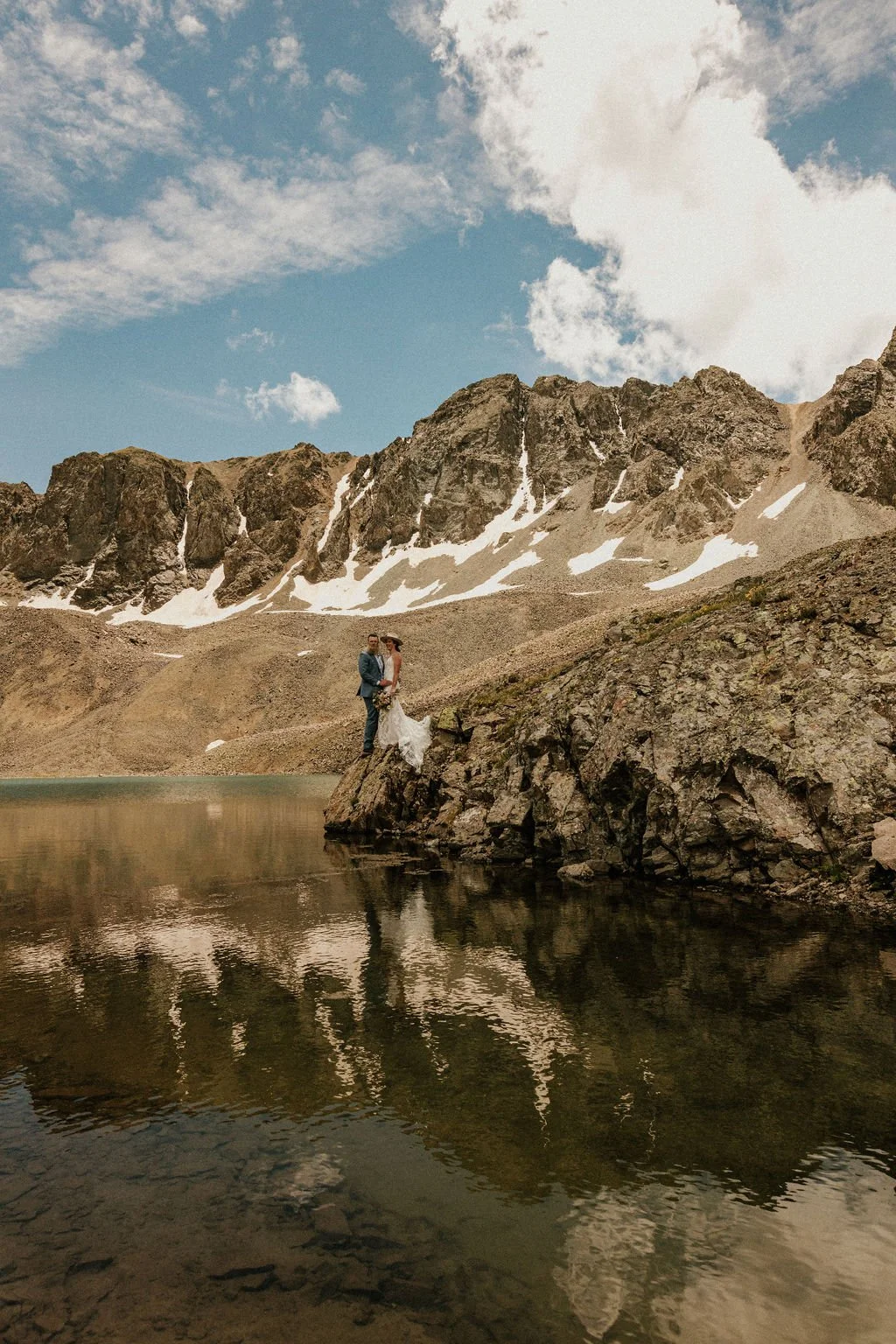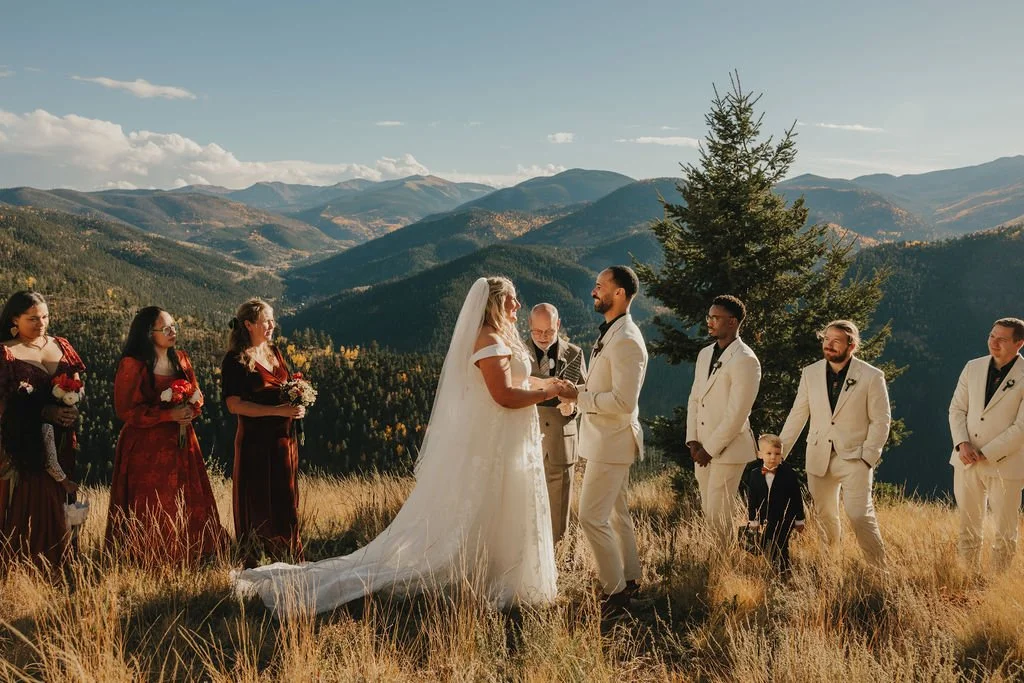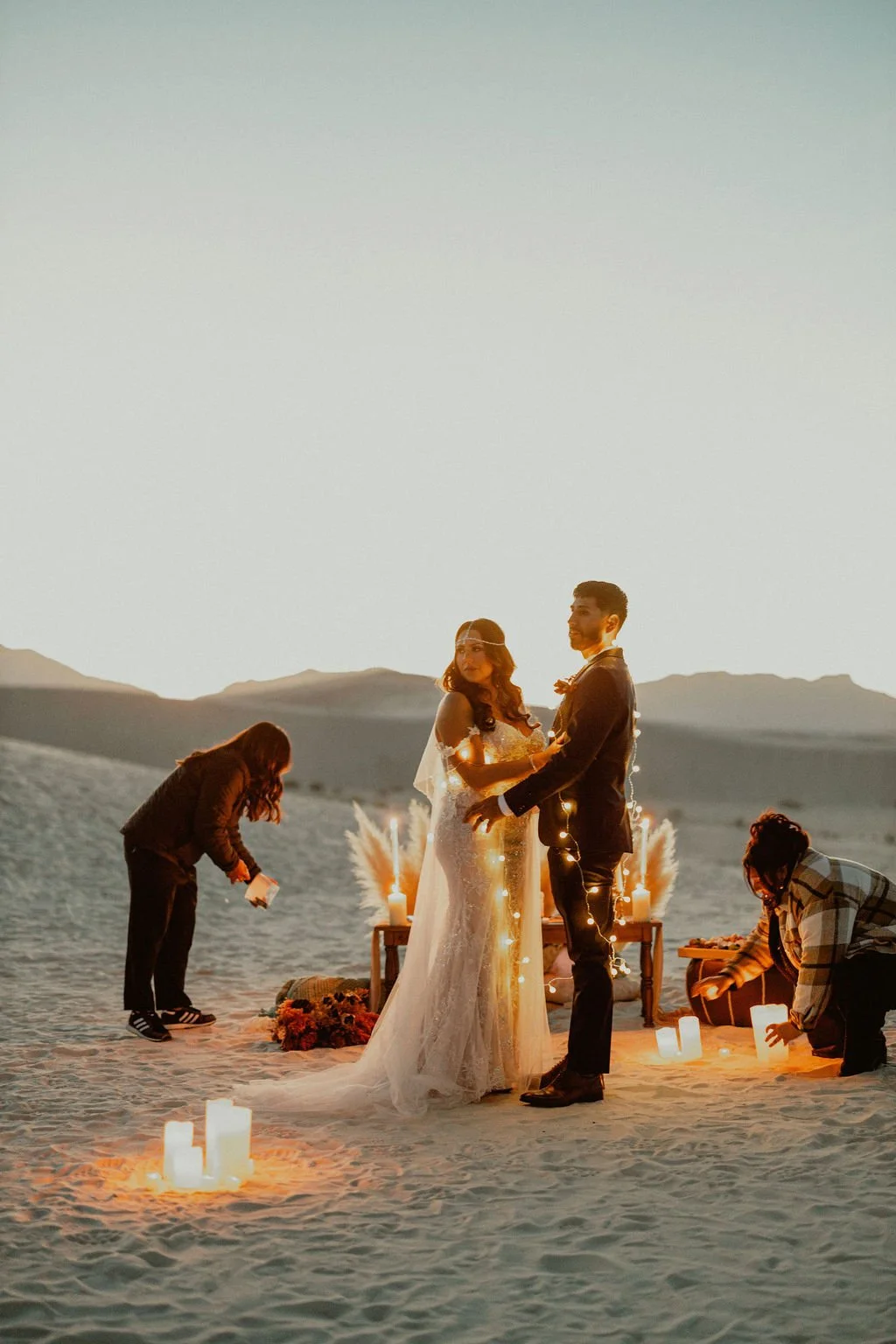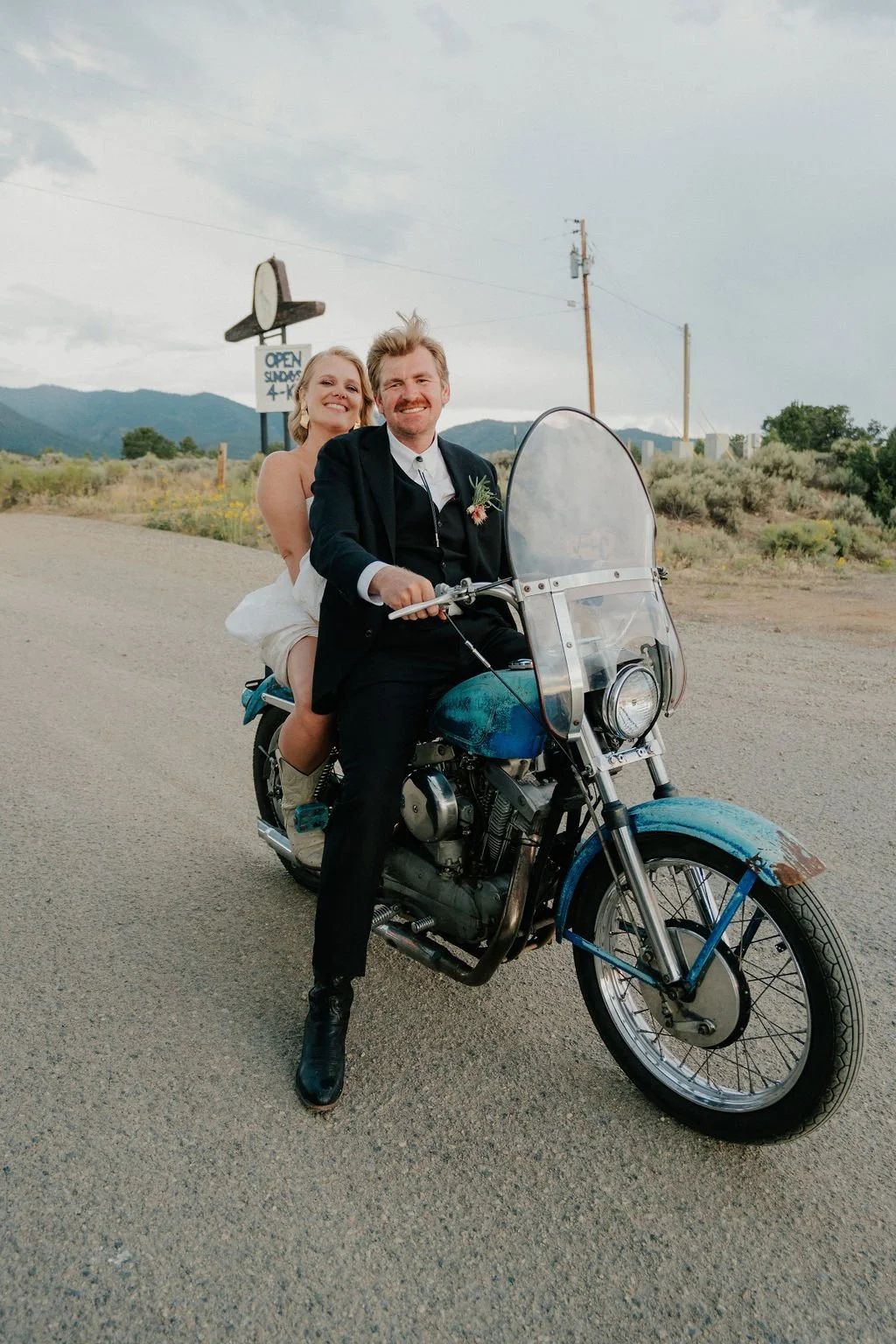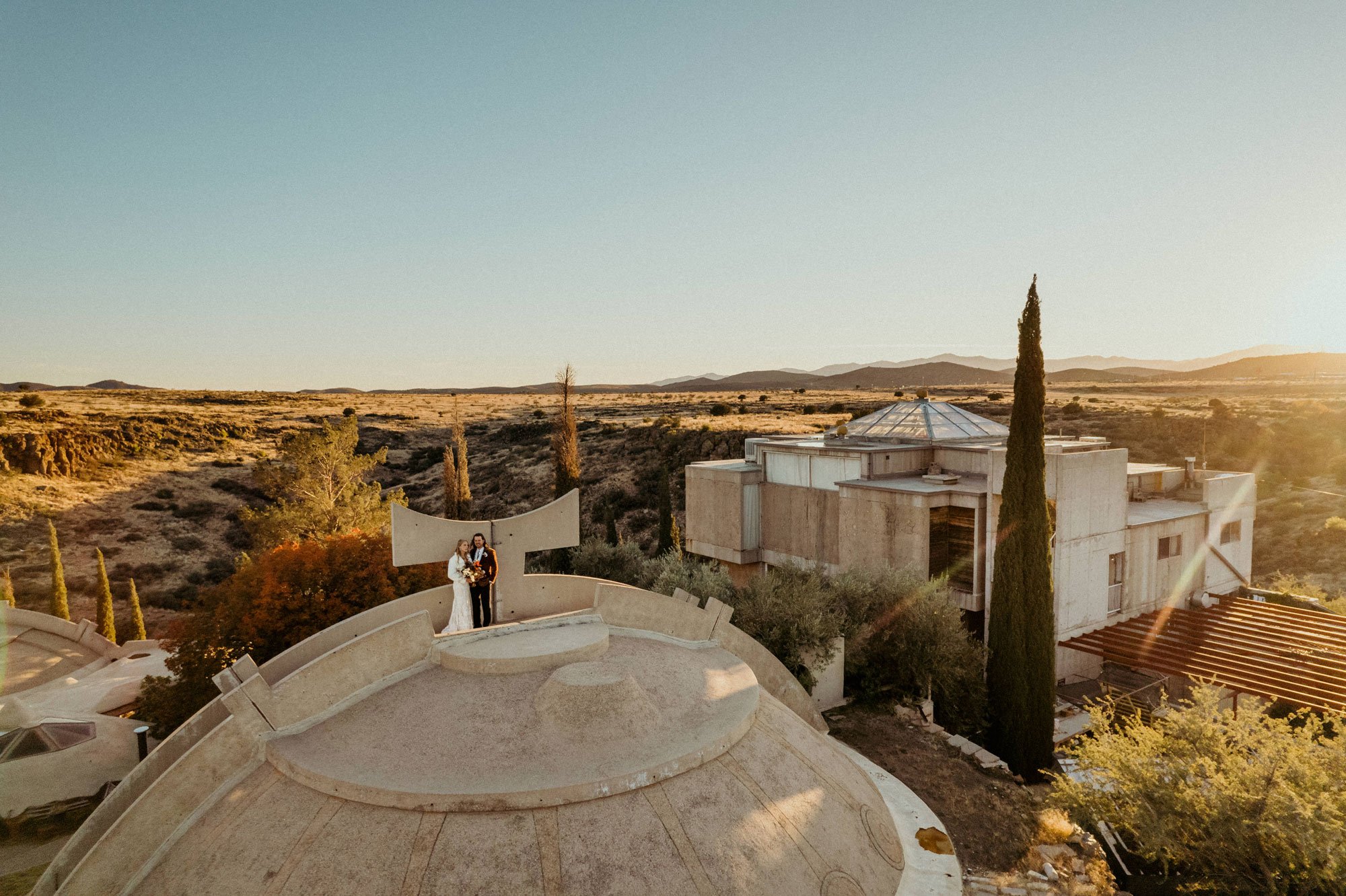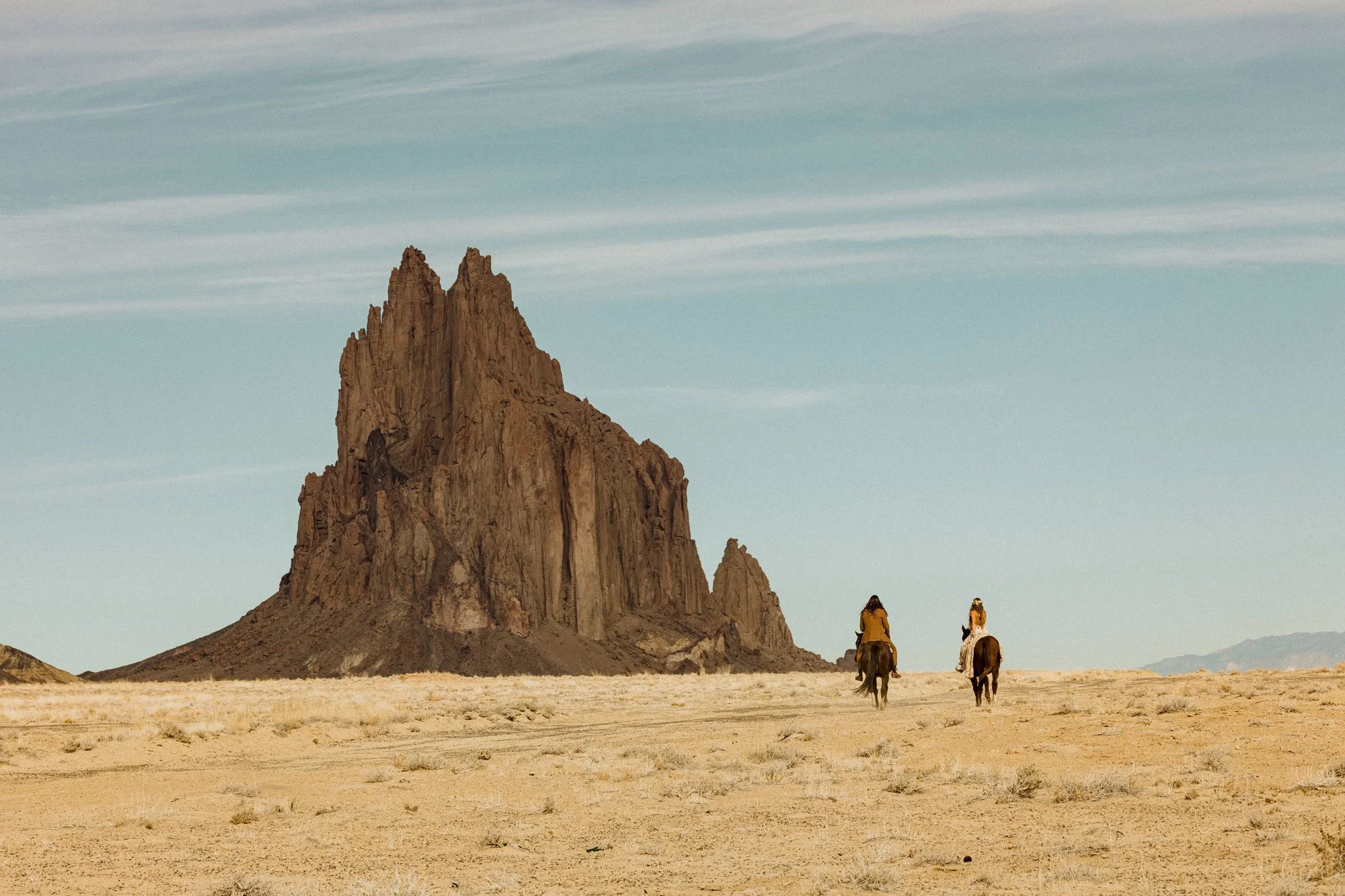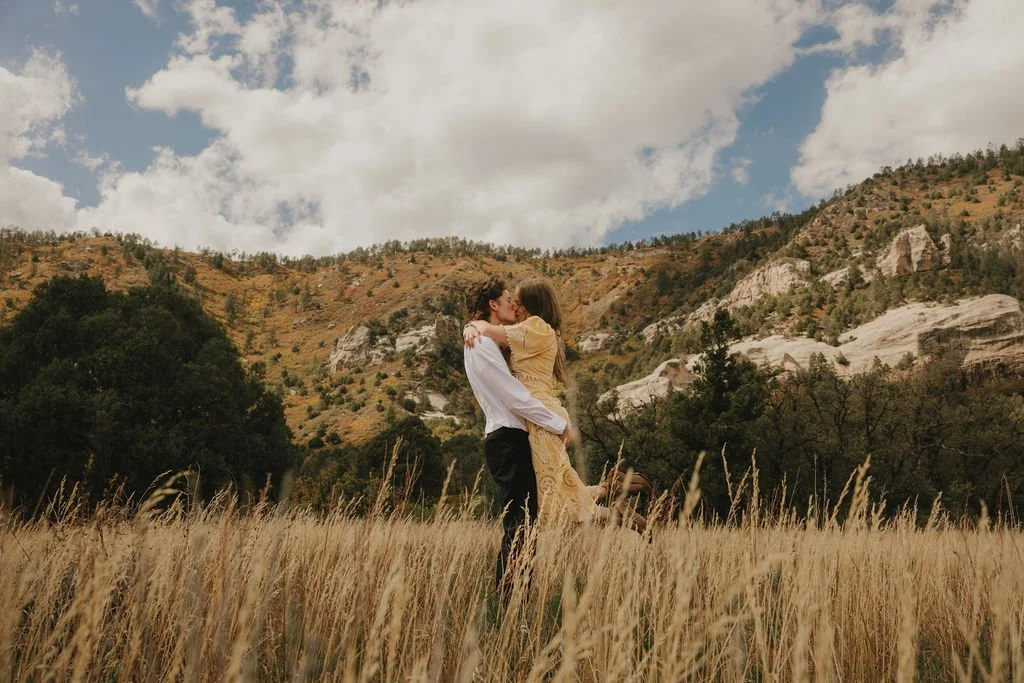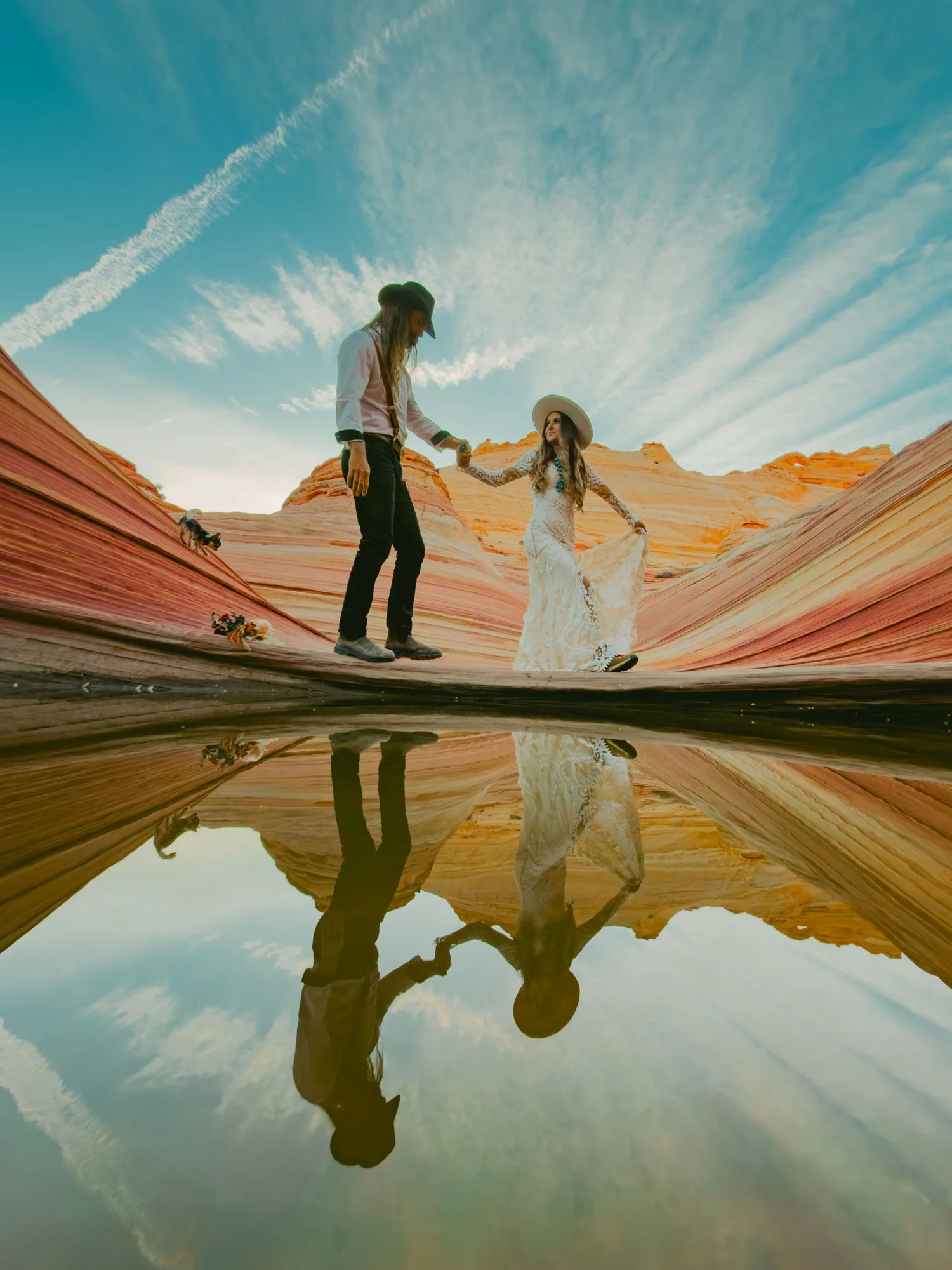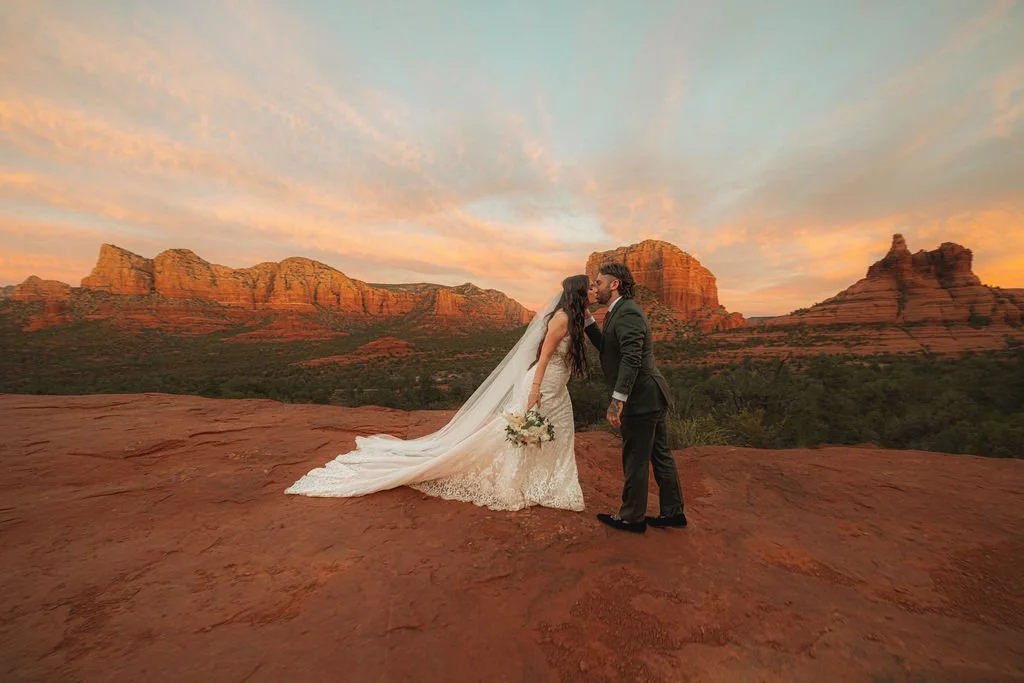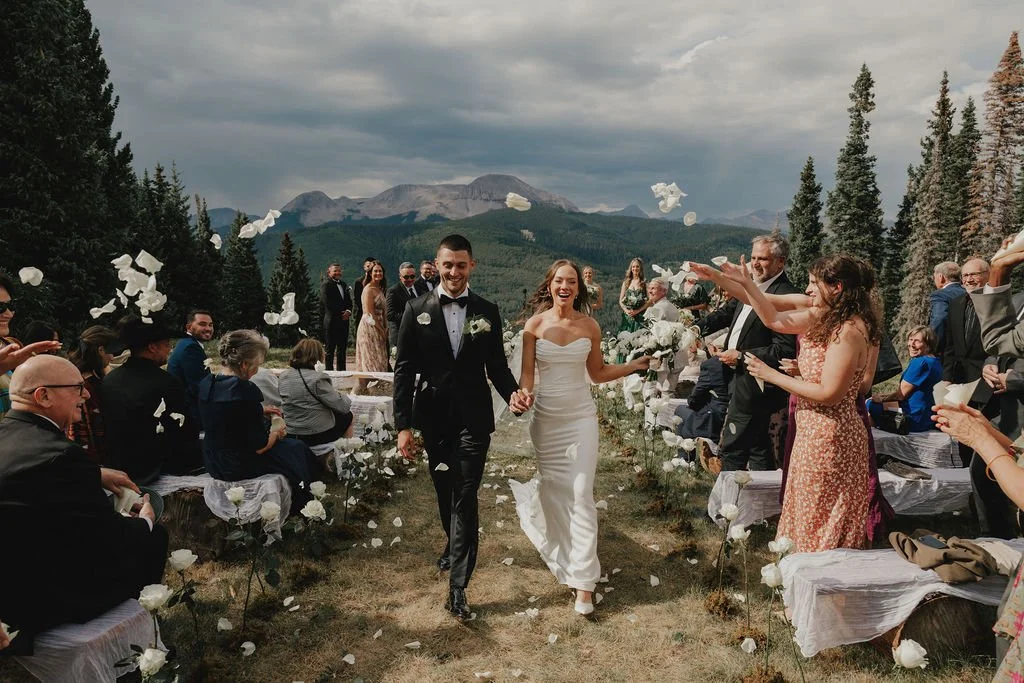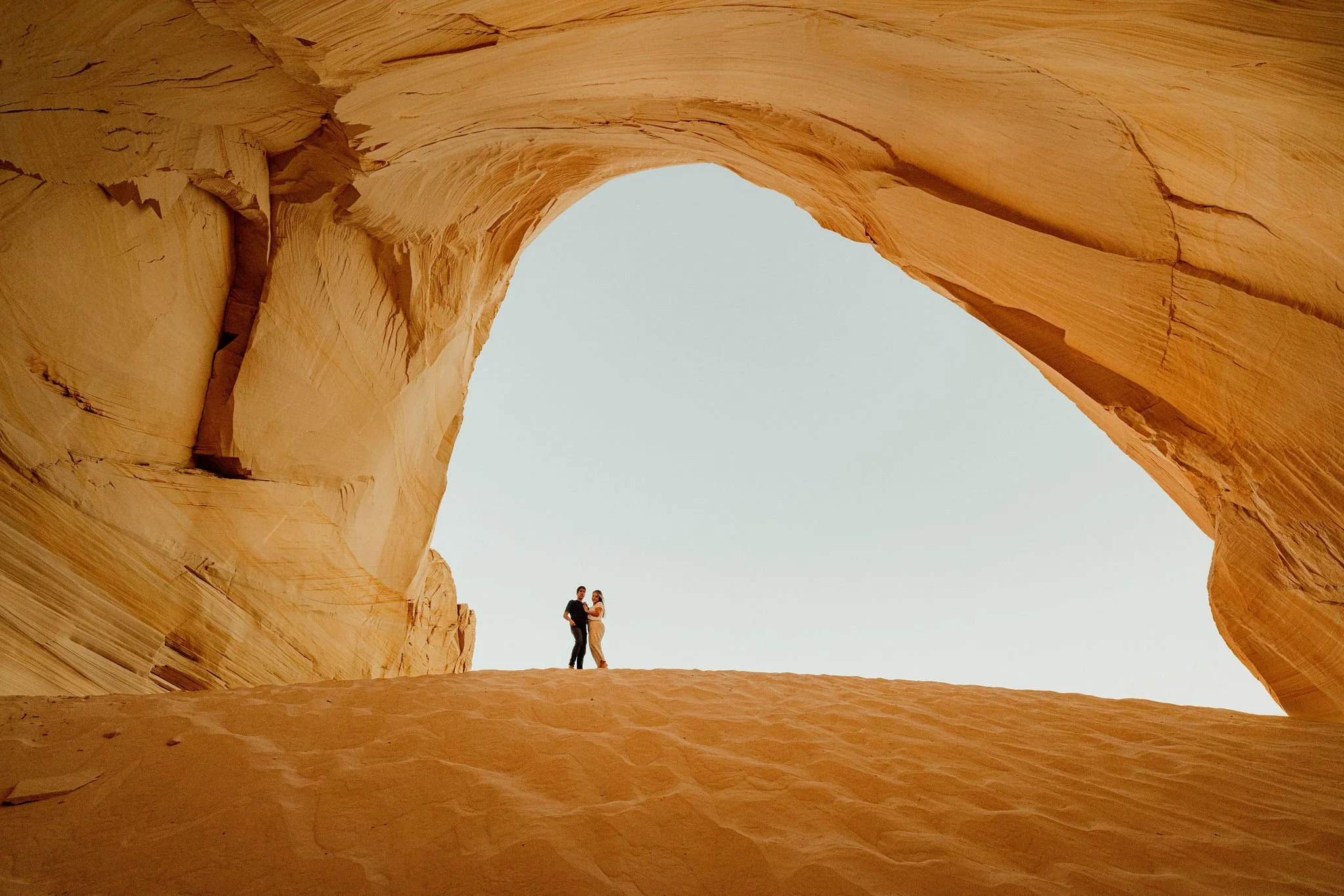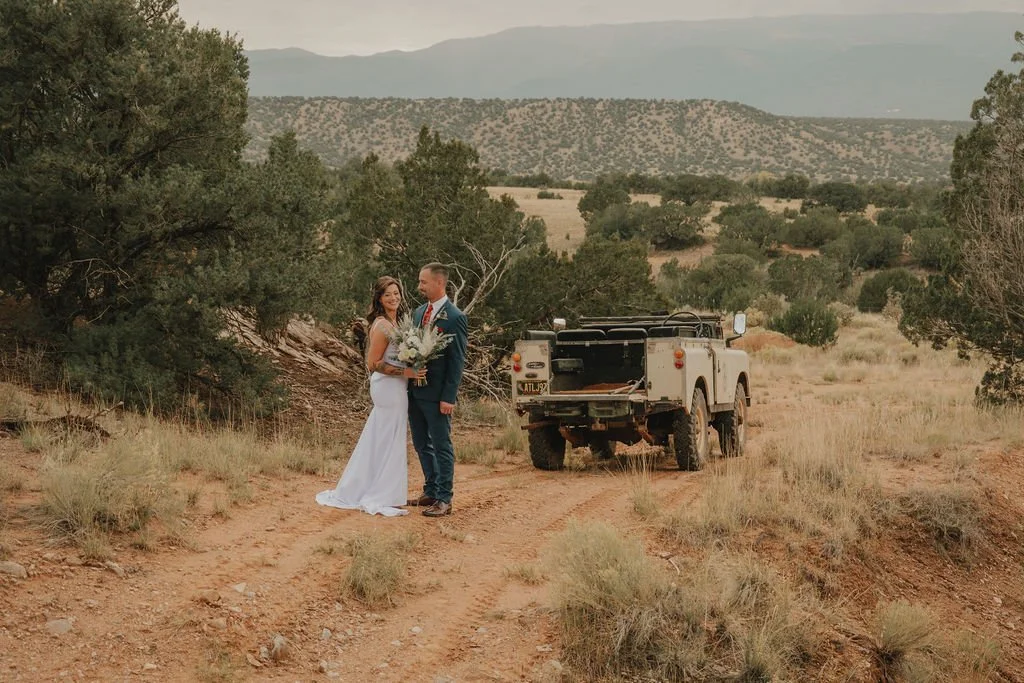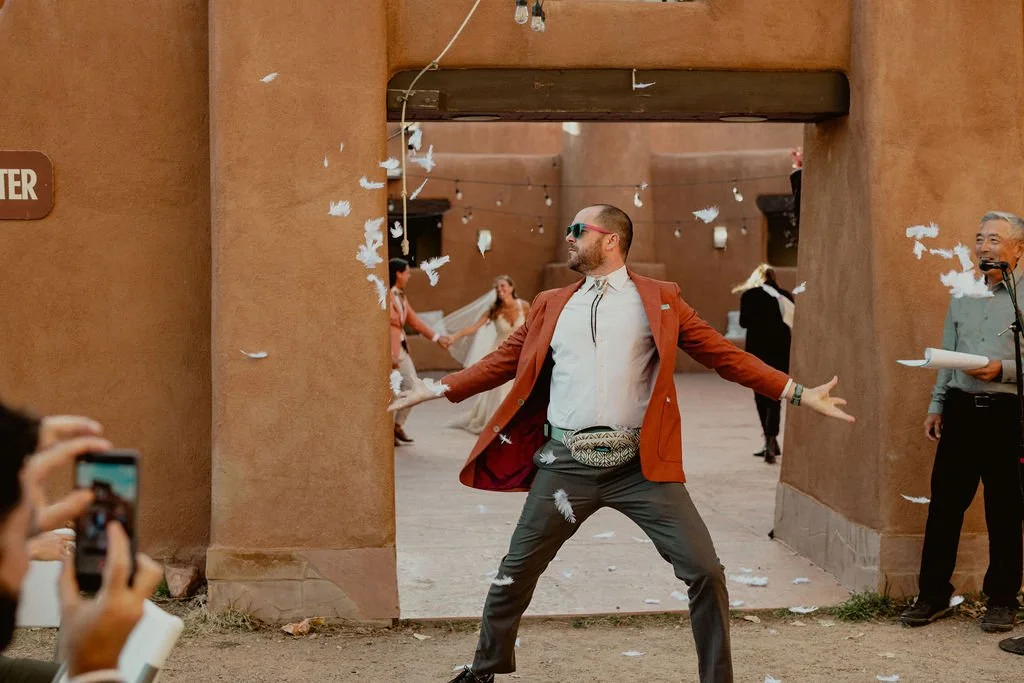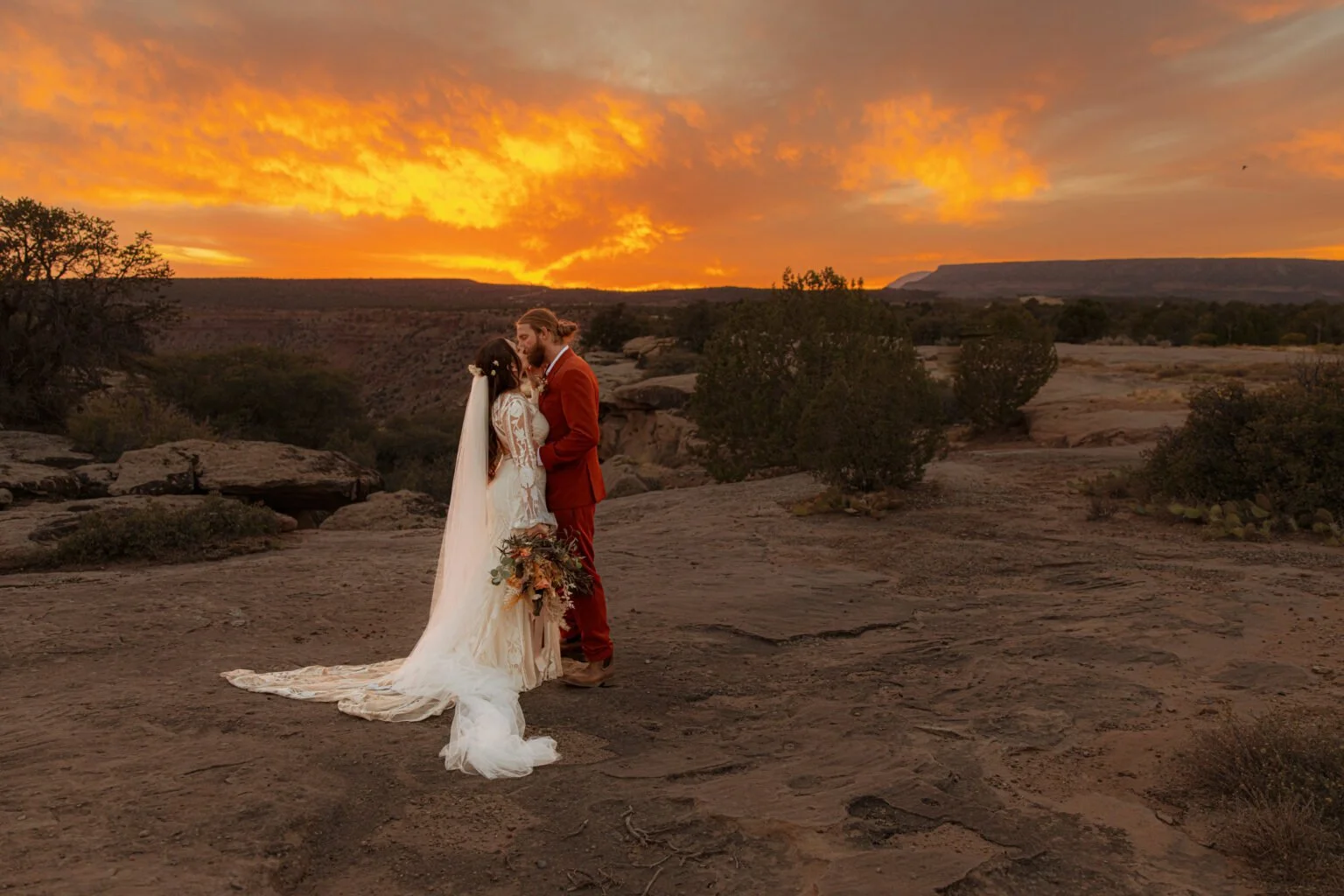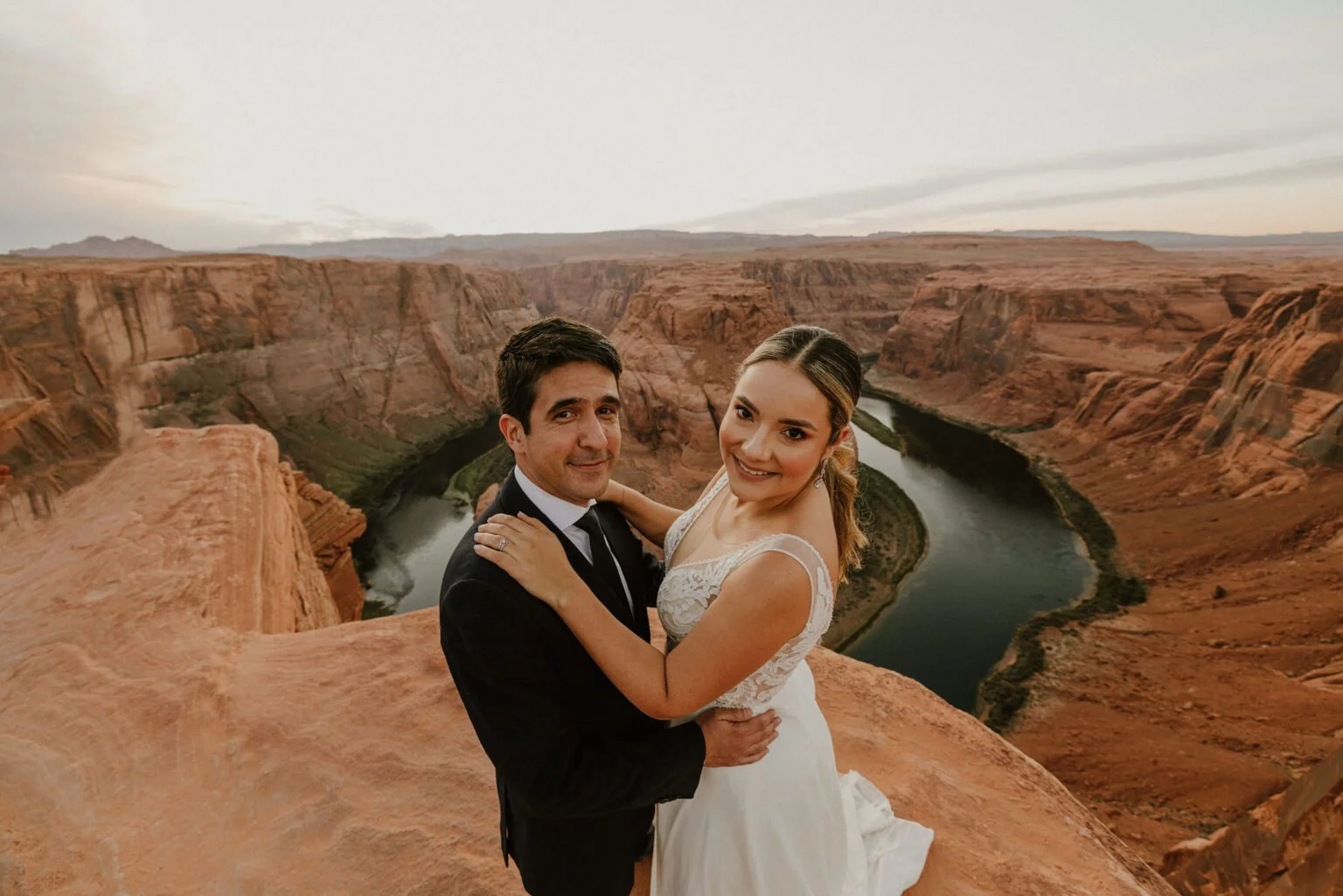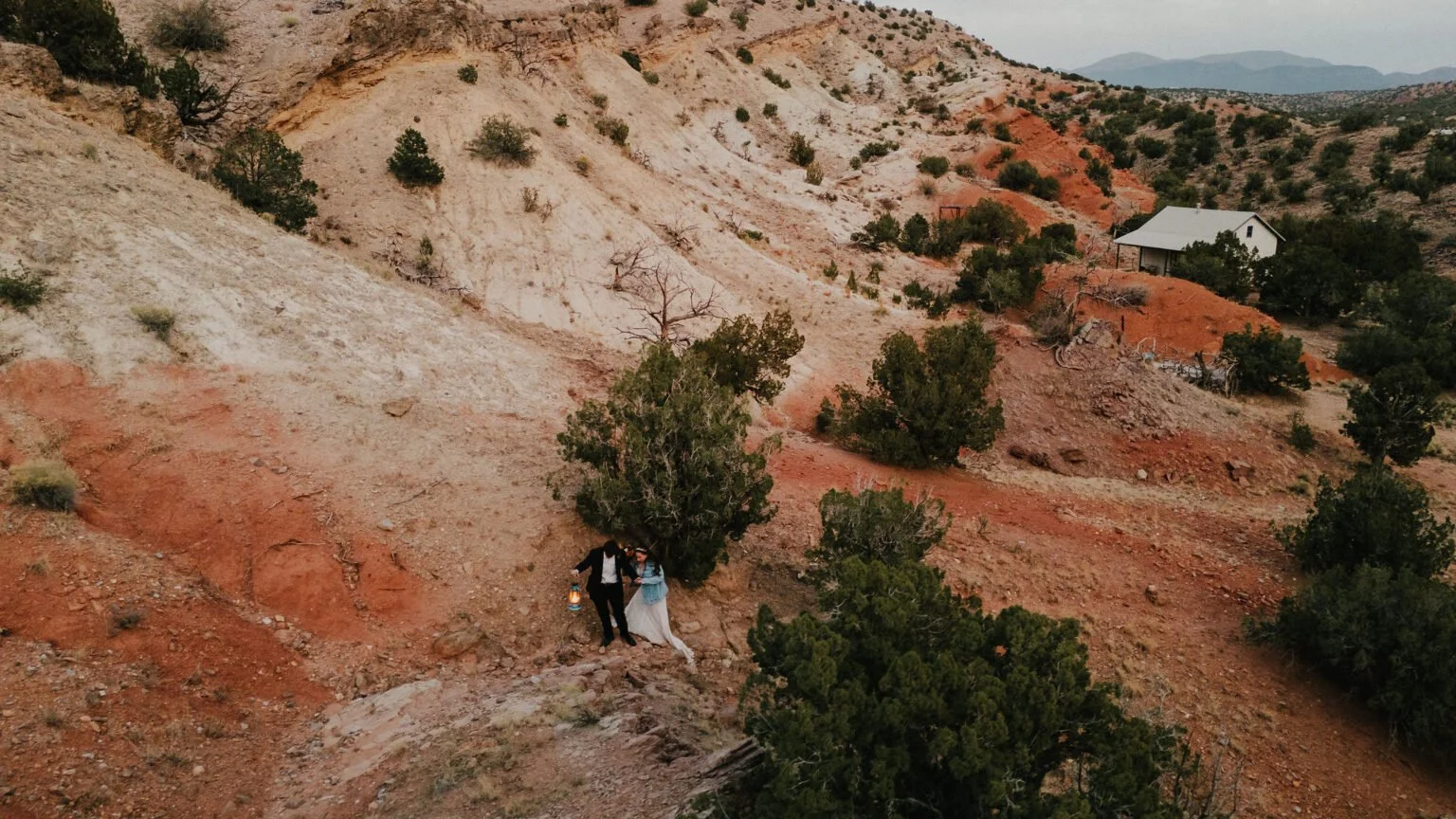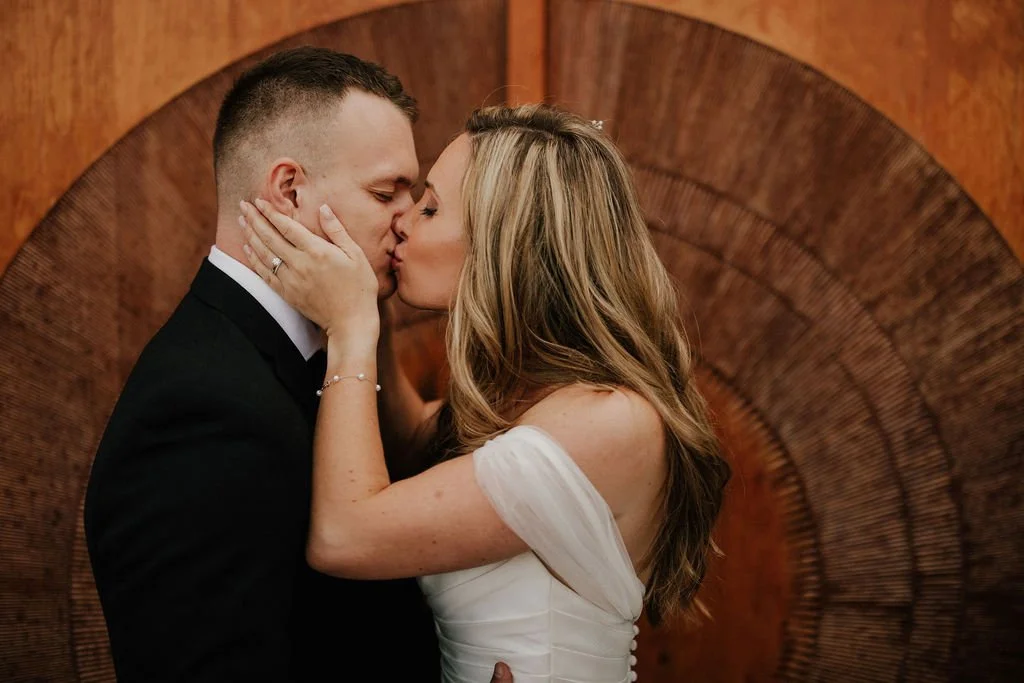
A Taos outdoor wedding photographer specializes in documenting weddings and elopements set against Taos, New Mexico’s dramatic high-desert landscape, the Sangre de Cristo Mountains, the Rio Grande Gorge, sagebrush mesas, and adobe architecture, using natural light and candid, adventure-driven storytelling rather than traditional studio-style posing. If you’re planning a wedding in Taos and want images that actually feel like the place you chose, the right photographer should know this terrain the way a local guide knows a trail: where the light pools at golden hour, which overlooks hold up in wind, and how to work a ceremony around an afternoon monsoon without losing a single frame.
That’s the short answer. The rest of this guide breaks down what to actually look for, where to get married outdoors in Taos, what it costs, and how a photographer’s experience in this specific landscape changes the quality of your final gallery.
Why Couples Choose an Outdoor Wedding in Taos
Taos sits at roughly 7,000 feet in elevation, wedged between the Rio Grande Gorge and the southern edge of the Rocky Mountains. That geography is exactly why couples fly in from across the country to get married here instead of somewhere flatter and easier to shoot.
A few reasons this location keeps showing up on elopement and adventure-wedding shortlists:
Light quality. High desert air is thin and dry, which means less haze and more saturated, dimensional light, especially in the hour before sunset, often called “Taos gold” by locals.
Varied terrain in a small radius. Within a 30-minute drive, you can go from alpine forest near Taos Ski Valley to high desert mesa to a 650-foot-deep gorge.
Adobe and Pueblo architecture. Taos Pueblo and the surrounding historic district add texture and color that studio backdrops can’t replicate.
Privacy for small ceremonies. Much of the terrain around Taos allows for secluded, permit-friendly elopement sites, which is a major draw for couples skipping the large guest list.
This is also why an outdoor wedding photographer here needs more than a camera and a “golden hour” Pinterest board, they need working knowledge of permits, elevation effects on gear and stamina, and how fast weather can turn in the mountains.
What to Look For in a Taos Outdoor Wedding Photographer
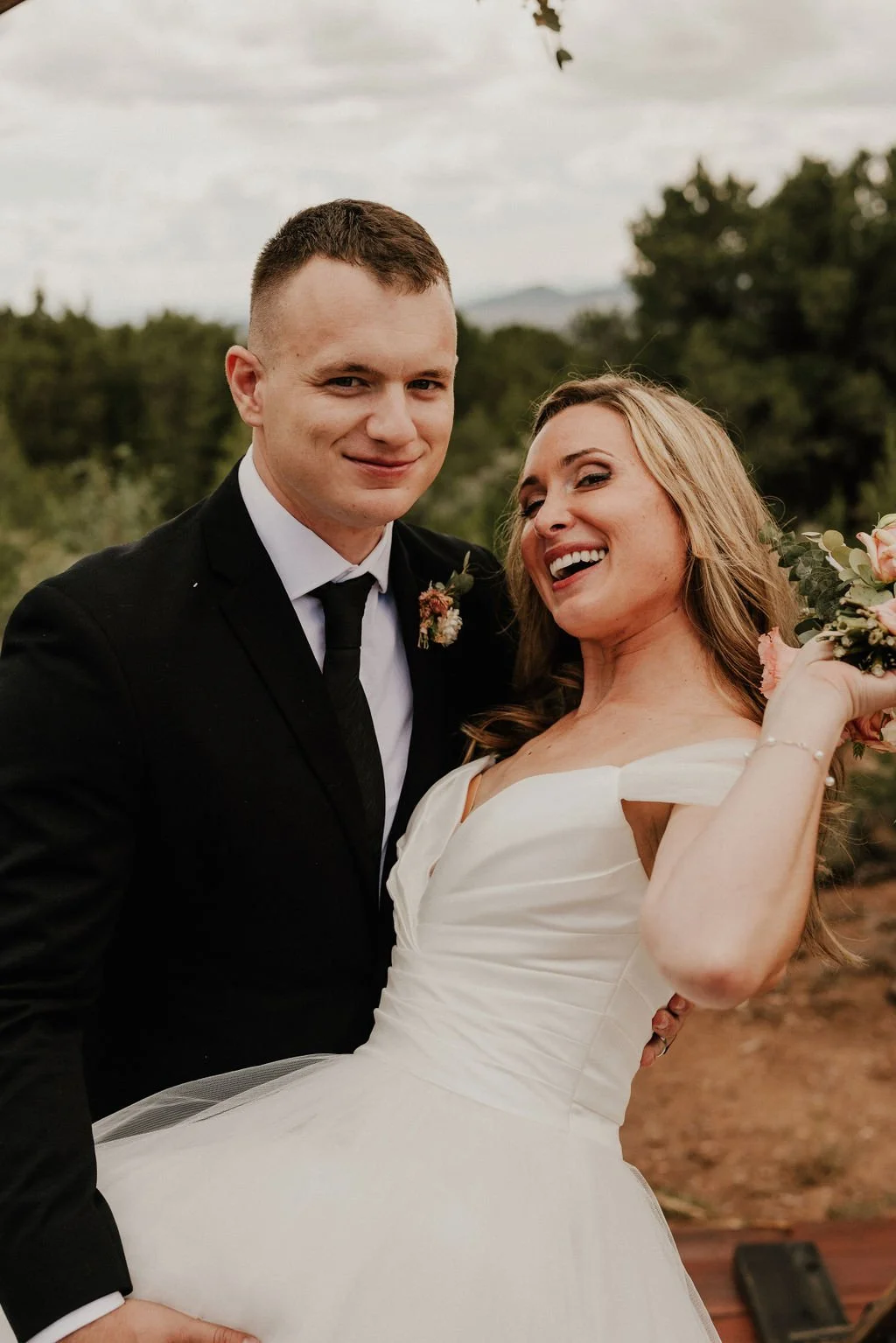
Not every wedding photographer is built for high-desert, off-pavement shooting. Before booking, it’s worth evaluating a photographer the way you’d evaluate any specialist, based on demonstrated experience, not just a polished portfolio.
1. A portfolio shot specifically in the Taos/Northern New Mexico region.
Anyone can edit a photo to look warm and desert-toned. What matters is whether they’ve actually stood at the locations you’re considering, Taos Plaza, the Gorge Bridge overlooks, Williams Lake trailhead, or the high desert outside Arroyo Seco, and know how those spots behave at different times of day and year.
2. Comfort with elevation and physical terrain.
A photographer hiking to a ridge at 9,000+ feet with 20+ lbs of gear needs to keep pace with the couple and stay functional creatively, not just physically. Ask directly: “Have you shot at elevation before, and how do you prepare for it?”
3. A documented process for permits and land access.
Many of the most photogenic spots around Taos sit on Bureau of Land Management (BLM), Carson National Forest, or Tribal land, each with different access rules. A photographer who’s done this before should be able to tell you, unprompted, which locations require a permit and which don’t.
4. Real client reviews that mention the outdoor/adventure experience specifically, not just “great photos.” Reviews referencing weather handling, hiking, timeline flexibility, or specific Taos locations are a stronger trust signal than generic five-star praise.
5. A clear, published pricing and process page, transparency here (packages, what’s included, turnaround time) is one of the simplest ways to judge professionalism before you ever get on a call.
If you’re weighing a Taos-based shoot against other Southwest adventure-wedding destinations, our team also documents weddings across the region, including New Mexico adventure elopements and Utah adventure elopements, so we can speak firsthand to how Taos compares in terrain, permitting, and seasonal light.
Best Outdoor Wedding & Elopement Locations Around Taos
Below is a comparison of the most commonly used outdoor wedding and elopement locations in and around Taos, including access notes that matter when you’re planning logistics with your photographer.
| Location | Best For | Permit Needed? | Best Light Window |
|---|---|---|---|
| Rio Grande Gorge Bridge Overlooks | Dramatic backdrops, first looks, small ceremonies | Yes – For group photography sessions near the bridge | Early morning or 1 hour before sunset |
| Taos Plaza / Historic District | Intimate town-style ceremonies, adobe architecture | Sometimes – Depending on group size | Late afternoon |
| Carson National Forest | Adventure elopements, forested backdrops | Yes – For commercial photography groups | Midday to late afternoon (tree cover) |
| Taos Ski Valley / Williams Lake Trail | Alpine, high-elevation ceremonies | Check – Trail permit may apply seasonally | Morning, before afternoon storms |
| Private Ranches (Arroyo Seco/Valdez area) | Full flexibility, no permit hassles | No – Owner permission only | Golden hour, full flexibility |
Private land options tend to be the easiest from a logistics standpoint since they skip the permitting process entirely, which is part of why they’ve become popular for elopements. This is also the same reasoning behind many couples choosing private-land ceremonies for our Taos elopement sessions, fewer logistics, more time actually spent in the moment.
How a Taos Outdoor Wedding Photographer Should Handle Weather and Season
Taos weather is not casual background information, it directly shapes how a wedding day is shot and timed.
Spring (April–May): Windy, variable temperatures, occasional late snow at elevation. Photographers need wind-management strategies for veils, florals, and loose fabric.
Summer (June–August): This is monsoon season. Afternoon thunderstorms are common and fast-moving, so ceremony timing and backup-location planning matter more here than almost anywhere else in the Southwest.
Fall (September–October): Generally considered the most reliable season, cooler temps, golden aspen color at elevation, and stable light. This is the highest-demand booking window.
Winter (November–March): Dramatic but logistically demanding; snow at elevation, shorter daylight windows, and cold-weather gear considerations for both couples and equipment.
A photographer who’s shot full seasons here should be proactively building a weather contingency plan into your timeline, not reacting to it the morning of.
Shutterfreek’s Experience Shooting Outdoor Weddings in Taos
Shutterfreek has built its reputation specifically around adventure and elopement photography in rugged, high-desert, and mountain terrain, not as a generalist wedding studio that occasionally shoots outdoors. Our team has logged ceremonies on the mesas outside Taos, along forest-service roads inside Carson National Forest, and on private ranch land near Arroyo Seco, which means permit logistics, elevation planning, and weather contingencies are part of our standard pre-wedding process rather than something figured out on the fly.
That same approach carries across our other adventure-elopement markets. Couples planning a Utah elopement or a ceremony elsewhere in New Mexico get the same terrain-first planning process, we treat the landscape as a creative collaborator, not just scenery.
What this looks like in practice on a Taos wedding day:
A location scout conversation before booking (not just after)
A golden-hour-first timeline, built backward from sunset
A rain/wind backup plan built into the contract, not improvised
Guidance on footwear, layering, and hiking logistics for the couple and guests
Editing that preserves the natural warmth and contrast of high-desert light rather than over-processing it into something generic
Taos Outdoor Wedding Photography Packages
Pricing for outdoor and elopement-style wedding photography in Taos typically varies based on hours of coverage, travel/location fees for remote sites, and whether a second shooter is included.
| Package Tier | Typical Coverage | Best For | Starting Investment |
|---|---|---|---|
| Elopement Session | 1–2 hours | Couples of 2, intimate ceremony, 1 location | $800–$1,500 |
| Half-Day Adventure Wedding | 4–5 hours | Small guest list, 1–2 locations, hike-in option | $1,800–$2,800 |
| Full-Day Wedding Coverage | 8–10 hours | Traditional guest count with outdoor ceremony | $3,200–$5,000+ |
| Multi-Day / Destination Package | 2+ days | Out-of-town guests, rehearsal + ceremony + adventure session | Custom Quote |
Exact pricing depends on season (fall books up fastest and commands premium dates), location permit fees, and travel distance from Taos proper to remote sites like Williams Lake or deep Carson National Forest access points.
Building Your Timeline Around Taos Light and Terrain
Because so much of a Taos outdoor wedding’s visual impact comes from light and landscape rather than a built venue, timeline planning deserves more attention here than at a typical indoor venue wedding.
A few planning principles that consistently work:
Anchor the ceremony time to the light, not convention. A 4 or 5 p.m. ceremony in summer often beats a traditional 2 p.m. slot because it buys you better light for portraits afterward.
Build in a buffer for elevation acclimation, especially for guests flying in from sea level. This isn’t just a comfort issue, fatigue affects how photogenic a group looks by golden hour.
Scout a rain-contingency location in the same general area so you’re not relocating 40 minutes away if a monsoon rolls in.
Plan portraits in two windows, one shortly after the ceremony, one at true golden hour, rather than cramming everything into a single block.
Confirm permit paperwork at least 30 days out if you’re using Forest Service or BLM land, since processing times vary by season.
Final Thoughts
A Taos outdoor wedding photographer’s value isn’t just in the final edit, it’s in everything that happens before the shutter clicks: knowing which mesa holds light best in October, which trail requires a permit, and how to keep a ceremony on schedule when a monsoon cloud shows up on the horizon. If you’re planning a wedding or elopement in Taos, Shutterfreek brings that same terrain-first, adventure-focused approach we use across our New Mexico and Utah work to every Taos wedding day.
Frequently Asked Questions
-
Most Taos outdoor wedding photography runs between $800 for a short elopement session and $5,000+ for full-day coverage, depending on hours, travel to remote locations, and whether a second shooter is included.
-
It depends on the location. Private ranches generally don’t require a permit beyond owner permission, while BLM land, Carson National Forest sites, and areas near the Rio Grande Gorge Bridge often do, especially for commercial photography groups.
-
Fall (September–October) is widely considered the most reliable season for outdoor weddings in Taos, offering stable weather, cooler temperatures, and golden aspen color at elevation. Summer is popular too but requires a monsoon contingency plan.
-
Yes. Taos is one of the more established elopement destinations in the Southwest, with private ranch land, mesa overlooks, and forest trailheads that work well for ceremonies with just the couple or a handful of guests.
-
Popular fall dates and sunset-adjacent ceremony times typically book out 6–12 months in advance, so securing your photographer early is recommended, especially if you want a specific location or season.
Keep reading