Taos Elopement Locations: The Complete 2026 Guide to Eloping in Northern New Mexico
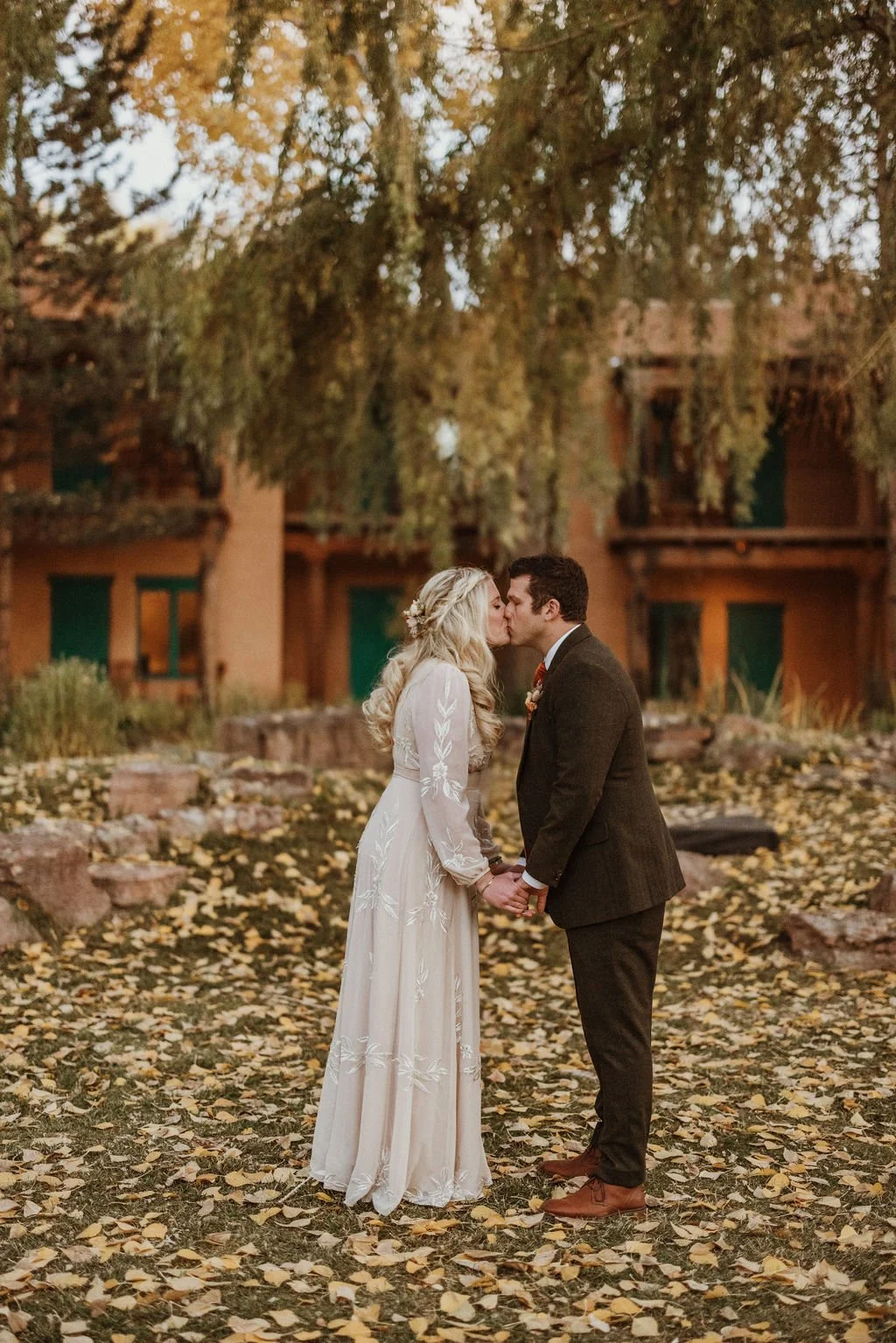
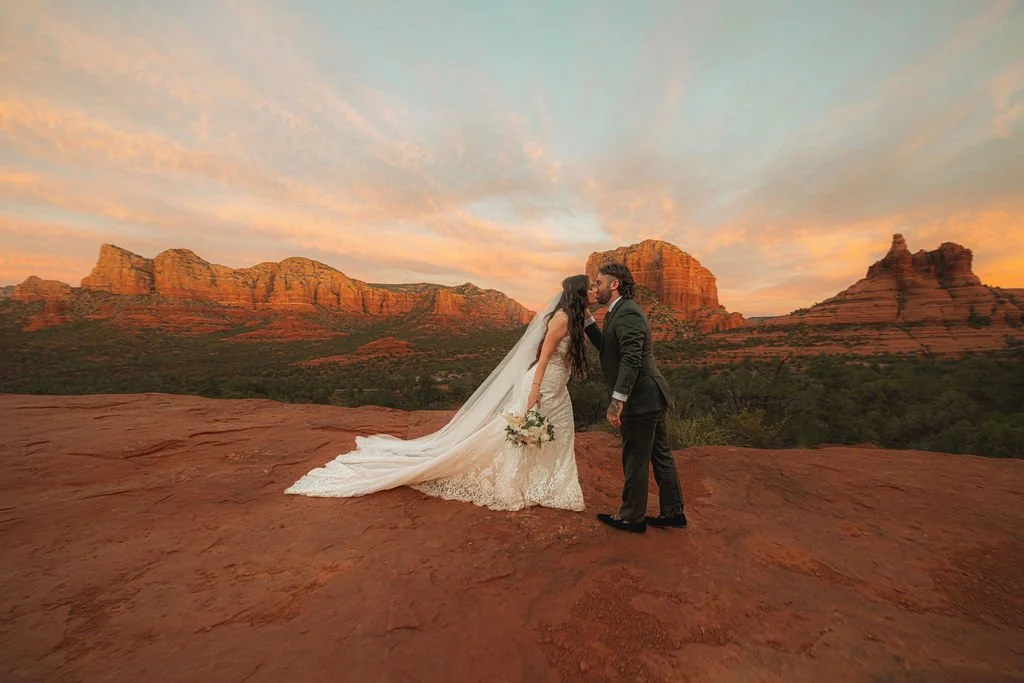
The best Taos elopement locations are the Rio Grande Gorge Bridge, Taos Ski Valley, Williams Lake Trail, the Historic Taos Plaza, San Francisco de Asís Church in Ranchos de Taos, and the high desert mesas surrounding the Earthship community, each offering a distinct backdrop of dramatic canyons, alpine peaks, adobe architecture, or golden desert light. Taos, New Mexico has quietly become one of the Southwest's most sought-after elopement destinations because it packs snow-capped mountains, a 650-foot-deep gorge, centuries-old pueblo culture, and wide-open high desert into a single, drivable region, all without the crowds or price tag of bigger-name elopement hubs like Sedona or Moab.
If you're planning to say "I do" in Taos, this guide breaks down exactly where to go, what each location looks like through a camera, when to visit, what permits you'll need, and how to build a day that actually feels like you, not a copy-paste ceremony. As a photography team that has spent years shooting adventure elopements across the Southwest, including dozens of elopements in New Mexico's high desert, we've put together this list from firsthand scouting, not just a Pinterest board.
Why Taos, New Mexico Is a Top Elopement Destination
Taos sits at roughly 7,000 feet in the Sangre de Cristo mountain range, and that elevation is exactly why it works so well for elopements. Couples get four genuinely different landscapes within a 30-minute drive of each other: alpine forest, high desert mesa, riverside canyon, and adobe-and-pueblo architecture that dates back centuries. That range means your elopement photos don't look like everyone else's "desert wedding", you can start the day in golden high-desert light and end it under pine trees at 10,000 feet.
There's also a practical reason more couples are choosing Taos over more famous elopement towns: logistics are simpler. Many of Taos's most photogenic spots don't require a permit, parking is free or low-cost, and the town itself has boutique lodging, adobe casitas, and restaurants that make a multi-day elopement weekend easy to plan without a large event-planning team.
The 9 Best Taos Elopement Locations
Below are the locations we recommend most often to couples planning a Taos elopement, based on scenery, accessibility, and how each one photographs at different times of day.
1. Rio Grande Gorge Bridge
This is the single most iconic Taos elopement backdrop. The bridge sits roughly 650 feet above the Rio Grande and offers a dramatic canyon backdrop with almost no foreground clutter — ideal for couples who want that "epic Southwest" look. There's a pedestrian walkway and a small rest area with parking on both sides, and no permit is required for photography on public land, though ceremonies with larger groups or equipment should check current Bureau of Land Management guidance.
Best for: Couples wanting a dramatic, wide-open canyon backdrop with minimal hiking.
2. Taos Ski Valley
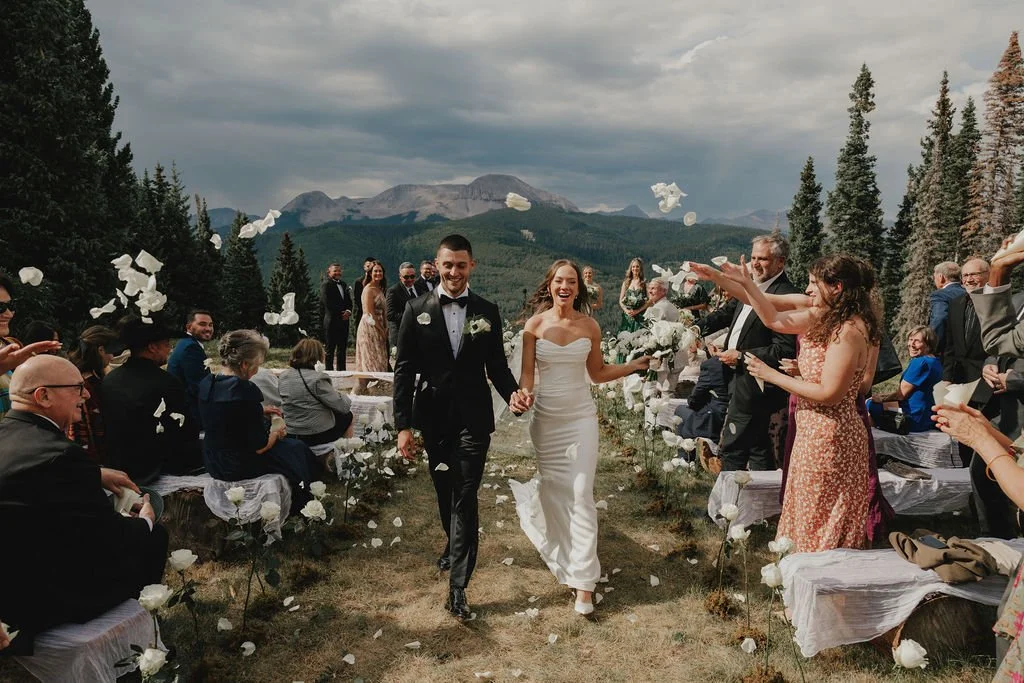
In summer, Taos Ski Valley trades snow for wildflower meadows, alpine lakes, and evergreen forest — a completely different mood from the desert floor 20 minutes away. In winter, it becomes one of the only true "snow elopement" locations in New Mexico, with couples arriving by gondola for ceremonies at elevation.
Best for: Couples wanting mountain, forest, or snow scenery instead of desert.
3. Williams Lake Trail
A moderate 4-mile round-trip hike from the Taos Ski Valley trailhead leads to Williams Lake, an alpine lake ringed by peaks that regularly reach above 12,000 feet. This is one of the best "hike-in" elopement spots in the region for couples who want a truly private, adventure-style ceremony.
Best for: Adventurous couples comfortable with a moderate hike and smaller guest counts (or none at all).
4. Historic Taos Plaza
For couples who want adobe architecture, string lights, and small-town charm rather than raw wilderness, the Historic Taos Plaza delivers. It's the cultural heart of town, surrounded by galleries, cafés, and centuries-old buildings, and it works well for couples combining an elopement with a longer stay in town.
Best for: Couples wanting a walkable, town-based ceremony with easy access to lodging and dining.
5. San Francisco de Asís Church, Ranchos de Taos
This adobe mission church, completed in the late 1700s, is one of the most photographed structures in the American Southwest, its massive, sculptural rear buttresses have inspired painters and photographers for generations. Exterior photos are generally welcomed; interior ceremonies require advance coordination with the parish.
Best for: Couples drawn to historic, architectural backdrops with deep cultural roots.
6. Earthship Biotecture Community & Surrounding Mesa
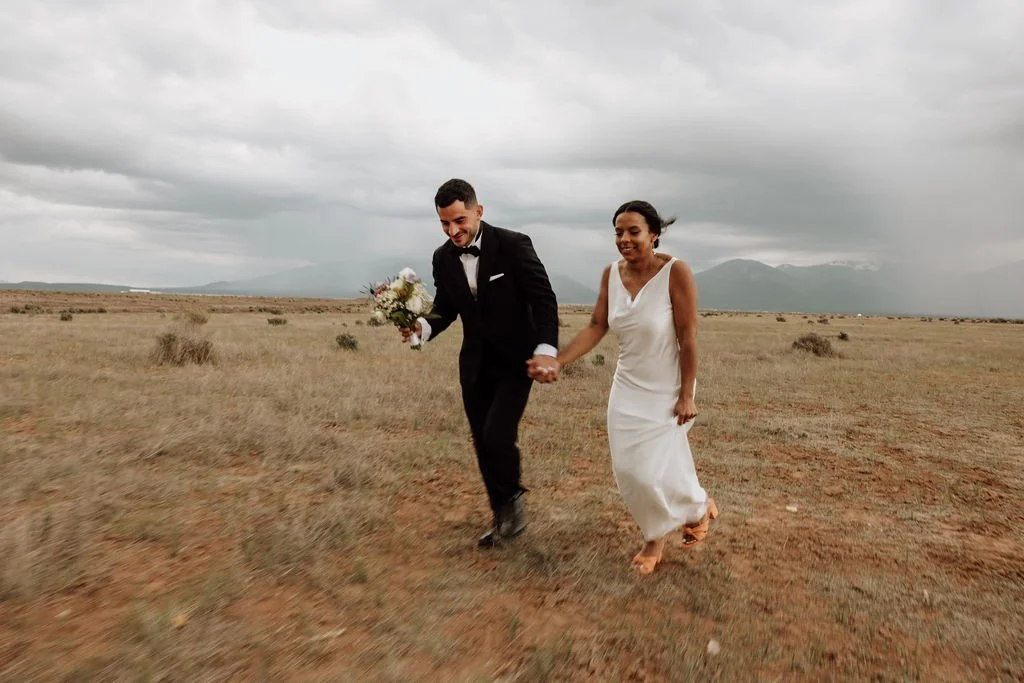
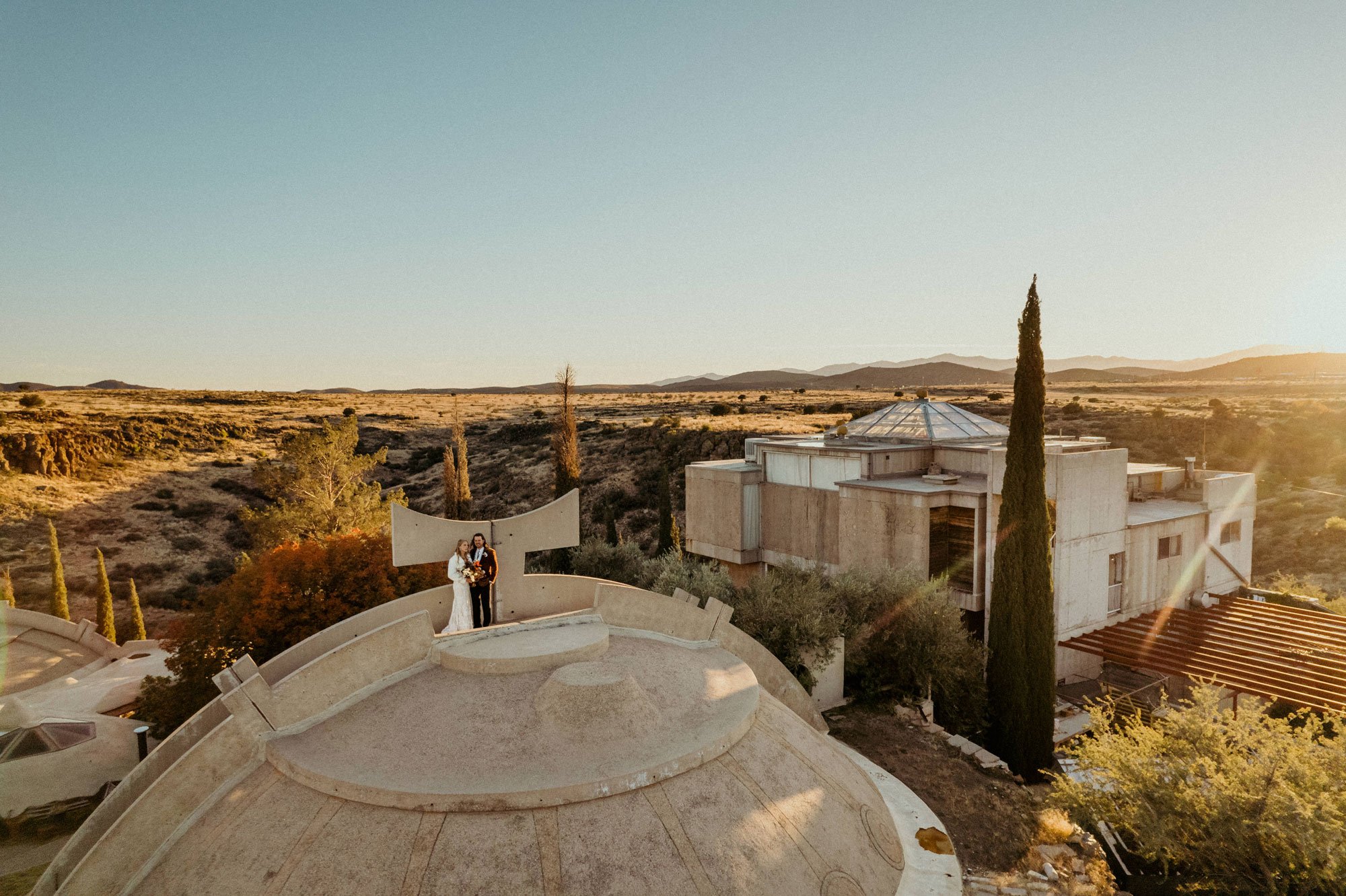
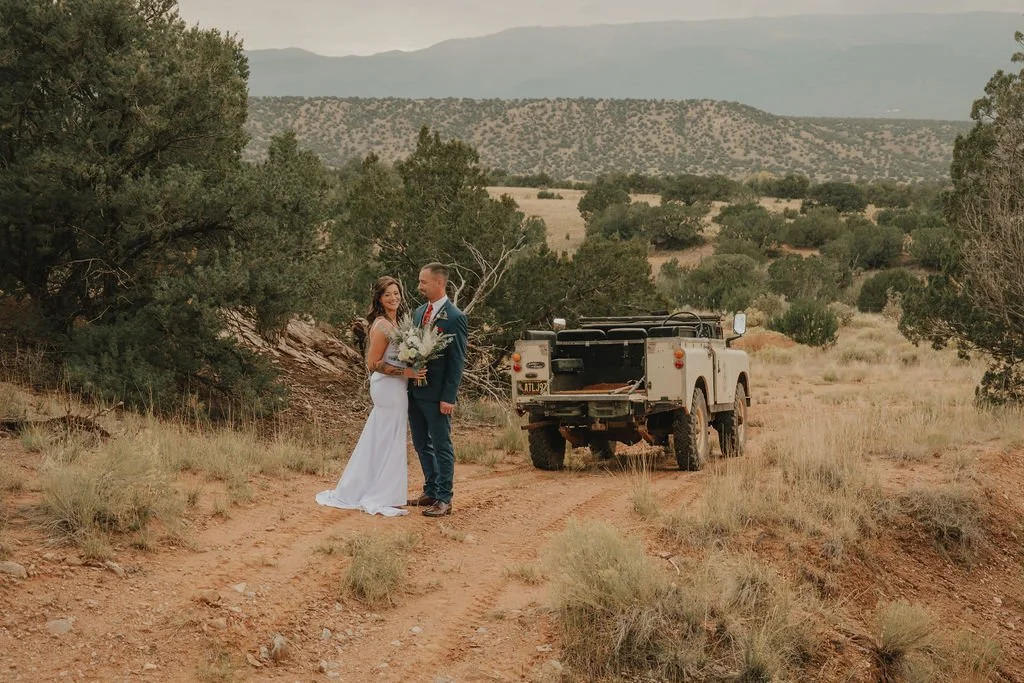
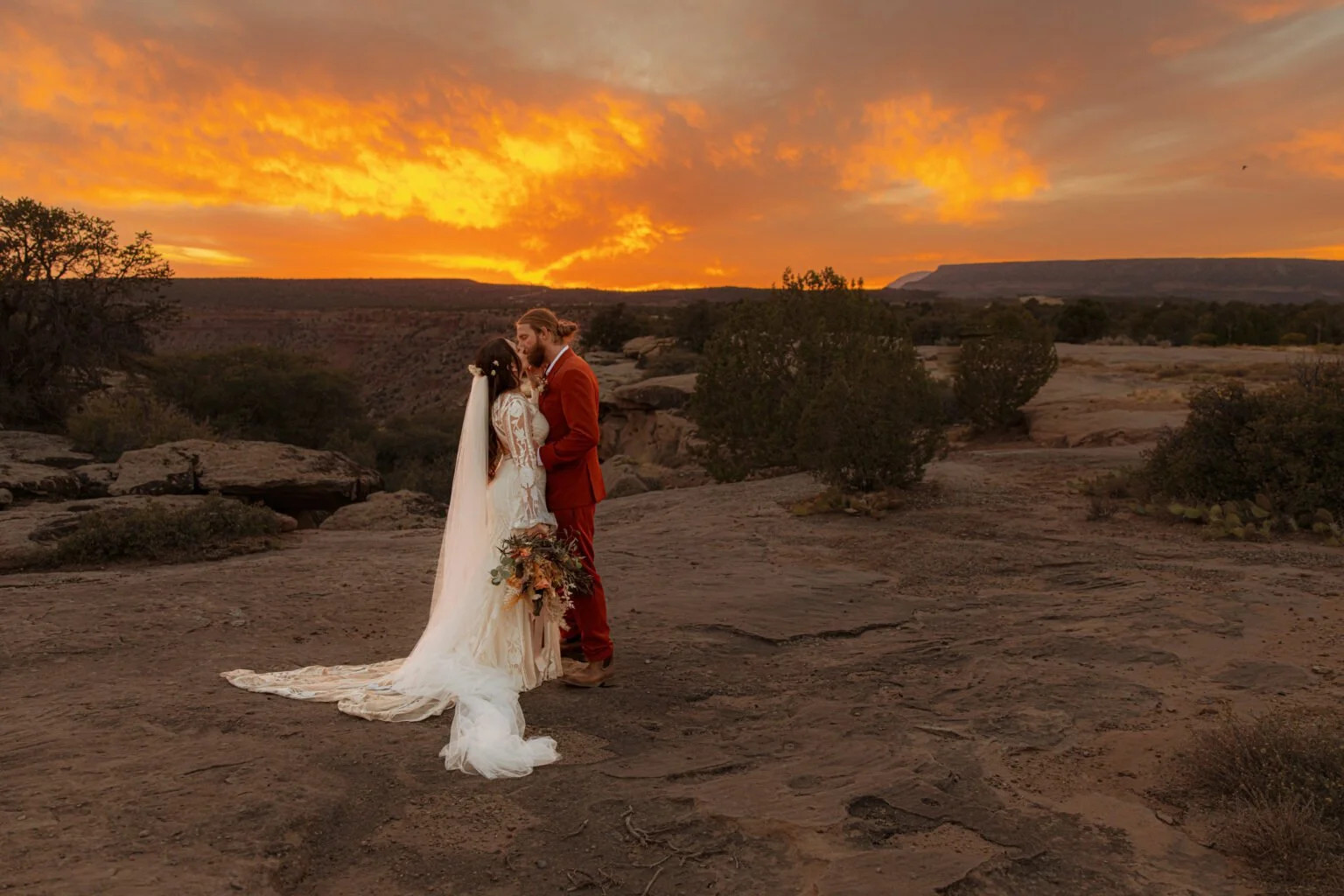
West of the Rio Grande Gorge Bridge, the high mesa around the Earthship community offers wide-open desert horizons, sagebrush, and some of the darkest night skies in the region, a favorite for sunrise, sunset, or even Milky Way elopement portraits.
Best for: Couples wanting minimalist, big-sky desert scenery and sunset or night photography.
7. Kit Carson Park
A quieter, tree-lined option inside town limits, Kit Carson Park offers a softer, greener backdrop than the surrounding desert, good for couples eloping in shoulder seasons who want shade and easy access.
Best for: Smaller ceremonies wanting a relaxed, park-like setting close to downtown.
8. La Junta Point Overlook
Located near the Wild Rivers Recreation Area, La Junta Point offers a dramatic overlook where the Rio Grande and Red River converge, roughly 800 feet below. It's less visited than the Gorge Bridge, making it a strong choice for couples who want gorge scenery without foot traffic.
Best for: Privacy-focused couples who still want big canyon views.
9. Taos Pueblo Surrounding Landscape
While ceremonies inside Taos Pueblo itself require tribal permission and are subject to strict guidelines (it's a living, inhabited UNESCO World Heritage Site), the open landscape surrounding the pueblo, with its adobe structures and Taos Mountain backdrop, is a striking option for couples who plan ahead and coordinate respectfully with the community.
Best for: Couples wanting an authentic, culturally significant backdrop, with advance planning and permission.
Comparing Taos's Top Elopement Locations
Use this table to quickly compare scenery, accessibility, and permit needs across the top spots.
| Location | Scenery Type | Hike Required | Permit/Permission Needed | Best For |
|---|---|---|---|---|
| Rio Grande Gorge Bridge | Canyon / dramatic overlook | No | Generally no (public land) | First-time visitors, drone shots |
| Taos Ski Valley | Alpine forest / snow | Optional | No for public trails | Mountain or winter elopements |
| Williams Lake Trail | Alpine lake / peaks | Yes (~4 mi RT) | No | Adventure, hike-in ceremonies |
| Historic Taos Plaza | Adobe town / cultural | No | Check with local businesses for group size | Town-based, walkable elopements |
| San Francisco de Asís Church | Historic adobe mission | No | Yes, for interior ceremonies | Architectural, historic backdrop |
| Earthship Mesa | High desert / big sky | No | No (respect private community areas) | Sunset, sunrise, night sky |
| Kit Carson Park | Shaded park | No | City permit for larger groups | Small, relaxed ceremonies |
| La Junta Point Overlook | Canyon confluence | Short walk | No (BLM land) | Privacy with gorge views |
| Taos Pueblo Landscape | Adobe pueblo / mountain | No | Yes, tribal permission required | Cultural significance |
Best Time of Year to Elope in Taos
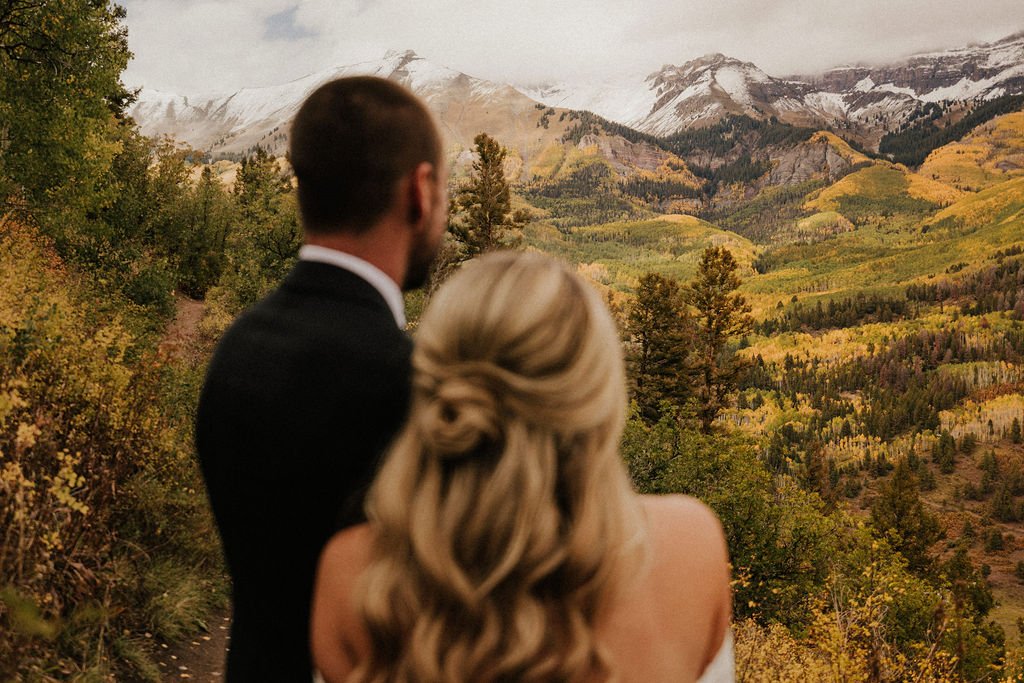
Taos has a genuine four-season climate, and the "best" time depends heavily on the look you want. Spring (April–May) brings mild temperatures and green cottonwoods along the river, though winds can pick up. Summer (June–August) is warm and reliable at lower elevations but can bring afternoon thunderstorms, especially at higher elevations like Taos Ski Valley. Fall (late September–October) is widely considered the best window, cottonwoods and aspens turn gold, daytime temperatures are comfortable, and light has a warmer, softer quality. Winter (December–March) is ideal for couples specifically wanting snow, but road conditions to higher-elevation spots like Williams Lake or Taos Ski Valley should be checked in advance.
| Season | Weather | Best Locations | Key Consideration |
|---|---|---|---|
| Spring (Apr–May) | Mild, occasionally windy | Rio Grande Gorge, Taos Plaza | Wind can affect veils, hair, and drone flights |
| Summer (Jun–Aug) | Warm, afternoon storms possible | Williams Lake, Ski Valley | Plan ceremonies before early afternoon |
| Fall (late Sep–Oct) | Cool, golden light, foliage | Earthship Mesa, Gorge Bridge | Peak season — book photographers early |
| Winter (Dec–Mar) | Cold, snow at elevation | Taos Ski Valley | Check road/trail access conditions |
Permits, Permissions & Logistics for a Taos Elopement
Most of Taos's outdoor elopement locations sit on public land managed by the Bureau of Land Management, the U.S. Forest Service, or the Town of Taos, and small ceremonies with a handful of guests typically don't require a formal permit. That said, rules can change, group size matters, and culturally significant sites like Taos Pueblo and San Francisco de Asís Church have their own permission requirements that should be confirmed directly with the relevant office or parish well before your date. If you're bringing a larger group, a drone, or planning to use amplified sound, it's worth checking current requirements ahead of time rather than assuming last year's rules still apply.
Beyond permits, most couples eloping in Taos benefit from a locally based officiant, a compact vendor list (officiant, photographer, and maybe a florist), and a flexible timeline that allows for driving between locations, since even "close" spots in Taos can involve 20–30 minutes of mountain road driving.
How Shutterfreek Approaches a Taos Elopement
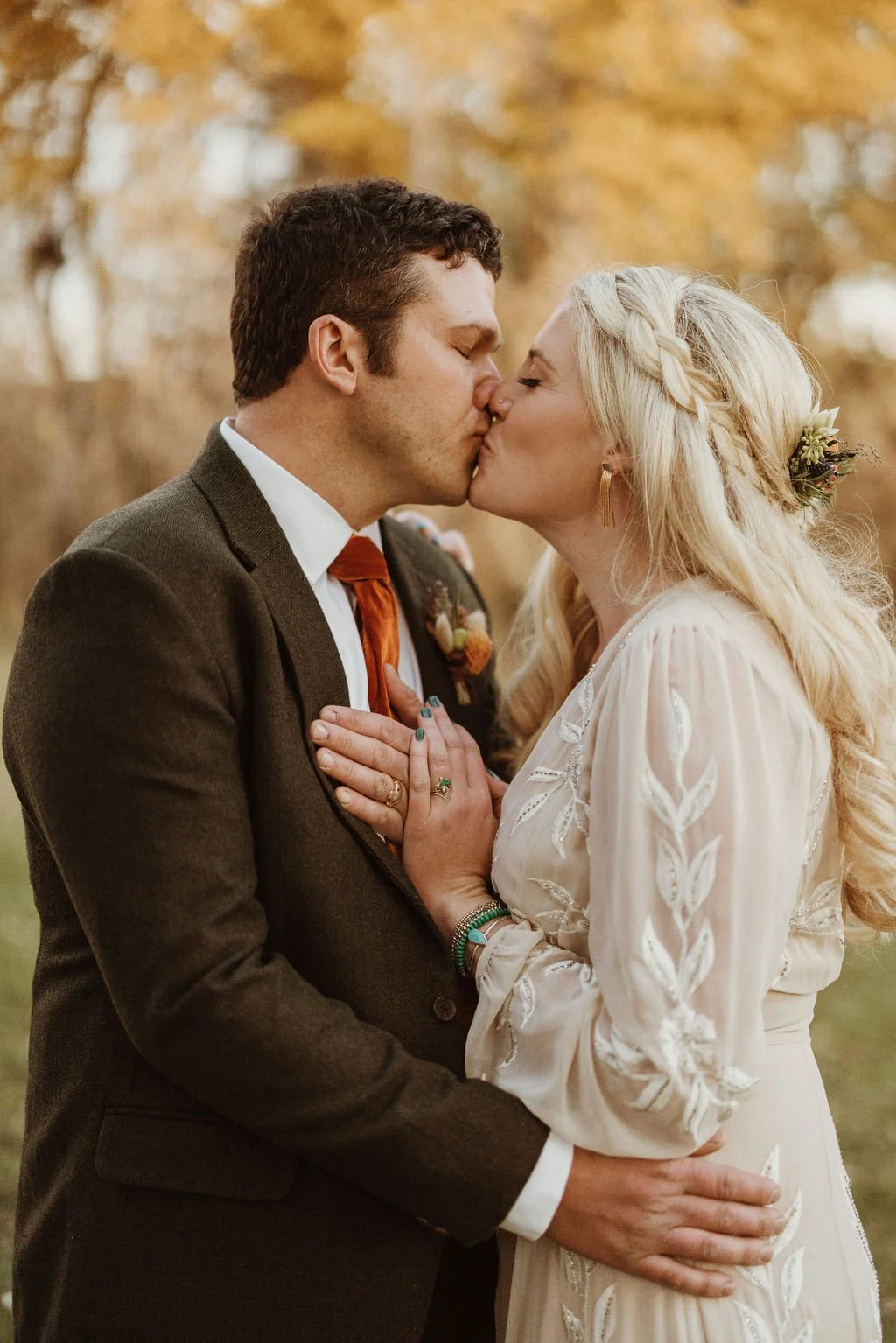
We treat every Taos elopement as a full-day story rather than a single ceremony photo. That usually means scouting light and weather the week of the wedding, building a timeline around sunrise or sunset rather than a fixed midday slot, and choosing a primary location plus one or two backup spots in case weather shifts at elevation. Because we've shot extensively across the Southwest's high desert, our approach to New Mexico elopements leans heavily on using natural light and landscape scale rather than heavy styling, Taos's terrain does most of the visual work if the timing is right.
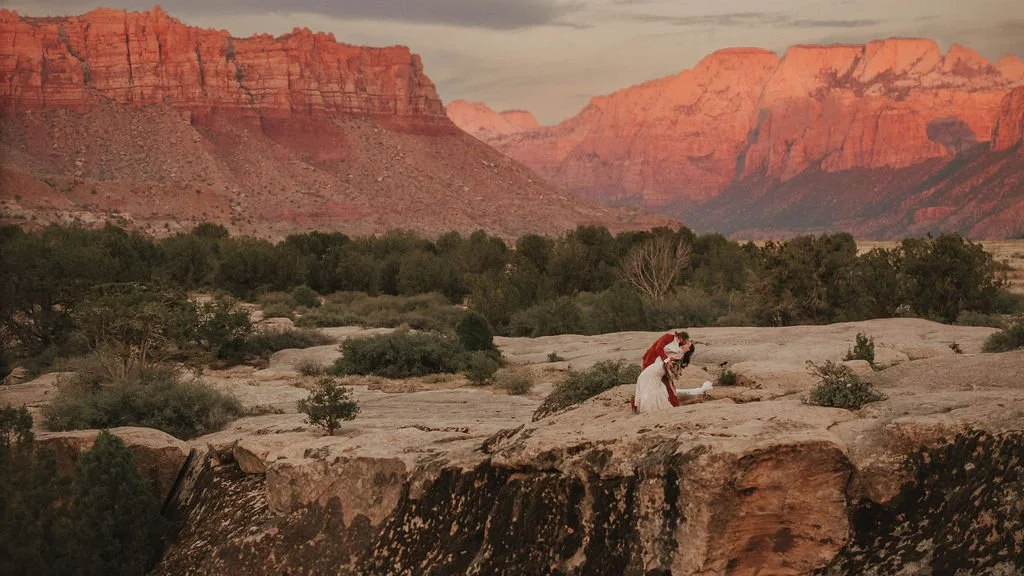
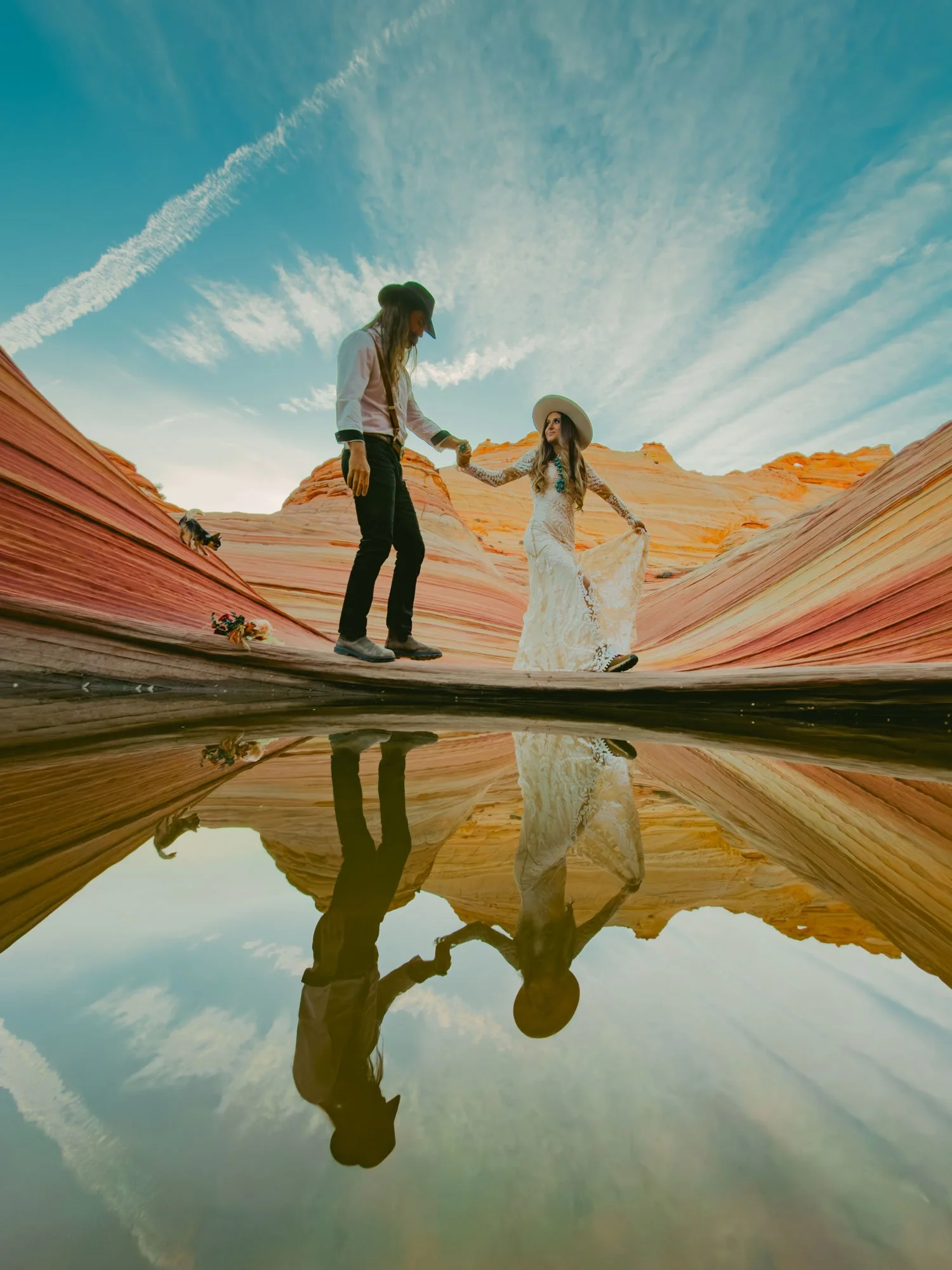
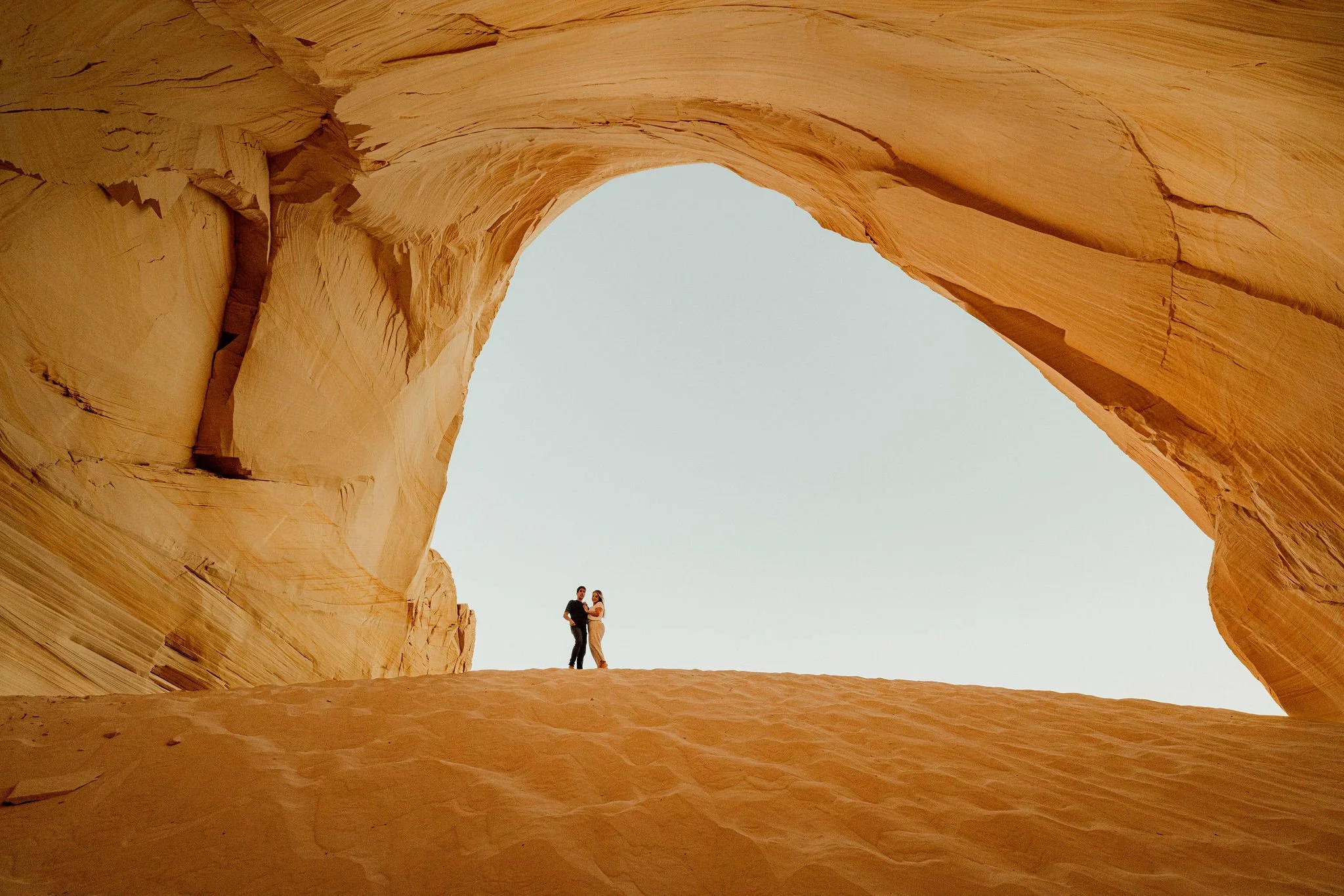
Couples occasionally ask how Taos compares to other Southwest elopement regions we shoot, particularly Utah's red rock deserts. The honest answer is that they're different enough to be worth choosing on look alone: Utah's adventure elopement locations lean toward sandstone arches and slot canyons, while Taos offers a mix of alpine, river-gorge, and adobe scenery in a much smaller geographic footprint. Couples who can't decide sometimes end up planning two smaller ceremonies, one in each state, rather than choosing between them.
If you're still deciding on a destination entirely, our broader elopement planning resources cover how to choose a location based on guest count, season, and travel logistics, which can help narrow things down before you commit to Taos specifically.
For couples who want the New Mexico side of the comparison in more depth, especially other adventure-style locations across the state beyond Taos, our full New Mexico adventure elopements guide walks through additional regions worth considering, including White Sands and the Santa Fe high desert.
Building Your Taos Elopement Day: A Sample Timeline
A well-paced Taos elopement usually follows a simple structure: arrival and getting-ready time in the morning, a mid-morning or golden-hour ceremony depending on the season, a dedicated portrait session at a second location, and dinner or a small gathering to close the day. Because driving between Taos's best spots rarely takes more than 30 minutes, most couples can realistically visit two locations, for example, a ceremony at the Rio Grande Gorge Bridge followed by portraits on the Earthship mesa at sunset, without feeling rushed.
Couples eloping with a small guest group (10 people or fewer) generally have the most flexibility, since most of Taos's outdoor sites don't require special accommodations for larger parties. If you're planning to invite more guests, it's worth locking in permissions and any necessary permits several months ahead, particularly for peak fall foliage season when both lodging and vendors book up quickly.
Final Thoughts
Taos rewards couples who are willing to think beyond a single "pretty spot" and instead build a day around how the region's landscapes actually shift, from high desert to alpine forest to adobe town, within a short drive. Whether you're drawn to the scale of the Rio Grande Gorge, the quiet of Williams Lake, or the history baked into San Francisco de Asís Church, the location you choose should match the pace and privacy you actually want on your wedding day, not just the version that photographs best online.
If you're ready to start planning, our team can help you match a Taos location to your season, guest count, and style, and build a timeline that actually holds up against mountain weather. Reach out whenever you're ready to talk through dates and locations.
Frequently Asked Questions
-
The Rio Grande Gorge Bridge is the most photographed and most requested Taos elopement location, thanks to its dramatic 650-foot canyon backdrop and easy access from the highway.
-
Small elopement ceremonies on public land, such as the Rio Grande Gorge area or national forest trails, typically don't require a permit for groups of a handful of people. Larger groups, drone use, or ceremonies at culturally significant sites like Taos Pueblo or San Francisco de Asís Church do require advance permission, so it's best to confirm directly with the managing agency or parish before booking.
-
Late September through October is generally considered the best time to elope in Taos, offering cool temperatures, golden cottonwood and aspen foliage, and soft light. Summer works well for mountain locations like Williams Lake, while winter is ideal for couples specifically wanting a snow-covered ceremony at Taos Ski Valley.
-
Most couples plan a two- to three-day trip: one day to travel and rehearse logistics, one day for the ceremony and portraits, and an extra day as a weather buffer, since mountain weather at elevation can change quickly, especially in summer.
-
Ceremonies inside Taos Pueblo require formal permission from the pueblo, as it is an active, inhabited community and UNESCO World Heritage Site, not open land. Couples interested in this backdrop should reach out well in advance and be prepared to follow specific cultural guidelines; the open landscape surrounding the pueblo can sometimes be used as an alternative with proper coordination.
Keep reading