Silverton Colorado Elopement Guide: Locations & Tips
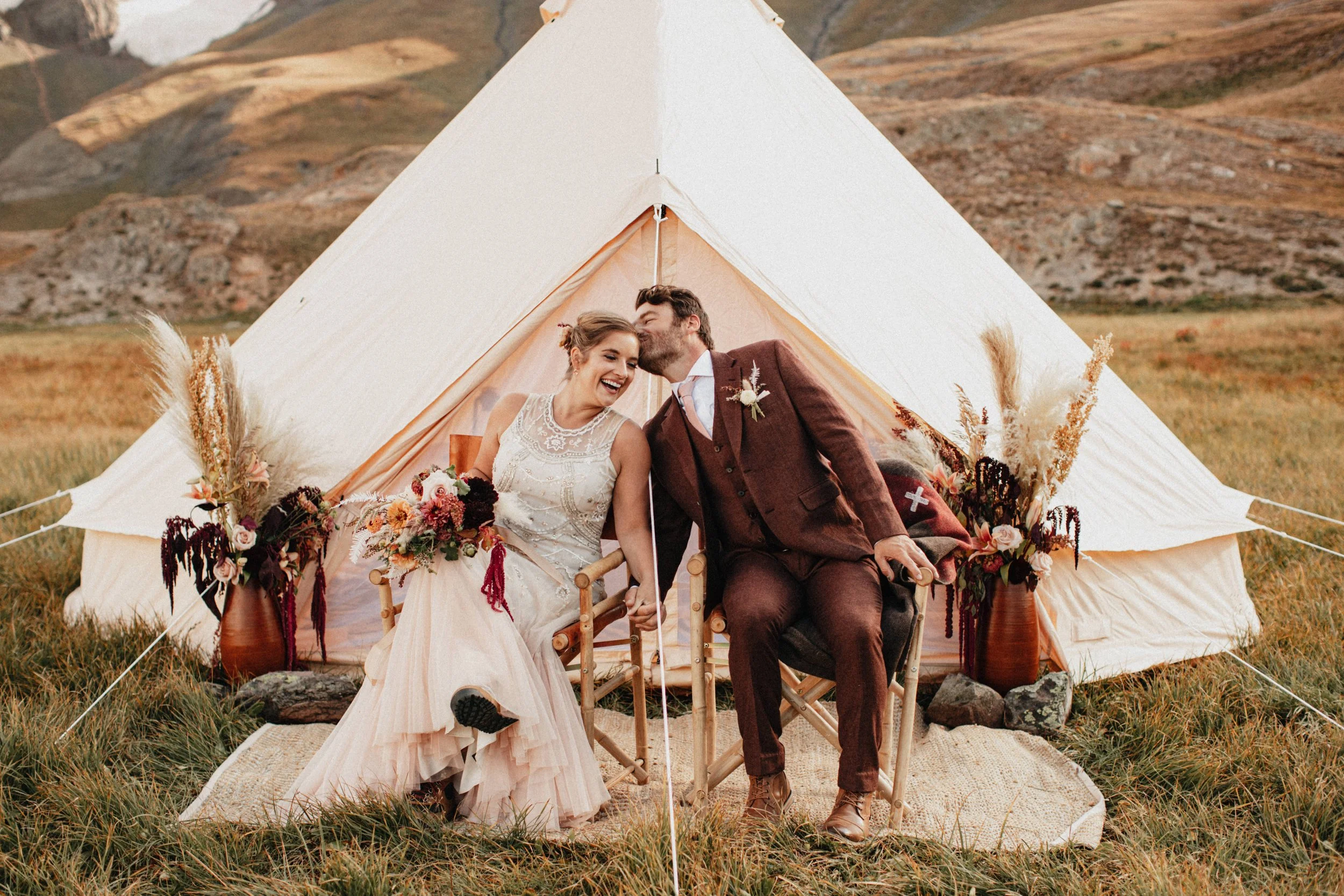
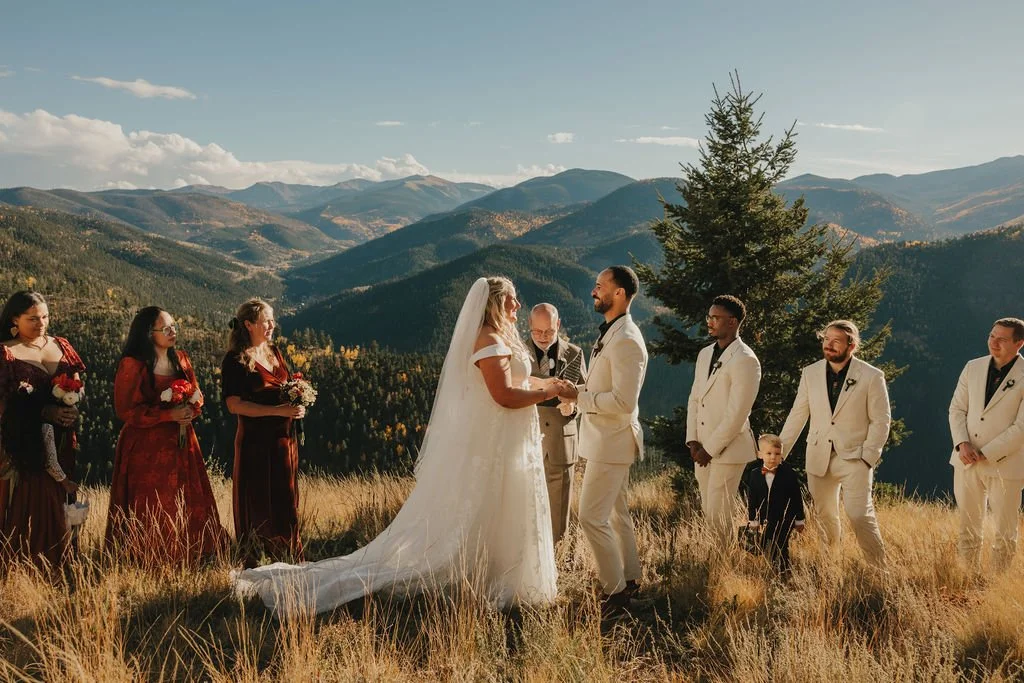
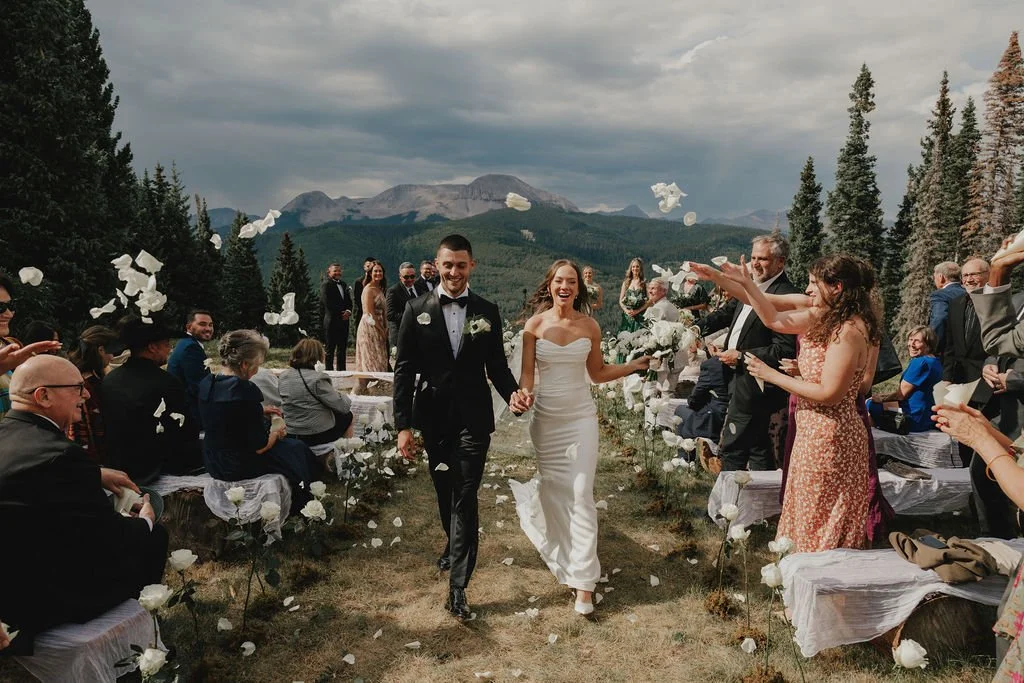
A Silverton, Colorado elopement works best when you pair a summer or early-fall date (mid-June through late September) with a sunrise ceremony at one of the town's high-alpine lakes or 4WD mountain passes, a permit if you're on U.S. Forest Service land, and a photographer who already knows the San Juan Mountains' backroads. Silverton sits at 9,318 feet in the heart of the San Juans, and its remoteness is exactly what draws couples here: no crowds, no other weddings competing for the same view, and scenery that looks more like a fantasy novel than a wedding venue catalog. This guide walks through everything — timing, locations, permits, logistics, and what to pack — so you can plan a Silverton elopement with confidence.
Why Couples Elope in Silverton, Colorado
Silverton isn't a polished wedding town, and that's the point. It's a former mining outpost turned mountain hideaway, reachable by the Million Dollar Highway from Ouray or by the historic narrow-gauge railroad from Durango. Because it's harder to get to than Aspen, Telluride, or Vail, it stays quiet — which means your ceremony isn't sharing a trailhead with tourists.
A few things make Silverton distinct as an elopement destination:
Alpine lakes at 11,000–13,000 feet, many only reachable by high-clearance 4WD vehicle or a hike
Historic ghost towns and old mining structures for couples who want texture and story in their backdrop
Waterfalls close to town, including South Fork Mineral Creek Falls, for couples who don't want a long hike
Genuine solitude — it's realistic to have an entire mountain basin to yourselves
A walkable, photogenic old-west downtown for a courthouse-style or backup-weather ceremony
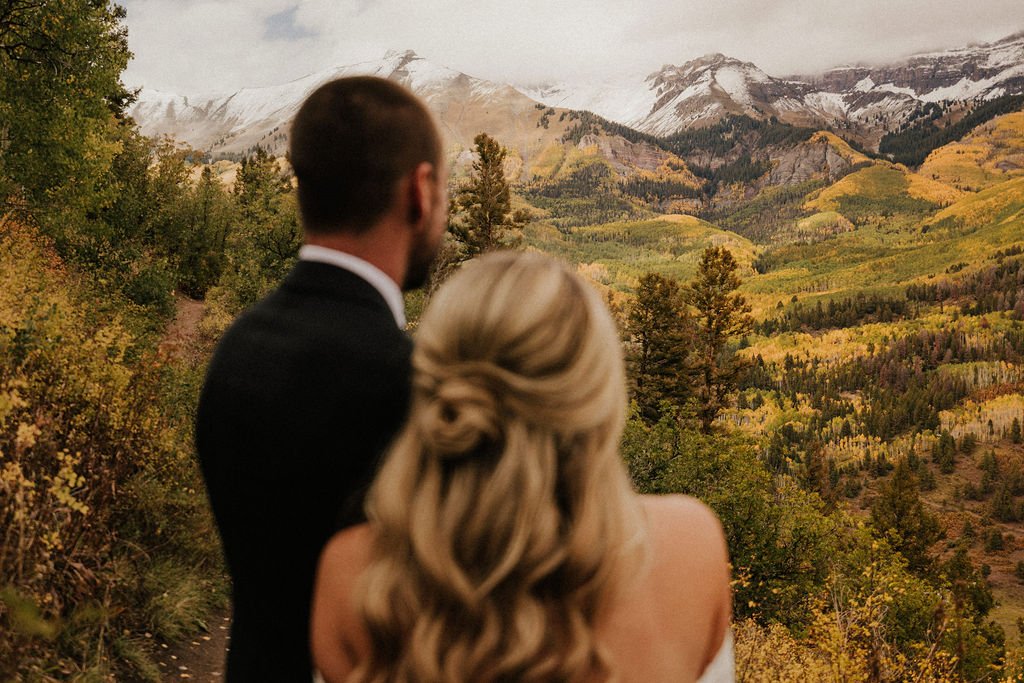
If rugged, unfiltered scenery matters more to you than a manicured venue, Silverton is one of the strongest elopement locations in Colorado.
Best Time of Year to Elope in Silverton
Silverton's high elevation means weather windows are shorter and less forgiving than at lower-altitude Colorado venues. Roads into the high country are typically snow-free from around Memorial Day through early October, and afternoon monsoon storms are common from June through August — which is why most experienced elopement photographers recommend a morning ceremony during those months.
| Month | Conditions | Best For |
|---|---|---|
| June | Roads reopening, wildflowers starting, some snow lingering at high elevations | Early-summer color, fewer crowds |
| July | Peak wildflower season, warm days, afternoon monsoon storms likely | Sunrise ceremonies, alpine meadow shots |
| August | Lush green landscape, continued monsoon risk in the afternoon | Morning hikes to alpine lakes |
| September | Aspens turning gold (best in late September), cooler and drier | Fall foliage, golden light, most requested month |
| October | Many trails and passes start closing, first snow possible | Moody, quiet, low-crowd elopements for flexible couples |
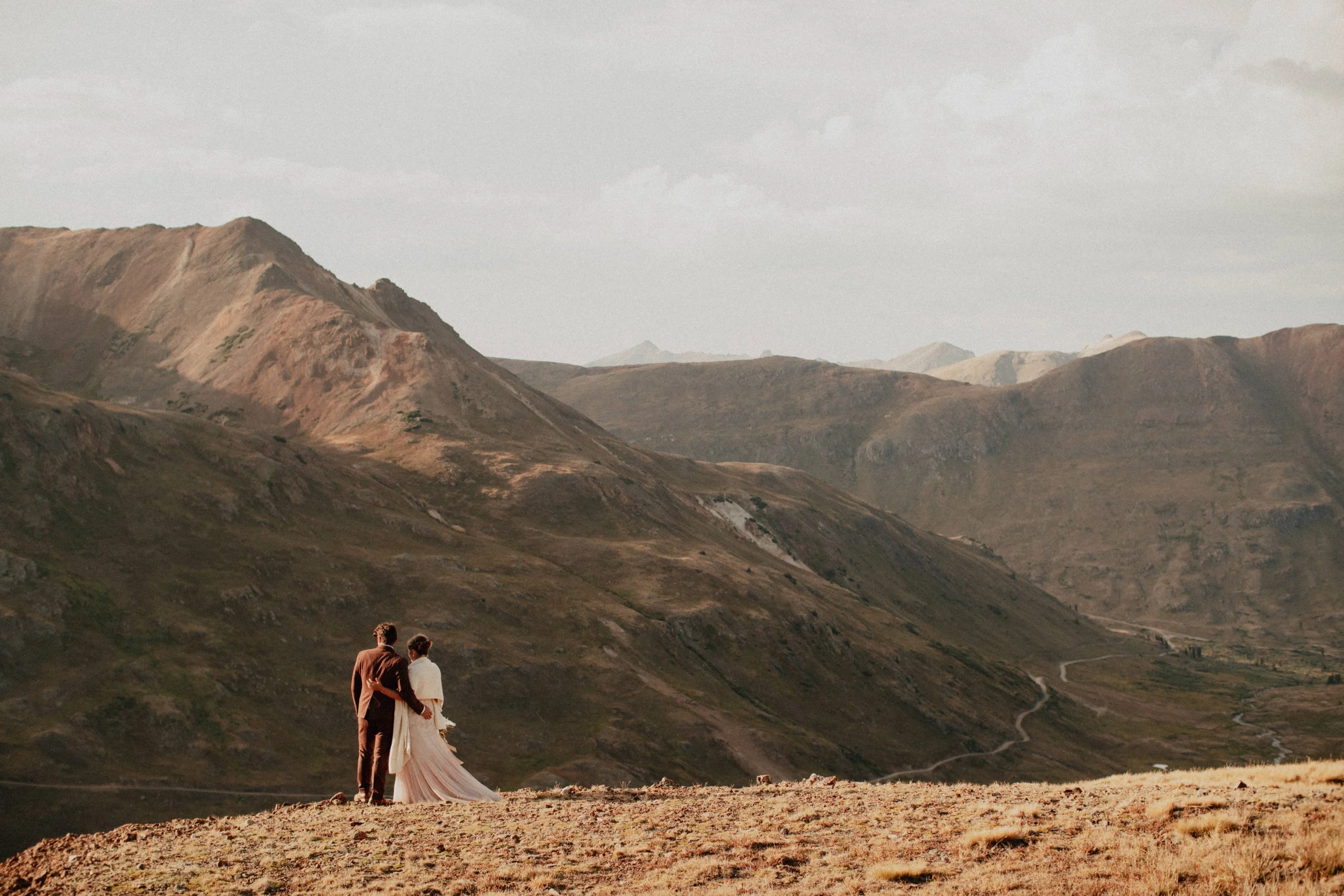
Best Silverton Elopement Locations
Silverton's terrain breaks down into a few distinct location types, and most couples end up combining two or three of them into one elopement day.
Alpine Lakes and High Basins
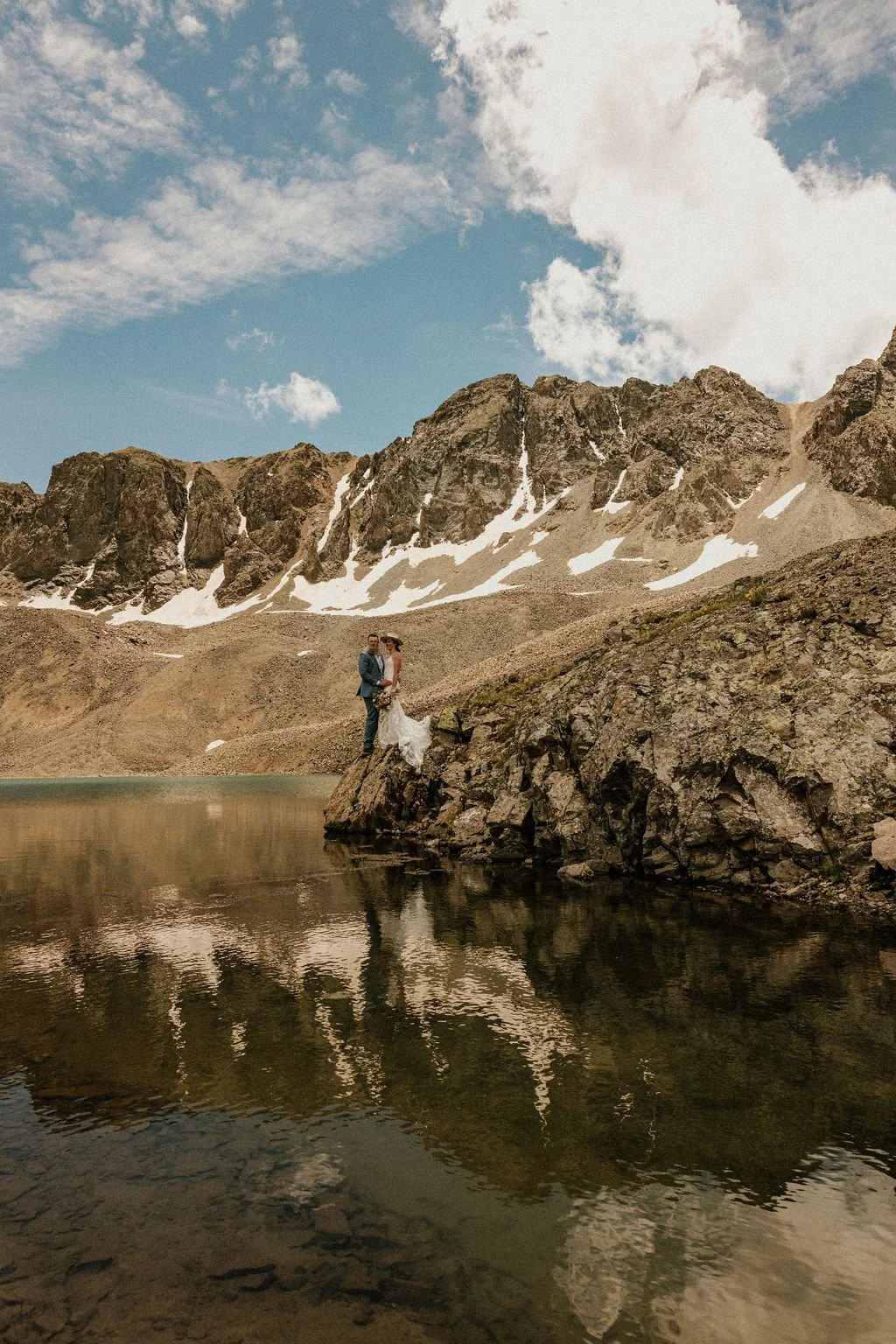
The lakes above Silverton — many tucked into basins accessible only by 4WD road or a moderate hike — are the single most popular elopement backdrop in the area. Expect towering, jagged peaks reflected in glass-still water, especially at sunrise before the wind picks up. Because many of these lakes sit above 12,000 feet, altitude acclimation matters (more on that below).
4WD Mountain Passes
Silverton is a jumping-off point for some of Colorado's most dramatic 4WD routes, including access toward Cinnamon Pass, Engineer Pass, and California Gulch. These roads open up mountaintop views with 360-degree panoramas — ideal for couples who want a "top of the world" ceremony photo. A high-clearance 4WD vehicle (rented locally or arranged through your photographer) is non-negotiable for these routes.
Ghost Towns and Mining History
Silverton's mining past left behind weathered buildings, old mine structures, and near-ghost towns scattered through the surrounding gulches. These locations add texture and a sense of place that a plain mountain meadow doesn't — great for couples who want their photos to feel distinctly "Colorado" rather than generic alpine.
Waterfalls Near Town
Not every couple wants a pre-dawn hike. South Fork Mineral Creek Falls, just a short drive from Silverton, offers a two-tier waterfall that's easy to reach and still delivers dramatic, photogenic scenery — a good option for a shorter elopement day or a second/reception-style photo stop.
Permits, Legal Requirements & Logistics
Colorado is one of the easiest states in the country for a legal elopement — but Silverton's public-land setting adds a few extra planning steps most couples don't expect.
| Requirement | Details | |
|---|---|---|
| Marriage license | Apply in person at any Colorado county clerk's office (San Juan County clerk in Silverton, or another county before you arrive); valid statewide for 35 days | |
| Self-solemnization | Colorado allows couples to legally marry each other without an officiant present — a popular option for elopements | |
| Land permits | Ceremonies on U.S. Forest Service or BLM land may require a special-use permit, particularly for larger groups or if you're hiring outside vendors; check with the local ranger district before booking a spot | |
| Vehicle access | Many top locations require a high-clearance 4WD vehicle; standard rental cars and low-clearance SUVs are not recommended past town limits | |
| Weather contingency | Afternoon storms are common in summer; build a backup ceremony time or location into your day |
How to Plan Your Silverton Elopement Timeline
Because so many of Silverton's best locations are weather- and light-dependent, timeline planning matters more here than at a traditional venue.
Start before sunrise. Golden light and calm winds at high altitude typically last only 45–90 minutes after sunrise.
Build in drive and hike time generously. Mountain roads move slower than GPS estimates suggest, especially on 4WD terrain.
Plan a mid-morning cutoff for monsoon season. If you're eloping June through August, aim to be off exposed ridgelines and peaks by early afternoon.
Have a low-elevation backup location. A second, easier-to-reach spot (like a waterfall or the town itself) protects your day if weather closes the high passes.
Leave room to slow down. Unlike a scheduled venue day, elopements benefit from unstructured time — a picnic, a quiet hike, or just sitting at the lake together.
What to Pack for a High-Altitude Elopement
Silverton's elevation (9,318 feet in town, higher at most ceremony locations) means standard wedding-day packing lists don't fully apply. Plan for:
Layered clothing — mountain mornings can start near freezing even in July
Sturdy hiking boots or shoes, plus a lightweight backup pair for photos
Sun protection (elevation increases UV exposure significantly)
Water and snacks, since altitude increases dehydration risk
A change of shoes for muddy or rocky terrain
Emergency layers (rain shell, gloves) even on a forecasted-clear day
Choosing a Photographer for Your Silverton Elopement
Silverton's terrain isn't beginner-friendly for photographers who haven't worked the San Juans before — knowing which basins hold light longest, which roads are passable in a given month, and how to time a hike around sunrise takes local experience. Shutterfreek's Silverton elopement photographer team plans routes, timing, and backup locations around each couple's comfort level and adventure goals, and our broader elopement photography work covers everything from short-hike ceremonies to full-day backcountry adventures. Whether you want a two-hour sunrise elopement or a full weekend of exploring, matching your photographer's experience to Silverton's terrain is one of the biggest factors in how the day actually goes.
Other Adventure Elopement Destinations to Consider
If you're drawn to Silverton's rugged, off-the-beaten-path feel, a couple of other regions offer a similar spirit with their own distinct landscapes. Shutterfreek also photographsUtah adventure elopements across the state's red-rock deserts and slot canyons, andNew Mexico adventure elopements set against high-desert mesas and badlands. Comparing regions can help you decide whether alpine mountains, desert canyons, or high-desert terrain fits your vision best before you commit to a date.
Where to Stay for a Silverton Elopement
Silverton itself has a handful of small hotels and inns along Greene Street, which work well if you want walkable access to a backup ceremony spot and nearby restaurants for a low-key celebration afterward. For couples who want to stay closer to the high country, backcountry lodges just outside town put you within minutes of trailheads and 4WD roads, which is useful if you're planning a sunrise ceremony and don't want a long drive in the dark. A few things to weigh when booking:
In-town stays are easier for guests, cell service, and dinner reservations, but add drive time to most ceremony locations.
Backcountry lodges cut down your morning commute significantly but often book up months in advance for peak summer and fall dates.
Camping near your ceremony site is an option for couples who want to wake up already at (or near) their location — just note that many high-elevation campsites have limited amenities.
Whichever you choose, book early. Silverton has a small number of rooms relative to its popularity during peak wildflower and fall-foliage weeks, and availability tightens fast for Friday and Saturday dates between July and late September.
Local Vendors and Making It Official
Because Silverton is small, your vendor options in town are limited — most couples bring in an officiant, hair and makeup artist, or florist from a nearby city like Durango or Ouray, or handle those pieces themselves. If you're self-solemnizing (legally marrying each other without an officiant), you'll still want someone to witness and sign your marriage license, so loop in a trusted friend, family member, or your photographer if they're willing. Many couples also plan a small, low-key dinner in town afterward as their "reception" — Silverton's downtown restaurants are used to hosting quiet post-elopement celebrations, even if they don't offer formal wedding services.
Final Thoughts
Silverton rewards couples who want their elopement to feel like an adventure, not a performance. Between the alpine lakes, the 4WD mountain passes, and a downtown that still looks like the 1800s, it's a location that does most of the emotional work for you — your job is just picking the right season, packing smart, and working with a team that already knows the mountain. If you're ready to start planning, Shutterfreek's elopement photography team can help you build a Silverton day around your pace, your terrain comfort, and your vision.
Frequently Asked Questions
-
Yes. Silverton is one of Colorado's most remote and least-crowded mountain towns, offering alpine lakes, 4WD mountain passes, ghost towns, and waterfalls within a short drive of downtown — ideal for couples who want privacy and dramatic scenery without competing for a location.
-
Late June through late September is the most reliable window, since high-elevation roads are typically snow-free during that stretch. Late September is especially popular for golden aspen color, while July and August offer wildflowers but require morning ceremonies to avoid afternoon monsoon storms.
-
It depends on the location. Many popular sites sit on U.S. Forest Service or BLM land, and a special-use permit may be required, especially for larger groups or hired vendors. Always confirm with the local ranger district before booking a specific location.
-
For most of Silverton's most photographed locations — high alpine lakes and mountain passes — yes. Many of these roads are not accessible in a standard car or low-clearance SUV. Renting a 4WD vehicle locally or coordinating with your photographer is strongly recommended.
-
Apply for a Colorado marriage license at a county clerk's office (available statewide, including San Juan County), which is valid for 35 days. Colorado also allows self-solemnization, meaning couples can legally marry each other without a separate officiant present.
Keep reading