Page, Arizona Outdoor Wedding Photographer: Adventure Elopements at Horseshoe Bend & Antelope Canyon
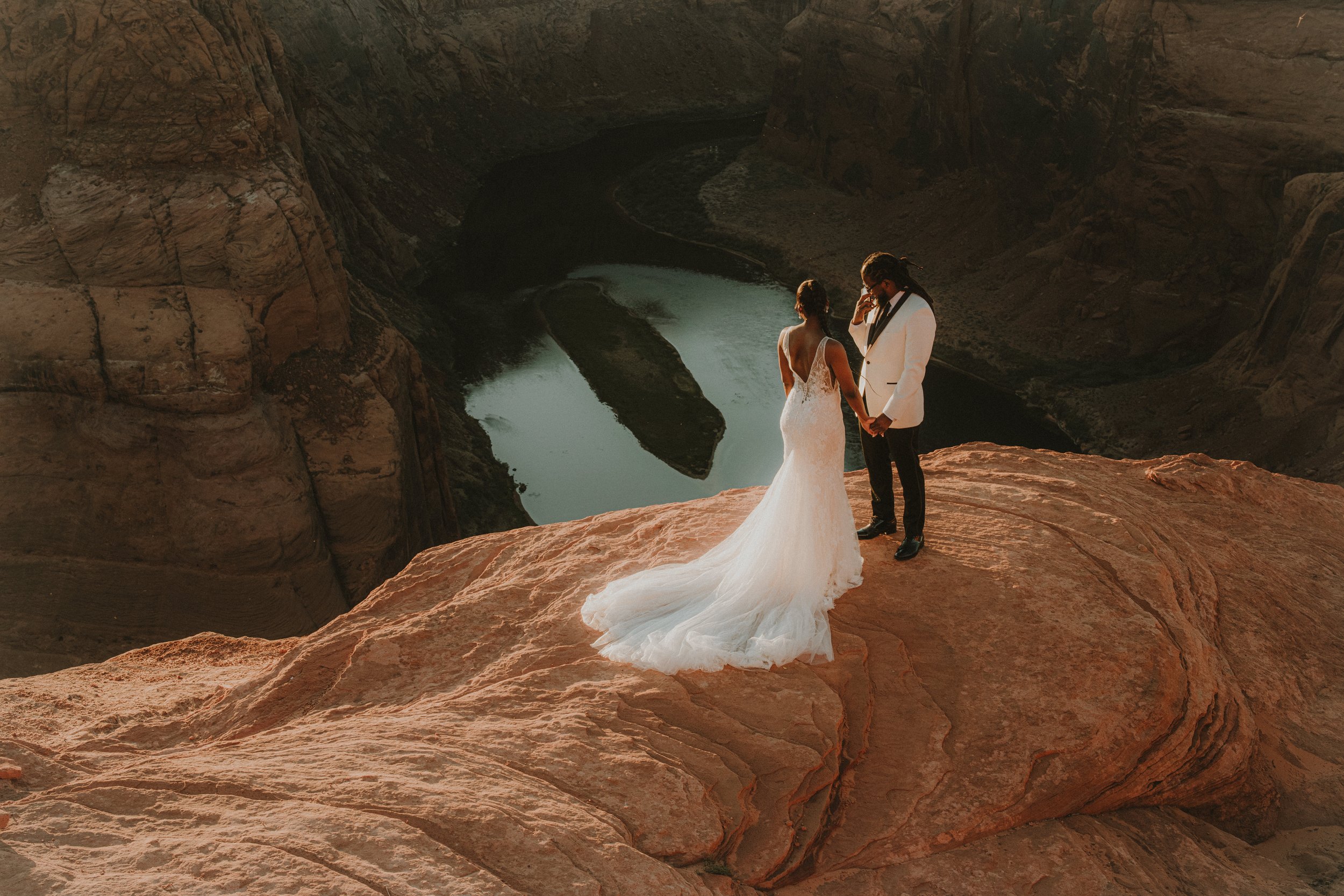
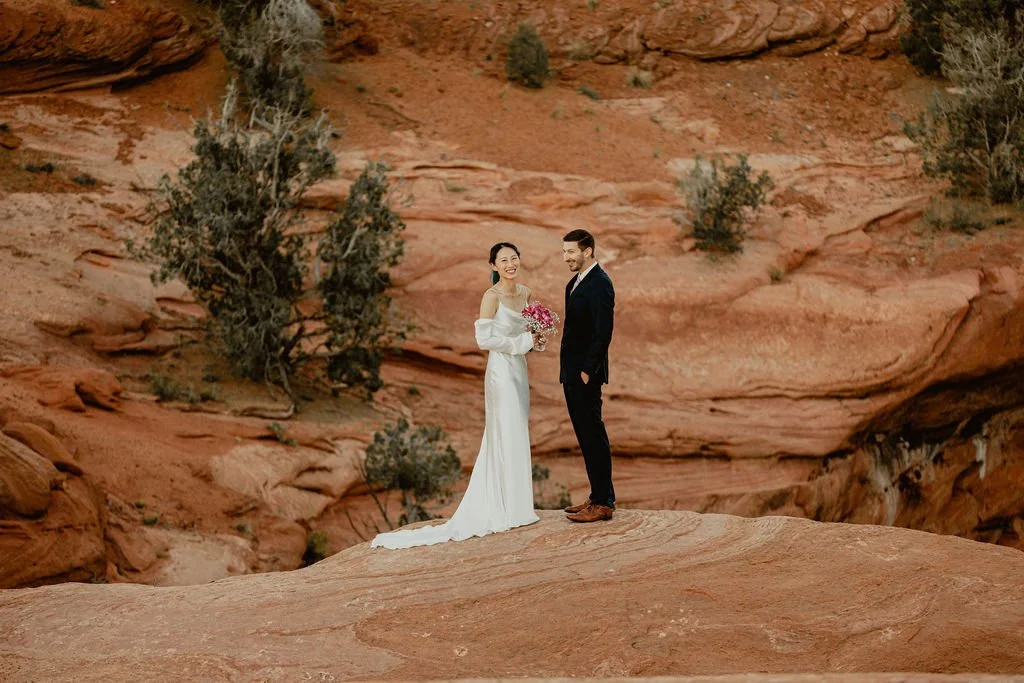
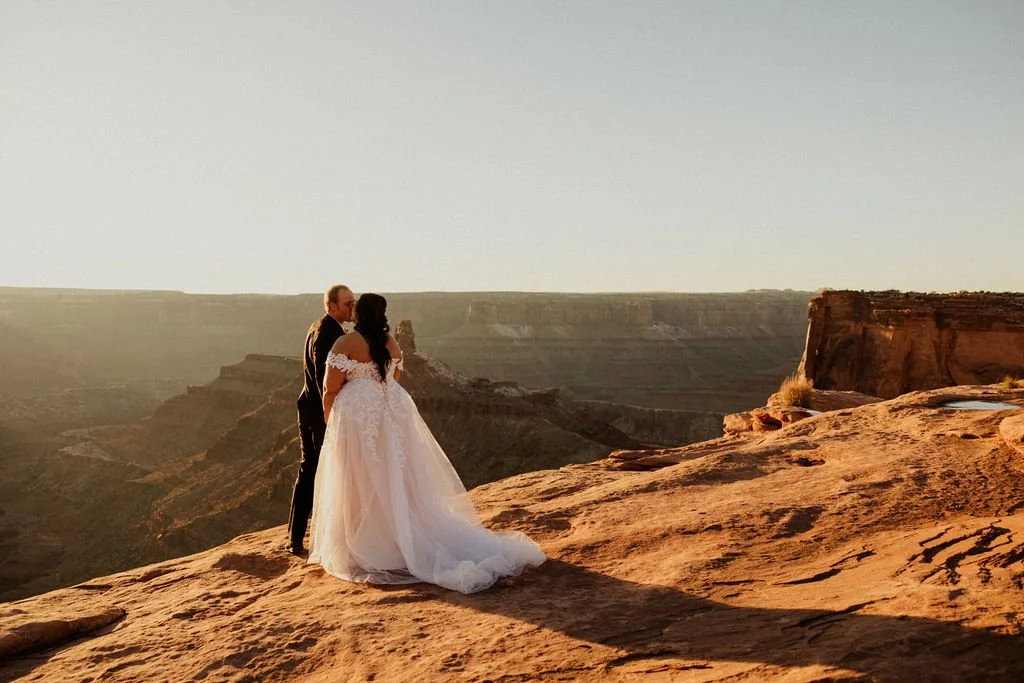
A Page, Arizona outdoor wedding photographer is a photographer who specializes in capturing wedding ceremonies and elopements against the region’s dramatic red-rock landscapes — Horseshoe Bend, Antelope Canyon, Lake Powell, and Wahweap Overlook — rather than in a traditional indoor venue. Shutterfreek has photographed couples across these exact locations for years, and this guide walks through what that experience actually looks like: the best spots, the permits you’ll need, the seasons that photograph best, and how to choose a photographer who can handle the terrain, the light, and the logistics that come with shooting outdoors in the desert Southwest.
If you’re planning a small ceremony or a full elopement near Page, this is the information you need before you book anyone.
Why Page, Arizona Is One of the Southwest’s Most Sought-After Outdoor Wedding Destinations
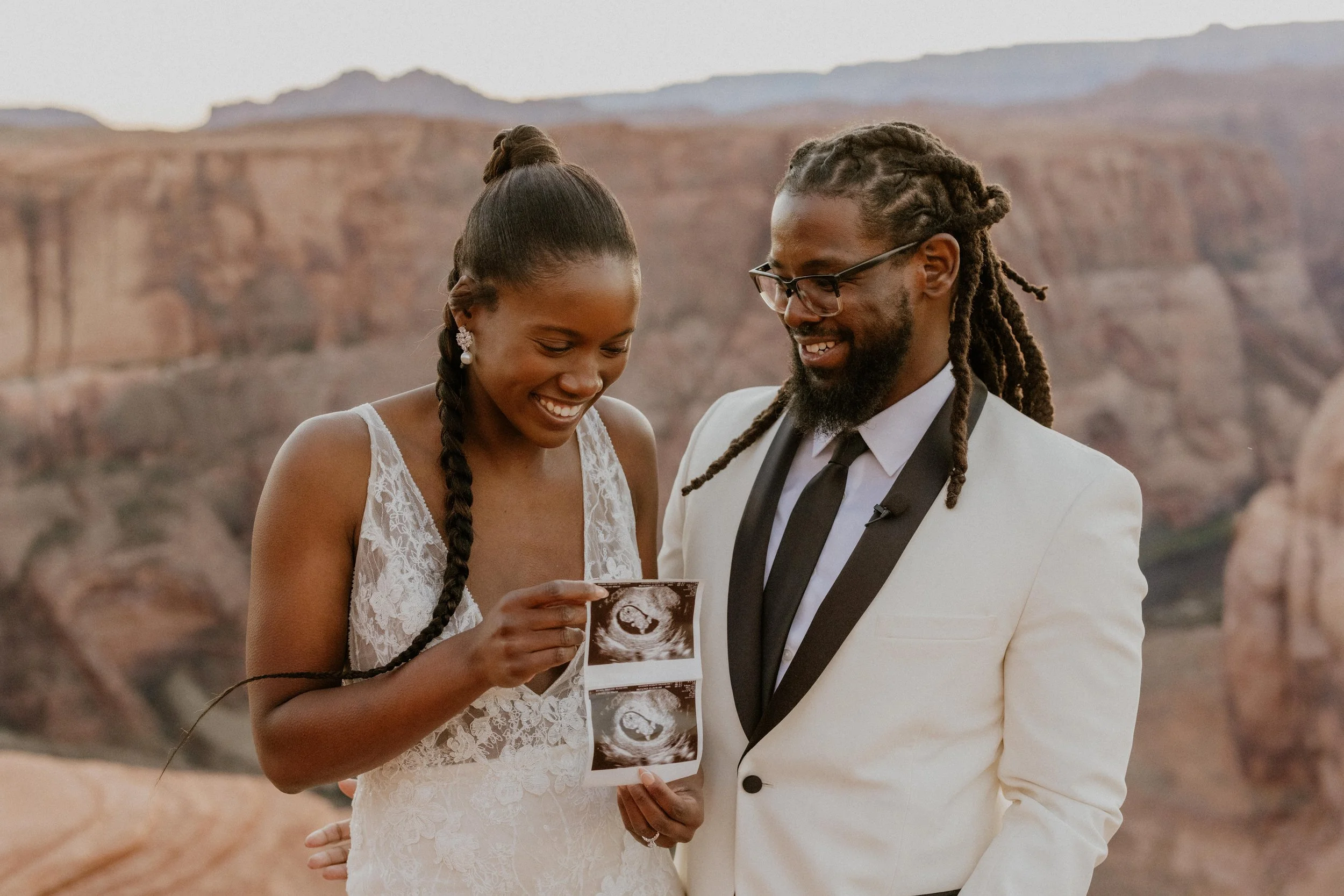
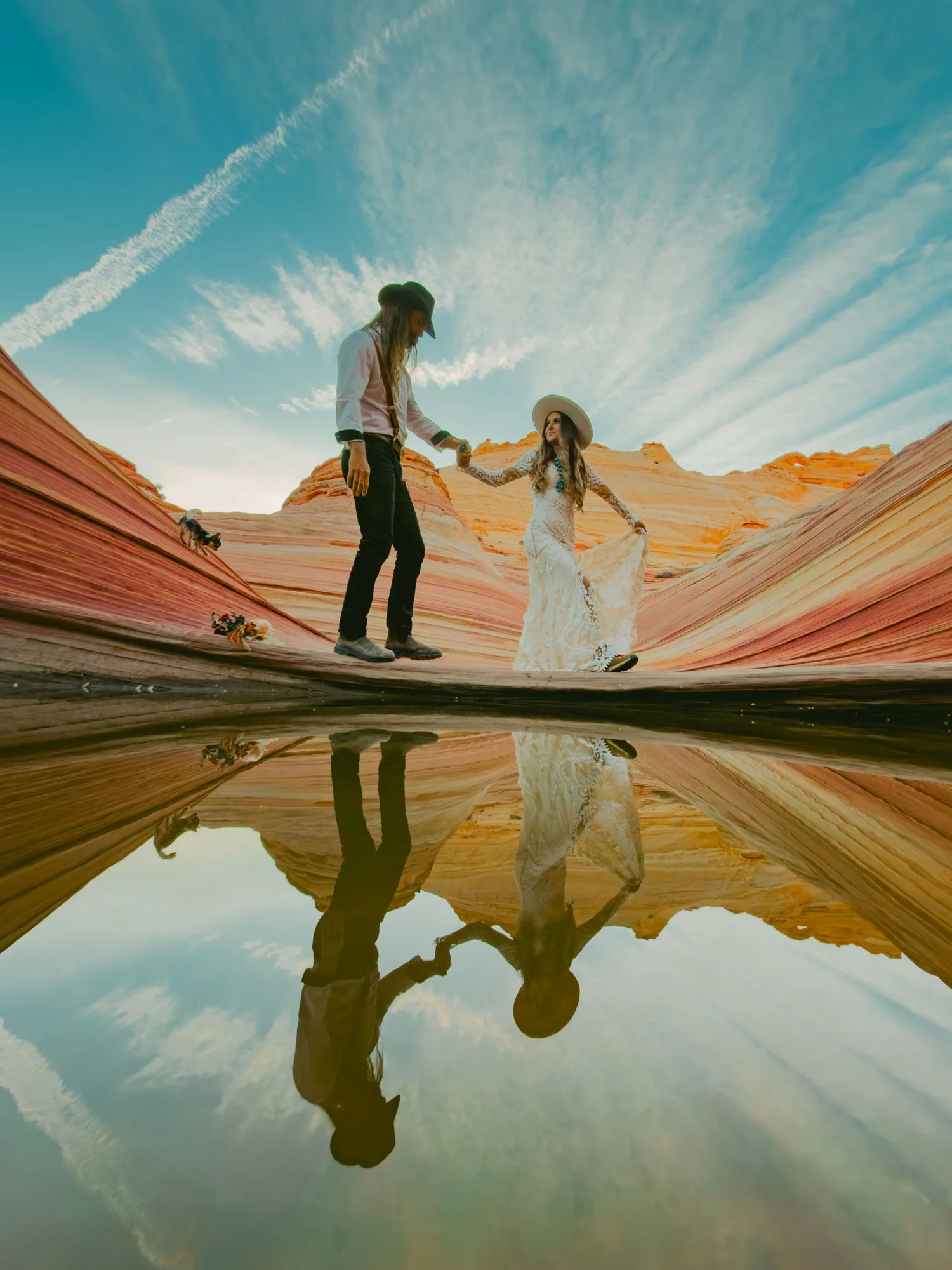
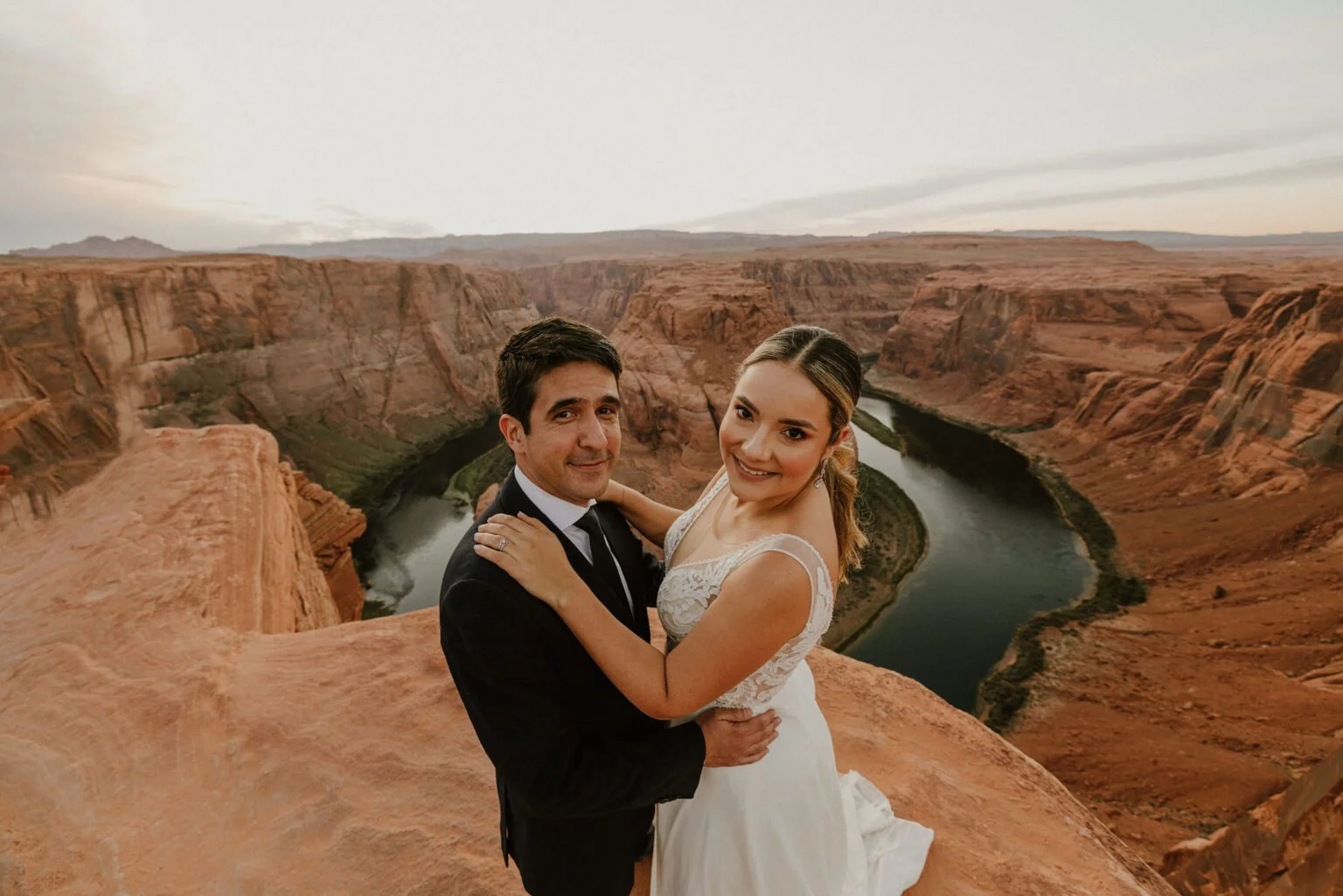
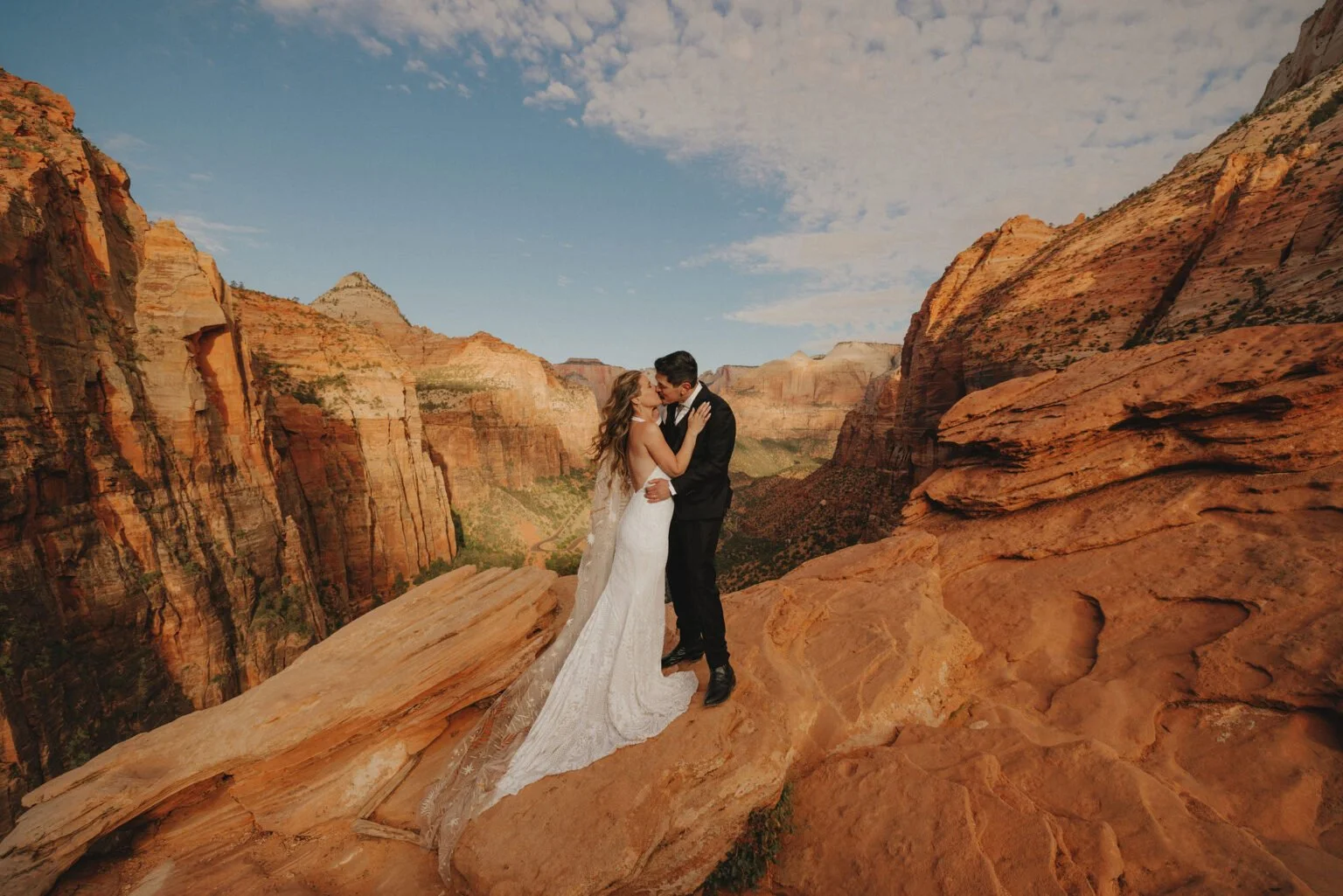
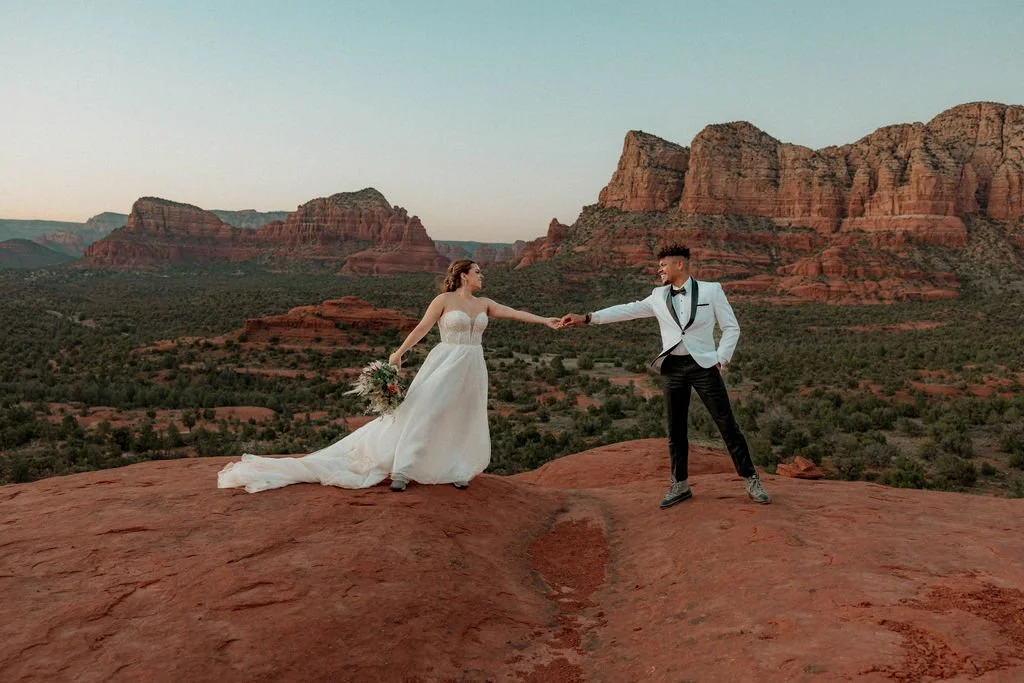
Page sits at the intersection of three of the most photographed landscapes in the American Southwest. Horseshoe Bend offers a 1,000-foot drop into the Colorado River with a near-perfect curve that reads as a single, graphic frame. Antelope Canyon, both Upper and Lower — delivers the light-beam and flowing-sandstone look that’s become synonymous with Arizona elopements. Lake Powell adds turquoise water against burnt-orange sandstone, and it’s one of the few spots in the region where you can combine a boat, a beach, and a slot canyon backdrop in a single day.
What makes Page genuinely different from, say, a Sedona or Zion elopement is accessibility paired with drama. Many of these locations don’t require a multi-mile hike to reach a jaw-dropping view, which matters if you’re wearing a wedding dress or traveling with family. That combination, minimal hiking, maximum visual payoff, is a big part of why couples travel from across the country specifically to get married here.
What to Expect When You Hire an Outdoor Wedding Photographer in Page
Outdoor wedding photography in a desert environment is a different discipline than venue-based wedding photography, and it’s worth understanding why before you book someone.
Terrain and physical demands. Locations like Antelope Canyon require navigating narrow slot canyon passages, loose sand, and uneven rock. A photographer experienced in this terrain already knows where the light beams fall at specific times of day, which turns of the canyon photograph best, and how to move a couple through a crowded or narrow space without losing the shot.
Extreme and shifting light. Desert light swings from harsh overhead sun at midday to a narrow, highly flattering golden window in the early morning and just before sunset. A photographer without desert-specific experience can be caught off guard by how fast that window closes, especially at Horseshoe Bend, where the canyon wall itself blocks and bounces light in ways that aren’t intuitive if you haven’t shot there before.
Permits and access rules. Some of these locations are tribal land (Antelope Canyon is on Navajo Nation land) with their own permitting, guide requirements, and shoot windows. A photographer who has actually worked these locations before will know the permit process already, rather than learning it in real time on your wedding day.
Timing around weather and crowds. Page is a major tourist stop. Sunrise and off-peak weekday slots are typically the only realistic way to get a location mostly to yourselves, and that scheduling knowledge comes from firsthand experience shooting there repeatedly, not from a location scouting app.
Best Outdoor Wedding & Elopement Locations Near Page, Arizona
Each of the main locations around Page has a different personality, permit requirement, and ideal shoot window. Here’s how they compare:
| Location | Best For | Permit Required? | Ideal Time of Day |
|---|---|---|---|
| Horseshoe Bend | Dramatic overlook ceremonies, first looks | No permit for personal photography, but commercial shoot permits may apply. | Sunrise or just before sunset |
| Antelope Canyon (Upper/Lower) | Light-beam portraits, intimate ceremonies | Yes — Navajo Nation permit and authorized guide required. | Midday for light beams; varies by season |
| Lake Powell / Wahweap | Water backdrops, boat-based ceremonies | Marina or park use permit may be required for groups. | Early morning or golden hour |
| Glen Canyon Dam Overlook | Quick, accessible ceremony backdrop | No permit for small personal groups. | Late afternoon |
A photographer who already holds working relationships with Navajo-authorized guides and knows the current permit requirements for each of these spots will save you weeks of logistics research — and in many cases, that relationship is the difference between getting access to Antelope Canyon at all versus being turned away on the day.
Permits, Logistics, and the Best Season for a Page Outdoor Wedding
Page’s elopement season runs strongest from March through May and September through November, when daytime temperatures stay manageable and the light angle is lower for longer stretches of the day. Summer ceremonies are possible but require scheduling around extreme heat — sunrise slots become almost mandatory from June through August.
If you’re weighing Page against other adventure-elopement regions, it’s worth looking at how the permitting and terrain compare elsewhere in the Southwest. Couples considering a broader search often look at adventure elopements generally, or compare Page against destinations like Utah weddings adventure elopements in Zion and Moab, which have their own permit systems and seasonal windows.
Choosing the Right Outdoor Wedding Photographer: What Actually Matters
Not every wedding photographer is equipped for this kind of shoot, and the gap between “has a nice portfolio” and “has actually worked these exact locations” shows up fast on the wedding day itself. Here’s what’s worth checking before you book:
| What to Check | Why It Matters |
|---|---|
| Portfolio Shot Specifically in Page, Antelope Canyon, or Horseshoe Bend | Confirms direct, firsthand location experience, not just general landscape photography. |
| Navajo Nation Guide Relationship For Antelope Canyon | Required for legal access. Photographers need to follow the canyon's authorized access and photography rules. |
| Experience With Hiking and Uneven Terrain Shoots | Ensures the photographer can move safely and efficiently without disrupting your ceremony. |
| Backup and Weather Contingency Plan | Desert weather, including flash-flood risks in canyons, strong winds, and extreme heat, requires a practical backup plan. |
| Client Reviews Mentioning Specific Locations | Provides third-party evidence that previous couples had a smooth experience at the same locations you're considering. |
This is where experience and trustworthiness, two of the core pillars behind how search engines and real couples alike evaluate a photographer — actually matter in practice. A photographer who’s shot Horseshoe Bend a dozen times knows things a first-timer simply can’t, no matter how talented they are with a camera.
Shutterfreek’s Approach to Adventure & Outdoor Wedding Photography
Shutterfreek approaches outdoor and adventure wedding photography as a documentary-style practice first: we’re there to capture real reactions to real landscapes, not to force a couple into a stiff, over-posed setup that fights the environment. That means scouting light and timing in advance, handling the permit and guide logistics ourselves wherever required, and building a shot list around what a specific location actually offers rather than a generic checklist.
We’ve built this same approach across other adventure-elopement regions, which is part of why couples planning a Page ceremony often ask us about nearby alternatives or multi-location elopement trips. If red rock and desert light are the draw, it’s worth also looking at New Mexico weddings adventure elopements, where White Sands and the Bisti Badlands offer a different but related landscape, often on a similar travel itinerary for couples flying into the Southwest.
Planning Your Page, Arizona Outdoor Wedding
Page offers some of the most photogenic, accessible outdoor wedding terrain in the Southwest — but getting the ceremony and the photography right depends on permits, timing, and a photographer who already knows the terrain. If you’re ready to talk through locations, permits, and availability for your Page elopement, reach out to Shutterfreek, or explore our broader adventure elopements work to see how we approach outdoor ceremonies across the Southwest.
Frequently Asked Questions
-
Pricing for adventure elopement photography in the Page area typically depends on location permits, travel time between sites, and hours of coverage. Antelope Canyon shoots usually cost more due to required guide and permit fees layered on top of the photographer’s own rate. Ask for a full breakdown that separates photography fees from third-party permit/guide costs.
-
Horseshoe Bend generally doesn’t require a permit for a small personal ceremony, though commercial shoots may need one. Antelope Canyon is Navajo Nation land and does require a permit along with an authorized Navajo guide — this applies to the photographer as well, so confirm they already have this relationship before booking.
-
Spring (March–May) and fall (September–November) offer the most comfortable temperatures and favorable light angles. Summer ceremonies are doable but should be scheduled around sunrise to avoid extreme midday heat.
-
For locations like Horseshoe Bend or Wahweap, generally yes. For Antelope Canyon, a Navajo-authorized guide is legally required regardless of ceremony size — this isn’t optional, and it’s one of the first things to confirm with any photographer who says they can shoot there.
-
Popular sunrise and golden-hour slots at Horseshoe Bend and Antelope Canyon fill months in advance, especially during peak spring and fall season. Booking 6–9 months out gives the most flexibility on date, guide availability, and permit timing.
Keep reading