Moab Red Rock Elopement Photographer: Shutterfreek's Guide to Eloping in Utah's Canyon Country
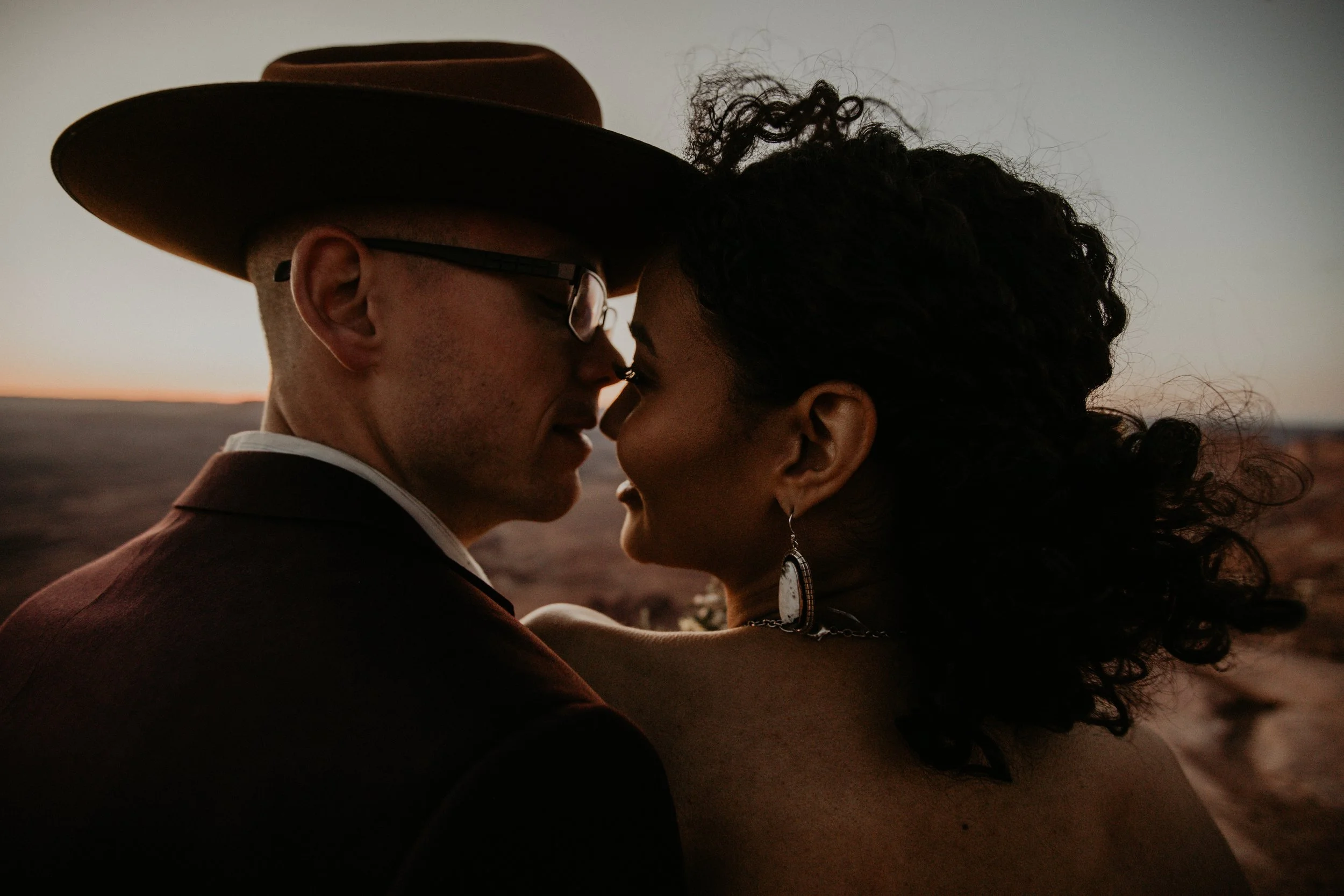
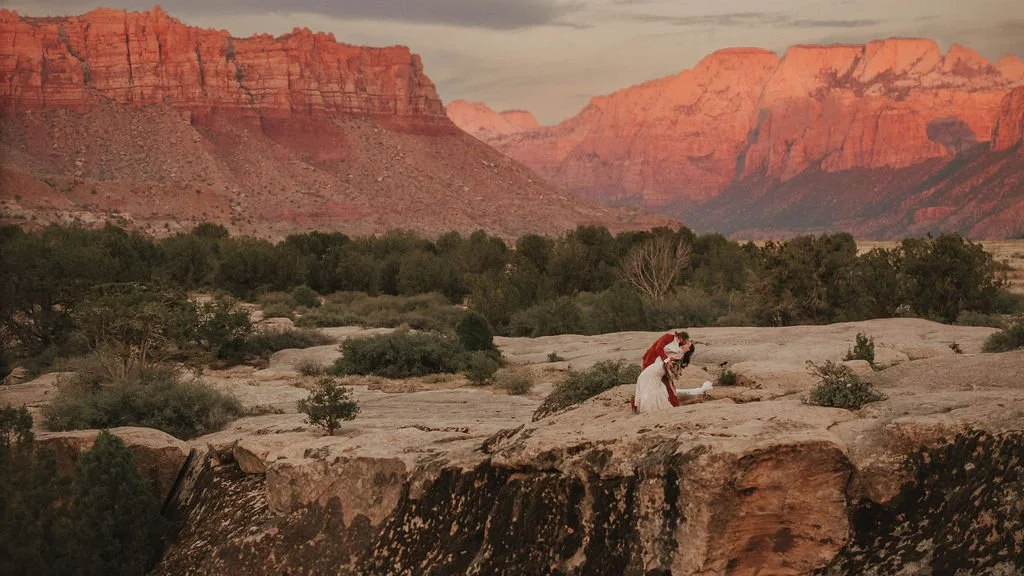
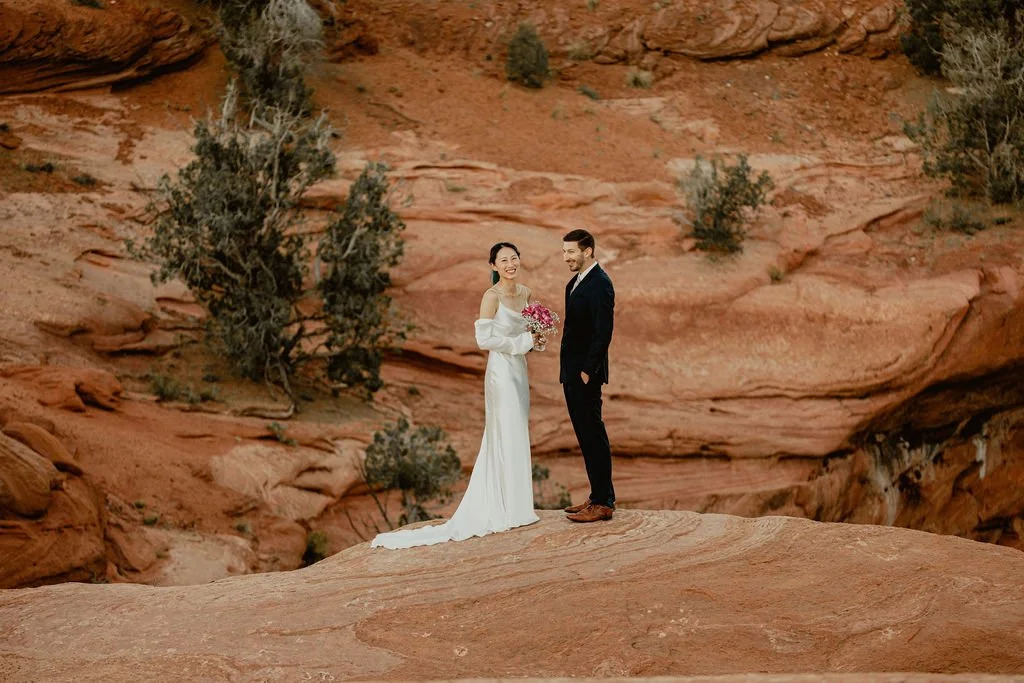
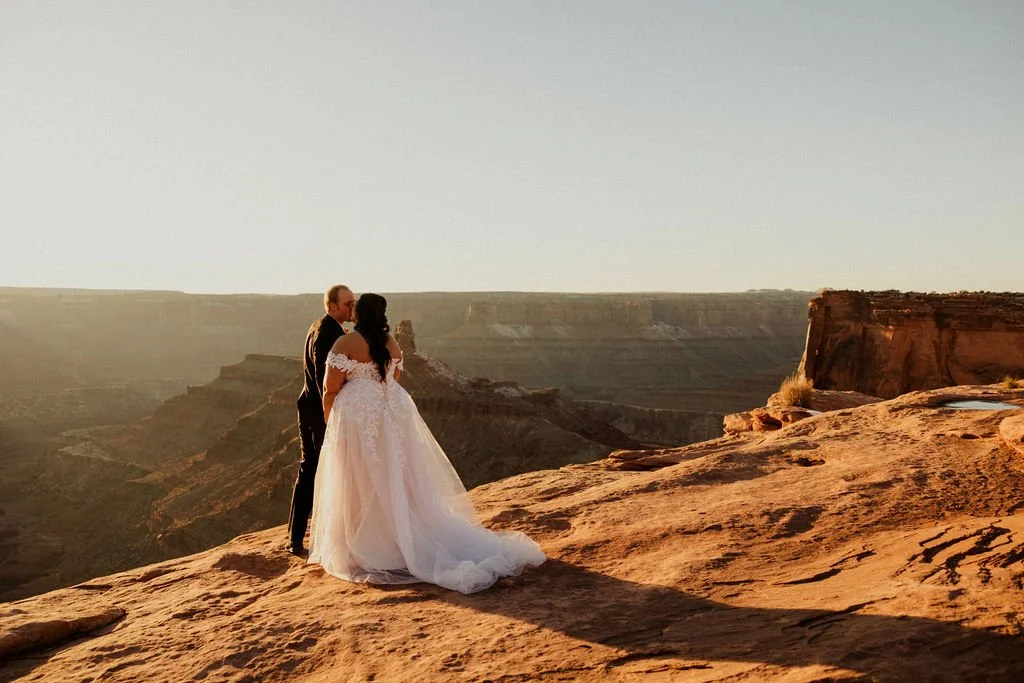
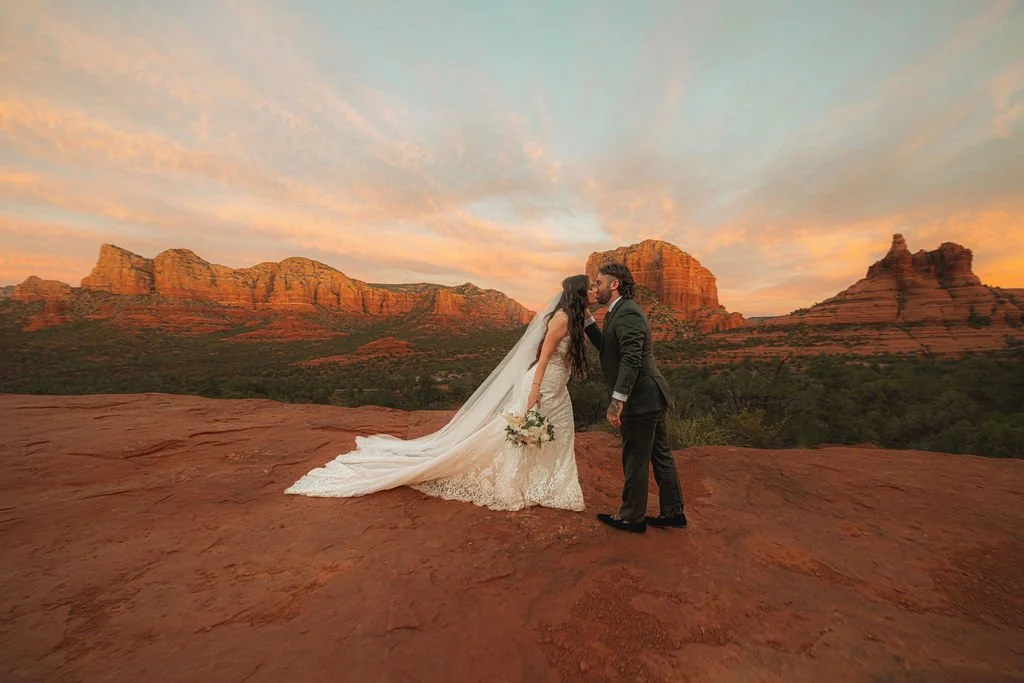
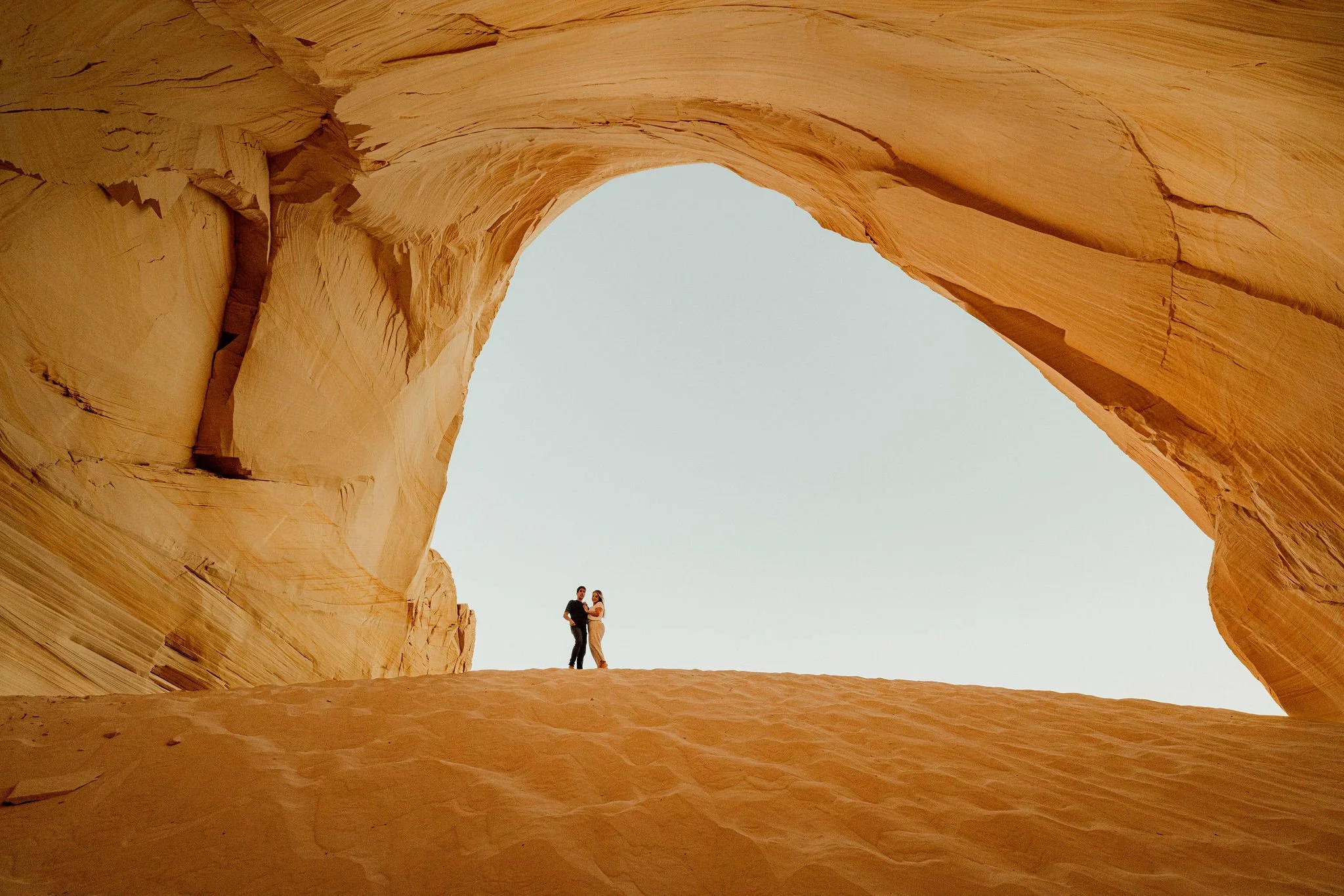
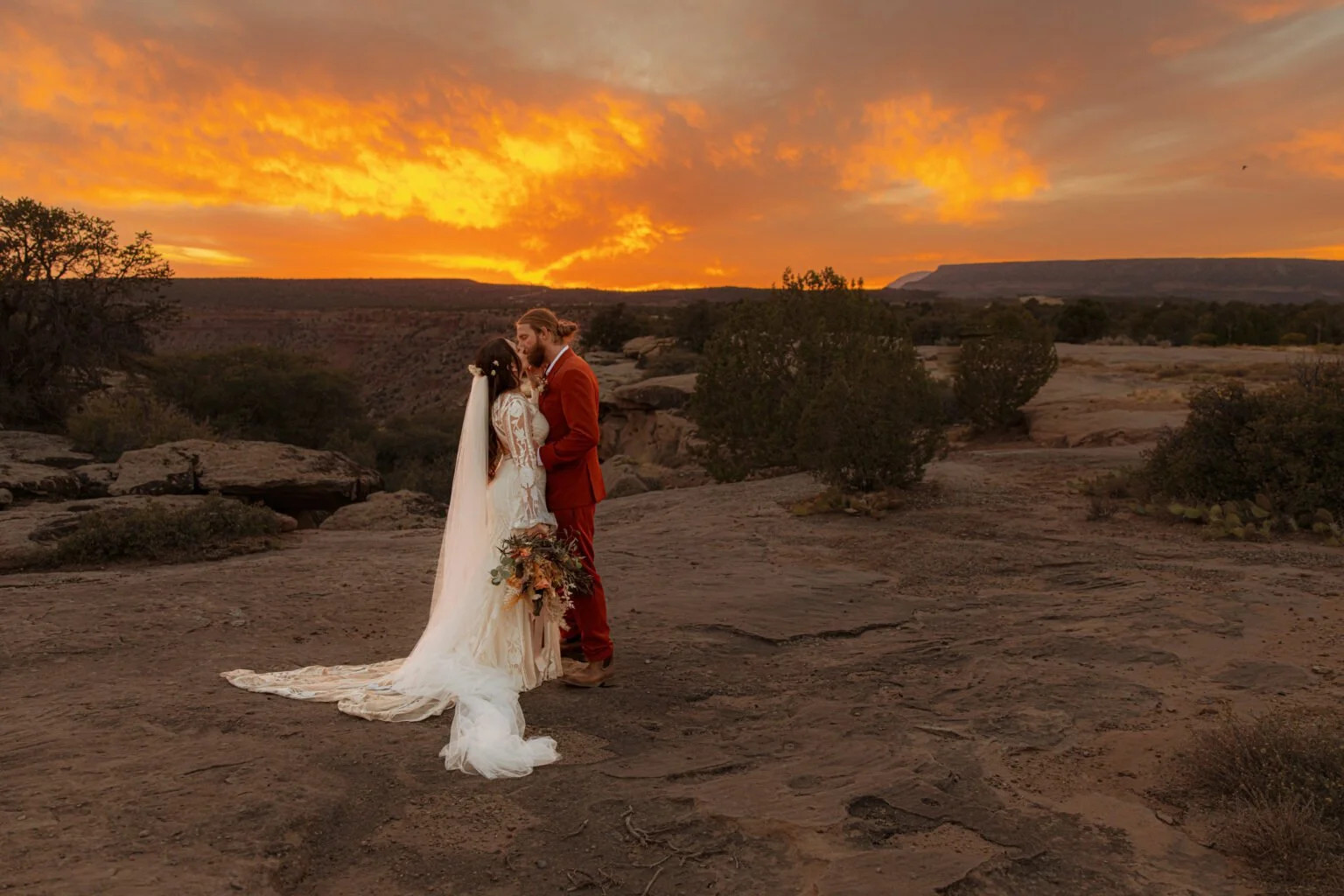
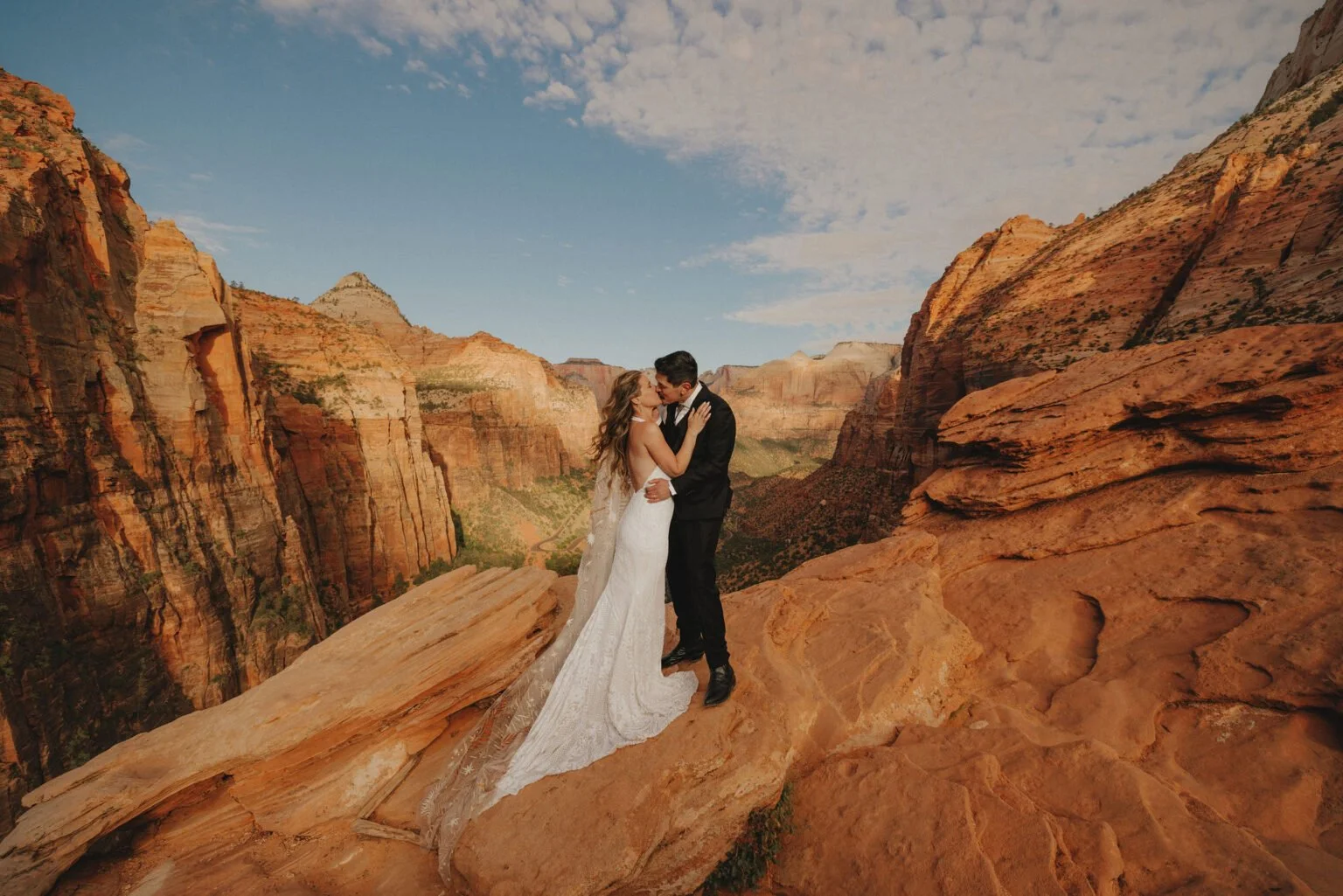
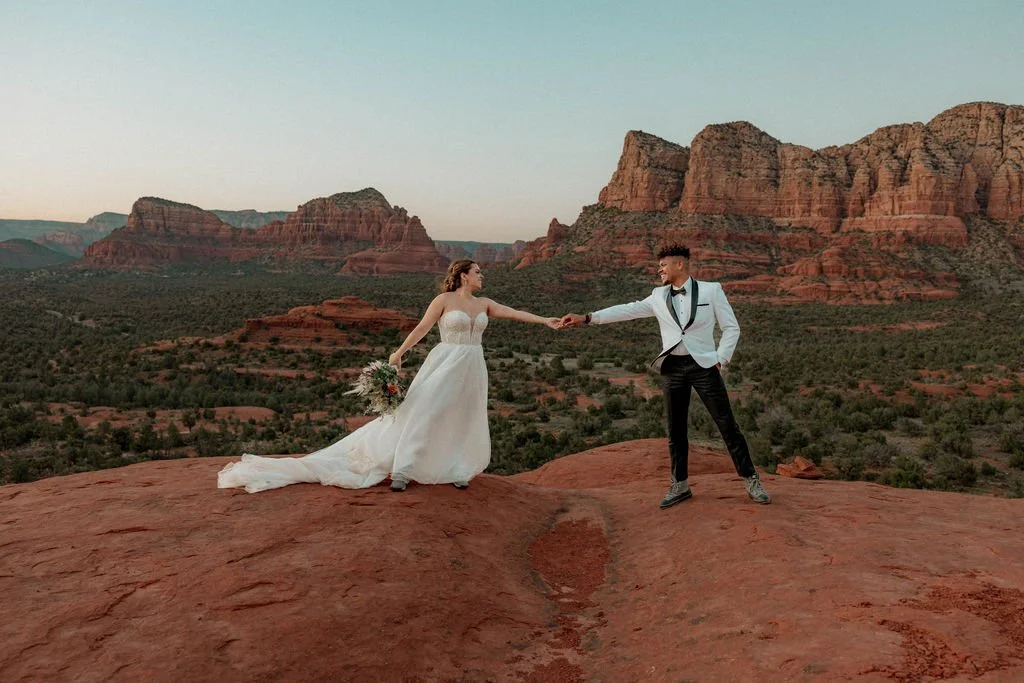
A Moab red rock elopement photographer is a photography specialist based in or near Moab, Utah, who documents intimate ceremonies set against the region's sandstone fins, arches, and canyon rims, most commonly inside Arches National Park, Canyonlands National Park, or on the BLM land that surrounds them. Shutterfreek works exclusively in this kind of terrain, which means permit logistics, hike-in timing, and desert light are already second nature before your wedding day even begins. If you're searching for a photographer for a red rock elopement specifically, the distinction matters: red rock photography has its own rules around heat, exposure, reflected light off sandstone, and access, and a photographer who hasn't shot in this landscape repeatedly will be learning those rules on your wedding day instead of applying them.
This guide covers what a red rock elopement photographer actually does differently, where in Moab the red rock scenery is strongest, how a typical shoot day is structured, what it costs, and the questions worth asking before you book.
What Makes "Red Rock" Elopement Photography Different
Not every outdoor wedding photographer is suited to red rock terrain, and the differences show up in the final gallery. Sandstone reflects and bounces light in ways grass and forest don't , surfaces can run two or three stops brighter than a couple's skin tone at midday, which is part of why so many red rock ceremonies are scheduled for the first or last hour of light rather than the middle of the day. Add in elevation changes, loose gravel, exposed trails with no shade, and summer heat that regularly tops 100°F, and it becomes clear why "experienced outdoor photographer" and "experienced red rock photographer" aren't interchangeable.
A photographer who specializes in this landscape also tends to know things that never make it into a location's Instagram photos: which overlooks lose their light forty minutes earlier than expected in October, which trailheads have zero parking after 8 a.m. in peak season, and which canyon walls create a natural windbreak for a ceremony when gusts pick up. That kind of pattern recognition only comes from repetition, it's the difference between knowledge gathered secondhand and knowledge earned by standing in the same canyon across a dozen different ceremonies.
Signature Red Rock Locations Around Moab
Moab's red rock scenery isn't uniform — fins, arches, towers, and canyon rims each photograph differently depending on the time of day and the season. The table below compares the locations couples ask for most often.
Table 1: Moab Red Rock Locations Compared
| Location | Signature Feature | Best Light | Hike-In Difficulty |
|---|---|---|---|
| Delicate Arch | Freestanding sandstone arch, iconic silhouette | Sunset | Moderate–strenuous (3 mi round trip) |
| The Windows Section | Three close-set arches in one frame | Late afternoon | Easy (under 1 mi) |
| Fisher Towers | Jagged red spires, dramatic vertical scale | Sunrise or sunset | Moderate (2.2 mi round trip) |
| Dead Horse Point | 2,000-ft canyon rim overlooking the Colorado River | Sunrise or sunset | Minimal (roadside overlook) |
| Mesa Arch (Canyonlands) | Arch glows orange from underneath at first light | Sunrise only | Easy (0.5 mi round trip) |
| Corona Arch | Massive freestanding arch, fewer crowds than Delicate Arch | Morning | Moderate (3 mi round trip) |
If you're comparing Moab against other red rock regions in Utah before settling on a destination, our Utah adventure elopements guide lays out how Moab stacks up against Zion, Capitol Reef, and the San Rafael Swell.
How a Red Rock Elopement Day Is Actually Structured
Because red rock light and heat dictate everything, a well-run elopement day is built around the sun, not a clock pulled from a traditional wedding timeline. A typical structure looks like this:
Pre-dawn or late-afternoon start, timed to the specific location's light rather than a generic "golden hour" assumption.
Gear hike-in, anywhere from 10 minutes to over an hour depending on the chosen site, with the photographer carrying equipment suited to sand, scrambles, and elevation change.
Private vow or first-look session, giving the couple quiet, unhurried time before anyone else is part of the moment.
Ceremony coverage, generally 15 to 45 minutes for a true elopement.
Portrait session immediately after, while the light is still soft and the canyon walls are glowing rather than harsh and flat.
Hike-out and gallery delivery, typically curated and delivered within four to eight weeks.
This structure is also why a red rock specialist pushes back on couples who request a midday ceremony for scheduling convenience — the photography will visibly suffer, and an experienced photographer will say so directly rather than quietly deliver a weaker gallery.
Permits: The Part Couples Most Often Underestimate
Nearly every red rock location around Moab sits on land managed by a different agency, each with its own permitting rules. Arches and Canyonlands National Parks generally require a Special Use Permit for any organized ceremony involving professional photography, regardless of group size. BLM land — including Corona Arch and Fisher Towers — typically ties its permit requirement to group size rather than the presence of a camera, so a two-person elopement sometimes clears a lower threshold than a ceremony with guests. Dead Horse Point State Park runs its own separate event-permit system apart from the federal process. None of these requirements are fixed indefinitely; fees and headcount limits shift, so confirming directly with the managing agency before locking in a date is non-negotiable.
A Moab-based red rock elopement photographer who has filed these permits repeatedly can tell you, before you ever apply, which locations are realistic for your timeline and which ones typically take three to four weeks to clear.
Best Season and Time of Day for Red Rock Photography
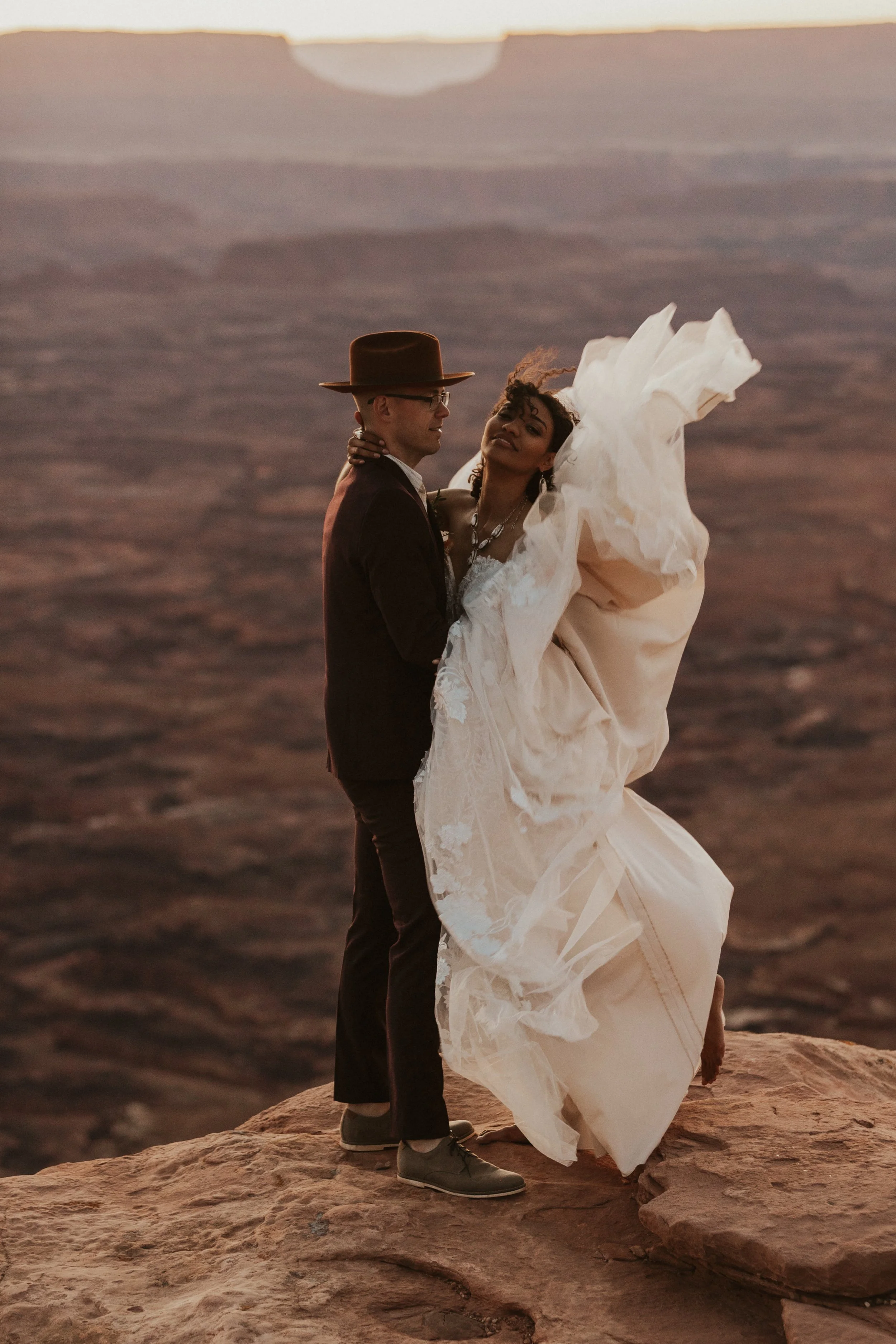
Because sandstone amplifies both heat and harsh light, timing matters more here than in most outdoor wedding settings. The comparison below outlines how the four seasons actually perform for red rock ceremonies.
Table 2: Moab Red Rock Elopement Season Comparison
| Season | Avg. Daytime Temp | Light Quality | Crowd Level | Best For |
|---|---|---|---|---|
| Spring (Apr–May) | 65–85°F | Soft, clear | High | Comfortable hiking, outdoor ceremonies, and soft natural light. |
| Summer (Jun–Aug) | 95–105°F+ | Harsh midday; strong sunrise and sunset light | Moderate | Sunrise-only ceremonies, golden-hour portraits, and couples prepared for extreme heat. |
| Fall (Sep–Oct) | 60–80°F | Warm, saturated tones | High | Warm-toned wedding photos, comfortable outdoor celebrations, and stable weather. |
| Winter (Dec–Feb) | 30–50°F | Crisp, low-angle light | Low | Quiet locations, intimate elopements, and occasional snow-dusted red rock scenery. |
Spring and fall sunrise and sunset slots are the first to book out, often six months to a year ahead, which is a detail that catches out-of-state couples off guard more than any other part of planning.
What Shutterfreek Brings to a Red Rock Elopement
A couple trusting someone to document a ceremony in a remote canyon, with no second take available, should be able to verify a few concrete things before booking:
Direct field experience. Years spent shooting specifically in Moab's canyon country means knowing how light moves through individual locations at specific times of year — not general outdoor photography skill applied to an unfamiliar landscape.
Permit fluency. Having filed Special Use Permits and BLM applications repeatedly means knowing realistic timelines and which locations genuinely fit a couple's travel window.
Physical readiness. Hiking camera gear, reflectors, and sometimes a second shooter's equipment across sand and sandstone requires conditioning most studio-based photographers don't maintain.
A real, verifiable portfolio. Every location referenced in this guide reflects places Shutterfreek has actually photographed a ceremony, not stock imagery sourced from a stock-photo site.
This is the kind of firsthand, location-specific expertise that both search engines and couples are increasingly weighing more heavily than generic marketing language — genuine experience over a polished sales page. For a full look at how this approach applies across adventure-style ceremonies more broadly, Shutterfreek's elopement photography services page walks through the process end to end.
Red Rock Elopement Investment and Package Structure
Pricing for a red rock elopement photographer depends on hike difficulty, coverage length, permit assistance, and how many locations are involved. Most couples considering an intimate ceremony at a sunrise overlook should expect lower costs than those planning a full-day adventure wedding with multiple locations and a larger guest count. Rather than comparing photographers purely on price, it's worth confirming exactly what's included, permit filing assistance, second-shooter coverage, travel fees for remote trailheads, and turnaround time all meaningfully affect the value behind a quoted number.
Questions Worth Asking Before You Book
A short list of questions tends to separate a genuinely qualified red rock photographer from one who is simply willing to show up:
Do they have a portfolio from Moab or comparable red rock terrain specifically, rather than generic outdoor weddings?
Have they filed permits for the exact location you're considering, or will that fall entirely on you?
Can they physically handle your chosen hike with full gear, in summer heat if that's your date?
What is their realistic turnaround time for a final gallery?
Do they have a weather or heat contingency plan built in, rather than a one-size-fits-all timeline?
Comparing Moab to Other Southwest Red Rock Destinations
Some couples weighing a Moab elopement are also considering other red rock regions across the Southwest before committing to a state. Utah itself offers several comparable landscapes beyond Moab — covered in detail in our Utah adventure elopements guide, while couples open to crossing state lines often look at New Mexico's badlands and high-desert terrain, outlined in our New Mexico adventure elopements guide. Moab's specific draw is its proximity to two national parks within a single short drive, giving couples access to multiple distinct red rock styles — arches, towers, and canyon rims — without needing to relocate between ceremony and portrait sessions.
For couples still deciding whether an adventure-style elopement is the right format at all, Shutterfreek's broader elopement photography overview walks through what the experience looks like from first inquiry through final gallery, independent of which red rock destination you ultimately choose.
Final Thoughts
A Moab red rock elopement photographer is ultimately defined by how well they understand the landscape itself — not just where the arches are, but how the light moves through them, what the permitting process actually requires, and how to keep a ceremony running smoothly in heat and terrain that don't forgive poor planning. Whether the goal is a sunrise ceremony glowing beneath Mesa Arch or a quiet sunset at Fisher Towers with no one else around, the right photographer treats Moab's red rock as a creative partner rather than a scenic backdrop they're seeing for the first time on your wedding day.
Ready to plan your Moab red rock elopement? Explore Shutterfreek's full range of adventure elopement photography services to start building your custom timeline.
Frequently Asked Questions
-
A red rock elopement photographer focuses specifically on ceremonies held against sandstone arches, canyon rims, and desert spires — terrain that behaves differently from forest or beach settings in terms of light, heat, and access logistics. Shutterfreek works exclusively in this kind of landscape around Moab's national parks and BLM land.
-
In most cases, yes. Arches and Canyonlands National Parks generally require a Special Use Permit for ceremonies involving professional photography, BLM land like Fisher Towers and Corona Arch ties its requirement to group size, and Dead Horse Point State Park has its own separate permitting process. Rules and fees change, so confirming directly with the land manager before your date is essential.
-
Spring (April–May) and fall (September–October) offer the most comfortable hiking conditions and the softest light, making them the most heavily booked seasons. Summer ceremonies are possible but are usually scheduled at sunrise to avoid extreme heat, and these peak-season sunrise and sunset slots often book out six months to a year in advance.
-
Item descriptionRed rock terrain reflects light differently than grass or forest, often running several stops brighter at midday, and it introduces heat, elevation, and permit logistics that general outdoor photographers may not have encountered. A specialist builds the shoot schedule around the location's specific light pattern rather than a standard wedding timeline.
-
Many experienced local photographers, including those who specialize in adventure elopements, offer planning support such as location recommendations, permit guidance, and realistic timeline-building — particularly valuable for couples planning their Moab elopement from out of state.
Keep reading