Desert Wedding Locations New Mexico
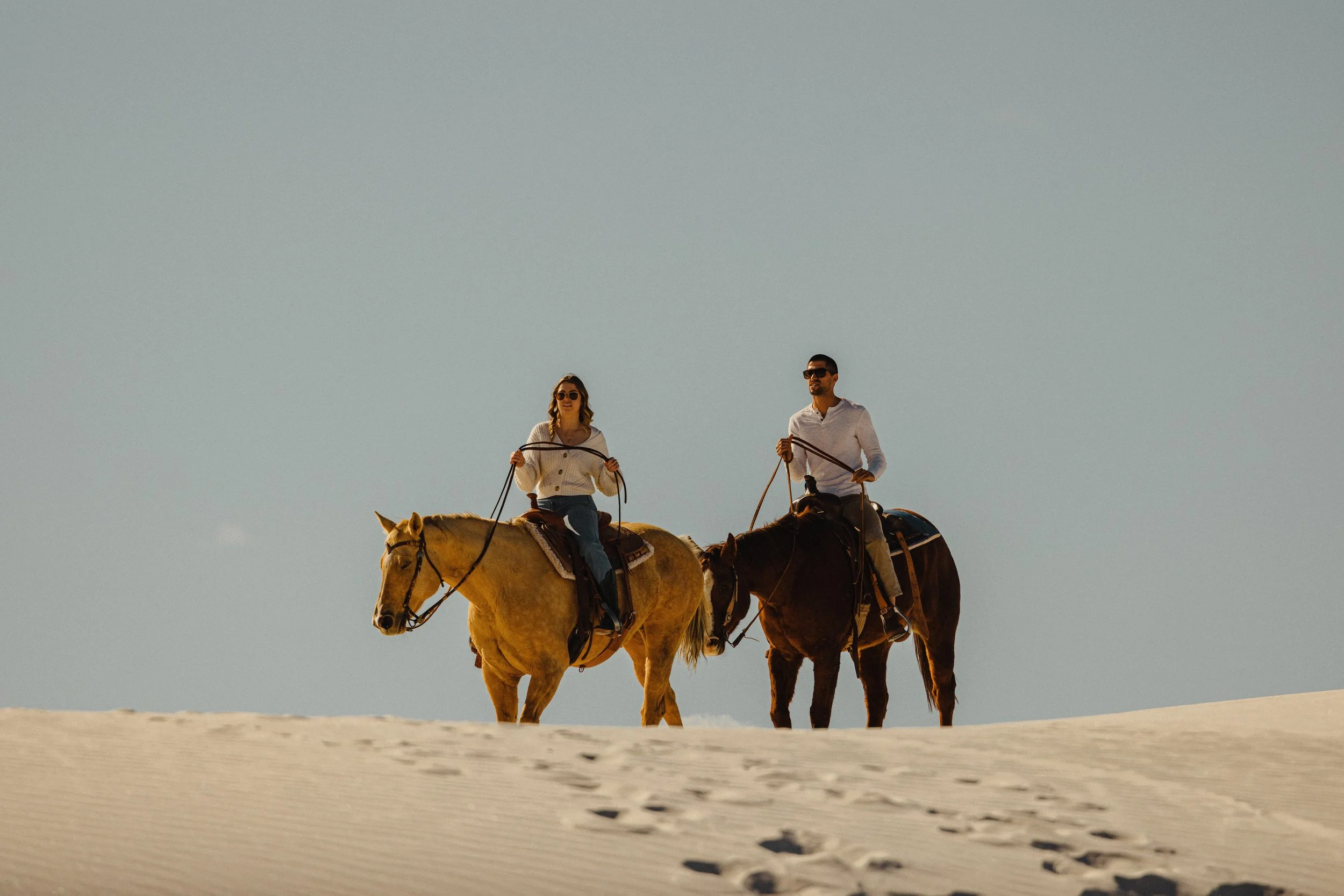
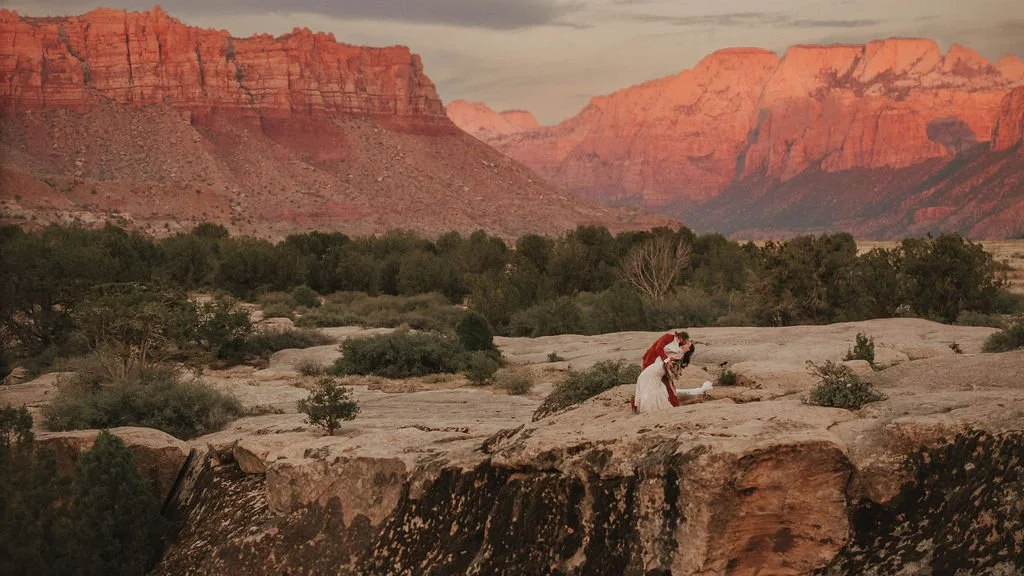
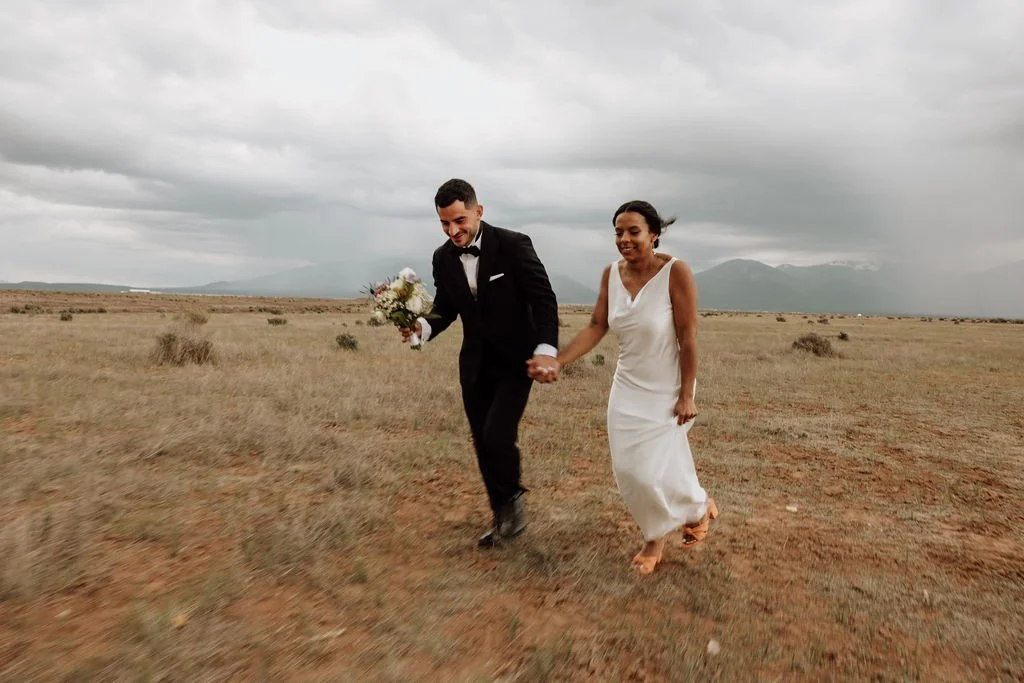
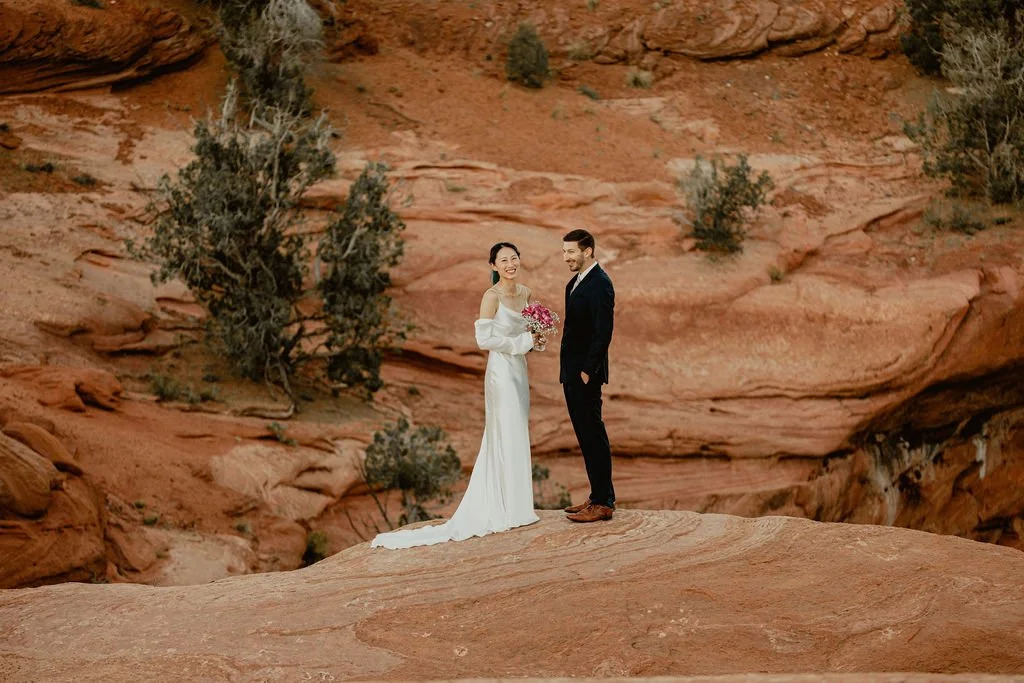
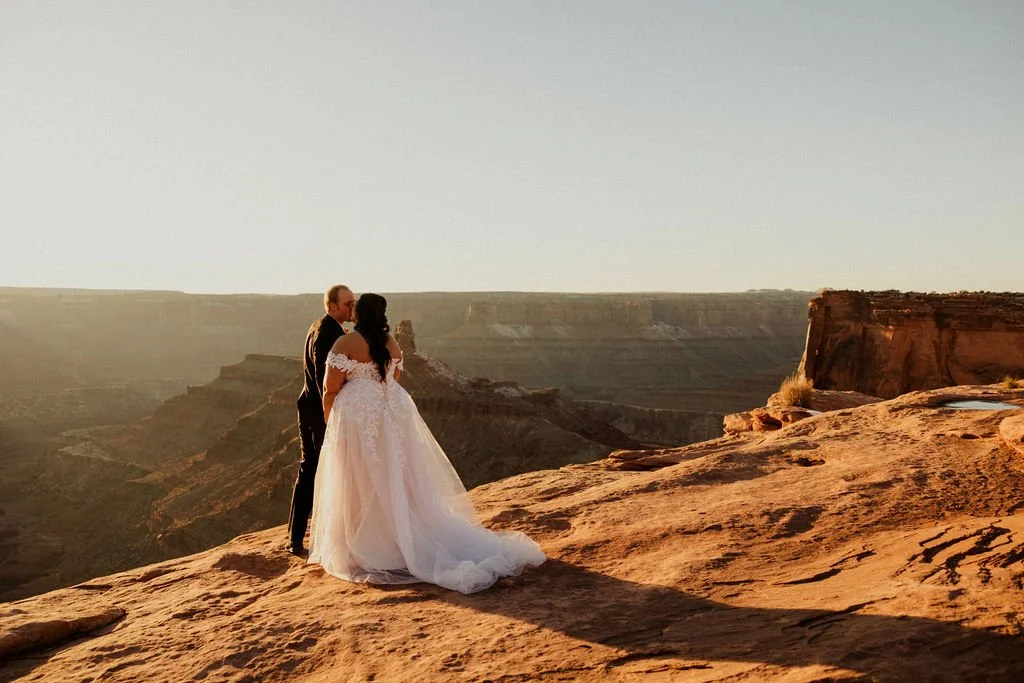
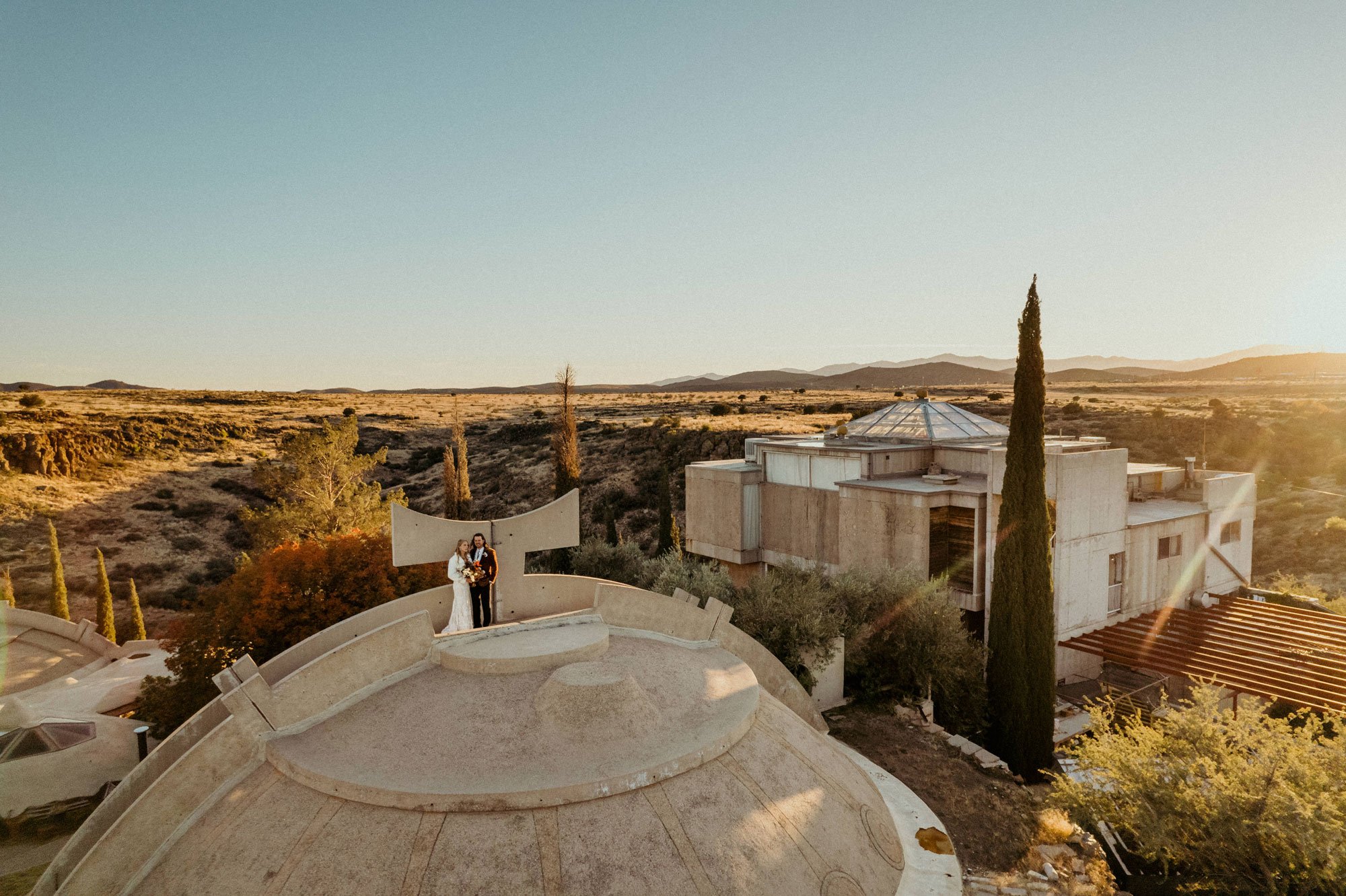
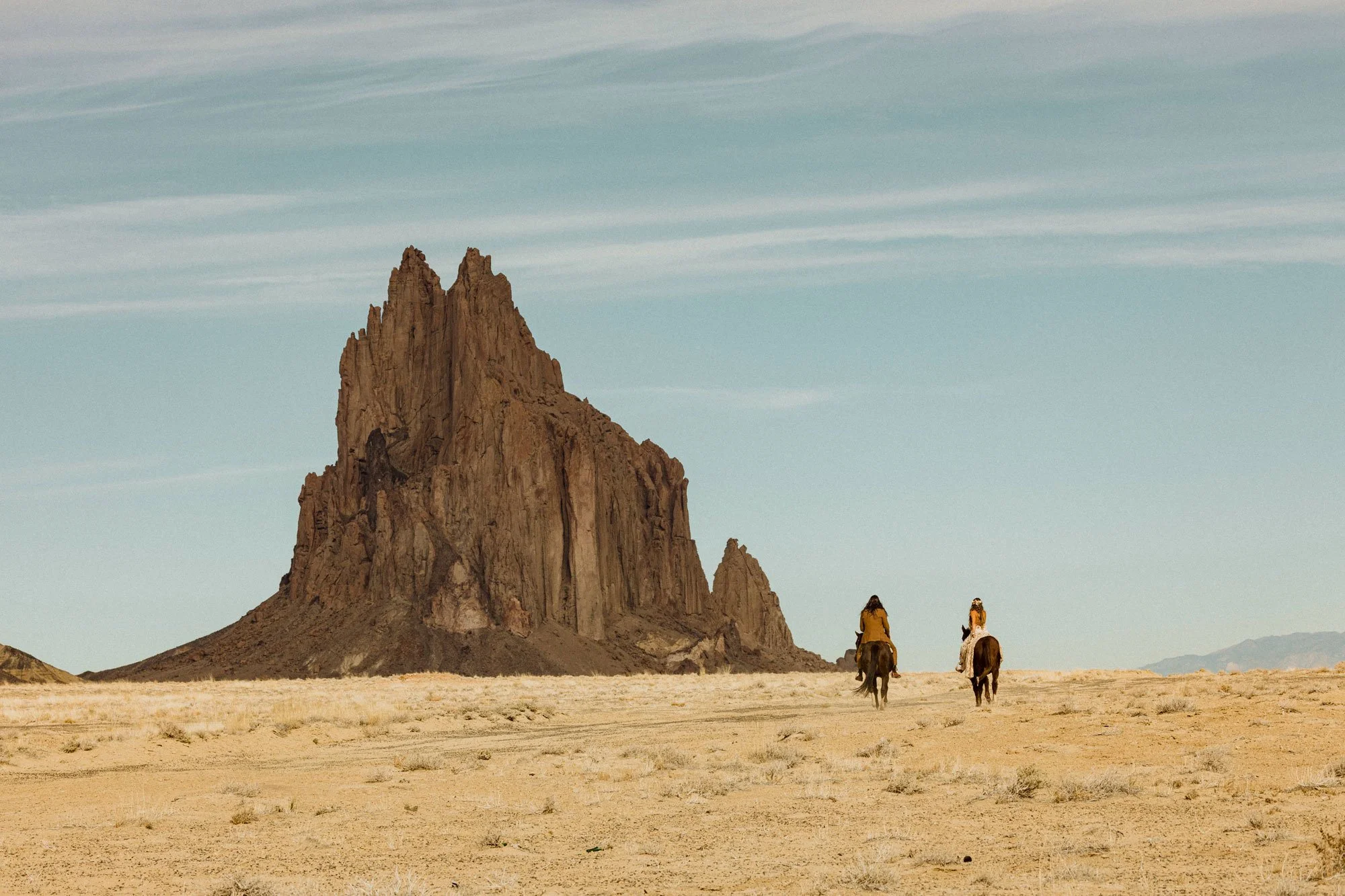
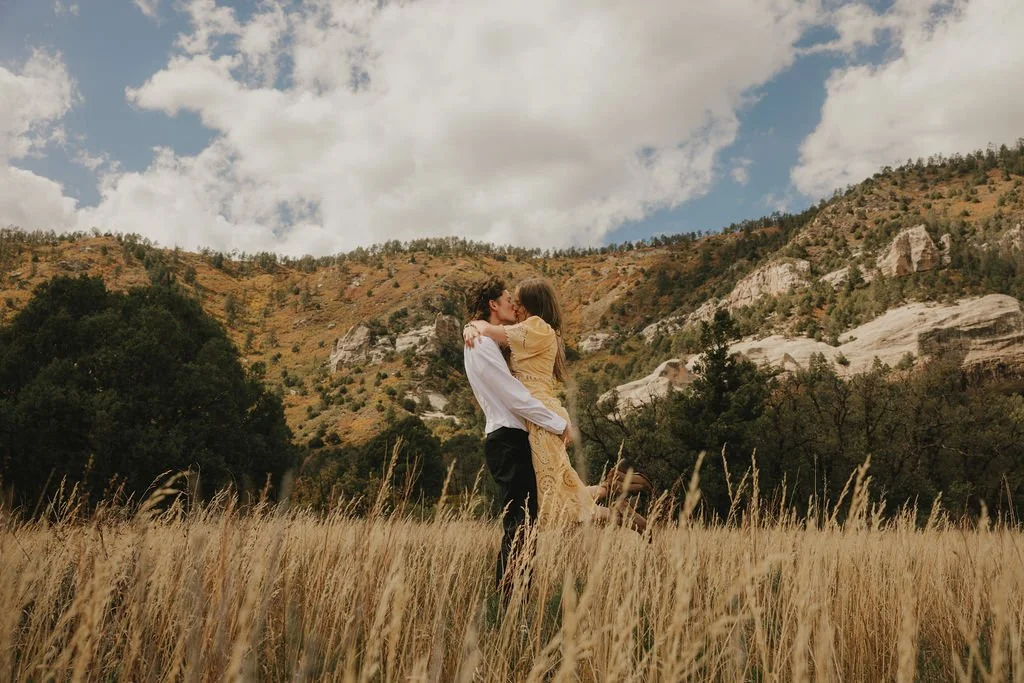
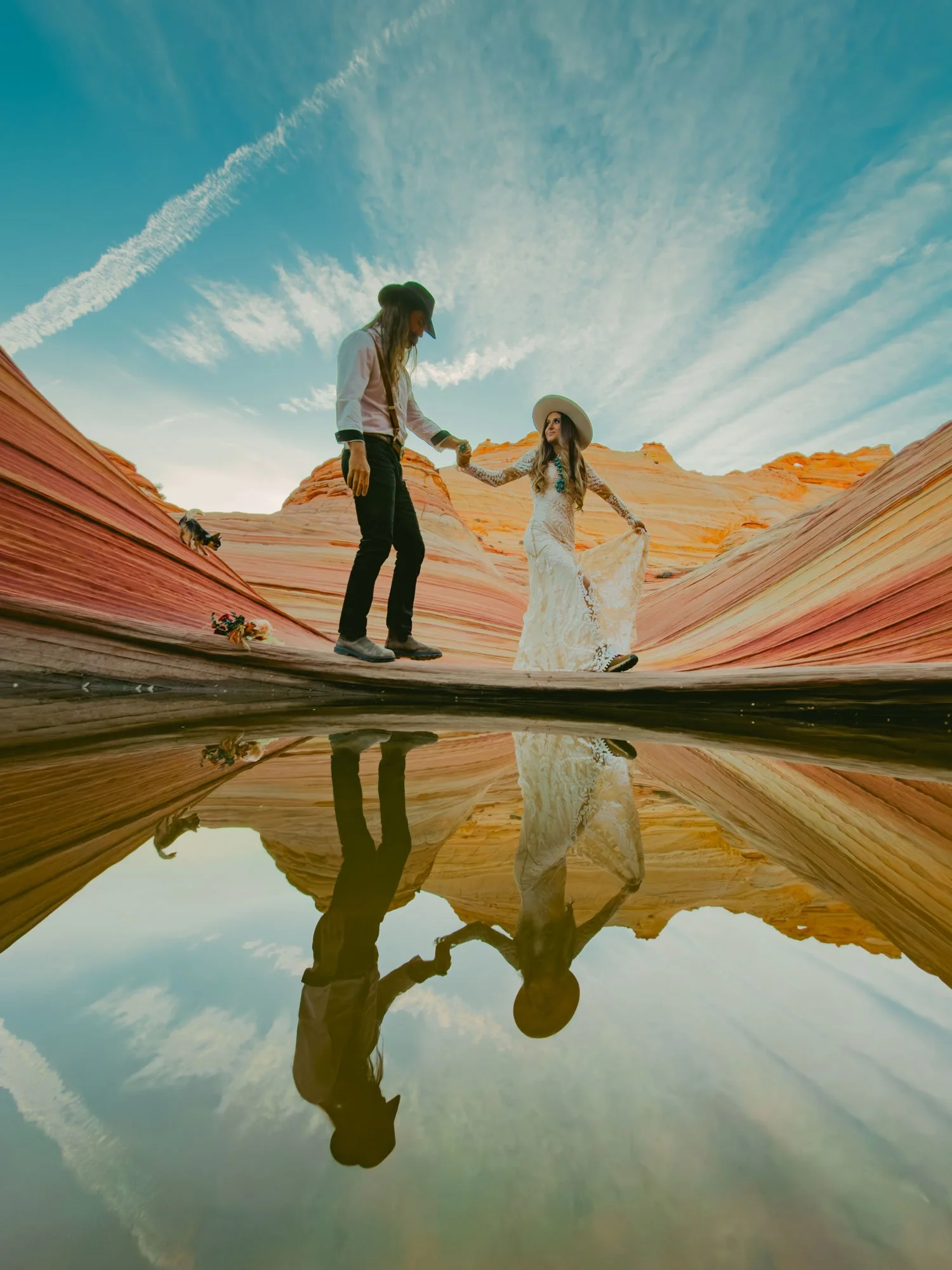
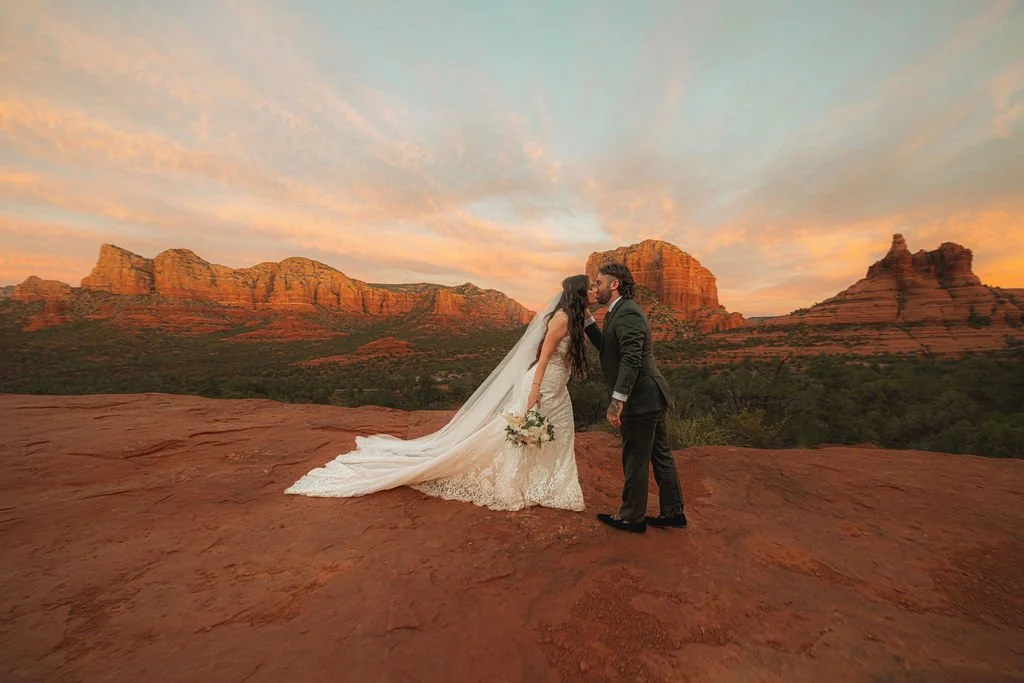
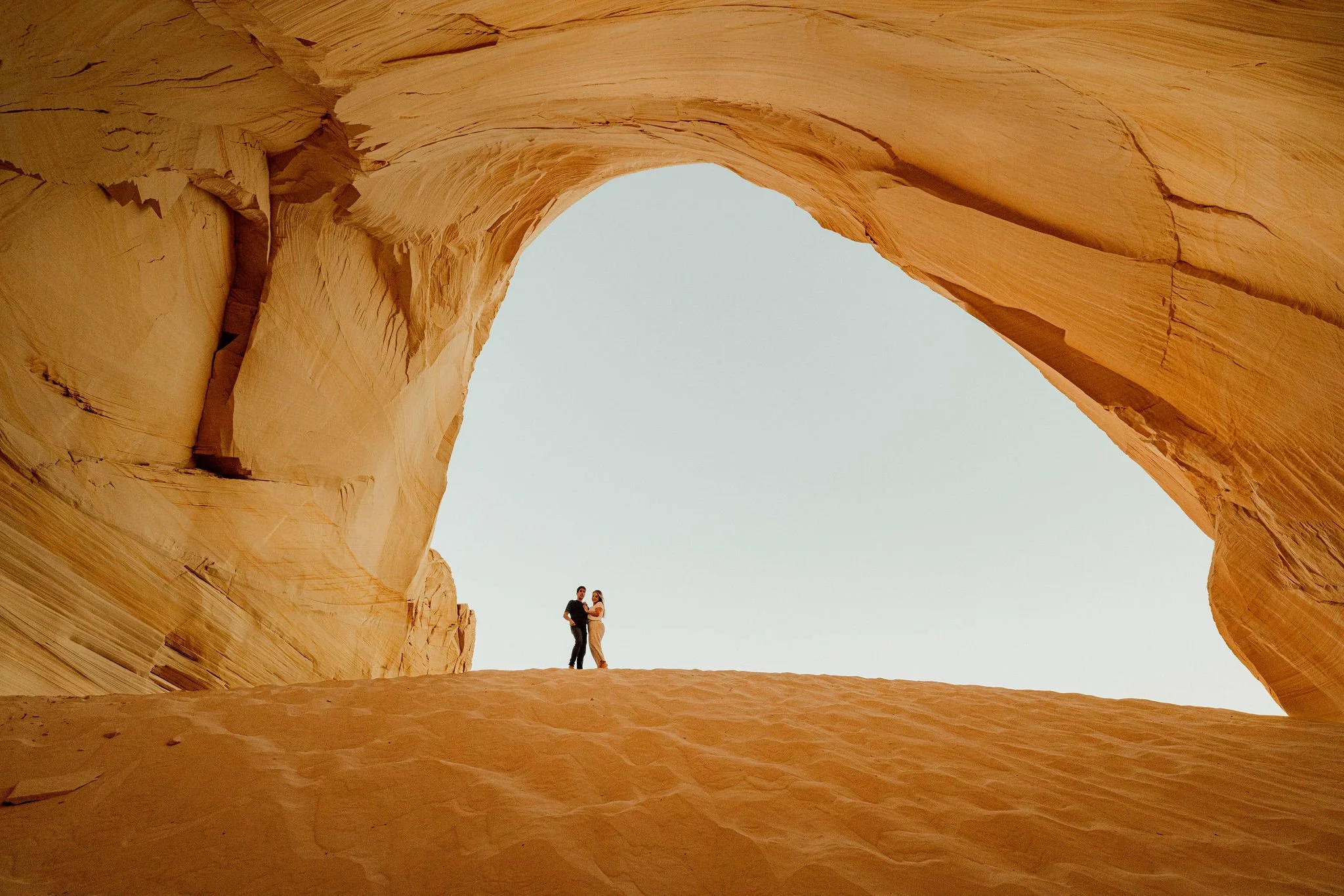
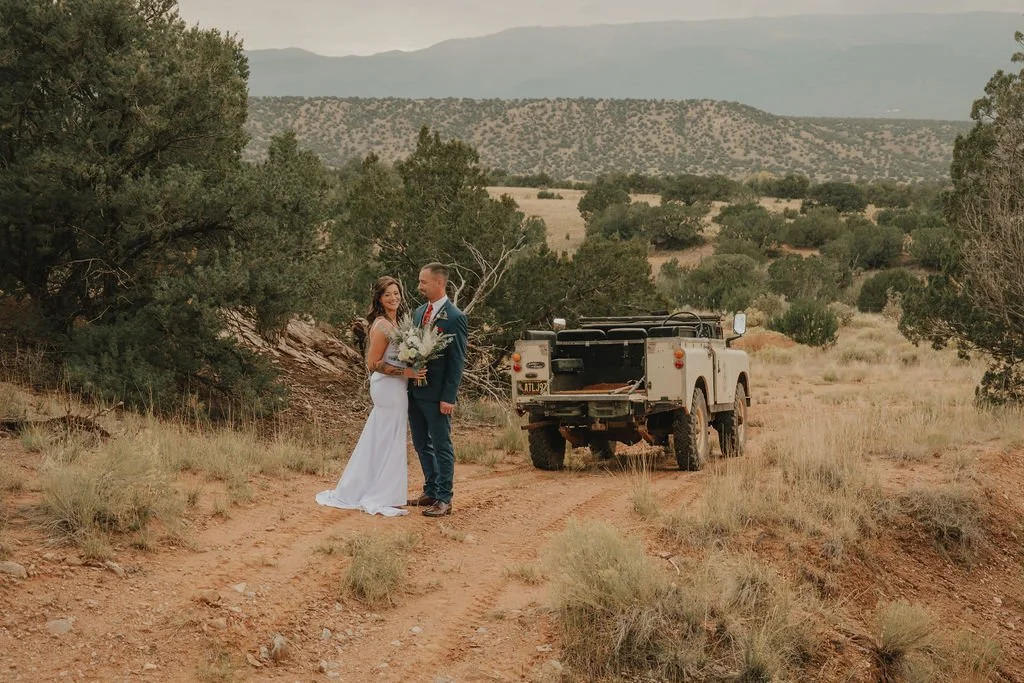
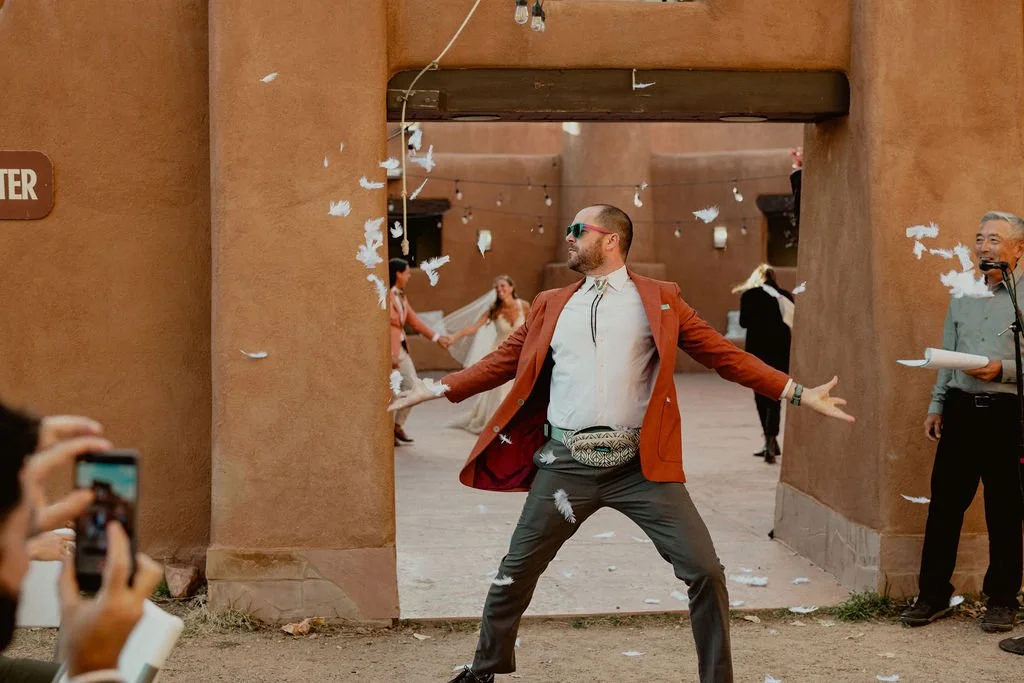
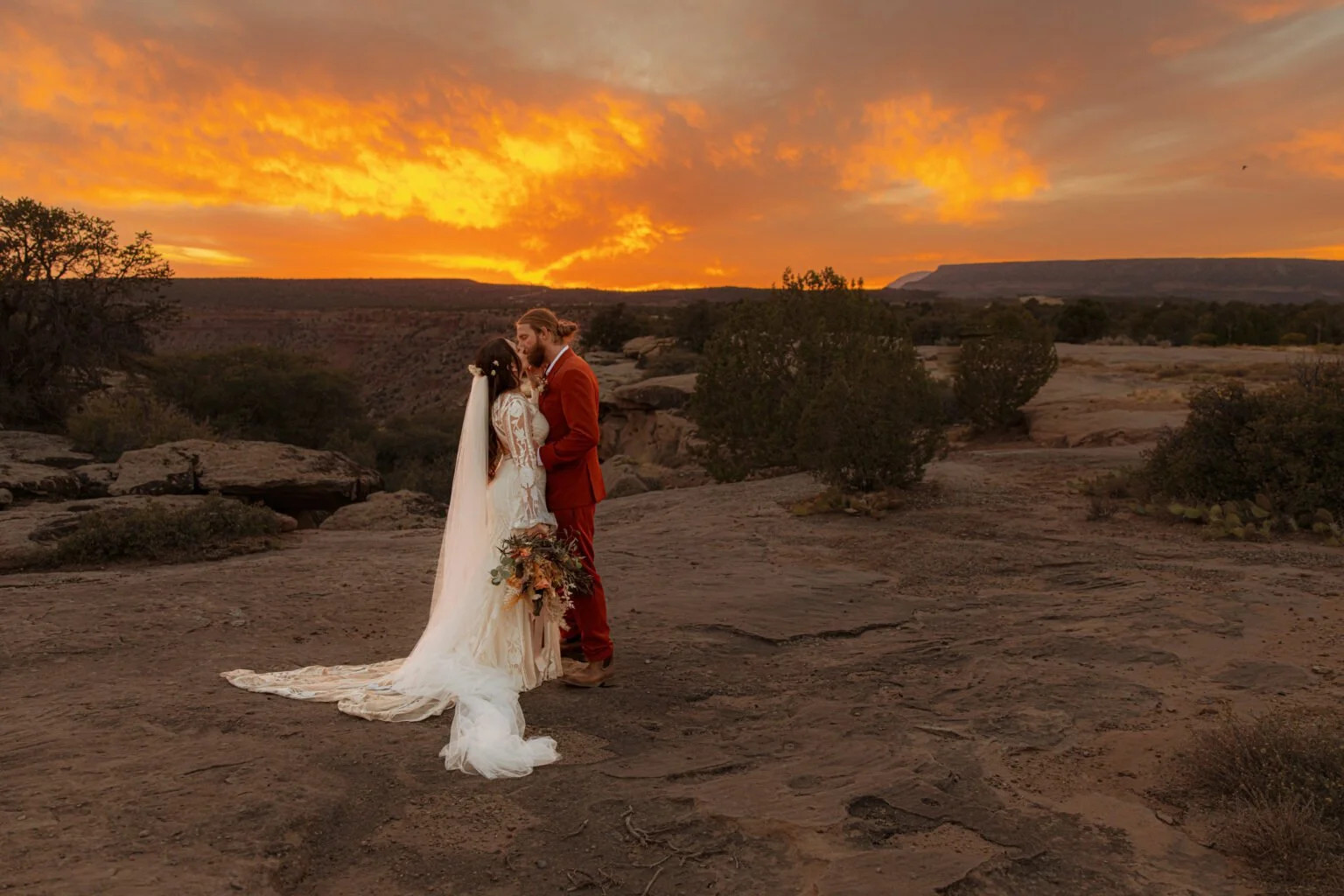
New Mexico is one of the most extraordinary desert wedding locations in the entire American Southwest, offering couples a dramatic landscape of red rock formations, ancient juniper forests, high desert plains, and infinite sky that no ballroom in the world can replicate. Whether you're planning a full ceremony, an intimate elopement, or an adventure-style shoot in the wild, the Land of Enchantment delivers a raw, cinematic backdrop that is uniquely yours. From the volcanic Jemez Mountains to the White Sands National Park and the mystical plains outside of Santa Fe, New Mexico desert weddings are defined by golden light, wide open space, and an atmosphere that feels ancient, sacred, and completely unforgettable.
Why New Mexico Is the Ultimate Desert Wedding Destination
New Mexico sits at the intersection of Southwestern culture, Native American heritage, and otherworldly geology — a trifecta that gives desert weddings here a depth of character that few other states can match.
The state averages over 300 sunny days per year, making outdoor ceremonies reliable across most of the calendar. The altitude ranges from 3,000 to over 13,000 feet depending on location, giving couples the option of warm desert valley settings or dramatic high-mountain plateaus kissed by desert winds. The quality of light — particularly during the golden hour — is widely regarded among landscape photographers as among the best in North America.
For couples working with Shutterfreek's New Mexico wedding and adventure elopement photographers, the New Mexico landscape is a living canvas that changes by season and by hour, offering infinite creative opportunities.
Top Desert Wedding Locations in New Mexico
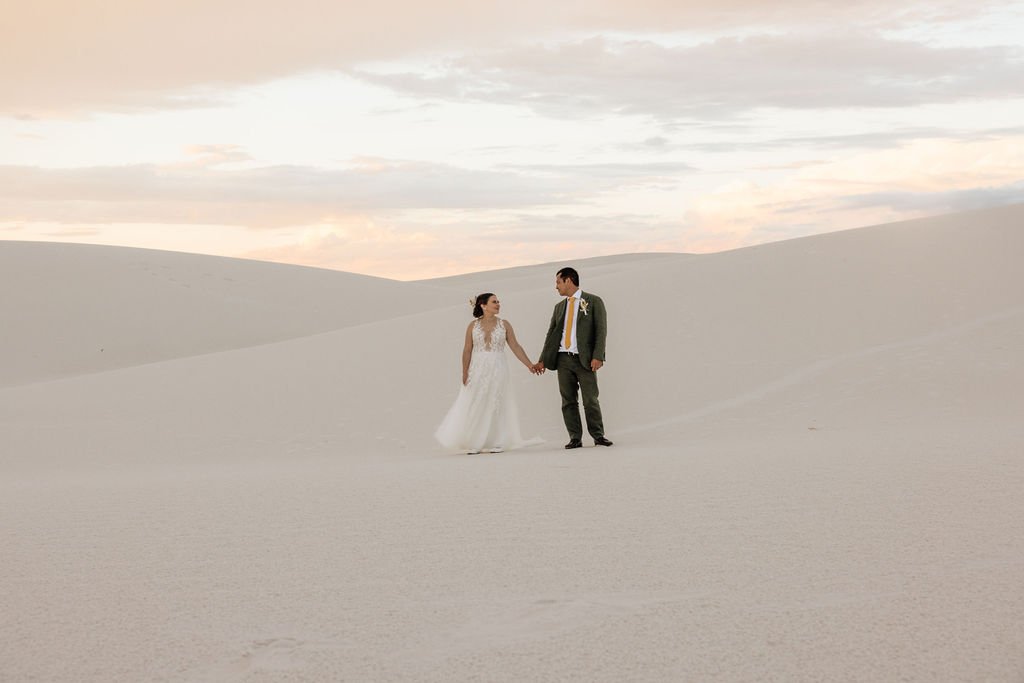
1. White Sands National Park, Tularosa Basin
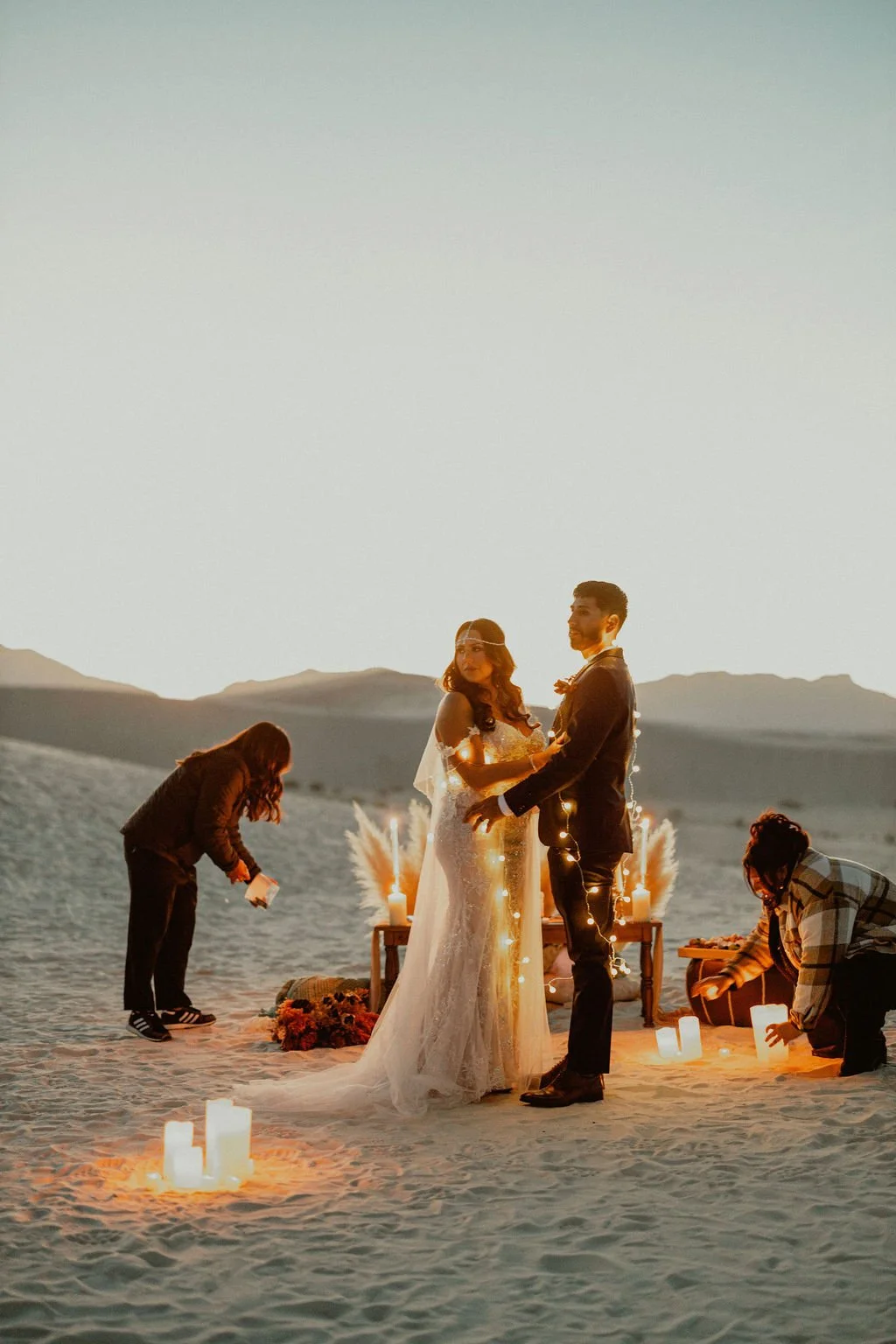
Few places on Earth look like White Sands. The gypsum dunes stretch across 275 square miles, creating a surreal white landscape that photographs like another planet. The contrast between alabaster dunes, cerulean sky, and a couple in wedding attire creates images of haunting, timeless beauty.
Permits are required for photography within the park, and sessions must be scheduled carefully around park hours and seasonal temperatures. Early morning and late afternoon are ideal for light and temperature. Because the landscape is constantly shifting, no two sessions are ever the same.
Best season: October through April for cooler temperatures. What to expect: A 20–45 minute drive from Alamogordo; zero shade, so timing is critical.
2. Tent Rocks National Monument (Kasha-Katuwe), Cochiti
Kasha-Katuwe Tent Rocks is one of New Mexico's most dramatic geological formations — cone-shaped volcanic pumice and tuff formations that rise in clusters like a stone forest. The narrow canyon slot gives couples an intimate, enclosed atmosphere, while the plateau above opens to sweeping desert views of the Rio Grande Valley.
The trail to the upper viewpoint is moderately challenging (2.5 miles round trip), which makes it a popular choice for adventurous elopements. Shutterfreek photographers experienced with elopements know this location's light windows intimately, making the most of the brief morning golden hour before crowds arrive.
Best season: Spring and fall. What to expect: A 45-minute drive from Santa Fe; arrive at sunrise for the best light and solitude.
3. Bisti/De-Na-Zin Wilderness, Farmington
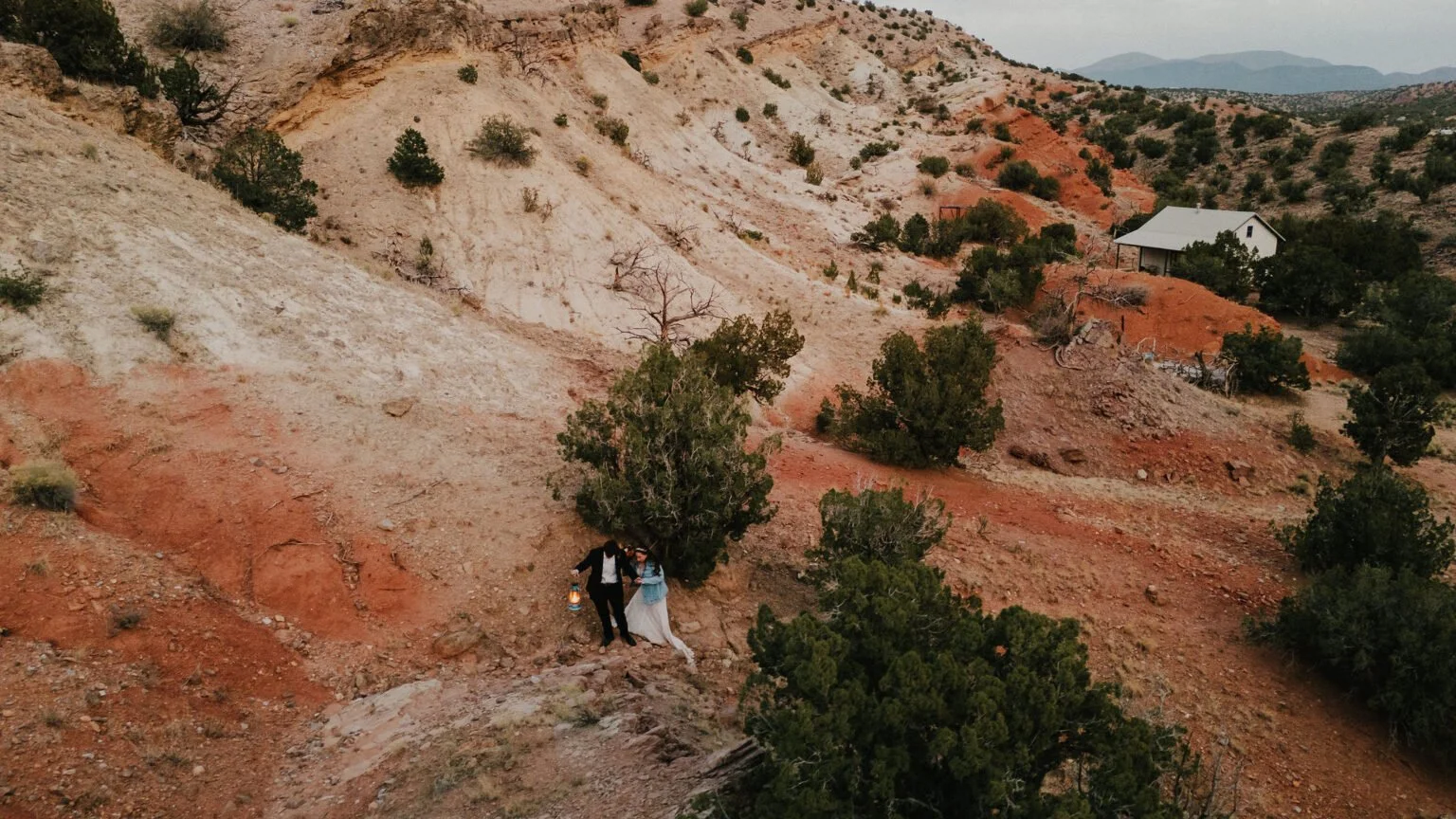
Bisti Badlands is New Mexico's best-kept secret for adventurous couples. This remote 45,000-acre wilderness in the San Juan Basin is a landscape of hoodoos, petrified wood, and alien rock formations that look unlike anything else in the Southwest. There are no maintained trails and no facilities — only raw, undiscovered wilderness.
Reaching the best formations requires a 1–3 mile cross-country hike, making this an ideal location for couples who want genuine adventure built into their wedding day. The payoff is extraordinary: absolute solitude in a landscape that makes every frame look like fine art photography.
Best season: March–May and September–November. What to expect: Remote; bring water, solid footwear, and a guide who knows the terrain.
4. Ghost Ranch, Abiquiú (Georgia O'Keeffe Country)
Ghost Ranch in the Piedra Lumbre Valley near Abiquiú is perhaps the most artistically celebrated landscape in New Mexico. Georgia O'Keeffe painted here for decades, and the terracotta cliffs, sage meadows, and brilliant red mesas continue to inspire artists and couples alike.
Ghost Ranch offers rental accommodations, ceremony spaces, and permits for photography on the property. It sits in a high desert valley at approximately 6,500 feet elevation, meaning temperatures are moderate even in summer. Couples who admire art, Southwest culture, and organic architecture will find Ghost Ranch deeply resonant.
Best season: May through October. What to expect: Private venue with booking required; stunning canyon light in the late afternoon.
5. Taos Mesa & Rio Grande Gorge
The wide volcanic plateau of Taos Mesa, bisected dramatically by the Rio Grande Gorge, offers one of the most striking geological contrasts in the Southwest. Stand on the suspension bridge above a 650-foot gorge cut through black basalt, and you begin to understand why couples from around the world choose New Mexico for their most important day.
The mesa itself is windswept and wide, framing enormous skies above. Sunset here in late October turns the sage plateau gold and the gorge walls a deep rust. Taos Pueblo — a UNESCO World Heritage Site — is nearby for couples who wish to incorporate cultural context into their celebration.
Best season: April through November. What to expect: High elevation (7,000 ft+); strong winds are common, especially in spring.
6. Valles Caldera National Preserve
For couples who want a desert wedding with a lush, otherworldly twist, Valles Caldera delivers. This 89,000-acre volcanic caldera in the Jemez Mountains features expansive meadows ringed by pine forests and volcanic rim — a landscape that shifts from high desert to mountain ecology within a single frame. Wildlife is abundant, and the solitude here rivals anywhere else in the state.
Permits are required for filming and photography for commercial purposes. The preserve is accessible year-round, though winter sessions require significant preparation for snowfall
Comparison Table: Top New Mexico Desert Wedding Locations at a Glance
| Location | Vibe | Difficulty | Permit Required | Best Light | Nearest City |
|---|---|---|---|---|---|
| White Sands National Park | Ethereal, surreal | Easy | Yes | Golden hour (morning/sunset) | Alamogordo |
| Tent Rocks Monument | Dramatic, intimate | Moderate | Yes | Sunrise | Santa Fe |
| Bisti Badlands | Raw, adventurous | Difficult | No | Early morning | Farmington |
| Ghost Ranch | Artistic, romantic | Easy | Yes (private) | Late afternoon | Abiquiú |
| Taos Mesa / Rio Grande Gorge | Expansive, majestic | Easy–Moderate | No | Sunset | Taos |
| Valles Caldera | Lush, remote | Easy–Moderate | Yes | Morning | Los Alamos |
Planning Your New Mexico Desert Wedding: What You Need to Know
Permits and Legalities
Most public lands in New Mexico — including National Parks, National Monuments, and Bureau of Land Management areas — require a Special Use Permit for commercial photography, which includes wedding and elopement photography. Permit costs typically range from $50 to $250 depending on the agency and group size. Applications can take anywhere from two weeks to several months to process for popular locations, so early planning is critical.
Private venues like Ghost Ranch handle permits internally as part of their booking process. Working with experienced photographers who already have permit relationships — like the team at Shutterfreek — eliminates much of the administrative burden for couples.
Seasons and Weather Planning
New Mexico's desert climate is not uniform. The southern desert (White Sands, Chihuahuan Desert) runs hot and dry from May through September, with temperatures exceeding 100°F in midsummer. Northern New Mexico (Taos, Santa Fe, Ghost Ranch) is significantly cooler year-round due to elevation, with mild summers and dramatic snow possible from November through March.
The monsoon season (July–September) brings afternoon thunderstorms that are both a logistical challenge and a phenomenal photographic opportunity — rainbow skies and steam-rising desert floors can create images of breathtaking drama.
What to Wear for a Desert Wedding
Desert wedding attire should balance visual beauty with practical comfort. Flowing fabrics in ivory, blush, dusty rose, and terracotta read beautifully against red rock. Avoid heavy silks or structured fabrics that absorb heat. For footwear, consider structured sandals or boots — stilettos and sand don't mix. Partners in linen suits, earth-toned chinos, or even casual Western attire feel authentic and photograph beautifully against the landscape.
Sunscreen, light cover-ups for mid-day shoots, and hydration are non-negotiable practical necessities for desert sessions.
New Mexico vs. Other Southwest Desert Wedding Destinations
Couples often consider New Mexico alongside its neighboring states when planning a desert elopement. Here's how the destinations compare across the key decision factors:
| Factor | New Mexico | Utah | Arizona | Colorado |
|---|---|---|---|---|
| Iconic Landmarks | White Sands, Bisti, Tent Rocks | Arches, Zion, Bryce Canyon | Antelope Canyon, Sedona, Saguaro | Mesa Verde, San Juan Mountains |
| Crowd Level | Low–Moderate | High at popular parks | High at most parks | Moderate |
| Photography Permit Access | Generally accessible | More regulated at peak parks | Variable by location | Generally accessible |
| Cultural Depth | Rich (Pueblo, Hispanic SW) | Strong (Navajo, Mormon heritage) | Strong (Navajo Nation, Sonoran) | Moderate |
| Climate Diversity | High desert to alpine | Canyon to alpine | Hot desert to pine | Alpine to desert canyon |
| Best For | Adventure + Artsy + Intimate | Epic scenery + Dramatic arches | Warm climate + Red rock | Mountains + Desert hybrid |
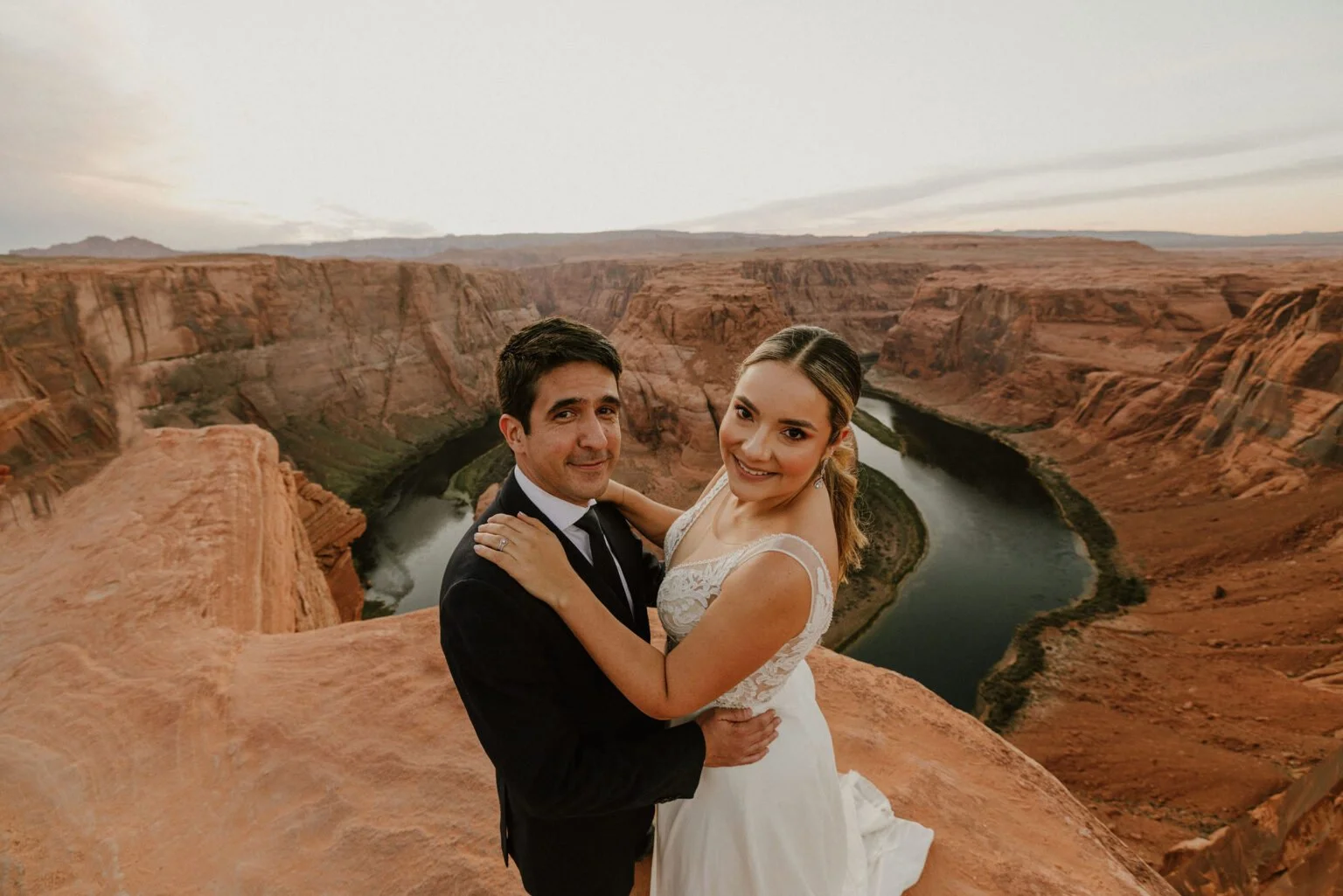
If your dream wedding involves towering canyon arches and slot canyons, explore Utah adventure elopements. For saguaro-framed sunsets and red rock cathedrals, Arizona desert weddings offer a warm and iconic alternative. Couples drawn to alpine meadows paired with canyon scenery will love Colorado elopement locations. But if you want solitude, art, culture, and light that photographers call almost supernaturally beautiful — New Mexico is your destination.
Working With a Desert Wedding PhotographeR
A desert wedding location is only as powerful as the photographer's ability to read the light, understand the landscape, and guide a couple naturally through it. This is not the same skill set as shooting in a ballroom or a garden venue.
At Shutterfreek, our photographers approach every desert session as an adventure first, a photography assignment second. We scout locations personally, understand seasonal light windows specific to each site, maintain permit relationships with federal land agencies, and spend time before every session understanding what a couple wants their photos to feel like — not just look like.
The result is wedding photography that documents not just two people, but a moment in a landscape — images that carry the weight of ancient earth, the warmth of late desert light, and the genuine emotion of two people choosing each other in one of the most beautiful places on the planet.
If you're ready to explore your options, browse our full portfolio of elopements and intimate desert ceremonies and let's talk about building your day around the landscape you've always dreamed of.
Final Thoughts
New Mexico isn't just a backdrop — it's a co-author of your wedding story. The land carries thousands of years of human history, spiritual significance, and geological drama that fills every frame with meaning far beyond what a decorated hall can offer. Whether you stand at the edge of the Rio Grande Gorge, disappear into the alien terrain of the Bisti Badlands, or watch the setting sun ignite the cliffs of Ghost Ranch, your New Mexico desert wedding will be a day that lives in your bones long after the photos are framed.
Shutterfreek works with adventurous couples across the Southwest to create wedding experiences rooted in wild landscapes and authentic emotion. Explore our work, then let's build something extraordinary together.
Frequently Asked Questions
-
Yes, in most cases. Public lands managed by the National Park Service, Bureau of Land Management, US Forest Service, and state agencies require a Special Use Permit for commercial photography (which legally includes wedding photography and elopements). Private lands and venues handle permissions through their own booking processes.
-
The sweet spot is April through June and September through November. These shoulder seasons offer moderate temperatures across most elevations, reliable skies, and the most dynamic desert light conditions. Summer (July–August) is workable at higher elevations like Taos or Ghost Ranch but brings monsoon risks in the afternoon.
-
For popular locations and peak season dates (especially September–October), 6–12 months in advance is recommended for both venue permits and photographer availability. Off-season and weekday sessions may have more flexibility, but given the permit processing timelines at federal lands, earlier is always better.
-
Yes, with the appropriate permit and an officiant licensed to perform marriages in New Mexico. The ceremony itself can take place on BLM land, within National Forests, or in many Monument areas with a permit. Some locations (like White Sands National Park) have specific policies about ceremonies versus photography sessions, so it's important to confirm the current regulations with the managing agency.
-
Costs vary significantly depending on location, services, and group size. A baseline elopement package from Shutterfreek including photography, location scouting, permit coordination, and a full-day adventure session typically starts from $2,500–$4,500. Add-ons like a licensed officiant ($150–$500), florals, accommodation at a private ranch or boutique hotel, and travel to remote locations will affect the overall budget
Keep reading