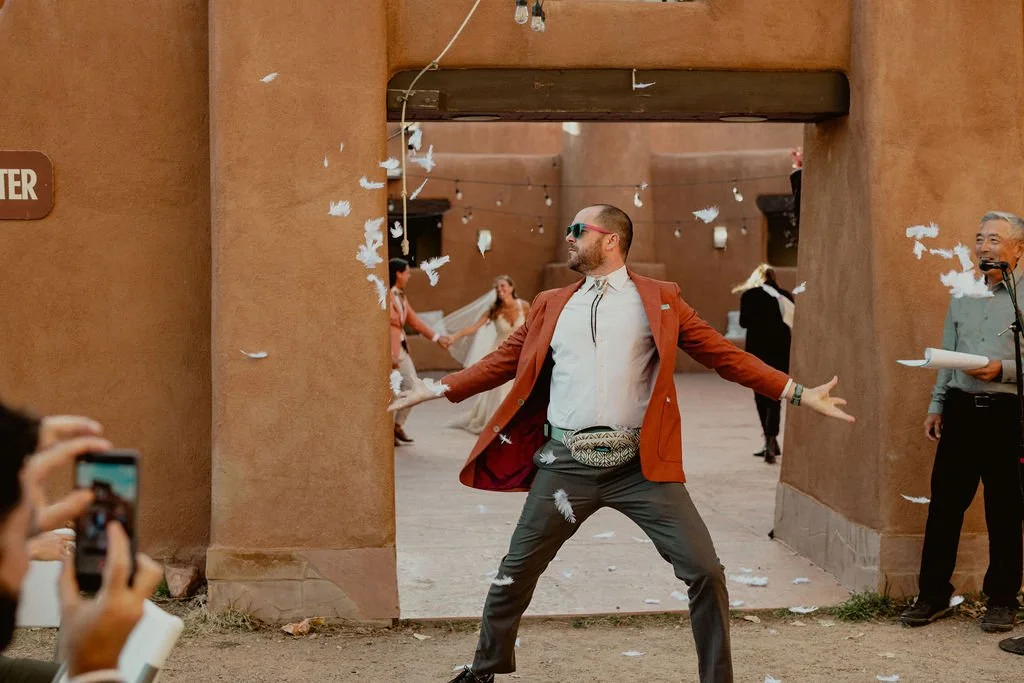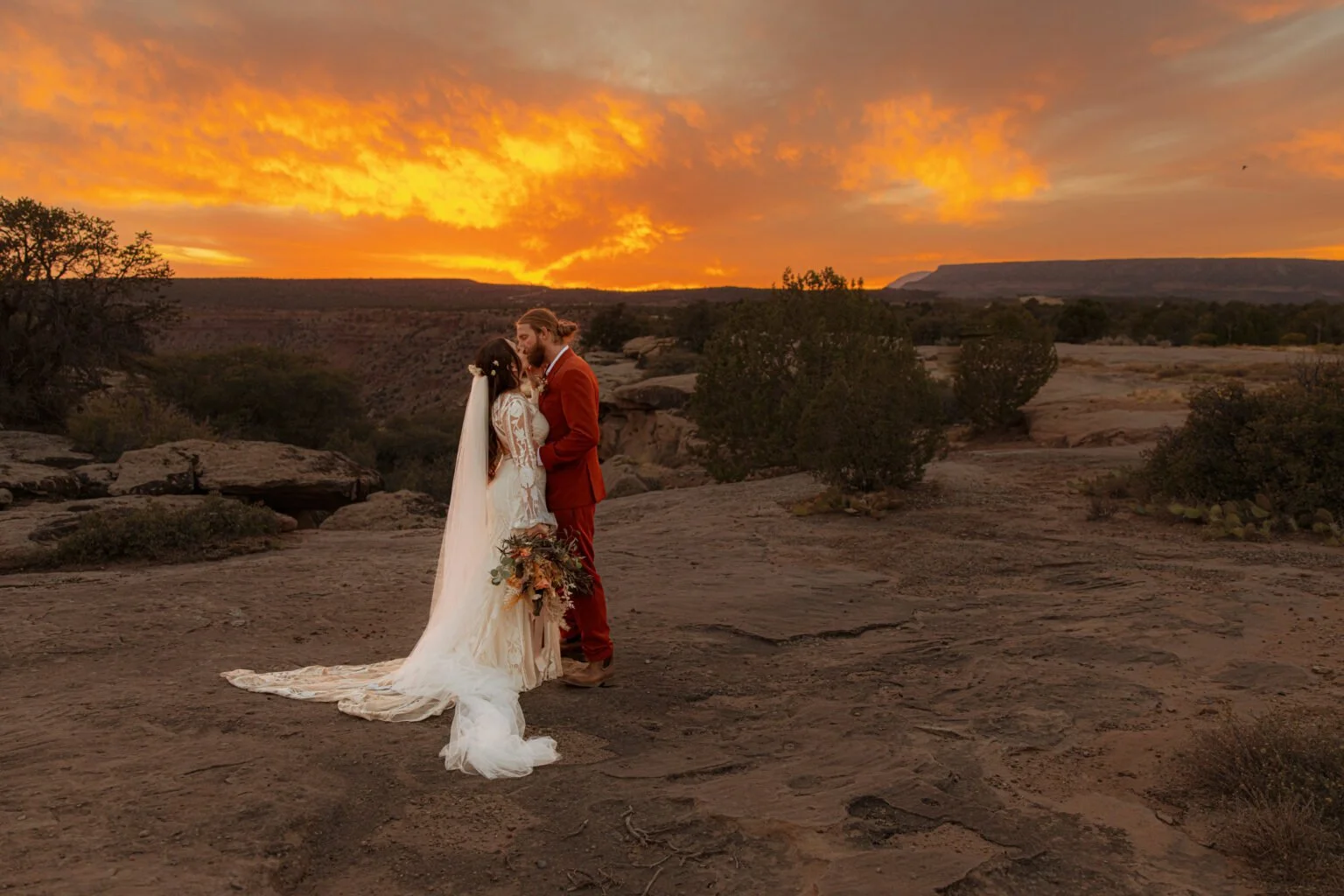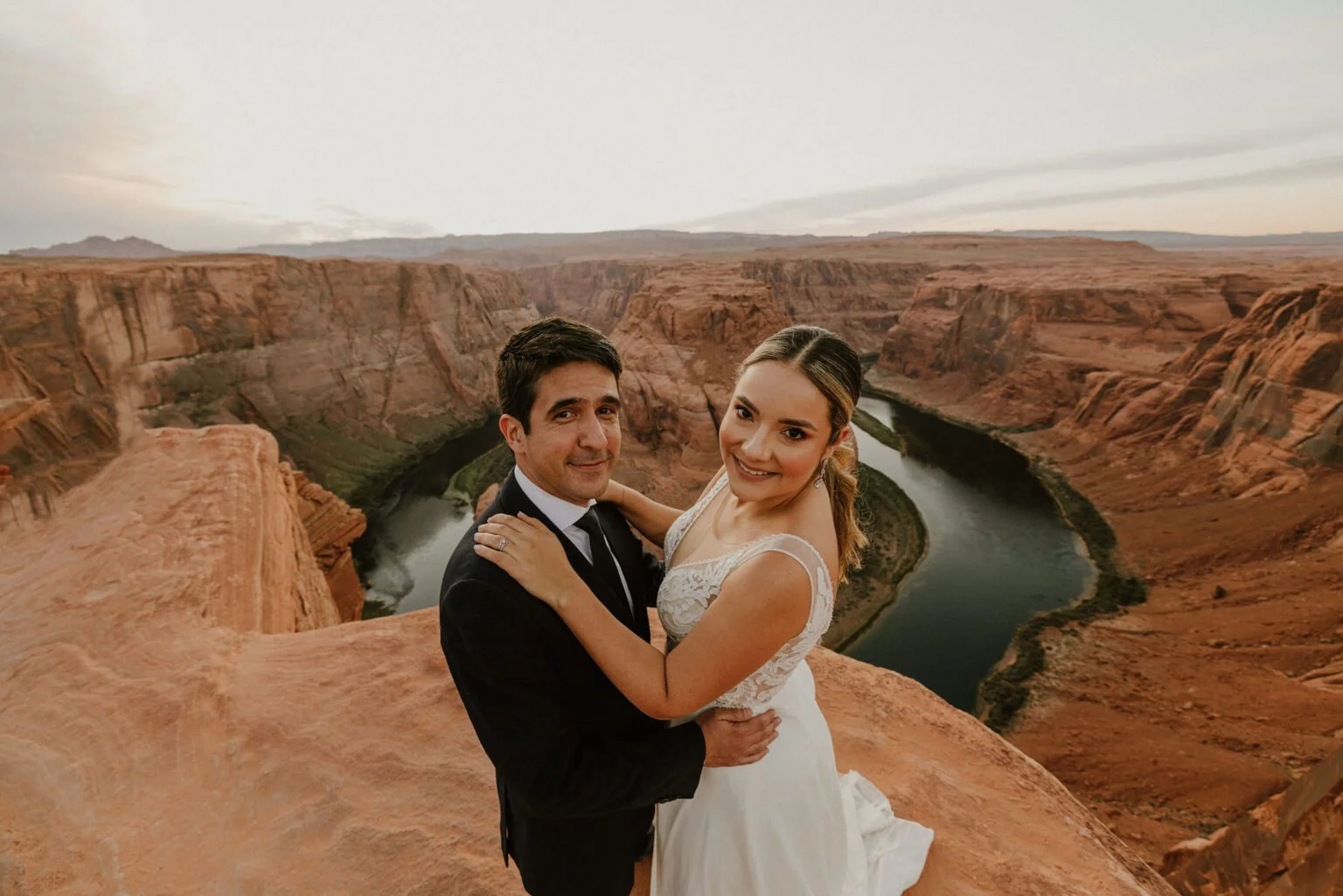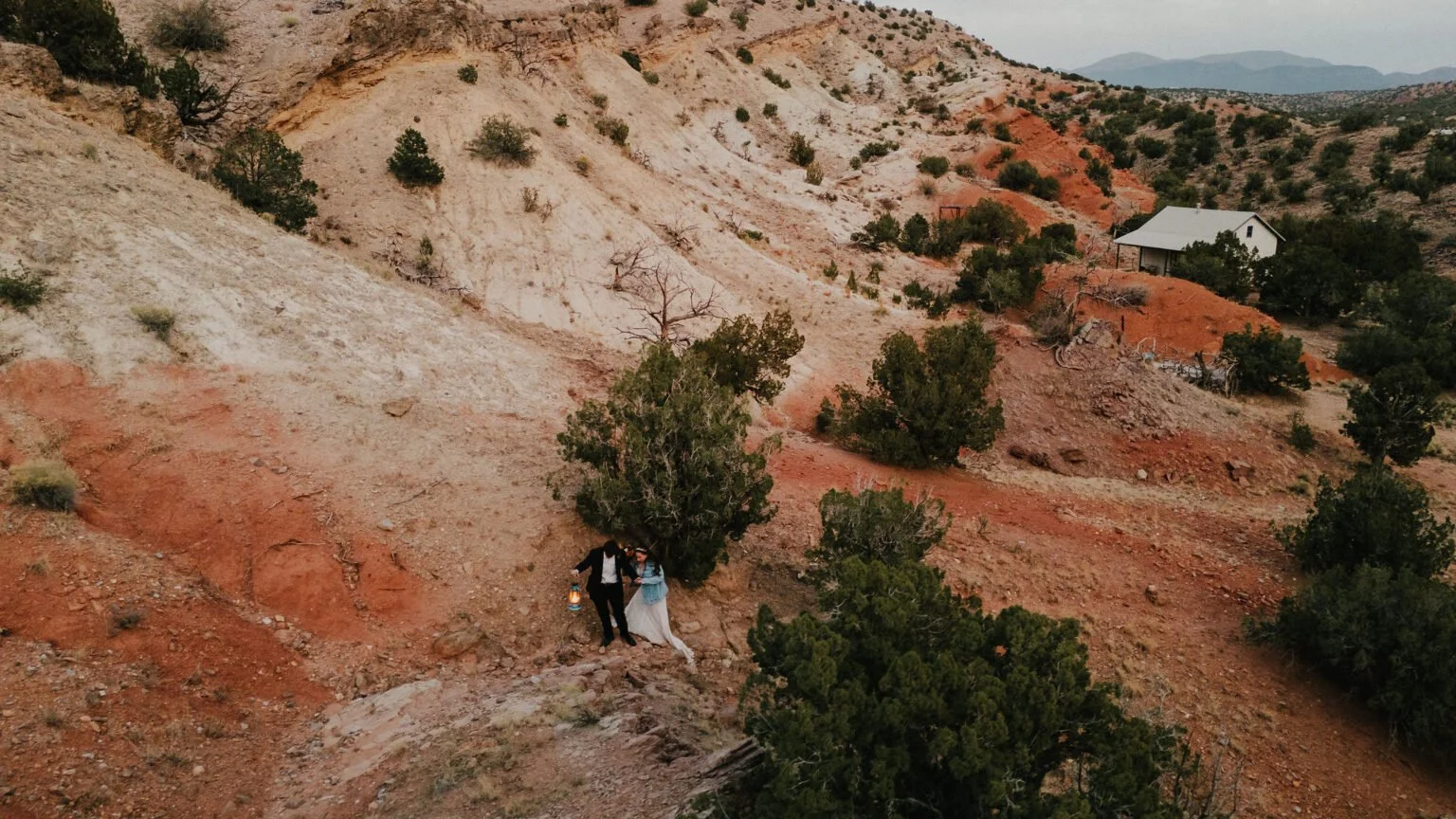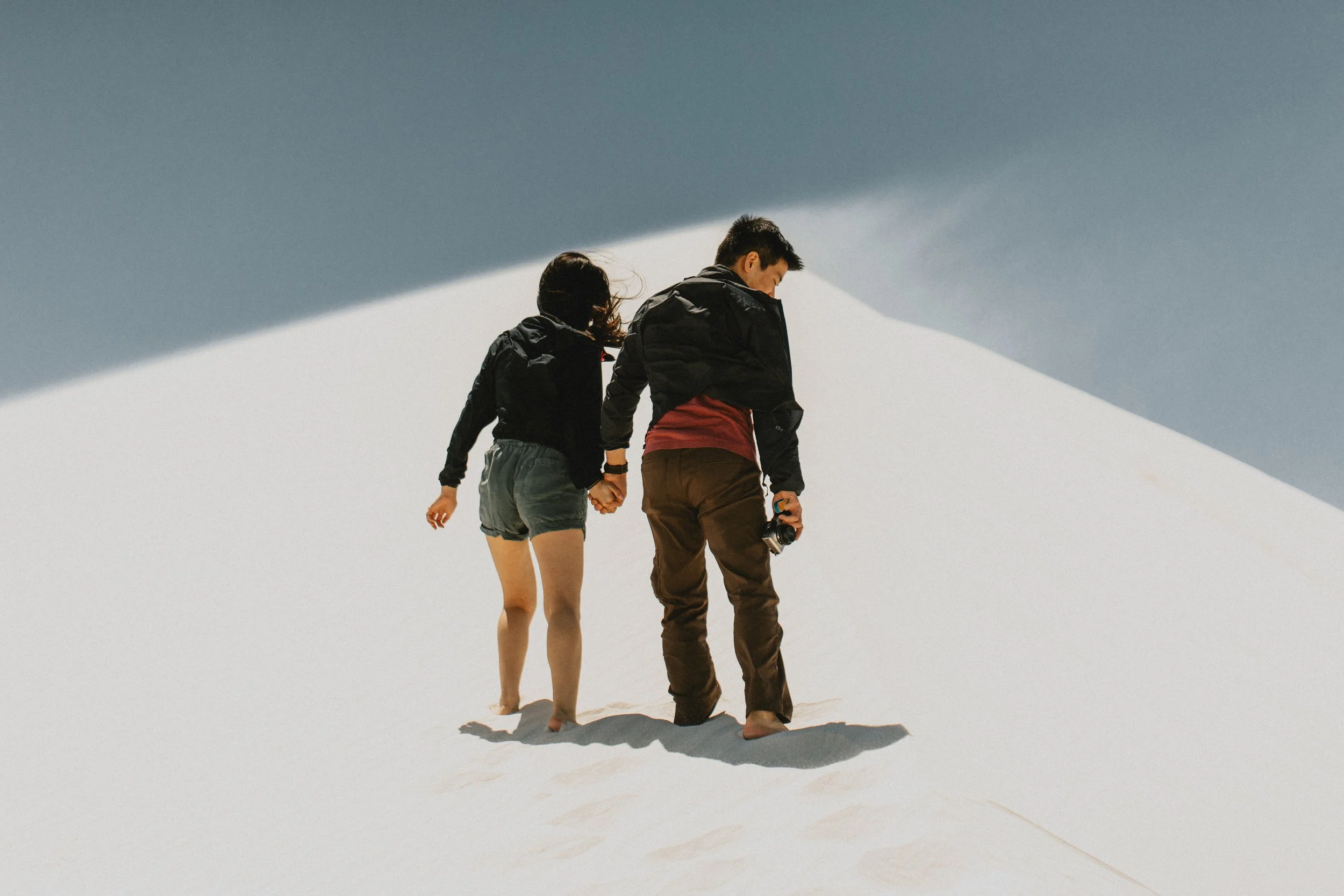
The best places to elope in White Sands National Park are the Alkali Flat Trail dunes, the Interdune Boardwalk at sunset, and the backcountry dunes off Dunes Drive near marker 8, each offering privacy, dramatic gypsum landscapes, and permit-friendly access for small ceremonies. White Sands is one of the few national parks in the U.S. that actively welcomes elopements, and with the right permit, timing, and location, couples can say their vows surrounded by 275 square miles of rolling white gypsum dunes that look like snow year-round under the New Mexico sun.
At Shutterfreek, we've photographed dozens of elopements across the Southwest, including numerous ceremonies inside White Sands National Park, and we've put together this guide based on firsthand experience with the park's permit office, lighting conditions, and the specific dune fields that photograph, and feel, the most romantic.
Why Couples Choose White Sands National Park for Eloping

White Sands National Park sits in the Tularosa Basin near Alamogordo, New Mexico, about a 3.5-hour drive from Albuquerque and roughly 1 hour from El Paso, Texas. It's become a sought-after elopement destination for a few clear reasons:
Otherworldly scenery. The dunes look almost lunar, soft white gypsum sand against deep blue desert sky, with zero crowds once you walk a quarter mile off the main road.
Four-season beauty. Unlike beach or alpine elopement spots, White Sands is photogenic in every season, including winter, when the sand and sky create an almost monochrome, dreamlike backdrop.
Permit accessibility. The National Park Service allows small wedding ceremonies with a simple, affordable special use permit, making it far less bureaucratic than many other national parks.
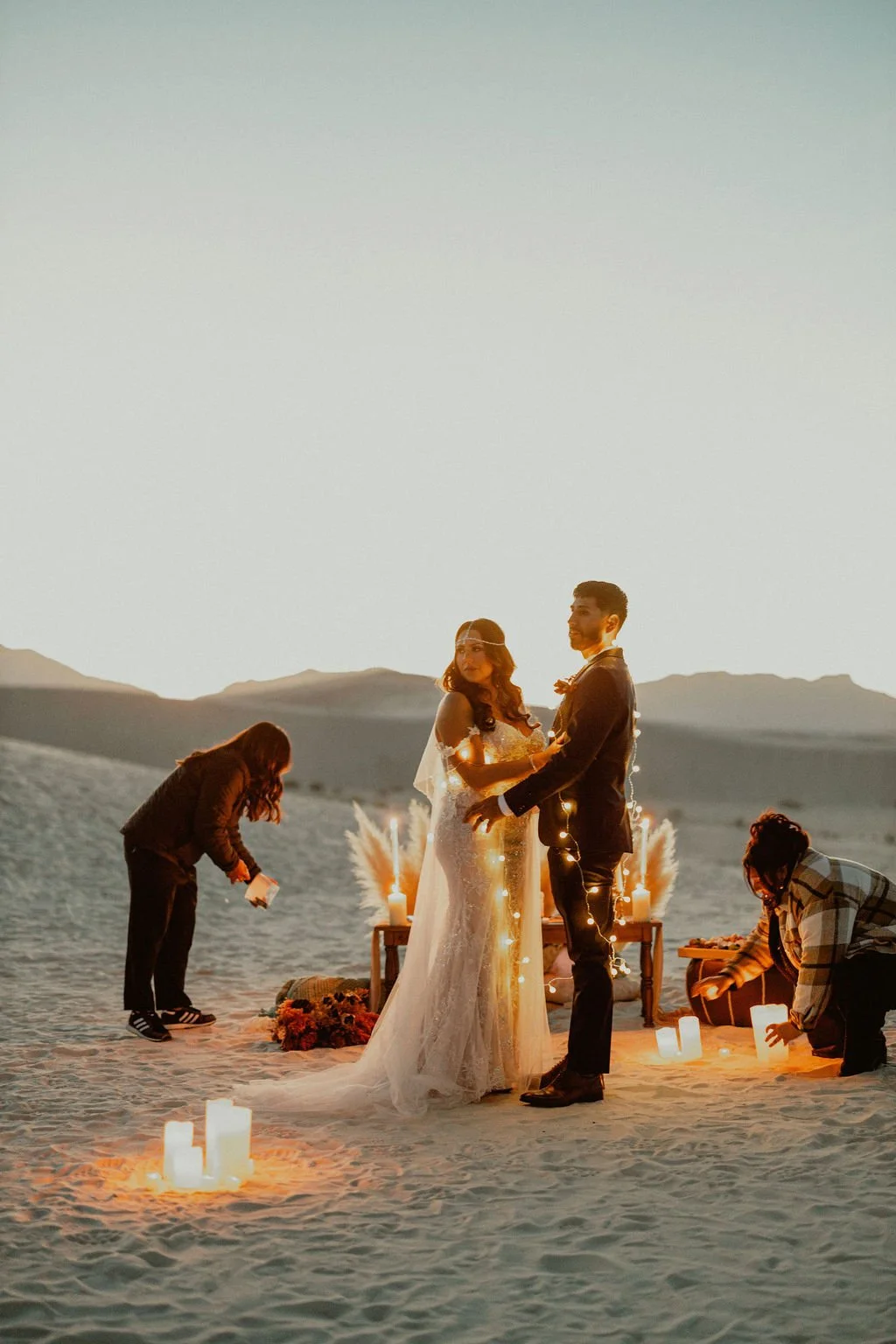
Golden hour magic. Sunrise and sunset light reflects off the gypsum sand, creating a soft, diffused glow that's a dream for elopement photography.
True privacy. Because the park spans hundreds of square miles, couples can hike a short distance from parking and have an entire dune field to themselves.
Best Places to Elope Inside White Sands National Park
Not every spot in the park offers the same privacy, light, or accessibility. Based on our shoots on location, here's how the top elopement spots compare.
Best Photography Locations at White Sands
Explore the best locations for wedding photography and elopements at White Sands National Park.
| Location | Best For | Privacy Level | Hike Distance | Best Light |
|---|---|---|---|---|
| Alkali Flat Trail (Dunes) | Dramatic backdrops, adventurous couples | High | 1–2 miles in | Sunrise or sunset |
| Interdune Boardwalk | Easy access, accessibility needs | Low–Medium | 0.4 miles (paved) | Late afternoon |
| Dunes Drive Marker 8 | Classic rolling-dune photos | Medium | 0.25–0.5 miles | Golden hour |
| Backcountry Camping Area | Full seclusion, sunrise elopements | Very High | 1–2 miles | Pre-dawn to sunrise |
| Yucca-Lined Flats (near Marker 4) | Softer, desert-plant aesthetic | Medium | 0.25 miles | Mid-to-late afternoon |
For couples who want the quintessential "sea of white dunes" photo with no other visitors in frame, the Alkali Flat Trail and the Backcountry Camping Area consistently deliver the most private, striking results. For those with mobility considerations or shorter timelines, the Interdune Boardwalk still offers a stunning, fully accessible ceremony site.
If you're comparing destination options beyond New Mexico, our New Mexico adventure elopement page breaks down several other dramatic locations across the state worth considering alongside White Sands.
Best Time of Day and Season to Elope in White Sands
Timing matters more in White Sands than almost any other elopement destination, because the midday sun is harsh, bright, and unflattering, while sunrise and sunset transform the dunes into soft gold and pink.
Best Time & Season for Outdoor Weddings
A guide to choosing the ideal time and season for your wedding ceremony.
| Time / Season | Light Quality | Temperature | Crowd Level | Recommended? |
|---|---|---|---|---|
| SunriseYear-round | Soft, golden, diffused | Cool, comfortable | Very low | Highly recommended |
| Midday10 AM–3 PM | Harsh, flat, high-contrast | Hot, especially summer | Moderate | Avoid for ceremonies |
| SunsetYear-round | Warm, pink/orange glow | Mild, cooling down | Low–moderate | Highly recommended |
| SummerJune–August | Strong sun, long days | Extremely hot (100°F+) | High midday | Sunrise/evening only |
| WinterDecember–February | Soft, cool-toned light | Cold mornings, mild days | Low | Excellent, often best |
Sunrise is the single best window for a White Sands ceremony: temperatures are cool, the park is nearly empty, and the low-angle light makes the dunes glow pink and gold. Winter mornings are an underrated option, the cooler air means you can wear a jacket or layered look in photos without overheating, and the softer winter sun reduces harsh shadows across the sand.
Permits and Logistics for a White Sands Elopement
White Sands National Park requires a Special Use Permit for any wedding ceremony, including small elopements. Here's what couples need to know before booking:
Apply early. Submit your permit application to the park's administrative office at least 2–4 weeks before your date; popular sunrise/sunset slots and holiday weekends can fill up.
Guest limits. Elopement-style permits typically cover small groups (often 10 guests or fewer), which keeps the process simple and affordable compared to larger ceremony permits.
No structures without approval. Arches, arbors, and large decor items usually require pre-approval; simple florals, small signage, and portable items are generally fine.
Park entrance fees still apply. Standard entrance fees or an America the Beautiful pass are required in addition to the ceremony permit.
Road closures happen. Dunes Drive occasionally closes for White Sands Missile Range testing, always check current park alerts before finalizing your ceremony time.
Officiant required. New Mexico allows self-officiated or friend-officiated ceremonies with the right paperwork, which many eloping couples choose for a more personal touch.
Working with a photographer who has shot in the park before, and knows the permit office, the sand conditions, and which dune fields are accessible that week, removes most of the guesswork from planning a White Sands elopement from out of state.
What to Wear and Pack for Eloping in White Sands
The gypsum sand is fine, powdery, and surprisingly cool to the touch even in warm weather, but conditions shift fast between sunrise, midday, and sunset. A few practical notes from shoots we've done on location:
Footwear: Barefoot or soft-soled shoes work well in the sand; bring sturdy shoes for the walk from the parking area.
Layering: Mornings and evenings can be 20–30 degrees cooler than midday, especially in fall and winter, a jacket, wrap, or cardigan adds both warmth and a great photo layer.
Fabric choice: Flowy dresses and lightweight suits photograph beautifully against the stark white dunes and move well in the near-constant light breeze.
Color palette: Because the sand is so bright, deeper or jewel-toned colors (sage, rust, navy, terracotta) tend to stand out more strikingly than pure white or pale neutrals.
Essentials to pack: Water (the desert air dehydrates quickly), sunscreen, a small blanket for sitting, and a change of shoes for the drive home.
Hiring a White Sands Elopement Photographer
Because White Sands is a working national park, not a private venue, the right photographer matters more here than almost anywhere else. Lighting changes fast, sand textures shift with the wind, and the best compositions are often a short hike from the nearest parking area. An experienced elopement photographer will typically help couples with permit guidance, timing recommendations, and scouting the specific dune field that fits their vision, rather than showing up and hoping for good light.
Shutterfreek has spent years photographing New Mexico weddings and adventure elopements, including multiple ceremonies inside White Sands National Park, so we know which trailheads offer privacy at sunrise, how far a typical two-hour elopement session should hike, and how to work around the park's permit requirements without stress on your wedding day.
If you're planning a multi-location honeymoon or considering another dramatic desert backdrop, our Utah adventure elopement guide covers red rock canyons and slot canyon locations that pair well with a Southwest elopement itinerary.
Final Thoughts
White Sands National Park offers something few elopement destinations can: a landscape that looks genuinely otherworldly, paired with a national park system that's genuinely welcoming to small, intimate ceremonies. Whether you choose the drama of the Alkali Flat Trail at sunrise, the ease of the Interdune Boardwalk, or a fully secluded backcountry dune field, the key to a smooth, beautiful elopement here is timing, permitting, and working with someone who already knows the terrain.
Ready to plan your own White Sands elopement? Explore our full elopement photography services or reach out to start building your custom New Mexico elopement timeline.
Frequently Asked Questions
-
Yes. White Sands National Park allows wedding ceremonies, including elopements, with an approved Special Use Permit from the park's administrative office. The permit process is straightforward compared to many other national parks.
-
The Special Use Permit fee is typically in the 50–100 range depending on group size, plus standard park entrance fees. Total elopement costs vary widely based on photography, officiant, florals, and travel, but the park fees themselves are affordable.
-
Fall through early spring (October–April) offers the most comfortable temperatures for ceremonies, while summer requires sticking to sunrise or evening due to extreme heat. Winter mornings offer a unique, softly lit, almost snow-like backdrop.
-
Most couples should apply for their permit 2–4 weeks before their ceremony date, though popular sunrise and sunset time slots during spring and fall can benefit from earlier applications.
-
Yes, within the limits of the elopement-style permit, which typically allows small groups. Couples wanting a larger ceremony with more guests will need a standard wedding permit with different requirements and fees.
Keep reading