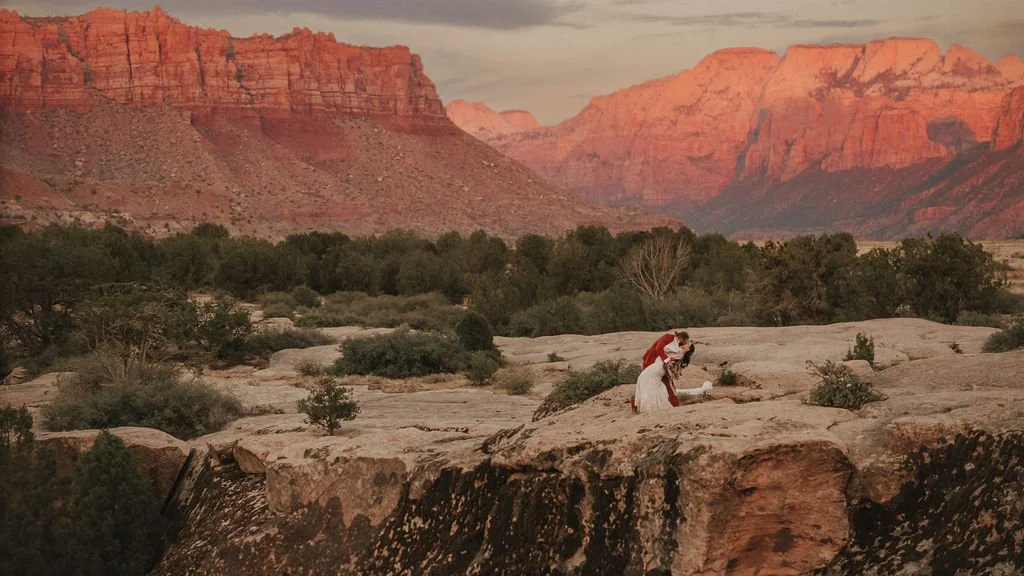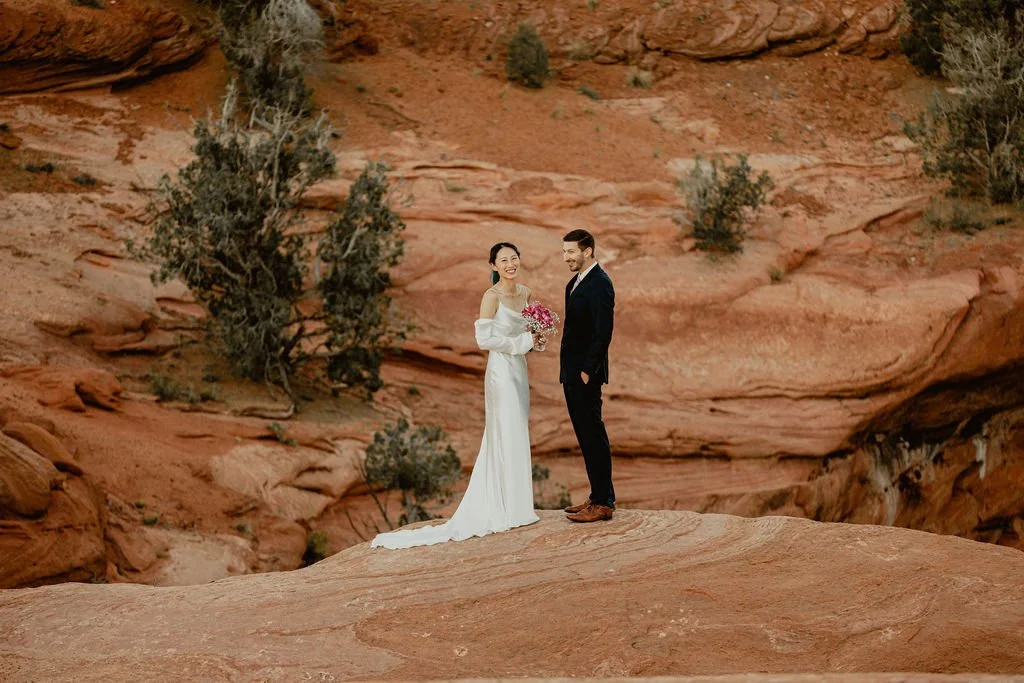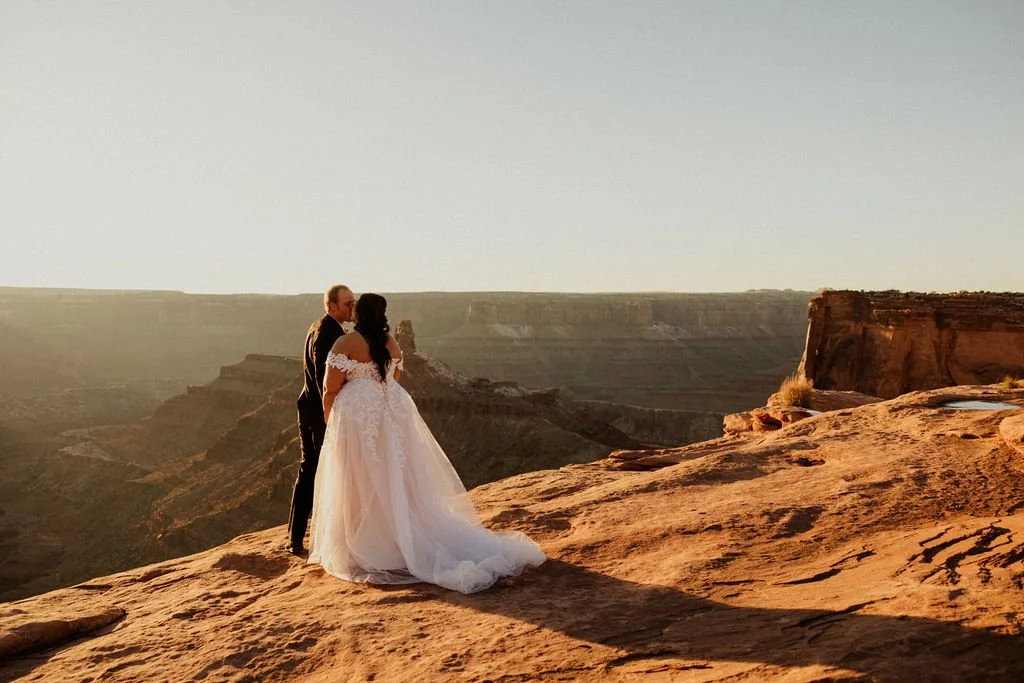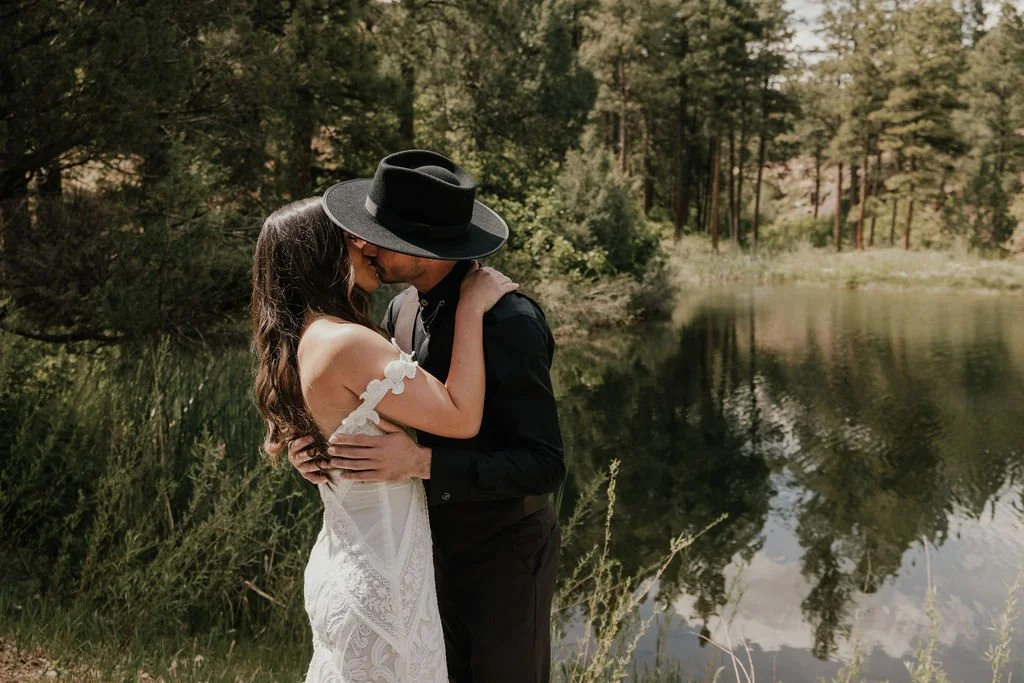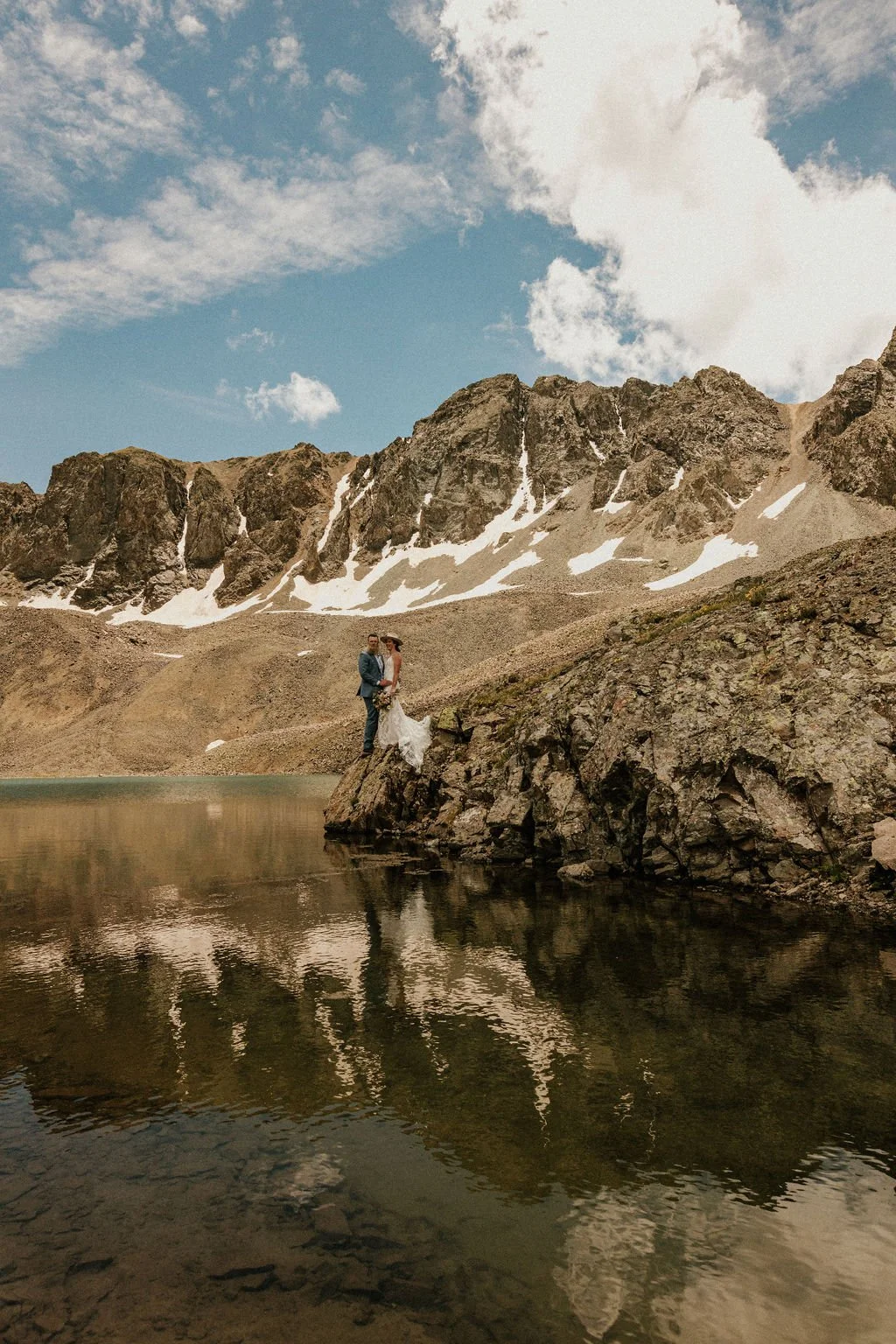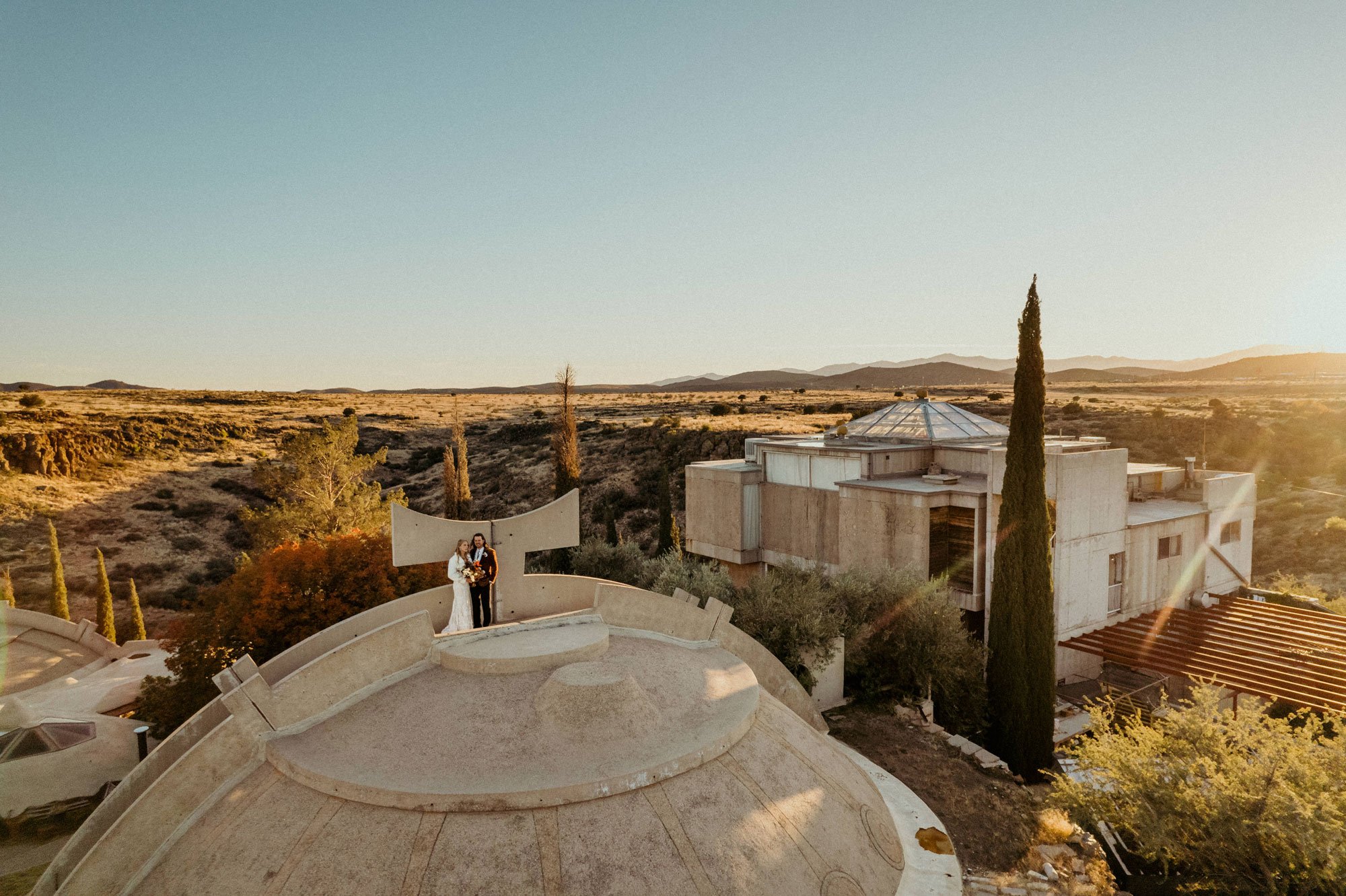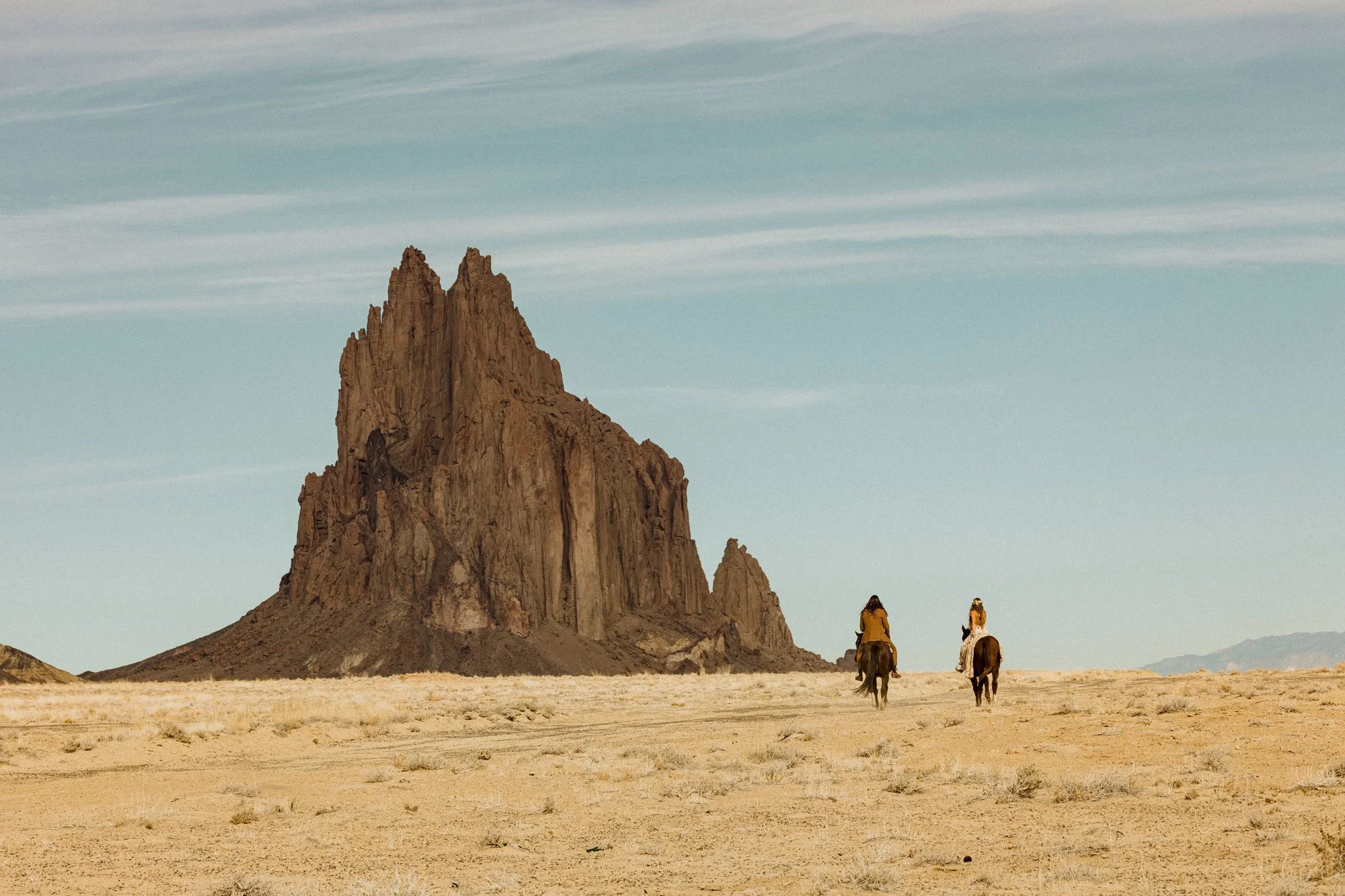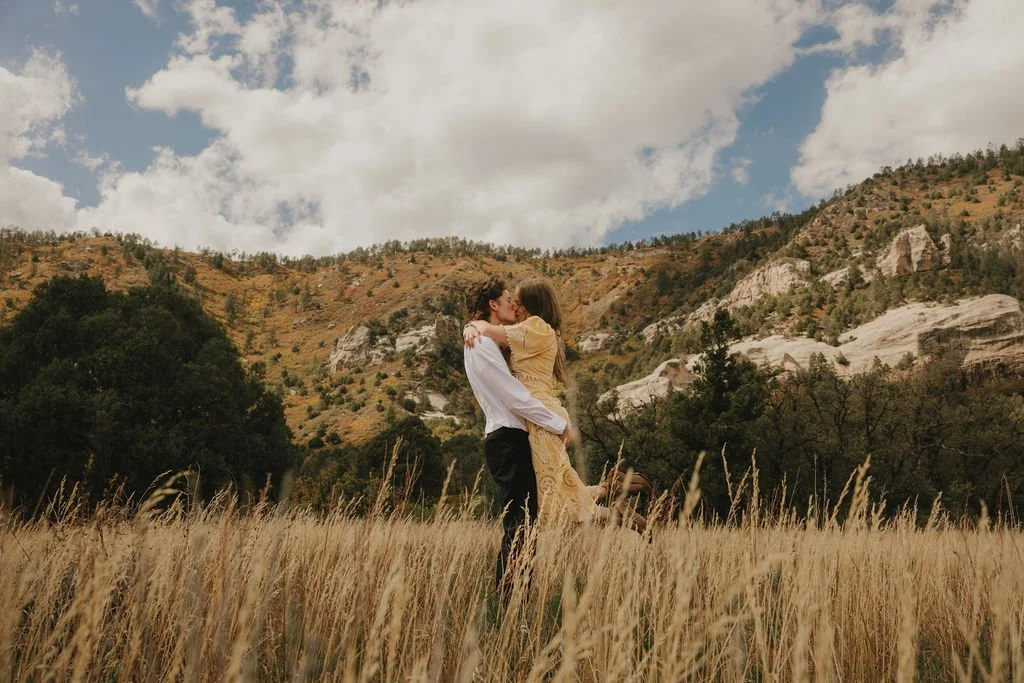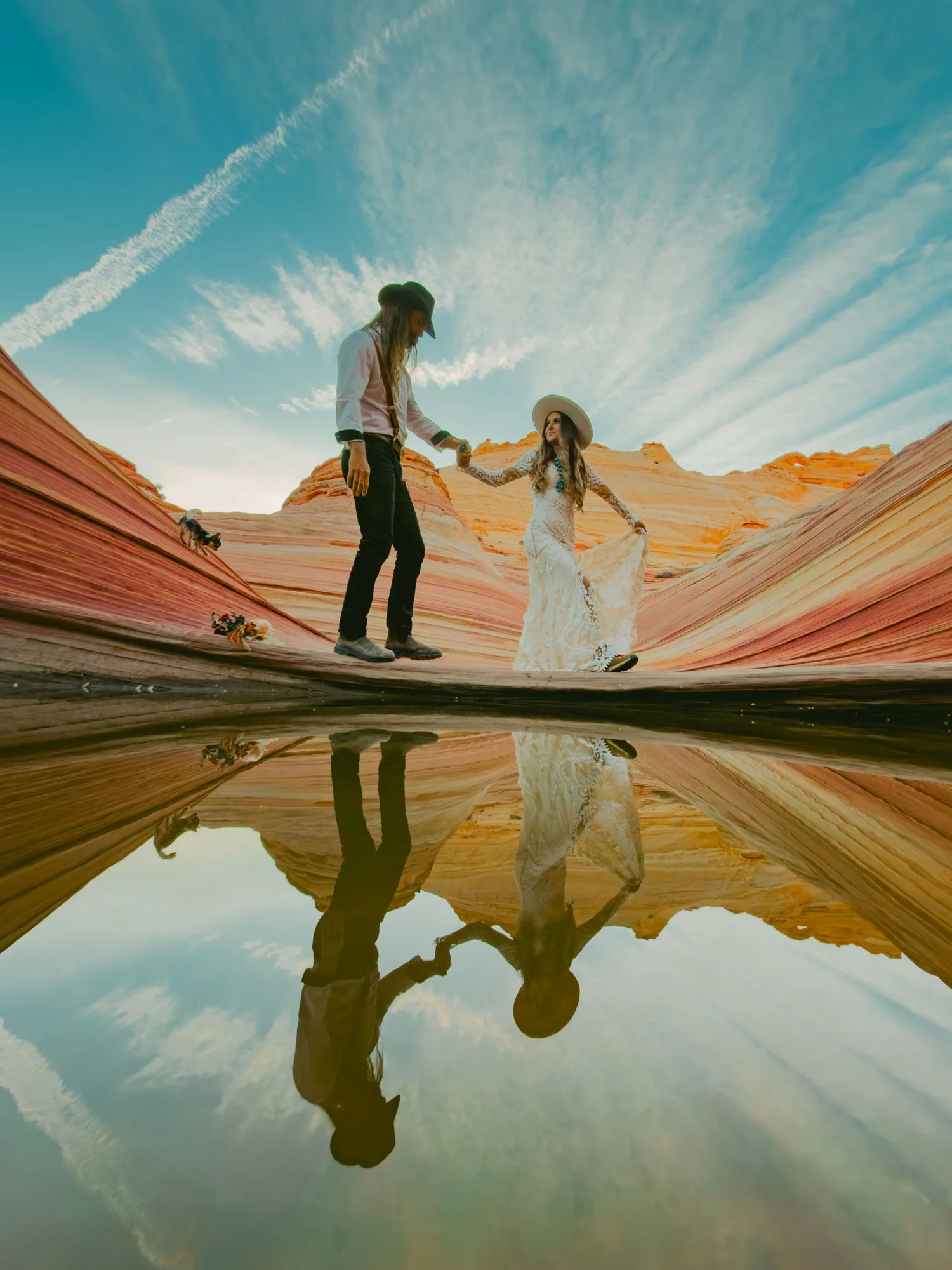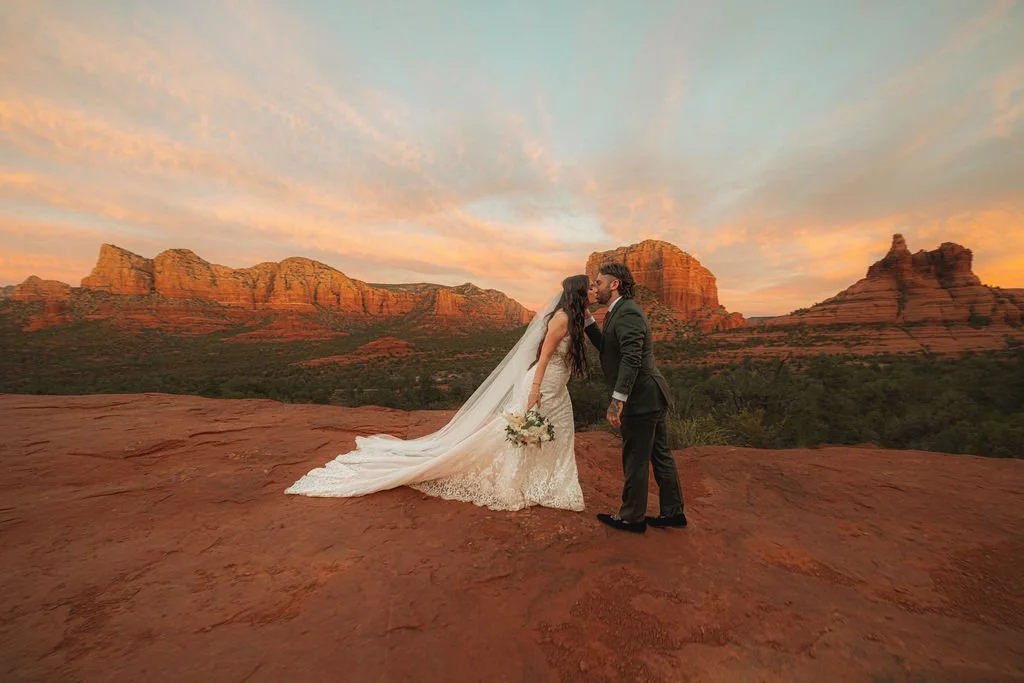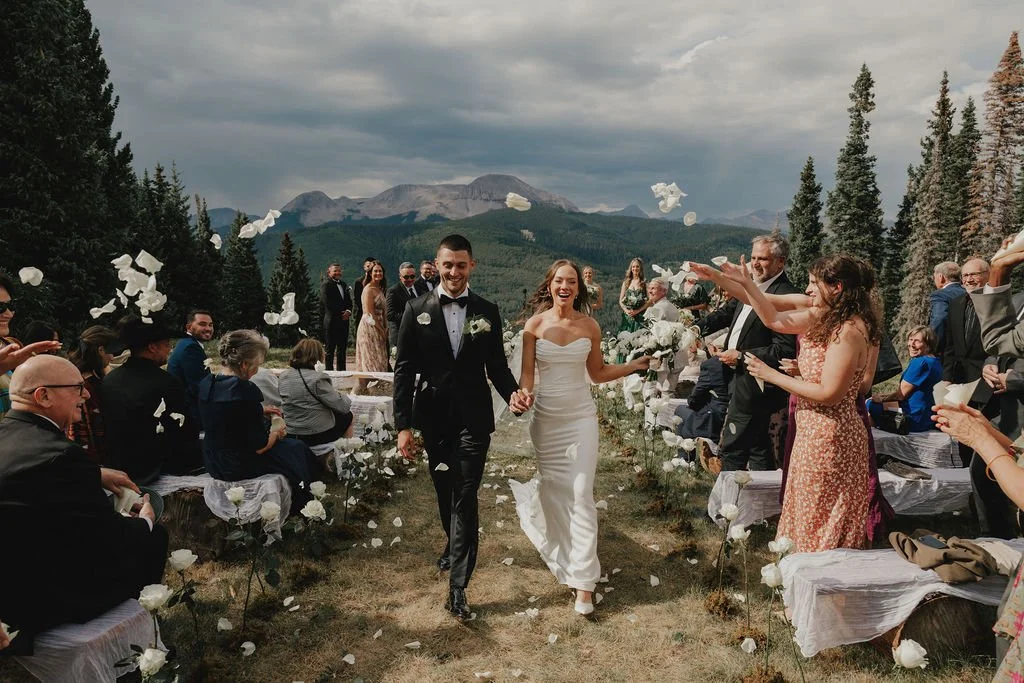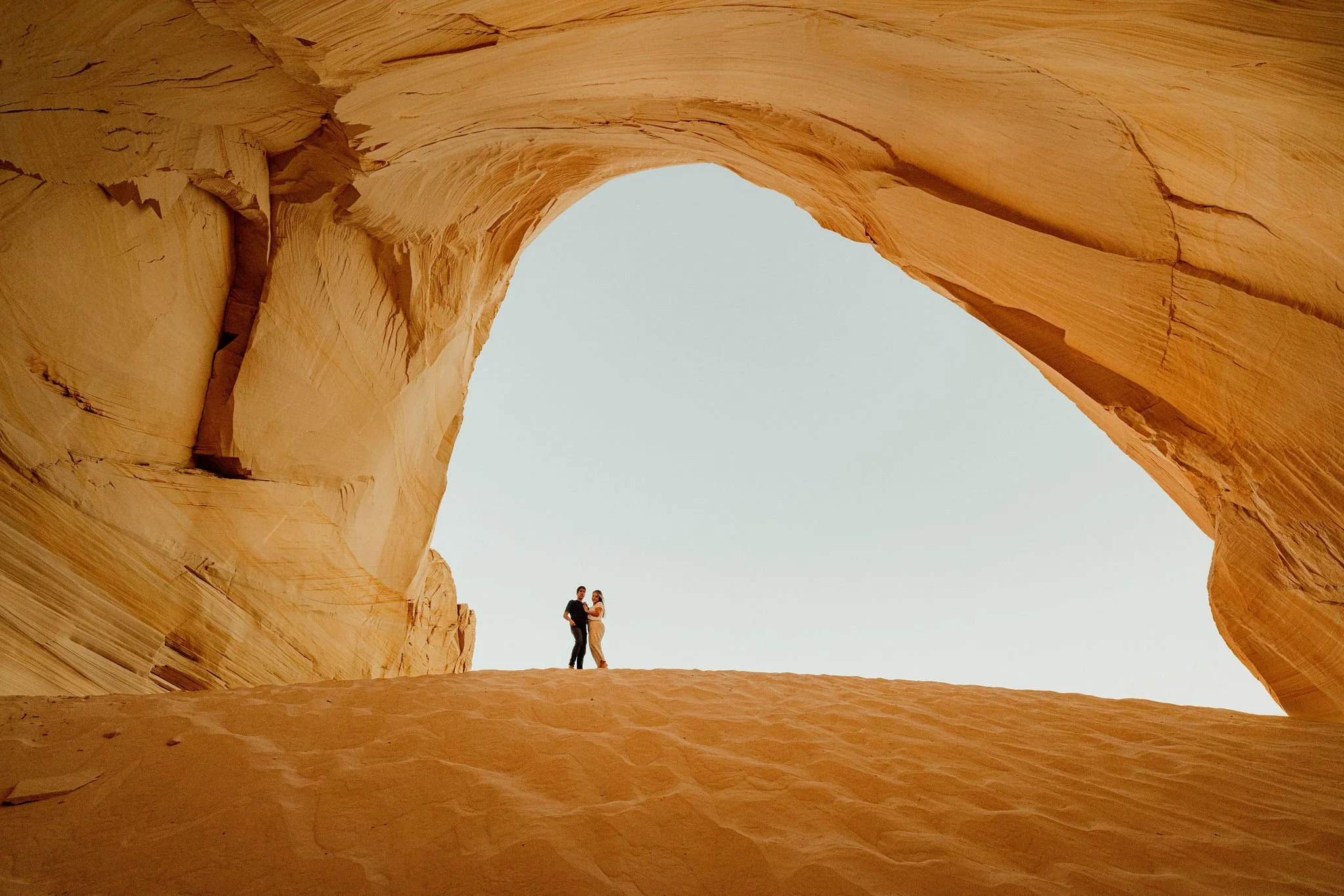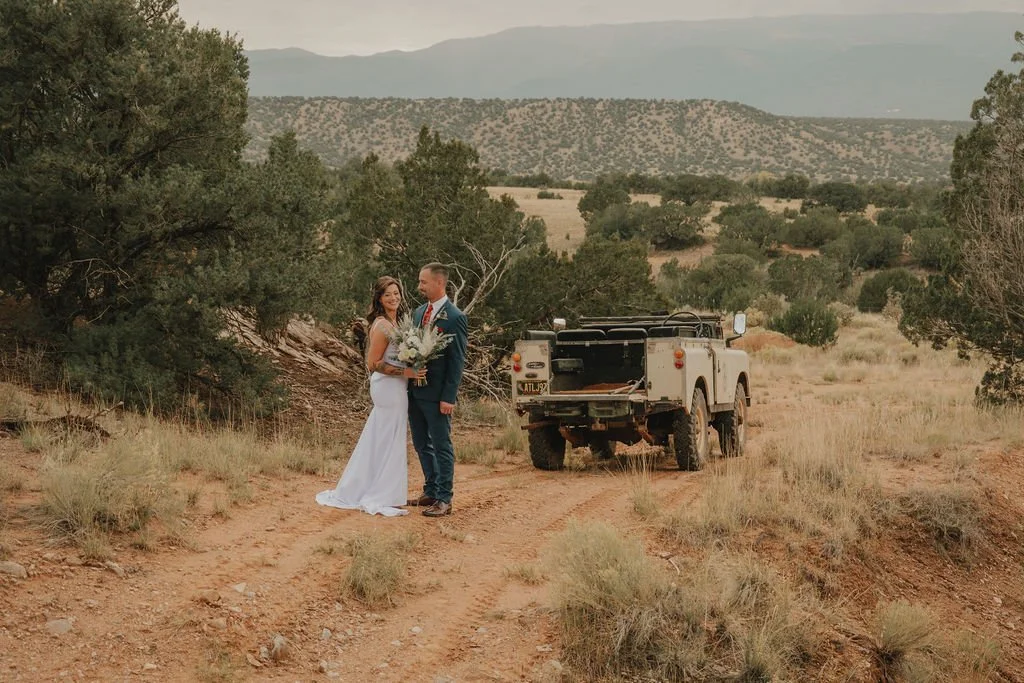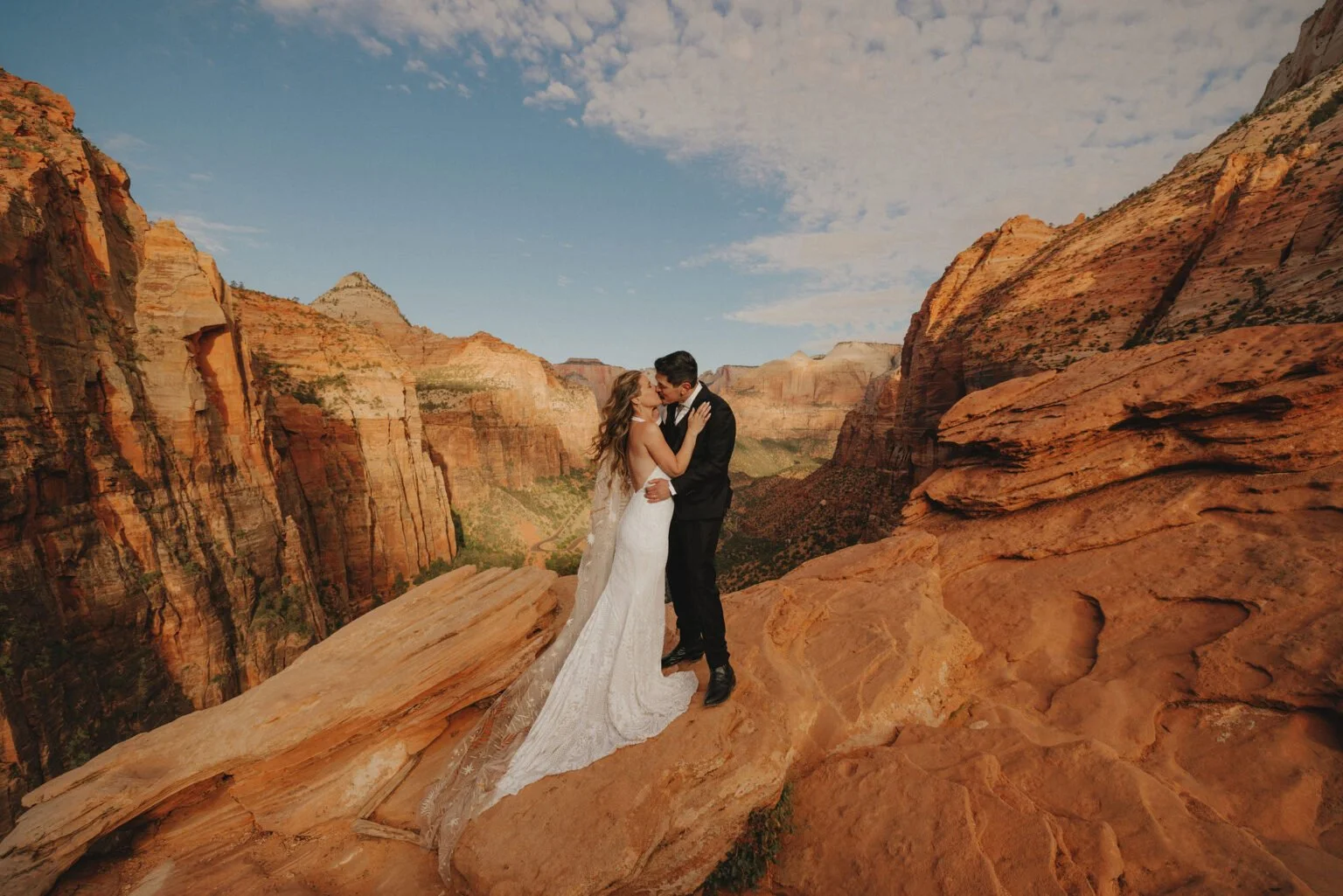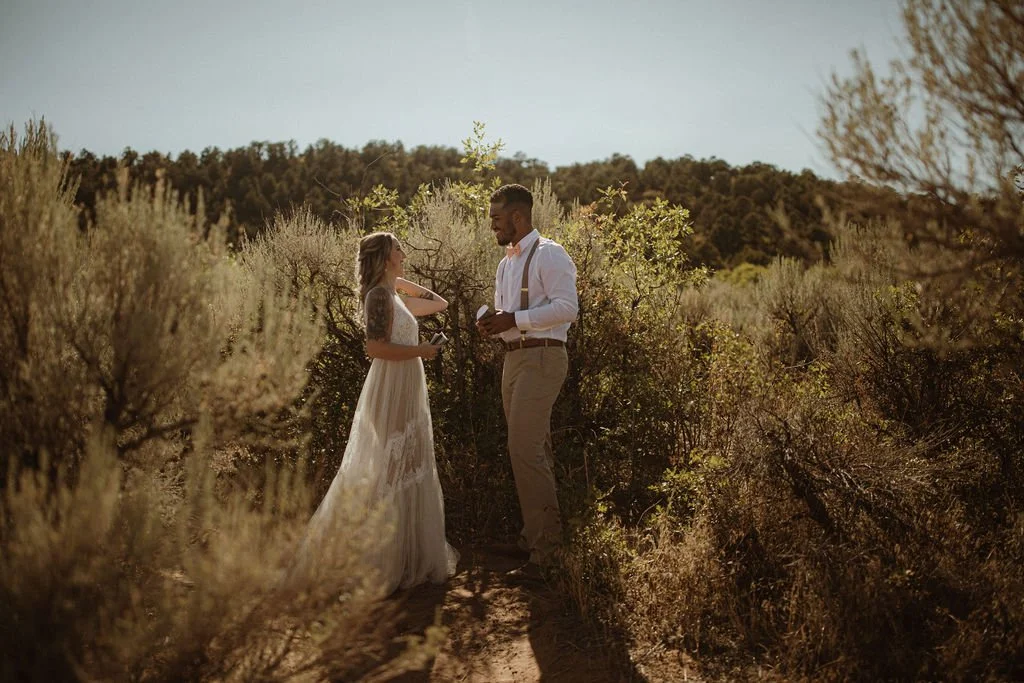
If you're searching for a Zion National Park elopement photographer, the short answer is this: you want someone who is permitted to shoot inside the park, knows the terrain well enough to find light and privacy on cliff edges and slot canyons, and has documented real elopements here, not just portraits in a studio. Shutterfreek is a Utah-based elopement photography team that has spent years hiking, scouting, and photographing couples against Zion's sandstone cliffs, and this guide walks you through exactly what that process looks like, from permits to the best locations to what your wedding day timeline should include.
Zion isn't a backdrop you can fake. The light bounces differently off Navajo sandstone at golden hour than anywhere else in the Southwest, and a photographer who doesn't know the park will burn your limited permit window trying to find a view they should have already scouted. This article is built for couples who are seriously planning, or already booked, a Zion elopement and want a photographer who can match the park's scale with real technical and creative skill.
What Makes Zion National Park a Top Choice for Elopements
Zion National Park draws couples from across the country specifically because it offers something a traditional wedding venue can't: scale, solitude, and dramatic natural light in the same frame. The canyon walls rise up to 2,000 feet, and depending on the location, you can have an entire overlook to yourselves on a weekday morning.
A few reasons couples choose Zion over other national parks for eloping:
Variety of terrain — slot canyons, river crossings, high desert plateaus, and forested trails all exist within the same park boundary
Accessible drama — several jaw-dropping viewpoints are reachable without technical climbing experience
Four distinct seasons — spring wildflowers, summer monsoon skies, fall cottonwood color, and winter snow dusting red rock all photograph differently
Proximity to Las Vegas and St. George — easier logistics for guests flying in than more remote parks
Because Zion is a national park and not a private venue, the experience is also inherently more intimate. There's no venue coordinator, no banquet hall, and usually no other wedding happening the same day. It's just the two of you, your officiant if you bring one, and your photographer.
It also means the budget conversation looks different than a traditional wedding. There's no venue rental fee running into the thousands, no catering minimum, and no forced guest count. Most of your budget goes toward the permit, your photographer, and possibly a small adventure-day add-on like a second outfit change or a helicopter or canyoneering experience. Couples who are used to pricing out ballroom venues are often surprised at how much more flexible, and personal, a Zion elopement budget can be once the park fee and photography coverage are accounted for.
Why Experience Matters When Choosing a Zion Elopement Photographer
This is where most couples get it wrong: they hire a general wedding photographer and assume the park experience will transfer. It doesn't. Photographing in Zion requires specific, earned knowledge:
Permit navigation. The National Park Service requires special use permits for wedding ceremonies and commercial photography inside Zion. A photographer who has gone through this process multiple times can tell you realistic timelines, likely approval windows, and which locations are actually permit-friendly versus which require additional wilderness permits.
Trail and terrain fitness. Many of the best elopement spots require a hike with gear — camera bodies, lenses, sometimes a drone, reflectors, and a change of clothes for the couple. A photographer unfamiliar with the trail can slow the whole day down or miss the light window entirely.
Light timing specific to canyon walls. Zion's canyon creates its own microclimate of light. Certain walls only get direct sun for 20–30 minutes a day. Local experience means knowing exactly where to be and when.
Weather and flash flood awareness. Slot canyons in Zion are subject to flash flood warnings. An experienced photographer monitors NPS alerts and has backup locations ready.
This is the kind of first-hand, on-the-ground expertise that search engines and couples alike now expect from a credible wedding vendor, not just a nice portfolio, but demonstrated local experience, safety awareness, and a track record of real elopements. Shutterfreek's team has built its elopements portfolio specifically around this kind of adventure-first, permit-savvy photography across the Southwest.
Our photographers have personally hiked and photographed the majority of the locations named in this guide, not researched them secondhand. That distinction matters more than most couples realize until they're standing at a trailhead at 5 a.m. with a photographer who's guessing at the sunrise angle. We also carry our own liability insurance and maintain current NPS permit documentation, which some park rangers will actually ask to see on the day of your ceremony. A photographer who can't produce that on request can put your permit, and your ceremony, at risk.
Best Zion National Park Elopement Locations Compared
Not every beautiful spot in Zion is elopement-friendly. Some require permits beyond the standard wedding permit, others are closed seasonally, and a few are better suited to small ceremonies than large photo sessions. Here's how the most requested locations compare.
| Location | Hike Difficulty | Permit Type Needed | Best For | Ideal Season |
|---|---|---|---|---|
| Canyon Overlook Trail | Easy–Moderate (1 mile round trip) |
Standard wedding/photo permit | Sunrise ceremonies, sweeping canyon views | Spring, Fall |
| The Narrows (Lower Section) | Moderate (river walking) |
Wedding permit + possible wilderness permit | Adventurous couples, water-reflective shots | Late Spring, Summer |
| Angels Landing Area (Viewpoint Only) | Difficult | Wedding permit + lottery permit for summit | Dramatic cliffside backdrops | Fall |
| Zion Canyon Scenic Drive Pull-Offs | Easy | Standard wedding/photo permit | Quick ceremonies, golden hour portraits | Year-round |
| Kolob Terrace Road Overlooks | Easy–Moderate | Standard wedding/photo permit | Privacy, fewer crowds, open sky | Spring, Fall |
A knowledgeable photographer will also keep two or three backup locations in their back pocket in case a permitted spot is closed for trail maintenance or weather, something that happens more often in Zion than most couples expect.
Beyond the table above, a few lesser-known spots are worth asking your photographer about directly, since availability and permitting rules shift from season to season: the East Side switchbacks near Zion–Mt. Carmel Tunnel, quiet pullouts along the Pa'rus Trail for an easy, wheelchair- and dress-friendly option, and the Watchman Trail for a shorter sunrise hike with a classic postcard view back over the Virgin River. None of these require technical skill, but all of them benefit enormously from a photographer who already knows which direction the sun rises relative to the canyon wall.
Permits, Timing, and Logistics for Eloping in Zion
Every couple planning to say vows inside Zion National Park needs a Wedding Permit through the National Park Service, and anyone bringing a professional photographer needs the photographer to hold their own Commercial Photography/Filming Permit. These are separate applications, and approval timelines vary by season, so this is not something to leave until the last month.
A realistic planning sequence looks like this:
9–12 months out: Choose your date range and begin researching your Zion National Park elopement photographer so they can confirm permit eligibility and hold your date
6–9 months out: Submit the NPS wedding permit application (requirements and fees are updated periodically on the official NPS site, so always confirm current details directly with the park)
3–6 months out: Finalize ceremony location, backup location, and timeline with your photographer
1 month out: Confirm weather patterns, pack list, and day-of logistics including parking and shuttle schedules
Because Zion operates a shuttle system through much of the year, logistics planning is a bigger part of a Zion elopement than it would be at a drive-up venue. Your photographer should be the one managing this timing, not you.
A few logistics details that catch first-time Zion couples off guard:
Shuttle-only access to the main canyon during peak season (roughly spring through fall) means your ceremony outfit, shoes, and gear need to travel with you on public transit — plan accordingly.
Group size limits apply to wedding permits; large guest counts may require a different permit category or a different section of the park.
Drone use is prohibited throughout the park, so any aerial-style shots you've seen online from Zion were taken from legal vantage points on the ground, not from a drone.
Cell service is unreliable in the canyon, so confirm your meeting point and timeline the night before rather than relying on texting your photographer that morning.
Shutterfreek handles this permit and logistics coordination as part of every Zion elopement package, and couples comparing parks across the region often look at our Utah weddings adventure elopements page to see how Zion compares to other Utah locations like Arches or the San Rafael Swell for permitting ease and accessibility.
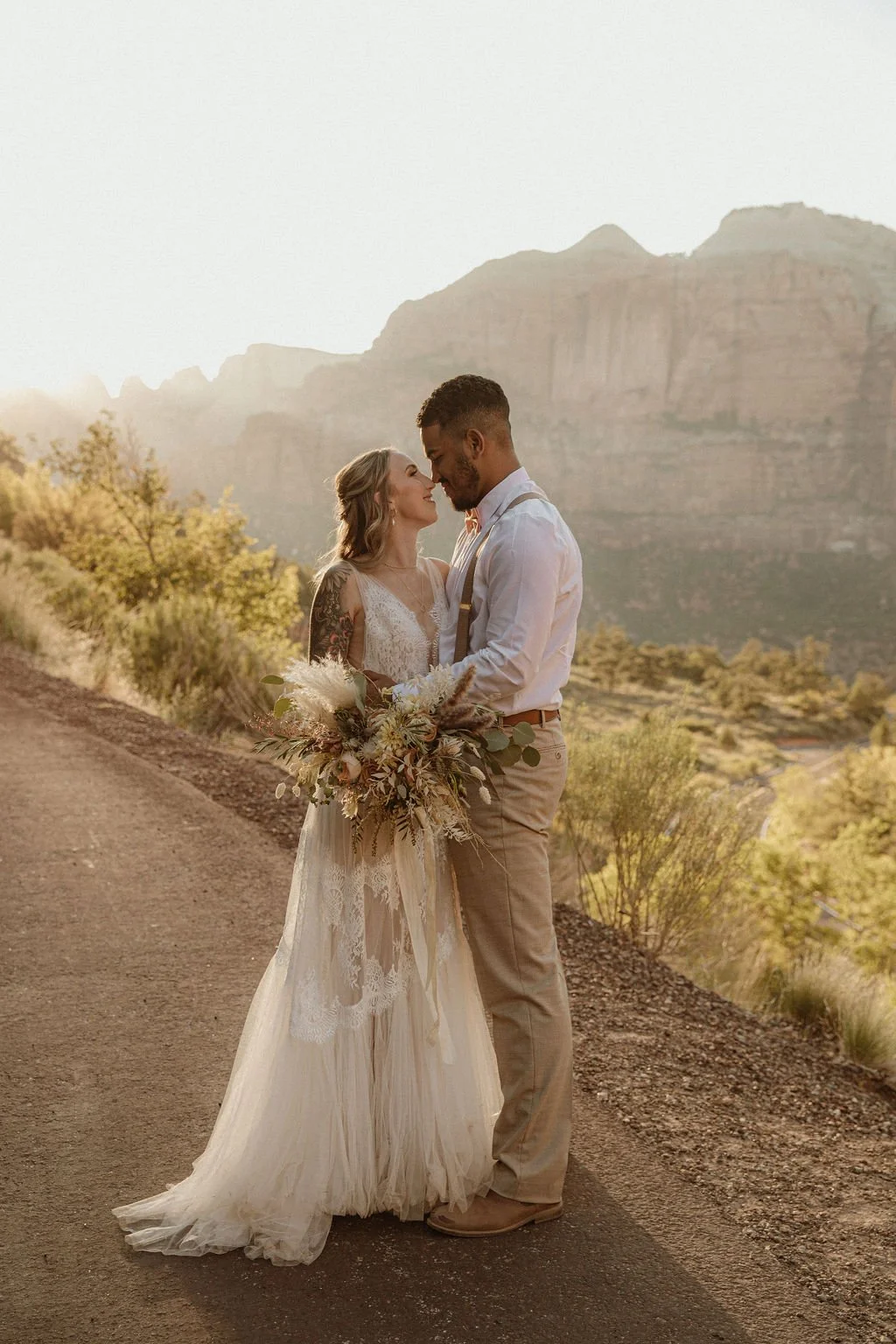
Best Time of Year to Elope in Zion National Park
Timing affects everything from crowd levels to the color palette in your photos. Here's how the seasons stack up for a Zion elopement specifically.
| Season | Avg. Daytime Temp | Crowd Level | Photography Highlights | Considerations |
|---|---|---|---|---|
| Spring (Mar–May) | 65–80°F | Moderate–High | Wildflowers, green undergrowth, soft light | Weekends book up fast; occasional rain |
| Summer (Jun–Aug) | 90–105°F | Very High | Dramatic monsoon clouds, long golden hour | Heat safety is critical; flash flood risk in narrows |
| Fall (Sep–Nov) | 60–75°F | Moderate | Cottonwood color, clear skies, comfortable hiking | Most popular season for elopements; book early |
| Winter (Dec–Feb) | 30–50°F | Low | Snow-dusted red rock, dramatic contrast, total privacy | Shorter daylight window; some roads/trails may close |
For couples who want the most solitude with the least weather risk, late fall and early spring tend to offer the best balance. For couples chasing a specific visual, snow on red rock, or a dramatic monsoon sky, summer and winter can be worth the trade-offs if your photographer helps you plan around them.
Time of day matters just as much as time of year. Midday light in a deep canyon tends to be harsh and contrasty, which is why most Zion elopement ceremonies are scheduled for early morning or the two hours before sunset. If your heart is set on a specific overlook, ask your photographer which hour that wall actually catches direct light — in a canyon this deep, it's rarely "any time after breakfast."
What a Zion Elopement Day Actually Looks Like
A well-run elopement day is quieter and more deliberate than people expect. A typical Shutterfreek-guided Zion elopement day runs something like this:
Getting ready — often at a nearby Airbnb or Springdale hotel room with good natural light
First look or private vow exchange — timed around the shuttle schedule and golden hour
Ceremony at the permitted location — usually 20–40 minutes including the hike in
Adventure/portrait session — moving to one or two additional locations for variety
Golden hour or blue hour closing shots — the images couples usually say they love most
Because Zion elopements are often smaller, sometimes just the couple, the day can move at a pace that feels more like a hike with your best friend than a formal wedding. That intimacy is part of why demand for Zion elopements has grown steadily, and it's part of the "experience" layer that search engines and real couples both weigh heavily when evaluating who to trust with the day.
Pack list basics that make the day smoother: moisture-wicking layers under the ceremony attire, trail-rated shoes you can hike in (with dress shoes or heels carried separately for the ceremony moment itself), at least two liters of water per person, a small first-aid kit, and a dry bag if your route touches the Virgin River. Your photographer should give you a packing checklist well before the day, if they don't, ask for one.
How to Choose the Right Zion Elopement Photographer
When you're evaluating photographers, ask these questions before booking:
Do you hold a current NPS commercial photography permit for Zion?
Can you show a full gallery from a real Zion elopement, not just styled shoots?
How do you handle permit applications — do you manage this, or is it on us?
What's your backup plan for weather, trail closures, or flash flood warnings?
Do you offer adventure sessions beyond the ceremony itself?
A photographer who answers these clearly and specifically, with real examples, not vague reassurances, is demonstrating the kind of first-hand expertise that actually protects your wedding day.
It's also worth asking to see a full, unedited-preview gallery from a past Zion elopement rather than just a highlight reel on social media. Highlight reels show the best five images from a day; a full gallery shows you how a photographer handles changing light, awkward terrain transitions, and real emotional moments that aren't posed. If a photographer hesitates to share that, treat it as a signal worth asking more questions about.
Red flags to watch for when researching Zion elopement photographers online:
No mention of permits anywhere on their site or in their contract
Stock-looking portfolio images that could have been taken anywhere, not specifically in Zion's terrain
No clear answer about who hikes equipment in, or what happens if weather forces a location change
Pricing that seems unusually low for multi-hour coverage with travel into a national park, often a sign of inexperience with the permit and insurance requirements involved
Why Couples Choose Shutterfreek for Zion Elopements
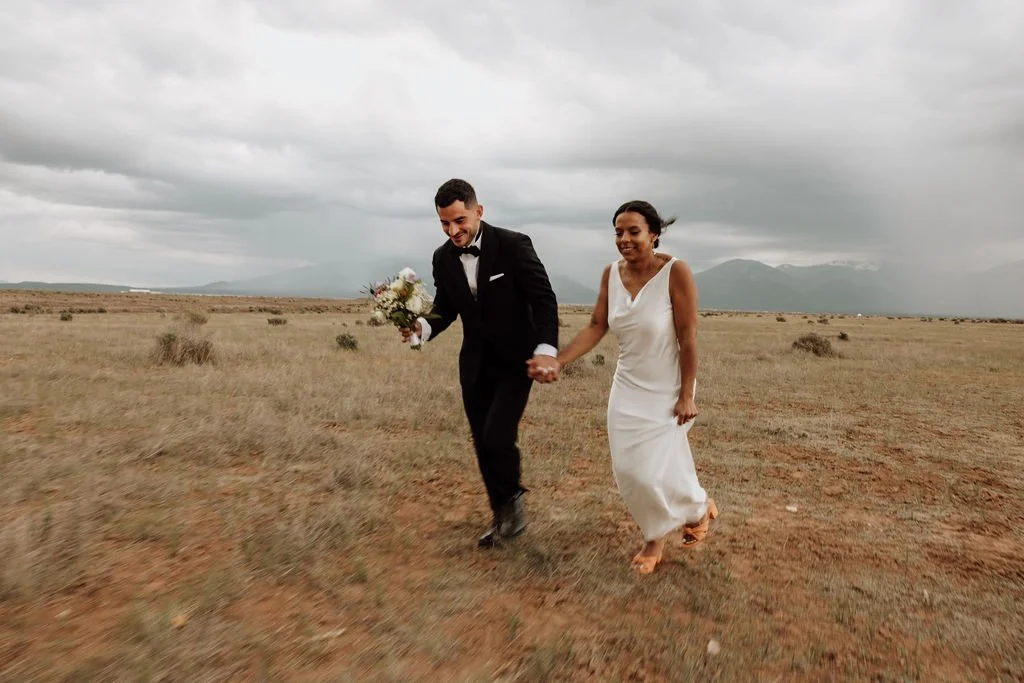
Shutterfreek built its reputation photographing adventurous, intimate weddings across the Southwest's most dramatic landscapes. Our team doesn't treat Zion as an occasional add-on location, it's part of our core coverage area alongside our broader elopements work. Couples planning a multi-state adventure often pair a Zion ceremony with a second location session, and many compare notes between our Utah coverage and our New Mexico weddings adventure elopements work when deciding between a red rock canyon elopement and a high desert one.
What that means practically for you:
We manage the NPS permit conversation and timeline with you
We know which Zion locations photograph best in which season and light
We plan realistic hiking timelines so your day isn't rushed
We deliver a gallery that tells the full story of the day, not just posed portraits
If Zion is one of two or three parks you're considering, our Utah weddings adventure elopements page breaks down how Zion compares to Arches, Capitol Reef, and the San Rafael Swell, useful if you haven't locked in your exact park yet.
Final Thoughts
Choosing a Zion National Park elopement photographer isn't just about finding someone with a nice portfolio, it's about finding a team that can navigate permits, terrain, weather, and timing while still delivering images that feel honest to who you are as a couple. Shutterfreek has built its approach around exactly that combination of technical park knowledge and documentary-style storytelling.
Every elopement we photograph in Zion informs the next, the trail conditions we tracked last October, the overlook that caught better light than expected in March, the backup plan that saved a ceremony during a surprise afternoon storm. That accumulated, on-the-ground experience is what separates a photographer who has merely visited Zion from one who genuinely knows it, and it's the standard we hold every Shutterfreek elopement to, whether it's inside Zion's canyon walls or across the red rock landscapes of Utah and New Mexico more broadly.
If you're planning a Zion elopement, start by exploring our elopements portfolio, then reach out for a consultation so we can talk through your date, your vision, and the permit timeline together. We'll help you figure out not just where to stand for the best light, but how to actually get there, legally and safely, with time to breathe in the moment before the camera even comes out.
Frequently Asked Questions
-
Yes. The National Park Service requires a Wedding Permit for any ceremony inside Zion, and a separate Commercial Photography Permit covers your hired photographer. Requirements and fees are set by the NPS and can change, so always confirm current details on the official park website before finalizing plans.
-
Pricing varies by photographer, coverage hours, and whether a second location or multi-day adventure session is included. Rather than quoting a flat number here, it's best to request a custom quote based on your specific timeline, group size, and locations, Shutterfreek provides detailed pricing during the consultation.
-
Fall (September–November) and spring (March–May) offer the most comfortable hiking temperatures and strong photographic light, while winter offers more privacy and summer offers dramatic skies but higher heat and flash flood risk in narrow canyons.
-
Absolutely. Many Zion elopements involve just the couple, an officiant, and the photographer. The park's permit system accommodates intimate, guest-free ceremonies, which is part of why so many couples choose Zion over traditional venues.
-
Most couples book 6–12 months ahead, especially for popular fall and spring dates. Earlier booking also gives more flexibility around NPS permit processing timelines and preferred ceremony locations.
Keep reading