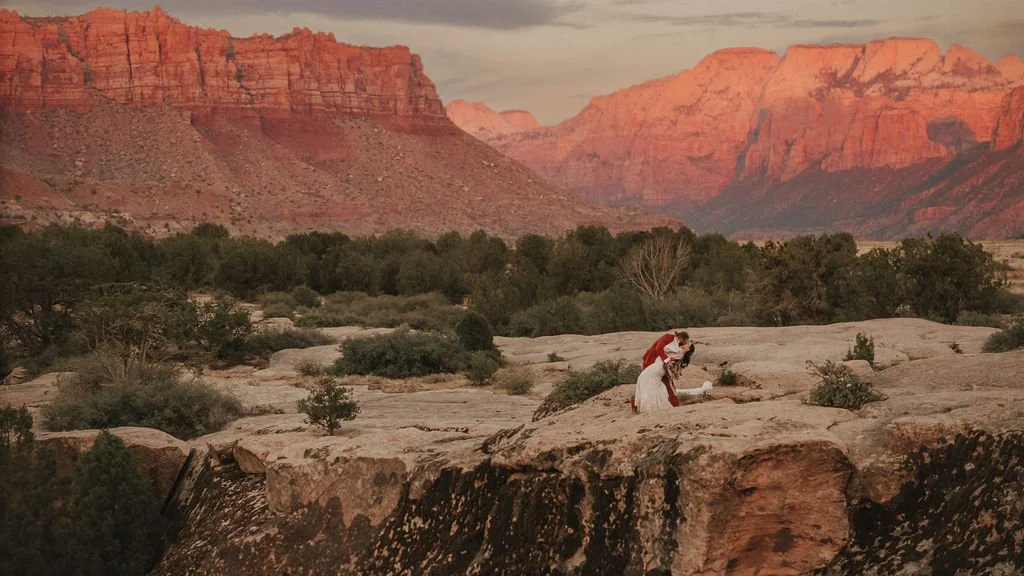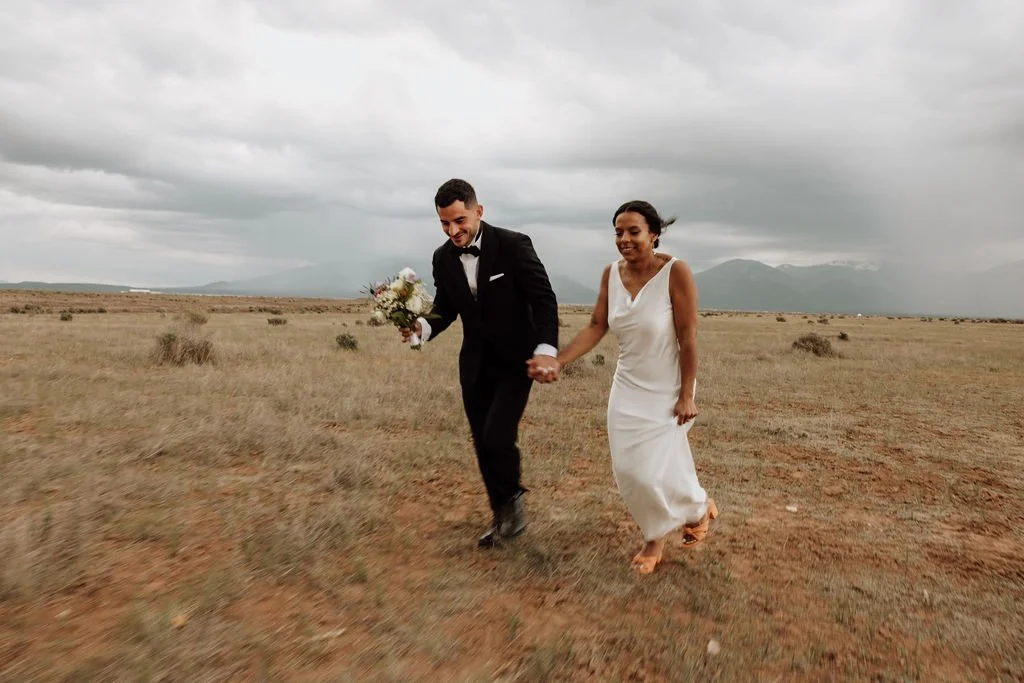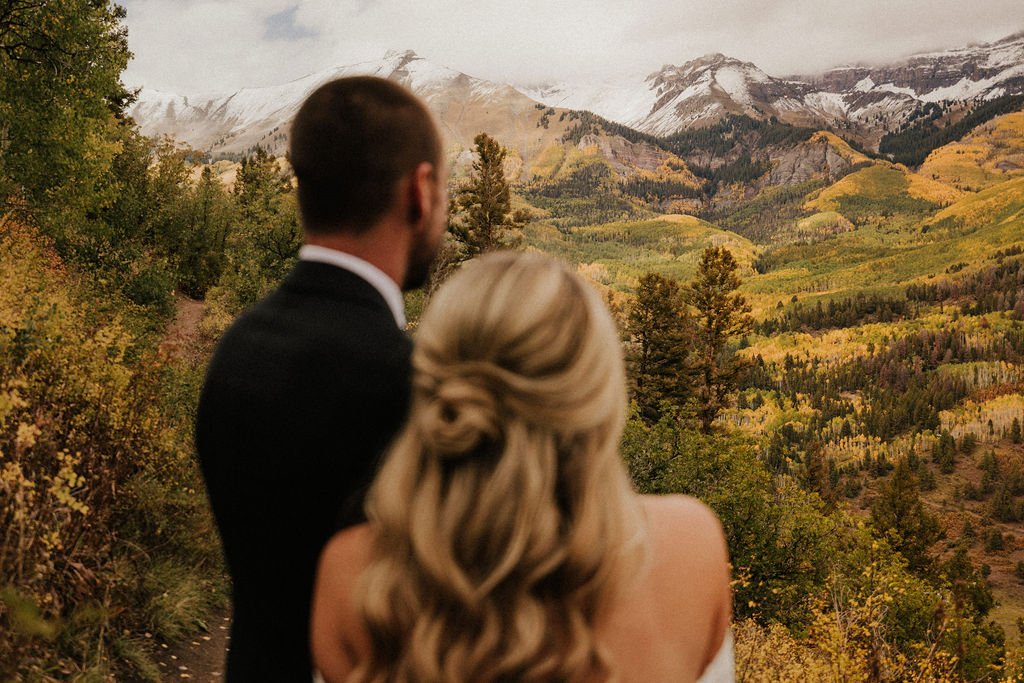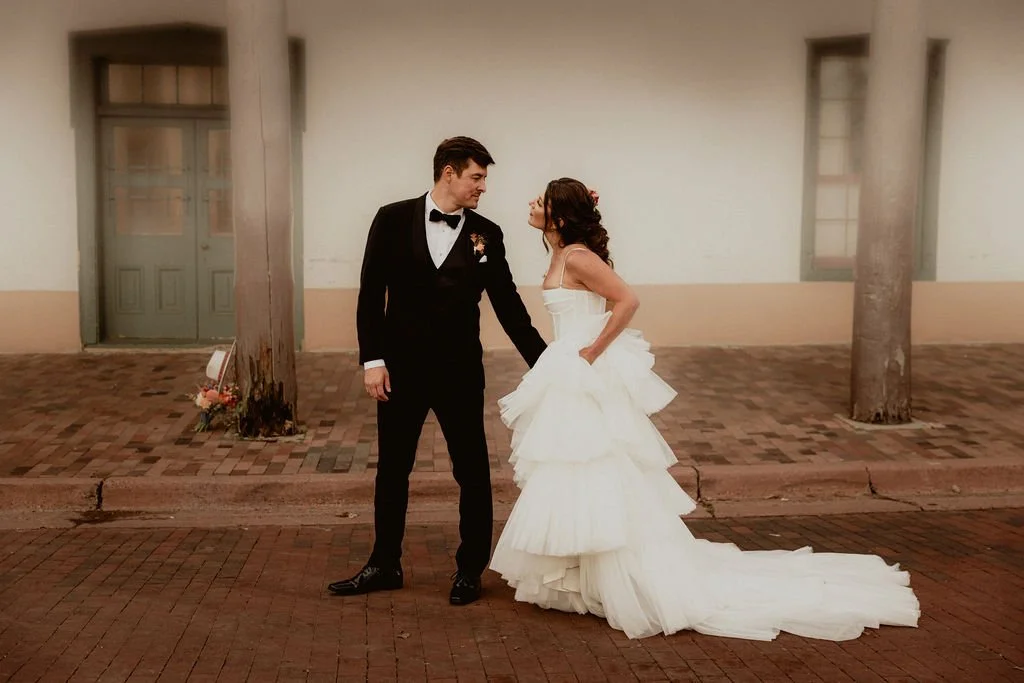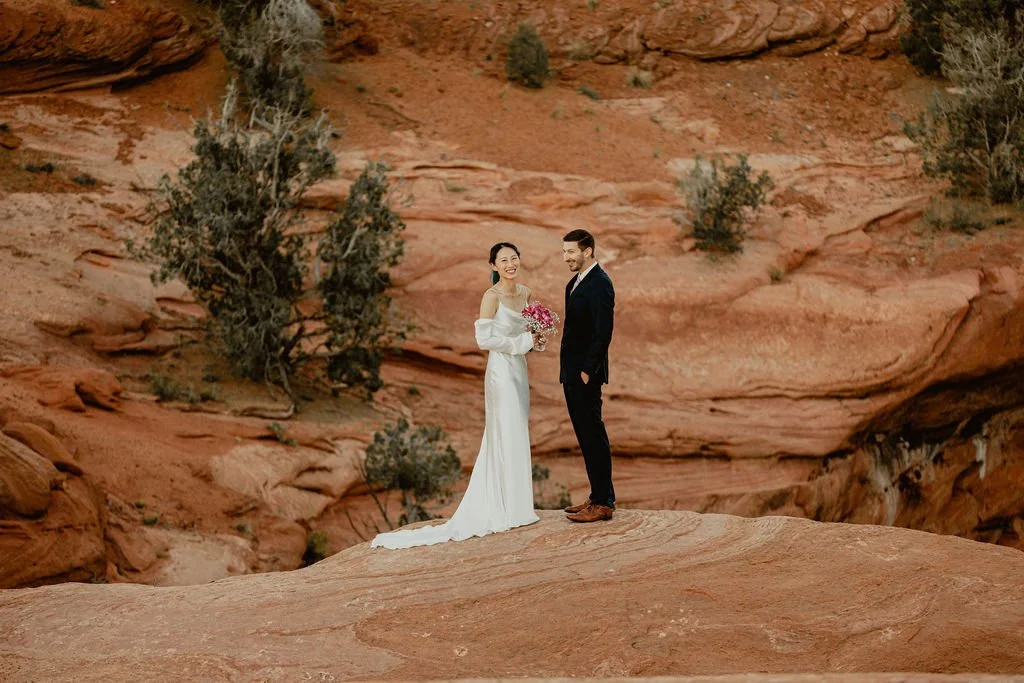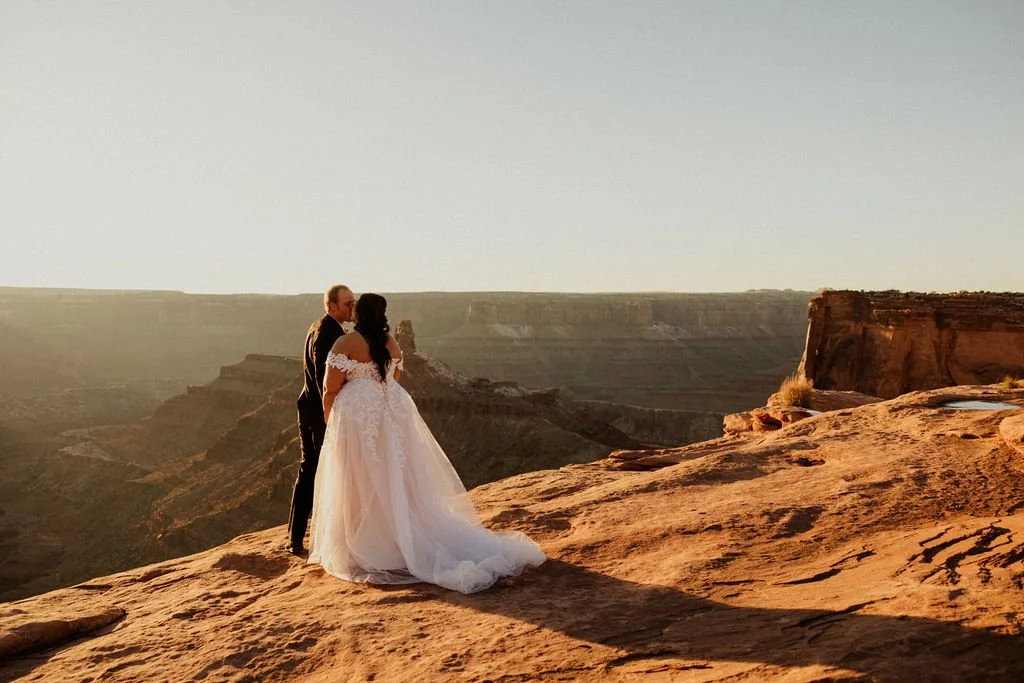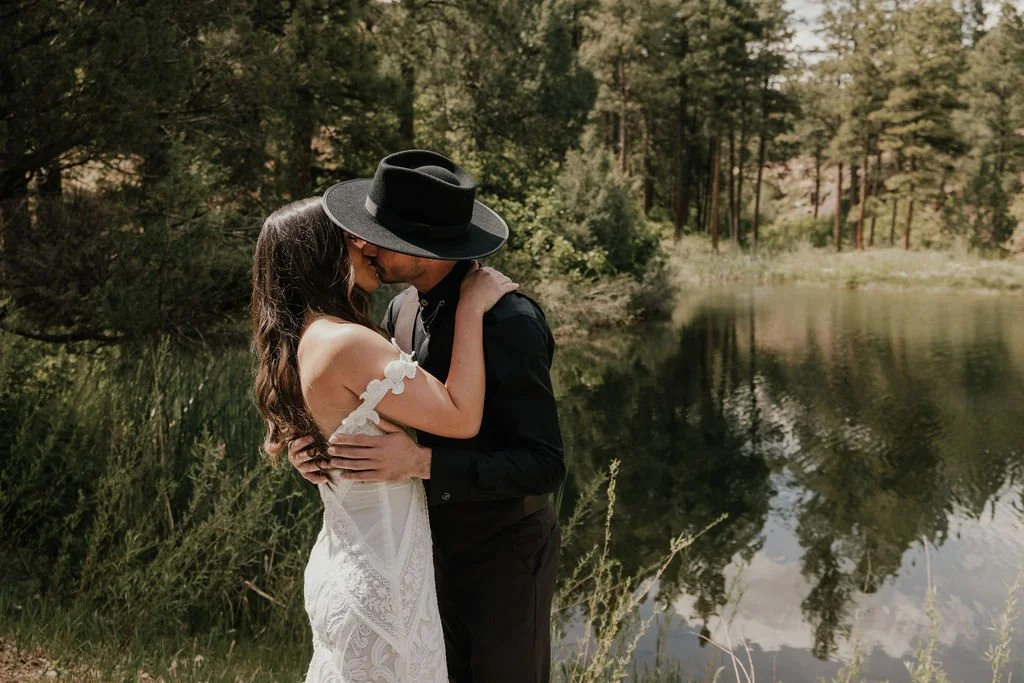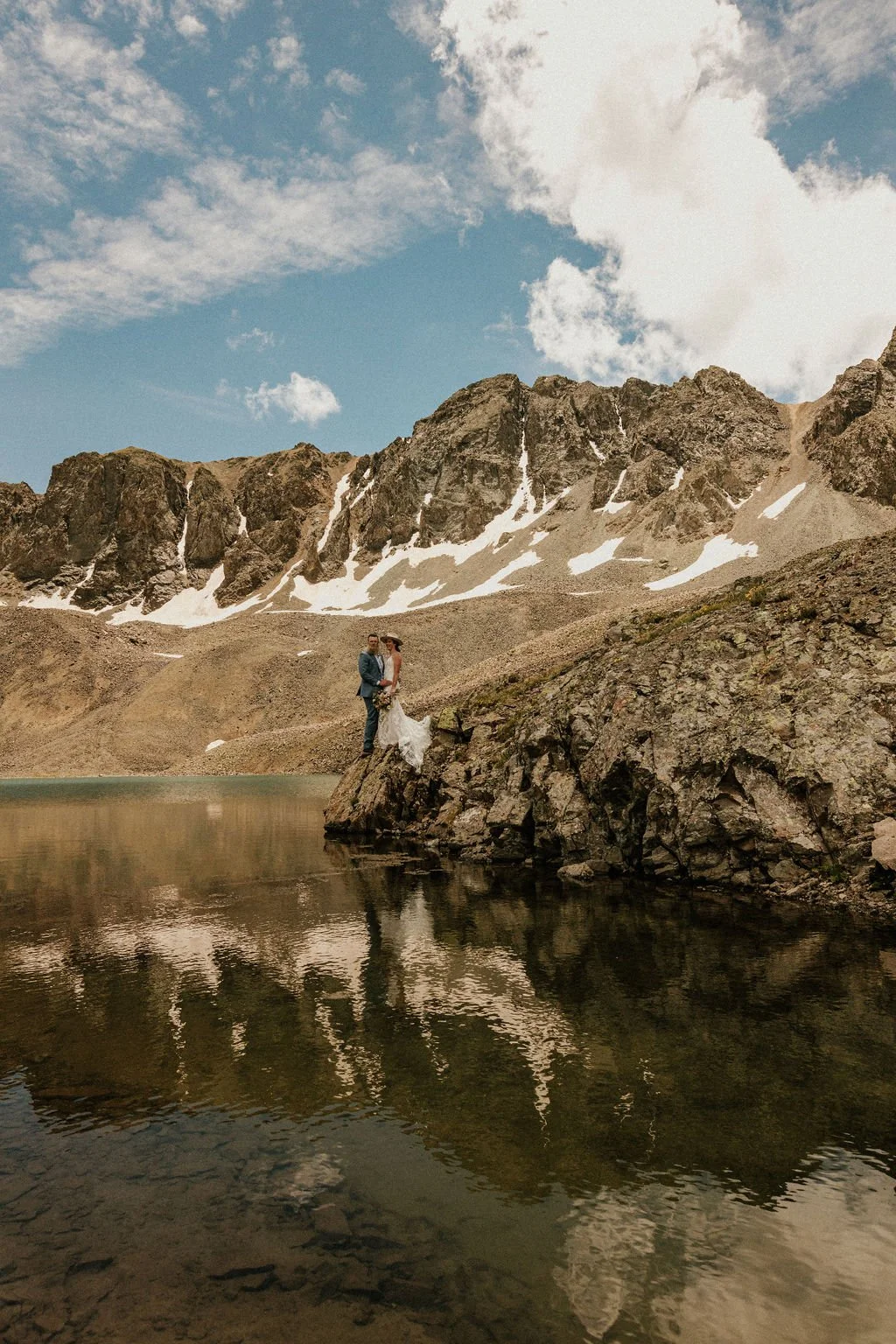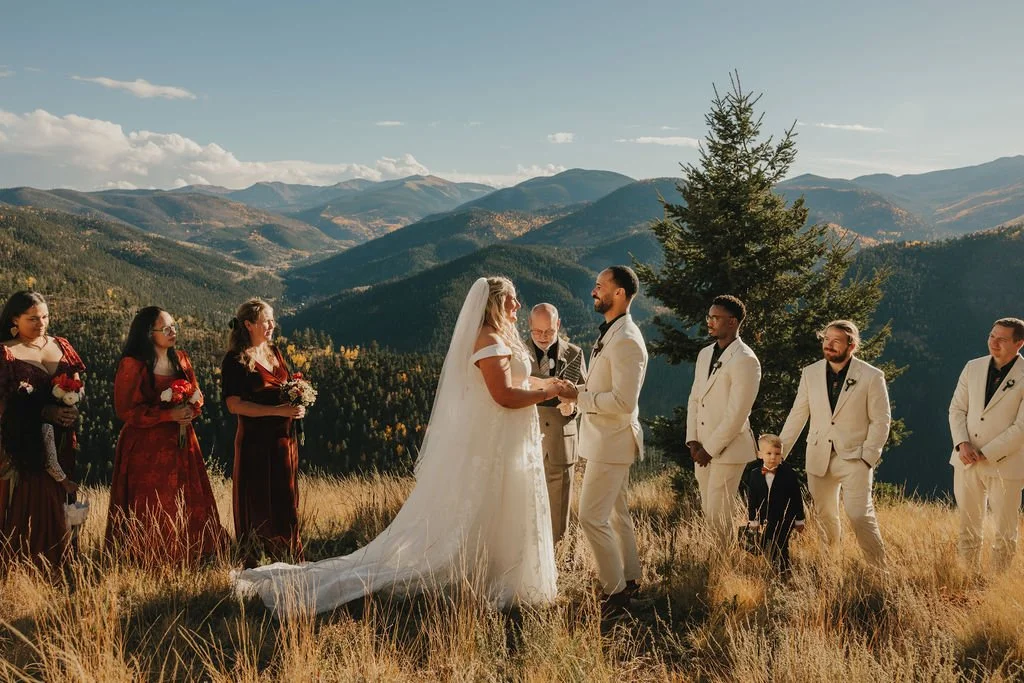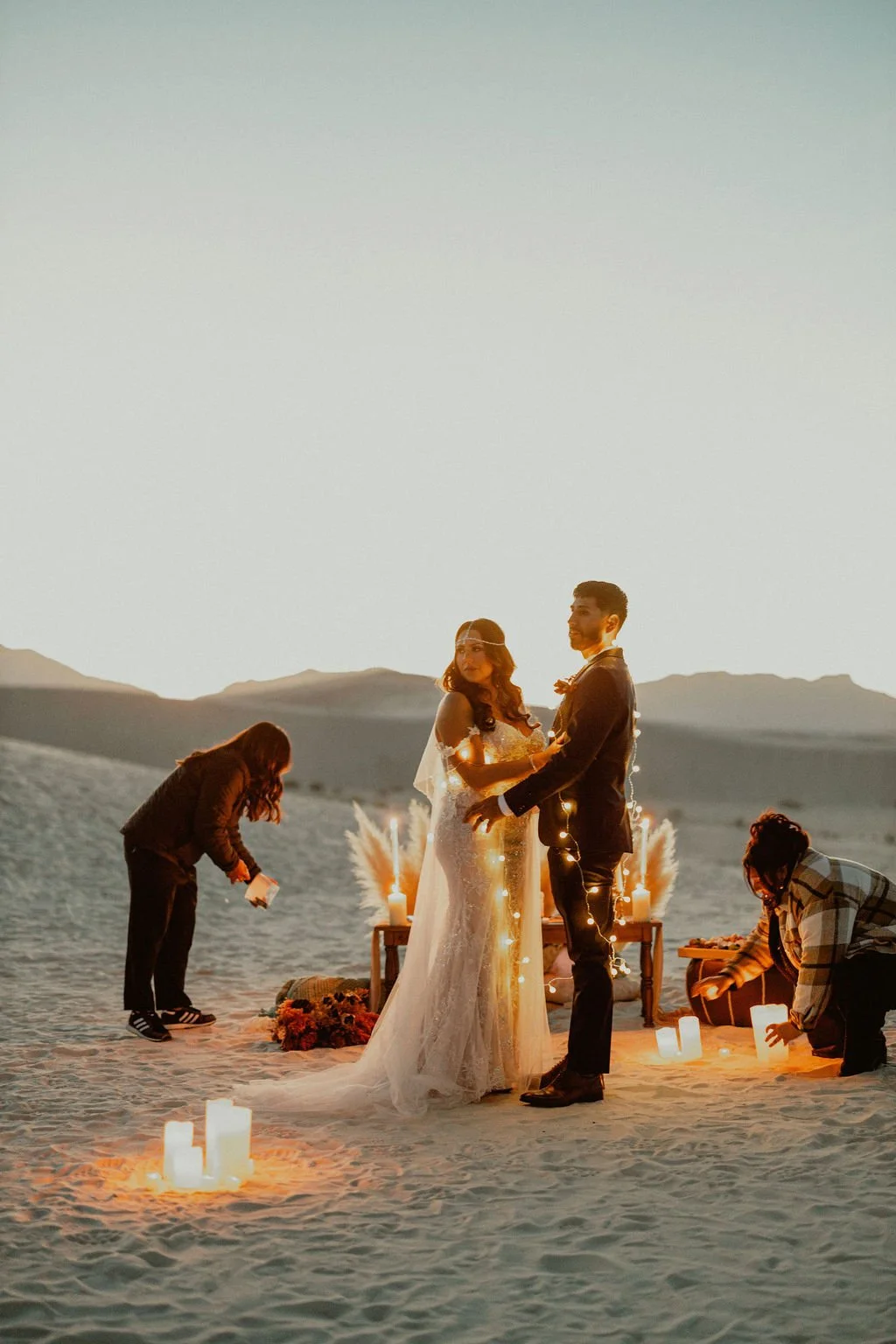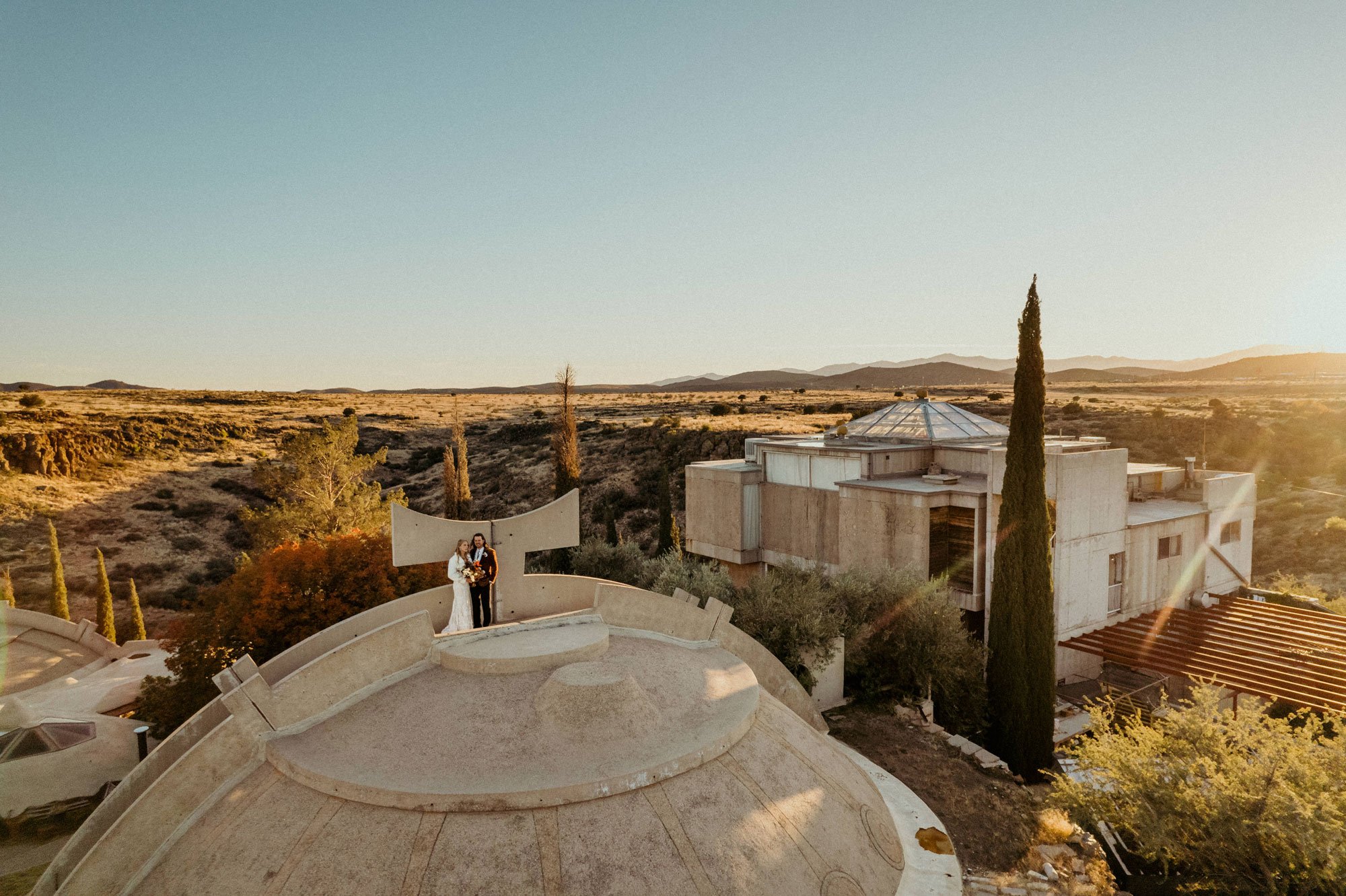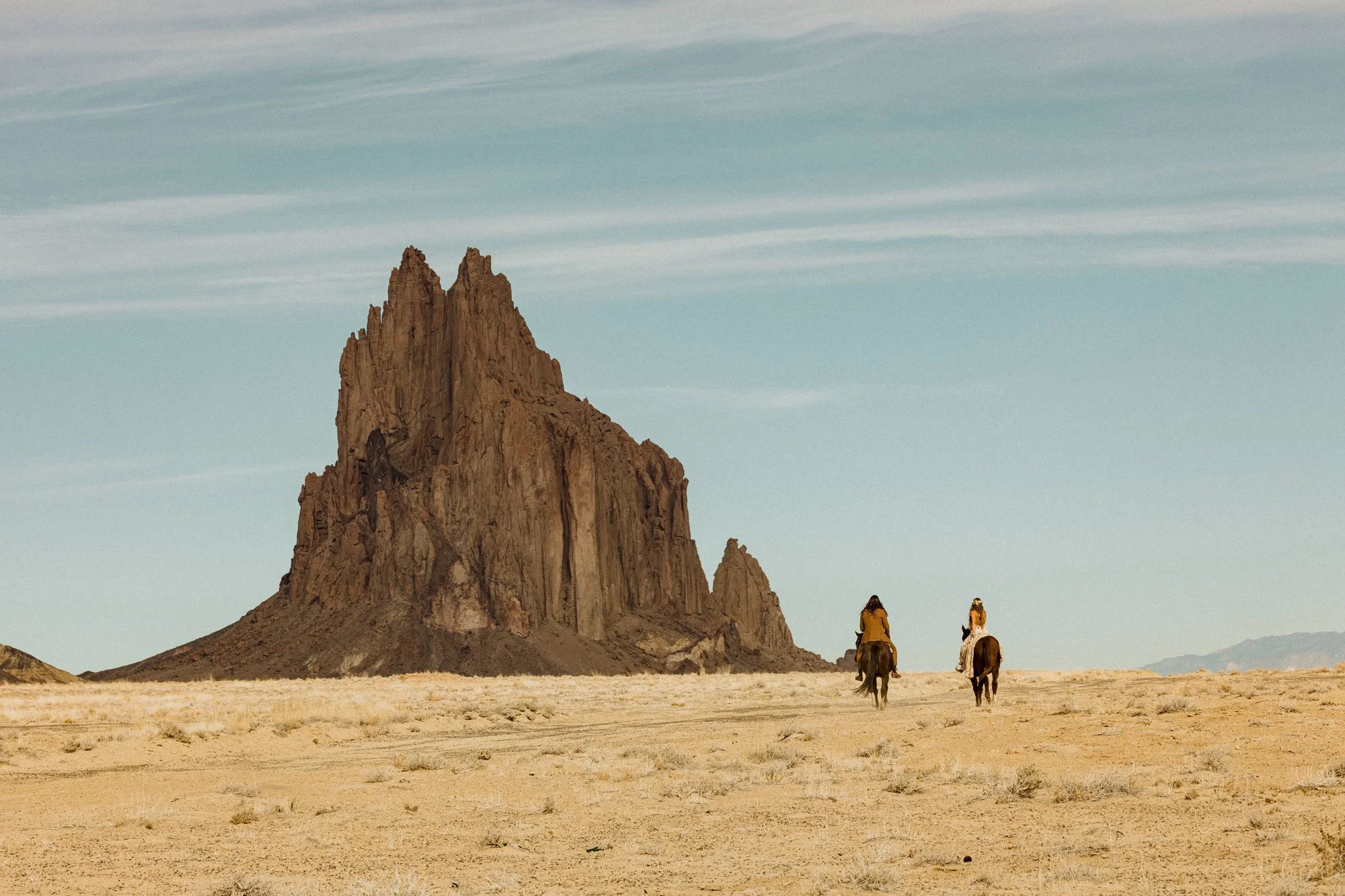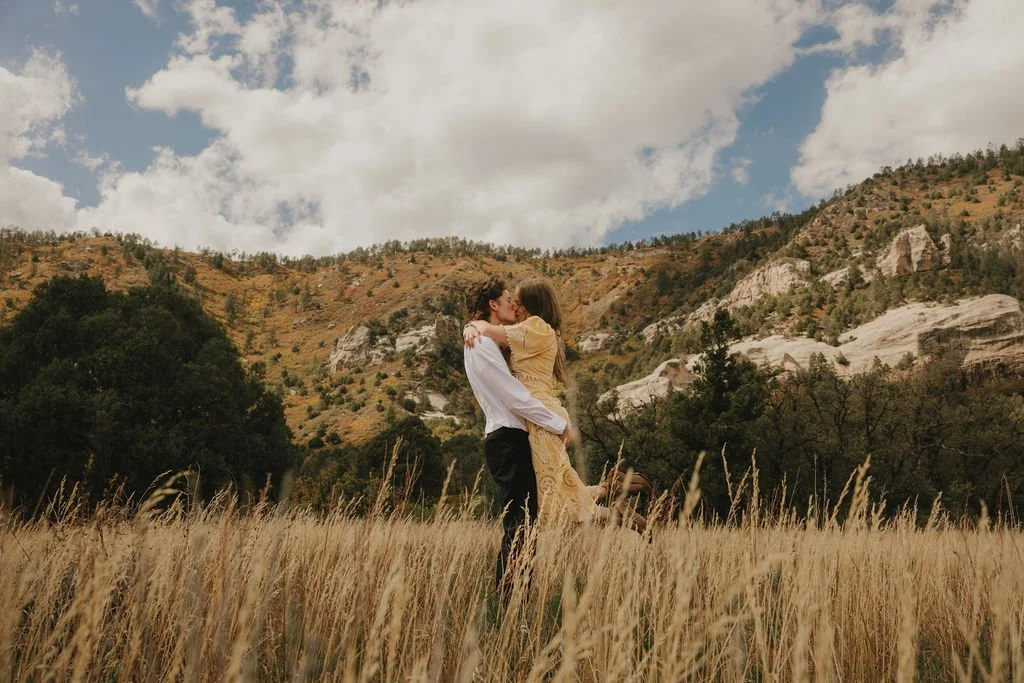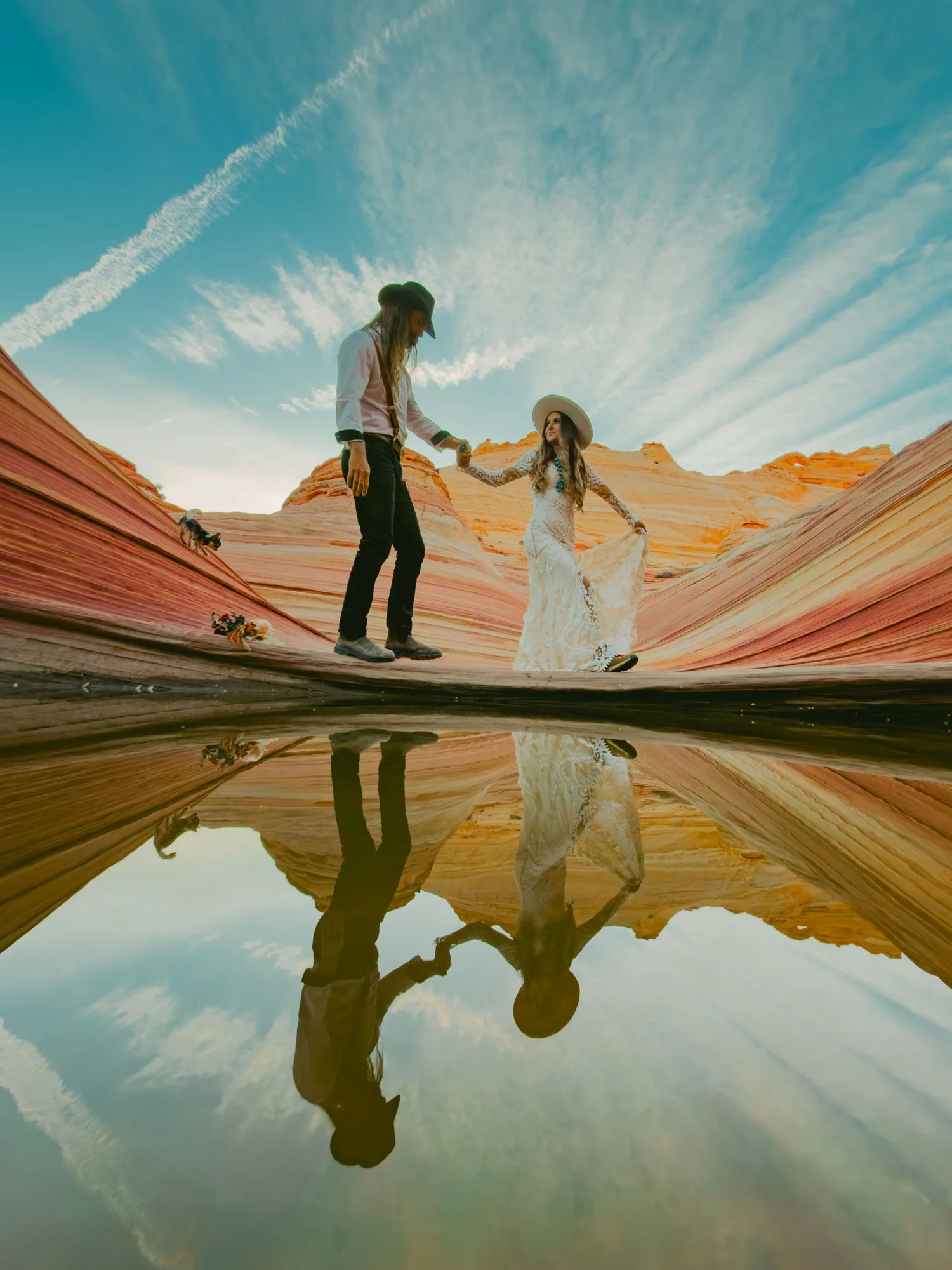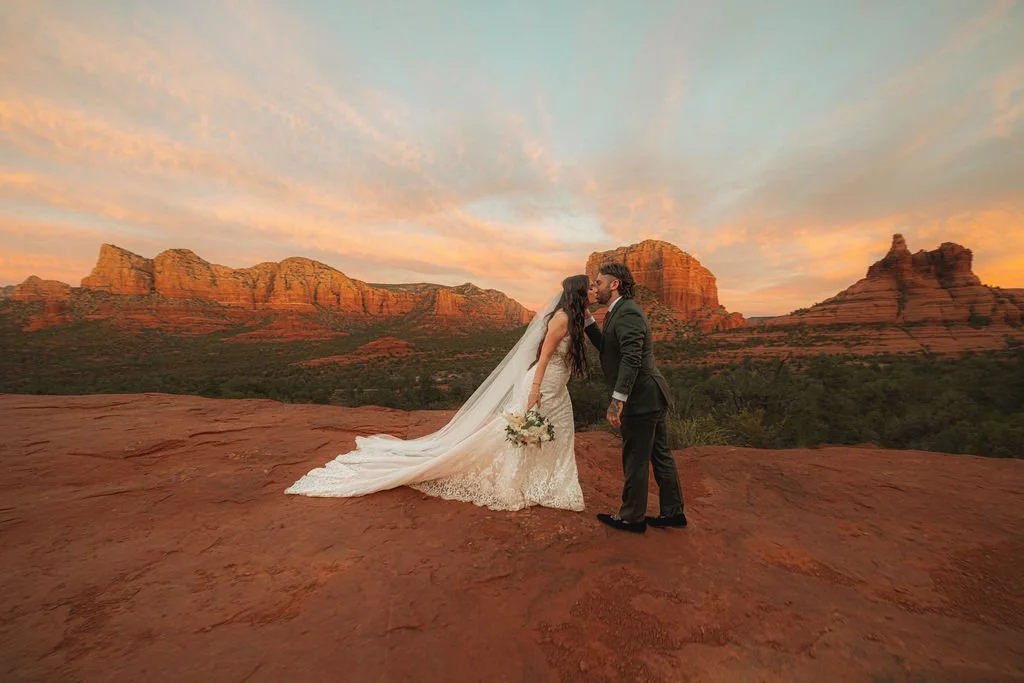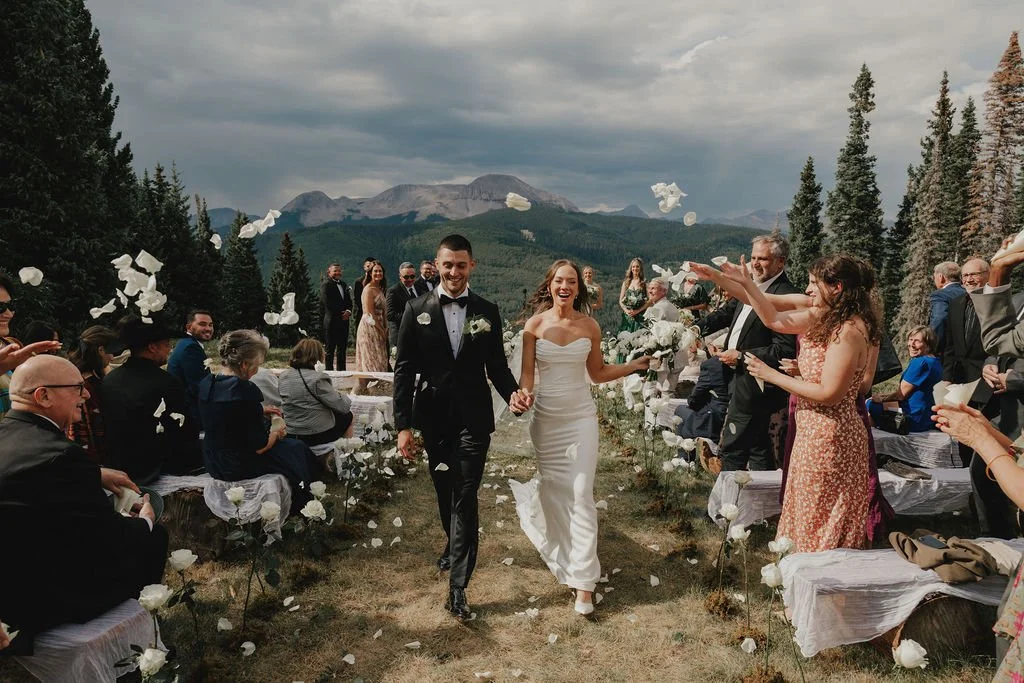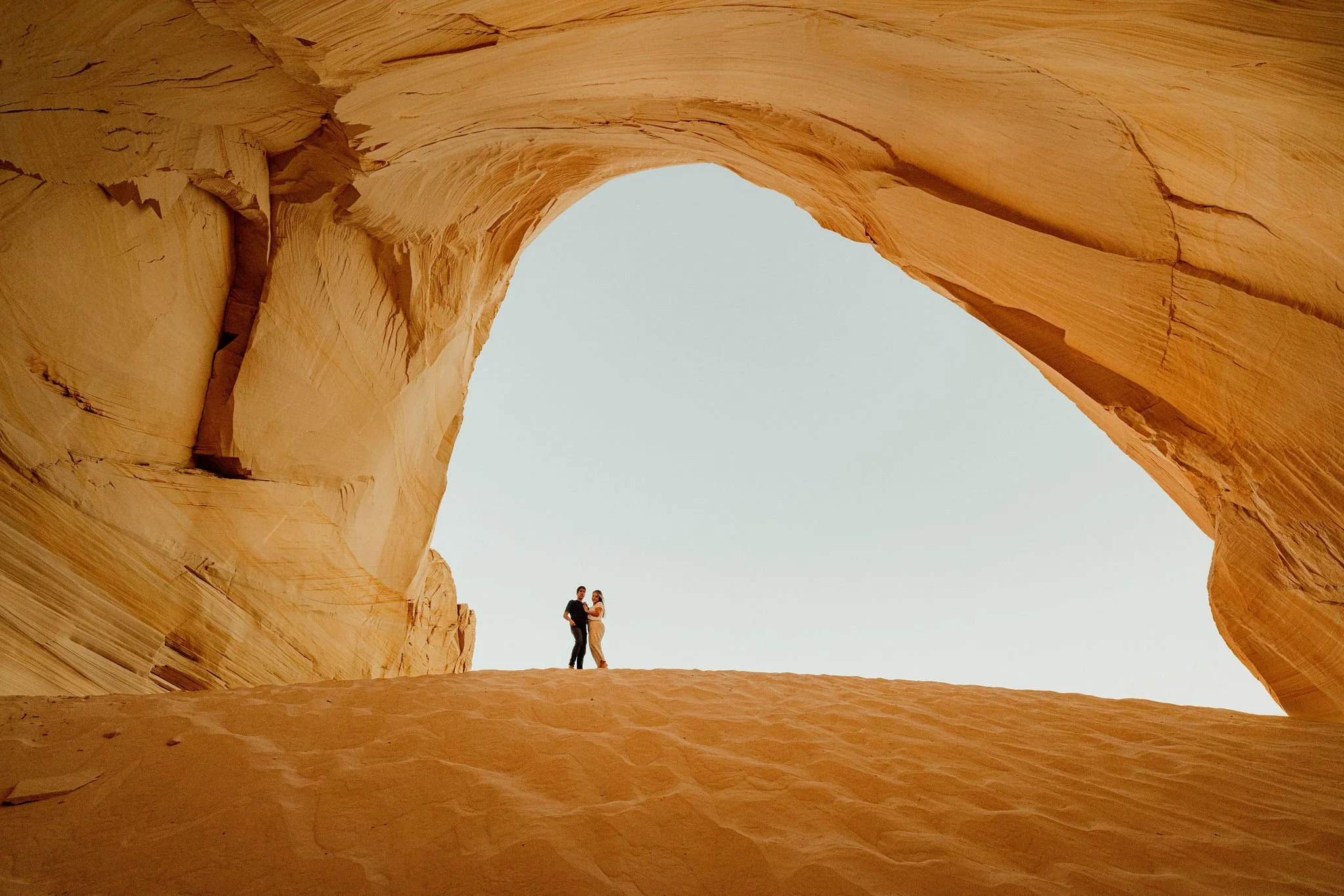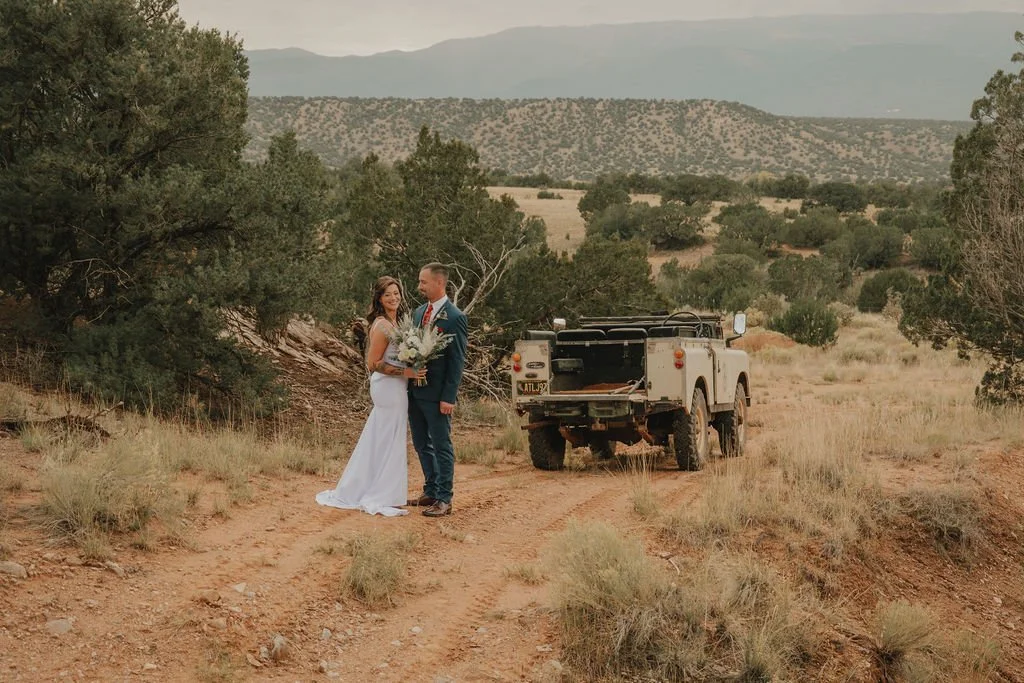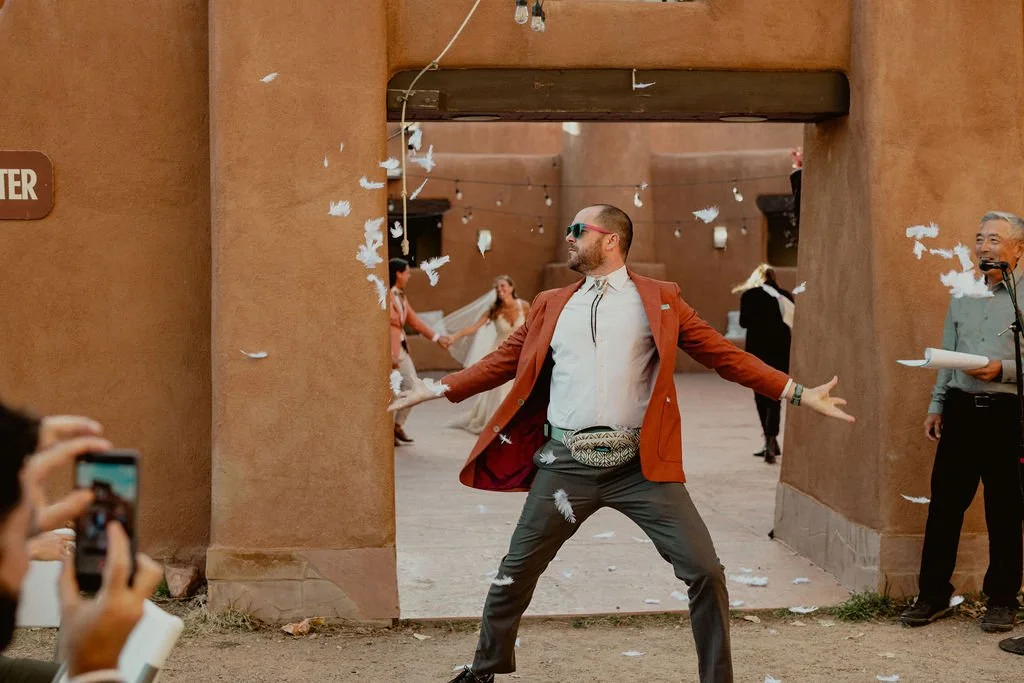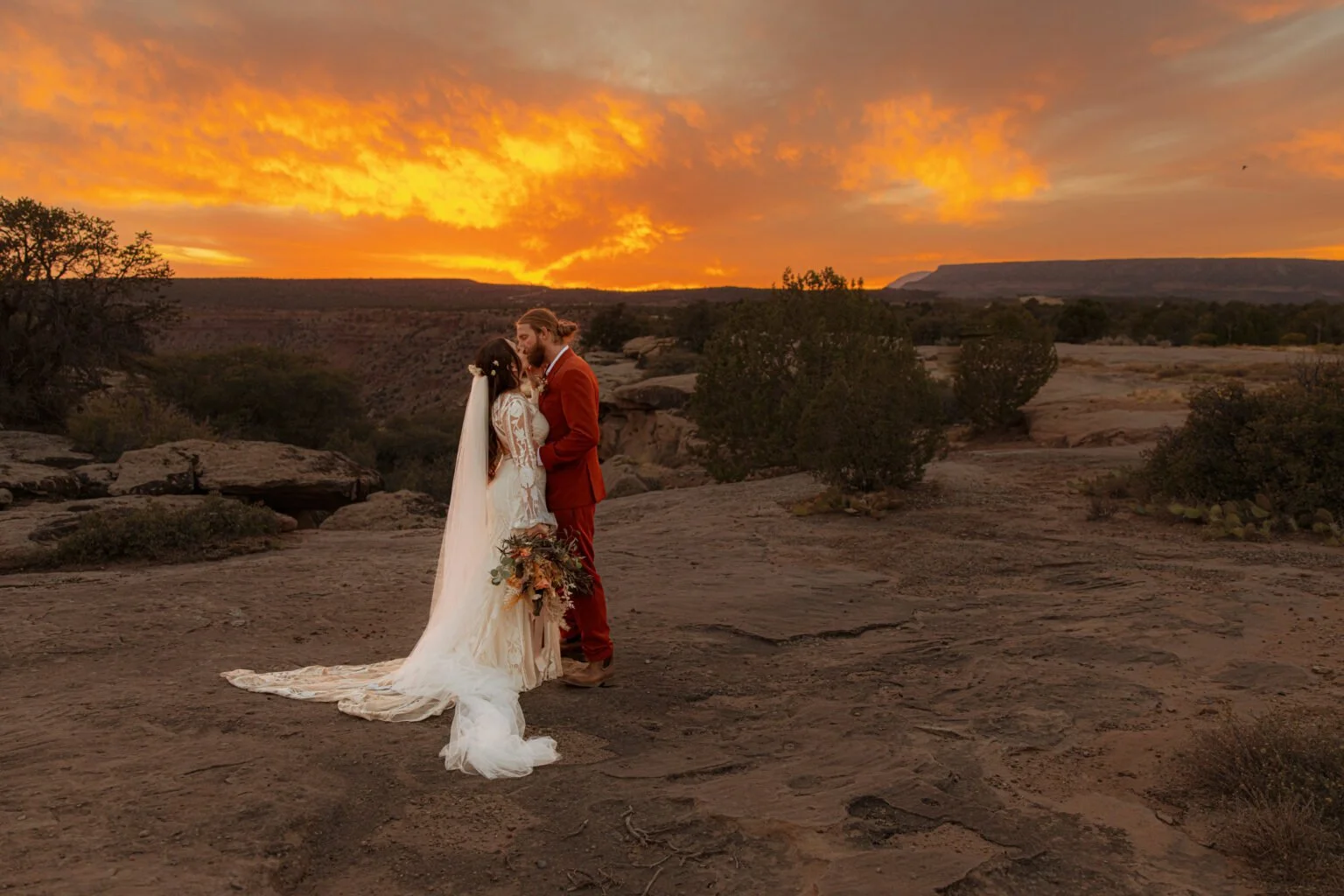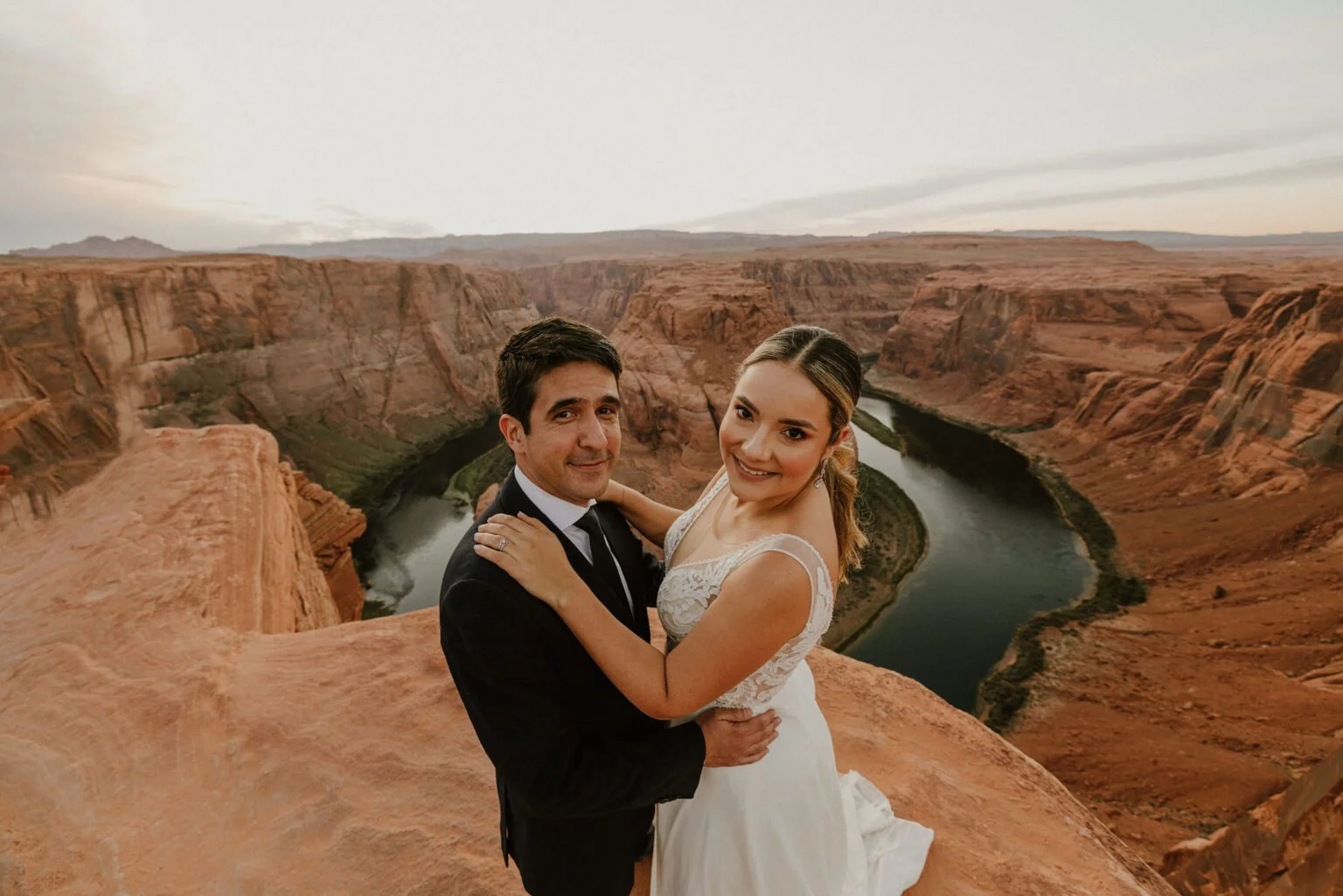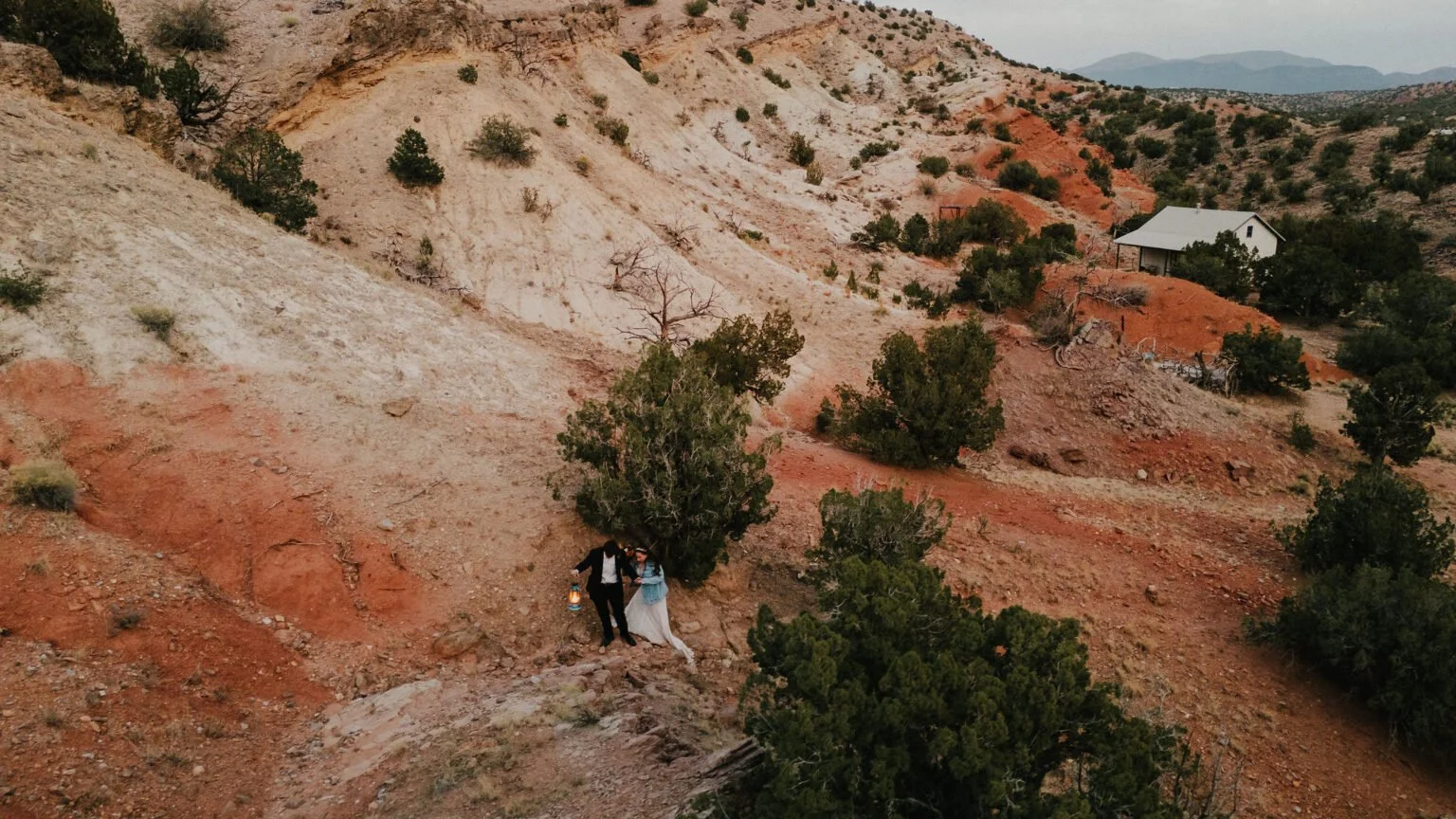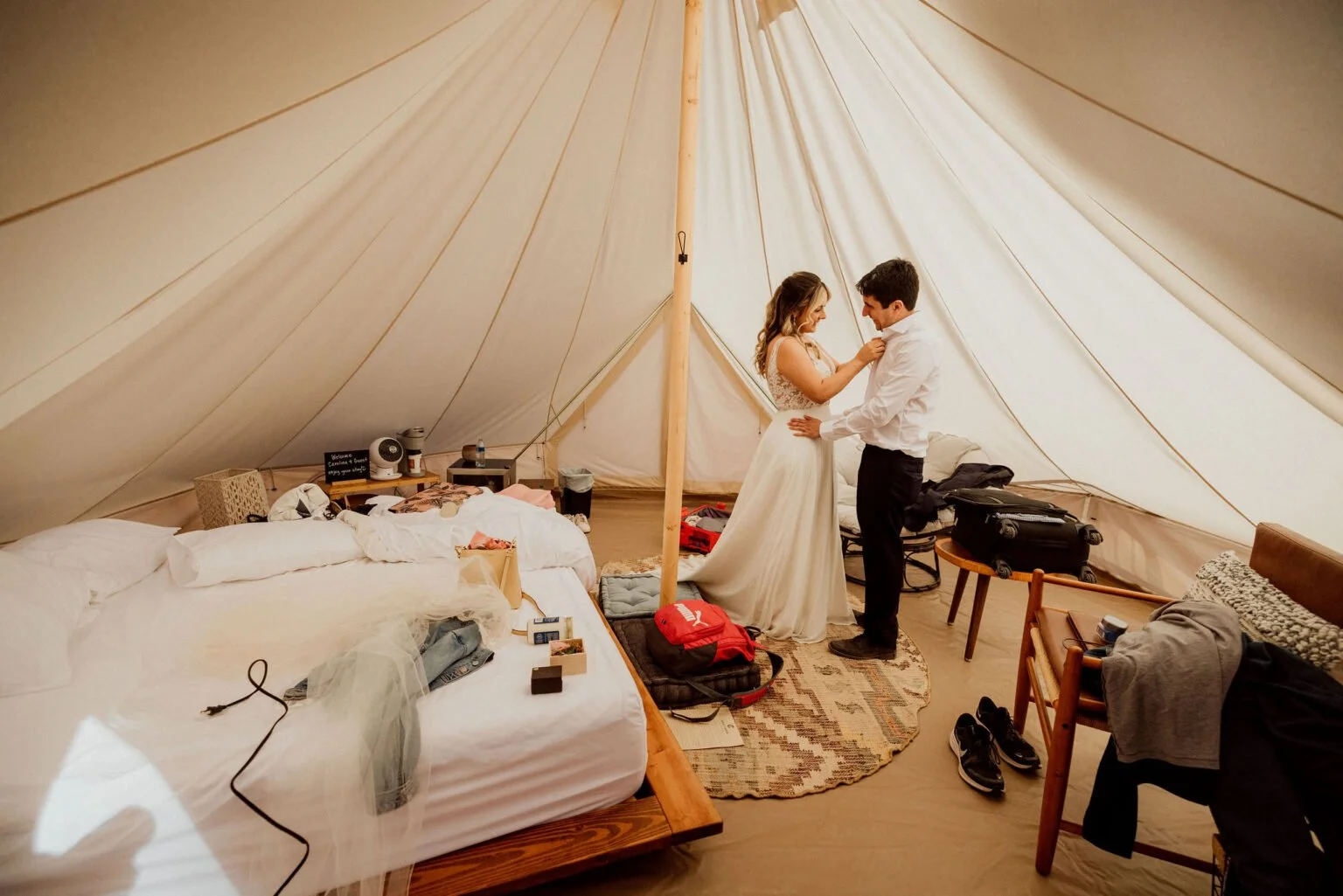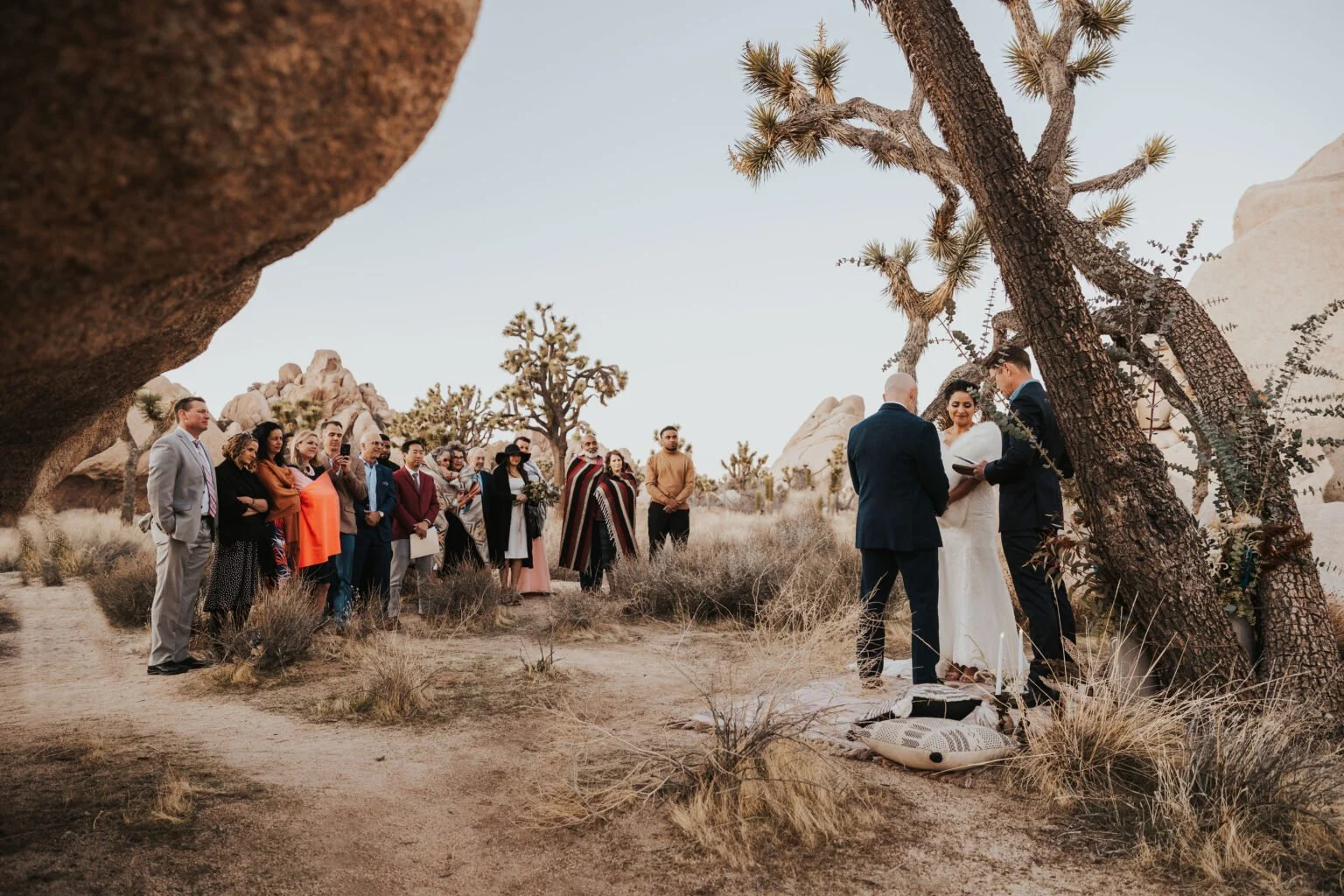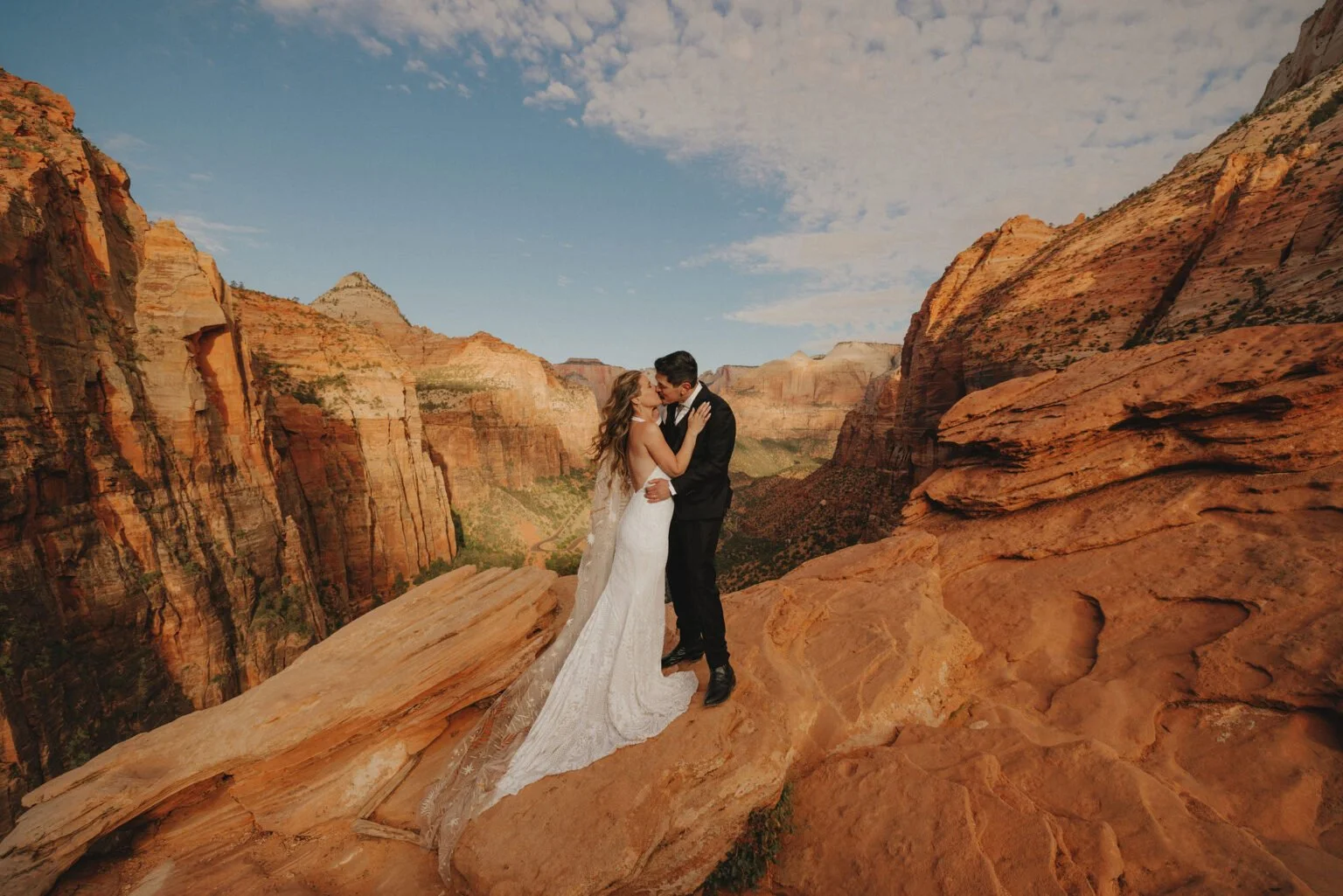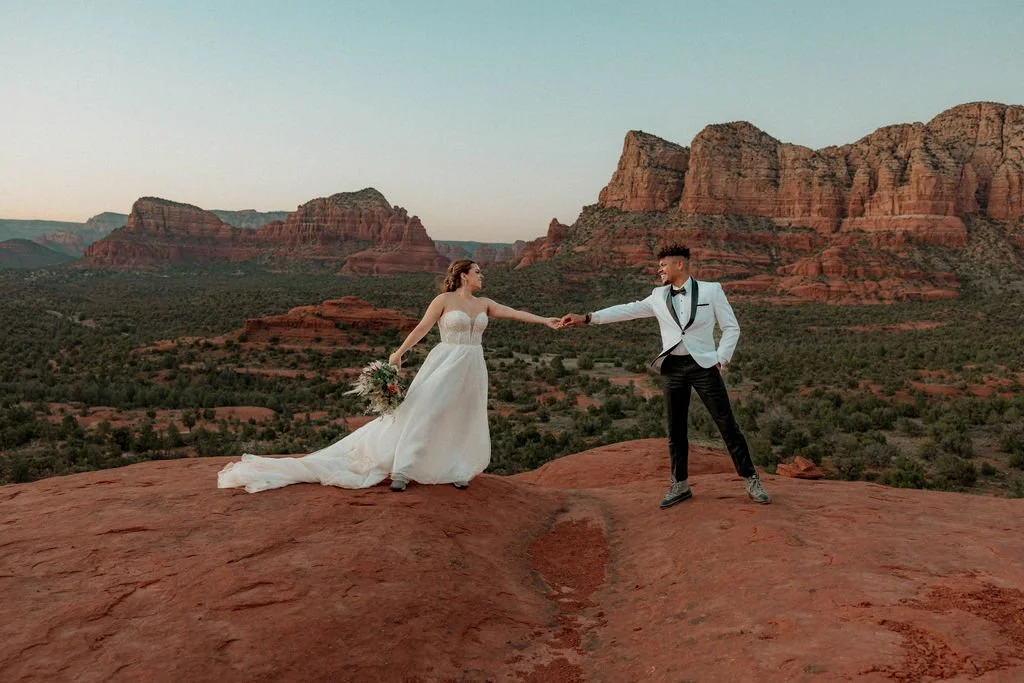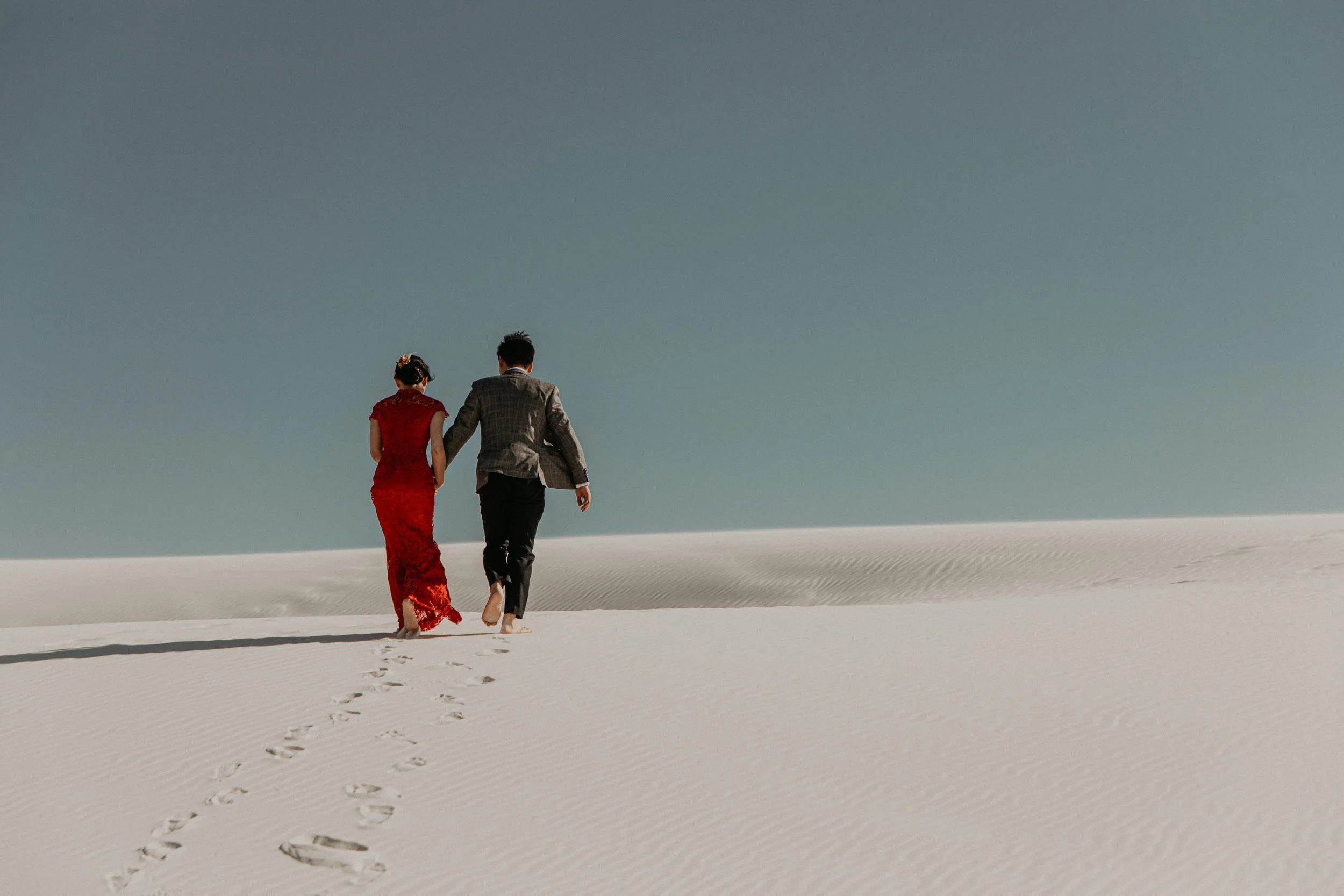
A White Sands intimate destination wedding photographer is a photographer who specializes in planning, permitting, and documenting small-scale weddings and elopements inside White Sands National Park, New Mexico, someone who understands the park’s permit system, golden-hour dune lighting, and how to help couples pull off a legal, logistically smooth ceremony in one of the most otherworldly landscapes on earth. Shutterfreek has built its reputation on exactly this: guiding couples through the entire process, from permits to pose, so the only thing they have to think about is each other.
If you’ve pictured saying “I do” barefoot on a blinding-white gypsum dune with nothing but your partner, an officiant, and a photographer who knows the terrain — this guide walks you through everything you need to plan it right.
Why White Sands National Park Is Made for Intimate Weddings
White Sands isn’t a typical wedding venue, and that’s precisely its appeal. The park’s 275 square miles of rippling gypsum dunes create a stark, minimalist backdrop that photographs unlike anywhere else on the planet — closer to a lunar landscape than a traditional “destination wedding” setting.
For couples choosing an intimate ceremony over a large production, White Sands offers three things most venues can’t:
Privacy at scale. Even with other visitors in the park, the sheer size of the dune field means a skilled photographer can find secluded pockets for your ceremony.
Dramatic natural lighting. The white gypsum reflects and diffuses light in a way that flatters skin tones and creates a soft, almost glowing quality in photos — especially during sunrise and sunset sessions.
A genuinely rare backdrop. Few couples will ever have wedding photos that look remotely similar to anyone else’s.
This is also why hiring a photographer who has shot in the park repeatedly matters more here than almost anywhere else. The light shifts fast, foot traffic changes the dune shapes daily, and permit rules affect where and when you can legally hold your ceremony.
What “Intimate Destination Wedding” Actually Means
The terms “elopement” and “intimate destination wedding” get used interchangeably, but there are subtle differences worth understanding before you plan:
| Wedding Type | Term | Typical Guest Count | Planning Timeline | Common Motivation |
|---|---|---|---|---|
| Elopement | 0–2 (just the couple) | Weeks to a few months | Simplicity, spontaneity, budget | Private and personal experience |
| Intimate Destination Wedding | 2–30 close family/friends | 3–12 months | Meaningful location + small circle | Close family and friends |
| Traditional Destination Wedding | 30–150+ guests | 9–18 months | Travel + celebration combined | Large-scale celebration |
An intimate destination wedding at White Sands typically falls in that middle category — couples who want more than an elopement’s simplicity but far less than a full production. Shutterfreek works across all three formats, but the park’s permit structure (covered below) is specifically built around smaller groups, which is part of why it’s become a go-to for couples who want “intimate” rather than “intimate-for-Instagram.”
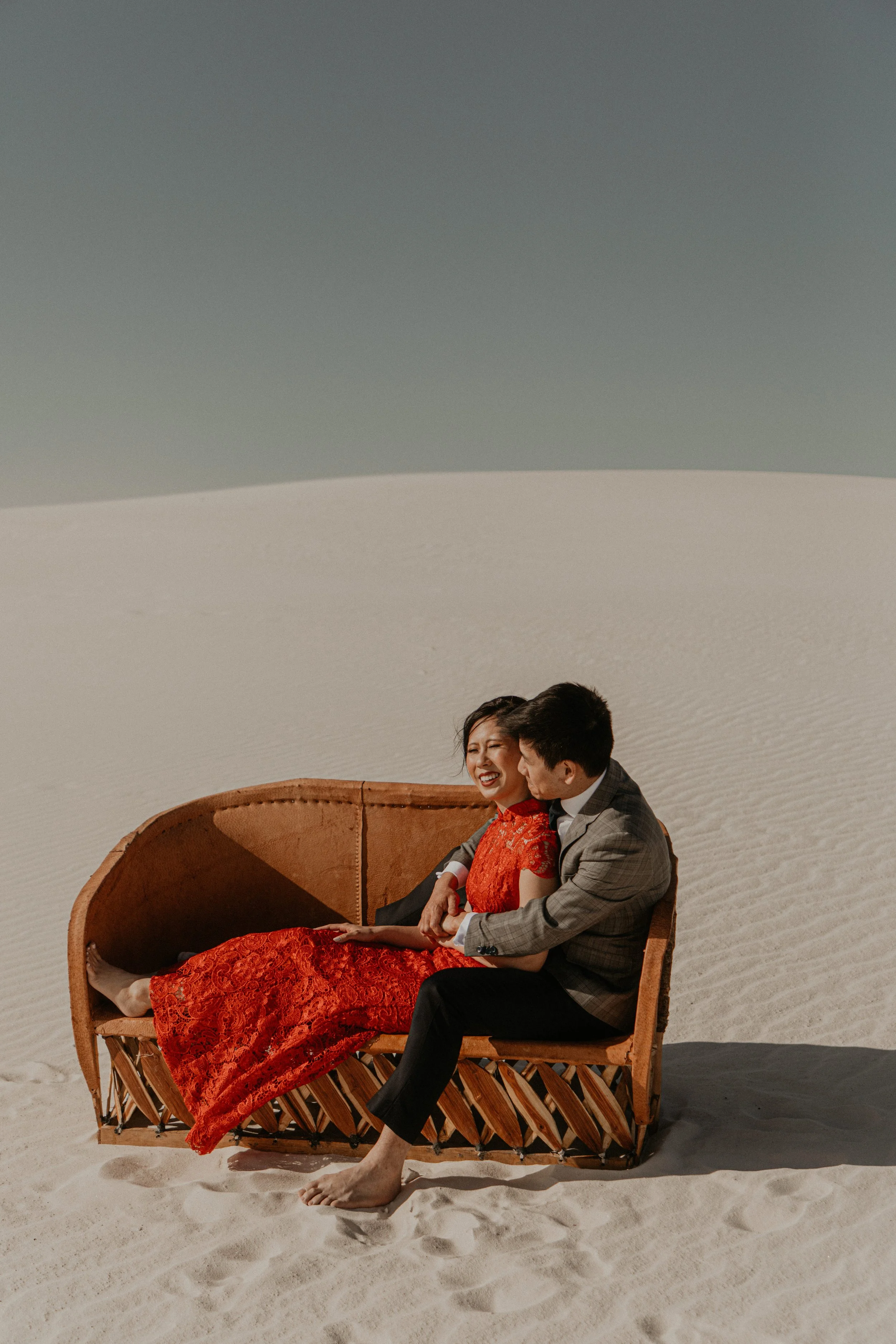
Permits, Logistics, and What Nobody Tells You
This is the part most blog posts skip, and it’s the part that actually determines whether your wedding day goes smoothly.
White Sands National Park requires a Special Use Permit for any wedding ceremony, and the process includes:
Application submission — typically 4-6 weeks before your date, though popular dates (spring and fall weekends) fill faster.
Refundable liability insurance — the park requires proof of event insurance, which most photographers can help you source.
Group size restrictions — permits are structured for smaller gatherings, which plays directly into why White Sands suits intimate weddings so well.
Time-of-day restrictions — ceremonies are generally not permitted during the hottest midday hours in summer, partly for guest safety and partly because the light is flat and unflattering anyway.
No amplified sound and limited decor — the park is protected federal land, so anything brought in must be brought out, and there are restrictions on what can be set up (no large arches staked into the sand, for example).
A photographer who has worked in the park before isn’t just there for the camera — they can tell you realistically how much time you’ll have, where the light will be at your ceremony time, and which dune areas tend to be quieter on a given day of the week.
What to Expect From Shutterfreek’s White Sands Experience
Shutterfreek approaches every White Sands elopement and intimate wedding the same way: as a full day of storytelling, not a rushed photo session squeezed between other weddings. That typically includes:
A pre-planning call covering permit requirements, timeline, and realistic weather/lighting expectations for your chosen date.
Scouting recommendations for ceremony and portrait locations based on the season and time of day.
Golden hour prioritization — sunrise and sunset sessions are booked whenever possible, since the low-angle light is what makes White Sands photography look the way it does.
A second shooter option for larger intimate weddings (15+ guests) to capture candid guest reactions alongside the couple’s portraits.
A guided posing approach for couples who feel awkward in front of a camera, which is especially common with elopements where there’s no “fake it till you make it” crowd energy to lean on.
Best Time of Year and Time of Day
Timing is arguably more important at White Sands than at almost any other destination wedding location, because the environment is genuinely extreme in certain conditions.
Best seasons:
Spring (March–May): Mild temperatures, dramatic skies, occasional wind (worth planning for with hairstyling and veil choices).
Fall (September–November): Many photographers’ top recommendation — cooler temps, clear skies, fewer crowds than spring weekends.
Winter (December–February): Surprisingly popular for intimate elopements; cold but crisp, with a chance of frost on the dunes for a surreal effect.
Summer (June–August): Possible but challenging — surface sand temperatures can exceed 150°F at midday, making sunrise or late-evening sessions essentially mandatory.
Best time of day: Sunrise and the two hours before sunset consistently produce the most flattering, most “White Sands signature” images — soft shadows, warm tones, and comfortable temperatures for the wedding party.
Comparing White Sands to Other Southwest Elopement Destinations
Couples researching White Sands often also consider Utah’s red rock deserts or other New Mexico landscapes. Here’s how they stack up for intimate weddings specifically:
| Location | Landscape Style | Permit Complexity | Ideal Guest Count | Signature Look |
|---|---|---|---|---|
| White Sands, NM | White gypsum dunes, desert | Moderate (federal park permit) | 2–30 | Bright, minimalist, almost monochrome |
| Utah deserts/canyons | Red rock, arches, canyons | Varies by site (BLM/state/national park) | 2–20 | Warm, dramatic, textured |
| Other NM landscapes | Volcanic fields, high desert, mountains | Low to moderate | 2–40 | Rugged, varied terrain |
Shutterfreek photographs all three regions regularly. Couples deciding between a stark white dune backdrop and a warmer red-rock palette often explore Utah’s adventure elopement scene or browse more of New Mexico’s adventure elopement locations before settling on White Sands specifically, the choice usually comes down to color palette and how much hiking the couple wants built into their day.
How Much Does a White Sands Elopement Photographer Cost?
Pricing varies by package length, travel distance, and whether a second shooter is included, but intimate White Sands sessions generally fall into a few tiers:
Elopement sessions (1-2 hours): Focused purely on ceremony and a short portrait session, ideal for couples with no guests.
Half-day intimate wedding coverage (4-6 hours): Includes ceremony, family portraits, and a couples session, suited to small guest counts.
Full-day coverage (8+ hours): For intimate weddings that include a dinner or celebration component after the ceremony.
Couples planning a no-frills, just-the-two-of-us ceremony often start by looking into elopement photography packages to understand what’s included before deciding how much additional coverage they need for a White Sands day.
Planning Timeline: A Realistic Checklist
For couples who want a clear sequence rather than a loose list, here’s a realistic planning order:
9–12 months out: Choose your date range and confirm photographer availability.
6–9 months out: Submit the Special Use Permit application; secure event liability insurance.
3–6 months out: Finalize travel, lodging (nearby Alamogordo or Las Cruces), and attire — factor in wind and sand for shoe and fabric choices.
4–6 weeks out: Confirm permit approval, finalize ceremony timeline with your photographer, and discuss backup plans for weather.
1–2 weeks out: Final gear and shot-list conversation; confirm sunrise/sunset times for your exact date.
Day-of: Arrive early, allow buffer time for park entry during peak hours, and trust the guided timeline.
Ready to Plan Your White Sands Wedding Day?
An intimate wedding at White Sands National Park rewards couples who plan carefully and work with a photographer who already knows the terrain, the light, and the permit process. Shutterfreek has guided couples through this exact experience, turning a potentially overwhelming logistical puzzle into a genuinely relaxed, beautiful day. If an elopement feels more aligned with what you want, it’s worth comparing simple elopement coverage options against a fuller intimate wedding package before locking in your date.
Frequently Asked Questions
-
Yes. Any wedding ceremony inside the park requires a Special Use Permit along with proof of event liability insurance. This applies even to small elopements with no guests, so it should be one of the first things you arrange after choosing a date.
-
Permit structures favor smaller gatherings, generally in the range of a few guests up to around 30. Larger groups are possible but require additional planning and a more detailed permit application.
-
Sunrise and the final two hours before sunset produce the most flattering light and the most comfortable temperatures. Midday light, especially in summer, is harsh and can make the sand reflect uncomfortable heat.
-
Most couples book 6–12 months ahead, particularly for peak spring and fall weekends. Permit processing timelines and photographer availability both move faster than couples expect, so earlier is safer.
-
Lightweight, breathable fabrics work best, and flowing dresses or suits tend to photograph beautifully against the dunes. Closed-toe or barefoot options are more practical than heels, since the sand is soft and can be surprisingly fine and shifting underfoot.
Keep reading