White Sands Elopement Guide: How to Plan an Unforgettable Dune Wedding
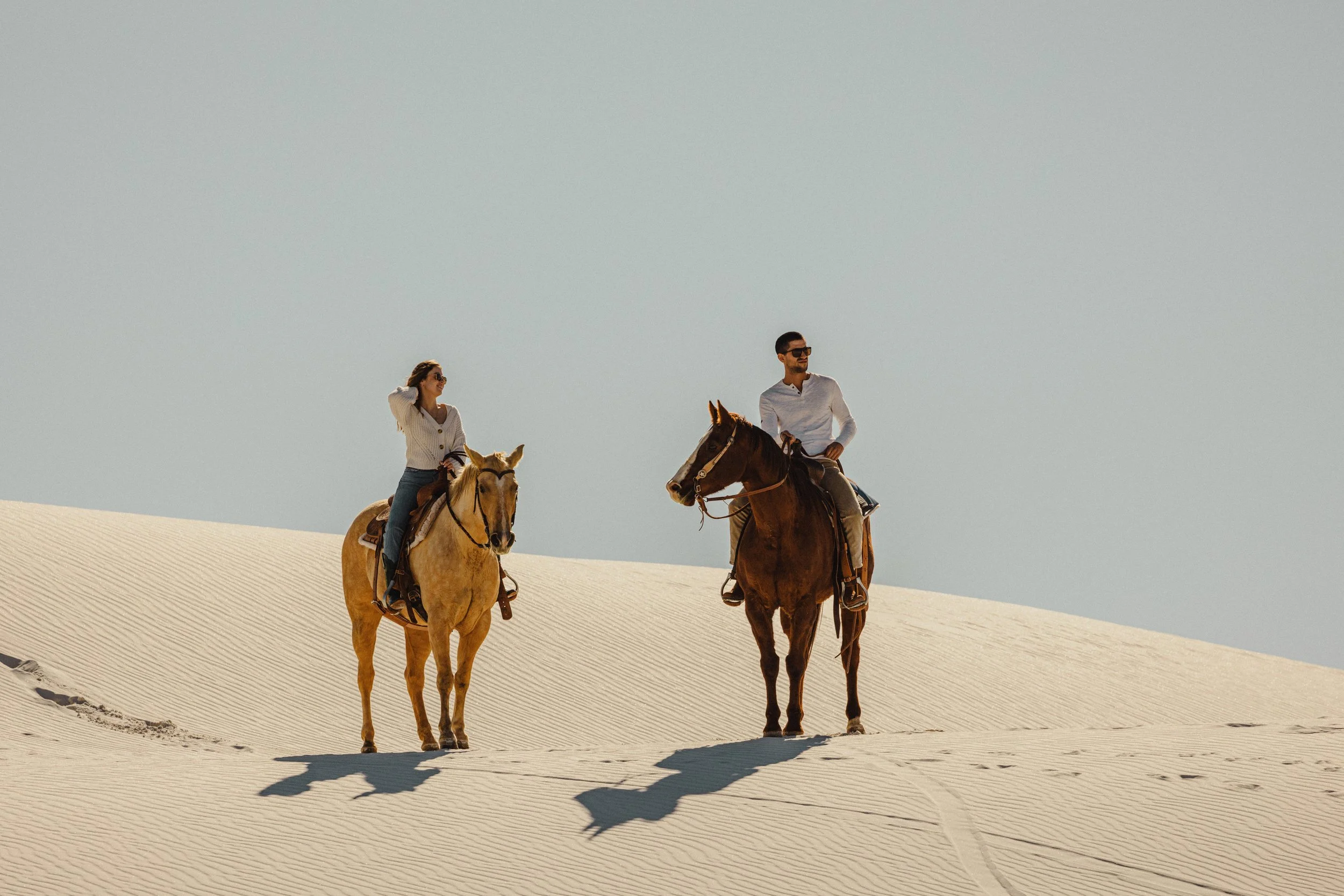
A White Sands elopement is a sunrise-or-sunset ceremony held among the gleaming gypsum dunes of White Sands National Park in New Mexico, and pulling it off well means securing a backcountry or special-use permit in advance, choosing a low-traffic dune field away from day-trippers, and timing your vows around the park's brutal midday heat and shifting light. It's one of the most visually striking elopement settings in the American Southwest — but it's also a working national park with rules, weather extremes, and logistics that can trip up couples who don't plan ahead. This guide walks through everything you need to know, from permits to packing lists, so your day in the dunes goes as smoothly as the sand itself.
If you're drawn to dramatic desert landscapes in general, our elopements page is a good starting point for comparing locations across the Southwest before you commit to White Sands specifically.
Why Couples Choose White Sands National Park for Eloping
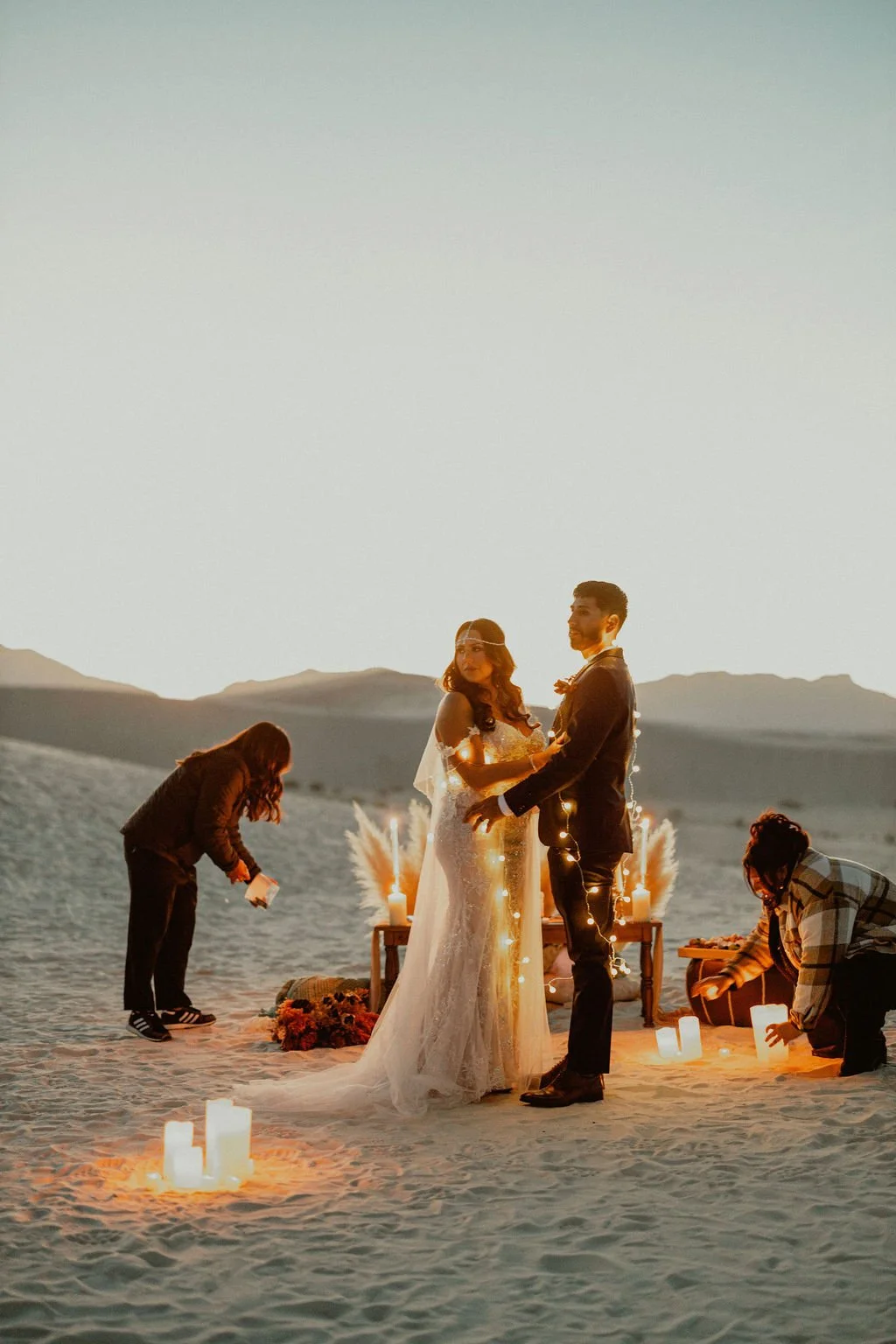
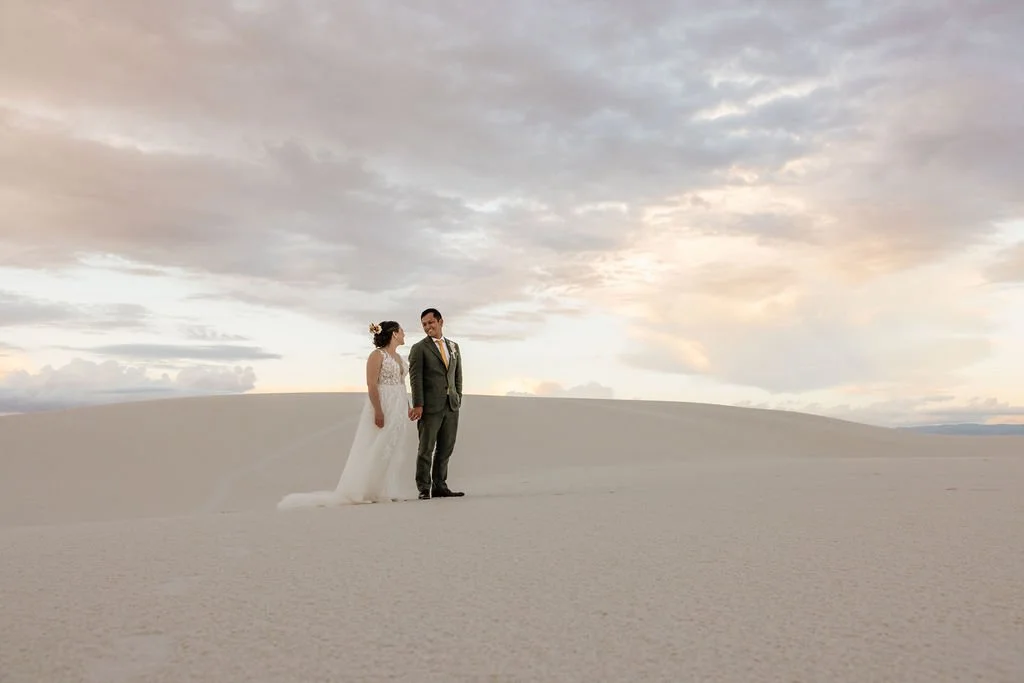
White Sands isn't just "a desert." The dunes are made of fine gypsum crystal, not the typical reddish quartz sand you'd see elsewhere, which means the landscape reads almost lunar — bright white in daylight, soft blue-grey at dusk, and rose-gold at sunrise. For photography, that translates into a blank, sculptural backdrop that makes the couple (and their outfits) the clear focal point of every frame.
Beyond the visuals, there's the practical appeal: White Sands is accessible by paved road right up to the dune field parking areas, so you don't need a 4x4 or a long backcountry hike to reach a dramatic location — unlike many slot canyon or alpine elopement spots. That accessibility makes it a strong option for couples who want a remote-feeling ceremony without an all-day trek, or for older guests and family members who may be joining for a small, intimate group.
Permits, Rules, and Legal Requirements
This is the part most couples underestimate. White Sands is a National Park Service site, and ceremonies — even tiny, two-person ones — typically require a Special Use Permit if you're bringing photography equipment beyond a simple handheld camera, using props, or gathering a group. Requirements can shift, so always confirm current rules directly with the park before finalizing plans. In general terms, expect to:
Apply for a Special Use Permit well in advance (some parks require 30–60 days' notice)
Pay an application and/or use fee
Avoid driving off marked roads or walking on protected dune vegetation
Check entrance and closure schedules, since White Sands shares its grounds with an active missile range and occasionally closes for testing
For your New Mexico marriage license, you'll apply through a county clerk's office (not the park), and New Mexico does not require a waiting period or blood test, which makes it elopement-friendly from a paperwork standpoint.
For other dune-adjacent and desert elopement permitting in the region, our New Mexico weddings adventure elopements page covers state-specific logistics in more depth.
Best Time of Day and Season to Elope at White Sands
Timing makes or breaks a White Sands elopement, mostly because of heat and light.
Time of day: Sunrise and sunset (golden hour) are non-negotiable for both comfort and photography. Midday sun on white gypsum is blinding and can push surface temperatures well above what's comfortable in formalwear.
Season: Spring (March–May) and fall (September–November) offer the mildest temperatures and the most predictable clear skies. Summer ceremonies are possible but should be scheduled strictly around sunrise or the very last hour before sunset. Winter brings cooler, crisper light and thinner crowds, though some early mornings can be near-freezing.
| Season | Avg. Temp Range | Crowd Levels | Best For |
|---|---|---|---|
| 🌸 Spring (Mar–May) | 55–80°F | Moderate | Mild weather, wildflowers nearby |
| ☀️ Summer (Jun–Aug) | 75–100°F+ | High (daytime) | Sunrise-only ceremonies |
| 🍂 Fall (Sep–Nov) | 50–78°F | Moderate | Clearest skies, soft light |
| ❄️ Winter (Dec–Feb) | 28–55°F | Low | Quiet dunes, crisp golden tones |
Choosing the Right Spot in the Dunes
Not every dune field within the park is equal for an elopement. Couples generally fall into two camps:
Roadside dunes near the Dunes Drive loop — quick access, ideal for sunrise when crowds are thin, minimal walking required.
A short hike into the backcountry dunes — more privacy, more dramatic uninterrupted dune lines, but requires more planning around permits and physical effort, especially in heeled shoes or formalwear.
Most photographers, including our team, recommend scouting two or three backup locations along the drive in case a particular dune field is closed for missile range testing that day — which does happen and is outside anyone's control.
What to Pack for a White Sands Elopement
Closed-toe or strap-secured shoes (sand swallows heels and flip-flops)
Layers — temperature swings are dramatic between dawn and midday
Reusable water bottles (there's no reliable shade or water source on the dunes)
A lightweight blanket or sarong for sitting and detail shots
Sunscreen and lip balm even for sunrise shoots, since UV reflects off the white gypsum
Your permit paperwork and marriage license, printed and on hand
White Sands vs. Other Southwest Elopement Locations
White Sands is striking, but it isn't the only desert or dune-style elopement option in the region. Here's how it stacks up against a few other popular Southwest backdrops we shoot regularly.
| Location | Landscape Style | Permit Difficulty | Accessibility |
|---|---|---|---|
| White Sands, NM | Gypsum dunes, stark white | Moderate (NPS permit) | Easy, paved road access |
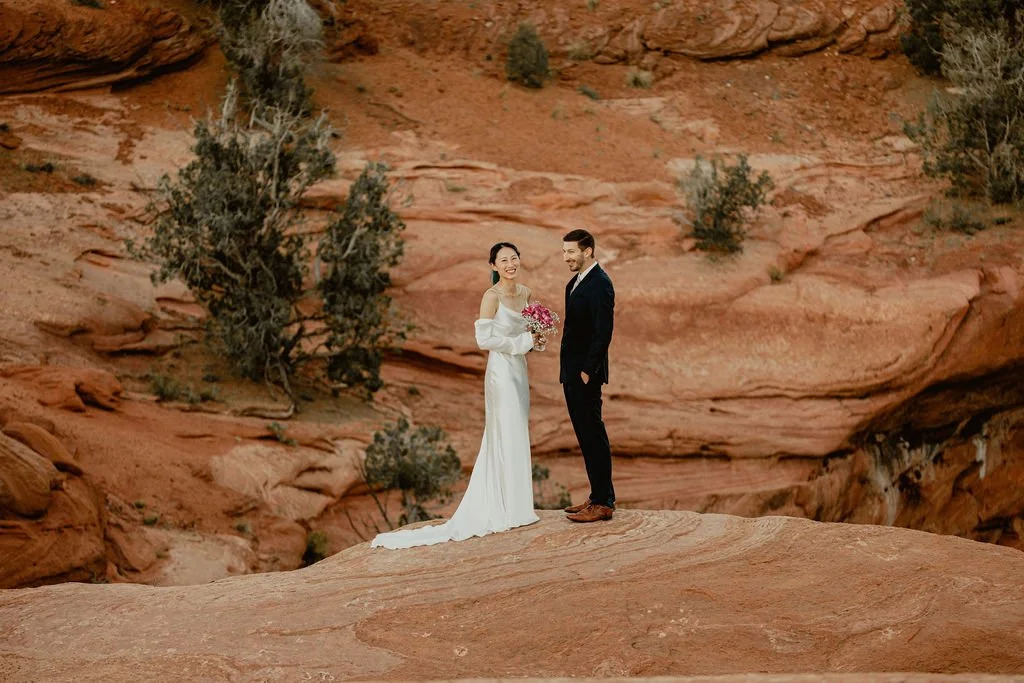
| Sedona, AZ | Red rock formations | Low–moderate | Easy to moderate hiking |
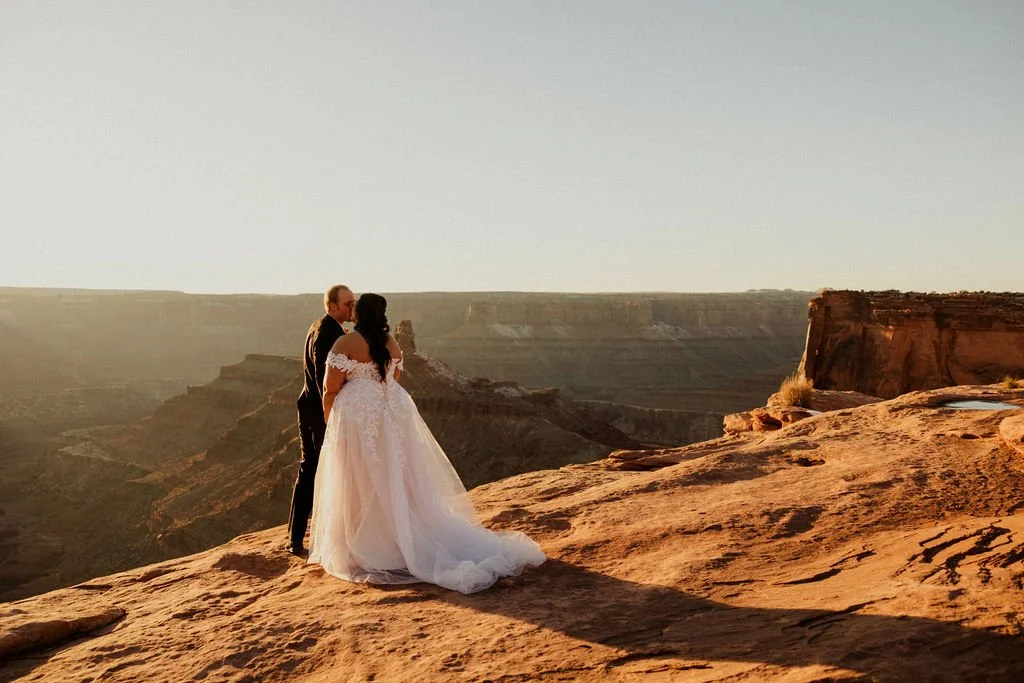
| Moab/Arches, UT | Red rock arches, canyons | Moderate–high (permit + lottery in some areas) | Moderate hiking |
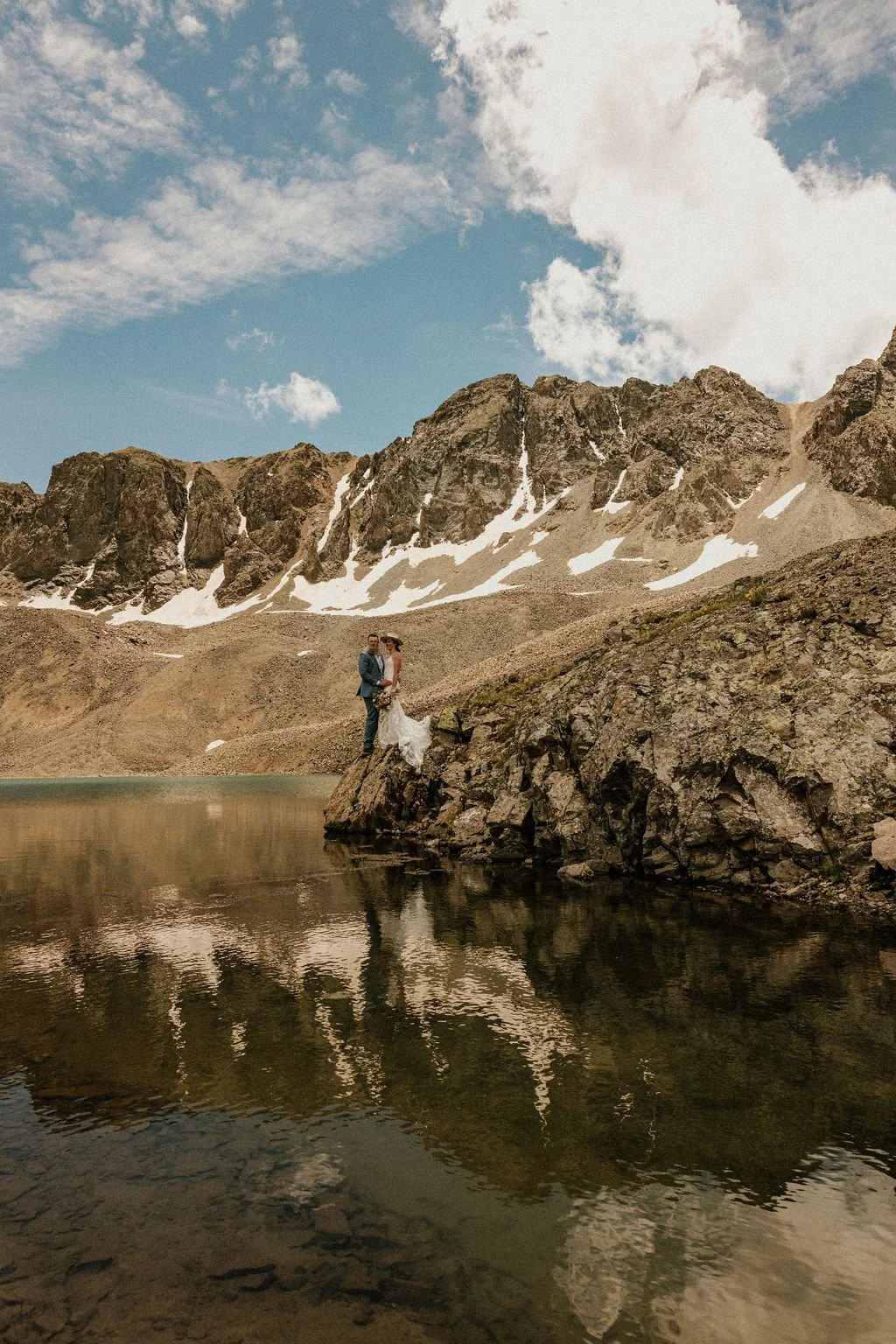
| San Juan Mountains, CO | Alpine peaks, wildflower meadows | Low (forest service land) | Moderate–difficult hiking |
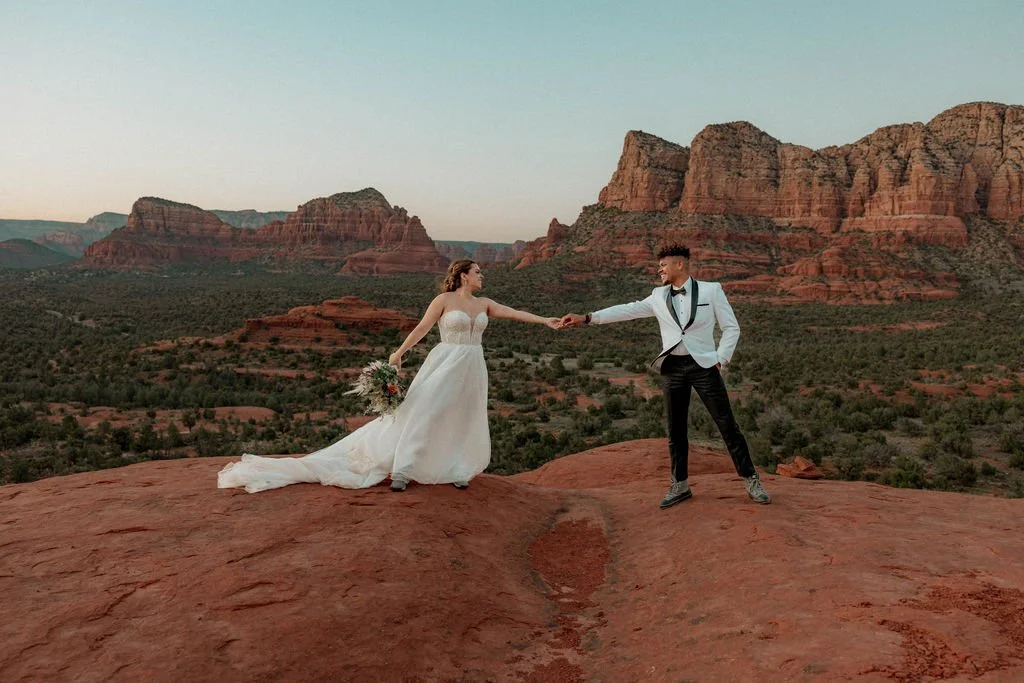
If red rock is more your aesthetic, our Arizona weddings adventure elopements and Utah weddings adventure elopements pages walk through those landscapes in detail. For couples leaning toward mountains instead of desert, the Colorado weddings adventure elopements guide covers alpine permitting and timing.
Building Your White Sands Elopement Timeline
A simple sunrise elopement timeline might look like this:
4:30–5:00 AM — Arrive at the park gate before opening, meet your photographer
5:15 AM — Hair, makeup touch-ups, and getting-ready detail shots in the parking area
5:45 AM — Walk into the dunes as first light breaks
6:00–6:20 AM — Ceremony, exchanging vows as the sun rises
6:30–7:30 AM — Portraits while the light stays soft
8:00 AM — Wrap before midday heat sets in
This kind of compressed, golden-hour-anchored schedule is common across most desert elopements, not just White Sands, and it's something we plan around for every location we shoot.
Hiring a Photographer Who Knows the Park
White Sands' light and terrain are unforgiving if you don't know how to work with them — overexposure, harsh shadows, and gear-in-sand problems are common mistakes from photographers unfamiliar with the location. Look for someone who has shot the park before, understands the permit process, and can recommend backup dune fields in case of closures. This local knowledge is often the difference between a postcard-worthy gallery and a set of blown-out, flat images.
Final Thoughts
A White Sands elopement rewards couples who plan ahead — permits secured early, golden-hour timing locked in, and a photographer who already knows the dunes. Done right, it's one of the most visually unforgettable elopement settings in the Southwest. If you're still weighing locations across the region, browse our full elopements portfolio to compare White Sands against other Shutterfreek destinations before you decide.
Frequently Asked Questions
-
In most cases, yes. Bringing a hired photographer, props, or a small guest group typically requires a Special Use Permit from the National Park Service, even for an intimate two-person ceremony. Always check current requirements directly with the park before your date.
-
Spring and fall offer the most comfortable temperatures and clearest skies. Summer is workable only with strict sunrise timing, while winter offers quiet dunes and crisp light but colder mornings.
-
Yes, small groups are generally allowed, though larger gatherings may push you into a different permit category with additional fees and requirements. Confirm group size limits when applying.
-
The park is open most days, but it occasionally closes for several hours due to missile range testing on the adjacent military installation. Always check the park's daily schedule before finalizing your ceremony time.
-
You'll apply through a county clerk's office in New Mexico, not through the national park. New Mexico has no waiting period or blood test requirement, making the paperwork side of eloping relatively simple.
Keep reading