Wedding Photography Tips: A Complete Guide for Stunning, Timeless Shots
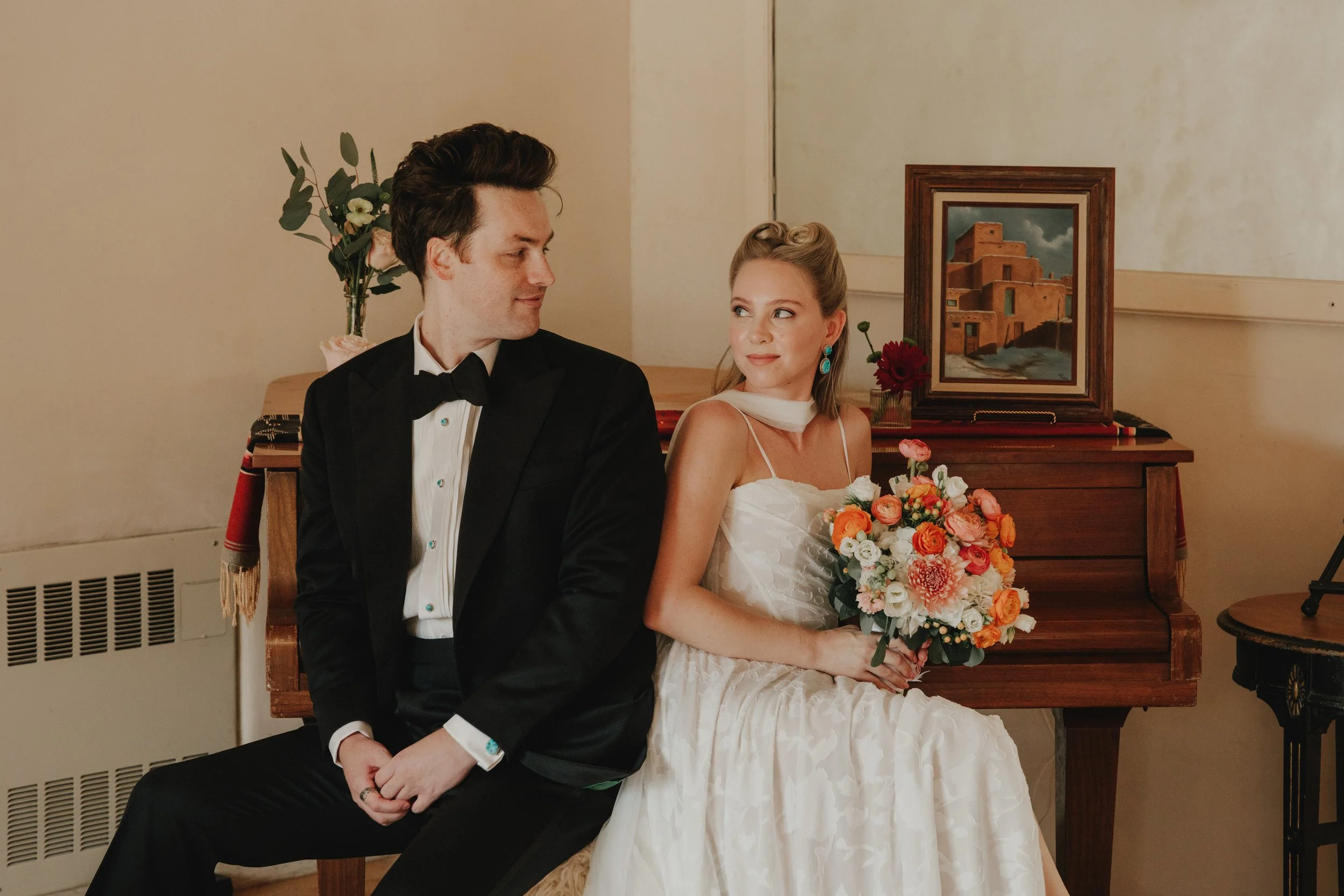
The most essential wedding photography tips every photographer needs to know are: master your light, always shoot on dual memory cards, plan for golden hour portraits, create a detailed family photo list, and practice off-camera flash before the wedding day. These five fundamentals separate forgettable snapshots from gallery-worthy images that couples will treasure for generations. Whether you're just starting out or refining your craft, the strategies below will elevate every wedding you shoot.
At Shutterfreek, we've built our reputation on adventurous, soulful wedding photography — from rugged canyon elopements to intimate backyard ceremonies. This guide brings together the most actionable, experience-backed wedding photography tips on the internet, organized so you can apply them immediately regardless of your skill level.
1. Understand What Makes Wedding Photography Uniquely Challenging
Wedding photography is unlike any other genre. You are simultaneously a documentary filmmaker, portrait artist, detail photographer, and event coordinator all in a single high-stakes day that cannot be rescheduled. A portrait session gone wrong can be re-booked. A wedding cannot.
This reality demands a specific mindset: preparation over improvisation, redundancy over reliance, and storytelling over technical perfection. Every decision you make from your gear checklist to your positioning during the first kiss shapes the couple's permanent visual record of the most significant day of their lives.
The best wedding photographers approach each event as a narrative. They're asking: what is the story of this couple? What textures, colors, moments, and emotions define their day? Answering these questions before you ever lift your camera is the foundation of truly great wedding photography.
2. Build an Unshakeable Pre-Wedding System
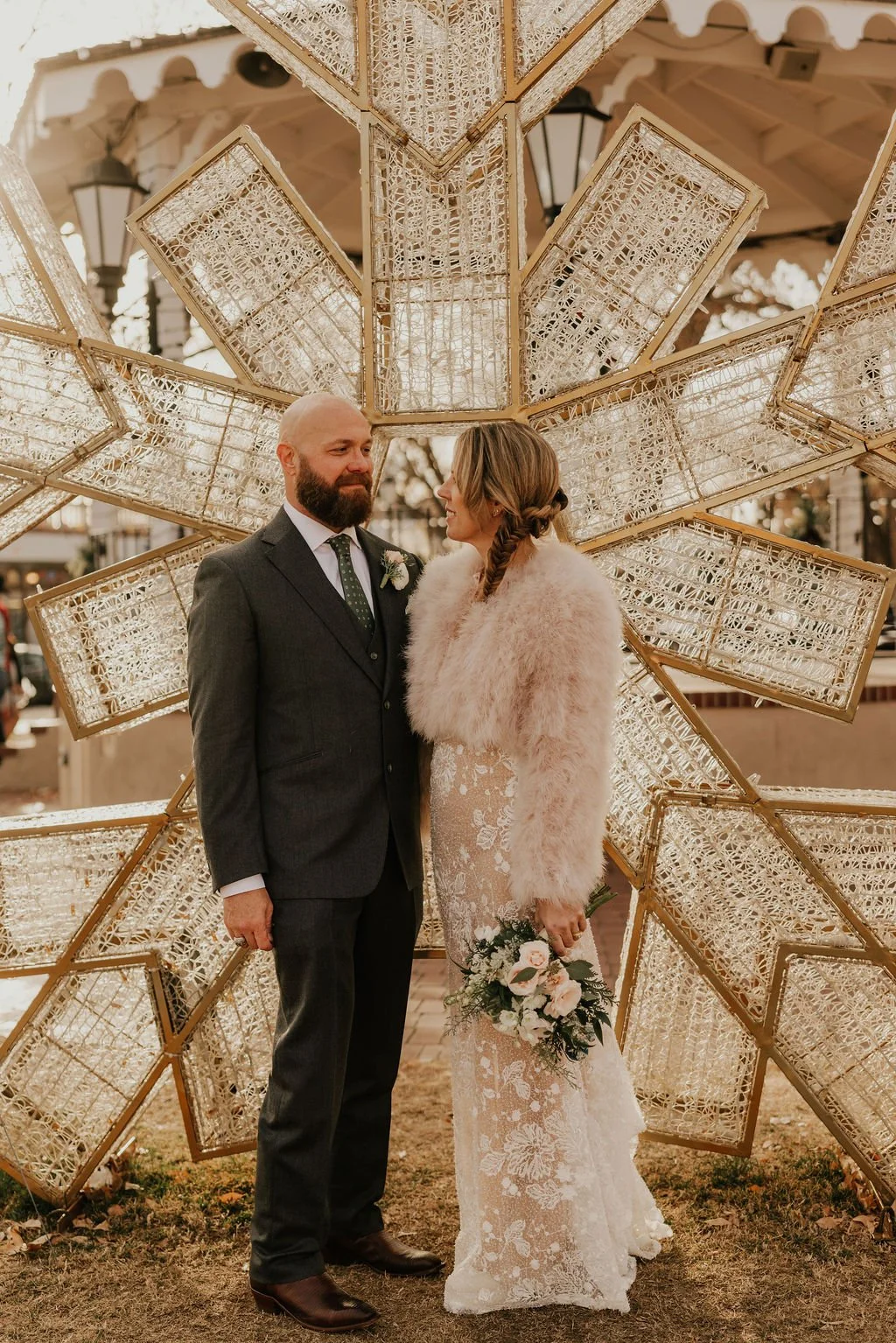
Most wedding photography disasters are preventable. They stem not from bad luck but from inadequate preparation. The photographers who consistently deliver exceptional work do so because they've built systems that protect them from the inevitable chaos of a wedding day.
Know Your Gear Inside Out
It is not enough to own professional equipment — you need to know it intuitively. In a dim reception hall with guests dancing and emotions running high, there is no time to consult your camera manual. Practice every setting, every lens swap, and every flash adjustment until they become muscle memory.
Carry two camera bodies at minimum — one body failure should never mean zero coverage
Bring multiple lenses: a wide-angle (16–35mm), a standard zoom (24–70mm), a telephoto (70–200mm), and a fast prime (50mm f/1.4 or 85mm f/1.8) for low-light portraits
Pack more batteries and memory cards than you think you need — triple your estimate
Test your flash remotes and triggers the night before the wedding
Shoot RAW, Always
Shooting RAW rather than JPEG gives you the maximum possible data from every frame. On a wedding day, where you cannot control the lighting at every turn, RAW files allow you to recover highlights in bright outdoor scenes, lift shadows in dark church interiors, and correct white balance errors that would permanently ruin a JPEG. This is not a preference — it is a professional standard for any paid wedding work.
Back Up Obsessively
A robust backup system is non-negotiable. Shoot simultaneously to two memory cards in-camera so every image is written to two locations instantly. The moment you arrive home from a wedding, copy all RAW files to at least three separate hard drives. One should be an off-site or cloud backup. The nightmare of losing a client's wedding images is entirely preventable with this discipline.
Scout the Venue in Advance
Visit the ceremony and reception venue approximately one month before the wedding, at the same time of day as the scheduled event. Note where natural light enters the space, which walls and backgrounds are photogenic, where the getting-ready rooms are located, and what access you have to outdoor spaces. This knowledge transforms you from reactive to intentional and your images will reflect that confidence.
Beginner vs. Professional Wedding Photographer: Key Differences at a Glance
Understanding these distinctions helps both photographers planning their approach and couples who want to know what to look for when booking.
| Factor | Beginner Photographer | Professional Photographer | Why It Matters |
|---|---|---|---|
| Equipment | Entry-level DSLR, 1-2 lenses | Dual camera bodies, 4+ lenses, flash kit | Redundancy prevents catastrophic loss |
| Backup System | Single memory card | Dual cards + 3 hard drive backups | Wedding day is irreplaceable |
| Lighting | Auto mode, direct flash | Off-camera flash + natural light mastery | Flattering, editorial results |
| Timeline Control | Reactive to events | Proactive golden hour planning | Magic hour portraits secured |
| Family Photos | Ad hoc grouping | Pre-submitted photo list + wrangler | No key shot left missed |
| Post-Processing | JPEG out of camera | RAW files with full editing latitude | Exposure corrections possible |
| Insurance | Typically uninsured | Full liability + gear insurance | Protects client and photographer |
3. Master the Art of Wedding Lighting
Light is not simply a technical parameter in wedding photography — it is your primary creative tool. The photographers who produce the most breathtaking wedding images are the ones who have developed an almost obsessive awareness of light quality, direction, and color at every moment of the day.
Work With Natural Light Strategically
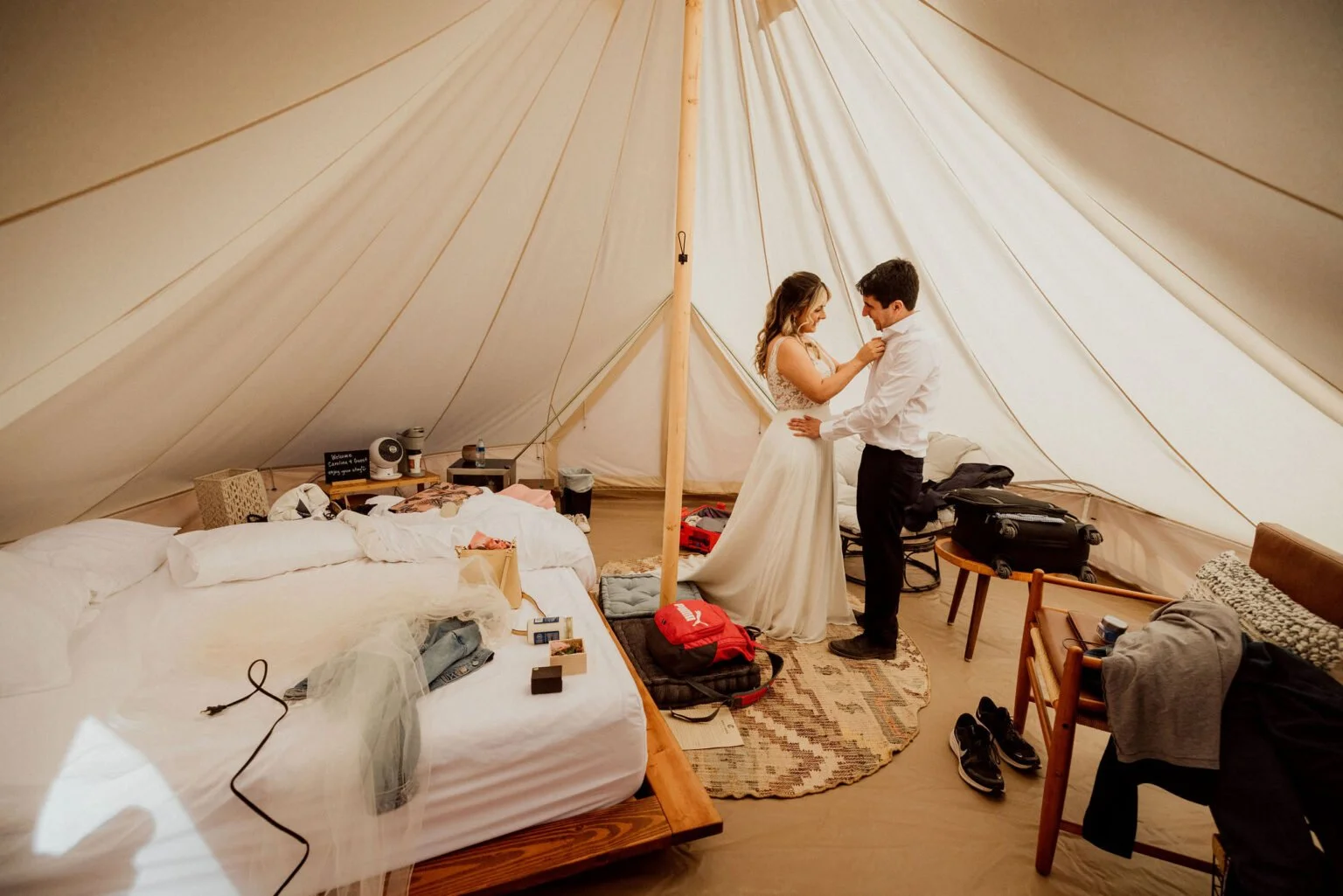
Natural light changes dramatically throughout a wedding day. During getting-ready coverage, window light is your greatest asset — position your subject so the window is to their side (Rembrandt lighting) or slightly in front (butterfly lighting) for naturally beautiful results with no additional equipment. In outdoor ceremonies, identify where the harsh midday sun falls and guide your subjects into open shade or use it as backlight for a dreamy, glowing effect.
Off-Camera Flash for Receptions
Mastering off-camera flash (OCF) is one of the most valuable skills a wedding photographer can develop. A direct on-camera flash produces flat, unflattering light that instantly betrays a lack of experience. Off-camera flash, when used correctly, creates separation between your subjects and a busy background, produces dimensionality and depth, and allows you to balance the ambient light in the room for a natural result.
Position your flash 45 degrees to the side of your subject
Use a large modifier (umbrella or softbox) to soften the light quality
Experiment with bouncing flash off ceilings or walls for wraparound fill light
Practice extensively at home in a dark room before using OCF at an actual wedding
Chase Golden Hour Non-Negotiably
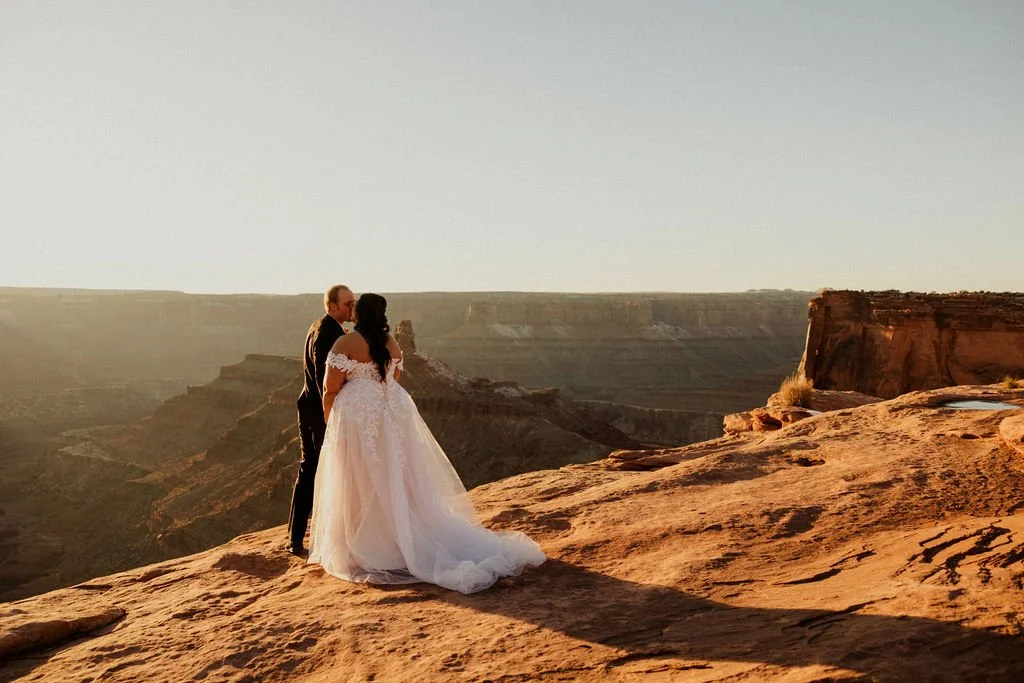
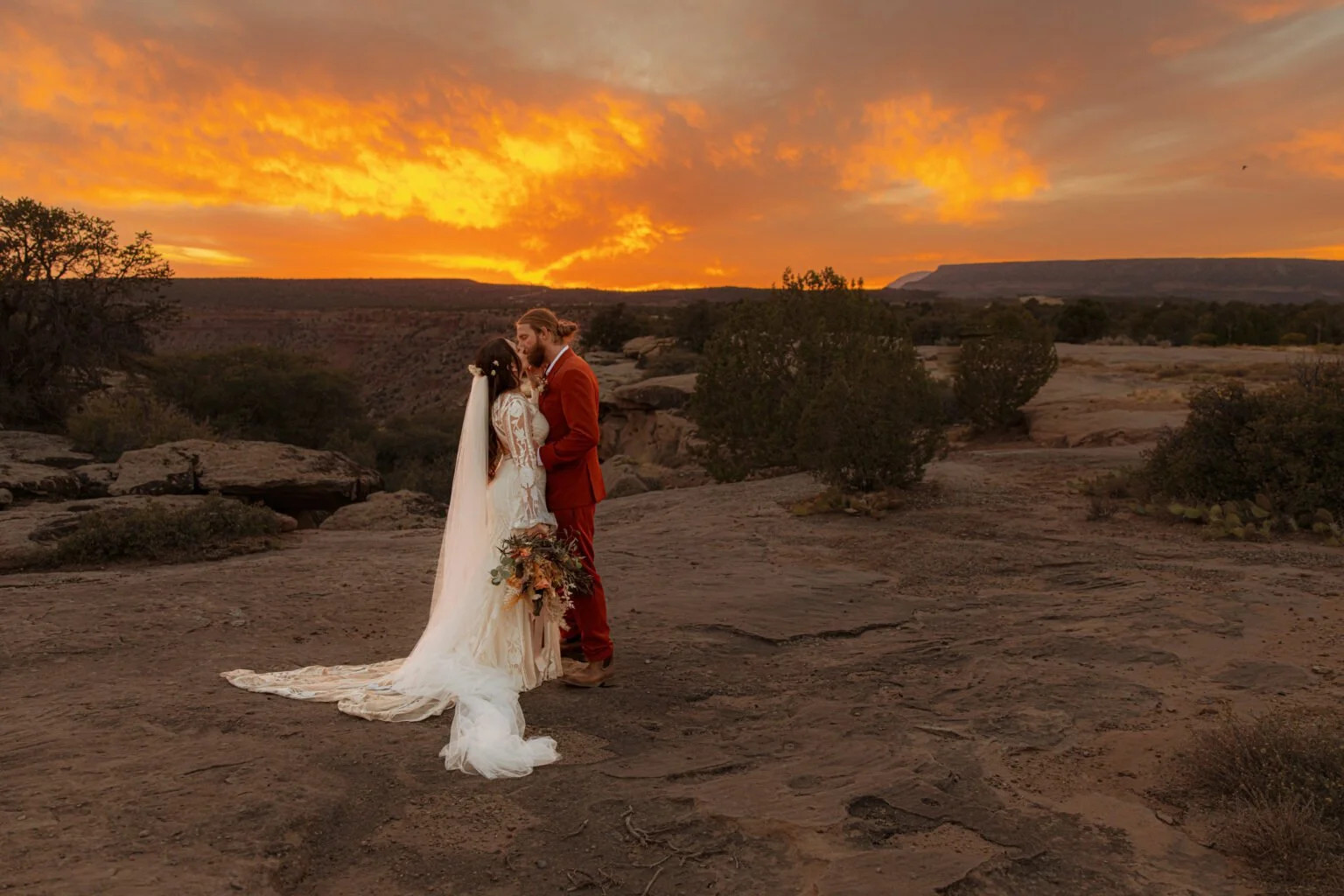
The window of time starting approximately two hours before sunset and extending 20 minutes past it is widely known as golden hour and for wedding photography, it is sacred. The warm, directional, diffused light during this period creates the most flattering, emotionally resonant portraits of the day. Work with the wedding coordinator well in advance to carve out 20–30 minutes during this window for couple portraits, even if it means stepping away from cocktail hour.
Plan multiple locations and looks within this single window: a wide environmental shot to show the landscape, a mid-range romantic portrait, and a tight, intimate close-up. Move efficiently, because the light changes quickly.
4. Wedding Photography in Different Locations: Adapting Your Approach
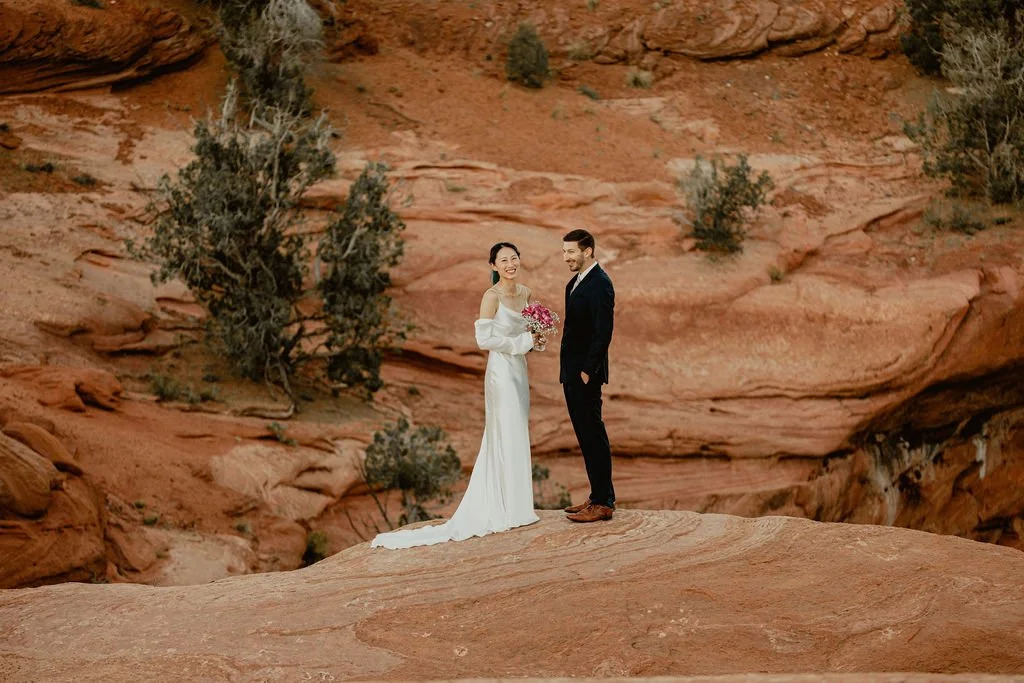
The environment in which a wedding takes place fundamentally shapes your photographic approach. A destination elopement in a red rock canyon demands entirely different preparation than a ballroom reception. At Shutterfreek, we specialize in adventure-forward weddings and elopements across the American Southwest and Mountain West — here's what we've learned.
Adventure Elopements
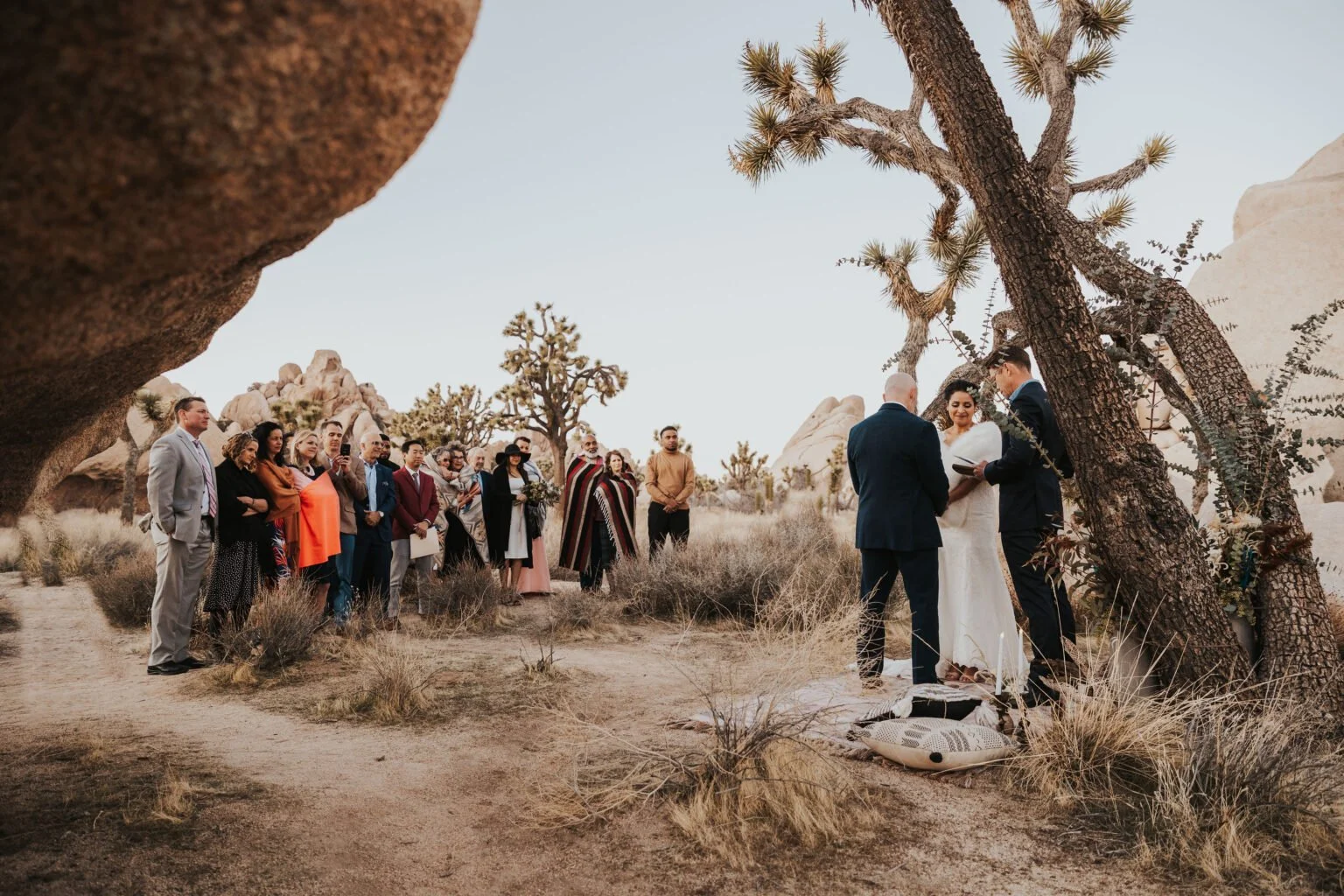
If your couple is considering an intimate ceremony in nature, elopements require a fundamentally different mindset from traditional wedding photography. You are part guide, part photographer, part logistics coordinator. Footwear matters. Weather contingencies matter. Knowing the sun's position at your location at a specific time of day can make or break your golden hour portraits. The reward, however, is unmatched: images of real emotion in extraordinary, unspoiled places.
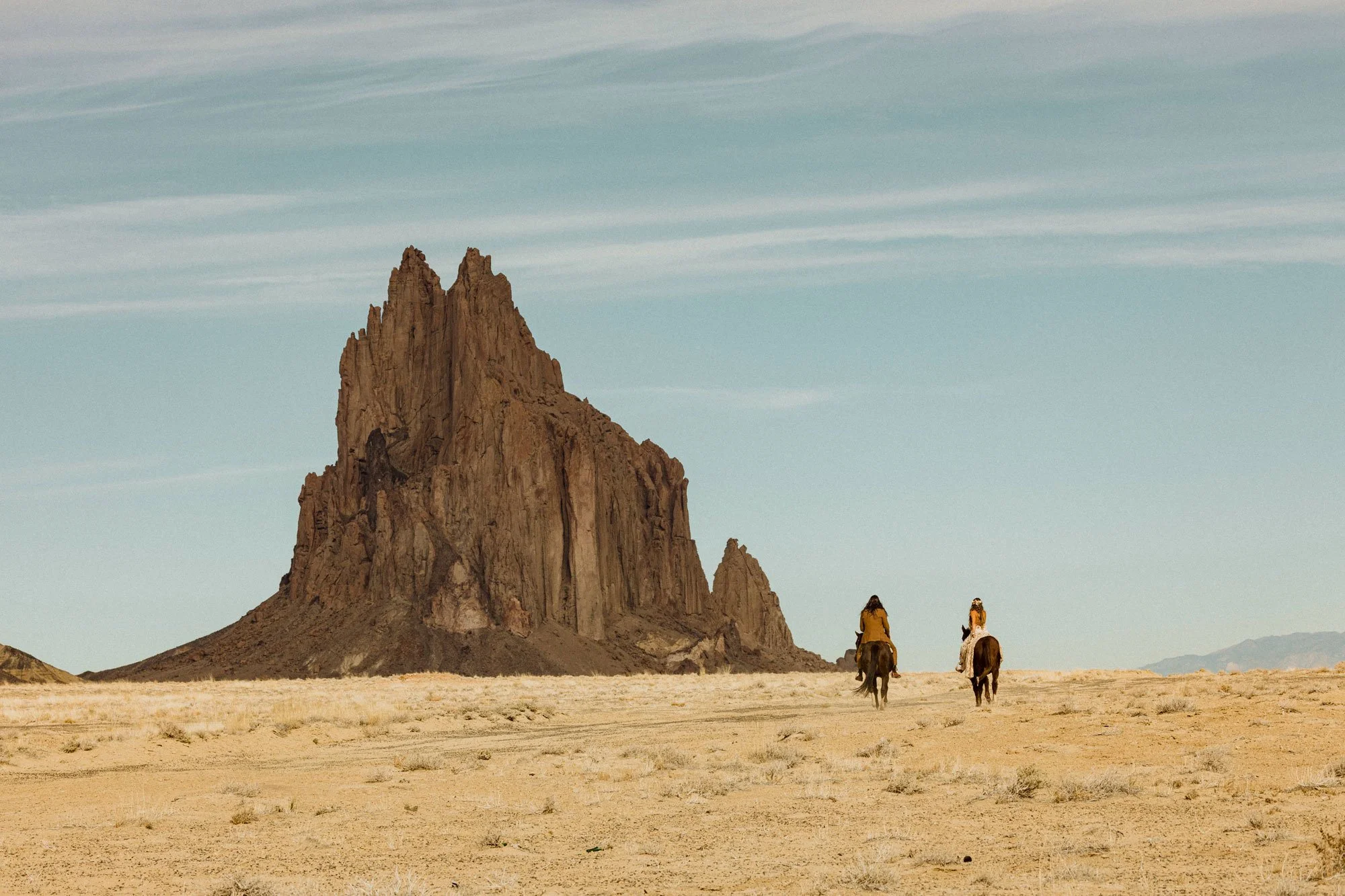
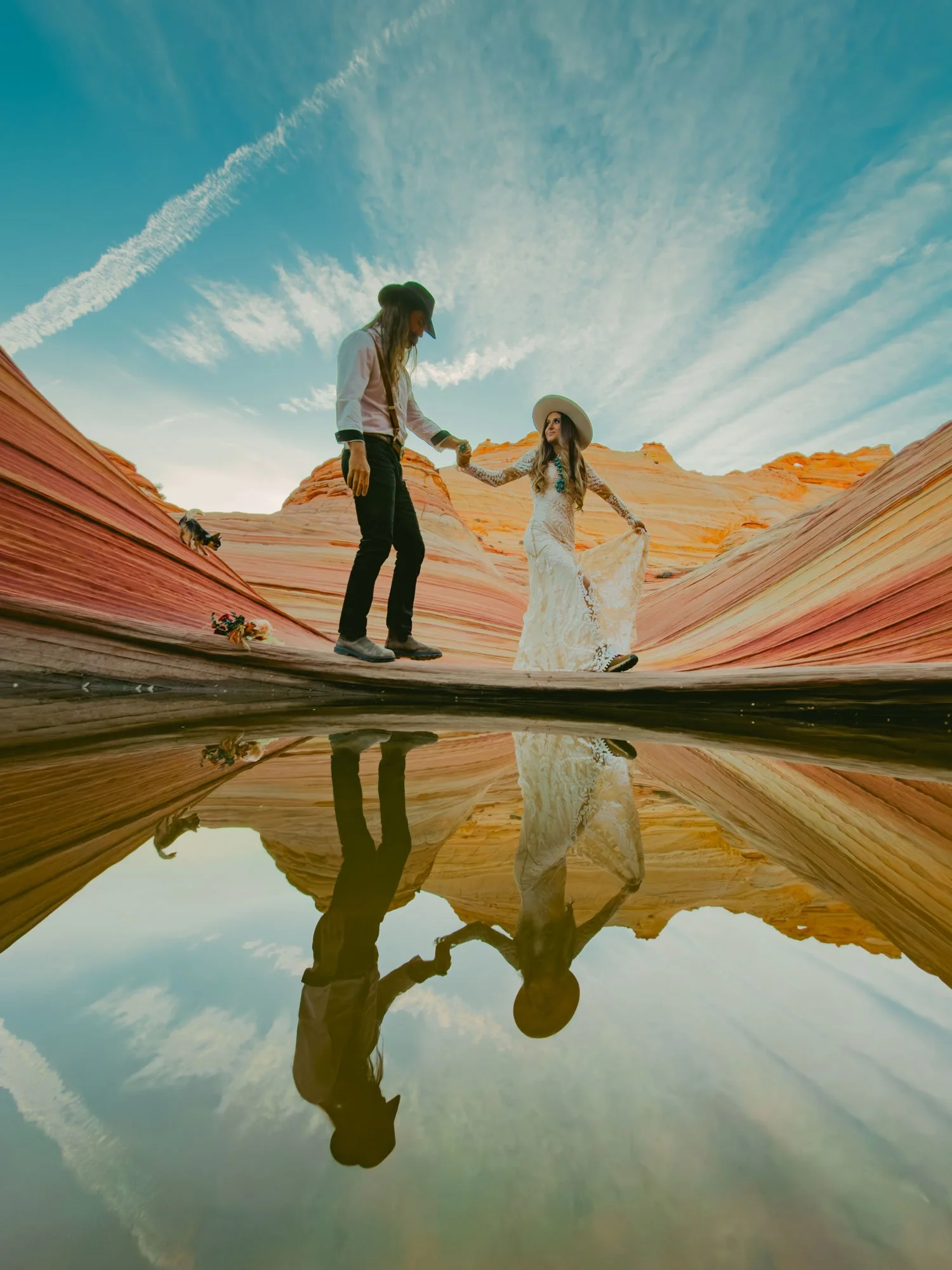
Utah's Dramatic Landscapes
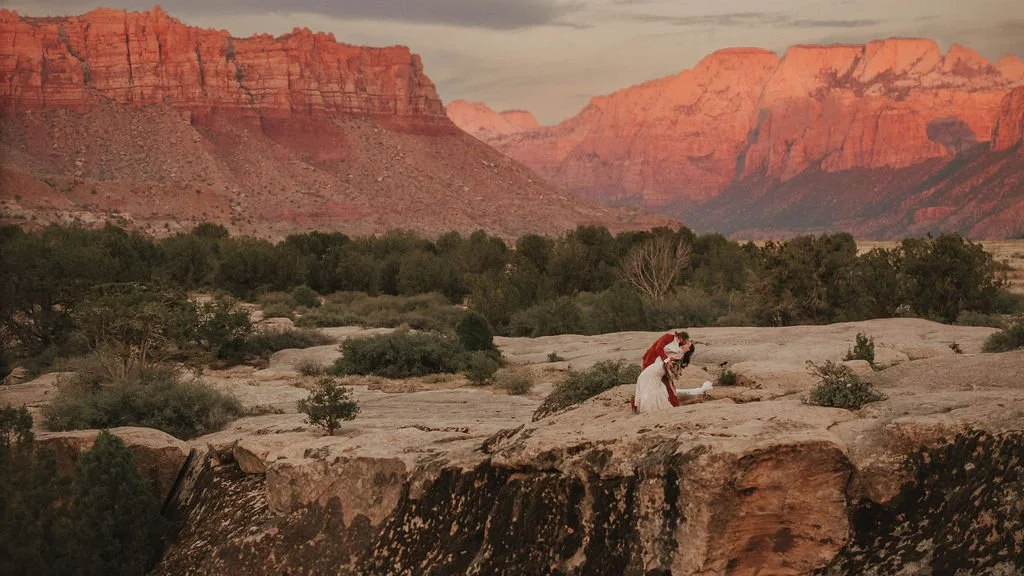
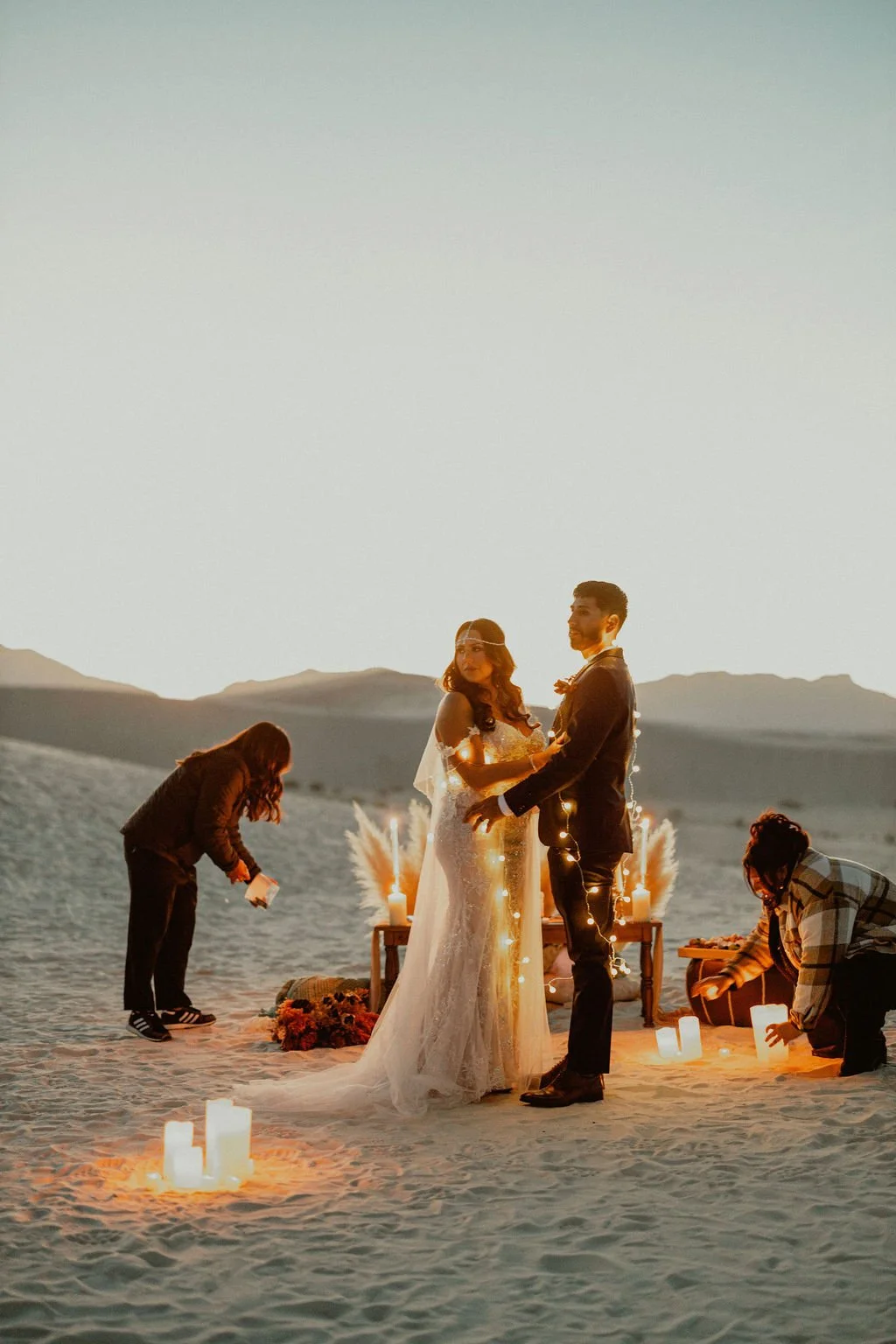
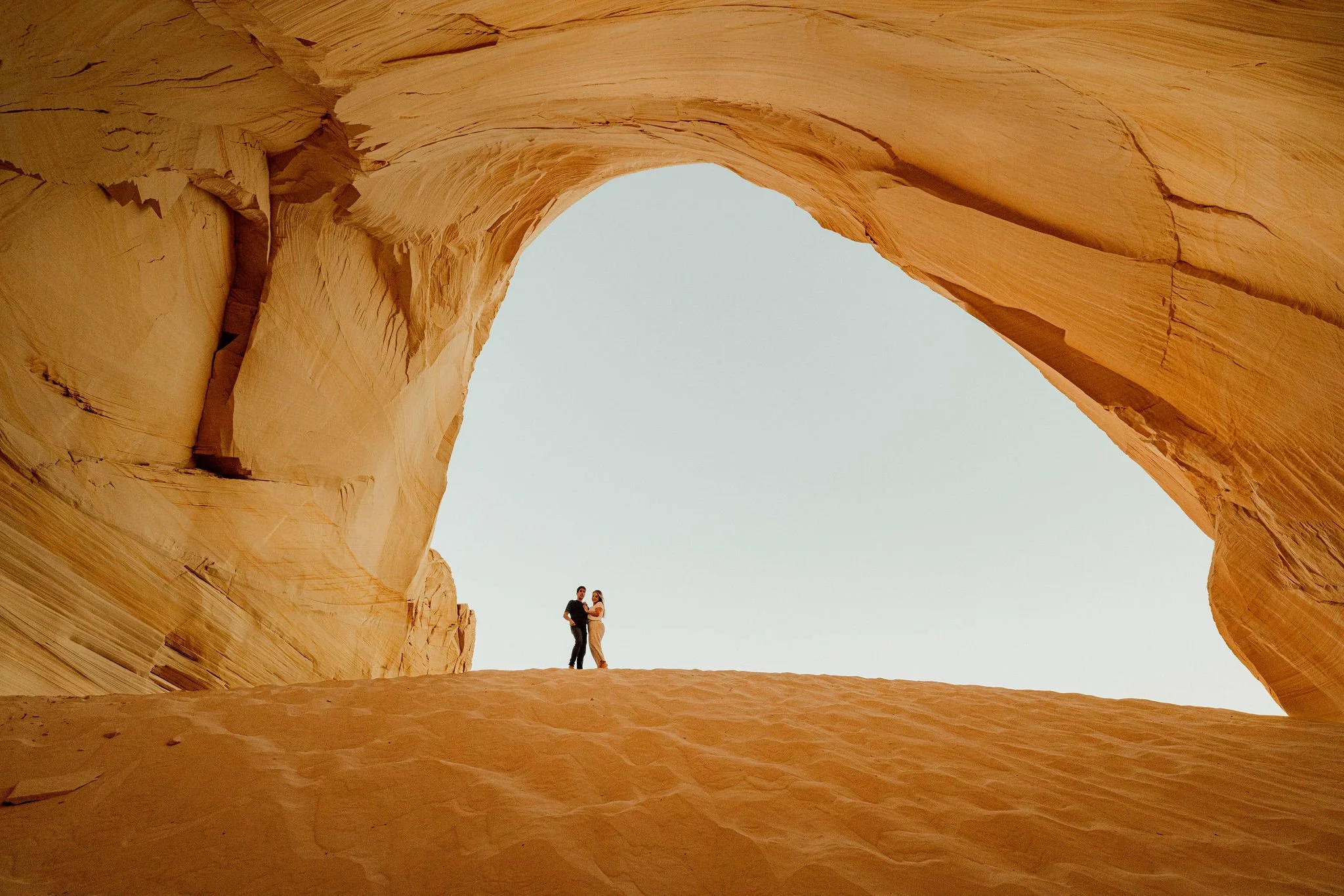
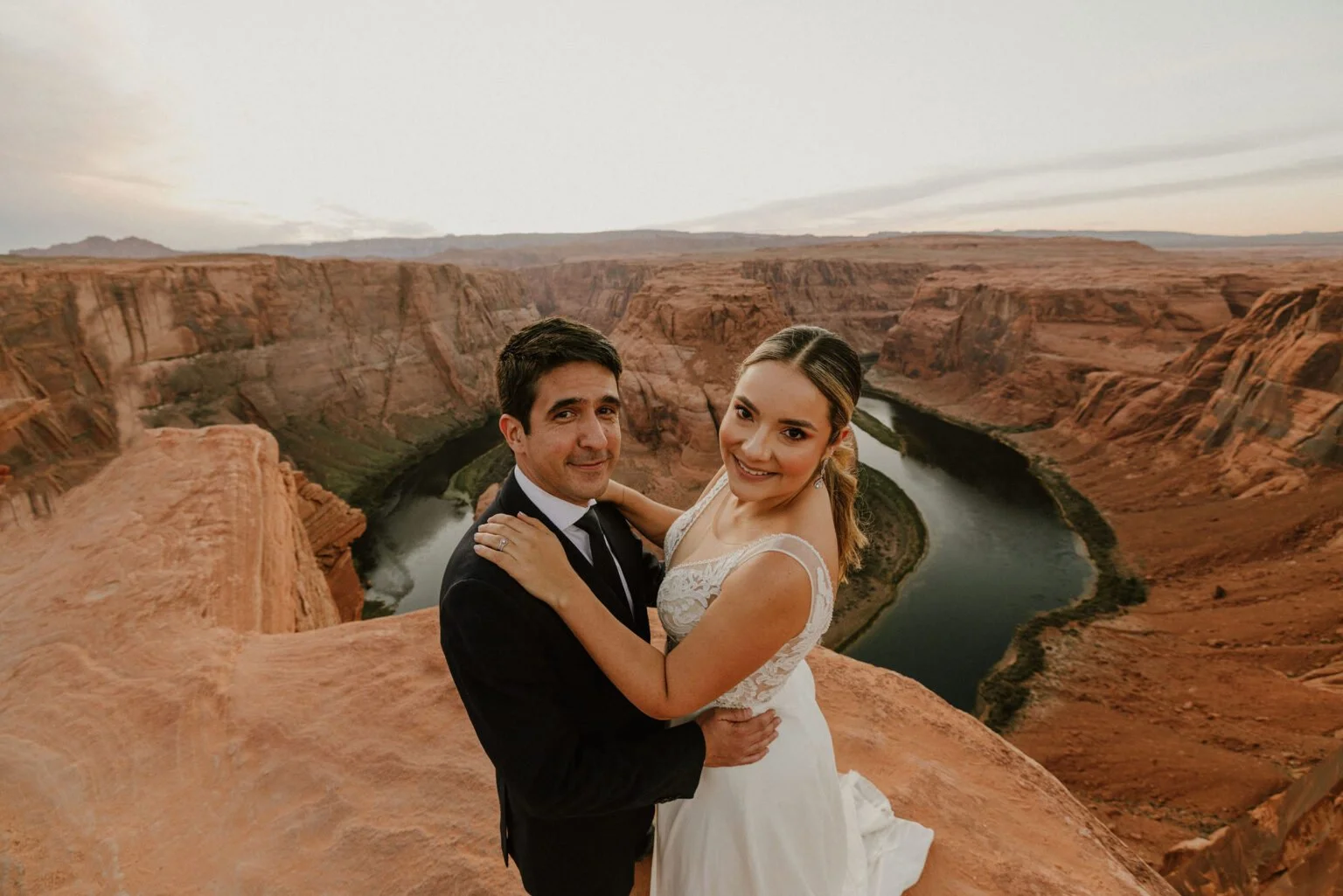
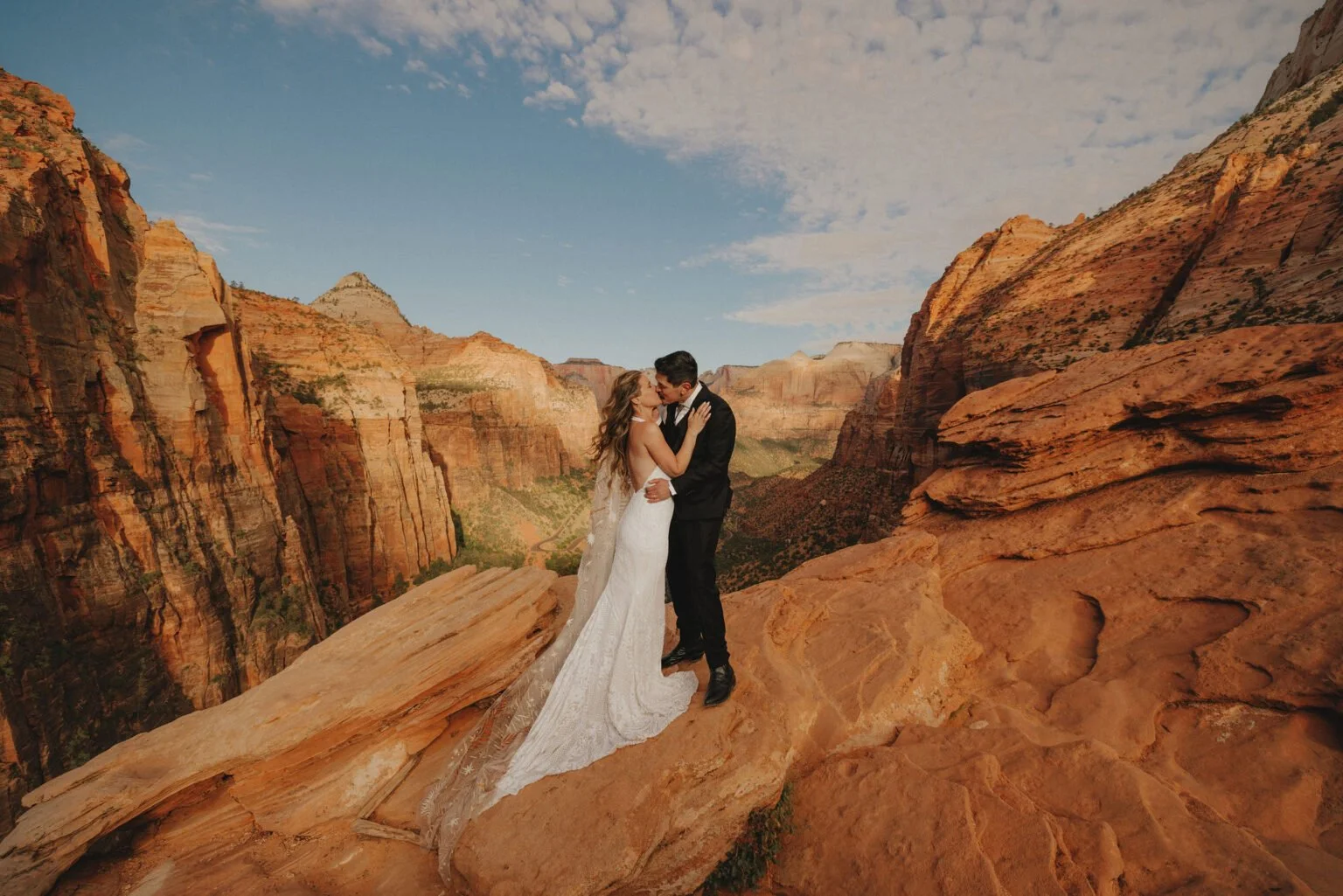
The otherworldly sandstone formations, slot canyons, and sweeping desert vistas of Utah create a backdrop unlike anything else on Earth. utah weddings adventure elopements present unique challenges — extreme contrasts between bright red rock and shadowed canyons, unpredictable afternoon thunderstorms, and high altitude light that can be brutally harsh midday. Scout your location's canyon orientation before the day so you know exactly when and where the golden light strikes.
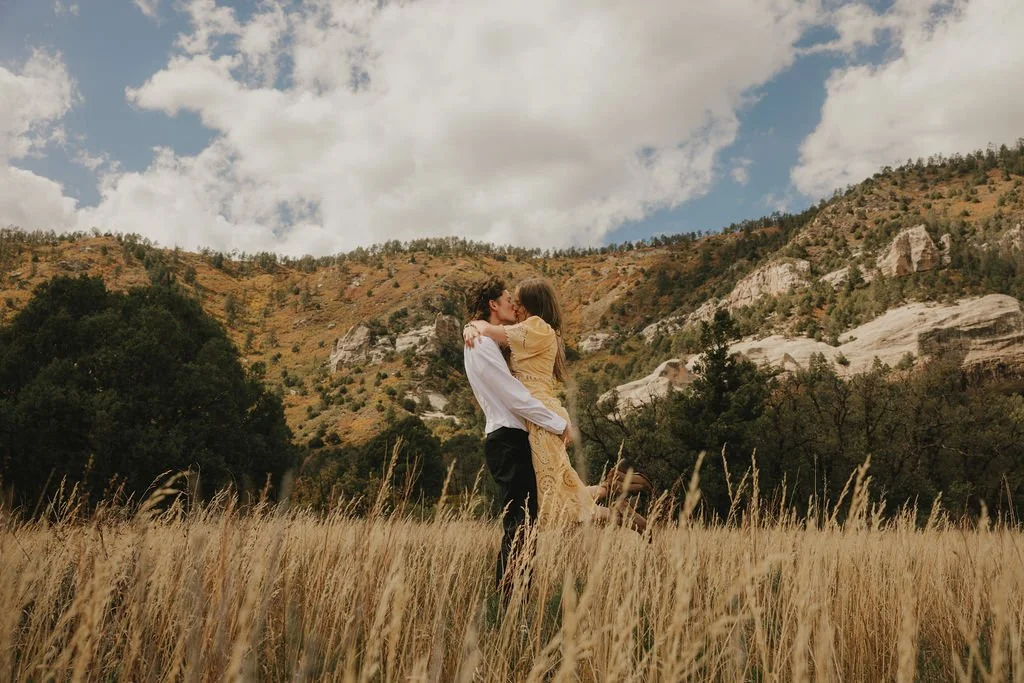
New Mexico's Color and Culture
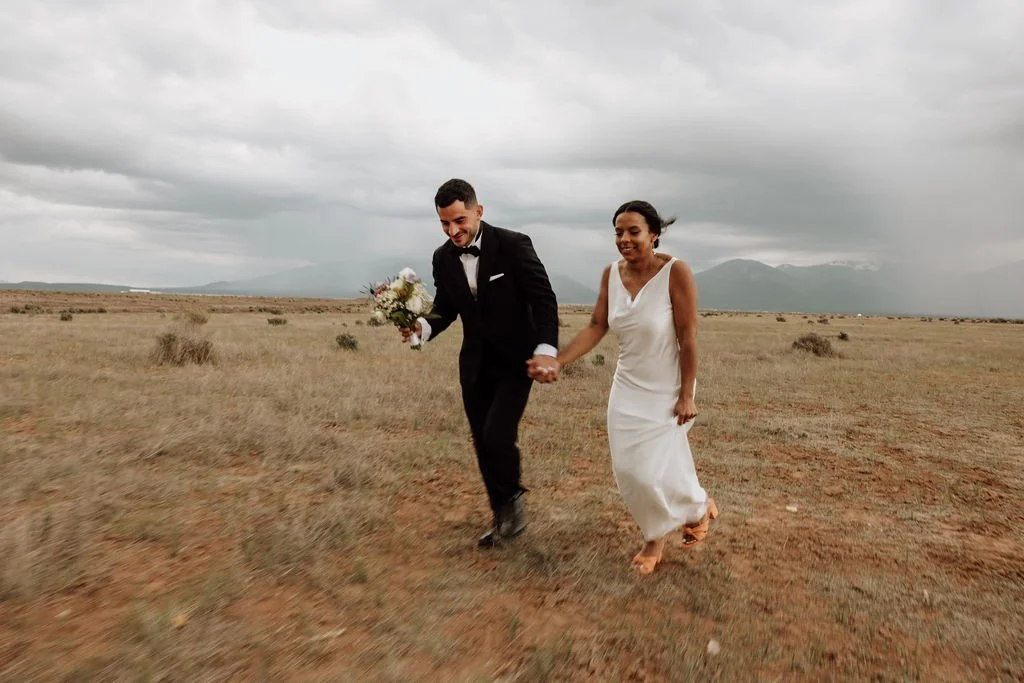
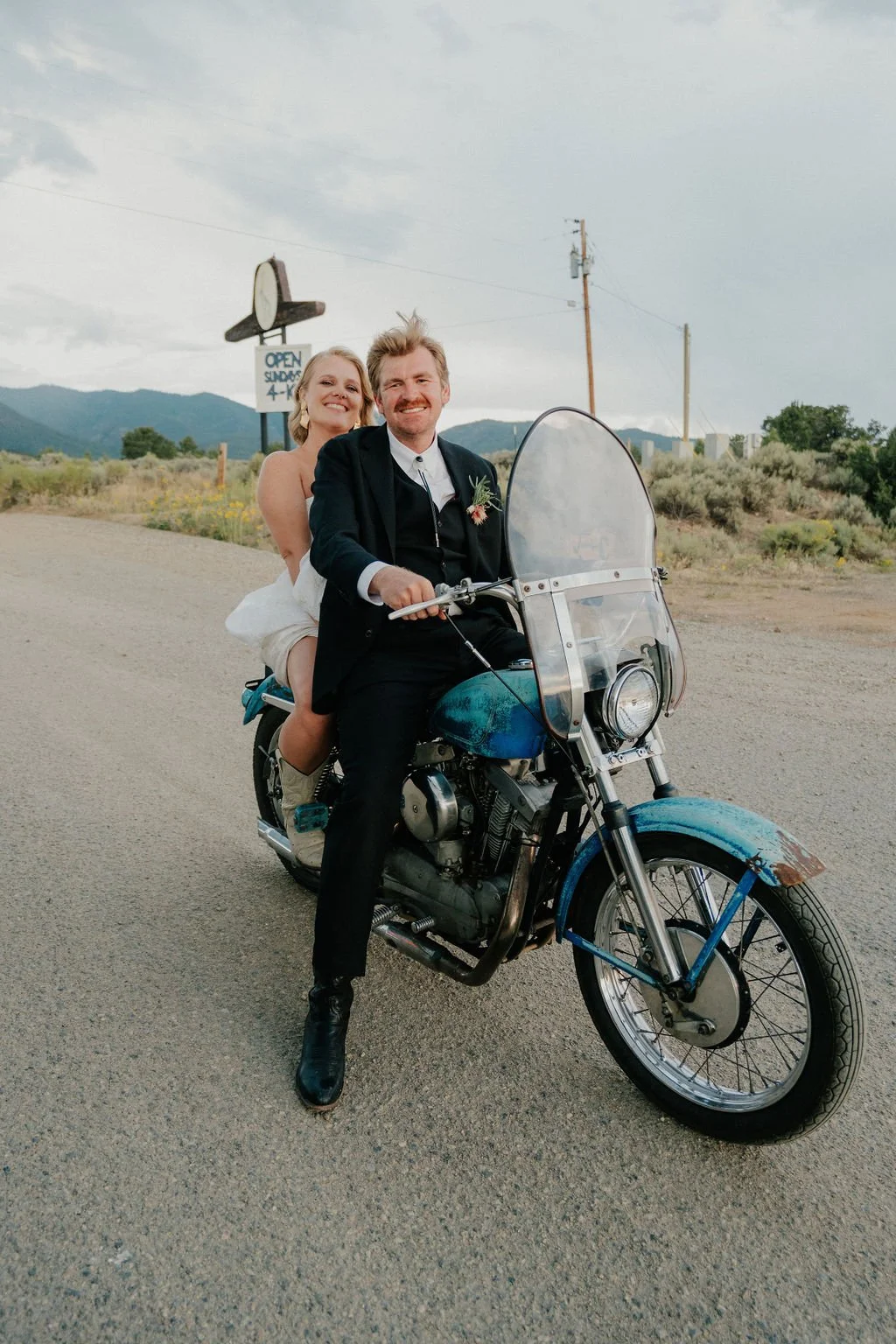
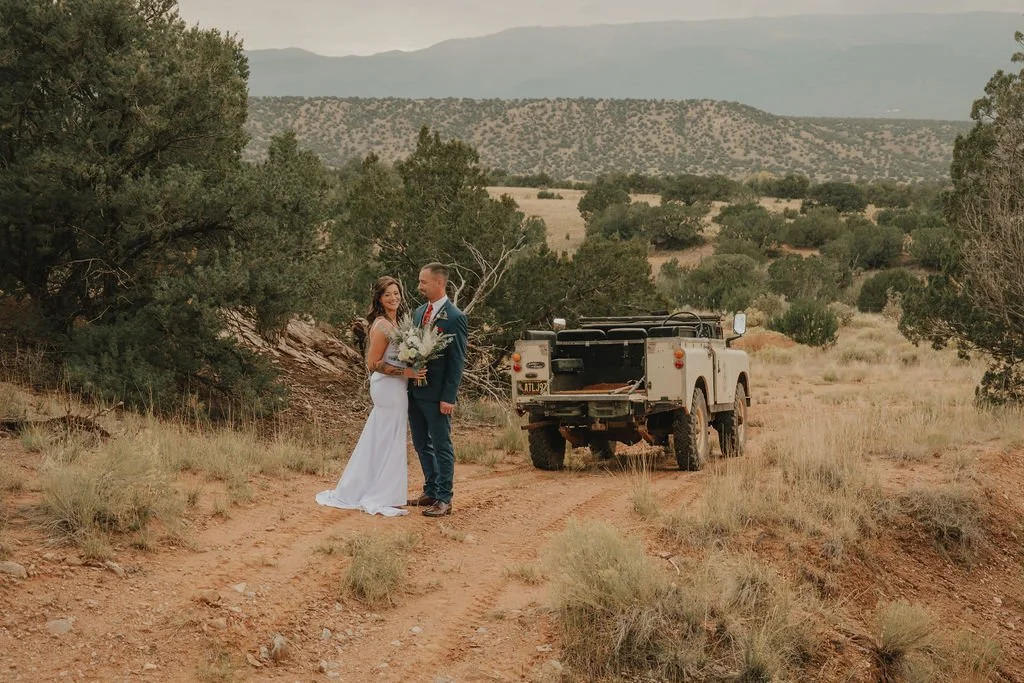
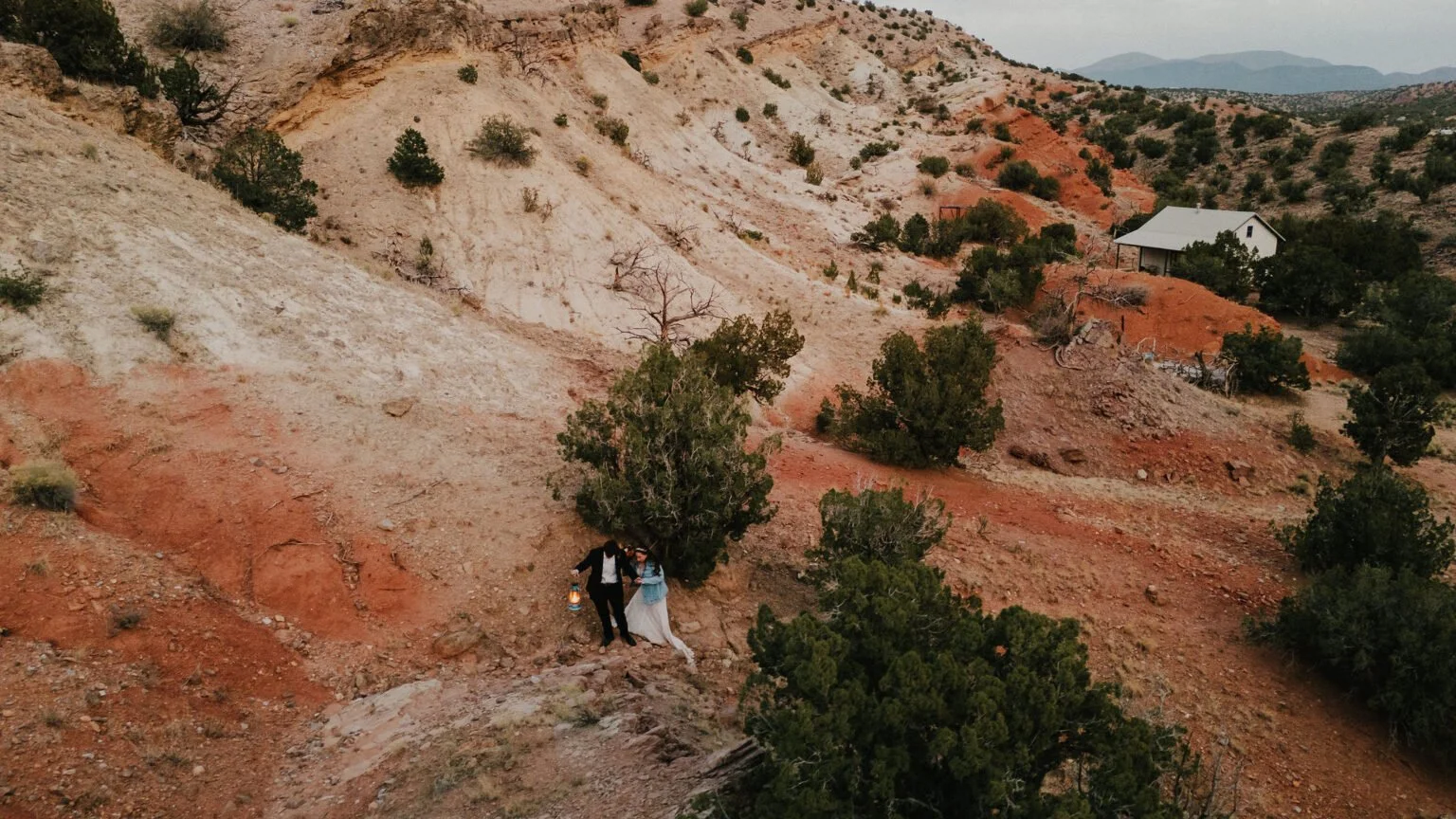
New Mexico offers some of the most painterly landscapes in the American Southwest: adobe architecture, high desert mesas, ancient pueblos, and skies of impossible blue. new mexico weddings adventure elopements bring a rich cultural palette that informs the entire visual narrative of a wedding. Pay attention to the color story warm terracotta, sage green, and turquoise against golden grasslands create a distinctive, cohesive gallery.
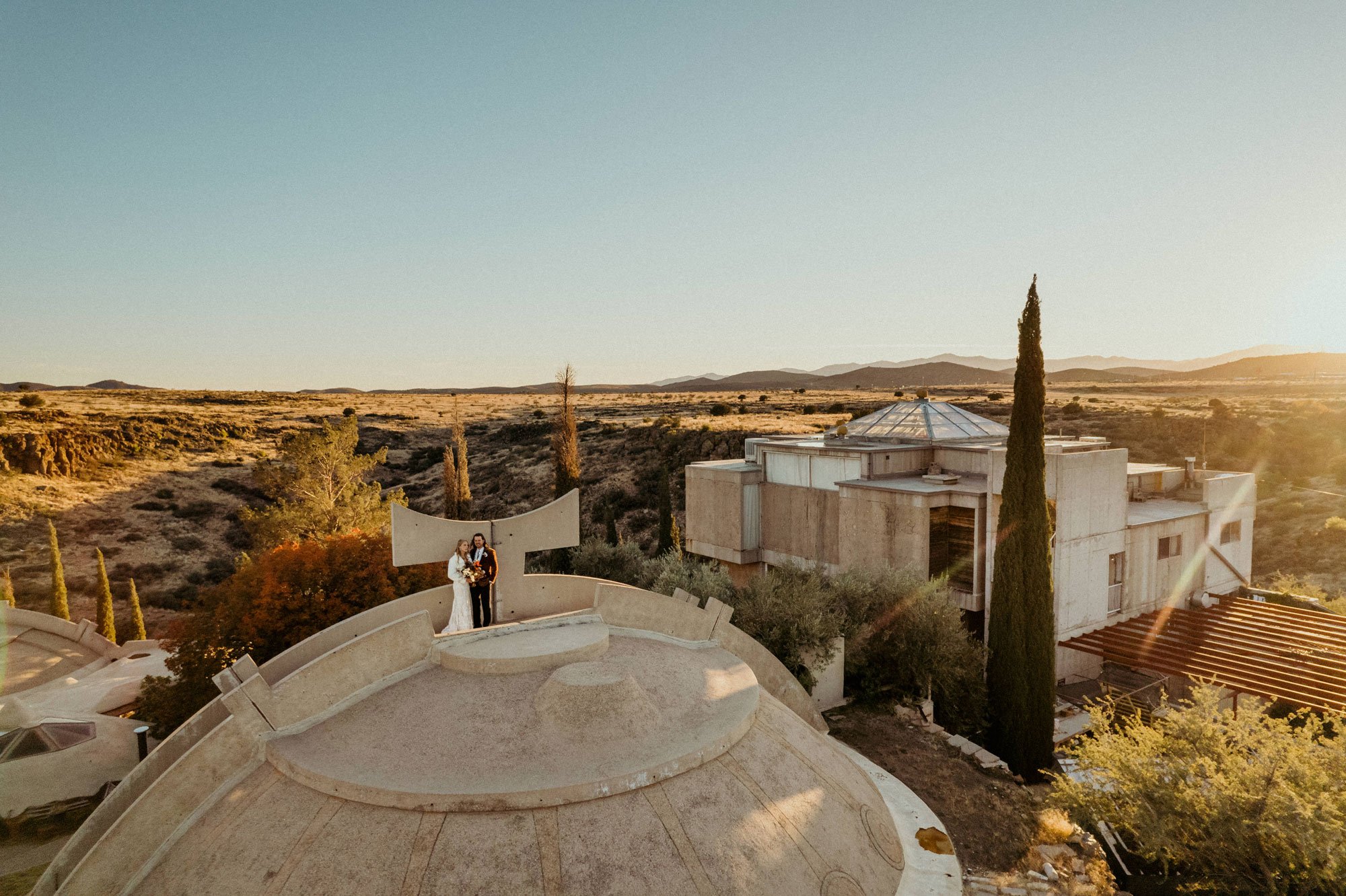
Arizona's Desert Magic
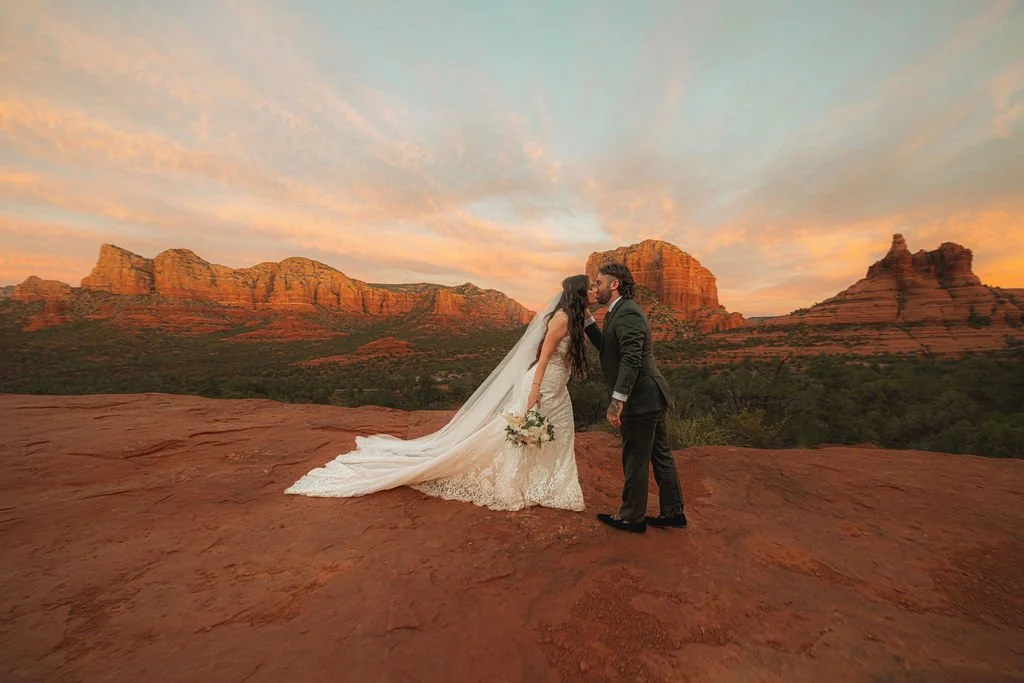
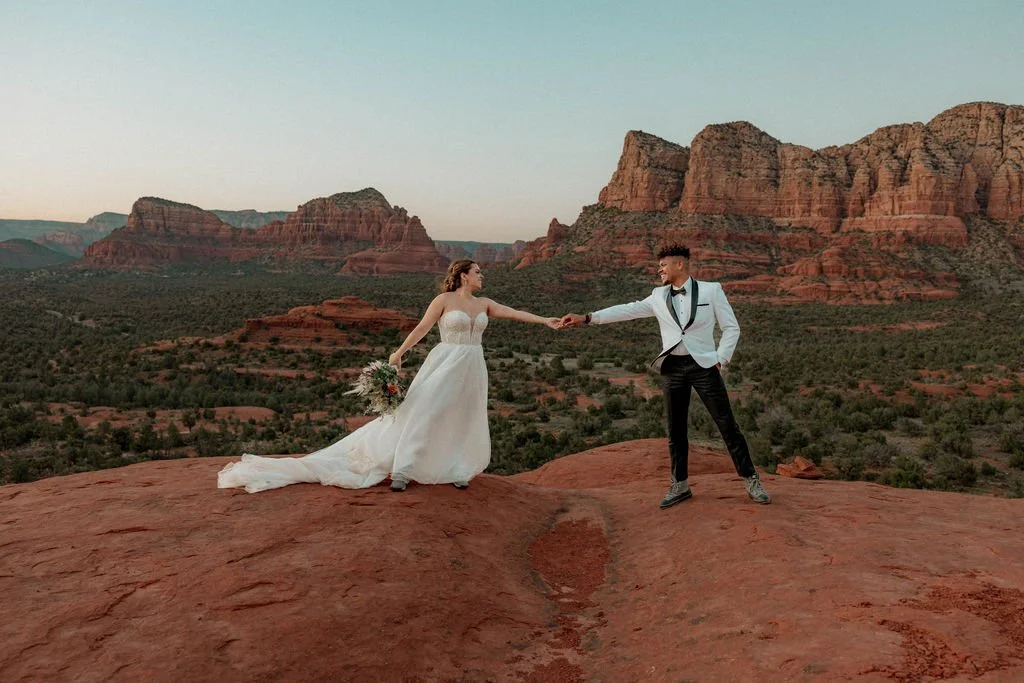
Saguaro cacti at sunset, the Sonoran Desert at dawn, and historic Sedona's red rock cathedral country arizona-weddings-adventure-elopements are defined by extraordinary light and dramatic terrain. In Arizona specifically, be acutely aware of high canyon walls: the effective sunset can occur 30–45 minutes earlier than standard tables suggest, dramatically shortening your golden hour window. Always verify light conditions for your specific location.
Colorado's Mountain Grandeur
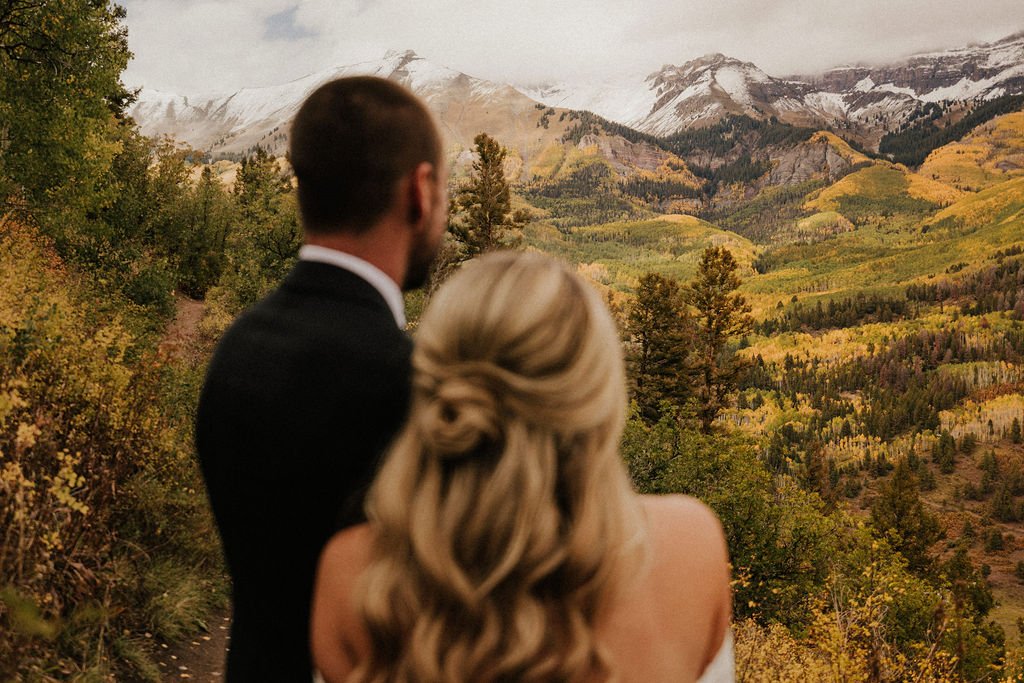
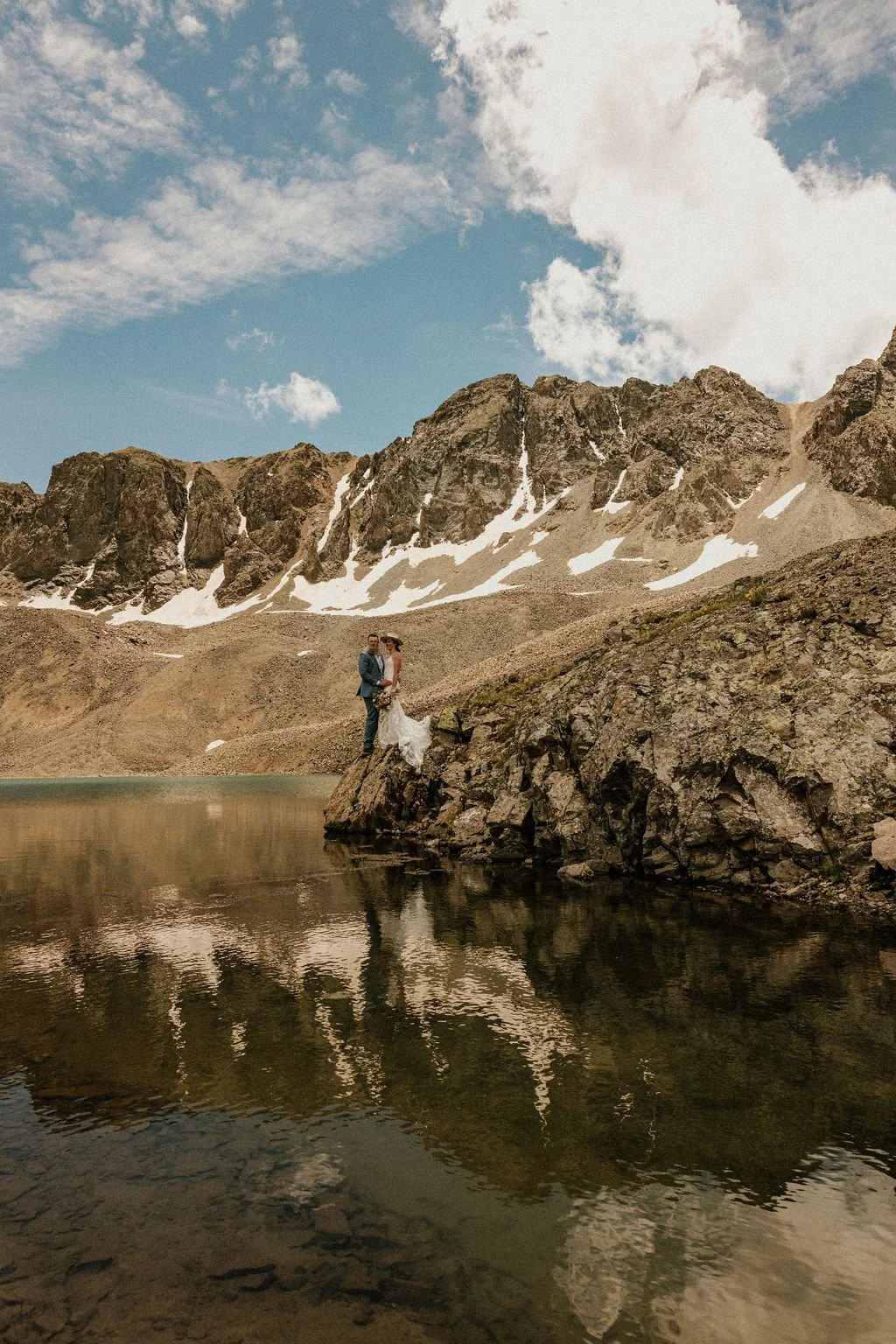
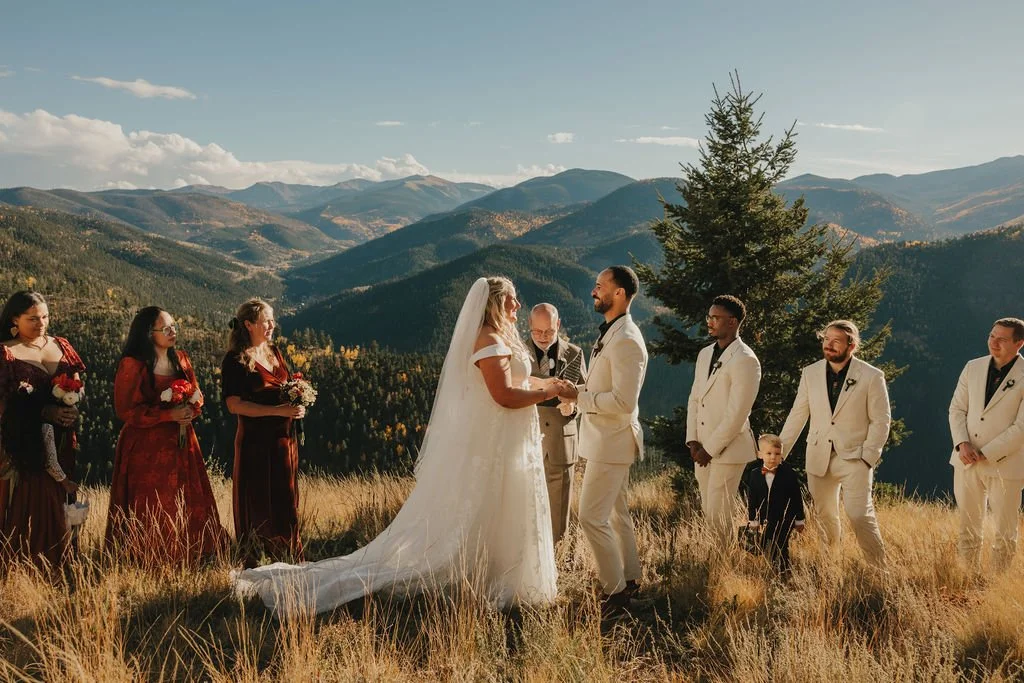
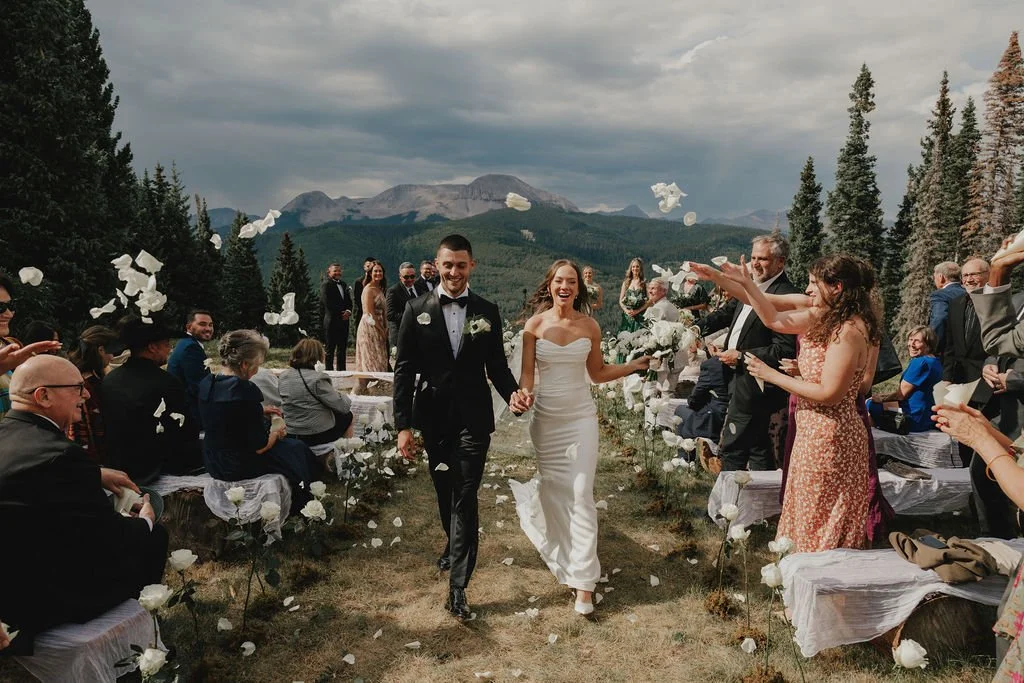
Colorado's high-alpine settings — wildflower meadows, aspen groves, and snow-capped peaks require careful planning around altitude, weather, and light. colorado weddings adventure elopements often involve afternoon thunderstorm risk from June through August. Build weather contingency windows into your timeline, have a covered backup location identified, and embrace any dramatic approaching storm as an opportunity for moody, epic imagery rather than a crisis.
Wedding Photography Shot List: Priority Guide by Category
Use this reference table to ensure complete coverage on any wedding day, from ceremony to reception.
| Shot Category | Key Shots | Timing | Lighting Approach | Priority |
|---|---|---|---|---|
| Ceremony Essentials | First look, ring exchange, vows, first kiss | Ceremony duration | Available / church light | MUST HAVE |
| Portraits | Couple, bridal party, family formals | 30–60 min post-ceremony | Shade or open shade | MUST HAVE |
| Golden Hour | Romantic couple portraits | 2 hrs before sunset | Warm natural backlighting | HIGH |
| Reception Details | Décor, table settings, florals, cake | Before guests arrive | Ambient + flash | HIGH |
| Dance Floor | First dance, toasts, candid partying | Reception | Off-camera flash | HIGH |
| Getting Ready | Dress, prep details, bridal party moments | 2–3 hrs before ceremony | Window light preferred | MEDIUM |
| Documentary | Candid guest interactions, emotion | Throughout day | Any available light | MEDIUM |
5. Directing Couples and Groups with Confidence
The quality of your posing and direction is as important as the quality of your light. Even the most stunning location cannot save stiff, uncomfortable-looking subjects. Great wedding photographers are not just technically skilled — they are empathetic directors who know how to help people feel natural in front of a camera.
The Engagement Session Advantage
If your packages allow it, always offer an engagement session. This pre-wedding shoot accomplishes three critical things: it builds genuine trust and rapport with the couple before the high-pressure wedding day; it teaches you how each person moves, poses, and responds to direction; and it reveals which styles of posing feel authentic versus contrived for that specific couple. Couples who have done engagement sessions are invariably more relaxed and natural during their wedding portraits.
Directing vs. Posing
The most natural-looking wedding photos are almost never posed — they are directed. Instead of telling people where to put their hands, give them something to do. "Walk toward each other slowly and stop when your foreheads touch." "Whisper something in her ear that only she would know." "Look at each other the way you did the first time you said I love you." These direction cues produce genuine emotion and movement — the raw materials of extraordinary wedding photography.
Family Formal Photography
Family formals are logistically the most challenging segment of the wedding day. Success requires a system: before the wedding, ask the couple to submit a specific list of every grouping they want. Assign a trusted family insider ideally someone who knows both sides — as your dedicated photo assistant. Give them a printed copy of the list and make them your closest ally during formals. A capable family wrangler can cut the time required for formals in half.
6. Develop Your Visual Perspective and Creative Voice
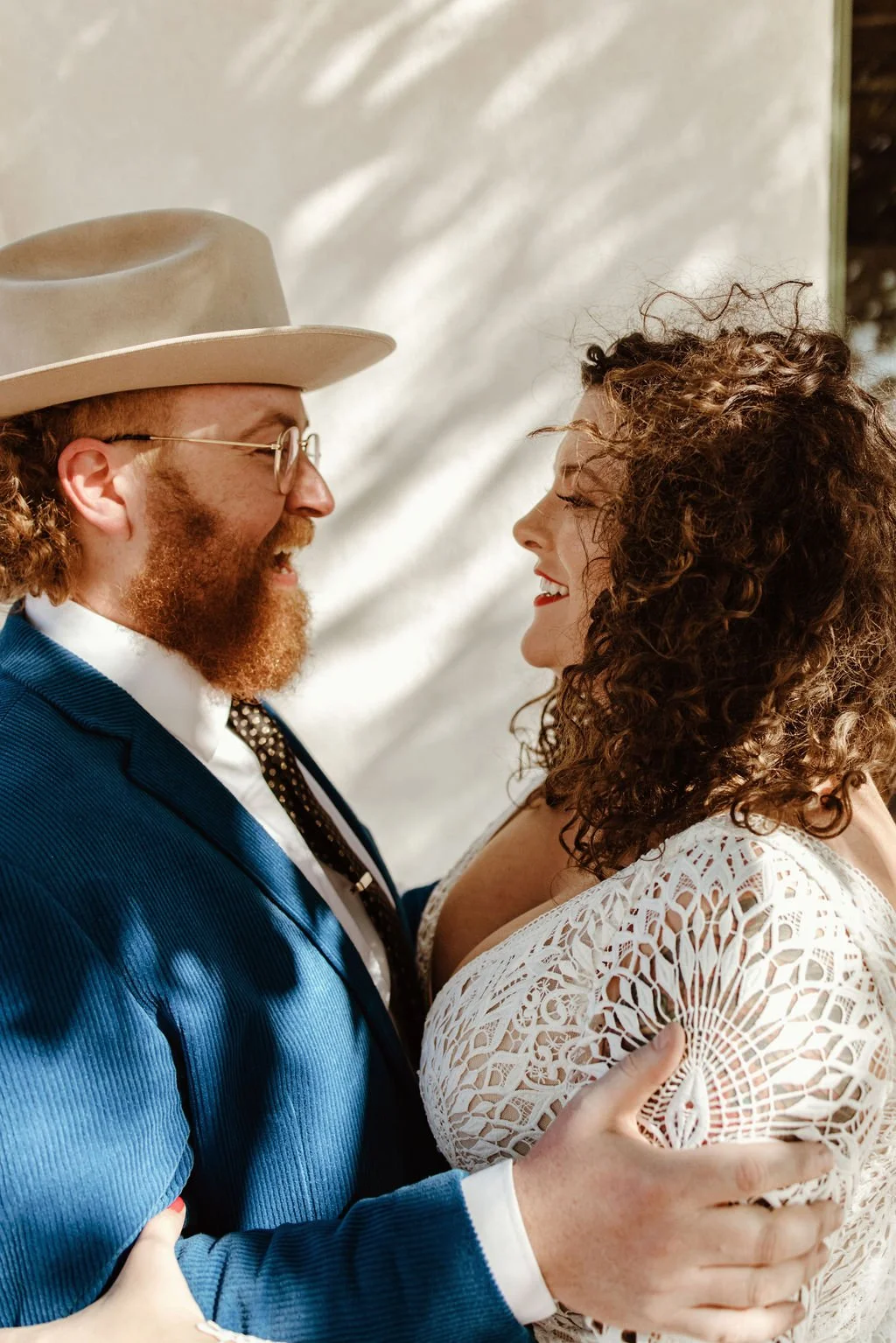
Technical competence is the price of entry in wedding photography. What separates good photographers from exceptional ones is a distinct creative perspective — a recognizable visual voice that makes their work immediately identifiable.
Push Beyond Safe Coverage
After securing the standard coverage of a scene — the mid-range establishing shot, the clean portrait — push yourself to explore every other perspective available. What does this moment look like from directly above? From ground level looking up? Shot through a foreground element that creates natural framing? The image you end up choosing in the edit is often not the first one you planned to take.
Always capture a wide environmental shot, a mid-range portrait, and a textural close-up of key moments
Use foreground elements — doorways, foliage, guests — to create depth and natural framing
Look for reflections in windows, puddles, or mirrors for unexpected compositions
Get above the action when possible — a chair, a balcony, or a hillside changes everything
Understand the Color Story
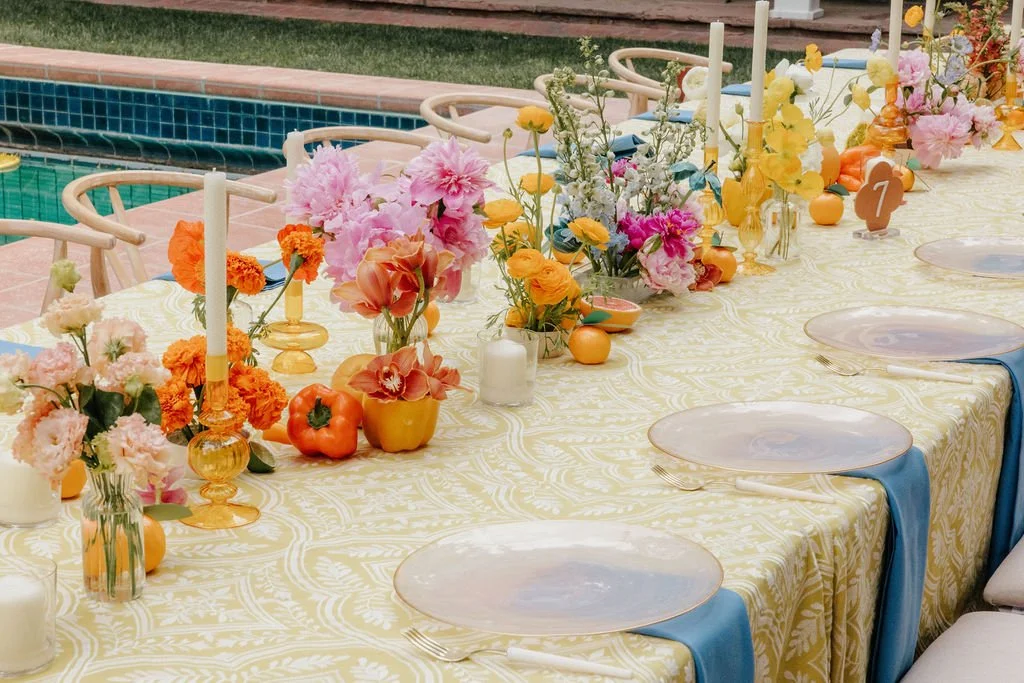
Every wedding has an inherent color palette — determined by the florals, venue, textiles, and landscape. Identifying this color story early in the day and using it consistently as you shoot creates a cohesive, gallery-ready collection rather than a disjointed set of images. If the day has a warm, golden palette, seek out the textures and tones that reinforce it. If it's a cool, moody winter aesthetic, let those tones guide your compositional choices.
Clean the Frame
One of the most underrated wedding photography skills is the willingness to art-direct your environment. Removing a plastic water bottle from the corner of the frame, asking a bridesmaid to remove a hair tie from her wrist, straightening a tilted centerpiece — these small interventions take seconds and dramatically improve the quality of your images. Your clients hired you not just as a photographer but as a visual director. Act like one.
7. Build a Sustainable Wedding Photography Business
Great photography alone does not build a successful wedding photography career. You need to combine artistic skill with business intelligence, brand positioning, and ongoing client development.
Your Portfolio is Your Foundation
In the digital age, your portfolio is your most powerful sales tool. A well-designed website with a curated selection of your best work, transparent pricing, and a clear articulation of your style and approach is what converts website visitors into booked clients. Prioritize quality over quantity — 15 exceptional images will outperform 150 average ones every time. Use platforms designed for photographers: Showit, Pixieset, and Zenfolio are among the strongest options for showcasing wedding work.
Network and Collaborate
The wedding industry runs on relationships. Photographers who build genuine connections with wedding planners, florists, venues, and officiants consistently receive referrals that sustain their business year after year. Attend industry events, collaborate on styled shoots, and approach every vendor interaction as an opportunity to build a long-term professional relationship.
Protect Yourself Professionally
Never photograph a paid wedding without liability insurance and, ideally, gear insurance. A single incident — an injured guest, a dispute over deliverables, lost or damaged equipment — can create legal and financial exposure that ends a photography business. Professional insurance is not optional; it is the cost of operating ethically.
Prepare and Present Like a Professional
Use a detailed wedding day checklist that you work through in the week before every event. Charge all batteries, format all cards, confirm all vendor contacts, and review the timeline. Your appearance matters too — dress professionally, commensurate with the formality of the event. Your clients spent months planning every detail of their day; your presentation signals how seriously you take your role in it.
Conclusion
Wedding photography is a craft that rewards relentless preparation, genuine curiosity, and an unwavering commitment to the couple's story. The tips in this guide — from technical fundamentals like RAW shooting and off-camera flash to creative strategies like color storytelling and perspective diversity — are not abstract theory. They are the daily practice of photographers who show up, shoot with intention, and deliver work that genuinely moves people.
At Shutterfreek, we believe that the best wedding photography happens when skill meets a deep love for the craft and the people you photograph. Whether you're capturing an intimate ceremony among Utah's sandstone spires, a wildflower elopement in the Colorado high country, or a traditional celebration anywhere in between — these principles apply.
Invest in your preparation, protect your images, develop your creative voice, and chase the moment. The rest will follow.
Frequently Asked Questions
-
Most professional wedding photographers deliver between 400 and 800 edited images for a full-day wedding (8–10 hours of coverage). This number varies based on the number of guests, events covered, and the photographer's editing style. What matters more than quantity is consistent quality — every delivered image should meet your professional standard. Avoid padding a gallery with similar duplicates simply to hit a number.
-
For wedding photography, a good general starting point is: shoot in aperture priority (Av) mode for portraits using f/1.8–f/2.8 to create subject separation; switch to manual mode for controlled environments like reception halls; set your ISO as low as the light permits and never exceed a shutter speed that would create motion blur (generally 1/250s or faster for moving subjects). The most important principle is to understand your camera so thoroughly that adjusting settings becomes instinctive, not labored.
-
For most full-day weddings, a second photographer is highly recommended. A second shooter provides simultaneous coverage of the groom's getting-ready sequence while you cover the bride, offers a second angle on ceremonies and formals, acts as your off-camera flash assistant during receptions, and serves as critical redundancy if any equipment issue arises. Budget appropriately to have a trusted second photographer on every wedding — your clients will benefit and so will your final gallery.
-
Ideally, conduct an initial consultation before booking, a venue walkthrough 4–6 weeks before the wedding, and a final timeline review call 1–2 weeks prior. If an engagement session is included in your package, schedule it 2–3 months before the wedding so you have ample time to deliver images and build rapport. The more touch points you have with your couple before the wedding day, the more they trust you — and the more naturally they'll behave in front of your camera.
-
Without question: build your redundancy systems before you shoot your first paid wedding. Dual memory cards in-camera, multiple battery sets, a backup camera body, and a post-wedding backup to three hard drives. Every other skill — light, posing, composition, business — can be improved over time through experience. But losing a couple's wedding images due to a card failure or equipment malfunction is an irreversible, career-defining mistake. Protect the images first, and develop everything else through practice.
Keep reading