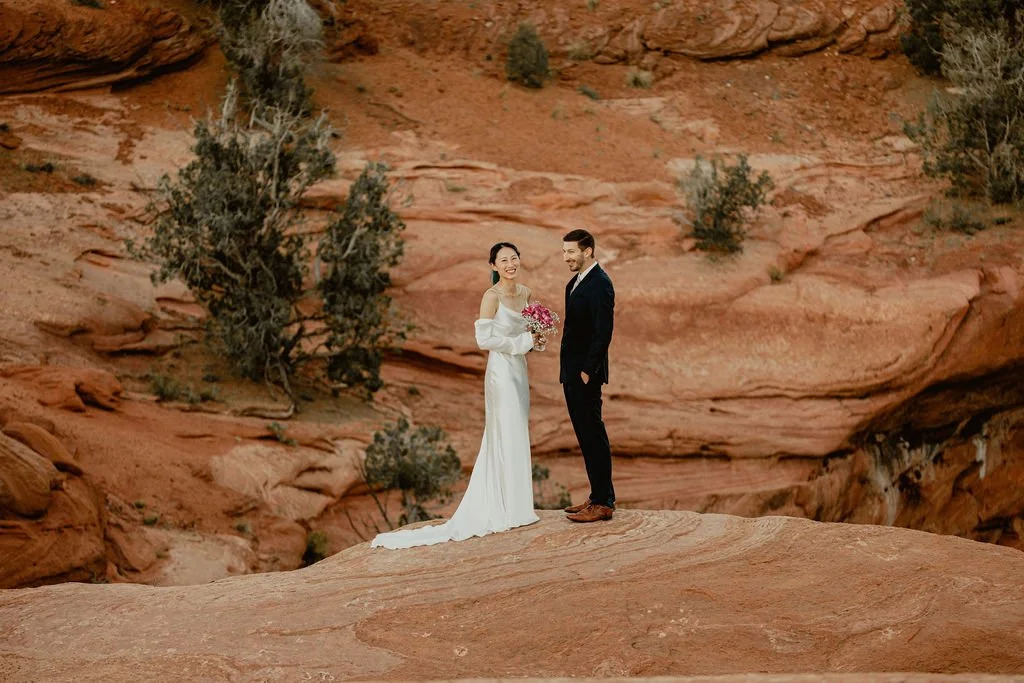
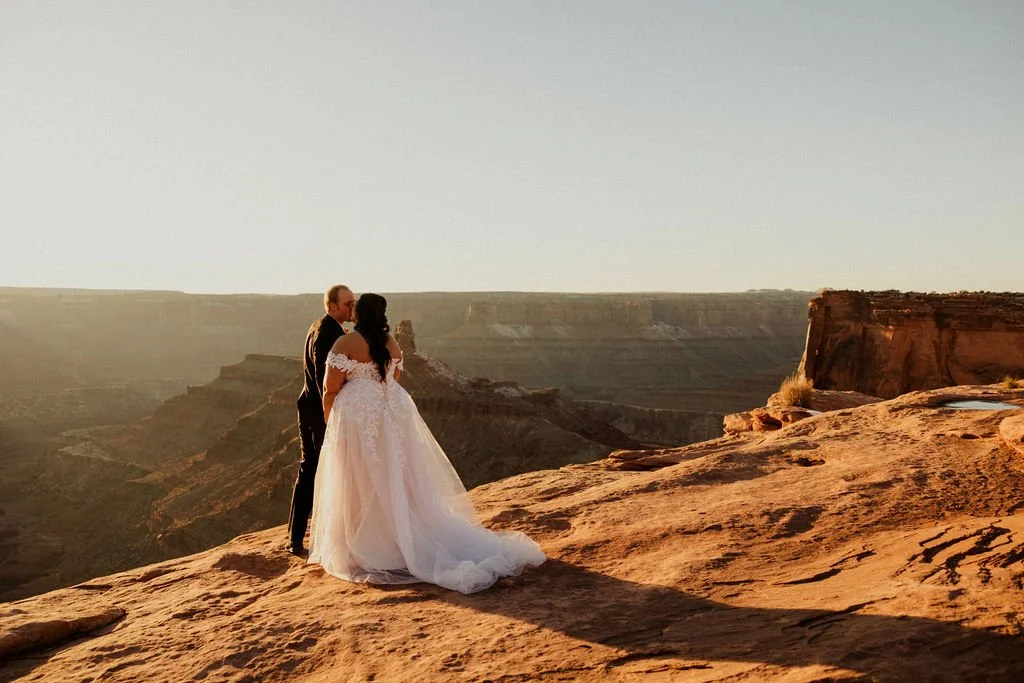
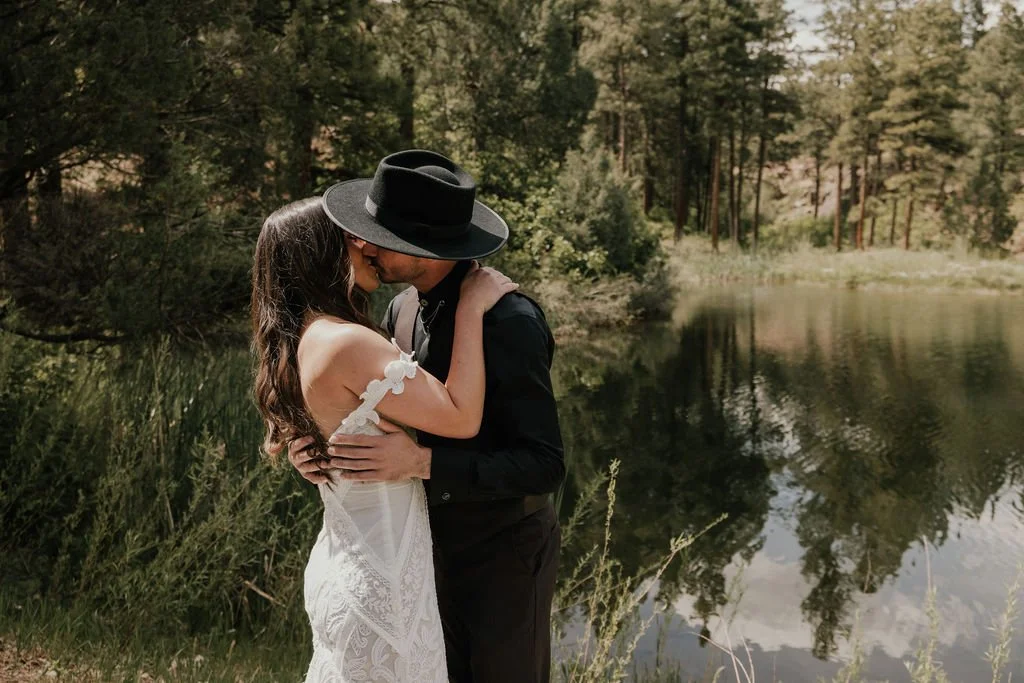
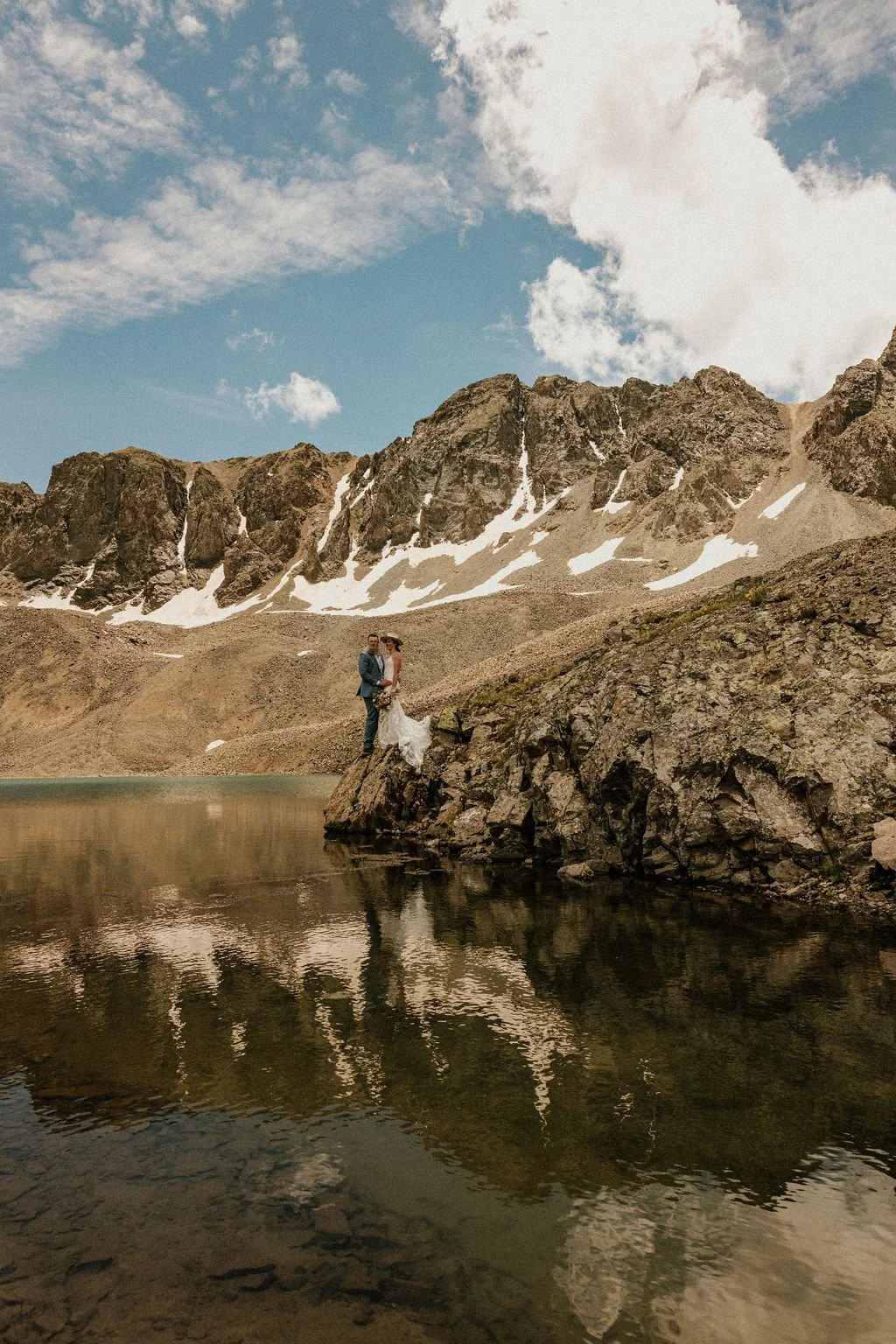
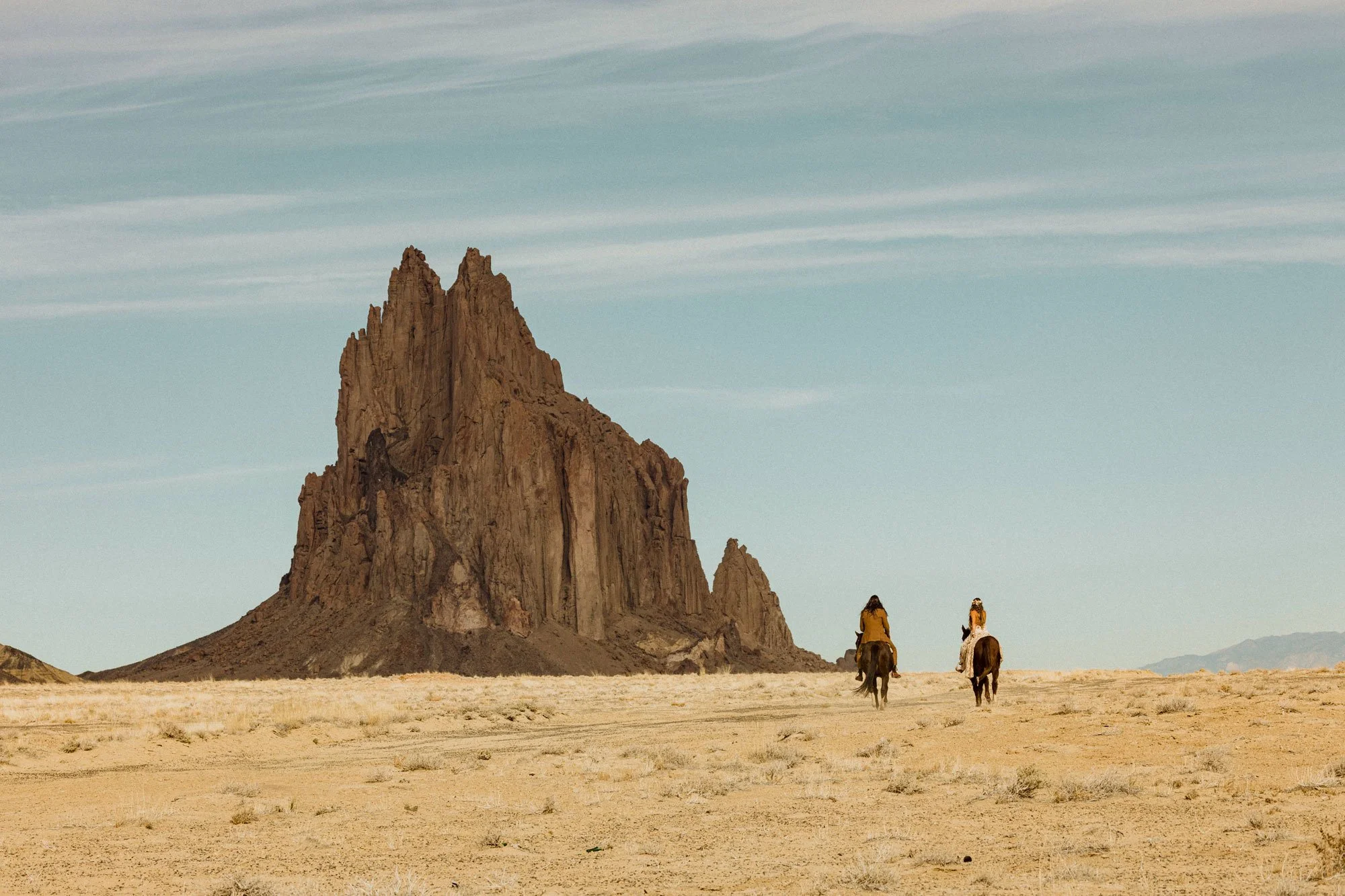
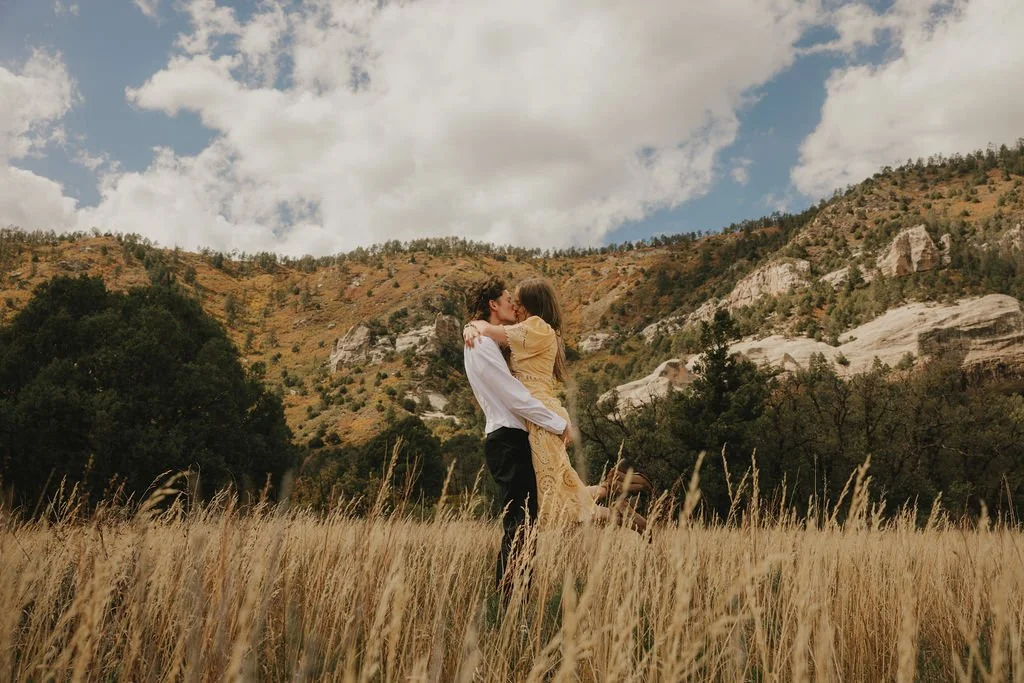
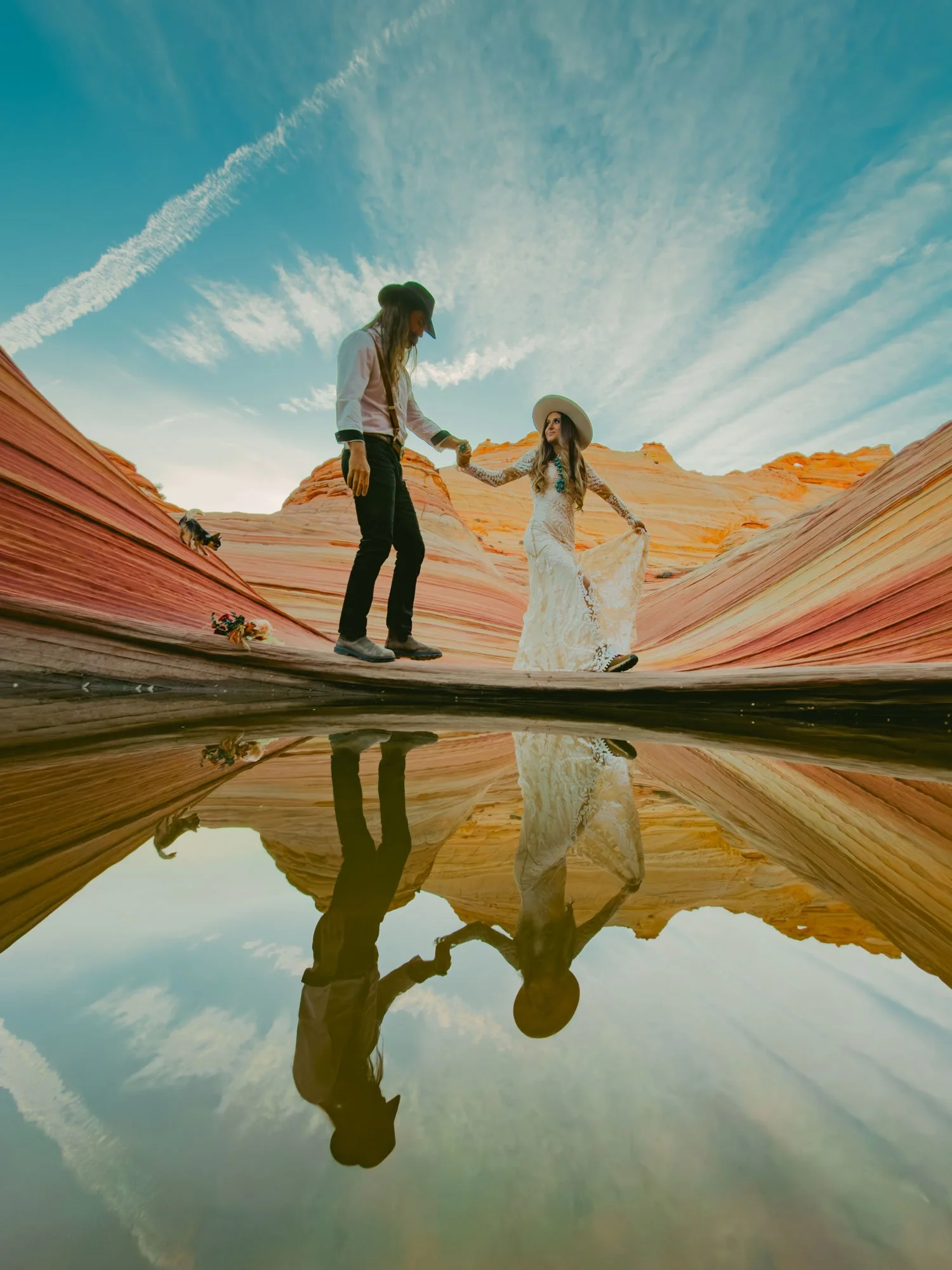
Sunrise vs Sunset Elopement in New Mexico
If you're choosing between a sunrise and a sunset elopement in New Mexico, here's the direct answer: sunrise gives you cooler temperatures, empty landscapes, and the softest golden light of the day — while sunset delivers warm amber skies, dramatic clouds, and an effortless, relaxed morning leading up to your ceremony. Neither is objectively better; the right choice depends on your priorities, your chosen New Mexico location, and how much you love (or dread) early alarms.
New Mexico is one of the most underrated elopement destinations in the American Southwest. From the chalky dunes of White Sands to the alien rock formations of the Bisti/De-Na-Zin Wilderness, the painted mesas of the Rio Grande del Norte National Monument to the ancient cliffs of Chaco Culture National Historical Park — every corner of the Land of Enchantment offers something photographers and couples dream about. The question is: what light do you want painting that landscape on your wedding day?
At Shutterfreek, we've photographed elopements across New Mexico and the wider Southwest — including utah weddings adventure elopements, arizona weddings adventure elopements, and colorado weddings adventure elopements — and we want to help you make the most informed decision for your New Mexico elopement day.
Understanding New Mexico's Light: Why It Matters for Elopement Photography
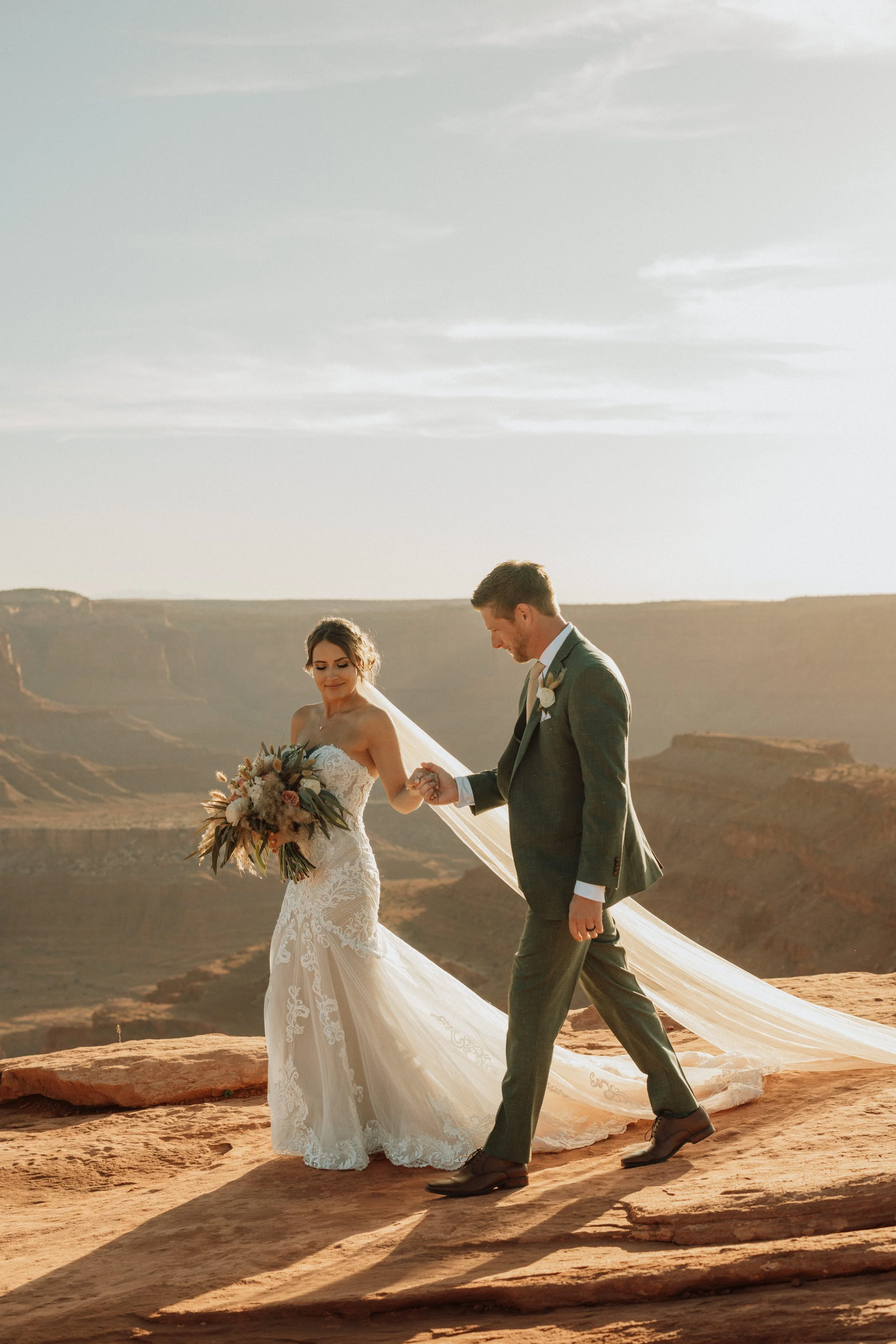
New Mexico sits at a high-desert elevation averaging 5,700 feet above sea level. That altitude does something remarkable to light: it thins the atmosphere, reduces haze, and intensifies color saturation in ways photographers rarely experience at lower elevations. Both golden hours here are genuinely special — but they look and feel very different.
Sunrise Light in New Mexico
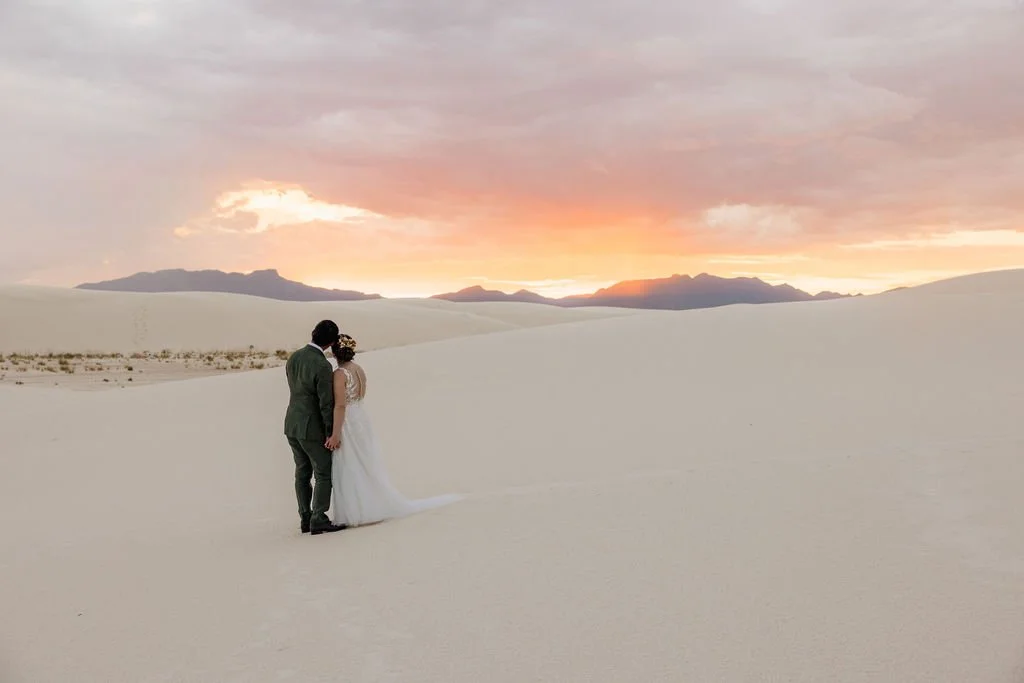
Sunrise in New Mexico begins with what photographers call the 'blue hour' — a cool, steel-blue luminosity that feels almost cinematic. As the sun clears the horizon, the light warms rapidly into peach and gold. This transition is fast, sometimes lasting only 20–30 minutes, which means your photographer needs to be ready and your couple needs to be on location before the sky lights up. White Sands is arguably the best sunrise elopement location in the entire state: the gypsum dunes glow pink and lavender before the sun even crests the San Andres Mountains, creating colors that look impossible.
Sunset Light in New Mexico
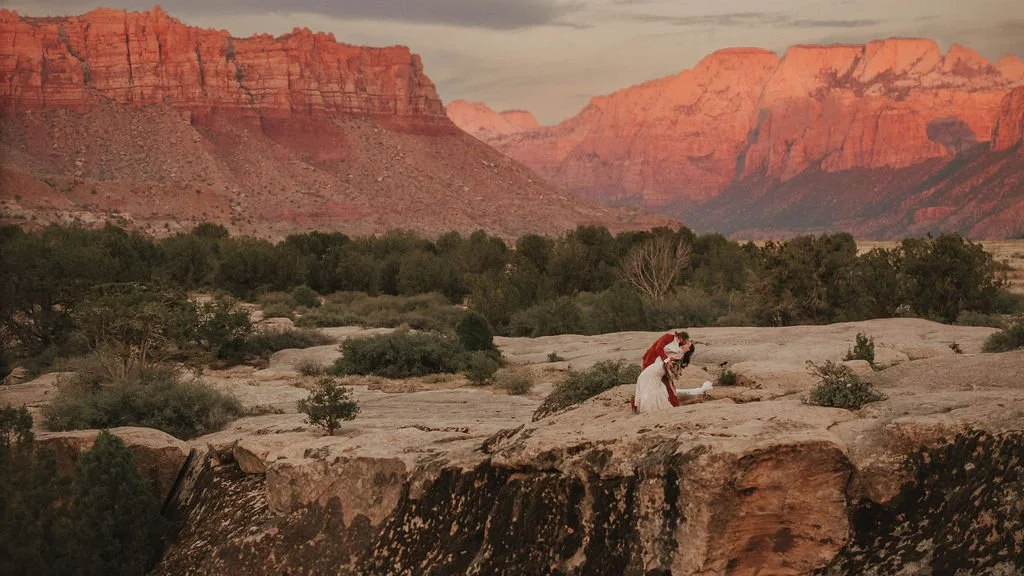
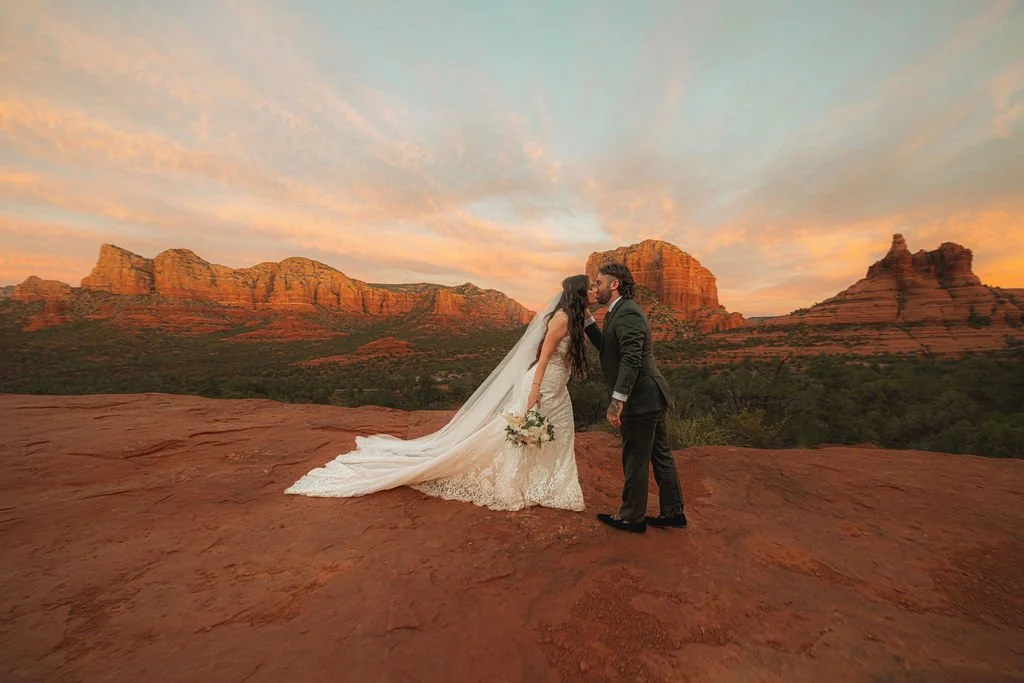
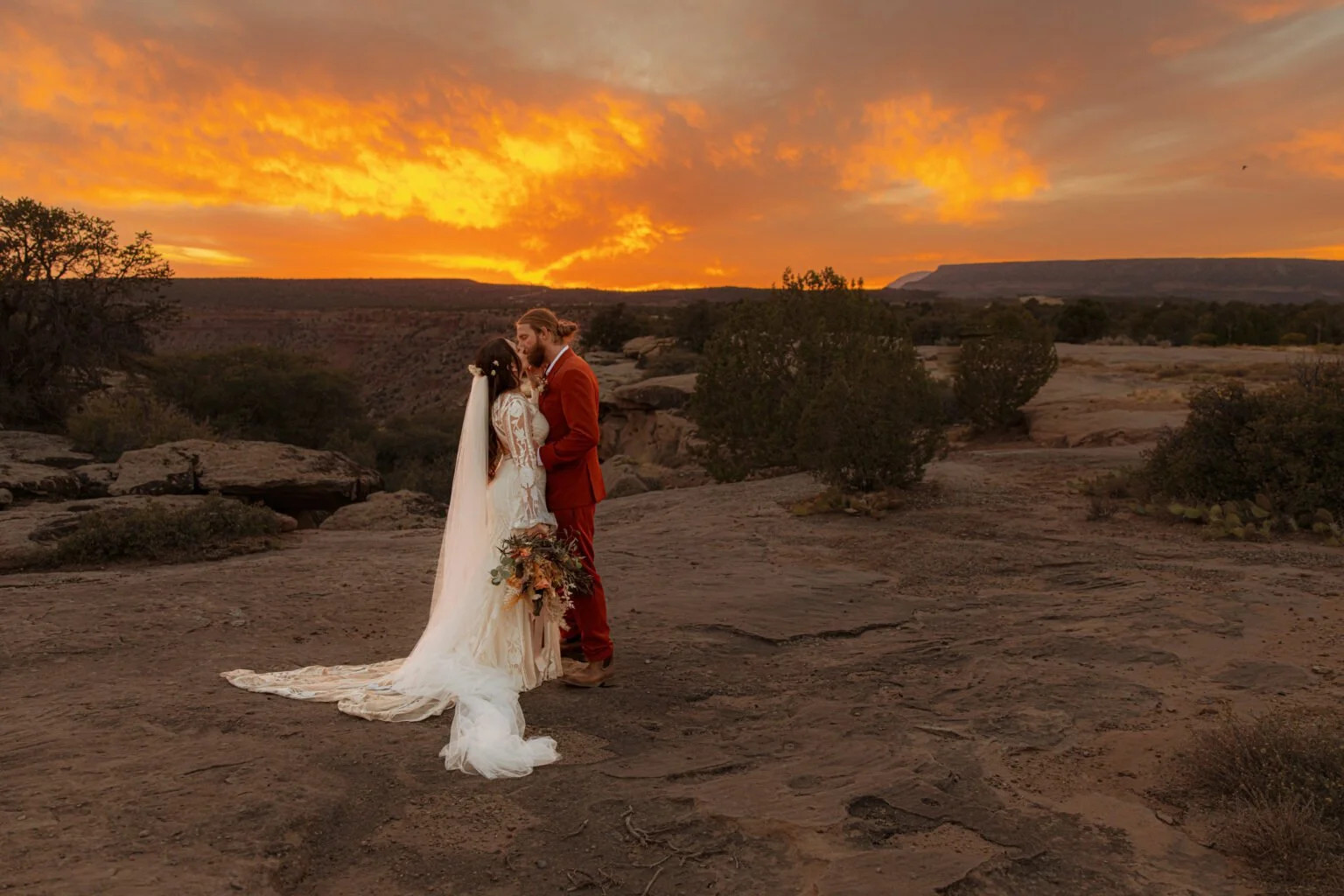
Sunset in New Mexico is legendary among Southwest photographers. The high desert air, combined with monsoon-season dust particles (June through September), scatters light into deep golds, burnt oranges, and vivid reds. Unlike sunrise, sunset golden hour tends to linger slightly longer — you get more buffer time as the sun descends. The Rio Grande Gorge near Taos is a masterclass in sunset drama: the gorge turns amber while the surrounding plateau remains lavender, creating a natural two-toned backdrop that no studio can replicate.
Table 1: Sunrise vs Sunset Elopement in New Mexico — Key Comparison
| Factor | 🌅 Sunrise Elopement | 🌄 Sunset Elopement |
|---|---|---|
| Light Quality | Cool blue → warm peach, fast transition | Deep gold → amber → red, slightly longer window |
| Temperature (Summer) | 50–65°F at ceremony time, pleasant | 80–95°F, can be very hot in lower elevations |
| Temperature (Winter) | 25–40°F, very cold, dress in layers | 45–65°F, much more comfortable |
| Crowd Levels | Minimal to none — most parks nearly empty | Moderate — popular spots fill up by afternoon |
| Morning Logistics | 4–5 AM wake-up, pre-dawn drive required | Relaxed morning; arrive mid-afternoon |
| Sky Drama | Subtle pastels, milky whites, ethereal feel | Bold oranges, fiery clouds, high drama |
| Wildlife Activity | High — deer, roadrunners, owls active at dawn | Moderate — some animals retreat from heat |
| Best NM Season | Spring & fall (mild mornings), summer (cool air) | Fall & winter (longer golden hour, soft light) |
| Photographer Prep | Scout location day before; arrive 1 hr early | Arrive 2–3 hrs early to beat crowds and settle in |
Best New Mexico Locations for Sunrise Elopements
Not all New Mexico locations perform equally at sunrise. Some are purpose-built for that first-light magic; others are better saved for dusk. Here are the top sunrise elopement spots across the state.
White Sands National Park — The signature New Mexico sunrise location. Gypsum dunes catch pre-dawn pinks and purples. Arrive 45 minutes before sunrise. Permits required for elopement ceremonies; book months in advance.
Bandelier National Monument (Frijoles Canyon) — Ancient cliff dwellings bathed in early light with zero crowds. The canyon walls glow amber as the sun rises over the Jemez Mountains.
Tent Rocks National Monument — The hoodoos and slot canyon channel sunrise light dramatically. Golden beams funnel through the canyon walls for a narrow but stunning window.
Valles Caldera — A volcanic caldera with sweeping meadow views and elk herds at dawn. The mist rising from the valley floor at sunrise creates an almost mystical atmosphere.
Bisti Badlands — Remote and alien. The hoodoos and badland formations turn pastel at first light. Access requires a hike; commit to this only if you love adventure.
Best New Mexico Locations for Sunset Elopements
Sunset in New Mexico is where the state truly earns its nickname: the Land of Enchantment. These locations maximize the drama of a New Mexico dusk.
Rio Grande Gorge Rio Grande Gorge, Taos — One of the most photographed sunset spots in the Southwest. Stand on the gorge rim as the sky turns amber and the 800-foot canyon below fills with shadow. Intimate, dramatic, unforgettable.
Taos Pueblo Taos Pueblo — A UNESCO World Heritage Site and a deeply meaningful backdrop. Photography permits are required. Sunset light on the multi-story adobe structures is extraordinary.
Bosque del Apache Bosque del Apache Wildlife Refuge — Thousands of sandhill cranes return to roost at sunset from October to February. No backdrop in New Mexico combines wildlife spectacle with golden light this way.
El Malpais El Malpais National Monument — The black lava fields absorb and reflect sunset light in remarkable ways. The contrast between dark basalt and a burning sky is visually extraordinary.
Chaco Culture Chaco Culture National Historical Park — Ancient ruins bathed in sunset light carry an unmatched sense of timelessness. The remote location (long unpaved road required) ensures near-total solitude.
Santa Fe Foothills Santa Fe Foothills (Atalaya Mountain area) — For couples who want accessibility without sacrificing beauty. The Sangre de Cristo range turns red at sunset — hence the name, meaning 'Blood of Christ.'
Sunrise vs Sunset: Seasonal Considerations for New Mexico Elopements
New Mexico's seasons play a massive role in which time of day is most practical. The state experiences dramatic seasonal swings: summer monsoons (July–September), freezing winter nights, mild but unpredictable springs, and glorious fall conditions from late September through November.
Table 2: Best Elopement Time of Day by Season in New Mexico
| Season | Best Time of Day | Why | Watch Out For |
|---|---|---|---|
| Spring (Mar–May) |
🌅 Sunrise | Mild mornings, wildflowers at White Sands, and gentle light before afternoon winds arrive. | High wind events in March–April; secure veil and decor. |
| Summer (Jun–Sep) |
🌅 Sunrise | Avoid extreme afternoon heat (100°F+). Monsoon storms can create dramatic sunsets but may be unsafe in exposed areas. | Monsoon lightning — sunrise helps stay ahead of afternoon storms. |
| Fall (Oct–Nov) |
🌅 Sunrise or 🌇 Sunset | Longer golden hour, ideal temperatures, and colorful foliage in Jemez Mountains. | Peak visitor season — sunset locations can become crowded; sunrise offers more privacy. |
| Winter (Dec–Feb) |
🌇 Sunset | Warmer ceremony temperatures, dramatic snow-capped peaks, and peak bosque crane migration season. | Sunrise temperatures often drop below freezing; sunset at around 5 PM requires earlier planning. |
Fall is widely considered the best overall season for New Mexico elopements regardless of time of day. October in particular offers stable weather, exceptional light quality, and one of the most beloved events in the state — the Albuquerque International Balloon Fiesta (early October) — which, while worth noting logistically, can complicate travel and accommodation in Albuquerque proper. Plan around it or embrace it as a backdrop.
Logistics: What to Expect on the Day
Sunrise Elopement Day Timeline
Night before: Scout your location, confirm permit, pack everything.
3:30–4:00 AM: Wake up, get ready (hair, makeup, attire).
4:30–5:00 AM: Depart for location. Factor in drive time + hike time.
30–45 min before sunrise: Arrive on location, set up, begin pre-ceremony portraits.
Sunrise window: Ceremony, vows, first photos — often 20–40 minutes of peak light.
Post-sunrise: Extended portraits as light continues to evolve for another hour.
Late morning: Breakfast or brunch celebration — you have the whole day ahead.
Sunset Elopement Day Timeline
Morning/afternoon: Leisure time — brunch, spa, adventure activity, rest.
2–3 hours before sunset: Depart for location, allow time for parking and hiking.
1 hour before sunset: Arrive, explore, begin relaxed portraits in pre-golden hour light.
Golden hour: Ceremony + key portraits during peak light — often 30–50 minutes.
Post-ceremony: Blue hour portraits (equally beautiful, underutilized by many couples).
Evening: Celebratory dinner at one of Santa Fe's or Taos's renowned restaurants.
One practical consideration that often surprises couples: permits. Many of New Mexico's most photogenic public lands — White Sands, Bandelier, Tent Rocks — require advance permits for elopement ceremonies. Some permits are time-restricted and don't allow pre-dawn entry, which can limit sunrise ceremony options at certain sites. Always confirm permit terms with the managing agency before booking.
If you're weighing New Mexico against nearby states, it helps to see how the experience differs. Explore our guides to utah weddings adventure elopements and colorado weddings adventure elopements for a broader Southwest perspective, or check out arizona weddings adventure elopements if you're drawn to desert canyon landscapes.
Who Should Choose Sunrise — and Who Should Choose Sunset
Choose Sunrise If You…
Want zero crowds and total solitude at popular locations like White Sands.
Are planning a summer elopement and need to escape daytime heat.
Love ethereal, soft, painterly light with cool tones and subtle color.
Are comfortable with very early wake-ups (4 AM is non-negotiable for most sunrise sessions).
Want to have the entire day free for adventure, hiking, or exploration after your ceremony.
Are eloping at White Sands — sunrise here is simply unmatched anywhere in New Mexico.
Choose Sunset If You…
Want bold, dramatic colors with fiery oranges and deep golds.
Are planning a winter or late fall elopement when early mornings are extremely cold.
Prefer a relaxed morning with time to get ready slowly and enjoy pre-ceremony time.
Are eloping at Rio Grande Gorge, Taos Pueblo, or Bosque del Apache — these locations peak at sunset.
Have guests joining you (more practical scheduling for non-photographer guests).
Plan to follow your ceremony with a fine-dining celebration in Taos or Santa Fe.
Ready to Plan Your New Mexico Elopement with Shutterfreek?
Whether you're leaning toward chasing that first blush of light over White Sands or watching the Rio Grande Gorge ignite at dusk, Shutterfreek is here to make it happen. We specialize in adventure elopements throughout the Southwest, and we know New Mexico's locations, light, permits, and logistics intimately.
Start planning your dream elopement by exploring our dedicated new mexico weddings adventure elopements page, or browse our full elopements portfolio to see our work across the Southwest. We'd love to be part of your story.
Frequently Asked Questions
-
Sunrise in New Mexico ranges from approximately 5:30 AM in June (summer solstice) to 7:15 AM in December. Sunset ranges from around 5:00 PM in December to 8:15 PM in June. Fall and spring offer the most balanced light — sunrise around 6:00–6:45 AM and sunset around 6:30–7:30 PM — making those seasons ideal for elopements at either end of the day.
-
Yes, most federally managed lands in New Mexico — including White Sands National Park, Bandelier National Monument, and Tent Rocks — require a Special Use Permit for elopement ceremonies. Permit applications must typically be submitted weeks to months in advance, and some locations restrict after-hours or pre-dawn access, which can affect sunrise ceremonies. Your Shutterfreek photographer can help guide you through the permit process for your chosen location.
-
White Sands National Park is widely considered a sunrise elopement destination. The gypsum dunes reflect pre-dawn blues and pinks in a way that no other landscape in New Mexico does. At sunset, White Sands is also beautiful — the dunes glow warm gold — but it's significantly more crowded. For couples who want solitude and the most unique light New Mexico offers, sunrise at White Sands is the definitive choice.
-
Plan to arrive at your location at least 30–45 minutes before actual sunrise. This means accounting for your drive time, parking, and any required hike. For White Sands, a 4:45–5:00 AM arrival is typical in summer. Your Shutterfreek photographer will scout the location beforehand and give you a precise arrival call time based on the specific date and location of your ceremony.
-
Absolutely — and some of our favorite New Mexico elopement experiences do exactly this. A sunrise ceremony at White Sands followed by adventure activities during the day and a sunset portrait session at Rio Grande Gorge creates a full, immersive elopement story across the state. Note that this requires significant travel between southern and northern New Mexico (~4.5 hours), so it works best as a two-day elopement adventure with overnight accommodations in Santa Fe or Albuquerque.
Keep reading