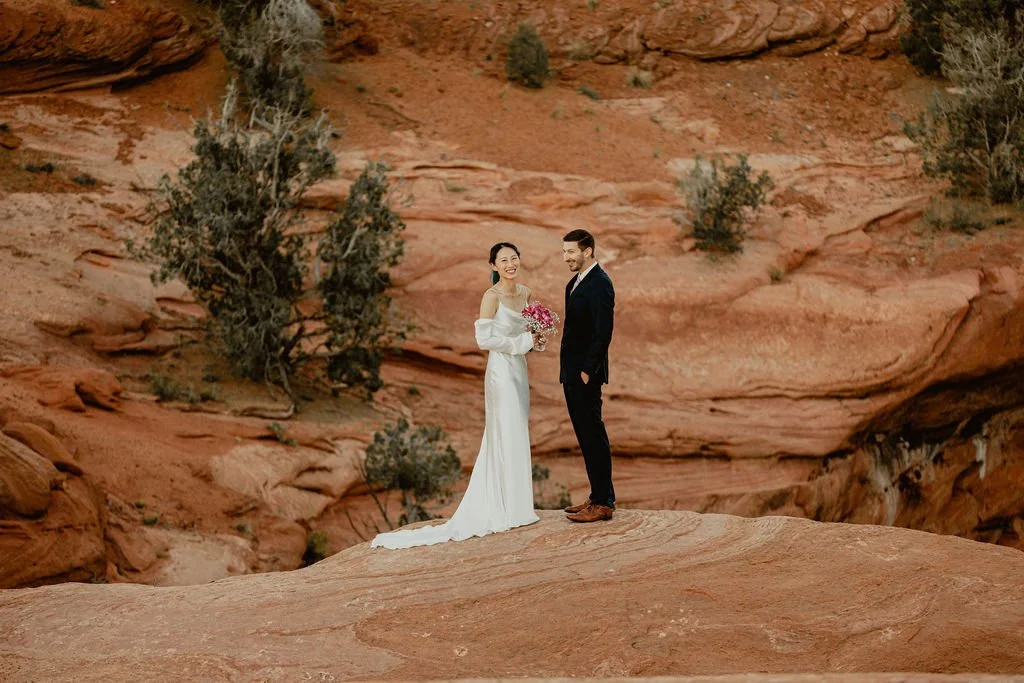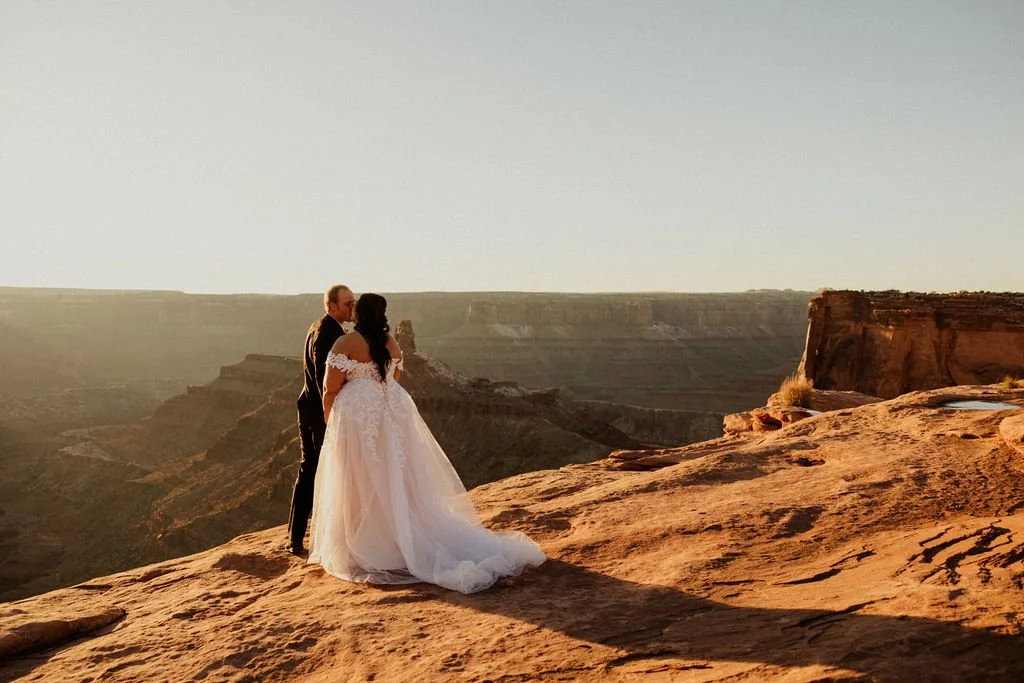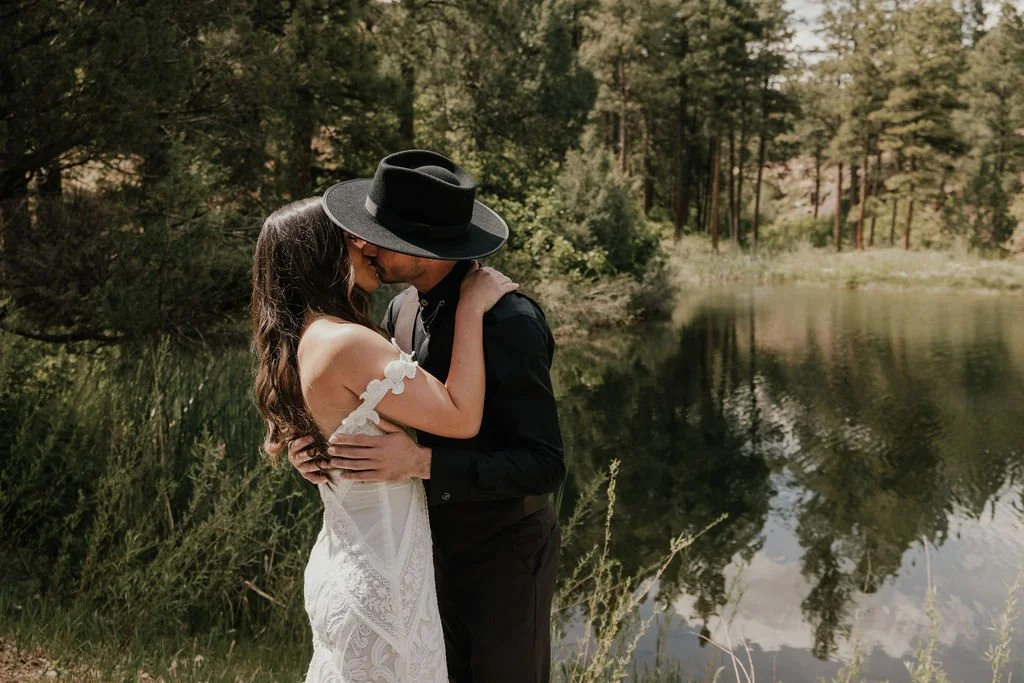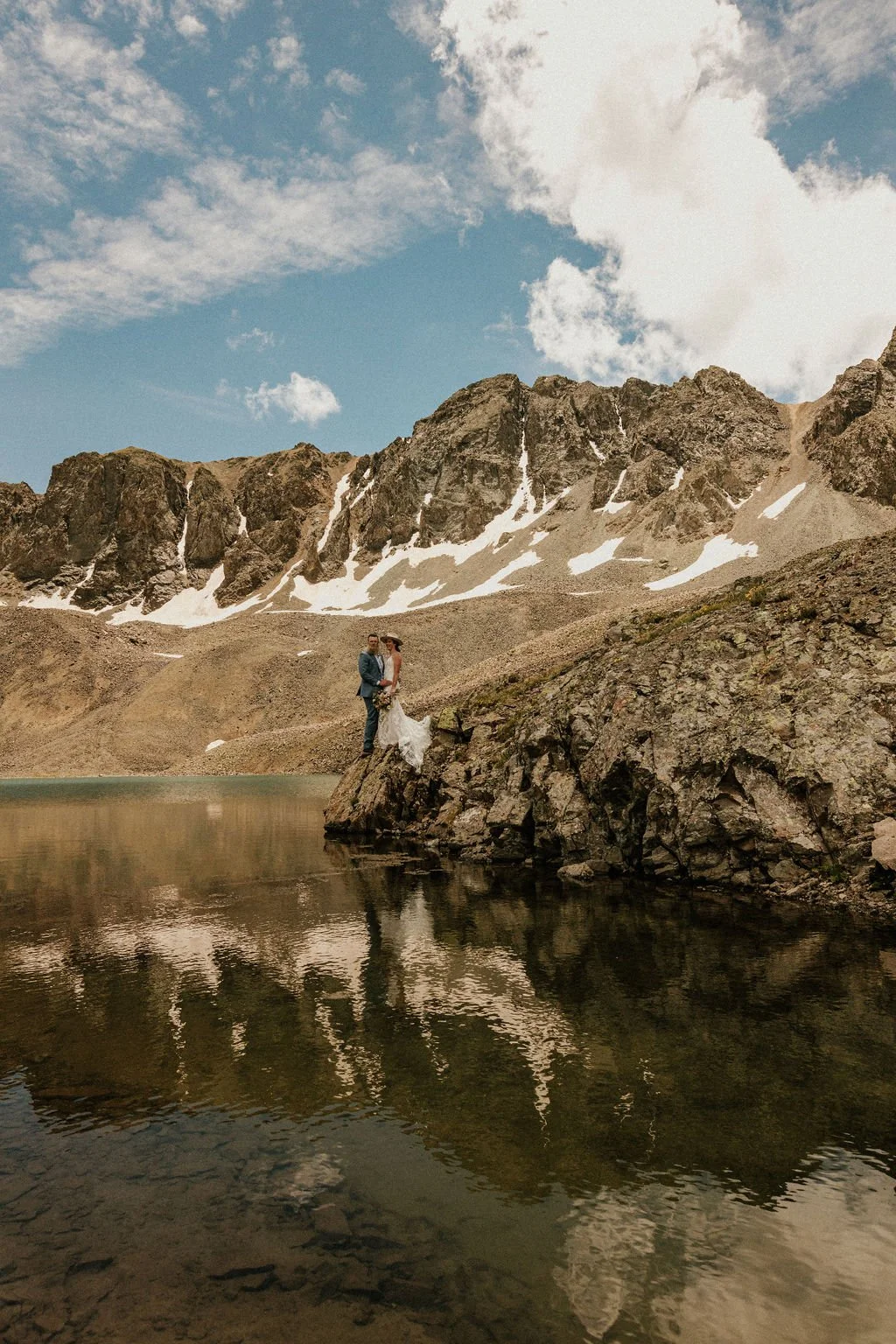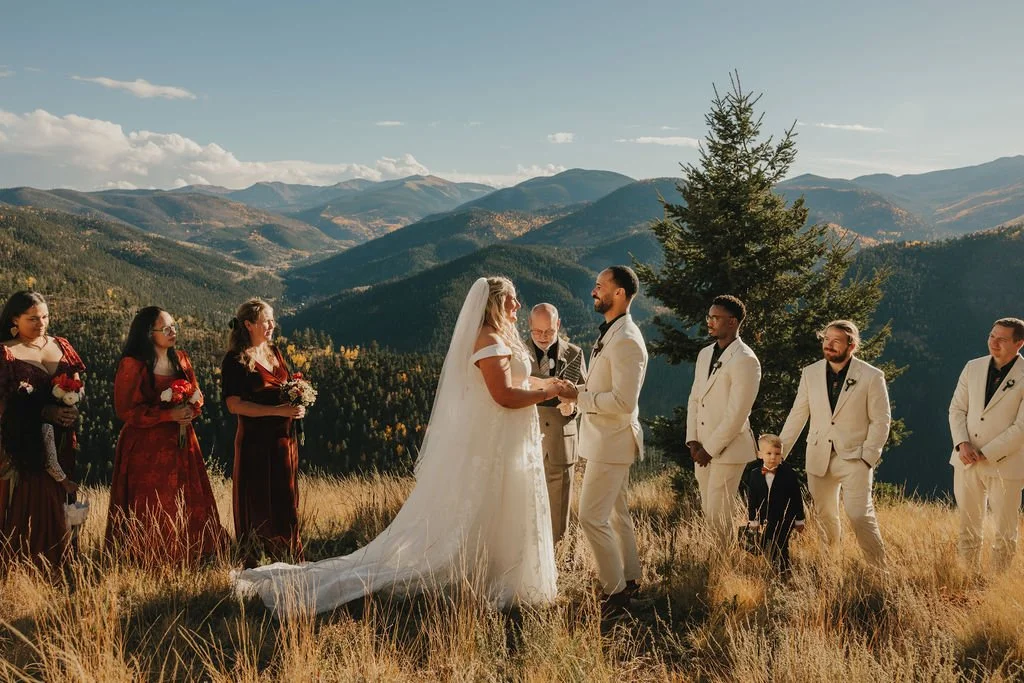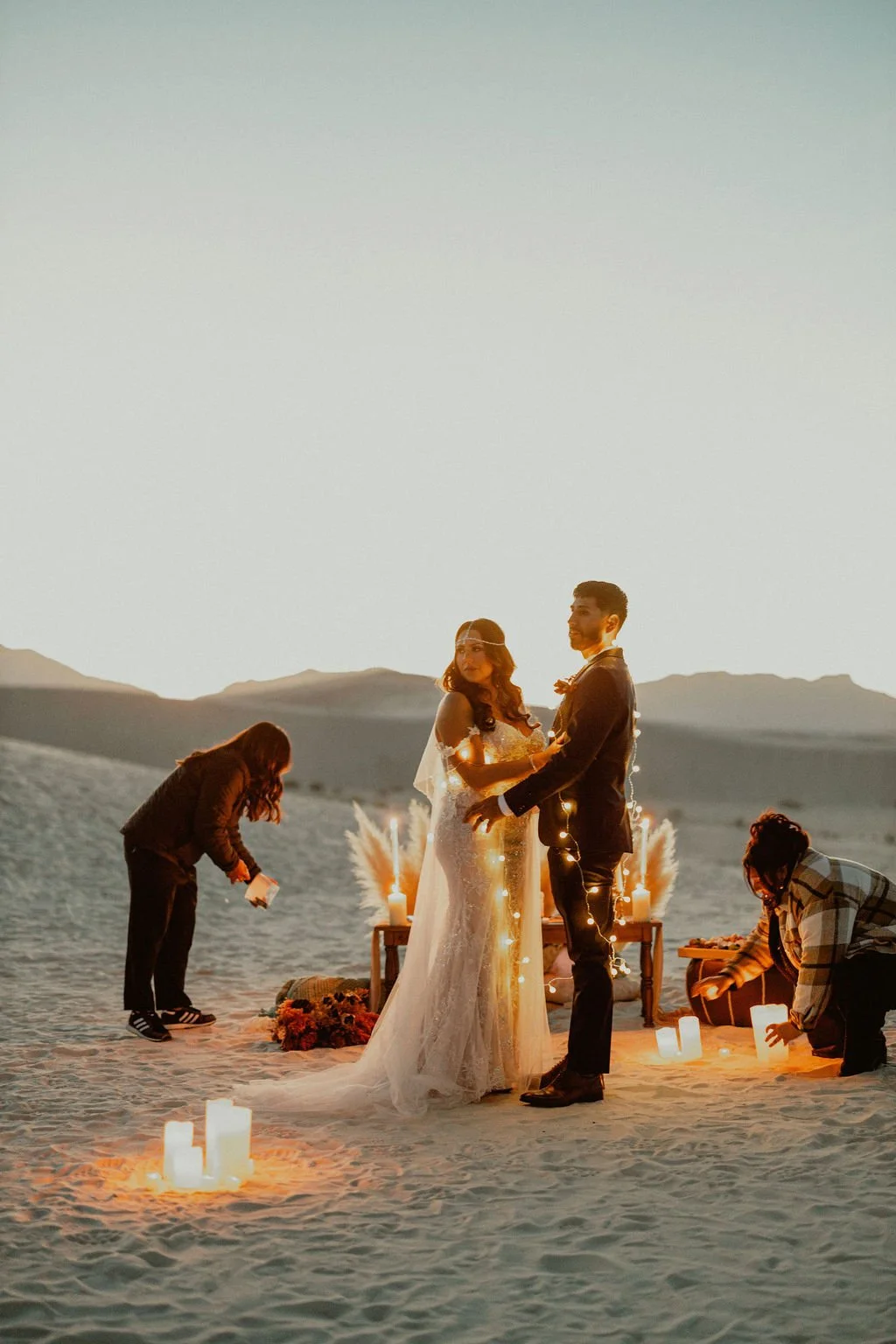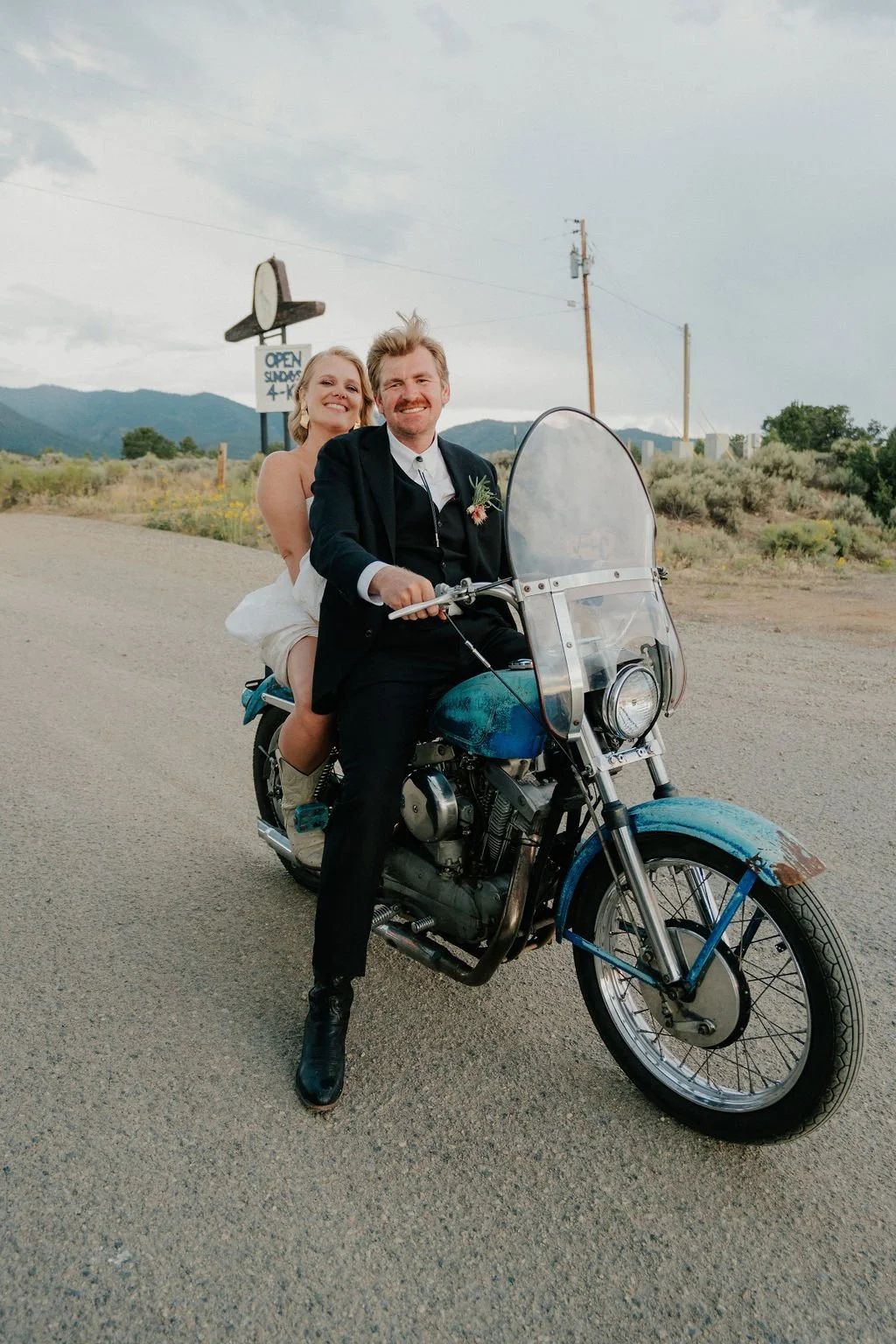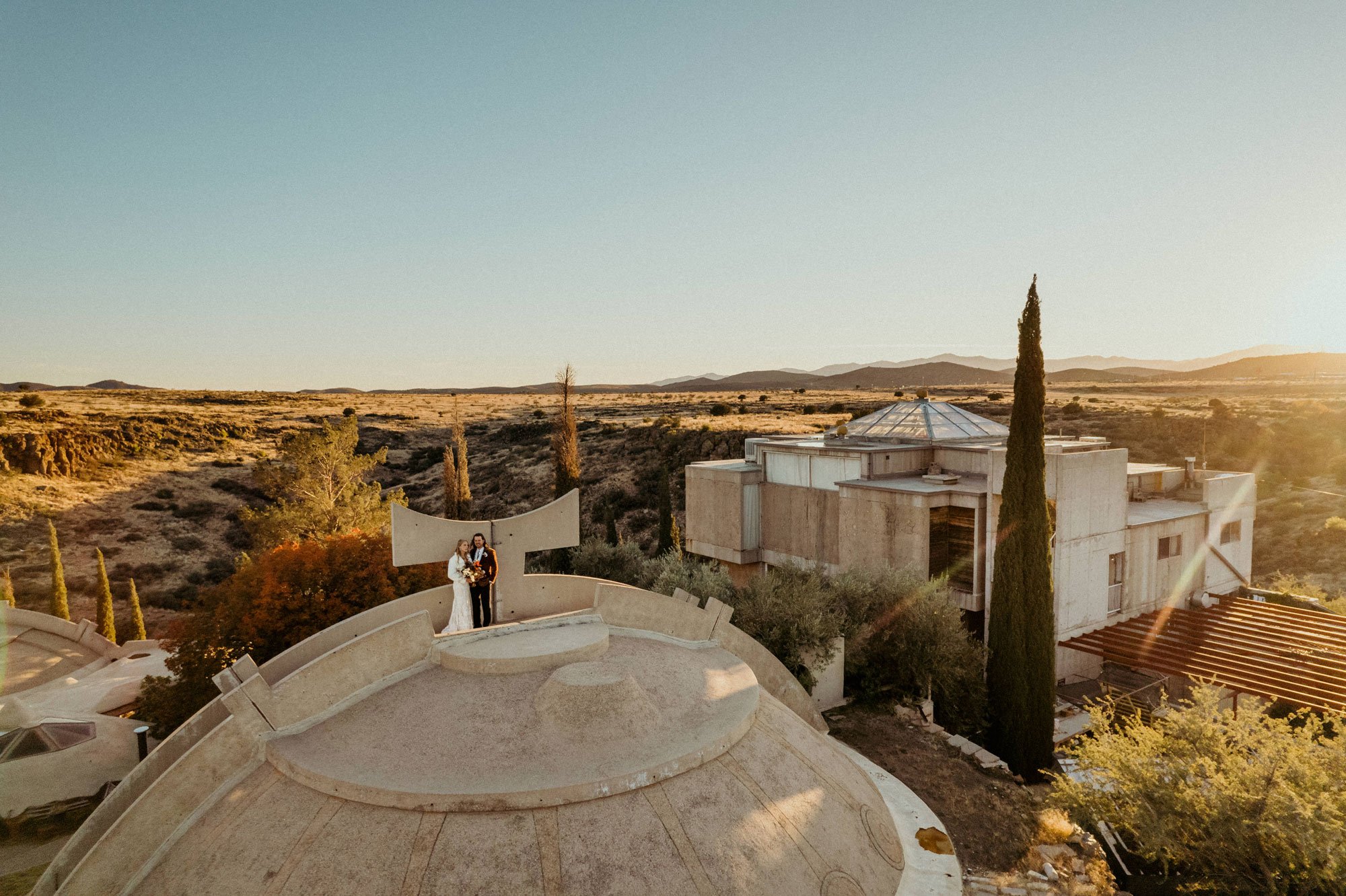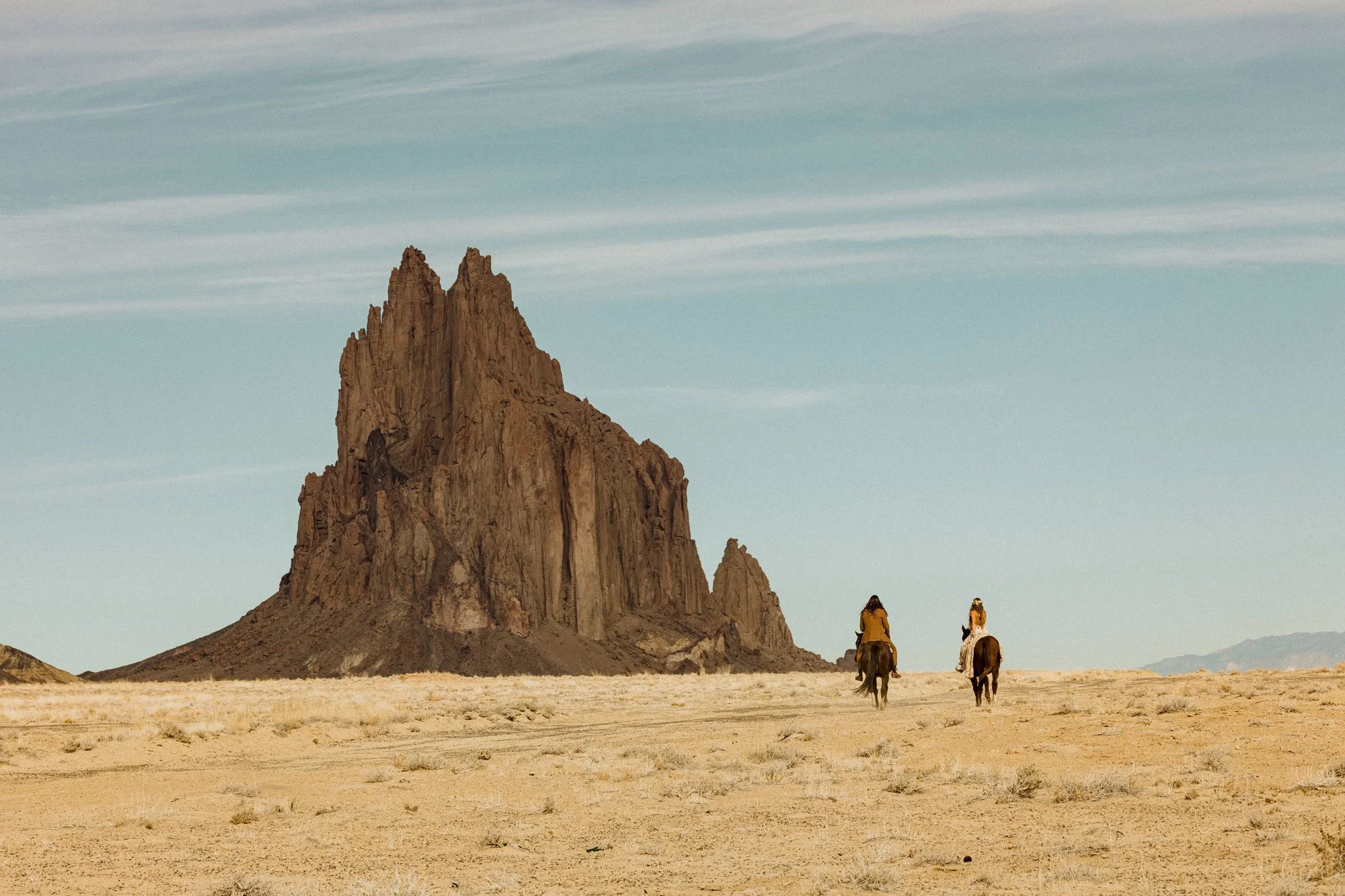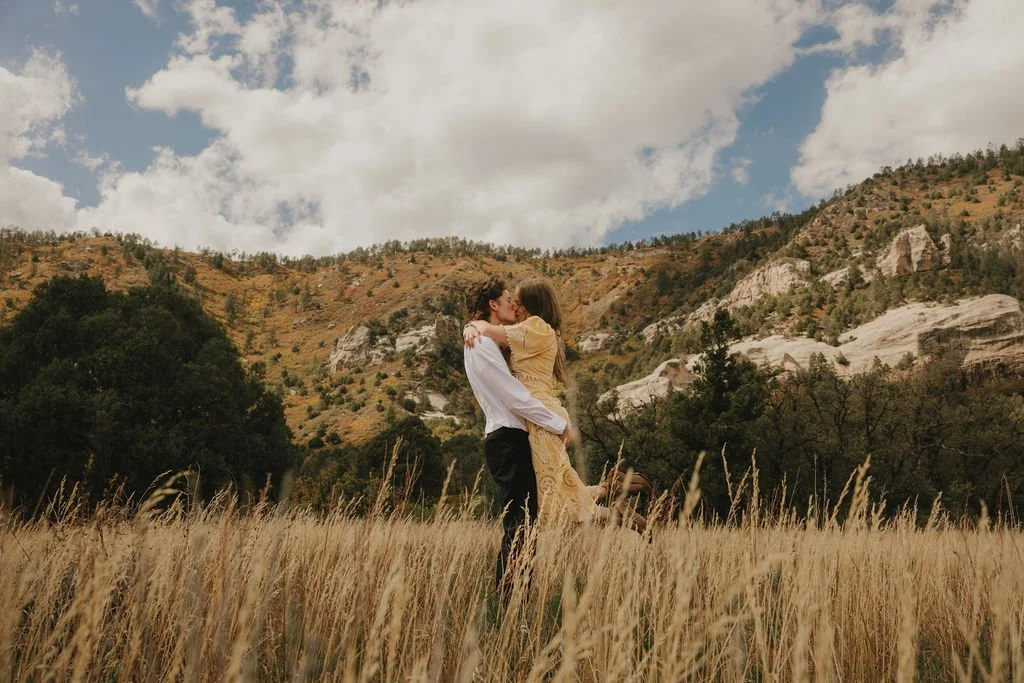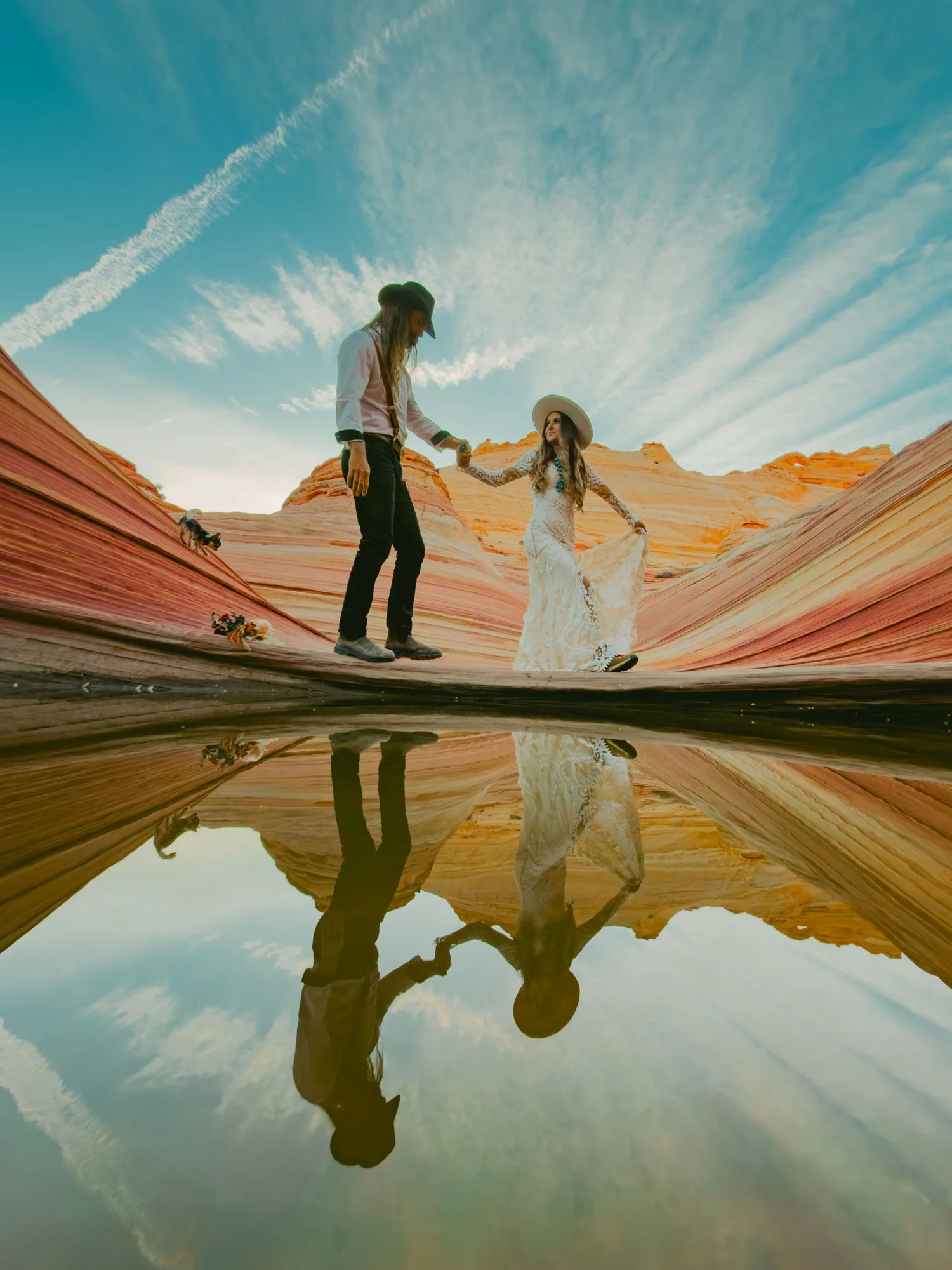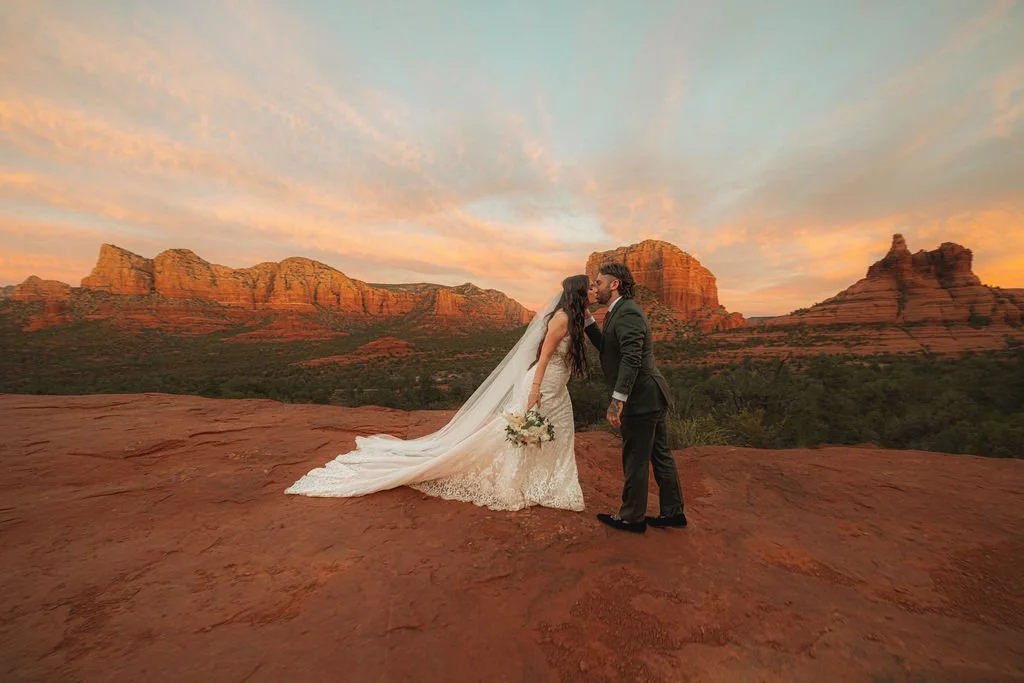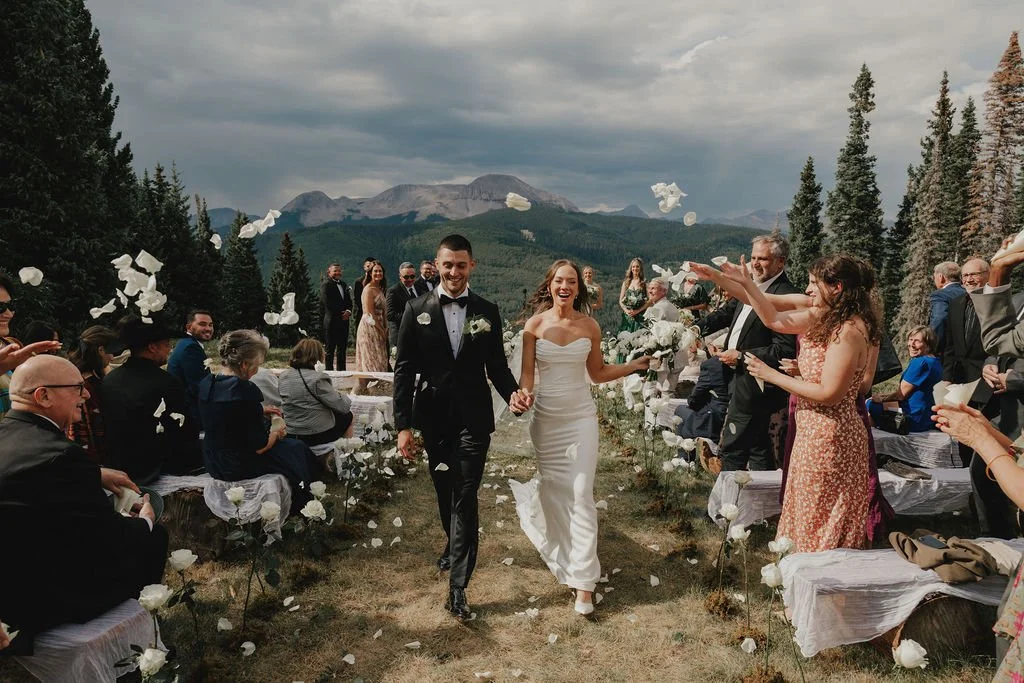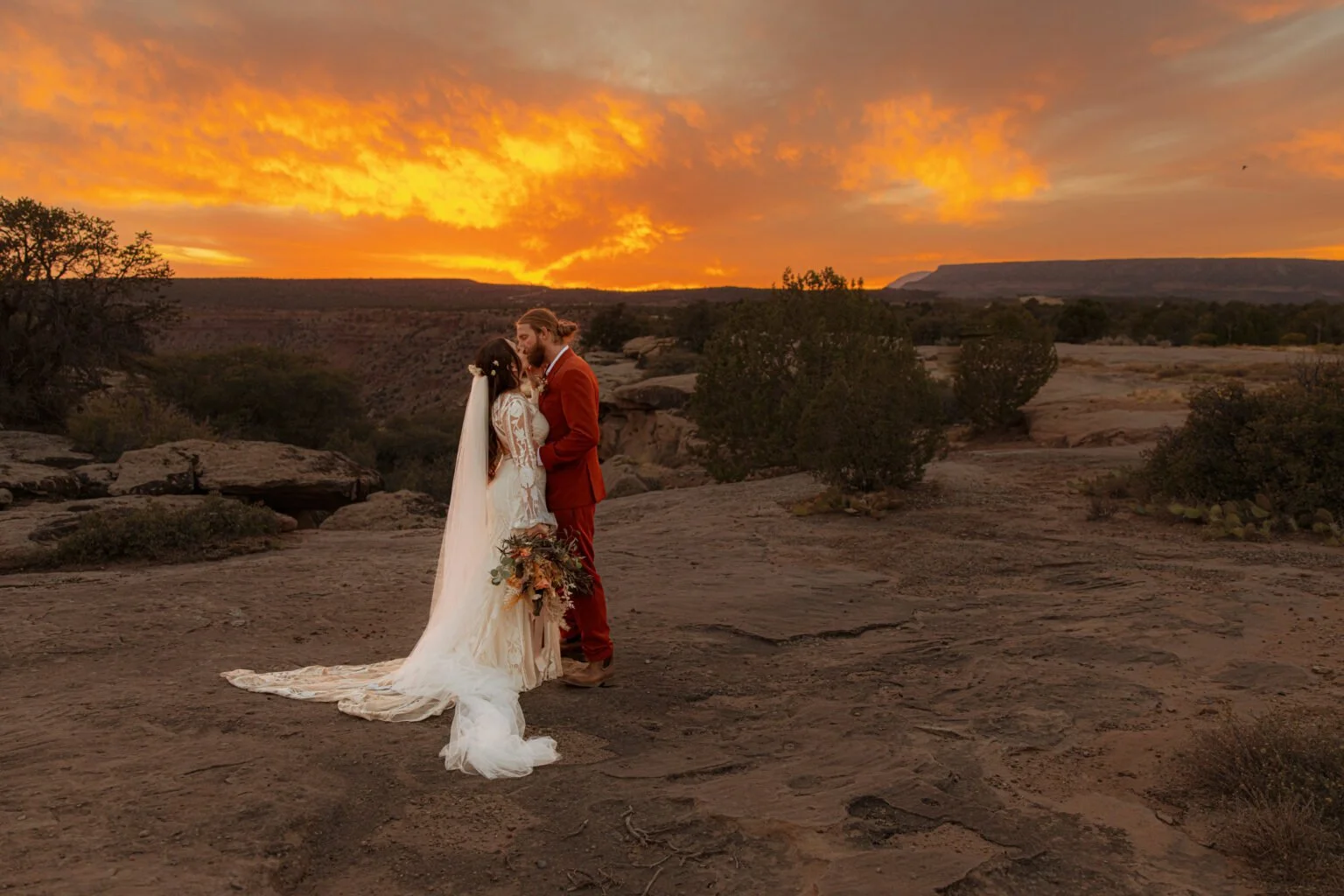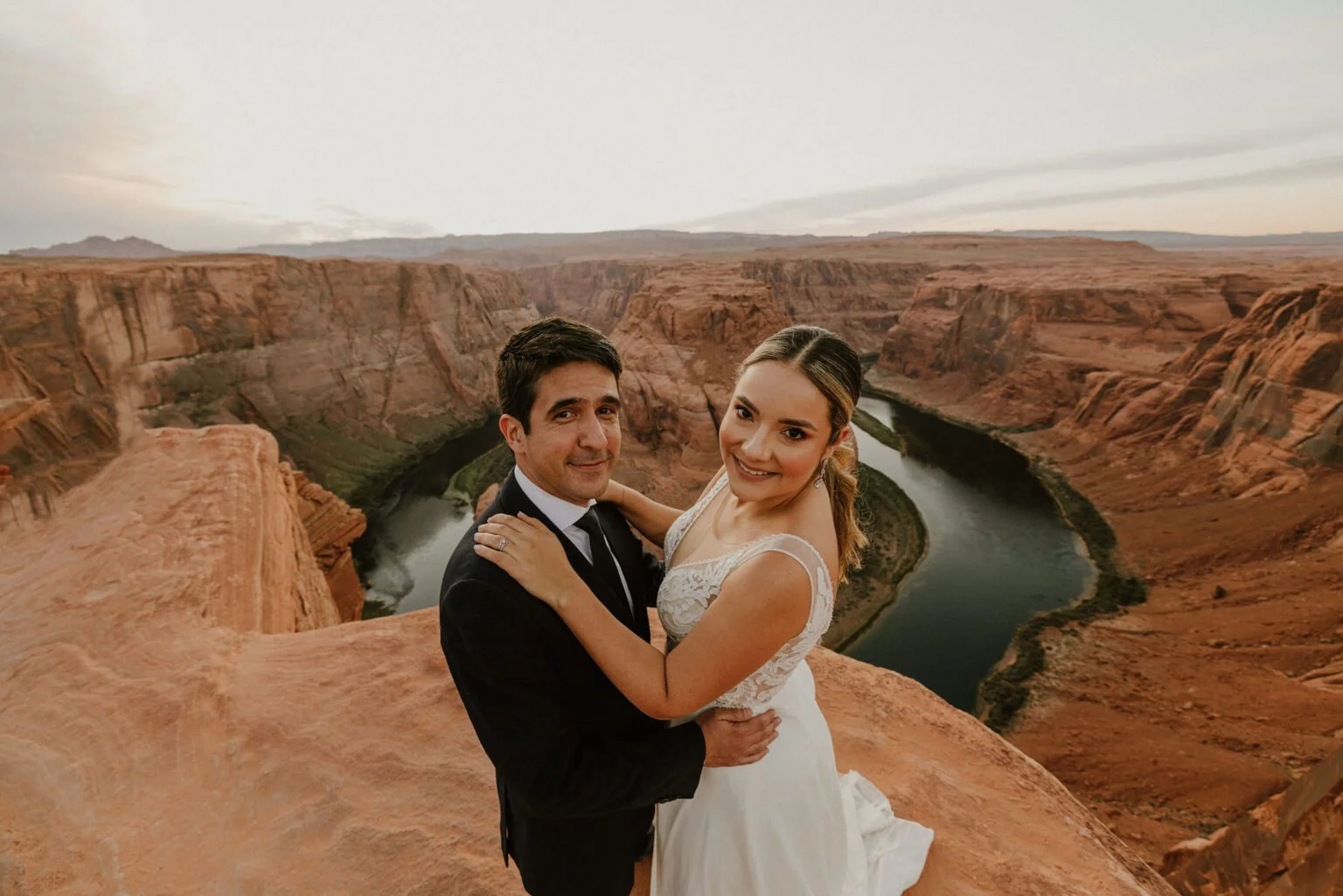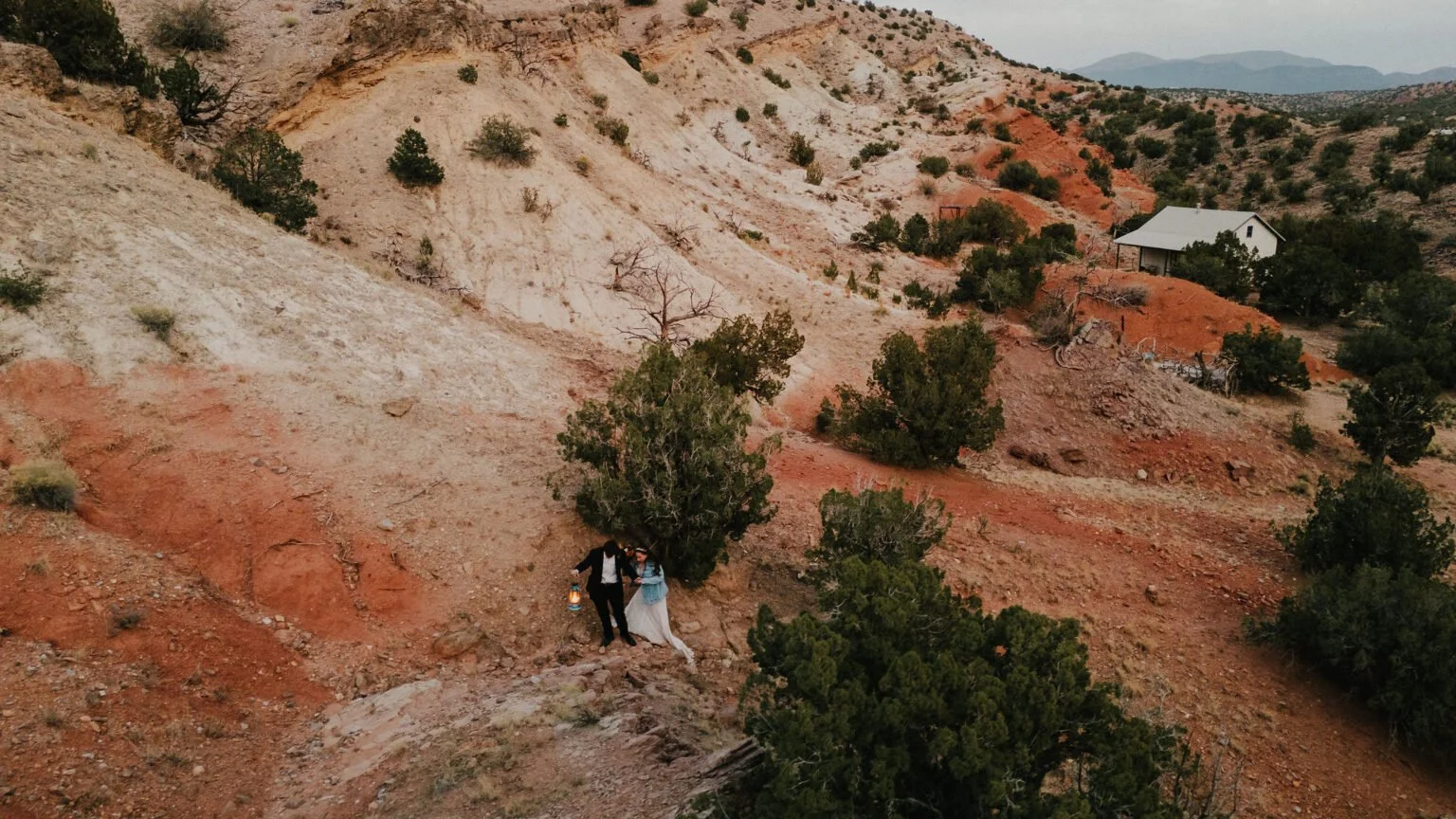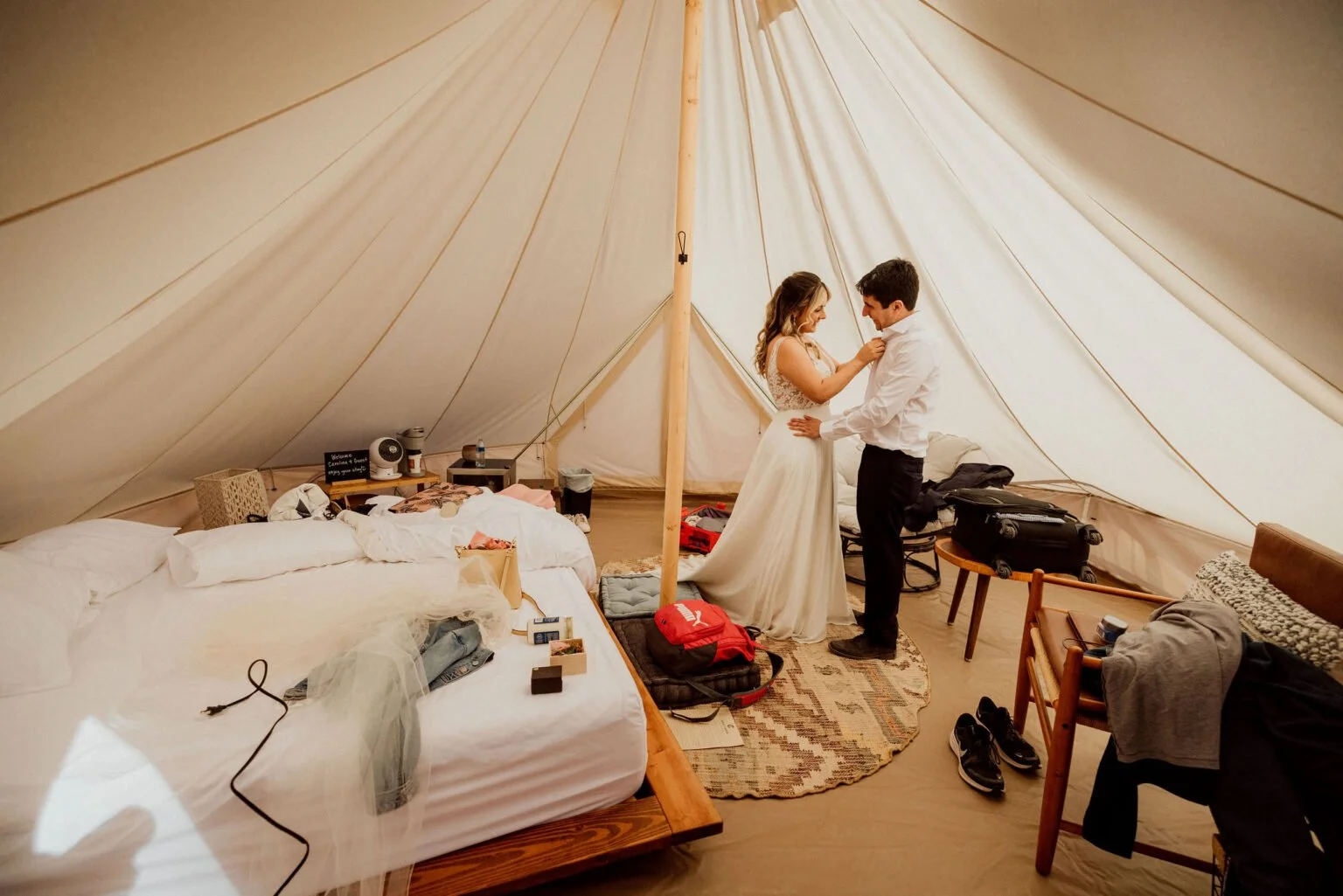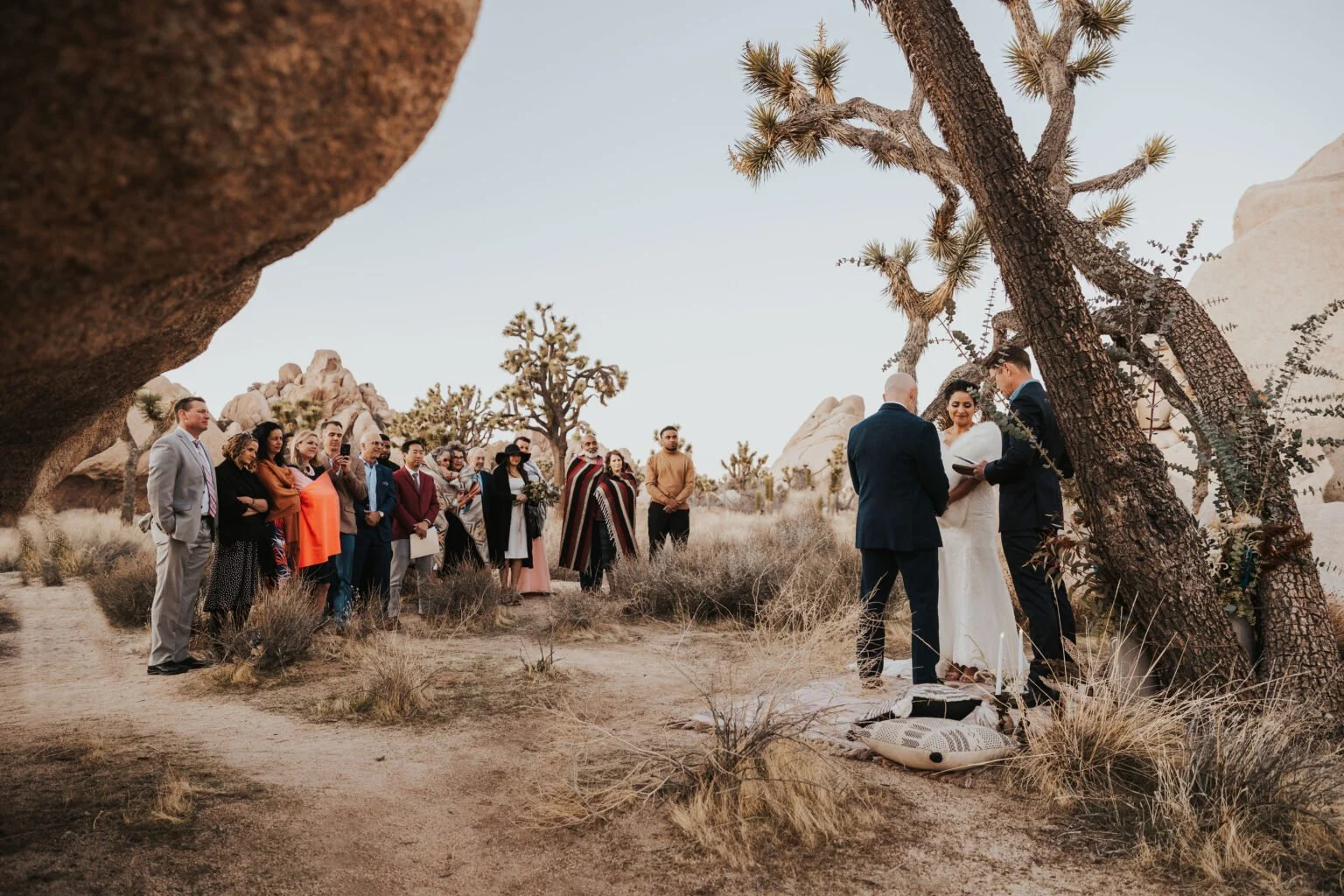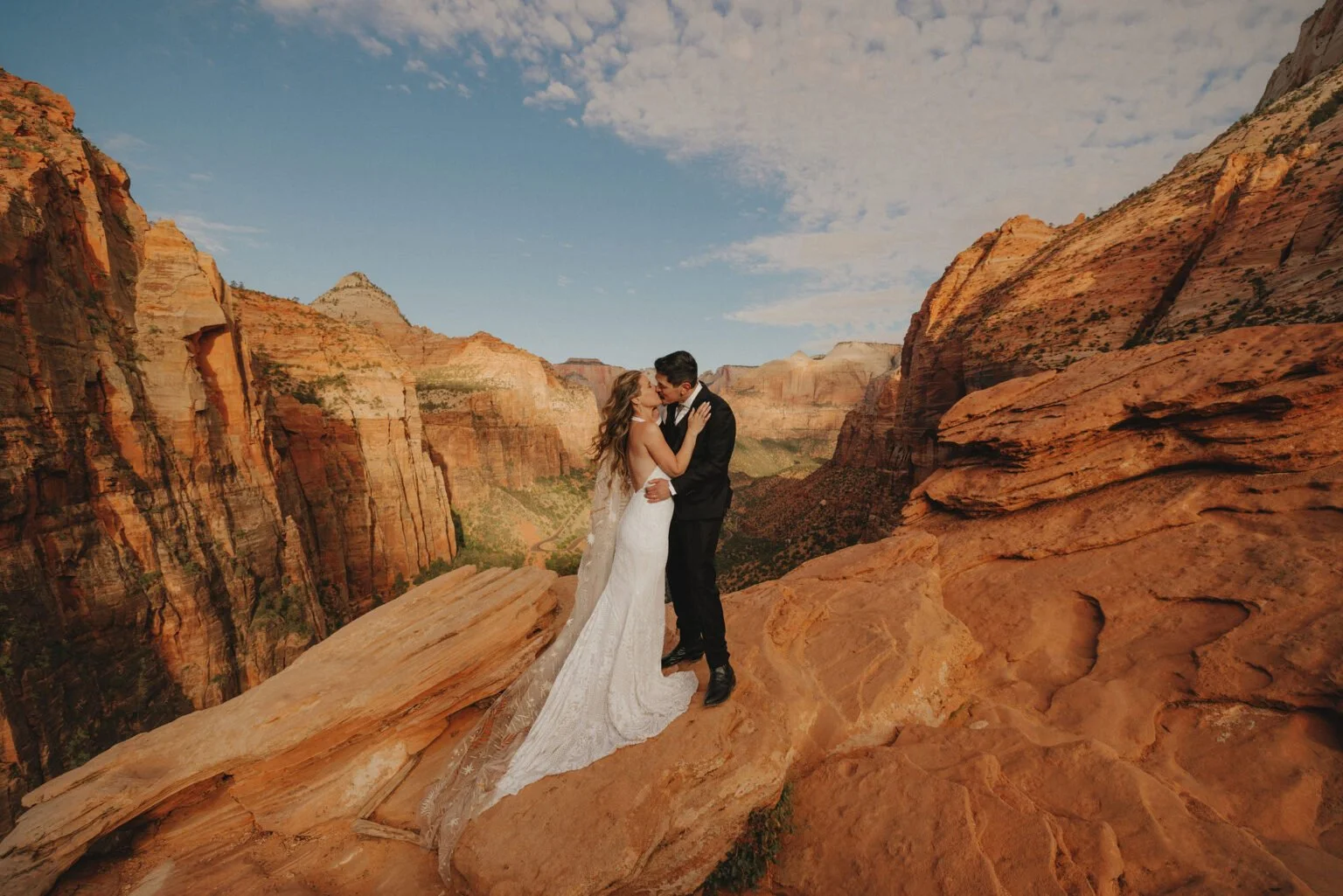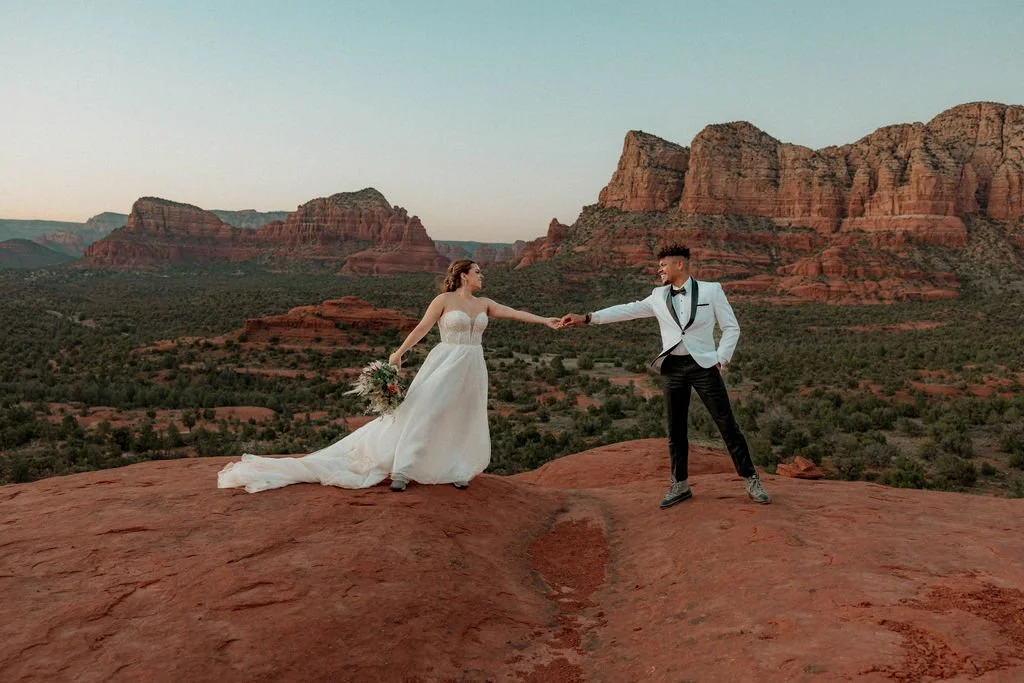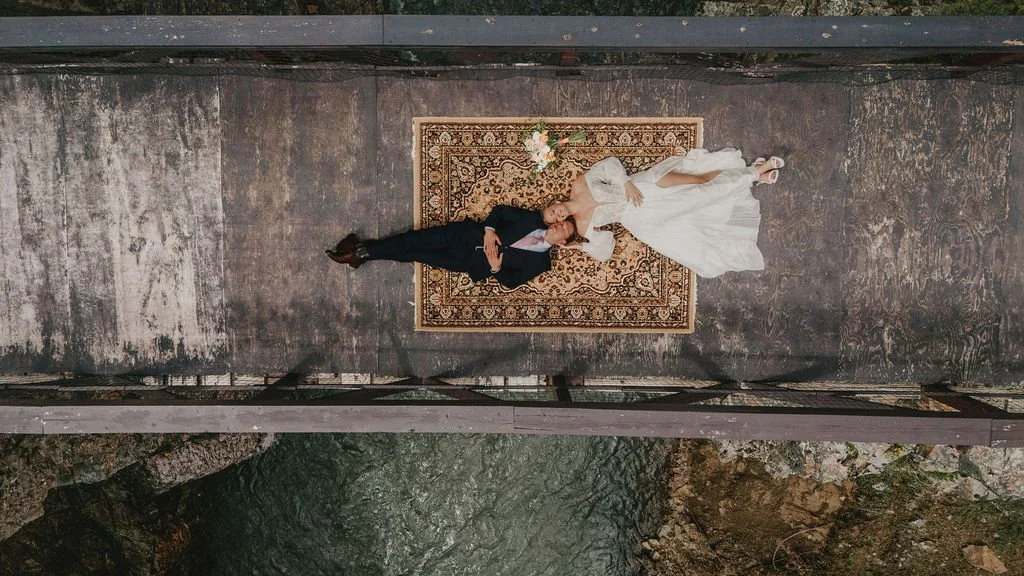
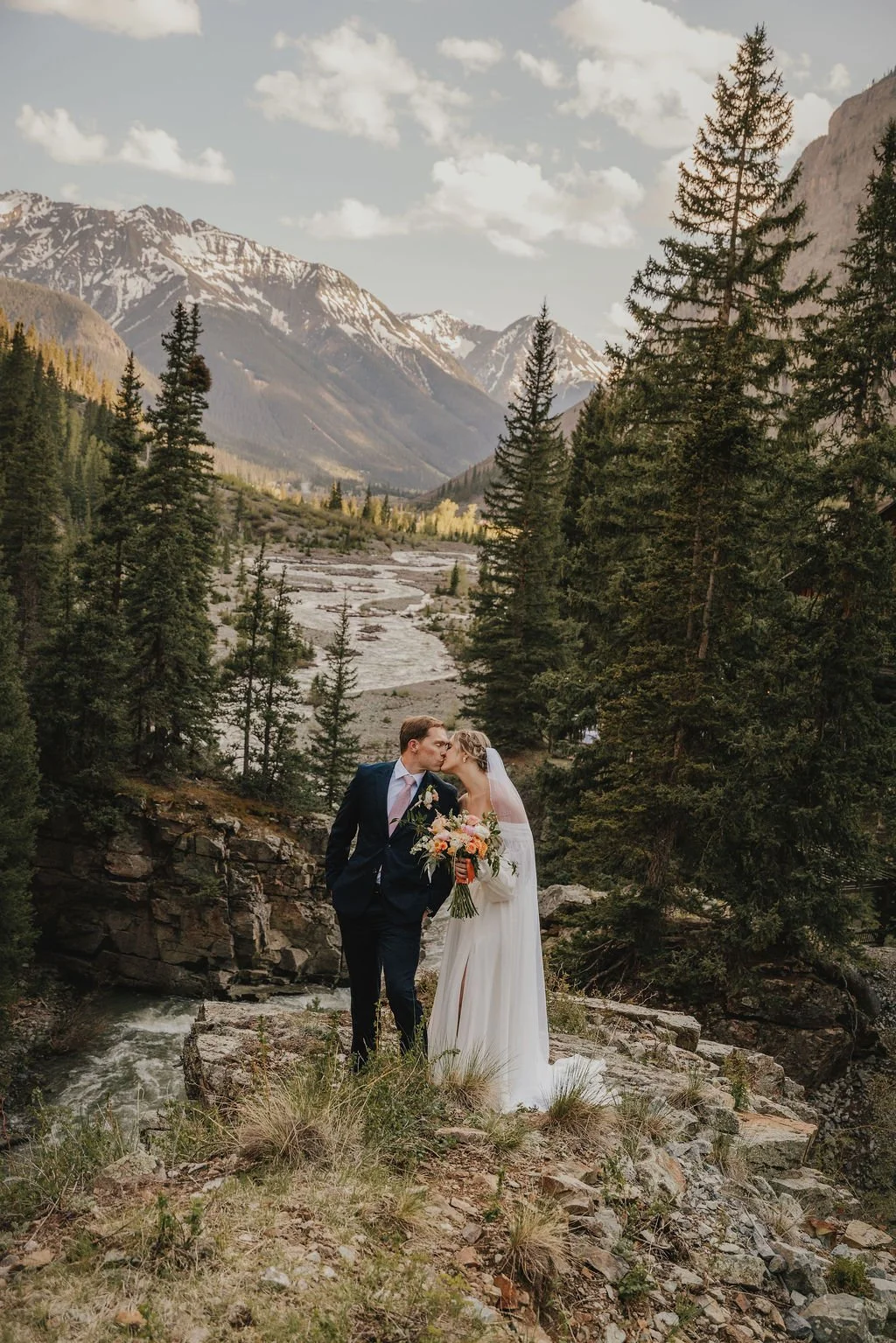
Shutterfreek is a Silverton, Colorado intimate wedding photographer specializing in small-guest-count ceremonies, two-person elopements, and micro-weddings set against the San Juan Mountains. Based in Colorado and working across the state’s alpine backcountry, Shutterfreek plans each Silverton wedding around real weather windows, light, and terrain, then delivers full-day storytelling coverage that holds up as a keepsake for decades. If you’re searching for a photographer who already knows Silverton’s trailheads, historic streets, and mountain passes rather than one learning the area on your wedding day, that local experience is the difference between generic photos and images that actually feel like Silverton.
Over more than a decade photographing weddings in remote Colorado locations, Shutterfreek has learned that intimate mountain weddings succeed or fail based on three things: timing around weather, choosing a location that matches the couple’s vision, and working with a photographer who can adapt quickly when a 13,000-foot pass throws a curveball. This guide walks through why Silverton has become one of Colorado’s most requested elopement and small-wedding destinations, which locations actually work logistically, what a day with Shutterfreek looks like, and how to plan the whole thing without guesswork.
Why Silverton Is One of Colorado’s Best Intimate Wedding Destinations
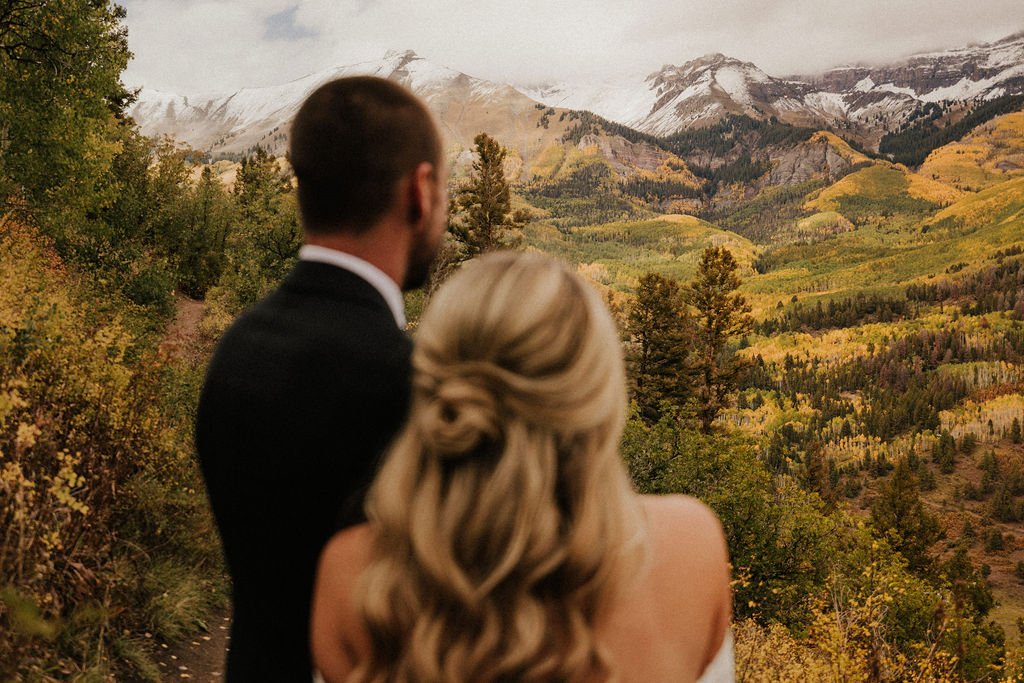
Silverton sits inside a box canyon at over 9,300 feet, surrounded by the San Juan Mountains, some of the most dramatic, least-crowded alpine terrain in the Lower 48. Unlike Telluride or Ouray, which see heavy tourist traffic, Silverton keeps a small-town, lived-in character: a historic Main Street, an active narrow-gauge railroad, and quick access to high alpine basins that most couples never knew existed until a local photographer put them there.
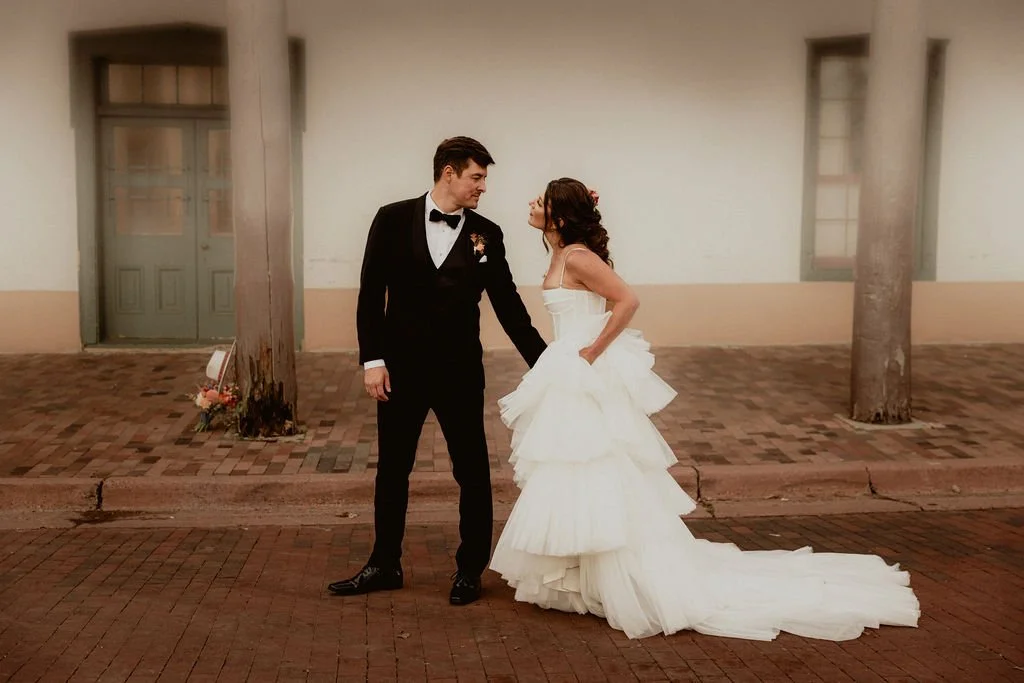
For couples planning an intimate wedding or elopement, that combination matters. A small guest list means you don’t need a venue that can seat 150 people, you need a location that photographs beautifully and that a dozen (or two) people can comfortably reach. Silverton offers both: walkable historic backdrops in town for golden-hour portraits, and 20–40 minute drives to alpine lakes, old mining structures, and wildflower basins for couples who want something wilder.
Three qualities keep coming up when couples explain why they chose Silverton specifically:
Privacy. Many of the best locations require a short hike or a high-clearance drive, which naturally filters out other tourists and wedding parties.
Variety in a small radius. You can shoot a ceremony at a 12,000-foot alpine lake and still be back in town for a sunset reception dinner the same evening.
Authenticity. Silverton hasn’t been built up around the wedding industry the way some Colorado towns have, so the backdrops still look like a real mountain town rather than a staged wedding set.
Intimate Wedding vs. Traditional Wedding: What Actually Changes in Silverton
Couples considering Silverton often aren’t sure whether they want a full elopement, a “micro-wedding,” or a scaled-down traditional wedding. The terrain and logistics shift depending on which direction you go, so here’s a direct comparison based on what Shutterfreek sees repeatedly planned in the field.
| Factor | Traditional Wedding (80–150 guests) |
Intimate Wedding / Elopement (2–30 guests) |
|---|---|---|
| Typical Silverton Venues | Indoor hall or lodge in town | Alpine trail, overlook, lake, or historic Main Street |
| Average Planning Timeline | 9–14 months | 2–6 months |
| Permits Needed | Often yes (event space + possible road closure) | Sometimes (National Forest/wilderness use permit depending on site) |
| Weather Flexibility | Limited — guests and vendors are booked for one date/location | High — couple and photographer can shift location or time within the day |
| Photography Coverage Style | Fixed schedule, formal group portraits, reception coverage | Adventure-style coverage, hiking with the couple, fewer but more personal images |
| Average Photography Session Length | 8–10 hours | 3–8 hours |
| Cost Range (Photography Only) | Typically higher due to longer hours and multiple locations | Lower hourly cost, though travel/hike time may apply |
The biggest practical takeaway: an intimate wedding or elopement in Silverton trades guest count for location flexibility. Couples who book an elopement package get to chase better light or better weather within the same day, something a 120-person wedding with a fixed reception time simply can’t do.
Best Silverton Locations for Intimate Ceremonies
Not every scenic spot near Silverton is realistic for a wedding ceremony, some require technical hiking, others have access restrictions, and a few are only viable for a few weeks each year. Below is a practical breakdown Shutterfreek uses when helping couples choose.
| Location | Scenery | Access | Best Season | Guest Capacity |
|---|---|---|---|---|
| Silverton Historic District | Victorian storefronts, train depot, mountain backdrop | Walkable, no permit required | June–September | 2–50+ |
| Ice Lake Basin | Turquoise alpine lake, wildflower meadows | Strenuous 7-mile round-trip hike | Mid-July–August | 2–10 |
| Red Mountain Pass Overlooks | Red-rock peaks, sweeping valley views | Short pullouts off US-550, easy access | June–October | 2–20 |
| Animas Forks (Ghost Town) | Abandoned mining structures, remote valley | High-clearance 4WD road, seasonal | July–September | 2–15 |
| Molas Pass / Molas Lake | Lake with forested peaks, open meadows | Easy roadside access | June–September | 2–30 |
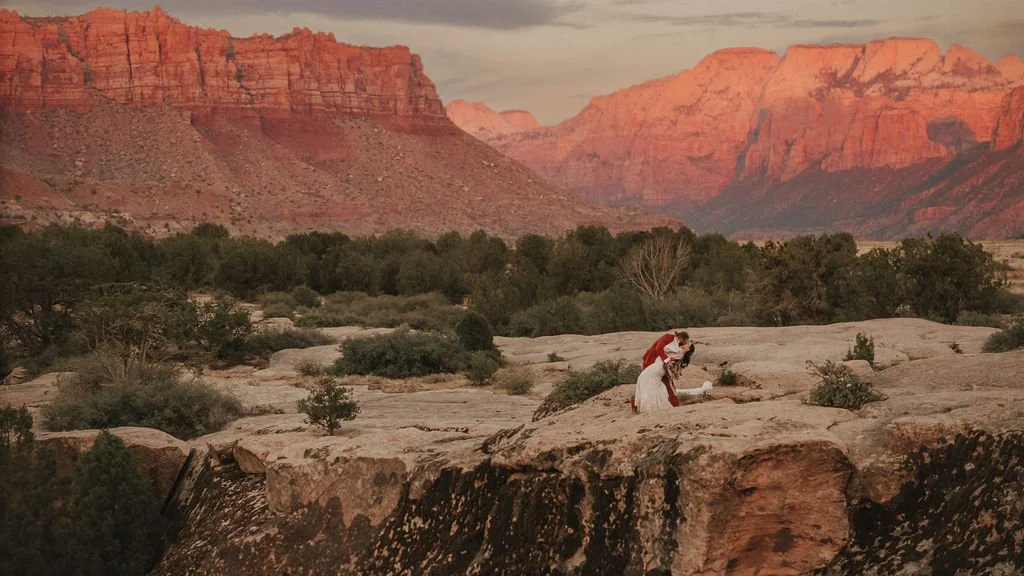
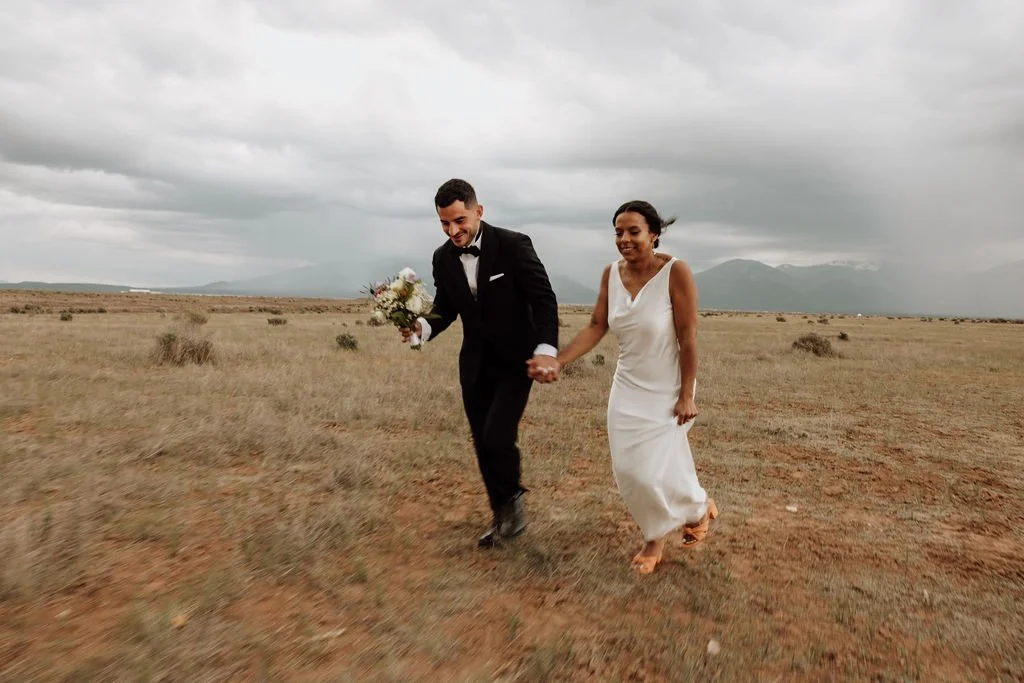
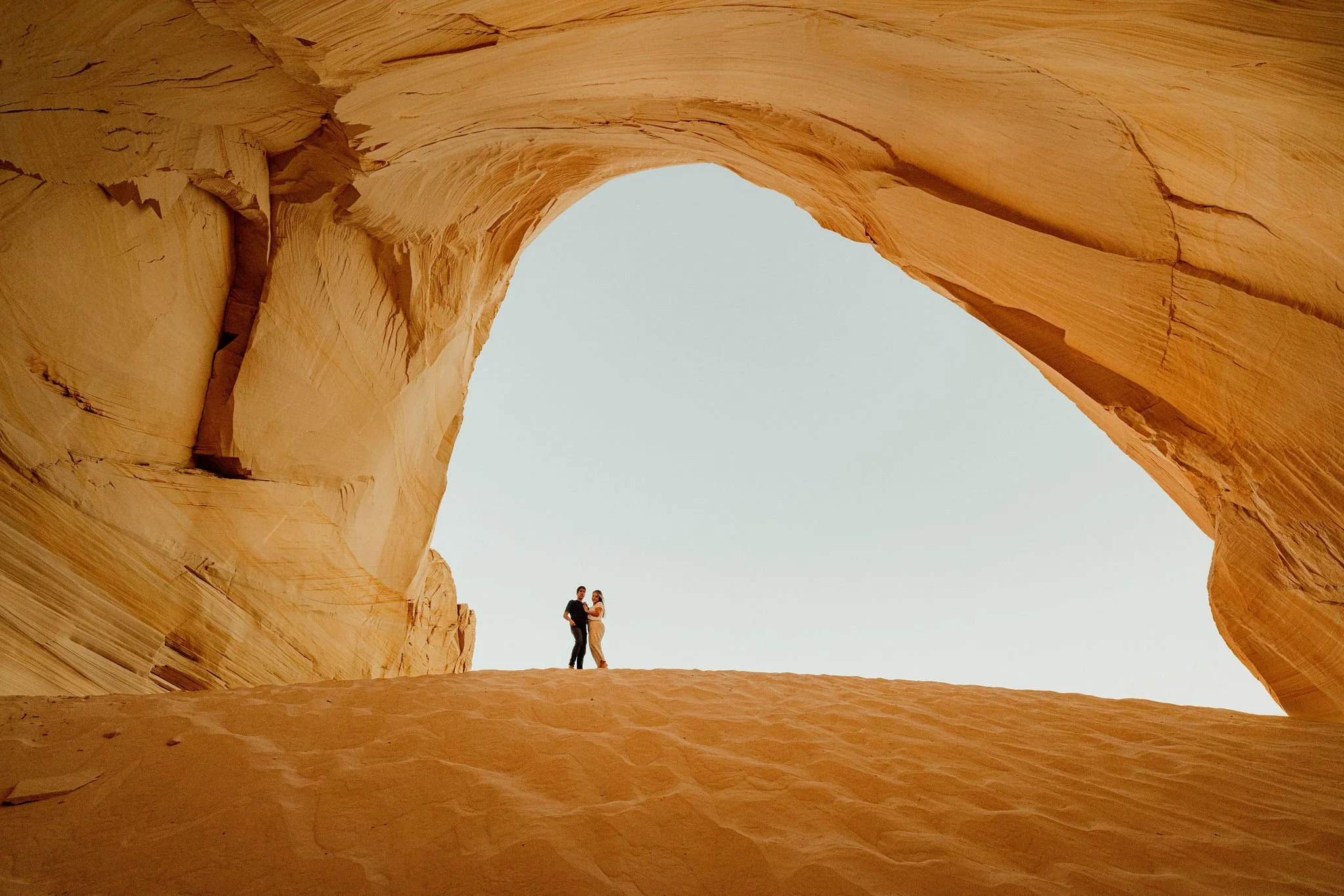
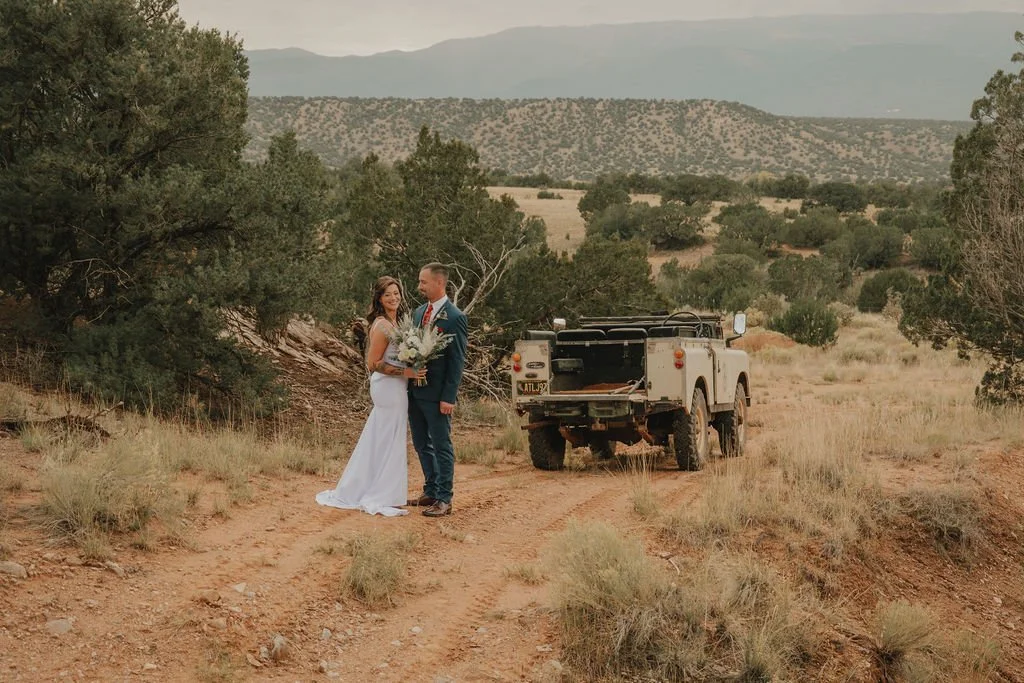
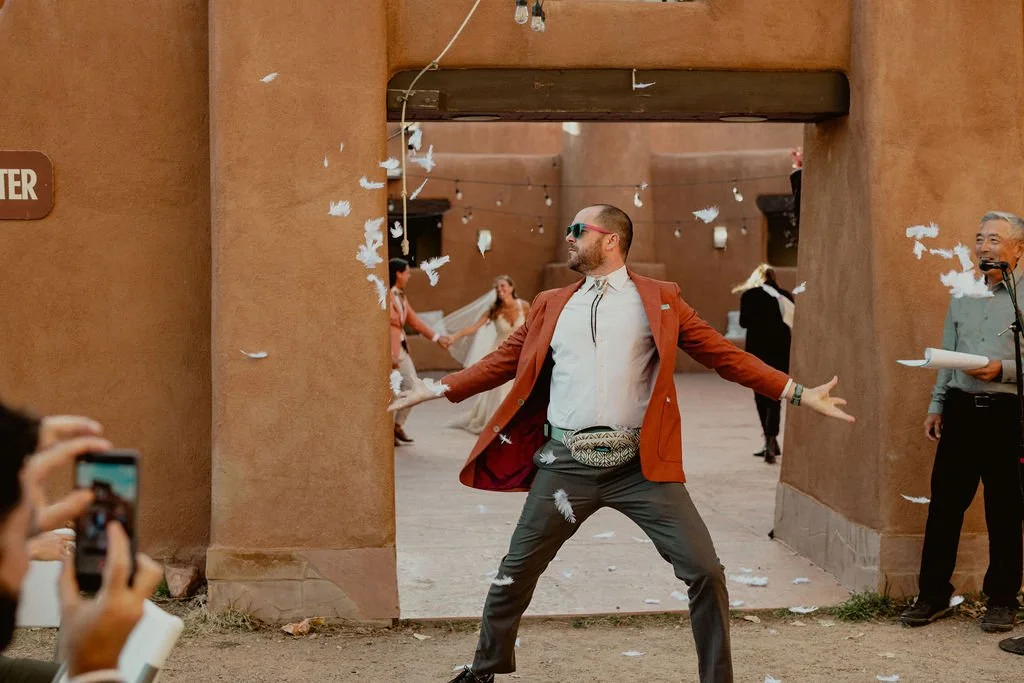
Couples chasing a more technical alpine-lake elopement similar to Ice Lake Basin often ask whether Shutterfreek covers comparable terrain outside Colorado. The team also regularly shoots Utah adventure elopements in the desert canyon country and New Mexico adventure elopements across high-desert mesas, for couples weighing a Southwest location against Colorado’s alpine terrain.
What to Expect From a Day With Shutterfreek
Experience matters most on a mountain wedding day because conditions change fast, afternoon thunderstorms are routine in the San Juans from June through August. Shutterfreek builds every Silverton wedding timeline around that reality rather than fighting it.
A typical day looks like this:
Pre-dawn or early-morning start for couples hiking to a remote location, to beat both crowds and afternoon weather.
Getting-ready and detail coverage, usually in town or at a rented cabin/lodge.
First look and private vow exchange at the chosen ceremony site.
Portrait session using the surrounding terrain — this is where most of the signature images come from.
Optional second location or town-based sunset session, weather permitting.
Final gallery delivery, typically within 4–6 weeks, including both full-resolution images and an edited highlight set.
Because Shutterfreek has spent years scouting and returning to this specific region, timeline decisions on the day, like swapping an exposed ridge ceremony for a sheltered meadow when storms roll in, are made from direct field experience, not guesswork. That local, repeated experience in the San Juan Mountains is exactly the kind of first-hand expertise search engines and couples alike are looking for when evaluating a wedding photographer’s trustworthiness.
Planning Your Silverton Elopement or Small Wedding
A few practical steps make a significant difference in how smoothly a Silverton wedding day runs:
Book your photographer first, then build around their availability. Because Silverton weddings depend heavily on light and weather, the photographer’s schedule often dictates the best ceremony time, not the other way around.
Check permit requirements early. Ceremonies inside National Forest land or certain trail systems may require a special-use permit; this should be confirmed months in advance, not the week of the wedding.
Plan a backup location. Afternoon storms are common in summer. A strong elopement plan always has a Plan B site that’s lower-elevation or more sheltered.
Factor in altitude. At 9,300+ feet in town and higher on surrounding trails, guests unaccustomed to elevation should arrive a day or two early.
Decide guest logistics before the location. A 4WD-only site like Animas Forks works for 2–4 people; a 20-person guest list needs a location with real road access, like Molas Lake or the historic district.
Couples comparing Silverton against other mountain-elopement destinations sometimes ask how it stacks up against options further west or south. For those exploring red-rock or desert terrain instead of alpine basins, Shutterfreek’s broader elopement portfolio covers that range directly, alongside the dedicated Utah and New Mexico guides linked above.
Shutterfreek Silverton Wedding Packages
Most couples want to know what’s actually covered before reaching out. While every package can be customized, a standard Silverton intimate wedding collection with Shutterfreek generally includes:
Pre-wedding planning call to scout and confirm location, timeline, and weather contingency
3–8 hours of on-site photography coverage (duration depends on hike length and ceremony complexity)
Full edited digital gallery delivered online
Print release for personal use
Optional add-ons: second photographer, drone coverage where permitted, and printed album design
Couples planning a hike-in ceremony should also budget extra time beyond the ceremony itself, travel to and from remote trailheads is typically the single biggest variable in how long a Silverton elopement day actually runs.
Final Thoughts
Silverton offers something increasingly rare in Colorado wedding photography: real alpine wilderness paired with a historic town that hasn’t been over-commercialized for weddings. Whether the plan is a two-person hike-in elopement at Ice Lake Basin or a 25-guest ceremony on Main Street followed by a sunset session at Molas Lake, the location rewards couples who plan around weather, altitude, and access rather than against them.
Shutterfreek brings direct, repeated field experience in this exact terrain, not a one-time visit, which is what turns a Silverton wedding day into a gallery that actually reflects the mountains the couple chose to get married in. For couples also weighing desert Southwest terrain, the same team’s Utah adventure elopement and New Mexico adventure elopement coverage offers a direct comparison point before deciding between alpine Colorado and red-rock terrain.
Frequently Asked Questions
-
Silverton combines walkable historic-town backdrops with quick access to high alpine lakes, passes, and ghost towns, all within a small radius. That variety lets couples get both a classic mountain-town portrait and a remote wilderness ceremony on the same day, without the crowds found in busier Colorado resort towns.
-
It depends heavily on location. Roadside spots like Molas Lake or the historic district can comfortably host 20–50 guests, while hike-in locations such as Ice Lake Basin or 4WD-access sites like Animas Forks are best kept to 2–10 people due to trail difficulty and limited space.
-
Mid-June through September is the primary window, since many high-elevation trails and passes are snow-free only during these months. July and August bring wildflowers but also a higher chance of afternoon thunderstorms, so morning ceremonies are generally recommended.
-
It depends on the exact site. Ceremonies on public National Forest land, particularly at popular trail-accessible locations, may require a special-use permit obtained in advance. Roadside and in-town locations typically don’t require one, but it’s worth confirming with local land management offices before finalizing your location.
-
Most couples book 2–6 months ahead for an intimate wedding or elopement, though peak summer weekends (July–August) can fill faster. Earlier booking also gives more flexibility to plan around weather and secure any required permits.
Keep reading