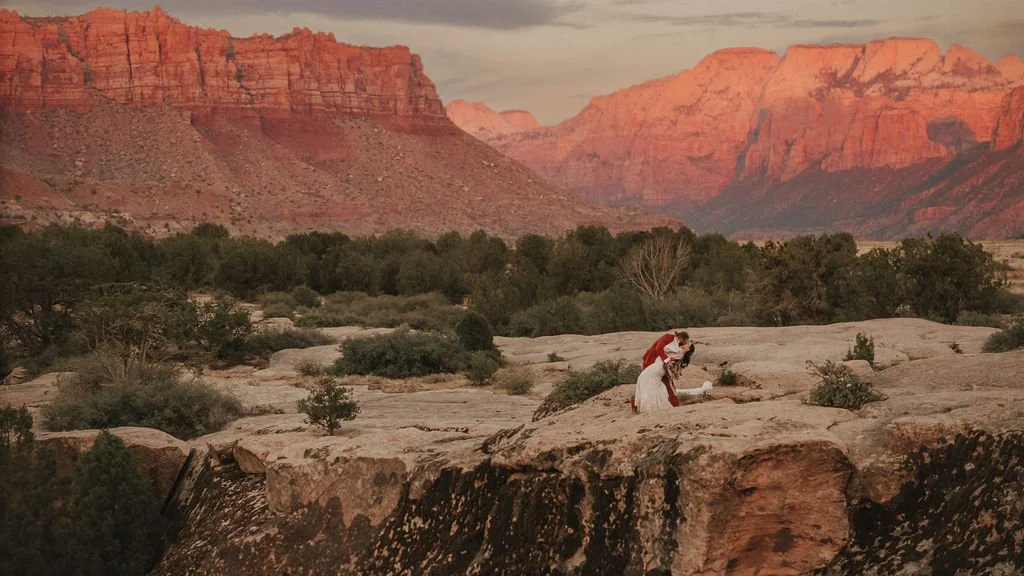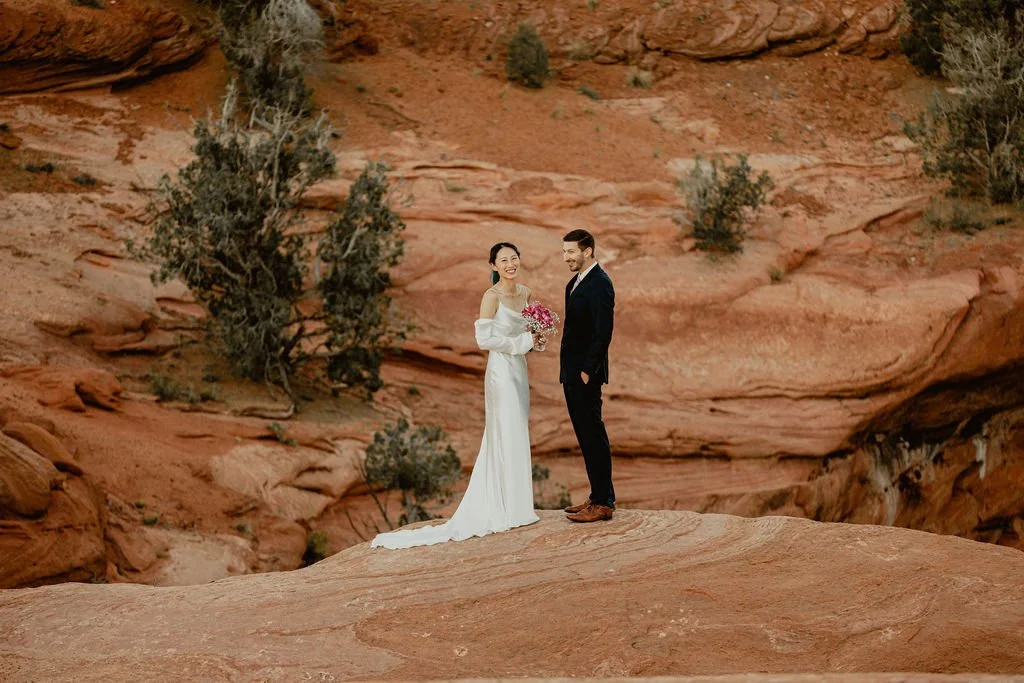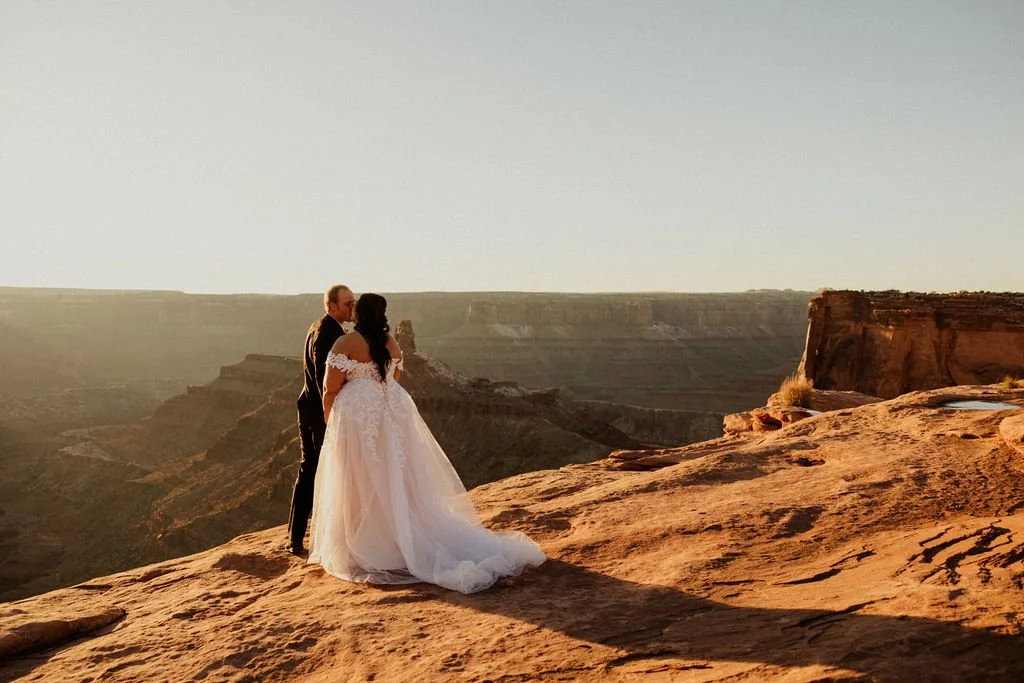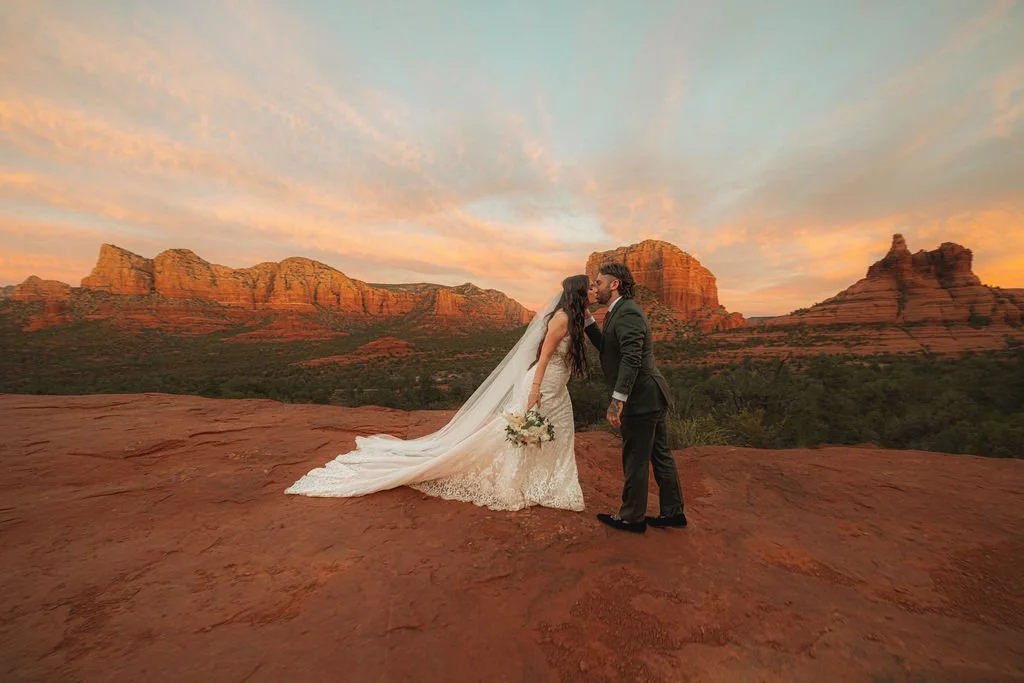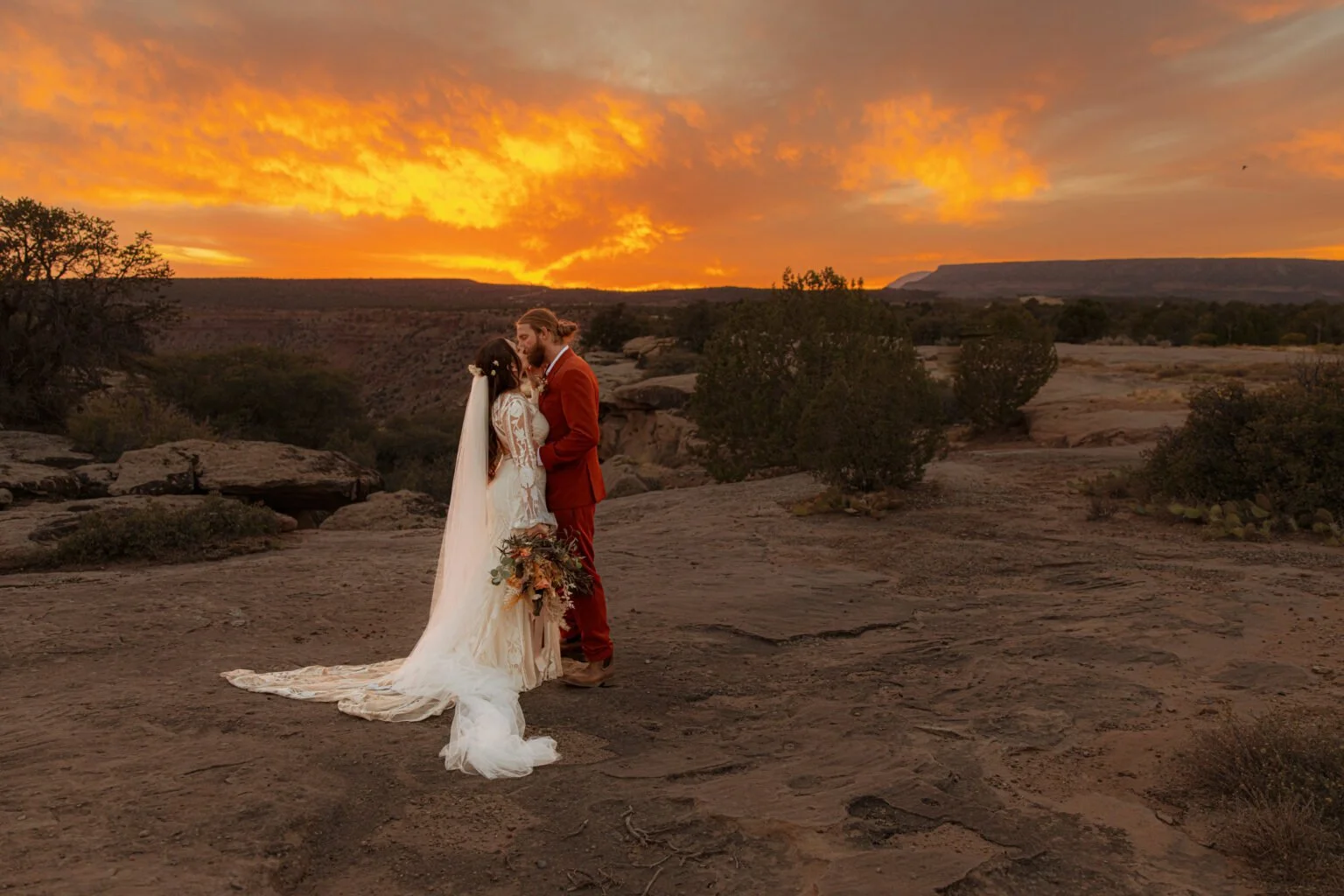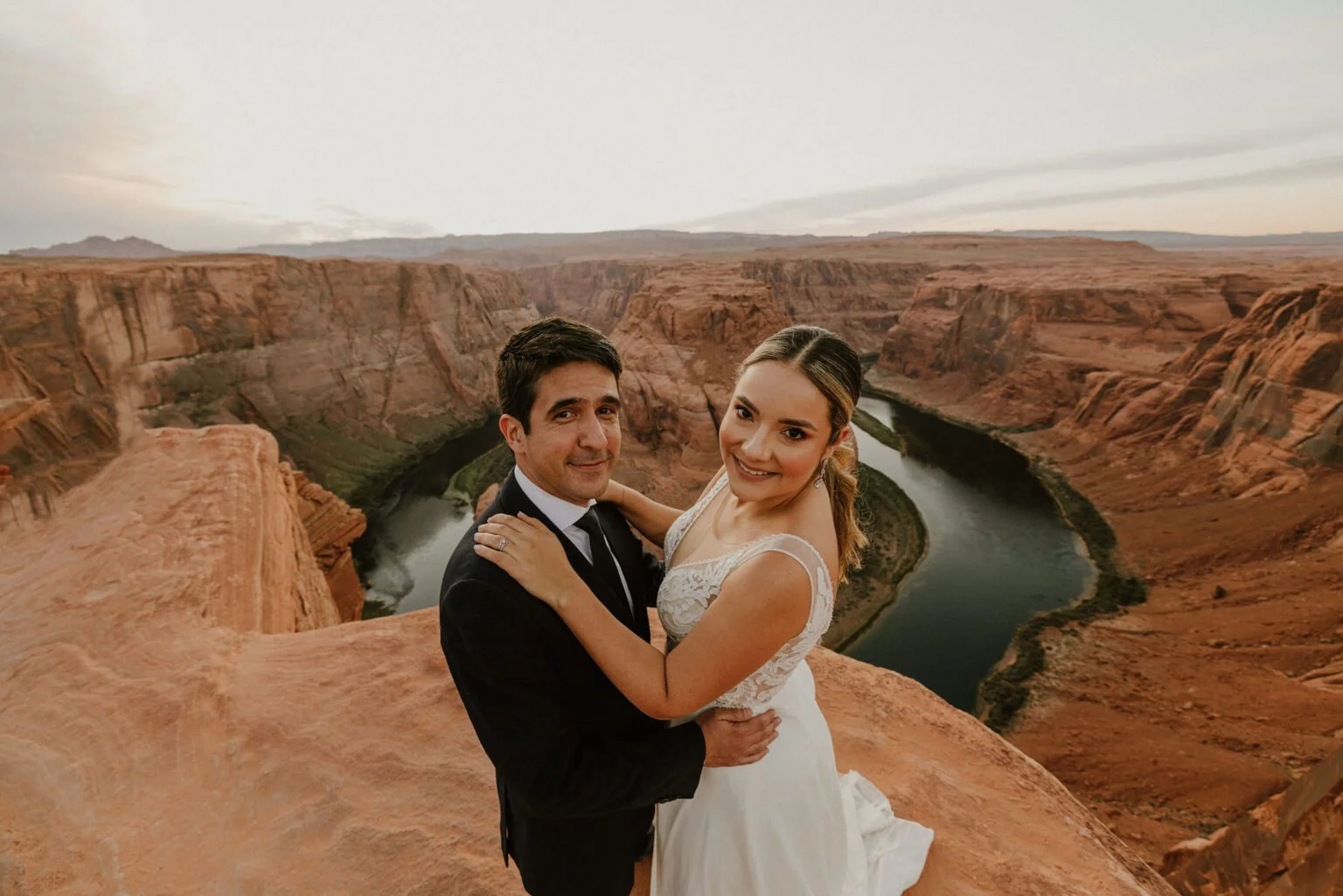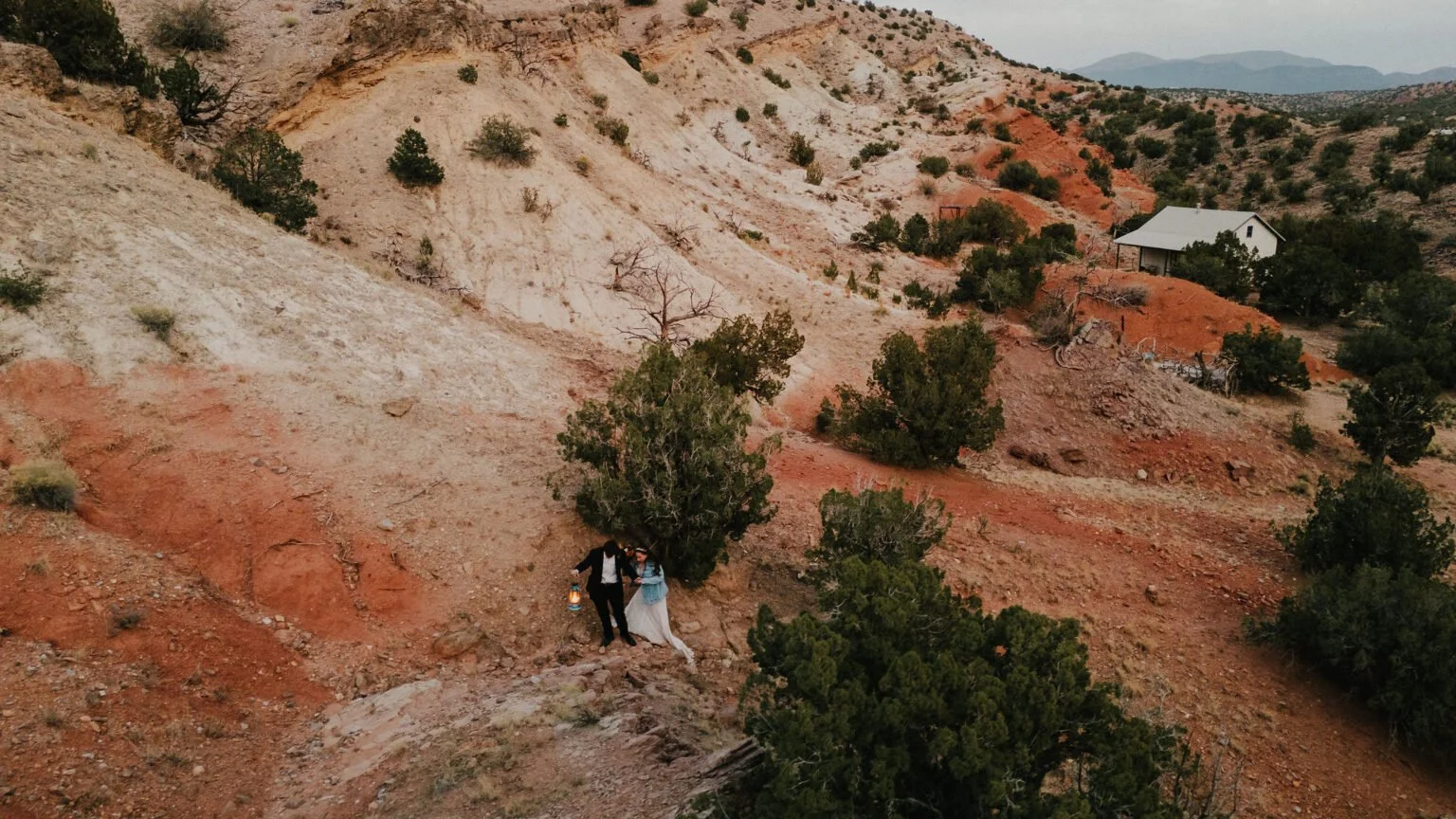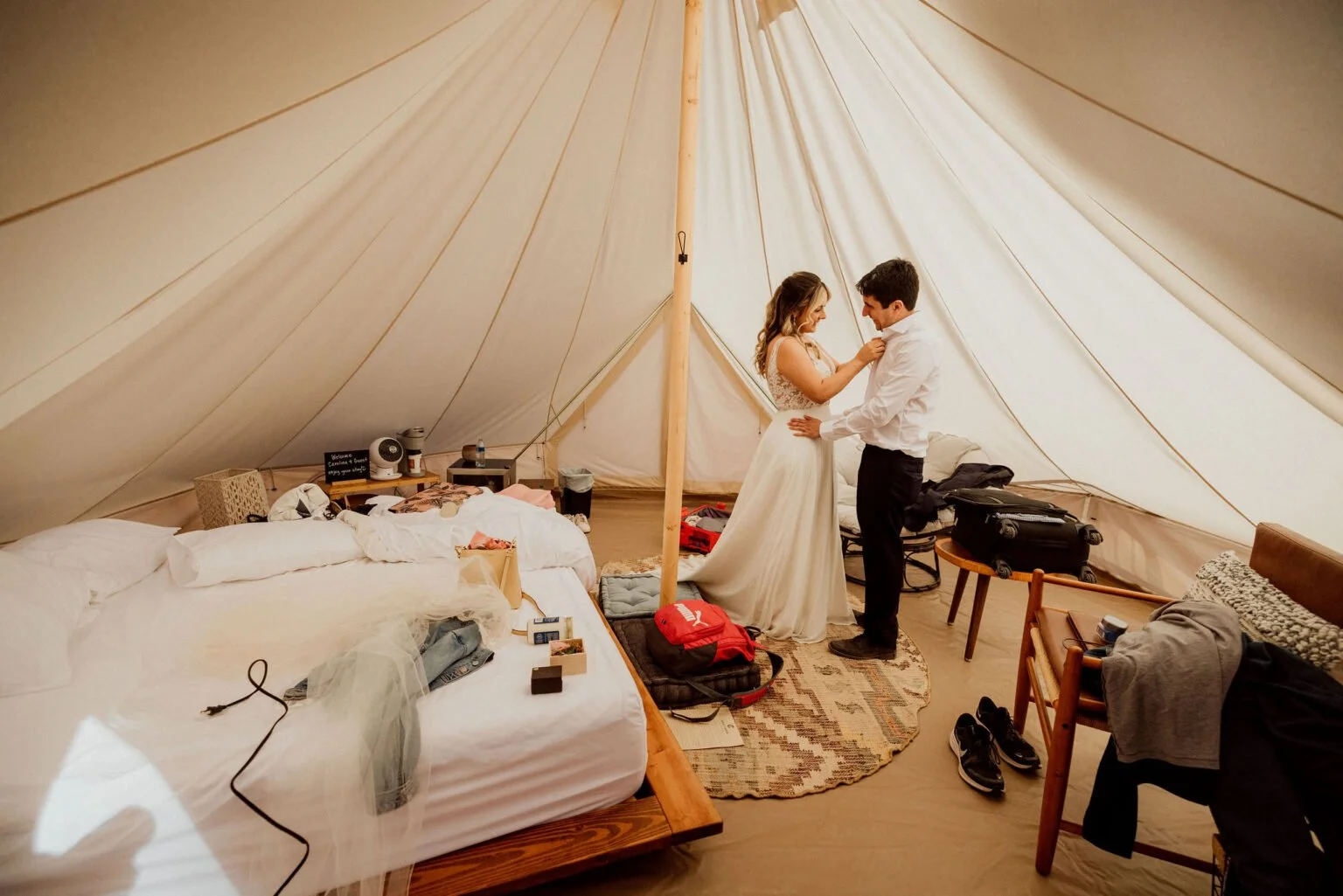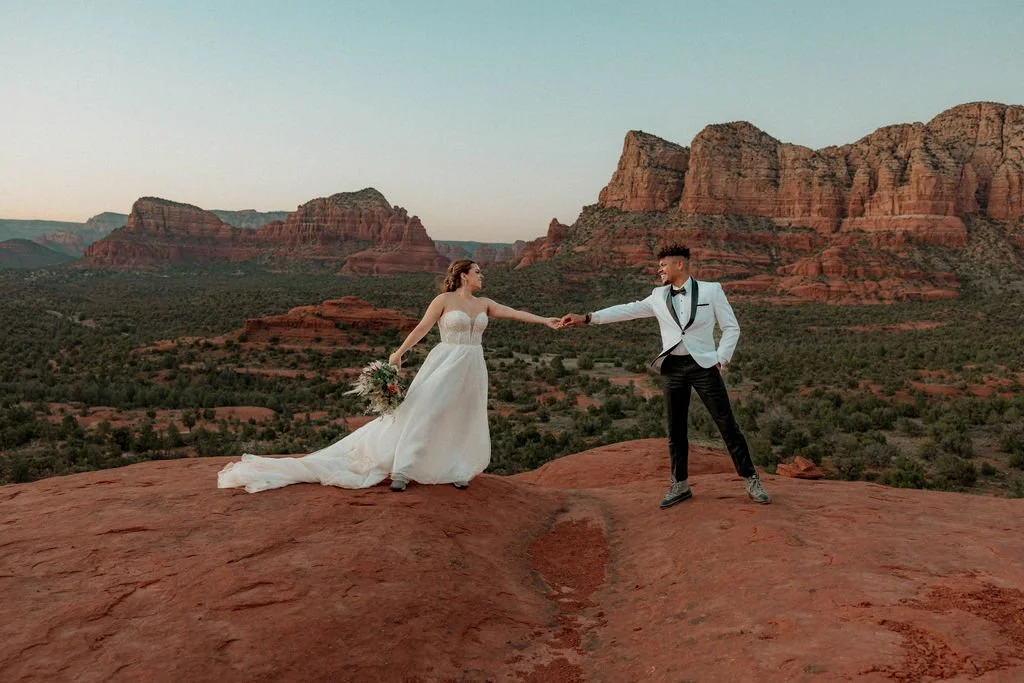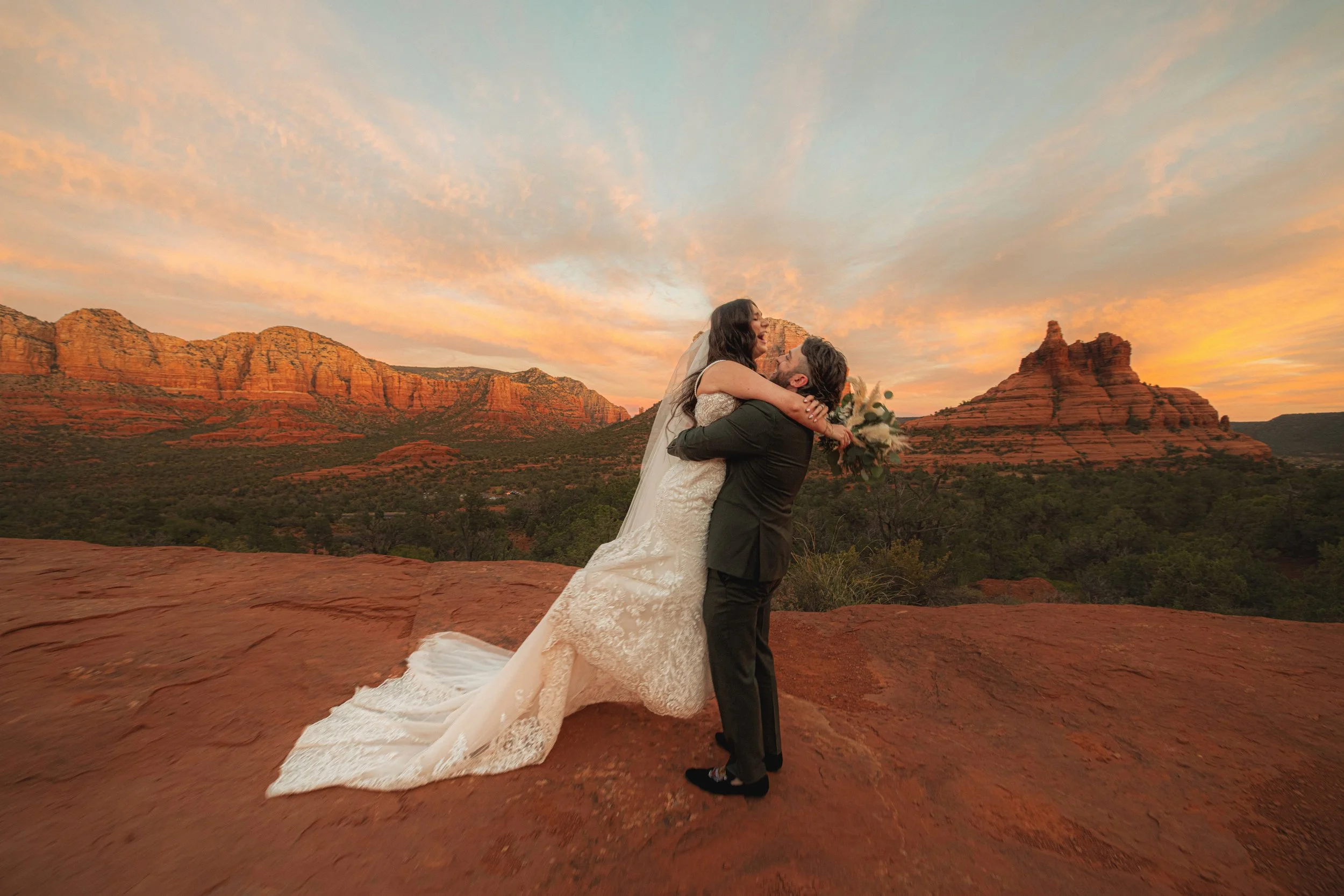
A Sedona sunset elopement photographer plans your ceremony around golden hour itself, timing your vows to the 45–90 minutes when the sun drops behind the red rock formations and turns Cathedral Rock, Airport Mesa, and Boynton Canyon into a backdrop no studio can replicate, so the light, the landscape, and the moment peak together instead of competing with midday glare or a rushed blue-hour scramble.
That single decision, ceremony timed to light, not the other way around, is what separates a Sedona sunset elopement from a generic outdoor wedding shoot. It affects where you can legally stand, how many guests you can realistically bring, what permits you need, and how your photographer plans the 90 minutes before the sun disappears. This guide walks through all of it: the best sunset locations, the real golden-hour windows by season, what a Sedona elopement photography day actually looks like, and the permit and weather details most couples find out about too late.
Why a Sunset Elopement in Sedona Actually Works
Sedona's red rock formations hold and reflect light differently than almost anywhere else in the Southwest. Iron oxide in the sandstone means the rock itself intensifies as the sun lowers, reds deepen, oranges bloom, and the whole landscape behaves like a reflector for the final hour of daylight. A sunrise ceremony gets soft, even light; a sunset ceremony gets that color shift, plus the dramatic rim-lighting and silhouette opportunities couples usually picture when they imagine a Sedona elopement.
Sunset timing also solves a practical problem: Sedona's trailheads and overlooks are busiest from mid-morning through early afternoon. By the time golden hour arrives, most day-hikers have cleared out, which means fewer strangers in your frame and a quieter, more private ceremony, without paying for a full trail closure. If you're still deciding between a sunrise and sunset ceremony for your elopements plans, the timing guide on that page breaks down the trade-offs season by season.
Meet Your Sedona Sunset Elopement Photographer
Shutterfreek has spent years photographing elopements across Sedona's red rock formations, and that firsthand trail time is the difference between a photographer who knows a location works at sunset and one who is guessing from a map. We've tracked how the light moves across Cathedral Rock's saddle through every month of the year, know which Airport Mesa pull-outs clear out fastest after 5pm, and have hiked Doe Mountain and Boynton Canyon enough times to know exactly where the trail gets narrow with a wedding dress or a tripod bag.
That experience shapes every recommendation in this guide, the locations, the timing windows, and the permit notes below aren't pulled from a blog roundup; they're what we've confirmed ourselves, on the ground, ceremony after ceremony.
Best Sedona Locations for a Sunset Elopement
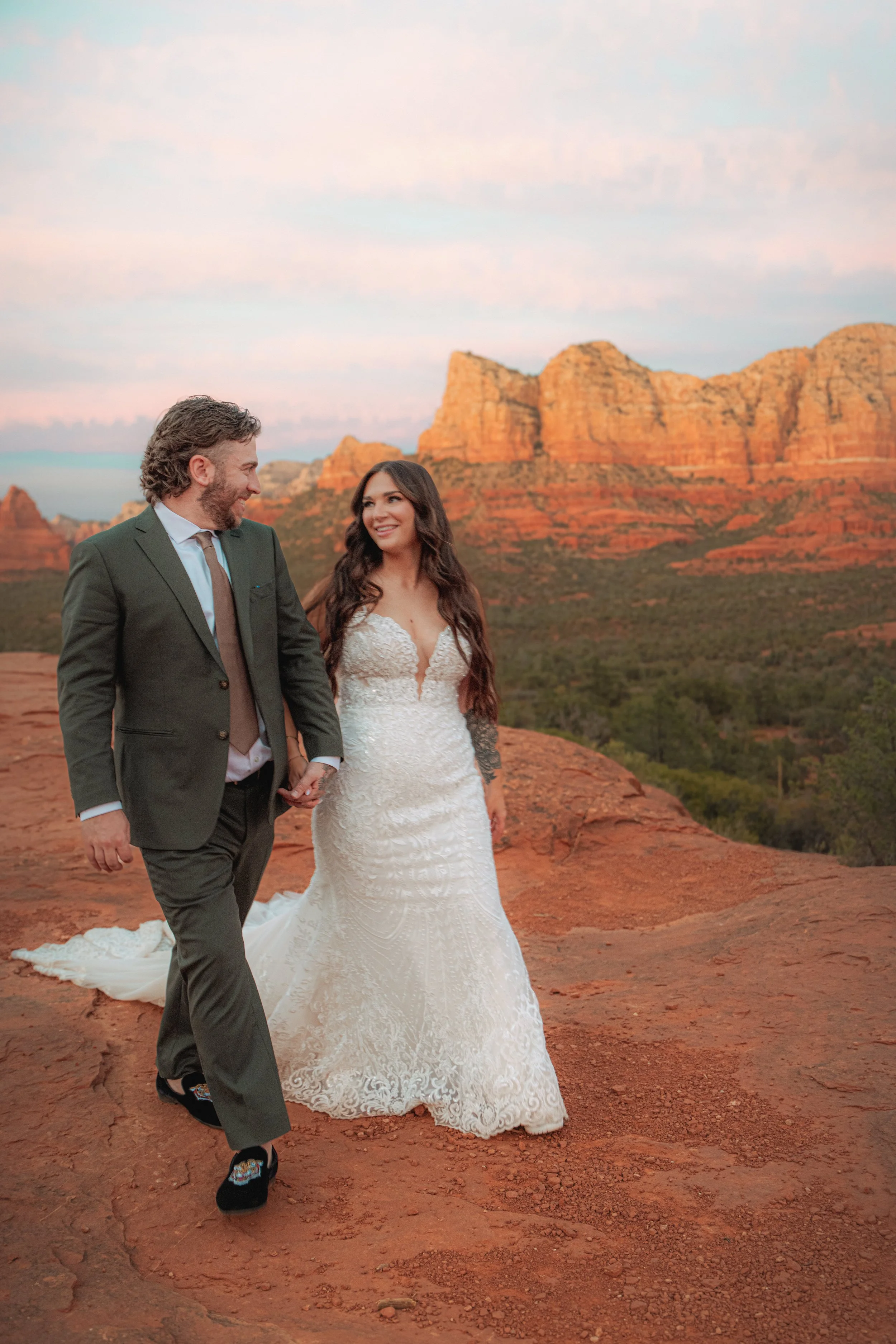
Every red rock formation in Sedona catches the sunset differently — some light up face-on, others work better as silhouette backdrops. Here's how the five most-requested sunset elopement locations compare:
| Location | Best For | Permit Required | Difficulty / Access |
|---|---|---|---|
| Cathedral Rock | Dramatic face-on red rock glow, classic Sedona backdrop | Yes (commercial photo permit) | Moderate hike, ~0.6 mi to saddle |
| Airport Mesa | Wide-open 360° sunset views, easy access | Yes (commercial photo permit) | Easy, short walk from parking |
| Boynton Canyon | Secluded, red-wall canyon glow, more privacy | Yes (commercial photo permit) | Easy to moderate, mostly flat |
| Doe Mountain | Elevated mesa views, fewer crowds at sunset | Yes (commercial photo permit) | Moderate, steeper initial climb |
| Red Rock State Park | Riverside setting with red rock backdrop, gated for privacy | Park entrance fee + permit | Easy, paved and trail options |
Cathedral Rock and Airport Mesa are the two most photographed sunset elopement spots in Sedona for good reason, both face the setting sun directly, which is exactly what produces that deep orange-to-pink gradient behind the ceremony. Couples who want more privacy and fewer onlookers tend to choose Boynton Canyon or Doe Mountain instead.
Golden Hour Timing by Season
Sedona's sunset time shifts by nearly three hours across the year, which changes everything about how your elopement day is scheduled, ceremony start time, cocktail-hour buffer, and how much hiking daylight you have left. This is the timing breakdown we build every Sedona elopement photography timeline around:
| Season | Approx. Sunset Time | Recommended Ceremony Start | Golden Hour Window |
|---|---|---|---|
| Spring (Mar–May) | 6:45–7:30pm | 60–75 min before sunset | ~60 minutes |
| Summer (Jun–Aug) | 7:20–7:40pm | 75–90 min before sunset | ~75–90 minutes |
| Fall (Sep–Nov) | 5:45–6:45pm | 45–60 min before sunset | ~45–60 minutes |
| Winter (Dec–Feb) | 5:15–5:45pm | 45 min before sunset | ~45 minutes |
Summer gives the longest golden-hour window but also the harshest monsoon risk (more on that below); winter has the shortest window but the softest, most reliable light, since the sun sits lower in the sky all afternoon.
What a Sedona Sunset Elopement Day Looks Like
Most sunset elopements we shoot in Sedona follow a similar shape, adjusted for season and location:
First look & portraits (2–2.5 hrs before sunset) — soft, even light, no harsh shadows, time for detail shots and a relaxed first look away from the ceremony site.
Travel to the ceremony location (45–60 min before sunset) — building in buffer time for trail access, parking, and getting into position before golden hour actually starts.
Ceremony (45–90 min before sunset, per the table above) — timed so vows land right as the light turns gold, not after it's already fading.
Golden-hour couple portraits (last 20–30 min of light) — the window everything else was built around; this is where the dramatic red rock color actually shows up in the images.
Blue-hour closing shots (10–15 min after sunset) — optional, but gives a different mood: cooler tones, silhouettes, string lights or sparklers if your permit allows them.
Building in that buffer before the ceremony matters more in Sedona than most locations, because trailhead parking fills up and foot traffic doesn't fully clear until closer to sunset.
Permits, Weather, and Practical Logistics
Sedona sits within Coconino National Forest, and commercial photography, including hired elopement photographers, requires a Special Use Permit from the Red Rock Ranger District for most trailheads, including Cathedral Rock, Airport Mesa, Boynton Canyon, and Doe Mountain. Shutterfreek handles this permit directly as part of booking, but it's worth knowing it exists if you're comparing photographers or planning your own date.
Weather is the other variable couples underestimate. July and August bring Arizona's monsoon season, fast-building afternoon storms that can shift a sunset ceremony by hours or push it indoors entirely. Spring and fall offer the most predictable skies, which is part of why they're the most-booked elopement seasons in Sedona. Winter afternoons can also bring sudden wind at elevation on exposed overlooks like Airport Mesa, so a backup location is always part of the plan.
Beyond Sedona: Adventure Elopements Across the Southwest
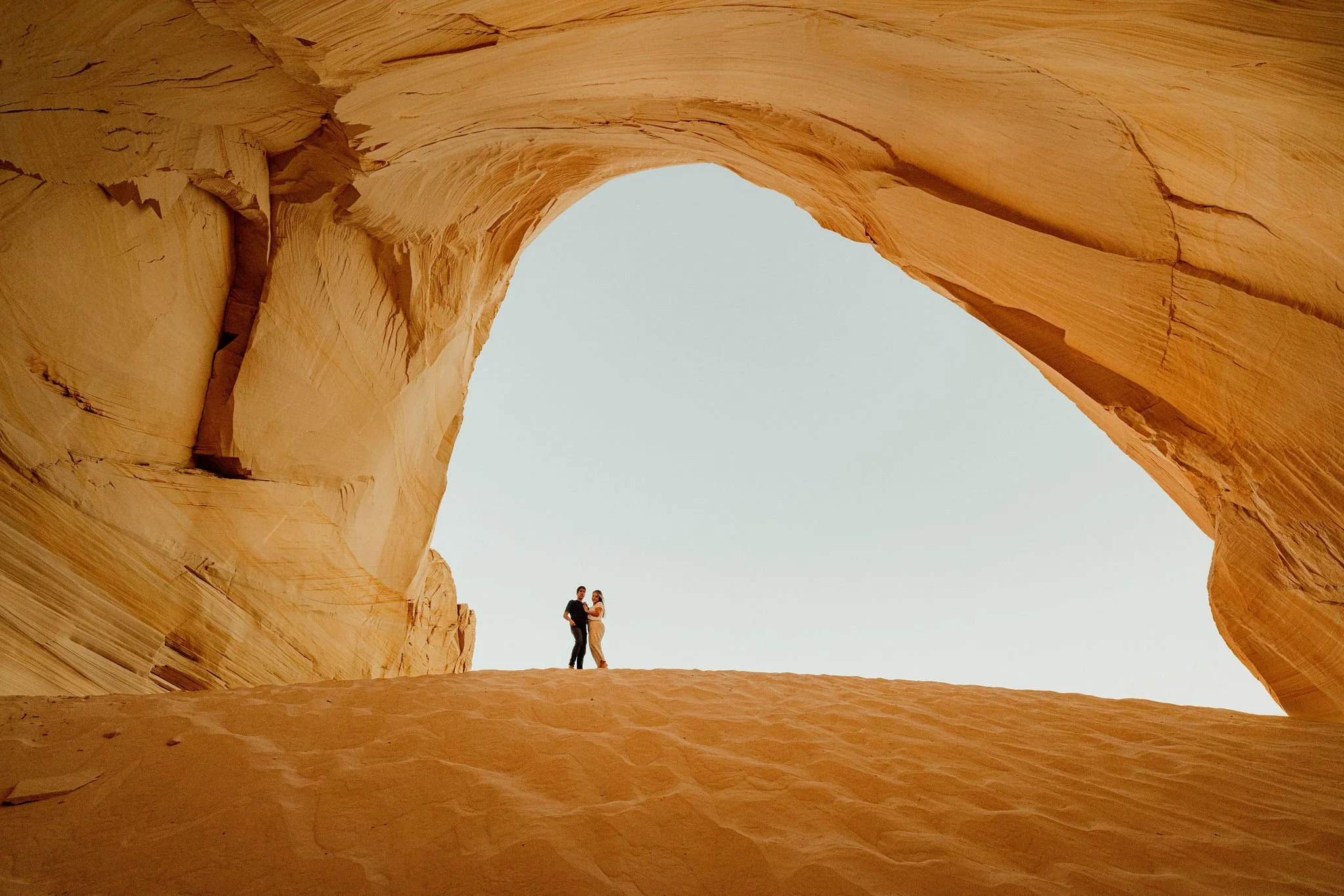
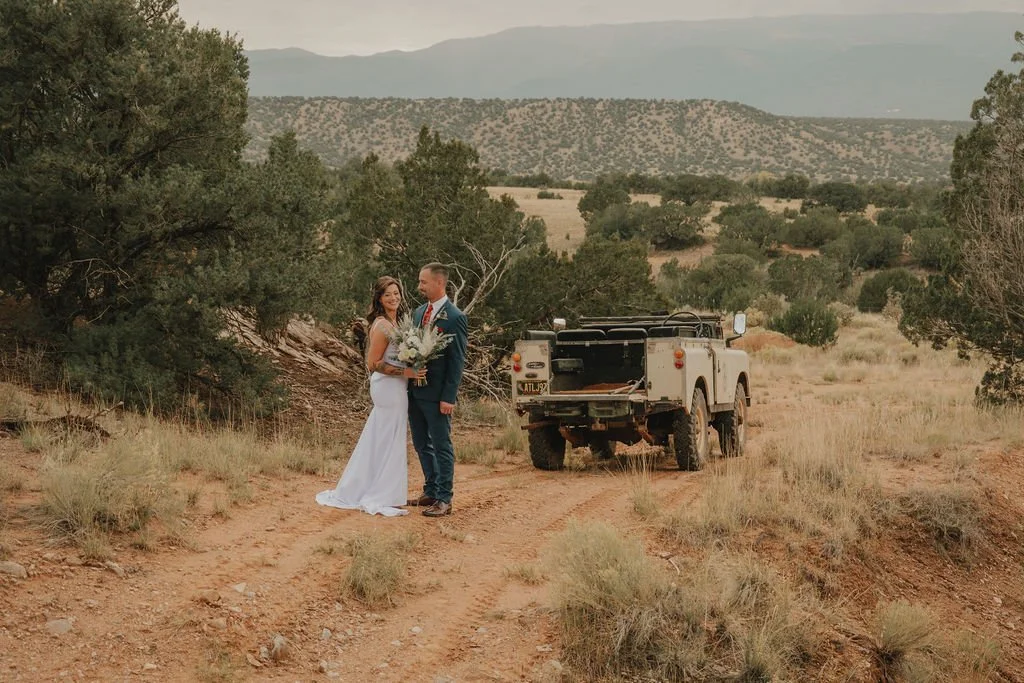
Sedona is one stop on a larger map of red rock and desert terrain that photographs beautifully at sunset, and a lot of couples planning a Sedona elopement are also weighing nearby states. If Sedona's red rock isn't quite the exact look you're after, Shutterfreek also shoots Utah adventure elopements across Moab's arches and canyonlands, and New Mexico adventure elopements in the White Sands and high-desert regions near Santa Fe — both offer their own version of the golden-hour drama Sedona is known for, with different rock formations, elevations, and permit rules.
Some couples even combine a Sedona ceremony with a multi-day Southwest elopement trip, adding a sunrise session in Utah's red rock country or a dune-field sunset in New Mexico to the same trip. If that's on your radar, it's worth planning both locations' permits and golden-hour timing together rather than booking them separately.
Why Couples Choose Shutterfreek for Their Sedona Elopement
Shutterfreek isn't a generalist wedding studio that occasionally shoots an elopement — elopements in red rock and desert terrain are the core of what we do, and that focus shows up in the details: knowing which Cathedral Rock angle avoids a crowd of hikers in the background, carrying backup locations for monsoon season, and handling the Forest Service permit paperwork so couples don't have to.
That's the trust piece couples should look for in any Sedona sunset elopement photographer, not just a nice portfolio, but a track record of permits filed correctly, weather calls made with real local experience, and a photographer who has actually stood on the trail at golden hour, more than once, in every season.
Ready to Plan Your Sedona Sunset Elopement
A Sedona sunset elopement comes down to three things working together: the right location for the backdrop you want, a ceremony timed to the season's actual golden hour, and a photographer who already knows the trail, the permit process, and the weather patterns firsthand. Shutterfreek handles all three, so the only thing you have to plan is the day itself.
Frequently Asked Questions
-
The 45–90 minutes before sunset, depending on season, give the strongest red rock color and the most flattering light; the exact window shifts with the seasonal timing table above.
-
Most Sedona elopement photography packages run from a few hundred dollars for a short 1-hour session up to several thousand for a full-day coverage package that includes permit handling, multiple locations, and a second photographer.
-
Yes, commercial photography at most Sedona trailheads, including Cathedral Rock, Airport Mesa, Boynton Canyon, and Doe Mountain, requires a Special Use Permit from the Red Rock Ranger District, which Shutterfreek files as part of booking.
-
Spring and fall offer the most predictable skies and comfortable temperatures; summer gives the longest golden-hour window but carries monsoon risk, and winter gives the softest light with the shortest window.
-
Yes, alongside Sedona, Shutterfreek shoots Utah adventure elopements and New Mexico adventure elopements for couples drawn to red rock and desert landscapes across the Southwest.
Keep reading