Sedona Elopement Photographer: Your Complete Guide to a Red Rock Elopement
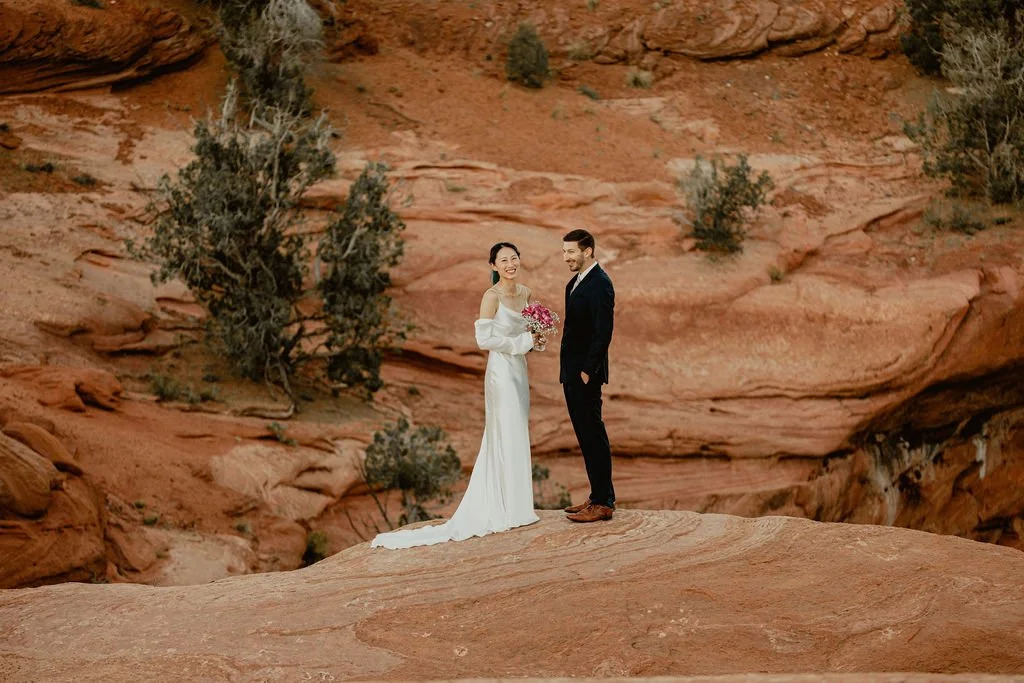
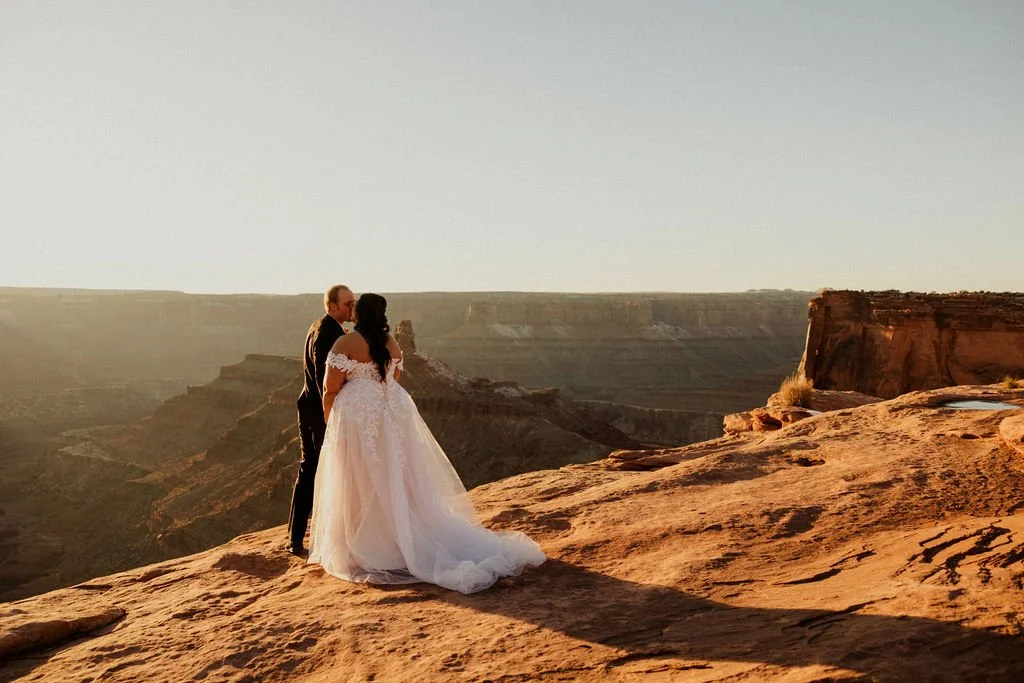
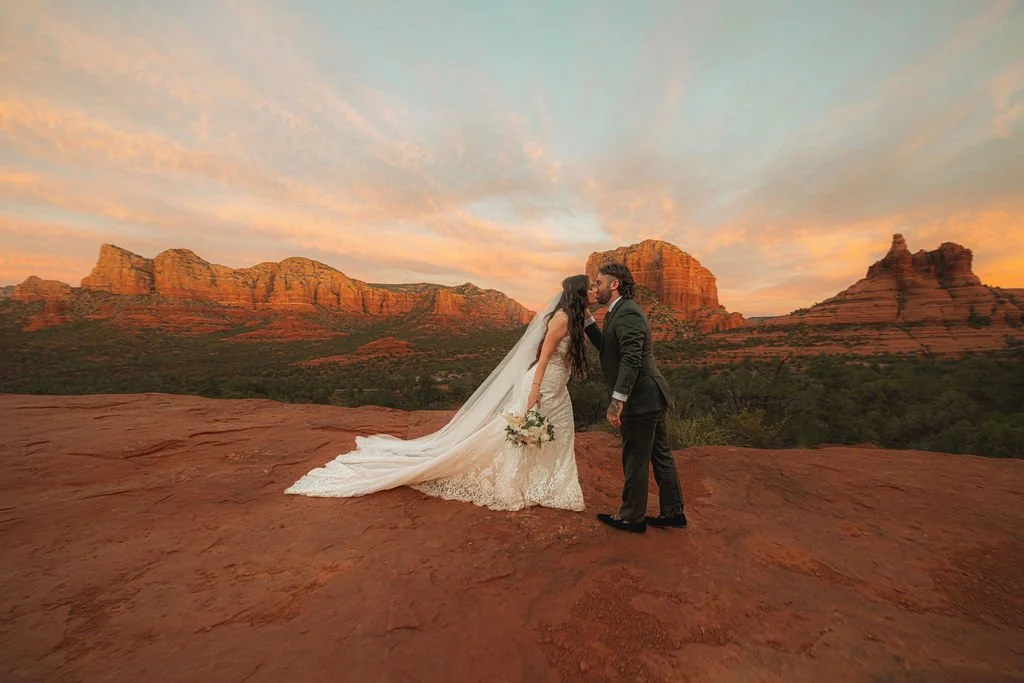
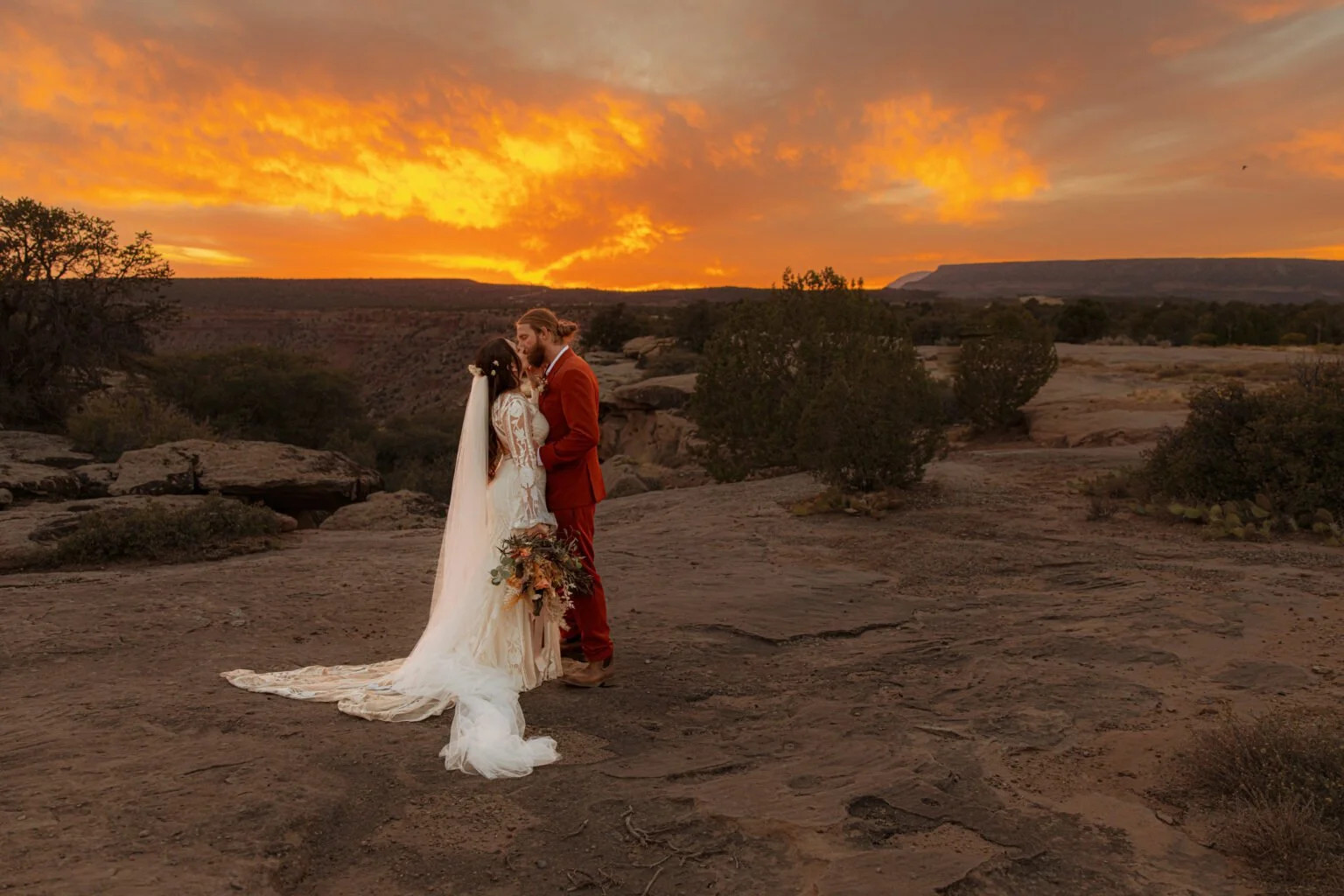
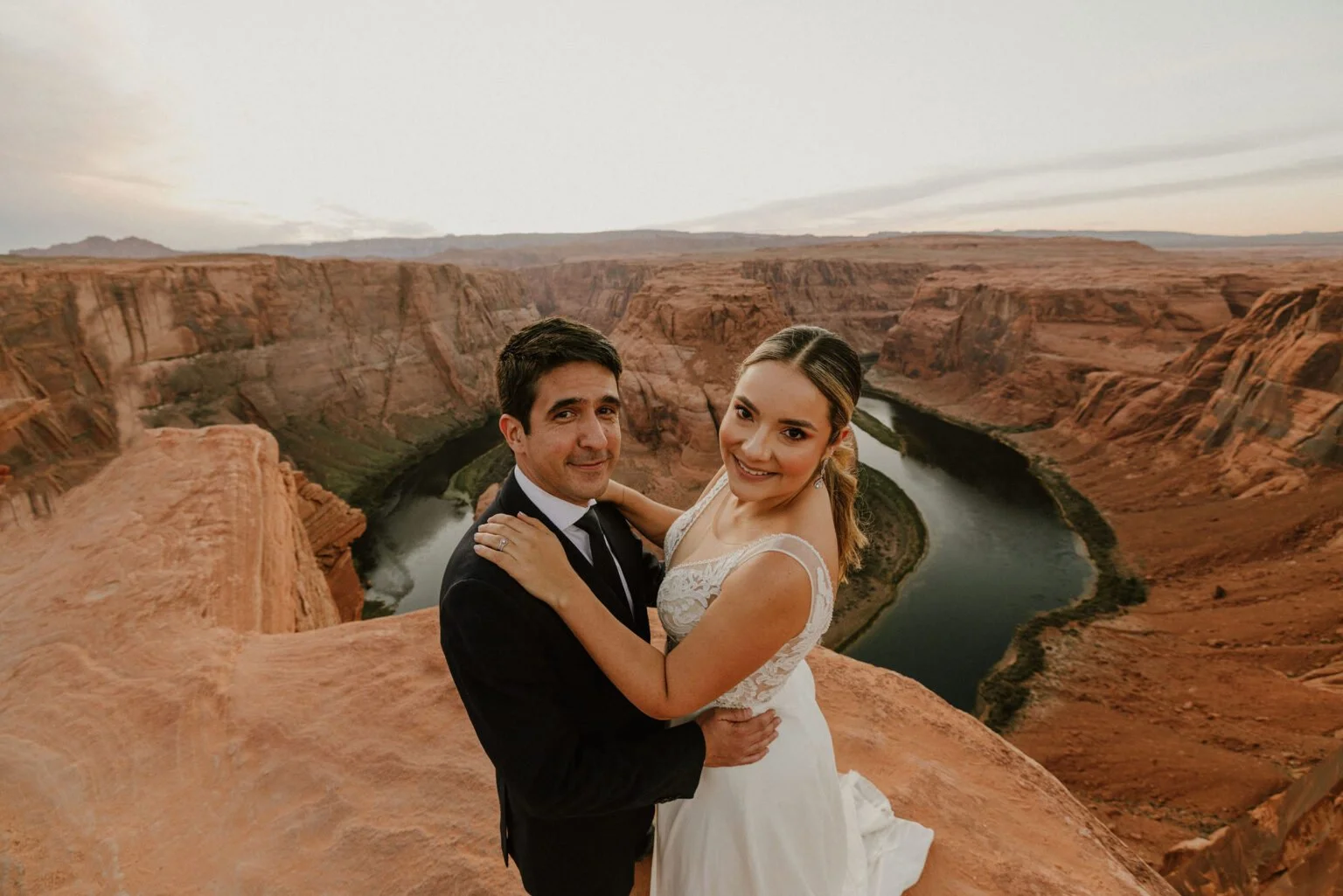
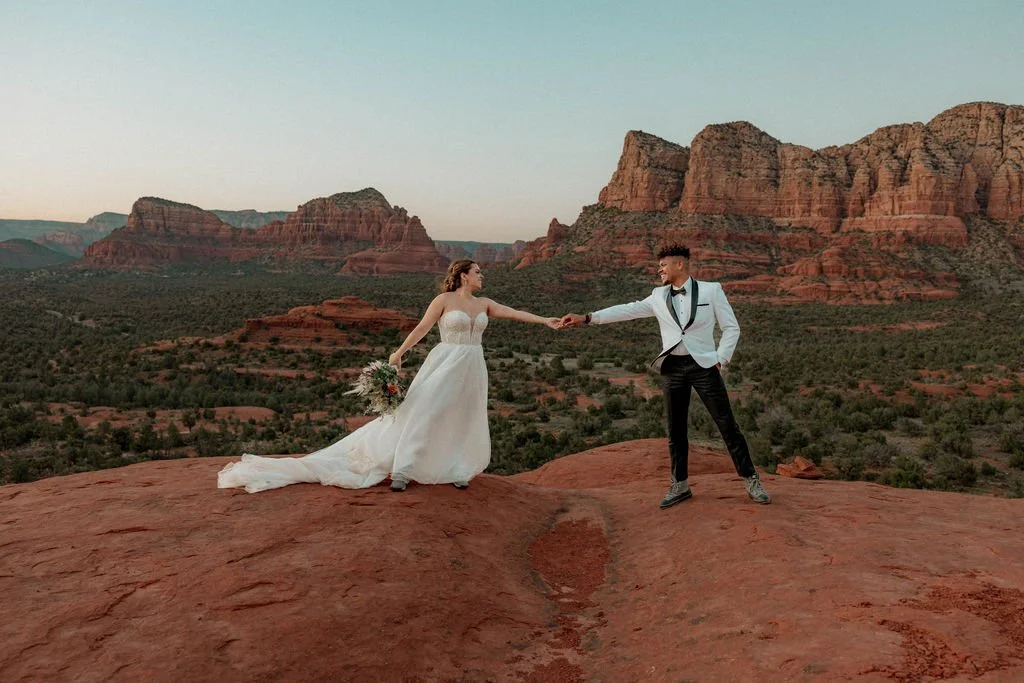
A Sedona elopement photographer is a wedding photography specialist who plans, permits, and documents intimate ceremonies among Sedona's red rock formations, locations like Cathedral Rock, Bell Rock, and Boynton Canyon, typically for couples of two to twenty guests who want adventure, privacy, and dramatic scenery instead of a traditional ballroom wedding. At Shutterfreek, this is the only kind of wedding we shoot: no dance floors, no seating charts, just couples, red rock, and golden light. If you're planning to elope in Sedona, here's everything you need to know before you book someone to capture it.
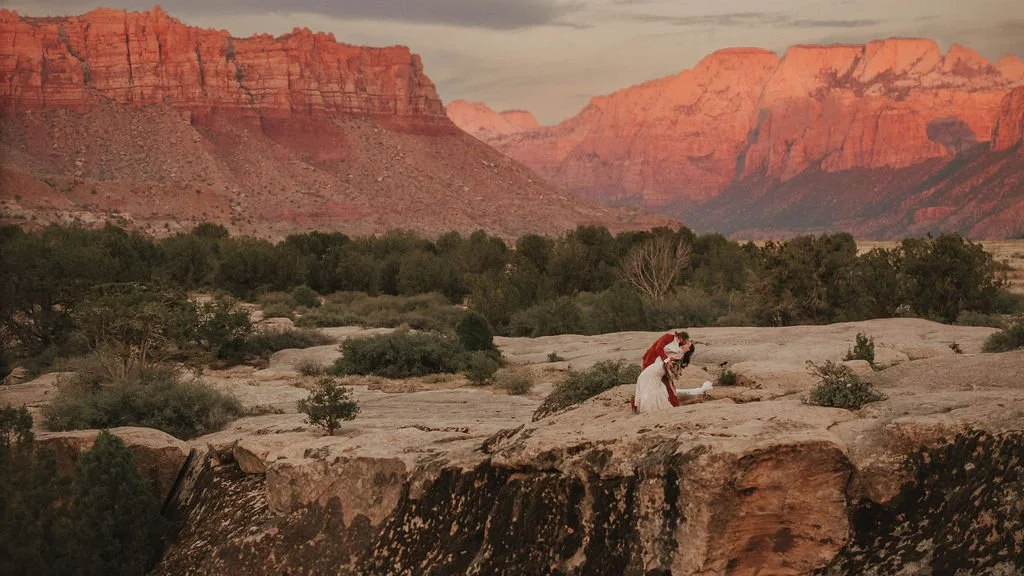
Sedona draws couples from every state precisely because it offers what a hotel ballroom never could: 4,000-foot sandstone formations that turn orange and pink at sunrise, hiking trails that double as aisles, and a permitting system that (with the right guide) makes it surprisingly simple to say "I do" on public land. But not every wedding photographer is built for this terrain. Elopement photography demands a different skill set, hiking with gear, reading fast-changing desert light, knowing which trailheads require permits, and working around crowds without losing the intimacy you came here for.
This guide breaks down what a Sedona elopement photographer actually does, when to plan your elopement, where to hold it, what it costs, and how to choose the right person to document one of the biggest days of your life.
Why Couples Choose Sedona for Their Elopement
Sedona consistently ranks among the top adventure-elopement destinations in the American Southwest, and it's not just about the scenery. Couples choose Sedona because it solves three problems traditional weddings create: cost, guest-list pressure, and generic backdrops. A red rock cliff simply photographs differently than a rented event hall, and an elopement lets couples spend their budget on the experience itself, photography, a private vow location, maybe a helicopter ride, rather than catering for 150 people they see twice a year.
Sedona also has a practical advantage: it's a genuine four-season destination. Unlike coastal elopement spots that get shut down by hurricane season, or mountain towns buried in snow half the year, Sedona is workable nearly year-round, which gives couples far more flexibility when building a timeline around travel, work, and family schedules.
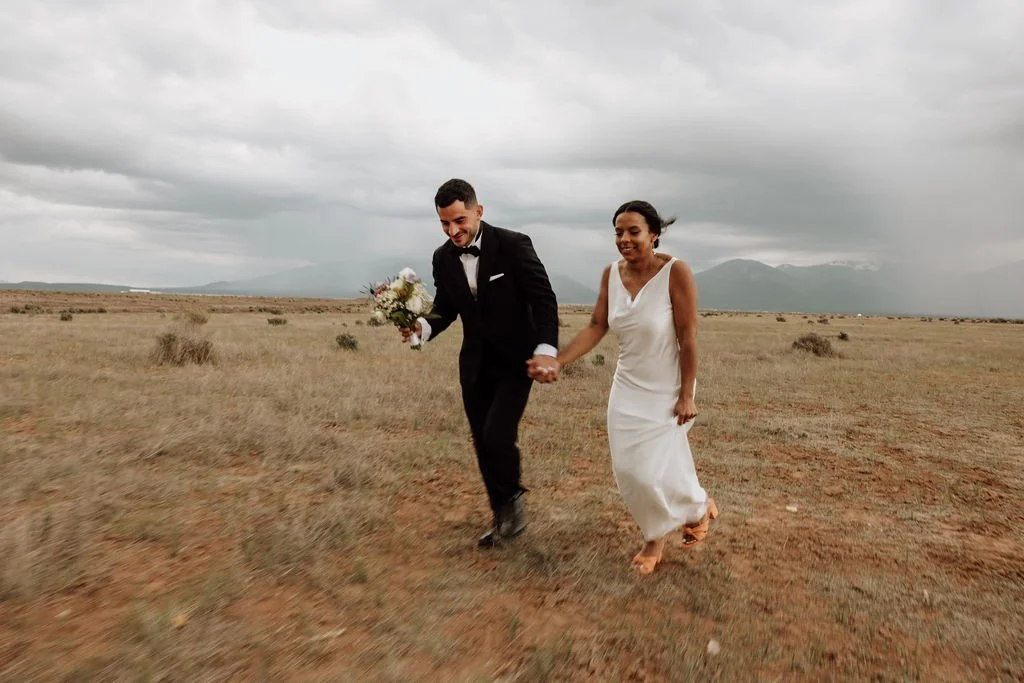
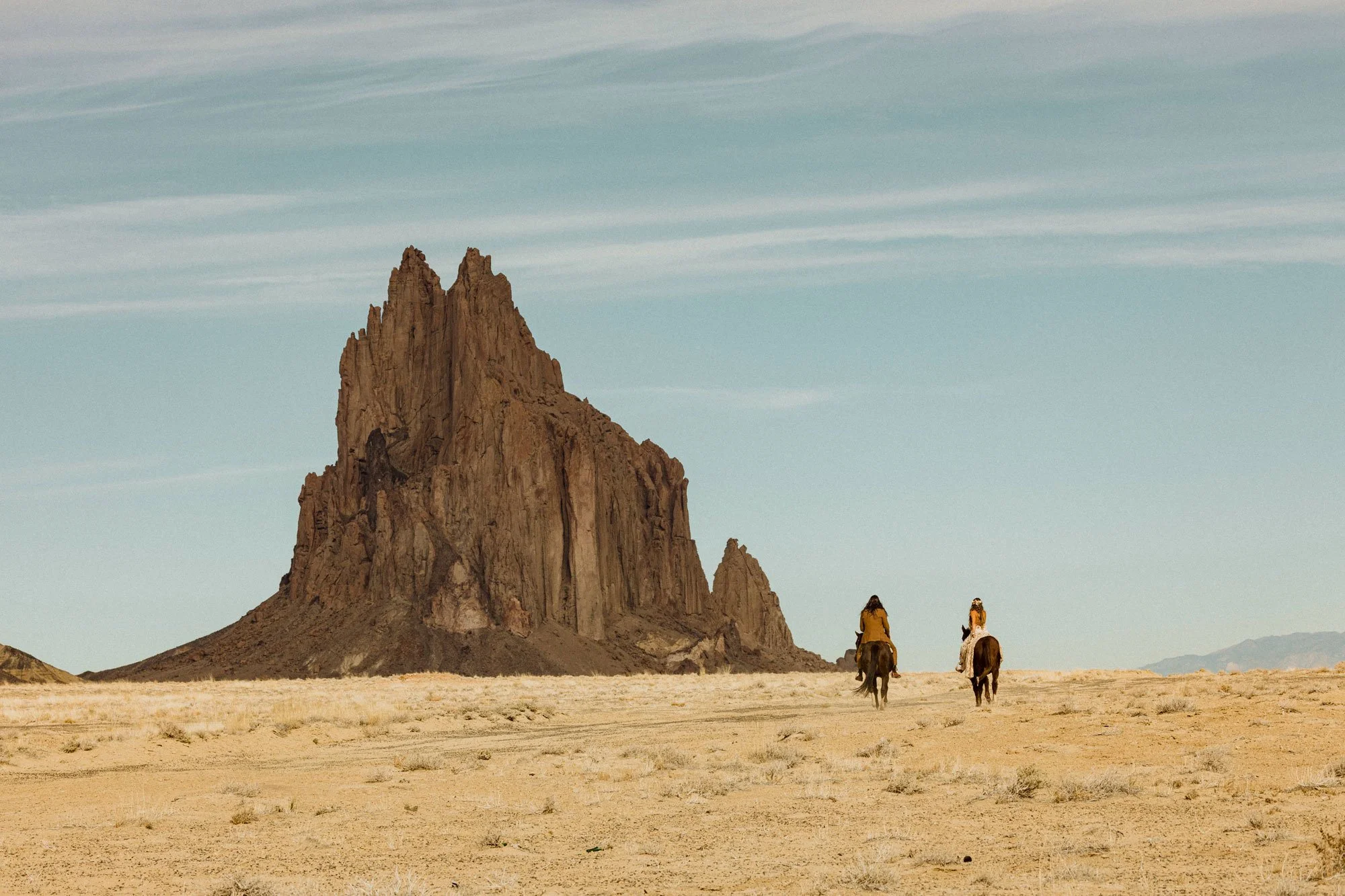
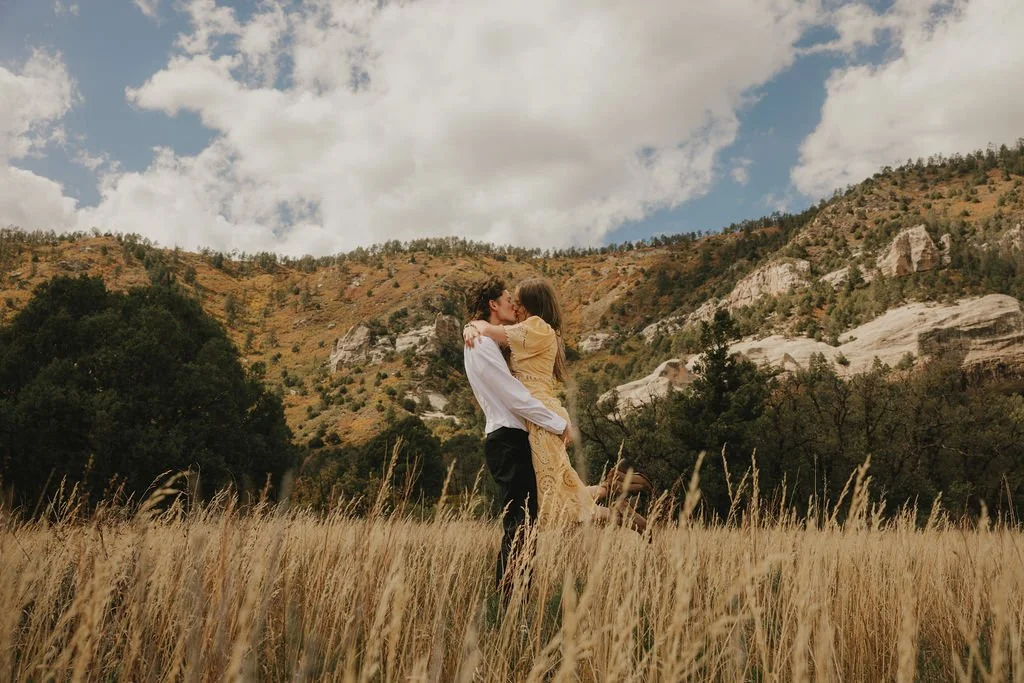
For couples who want the same red-rock, desert-adventure feel but are considering other states, it's worth noting Shutterfreek also documents Utah adventure elopements and New Mexico adventure elopements — both offer a similar landscape-first approach if your travel plans stretch beyond Arizona.
What a Sedona Elopement Photographer Actually Does
Hiring a Sedona elopement photographer is not the same as hiring a traditional wedding photographer who happens to be available on your date. The role typically includes:
Location scouting and permit guidance – knowing which trailheads, overlooks, and canyons allow ceremonies, and which require a Red Rock Pass, Coconino National Forest permit, or private-land access.
Light and weather planning – Sedona's dramatic light window is short (usually the hour after sunrise or before sunset), so timing the ceremony around it is part of the job, not an afterthought.
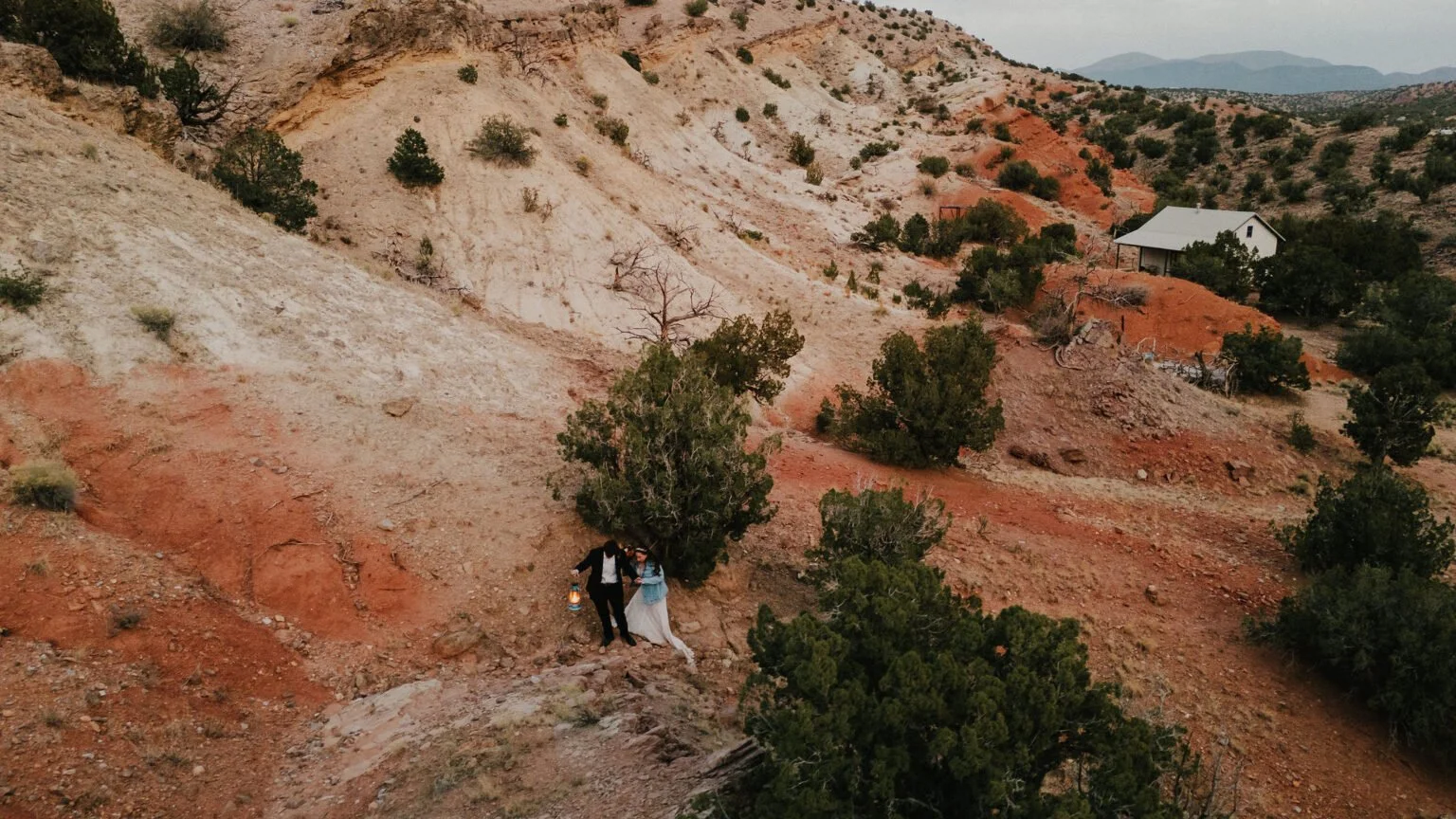
Hiking logistics – many of the best locations require a 10–45 minute hike in gear, boots, or even a dress and heels, so an elopement photographer plans routes couples can realistically walk.
Full-day or multi-day coverage – since elopements often include a "first look," a hike-in ceremony, and a golden-hour portrait session, many packages run 4–10 hours rather than the traditional 8-hour wedding-day block.
Small-group direction – with few or no guests, the photographer often becomes the only other person present, guiding, posing, pacing, and even acting as an informal witness or coordinator.
This is the exact model our team works from, you can see the full breakdown of how we structure these days on our elopement photography services page.
Best Time of Year to Elope in Sedona
Timing affects everything from crowd size to photo color palette. Here's how Sedona's seasons compare for elopement planning:
| Season | Months | Weather | Crowd Level | Best For |
|---|---|---|---|---|
| Spring | March – May | Mild, 65–80°F, wildflowers | High (Peak Season) | Golden light + green desert contrast |
| Summer | June – August | Hot, 90–105°F, monsoon storms in July/Aug | Moderate | Sunrise ceremonies, dramatic storm-cloud skies |
| Fall | September – November | Warm days, cool nights, 70–85°F | High (Peak Season) | Best all-around light and comfort |
| Winter | December – February | Cool, 45–60°F, rare light snow on rocks | Low | Privacy, snow-dusted red rock, easier permits |
Fall and spring are the most popular, and most expensive, windows, since the light is soft and temperatures are comfortable for hiking in wedding attire. Winter is underrated for couples who want privacy and don't mind cooler mornings; trails are far less crowded, and the low winter sun creates longer, warmer-toned shadows across the rock formations.
Best Sedona Elopement Locations
Not every red rock formation allows ceremonies, and not every "Instagram-famous" spot is realistic for an intimate elopement. Cathedral Rock, Bell Rock, Boynton Canyon, and the Chapel of the Holy Cross overlook are among the most requested, each offering a different backdrop, from sweeping canyon views to intimate slickrock perches.
Because location selection has such a big impact on permits, hike difficulty, and final photos, we've put together a full breakdown of the best Sedona wedding locations, including hike length, permit requirements, and the best time of day to shoot at each one. It's worth reading before you lock in a ceremony spot.
Permits and Legal Requirements for Sedona Elopements
Most Sedona elopement locations sit on Coconino National Forest land, which means a permit is required for any ceremony involving photography, more than a handful of people, or props like arches and florals. Requirements to know before booking:
A Special Use Permit from the Coconino National Forest is generally required for wedding ceremonies on public land, separate from a standard Red Rock Pass (which only covers parking).
Marriage licenses are issued through Yavapai or Coconino County, depending on your ceremony location, and must be obtained before the ceremony, Arizona has no waiting period, but you do need to apply in person.
Officiants must be registered or ordained according to Arizona law; many elopement couples bring their own or hire a local Sedona-based officiant.
Group size limits apply on most trails, typically under 12–15 people without additional permitting.
An experienced Sedona elopement photographer will usually flag these requirements during initial planning, since a missing permit can mean being asked to leave mid-ceremony by a forest ranger.
Sedona Elopement Photography Packages and Investment
Pricing for a Sedona elopement photographer varies based on coverage hours, number of locations, and whether add-ons like drone footage, a second shooter, or a printed album are included. A general market comparison looks like this:
| Package Type | Coverage Time | Typical Inclusions | Estimated Price Range |
|---|---|---|---|
| Intimate Session | 2–3 hours | Single location, digital gallery | $1,200 – $2,000 |
| Half-Day Elopement | 4–6 hours | 2 locations, ceremony + portraits, digital gallery | $2,200 – $3,800 |
| Full-Day Adventure | 8–10 hours | Multiple locations, hike-in access, drone add-on option | $3,800 – $6,000 |
| Multi-Day Package | 2 days | Elopement + engagement or "day after" session, albums | $6,000 – $9,500+ |
Prices shift depending on season (spring and fall command premium rates), permit fees, and travel to more remote trailheads. Couples should also budget separately for the Forest Service permit fee, marriage license, and any officiant costs, since most photography packages don't include these.
Planning Your Sedona Elopement Timeline
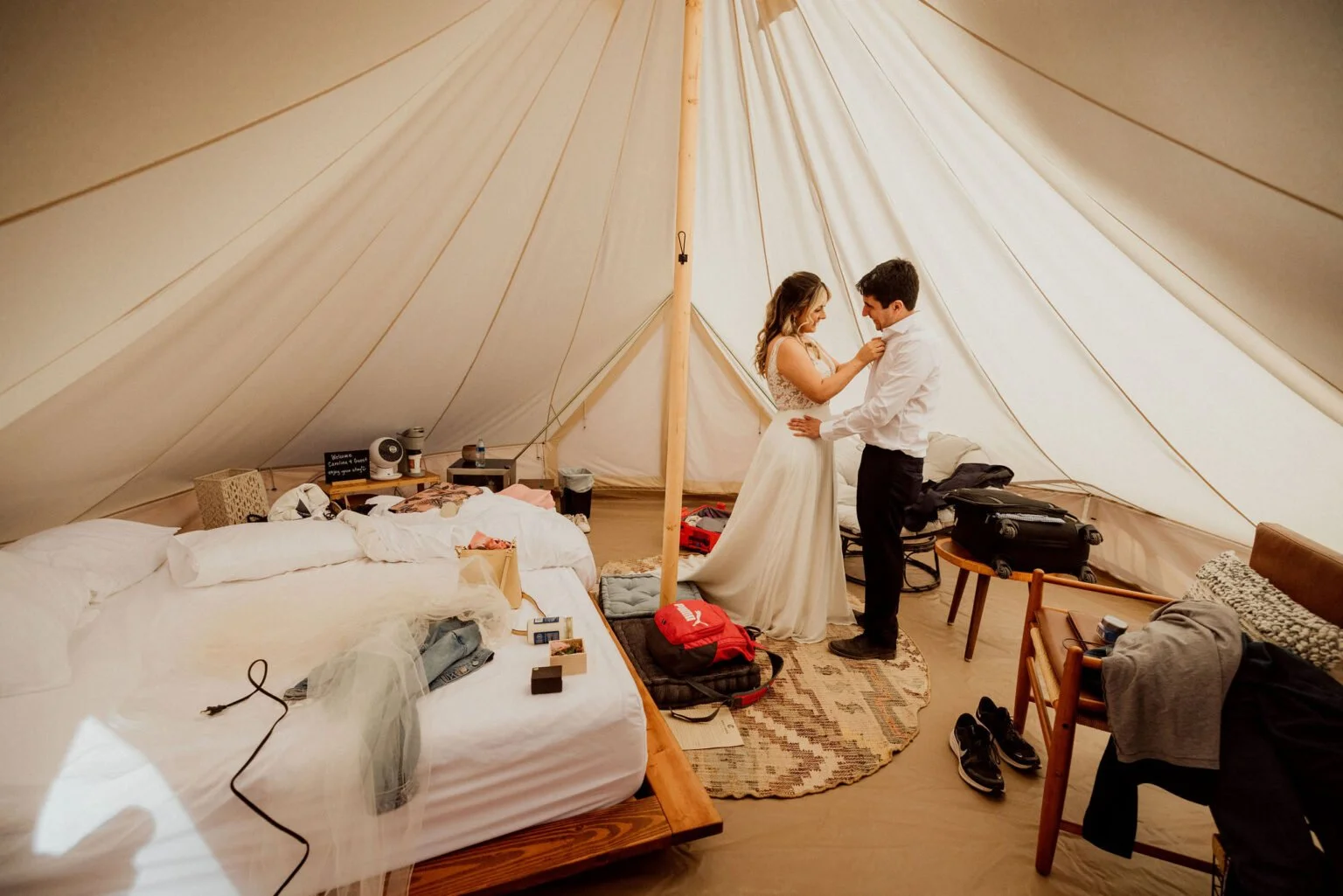
A well-planned elopement day typically follows a simple structure: arrival and getting-ready photos, a "first look" if desired, the hike to the ceremony location, the ceremony itself timed around golden hour, and a final portrait session as light fades. Most couples find that scheduling the ceremony for either the hour after sunrise or the two hours before sunset delivers the softest, most flattering light, and avoids Sedona's midday heat, which can be intense from late spring through summer.
The booking timeline matters too. Because Sedona is a bucket-list elopement destination, photographers with strong availability in peak fall and spring months often book out 6–12 months in advance. Winter and summer weekday dates are generally easier to secure on shorter notice.
It also helps to build in a weather buffer, especially during Sedona's monsoon season (mid-July through September), when afternoon storms can roll in quickly. Couples eloping during this window often schedule sunrise ceremonies specifically to avoid the risk of a rescheduled or rain-shortened session later in the day. Outside of monsoon season, Sedona's dry climate makes outdoor ceremonies fairly predictable, which is part of why so many couples travel here specifically to avoid the rain-related uncertainty of coastal or mountain elopement destinations.
Beyond Sedona: Other Adventure Elopement Destinations
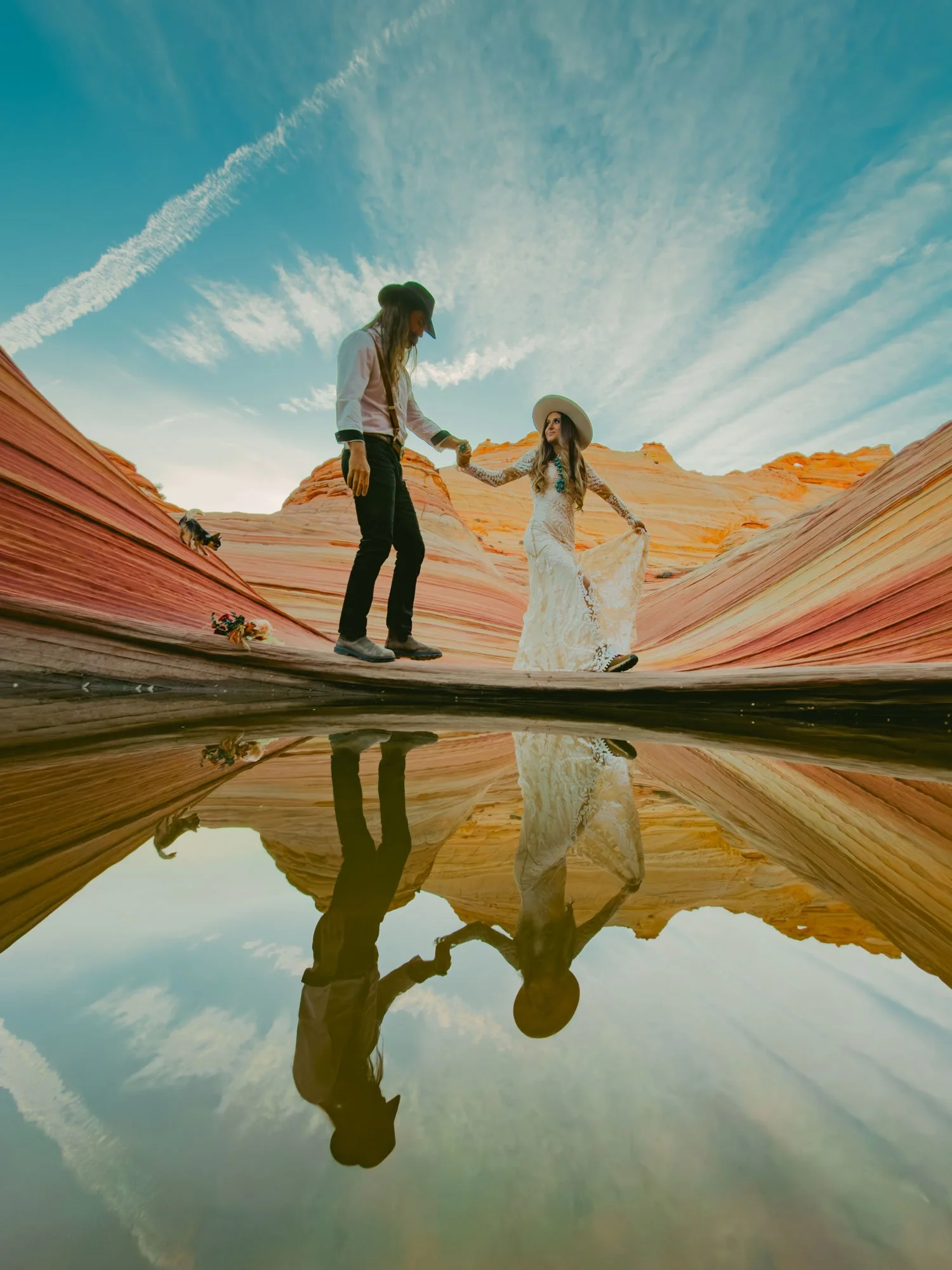
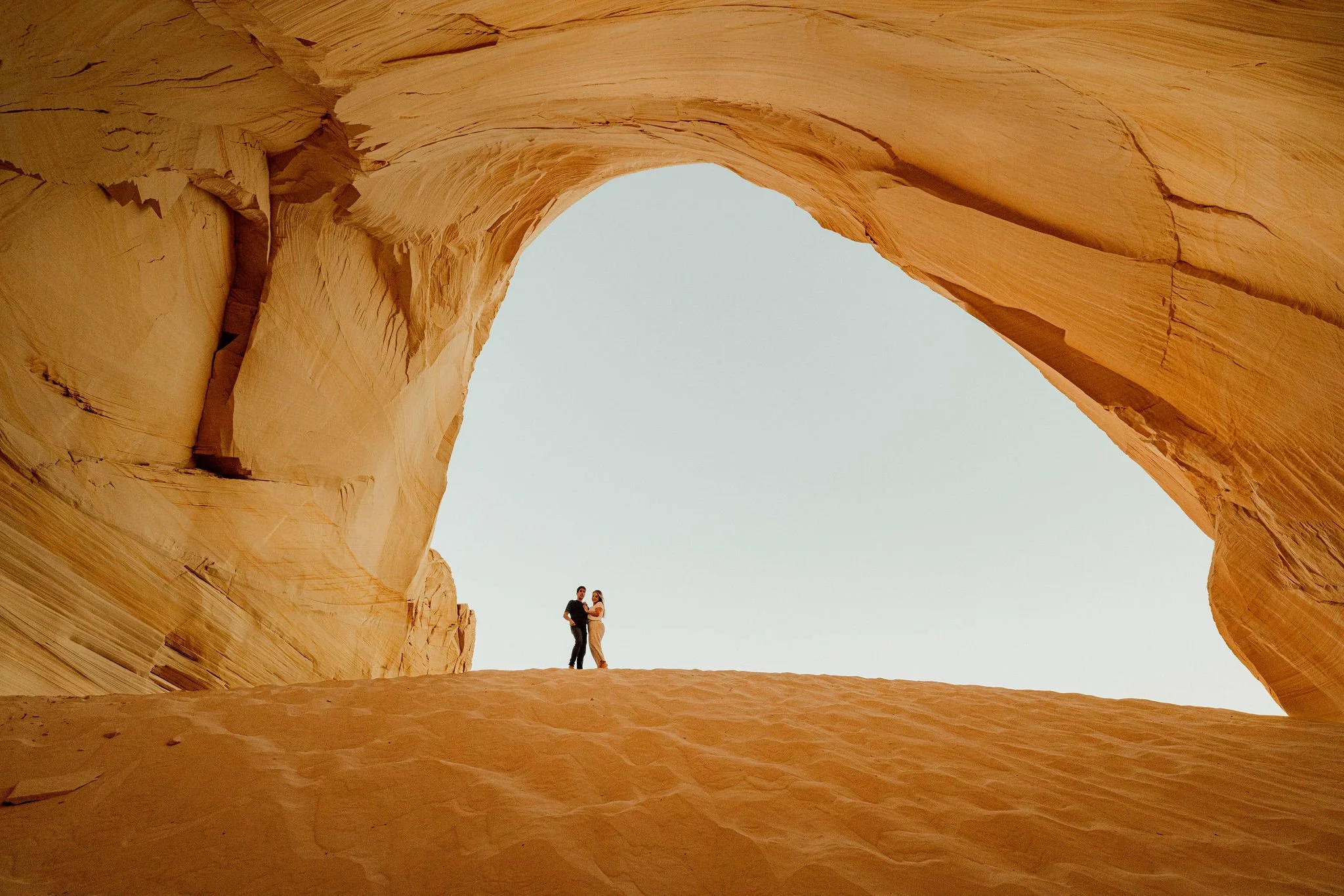
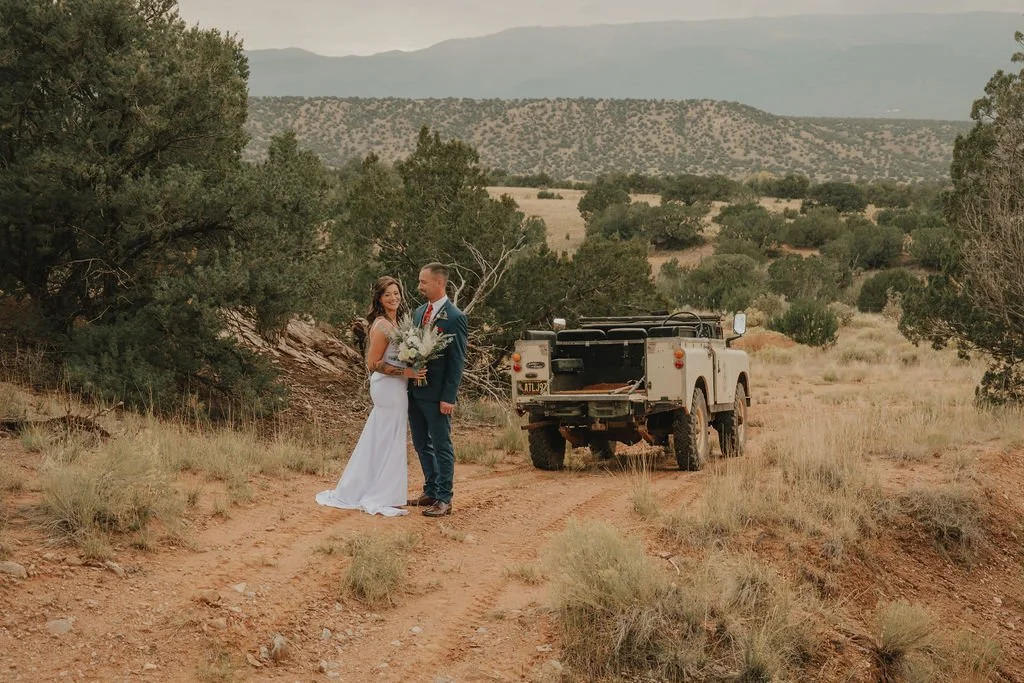
If your search for a "Sedona elopement photographer" is really part of a broader search for a Southwest adventure elopement, it's worth knowing Sedona isn't the only option with this landscape-driven, small-guest-list style. Couples drawn to Sedona's terrain often also consider Utah's adventure elopement locations, think slot canyons and sweeping desert arches, or the high-desert mesas and golden cottonwoods found across New Mexico's adventure elopement scene. Many couples actually combine two states into a multi-day elopement trip, and a photographer who already works across all three regions can plan that kind of itinerary without starting from scratch.
Why Shutterfreek Is a Sedona Elopement Photographer Couples Trust
Shutterfreek has spent years photographing exclusively adventure weddings and elopements across the Southwest, Sedona, Utah, and New Mexico, which means our team already knows the permit offices, the trail conditions, and the light patterns at nearly every major red rock location. We're not a generalist wedding studio that occasionally shoots an elopement; adventure elopements are the entirety of what we do, and that focus shows up in how efficiently we plan a day, how comfortable couples feel hiking with us, and how consistent the final gallery looks.
If you want a deeper look at our specific approach to Sedona wedding, including our editing style, gear, and past couple experiences, our full Sedona wedding photographer guide covers that in detail. And if you're ready to talk dates, our elopement services page has current availability and package details.
Final Thoughts
A Sedona elopement photographer does far more than show up with a camera, they plan permits, read desert light, guide hikes, and turn a two-person ceremony into a fully documented, once-in-a-lifetime day. Whether you're drawn to Cathedral Rock at sunrise or a quiet winter ceremony in Boynton Canyon, the right photographer makes the logistics disappear so you can actually be present for the moment. If Sedona's red rock is calling, Shutterfreek's elopement team would love to help you plan the day.
Frequently Asked Questions
-
Most Sedona elopement photographers charge between $1,200 for a short 2-hour session and $9,500+ for multi-day full coverage. Half-day packages (4–6 hours), the most commonly booked option, typically fall between $2,200 and $3,800, not including permit fees or marriage license costs.
-
Yes, in most cases. Ceremonies held on Coconino National Forest land, which includes nearly all of Sedona's iconic red rock locations, require a Special Use Permit separate from a standard parking pass. An experienced elopement photographer can usually guide you through this process or handle it directly.
-
October and April are generally considered the best months, offering mild temperatures, soft light, and manageable crowds. Couples who prioritize privacy over ideal weather often choose January or February instead, when trails are far quieter.
-
Most trailhead and forest-land ceremony sites cap group sizes at around 12–15 people without additional permitting. Many Sedona elopements involve just the couple and their photographer, though small groups of close family or a handful of friends are common.
-
Yes. Arizona marriage licenses are issued through the county clerk's office (Yavapai or Coconino County, depending on location) and must be obtained in person before the ceremony. Arizona has no waiting period, so licenses can typically be picked up within days of the ceremony date.
Keep reading