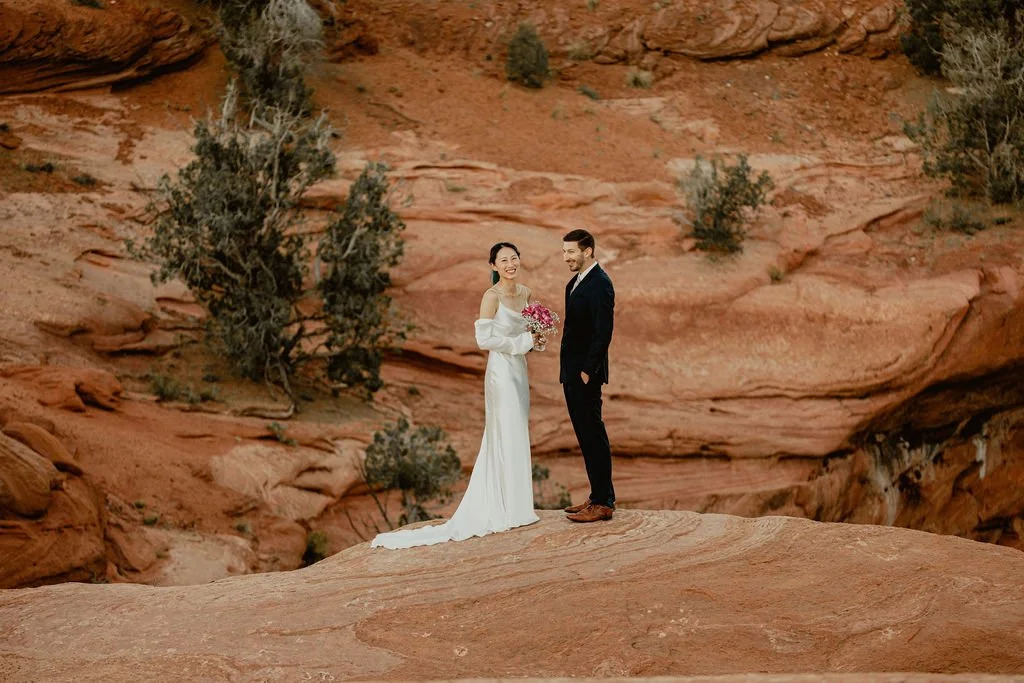
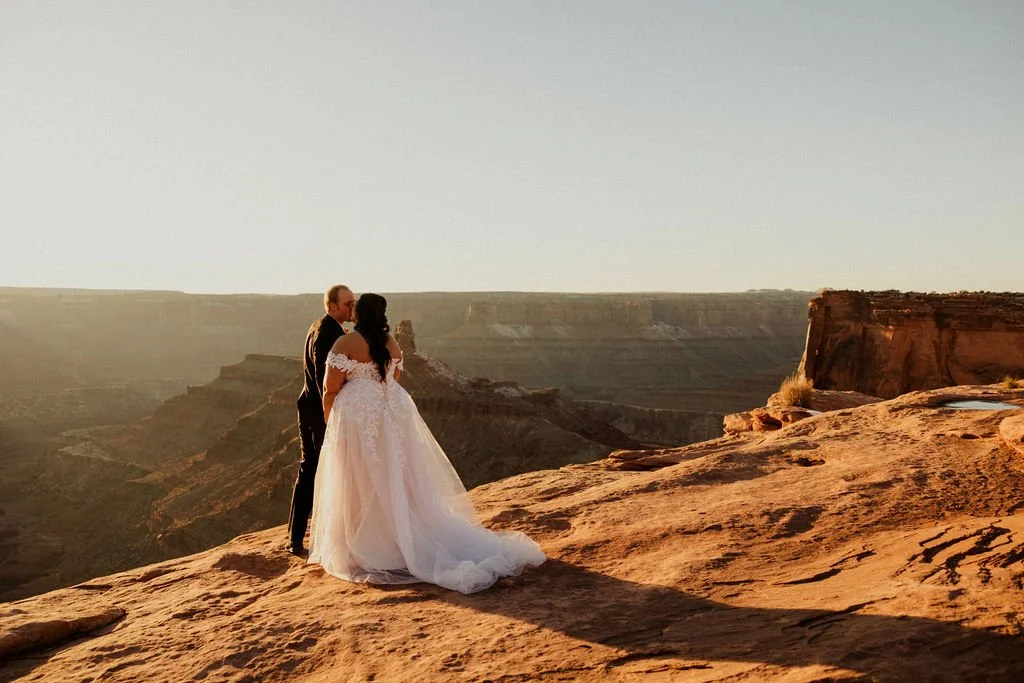
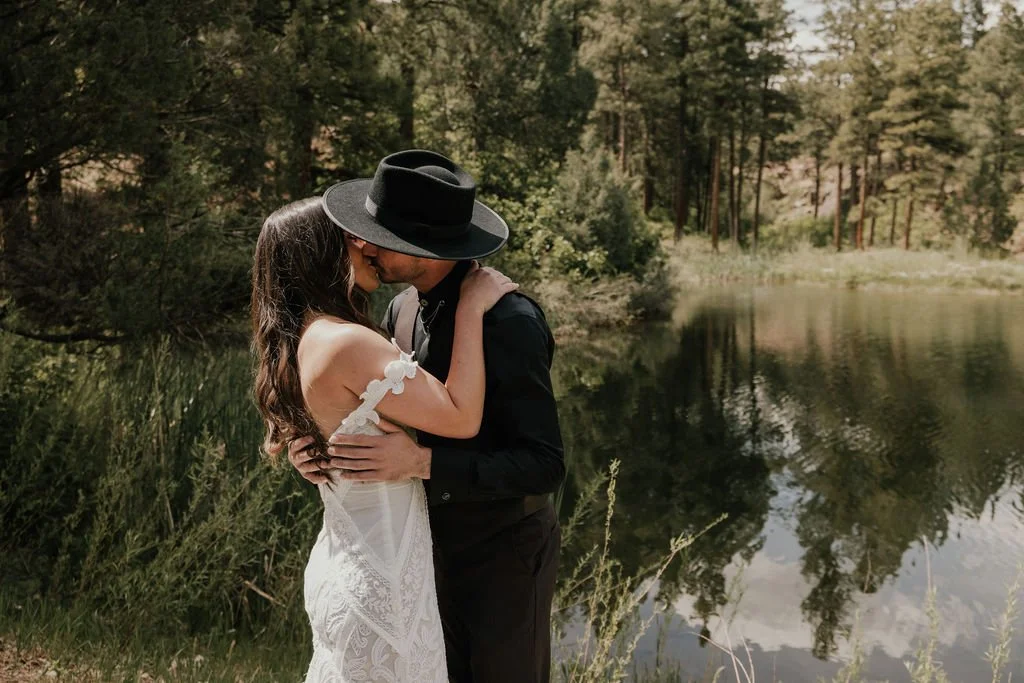
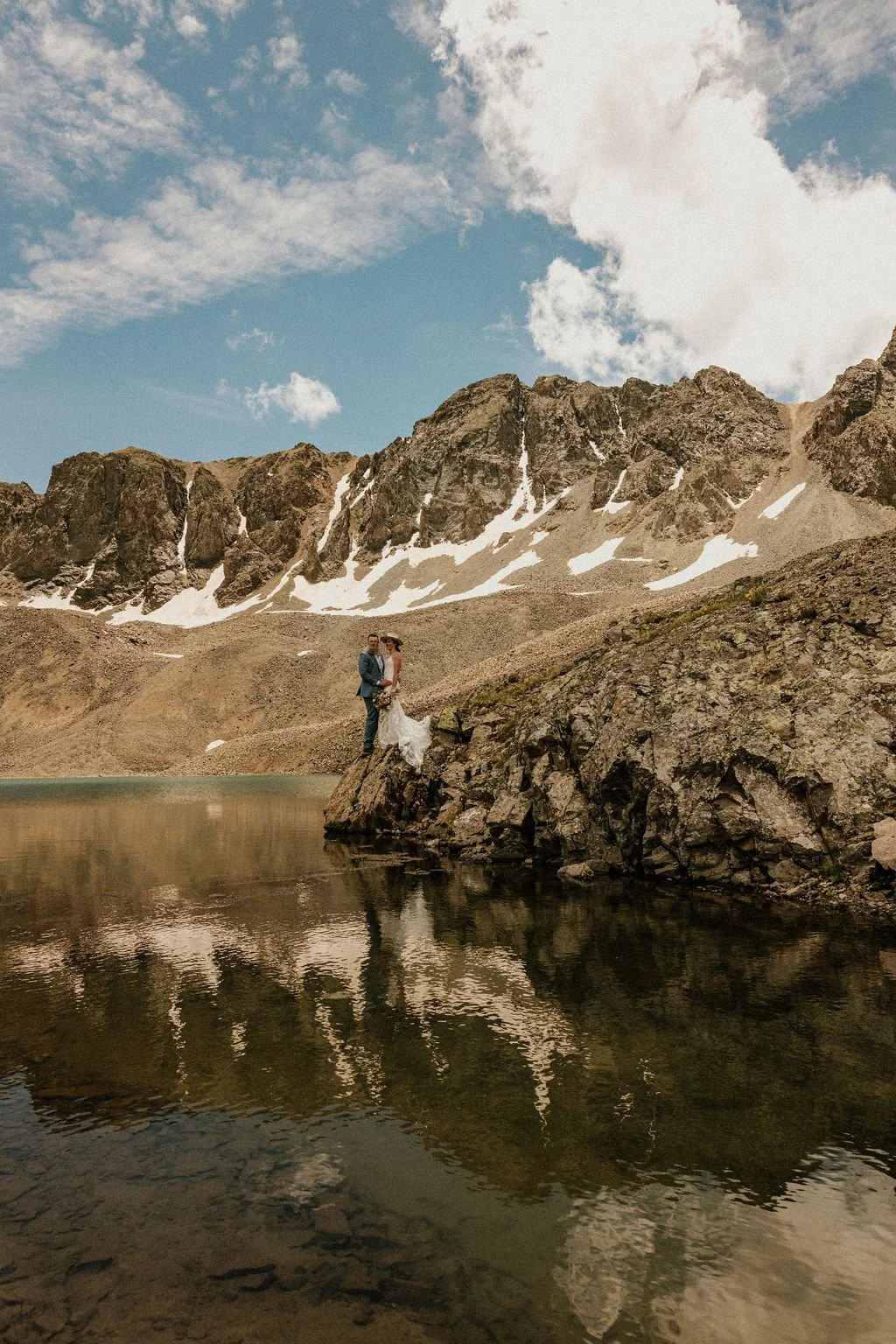
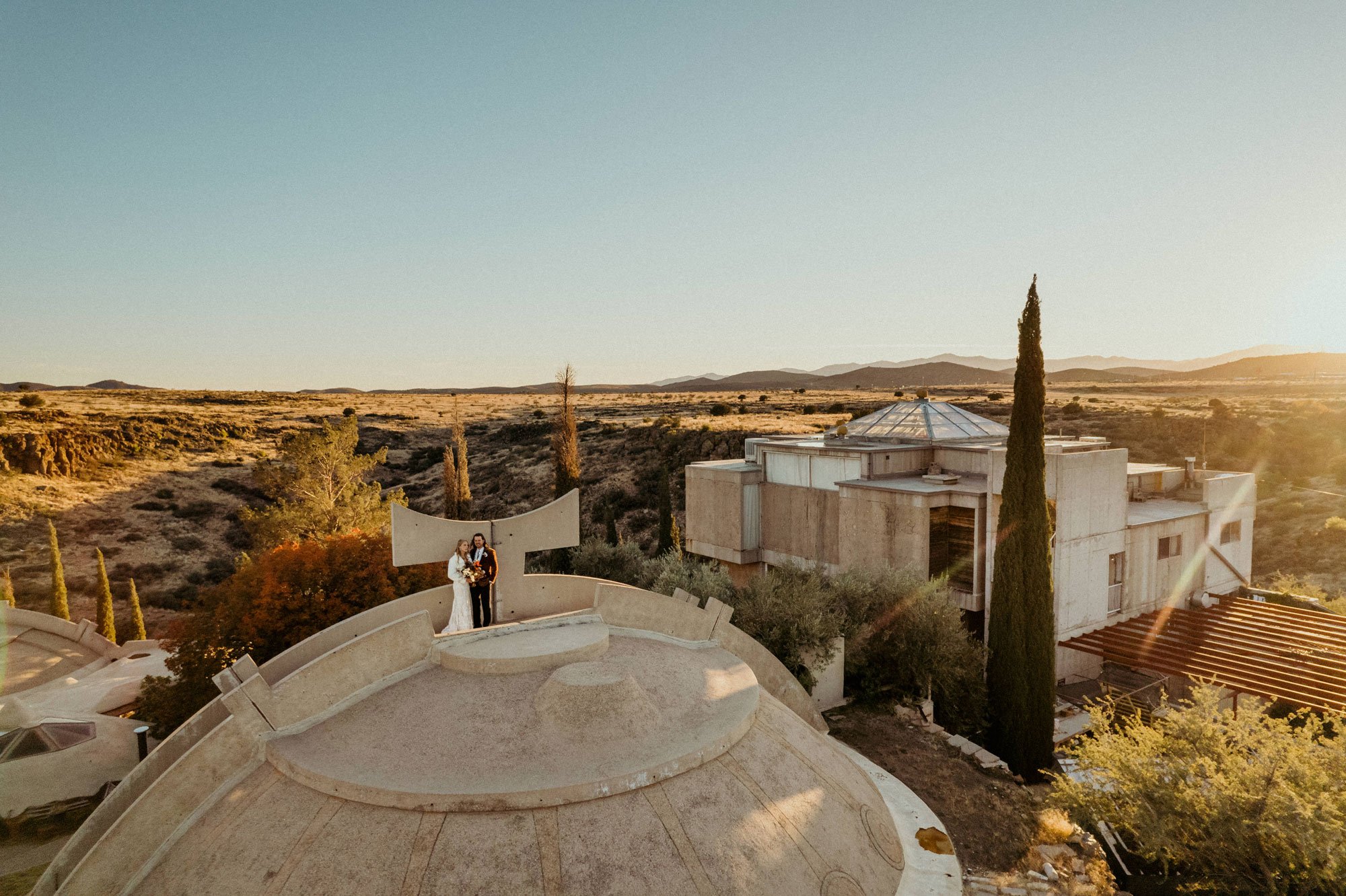
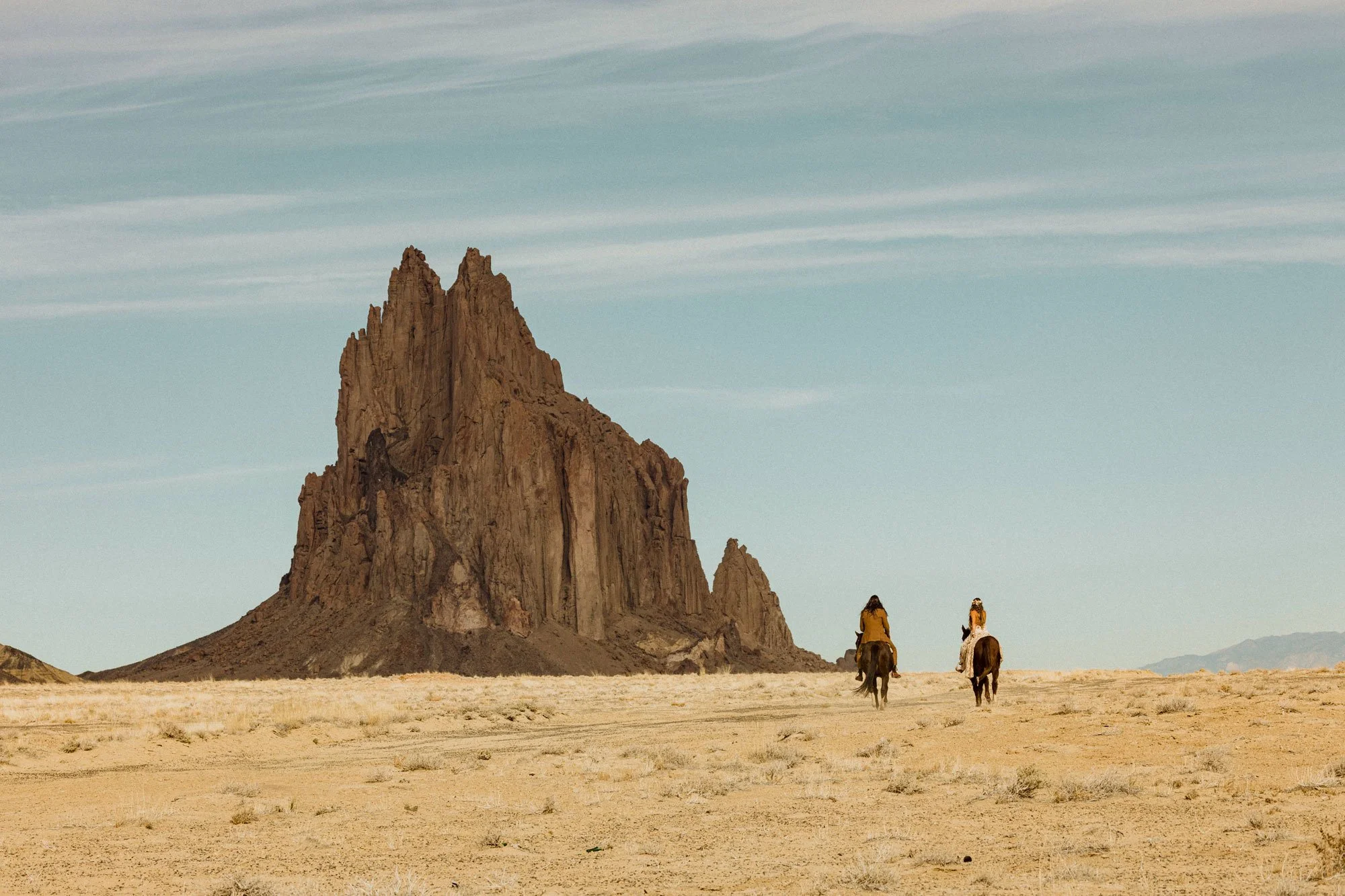
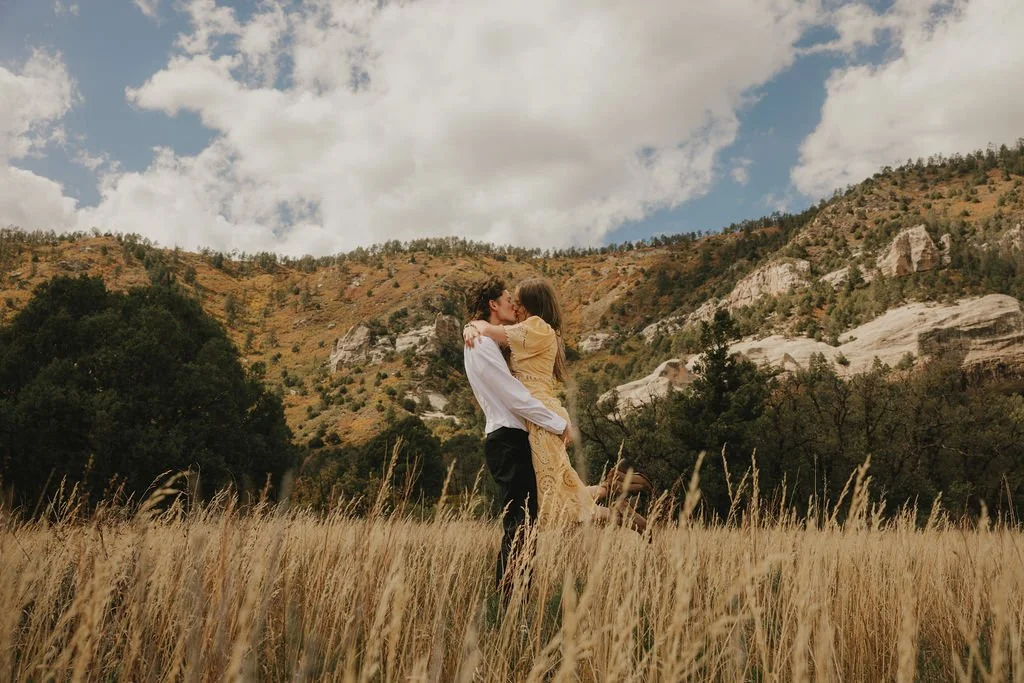
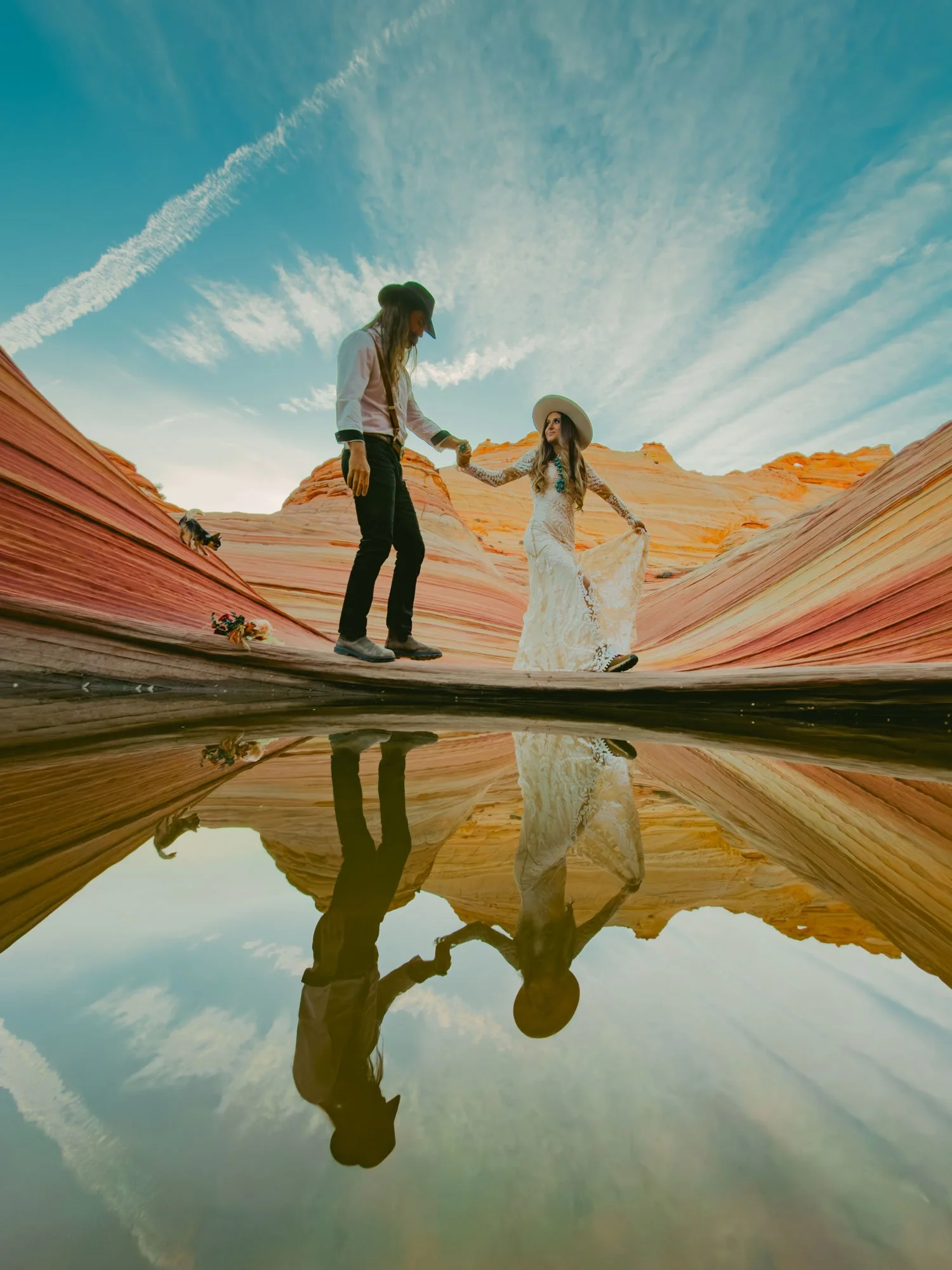
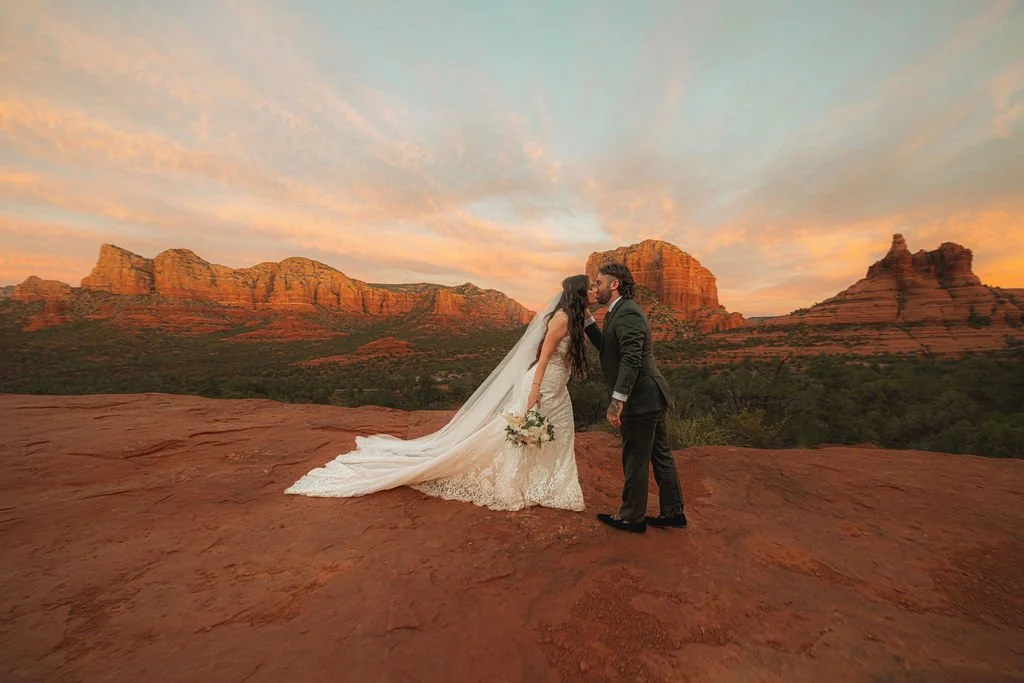
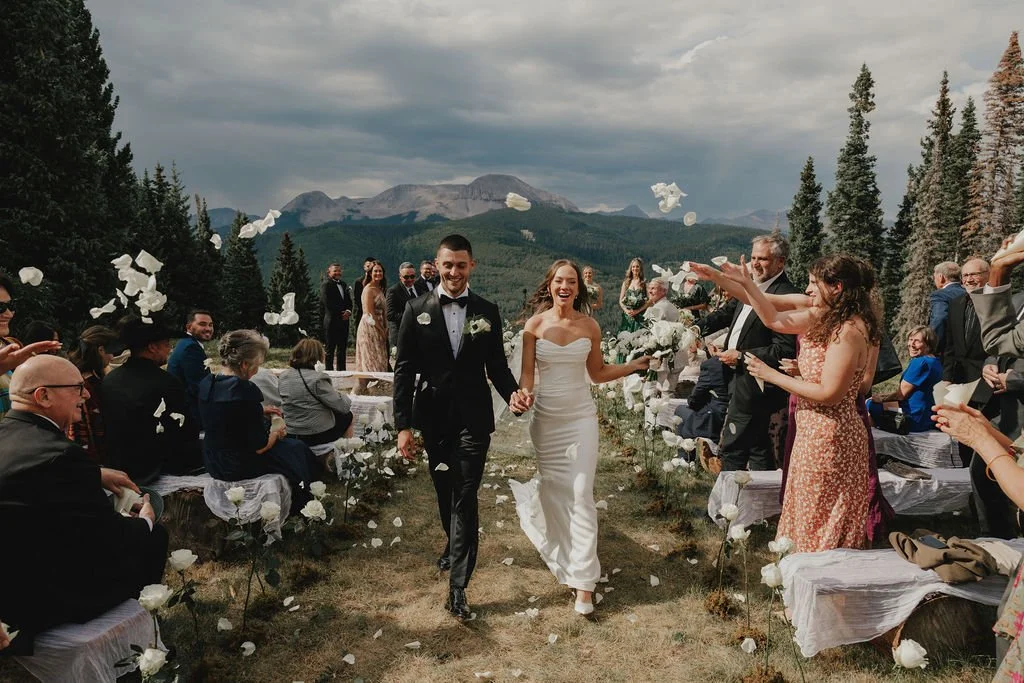
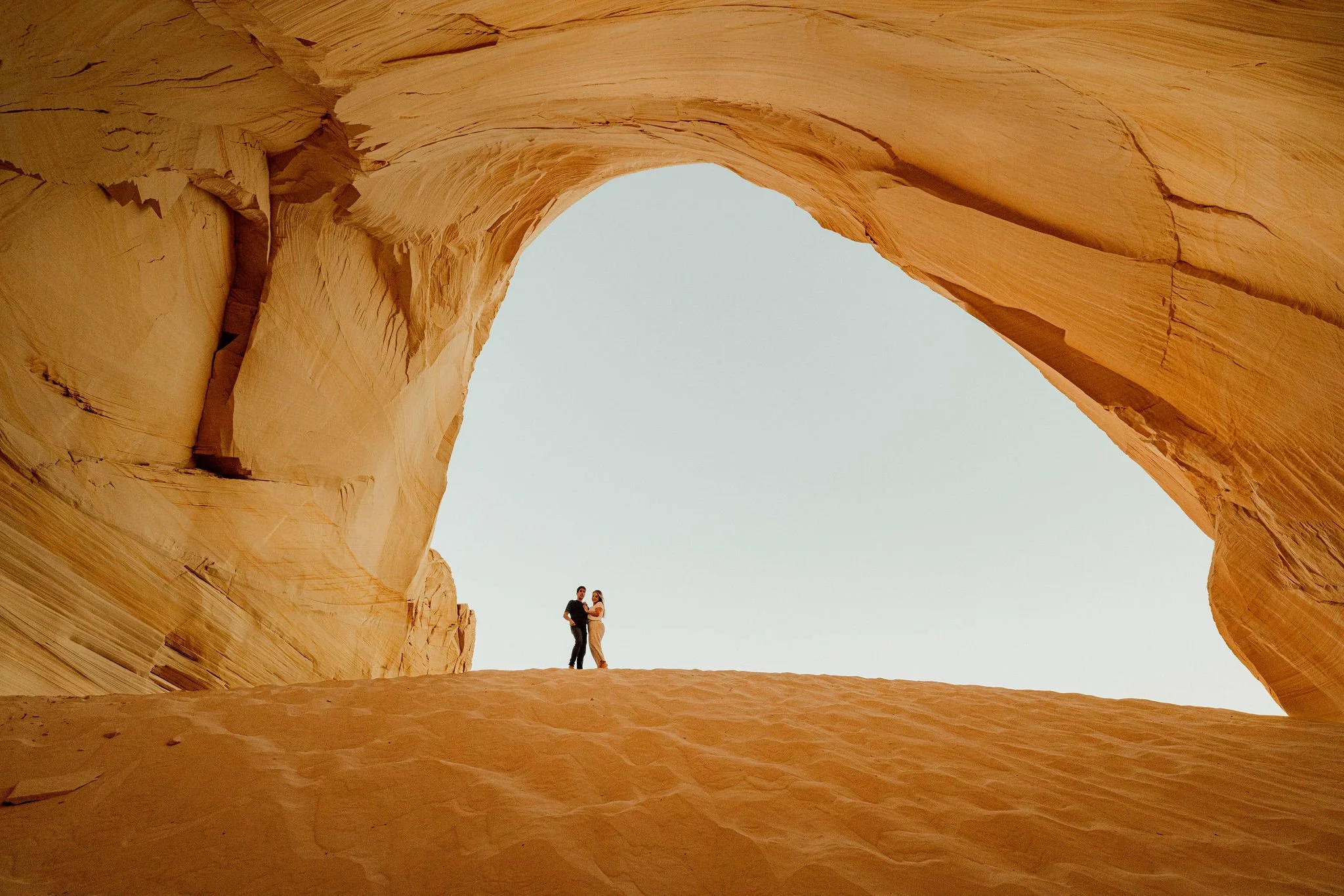
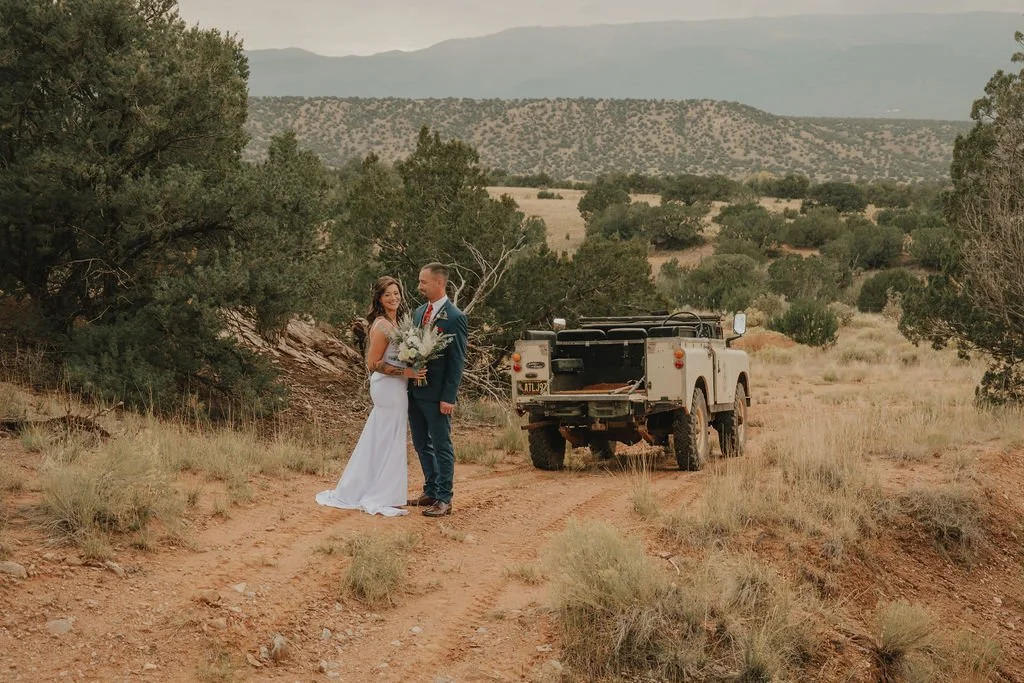
Red River Mountain Wedding Photographer: Your Complete Guide to a New Mexico Mountain Wedding
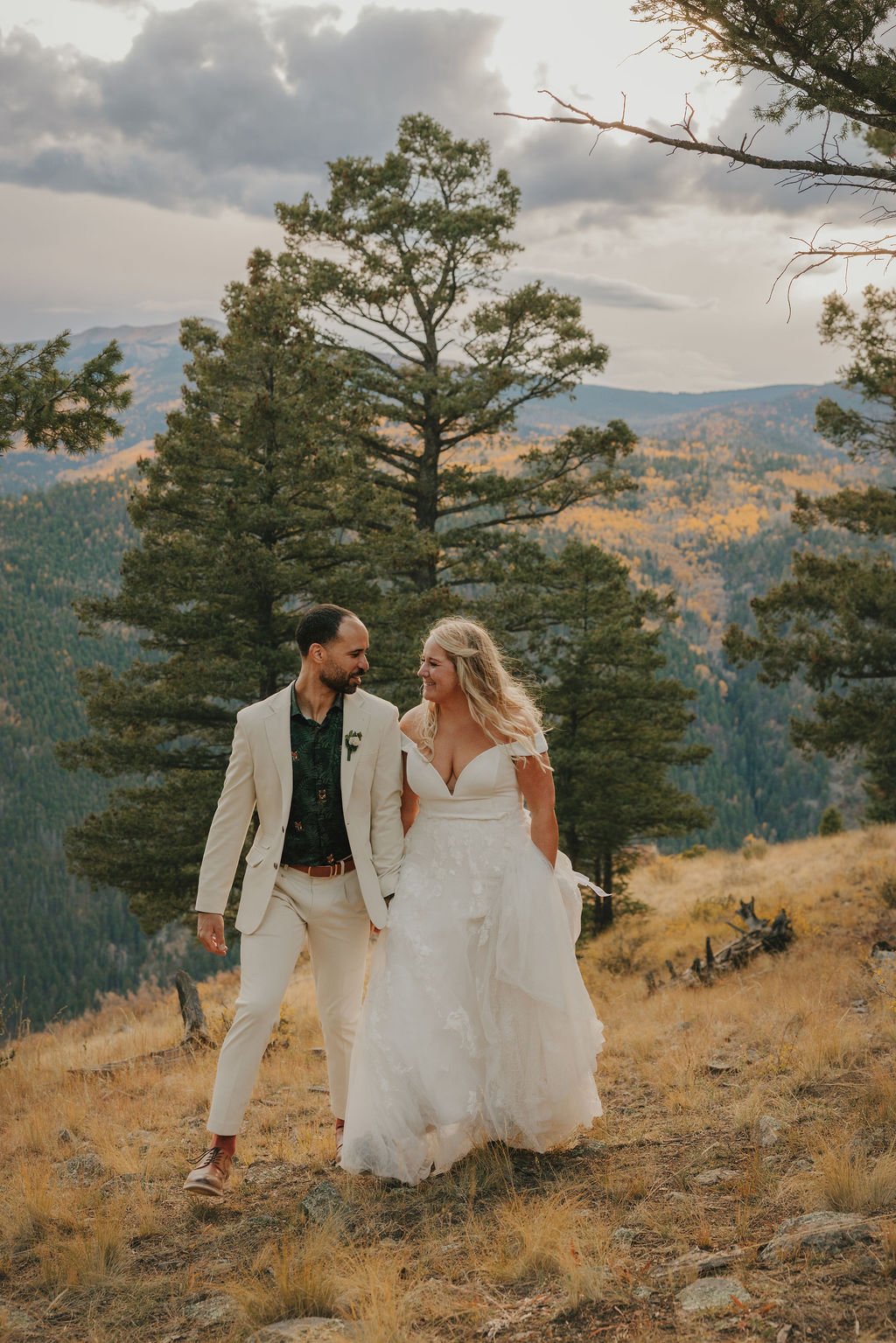
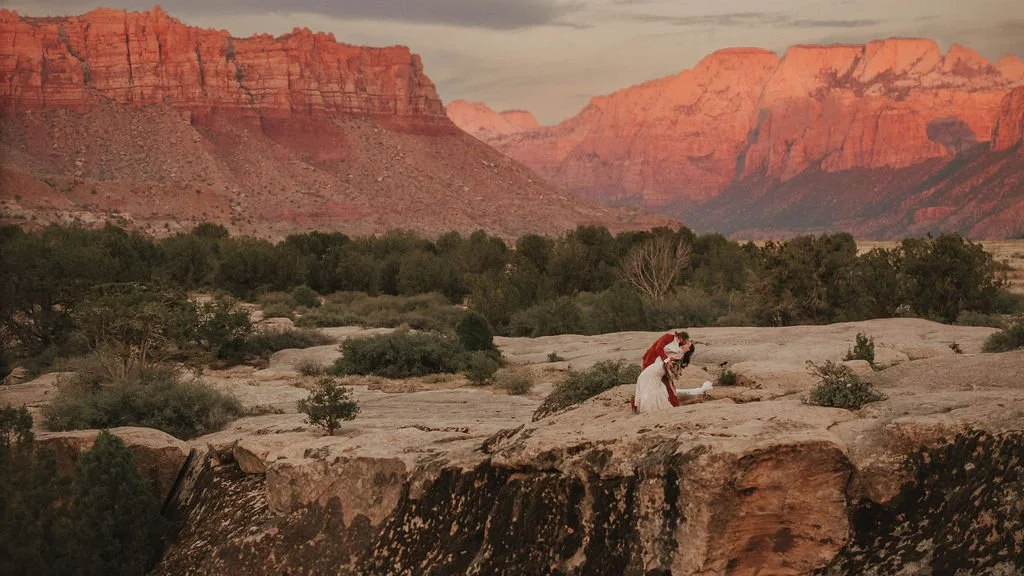
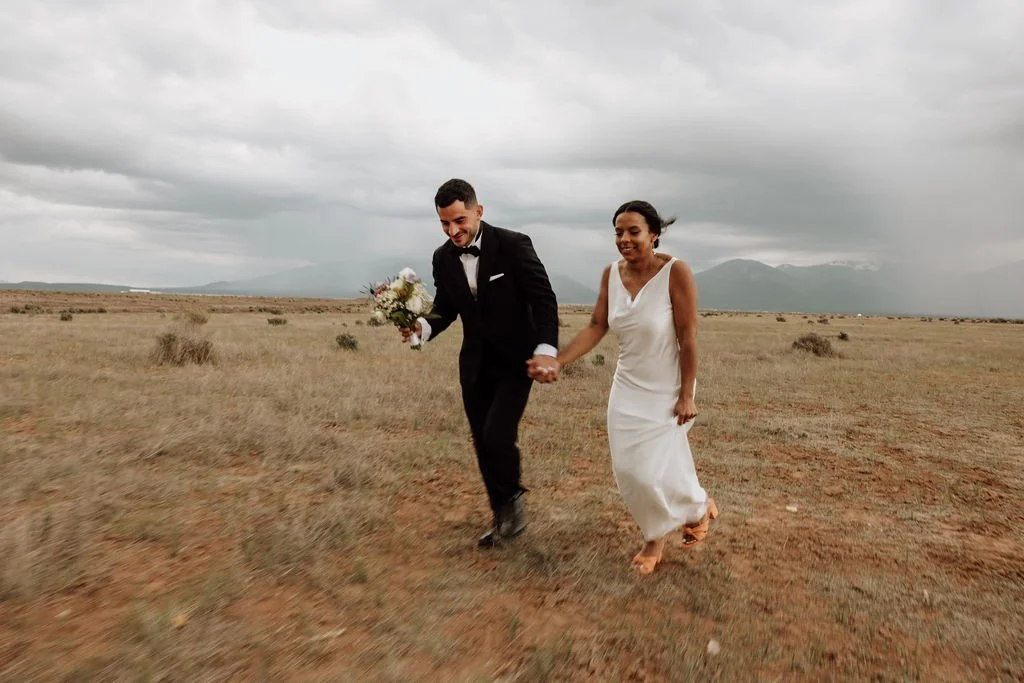
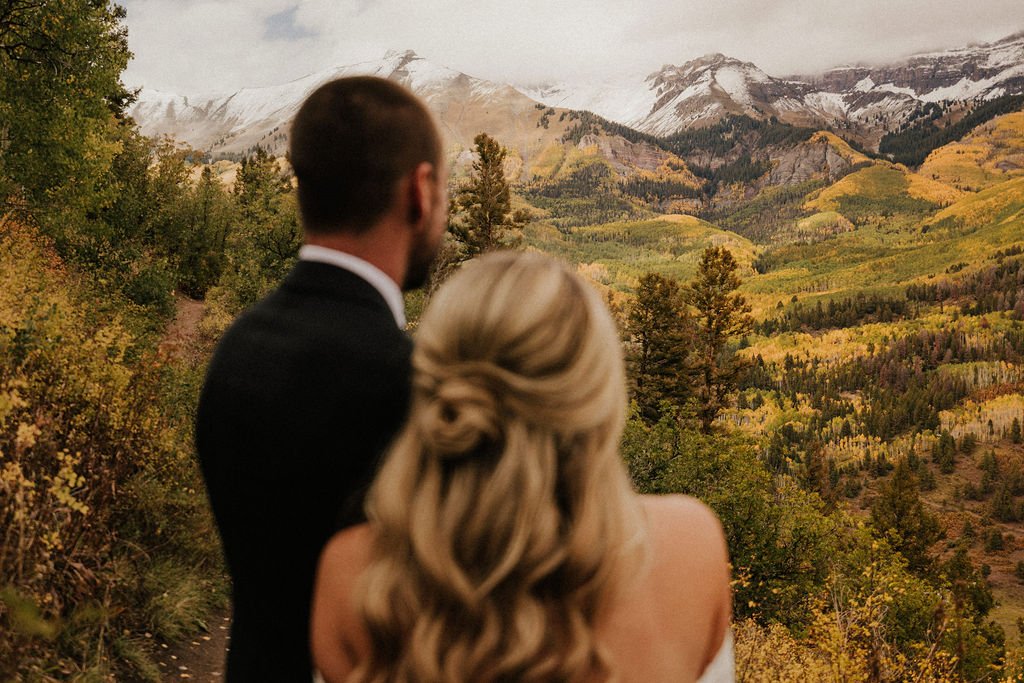
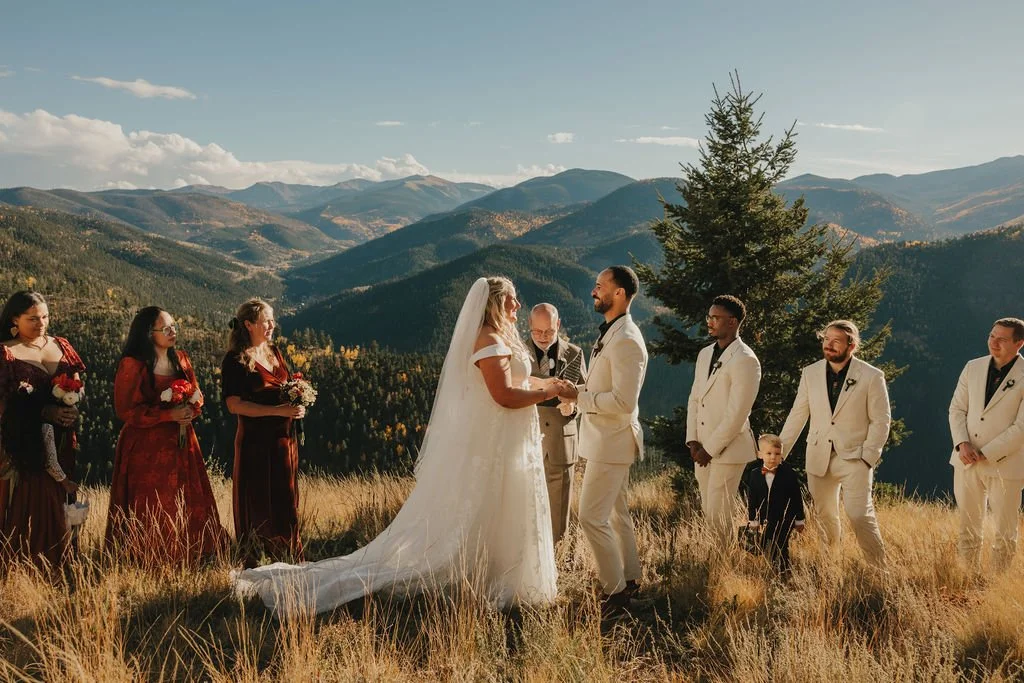
A Red River mountain wedding photographer is a New Mexico-based photography professional who specializes in documenting weddings and elopements set against the Sangre de Cristo Mountains, Red River Gorge, and the alpine terrain surrounding the village of Red River, NM, and that's exactly the kind of work Shutterfreek has built its reputation on. If you're planning a ceremony among aspen groves, pine ridgelines, or snow-dusted peaks, the right photographer doesn't just take pictures; they know the terrain, the light, the permits, and the logistics well enough to turn a remote mountain location into a seamless wedding day.
This guide breaks down everything you need to know before booking a Red River mountain wedding photographer, from location selection and seasonal timing to pricing, planning, and the questions real couples ask before they say "I do" at 9,000 feet.
Why Couples Choose Red River, New Mexico for a Mountain Wedding
Red River sits in Taos County, tucked inside the Carson National Forest, and it offers something most wedding venues can't: a genuine alpine village backdrop without the crowds or price tag of destinations like Aspen or Jackson Hole. Couples are drawn here for a handful of recurring reasons:
Accessible alpine scenery — ski-resort-grade mountain views reachable by a short drive, not a multi-day trek.
Four distinct wedding seasons — wildflower-covered meadows in summer, fiery aspen color in fall, and a true winter-wonderland option for snow-lovers.
Smaller crowds, bigger skies — compared to Taos Ski Valley or Angel Fire, Red River stays quieter, which matters for both ceremony privacy and uninterrupted photo backdrops.
Elopement-friendly permitting — much of the surrounding Carson National Forest land allows small, permitted ceremonies, making it a strong fit for intimate mountain elopements rather than large-scale receptions.
For couples comparing regions, Red River often gets shortlisted alongside other Southwest mountain towns. If you're still deciding between states, it's worth seeing how it stacks up against comparable terrain in our New Mexico weddings and adventure elopements coverage.
What to Expect From a Red River Mountain Wedding Photographer
Mountain weddings are not shot the same way as ballroom or backyard weddings, and that distinction matters when you're vetting photographers.
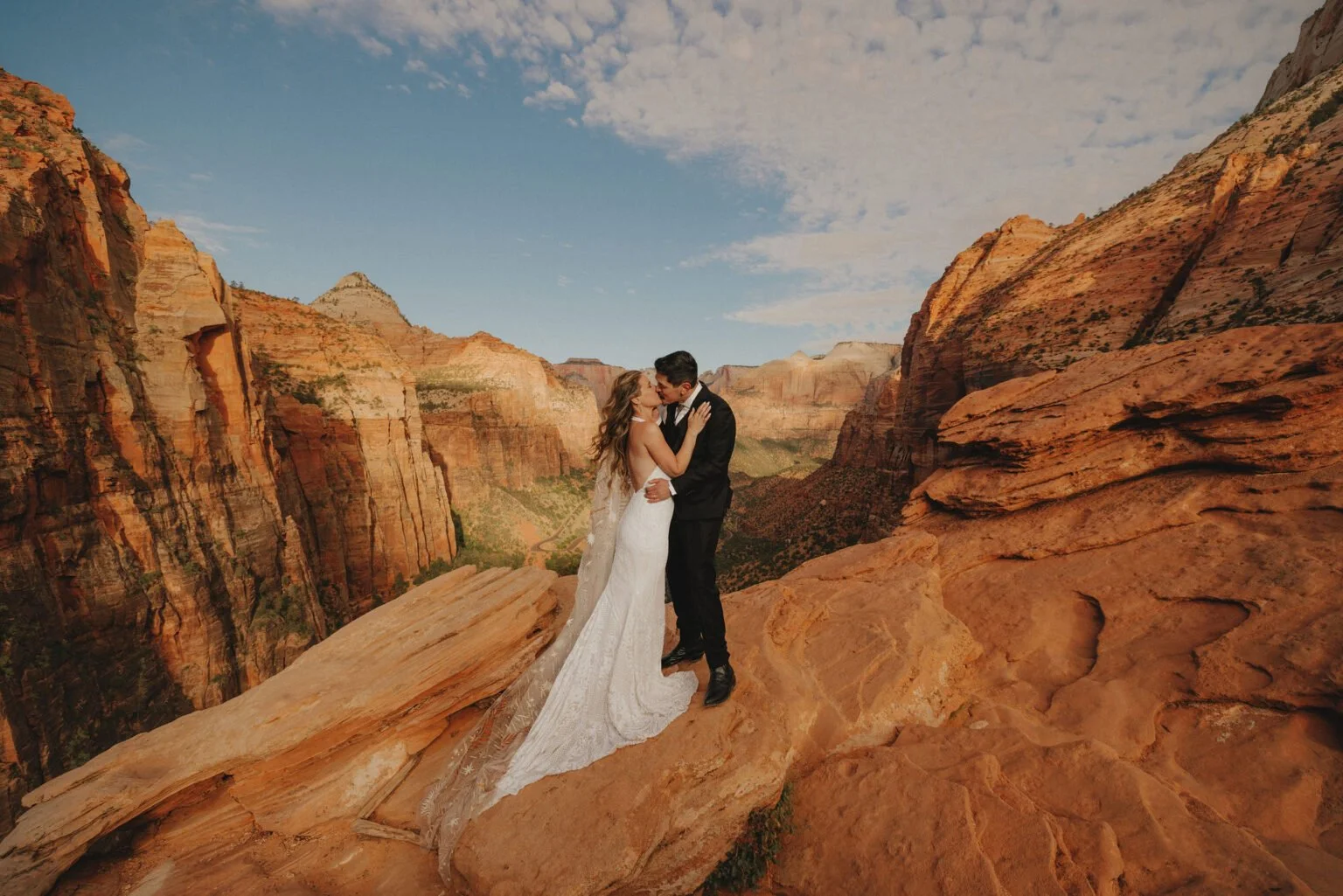
Terrain-first planning. A photographer who actually works this region will plan your timeline around sun position relative to specific peaks, trailhead access points, and how far your bridal party can realistically hike in wedding attire. This is experience that can't be faked with a portfolio alone — it comes from having shot the Red River Gorge, the Enchanted Circle, and the surrounding national forest repeatedly, across different seasons and weather conditions.
Permit and access knowledge. Many of the most photogenic overlooks around Red River sit on U.S. Forest Service land, which may require a special-use permit for wedding ceremonies or commercial photography. A seasoned local photographer should be able to tell you, without hesitation, which locations need paperwork and which don't.
Weather contingency planning. Mountain weather shifts fast, afternoon thunderstorms in summer, early snow in October. Photographers with real mountain experience build backup shot lists and alternate locations into the day instead of treating bad weather as a crisis.
Physical readiness. Shooting a mountain wedding often means climbing with gear, working in thin air at altitude, and moving quickly between locations. This is a meaningfully different skill set than studio or venue-based photography.
Best Red River & Nearby Mountain Wedding Locations
Below is a comparison of the most-requested ceremony and portrait locations in and around Red River, based on accessibility, scenery type, and permitting needs.
| Location | Scenery Type | Best Season | Permit Needed? | Guest Capacity |
|---|---|---|---|---|
| Red River Gorge Overlook | Alpine canyon views | Late June–Sept | Yes (Forest Service) | Up to 20 |
| Carson National Forest Meadow | Wildflower meadow | July–August | Yes | Up to 50 |
| Goose Lake Trail | Alpine lake, aspen groves | September–early Oct | Yes | Up to 10 |
| Enchanted Circle Scenic Byway Pullouts | Panoramic mountain range | May–October | No (public road access) | Up to 15 |
| Red River Ski Area Slopes | Winter alpine, snow-covered pine | December–February | Yes (resort permission) | Up to 30 |
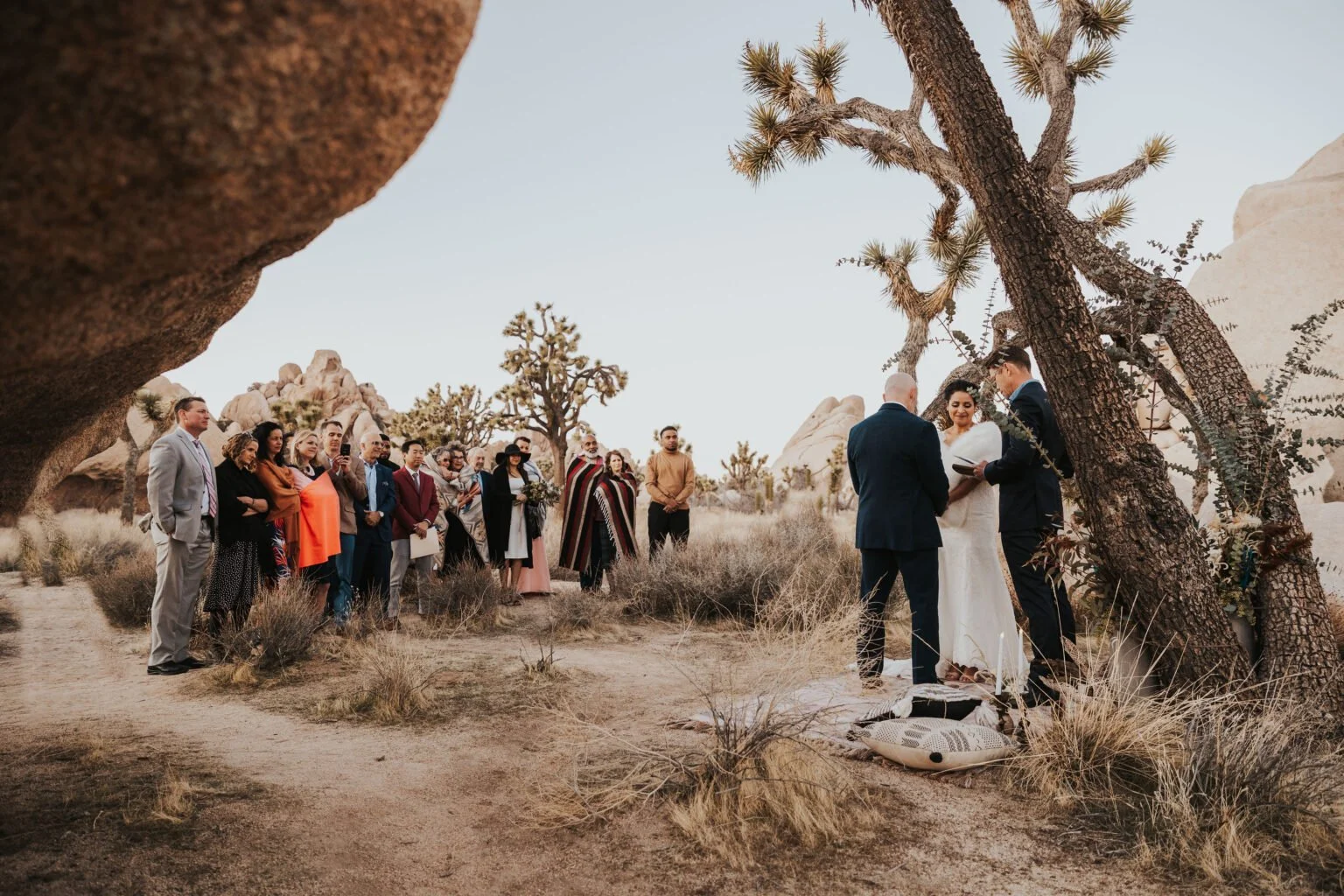
Many couples choosing a remote overlook like Goose Lake Trail or the Red River Gorge are specifically after an elopement-style experience rather than a traditional guest-heavy wedding. If that's the direction you're leaning, our dedicated elopements page walks through how small-group mountain ceremonies are typically structured.
Shutterfreek's Experience, Expertise & Approach in Red River
Shutterfreek has photographed adventure weddings and elopements across multiple Southwestern mountain regions, which gives us a comparative understanding of how Red River's terrain, light, and logistics differ from similar locations elsewhere.
Experience: Our team has hiked, scouted, and shot in the Carson National Forest across every season, which means we already know which trailheads hold morning shade, where afternoon storms typically roll in from, and which overlooks photograph best at sunset versus sunrise.
Expertise: Mountain wedding photography requires technical range, low-light shooting at altitude, fast-changing weather, and composition that uses scale (mountains, cliff faces, open sky) without making the couple look small or lost in the frame. This is a specialized skill distinct from standard wedding photography.
Authoritativeness: Beyond Red River, we've documented adventure elopements across the Utah mountains and canyon country, giving us a wider frame of reference for what makes a mountain location work for photography versus what only looks good on a map.
Trustworthiness: We're transparent about permit requirements, realistic about hiking distances and physical demands, and upfront about weather risk, because a couple who knows what to expect on their wedding day trusts their photographer more, not less.
Planning Your Red River Mountain Wedding: Timeline & Seasonal Guide
Timing is the single biggest factor in how a Red River mountain wedding turns out on camera. Here's how the seasons compare:
| Season | Avg. Temp (Day) | Pros | Cons | Ideal Ceremony Time |
|---|---|---|---|---|
| Spring (Apr–May) | 45–60°F | Fewer crowds, flowing streams | Lingering snow at elevation, muddy trails | Midday |
| Summer (Jun–Aug) | 65–78°F | Wildflowers, long daylight hours | Afternoon thunderstorms | Late afternoon |
| Fall (Sept–Oct) | 50–65°F | Aspen color, crisp light | Short booking window, early cold snaps | Early afternoon |
| Winter (Dec–Feb) | 20–35°F | Dramatic snow scenery, fewer logistics conflicts | Cold-weather gear needed, shorter daylight | Midday |
A reliable mountain wedding timeline generally includes a buffer of 60–90 minutes built in purely for hiking or shuttle time to the ceremony site, plus a secondary "backup window" in case weather pushes the ceremony or portraits earlier or later than planned. Couples eloping in remote terrain, including many who first explored options through our New Mexico adventure elopements guide, tend to build in even more flexibility, since smaller groups can move and adapt faster than full wedding parties.
How to Choose the Right Red River Mountain Wedding Photographer
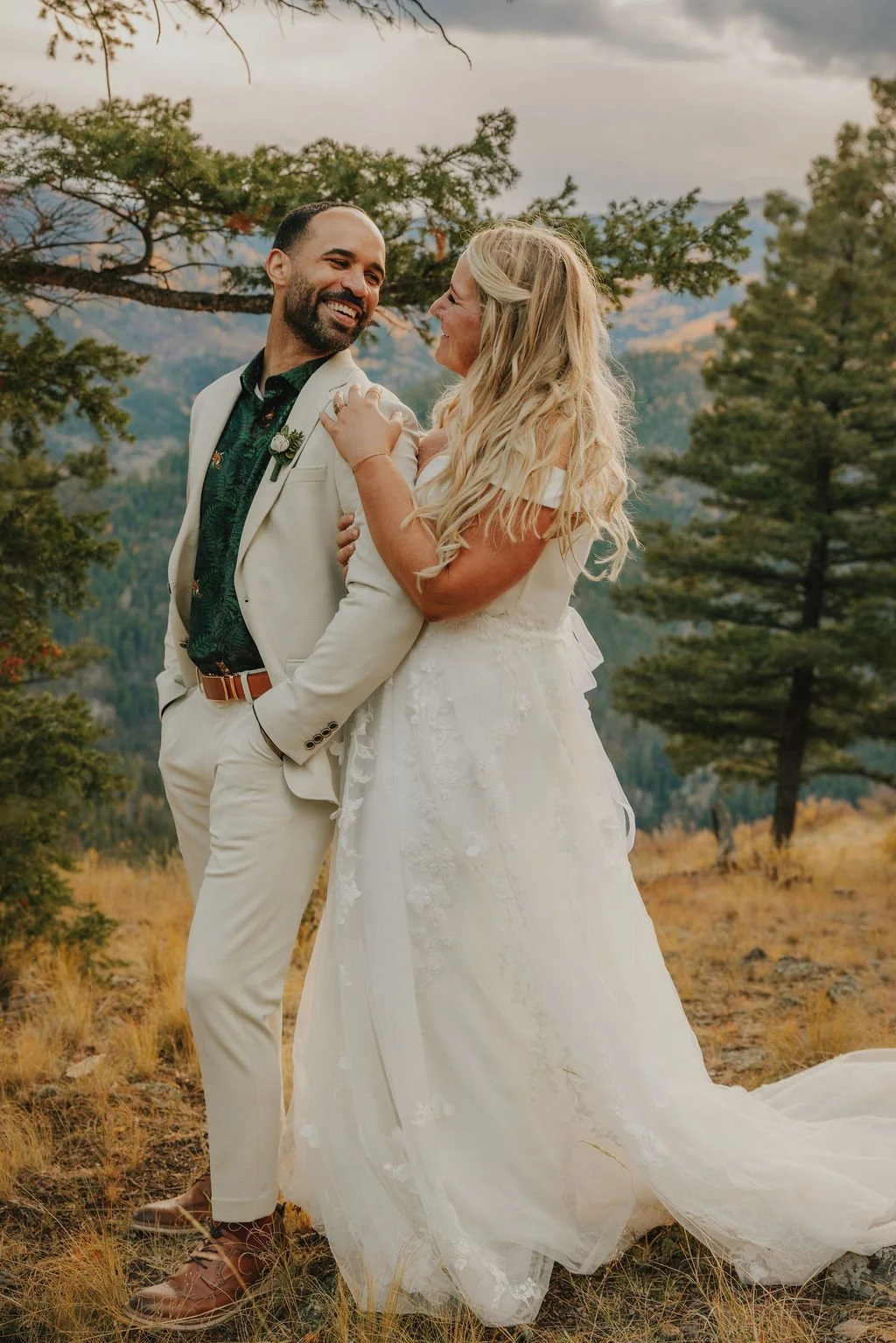
Not every wedding photographer is equipped to shoot mountain terrain well, regardless of how strong their portfolio looks in a studio or garden setting. Ask these questions before booking:
Have you physically shot in this specific area before, or only similar terrain? Familiarity with Red River's trails and light patterns is different from general "mountain photography" experience.
What's your backup plan for sudden weather changes? A vague answer is a warning sign.
Do you handle or assist with Forest Service permitting? Some photographers coordinate this directly; others expect the couple to manage it entirely.
What gear do you bring for low-light, high-altitude, or cold-weather shooting? This affects image quality more than most couples realize.
Can you show a comparable adventure elopement, not just a venue wedding? A photographer experienced with regions like Utah's adventure elopement terrain will usually have a portfolio that reflects real hiking, real weather, and real remote locations, not just posed studio-style shots relocated outdoors.
Red River Wedding Photography Pricing & Packages
Pricing for a Red River mountain wedding photographer typically depends on hike distance, number of locations, hours of coverage, and whether permits are included in the package. As a general reference point:
Elopement packages (2–4 hours, single location): Best suited for couples prioritizing one dramatic mountain backdrop over a full wedding-day timeline.
Half-day packages (5–6 hours): Covers ceremony plus multiple portrait locations, suitable for small guest counts.
Full-day packages (8+ hours): Includes getting-ready coverage, ceremony, multiple scenic locations, and reception documentation if applicable.
Exact pricing varies by season (peak fall and summer dates book faster and may carry premium pricing) and by permit costs, which are typically passed through at cost rather than marked up.
What Happens on Your Red River Wedding Day: A Realistic Walkthrough
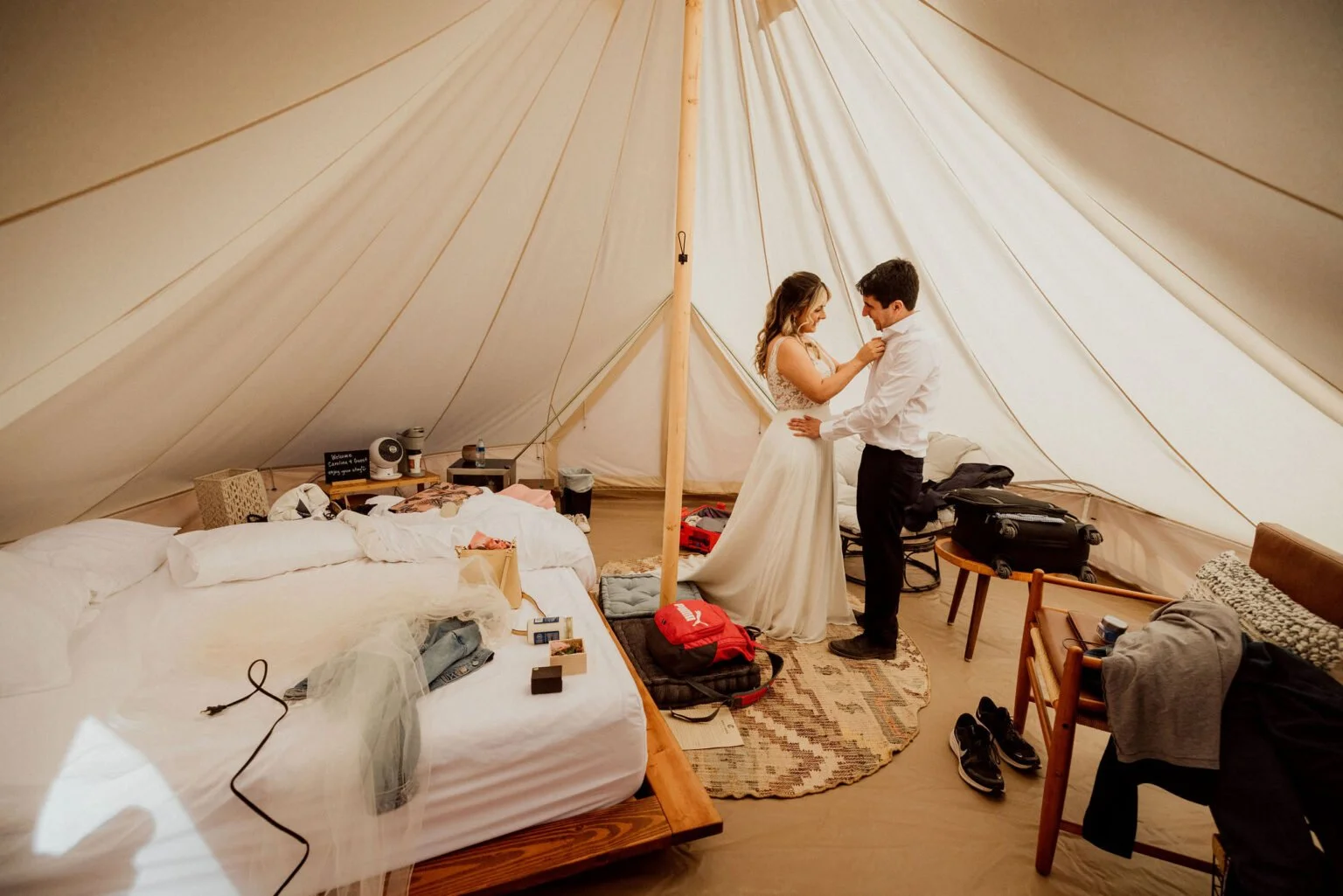
Couples planning a mountain wedding for the first time often underestimate how different the day-of-flow feels compared to a venue wedding. Here's what a typical Red River shoot day looks like when working with an experienced mountain photographer.
Early morning weather check. Before anything else, a seasoned photographer checks elevation-specific forecasts — not just the general Red River weather, but conditions at the actual ceremony elevation, since temperature and cloud cover can shift dramatically between the village and a ridge 1,500 feet higher.
Staged arrival at the trailhead. Rather than everyone arriving at once, mountain weddings typically stagger arrivals: photography and video teams first to confirm light and footing, then the couple, then any guests. This avoids a bottleneck at narrow trail access points.
Flexible shot-list sequencing. Unlike a fixed-venue timeline, a mountain wedding timeline is usually sequenced by light and weather rather than strict clock time. If clouds roll in early, a photographer with real experience will reorder portraits and ceremony moments to protect the shots that depend most on direct light.
Built-in recovery time. Altitude affects people differently, and formal wear isn't built for hiking. A well-planned timeline includes rest points, especially for any guests making the trip, so no one is photographed out of breath or overheated.
Post-ceremony golden hour window. Many couples intentionally schedule their ceremony so that portraits land during the hour before sunset, when mountain light is at its most flattering soft, warm, and low-angle across the peaks.
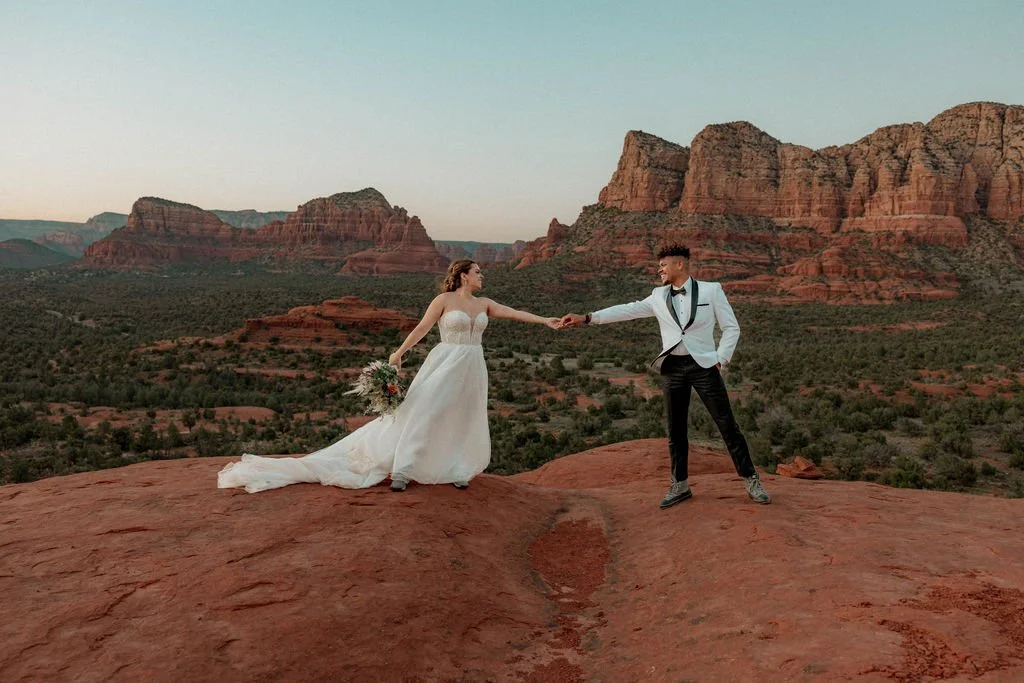
This kind of day-of structure is the same approach we apply across every adventure elopement we shoot, whether that's in the Carson National Forest around Red River or the canyon and desert terrain covered in our Utah and New Mexico adventure elopement work. The terrain changes; the planning discipline doesn't.
Common Mistakes Couples Make When Booking a Mountain Wedding Photographer
Underestimating hike difficulty for guests. A trail that feels easy in sneakers can be a serious obstacle in formalwear and dress shoes. Always ask your photographer for a realistic difficulty assessment, not just a scenic description.
Booking without confirming permit responsibility. Some photographers include permit coordination in their package; others assume the couple will handle it. Clarify this before signing a contract, since missing a required Forest Service permit can mean being asked to relocate mid-ceremony.
Ignoring shoulder-season risk. Early fall and late spring can be stunning, but they also carry the highest risk of sudden snow or ice at elevation. A photographer with local experience will flag this rather than let a couple book blindly based on average seasonal weather.
Choosing a location based on photos alone, without considering access. A stunning overlook photographed from a drone may still require a strenuous hike to reach on foot. Always ask how the location was actually accessed in reference images.
Overlooking golden-hour timing in the ceremony schedule. Couples sometimes schedule ceremonies for guest convenience without consulting their photographer on light timing, missing the most photogenic hour of the day entirely.
Final Thoughts
A Red River mountain wedding is as much about logistics as it is about scenery, permits, seasonal timing, hike distance, and weather contingency all shape how the day actually unfolds. Shutterfreek's experience across comparable adventure-elopement terrain, paired with direct familiarity with Red River's specific trails and overlooks, is built to handle exactly these variables.
If you're planning an intimate mountain ceremony, start with our elopements page to see how we structure small, remote-location weddings from permitting through final gallery delivery.
Frequently Asked Questions
-
Red River offers accessible alpine scenery inside the Carson National Forest, four distinct seasonal looks, and smaller crowds compared to nearby resort towns — making it ideal for both intimate elopements and small guest-count ceremonies.
-
In most cases, yes. Many of the best overlooks and meadows sit on U.S. Forest Service land, which typically requires a special-use permit for weddings or commercial photography. A local photographer familiar with the area can usually guide you through this process.
-
Late September into early October is popular for aspen color, while July and August offer wildflowers and long daylight hours. Winter weddings are possible but require cold-weather planning and shorter shooting windows.
-
This depends heavily on location. Roadside pullouts along the Enchanted Circle require little to no hiking, while locations like Goose Lake Trail may involve a moderate hike best suited to smaller, more mobile groups, often elopement-style ceremonies.
-
Yes. Photographers experienced in Southwest mountain terrain, including regions covered in our Utah and New Mexico adventure elopement guides, often bring that broader terrain knowledge to Red River shoots, which can translate into stronger weather planning and location scouting.
Keep reading