New Mexico Wedding Weather Guide: What Every Couple Needs to Know Before Booking
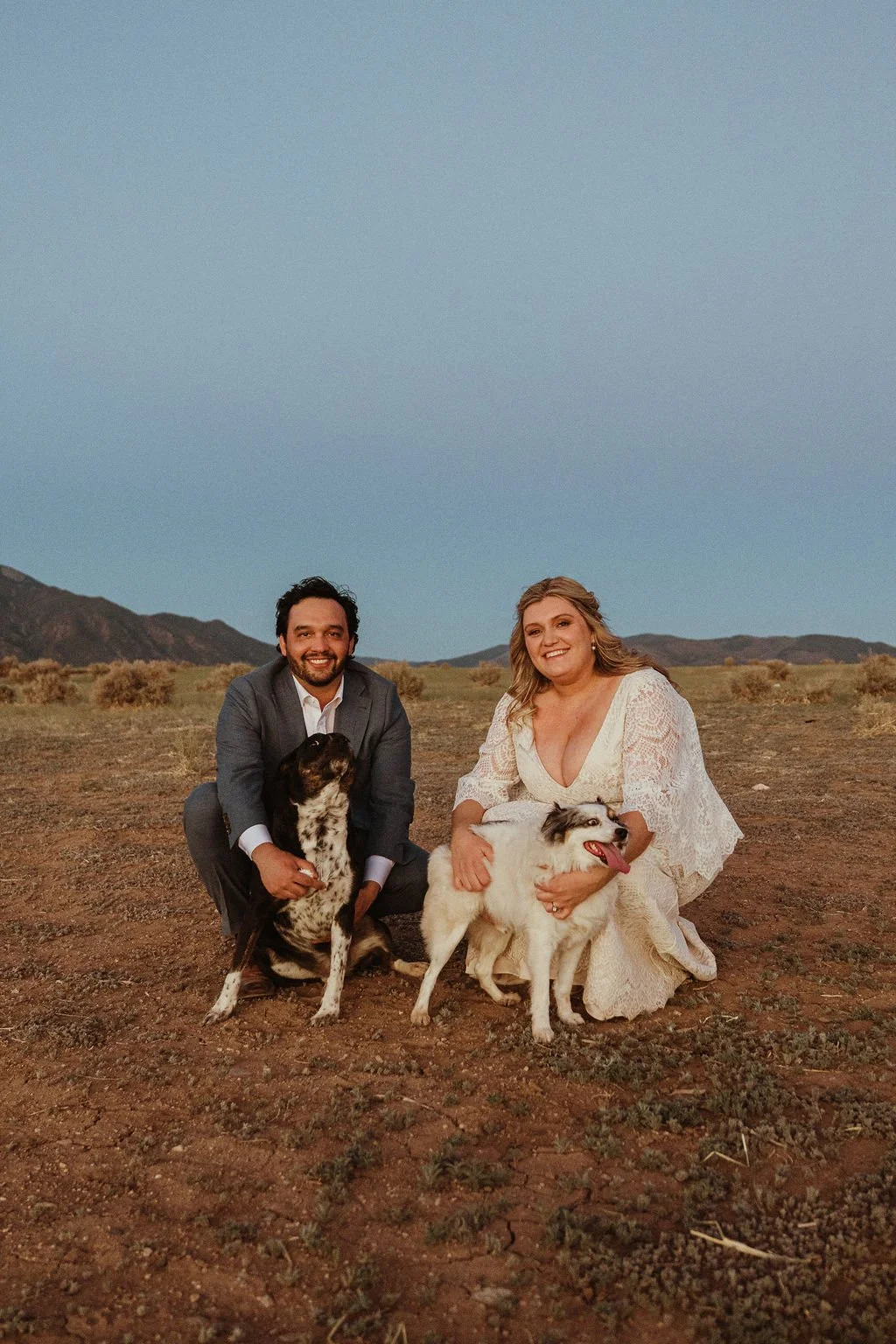
New Mexico offers some of the most dramatic and photogenic wedding weather in the entire Southwest — with over 300 days of sunshine per year, low humidity, and jaw-dropping high-desert landscapes, the Land of Enchantment is genuinely one of the best states in the country to get married outdoors. The best months to get married in New Mexico are May, June, September, and October, when temperatures are comfortable, precipitation is low, and the lighting for outdoor ceremonies and photography is absolutely breathtaking.
Whether you're dreaming of a ceremony at sunset in Santa Fe, an intimate elopement near Taos, or a sweeping outdoor celebration in the White Sands desert, understanding New Mexico's weather patterns isn't just helpful — it's essential. This guide breaks down everything: average temperatures by season, monsoon risks, wind conditions, altitude effects, and when to book for the most stunning wedding photos your guests have ever seen.
Why New Mexico Is a Dream Wedding Destination
Before we dive into weather specifics, it's worth understanding what makes New Mexico special. The state sits at high elevation most of the major cities and venues sit between 4,000 and 7,000 feet above sea level. That altitude means cooler temperatures than you'd expect for a desert state, dramatically clear skies, and that signature warm, golden-toned light that photographers chase from all over the world.
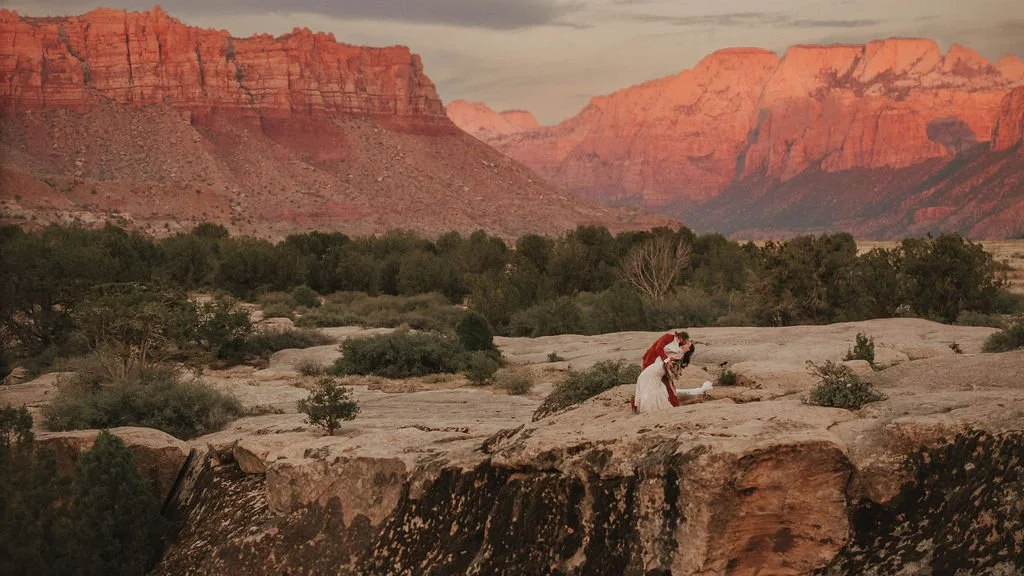
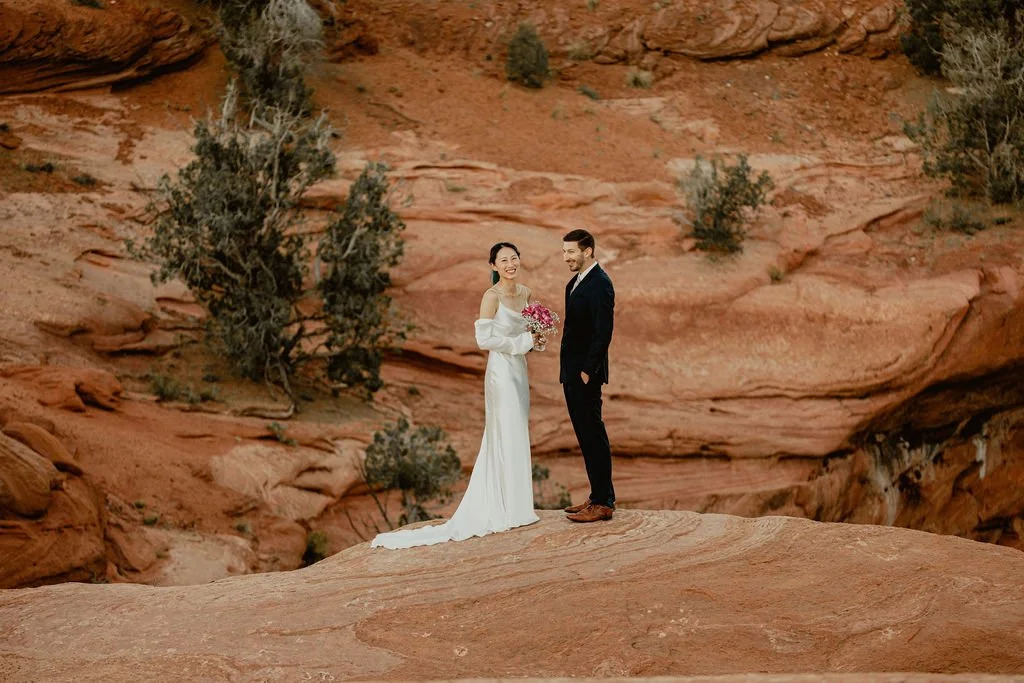
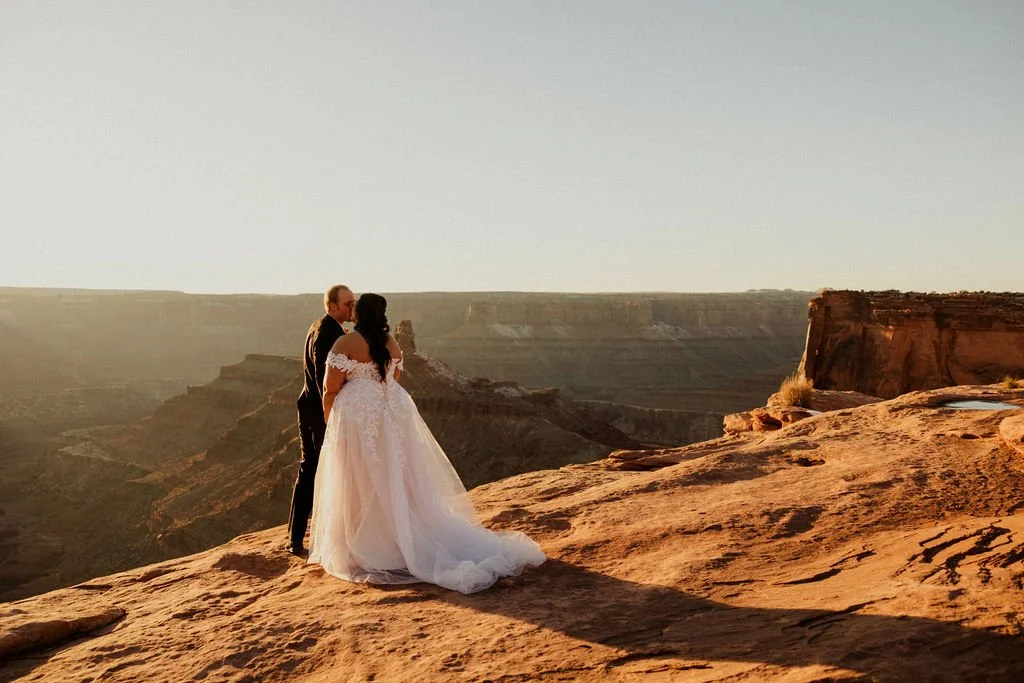
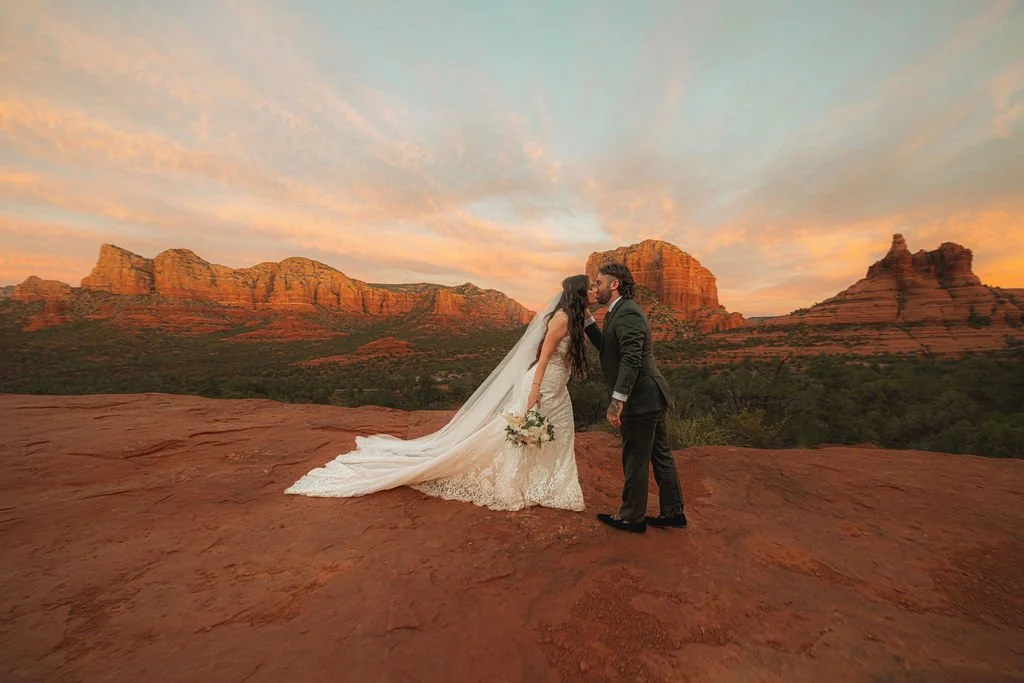
Couples who choose New Mexico adventure elopements and weddings with Shutterfreek often tell us that the light here is unlike anything they've ever seen the way the high-desert sun hits the red rock formations, the yucca fields, and the open-sky landscapes creates images that look almost otherworldly.
But weather in New Mexico is not one-size-fits-all. The state spans multiple climate zones, from the alpine forests of northern New Mexico to the Chihuahuan Desert in the south. A wedding in Taos in April can be a completely different weather experience than a wedding in Albuquerque in October. That's why location-specific planning matters just as much as the time of year.
New Mexico Weather by Season: A Month-by-Month Breakdown
Spring (March – May)
Spring is one of the most popular wedding seasons in New Mexico, and for good reason. By late April and May, temperatures across much of the state have climbed into comfortable ranges typically between 65°F and 80°F during the day while nights can still drop into the 40s at higher elevations.
March can still be unpredictable. Late-season cold fronts and wind events are common across the Albuquerque area and central New Mexico plateau. April represents a transitional sweet spot, but it's also one of the windiest months of the year in the state.
May is the standout spring month. Precipitation is low, temperatures are ideal, and the desert wildflowers are often still blooming adding natural color to outdoor ceremony and reception photography.
One important note for spring planning: wind. New Mexico's spring is notoriously windy, especially March through early May. Couples planning ceremonies in open, exposed locations (think White Sands, the East Mountains, or any mesa-top venue) should have wind contingency plans in place.
Summer (June – August)
Summer in New Mexico is divided into two very different periods, and this distinction is critical for wedding planning.
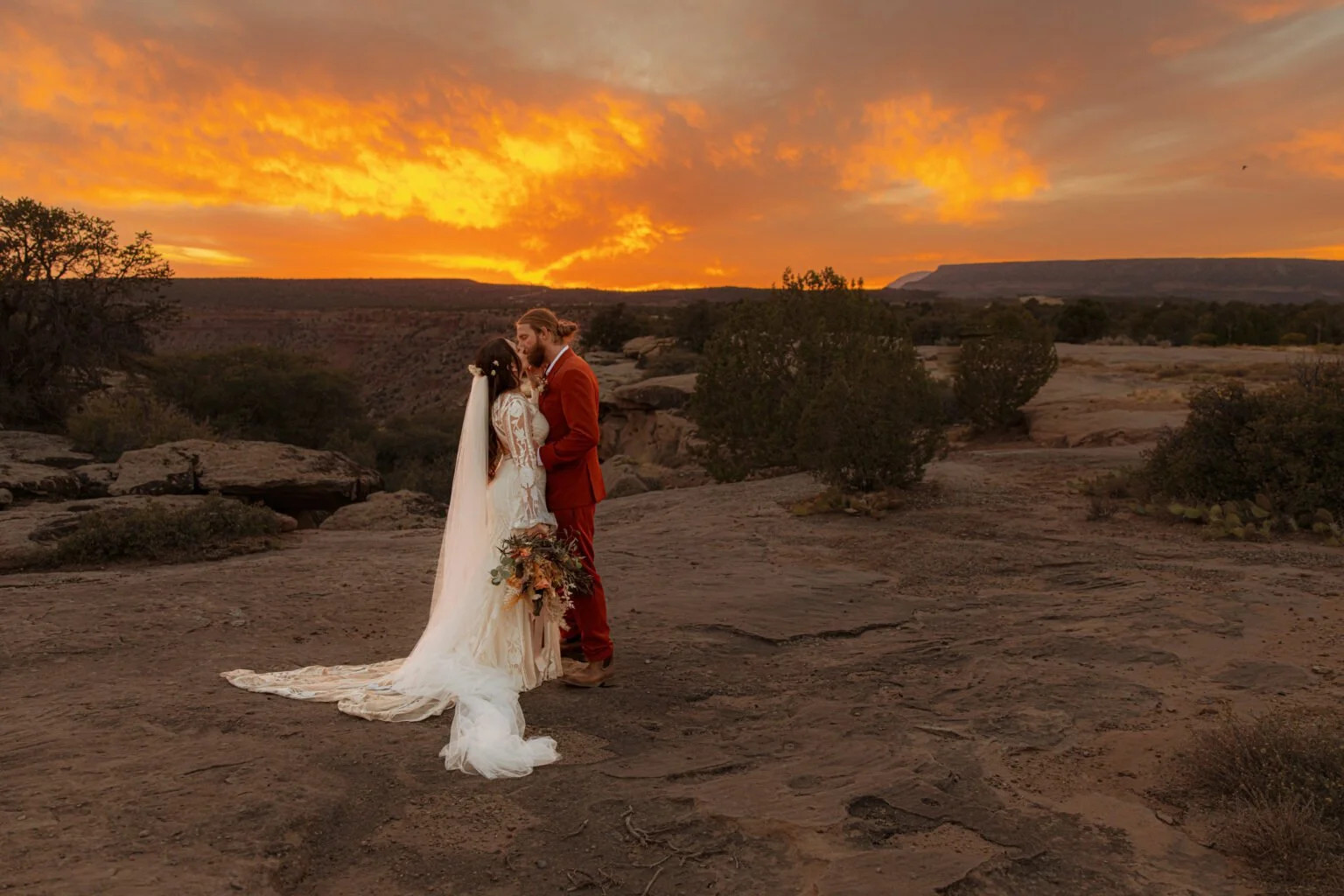
June (Pre-Monsoon): Early June is arguably the best month of the year for outdoor weddings in New Mexico. Skies are crystal clear, temperatures are warm but not oppressive, and humidity is at its annual low. It's also peak golden hour season sunsets in early June in Santa Fe or Taos are absolutely legendary.
July – August (Monsoon Season): New Mexico's annual monsoon season typically begins in early to mid-July and runs through mid-September. During this period, afternoon and evening thunderstorms develop rapidly over mountain ranges and can sweep across venues with little warning. Storms are usually short but intense, bringing lightning, heavy rain, and hail.
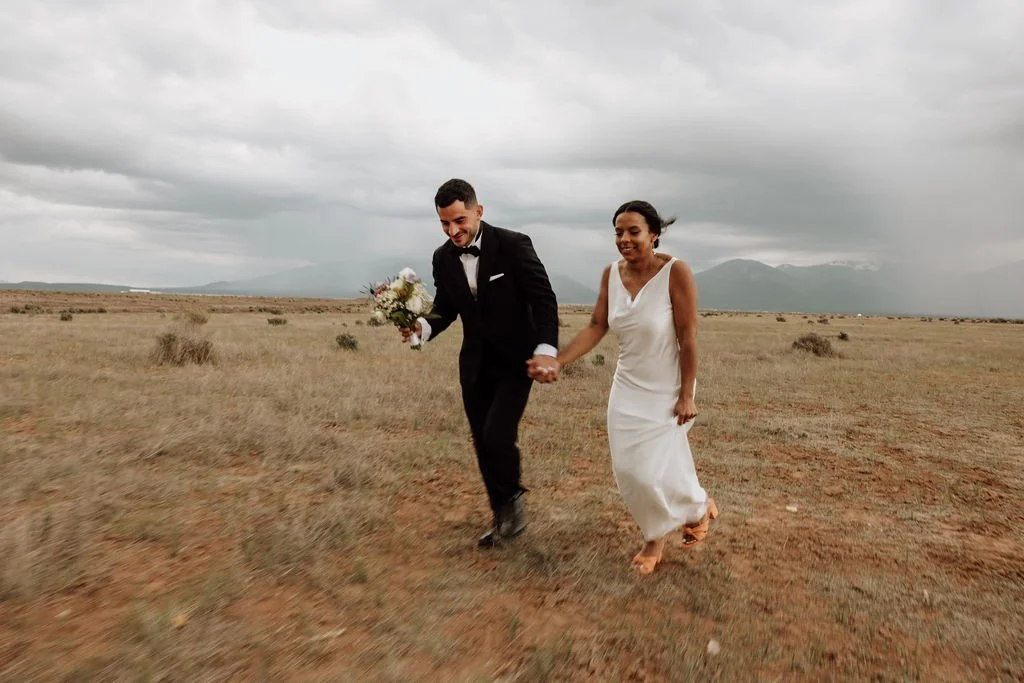
This doesn't mean you can't get married during monsoon season many of Shutterfreek's most dramatic desert wedding photos have been captured right before or after a monsoon storm, when the light turns extraordinary. But it does mean you need a venue with a solid indoor backup plan, and you should time your ceremony for the morning or early afternoon before storms typically develop.
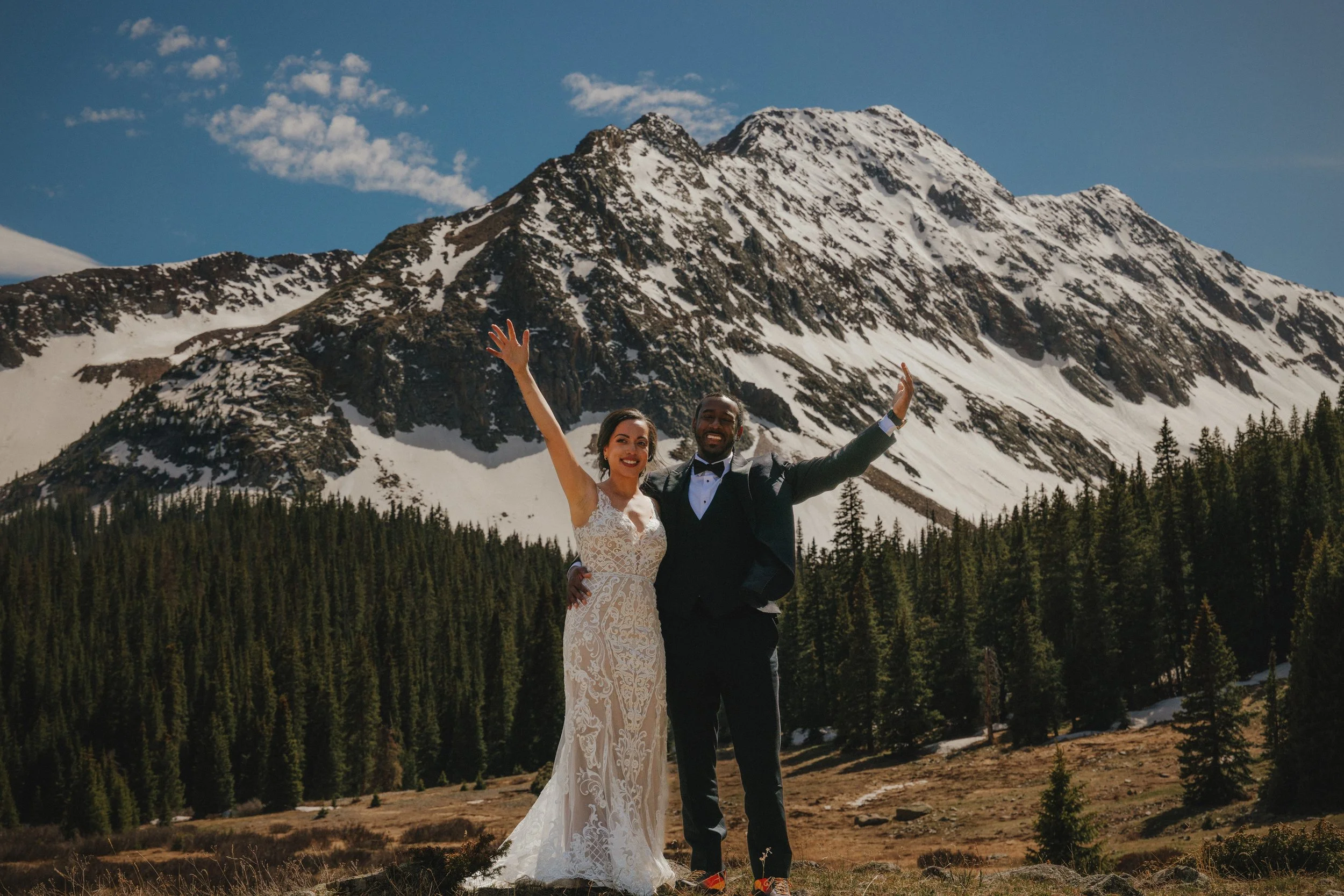
Fall (September – November)
Fall is widely considered the best overall season for New Mexico weddings, and it's the season Shutterfreek's team recommends most consistently to couples asking about weather.
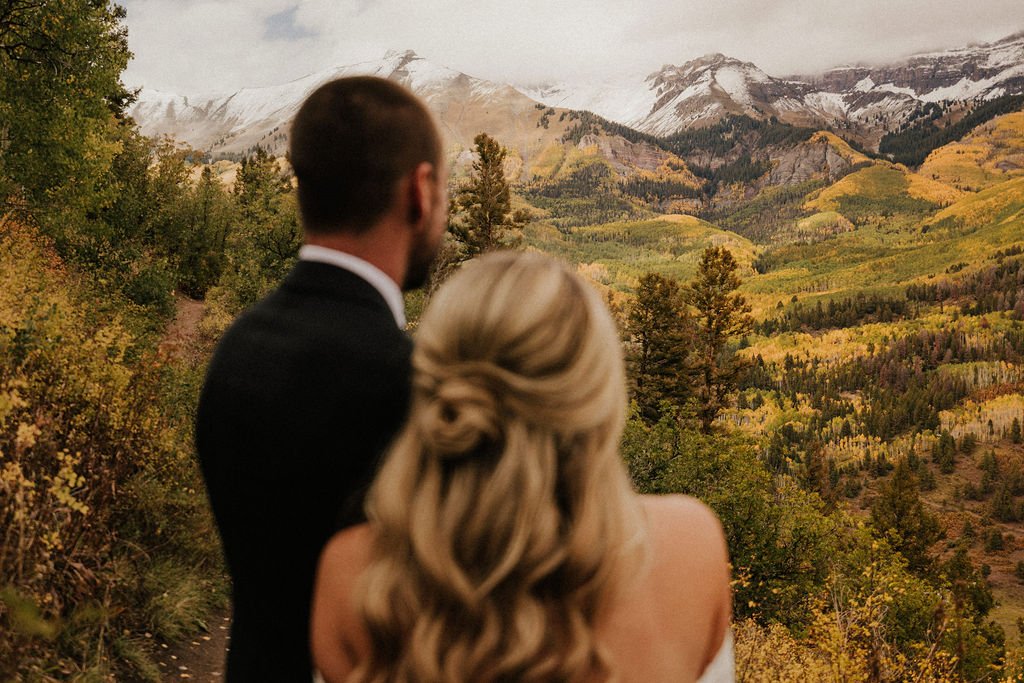
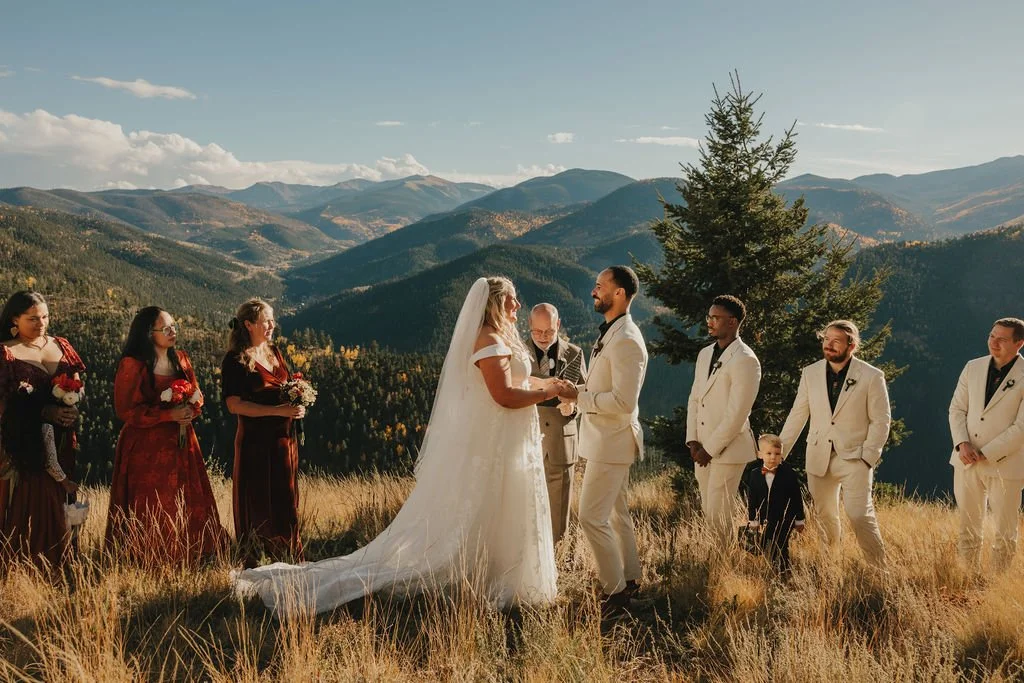
September begins the transition out of monsoon season. By mid to late September, storms have largely subsided, temperatures have moderated, and the skies return to that deep cobalt blue that New Mexico is famous for. The cottonwood trees along the Rio Grande and in northern New Mexico valleys begin turning gold in late September through October, adding extraordinary seasonal color to outdoor portraits.
October is the crown jewel of New Mexico wedding weather. Average highs hover between 60°F and 72°F across most of the state, nights are cool but comfortable (40s to low 50s), and precipitation is minimal. The air has a clarity and crispness that makes every landscape photo pop.
November begins to cool quickly, especially at elevation, and snow becomes possible in northern New Mexico and the higher mountain areas by late November.
Winter (December – February)
Winter weddings in New Mexico are more niche but can be absolutely stunning particularly for couples who love snow. The ski areas around Taos and Santa Fe can see significant snowfall from December through February, creating a completely different visual palette from the typical desert imagery.
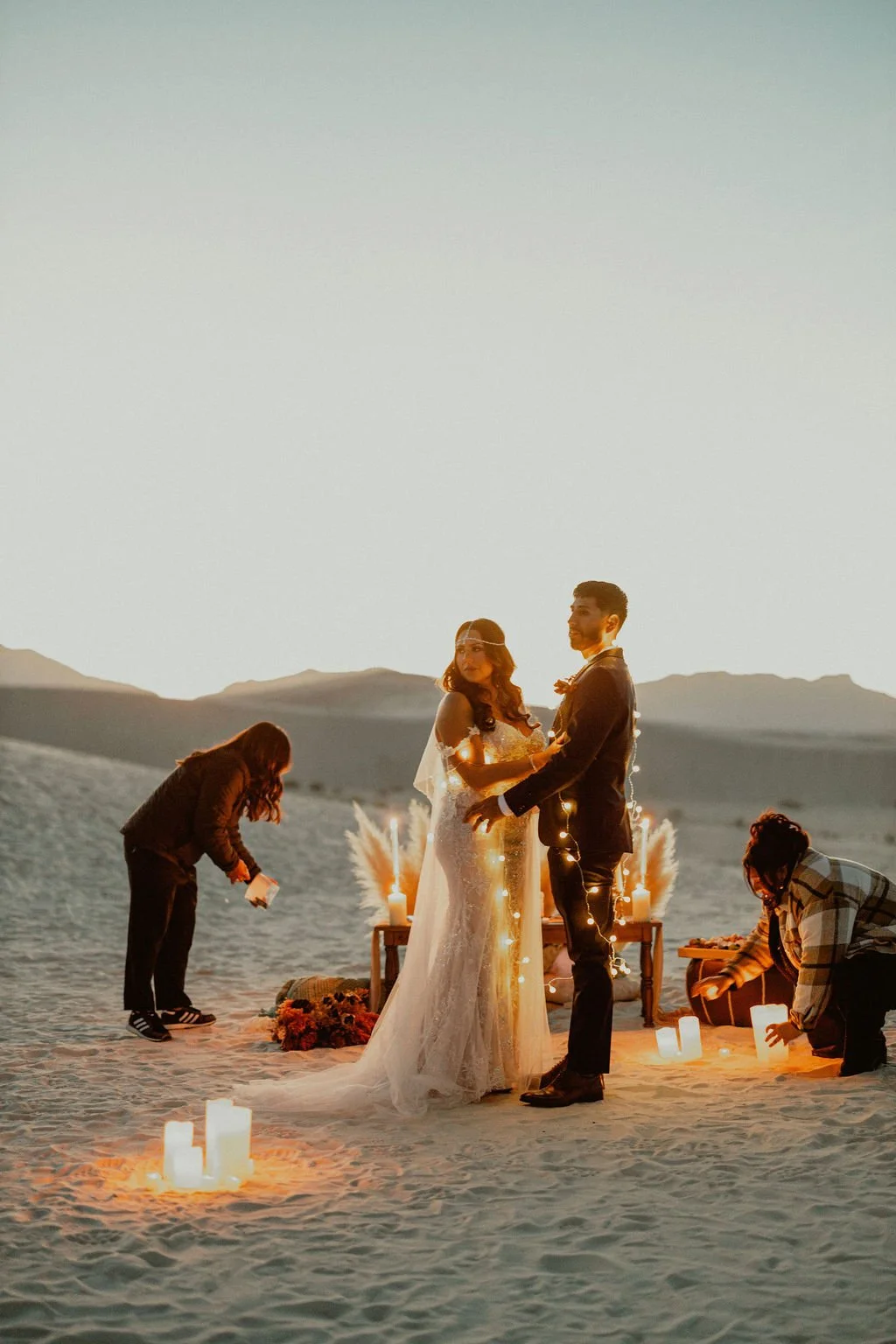
Lower elevation venues, including much of Albuquerque and the southern portion of the state, see mild winters with limited snow, plenty of sunshine, and daytime temps often reaching the low 60s. White Sands in December or January, with its white gypsum dunes and cooler light, is hauntingly beautiful for intimate elopements.
Winter couples should plan for early sunsets (the sun sets before 5:30 PM in December) and have a heating plan for guests at outdoor receptions.
New Mexico Wedding Weather by Region
New Mexico is a large, geographically diverse state. Weather varies significantly by region, and understanding these differences will help you match your vision to the right location at the right time.
| Region | Key Venues | Peak Season | Avg High (May–Oct) | Monsoon Risk | Wind Risk |
|---|---|---|---|---|---|
| Santa Fe / Taos (North) | Rancho de las Golondrinas, El Monte Sagrado | Sept–Oct | 68°F – 78°F | Moderate | Low–Moderate |
| Albuquerque / Rio Grande (Central) | Balloon Fiesta Park, Los Poblanos | May, Sept–Oct | 72°F – 85°F | Moderate | High (Spring) |
| White Sands / Las Cruces (South) | White Sands National Park, Mesilla Valley | April–May, Oct | 75°F – 92°F | Low–Moderate | Moderate |
| Jemez Mountains / Bandelier (West-Central) | Jemez Springs, Fenton Lake | June, Sept | 65°F – 75°F | High | Low |
| Carlsbad / Guadalupe (Southeast) | Guadalupe Mountains NP | March–May, Oct | 70°F – 88°F | Low | Moderate |
How Altitude Affects Your Wedding Day Weather
If you're not originally from the Southwest, New Mexico's altitude is one of the most important weather factors to understand and one of the most overlooked.
Santa Fe sits at 7,000 feet. Taos is around 6,900 feet. Even Albuquerque is at 5,300 feet. At these elevations:
Temperatures drop fast after sunset. Even on a warm summer evening, once the sun goes down, temperatures can plummet 20–30 degrees within an hour. Plan for wraps, heaters, or a move indoors for evening receptions.
UV exposure is significantly higher. Your guests (and your floral arrangements) will feel the sun more intensely at altitude. Scheduling a ceremony in direct midday sun can be uncomfortable.
Weather changes quickly. Afternoon storms build and move faster at elevation than they appear to from below.
Guests may feel altitude effects. Out-of-town guests not accustomed to elevation may feel mildly fatigued or lightheaded, especially if traveling from sea level.
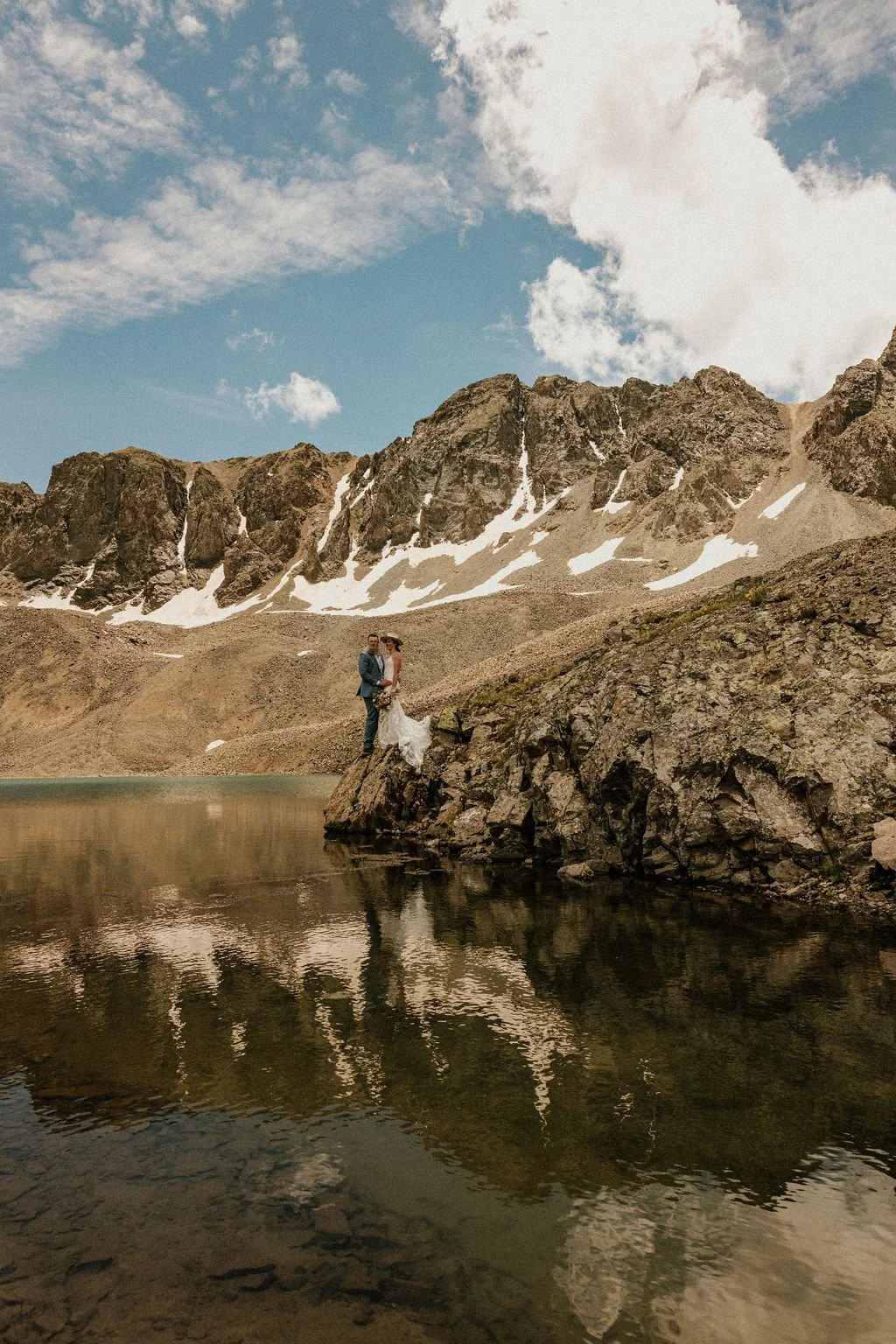
For couples consideringadventure elopements at higher-elevation New Mexico locations like Wheeler Peak foothills, the Valles Caldera, or alpine meadows near Taos these altitude factors become even more pronounced.
Monsoon Season Wedding Planning: What You Need to Know
The North American Monsoon affects New Mexico more than any other state in the contiguous U.S. Understanding it is non-negotiable if you're planning a summer wedding.
When does the New Mexico monsoon season start and end? The monsoon typically arrives in the first or second week of July and winds down by mid-September, though this can vary by a week or two in either direction depending on the year.
What does a monsoon storm actually look like? Mornings during monsoon season are usually gorgeous — clear blue skies, warm temperatures, low humidity. By 1–2 PM, you'll start to see cumulus clouds building over the mountains. By 3–4 PM, those clouds have often organized into towering cumulonimbus thunderstorms. By late afternoon or early evening, the storms roll across nearby valleys, bringing 20–60 minutes of intense rain, lightning, and sometimes hail, before clearing again by night.
Wedding planning implications:
Ceremonies scheduled for 10 AM – 1 PM are largely safe from monsoon activity
Late afternoon (4–6 PM) ceremonies carry the highest risk
Golden hour (7–8 PM) is usually clear again after storms pass and can produce spectacular light
Any venue without a covered backup plan is a risk
Many couples who work with Shutterfreek on New Mexico wedding photography actually embrace the monsoon season because the pre-storm and post-storm light is breathtaking. The key is flexibility and planning.
New Mexico vs. Neighboring States: How the Weather Compares
Couples who are open to the Southwest region often ask us how New Mexico stacks up against neighboring states for outdoor wedding weather. The answer depends heavily on what you're prioritizing.
| State | Best Wedding Months | Avg Humidity (Summer) | Extreme Heat Risk | Monsoon Risk | Notable Advantage |
|---|---|---|---|---|---|
| New Mexico | May, June, Sept, Oct | Low (10–30%) | Moderate | Moderate–High (July–Aug) | 300+ sunny days, dramatic landscapes |
| Utah | May–June, Sept–Oct | Very Low (8–20%) | Moderate | Low | Red rock scenery, diverse terrain |
| Arizona | Oct–April | Low–Moderate | Very High (June–Sept) | Moderate (July–Aug) | Desert blooms, mild winters |
| Colorado | June–Sept | Low (15–25%) | Low | Moderate (July–Aug) | Mountain wildflowers, alpine settings |
Each of these states has incredible wedding potential. If New Mexico's high-desert aesthetic resonates with your vision, you'll be hard-pressed to find better conditions than late September through October. If you want alpine mountain settings, Colorado adventure weddings and Utah adventure weddings offer stunning alternatives. And for winter warmth with desert vibes, Arizona wedding photography is worth serious consideration.
Photography Conditions: Golden Hour & Light Quality by Season
At Shutterfreek, we think about weather not just from a logistics standpoint, but from a photography standpoint. The quality of light in New Mexico changes dramatically by season, and understanding this helps couples choose a time of year that aligns with the visual feel of their wedding gallery.
Spring (April–May): Warm, slightly golden light. Good for desert florals and wide-landscape shots. Wind can be a challenge for hair and styling.
Early Summer (June): The best overall light of the year. Long days, dramatic sunsets, crystal-clear skies. Golden hour starts around 7:30–8:00 PM, giving couples and photographers plenty of time.
Monsoon Summer (July–August): The most dramatic and dynamic light of the year — when storms clear before sunset, the sky turns colors that are genuinely otherworldly. High variability. Best for adventurous couples.
Fall (September–October): Warm, directional, slightly lower-in-the-sky sunlight that wraps subjects beautifully. Considered the "sweet spot" by most landscape and wedding photographers working in New Mexico.
Winter (November–February): Cool, blue-tinted light. Early golden hour (4:30–5:00 PM). Best for intimate elopements; challenging for large outdoor receptions.
5 Essential Weather Tips for New Mexico Wedding Planning
Always have an indoor backup plan for summer weddings. Even if the forecast looks perfect on Monday, a monsoon can build and arrive within 30 minutes on a Friday afternoon in August. Your venue contract should include a no-charge indoor/covered backup option.
Plan your ceremony timing around golden hour, not just sunset. In New Mexico, the most photogenic light typically occurs 30–60 minutes before the sun touches the horizon plan accordingly so your ceremony and portraits land in that window.
Account for temperature drops at elevation. Provide pashminas or wraps for guests at mountain and high-desert venues, especially for September–November weddings. A 70°F afternoon can become a 45°F evening very quickly.
Book your dates around the shoulder seasons. Late May and early October offer the most predictable weather with the lowest chance of rain, heat extremes, or wind events. These dates also tend to have more venue availability than peak summer weekends.
Communicate weather contingencies to your guests in advance. Include a simple "weather note" in your invitations or wedding website for any outdoor New Mexico wedding especially for out-of-state guests who may not be familiar with how quickly desert weather can shift.
Plan Your New Mexico Wedding with Shutterfreek
At Shutterfreek, we've photographed weddings and elopements across every season, every region, and nearly every kind of New Mexico weather from monsoon-lit desert ceremonies to snow-dusted mountain elopements. We know how to read the light, adapt to changing conditions, and create images that honor the landscape and the moment simultaneously.
If you're ready to start planning your New Mexico wedding or elopement, explore ourNew Mexico wedding and adventure elopement portfolio to see how we work with the state's weather to create something extraordinary.
Frequently Asked Questions
-
October is generally considered the single best month for outdoor weddings in New Mexico. Temperatures are mild (60s to low 70s during the day), monsoon season has ended, the skies are crystal clear, and the fall foliage in northern New Mexico adds stunning natural color. May and early June are close runners-up, particularly for couples who want longer evening light.
-
Description text goes hereNew Mexico is one of the driest states in the country overall, with most areas receiving only 9–14 inches of precipitation annually. However, the monsoon season (July–mid-September) brings a concentrated period of afternoon thunderstorms that can impact outdoor weddings significantly.
-
At most of New Mexico's popular wedding venues (which sit at 4,500–7,000 feet in elevation), summer highs typically range from 85°F to 95°F in July and August. This is noticeably cooler than lower-elevation desert states. However, southern New Mexico near White Sands and Las Cruces can reach 95°F–105°F in peak summer, making early morning or fall/spring ceremonies a much better choice for those locations.
-
Yes — spring (March through early May) is New Mexico's windiest season, with sustained winds of 20–35 mph not uncommon across the central plateau and mesa-top areas. If you're planning a spring wedding at an exposed outdoor venue, work with your coordinator on wind-resistant decor and have a plan for your hair and veil styling. By late May through fall, wind is much less of a concern at most venues.
-
Absolutely. The northern New Mexico mountains — particularly the areas around Taos, Red River, and the Santa Fe Ski Basin — regularly receive significant snow from late November through March. For couples who want a winter wonderland aesthetic with a Southwest backdrop, this is a genuinely spectacular option.
Keep reading