Mountain Wedding In New Mexico: Venues, Tips & Ideas (2026)
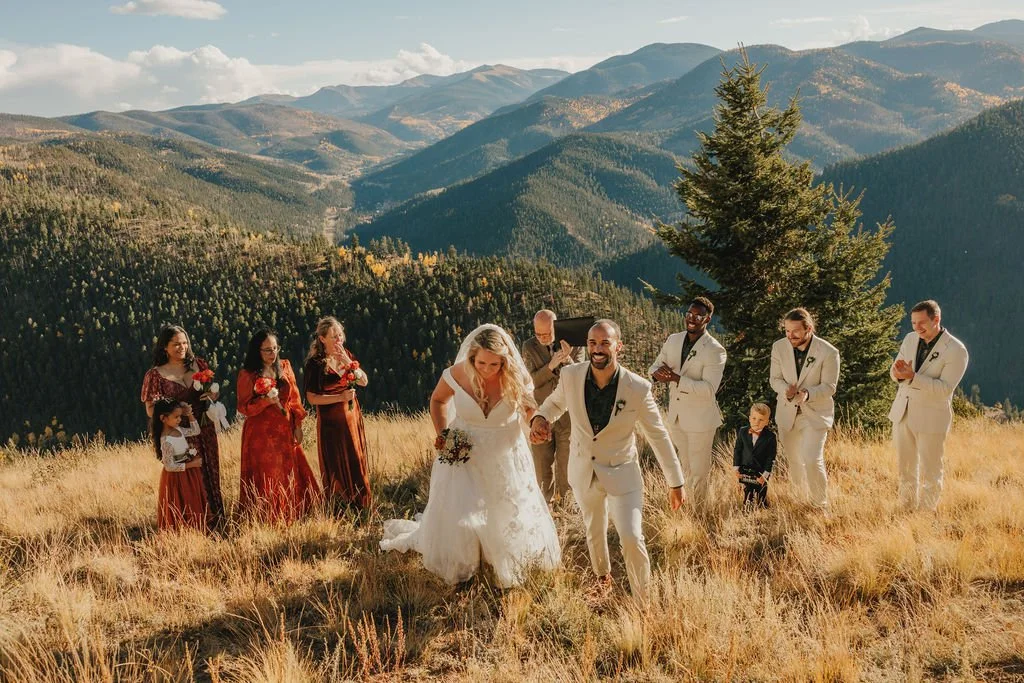
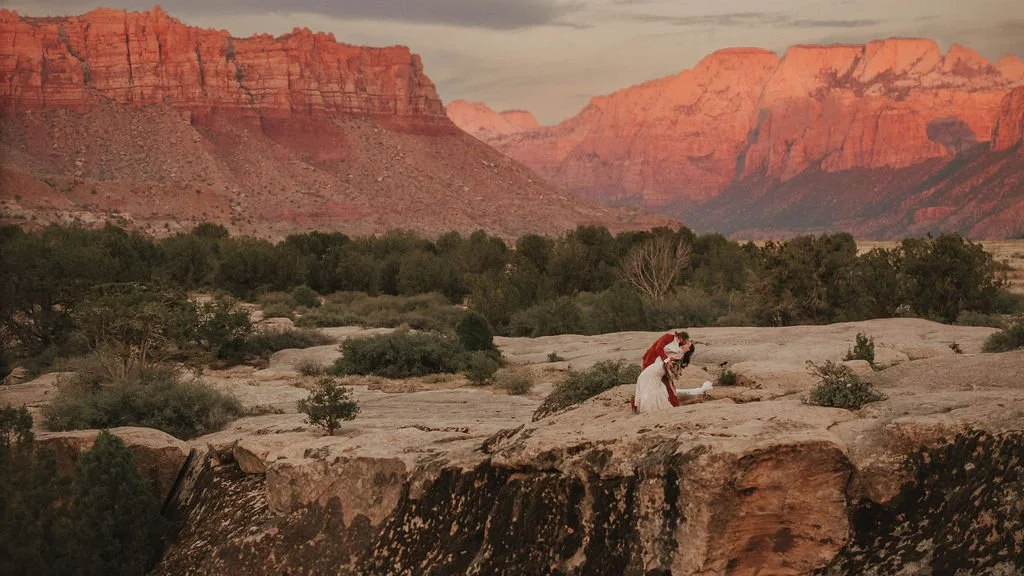
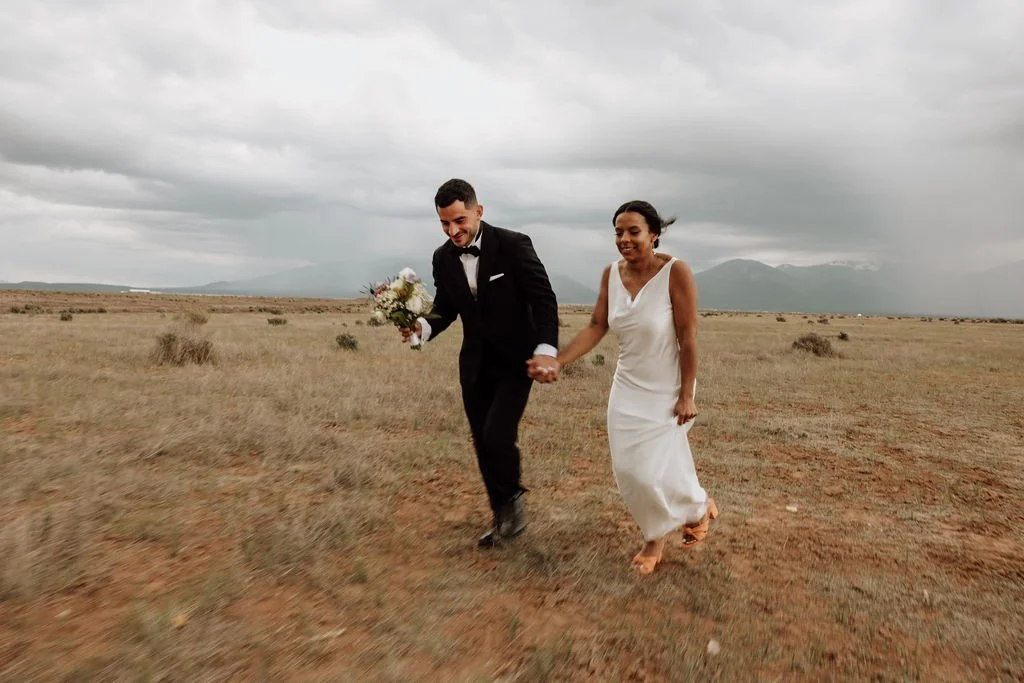
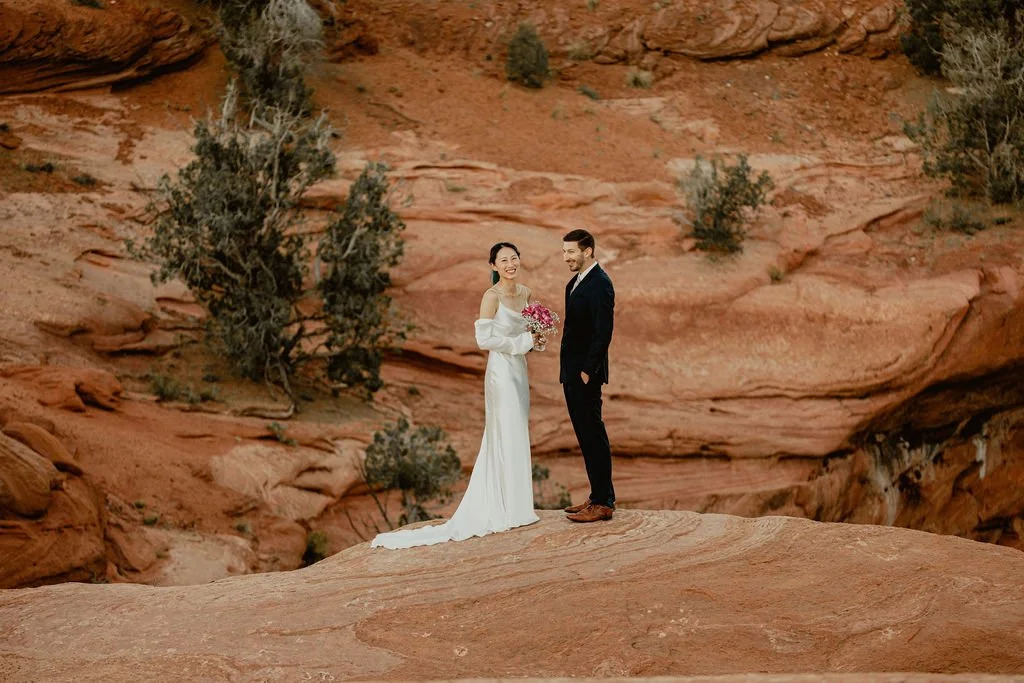
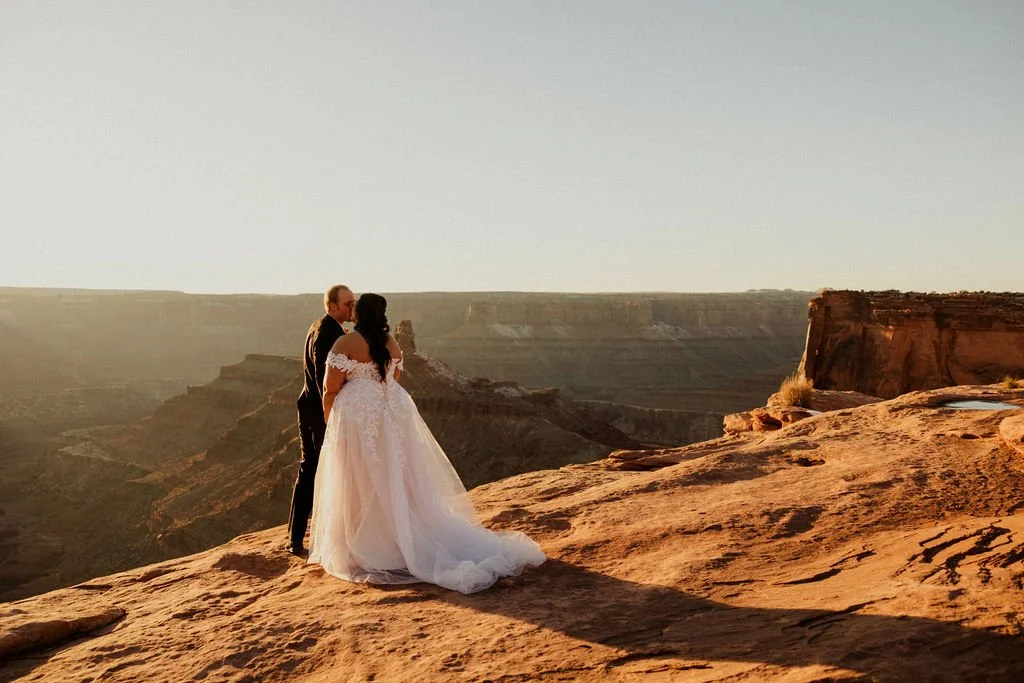
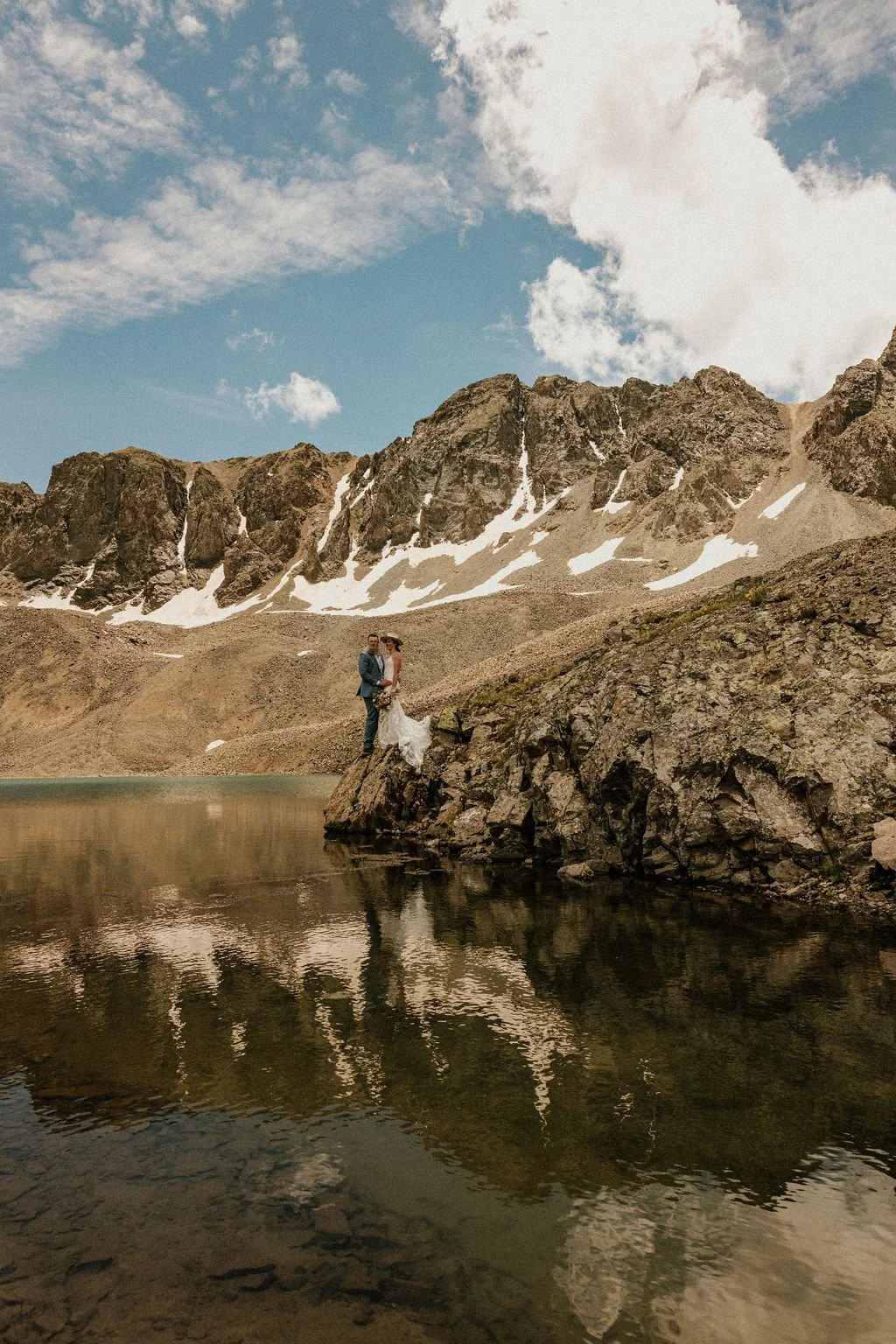
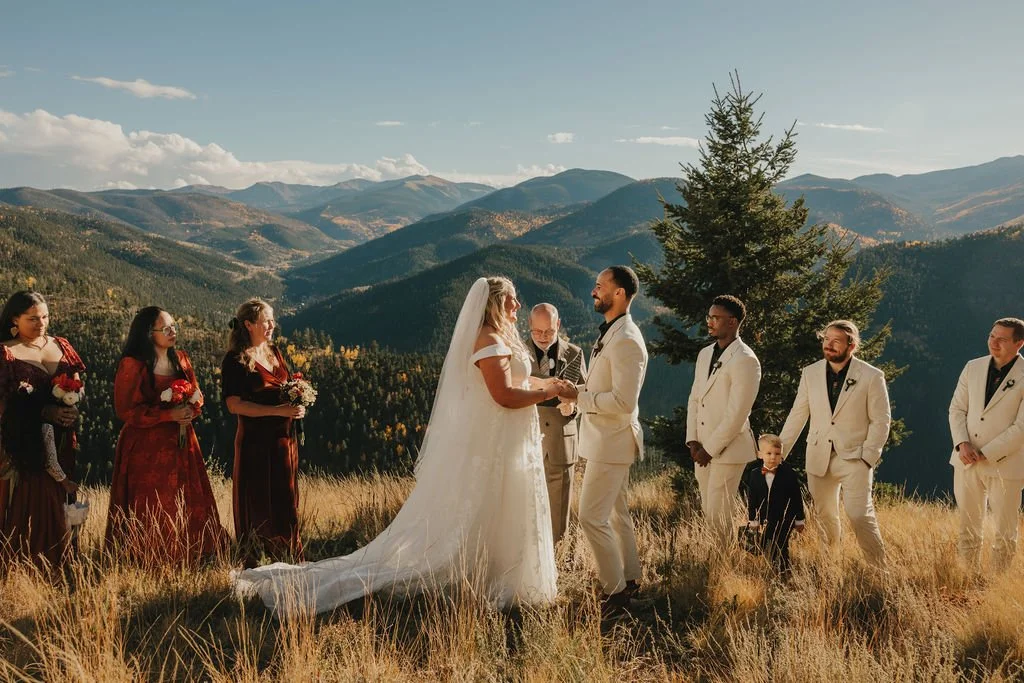
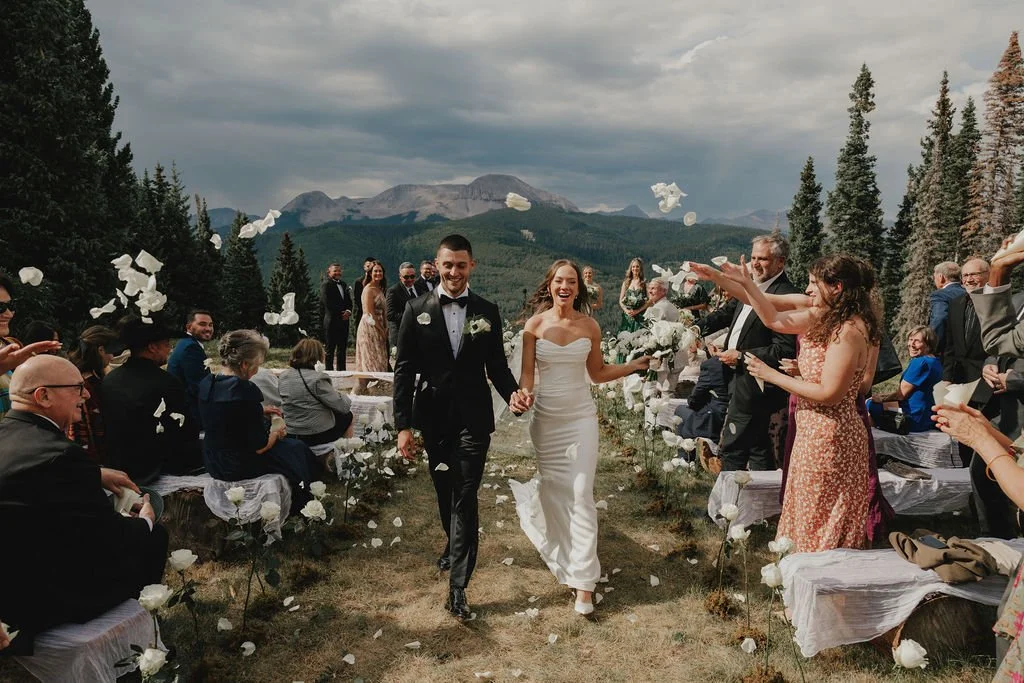
A mountain wedding in New Mexico gives you one of the most visually breathtaking and emotionally unforgettable settings in the entire American Southwest. Whether you're drawn to the pine-covered peaks of the Sangre de Cristo Mountains near Taos, the rugged high desert terrain of the Jemez Mountains, or the golden foothills outside Santa Fe, New Mexico's mountain landscapes offer couples a rare combination of dramatic scenery, mild summer temperatures, and deep cultural richness that simply cannot be replicated anywhere else. If you've been searching for a wedding backdrop that feels both wild and sacred, you've found it here.
Why New Mexico's Mountains Are the Perfect Wedding Backdrop
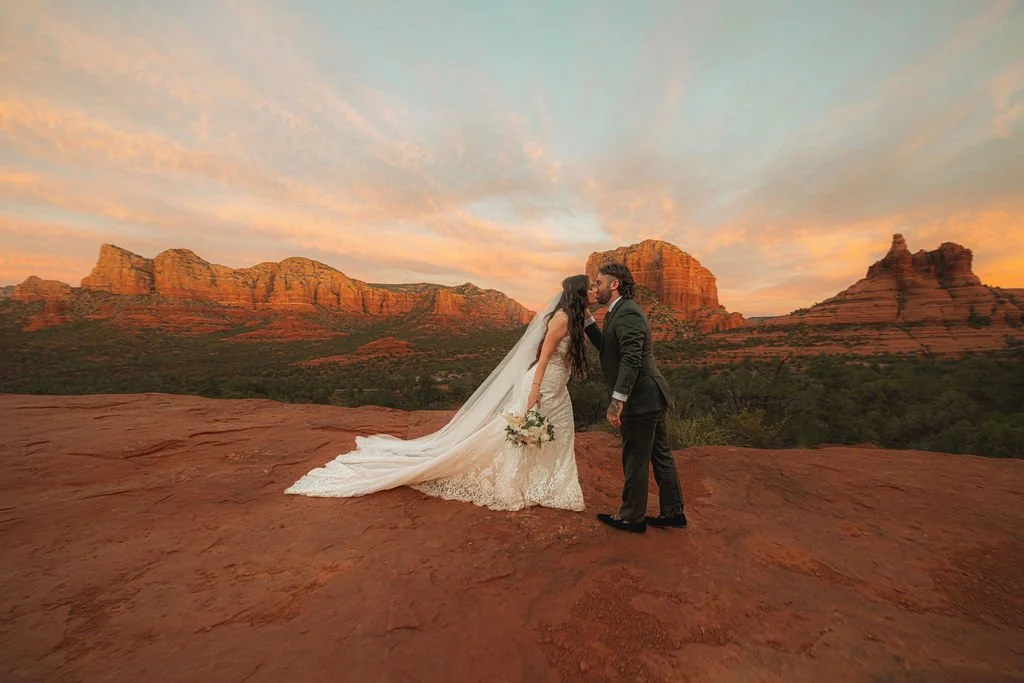
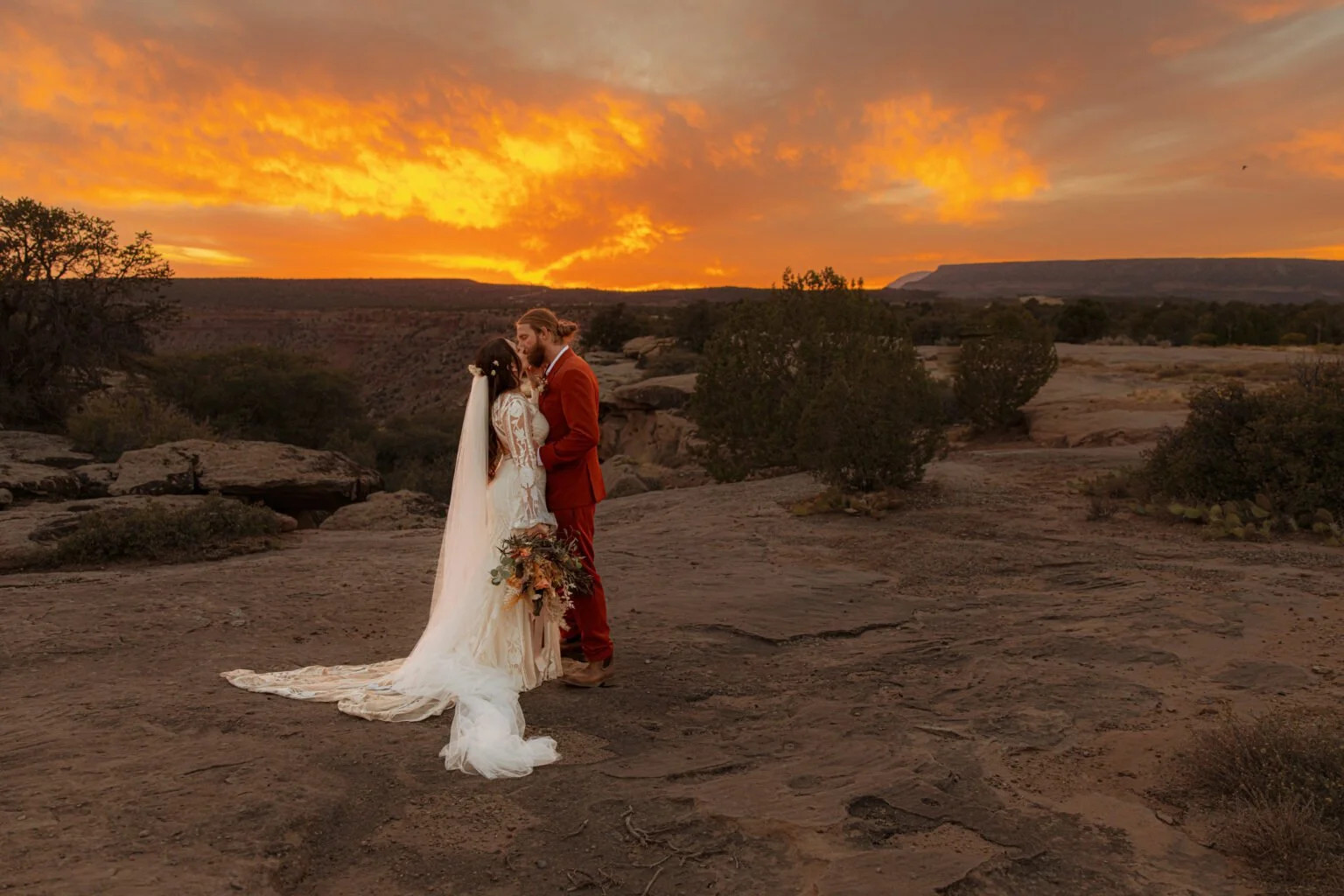
Most couples who choose a mountain wedding in New Mexico aren't just looking for a pretty view, they're searching for meaning. The mountains here carry weight. The Sangre de Cristo range, named "Blood of Christ" for the crimson hue they turn at dusk, frames your ceremony in color that no floral designer could manufacture. The air is clean and dry, the skies run a deep cerulean that photographers obsess over, and the altitude keeps summer temperatures comfortable even in July and August.
New Mexico also offers something rare in the wedding world: cultural layering. Ancient Pueblo traditions, centuries-old Spanish colonial architecture, and modern bohemian art culture all coexist within driving distance of each other. A ceremony at elevation near Taos can feel ancient and grounded in a way that a typical event venue simply cannot deliver.
For couples who want their wedding to mean something beyond the celebration itself, couples who want the environment to be a character in the story, the mountains of New Mexico are an answer.
Best Mountain Wedding Locations in New Mexico
1. Taos and the Sangre de Cristo Mountains
Taos is arguably the crown jewel of New Mexico mountain weddings. Sitting at over 6,900 feet with Taos Mountain rising behind it at 12,305 feet, this region delivers dramatic elevation change, lush aspen groves, and a thriving arts scene that makes it easy to build a beautiful, curated wedding weekend. Red River is only a short drive from Taos and offers its own charming alpine character — explore Red River wedding ideas for inspiration specific to that area.
2. Santa Fe Foothills
Santa Fe sits at 7,200 feet and borders the Santa Fe National Forest. The rolling hills south of the Sangre de Cristo range create an ideal mid-elevation setting with access to luxury accommodations and world-class catering while still feeling surrounded by nature. Adobe architecture and piñon-juniper woodland give ceremonies here a warm, earthy palette.
3. Jemez Mountains
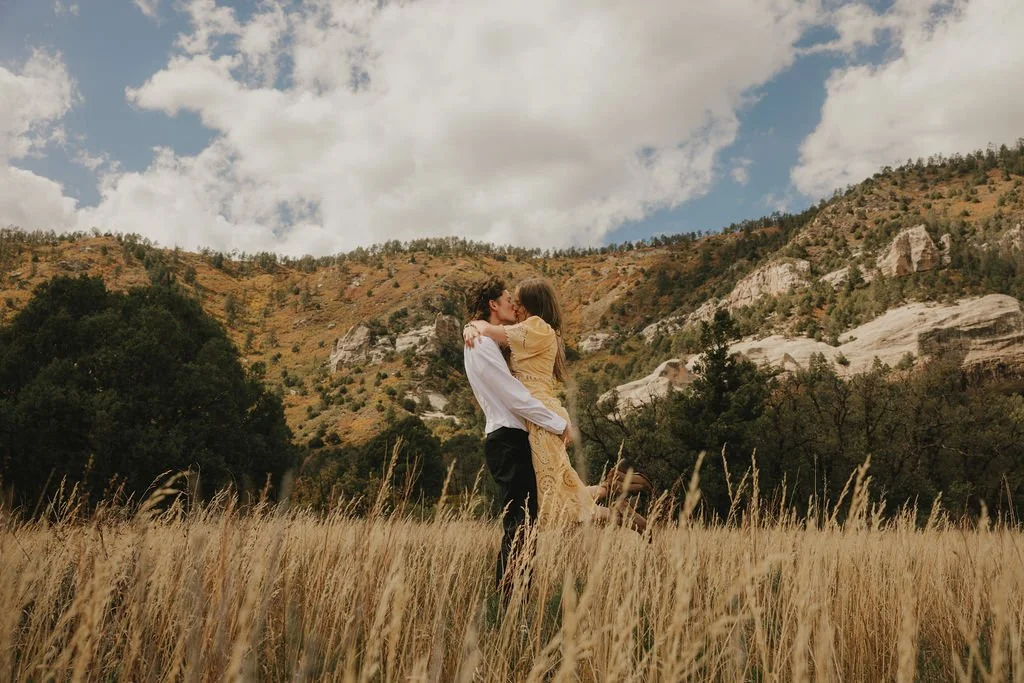
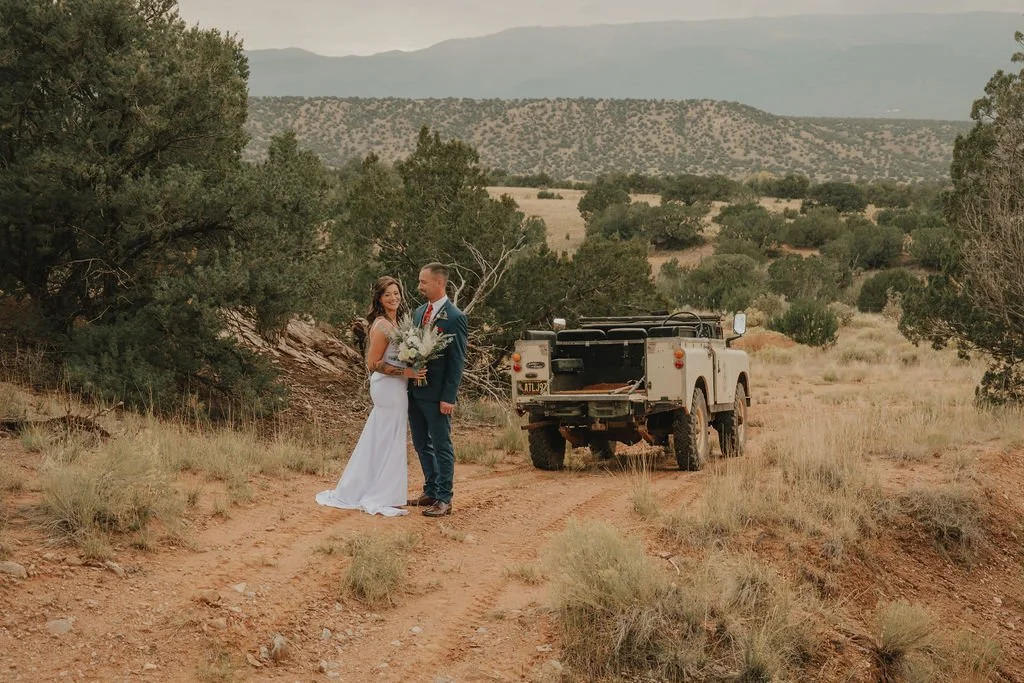
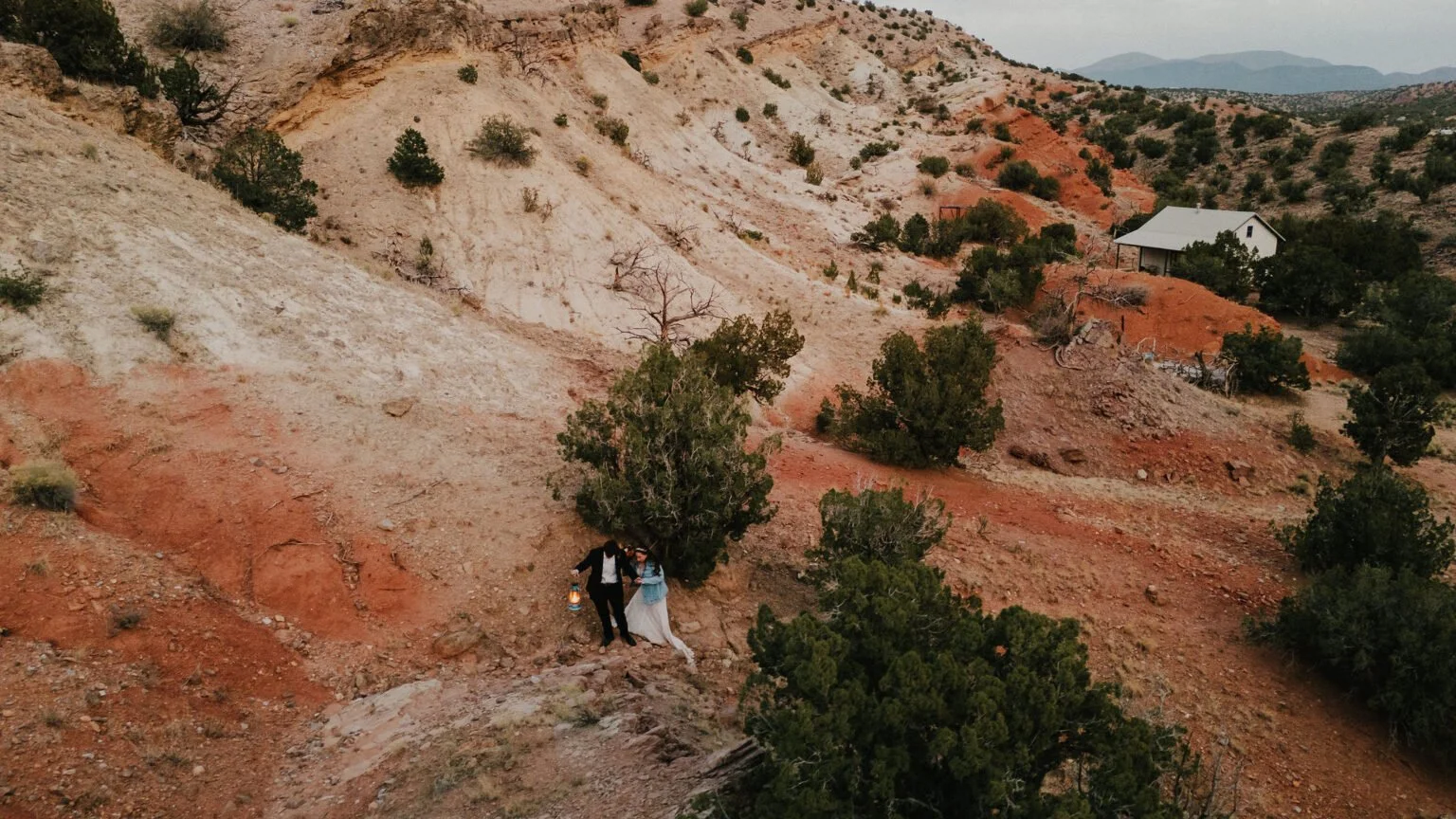
West of Santa Fe, the Jemez Mountains offer a more remote, intimate setting. Known for hot springs, red rock canyons, and ponderosa pine forest, this area suits couples who want seclusion and a backcountry feel without sacrificing accessibility. Perfect for elopements or small ceremony gatherings.
4. Cloudcroft and the Sacramento Mountains
In southern New Mexico, the Sacramento Mountains near Cloudcroft rise to 9,000 feet above the surrounding Chihuahuan Desert, a dramatic contrast that produces some genuinely stunning photography opportunities. The town of Cloudcroft itself is a historic mountain village with lodges and venues built for intimate celebrations.
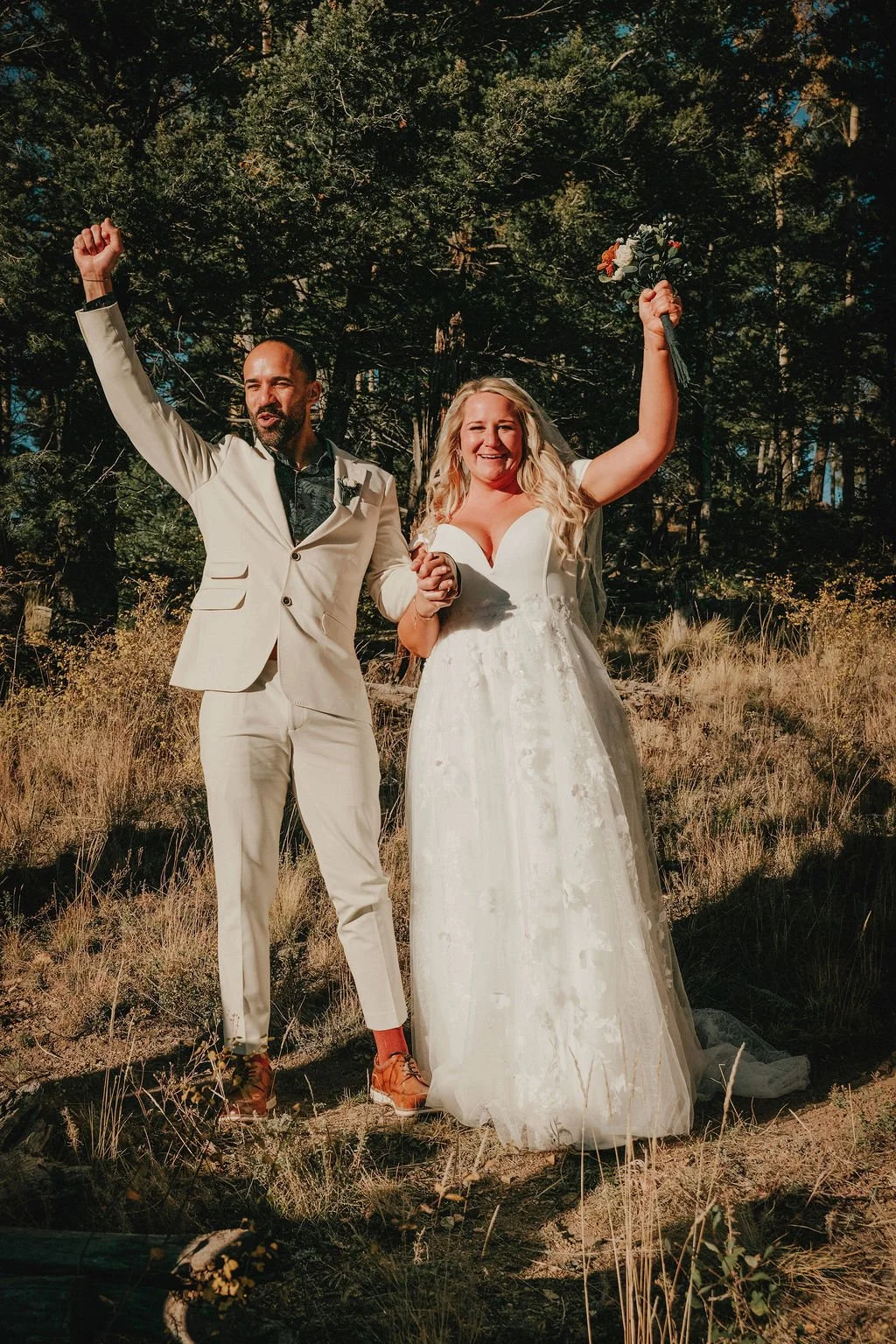
Top New Mexico Mountain Wedding Regions
| Region | Elevation | Best Season | Vibe | Distance from Albuquerque |
|---|---|---|---|---|
| Taos / Sangre de Cristo | 6,900–12,305 ft | June–October | Artistic, dramatic, bohemian | ~2.5 hrs |
| Santa Fe Foothills | 7,000–8,500 ft | May–October | Elevated luxury, cultural | ~1 hr |
| Jemez Mountains | 6,500–11,000 ft | May–September | Secluded, rugged, intimate | ~1.5 hrs |
| Cloudcroft / Sacramento | 8,500–9,600 ft | May–September | Charming, alpine, historic | ~3.5 hrs |
| Red River Area | 8,750 ft | June–October | Small-town, scenic, festive | ~3 hrs |
Planning Your Mountain Wedding in New Mexico: What You Need to Know
Permits and Legal Requirements
Getting married in New Mexico is relatively straightforward. A marriage license can be obtained from any county clerk's office and is valid for 90 days. There is no waiting period. If you're planning a ceremony on public land, national forest, state park, or Bureau of Land Management territory, you'll typically need a Special Use Permit from the managing agency. Apply early; popular locations like Carson National Forest near Taos can have limited permit windows in peak season.
Weather and Seasonality
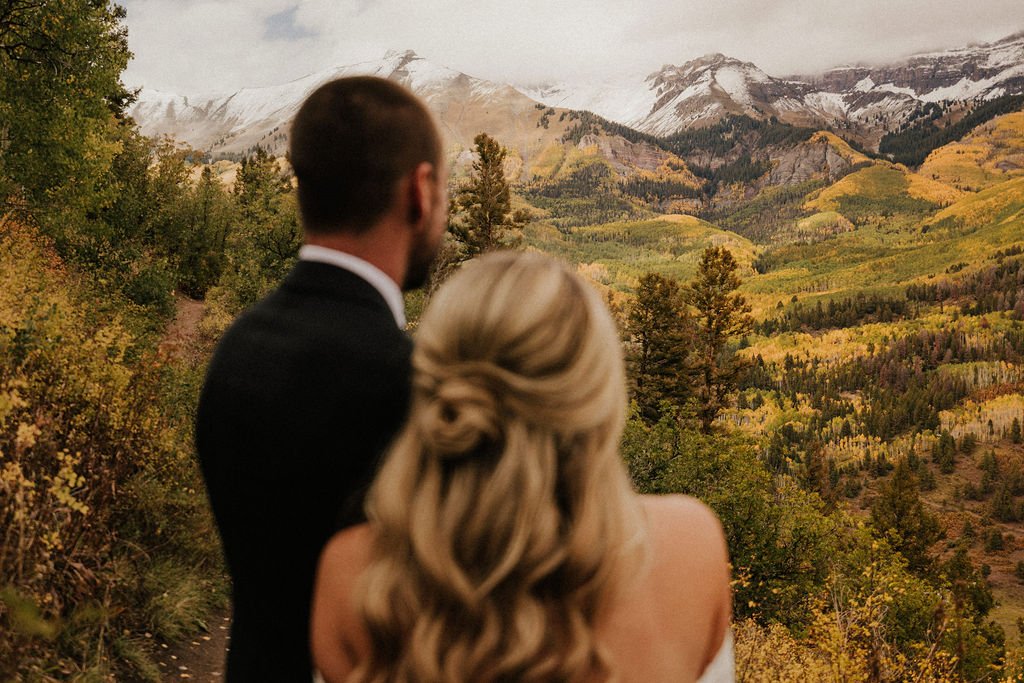
New Mexico's mountain weather follows a pattern that every couple should understand before booking a date. Summers are generally mild and beautiful at elevation, but the Southwest monsoon season runs from mid-July through September, bringing daily afternoon thunderstorms. Morning ceremonies are strongly recommended during monsoon season. Late September and October offer golden aspen foliage, cooler temperatures, and consistently stable skies, arguably the most photogenic time of year.
Spring (April–May) can bring lingering snow at elevation but also wildflower blooms. Winter ceremonies, while less common, create a strikingly beautiful minimalist landscape, snow-covered pines, soft light, and near-empty mountains for a deeply private experience.
Accommodations and Logistics
New Mexico's mountain towns have a wide range of accommodations, from boutique adobe inns in Santa Fe's historic district to rustic mountain lodges in Cloudcroft and Taos. For destination weddings, consider booking a private rental compound or hacienda that can house the wedding party and guests together, this approach keeps the weekend cohesive and extends the celebration across multiple days.
Transportation logistics are worth thinking through carefully. Many scenic ceremony sites are accessible only by unpaved road, so always factor in vehicle capability, guest mobility needs, and contingency parking when selecting your exact location.
Choosing a Mountain Wedding Photographer in New Mexico
Your photographer is arguably the most critical vendor decision you'll make for a mountain wedding. The light in New Mexico, particularly that golden hour before sunset, is unlike anything in the eastern United States. It's warm, directional, and long-lasting during summer months, which gives skilled photographers extraordinary material to work with.
Look for a photographer who has actual experience shooting in high-altitude, outdoor environments. Exposure at 9,000 feet is different from a ballroom. Dust, wind, shifting cloud light, and steep terrain all factor into the craft. At Shutterfreek, we specialize in exactly this kind of intentional, location-driven wedding photography across New Mexico — from intimate elopements to full multi-day celebrations.
If you're also considering a more adventurous, stripped-down celebration, our elopements portfolio shows what's possible when couples choose experience and landscape over tradition.
Mountain Elopements vs. Full Mountain Weddings in New Mexico
One of the most meaningful decisions you'll make is scale. A full mountain wedding in New Mexico — with guests, catering, a venue, and a full vendor team, is absolutely achievable and gorgeous. But the mountains also lend themselves naturally to something more intimate.
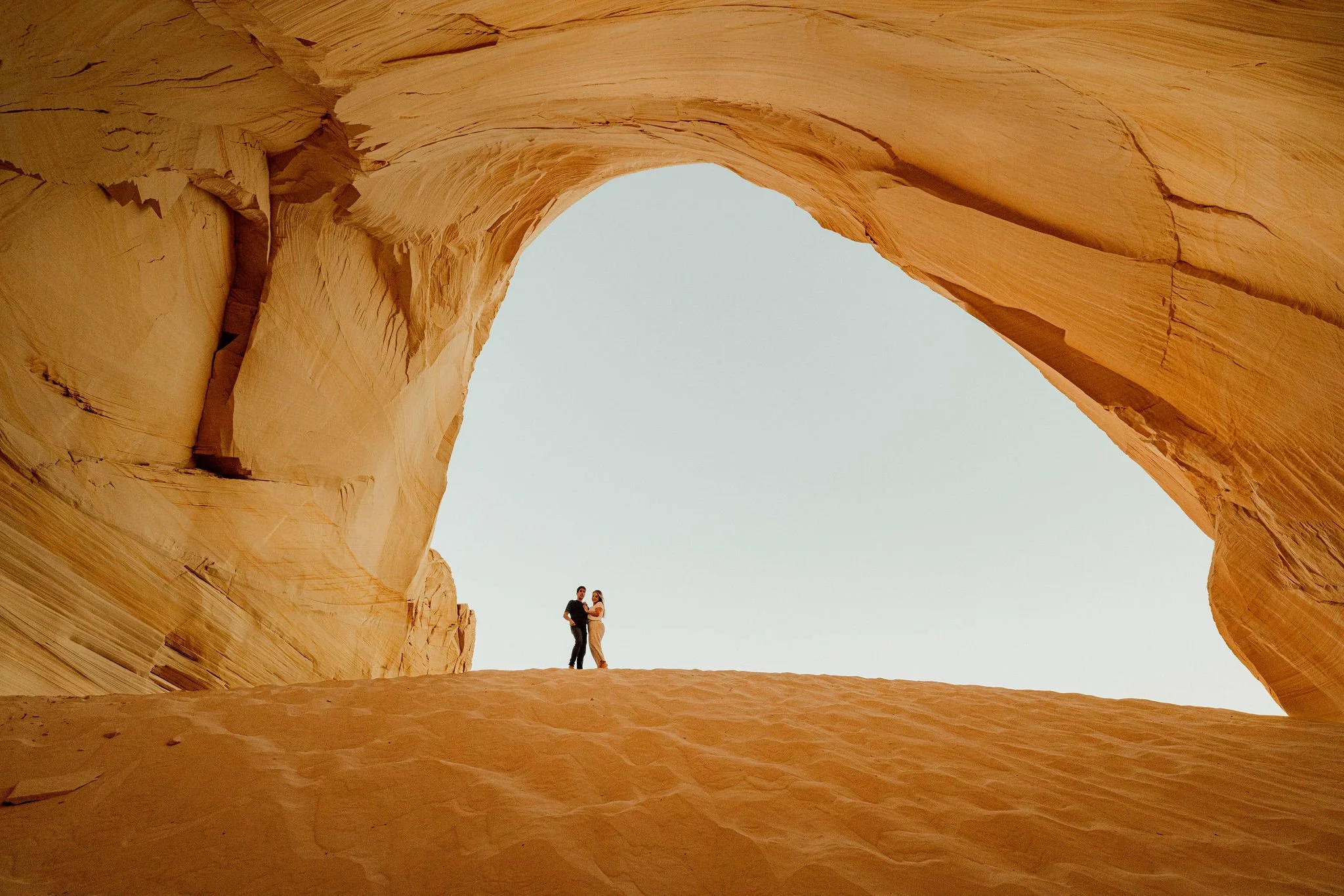
The elopement movement has shifted significantly. Couples choosing to elope in New Mexico aren't "skipping" a wedding; they're choosing a different kind of ceremony, one where the landscape holds more weight than a guest list. If you've been drawn to that idea, you might also want to explore how Utah adventure elopements compare in terms of terrain, permit requirements, and overall experience, many couples even plan a multi-state mountain adventure across the Southwest. And for a stunning Colorado comparison just across the border, our Telluride elopement photography work is worth a look.
Mountain Elopement vs. Full Mountain Wedding in New Mexico
| Factor | Elopement (2–10 People) | Full Mountain Wedding (30–150 Guests) |
|---|---|---|
| Venue Type | Public land, trail, or scenic overlook | Private venue, ranch, or mountain lodge |
| Permit Needed | Special Use Permit (low cost) | Venue contract plus potential park permit |
| Average Cost | $3,000–$10,000 total | $20,000–$75,000+ |
| Flexibility | Very high — choose nearly any date | Limited by venue availability |
| Photographer Focus | Landscape-forward, editorial storytelling | Mix of portraits, details, and candid moments |
| Guest Experience | Intimate and exclusive | Social and celebratory |
| Weather Risk | Higher (typically no indoor backup) | Lower (venues often have contingency plans) |
Florals, Décor, and Styling for a New Mexico Mountain Wedding
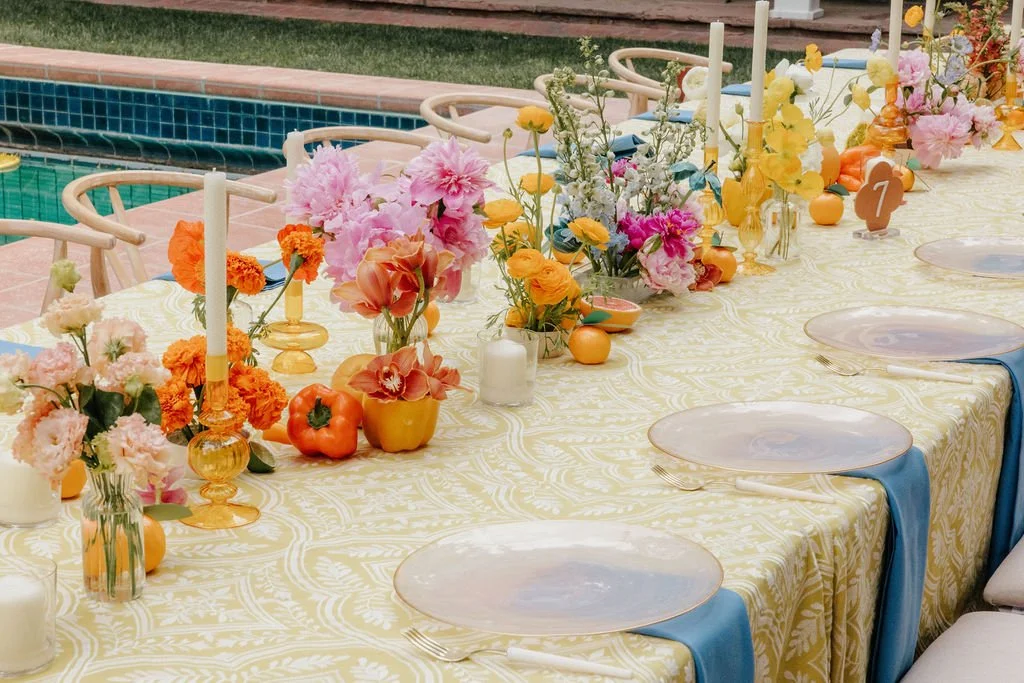
The natural environment does most of the work in a mountain setting, and the best wedding stylists know to let it lead. Overly formal florals or heavy décor can compete with the landscape instead of complementing it. The most effective aesthetic approach embraces the terrain: neutral linens in cream, sand, and terracotta; dried grasses and wildflowers mixed with seasonal blooms; unfinished wood, stone, and handwoven textiles.
Locally foraged elements are popular and meaningful, ponderosa pine sprigs, chamisa (rabbit brush with its yellow fall blooms), and native wildflowers connect the ceremony to place in a way that imported flowers cannot. Many New Mexico florists specialize in this kind of regional, sustainable approach.
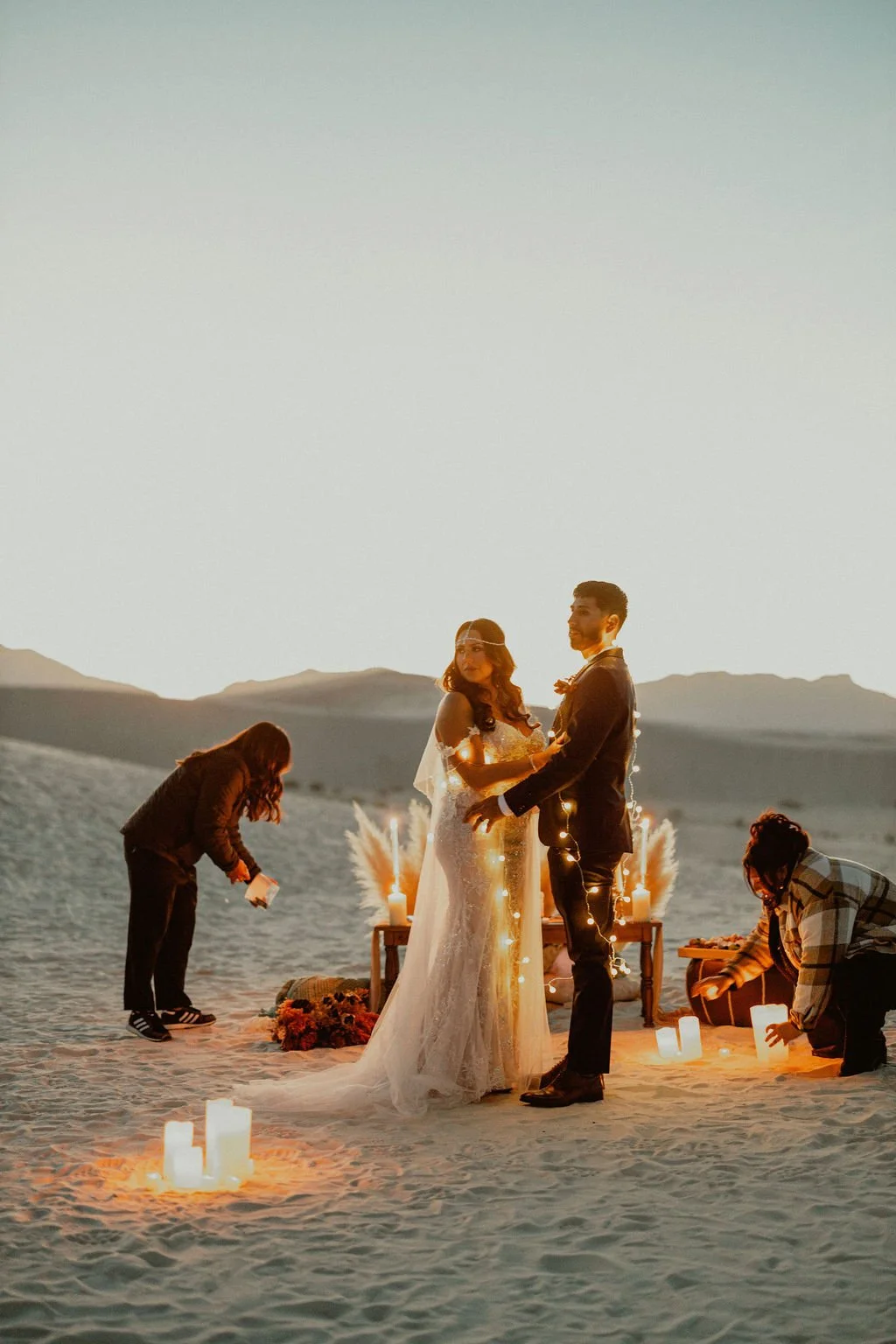
For lighting, the mountains provide. Plan your ceremony timing around golden hour (typically 60–90 minutes before sunset), and you won't need to invest in heavy lighting production. String lights and simple candle arrangements handle the reception once the sun drops.
Final Thoughts
A mountain wedding in New Mexico isn't just a setting, it's an experience that changes how you remember your own wedding day. The scale of the landscape puts the intimacy of the moment into sharp relief. The light, the altitude, the ancient geology of the place all conspire to make the ceremony feel consequential in a way that four walls never can.
If you're ready to start planning, or even just ready to see what's possible, the Shutterfreek team is here. We photograph mountain weddings and elopements across New Mexico and the broader Southwest, and we bring the same intentionality to your images that you're bringing to this decision. Reach out, the mountains have good timing.
Frequently Asked Questions
-
Late September through early October is widely considered the peak season for mountain weddings in New Mexico. The aspen trees turn brilliant gold, afternoon thunderstorms are less frequent than in July and August, temperatures are comfortable during the day and romantically cool at night, and the light is extraordinary for photography. That said, June and early July offer lush green landscapes before monsoon season peaks, making them a close second.
-
Description text goes hereIt depends on where your ceremony takes place. If you're using a private venue — a ranch, lodge, or event property — no land-use permit is needed beyond the venue's own event contract. However, if you're getting married on national forest land, in a state park, or on BLM territory, you will need a Special Use Permit from the managing agency. Costs are typically low (often $100–$300), but availability at popular locations can be limited, so apply several months in advance.
-
Look for photographers whose portfolio includes real outdoor mountain sessions in New Mexico, not just studio or venue work. Ask specifically about their experience with altitude, unpredictable mountain weather, and golden-hour timing in the Southwest.
-
Absolutely. An elopement doesn't mean forgoing a ceremony, it means designing one that's entirely yours. Many couples elope in New Mexico with a meaningful, private ceremony at a scenic mountain overlook, exchange personal vows, and celebrate with a small dinner afterward. The experience is often described as more emotionally intense and memorable than large traditional weddings because there's nothing competing for your attention.
-
Altitude affects people differently, and your guests' comfort matters. For weddings above 7,000 feet, communicate the elevation in your invitations and remind guests, especially those traveling from sea level, to hydrate heavily the day before and the day of, avoid alcohol until they've acclimatized, and dress in layers since mountain temperatures can shift 20+ degrees between ceremony and reception.
Keep reading