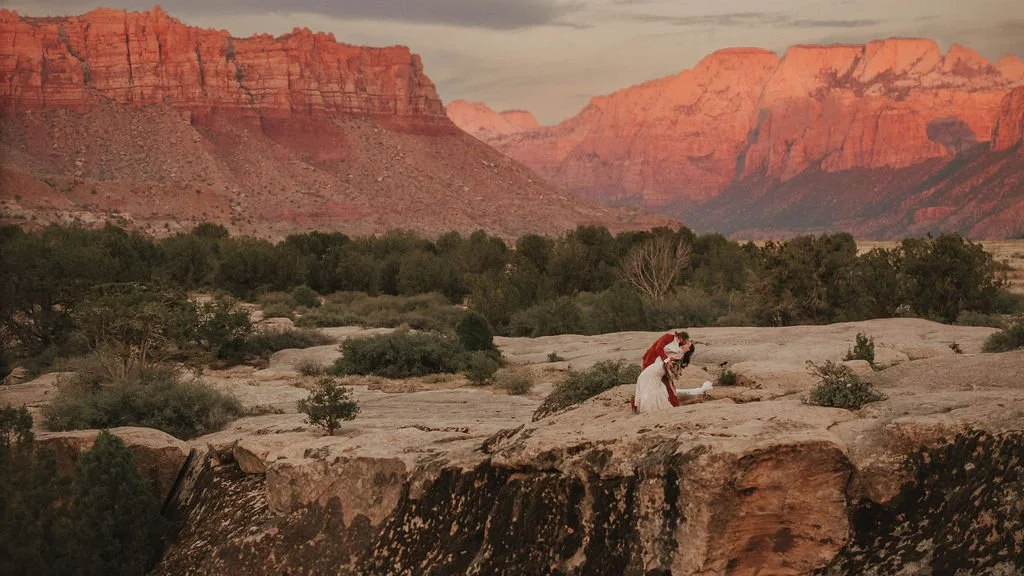
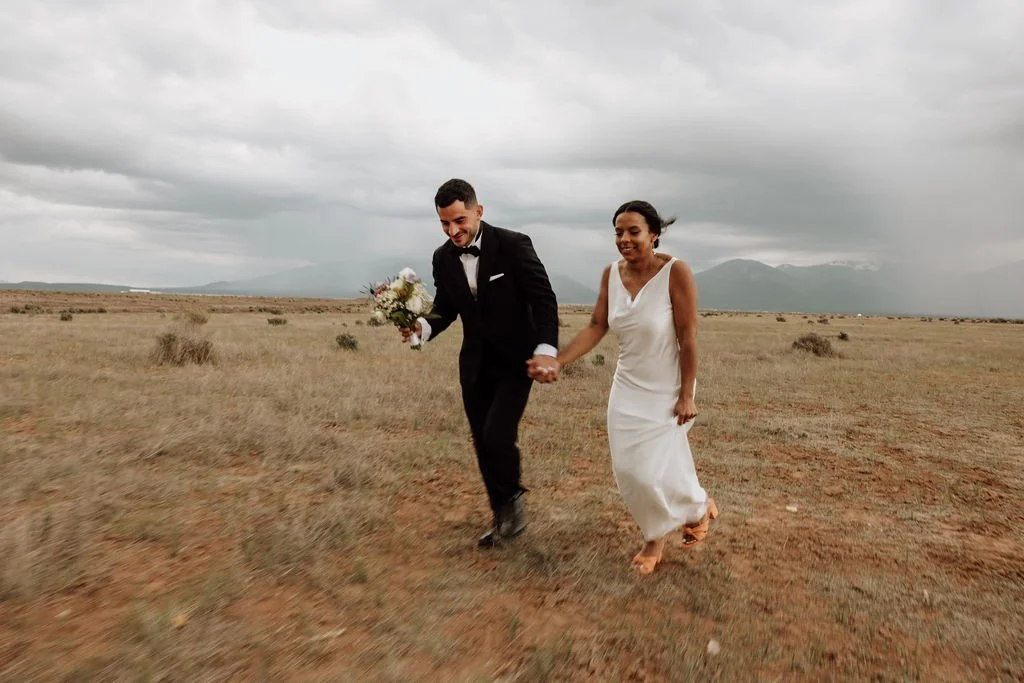
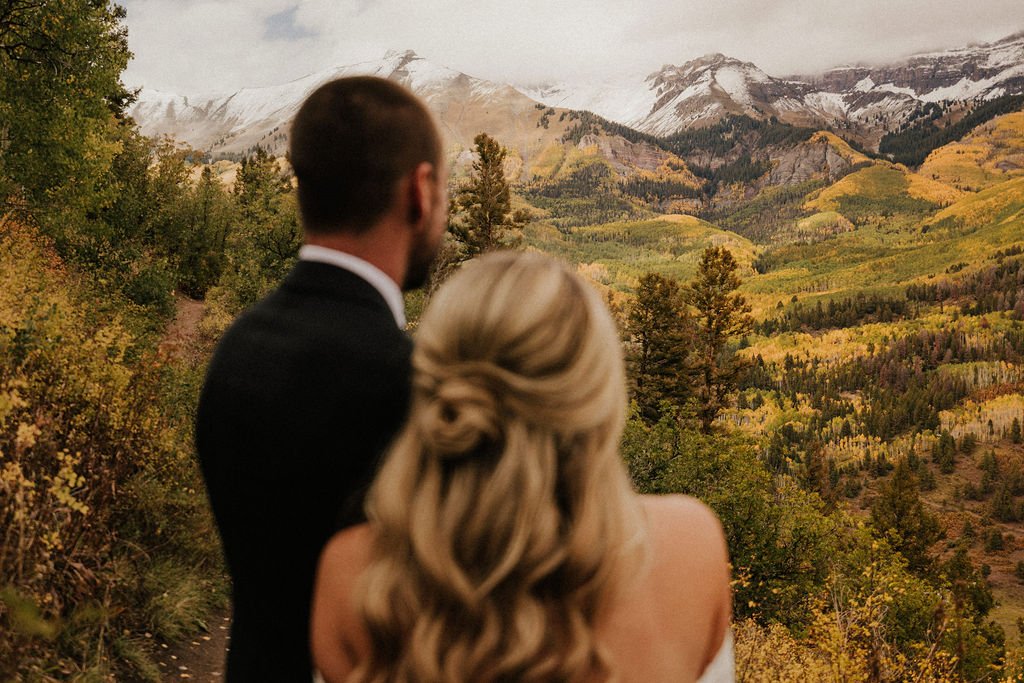
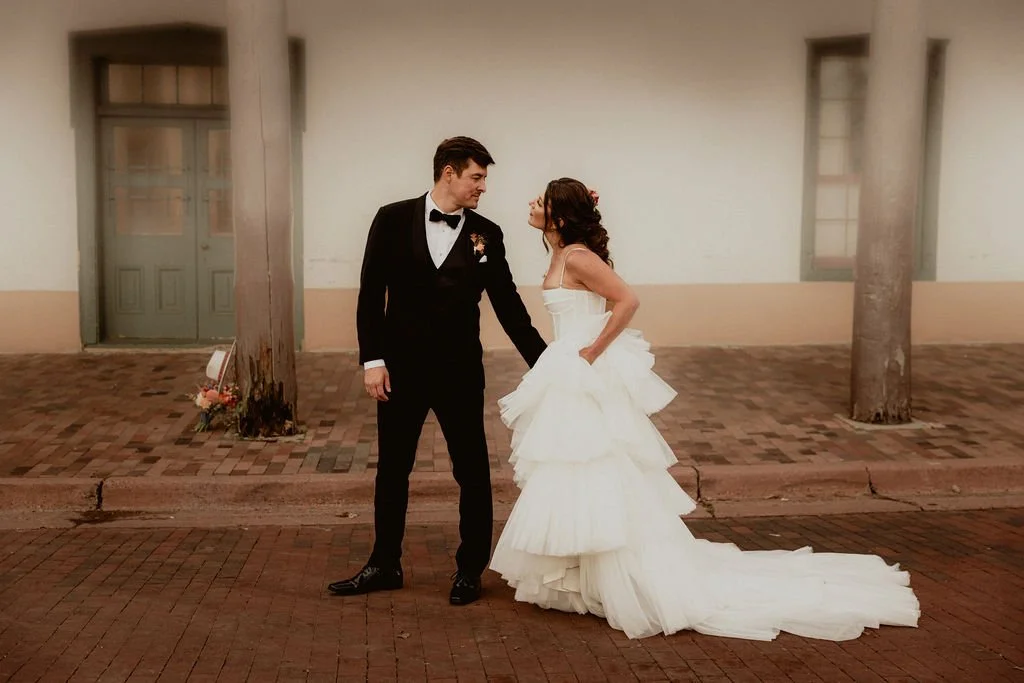
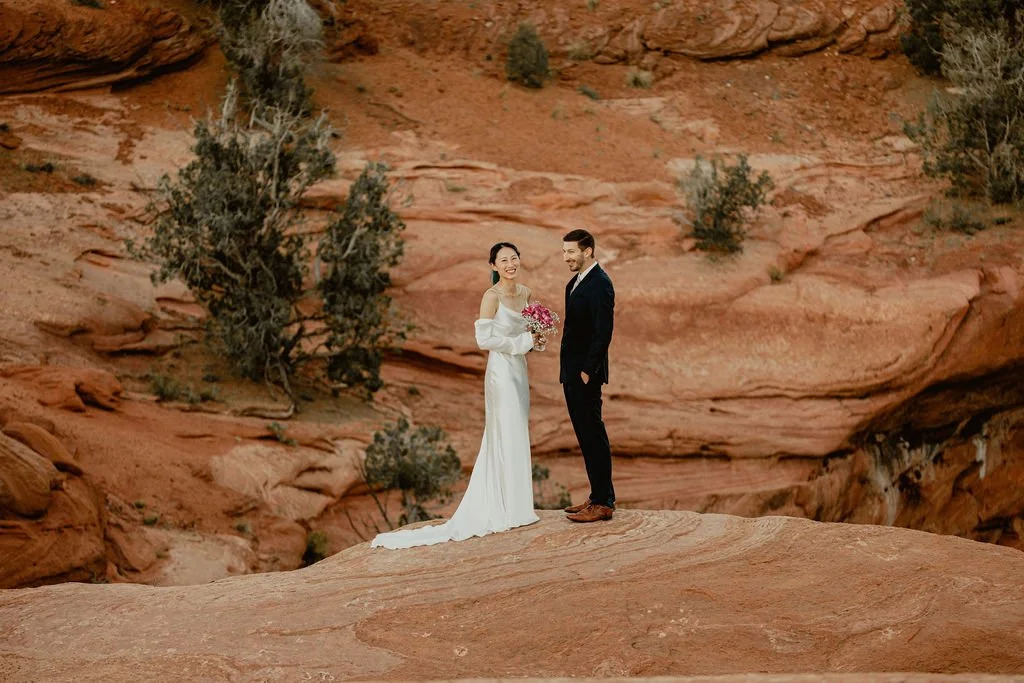
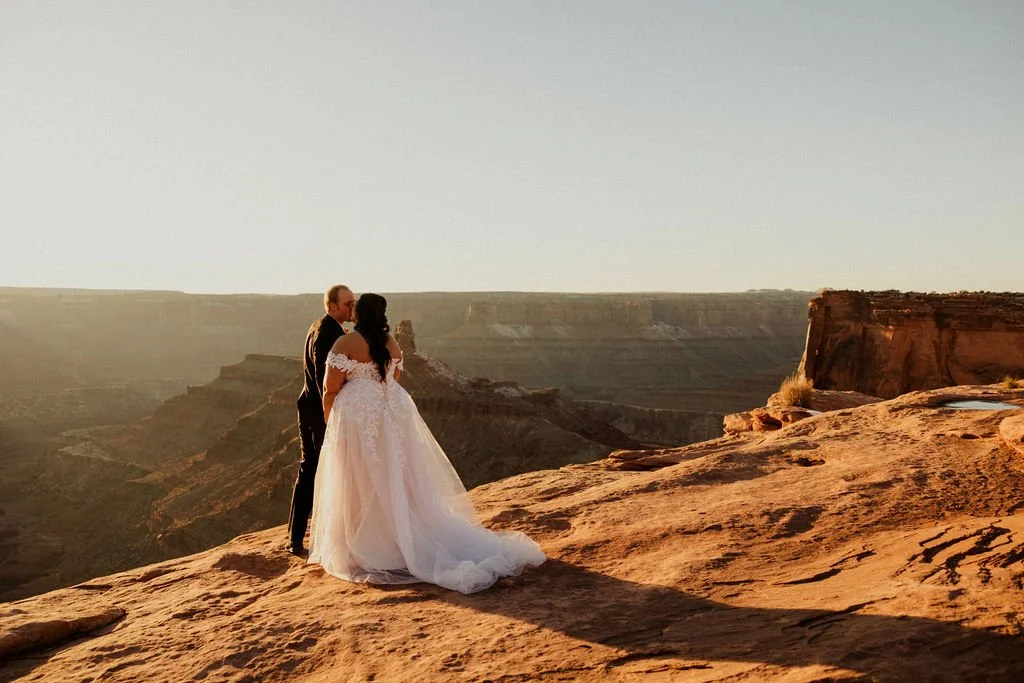
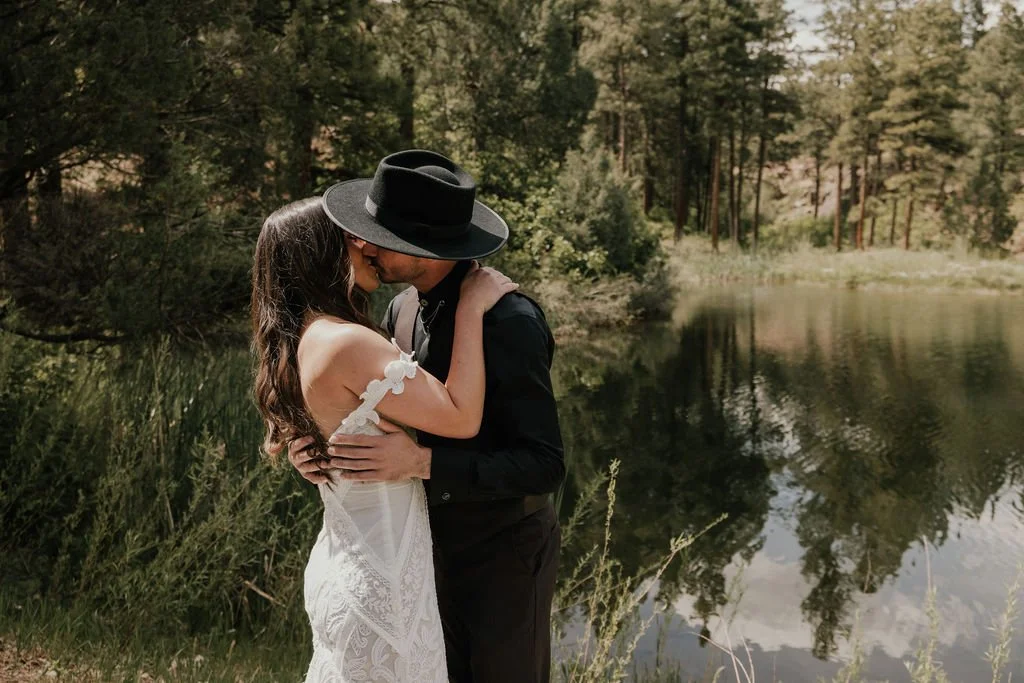
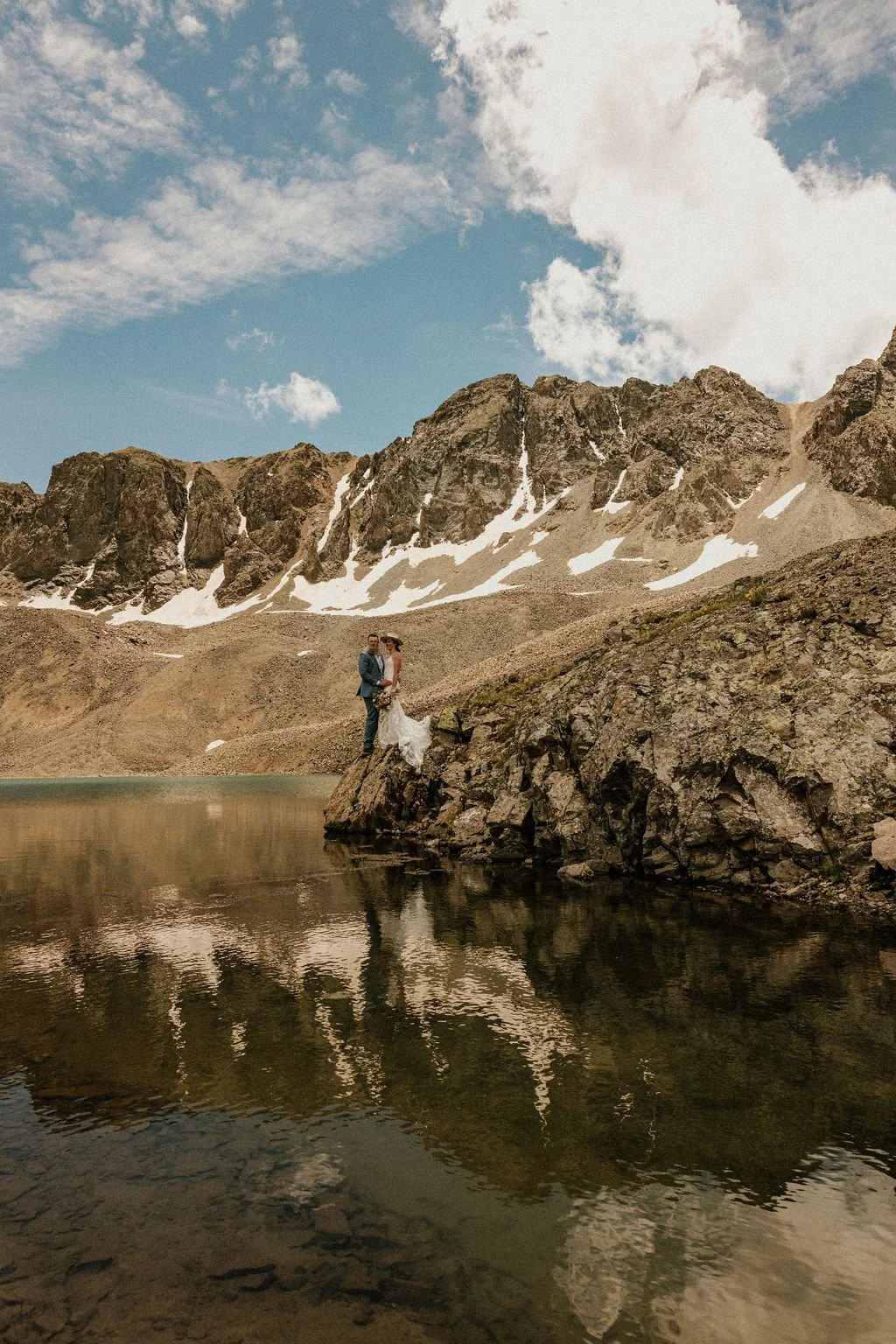
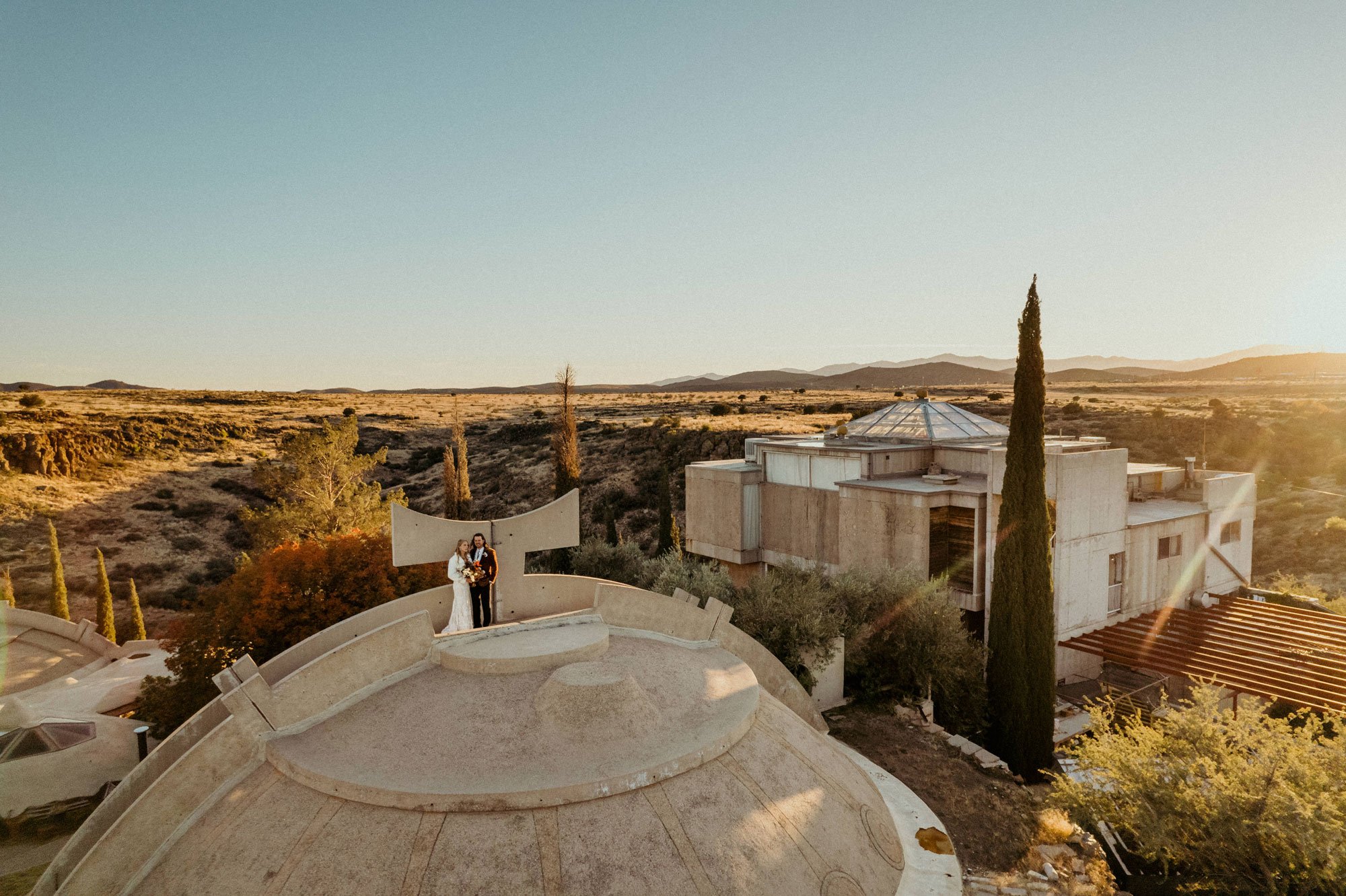
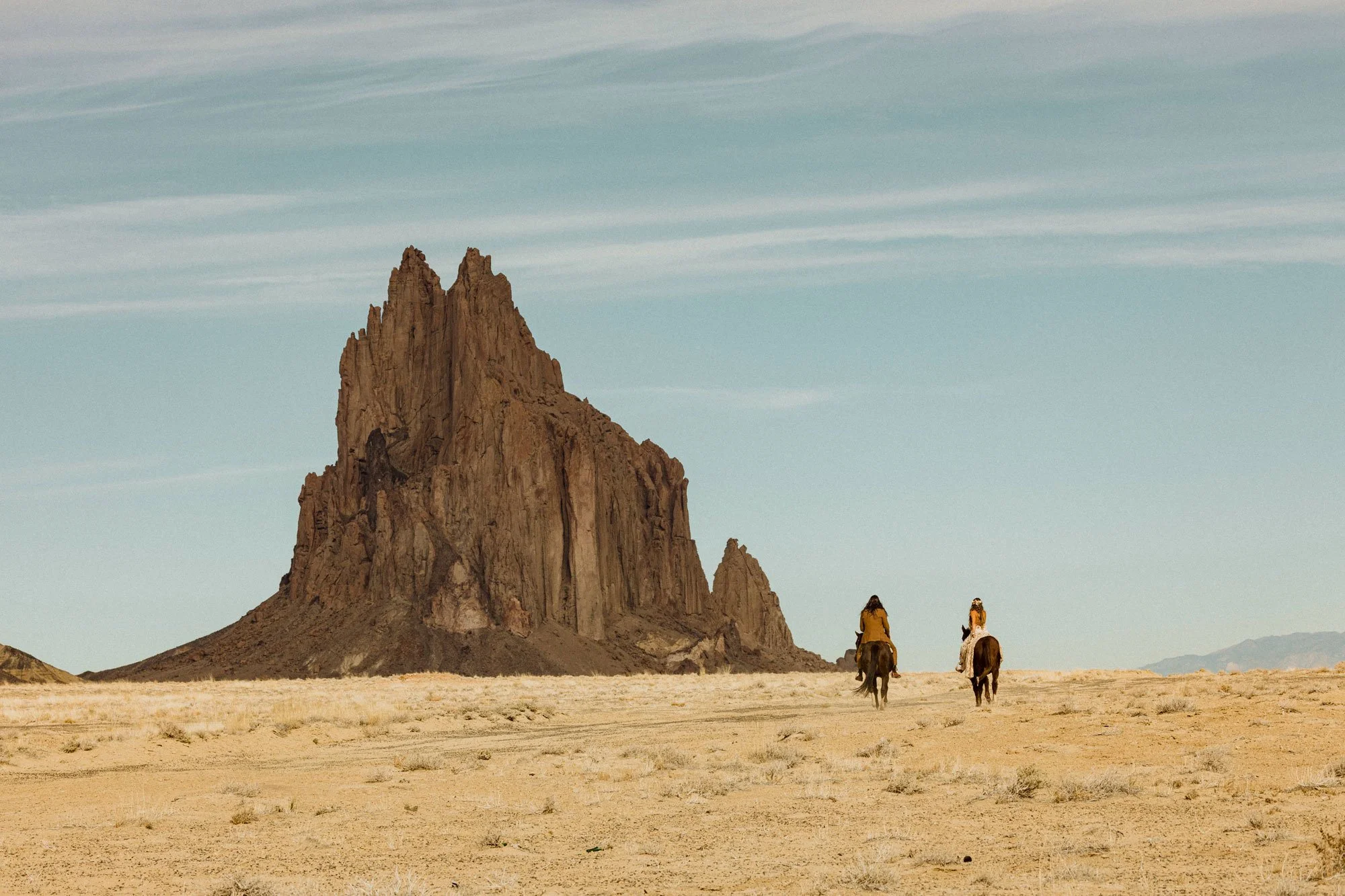
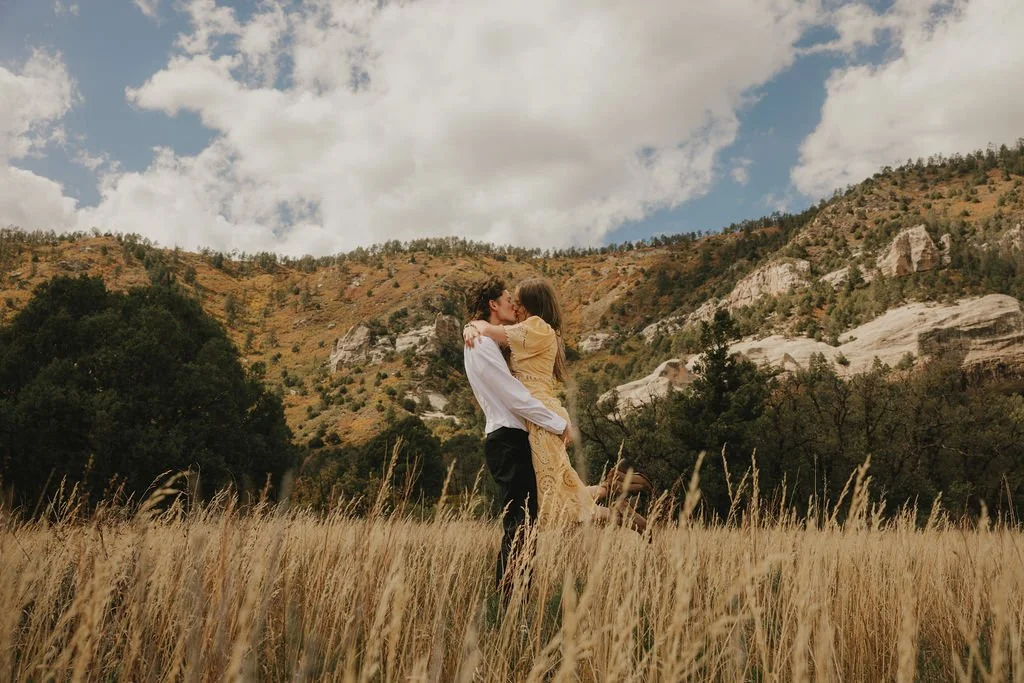
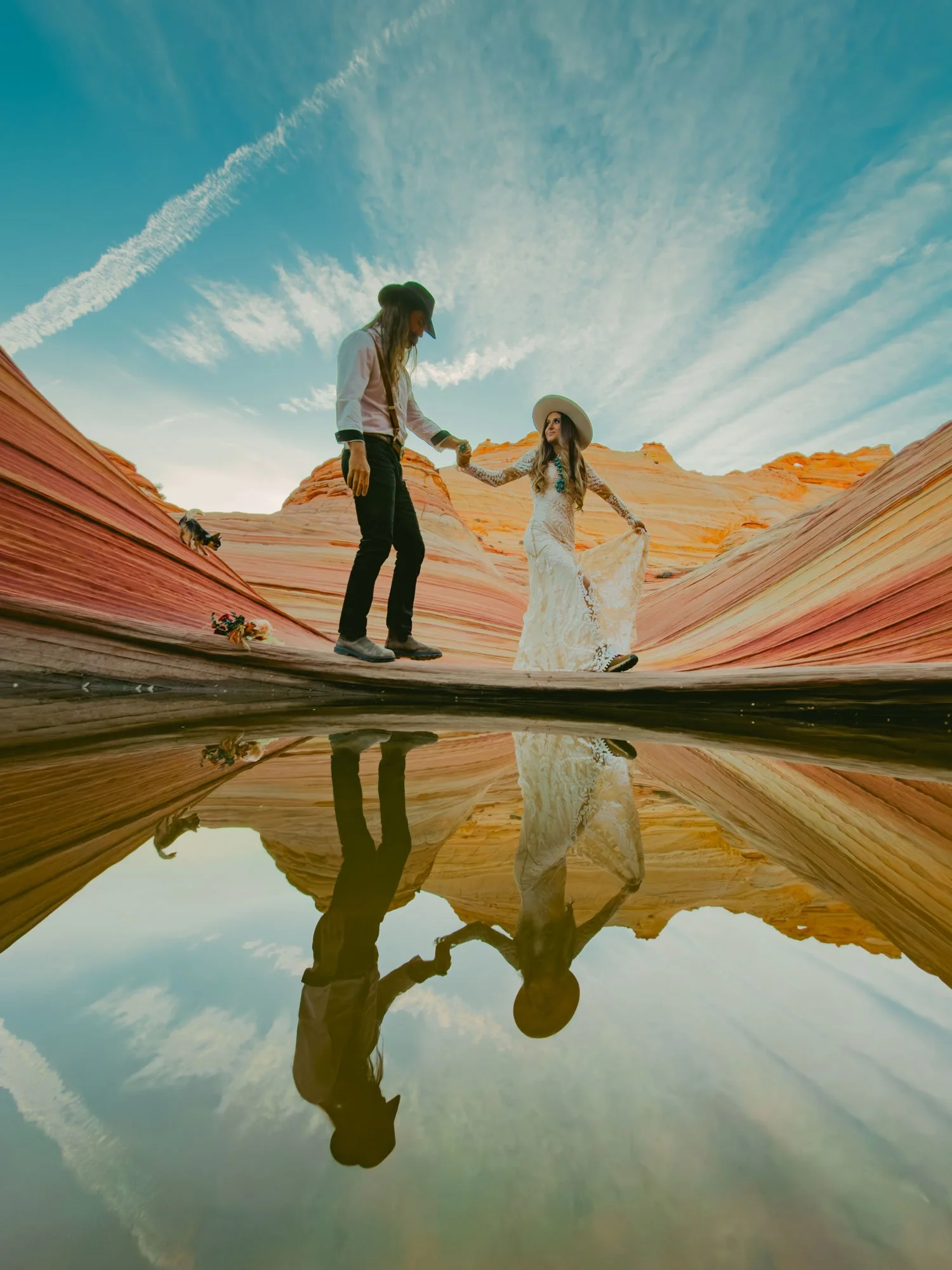
Moab Wedding Photographer: Adventure Wedding & Elopement Photography in Utah's Red Rock Country
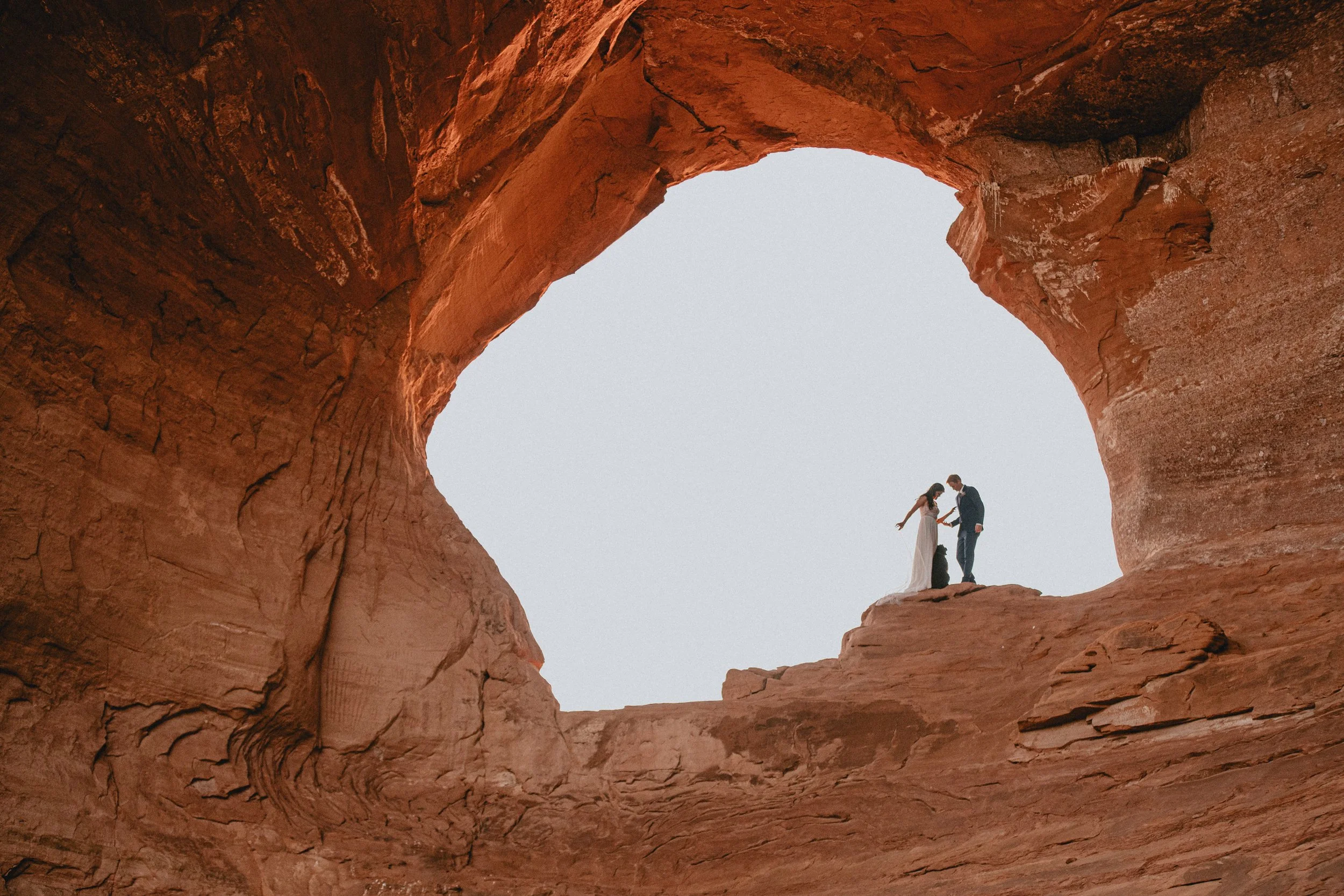
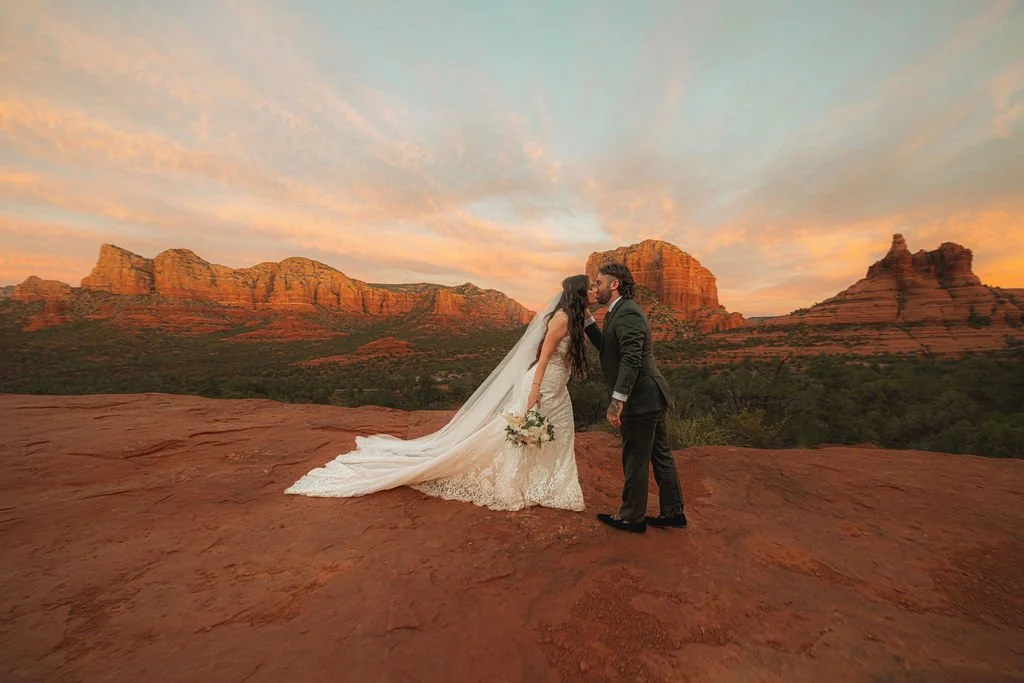
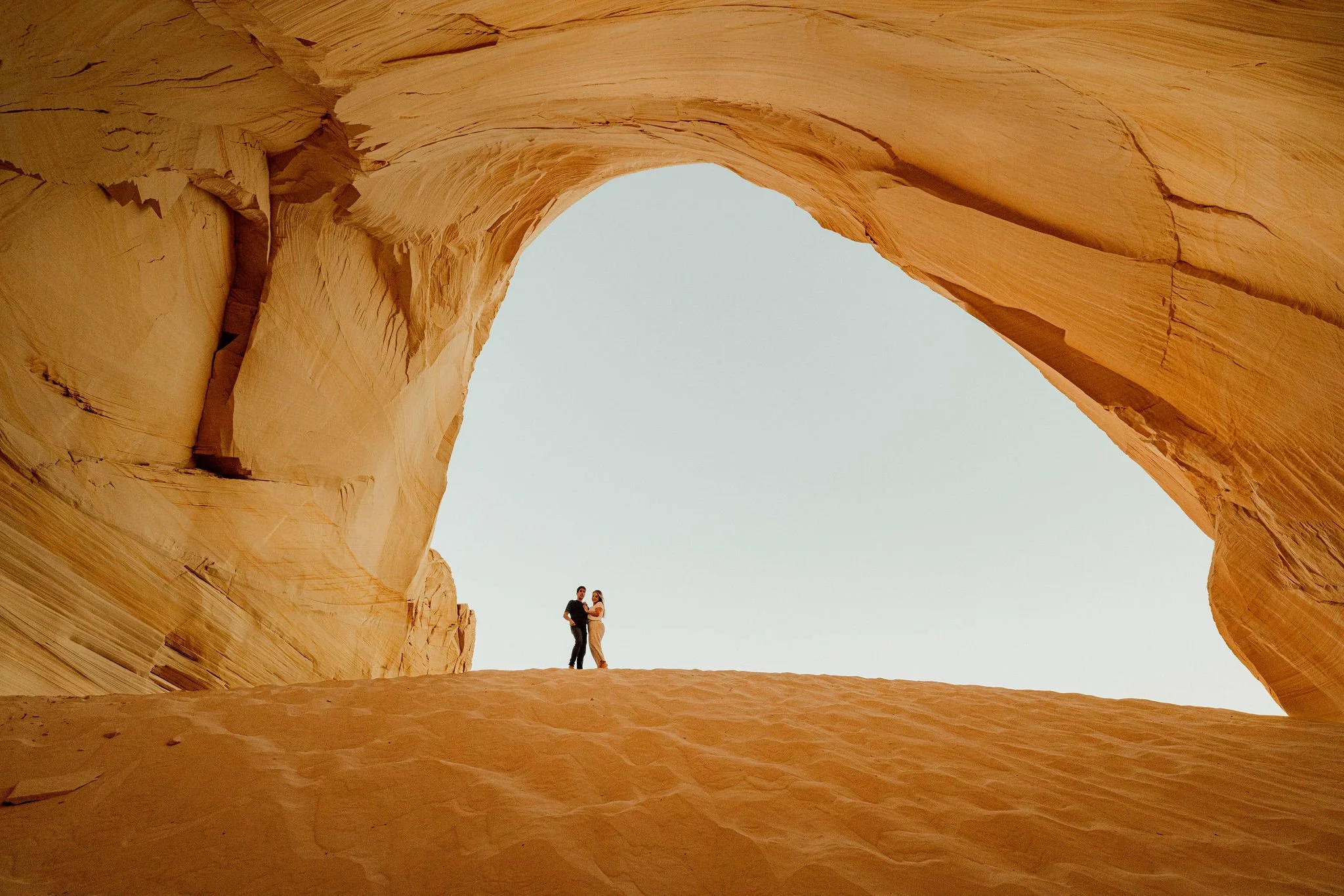
A Moab wedding photographer is a photography professional based in or near Moab, Utah, who specializes in capturing weddings and elopements against the region's signature red rock landscapes, Arches National Park, Canyonlands, and the Colorado River corridor. Shutterfreek is one such team, working exclusively with couples who want their ceremony documented in a way that feels authentic to the desert setting rather than staged for a studio backdrop. If you're planning a Moab wedding or elopement, the photographer you choose should understand permitting rules, know how desert light behaves across the day, and have real experience hiking gear and guests into remote locations safely.
This guide walks through what to look for in a Moab wedding photographer, where the best ceremony locations are, what a typical shoot day looks like, and how pricing and packages usually break down, so you can plan with confidence.
Why Moab Has Become a Top Destination for Adventure Weddings
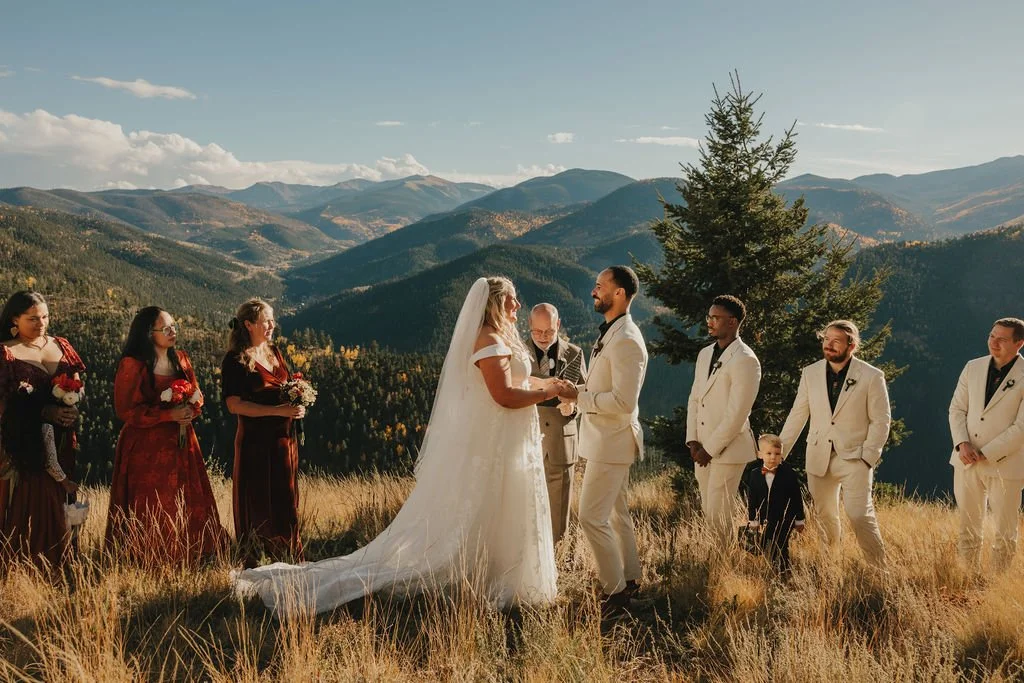
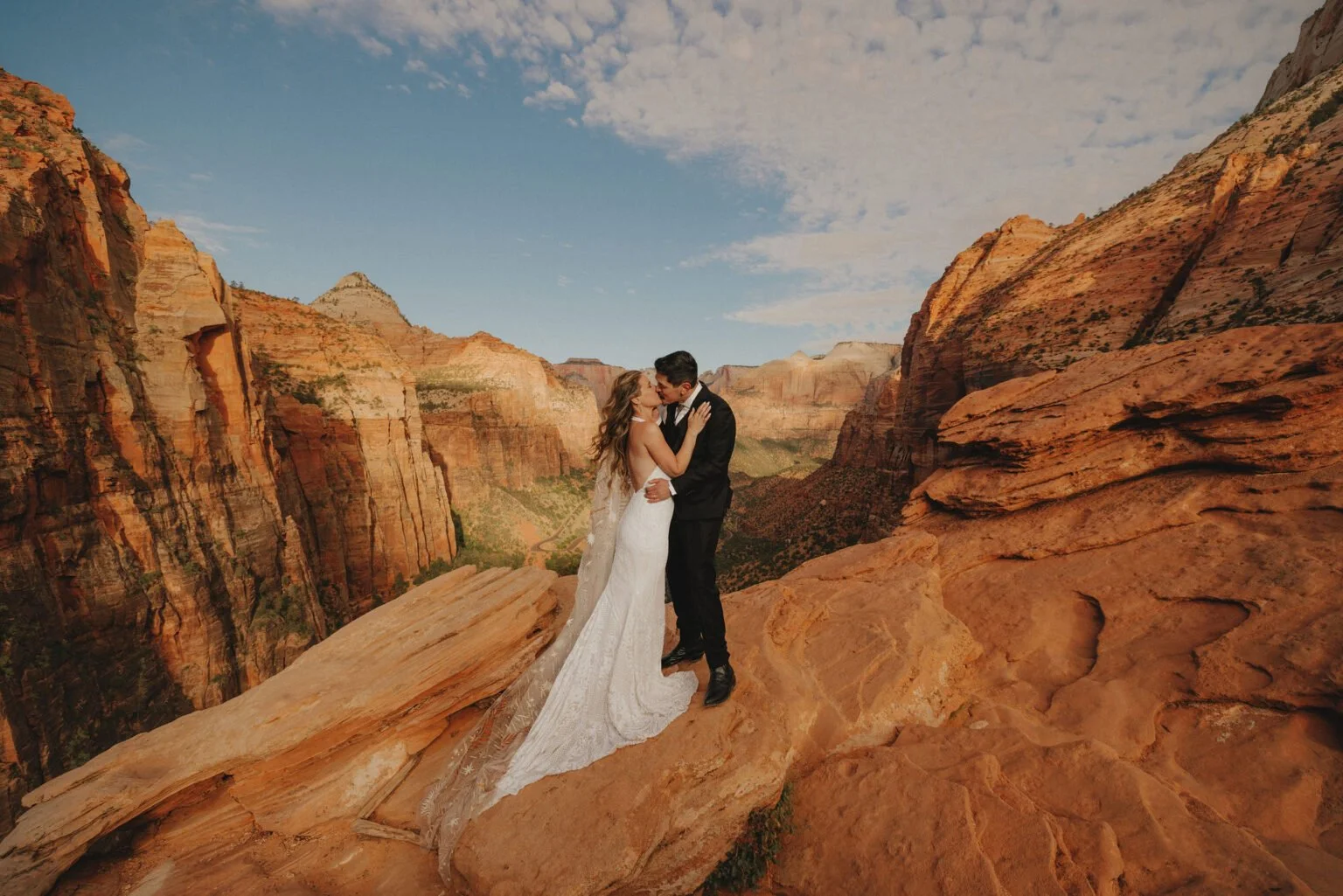
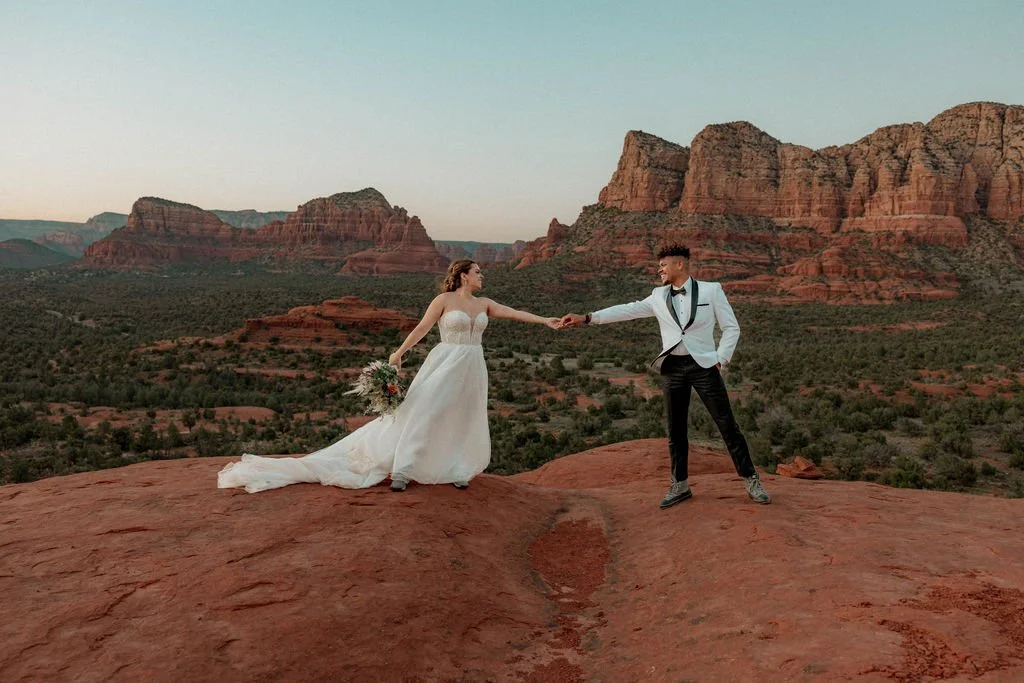
Moab sits at the intersection of two national parks, dozens of BLM (Bureau of Land Management) access points, and a small-town atmosphere that makes intimate ceremonies feel personal rather than transactional. Couples are drawn here for a few consistent reasons:
Landscape diversity. Within a 30-minute drive, you can move from slickrock overlooks to cottonwood-lined riverbanks to open desert mesas, giving a single wedding day multiple distinct visual chapters.
Elopement-friendly permitting. Unlike many national parks, several BLM areas around Moab allow small wedding gatherings with a standard permit, which is one reason Moab has become a hub for the broader adventure elopement movement covered in Shutterfreek's guide to adventure elopement photography.
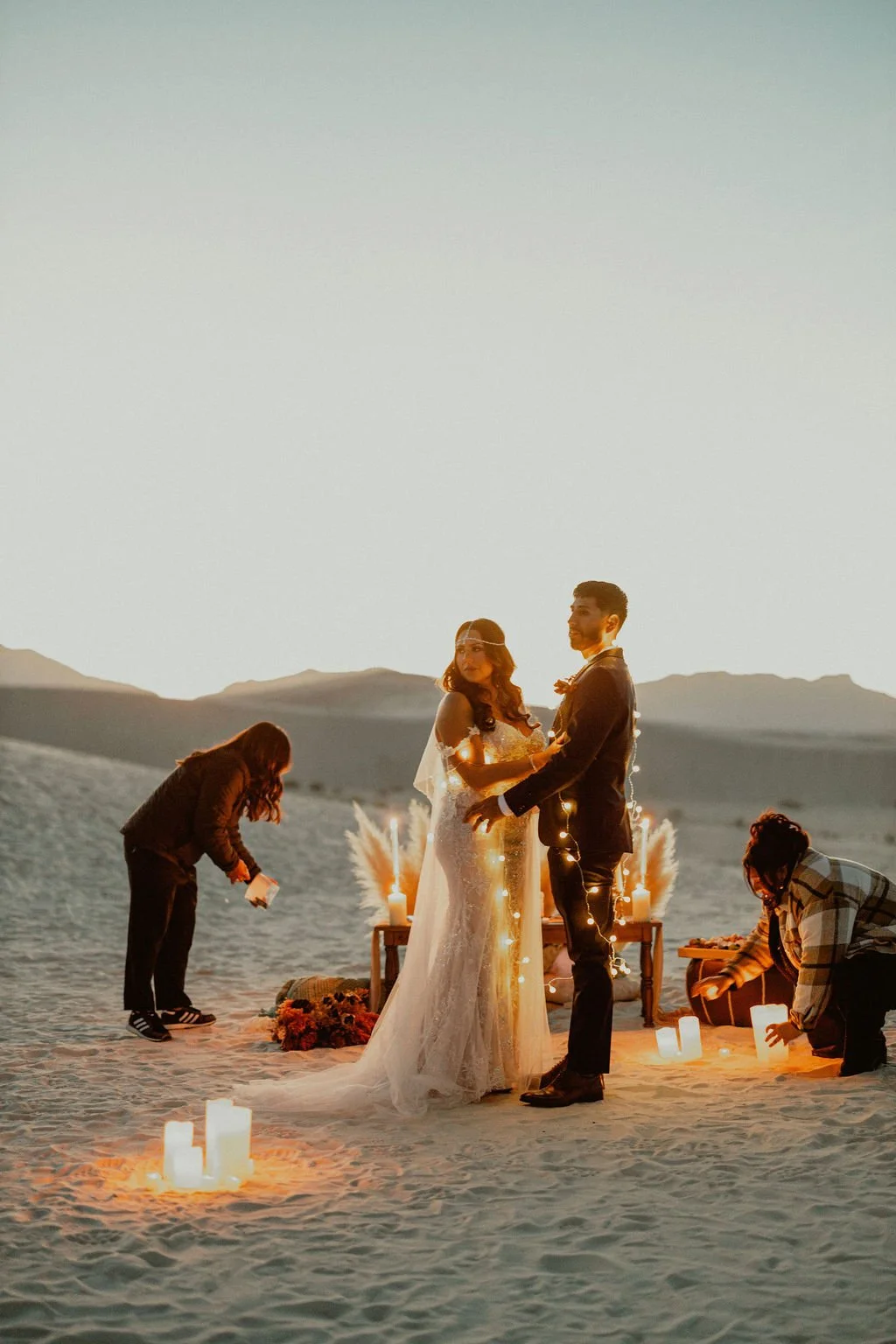
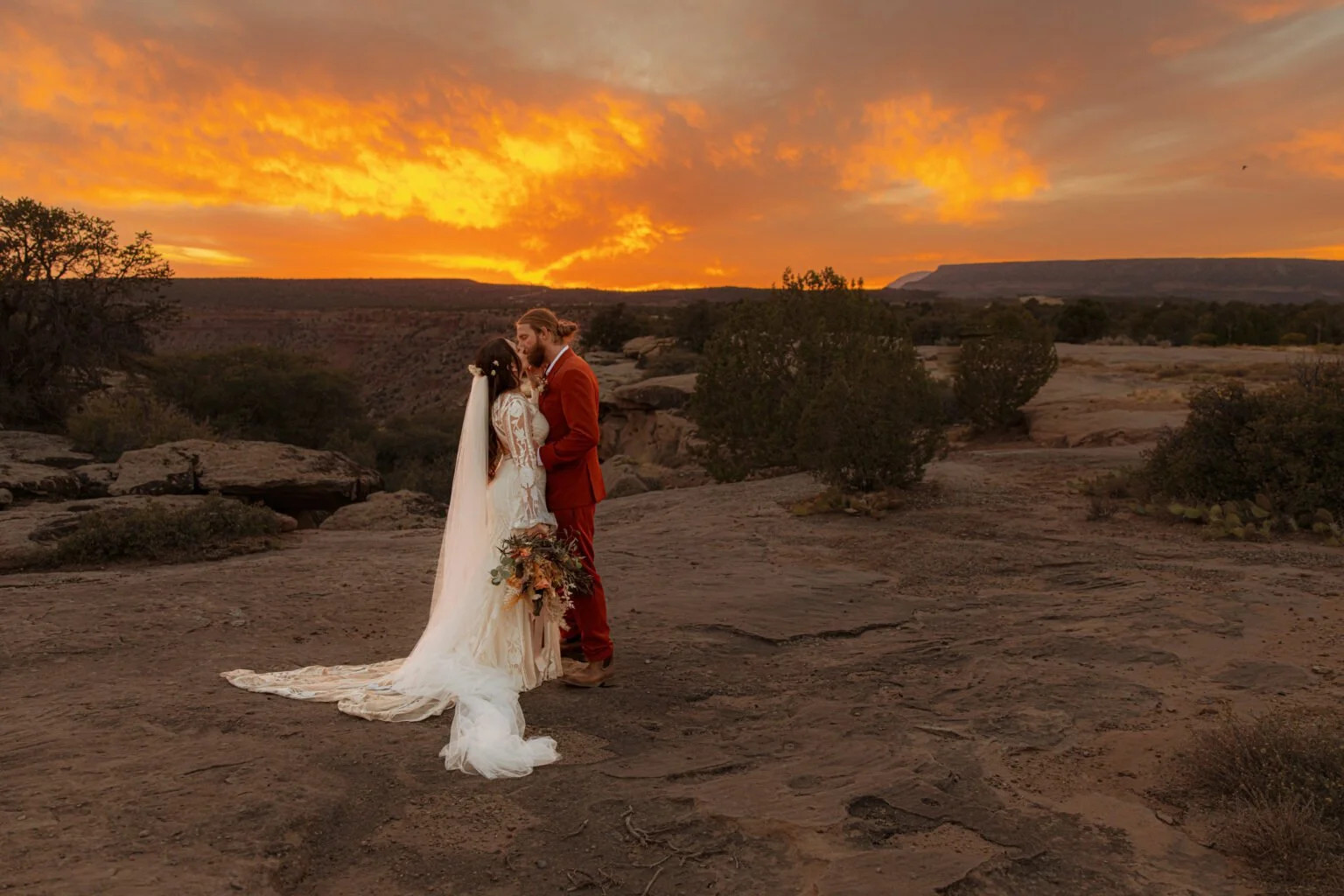
Golden hour reliability. Desert air is dry and largely free of haze, which means sunrise and sunset produce consistent, dramatic color — a major advantage for photographers planning first-light or last-light ceremonies.
A built-in "away from it all" feeling. For couples who want to skip the guest list logistics of a traditional wedding, Moab offers genuine privacy without requiring international travel.
An experienced local photographer brings more than a camera to this environment — they bring firsthand knowledge of trail conditions, permit requirements, sun position by season, and backup plans for wind or heat. That on-the-ground expertise is what separates a photographer who has actually shot dozens of Moab weddings from one who is simply "willing to travel."
What Makes an Experienced Moab Wedding Photographer Different
Not every wedding photographer is equipped for desert terrain. Hiking with camera gear, timing shoots around extreme heat, and working around changing BLM or park regulations all require specialized experience. Here's how a seasoned Moab-based photographer typically compares to a general destination photographer flying in for the first time.
| Factor | Moab-Based Adventure Specialist | General Destination Photographer (First Visit) |
|---|---|---|
| Knowledge of permit requirements | Deep familiarity with BLM and park permitting rules | Often unfamiliar; risk of denied access day-of |
| Location scouting | Pre-scouted trail distances, sun angles, shade options | Relies on couple's research or online photos only |
| Heat & weather contingency plans | Built-in backup timing and locations for extreme heat | May not anticipate desert conditions |
| Physical readiness for hiking terrain | Accustomed to hiking with full gear | May be unprepared for elevation, sand, or scrambles |
| Local vendor relationships | Established relationships with officiants, guides, stylists | Limited or no local network |
| Travel cost to couple | Typically lower, based locally | Higher, includes travel and lodging fees |
Choosing between these two approaches is one of the most common questions couples ask early in planning — a topic covered in more depth in Shutterfreek's article on how to choose a wedding photographer for adventure and elopement-style weddings.
Best Moab Locations for Wedding & Elopement Photography
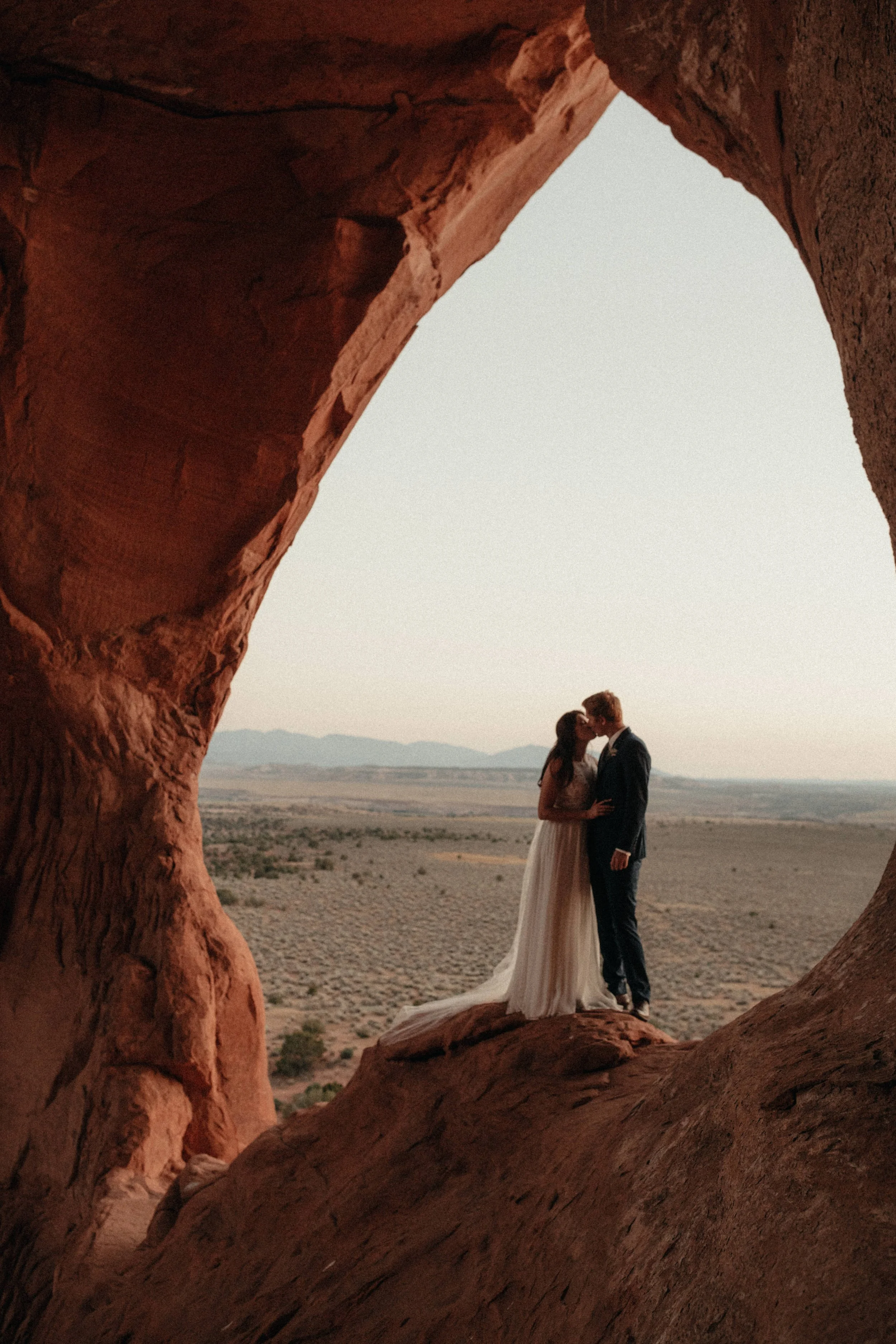
Moab's terrain offers enough variety that no two ceremonies need to look alike. Some of the most requested locations include:
Arches National Park overlooks — best for sunrise ceremonies before crowds arrive; requires an advance special-use permit.
Fisher Towers — dramatic red spires ideal for couples wanting a bold, remote backdrop.
Canyonlands' Island in the Sky — sweeping canyon views suited to larger elopement parties.
Colorado River corridor — softer, greener tones for couples who want contrast against the desert palette.
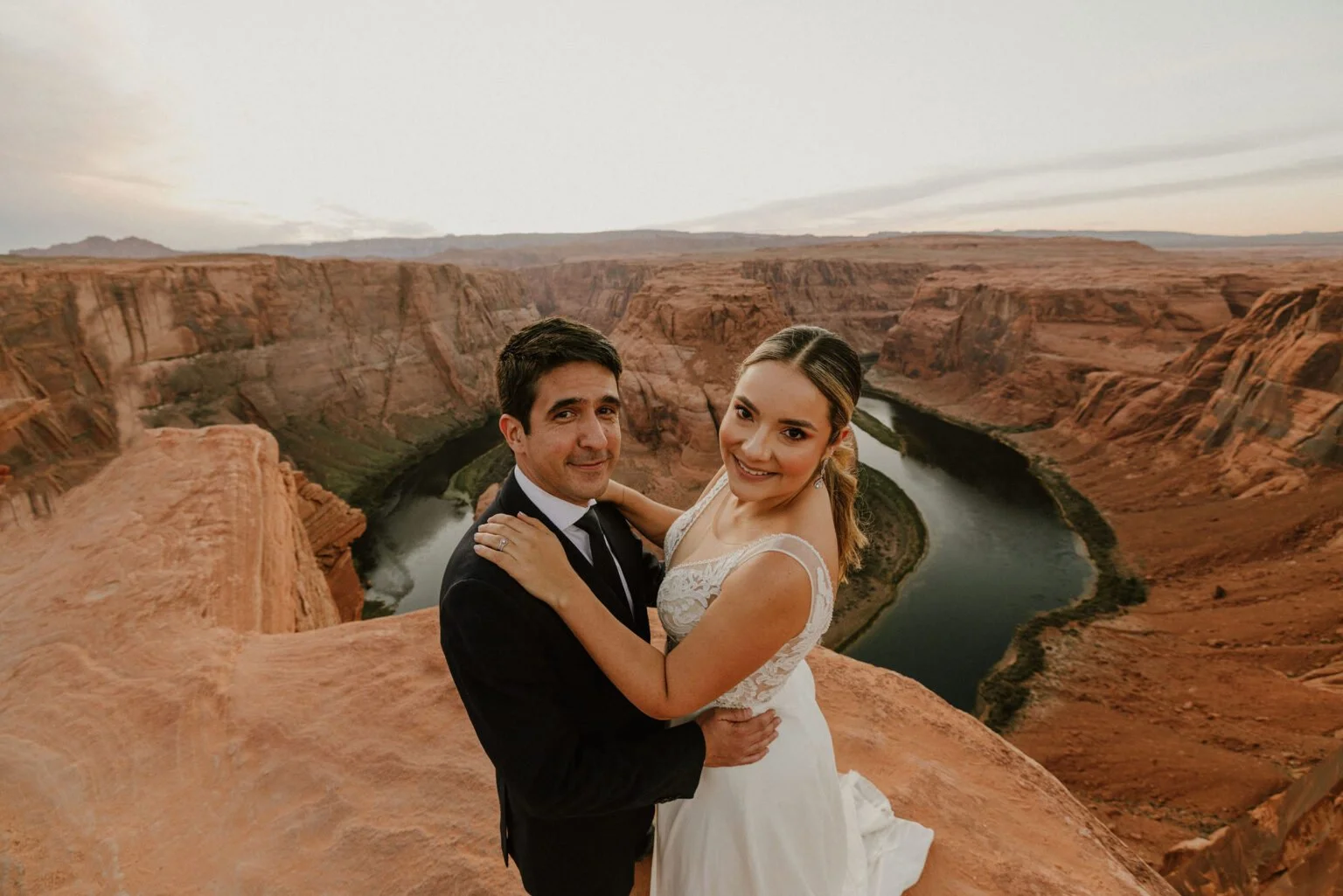
Dead Horse Point State Park — one of the most photographed overlooks in Utah, popular for both ceremony and portrait sessions.
Every location has different permit rules, hike-in distances, and light timing, which is why pairing your ceremony site with a photographer who already understands Utah's broader elopement landscape matters. Shutterfreek's overview of Utah adventure elopements breaks down several of these locations in more detail, including seasonal considerations for each.
What a Moab Wedding Photography Day Typically Looks Like
Most adventure elopements in Moab follow a similar structure, adjusted for the couple's ceremony site and guest count:
Pre-dawn or late-afternoon start to avoid peak desert heat and harsh midday light.
Hike-in with gear, often 20 minutes to 2 hours depending on location, with the photographer carrying equipment suited for the terrain.
First-look or private vows session for couples who want quiet, unhurried portraits before the ceremony.
Ceremony coverage, typically 15–45 minutes for elopements, longer for guest-inclusive weddings.
Golden-hour portrait session immediately following the ceremony, when desert light is most flattering.
Post-shoot editing timeline, usually delivered as a curated gallery within 4–8 weeks.
Because timing is so dependent on sun position and heat, an experienced Moab photographer will typically build the day's schedule around light first and logistics second, a planning approach that differs from more traditional venue-based weddings.
Package & Investment Considerations
Pricing for a Moab wedding photographer varies based on hike difficulty, coverage hours, permit assistance, and travel. While every studio structures packages differently, most fall into a few general tiers.
| Package Tier | Coverage Length | Best For | Typical Inclusions |
|---|---|---|---|
| Intimate Elopement | 1–2 hours | Couples of 2, minimal hike | Ceremony + portrait coverage, digital gallery |
| Adventure Half-Day | 3–4 hours | Small guest groups, single hike-in location | Ceremony, portraits, multiple locations |
| Full-Day Adventure Wedding | 6–8 hours | Larger guest counts, multiple locations | Getting-ready, ceremony, reception, sunset session |
| Multi-Day Experience | 2+ days | Couples combining a wedding with a trip | Wedding day plus additional adventure/portrait day |
Couples should always confirm what's included — permit fees, second shooters, travel costs, and turnaround time can shift the value of a package significantly beyond the base price.
How to Choose the Right Moab Wedding Photographer for Your Vision
A few questions help narrow the search quickly:
Do they have a portfolio specifically from Moab or similar desert terrain, not just generic outdoor weddings?
Are they familiar with permit logistics for your chosen location, or will you need to secure permits separately?
Can they physically handle the hike required for your ceremony site, with appropriate gear?
What's their turnaround time, and does it match your timeline for prints, albums, or announcements?
Do they offer flexibility for weather-dependent rescheduling, which is common in desert climates?
These questions apply broadly across adventure-style photography searches, and Shutterfreek's dedicated resource on Moab elopement photography goes further into location-specific planning tips for couples eloping in this exact region.
Comparing Moab to Other Southwest Adventure Elopement Destinations
Some couples weighing a Moab elopement are also considering nearby Southwest destinations with similar red rock or high-desert scenery. New Mexico, for example, offers a comparable palette with its own distinct terrain and permitting process, detailed in Shutterfreek's guide to New Mexico adventure elopements, as well as a roundup of best small wedding locations in New Mexico. While the two states share visual similarities, Moab's national park proximity and canyon geography give it a distinct character that many couples specifically seek out.
Seasonal Planning: When Moab Light Looks Best
Desert light shifts meaningfully across the year, and timing a ceremony around it can make a significant visual difference:
Spring (March–May): Soft morning light, wildflowers in some canyon areas, and comfortable hiking temperatures make this the most requested season.
Fall (September–November): Cooler air and warm-toned late afternoon light pair well with red rock backdrops; this is the second most-booked window.
Summer (June–August): Sunrise ceremonies are common to avoid triple-digit afternoon heat; midday shoots are generally avoided.
Winter (December–February): Fewer crowds and occasional snow-dusted red rock create a striking, less common backdrop for couples wanting something unique.
Because availability for prime spring and fall sunrise or sunset slots is limited, couples planning around these seasons should expect to book earlier than they might for a standard venue wedding.
Final Thoughts
Choosing a Moab wedding photographer is ultimately about finding someone who treats the landscape as a creative partner rather than a backdrop. The right photographer brings technical skill, physical readiness, and genuine familiarity with the region's permits, trails, and light, all of which shape how your day is actually documented. Whether you're planning an intimate two-person elopement at sunrise or a full adventure wedding with guests, Shutterfreek's experience across Utah's red rock terrain is built specifically around this kind of ceremony.
Ready to plan your Moab wedding or elopement? Explore Shutterfreek's full range of adventure elopement photography services to start building your custom timeline.
Frequently Asked Questions
-
Pricing generally ranges based on coverage length, hike difficulty, and package inclusions, with intimate elopement sessions on the lower end and full-day adventure weddings costing more due to extended hours and additional locations.
-
Yes, in most cases. Arches and Canyonlands National Parks require a special-use permit for wedding ceremonies, and many BLM areas around Moab require a separate permit as well. An experienced local photographer can often guide you through this process or recommend where permitting is more straightforward.
-
Spring (March–May) and fall (September–November) are the most popular months, offering milder temperatures and comfortable hiking conditions. Summer ceremonies are possible but typically require very early or late scheduling to avoid extreme heat.
-
Most couples book six months to a year in advance, especially for peak spring and fall dates, since availability for popular sunrise and sunset time slots fills quickly.
-
Many experienced local photographers, including teams that specialize in adventure elopements, offer planning support such as location recommendations, permit guidance, and timeline building as part of their service — which is especially valuable for couples planning remotely.
Keep reading