Mesa Outdoor Wedding Photographer: Desert Light, Real Moments, No Stress
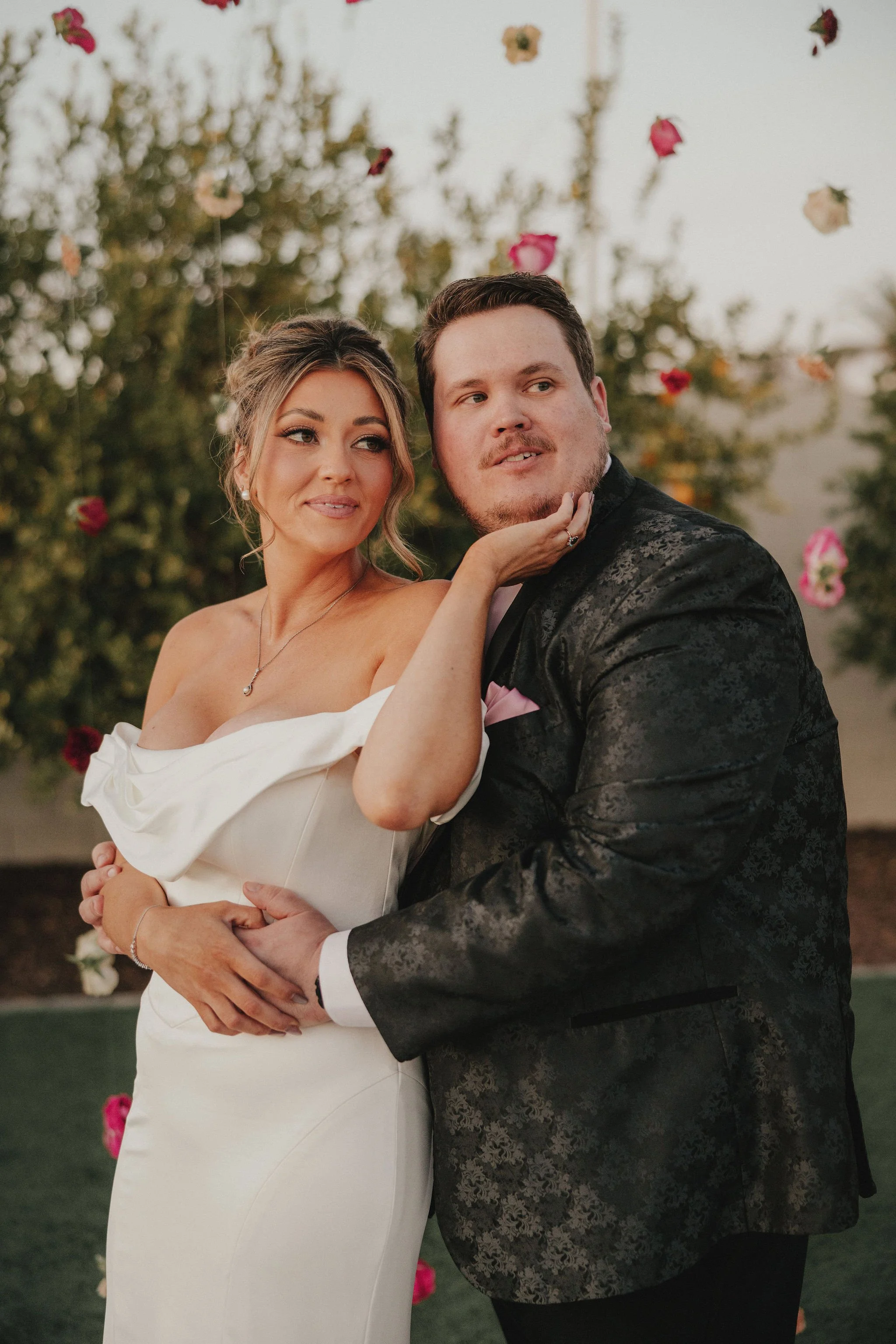
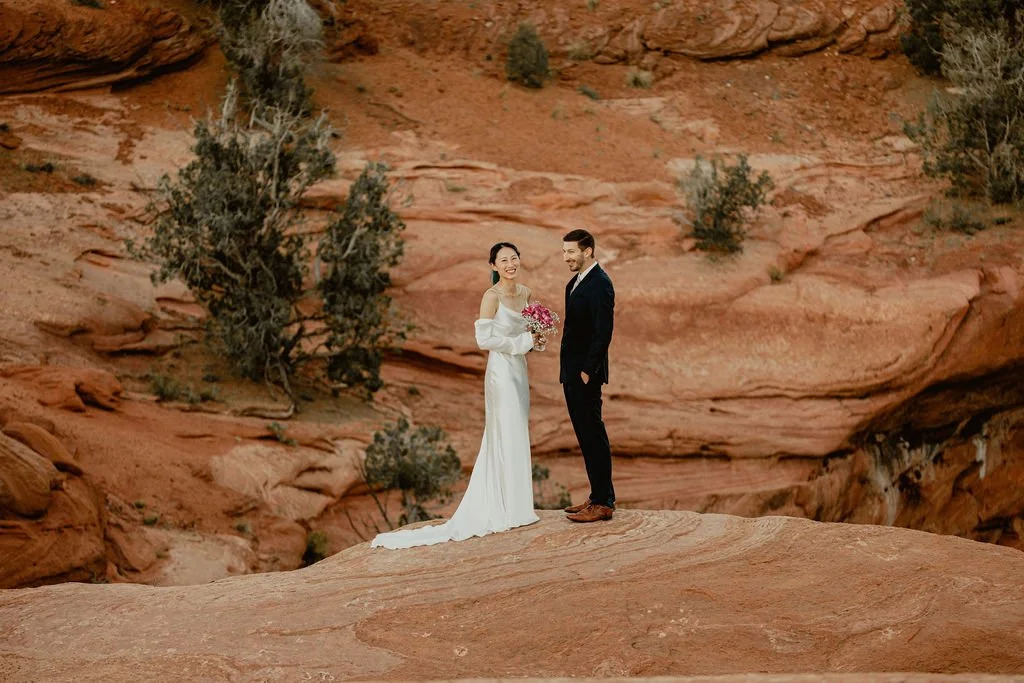
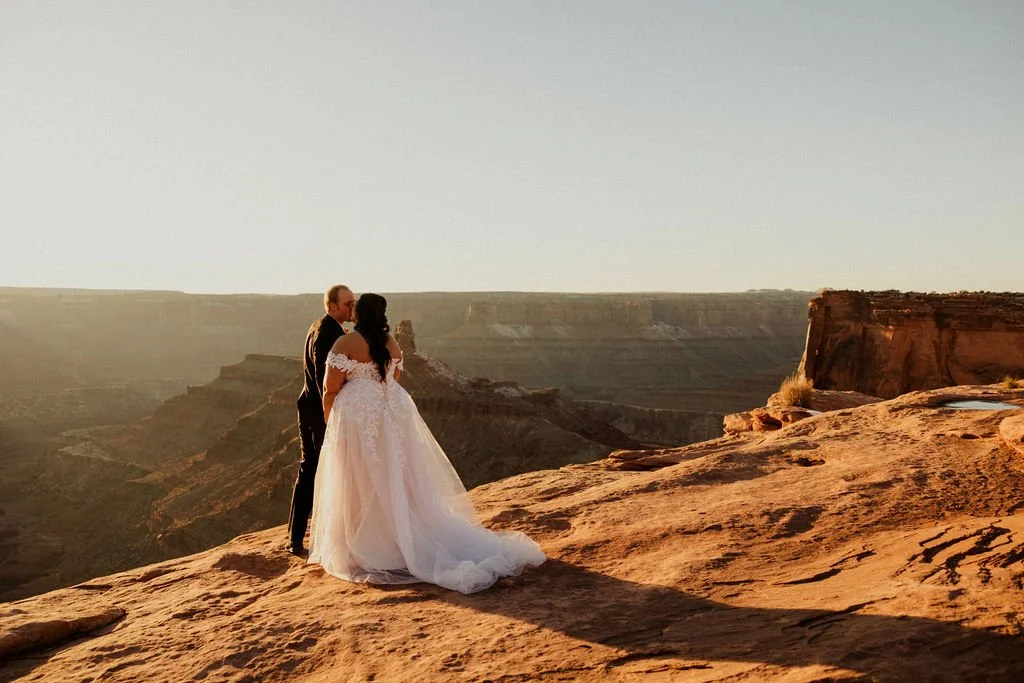
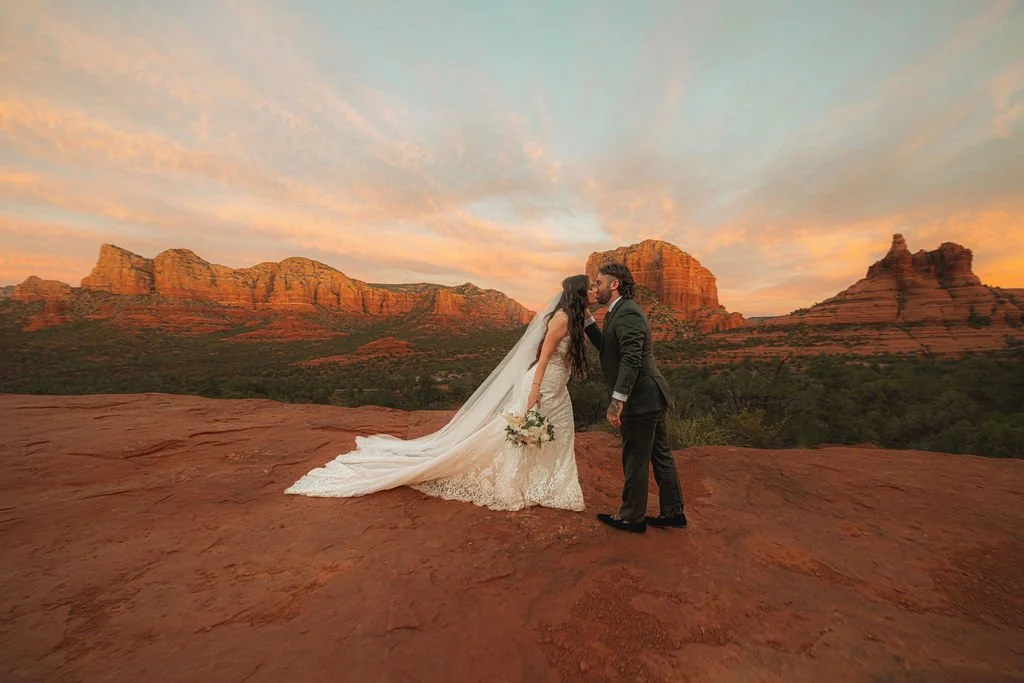
A Mesa outdoor wedding photographer is a photographer who specializes in shooting ceremonies and portraits outdoors in Mesa, Arizona, which in practice means managing harsh Sonoran Desert sun, planning your ceremony around a golden-hour window that shifts by almost two hours between summer and winter, and knowing which locations (Usery Mountain Regional Park, Saguaro Lake, the Salt River corridor, Superstition Mountain overlooks) require a permit before you can legally set up a ceremony. At Shutterfreek, that's the whole job: we schedule your timeline around the light instead of hoping the light cooperates, we carry the permits, and we shoot in a documentary style so the day looks like your day, not a stock gallery.
What Actually Separates an Outdoor Specialist in Mesa
Mesa gets roughly 300 sunny days a year. That sounds like a gift and is actually the single hardest technical problem in the market. Direct desert sun at 2 p.m. in May produces a contrast ratio your camera cannot hold, blown-out white dresses, black eye sockets, squinting. An indoor ballroom photographer moved into open desert will fix this in post by crushing highlights, and the result looks grey and lifeless.
What an experienced Mesa outdoor wedding photographer does instead:
Scouts shade structures in advance. Palo verde canopies, ramada shelters at Usery and Riverview Park, canyon walls near the Salt River, and the west side of any large saguaro cluster all give usable open shade at midday.
Plans around the sunset time for your specific date. Mesa's sunset swings from about 5:22 p.m. in December to about 7:42 p.m. in late June. A "5 p.m. ceremony" is a completely different photograph in March than in July.
Brings light, not just cameras. Off-camera flash with a scrim or a large diffusion panel is standard kit for desert receptions after dark, when there is no ambient light at all outside a string-light radius.
Watches the monsoon. July through mid-September brings dust walls and sudden downpours. That's a real risk to equipment and to your timeline, and it needs a written contingency plan, not a shrug.
Manages heat safety. Ceremony under 105°F sun is a medical issue for older guests. We build in shaded holding areas and shorten portrait blocks in summer.
The experience signal to look for when you're hiring: ask to see a full gallery from a single Mesa outdoor wedding, start to finish, not a highlight reel. Highlight reels hide the hard hours.
The Best Outdoor Wedding Locations in Mesa, AZ
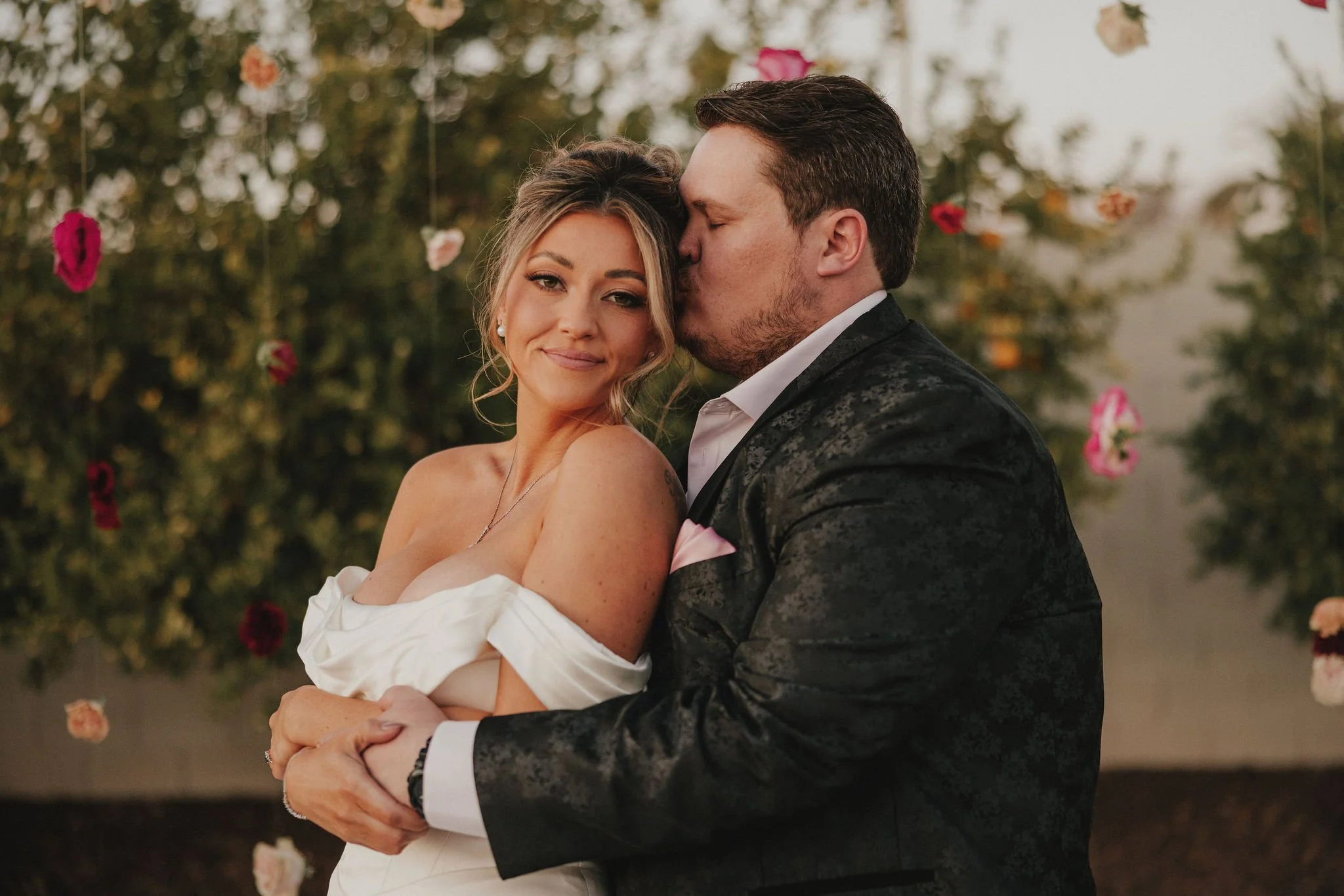
Mesa sits in a rare position: full Sonoran Desert on its eastern edge, a river and lake system to the northeast, and polished private venues in the city core. You can get three totally different visual worlds inside a 30-minute drive.
Table 1 — Mesa & East Valley Outdoor Wedding Location Comparison
| Location | Setting & Look | Permit Required | Best Light Window | Realistic Guest Count | Photographer Notes |
|---|---|---|---|---|---|
|
Usery Mountain Regional Park
|
Classic saguaro desert, Pass Mountain backdrop | Yes — Maricopa County Parks special event/photo permit | 75 min before sunset | 10–50 | Best all-around Mesa desert ceremony site; ramadas give guest shade |
|
Saguaro Lake / Butcher Jones
|
Water + cliff walls, blue-and-gold contrast | Yes — Tonto National Forest permit + Tonto Pass | 90 min before sunset | 10–40 | Reflected light off water fills shadows beautifully; parking fills fast on weekends |
|
Lower Salt River (Coon Bluff area)
|
Riparian, cottonwoods, wild horses | Yes — Tonto National Forest | Sunrise or last hour | 2–20 | Strongest for elopements and intimate ceremonies; uneven terrain |
|
Lost Dutchman State Park (Apache Junction)
|
Superstition Mountains, dramatic scale | Yes — Arizona State Parks | Sunset, mountain glows red | 10–60 | ~25 min from central Mesa; most cinematic backdrop in the region |
|
Mesa Arizona Temple Gardens
|
Manicured gardens, palms, reflecting pool | Check current grounds policy | Late afternoon open shade | Portraits only | Portrait location, not a ceremony site; always confirm rules first |
|
Private Mesa venues
(e.g. estate & warehouse-courtyard venues)
|
Lawns, string lights, built-in shade | No — venue-handled | Venue-dependent | 50–250 | Easiest logistics; power access for lighting and vendor staging |
|
Riverview / Pioneer Park
|
Green lawn, mature trees, urban-accessible | Yes — City of Mesa parks reservation | Evening | 20–80 | Budget-friendly, family-friendly, accessible for elderly guests |
If you're choosing between a permitted public land ceremony and a private venue, the trade is simple: public land gives you scenery no venue can buy and costs far less, but you absorb the logistics, no bathrooms, no power, no rain backup, limited parking. Private venues invert all of that.
When to Schedule Your Mesa Outdoor Wedding
Timing is the highest-leverage decision you will make, and it affects photography more than any other vendor category.
Table 2 — Mesa Outdoor Wedding Timing by Month
| Month | Avg. High | Outdoor Ceremony Viability | Approx. Sunset | Photographer Recommendation |
|---|---|---|---|---|
| January | 68°F | Excellent | ~5:35 p.m. | Ceremony 4:00 p.m.; portraits 4:45–5:30 |
| February | 72°F | Excellent | ~6:00 p.m. | Peak comfort; book 9–12 months out |
| March | 79°F | Excellent | ~6:25 p.m. | Wildflower season in good rain years |
| April | 88°F | Very good | ~6:45 p.m. | Ceremony no earlier than 5:30 p.m. |
| May | 97°F | Fair | ~7:20 p.m. | Sunset ceremony only; shaded guest seating essential |
| June | 106°F | Poor | ~7:42 p.m. | Sunrise ceremony or indoor/covered only |
| July | 106°F | Poor | ~7:40 p.m. | Monsoon + heat; strongly discouraged outdoors |
| August | 104°F | Poor | ~7:15 p.m. | Monsoon dust storms; contingency plan mandatory |
| September | 100°F | Fair | ~6:35 p.m. | Late September improves quickly |
| October | 89°F | Very good | ~5:55 p.m. | Busiest month — book 12+ months out |
| November | 76°F | Excellent | ~5:25 p.m. | Ideal; early sunset means early ceremony |
| December | 67°F | Excellent | ~5:22 p.m. | Ceremony 3:45 p.m. to protect golden hour |
Sunset times are approximate and shift year to year, we confirm exact astronomical data for your date during planning.
The rule we give every couple: start the ceremony 2 hours and 15 minutes before sunset. That protects a 30-minute ceremony, family formals, a full golden-hour portrait block, and a blue-hour set, without ever rushing you.
Permits, Park Rules, and the Logistics Nobody Mentions
This is where a lot of Mesa outdoor weddings go sideways, and it's a genuine trust signal when a photographer handles it.
Maricopa County Parks (Usery Mountain) require a permit for wedding ceremonies and often for commercial photography. Chairs, arches, and amplified sound all change the permit category.
Tonto National Forest (Saguaro Lake, Salt River) requires a special use authorization for organized events, plus a Tonto Pass per vehicle. Lead time can run several weeks.
Arizona State Parks (Lost Dutchman) have their own reservation process and gate-closure times, critical, because a gate that locks at sunset ends your portrait session.
City of Mesa parks require reservations for gatherings with setup.
Leave No Trace still applies. No rose petals, no glitter, no confetti on public land. Many sites also prohibit drones.
Permit rules and fees change. Always verify directly with the managing agency for your date, we confirm them in writing during planning and keep copies on-site the day of.
How a Shutterfreek Outdoor Wedding Day Actually Runs
Our approach is documentary-first with a light hand on direction. In practice:
Pre-wedding. We walk your location at the same time of day as your ceremony, within a few weeks of your date, and map sun position, shade, and a wet-weather fallback. You get a written timeline built on that walk.
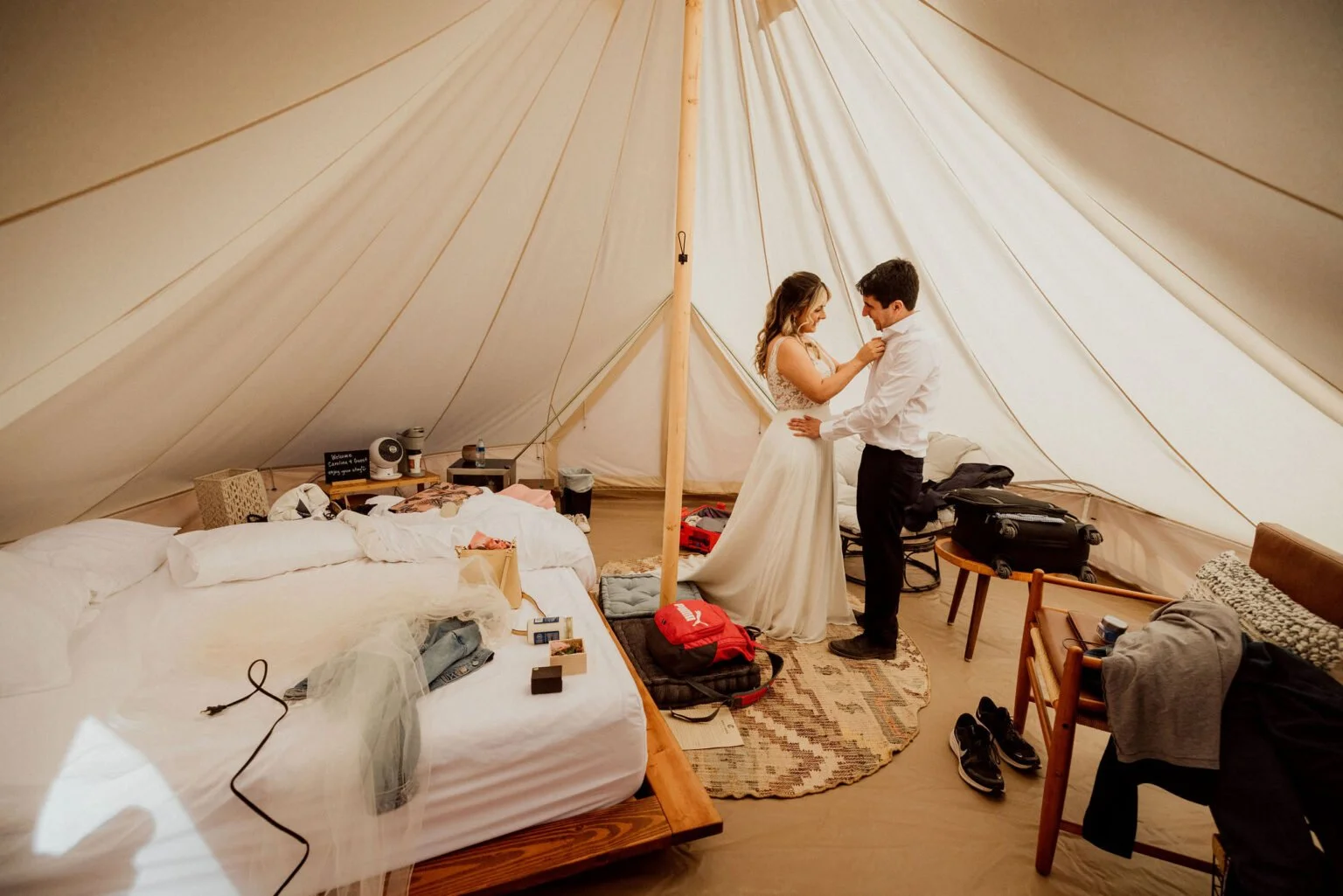
Getting ready. We shoot near windows, not under hotel ceiling lights. Desert homes and Airbnbs in Mesa often have excellent north-facing light.
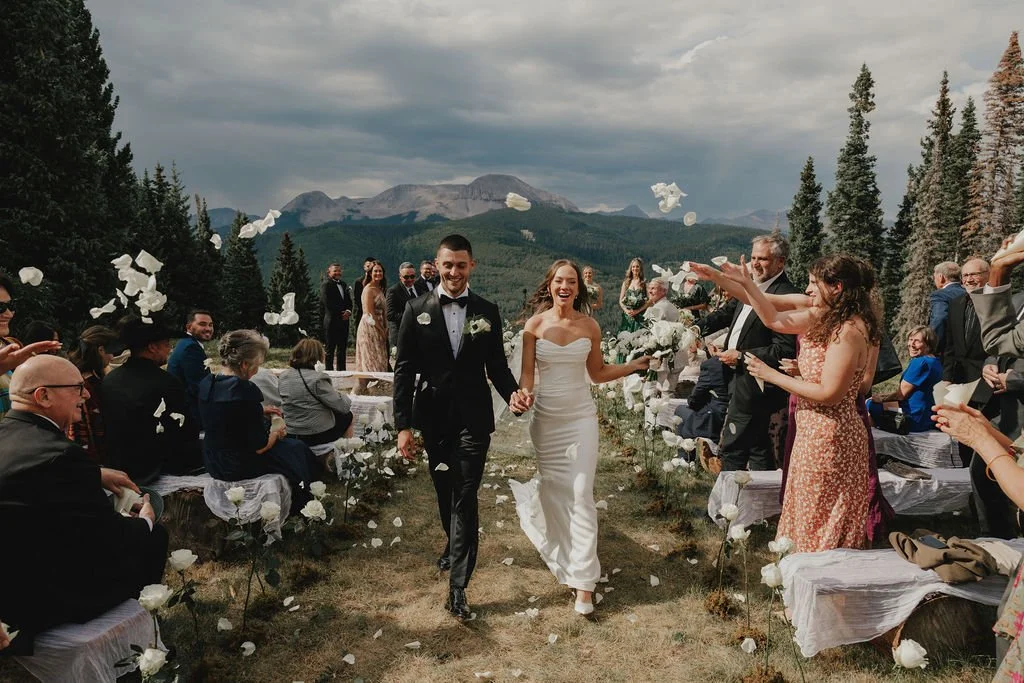
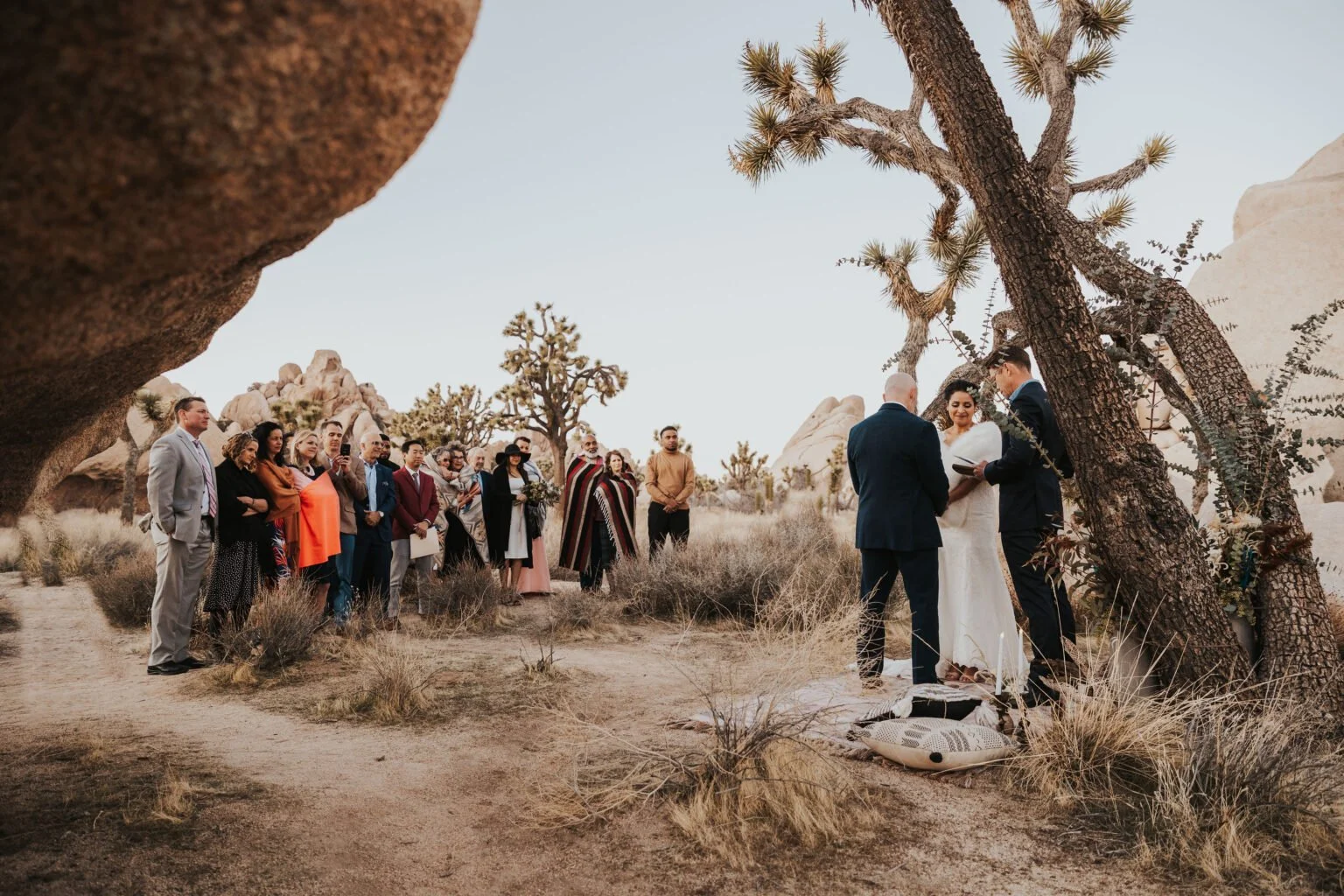
Ceremony. Two shooters as standard, one on the couple, one on reactions. We stay out of your aisle. No stopping the processional for a better angle.
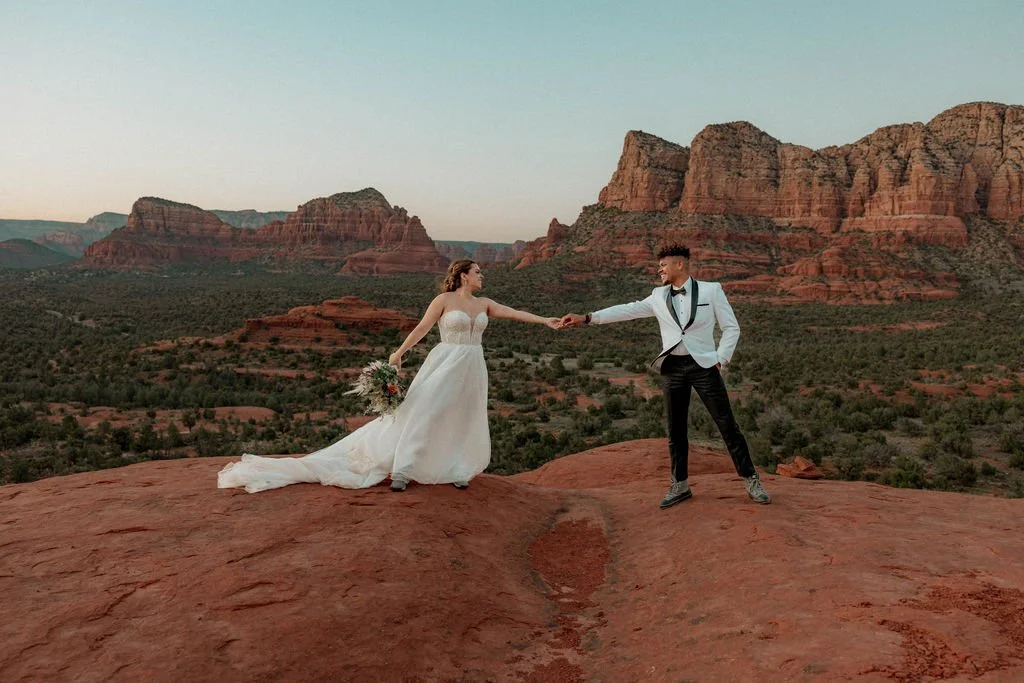
Portraits. Two short blocks beats one long one. Twenty minutes right after the ceremony, then fifteen minutes stolen at golden hour while cocktail hour runs. You get more variety and lose less of your own reception.
Reception. Flash with diffusion, not bare on-camera hot spots. Desert nights go genuinely dark and a reception lit only by string lights will produce noise-heavy, muddy files without proper lighting.
Delivery. Sneak peek within 48 hours, full gallery in 4–6 weeks, high-resolution and print-released.
If your plan is smaller and more mobile than a full wedding day, our approach to elopements follows the same structure compressed into a half day, same scouting, same permit handling, fewer moving parts.
Pricing and How to Vet a Mesa Outdoor Wedding Photographer
Realistic East Valley ranges as of 2026:
Elopement / micro-wedding (2–4 hours): $1,400–$2,800
Half-day (6 hours, one shooter): $2,400–$3,600
Full day (8–10 hours, two shooters): $3,200–$6,500
Add-ons: second shooter $600–$900, album $700–$1,600, rehearsal dinner coverage $500–$800
Anything meaningfully under $1,200 for a full day in Mesa usually means no backup gear, no insurance, and no contract, three things that matter far more than they sound like they do until something fails.
Five questions worth asking before you sign:
Can I see one complete gallery from a Mesa outdoor wedding, unedited in selection?
What's your written plan if we hit a monsoon storm or a 108°F day?
Do you carry duplicate camera bodies and dual card slots?
Do you carry liability insurance? (Most venues require a certificate.)
Who handles the permit, you or me?
A photographer who answers all five without hesitating has shot enough outdoor weddings in this climate to be worth their fee. That depth of location experience is also why our work extends beyond Arizona, the same desert-light problem-solving carries into our utah weddings adventure elopements coverage across slot canyons and high desert.
Small Weddings, Elopements, and Beyond Mesa
Not every Mesa outdoor wedding is a 150-guest affair. A growing share of what we shoot is 2 to 20 people on a weekday morning at Coon Bluff or a sunset ceremony at Lost Dutchman with immediate family only. The photography is arguably better, you move faster, you reach locations a large group can't, and you get far more portrait time.
If you're weighing that path, our full elopements guide covers timeline structure, vendor minimums, and how to build a day that still feels ceremonial with a tiny guest list.
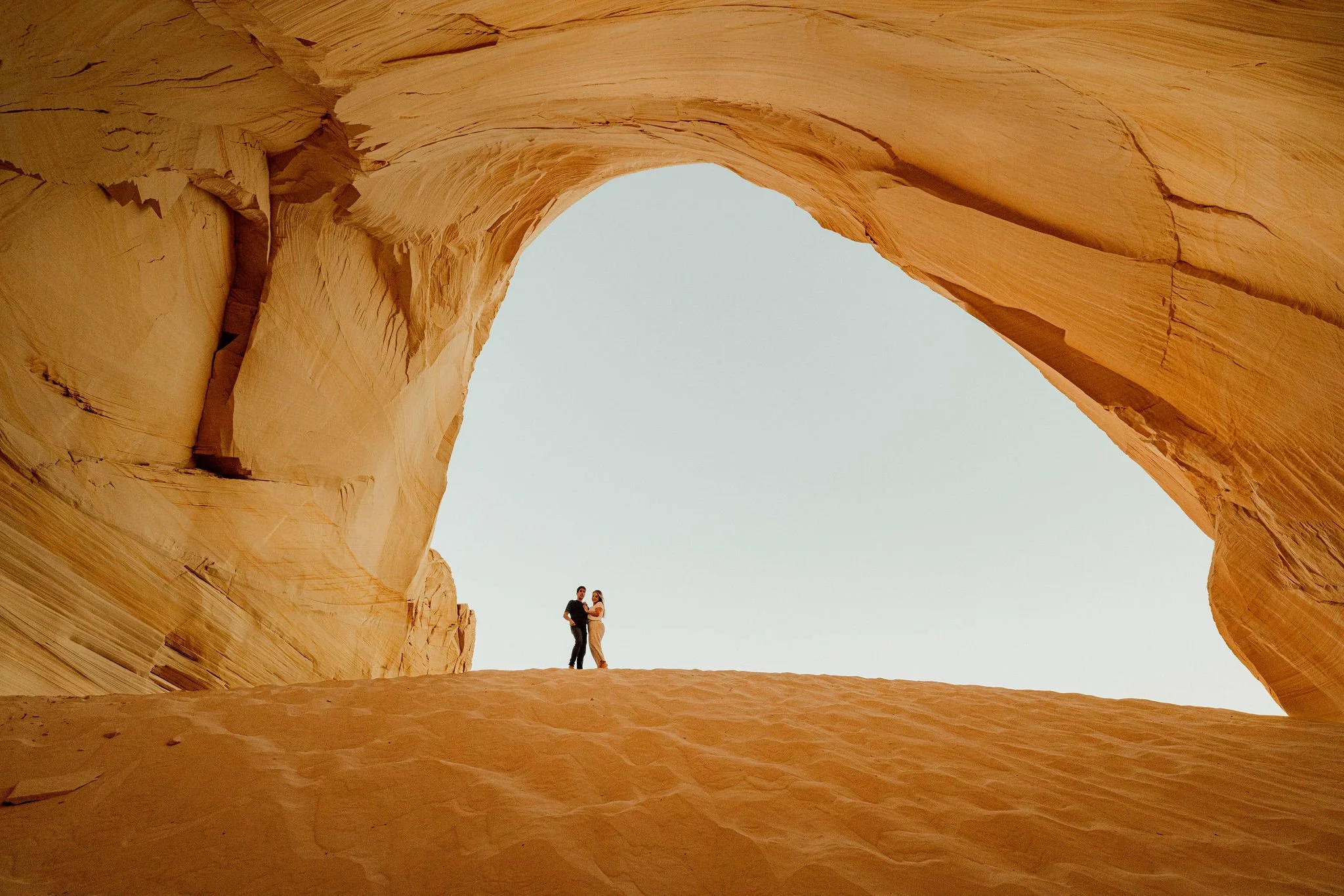
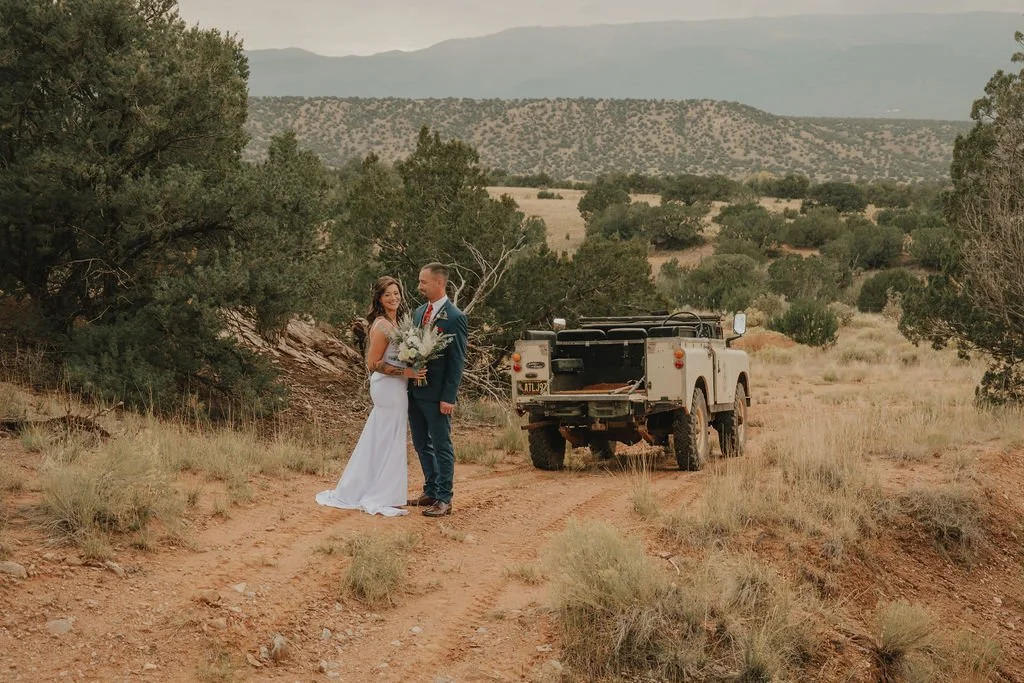
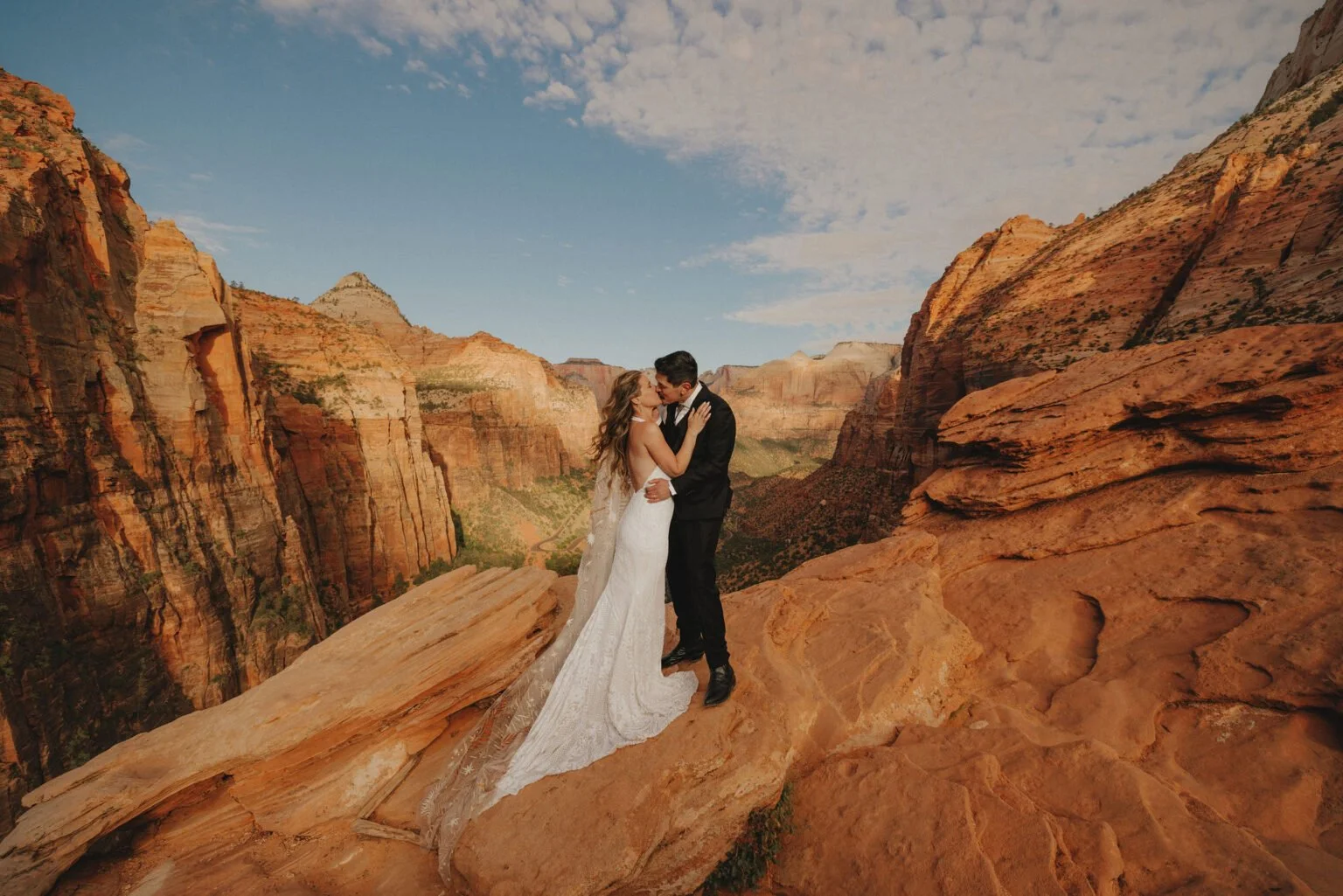
Couples also frequently pair a Mesa ceremony with a second shoot elsewhere. Red rock and alpine options are covered under utah weddings adventure elopements, and high-desert, adobe, and Sangre de Cristo backdrops sit under new mexico weddings adventure elopements. Same team, same documentary approach, different geology.
About Shutterfreek
Shutterfreek is a documentary wedding and elopement photography team shooting across Mesa and the greater East Valley, with additional coverage in Utah and New Mexico. We shoot in natural desert light, we handle permits for public-land ceremonies, and we build every timeline around your specific date's sunset, not a template.
Ready to check your date? Tell us your location and month and we'll send back a light-mapped timeline and current availability before you commit to anything.
Frequently Asked Questions
-
Most Mesa outdoor wedding photographers charge $2,800–$6,500 for full-day coverage with two shooters, and $1,400–$2,800 for elopements or micro-weddings under four hours. Pricing varies with coverage length, second shooter, album, and travel to permitted locations like Saguaro Lake or Lost Dutchman State Park.
-
The 75 to 90 minutes before sunset is the best time for outdoor wedding photos in Mesa. Desert sun between 10 a.m. and 4 p.m. creates extreme contrast and harsh shadows. Start your ceremony about two hours and fifteen minutes before sunset so portraits land in golden hour naturally.
-
Yes, in most public outdoor locations. Usery Mountain Regional Park requires a Maricopa County Parks permit, Saguaro Lake and the Salt River require Tonto National Forest authorization plus a Tonto Pass, and Lost Dutchman State Park has its own reservation process. Private venues handle permissions for you. Confirm requirements with the managing agency, since fees and rules change.
-
Avoid June through August. Average highs exceed 104°F, and monsoon season from early July into September brings dust storms and sudden rain. October through April offers the most reliable outdoor conditions, with February, March, and November being the strongest months.
-
Book 9 to 12 months ahead for dates between October and April, and 12 to 18 months ahead for October and March specifically, those are the busiest months in the East Valley. Elopements and weekday dates can often be booked 2 to 4 months out.
Keep reading