Mesa Desert Elopement Photographer: Your Complete Guide to Eloping in the Sonoran Desert
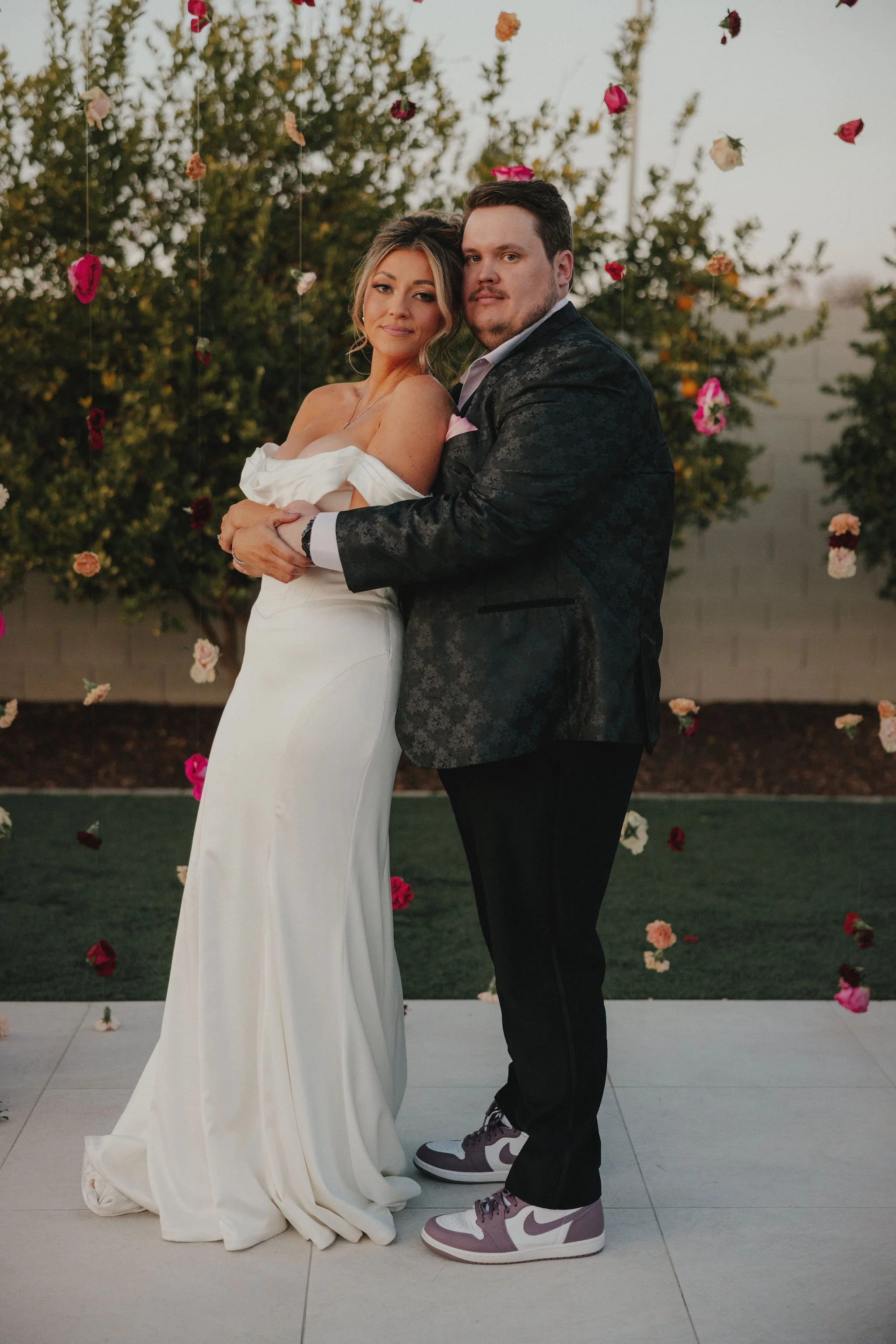
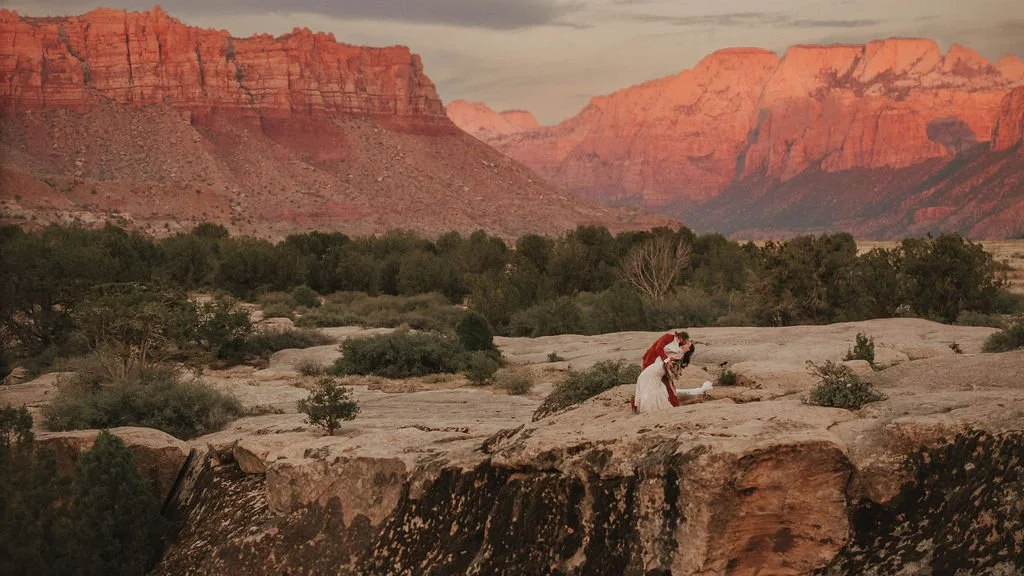
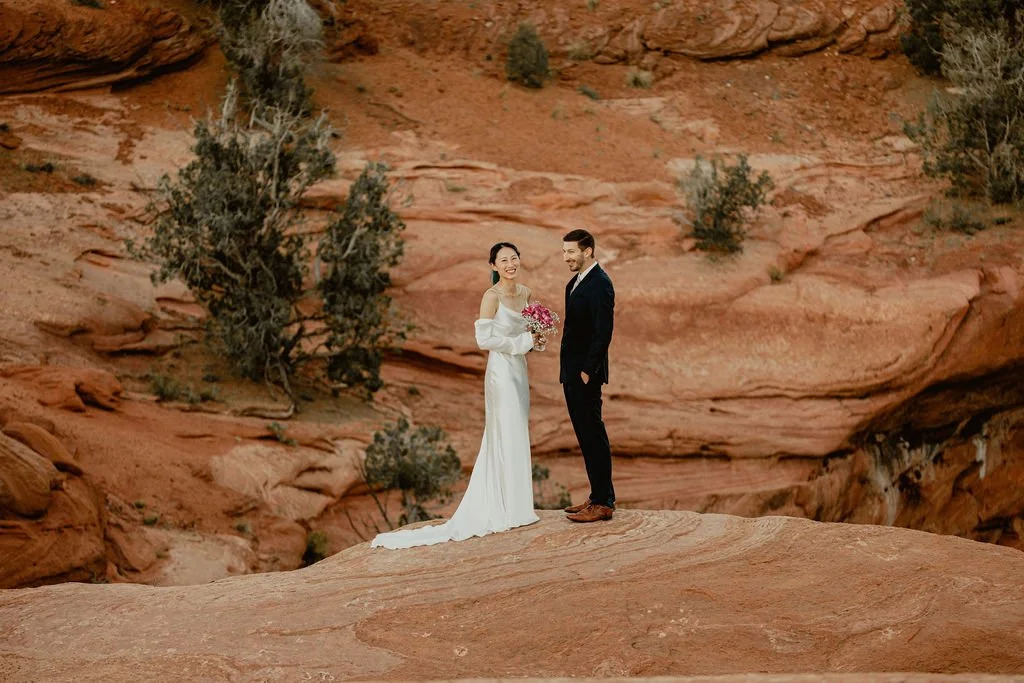
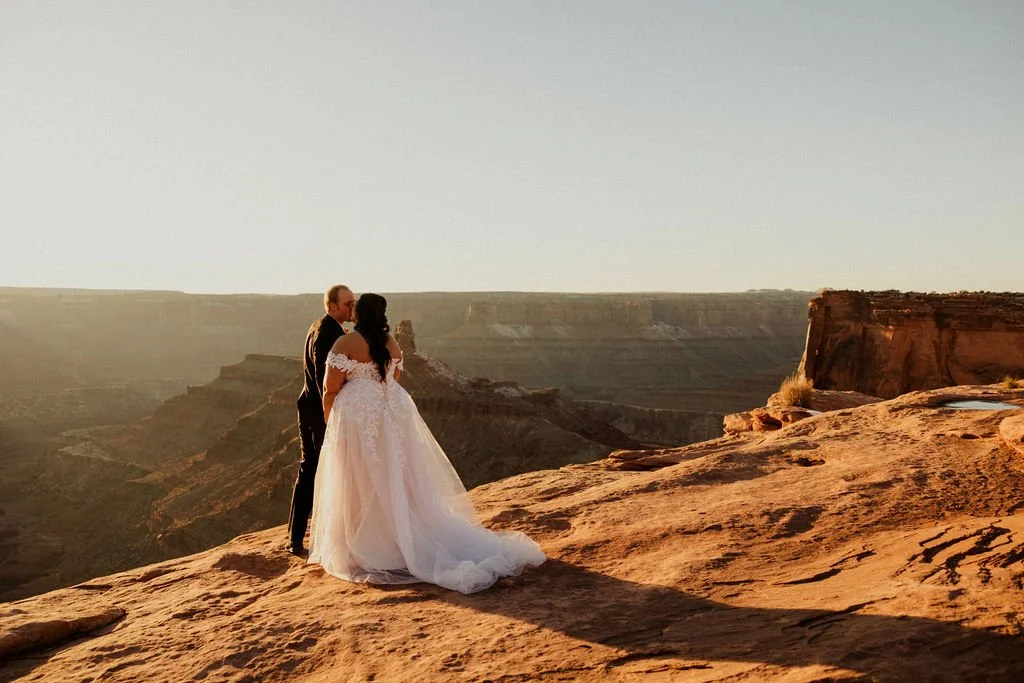
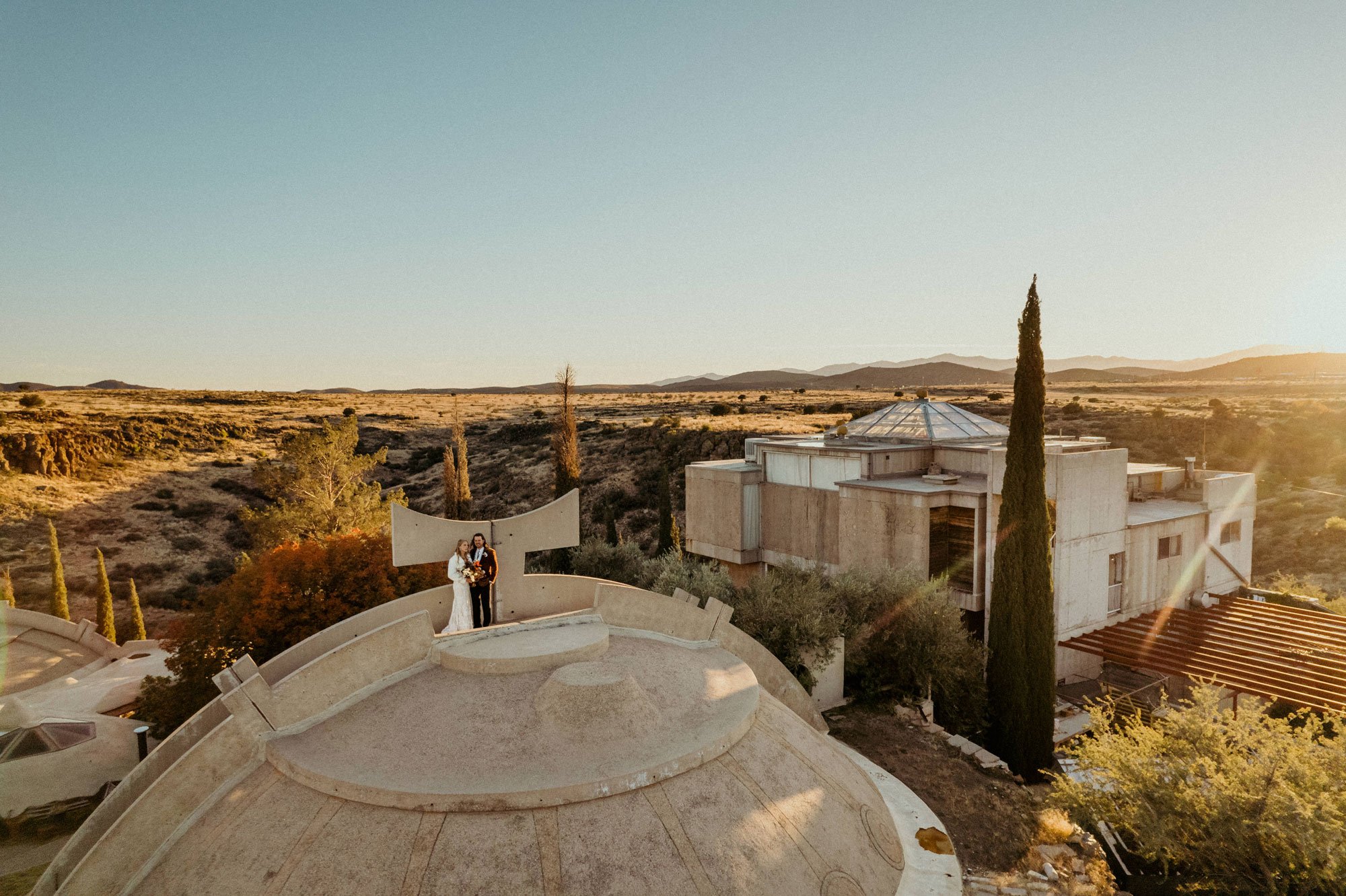
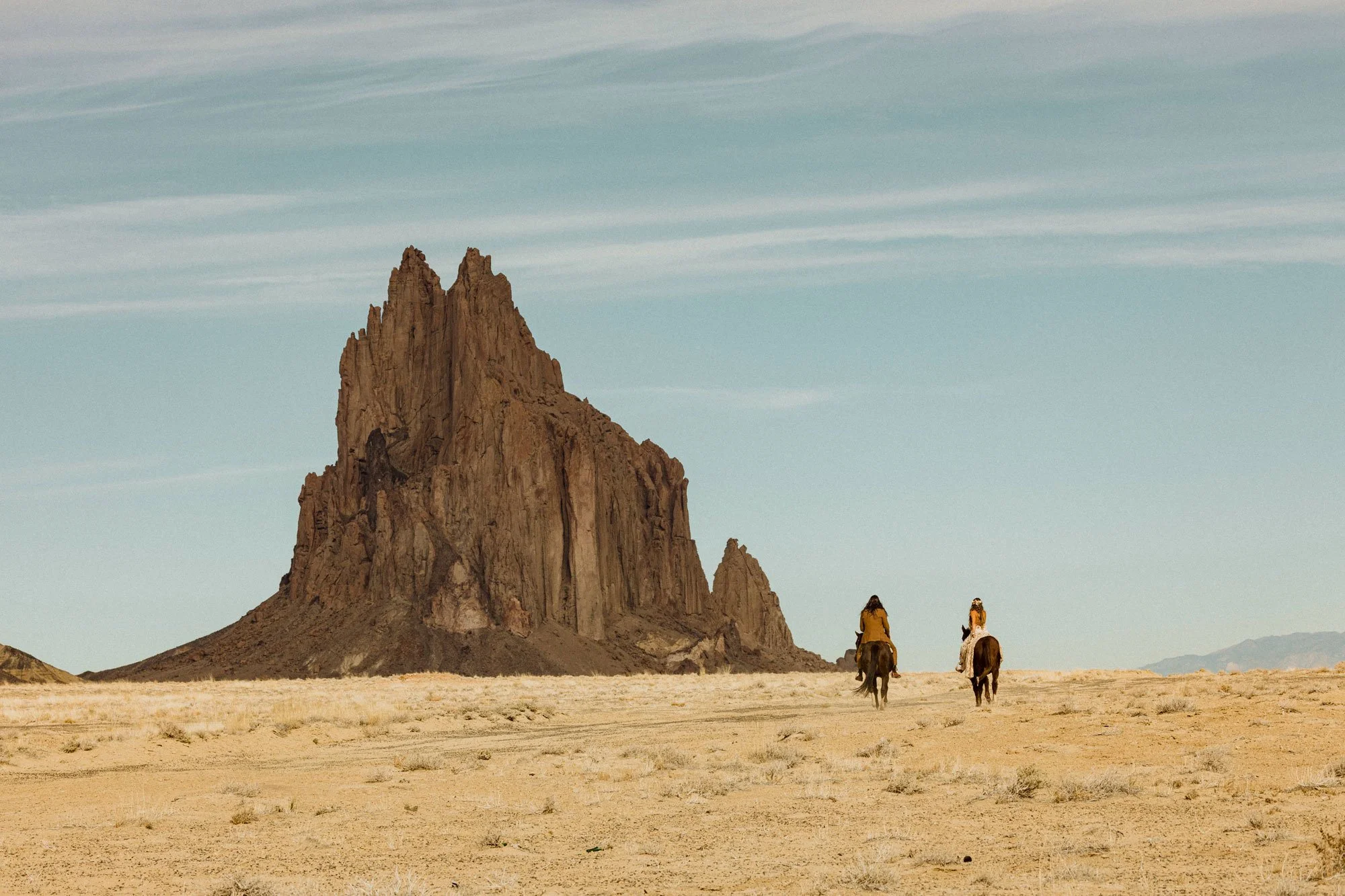
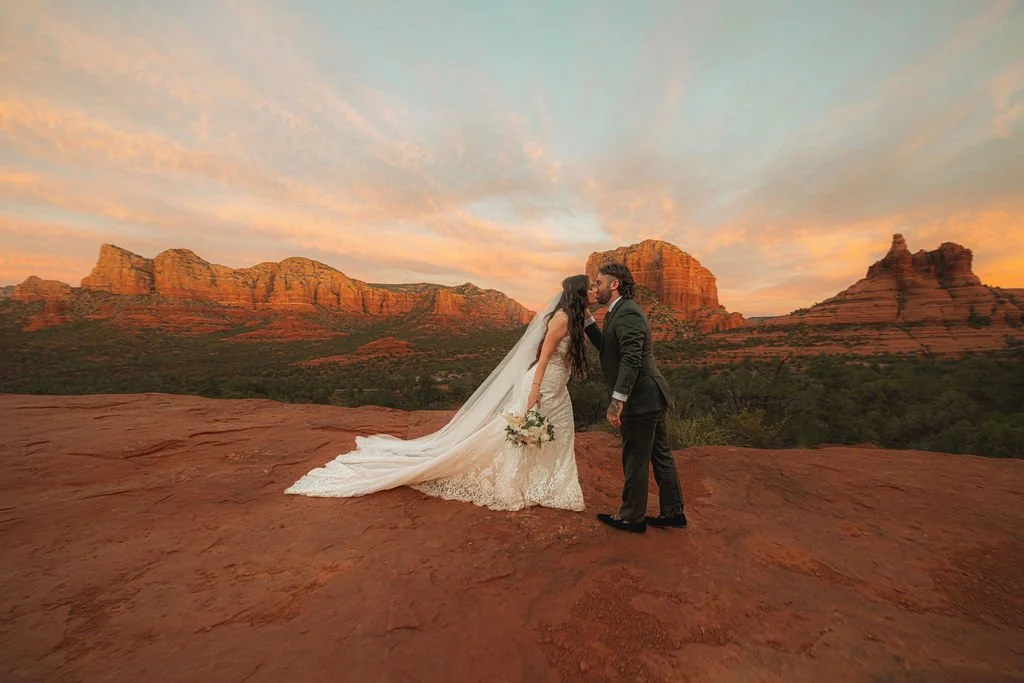
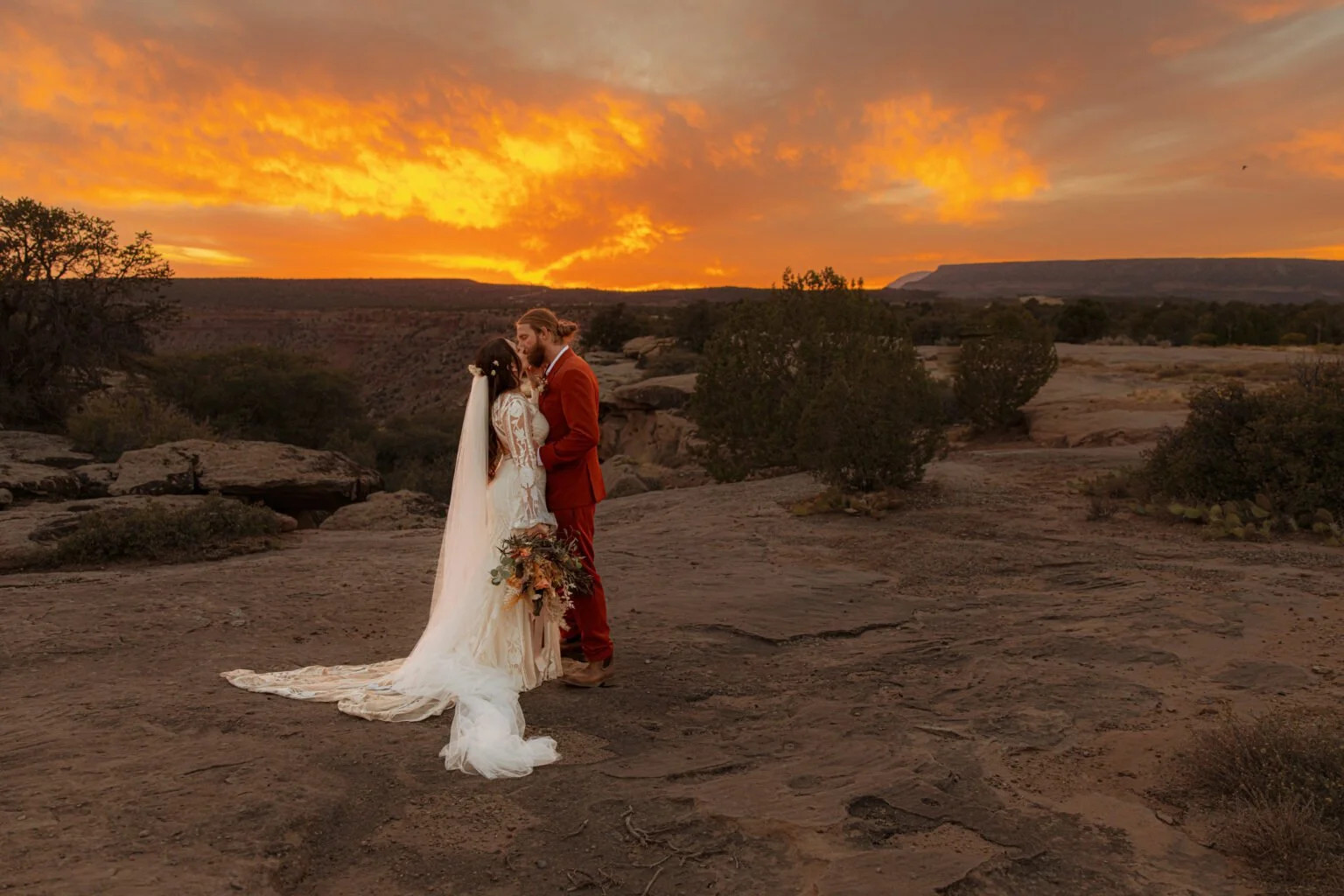
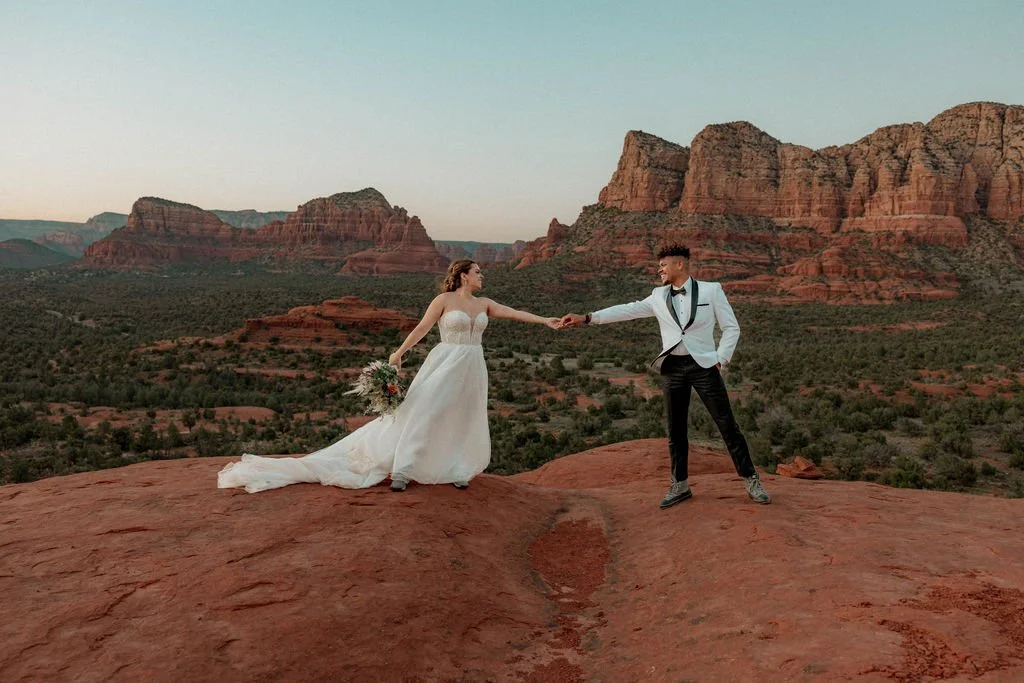
A Mesa desert elopement photographer specializes in capturing intimate, two-person wedding ceremonies against the Sonoran Desert's saguaro cacti, red rock buttes, and golden-hour skies typically at locations like Usery Mountain Regional Park, Lost Dutchman State Park, or the Superstition Mountains just outside Mesa, Arizona. Unlike traditional wedding photographers who shoot large receptions, an elopement photographer is trained in permit logistics, desert light, sunrise/sunset timing, and adventure-style posing that turns a small, simple ceremony into a cinematic story. If you're planning to elope in the Mesa desert, this guide walks through everything, from the best locations and ideal shoot times to permits, packing lists, and what separates an experienced elopement photographer from a general wedding vendor.
Why Hire a Mesa Desert Elopement Photographer Instead of a Traditional Wedding Photographer
Desert elopements are not a smaller version of a traditional wedding, they're a different discipline entirely. A traditional wedding photographer plans around a reception timeline, indoor lighting, and a large bridal party. A dedicated Mesa desert elopement photographer plans around sun position, terrain access, hiking logistics, and the unpredictable nature of shooting in open desert with two people and no indoor backup plan.
Here's what actual desert elopement experience brings to your day:
Light mastery: Desert light is harsh by midday and spectacular at golden hour. A photographer who shoots here regularly knows the exact 45-minute windows that make or break your photos.
Terrain knowledge: Knowing which washes flood, which trails require permits, and which viewpoints are overcrowded by 9 a.m. saves your ceremony from logistical disasters.
Heat and safety awareness: Arizona desert heat isn't a minor inconvenience, it's a safety factor that shapes when and how long a shoot should run.
Adventure posing experience: Elopement photography favors movement, hiking shots, and candid connection over posed studio-style portraits.
This is the difference between a photographer who "can shoot a desert wedding" and one who has built their entire portfolio around it.
Couples often assume any wedding photographer can simply "point and shoot" in a scenic location, but desert environments punish that assumption quickly. Harsh shadows under cacti, washed-out skies by mid-morning, and dust kicked up by wind can all ruin an otherwise beautiful moment if the photographer isn't actively managing light and composition in real time. An experienced desert elopement photographer is constantly adjusting position, angle, and exposure to work with, not against, the environment, which is a skill set built through repetition in this specific terrain, not something picked up overnight.
Best Mesa Desert Elopement Locations Compared
Mesa sits at the edge of some of Arizona's most photogenic desert terrain, and each location offers a different backdrop, permit requirement, and crowd level. Below is a side-by-side comparison of the top spots our clients choose most often.
| Location | Distance from Mesa | Permit Required? | Best For |
|---|---|---|---|
| Usery Mountain Regional Park | ~15 minutes | Yes (Maricopa County permit) | Saguaro-studded foothills, easy sunrise access |
| Lost Dutchman State Park | ~25 minutes | Yes (AZ State Parks permit) | Dramatic Superstition Mountain backdrop |
| Tonto National Forest | ~30–45 minutes | Yes (Forest Service special-use permit) | Remote, untouched desert wilderness |
| Papago Park (Phoenix) | ~20 minutes | Yes (City of Phoenix permit) | Red rock buttes, golden sandstone formations |
| Private desert land/ranch | Varies | Landowner permission only | Full privacy, no public permit needed |
Each of these locations pairs beautifully with different elopement styles — whether you want a short hike to a scenic overlook or a quiet, no-permit ceremony on private land. Our adventure elopement photography services page breaks down how we scout and recommend locations based on your specific vision, group size, and season.
What a Mesa Desert Elopement Photography Timeline Actually Looks Like
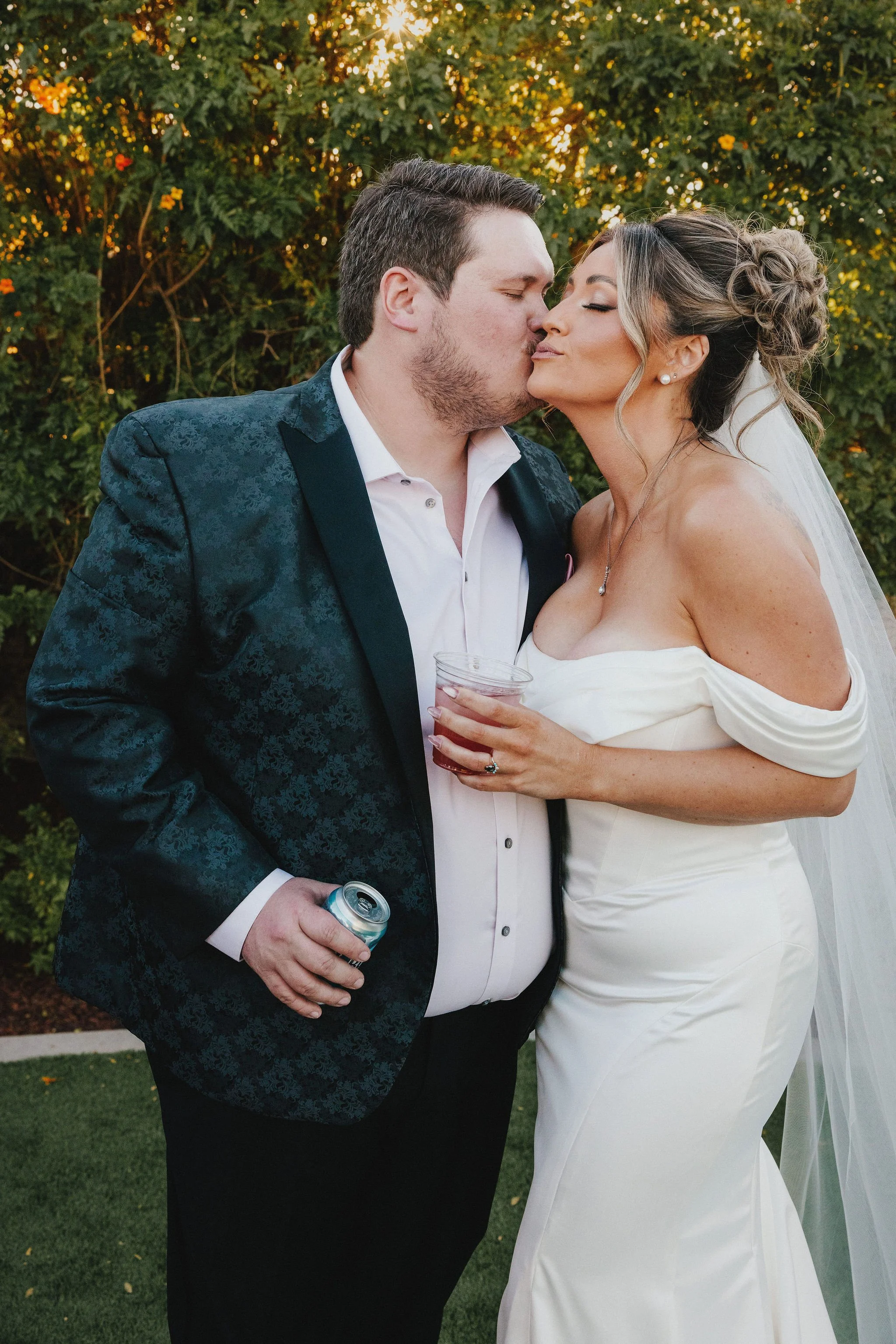
Most desert elopements follow a tight, light-driven schedule rather than a traditional all-day wedding timeline. Here's a realistic structure based on actual shoots we've run in Mesa:
4:30–5:30 a.m. — Arrival and hike-in before sunrise (if shooting at sunrise)
5:45–6:30 a.m. — Ceremony during golden hour, officiant present
6:30–7:30 a.m. — Portrait session while light is still soft
By 8:30 a.m. — Wrap before harsh midday heat sets in
Sunset shoots follow the same structure in reverse, typically running from late afternoon through dusk. The key is that everything is built around a 60–90 minute golden-hour window, not a fixed clock time, which shifts month to month. Couples sometimes want to add a first-look moment, a short vow reading away from the officiant, or a quiet few minutes alone right after the ceremony, all of which can be built into this timeline without adding significant time, as long as the photographer plans for it in advance rather than improvising on the spot.
Choosing the Best Season and Time of Day for Your Desert Elopement
Timing is arguably the single biggest factor in how your elopement photos turn out. Arizona's desert climate swings dramatically by season, which affects both comfort and light quality.
| Month/Season | Avg. Temp Range | Golden Hour Window | Crowd Level at Popular Spots |
|---|---|---|---|
| Nov–Feb (Winter) | 45–70°F | 7:00–8:00 a.m. / 5:00–6:00 p.m. | Low–Moderate |
| Mar–Apr (Spring) | 60–85°F | 6:00–7:00 a.m. / 6:30–7:30 p.m. | High (wildflower season) |
| May–Jun (Early Summer) | 80–105°F | 5:00–6:00 a.m. / 7:00–8:00 p.m. | Low |
| Jul–Sep (Peak Summer) | 95–115°F | 5:00–5:45 a.m. / 7:15–8:00 p.m. | Very Low |
| Oct (Early Fall) | 70–90°F | 6:15–7:15 a.m. / 6:00–7:00 p.m. | Moderate |
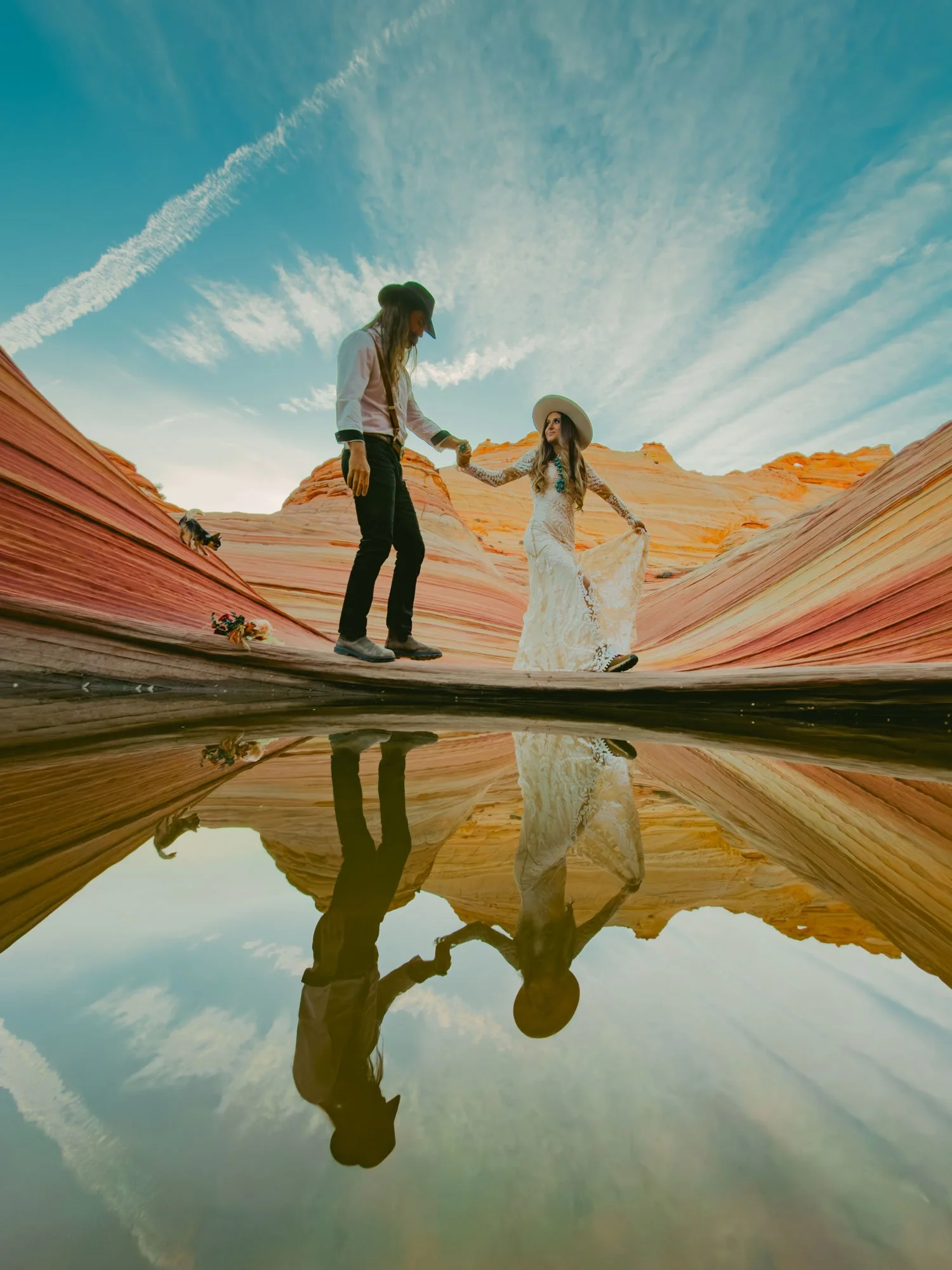
Most couples find October through April the most comfortable window for a Mesa desert elopement, while summer requires strict sunrise-only scheduling to avoid dangerous heat. If you're also weighing other Southwest desert regions, our team documents similarly dramatic terrain in our Utah desert elopement photography coverage, where red rock formations offer a different but comparably striking backdrop.
What to Pack for a Mesa Desert Elopement
Desert terrain is unforgiving if you're unprepared. Based on years of shooting in this environment, here's what we recommend every eloping couple bring:
Footwear: Closed-toe hiking shoes or boots, sandals don't survive cactus-lined trails
Water: Minimum 1 liter per person per hour in warmer months
Layered clothing: Desert mornings can be cold even when afternoons are hot
Sun protection: Hats, SPF, and sunglasses (removable for photos)
A dress bag or garment protector: To keep attire clean during the hike-in
First-aid basics: Blister pads, any personal medications
A backup officiant contact: In case of last-minute permit or weather issues
Dress fabric choice also matters photographically, flowing, lightweight fabrics (chiffon, silk) move beautifully in desert wind and catch backlight far better than heavy, structured fabrics.
Permits and Legal Requirements for Eloping in the Arizona Desert
Nearly every public desert location around Mesa requires a permit for wedding photography or ceremonies, even for a party of two. This is one of the most overlooked parts of elopement planning, and it's where an experienced local photographer earns their value.
Maricopa County Parks (Usery Mountain, Lost Dutchman via AZ State Parks) require a special-use or wedding permit, typically booked weeks in advance.
Tonto National Forest requires a Forest Service special-use authorization for ceremonies and commercial photography.
City parks (like Papago Park in Phoenix) have their own municipal permit systems and fees.
Private land bypasses public permits entirely but requires written landowner permission.
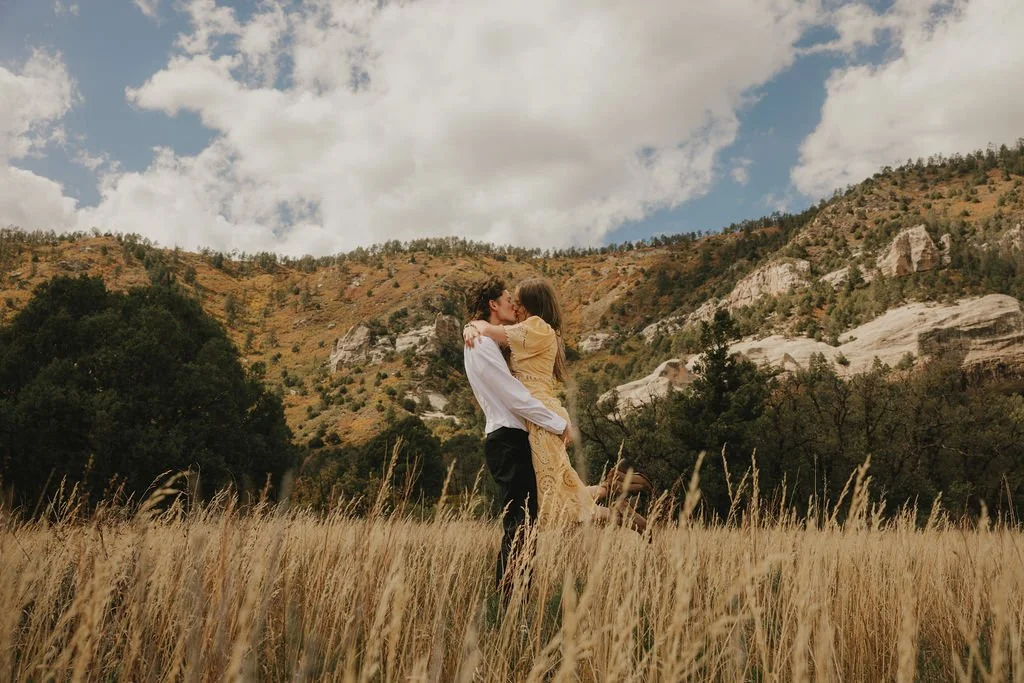
A photographer who regularly shoots in this region will usually know current permit costs, application lead times, and which locations have blackout dates, details that can derail a ceremony if discovered too late. This is the same permit-navigation experience we apply across every region we serve, including our New Mexico elopement photography work, where Bureau of Land Management rules add another layer of complexity.
Why Shutterfreek Is a Trusted Mesa Desert Elopement Photographer
Google and searchers alike now weigh real experience and demonstrated expertise heavily when evaluating who to trust for a once-in-a-lifetime event. Here's what that looks like in practice for us:
Over a decade of hands-on desert and adventure elopement coverage across Arizona, Utah, and New Mexico, not a generalist who occasionally shoots a desert wedding.
Direct permit experience with Maricopa County Parks, Arizona State Parks, and Tonto National Forest, so couples aren't left navigating red tape alone.
A portfolio built entirely from real client elopements, not staged styled shoots, giving couples an honest preview of what their own day will look like.
Licensed and insured for commercial photography on public land, which several Arizona park systems require before issuing a wedding permit.
Transparent, published pricing and process, so there are no surprise add-ons after booking.
You can see this experience reflected directly across our elopement photography portfolio, which documents real desert ceremonies rather than curated stock-style imagery.
Mesa Desert Elopement Packages and What Influences Investment
Elopement photography pricing in the Mesa desert typically depends on three factors: coverage length, number of locations, and permit handling.
Short sunrise/sunset sessions (1–2 hours): Best for couples wanting a focused, light-driven shoot at a single location.
Half-day coverage (3–4 hours): Includes ceremony, portraits, and a second location or outfit change.
Full adventure-day packages (5+ hours): Often include multiple locations, a hike-in element, and sometimes drone coverage where permitted.
Permit fees are typically separate from the photography fee and vary by park, something worth confirming directly with your photographer before booking, since costs and availability change by season and by agency.
It's also worth asking any photographer you're considering whether their quote includes travel time to remote trailheads, a second shooter option for multi-angle coverage, and turnaround time for final edited images. These details rarely show up on a pricing page but have a real impact on your overall experience and how soon you'll have photos to share. A photographer with genuine desert elopement experience should be able to answer these questions clearly and immediately, without needing to "check and get back to you", because they've already planned dozens of days exactly like yours.
Final Thoughts
Eloping in the Mesa desert offers something a traditional wedding simply can't replicate, raw, dramatic landscapes, golden light, and a ceremony built entirely around the two of you. The difference between an elopement you'll treasure and one derailed by permit issues or bad timing almost always comes down to the experience of the photographer guiding the day.
If you're ready to start planning, explore real examples of desert and adventure elopements across Arizona, Utah, and New Mexico on our adventure wedding photography pages, or reach out directly to talk through your date, location, and vision.
Frequently Asked Questions
-
Pricing generally ranges based on coverage length and location complexity, with short sunrise sessions costing less than full adventure-day packages that include multiple locations and extended hiking. Permit fees are almost always billed separately from the photography fee itself.
-
Yes, in nearly all cases. Public lands around Mesa, including Usery Mountain Regional Park, Lost Dutchman State Park, and Tonto National Forest, require a wedding or special-use permit for ceremonies and photography, even for a party of two.
-
October through April offers the most comfortable temperatures and most flattering light, while summer elopements (May–September) require strict sunrise-only scheduling to avoid extreme heat.
-
Most experienced elopement photographers recommend booking 2–6 months ahead, especially for peak season dates (spring and fall) and for locations with limited permit availability.
-
Many experienced elopement photographers maintain a network of trusted officiants and small-ceremony planners in the area, since permit timing, officiant availability, and photography scheduling are closely linked on elopement days.
Keep reading