Marriage License in New Mexico: The Complete 2026 Guide
A marriage license in New Mexico is a legal document you get in person from any county clerk's office, and it's what makes your wedding ceremony official under state law. There's no blood test, no waiting period, and no residency requirement you and your partner just need to show up together with valid photo ID, pay a fee that typically runs between $25 and $55 depending on the county, and you'll walk out with a license that never expires. From there, any ordained officiant, judge, or tribal official can perform your ceremony anywhere in the state. This guide breaks down every requirement, cost, and step so you can get your paperwork handled quickly and get back to planning the part that actually matters: the wedding itself.
At Shutterfreek, we've photographed hundreds of couples across the Southwest, and one of the most common questions we get before a New Mexico elopements is some version of "wait, what do we actually need for the license?" So we put together this straightforward breakdown no legal jargon, just what the county clerk's office will ask you to bring.
What Is a Marriage License in New Mexico?
A marriage license is the state's official permission slip to marry — it's separate from the marriage certificate, which is issued after your ceremony has taken place and your signed license has been recorded. Under New Mexico Statutes Annotated (NMSA) § 40-1-10, both people intending to marry must personally appear together at a county clerk's office, present identification, and complete an application before a license can be issued.
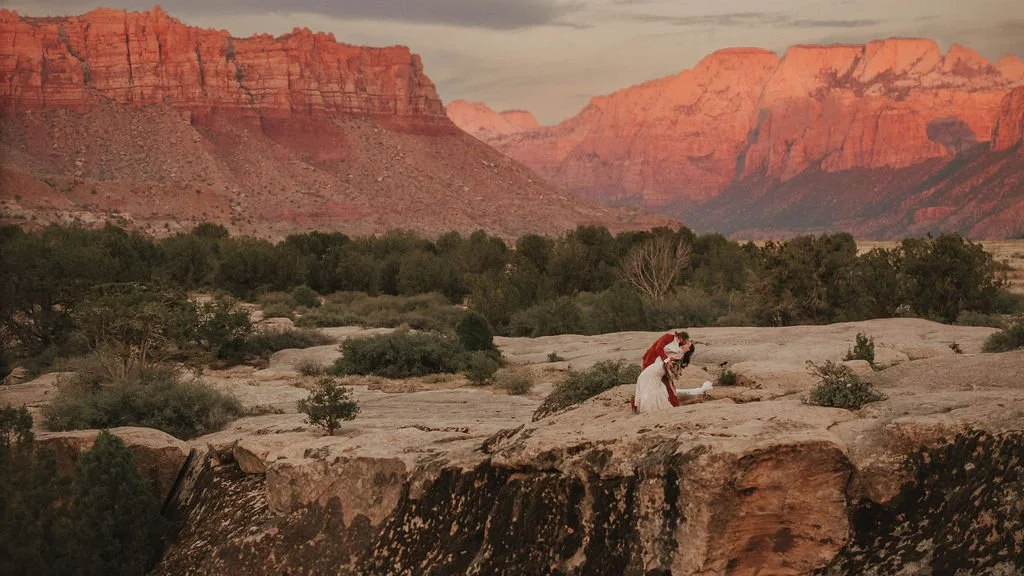
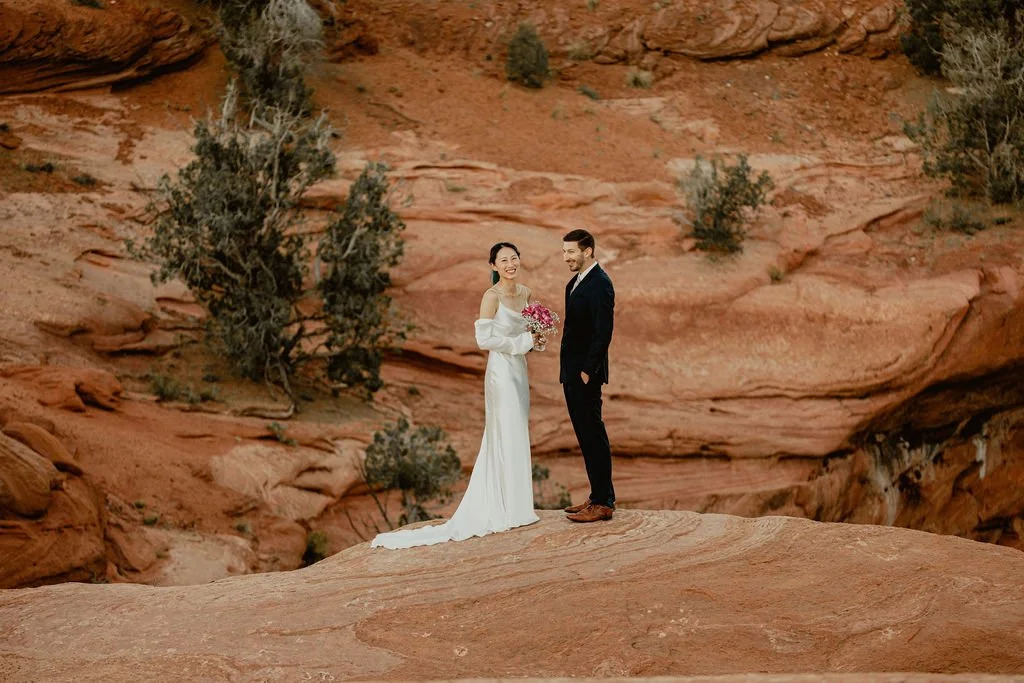
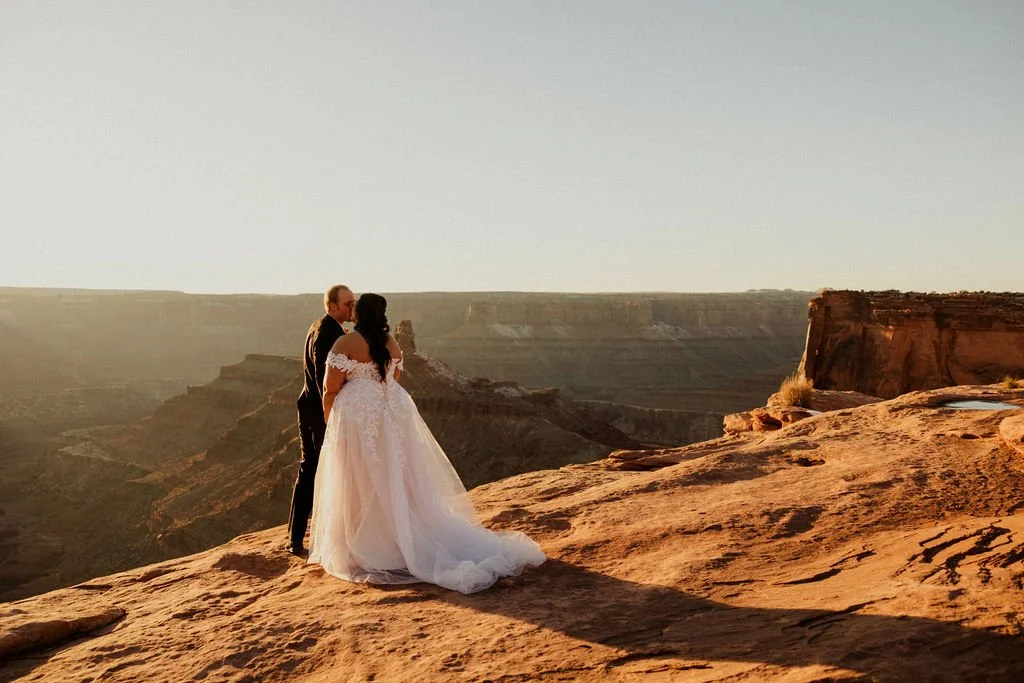
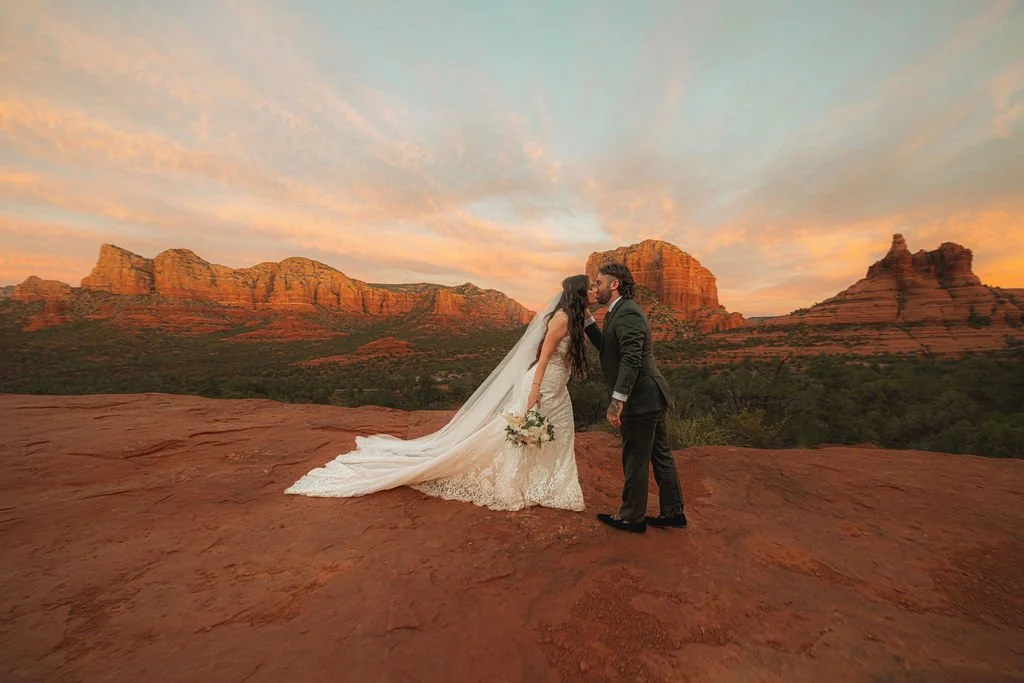
New Mexico is one of the more couple-friendly states in the country when it comes to marriage paperwork. There's no premarital blood test, no mandatory waiting period between applying and marrying, and no requirement that either person be a New Mexico resident. That flexibility is a big reason New Mexico has become a popular destination for couples planning an intimate elopement against the state's red rock canyons, aspen groves, or high desert mesas.
New Mexico Marriage License Requirements
To apply for a marriage license in New Mexico, both applicants must meet the following requirements:
Appear together, in person, at the same county clerk's office (a judge may waive this for one applicant with good cause).
Present valid, government-issued photo ID — a driver's license, state ID, passport, or military ID. If you don't have one, an original or certified birth certificate is typically accepted.
Provide your Social Security number, collected on behalf of New Mexico's Human Services Department.
Be at least 18 years old to apply without parental involvement.
Pay the license fee at the time of application (cash is accepted everywhere; card and check acceptance vary by county).
Bring two witnesses over 18 to the ceremony itself — witnesses sign the license after the vows are exchanged.
If either applicant has been divorced or widowed, no decree or death certificate is required — you can remarry immediately once a prior marriage has legally ended.
| Age Group | Requirements |
|---|---|
| 18 and older | Photo ID or certified birth certificate. No parental consent needed. |
| 16–17 years old | Original or certified birth certificate, plus written consent from each living parent listed on the birth certificate (provided in person or notarized). |
| Under 16 | Marriage is not permitted except by court order from a Children's or Family Court judge, typically only in narrow, judge-approved circumstances. |
How to Get a Marriage License in New Mexico: Step-by-Step
Choose any county clerk's office. Because New Mexico has no residency requirement, you can apply in whichever county is most convenient — even if you plan to marry elsewhere in the state.
Bring your ID and, if applicable, your Social Security card. Some clerks may ask for a W-2, pay stub, or tax return to confirm your SSN.
Complete the marriage application together. It asks for basic information: full names, dates and places of birth, current address, and contact details.
Pay the license fee. Confirm accepted payment methods with your specific county clerk beforehand.
Receive your license on the spot. New Mexico issues licenses immediately — there's no waiting period, so you're free to marry that same day if you'd like.
Get married anywhere in New Mexico. Your ceremony can take place in any county, regardless of where the license was issued.
Return the signed license within 90 days. Your officiant is responsible for returning the completed, signed license to the issuing county clerk's office for recording (NMSA § 40-1-15A).
New Mexico Marriage License Fees by County
Marriage license fees are set at the county level, so the cost can vary depending on where you apply. Here's a snapshot of what several counties currently charge:
| County | Marriage License Fee | Notes |
|---|---|---|
| Bernalillo (Albuquerque) | $25 | Cash, credit card, or money order accepted. |
| Santa Fe | $55 | Cash, card, or check accepted. |
| Valencia | $55 | American Express not accepted. |
| Otero | Varies (increased June 2025) | Confirm the current fee with the county clerk before applying. |
| Most Other Counties | $25–$55 | Fees may change. Call ahead to verify the latest amount. |
Because fees can be updated at any time, it's always worth a quick call to your chosen county clerk's office the week before you apply.
Marriage License Validity, Recording & Waiting Period
One of the biggest advantages of getting a marriage license in New Mexico is the lack of red tape around timing:
No waiting period — you can marry the same day your license is issued.
No expiration date — once issued, a New Mexico marriage license never expires, though clerks strongly recommend using it and recording it promptly to avoid damage or loss.
90-day return window — your officiant must return the signed license to the county clerk within 90 days of the ceremony so it can be officially recorded.
Statewide validity — a license issued in one county can be used for a ceremony in any other New Mexico county.
Who Can Officiate a Wedding in New Mexico
New Mexico allows a range of people to legally solemnize a marriage, including:
Ordained clergy of any religious denomination
Active or retired state or federal judges, justices, and magistrates
Authorized officials of a federally recognized Indian nation, tribe, or pueblo
Designated representatives of religious societies
New Mexico does not permit self-solemnized ("self-officiated") ceremonies, and proxy marriages — where a stand-in represents an absent partner — are not allowed either. Both people must be physically present at the ceremony.
Planning Your New Mexico Wedding or Elopement
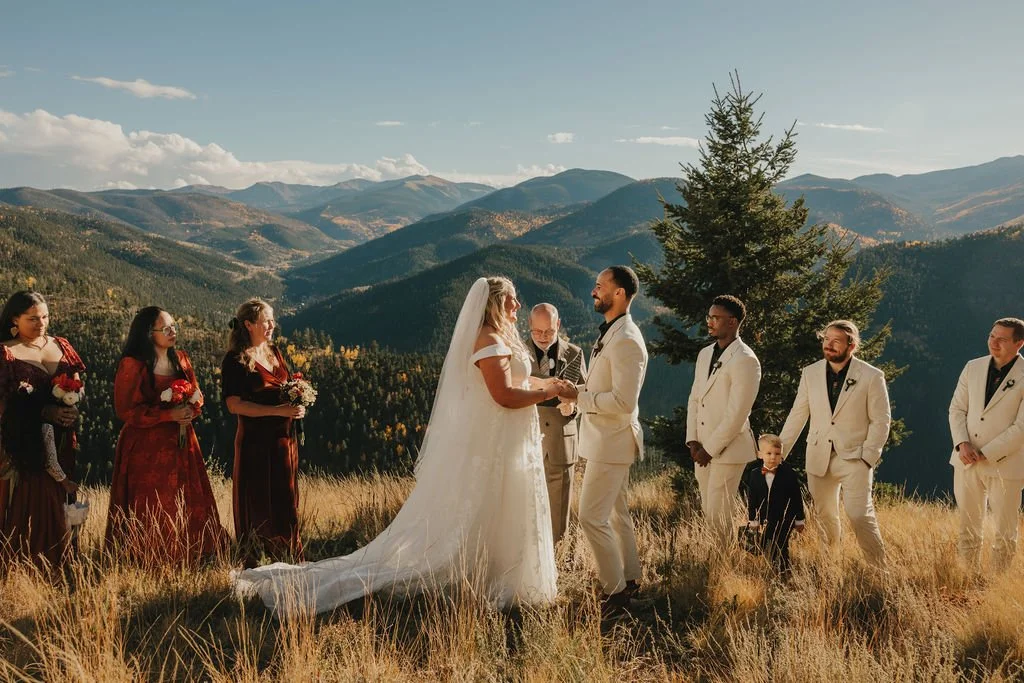
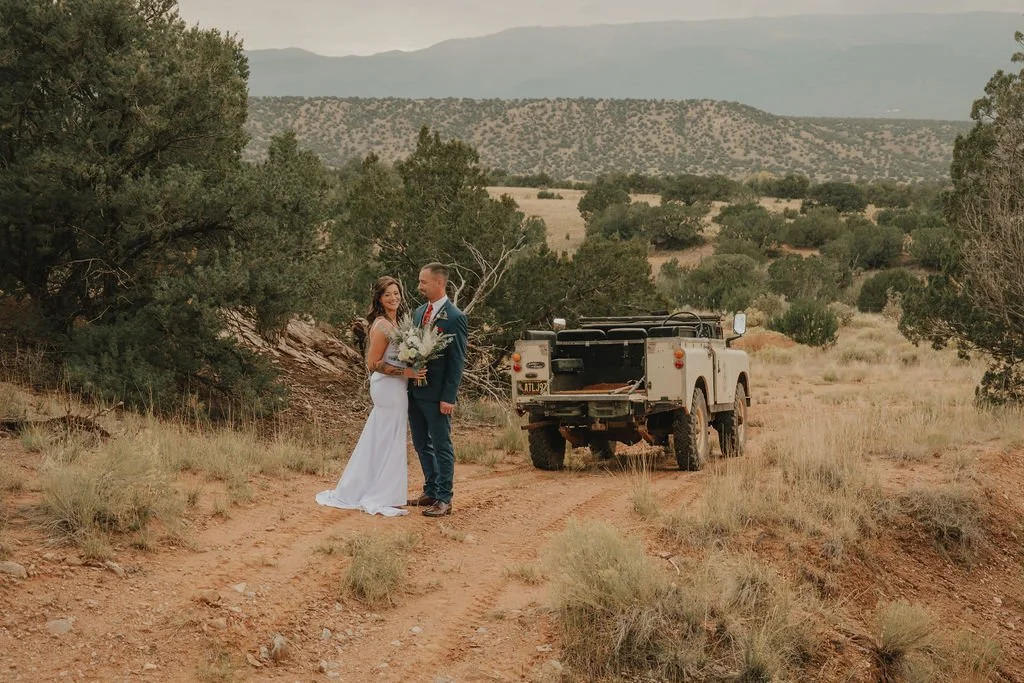
Once your license paperwork is squared away, the fun part begins: choosing where in New Mexico you'll actually say "I do." From the aspen-lined trails of the Sandia Mountains to the otherworldly dunes of White Sands, New Mexico offers some of the most dramatic backdrops in the Southwest for an intimate ceremony. If you're planning anew mexico weddings adventure elopements, it's worth locking in your location and photographer well before your license appointment, since permits and golden-hour timing can affect your date.
Many of our couples are also weighing nearby states for a multi-day elopement adventure. If desert canyons and Bryce-style formations are more your style, ourutah weddings adventure elopements guide covers everything from permits to ideal seasons. Couples drawn to saguaro-studded sunsets often look into ourarizona weddings adventure elopements resources, while those who want alpine lakes and dramatic peaks tend to explore ourcolorado weddings adventure elopements options. Each state has its own marriage license rules, so if you're eloping across state lines, double-check the local requirements before your ceremony date.
Marriage License vs. Marriage Certificate: What's the Difference?
Couples often use these two terms interchangeably, but they're legally distinct documents, and understanding the difference can save you a headache later:
Marriage license — the document you obtain before your ceremony, granting legal permission to marry. This is what the county clerk issues to you at your application appointment.
Marriage certificate — the document created after your ceremony, once your signed, witnessed license has been returned to and recorded by the county clerk. This certificate is what you'll actually use for legal purposes like a name change, adding a spouse to health insurance, or updating tax filing status.
If you need proof of marriage for something official a passport application, a bank account update, or immigration paperwork you'll want a certified copy of your marriage certificate, not the original license. Certified copies typically cost between $1.50 and $10 depending on the county and can usually be requested in person or by mail from the county clerk that issued your original license.
Covenant Marriage: An Optional Path in New Mexico
New Mexico also gives couples the option to enter into a covenant marriage at the time they apply for their license. This is a voluntary designation that requires completing premarital counseling beforehand and generally makes the marriage more difficult to dissolve down the road, since it limits the grounds available for divorce. It isn't the right fit for every couple, but if a stronger, more formalized commitment structure appeals to you, ask your county clerk about the covenant marriage option when you apply it doesn't change the cost or process of getting your standard marriage license.
Documents Checklist Before You Head to the Clerk's Office
To avoid a wasted trip, gather these items before your appointment:
Valid government-issued photo ID for both applicants
Social Security number for both applicants
Certified birth certificate (required for applicants age 16–17, and useful as backup ID for everyone else)
Notarized parental consent forms, if either applicant is a minor
Payment for the license fee (confirm accepted payment types with your specific county in advance)
Names and contact information for your two ceremony witnesses
Bringing everything in one trip means you won't need to reschedule, which matters most if you're traveling into New Mexico specifically for a destination wedding or elopement and only have a short window before your ceremony.
Other Legal Details Worth Knowing
Common-law marriage is not recognized in New Mexico, even if it was established in a state that does recognize it.
First-cousin marriage is legally permitted in New Mexico, unlike in many other states.
Marriage between closer relatives — siblings, parents/children, aunts/uncles and nieces/nephews — is prohibited and considered void.
Same-sex marriage is fully legal and recognized statewide.
Bigamy is a fourth-degree felony, so make sure any prior marriage is legally dissolved before applying.
Name changes are not automatic. Your marriage certificate is the document you'll use to update your name with the Social Security Administration, DMV, and other institutions.
Ready to Plan Your New Mexico Wedding Day?
Getting your marriage license in New Mexico is refreshingly simple — no blood test, no waiting period, no residency hurdles. Once that's handled, the only thing left to plan is where you'll say your vows. Whether you're picturing a sunrise ceremony in the high desert or a quiet elopements tucked into the mountains, Shutterfreek has photographed couples across New Mexico and the surrounding Southwest, and we're happy to help you scout locations, timing, and permits for your big day.
This article is intended for general informational purposes and is not legal advice. Marriage license requirements and fees can change by county; always confirm current details directly with your local New Mexico county clerk's office before applying.
Frequently Asked Questions
-
Fees are set by each county and generally range from $25 to $55. Bernalillo County (Albuquerque) charges $25, while Santa Fe and Valencia counties charge $55. Call your chosen county clerk's office to confirm the current fee before you go.
-
No. New Mexico has no residency requirement. You can apply at any county clerk's office in the state regardless of where you live, and the license is valid for a ceremony anywhere in New Mexico.
-
No. New Mexico does not impose a waiting period, so your license is issued immediately and you're free to marry the same day if you choose.
-
No. Once issued, a New Mexico marriage license does not expire. That said, officiants are required to return the signed license to the issuing county clerk within 90 days of the ceremony so it can be recorded.
-
Applicants who are 16 or 17 need an original or certified birth certificate and written consent from each living parent listed on that birth certificate. Marriage under 16 is only permitted with a court order from a Children's or Family Court judge.
Keep reading