Kanab Outdoor Wedding Photographer: Your Guide to Red Rock Elopements & Adventure Weddings
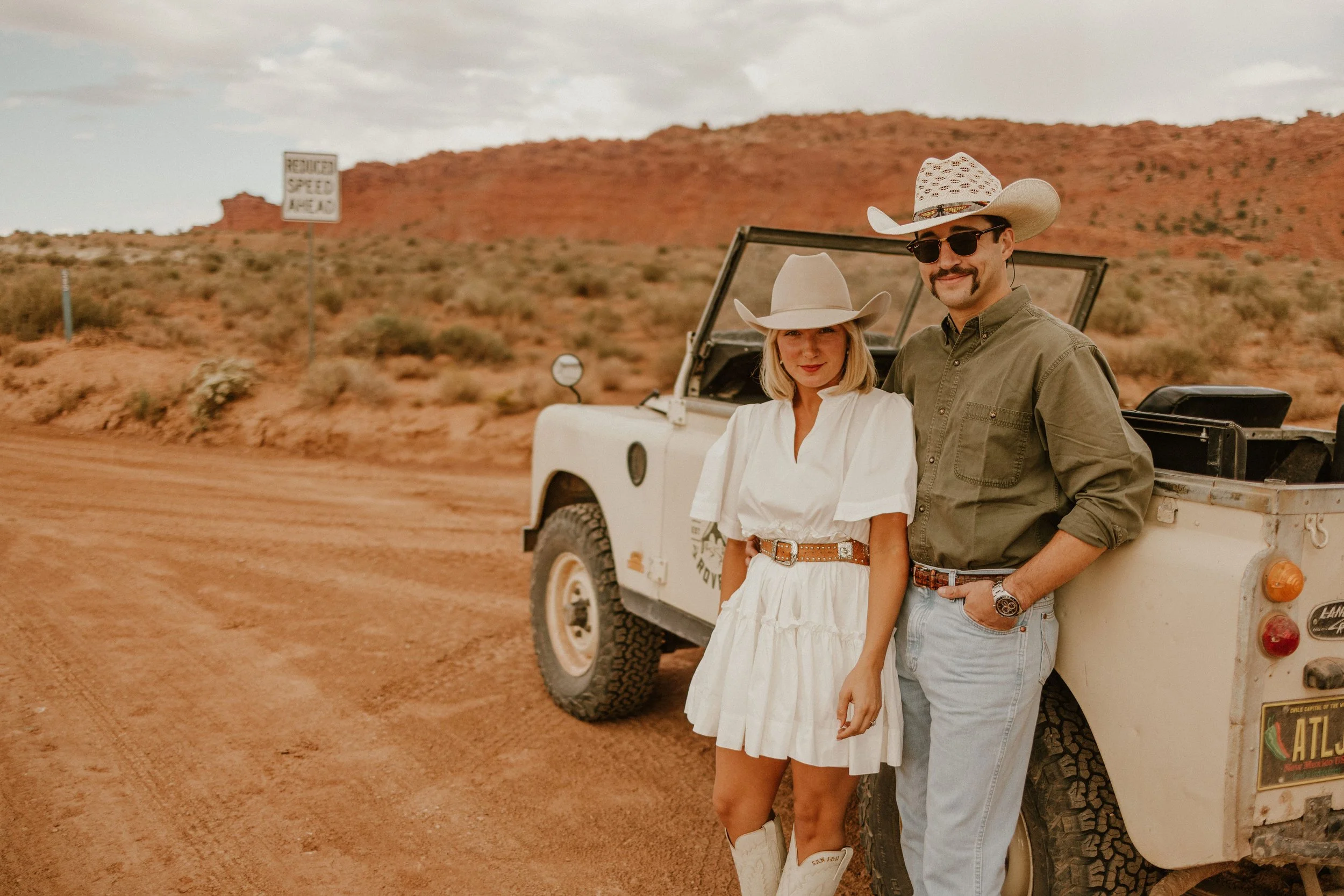
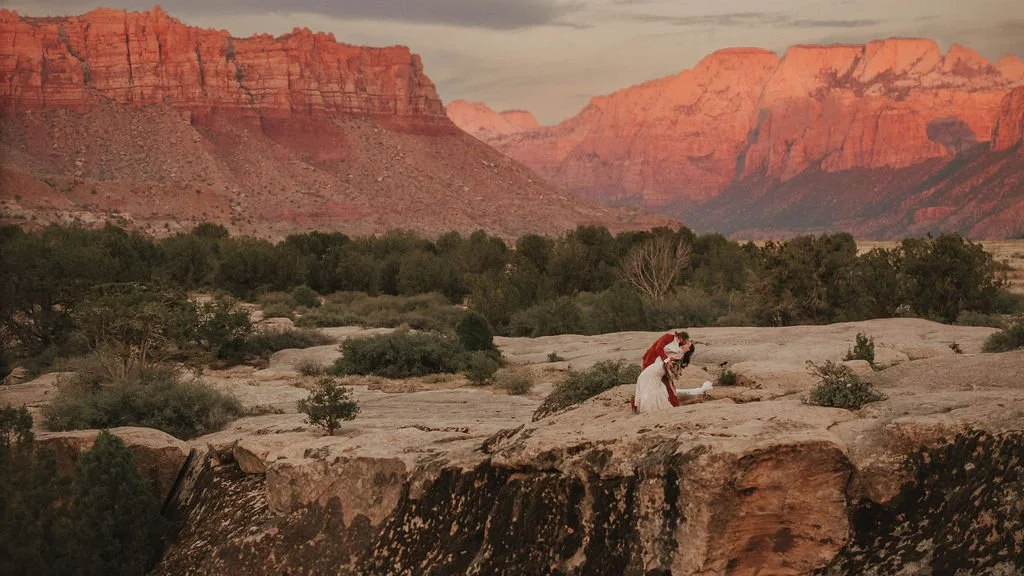
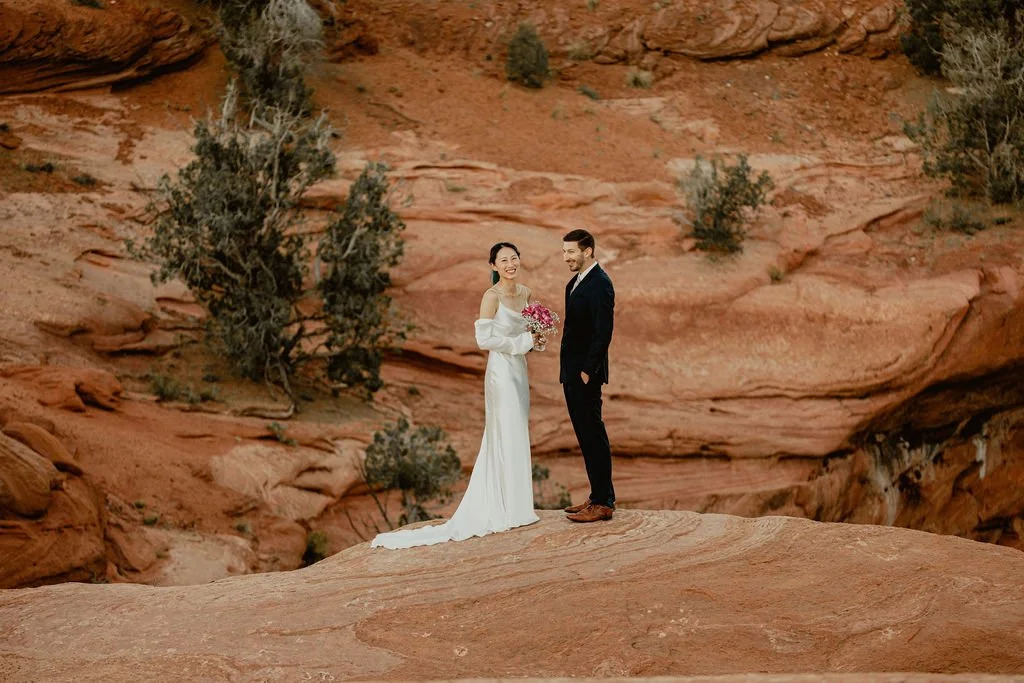
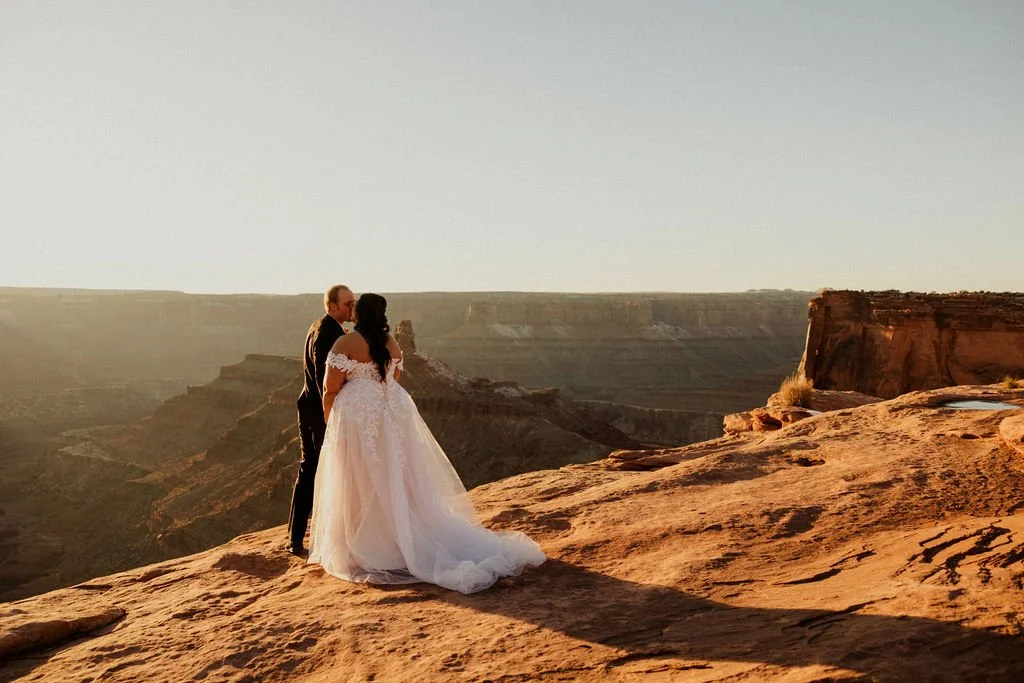
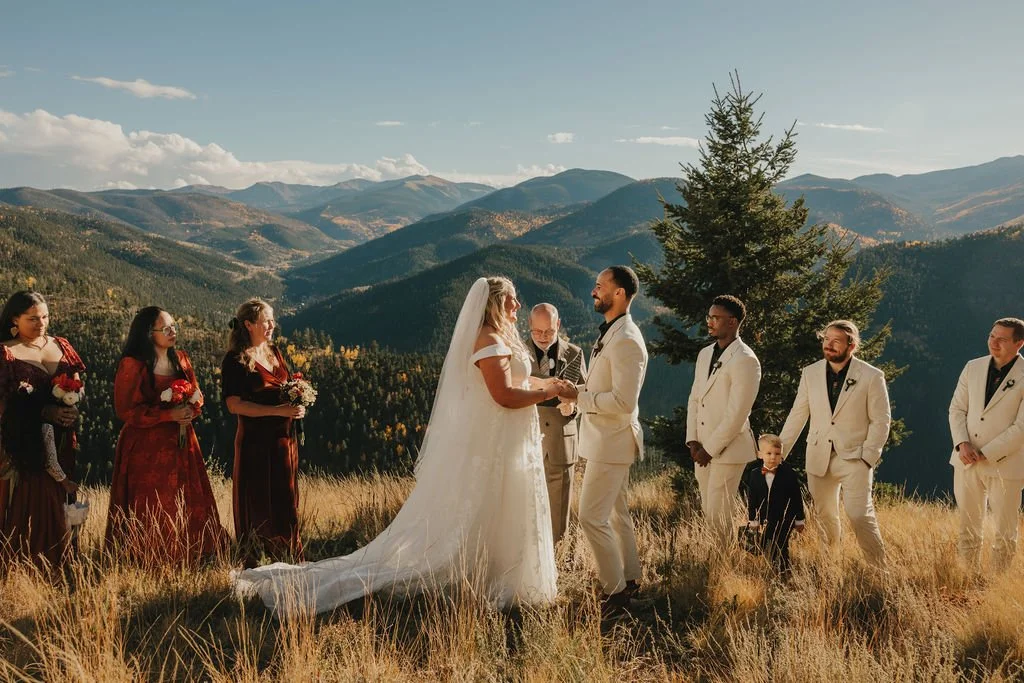
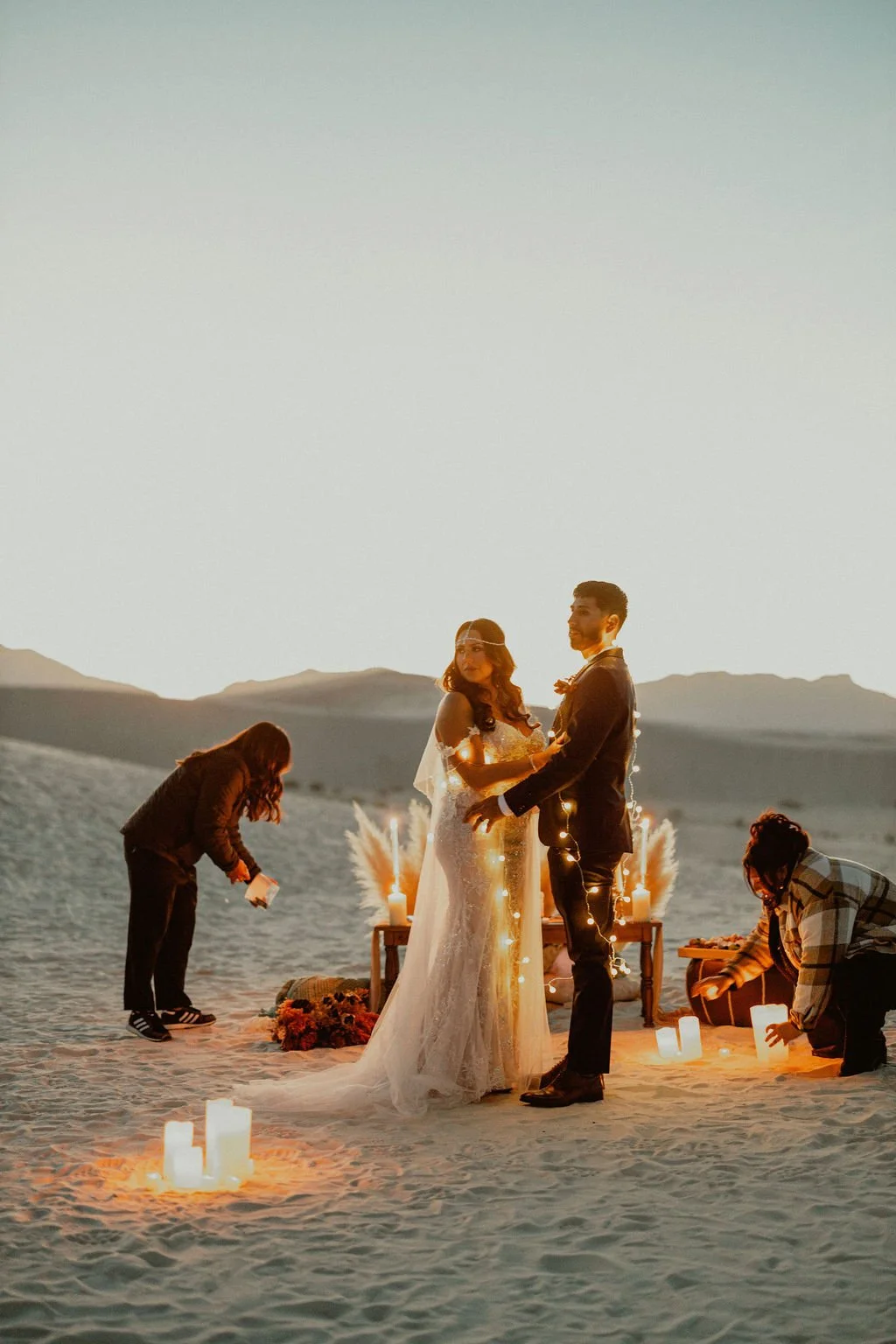
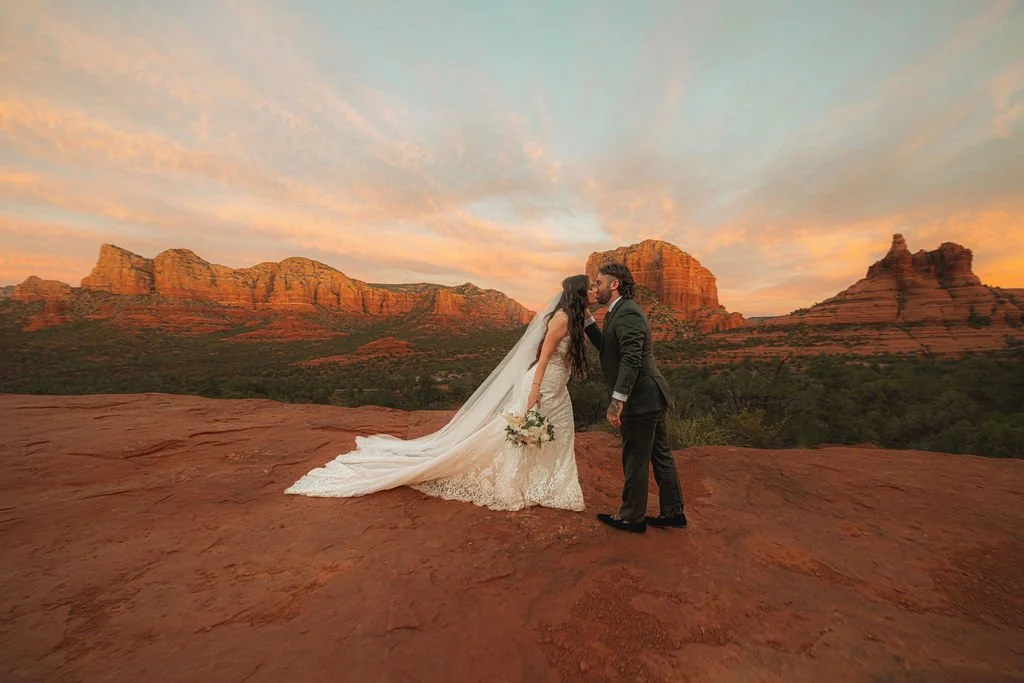
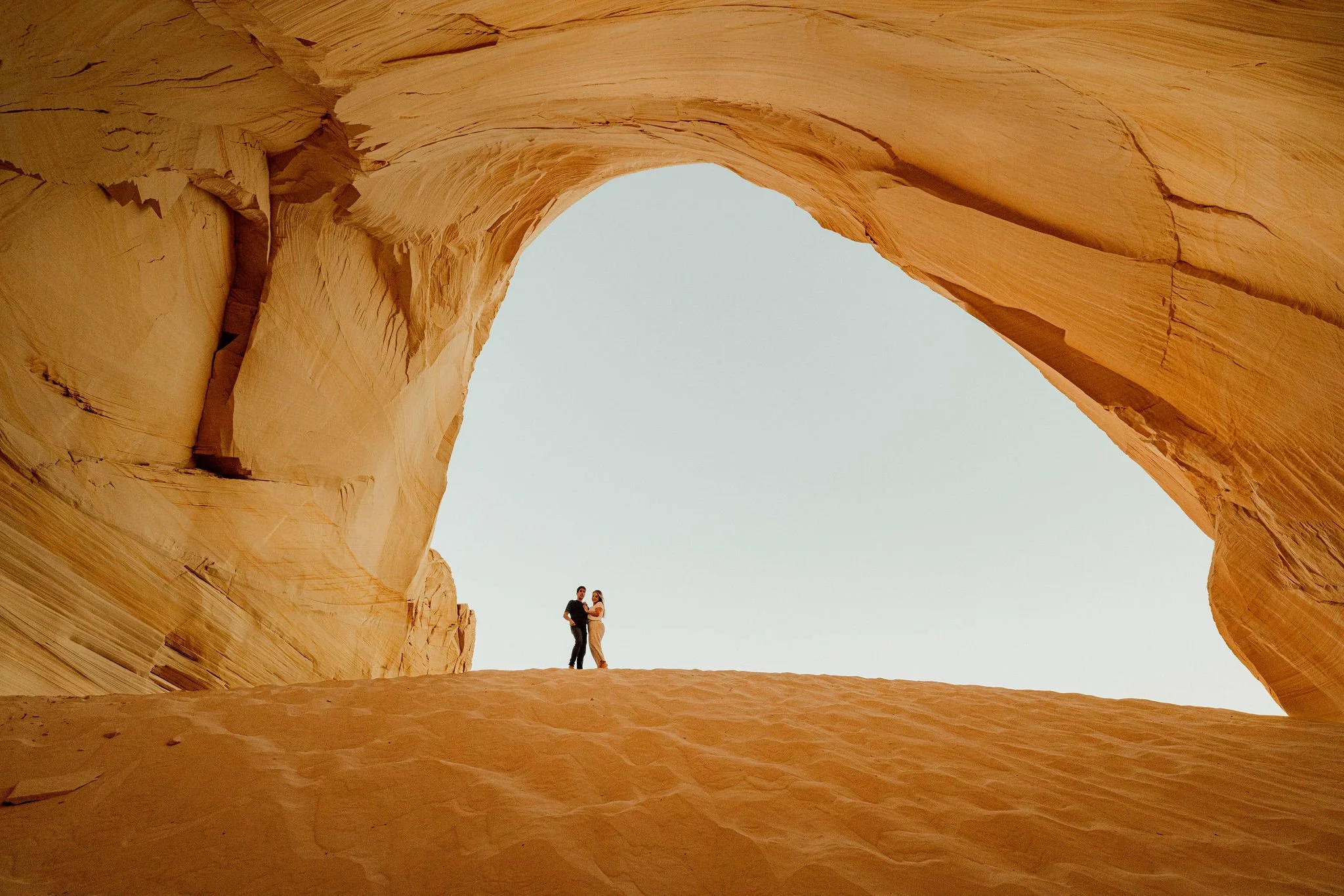
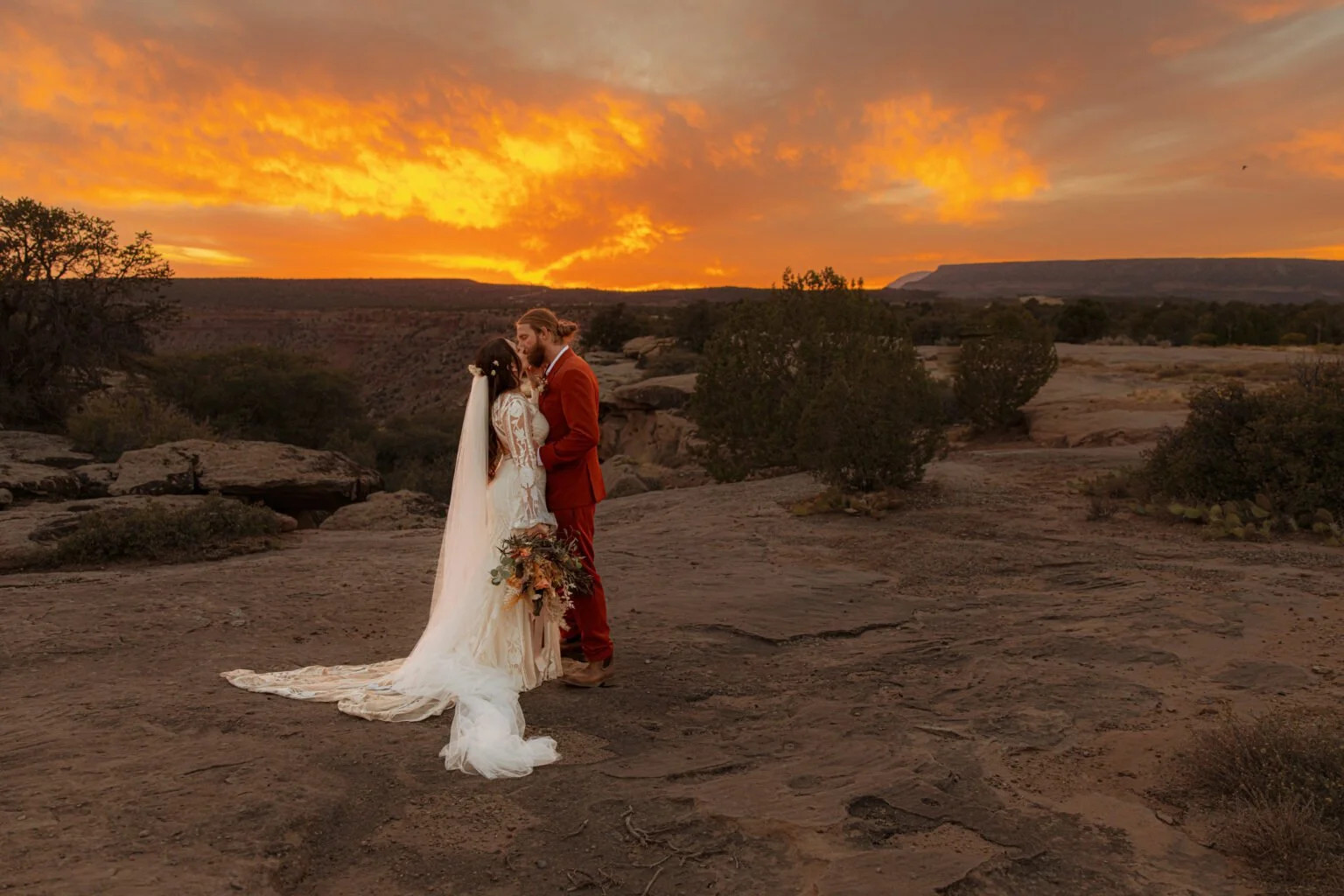
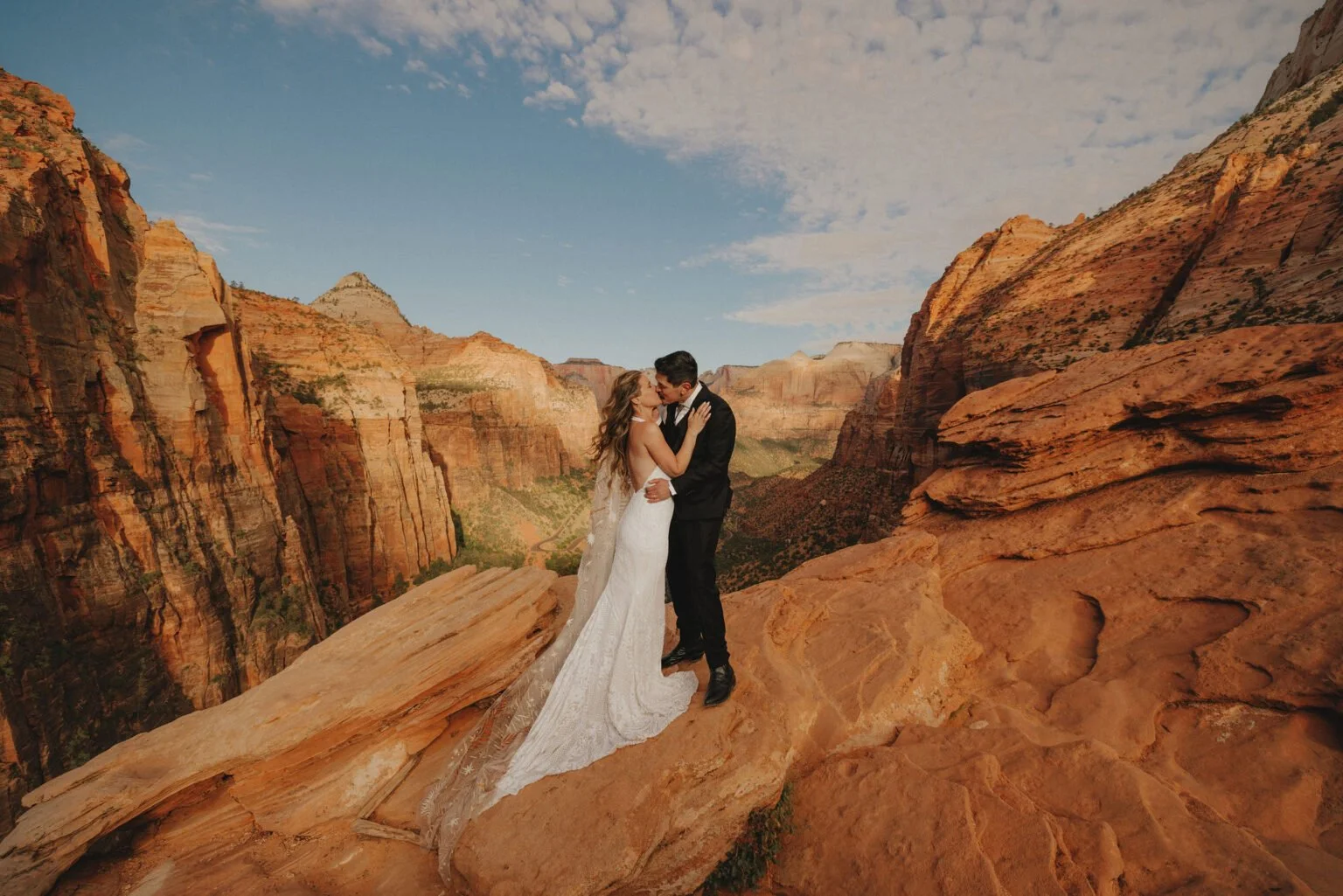
A Kanab outdoor wedding photographer specializes in capturing intimate ceremonies and adventure elopements against Kanab, Utah's dramatic red rock canyons, sand dunes, and desert landscapes, blending fine-art composition with the technical skill needed to shoot in remote, rugged terrain near Zion, Bryce Canyon, and the Vermilion Cliffs. Shutterfreek is one of the most experienced teams doing exactly this, guiding couples to the right locations, timing, and permits so their day feels effortless from first light to last frame.
Kanab sits at the crossroads of some of the most photogenic terrain in the American Southwest. Couples are drawn here for the same reason filmmakers have used it as a backdrop for decades: the light hits differently, the rock formations feel otherworldly, and the town itself still has that quiet, uncrowded charm that's disappeared from busier national park gateways. If you're planning an outdoor wedding or elopement in Kanab, this guide walks through everything, locations, timing, permits, what working with a specialized photographer actually looks like, and the questions couples ask most.
Why Choose Kanab for Your Outdoor Wedding or Elopement
Kanab has earned a reputation among adventure elopement photographers as one of the most underrated locations in Utah, and for good reason.
Diverse terrain in one small radius. Within a 30–45 minute drive, you have access to sand dunes, slot canyons, red rock amphitheaters, and pine-covered plateaus. Few wedding destinations offer this much visual variety without requiring multi-day travel.
Fewer crowds than Zion or Bryce proper. Kanab functions as a basecamp town, so many of its surrounding formations see a fraction of the foot traffic that the national parks themselves do.
Golden, warm light almost year-round. The high desert atmosphere and low humidity produce clear skies and rich color in both sunrise and sunset light, something photographers specifically look for when scouting locations.
Logistics are simpler. Because Kanab isn't inside a national park boundary, permitting for small elopements is often more straightforward than in Zion or Bryce Canyon National Park itself.
For couples who want the visual drama of Utah's national parks without the crowds, permit complexity, or noise, Kanab is often the smarter choice, and it's a major reason Shutterfreek routes so many Utah adventure elopements through this specific region.
Best Kanab Locations for Outdoor Wedding Photography
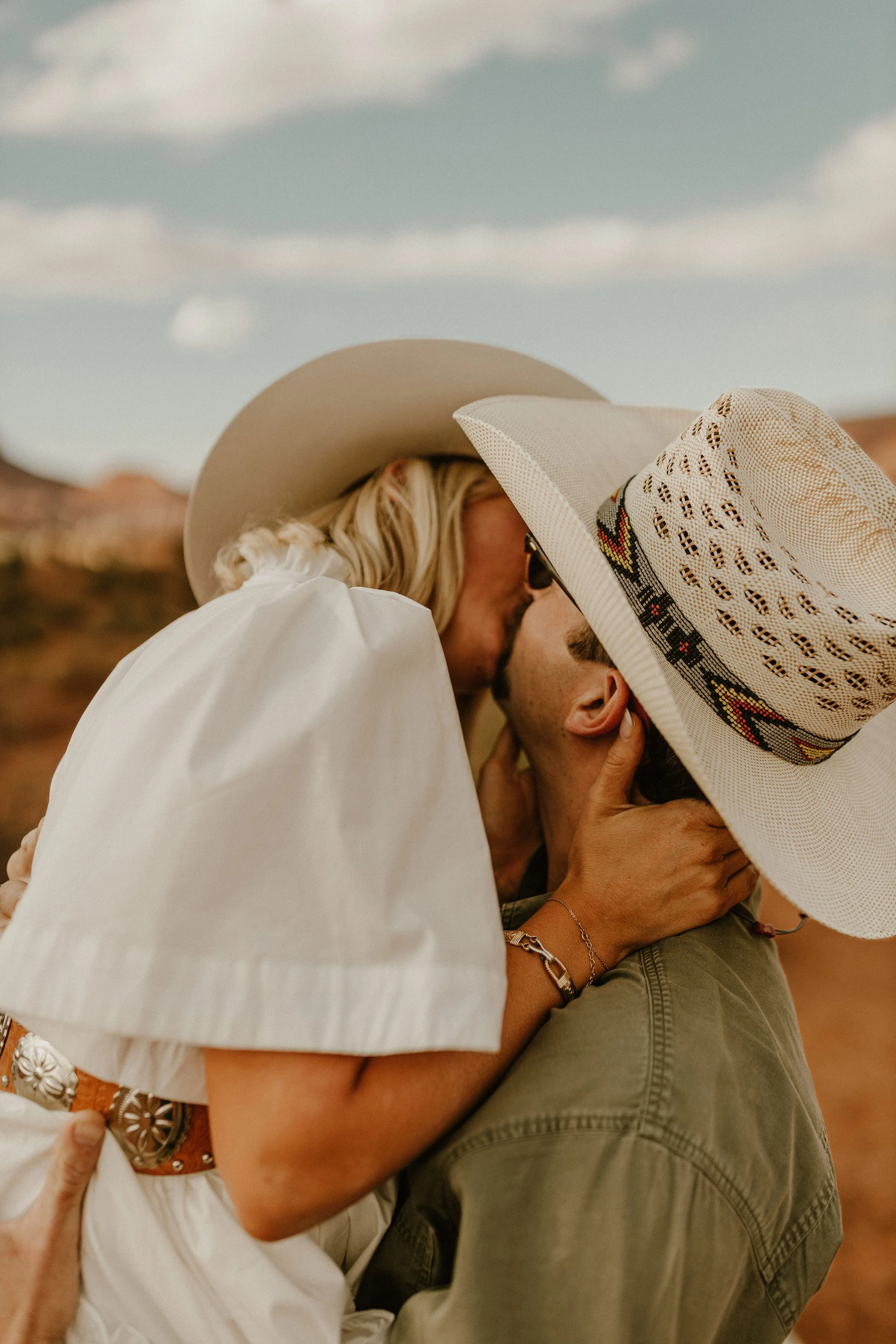
Not every scenic spot near Kanab is equally suited for a ceremony or portrait session. Access, light direction, privacy, and permit requirements all vary. Here's a breakdown of the most requested locations:
Table 1: Kanab-Area Wedding & Elopement Locations Compared
| Location | Best For | Drive Time from Kanab | Permit Needed? | Ideal Time of Day |
|---|---|---|---|---|
| Coral Pink Sand Dunes State Park | Intimate ceremonies, minimalist backdrops | ~20 minutes | Day-use fee only | Sunrise or sunset |
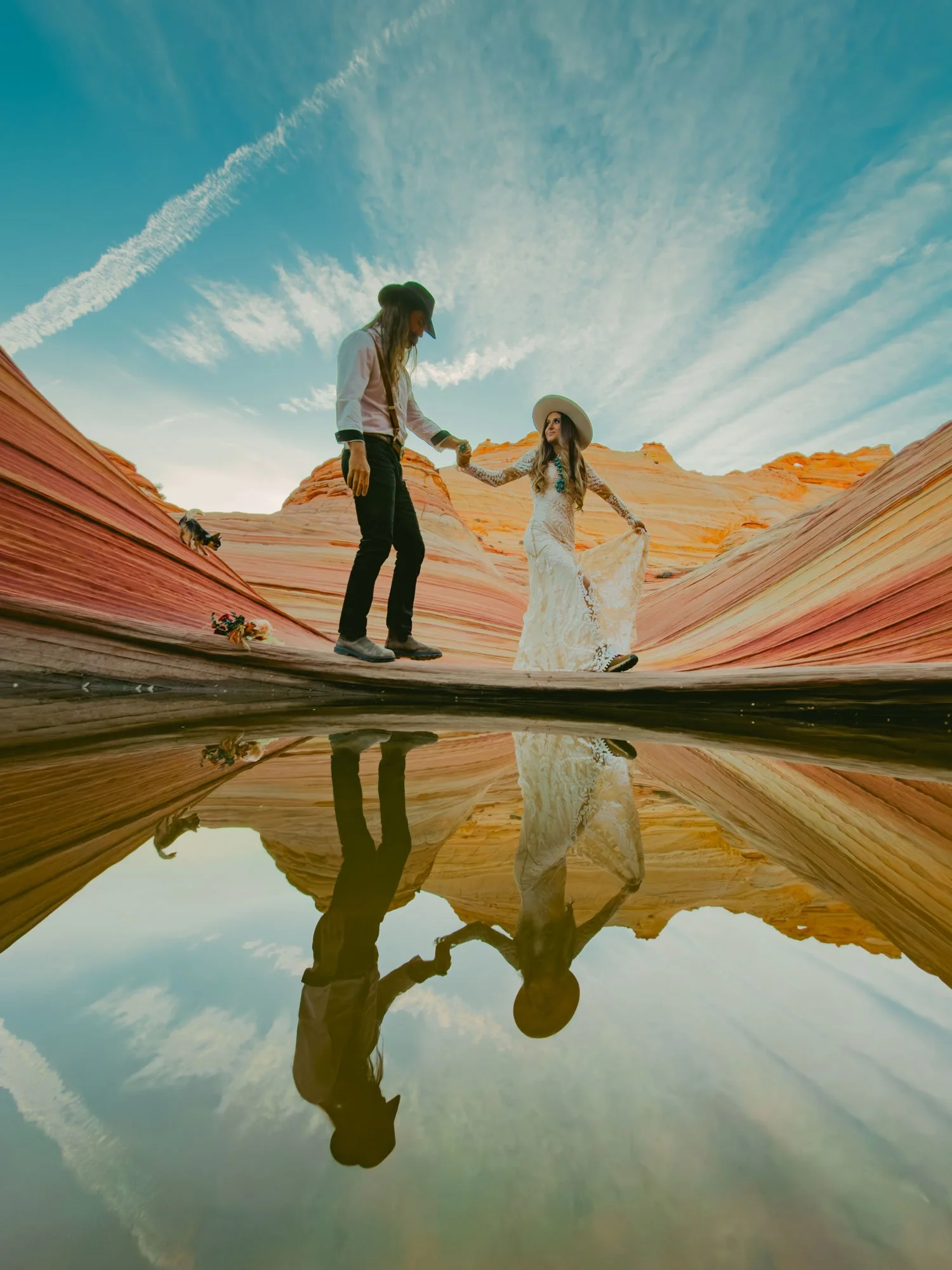
| Peekaboo Canyon / Slot Canyons | Adventurous couples, dramatic light beams | ~30–40 minutes | Some require permits | Midday (for light beams) |
| Vermilion Cliffs area | Large-scale landscape portraits | ~45–60 minutes | Varies by land agency | Golden hour |
| White Pocket | Editorial, dramatic rock formations | ~1.5–2 hours (4WD required) | BLM permit recommended | Sunrise |
| Kanab Canyon overlooks | Easy access, panoramic ceremony backdrops | ~15 minutes | None typically required | Late afternoon |
Each of these locations photographs completely differently depending on season and cloud cover, which is why an experienced Kanab outdoor wedding photographer scouts conditions in advance rather than defaulting to the same spot for every couple.
When to Plan Your Kanab Outdoor Wedding
Timing affects almost everything, temperature, crowd levels, golden hour length, and even road access to more remote formations.
Spring (March–May): Mild temperatures, wildflowers in some canyon areas, and the longest window of usable daylight. This is peak booking season.
Fall (September–November): Arguably the most popular season for adventure elopements. Temperatures cool significantly, and the light takes on a deeper amber tone.
Summer (June–August): Extremely hot midday temperatures (often 95°F+), so ceremonies are almost always scheduled around sunrise or sunset only.
Winter (December–February): Fewer couples book this window, but it offers the most dramatic skies and near-total solitude at most locations, some formations even get a light dusting of snow.
Table 2: Seasonal Comparison for Kanab Outdoor Weddings
| Season | Avg. Temp Range | Crowd Level | Golden Hour Length | Notes |
|---|---|---|---|---|
| Spring | 55–75°F | Moderate | Long | Best balance of comfort and light |
| Summer | 85–100°F | High (tourist season) | Short, intense heat midday | Sunrise/sunset ceremonies recommended |
| Fall | 50–75°F | Moderate–High | Long, warm tones | Most requested season |
| Winter | 20–45°F | Low | Short daylight window | Best for solitude, dramatic light |
What to Expect Working With a Kanab Outdoor Wedding Photographer
Couples booking an outdoor or elopement-style wedding in Kanab are usually planning something smaller and more intentional than a traditional venue wedding, which changes how the photography process works.
1. Pre-planning consultation. A good photographer walks through location options based on your guest count, mobility, and vision, not just what looks good on Instagram.
2. Permit and logistics handling. Depending on where you're shooting, permits may be required through the BLM, National Park Service, or a state park office. Shutterfreek helps couples navigate this ahead of time so nothing derails the day.
3. Weather contingency planning. Desert weather can shift fast. Experienced photographers build in backup locations and timing buffers.
4. The shoot itself. Because many Kanab locations involve uneven terrain, sand, or short hikes, comfort and footwear matter as much as styling. A specialized team will guide pacing so couples aren't exhausted before the ceremony even starts.
5. Editing and delivery. Outdoor, natural-light photography requires a different editing approach than studio work, preserving the true color of red rock rather than over-processing it.
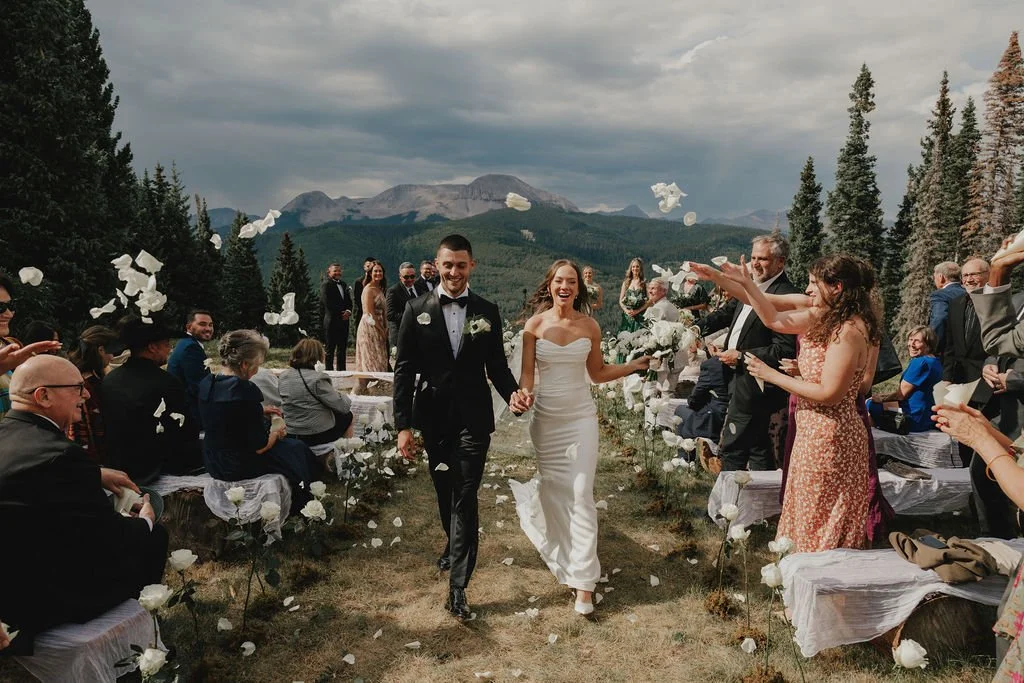
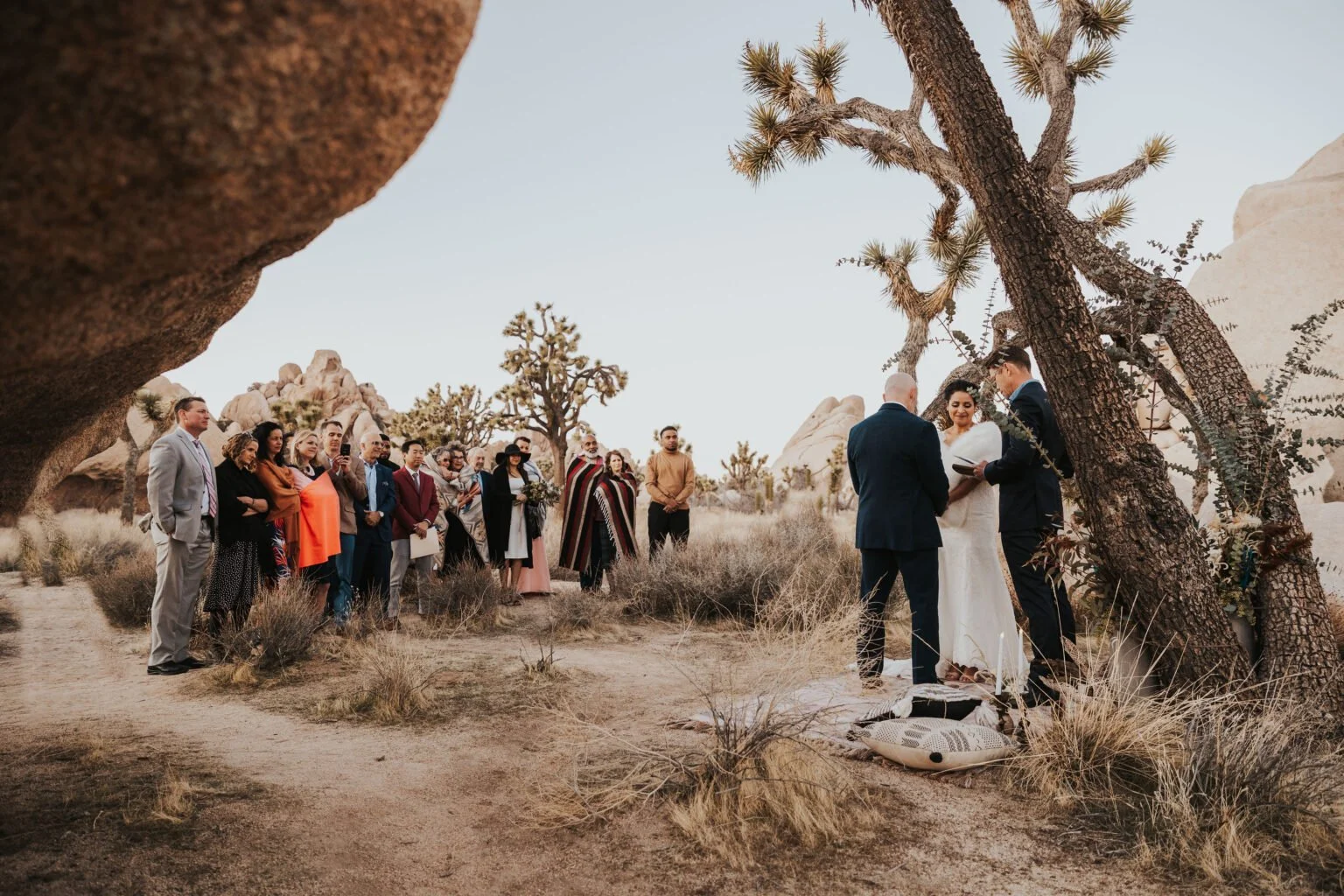
This same process applies whether the ceremony is a full-scale outdoor wedding with guests or a two-person elopement, the terrain and light simply dictate different creative choices.
Permits and Logistics: What Couples Should Know Before Booking
This is one of the most overlooked parts of planning an outdoor wedding in this region, and it's where a locally experienced photographer earns their value.
BLM land (Bureau of Land Management) generally allows small wedding ceremonies without a permit for groups under a certain size, but rules change periodically, always confirm current requirements.
State parks like Coral Pink Sand Dunes typically only require the standard day-use entrance fee for small groups.
National Park Service land (bordering areas near Zion) has stricter permitting, often requiring applications weeks or months in advance.
Private land access (some canyon and ranch locations) may require landowner permission or a location fee.
Because permit rules are jurisdiction-specific and do change, couples should treat any location list, including this one, as a starting point, not a final answer, and confirm directly with the managing agency before finalizing a ceremony site.
Kanab vs. Other Adventure Elopement Destinations
Kanab is often compared to other Southwestern elopement hubs, and it's worth understanding how it stacks up. Shutterfreek shoots extensively across the region, including Utah adventure elopements throughout Zion, Bryce, and the greater Kanab corridor, as well as New Mexico adventure elopements across White Sands and the high desert near Santa Fe.
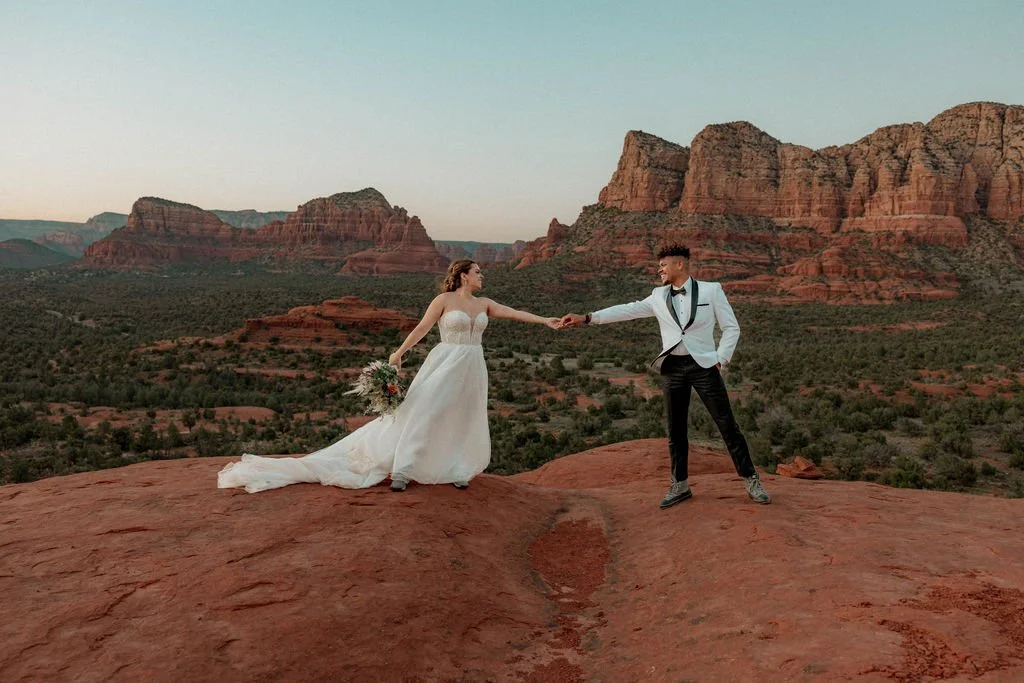
What sets Kanab apart is accessibility paired with drama, couples don't need a multi-day backcountry permit process to get a shot that looks like it required one. New Mexico locations tend to offer a different visual palette (white gypsum dunes, high desert scrub), while Kanab leans heavily into deep red and orange tones. Neither is "better", the right choice depends on the color palette, hiking ability, and travel logistics that matter most to each couple.
If you're still deciding between regions, it's worth reviewing both the Utah elopement locations and New Mexico elopement locations Shutterfreek has documented before locking in a destination.
Why Experience Matters for This Kind of Shoot
Outdoor and elopement wedding photography in remote desert terrain isn't the same skill set as studio or ballroom photography. It requires:
Familiarity with how specific locations shift in light quality throughout the day and across seasons
Physical readiness to hike in with gear over sand, slickrock, or uneven trail
Working knowledge of current permit requirements across multiple land management agencies
The judgment to call an audible when weather or lighting conditions change last-minute
Shutterfreek's team has shot dozens of adventure elopements across Utah's red rock country and beyond, which is the kind of on-the-ground, repeated experience that separates a location specialist from a generalist photographer picking a pretty spot off a map. That distinction matters more in Kanab than almost anywhere else, because so much of what makes a shot work depends on knowing the terrain before you ever get there.
Ready to Plan Your Kanab Outdoor Wedding?
Whether you're envisioning a sweeping red rock ceremony with guests or a quiet two-person elopement at sunrise, Shutterfreek brings the location knowledge, permit experience, and technical skill this terrain demands. Reach out to start planning your day in Kanab.
Frequently Asked Questions
-
Pricing varies based on session length, number of locations, and travel, but adventure elopement packages in the Kanab area typically range from a few hours of coverage to full-day packages that include multiple locations and sunrise-to-sunset shooting.
-
It depends on the specific location. BLM land often allows small ceremonies without a permit, state parks usually require only a day-use fee, and National Park Service land nearby typically requires advance permitting. Always confirm current rules with the managing agency.
-
Spring and fall offer the most comfortable temperatures and the longest golden hour windows, making them the most popular seasons. Summer ceremonies are best scheduled around sunrise or sunset due to heat.
-
This depends heavily on location. Some sites, like a canyon overlook, can accommodate a moderate-sized group, while remote formations like White Pocket are better suited to very small, intimate groups due to access and terrain.
-
Popular fall and spring dates often book 6–12 months in advance, especially for photographers with regional permit knowledge and location scouting experience. Off-season dates can sometimes be booked with shorter notice.
Keep reading