Kanab Elopement Photography: Your Complete Guide to a Red Rock Desert Elopement
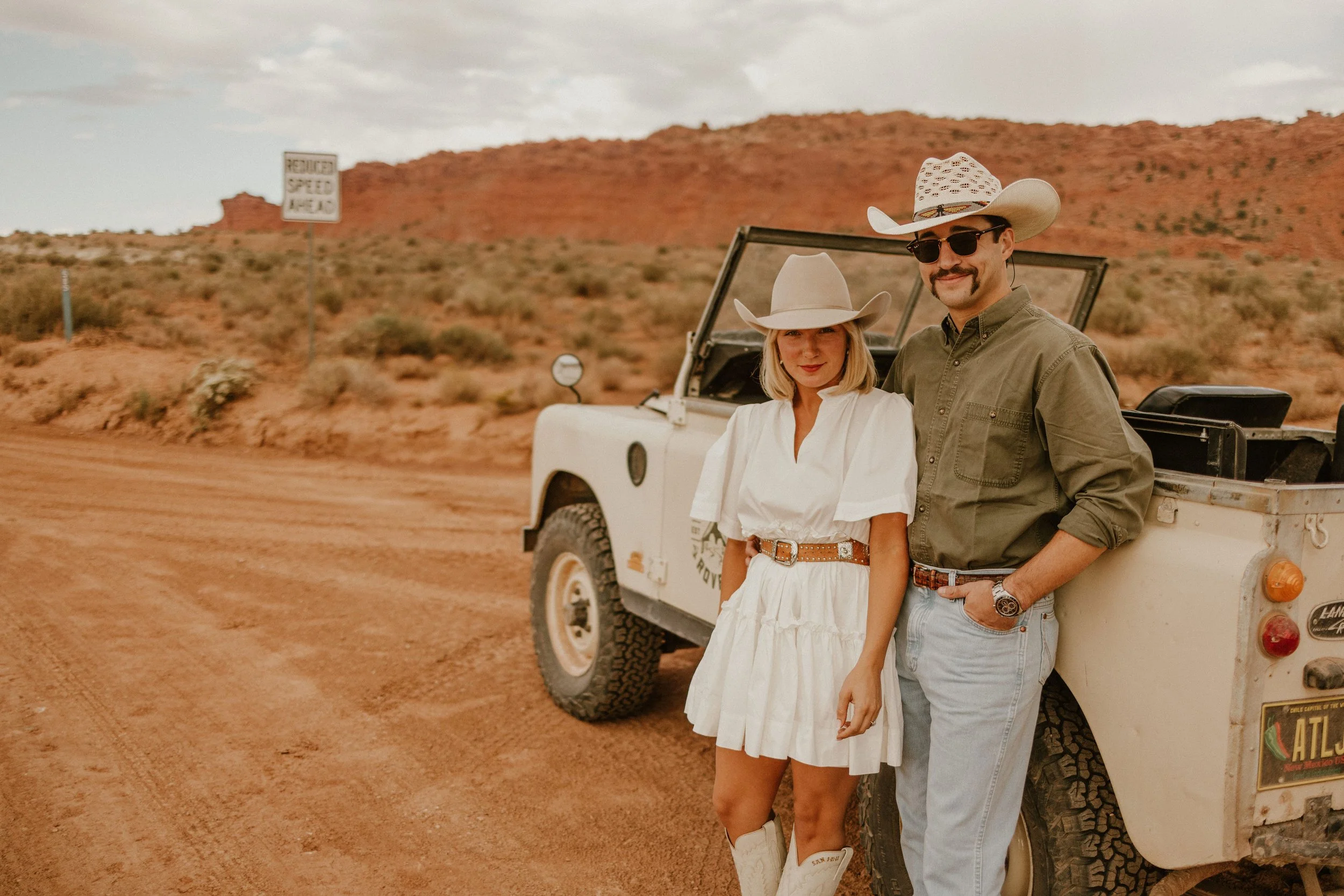
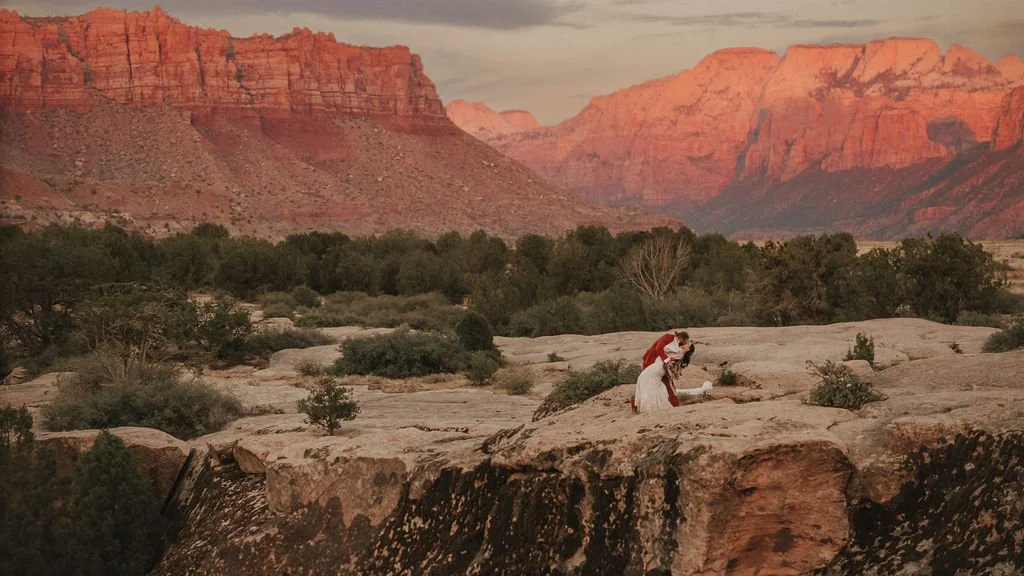
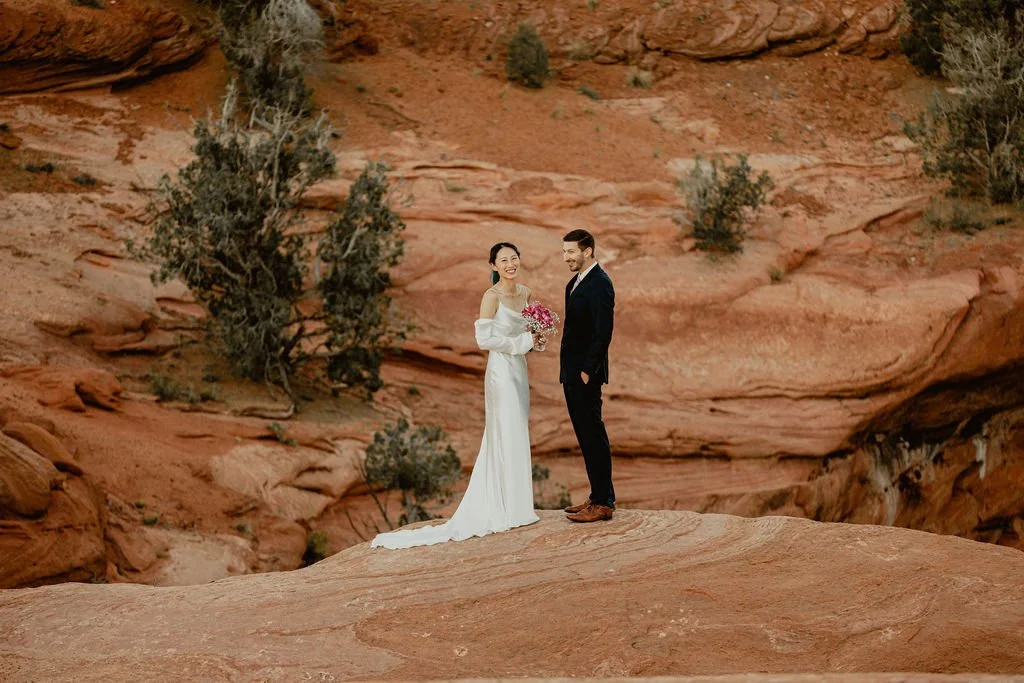
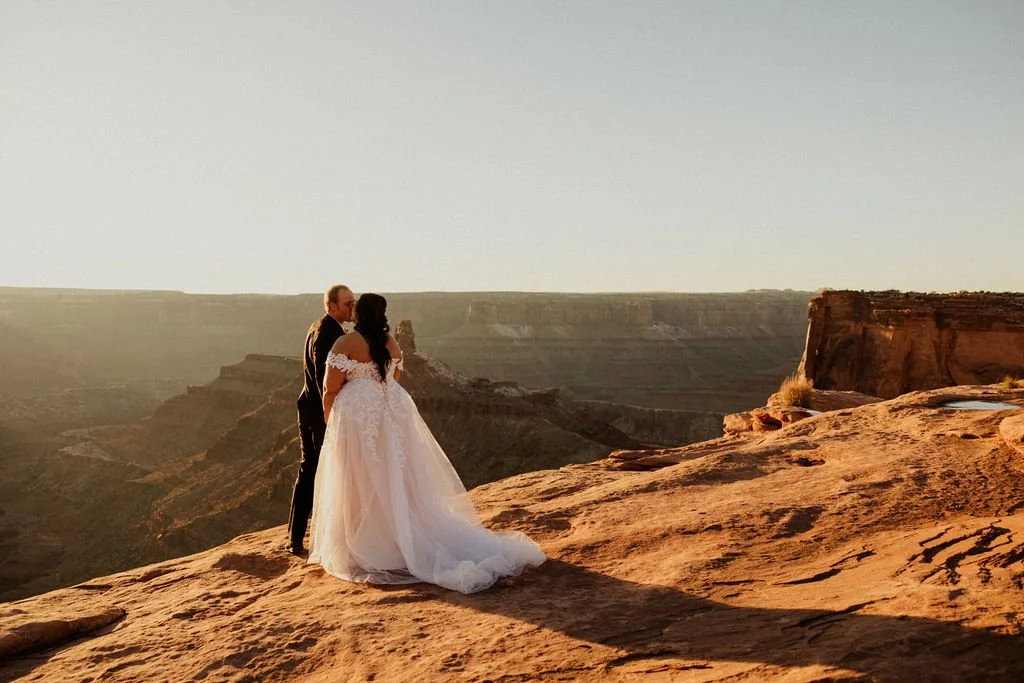
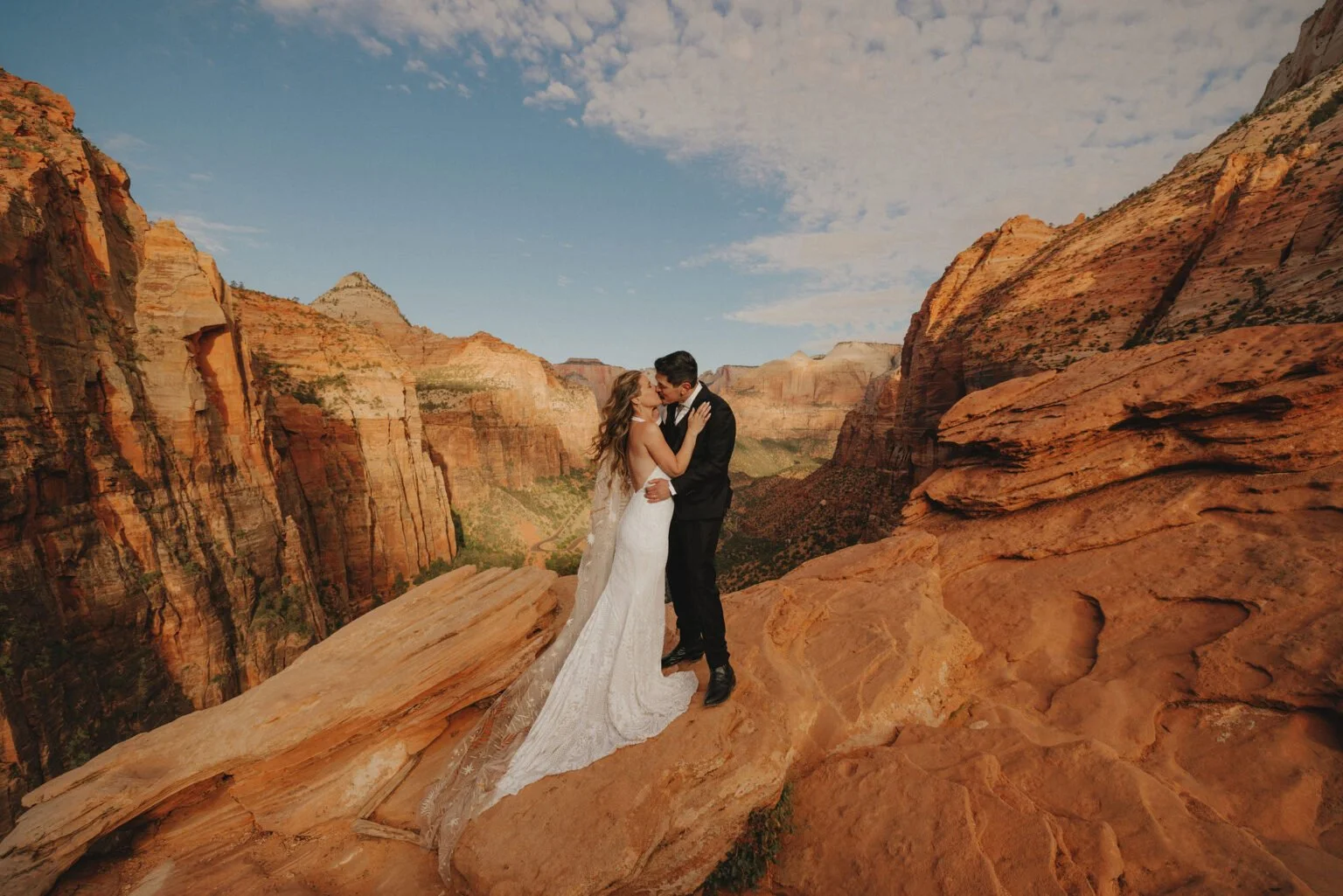
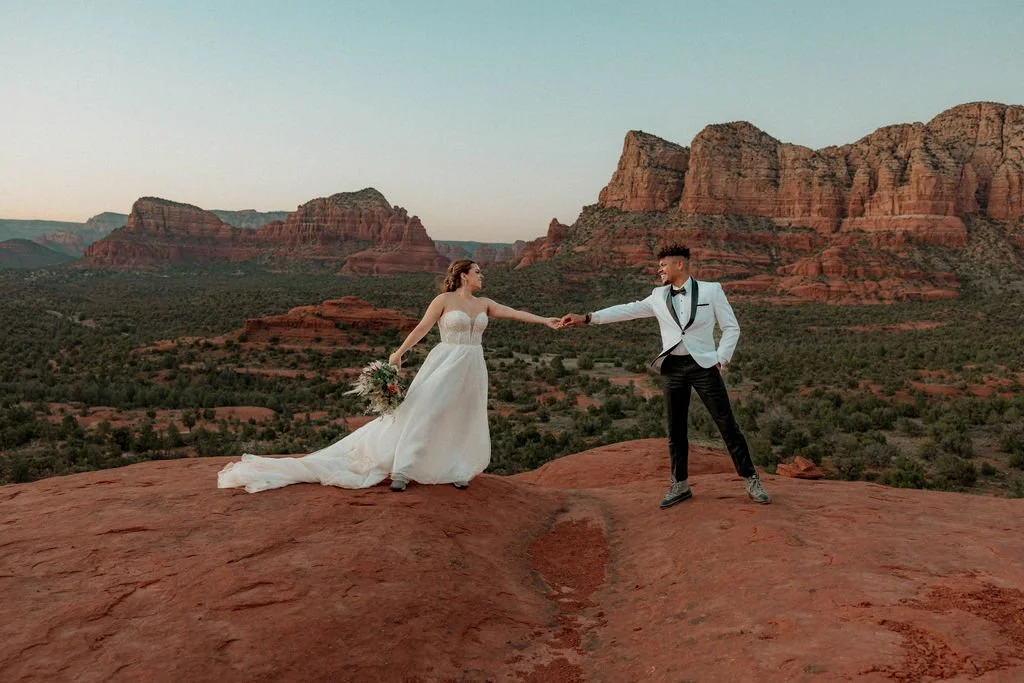
Kanab elopement photography captures intimate, two-person weddings set against the sandstone cliffs, slot canyons, and high-desert landscapes that surround this small southern Utah town. Because Kanab sits at the crossroads of Zion, Bryce Canyon, Grand Staircase-Escalante, and Coral Pink Sand Dunes, it has quietly become one of the most sought-after elopement backdrops in the American Southwest — and photographers who specialize in the area, like Shutterfreek, know exactly which canyons catch the best light, which trailheads require permits, and how to time a ceremony around the desert’s dramatic golden hour.
If you’re considering saying “I do” in Kanab, this guide walks through everything you need to know: the best locations, realistic pricing, permit requirements, ideal timing, and the questions couples ask most before booking.
Why Kanab, Utah Is One of the Best Elopement Destinations in the Southwest
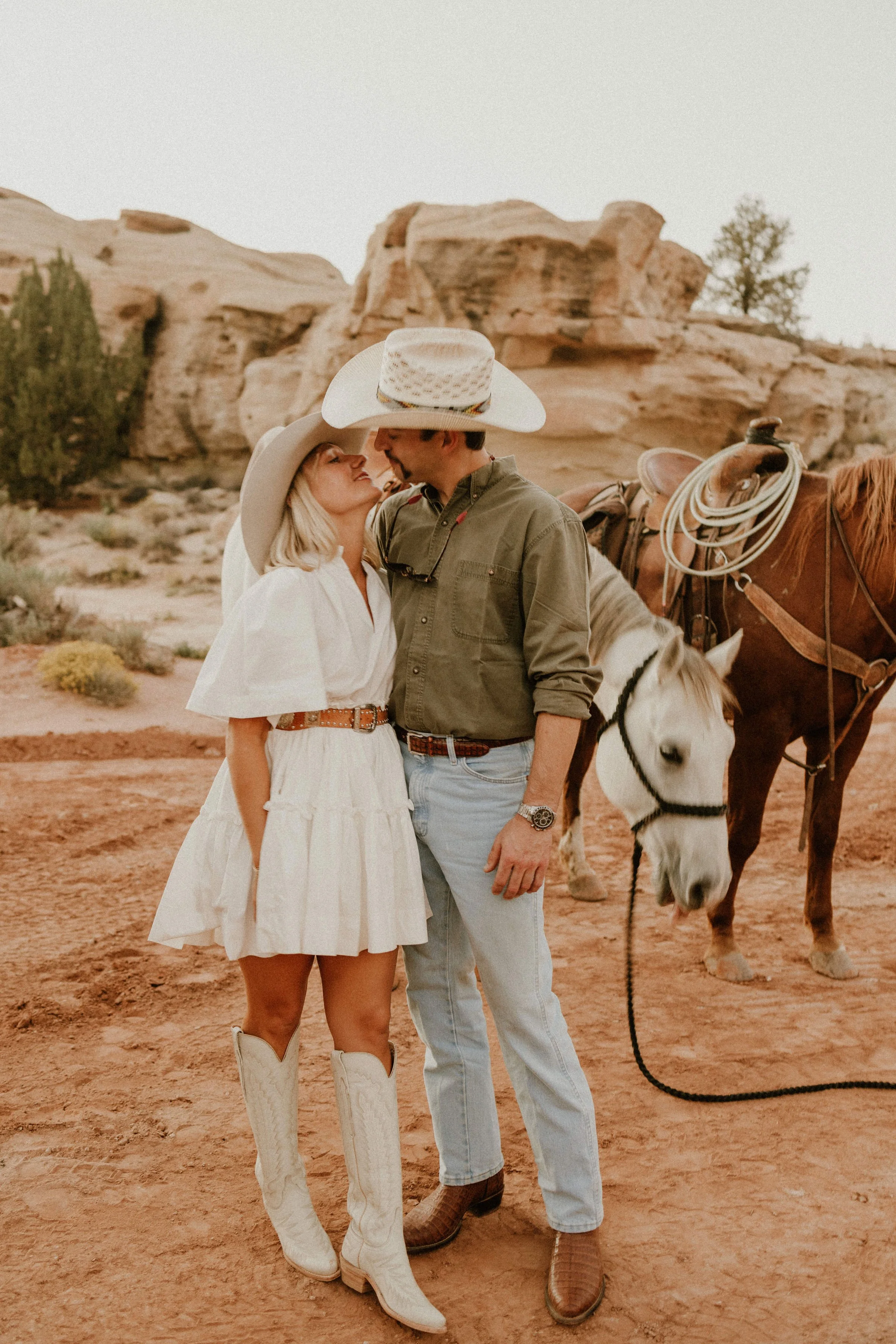
Kanab earned the nickname “Little Hollywood” decades ago because its scenery was used in countless Western films, but today it’s earning a new reputation among couples planning destination elopements. The town is a short drive from five national and state parks, which means you get the visual drama of Utah’s most famous landscapes without the crowds, permit backlogs, or logistical headaches that come with shooting directly inside Zion or Bryce during peak season.
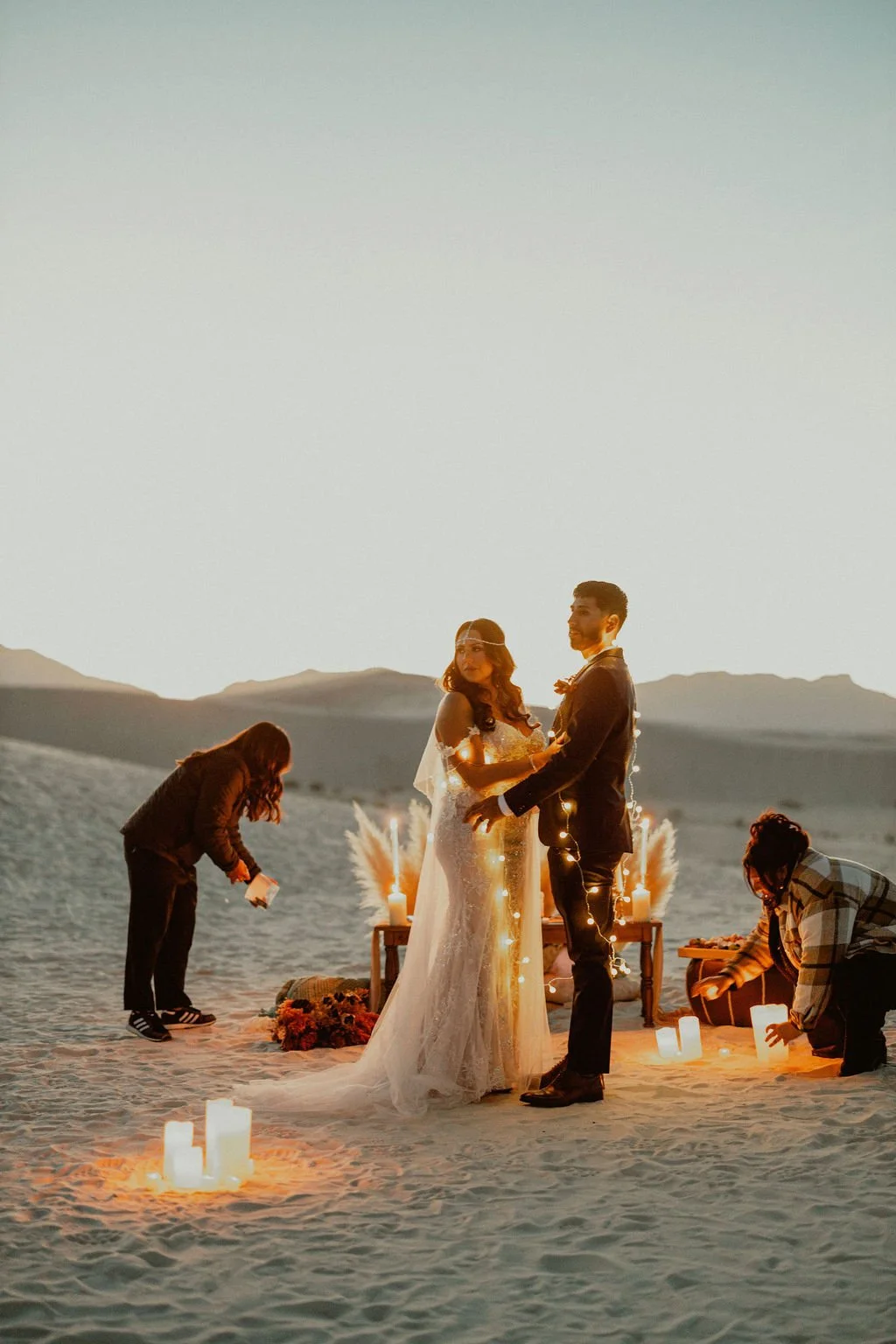
For couples comparing Utah weddings and adventure elopements across the state, Kanab consistently stands out for three reasons: diverse terrain within a 30-minute radius, dependable weather for most of the year, and a lower cost of permits and logistics compared to the more heavily regulated national parks nearby. You can shoot a sunrise ceremony in a slot canyon and a sunset reception photo on sand dunes the same day — something very few other locations in the Southwest allow.
What to Expect From a Kanab Elopement Photography Session
A well-planned elopement photography session isn’t just “showing up and taking pictures.” It’s a coordinated timeline built around light, location logistics, and the couple’s vision. A typical Shutterfreek Kanab elopement follows a structure like this:
Pre-planning call – discussing vision, location preferences, permit needs, and timeline (usually 60–90 days out).
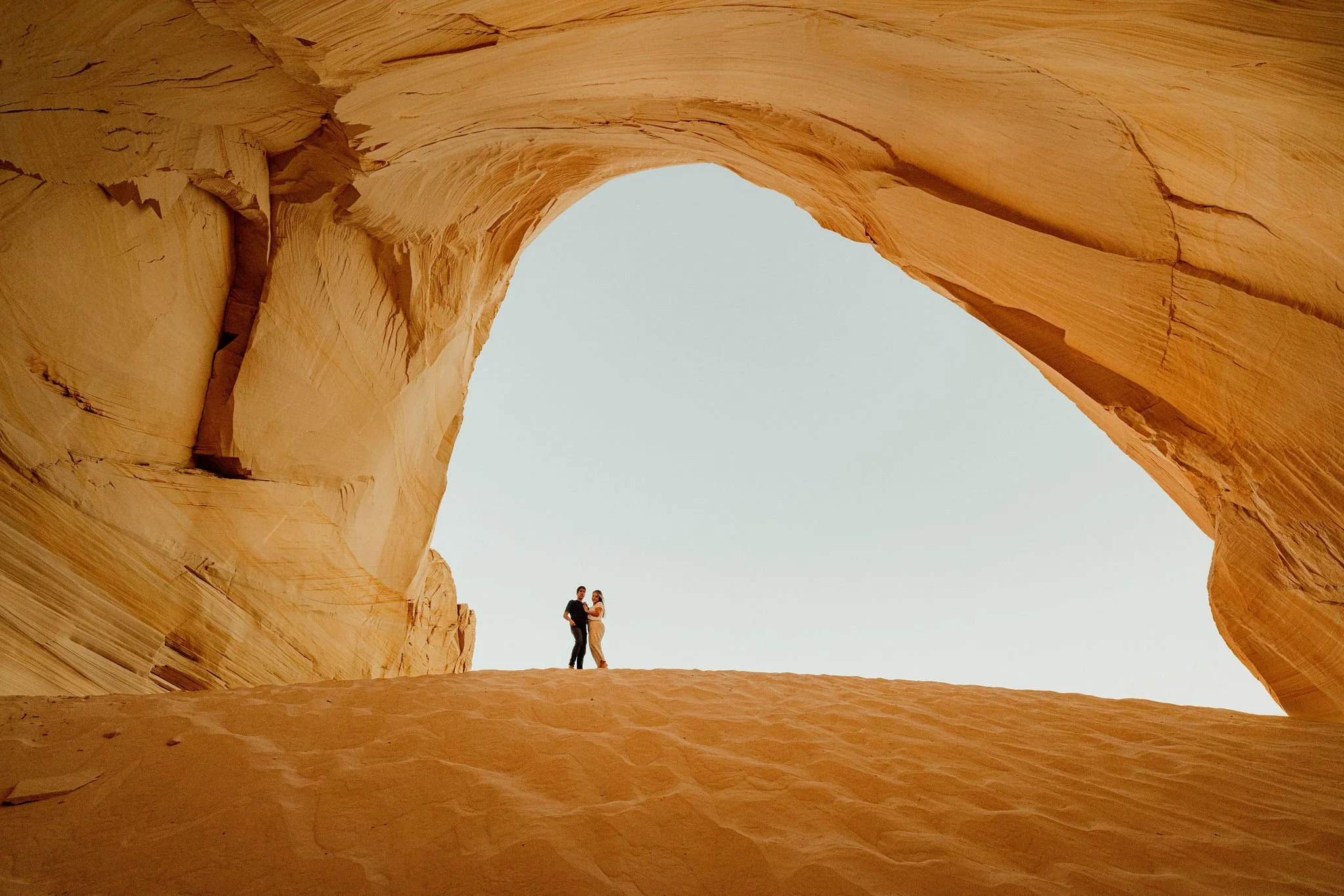
Location scouting – matching your aesthetic (slot canyon intimacy vs. open desert vastness vs. red rock arches) to a specific site.
First look or detail shots – getting ready, rings, dress, and quiet pre-ceremony moments.
Ceremony coverage – officiant-led or self-solemnized vows, depending on your legal setup.
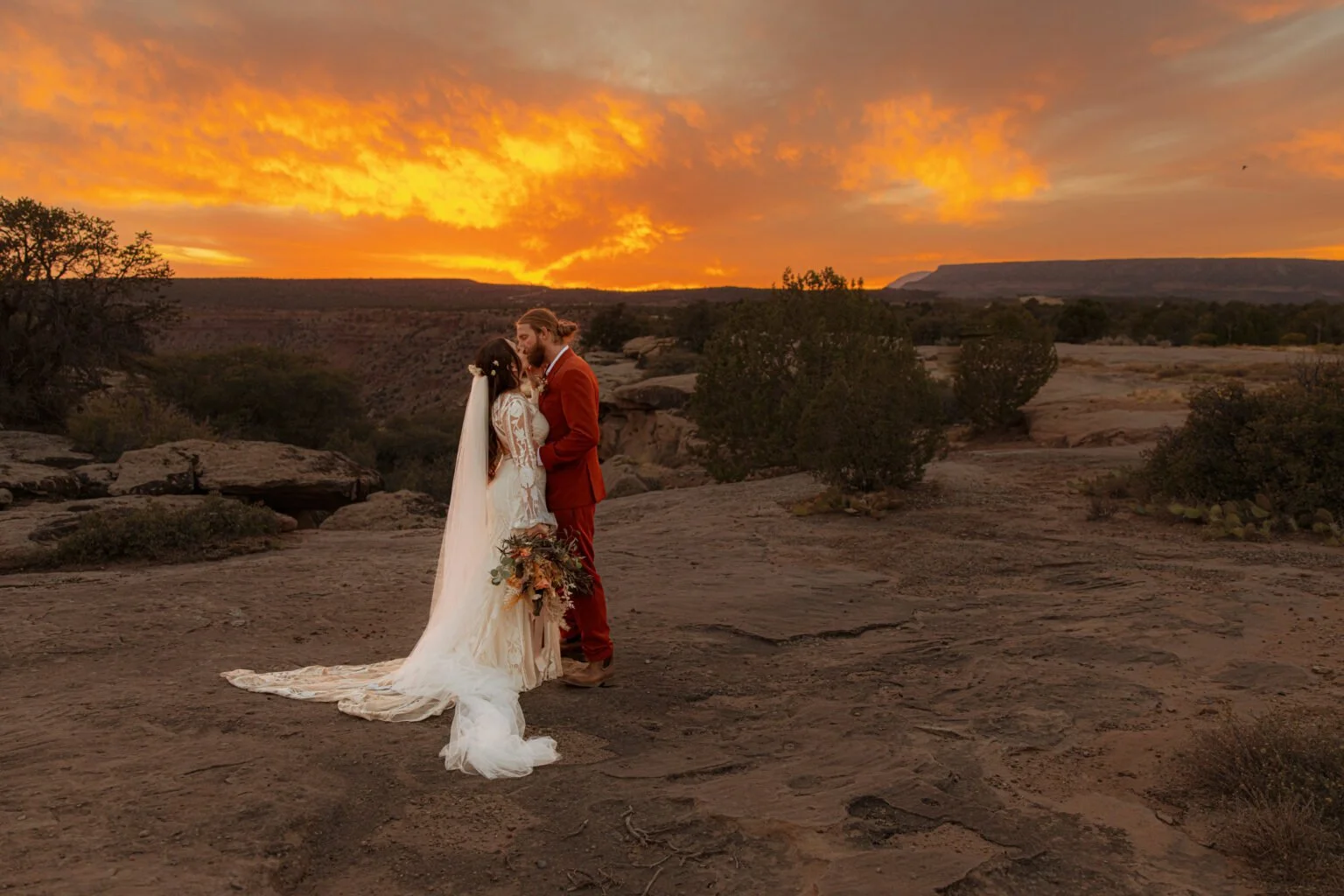
Golden hour portraits – the bulk of the “wow” images happen in the last 60–90 minutes before sunset.
Optional blue hour or night sky shots – Kanab’s low light pollution makes it excellent for dramatic night portraits under the stars.
Most sessions run 3–6 hours total, though “elopement experience” packages that include hiking to remote locations can run a full day.
Best Locations for Elopement Photography in Kanab, Utah
Not every location near Kanab requires the same planning, cost, or physical effort. Below is a side-by-side comparison of the most requested elopement photography locations in the Kanab area.
Table 1: Kanab-Area Elopement Location Comparison
| Location | Permit Required? | Difficulty | Best For | Ideal Season |
|---|---|---|---|---|
| Coral Pink Sand Dunes State Park | Day-use fee only | Easy | Wide, minimalist dune portraits | Spring, Fall |
| Peek-a-Boo & Spooky Slot Canyons | BLM day permit | Moderate (narrow passages) | Intimate, textured canyon shots | Spring, Fall |
| Toadstools Trailhead (Grand Staircase) | None | Easy–Moderate | Hoodoo rock formations, sunset light | Spring, Fall, Winter |
| White Pocket | Backcountry permit, 4WD required | Difficult | Dramatic swirling rock, private feel | Fall, Winter |
| Moqui Cave Area / Private Ranch Land | Landowner permission | Easy | Backdrop variety, easy access | Year-round |
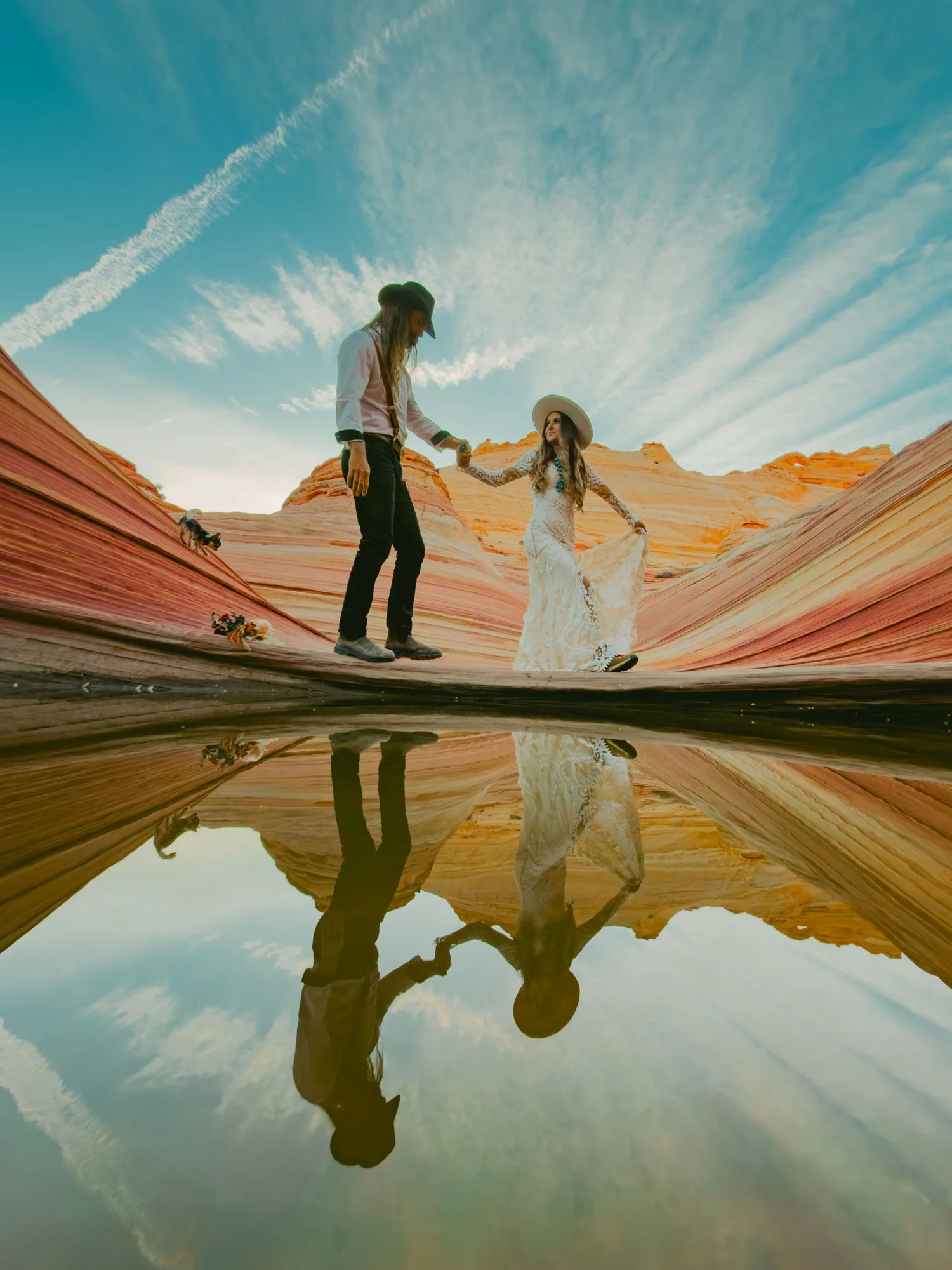
Each location produces a noticeably different visual story, dunes photograph soft and minimalist, slot canyons produce rich warm tones and intimate framing, and White Pocket delivers some of the most editorial, otherworldly imagery in the entire Southwest. Couples planning a broader regional elopement often pair a Kanab session with locations covered under Shutterfreek’s elopement photography services, which span similar red rock and desert settings across multiple states.
How Much Does Kanab Elopement Photography Cost?
Pricing for elopement photography varies based on session length, number of locations, permit fees, and whether add-ons like drone footage, second shooters, or film photography are included. Below is a general breakdown couples can use to budget.
Table 2: Typical Kanab Elopement Photography Package Pricing
| Package Type | Duration | What's Typically Included | Estimated Price Range |
|---|---|---|---|
| Intimate Elopement | 2–3 hours | 1 location, ceremony + portraits, online gallery | $800 – $1,400 |
| Adventure Elopement | 4–6 hours | 2–3 locations, hiking/transition time, extended gallery | $1,500 – $2,500 |
| Full-Day Experience | 8+ hours | Multiple locations, sunrise-to-sunset coverage, drone add-on | $2,600 – $4,000+ |
| Add-Ons | N/A | Second photographer, film scans, permit coordination, videography | $200 – $800 each |
Permit fees themselves are usually separate from photography pricing and range from $0 (public BLM land with no restrictions) to $150+ for backcountry access like White Pocket. A reputable photographer will clarify this distinction upfront rather than bundling unclear costs. For couples weighing full adventure elopement packages, it’s worth asking exactly which permits and location fees are the photographer’s responsibility versus the couple’s.
Best Time of Year & Day for Kanab Elopement Photos
Best months: Late March through May, and September through early November. Summer temperatures in Kanab regularly exceed 95°F, which makes midday shooting uncomfortable and can affect how long couples want to spend outdoors in formal attire. Winter offers dramatic contrast between red rock and occasional snow, but access roads to remote sites like White Pocket can close.
Best time of day: Sunrise and the two hours before sunset consistently produce the most flattering, dynamic light. Kanab’s high elevation and dry air create exceptionally clear golden hours, but also mean midday sun is harsh and contrasty, most experienced photographers will avoid scheduling ceremonies between 11 a.m. and 3 p.m. if the goal is soft, editorial-quality imagery.
Permits & Planning Requirements for Kanab Elopements
Because so much of the Kanab area sits on Bureau of Land Management (BLM) land, Grand Staircase-Escalante National Monument, or Utah State Parks property, permit requirements vary significantly by location:
BLM land (most slot canyons): Often requires a same-day or advance-reservation permit, especially for Peek-a-Boo and Spooky canyons due to flash flood monitoring.
State Parks (Coral Pink Sand Dunes): Standard day-use entrance fee; large group ceremonies may need a separate special-use permit.
National Monument land: Commercial photography permits may apply if a hired photographer is present, even for a two-person elopement, this is one of the most commonly overlooked requirements by couples planning their own logistics.
Private ranch or canyon land: Requires direct landowner permission, which experienced local photographers often already have relationships to secure.
A good rule of thumb: if hiring a professional photographer, confirm whether permit sourcing is included in their service or left to the couple. This single detail prevents the most common day-of-wedding stress point for Kanab elopements.
Why Choose Shutterfreek for Your Kanab Elopement Photography
Shutterfreek has built its reputation specifically around adventure and destination elopement photography — not traditional ballroom weddings. That distinction matters in a place like Kanab, where terrain knowledge, permit relationships, and an understanding of desert light are the difference between generic photos and genuinely unique ones.
Our team approaches every Kanab elopement with three priorities:
Local terrain expertise – knowing which slot canyons flood, which trailheads require early starts, and which overlooks are overused on Instagram versus still relatively undiscovered.
Permit and logistics handling – so couples aren’t navigating BLM or state park paperwork alone during an already stressful planning period.
Authentic, unposed storytelling – prioritizing real emotion over stiff, overly directed posing, which is consistent with our broader approach across Utah weddings and adventure elopements.
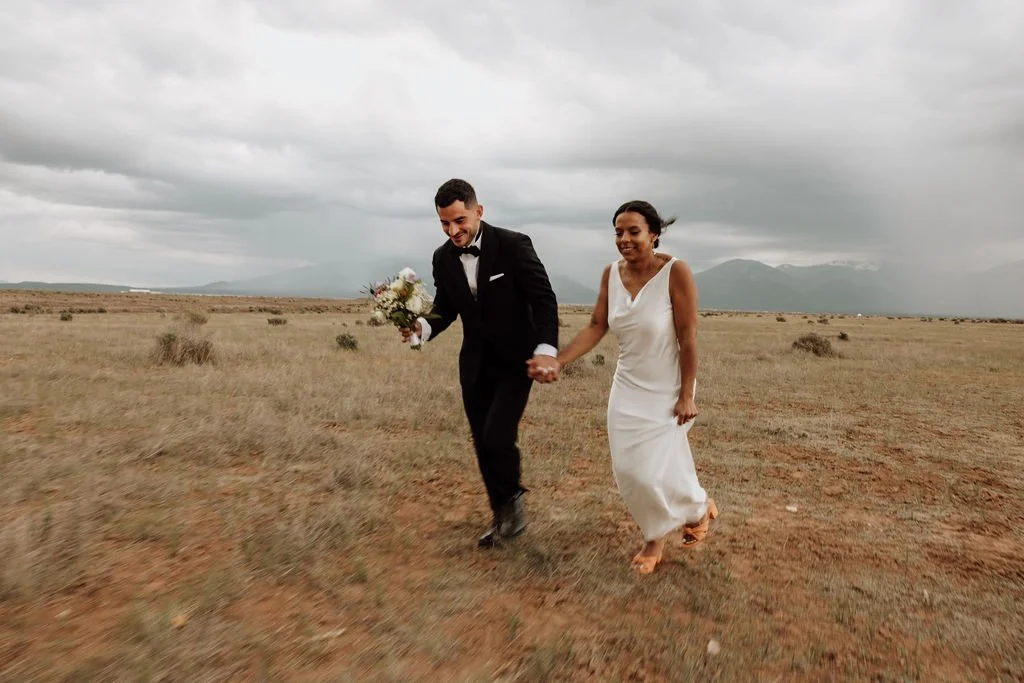
Couples who’ve eloped with us in Utah often ask whether we travel beyond the state. We do — our team also regularly shoots New Mexico weddings and adventure elopements for couples drawn to similarly dramatic Southwestern desert landscapes, which makes us a good fit for multi-location elopements or couples still deciding between states.
Final Thoughts
Kanab offers something increasingly rare for elopement couples: genuine landscape diversity within a short drive, dependable light for most of the year, and a lower-pressure permit environment than nearby national parks. Whether you’re drawn to the quiet intimacy of a slot canyon or the vast, cinematic scale of a sand dune sunset, the location itself does a lot of the storytelling, the right photographer simply has to know how to meet it.
If you’re ready to start planning your own red rock elopement, reach out to Shutterfreek to talk through locations, timing, and permits specific to your vision.
Frequently Asked Questions
-
Most Kanab elopement photography sessions range from $800 for a short, single-location session to $4,000+ for a full-day, multi-location experience with add-ons like drone footage or a second shooter. Permit fees are usually billed separately.
-
Yes, in most cases. Popular canyons like Peek-a-Boo and Spooky require BLM permits due to flash flood safety monitoring, and commercial photography on monument land can require an additional permit even for a two-person elopement.
-
Late spring (March–May) and fall (September–early November) offer the most comfortable temperatures and the softest, most flattering light. Summer heat and winter road closures to remote sites make shoulder seasons the most popular choice.
-
Most couples comfortably fit 2–3 locations into a full-day session when sites are within a 20–30 minute drive of each other, such as pairing Coral Pink Sand Dunes with a slot canyon or the Toadstools trailhead.
-
Yes. Our team coordinates BLM, state park, and monument land permits as part of our elopement planning process, so couples don’t have to navigate the paperwork alone.
Keep reading