How to Plan a New Mexico Elopement
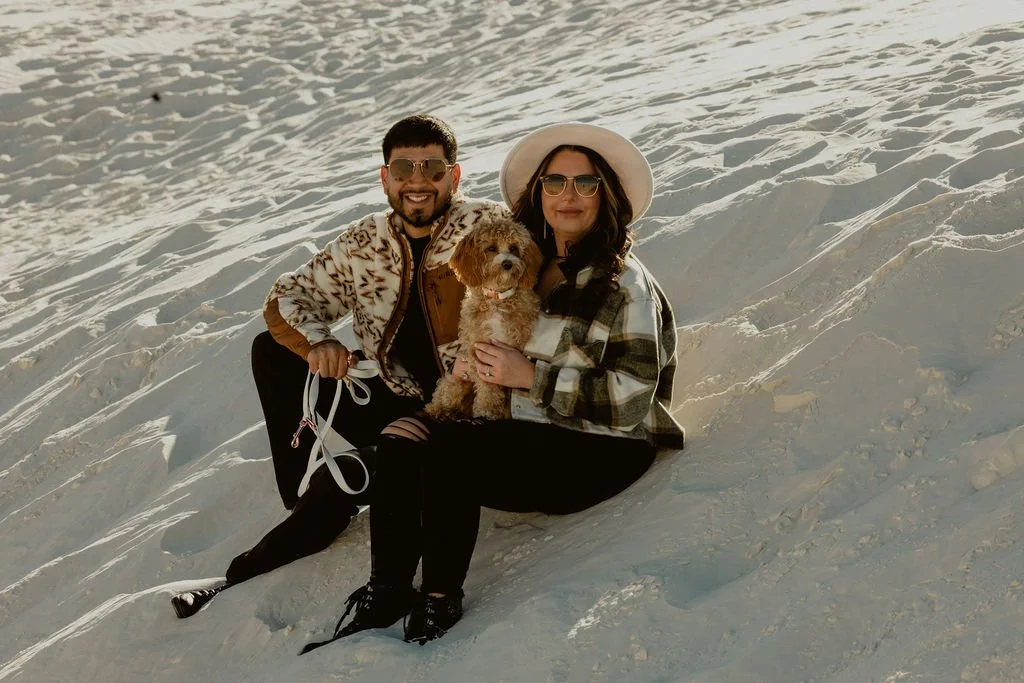
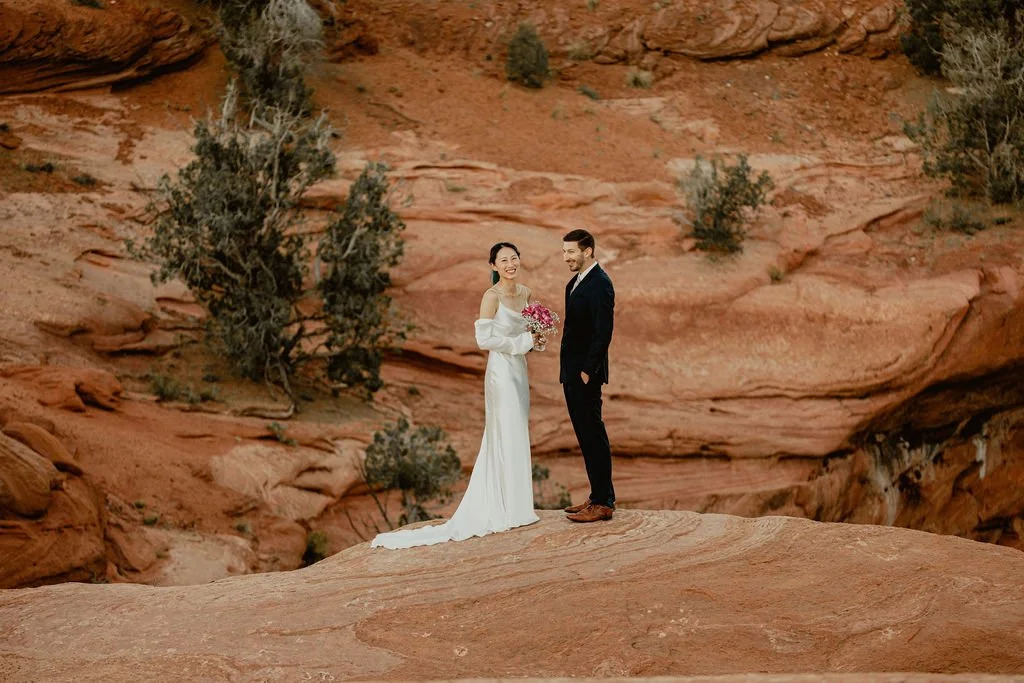
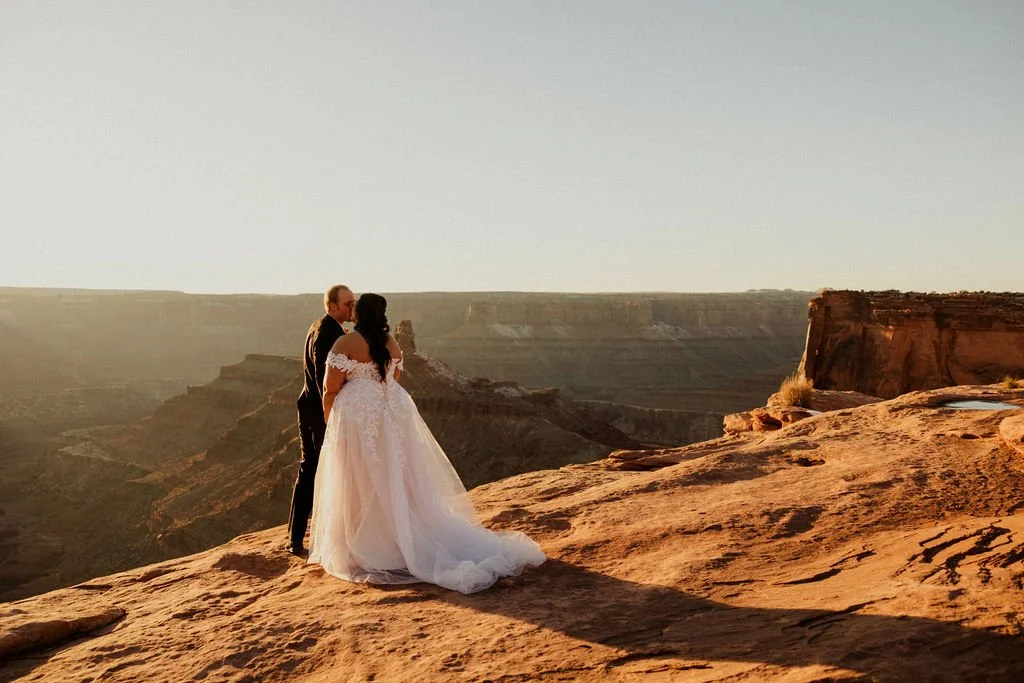
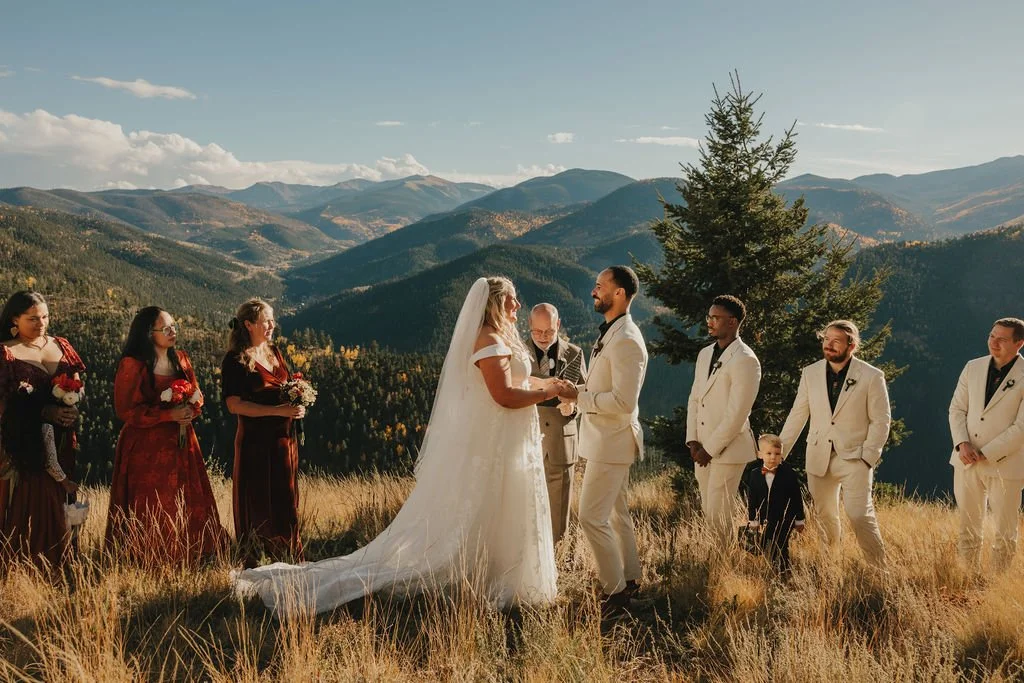
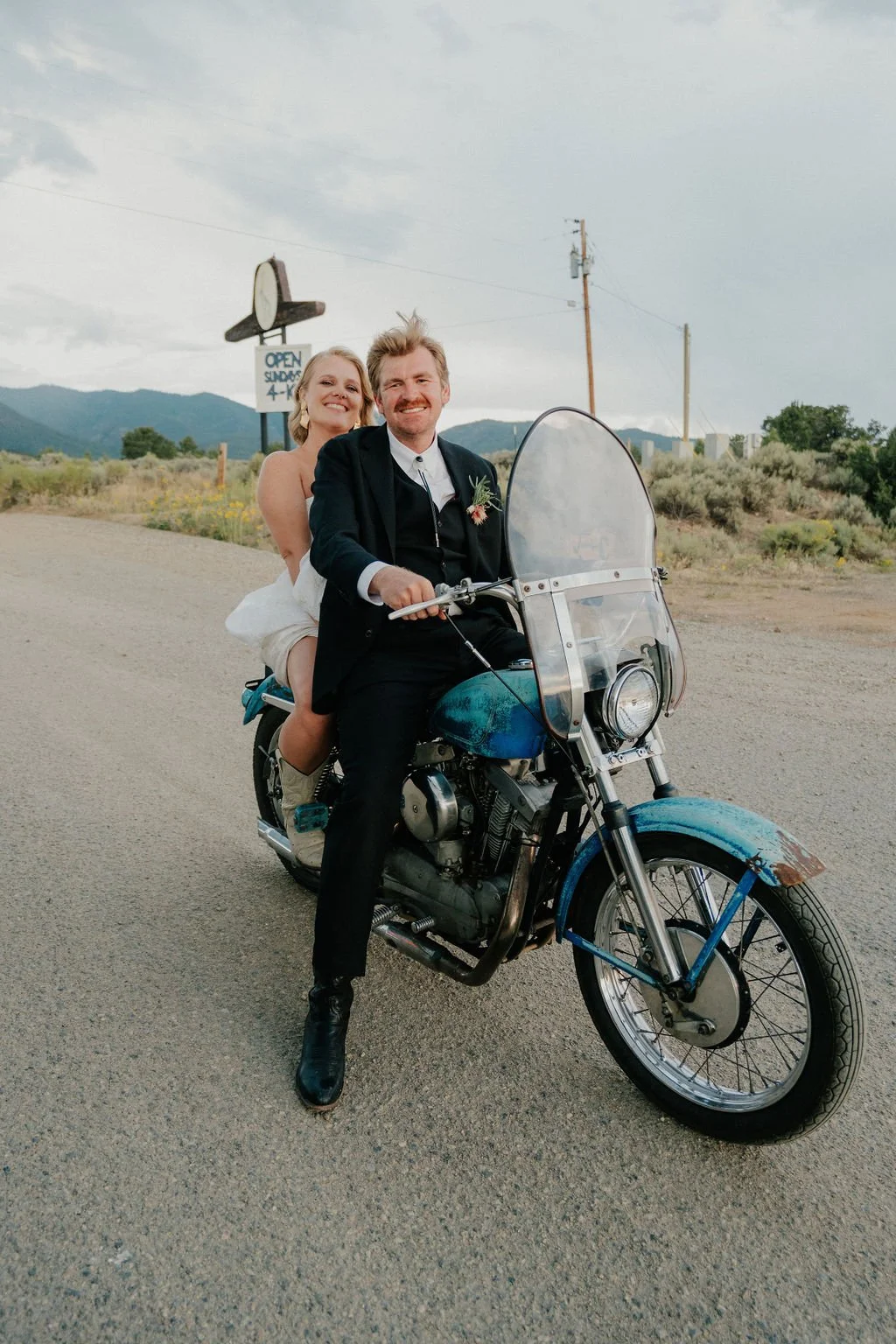
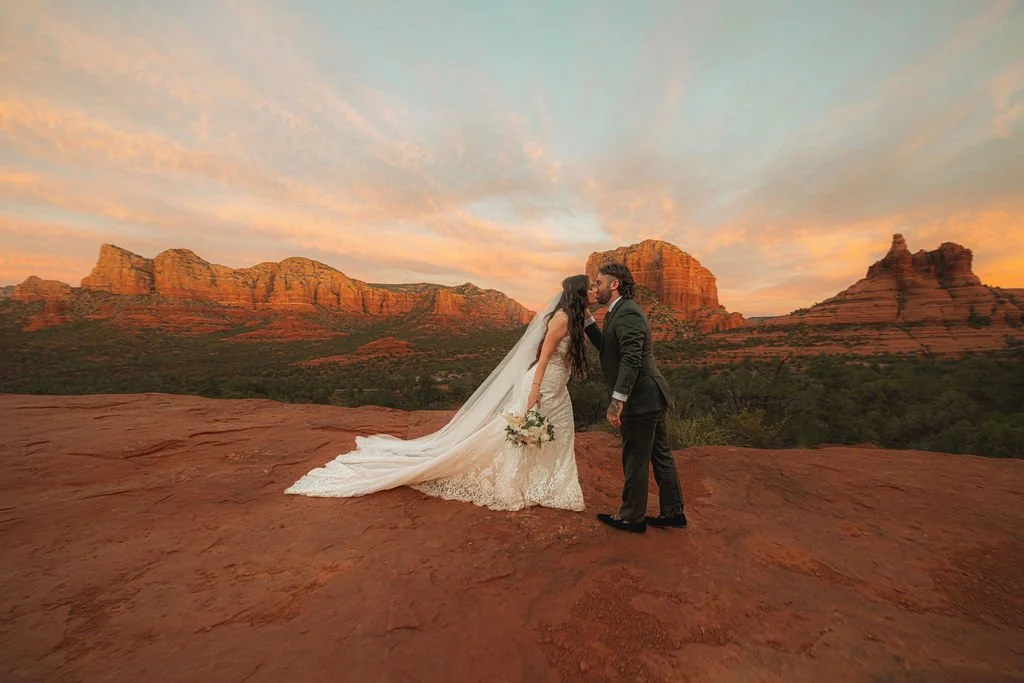
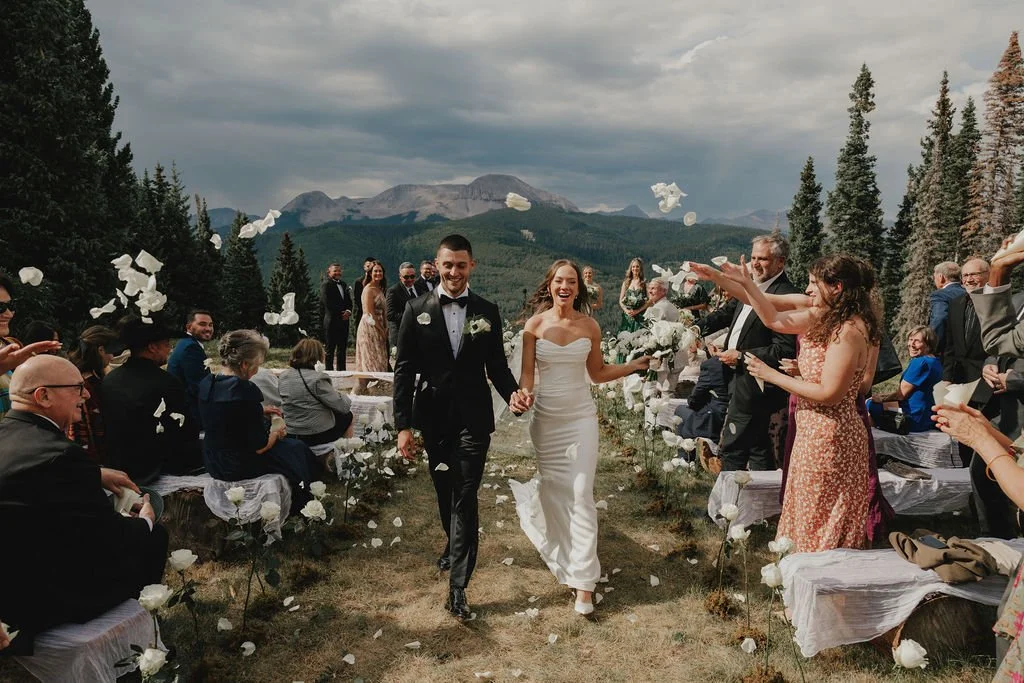
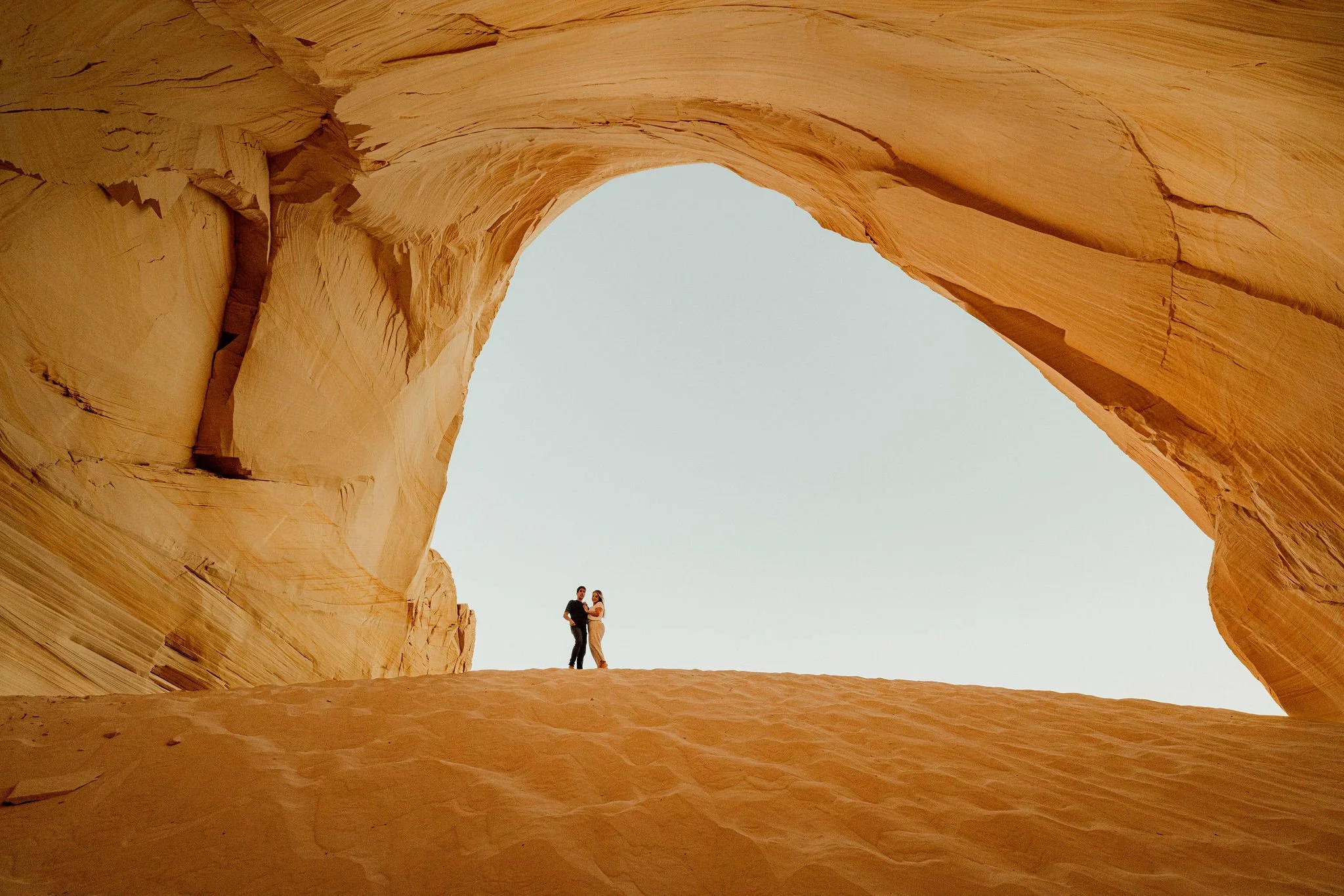
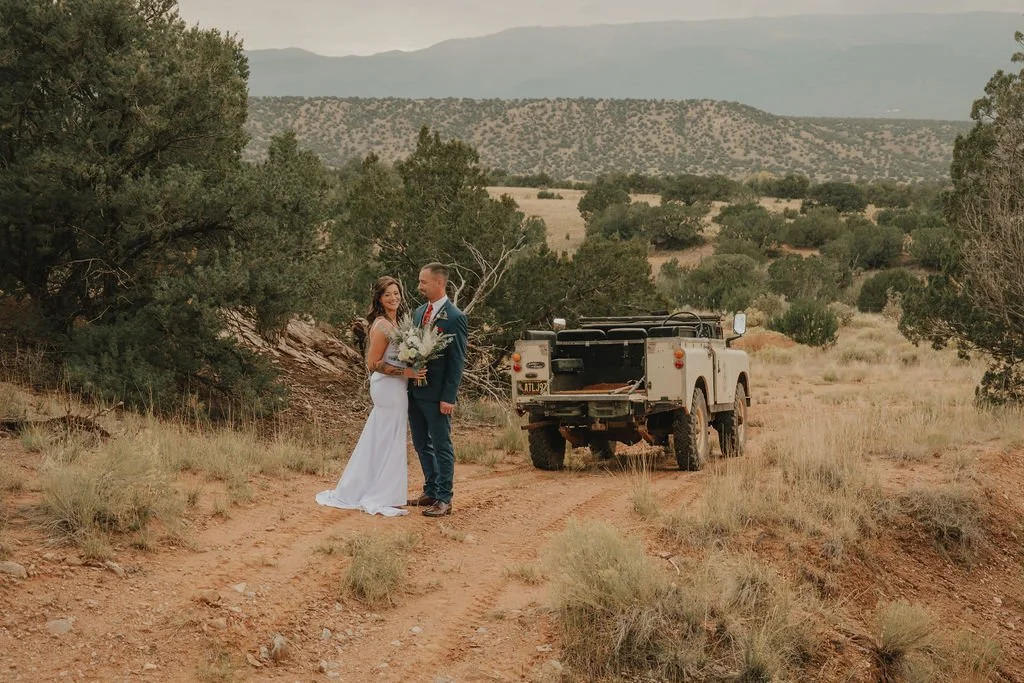
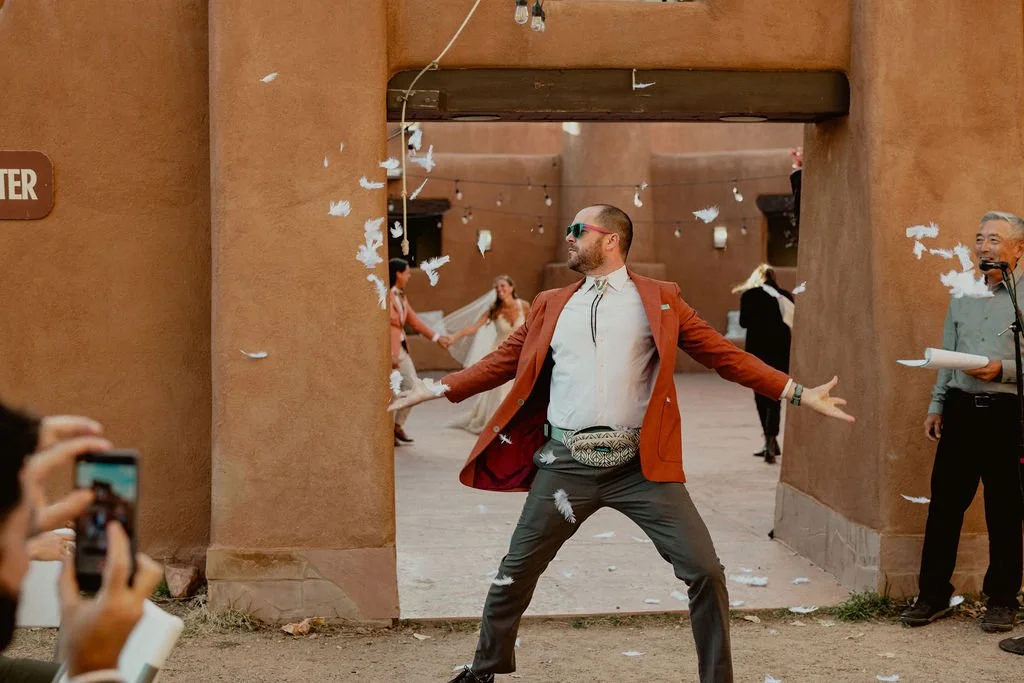
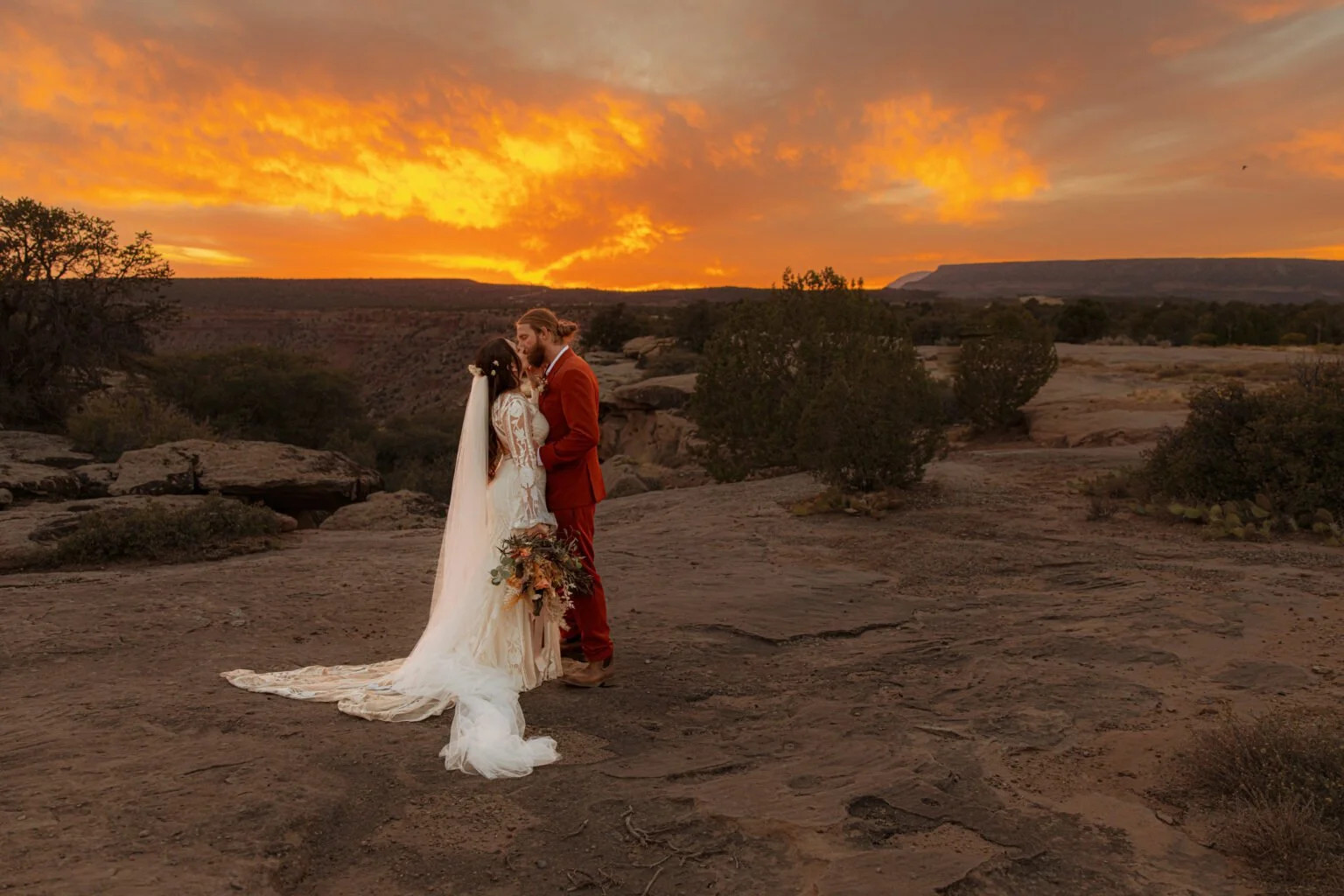
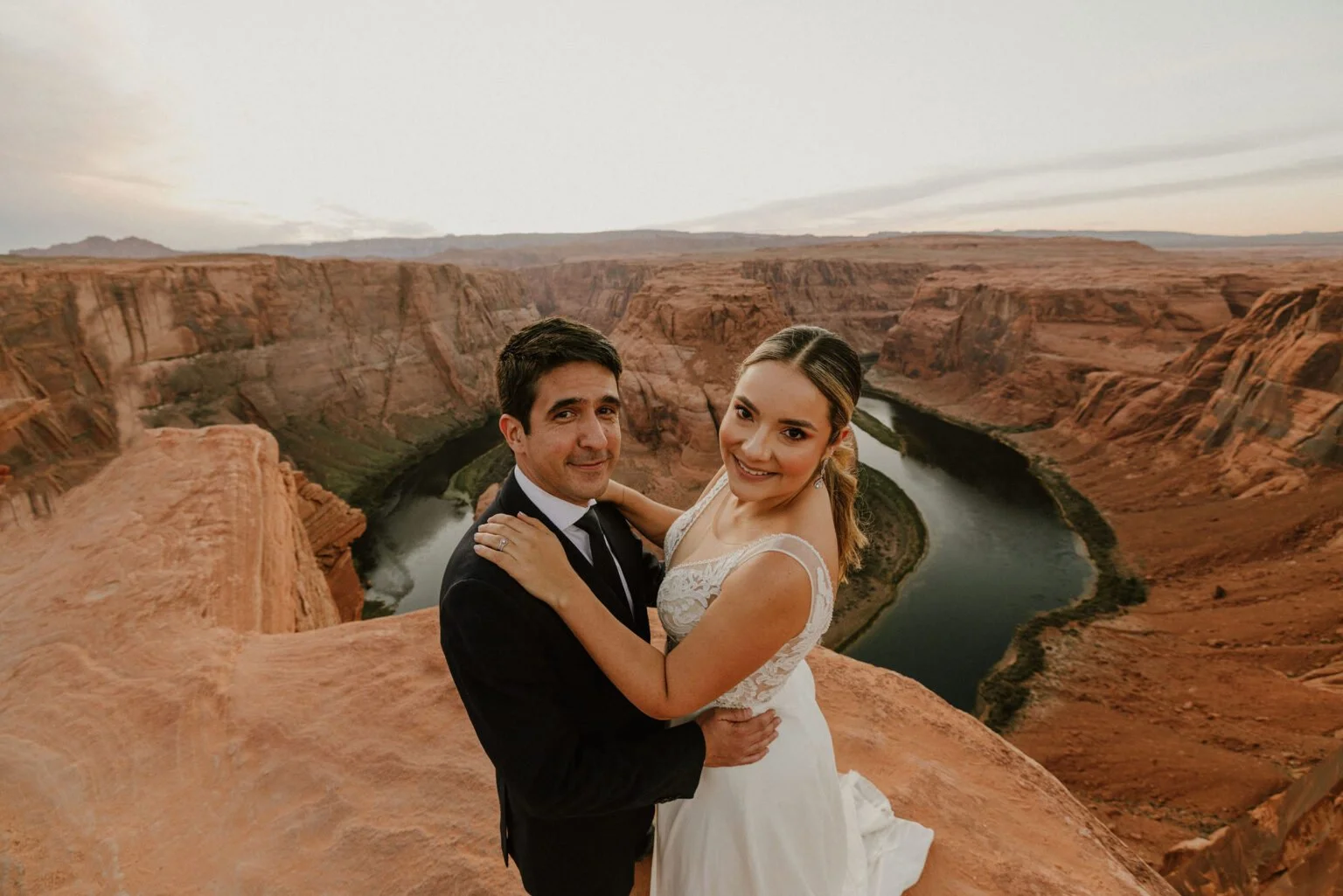
To plan a New Mexico elopement, you need to choose a stunning location (like White Sands, Taos, or the Sandia Mountains), secure a marriage license at least a few days before your ceremony, hire an elopement photographer, and decide on any permits required for your chosen site — and the entire experience can be done intimately, adventurously, and affordably for under $3,000. Whether you're drawn to ochre desert landscapes, ancient adobe architecture, or dramatic southwestern skies, New Mexico is one of the most underrated elopement destinations in the American Southwest.
Why New Mexico Is the Perfect Elopement Destination
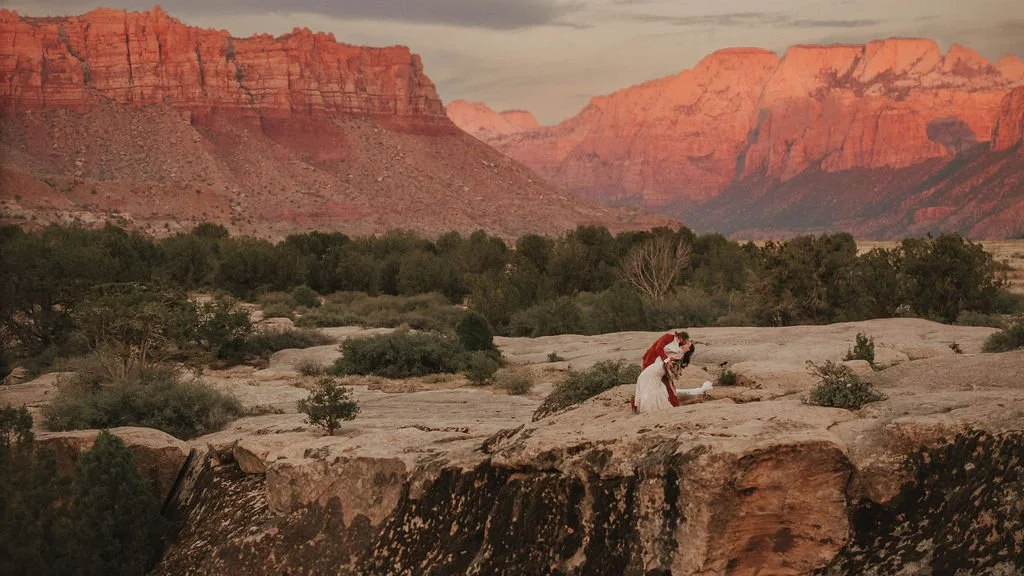
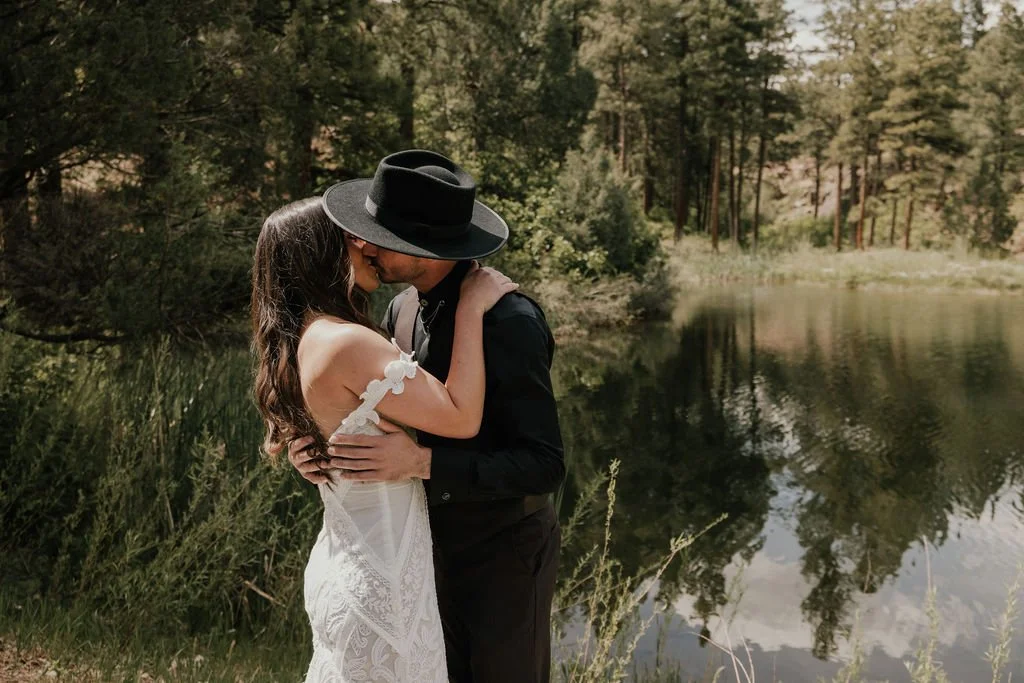
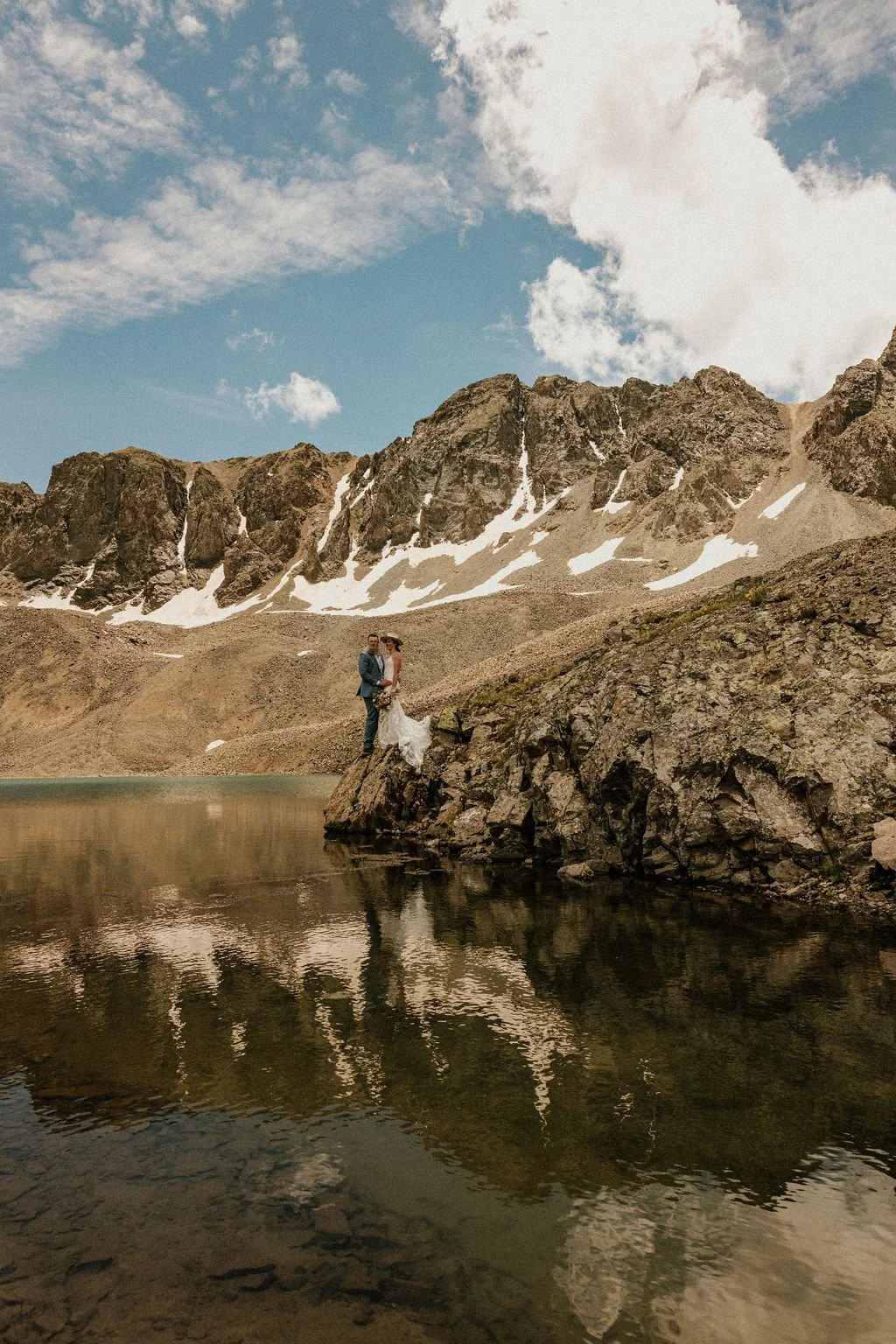
New Mexico doesn't get the same elopement hype as Utah or Colorado, and honestly? That's exactly what makes it magical. You get jaw-dropping landscapes — red rock canyons, white gypsum dunes, turquoise-skied deserts, and high-altitude forests — without the crowds that have taken over more famous destinations.
The Land of Enchantment offers a rare combination of dramatic natural scenery, rich cultural depth, and logistical ease. From the minimalist surrealism of White Sands to the ancient soul of Taos Pueblo, every backdrop tells a story. And unlike some states, New Mexico's marriage license process is refreshingly straightforward, making the legal side of eloping one less thing to stress about.
At Shutterfreek, we've photographed elopements across the Southwest, and New Mexico consistently delivers some of the most breathtaking and emotionally resonant experiences we've ever captured. The light here — particularly at golden hour — is genuinely unlike anywhere else.
Step 1: Get Your New Mexico Marriage License
Before you book anything else, understand the legal requirements. New Mexico keeps it simple.
What you need:
Valid government-issued photo ID (passport or driver's license)
Social Security numbers for both parties
If previously married: divorce decree or death certificate
Where to get it: You apply at any New Mexico County Clerk's office. You do not need to apply in the county where you plan to marry — any county works. There is no waiting period, and the license is valid for 30 days statewide.
Cost: Varies by county, typically $25–$65.
Officiant requirements: New Mexico allows almost anyone to legally officiate a wedding if they're ordained through a recognized online organization (like Universal Life Church). Many elopement photographers are also ordained. You can also self-solemnize in New Mexico, meaning you and your partner can legally marry without an officiant — one of only a handful of states that allows this.
| Requirement | Details |
|---|---|
| Minimum Age | 18 (16–17 with parental consent) |
| Waiting Period | None |
| License Validity | 30 days |
| Where to Apply | Any NM County Clerk's Office |
| Both Parties Present? | Yes |
| Cost (Approximate) | $25–$65 depending on county |
| Witnesses Required | None required for self-solemnization |
| Blood Test Required | No |
| Officiant Needed | No (self-solemnization allowed) |
Step 2: Choose Your New Mexico Elopement Location
This is the fun part — and New Mexico gives you an embarrassment of riches. Here's a breakdown of the most popular elopement environments and what makes each one special.
White Sands National Park
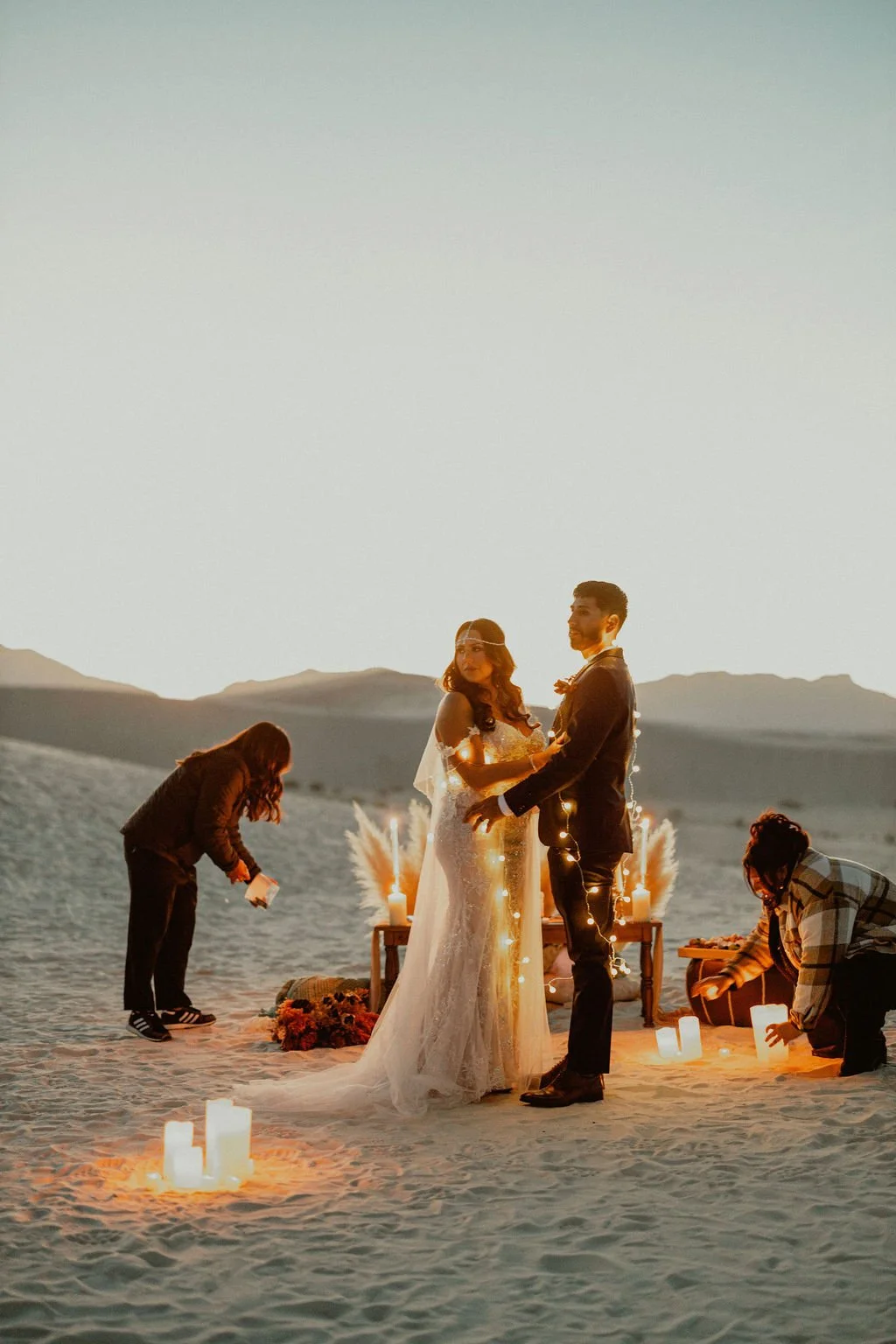
White Sands is otherworldly. Miles of gypsum sand dunes roll across the desert like a frozen ocean — blindingly white, brutally beautiful, and utterly unlike any other place in America. Elopements here work best at sunrise or sunset, when the light turns the white dunes a soft pink and gold.
Permit required: Yes. You'll need a Special Use Permit from the National Park Service for any commercial photography (required if you're working with a photographer). Apply in advance at Recreation.gov.
Best months: October through April (summer heat is extreme and temps can exceed 100°F in the dunes).
Taos and the Taos Mountains
Taos is a high-desert mountain town with deep Pueblo roots, bohemian art culture, and access to stunning alpine terrain. The Rio Grande Gorge Bridge — one of the highest suspension bridges in the US — makes for a dramatic elopement backdrop. The surrounding Carson National Forest offers forest elopements at elevation.
Permit required: Depends on exact location. Rio Grande Gorge Bridge is managed by BLM — no permit needed for personal ceremonies, but a commercial photography permit is needed if working with a photographer.
Sandia Mountains (Albuquerque)
Just east of Albuquerque, the Sandia Mountains offer dramatic terrain within easy reach of city accommodations. The Sandia Peak Tramway takes you to 10,378 feet — a sky-high elopement that requires almost no hiking. Cibola National Forest below offers lush forest backdrops in the summer.
Jemez Mountains and Red Rock Country
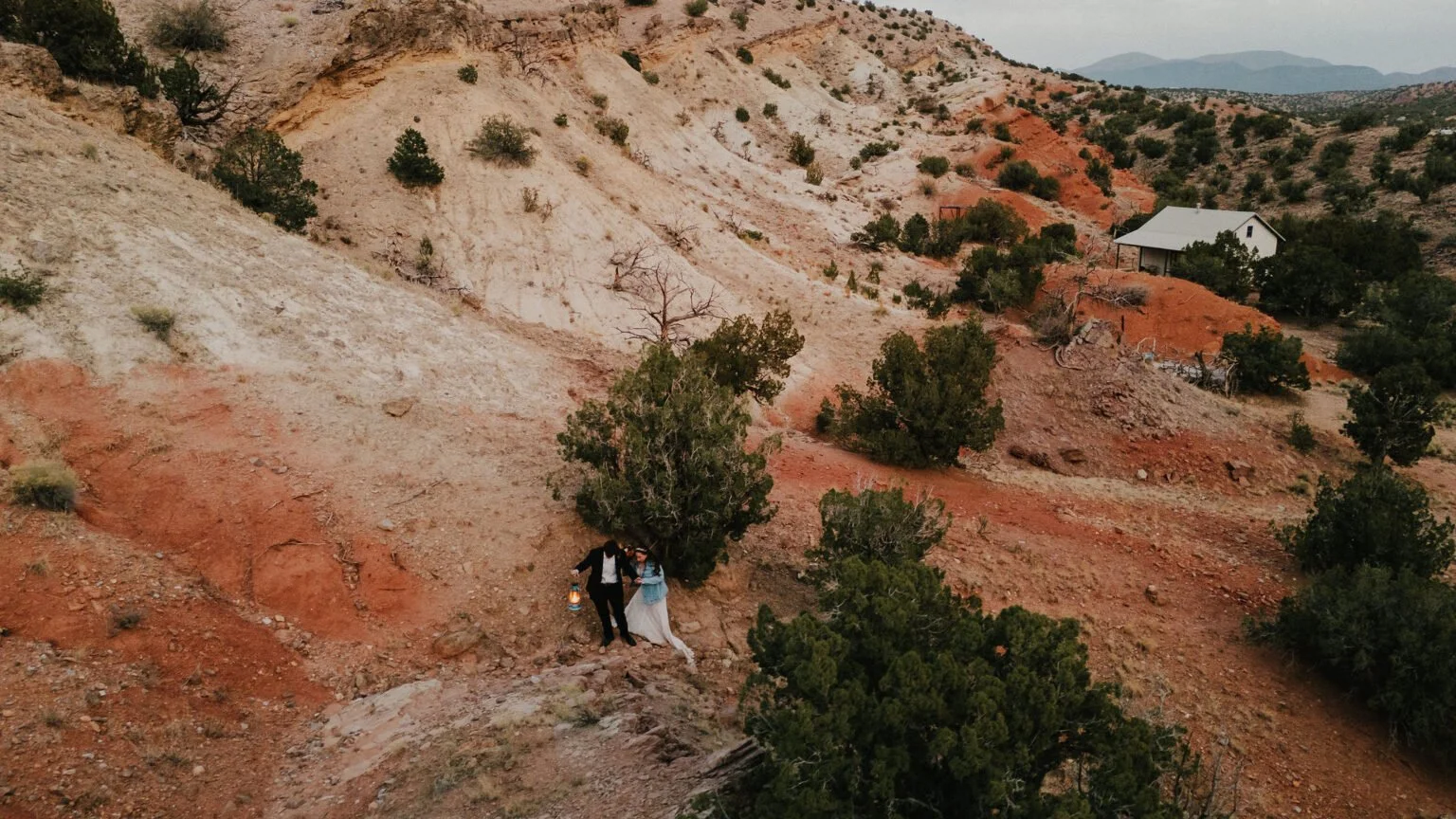
The Jemez Mountains in north-central New Mexico offer volcanic landscapes, hot springs, ancient Puebloan ruins, and red canyon walls. Less visited than White Sands or Taos, this area is ideal for couples who want true solitude. Bandelier National Monument is nearby and stunning.
Old Town Santa Fe
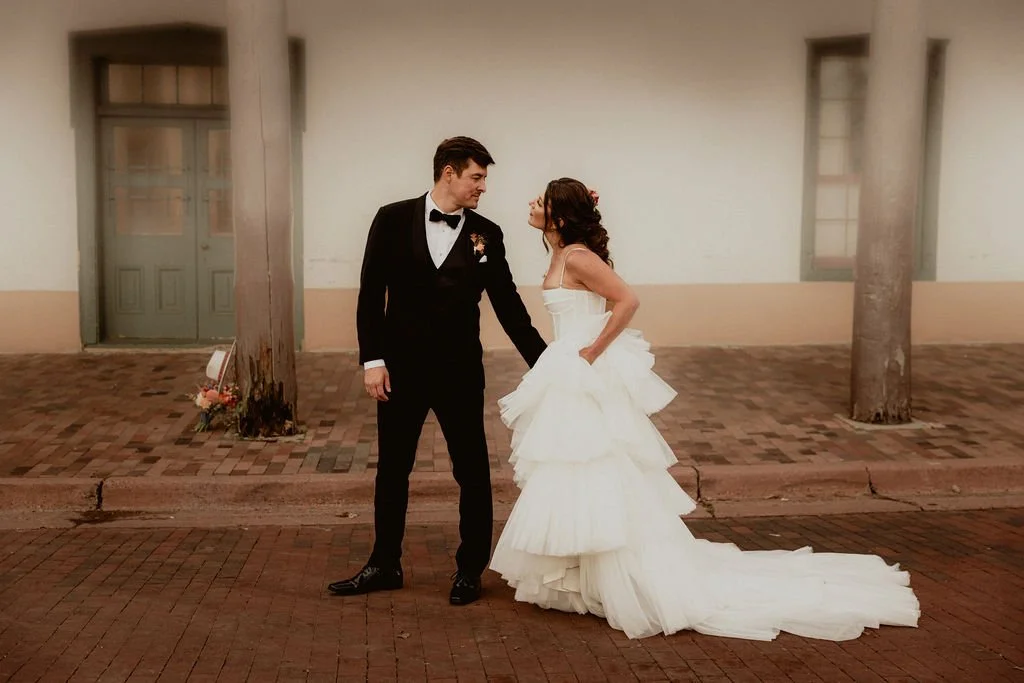
For couples who want culture over wilderness, Santa Fe's adobe architecture, centuries-old plazas, and warm earth tones make it a dreamy urban elopement destination. The Cathedral Basilica of St. Francis of Assisi is a landmark backdrop, and the surrounding hills offer accessibility with scenery.
Step 3: Plan Your Elopement Timeline
One of the biggest mistakes couples make when eloping is underestimating how much time a great elopement experience actually takes. This isn't a courthouse visit — it's your wedding day.
Recommended elopement day structure (8-hour adventure):
Morning: Get ready — Sunrise or early morning prep at your Airbnb or hotel (90 minutes)
Mid-morning: Travel to location — Drive to your site, arrive before golden hour or at a scenic midday window
Late morning to noon: Ceremony + exploration — Vows, ring exchange, and exploring the landscape together (2–3 hours)
Afternoon: Extended portraits — Hike to secondary location for sunset portraits (2 hours)
Evening: Celebration dinner — Reserve a table at a Santa Fe or Taos restaurant to close out the day
Building margin into your timeline matters. Permits sometimes have time windows. Lighting shifts fast. Weather in mountain and desert environments changes quickly. Always plan with buffer time between each segment.
Step 4: Budget Your New Mexico Elopement
One of the biggest draws of eloping is cost — but "cheap" and "meaningful" aren't the same thing. Here's a realistic budget breakdown for a New Mexico elopement.
Table 2: New Mexico Elopement Budget Comparison
| Budget Tier | Total Estimated Cost | What's Included |
|---|---|---|
| Micro Elopement | $800–$1,500 | Self-solemnized ceremony, 2-hour photography session, no florals, DIY attire. |
| Essential Elopement | $1,500–$3,000 | Officiant, 4–6 hour photography coverage, simple florals, marriage license. |
| Full Adventure Elopement | $3,000–$6,000 | Full-day photography, permits, professional hair & makeup, florals, celebratory dinner. |
| Luxury Elopement | $6,000–$12,000+ | Drone coverage, videography, private chef, helicopter access, luxury accommodations. |
Cost breakdown by line item:
Marriage license: $25–$65
Elopement photographer (half day): $1,500–$2,500
Officiant: $150–$500
Hair and makeup: $200–$600
Florals (bridal bouquet): $100–$300
Permit fees (NPS/BLM): $50–$150
Attire: $100–$2,000+
Accommodation: $150–$500/night
New Mexico is one of the more affordable Southwest elopement destinations — travel costs, accommodation, and vendor pricing tend to run lower than comparable experiences in Colorado or California.
Step 5: Hire Your New Mexico Elopement Photographer
Your photos are the one investment from your elopement day that will last a lifetime. Everything else is temporary — the flowers wilt, the food is eaten, the day ends. Your images don't.
When looking for a New Mexico elopement photographer, prioritize:
Experience with the terrain. Desert and high-altitude shooting require specific technical skills — harsh midday light, sand in gear, extreme temperature swings, and the ability to manage permit logistics. Ask your photographer if they've shot at your chosen location before.
A documentary vs. posed approach. The best elopement photography blends intentional portraiture with genuine emotional moments. Ask to see full galleries, not just highlight images.
Permit knowledge. A professional elopement photographer should know exactly which permits are needed at your chosen location and handle (or guide you through) the application process.
Personality fit. You're going to spend 4–8 hours with this person on one of the most significant days of your life. Make sure your energies align.
At Shutterfreek, we specialize in adventure elopements across New Mexico — from the white gypsum dunes of the south to the high-altitude forests of the north. We handle permit logistics, help you build your timeline, and show up ready to capture the real, unfiltered moments that make your elopement irreplaceable.
If you're also considering neighboring states, we also cover Utah elopements, Arizona elopements, and Colorado elopements — each with their own unique visual personality and landscape.
Step 6: Handle Permits and Logistics
Don't skip this step. Shooting on public land — national parks, BLM land, national forests — often requires permits, especially when a professional photographer is involved. Getting caught without one can result in fines and having your session shut down mid-ceremony.
Quick permit guide by location:
White Sands National Park: Commercial photography permit required. Apply via Recreation.gov. Fees apply. Time-window restrictions may apply during busy periods.
Bandelier National Monument: Special Use Permit required for commercial photography.
Rio Grande Gorge (BLM land): Commercial still photography permit required. Apply through the BLM Taos Field Office.
Carson National Forest / Santa Fe National Forest: Special Use Permit may be required for groups or commercial use. Contact the local ranger district.
Private land / ranches: No NPS/BLM permits needed — just the property owner's written permission.
Apply for permits at least 4–6 weeks in advance, especially during peak season (spring and fall). Popular sites like White Sands book up quickly.
Best Time of Year to Elope in New Mexico
New Mexico's climate varies dramatically by region and elevation, so timing matters.
Spring (March–May): Wildflowers begin to bloom in lower elevations. Mild temperatures. Busy season starts in April — book early.
Summer (June–August): Monsoon season begins in July, bringing dramatic afternoon thunderstorms and gorgeous moody skies. Morning shoots are ideal. Avoid White Sands in peak summer heat.
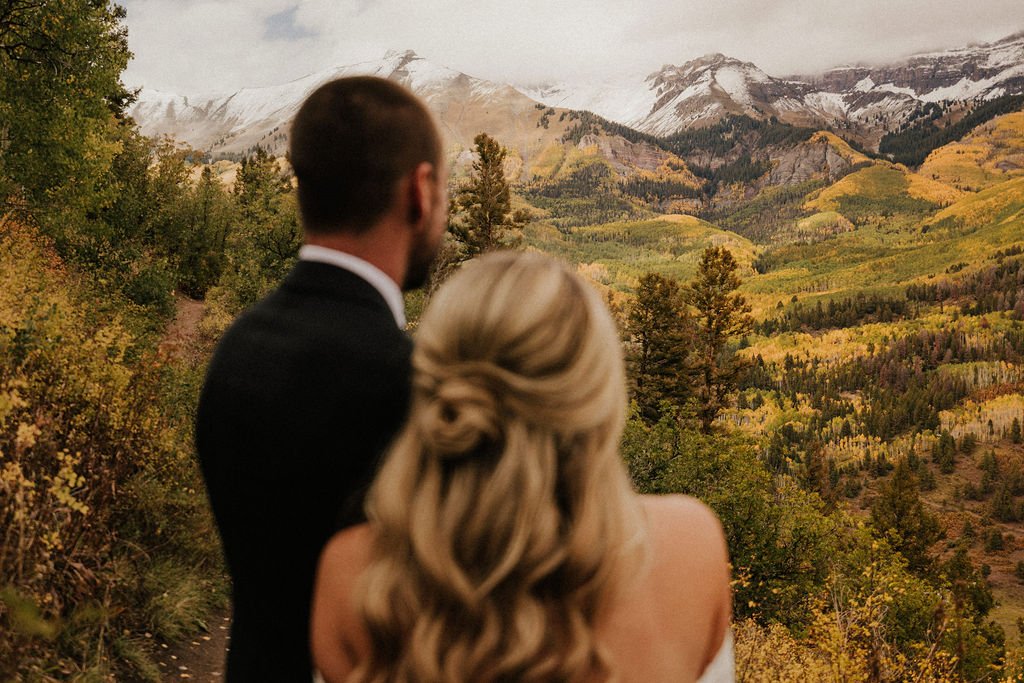
Fall (September–November): The absolute best season. Golden aspens in the mountains, cooler temperatures everywhere, incredible golden-hour light. The most popular time — permits and photographers book out months ahead.
Winter (December–February): Snow in the mountains, empty trails, and stark beauty. White Sands in winter is especially surreal. Cold temperatures require layering, but the lack of crowds is unmatched.
What to Wear for a New Mexico Elopement
Attire depends entirely on your location and vibe, but a few practical considerations apply universally in New Mexico:
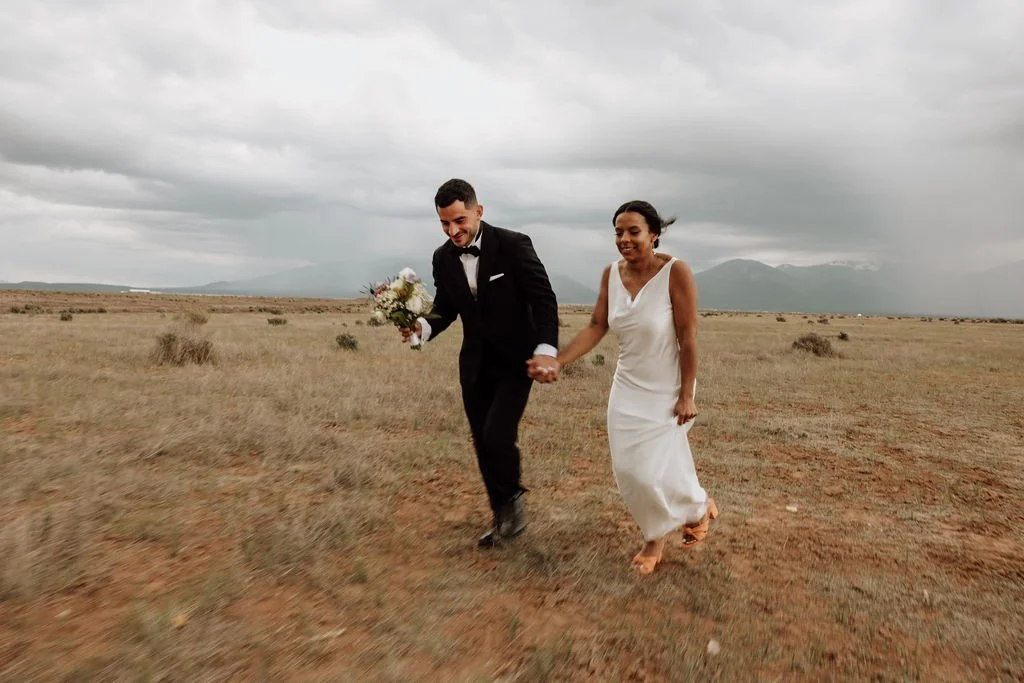
Comfort matters. If you're hiking to your ceremony spot — even a moderate trail — your attire needs to function. Flowy dresses are photographed beautifully in the desert wind. Avoid stilettos in sand or on mountain terrain.
Color palette. Earthy tones (terracotta, sage, cream, dusty rose) photograph stunningly against New Mexico's landscape. Bold colors can also work beautifully against the white dunes or red rock. Avoid all-white in the White Sands if you want to stand out against the backdrop.
Layers. Mountain and desert temperatures swing dramatically between morning and afternoon. A light jacket or wrap can be both functional and photogenic.
Ready to Plan Your New Mexico Elopement?
New Mexico is waiting for you — with its ancient red earth, its wild desert skies, and landscapes that make even the simplest ceremony feel monumental. Whether you envision barefoot vows in the White Sands dunes, a mountain ceremony above Taos, or a cultural celebration in Santa Fe, we're here to help you make it real.
At Shutterfreek, we live for this work. Browse our New Mexico elopement portfolio to see what's possible, or explore our work across the Southwest — including Utah, Arizona, and Colorado. Ready to start planning? Get in touch with Shutterfreek and let's build your perfect elopement day together.
Frequently Asked Questions
-
No. New Mexico has no residency requirement for marriage licenses. Any couple — regardless of where they live or their citizenship — can apply for a New Mexico marriage license at any County Clerk's office.
-
If you're eloping without a commercial photographer, you may not need a commercial photography permit. However, if you're hiring a photographer (which we strongly recommend), a Special Use Permit is required by the National Park Service. Attempting to work around this can result in fines for both you and your photographer.
-
For peak season (fall), plan 6–12 months ahead — especially if you want a specific date, a popular location, and a photographer whose work you love. Off-season elopements can sometimes be planned in 4–8 weeks, but permit timelines still apply.
-
Yes. New Mexico is one of a small number of US states that allows couples to legally marry without an officiant. You simply sign your own marriage license in front of a witness (requirements vary by county — verify with the clerk when you apply).
-
An elopement is typically just the two of you (and your photographer/officiant), focused on the experience and the location. A micro-wedding involves a small guest list — usually under 20 people — with more traditional wedding elements (ceremony setup, catering, etc.). New Mexico accommodates both beautifully, but permit requirements and vendor logistics scale with your guest count.
Keep reading