
Elopement Planning Guide: Everything You Need to Elope in the American West
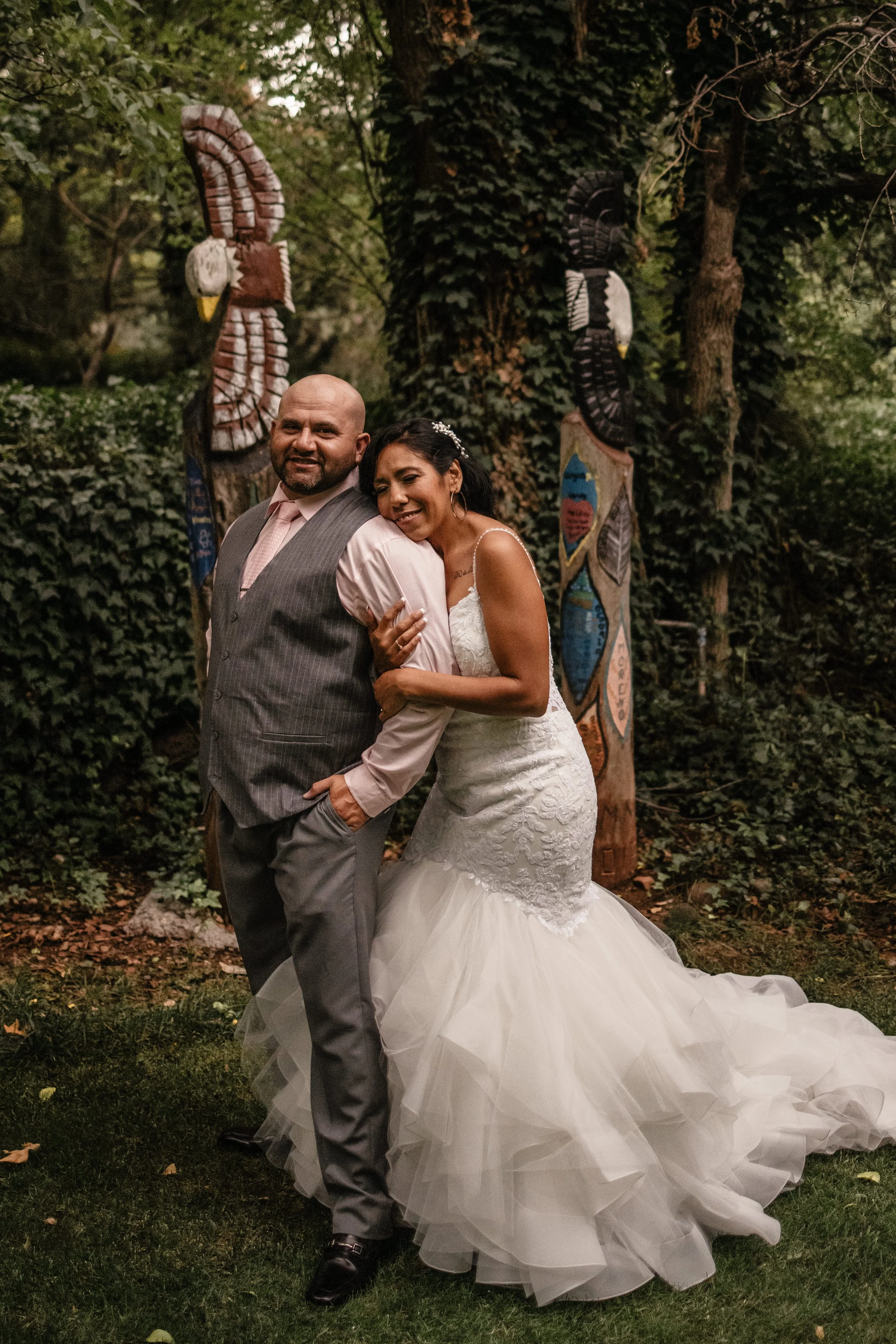
What Is an Elopement Planning Guide?
An elopement planning guide is a step-by-step roadmap that helps couples design an intimate, intentional wedding day — on their own terms, in a location they love, without the stress of a traditional wedding. Simply put: eloping means choosing your love story over social obligation, and planning it thoughtfully so every detail reflects who you are as a couple. At Shutterfreek, we've helped hundreds of couples elope across the American West — from the red rock canyons of Utah to the mountain meadows of Colorado — and this guide covers everything you need to know to start planning your own adventure.
Whether you're drawn to soaring sandstone arches, wildflower-covered alpine ridges, or desert landscapes that feel like another world, the West is one of the most spectacular places on earth to get married. This complete elopement planning guide walks you through every step: choosing your location, understanding permits, setting a budget, building a timeline, and capturing it all with photography that tells your story.
Step 1: Define What Your Elopement Looks Like
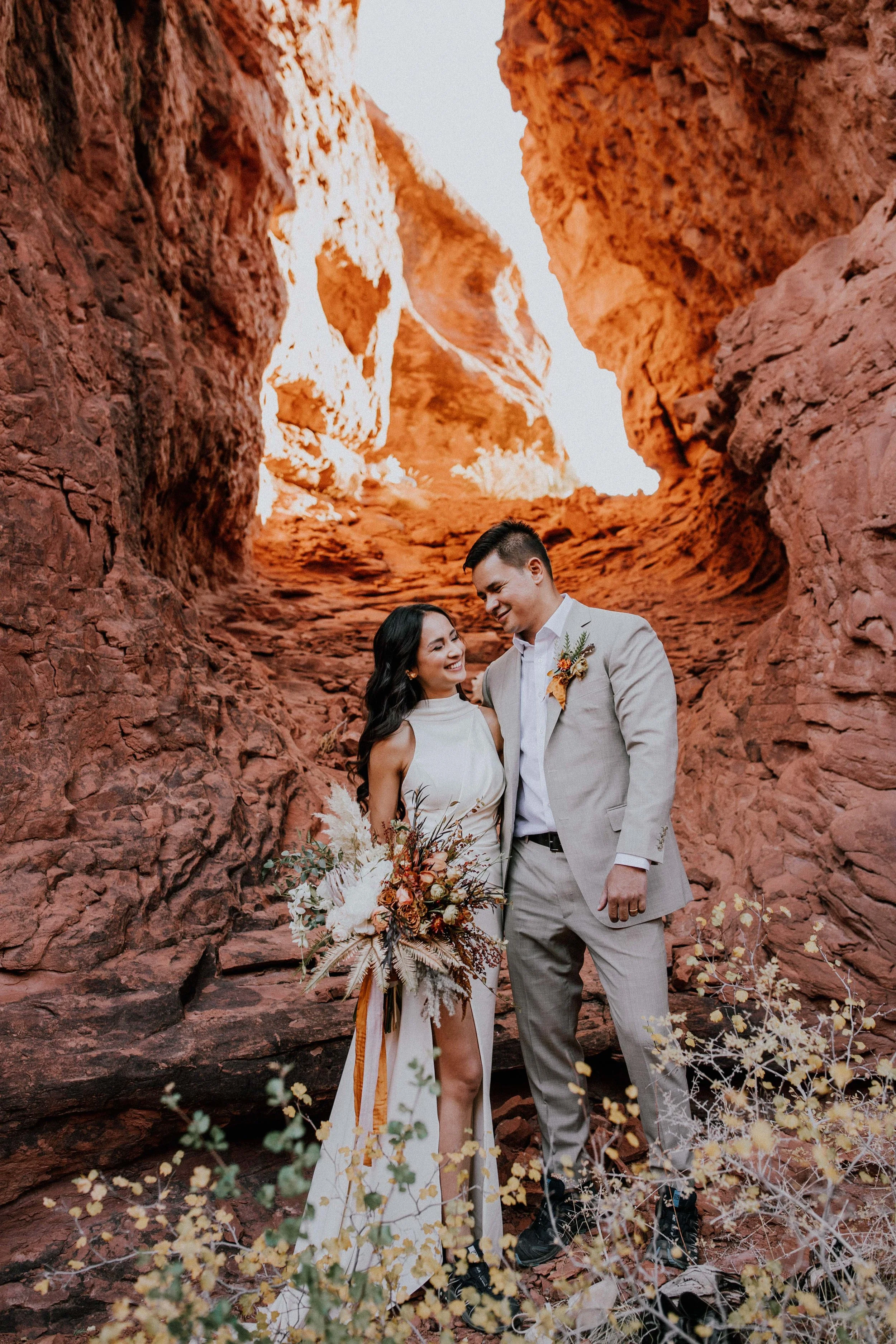
Before you book anything, sit down together and dream. There are no rules when it comes to eloping — that's the whole point. Ask yourselves:
Do we want it to be just the two of us, or invite a small circle of family and friends?
Do we want a sunrise ceremony on a mountain summit or a golden-hour moment in the desert?
Is adventure — hiking, climbing, exploring — part of the day?
Do we want to get legally married on the same day as our ceremony, or separate the two?
Your answers will shape every other decision you make. An elopement is an intentional celebration — not a scaled-down wedding, but a completely different kind of day built from scratch around your relationship.
Shutterfreek Tip: Start a shared Pinterest board and save images that give you the feeling you want. This helps your photographer understand your vision before your first call.
Step 2: Choose Your Elopement Location
Location is everything. The American West offers some of the most jaw-dropping backdrops in the world for an elopement — and Shutterfreek specializes in exactly these wild, wide-open spaces. Here's a quick overview of our most popular regions:
Utah — Home to five national parks, Utah is an elopement paradise. Think slot canyons, towering sandstone arches, and fiery sunsets over red rock terrain. Arches, Zion, Capitol Reef, Canyonlands, and Bryce Canyon are all within reach.
Colorado — From the Rocky Mountains to alpine lakes and meadows bursting with wildflowers in summer, Colorado offers a lush, dramatic contrast to the desert Southwest. Self-solemnization is also legal here, meaning no officiant is required.
Arizona — Sedona's red rocks, Antelope Canyon's light beams, and the Sonoran Desert's saguaro forests make Arizona one of the most visually diverse elopement destinations in the country. Best visited October through April.
New Mexico — Often overlooked but absolutely stunning, New Mexico offers White Sands National Park (one of the most unique landscapes on earth), the Jemez Mountains, and beautiful high desert terrain with incredible light year-round.
Not sure which region calls to you? Browse all of Shutterfreek's elopements to see our full portfolio of real couples in real locations across the West.
Popular Western Elopement Destinations at a Glance
| Destination | Best Season | Permit Required? | Vibe / Terrain |
|---|---|---|---|
| Utah (Arches, Zion, Bryce) | Spring & Fall | Yes — NPS permit | Red rock canyons, arches, dramatic desert |
| Colorado (Rocky Mountain NP) | Summer & Fall | Yes — NPS permit | Alpine peaks, wildflower meadows, forests |
| Arizona (Antelope Canyon, Sedona) | Oct – Apr | Yes — Tribal / NPS | Slot canyons, red rock, desert blooms |
| New Mexico (White Sands, Jemez) | Spring & Fall | Varies by location | White sand dunes, mountain forests, pueblos |
| Pacific Northwest | Summer | Varies | Lush forests, ocean cliffs, volcanic peaks |
Table 1: Quick comparison of top Western elopement destinations.
Step 3: Set Your Elopement Budget
One of the biggest misconceptions about eloping is that it's automatically cheap. Elopements can be affordable — but they don't have to be. The difference is where your money goes. Instead of spending on a 200-person dinner, floral centerpices, and a ballroom rental, you're investing in experience: a stunning location, exceptional photography, and memories that will last a lifetime.
Here's a realistic breakdown of what a typical elopement budget looks like in the American West:
Photography: $3,000 – $6,000+ (your most important investment)
Travel & accommodations: $500 – $3,000 depending on distance and lodging
Elopement/national park permit fees: $15 – $500 depending on location
Officiant (if needed): $200 – $600
Attire: $300 – $3,000+
Hair & makeup artist: $200 – $600
Flowers / personal bouquet: $100 – $400
Celebratory dinner or experience: $100 – $500
Total range: most elopements in the West run between $5,000 and $15,000 — a fraction of the average U.S. wedding cost of over $30,000.
| Factor | Elopement | Traditional Wedding |
|---|---|---|
| Average Cost | $2,000 – $10,000 | $30,000 – $40,000+ |
| Guest Count | 0 – 20 guests | 100 – 250+ guests |
| Planning Time | 3 – 9 months | 12 – 18+ months |
| Location Flexibility | Anywhere (national parks, mountains, deserts) | Typically limited to venues |
| Stress Level | Low — focused on the couple | High — managing vendors & guests |
| Photography Focus | Intimate, editorial, adventure-driven | Formal, group-focused |
| Vendor Count | 2 – 5 vendors | 10 – 20+ vendors |
Table 2: Key differences between eloping and a traditional wedding.
Step 4: Book Your Elopement Photographer First
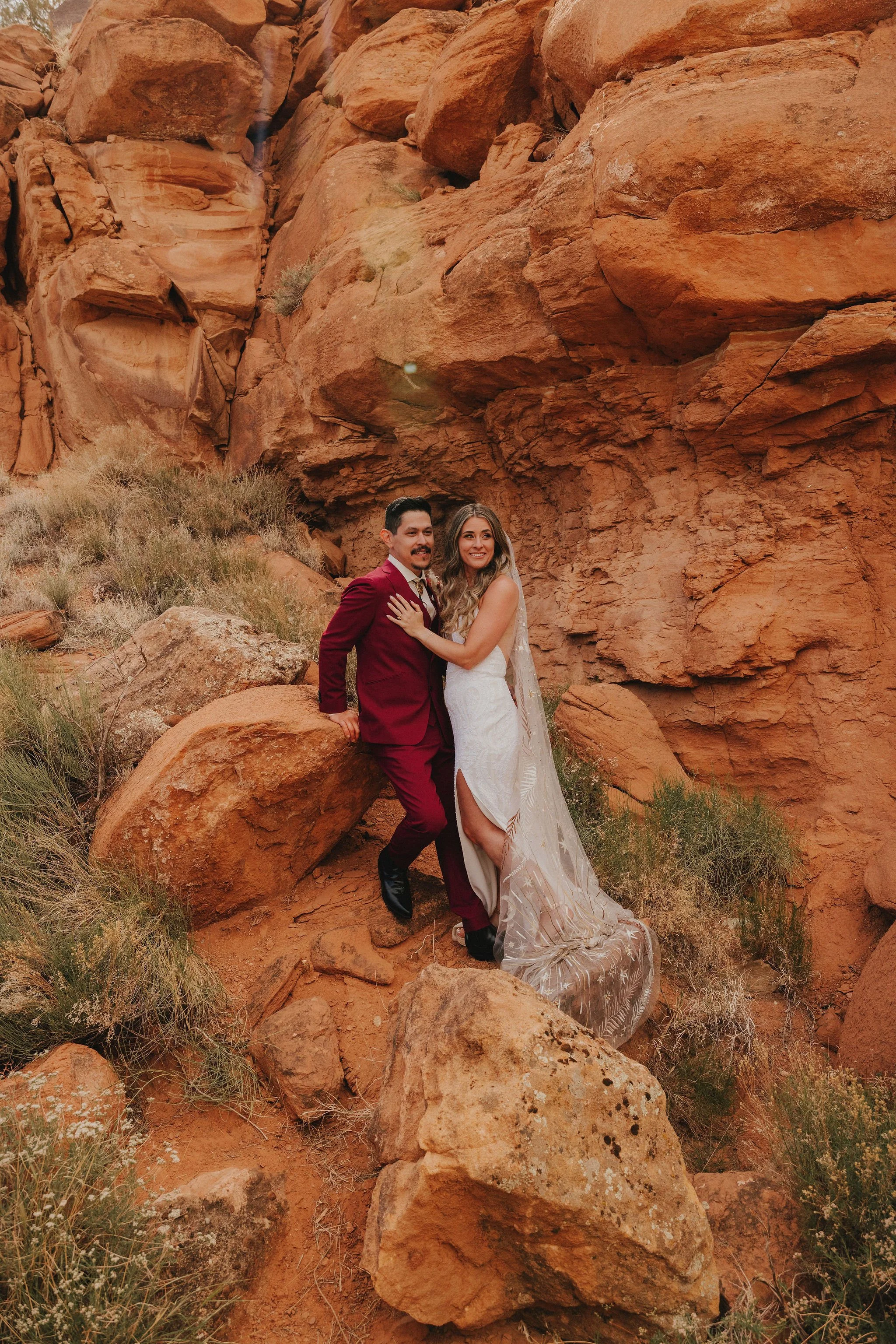
If there's one thing every experienced elopement planner will tell you, it's this: book your photographer before everything else. Your photos are the one tangible thing you'll have from your elopement day forever. Good dates and dream locations fill up fast, and the best elopement photographers — those who understand adventure, light, and location — are often booked 9 to 18 months in advance.
When choosing an elopement photographer, look for:
A portfolio that matches your vision (adventure, fine art, editorial, documentary)
Experience in your specific locations — national parks, desert terrain, alpine environments
Willingness to hike, wake up before sunrise, or explore off-trail
Familiarity with local permit requirements and park regulations
Strong communication and a personality you click with — they'll be with you all day!
At Shutterfreek, we're not just photographers — we're elopement guides. We know these landscapes intimately, understand the light, and help our couples plan every detail of the day so you can be fully present in the moment.
Step 5: Understand Elopement Permits
Most public lands in the American West — national parks, national monuments, Bureau of Land Management (BLM) areas, and state parks — require a permit for wedding and elopement ceremonies. This is one area where working with an experienced local photographer pays off enormously.
Here's what you generally need to know:
National Park Service (NPS) permits are required for most ceremony locations inside park boundaries. Fees range from $50 to $500 and must be applied for in advance.
BLM and National Forest land often has fewer restrictions and lower costs.
Some tribal lands (like Antelope Canyon in Arizona) require booking through an authorized Navajo tour operator.
Permits are often location-specific — you'll designate an exact spot for your ceremony.
Peak season permits (spring and fall) can sell out months in advance.
Shutterfreek Tip: Always have a backup location scouted. Weather, permit availability, and trail closures can all affect your plans — a good photographer will have alternatives ready.
Step 6: Plan Your Elopement Day Timeline
A well-thought-out timeline is the backbone of a smooth elopement day. Unlike a traditional wedding with a rigid schedule of events, your elopement timeline should be built around light, location, and your own energy.
A sample elopement day timeline might look like:
4:30 AM — Wake up, get ready (hair, makeup, attire)
6:00 AM — Arrive at trailhead for sunrise hike
7:15 AM — Reach ceremony location just as golden hour begins
7:30 AM — Ceremony, vows, rings, first kiss
8:00 AM – 10:00 AM — Portrait session exploring the surrounding landscape
10:30 AM — Celebratory brunch or breakfast in a nearby town
Afternoon — Rest, explore, begin your honeymoon chapter
Your photographer will help you build a timeline that maximizes the best light and gives you plenty of room to breathe and be present. There's no rush — this is your day.
Step 7: Handle the Legal Details
Getting legally married during your elopement involves a few practical steps, but none of them need to be complicated:
Apply for your marriage license in the county where you'll be legally married. Most counties require you to appear in person at least 3 days before your ceremony.
Check whether the state requires an officiant or allows self-solemnization. Colorado, for example, allows couples to legally marry without an officiant — just the two of you!
Confirm witness requirements. Some states require one or two witnesses; others require none.
File your signed marriage license with the county clerk after your ceremony to receive your official marriage certificate.
Pro tip: If the legal logistics feel like they'd disrupt your elopement day, you can always separate the legal ceremony from your elopement celebration. Many couples sign their license at a courthouse a few days before or after their adventure elopement, keeping the day itself purely focused on their vows and experience.
Step 8: Final Prep — Attire, Details & the Day Before
The final weeks before your elopement are all about tying up loose ends so you can arrive fully relaxed and present:
Break in your shoes if you're hiking — especially in formal footwear
Do a trial run of your hair and makeup if using a stylist
Pack your bags the night before: license, rings, vows, any personal items
Check the weather forecast and communicate with your photographer about any adjustments
Write your vows — even just a few sentences from the heart make the moment unforgettable
Get a good night's sleep. Seriously.
Shutterfreek Tip: Don't stress about the small stuff on the day itself. Whatever happens — weather, a wrong turn, unexpected mud — it becomes part of your story. The best elopement moments are often the unplanned ones.
Ready to Start Planning Your Elopement?
Your elopement is one of the most meaningful days of your life — and it deserves to be planned with the same care and intention you're putting into your relationship. Whether you're dreaming of Utah's canyon country, Colorado's mountain peaks, Arizona's red rock magic, or New Mexico's surreal white dunes, Shutterfreek is here to help you every step of the way.
Frequently Asked Questions
-
Most elopements in popular Western destinations benefit from 6 to 12 months of planning. This gives you enough lead time to secure your photographer (who books out fast), apply for permits at popular locations like Zion or Arches, and handle travel logistics without stress. That said, some couples plan beautiful elopements in just 6 to 8 weeks — especially for more flexible, off-the-beaten-path locations.
-
Absolutely. Modern elopements have no strict guest limit — though most couples keep it intimate, typically between 0 and 20 guests. The defining factor isn't guest count; it's intentionality. You're crafting the day around your relationship, not around the expectations of a large crowd. Some couples invite immediate family; others elope with just their dog. Both are perfect.
-
Yes, in most cases. The National Park Service requires a Special Use Permit for elopements and weddings held within park boundaries. Fees and availability vary by park and season. BLM land and National Forest areas often have fewer restrictions and are a great alternative if NPS permits are unavailable or sold out. Your elopement photographer can help navigate this — it's part of what we do at Shutterfreek.
-
There's no single 'best' — it depends on your aesthetic, the season, and how much adventure you want. Utah is unmatched for dramatic red rock scenery. Colorado wins for alpine and wildflower landscapes. Arizona shines in the cooler months with its unique desert terrain. New Mexico offers something truly otherworldly with White Sands. Browse Shutterfreek's elopements portfolio to find the vibe that feels most like you.
-
Elopement photography in the American West typically ranges from $3,000 to $6,000 or more, depending on coverage time, location, travel requirements, and the photographer's experience. At Shutterfreek, we offer packages designed specifically for adventure elopements — including full-day coverage so you never feel rushed. Your photos are an investment in the one artifact from your day that lasts forever. It's worth it.
