Destination Weddings Guide: Everything You Need to Plan Your Dream Wedding Away From Home
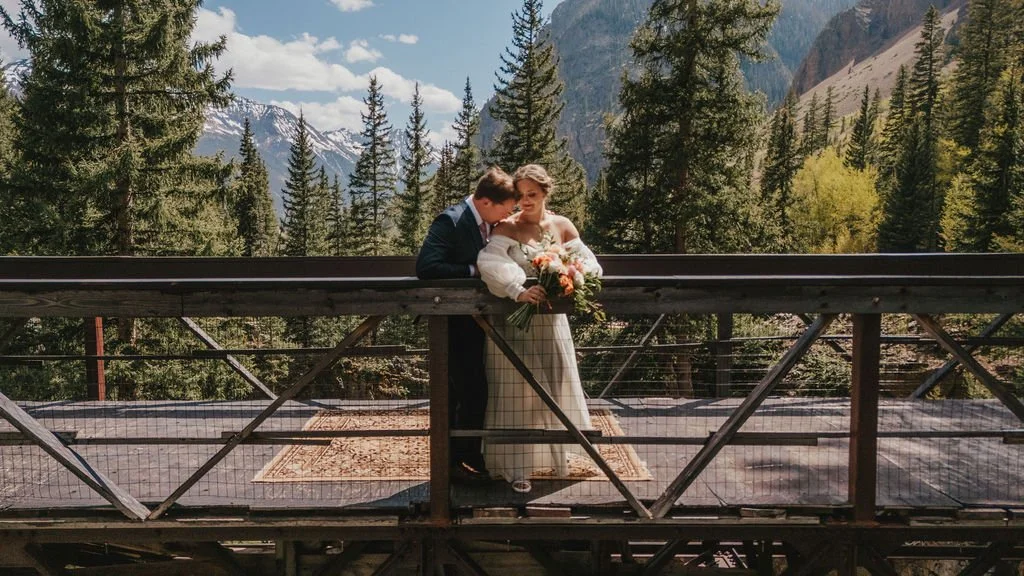
A destination wedding is a wedding ceremony and celebration held at a location away from the couple's hometown — often in a scenic, meaningful, or dream setting such as a national park, mountain range, beachfront, or foreign countryside. In this destination weddings guide, you will find everything you need to confidently plan, budget, coordinate, and photograph your wedding in virtually any location in the world, whether that is an intimate elopement in the American Southwest or a grand celebration in the rolling hills of Tuscany.
Destination weddings have surged in popularity for good reason. They naturally keep guest lists intimate, create a built-in vacation experience, and allow couples to center their wedding around a place that genuinely means something to them rather than defaulting to a generic ballroom. At Shutterfreek, we have captured destination weddings and adventure elopements across Utah, Colorado, Arizona, New Mexico, and beyond, and this guide distills everything we have learned alongside the couples we have worked with.
What Is a Destination Wedding? (And Is It Right for You?)
A destination wedding is any wedding where the majority of guests travel to attend. That threshold is typically defined as more than 50 miles from the couple's home, though many destination weddings take place in entirely different states or countries. The key defining feature is that the location itself becomes an intentional, central part of the wedding experience.
The appeal of a destination wedding goes far beyond aesthetics. Couples who choose this path often cite the following reasons:
Smaller, more intentional guest lists — only the people who truly matter make the journey
Built-in pre-wedding weekend with guests who arrive early for activities and bonding
Access to landscapes and venues that simply do not exist back home
Lower per-head cost when compared to large traditional weddings
A wedding that doubles as a honeymoon or extended romantic trip
That said, destination weddings are not for everyone. They require more logistics, longer planning timelines, and the understanding that some loved ones may not be able to travel. If you are comfortable with a smaller gathering in exchange for an unforgettable setting, a destination wedding is likely an excellent fit.
If you are considering skipping the ceremony entirely and going just the two of you, explore our guide to elopements — a deeply personal alternative that shares a lot of DNA with destination weddings.
How to Choose the Right Destination Wedding Location
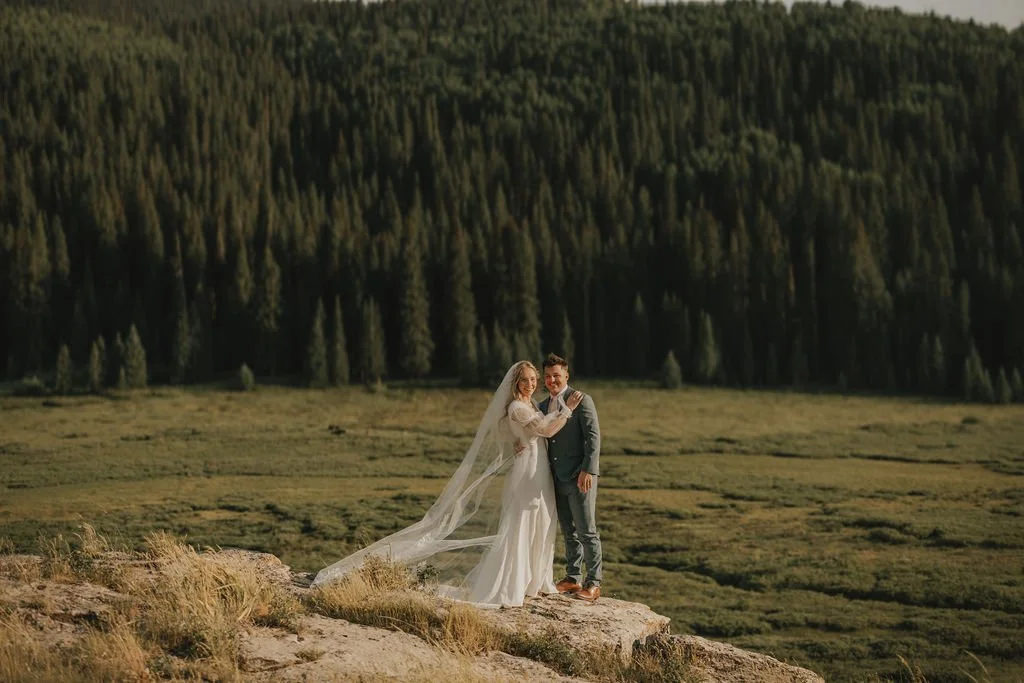
Choosing your destination is the most consequential decision in this entire process. It shapes your photography, your guest experience, your legal requirements, and your budget. Here is a framework for narrowing it down.
Consider the Season and Weather
Every destination has a sweet spot. Coastal destinations can be gorgeous but are vulnerable to hurricanes in late summer. Mountain locations offer breathtaking backdrops but snowstorms can roll in quickly at elevation. Desert settings in states like Arizona and New Mexico offer stunning light and dramatic landscapes, but midsummer heat can be extreme. The best destination wedding photographers will advise you on golden hour timing and which months produce the most reliable light and conditions for your specific location.
Legal Requirements by Location
Before you fall in love with a venue, verify the marriage license requirements. Requirements vary enormously — some countries require you to be a resident for a certain number of days before the ceremony, while others have straightforward tourist marriage processes. In the United States, national parks and federal lands require special use permits that must often be applied for months in advance and may restrict group size, vendor access, and ceremony timing.
Top US Destination Wedding Regions
The American Southwest and Mountain West have become premier destination wedding regions because of their dramatic, photogenic landscapes and relatively accessible travel logistics for US-based couples. Here is a quick overview of the most popular regions:
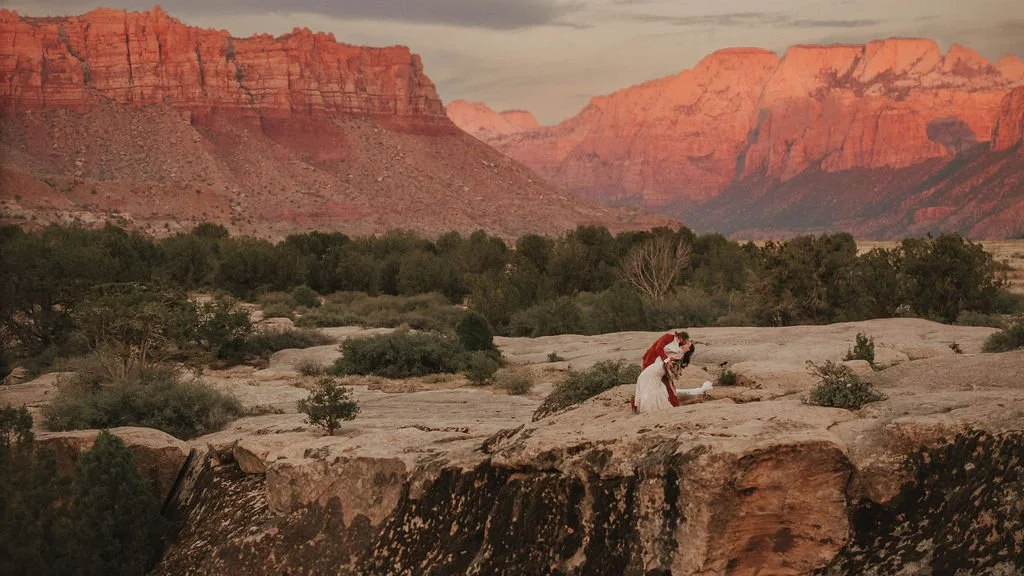
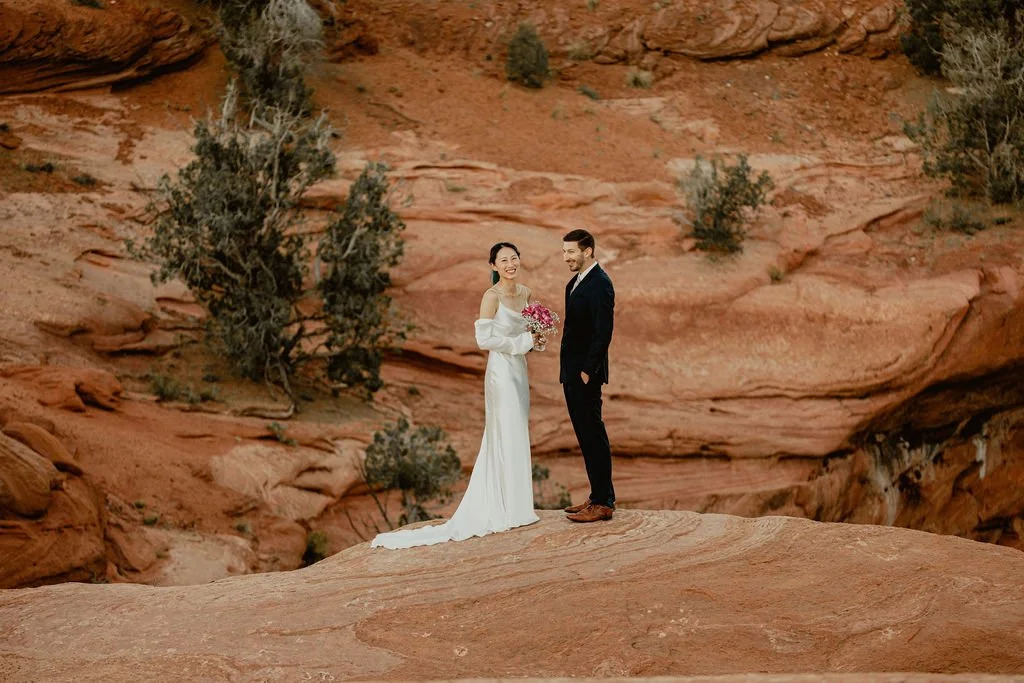
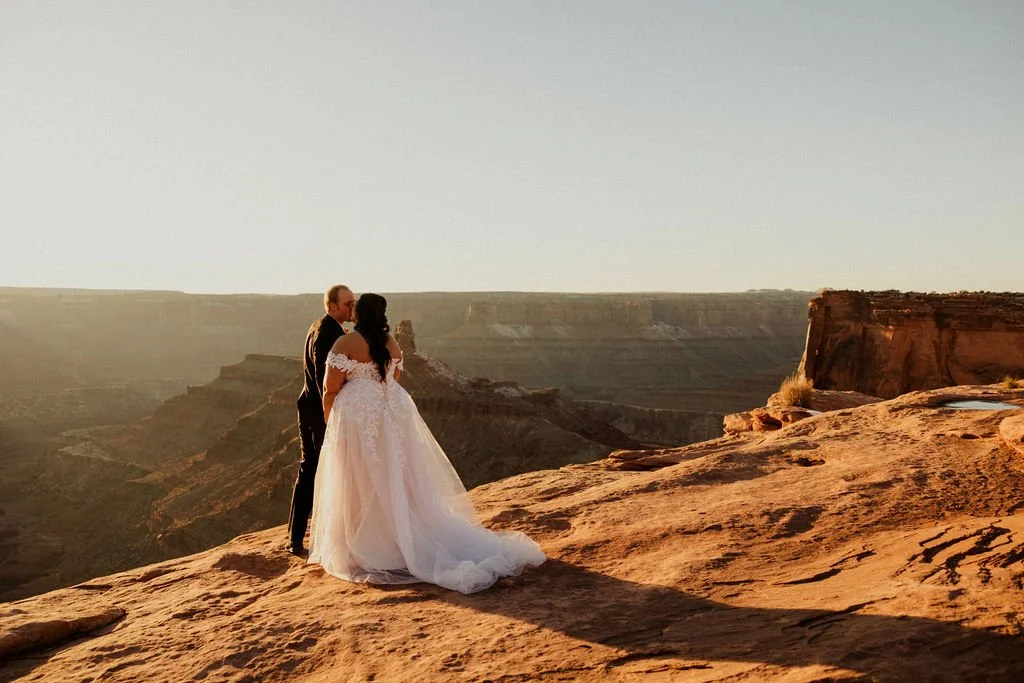
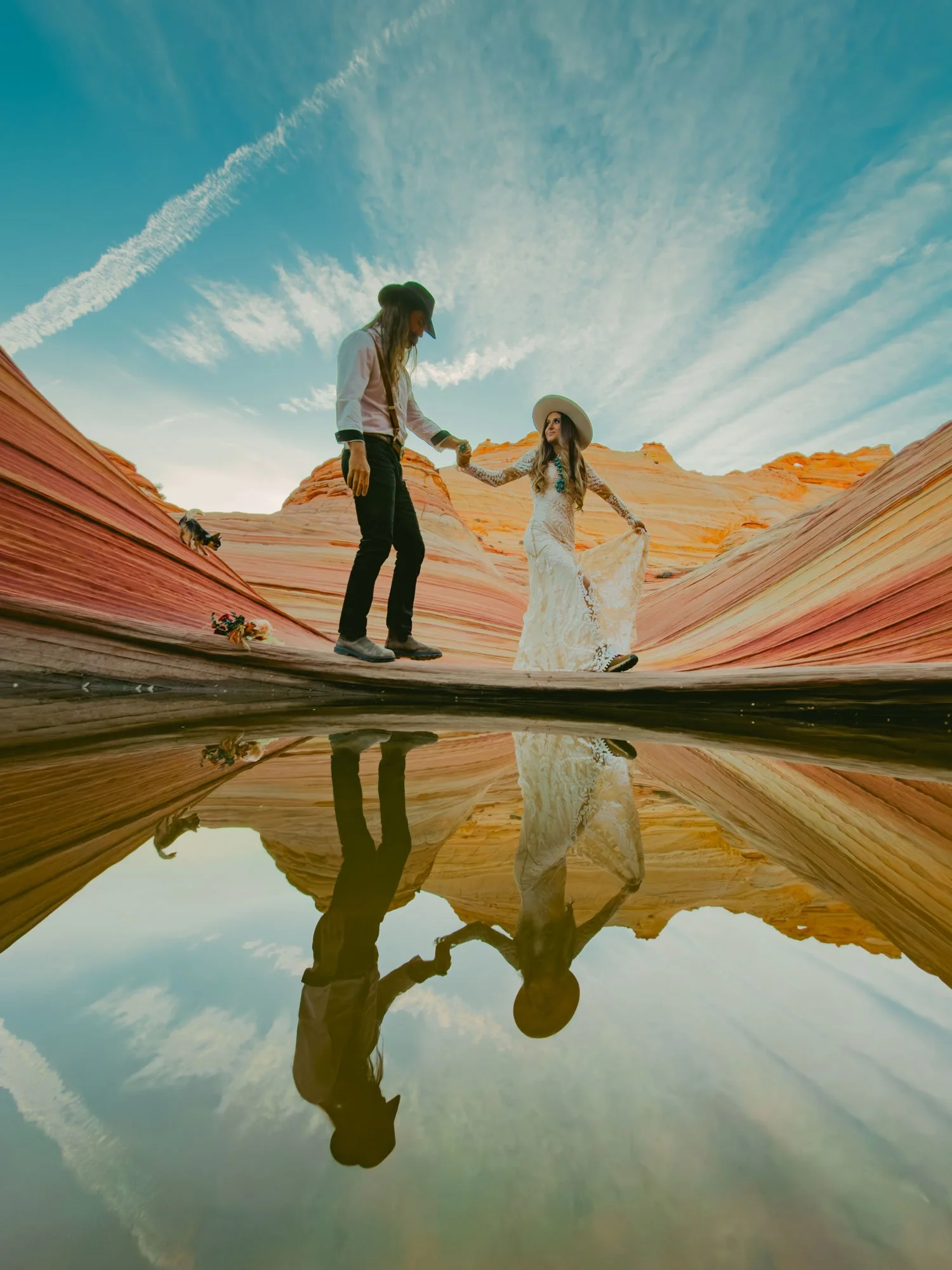
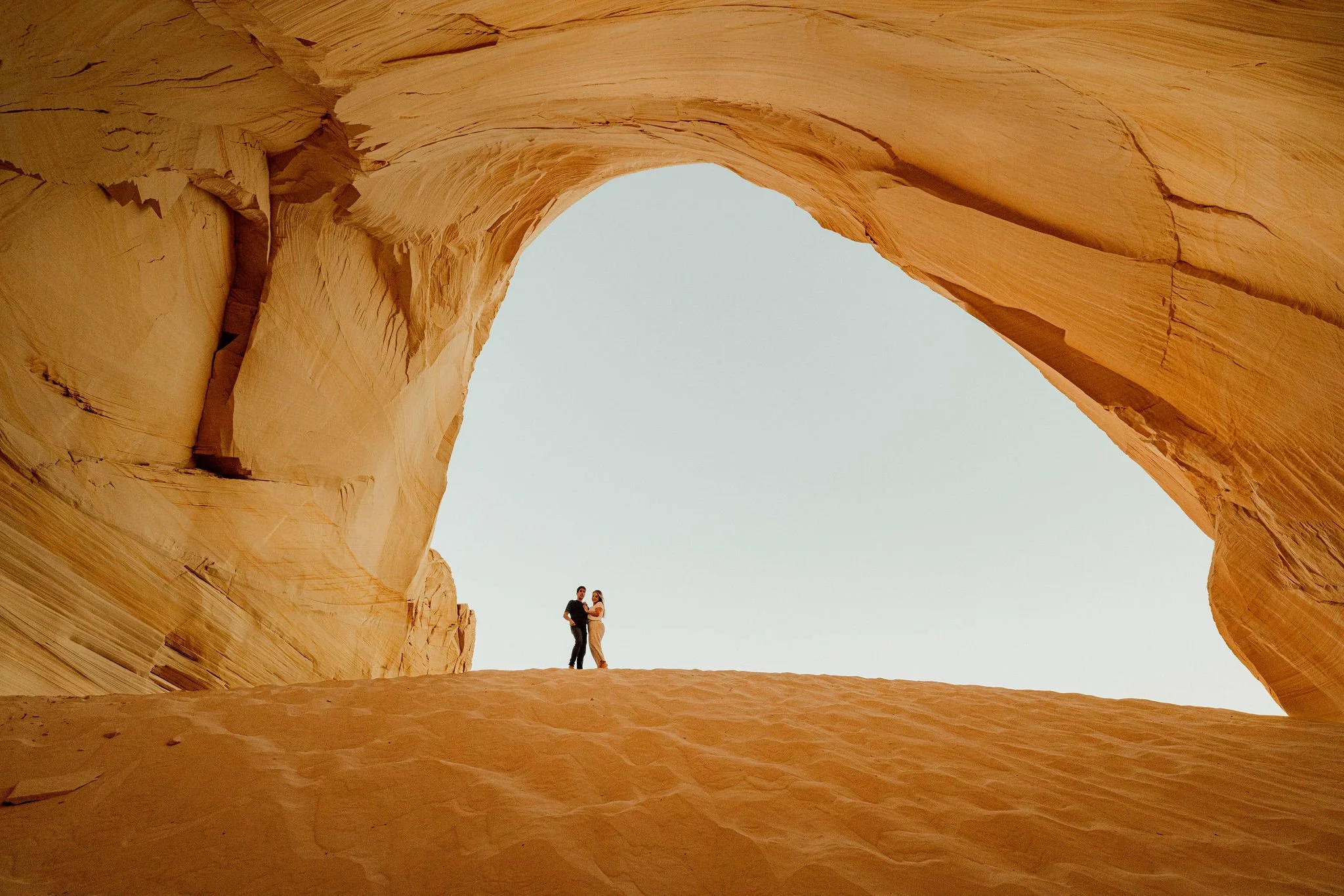
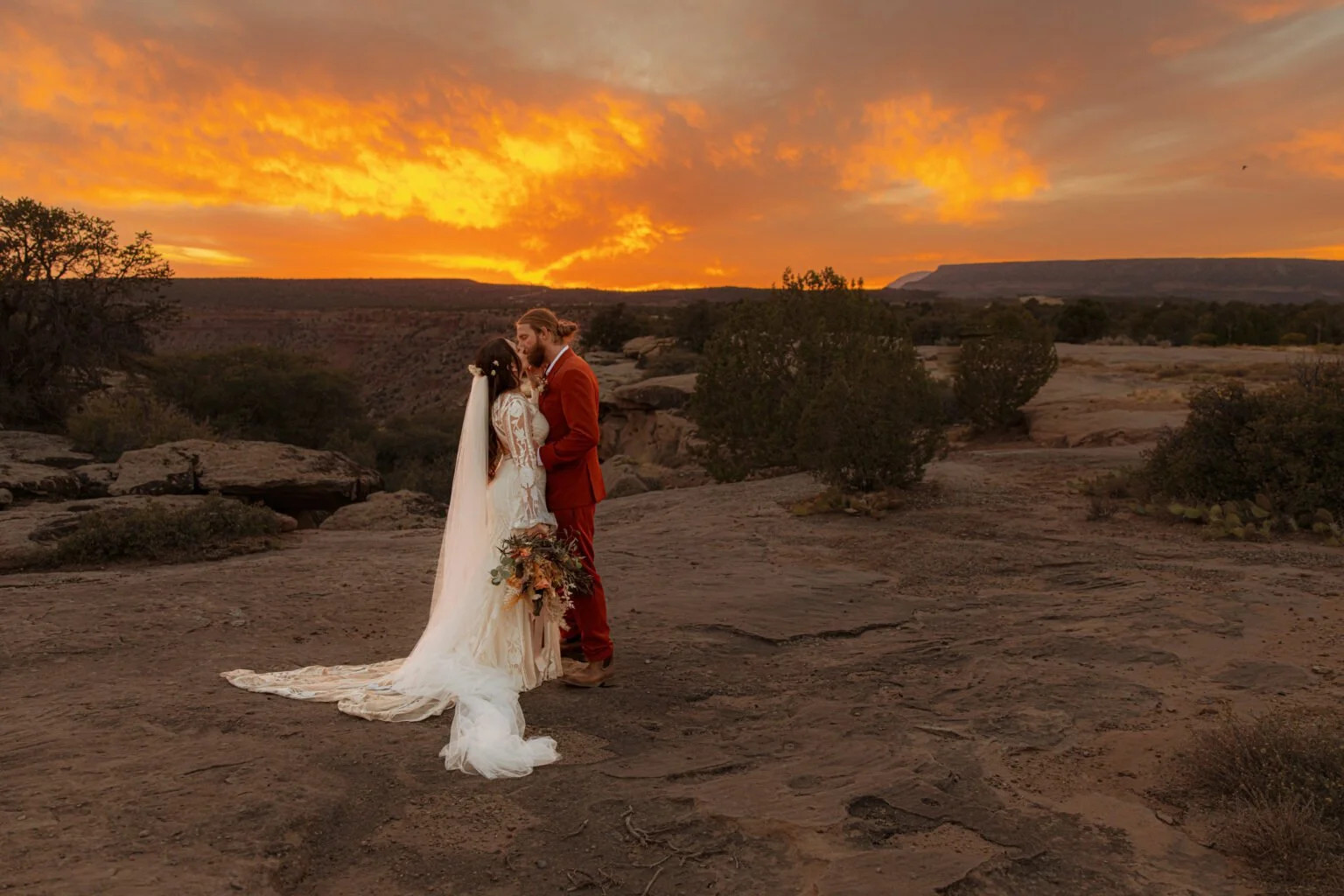
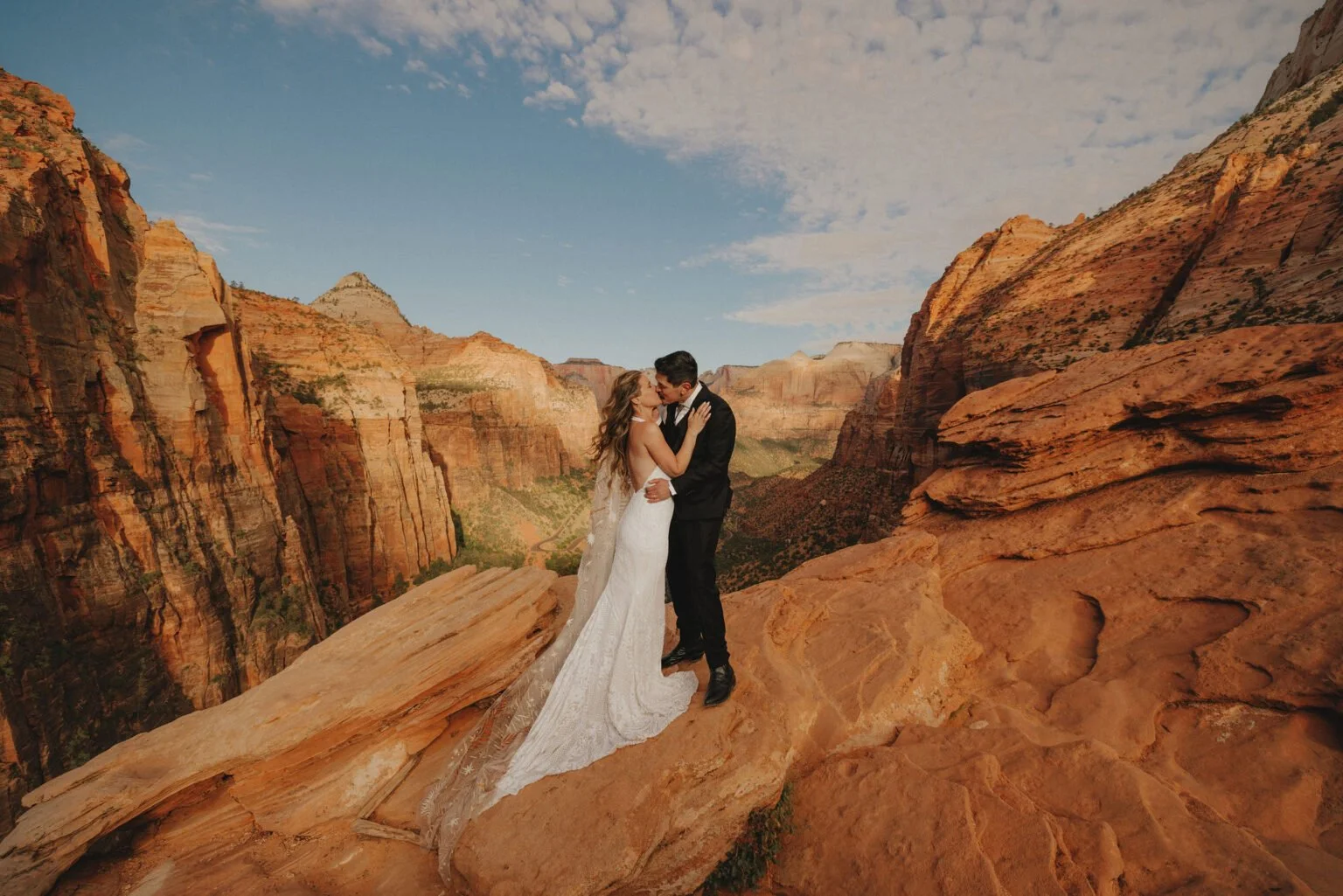
Utah is home to some of the most iconic natural arches, slot canyons, and red rock formations in the world. Couples planning a utah weddings adventure elopements find that the landscape does much of the heavy lifting — the scenery itself is the decor.
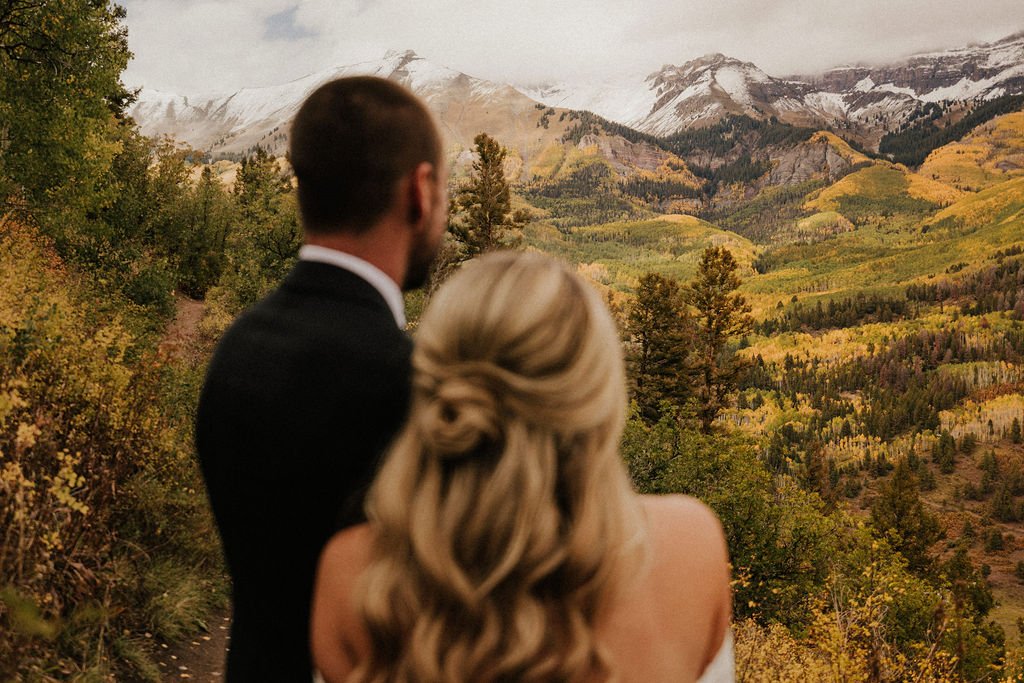
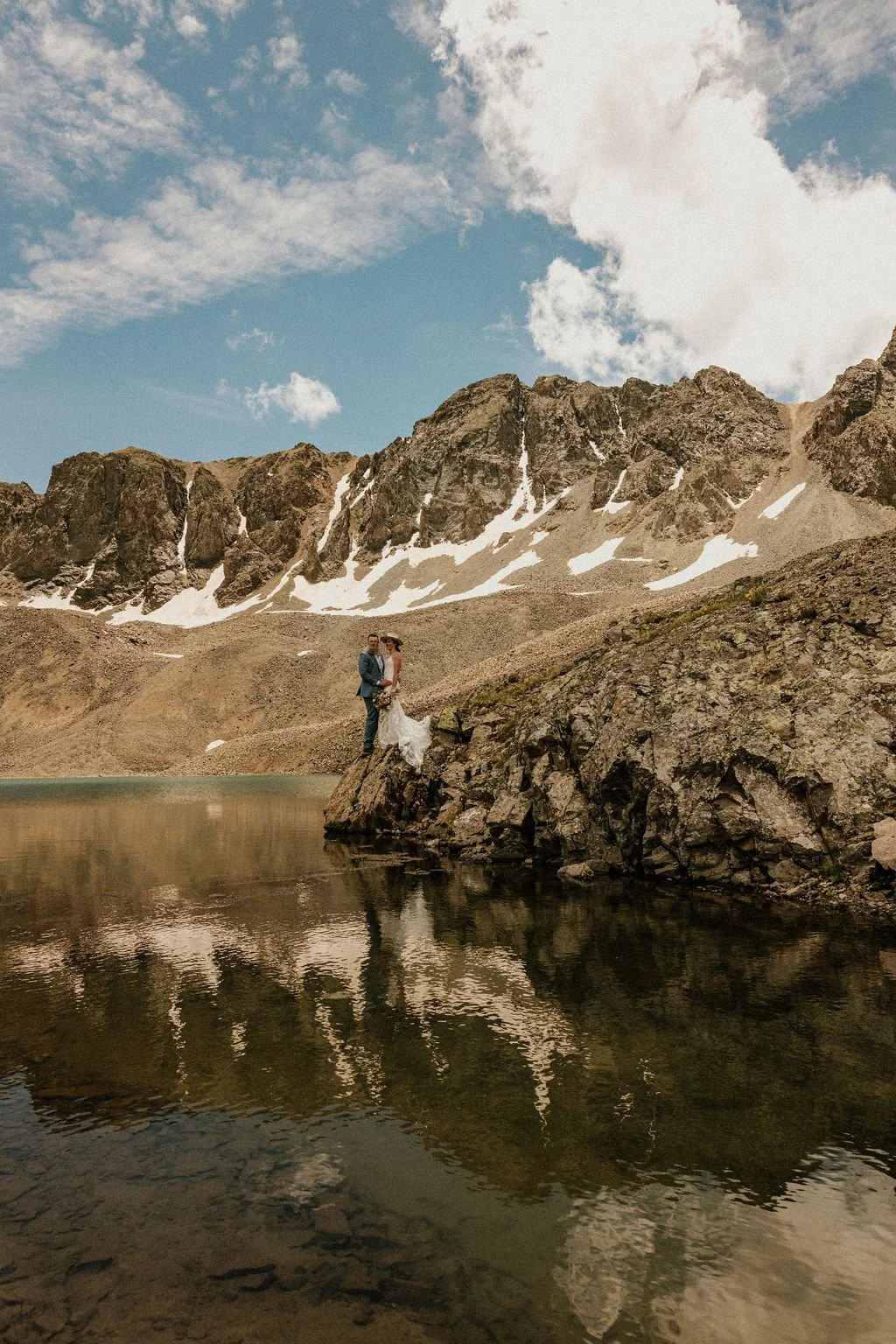
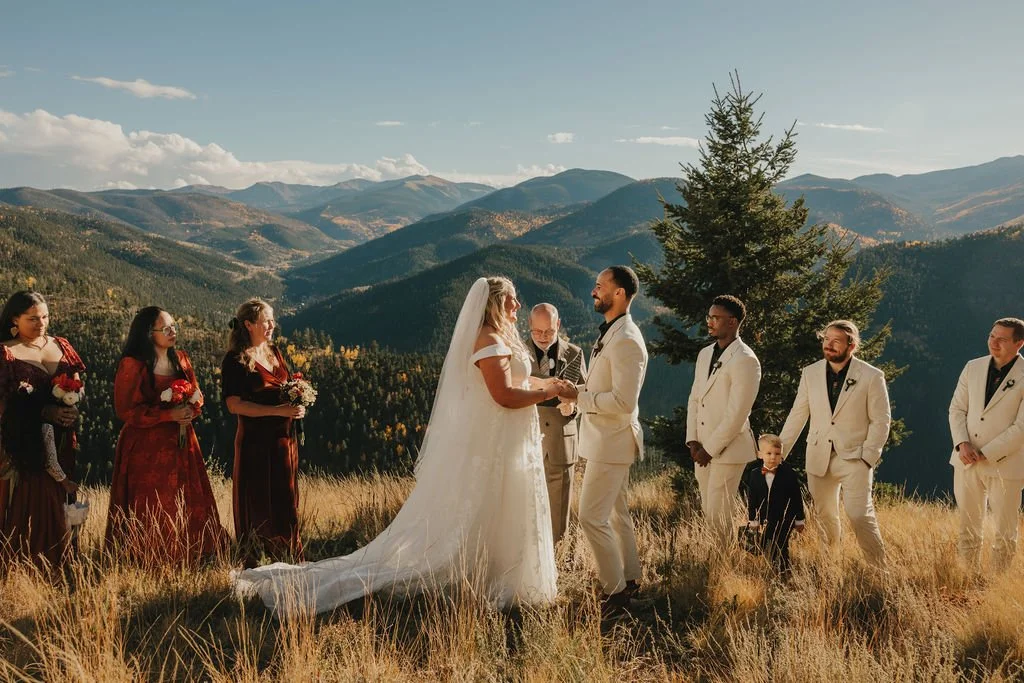
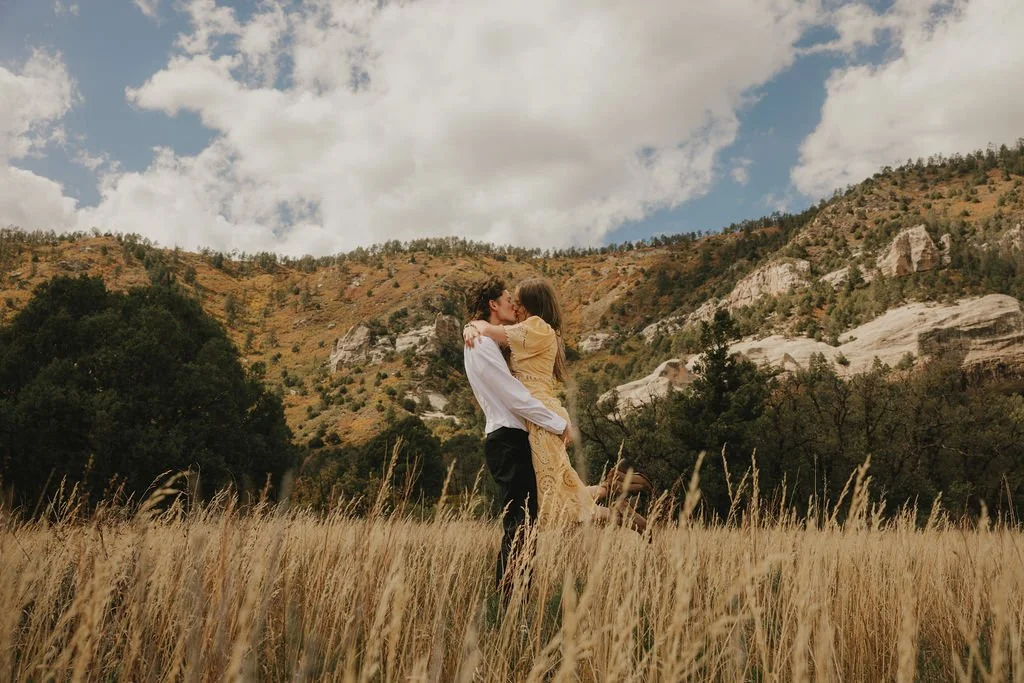
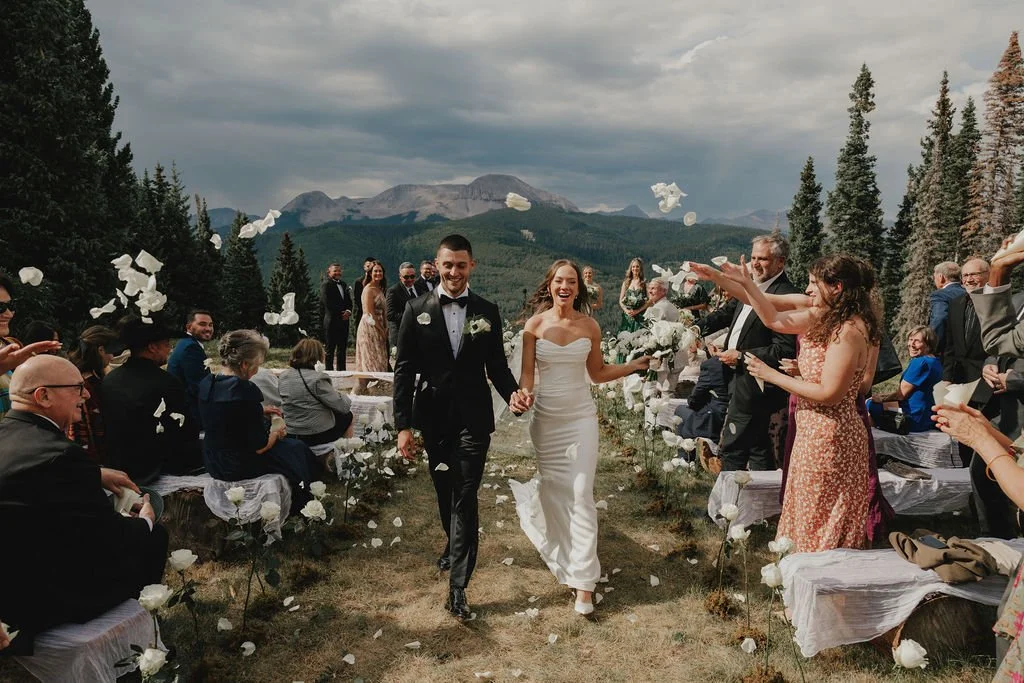
Colorado offers a completely different visual experience — alpine meadows, snow-capped peaks, wildflower-filled valleys, and crystal-clear mountain lakes. colorado weddings adventure elopements draw couples who want rugged mountain drama combined with a cool, fresh atmosphere.
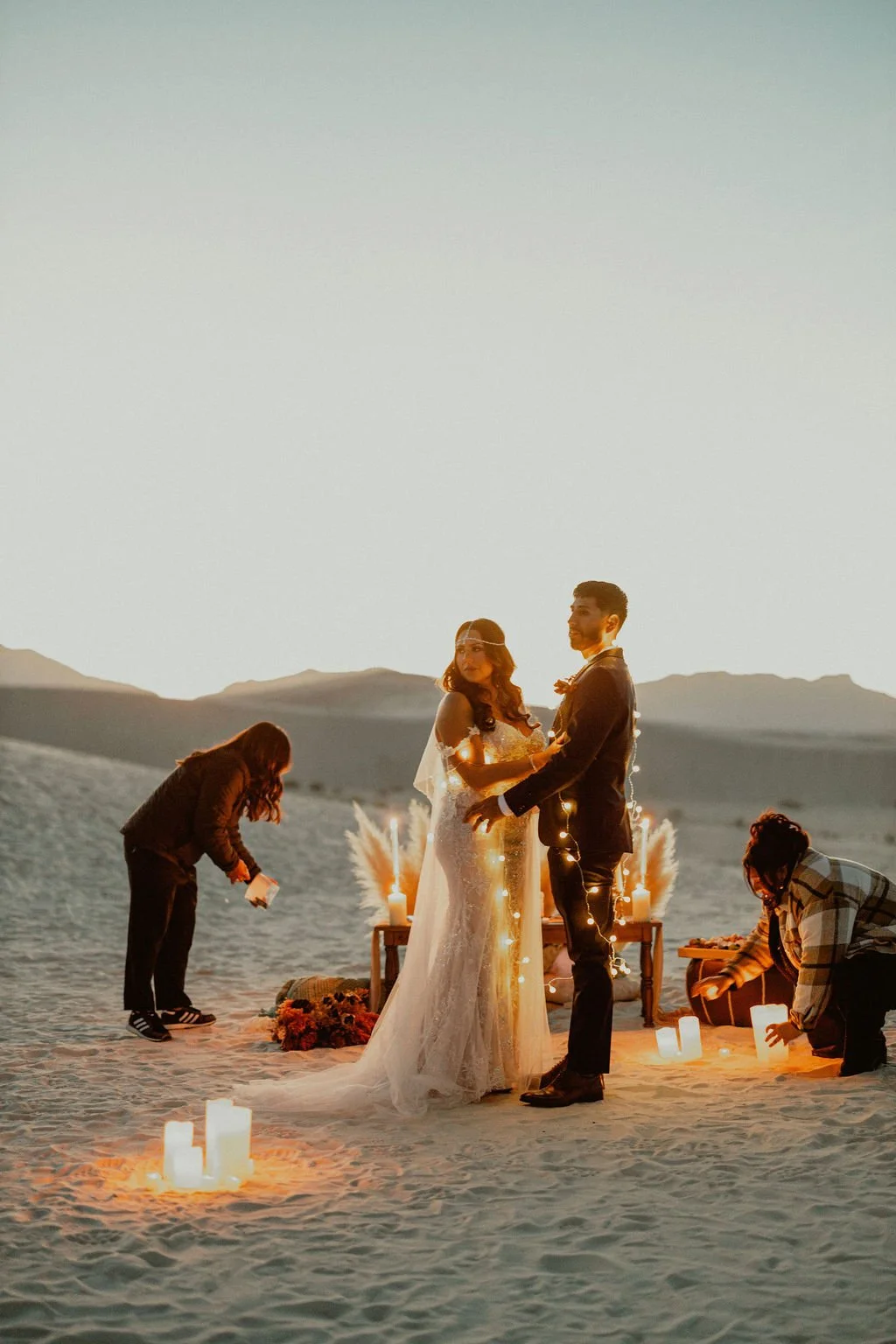
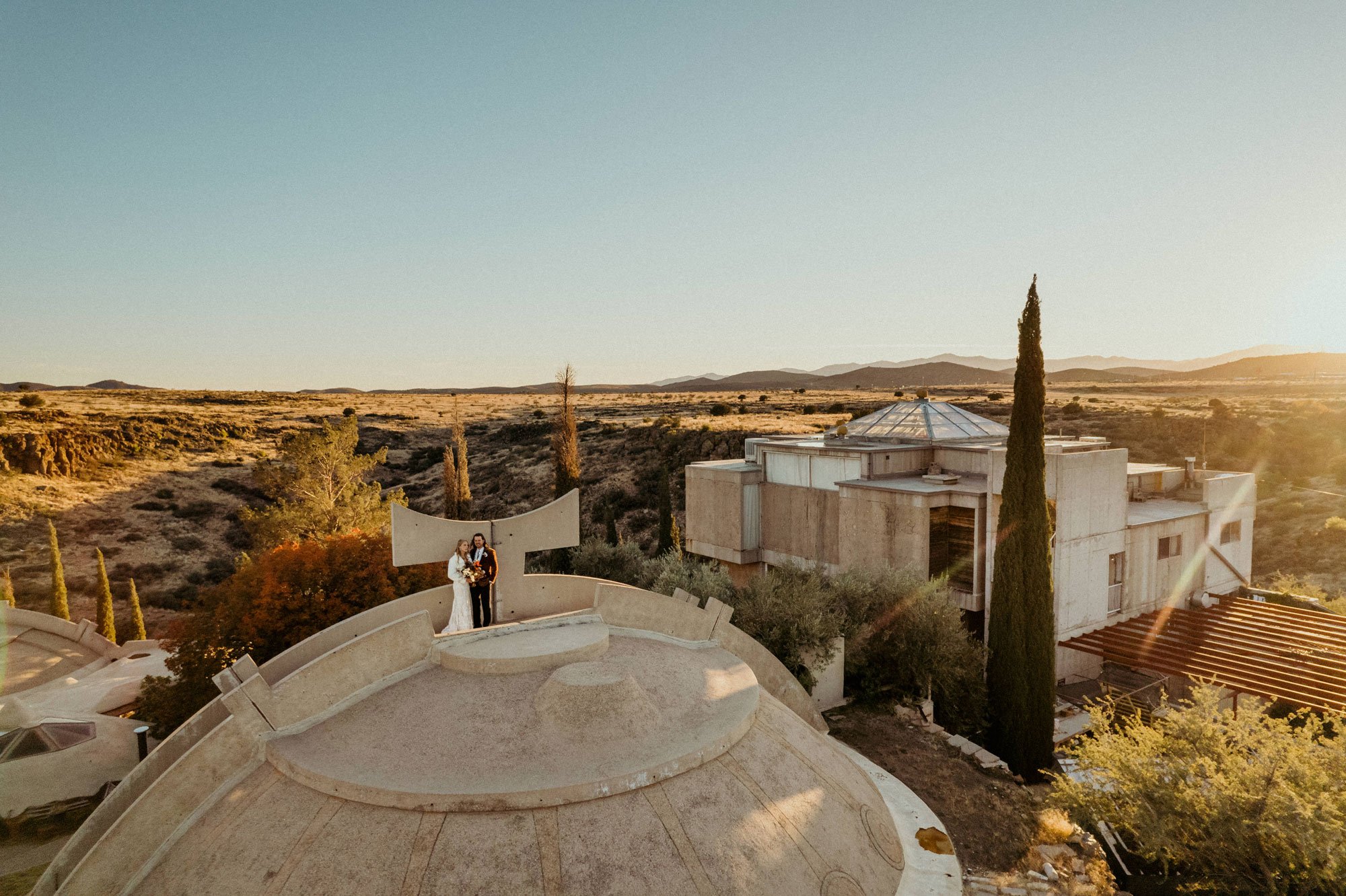
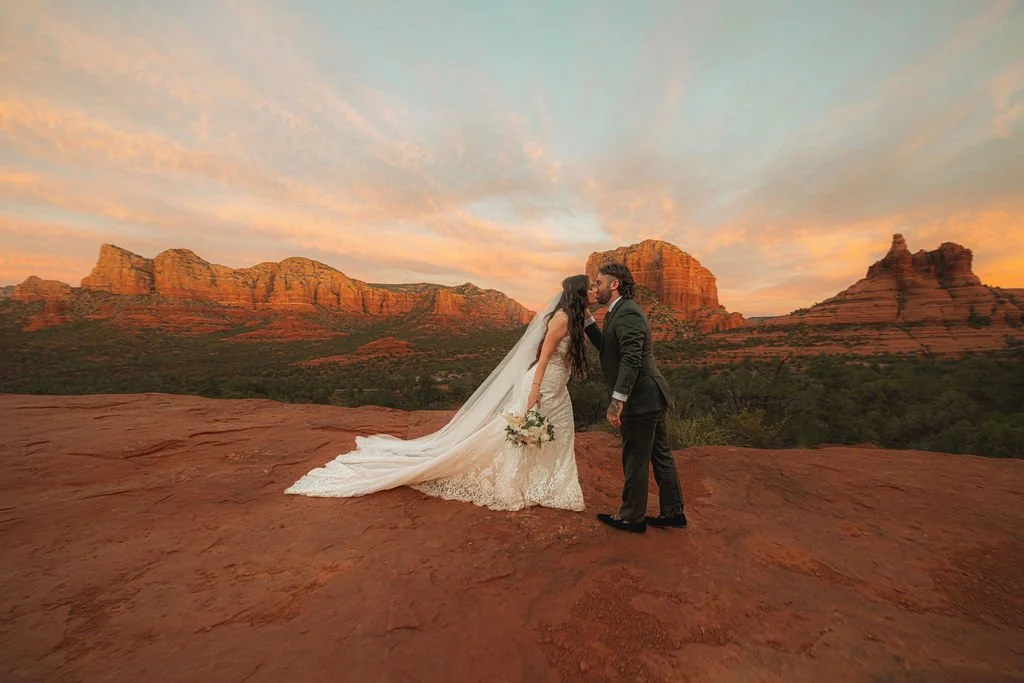
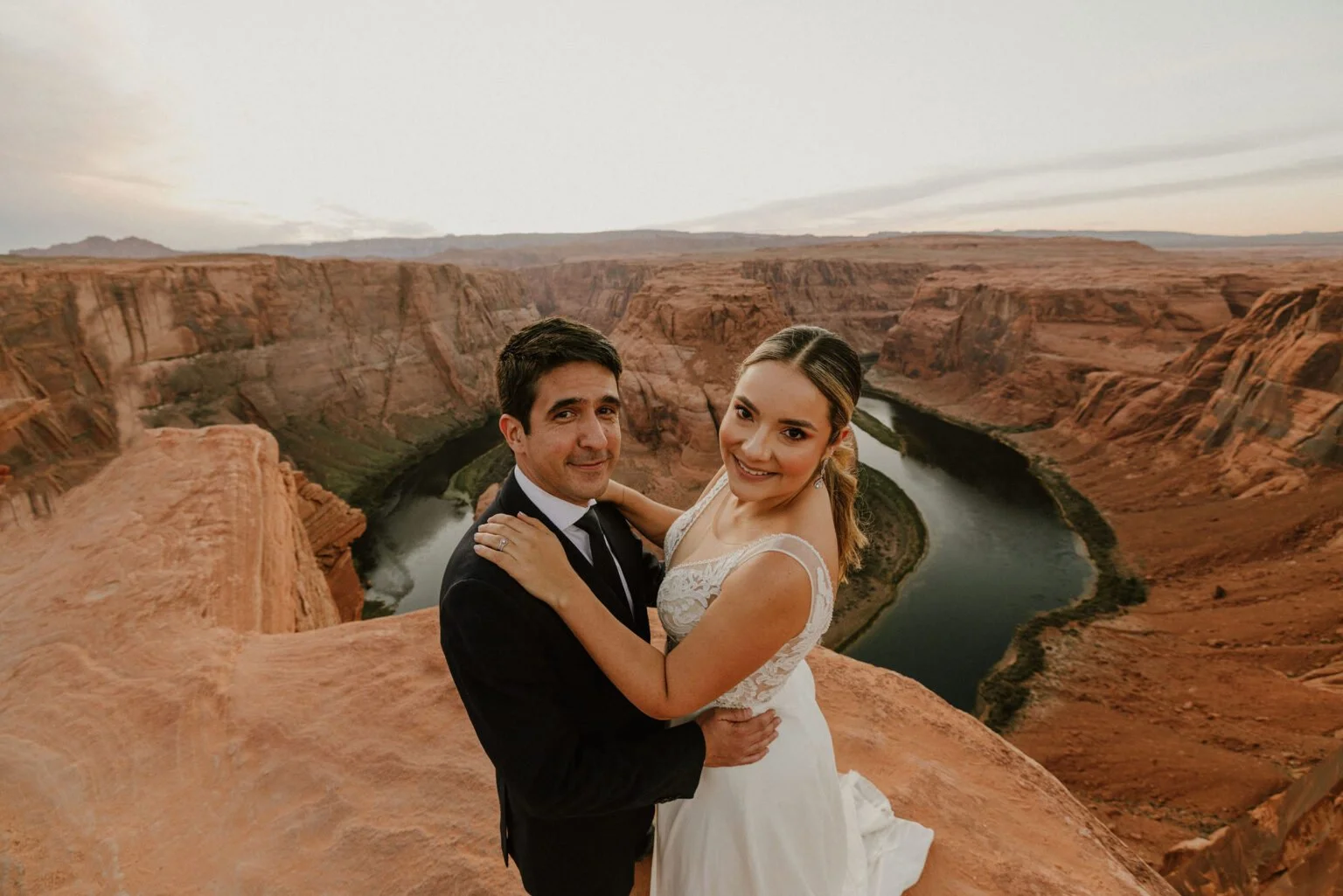
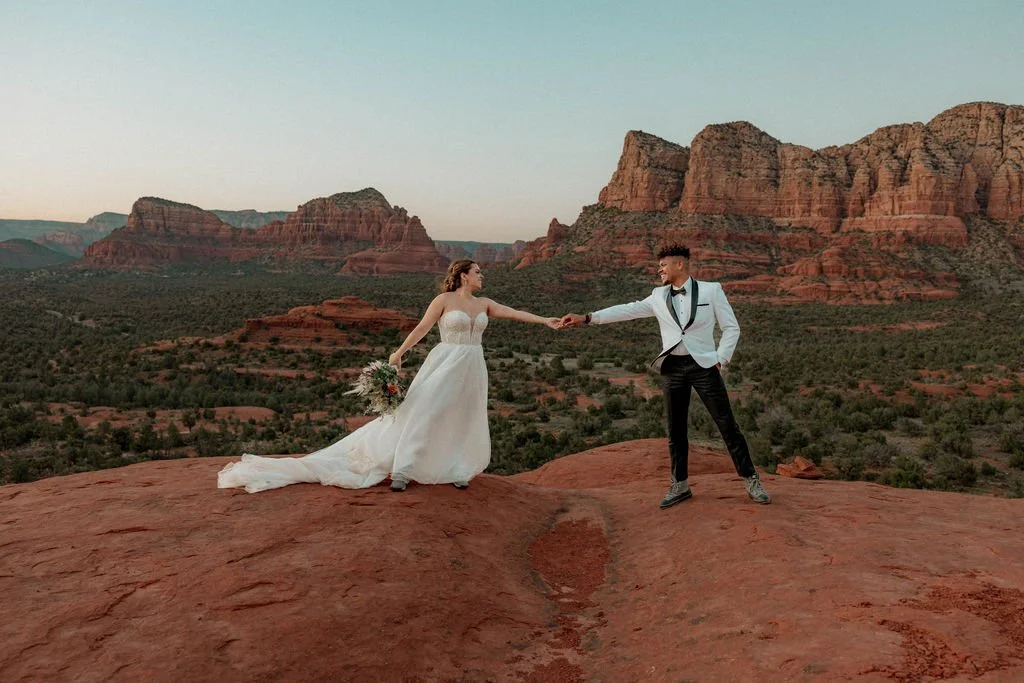
Arizona's Sonoran Desert and iconic Sedona red rock country offer warm tones, cactus-studded landscapes, and otherworldly geological formations. Our arizona weddings adventure elopements gallery shows just how stunning the light gets in this state during the golden hour.
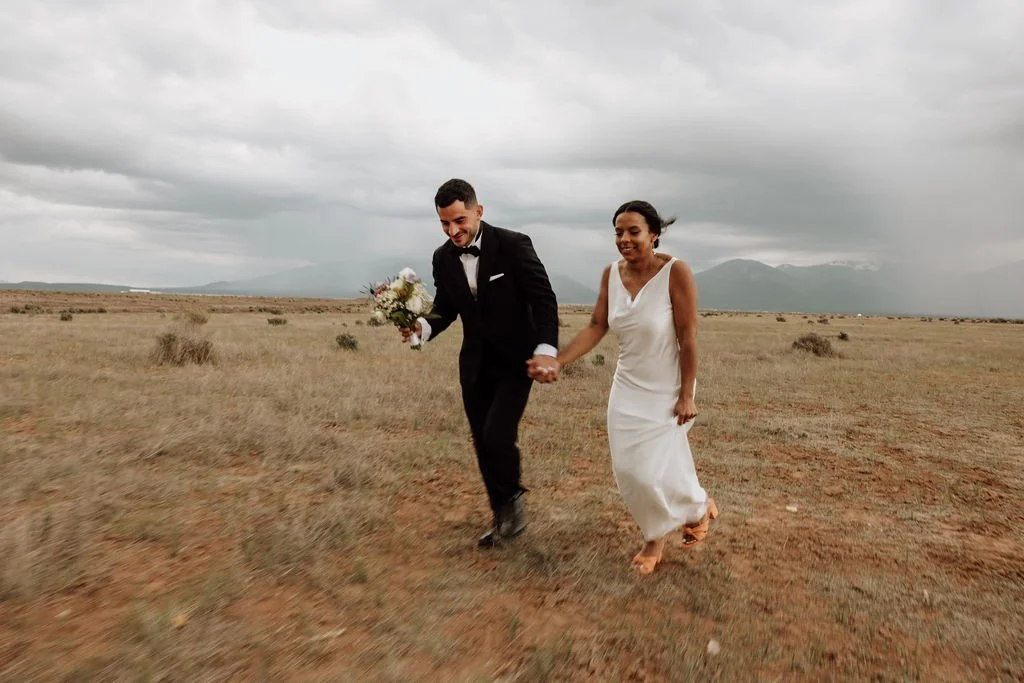
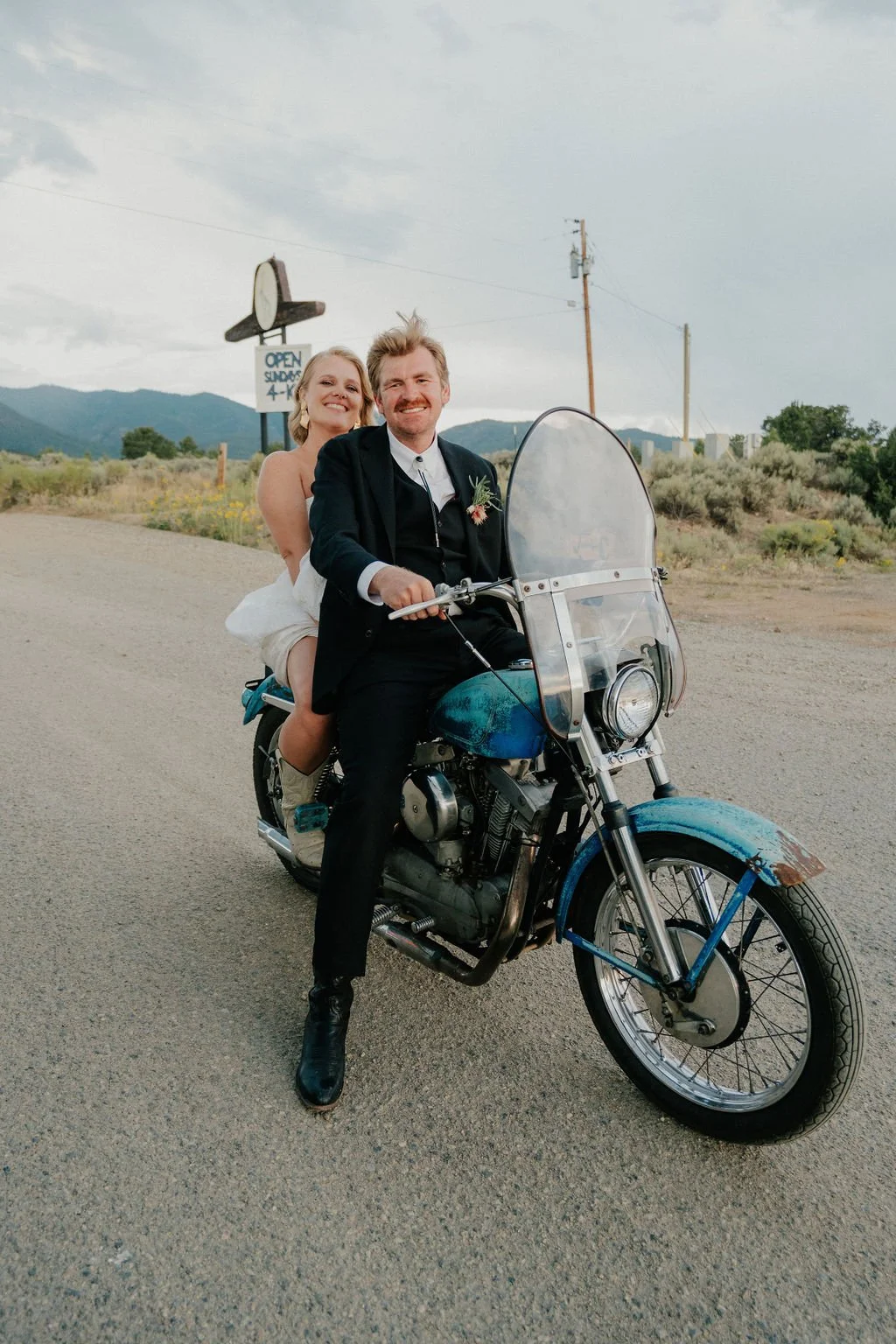
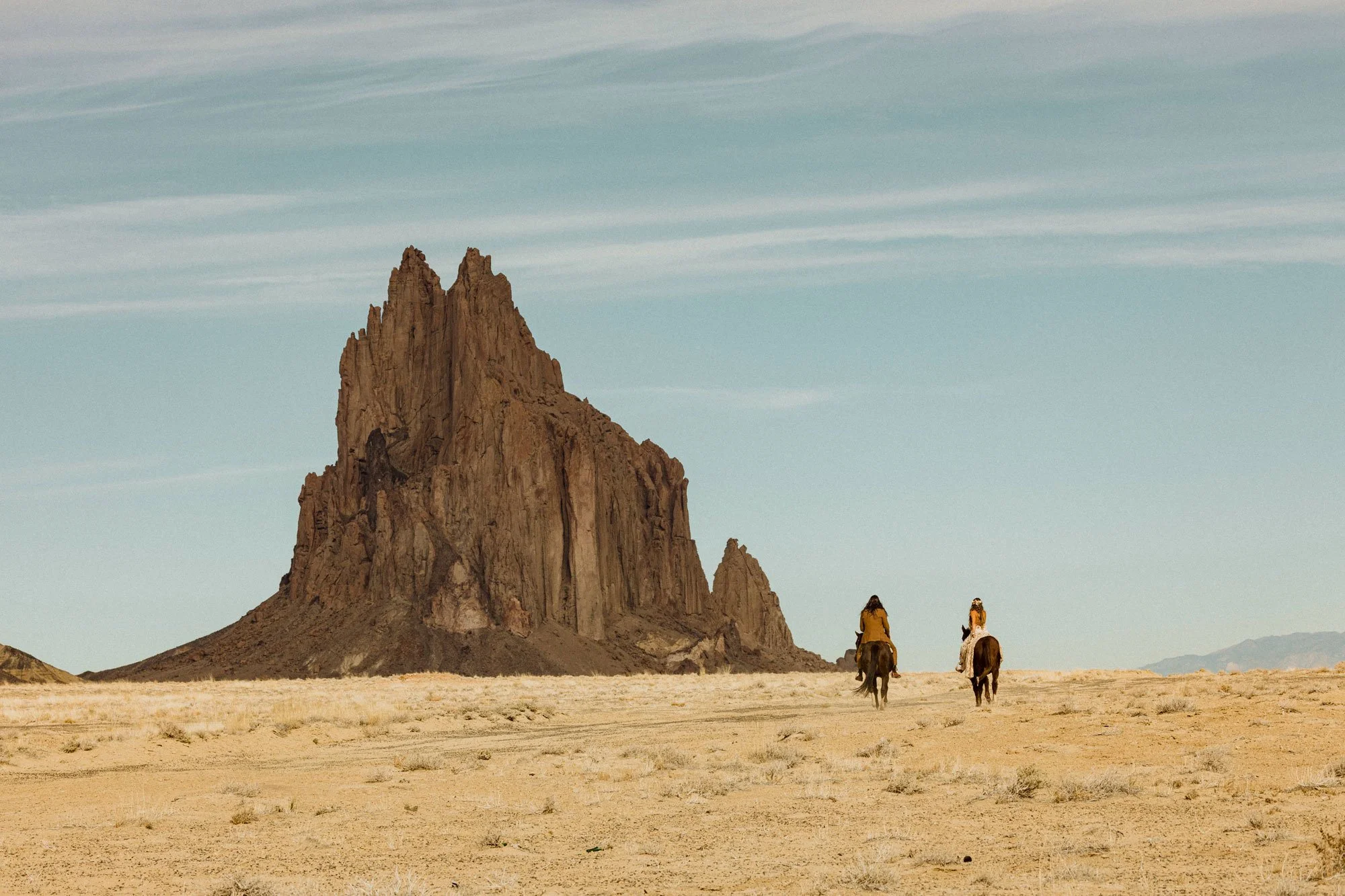
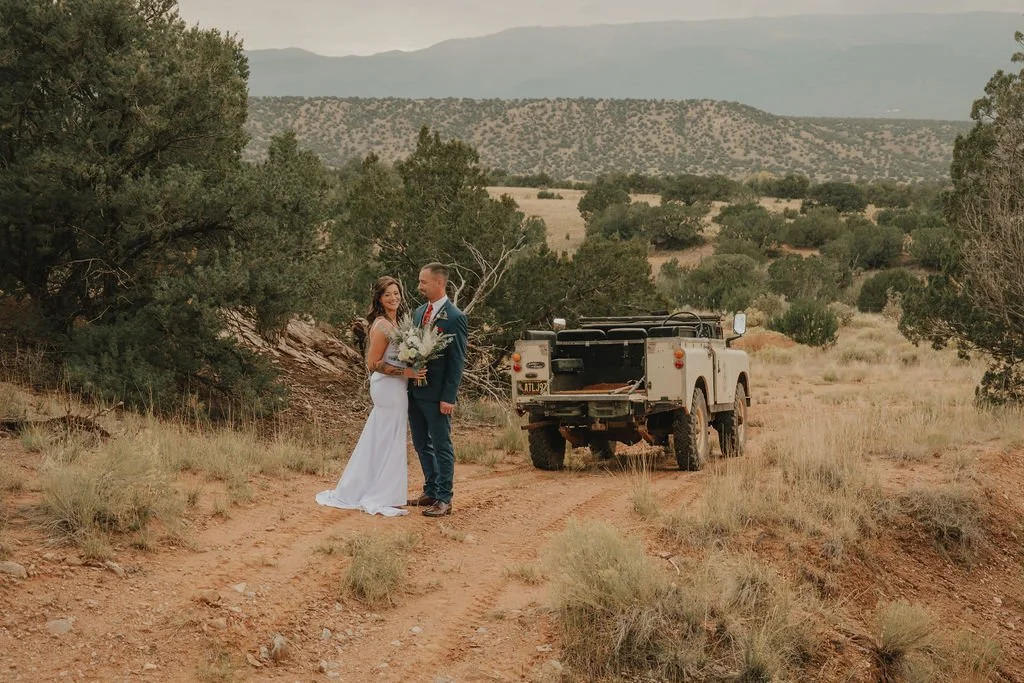
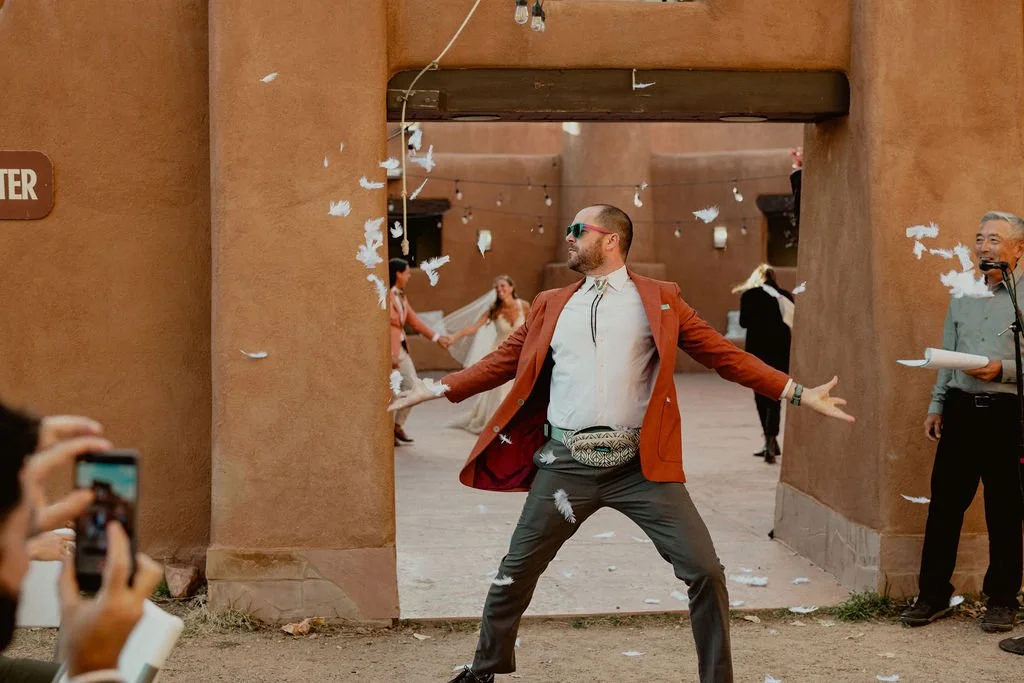
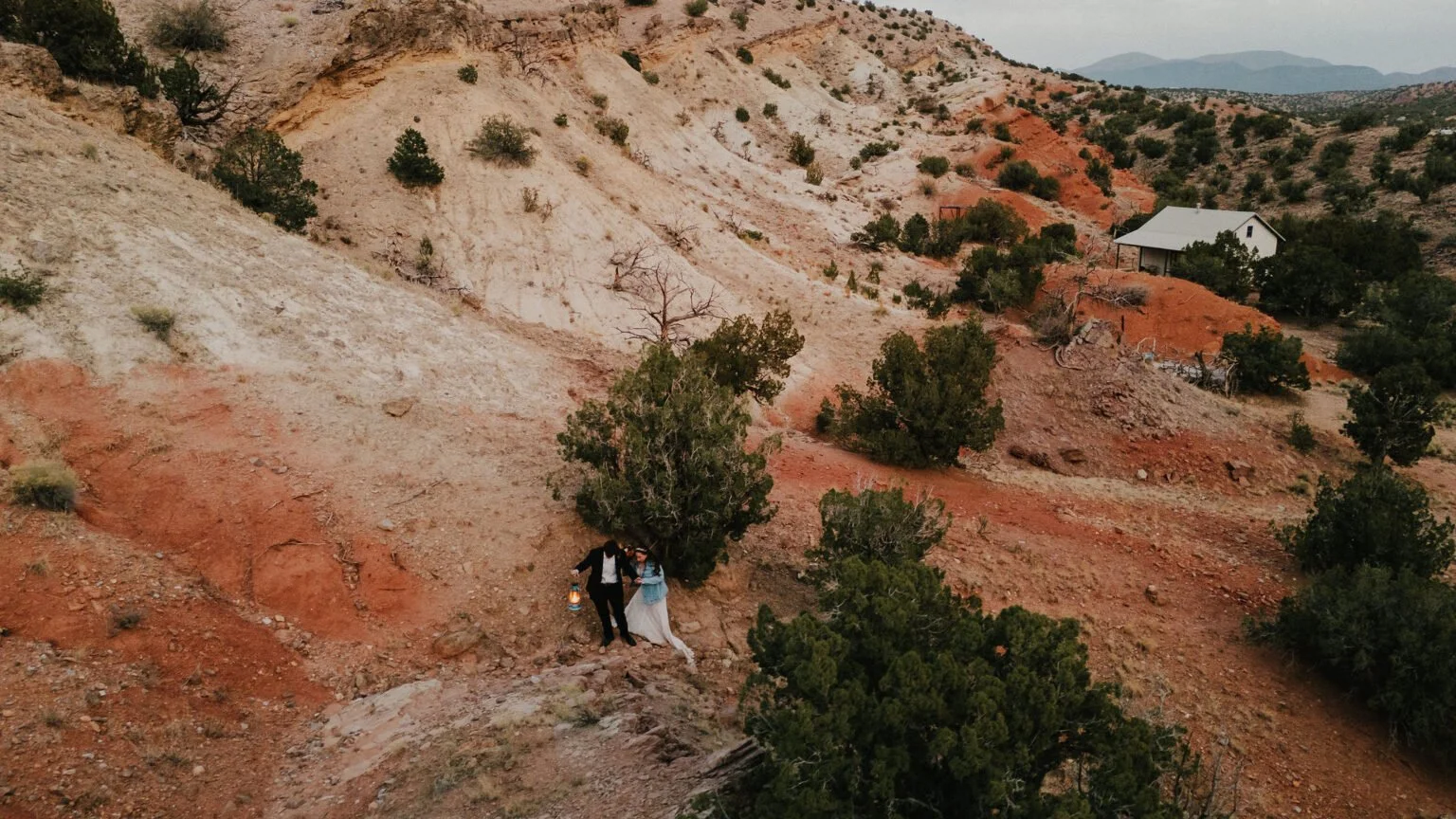
New Mexico is perhaps the most underrated destination wedding state, with ancient cultures, sweeping desert vistas, and a rich artistic heritage. Couples drawn to earthy tones and wide-open skies love the atmosphere of new mexico weddings adventure elopements for a ceremony that feels genuinely off the beaten path.
Destination Comparison: US Wedding Locations at a Glance
| Destination | Best Season | Avg. Venue Cost | Permit Required? |
|---|---|---|---|
| Utah (Arches/Zion) | Apr–Oct | $800–$3,000 | Yes (National Park) |
| Colorado (Rockies) | Jun–Sep | $1,500–$5,000 | Yes (Forest/Park) |
| Arizona (Sedona) | Mar–May, Oct–Nov | $1,200–$4,500 | Yes (Red Rocks) |
| New Mexico (Desert) | Apr–Jun, Sep–Nov | $700–$2,500 | Sometimes |
| Hawaii (Beach/Lush) | Year-round | $3,000–$8,000 | Yes (State Parks) |
| Tuscany, Italy | May–Sep | $5,000–$15,000 | Civil paperwork |
Building Your Destination Wedding Budget
Budget is where many destination wedding plans either gain clarity or fall apart. The good news is that destination weddings can actually be more cost-effective than traditional weddings when you factor in the naturally smaller guest count. However, costs are distributed differently — travel, accommodations, and permits take up a larger share than in a hometown celebration.
Key Budget Categories
Venue and permit fees — $200 (elopement permit) to $15,000+ (private estate rental abroad)
Photography and videography — typically the most important investment, ranging $3,000–$10,000+
Travel and accommodations for the couple — flights, lodging, transportation at destination
Guest accommodations block — negotiated room blocks at nearby hotels or vacation rentals
Catering and bar service — varies hugely by destination and formality level
Officiant fees — often $300–$800 for a destination ceremony
Hair, makeup, and floral — factor in travel fees if bringing vendors from home
Destination wedding planner — $2,500–$8,000+ for full-service coordination
A commonly used benchmark: allocate roughly 30–35% of your total budget to photography and videography. This is the one deliverable from your wedding day that you will experience every day for the rest of your life — long after the flowers have wilted and the cake has been eaten. At Shutterfreek, we have seen couples under-invest here and regret it. Invest wisely.
When budgeting for international destinations, factor in currency fluctuations, vendor contracts in foreign currencies, travel insurance (non-negotiable), and legal fee translation or apostille certification costs for your marriage documents.
How to Plan a Destination Wedding: Your Step-by-Step Timeline
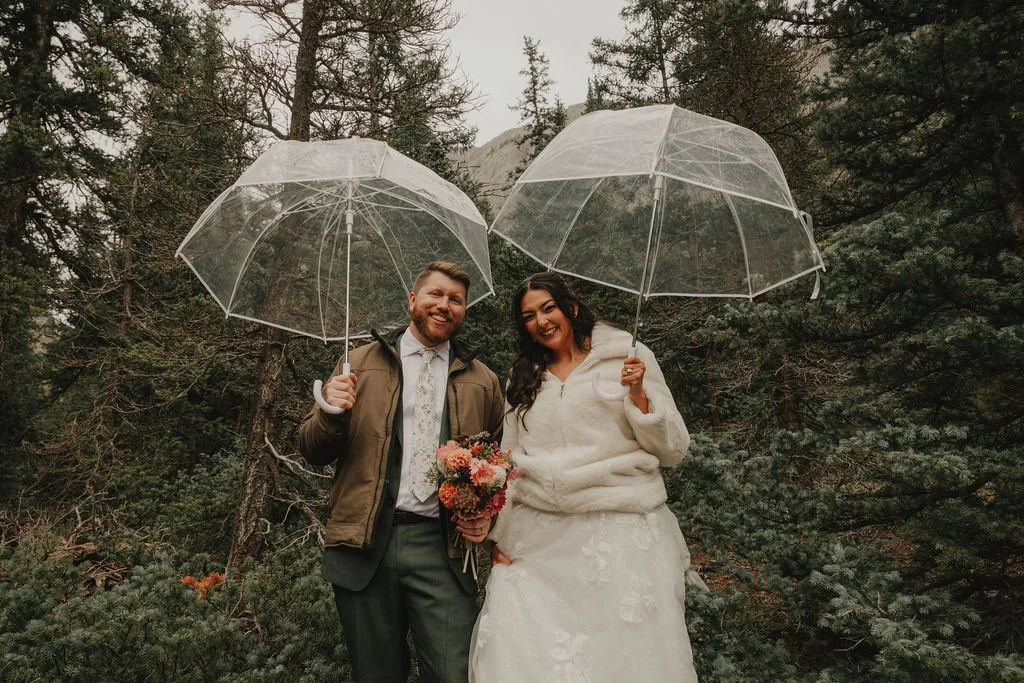
Planning a destination wedding requires a longer runway than a local ceremony. Most destination wedding planners recommend starting 12 to 18 months in advance, particularly if you are targeting a high-demand location or a peak travel season. Below is a condensed timeline to get you oriented.
Destination Wedding Planning Timeline & Checklist
| Timeline | Task | Who Handles It? |
|---|---|---|
| 12–18 Months Out | Choose destination & set budget | Couple + Planner |
| 12 Months Out | Book venue & photographer | Couple |
| 10–12 Months Out | Send save-the-dates to guests | Couple |
| 8–10 Months Out | Arrange travel & accommodations | Planner or Couple |
| 6 Months Out | Apply for marriage license/permits | Couple + Local Authority |
| 4–6 Months Out | Finalize vendors (catering, decor, officiant) | Planner |
| 2–3 Months Out | Confirm all bookings; create day-of timeline | Planner |
| 1 Month Out | Final dress fitting, rehearsal dinner plan | Couple |
| 1–2 Weeks Out | Confirm travel logistics for all guests | Couple + Planner |
| Day Before | Venue walk-through & vendor briefing | Photographer + Planner |
The Critical Role of Your Photographer in the Planning Process
Most couples think of their photographer as a vendor to be booked and then consulted on the day. In destination weddings, that dynamic should be flipped. Your photographer should be involved early in the planning process because the best ones know the light, the permits, the season, and the hidden locations that most couples never discover on Pinterest. A photographer who has shot at your destination dozens of times will save you from booking a venue that photographs poorly, or from scheduling your ceremony at the wrong time of day.
Legal Requirements for Destination Weddings
Getting legally married at your destination is often more straightforward than couples fear — but it does require research specific to your chosen location. Here is what to investigate:
United States National Parks and Federal Lands
If you are marrying in a national park, monument, or on Bureau of Land Management (BLM) land, you will need a Special Use Permit from the relevant agency. These permits are location and date-specific, cap the number of guests, and often restrict vendor access. Apply as early as possible — many popular national park locations sell out permits a full year in advance. Permit costs range from $50 to $500+ depending on the site and season.
International Destination Weddings
For international weddings, the legal landscape varies country to country. Many couples choose to have a small legal ceremony at their local courthouse in the US before departing, then hold the symbolic destination ceremony abroad. This sidesteps the administrative complexity of foreign marriage laws while still giving you the full destination wedding experience. If you do wish to marry legally in another country, consult both a local wedding planner and a legal professional familiar with that country's civil marriage process.
Choosing the Right Destination Wedding Photographer
Photography is the most lasting artifact of your destination wedding. The landscape, the emotion, and the story of your day are preserved entirely through your photographer's eye. At Shutterfreek, we specialize in adventure-forward destination wedding and elopement photography across the American West — and we believe the photographer you choose should be as adventurous as the location you pick.
What to Look for in a Destination Wedding Photographer
Experience shooting in your specific destination or similar landscapes — light and terrain knowledge is irreplaceable
A portfolio that reflects your aesthetic — moody and dramatic, light and airy, editorial, documentary
Clear pricing that includes travel, accommodation, and licensing fees for national park or federal land shoots
Strong communication and responsiveness — this person will be your partner in a complex, multi-day process
Reviews and testimonials from real destination wedding couples, not just studio sessions
Willingness to do location scouting calls and collaborate on the timeline before your wedding day
Questions to Ask Before Booking
Have you photographed at or near my specific location before?
How do you handle permit requirements at national parks or protected lands?
What is your backup plan for severe weather?
What does your full pricing structure look like for a destination booking?
How many galleries from destination or adventure weddings have you delivered in the last 12 months?
Managing Guests and Logistics at a Destination Wedding
Even the smallest destination wedding requires more logistical coordination than a local event. Your guests are traveling — often flying, booking hotels, requesting time off work, and potentially traveling internationally. The smoother you make this experience for them, the more present and celebratory the energy will be on your actual wedding day.
Communication and Save-the-Dates
Send save-the-dates at least 9 to 12 months in advance for destination weddings — earlier if the wedding falls on or near a major holiday or in a peak travel season. Include a wedding website with clear destination information, suggested flight routes, recommended accommodations, and an itinerary of any pre-wedding activities. Guests who feel informed and organized arrive relaxed rather than stressed.
Accommodations
Negotiate a room block at a nearby hotel or resort to give guests a clear and convenient home base. Many hotels will offer discounted rates for a reserved block. Alternatively, consider renting a collection of nearby vacation rentals so guests are in close proximity to each other, which creates a much more intimate and communal feeling throughout the weekend.
Guest Transportation at the Destination
Arrange shuttle service between accommodations, the ceremony site, and any reception venue. This is especially important at remote or wilderness locations where parking is limited or where guests may have been consuming alcohol. It also allows your photographer to capture candid group moments during the shuttle rides.
Final Thoughts
The most memorable destination weddings we have photographed at Shutterfreek share one thing in common: the couple started with a place that meant something to them, and then built every other decision around honoring that place. The decor, the timeline, the guest experience, the photography all of it flows naturally from a genuine connection to the destination.
Whether you are dreaming of a red rock ceremony at sunrise, an alpine meadow exchange surrounded by wildflowers, or a barefoot beach celebration at the edge of the sea, this destination weddings guide has given you the framework to make it happen. The planning is manageable, the photography is extraordinary, and the memories last a lifetime.
Ready to start planning? Reach out to Shutterfreek to discuss your vision. We work with couples at every stage of the planning process from location scouting to permit navigation to capturing every moment of your day in a way that does justice to the landscape you chose.
Frequently Asked Questions
-
Destination weddings vary significantly in cost depending on the location, guest count, and level of service you want. In the United States, adventure-style destination weddings and elopements can start as low as $5,000–$10,000 for an intimate ceremony with photography and permits included.
-
Not necessarily, but a local destination wedding coordinator is highly recommended for any wedding outside of your home country or in a national park or similar regulated location. A local planner brings vendor relationships, permit knowledge, and on-the-ground problem-solving ability that is almost impossible to replicate remotely.
-
In the United States, you apply for a marriage license in the county where the ceremony takes place. Requirements vary by state and county — some require both parties to appear in person, while others allow mail-in applications. For national park weddings, you also need a Special Use Permit issued by the National Park Service.
-
Most destination weddings have between 10 and 75 guests. The sweet spot for the classic destination wedding experience is often 20–40 guests — small enough to feel intimate and manageable, but large enough to create a genuine celebration atmosphere. Guest list size directly determines your venue options, per-head costs, and the overall energy of the event.
-
The best time of year depends entirely on your specific destination. For the American Southwest — Utah, Arizona, and New Mexico — spring (April–May) and fall (September–November) offer the most comfortable temperatures, reliable weather, and dramatic light conditions. Colorado's mountain wedding season peaks from late June through early September. For tropical international destinations, dry seasons typically run from November through April.
Keep reading