Best Time of Year to Get Married in New Mexico
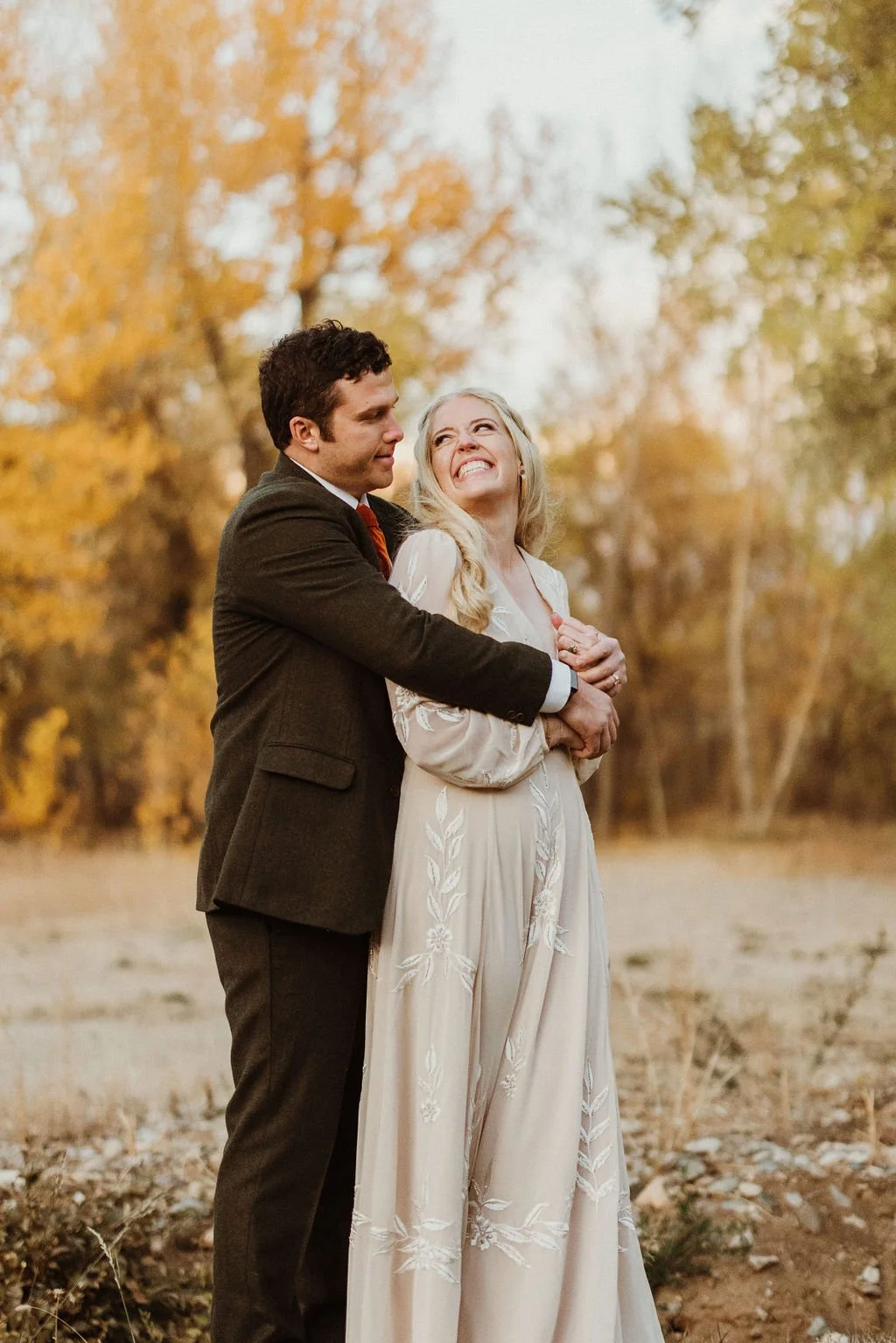
The best time of year to get married in New Mexico is late spring (April–May) and early fall (September–October) — when the Land of Enchantment delivers warm, mild temperatures, low humidity, and jaw-dropping natural light that photographers dream about. These shoulder seasons sit perfectly between the scorching desert summer and the unpredictable monsoon months, giving you ideal conditions whether you envision a sun-drenched ceremony in the Rio Grande Gorge, a golden-hour elopement in the Sangre de Cristo Mountains, or a stylish celebration in the heart of Santa Fe's historic plaza district.
If you want the short version: April, May, September, and October are consistently the most popular months for New Mexico weddings — and for good reason. But the right month for your wedding depends on your vision, venue, and style. This complete guide breaks down every season so you can plan with confidence.
Why New Mexico Is One of the Best Wedding Destinations in the Southwest
New Mexico is having a moment in the wedding world and couples who have exchanged vows here know exactly why. With over 300 days of sunshine per year, dramatic high-desert scenery, rich Indigenous and Spanish colonial heritage, and a thriving arts culture in cities like Santa Fe and Taos, New Mexico offers something no generic ballroom venue ever could: authenticity.
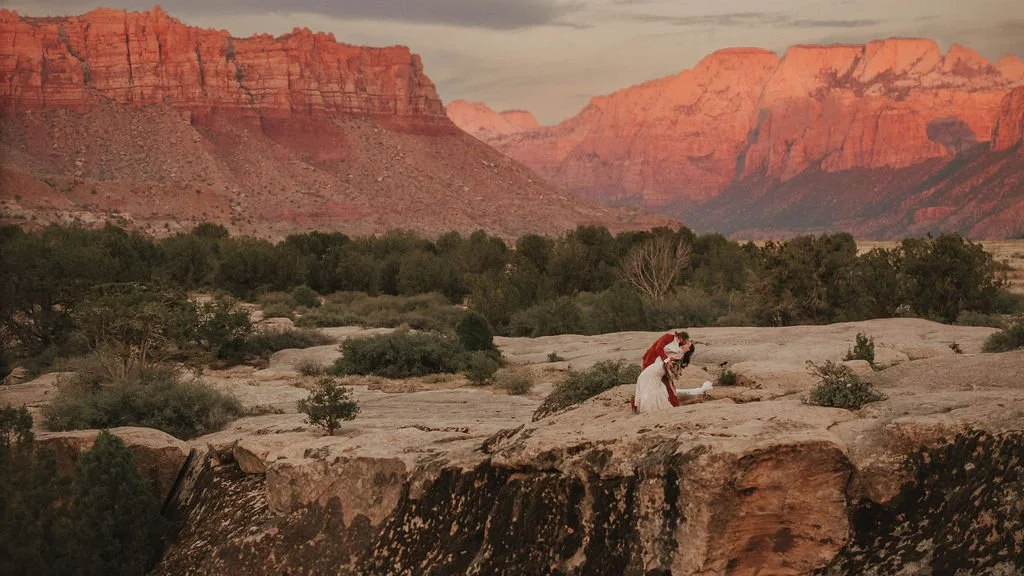
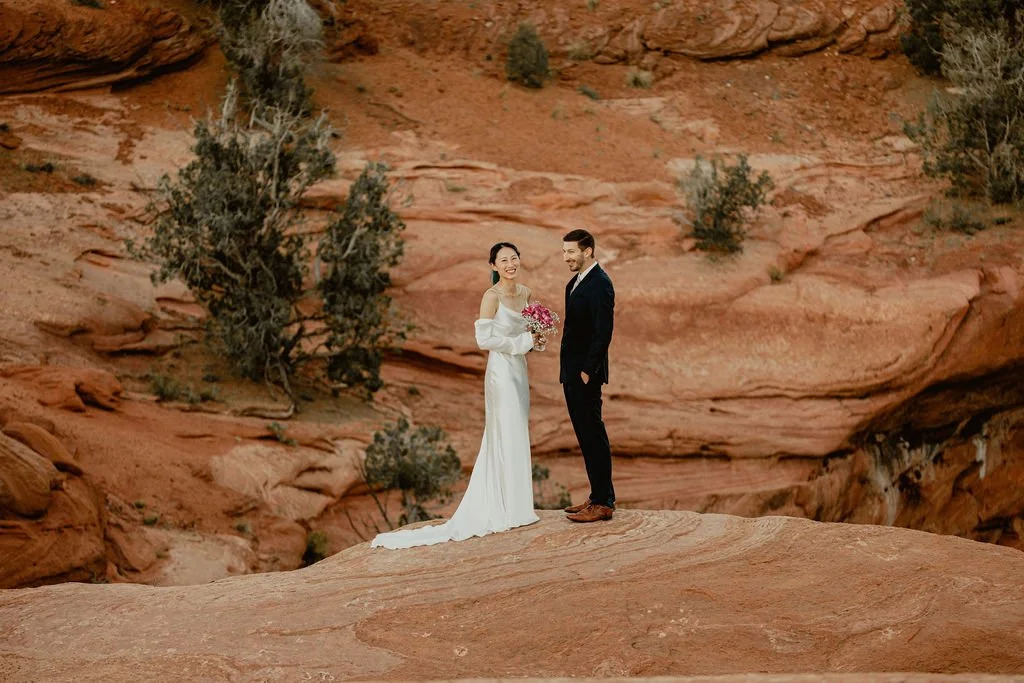
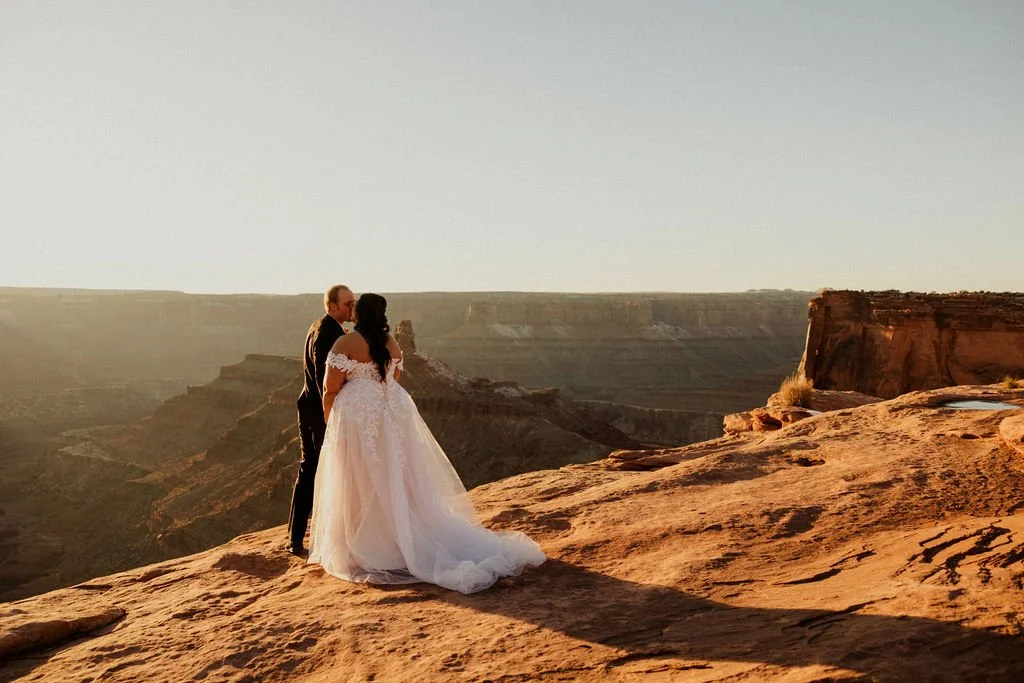
Whether you're drawn to red rock canyons, adobe churches, lush mountain meadows, or the otherworldly landscapes of White Sands, every backdrop here tells a story. That visual variety is a huge reason why adventure wedding photographers like the team at
Shutterfreek are passionate about New Mexico weddings and adventure elopements. The light, the landscape, and the culture combine to create images that look like they belong in a magazine.
Beyond beauty, New Mexico is also practical. Compared to California, Colorado, or Hawaii, it remains a relatively affordable destination. Venue costs, vendor fees, and travel expenses are often lower, making it an attractive option for couples planning a destination wedding or intimate elopement without blowing their budget.
New Mexico Wedding Season Breakdown: Month-by-Month Guide
Understanding the climate is the single most important factor in timing your New Mexico wedding. The state spans over 100,000 square miles with dramatically varied elevation — from 2,800 feet in the Chihuahuan Desert to over 13,000 feet in the Sangre de Cristo range. A date that works beautifully in Albuquerque might require a jacket in Taos. Here's a month-by-month overview of what you can expect.
Table 1: New Mexico Wedding Weather & Conditions by Month
| Month | Avg. High (°F) | Avg. Low (°F) | Precipitation | Wedding Suitability |
|---|---|---|---|---|
| January | 47°F | 22°F | Low | ⭐⭐ Cold; indoor venues ideal |
| February | 52°F | 26°F | Low | ⭐⭐ Cool; great for bold elopements |
| March | 61°F | 33°F | Low–Mod | ⭐⭐⭐ Warming up; wind possible |
| April | 70°F | 41°F | Low | ⭐⭐⭐⭐⭐ Peak season begins |
| May | 79°F | 50°F | Low | ⭐⭐⭐⭐⭐ Ideal — warm & dry |
| June | 88°F | 59°F | Low | ⭐⭐⭐⭐ Hot but stunning evenings |
| July | 91°F | 65°F | High | ⭐⭐⭐ Monsoon season starts |
| August | 88°F | 64°F | High | ⭐⭐⭐ Beautiful but rainy afternoons |
| September | 81°F | 57°F | Mod | ⭐⭐⭐⭐⭐ Perfect fall weather |
| October | 71°F | 44°F | Low–Mod | ⭐⭐⭐⭐⭐ Peak fall foliage |
| November | 57°F | 31°F | Low | ⭐⭐⭐ Cool; stunning light |
| December | 47°F | 23°F | Low–Mod | ⭐⭐ Cold; snow possible at elevation |
Average temperatures based on Albuquerque/central New Mexico. Elevations above 7,000 ft (Taos, Santa Fe) run 10–15°F cooler.
Spring (March–May): The Prime Wedding Window
Spring is, without question, the most beloved wedding season in New Mexico. By April, temperatures in Albuquerque hover in the low-to-mid 70s, wildflowers are beginning to bloom across the high desert, and the air is crisp and dry. The light during this time of year is extraordinary — photographers rave about the clarity and golden warmth of spring afternoons in the Southwest.
May is arguably the single best month to get married in New Mexico. You'll enjoy warm days (around 79°F in central NM), cool evenings, virtually no rain, and landscapes that are fully green from winter precipitation. This is a high-demand period for venues, so book at least 12 to 18 months in advance if you have your heart set on a popular location.
Couples who love adventurous, non-traditional ceremonies will find spring perfect for an outdoor elopement. Check out elopements with Shutterfreek if you're envisioning something intimate and wild rather than a formal venue affair.
Summer (June–August): Heat, Monsoons, and Dramatic Skies
Summer in New Mexico is a study in contrasts. June, before the monsoon season hits, is hot but manageable — especially at elevation. Ceremonies at sunset in Santa Fe or Taos in June can be absolutely magical, with temperatures cooling into the 60s as the sun drops behind the mountains.
July and August bring the North American Monsoon — a seasonal weather pattern that delivers powerful afternoon thunderstorms, typically between 2 PM and 6 PM. For couples planning outdoor events, this means morning ceremonies are generally safe, but afternoon and evening events carry genuine rain risk. On the flip side, the dramatic storm light and double rainbows that frequently appear during monsoon season make for some of the most breathtaking wedding photographs you'll ever see.
Summer weddings also benefit from longer daylight hours, giving you more flexibility with your photography timeline. If you're willing to plan around the weather and love intense, dramatic imagery, a summer New Mexico wedding can be spectacular.
Fall (September–October): The Other Peak Season
Fall rivals spring as the most sought-after wedding season in New Mexico, and many couples actually prefer it. By September, the monsoons have largely tapered off, temperatures are back in the comfortable range, and the landscapes begin their transformation into a sea of gold and red.
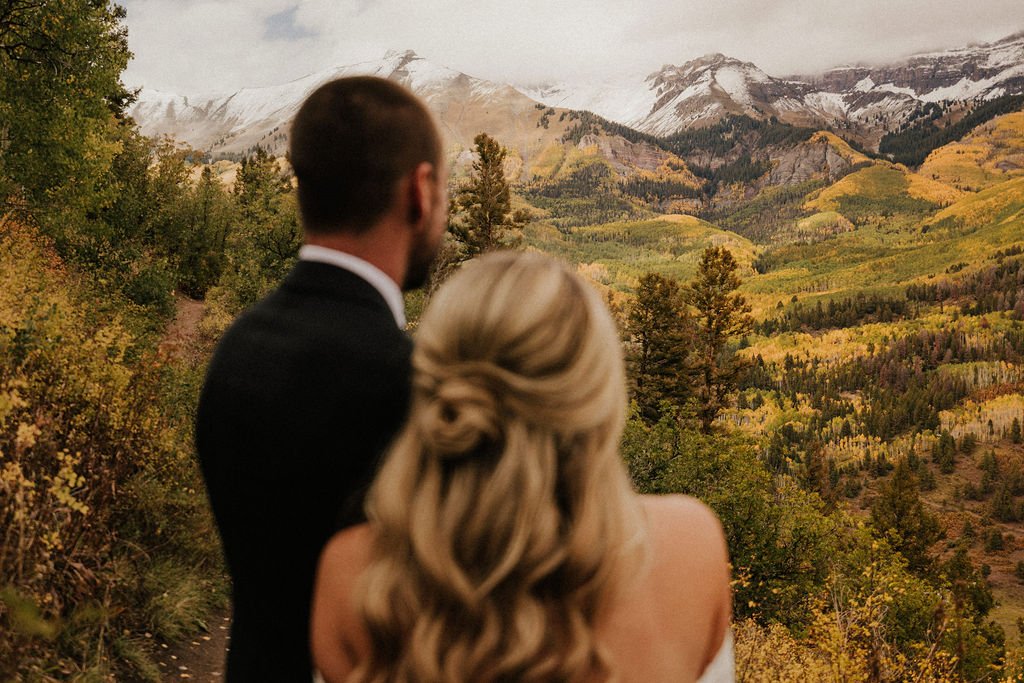
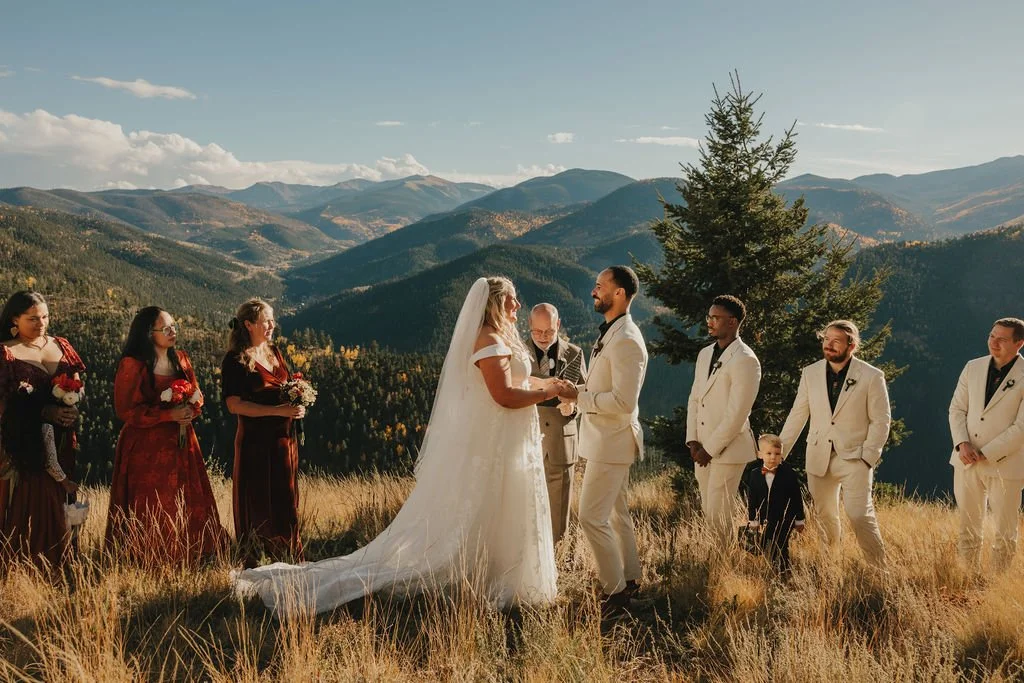
October is particularly stunning in northern New Mexico. The aspen groves in the Sangre de Cristo Mountains blaze with color, and the cottonwood trees along the Rio Grande turn brilliant yellow. The famous Albuquerque International Balloon Fiesta — held every October — adds a layer of festive energy to the city, though it also means hotels book out months in advance.
For couples considering a destination elopement that extends across the Southwest, fall is the ideal time to combine a New Mexico wedding or adventure elopement with a visit to neighboring states. The shoulder-season conditions are similarly excellent in Arizona, Colorado, and Utah — making fall the perfect time for a multi-state adventure wedding experience.
Winter (November–February): Off-Season Magic
Winter is New Mexico's best-kept secret for couples seeking intimacy, affordability, and dramatic atmosphere. The crowds disappear, venue rates drop significantly, and the desert under a light dusting of snow is a scene unlike any other. High-elevation locations like Taos Ski Valley or the Valles Caldera can receive enough snowfall to create an enchanting winter wonderland backdrop.
January and February are the coldest months, but they're also the driest — and they offer that incredible Southwestern winter light that photographers love. If you're planning a small ceremony or elopement and you don't mind layering up, a winter wedding in New Mexico can be profoundly romantic and surprisingly affordable compared to peak season.
Best New Mexico Wedding Locations by Season
New Mexico's diverse geography means the best venue depends heavily on your chosen season. Here's a quick pairing guide to help you match your date to the right location:
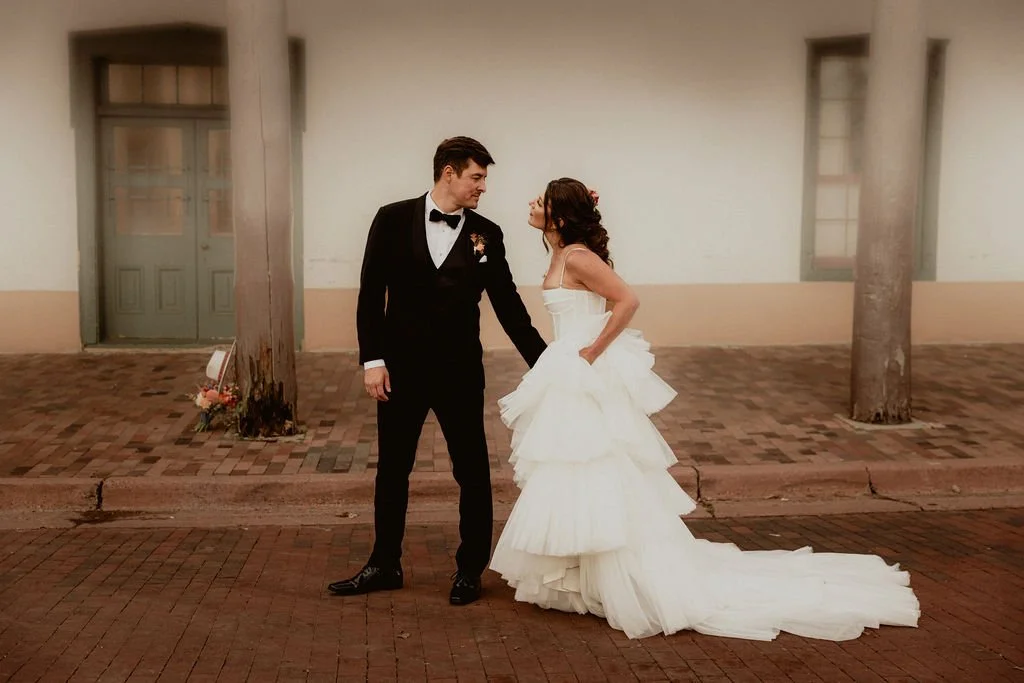
Santa Fe & Surrounds (year-round, peak in spring/fall) — Historic adobe architecture, art galleries, and mountain views. The city's adobe aesthetic photographs beautifully in warm golden light.
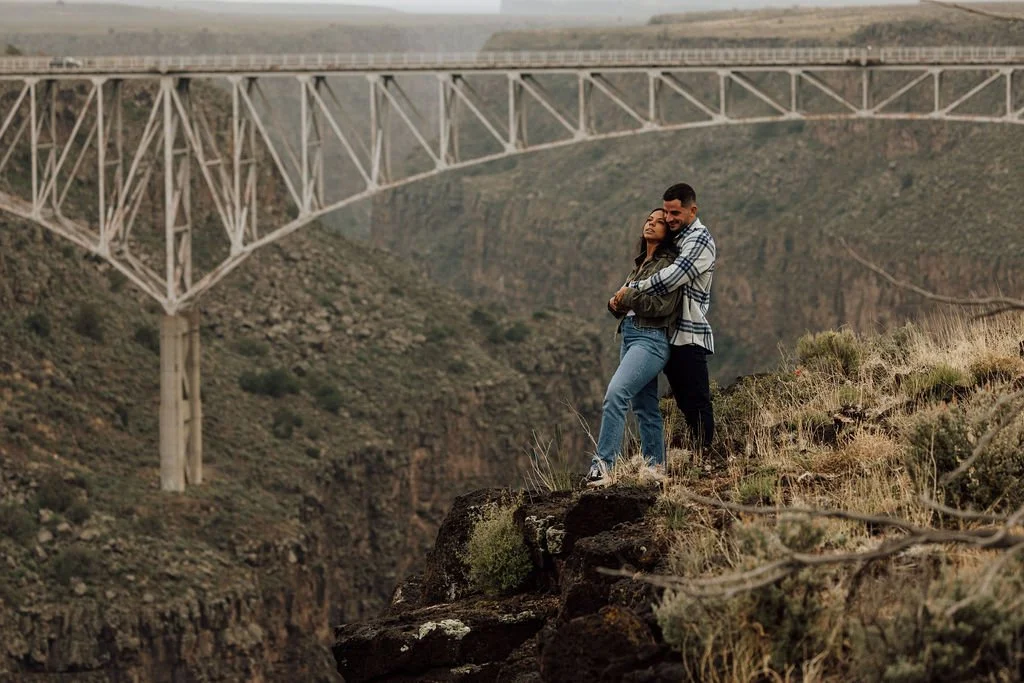
Rio Grande Gorge, Taos (spring & fall) — One of the most dramatic natural venues in the country, best accessed when temperatures are mild and trail conditions are safe.
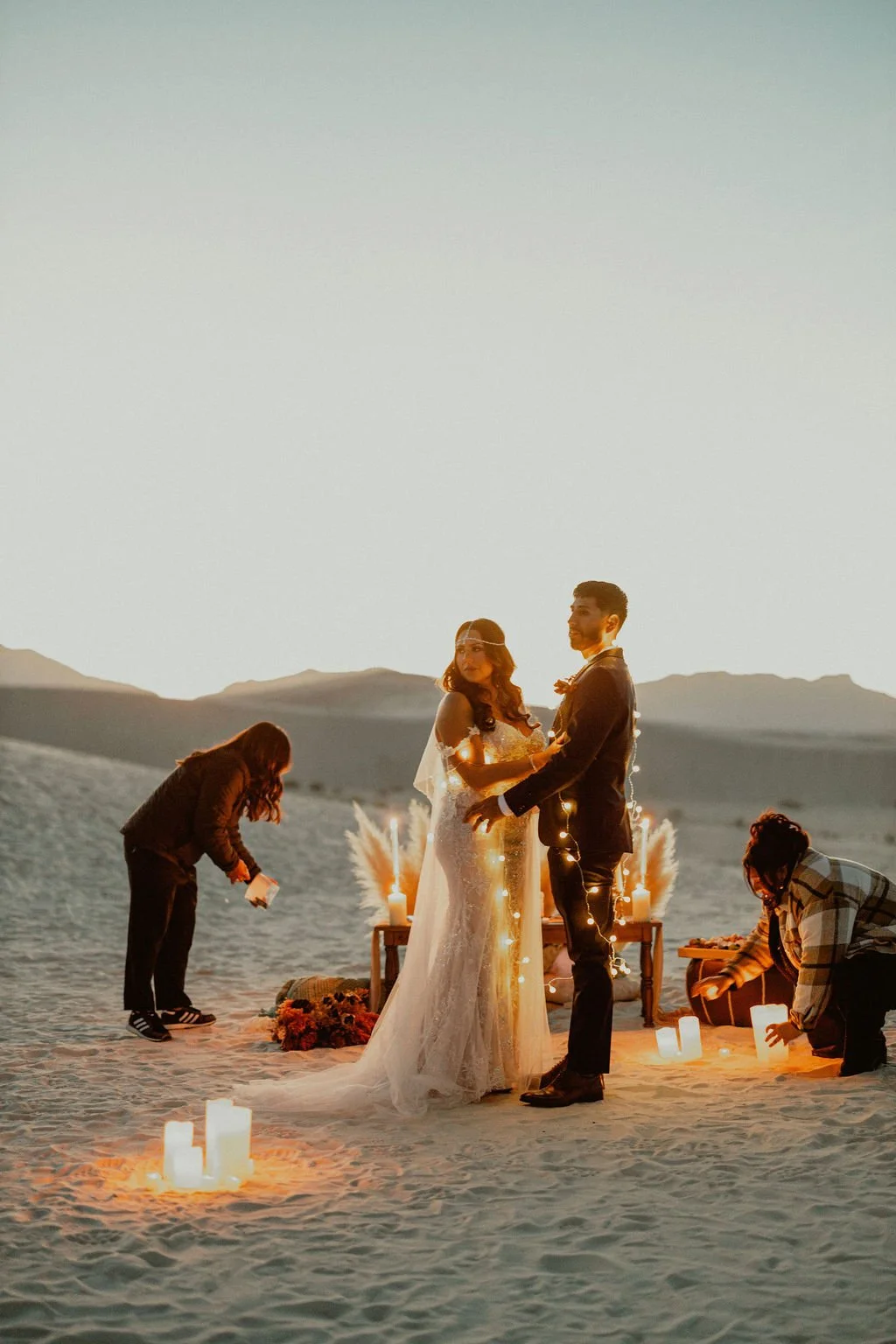
White Sands National Park (winter & spring) — The gypsum dune fields are most comfortable before summer heat sets in. Morning ceremonies here are ethereal.
Sandia Mountains, Albuquerque (spring, early summer, fall) — Accessible by tram, offering panoramic views at 10,378 feet. Summer evenings are cool; fall colors appear in October.
Valles Caldera National Preserve (spring & fall) — A sweeping volcanic caldera filled with meadows. Spring wildflowers and fall grasses make it a photographer's paradise.
Bandelier National Monument (spring & fall) — Ancient cliff dwellings set against red rock canyon walls. Avoid summer heat; spring and fall light is exceptional.
Table 2: New Mexico Wedding Venue vs. Season Suitability
| Location | Spring | Summer | Fall | Winter |
|---|---|---|---|---|
| Santa Fe Historic District | ✅ Ideal | ✅ Good | ✅ Ideal | ⚠️ Cool |
| Rio Grande Gorge, Taos | ✅ Ideal | ⚠️ Hot / Wind | ✅ Ideal | ⚠️ Cold |
| White Sands NP | ✅ Best | ❌ Too Hot | ✅ Good | ✅ Good |
| Sandia Mountains | ✅ Ideal | ✅ Cool Summit | ✅ Ideal | ⚠️ Icy Access |
| Valles Caldera | ✅ Ideal | ⚠️ Monsoon | ✅ Ideal | ❌ Snow / Closed |
| Albuquerque Botanic Garden | ✅ Ideal | ⚠️ Hot Mid-Day | ✅ Ideal | ✅ Good |
| Bandelier NM | ✅ Ideal | ❌ Extreme Heat | ✅ Ideal | ⚠️ Limited Access |
✅ Ideal = Best conditions
✅ Good = Suitable with minor considerations
⚠️ Proceed with caveats
❌ Generally not recommended
New Mexico Wedding Planning Tips: What to Know Before You Book
Choosing the right season is only the beginning. Here are the key planning considerations every couple should factor in before setting a date in New Mexico.
Book Venues and Vendors Early
New Mexico's most coveted venues — especially in Santa Fe, Taos, and Albuquerque — fill up 12 to 18 months in advance for peak spring and fall dates. If you have a specific location in mind, reach out as early as possible. The same applies to photographers, caterers, and officiants. The wedding industry in New Mexico has grown significantly in the past five years as more couples discover the state as a destination.
Understand Permit Requirements for Outdoor Venues
Many of New Mexico's most photogenic locations — national parks, state monuments, federal lands — require photography and ceremony permits. White Sands National Park, for example, has a formal elopement and wedding permit process. Bandelier and the Rio Grande Del Norte National Monument have their own requirements. Always check with the managing agency well in advance and factor permit costs into your budget.
Plan for High-Altitude Conditions
Much of New Mexico sits above 5,000 feet, and popular wedding locations like Santa Fe (7,200 ft), Taos (6,969 ft), and the Sandia Mountains (10,378 ft at the tram terminal) are significantly higher. High altitude affects guests who aren't acclimated — expect fatigue, shortness of breath, and dehydration risk. Build in arrival time before the wedding day, provide water stations throughout your event, and consider shorter ceremonies at extreme elevations.
Embrace the Adventure Mindset
Some of the most extraordinary New Mexico weddings aren't at traditional venues at all — they happen on canyon rims, in ancient ruins, atop desert mesas, and beside rivers. If that resonates with you, consider working with a photography-first team that specializes in adventure weddings. Shutterfreek's elopement experiences are built around couples who want more than a ceremony — they want a story.
Weather Contingency Planning
Even in the shoulder seasons, New Mexico weather can surprise you. Spring can bring late cold snaps or wind events, and fall afternoons can see sudden temperature drops, especially at elevation. Always have a backup plan for outdoor ceremonies: a tent, a nearby indoor space, or a flexible venue policy. Discuss your contingency plan with your venue coordinator before signing any contracts.
Why New Mexico Is Perfect for an Adventure Elopement
The elopement movement has transformed the wedding industry, and New Mexico has become one of the top elopement destinations in the American Southwest. The state's combination of remote, accessible landscapes, relatively relaxed permit environments compared to some national parks, and extraordinary visual diversity makes it ideal for couples who want something intimate and unforgettable.
An elopement in New Mexico gives you total creative freedom. You're not bound by a venue's catering list or a strict 5-hour event window. You can watch the sunrise over White Sands, exchange vows at the edge of the Rio Grande Gorge, and end the day with a private dinner in Santa Fe — all in a single day.
The best months for a New Mexico elopement mirror the general wedding calendar: April, May, September, and October offer the most consistently beautiful conditions. But with the right preparation and a team experienced in adventure locations, winter and summer elopements can be just as stunning — and far more private.
If you're also exploring other Southwest elopement destinations, consider that Utah weddings and adventure elopements offer similarly dramatic canyon and red rock scenery, while Colorado weddings and adventure elopements bring alpine meadows and mountain peaks into play. Many couples combine New Mexico with a stop in Arizona weddings and adventure elopements for a true Southwest adventure.
Final Thoughts
New Mexico doesn't have a bad season for weddings — just different seasons that suit different couples. If you want reliable weather and peak beauty, aim for April, May, September, or October. If you want drama and solitude, consider a winter elopement under a desert sky full of stars. If you love dynamic weather and don't mind planning around afternoon storms, summer in New Mexico is more magical than you might expect.
What matters most is that your wedding reflects who you are as a couple. The Land of Enchantment has a way of making every ceremony feel deeply personal — whether you're surrounded by 200 guests in a Santa Fe courtyard or standing alone on the rim of the Rio Grande Gorge with just each other and your photographer. At Shutterfreek, we believe the best weddings happen when couples stop chasing someone else's perfect day and start designing their own.
Ready to start planning? Explore New Mexico weddings and adventure elopements with Shutterfreek and let's build something extraordinary together.
Frequently Asked Questions
-
October is consistently the most popular month for weddings in New Mexico, followed closely by May. October wins because of the spectacular fall foliage in northern New Mexico, comfortable temperatures, and post-monsoon dry weather. May is the top spring choice due to its warm days, low precipitation, and fresh desert blooms. Both months book out quickly, so early planning is essential.
-
It depends on your location, time of day, and tolerance for heat. Albuquerque in July averages highs around 91°F, which makes midday outdoor ceremonies uncomfortable. However, morning ceremonies (before 10 AM) and sunset ceremonies (after 6 PM) are very manageable even in summer. Venues at higher elevations — like those near Santa Fe or in the mountains — stay significantly cooler. If you love summer weddings, go for it; just plan your timeline around the heat and the afternoon monsoon window.
-
It depends on where you want to hold your ceremony. Private venues and ranches typically don't require special permits beyond the venue's own event agreement. However, national parks (like White Sands or Carlsbad Caverns), national monuments, and Bureau of Land Management lands generally require a Special Use Permit for ceremonies and commercial photography. State parks in New Mexico also have permit requirements. Always contact the managing agency at least 3 to 6 months in advance for popular locations.
-
Northern New Mexico — particularly the Santa Fe, Taos, and Abiquiu corridor — is the most popular region for outdoor weddings, offering a combination of dramatic landscapes, arts culture, and excellent vendor infrastructure. Central New Mexico's Albuquerque area provides easy airport access and diverse venues from the Sandia Mountains to the Rio Grande bosque. Southern New Mexico around White Sands and the Lincoln National Forest is ideal for adventurous couples who want true desert wilderness. Each region has its own seasonal sweet spot.
-
For peak season dates (April–May and September–October), book your photographer 12 to 18 months in advance. New Mexico's most experienced adventure and elopement photographers fill up quickly during these windows. For off-season dates, 6 to 9 months is usually sufficient, though booking earlier never hurts. If you're planning an elopement with a smaller guest count, some photographers offer more flexible booking windows, but don't assume availability — great photographers are always in demand.
Keep reading