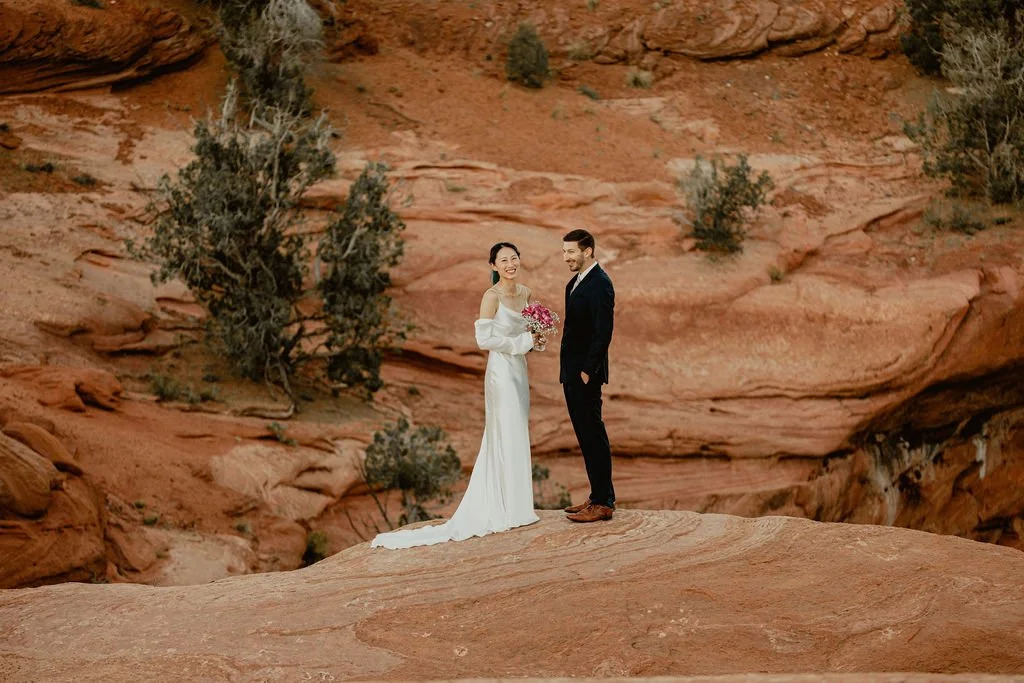
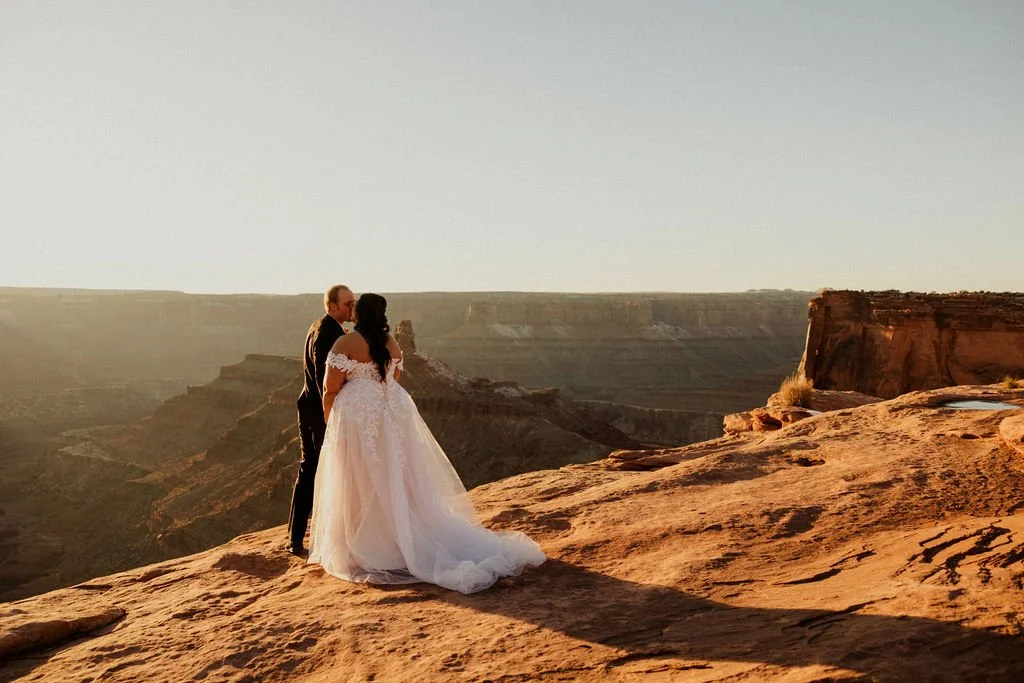
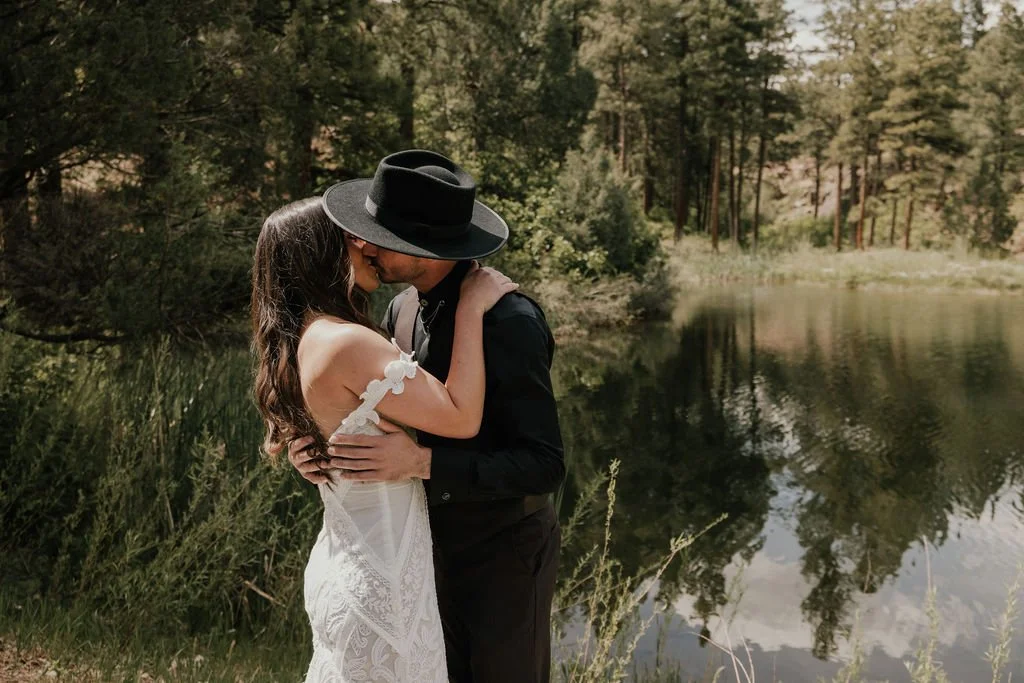
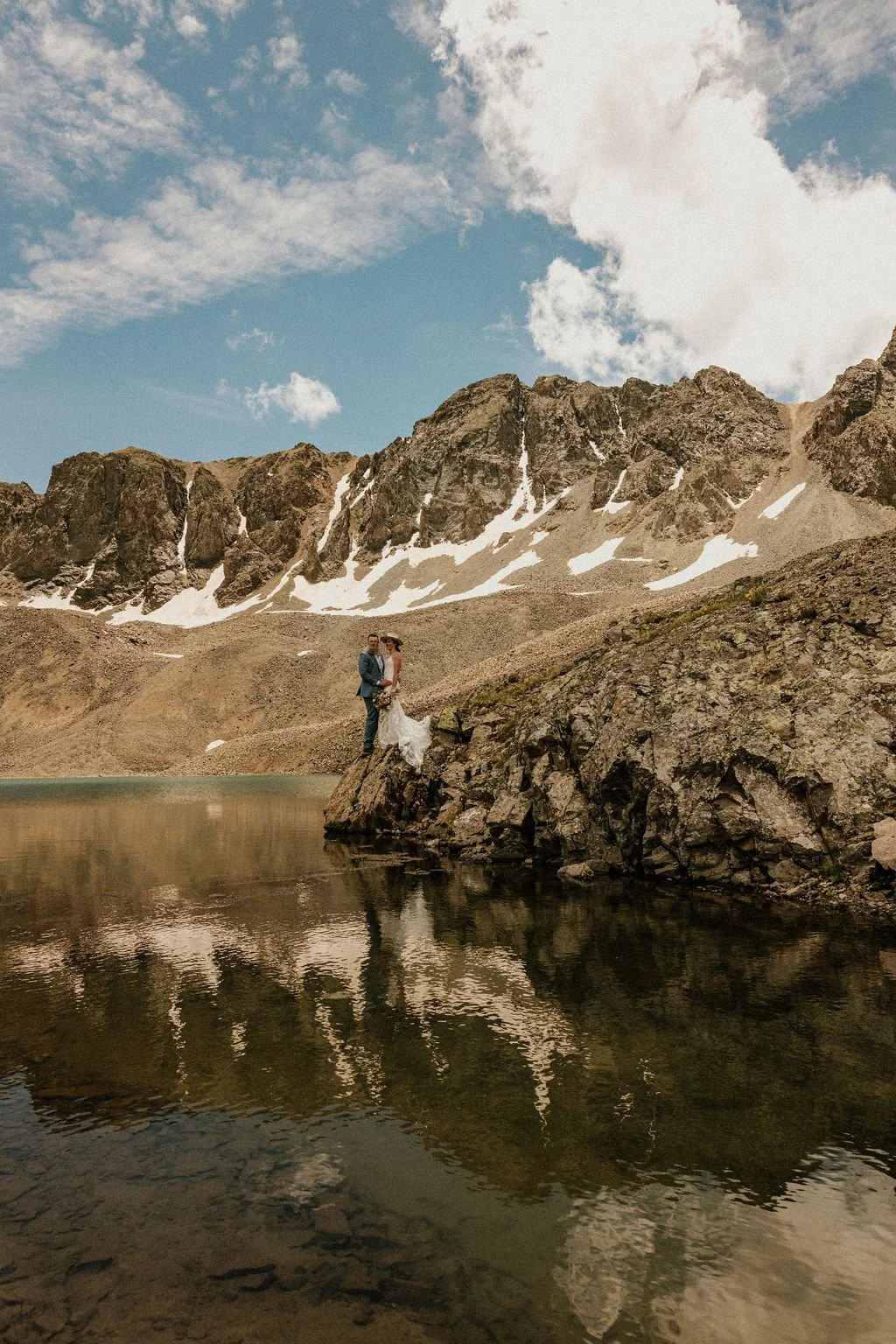
Angel Fire Wedding Photography: Mountain Elopements & Weddings by Shutterfreek
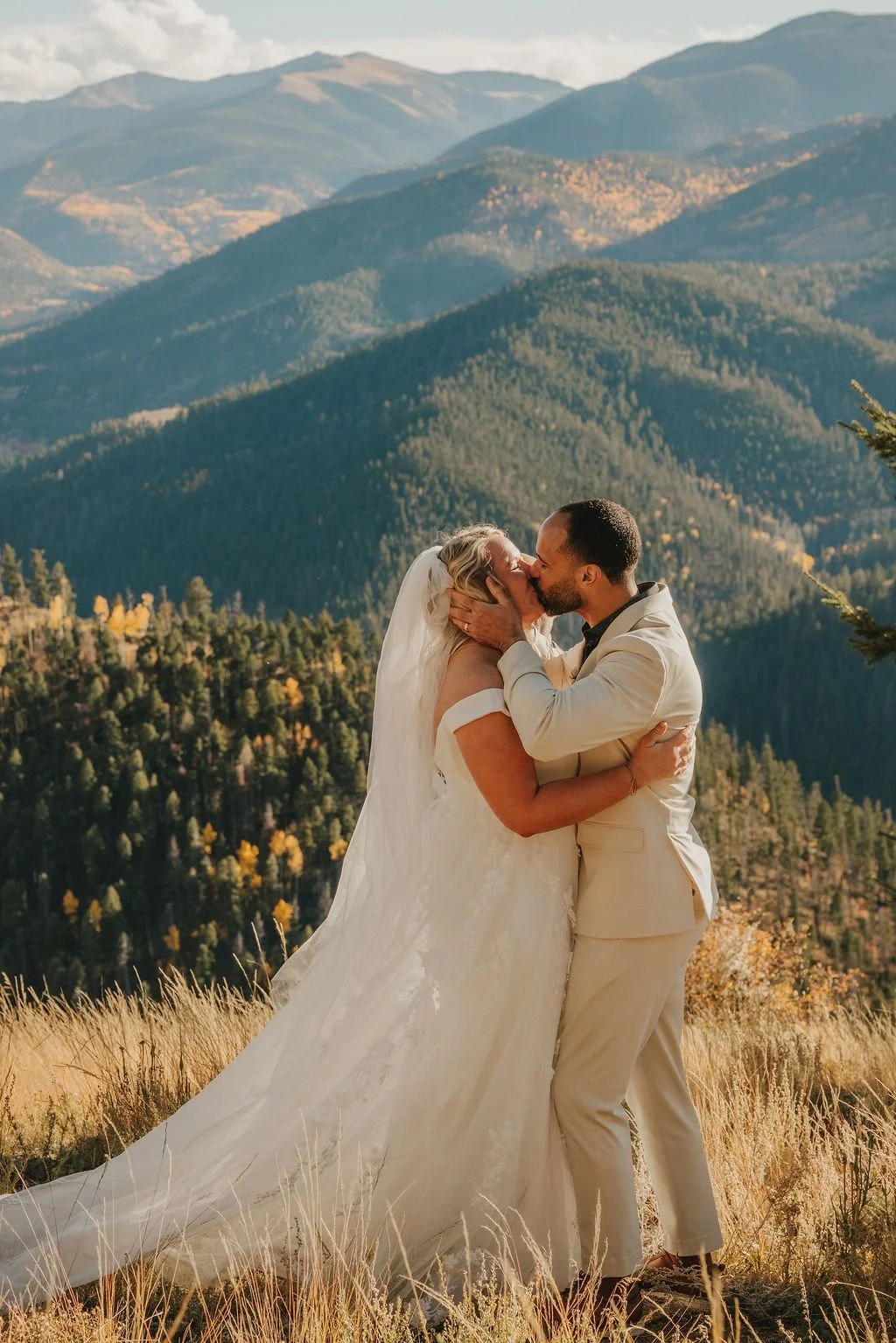
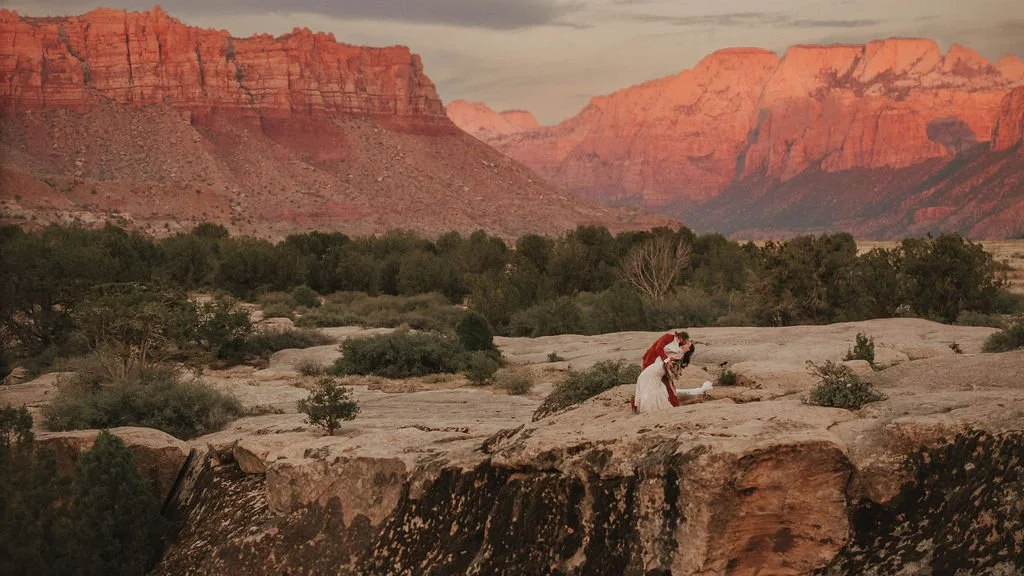
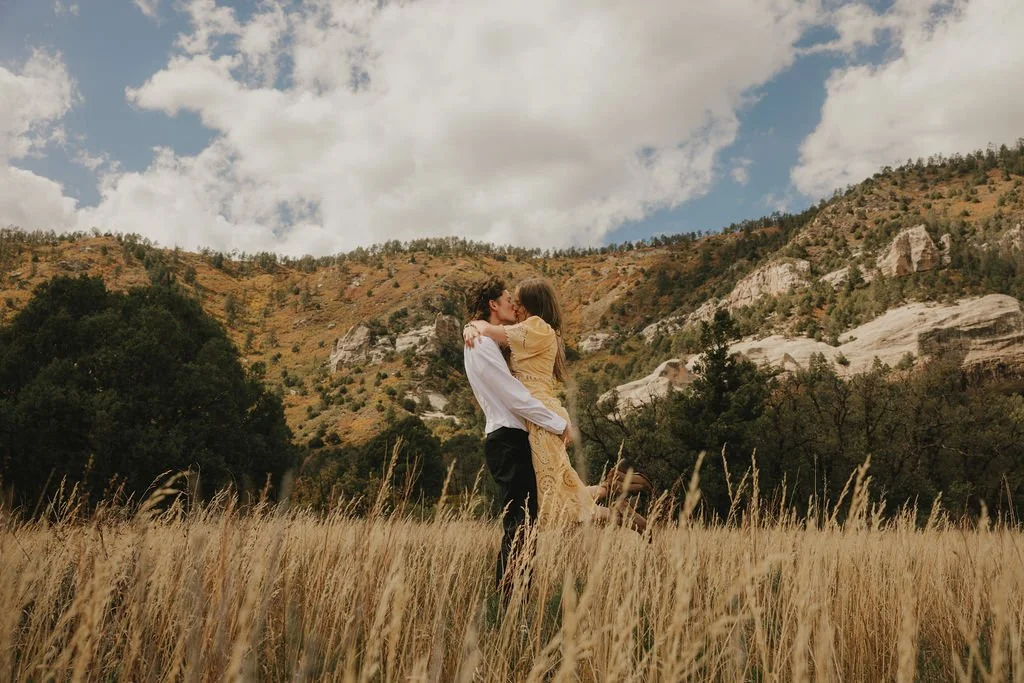
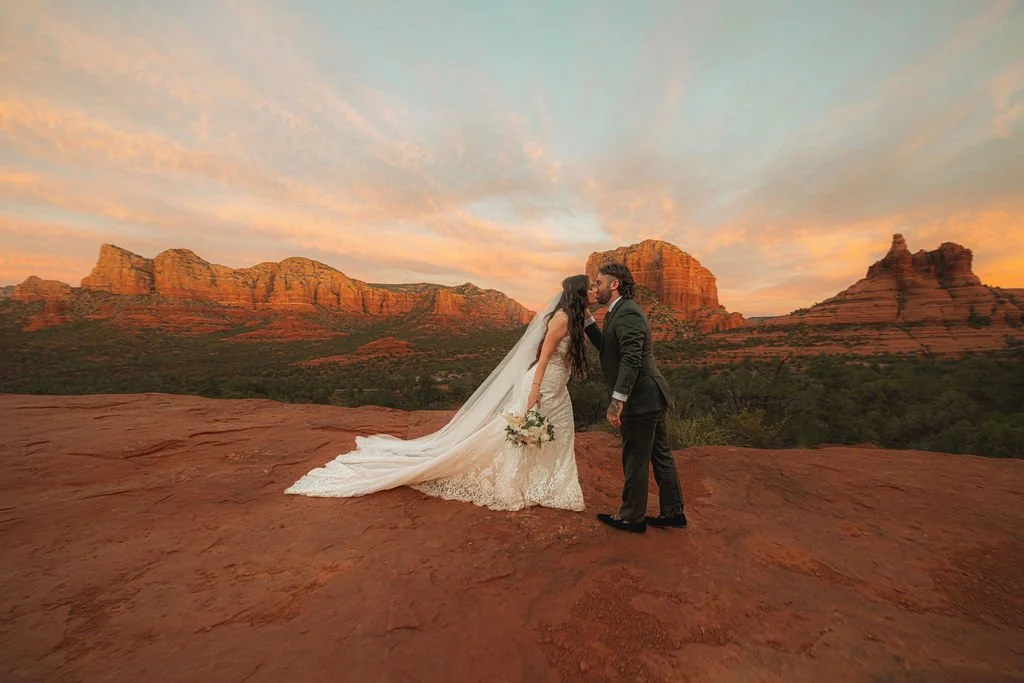
Angel Fire wedding photography is best captured by a team that treats the Sangre de Cristo Mountains as a creative partner, not just a backdrop, and that's exactly how Shutterfreek approaches every Angel Fire wedding, elopement, and couples session. Angel Fire, New Mexico sits at over 8,600 feet in elevation, surrounded by alpine meadows, aspen groves, and sweeping mountain ridgelines that shift dramatically with every season, which means your wedding photos here can look nothing like a typical ballroom wedding album.
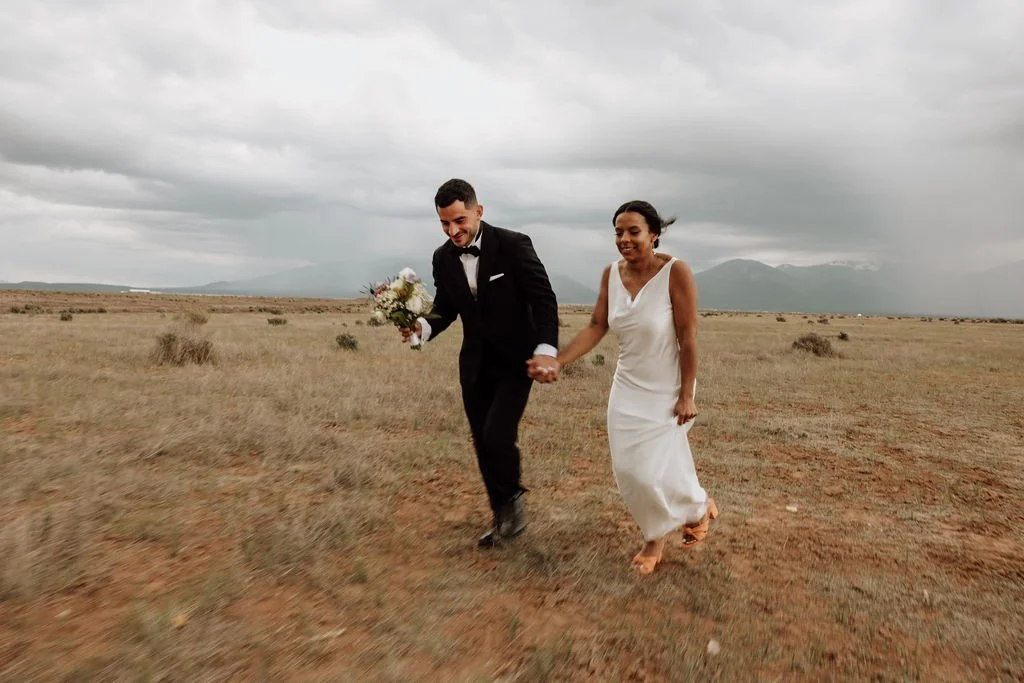
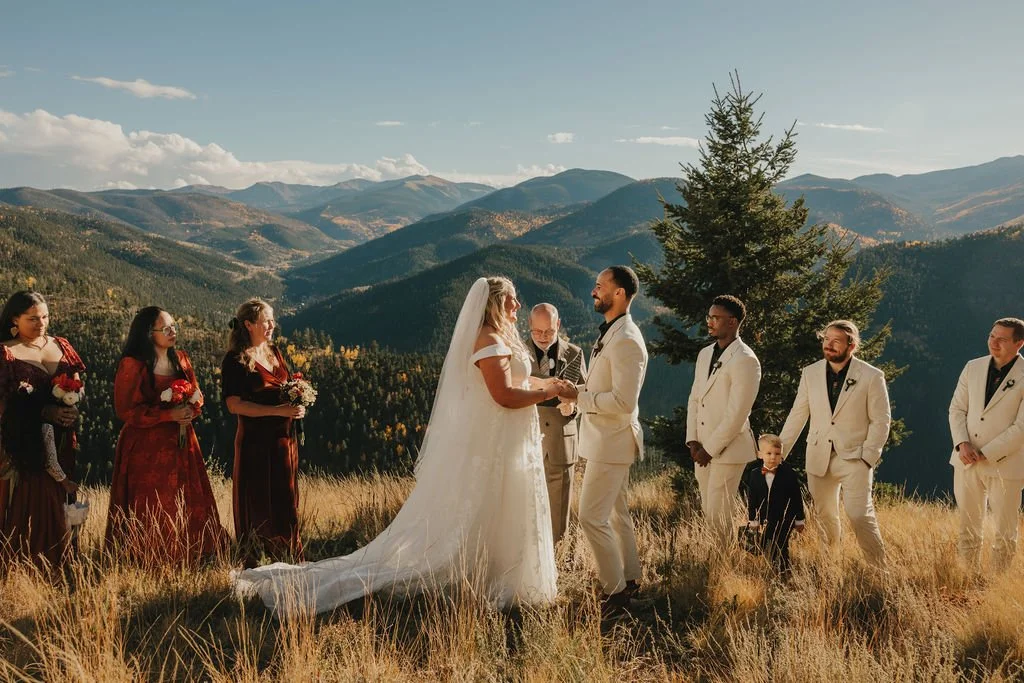
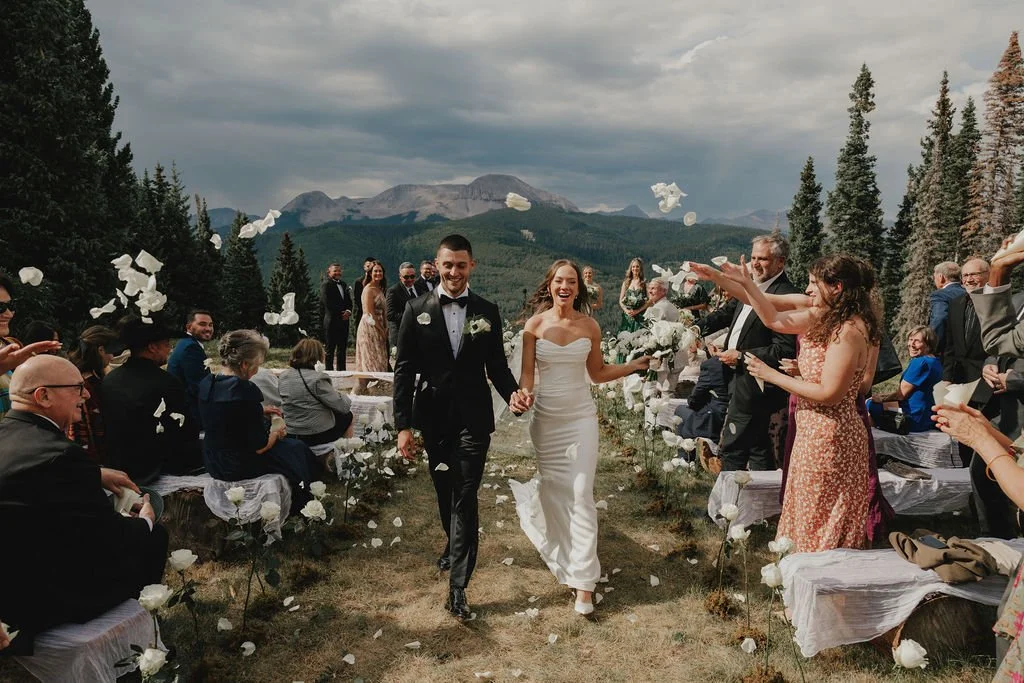
Whether you're planning a full-scale mountain wedding at a resort venue, a two-person elopement on a ridge at sunrise, or an intimate ceremony with 20 guests, Shutterfreek documents Angel Fire weddings with a documentary-meets-adventure style built specifically for high-altitude, wide-open terrain.
This guide covers everything a couple planning an Angel Fire wedding needs to know: the best venues and locations, what a wedding photography package actually costs in this region, the ideal time of year to book, how elopements differ from full weddings here, what to expect logistically at altitude, and a realistic day-of timeline. We'll also answer the most common questions couples ask before hiring an Angel Fire wedding photographer, so you can walk into your first consultation already informed.
Why Angel Fire, New Mexico Is a Top Mountain Wedding Destination
Angel Fire has become a favorite among couples who want a mountain wedding without the crowds and price tag of destinations like Aspen or Jackson Hole. It offers a rare combination: dramatic elevation and landscape, genuine accessibility, and a wedding infrastructure (venues, lodging, vendors) that's mature enough to support a full weekend of celebrations without feeling overrun by tourism. A few specific reasons it keeps showing up on couples' shortlists:
Elevation and scenery: At roughly 8,600 feet, Angel Fire offers dramatic vistas, dark night skies, and cooler summer temperatures than most of New Mexico, which is a major draw for couples marrying in July and August who want to avoid desert heat.
Accessibility: It's a manageable drive from Santa Fe, Taos, and Albuquerque, which makes it realistic for both destination weddings and guests traveling from out of state, unlike more remote mountain destinations that require multiple flight connections.
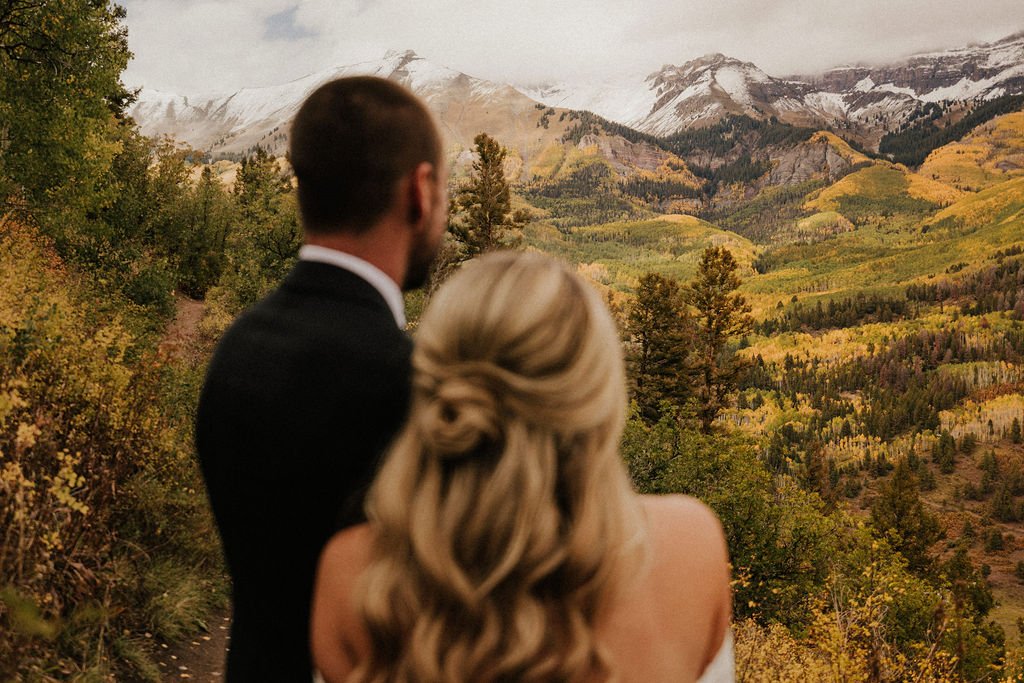
Four distinct seasons for photography: Wildflower meadows in summer, golden aspens in fall, and snow-covered peaks in winter all create very different visual moods for the same location, so no two Angel Fire weddings look alike even when shot at the same venue.
A mix of formal and rustic venues: Couples can choose anything from a resort ballroom with mountain views to a fully off-grid elopement site reached by a short hike, giving real flexibility depending on guest count and budget.
Room for adventure elements: Couples who want a first-look hike, a sunrise ceremony, or a "day after" adventure session have easy access to trailheads and overlooks within a short drive of most venues.
Because the terrain does so much visual work on its own, an Angel Fire wedding photographer's job is less about manufacturing a mood and more about reading the light, the weather, and the landscape in real time, which is where local, high-altitude experience matters more than a generic wedding portfolio.
What Makes Shutterfreek's Angel Fire Wedding Photography Different
Shutterfreek isn't a photographer who occasionally covers a mountain wedding, adventure and elopement photography in rugged, high-altitude terrain is the core of the business. That distinction matters in a place like Angel Fire, where afternoon thunderstorms roll in fast, trail access can be limited by season, and the best light often means hiking to a ridge before sunrise while guests are still asleep.
For couples comparing photographers, this background shows up in practical ways: knowing which trailheads are shootable in wedding attire and heels versus which require a footwear change, understanding how altitude affects a golden-hour timeline and a couple's stamina during a hike, and carrying gear suited to wind, cold, or uneven ground without slowing down the day. It also means having a realistic sense of what's achievable in a given window of light, rather than promising a shot list that isn't physically possible given the terrain.
Shutterfreek's broader body of work in similarly rugged terrain, including elopements across the American West, directly informs how Angel Fire sessions are planned and shot. That cross-regional experience means fewer surprises on the wedding day itself, because the logistics of mountain photography have already been tested in comparable conditions.
Best Angel Fire Wedding Photography Locations & Venues
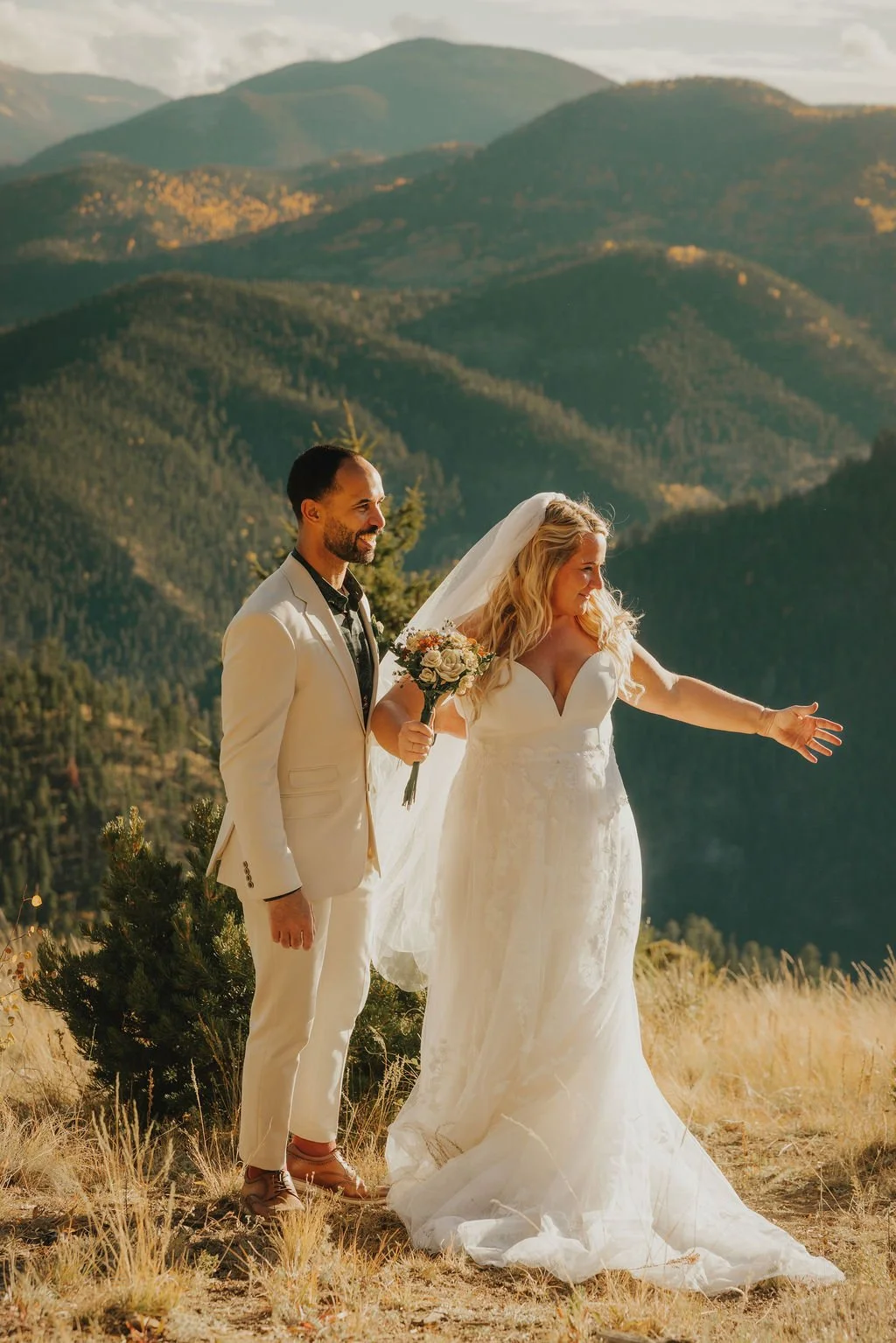
Location choice has more impact on final photos here than almost anywhere else, because the landscape itself becomes part of the composition rather than a backdrop that's cropped out. Some couples want the convenience of a single venue where the ceremony, portraits, and reception all happen in one place; others are willing to add a short drive or hike between locations in exchange for a more dramatic setting. Below is a comparison of popular categories of locations couples choose in and around Angel Fire.
| Location Type | Best For | Guest Capacity | Photography Style |
|---|---|---|---|
|
Resort/Lodge Venues e.g., mountain resort ballrooms & lawns |
Traditional weddings with full guest lists | 50–250 | Classic, formal, golden-hour lawn portraits |
| Alpine Meadow & Trailhead Sites | Elopements & micro-weddings | 2–20 | Documentary, wide landscape, natural light |
| Private Ranch or Backyard Properties | Family-style weddings | 30–100 | Rustic, relaxed, candid |
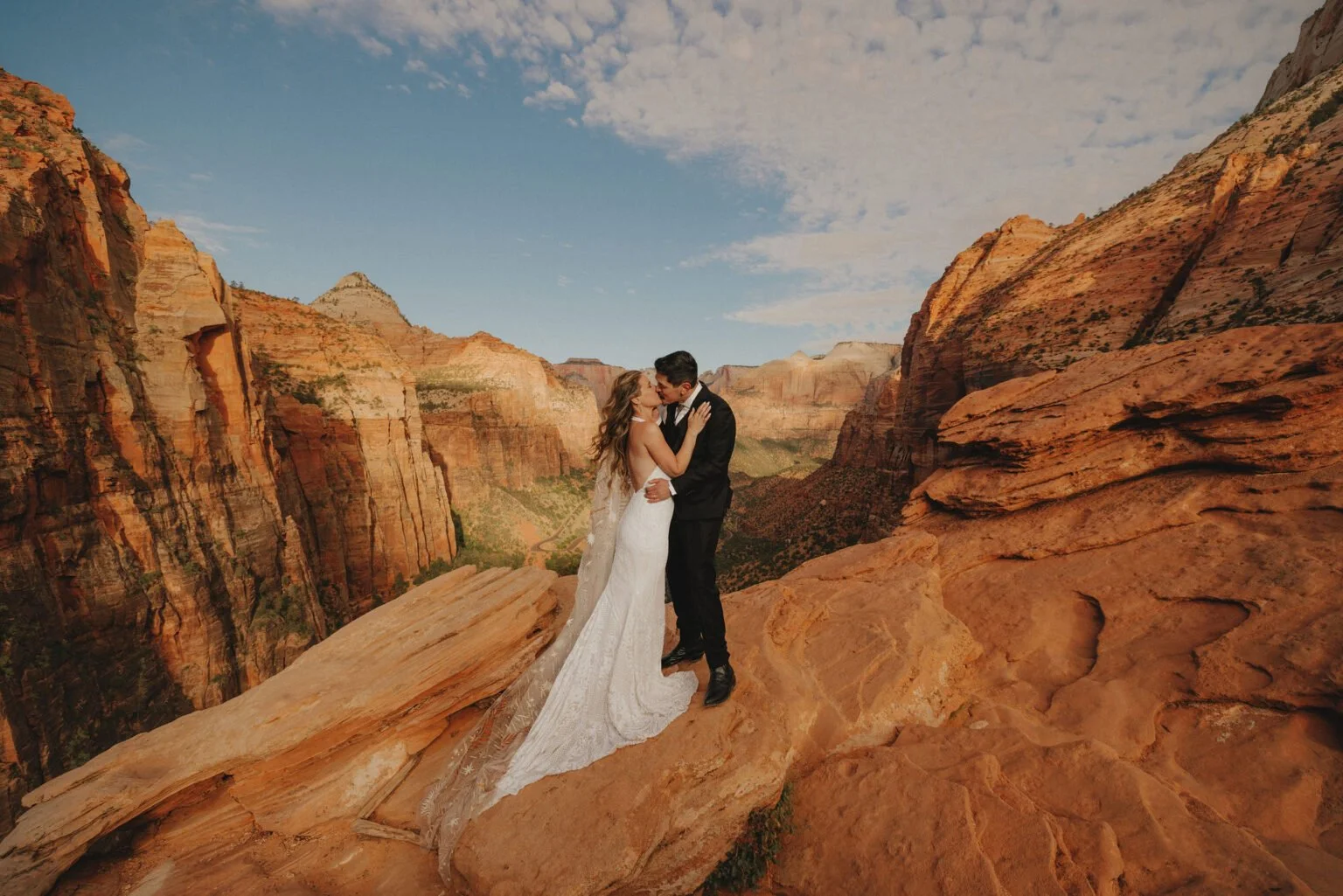
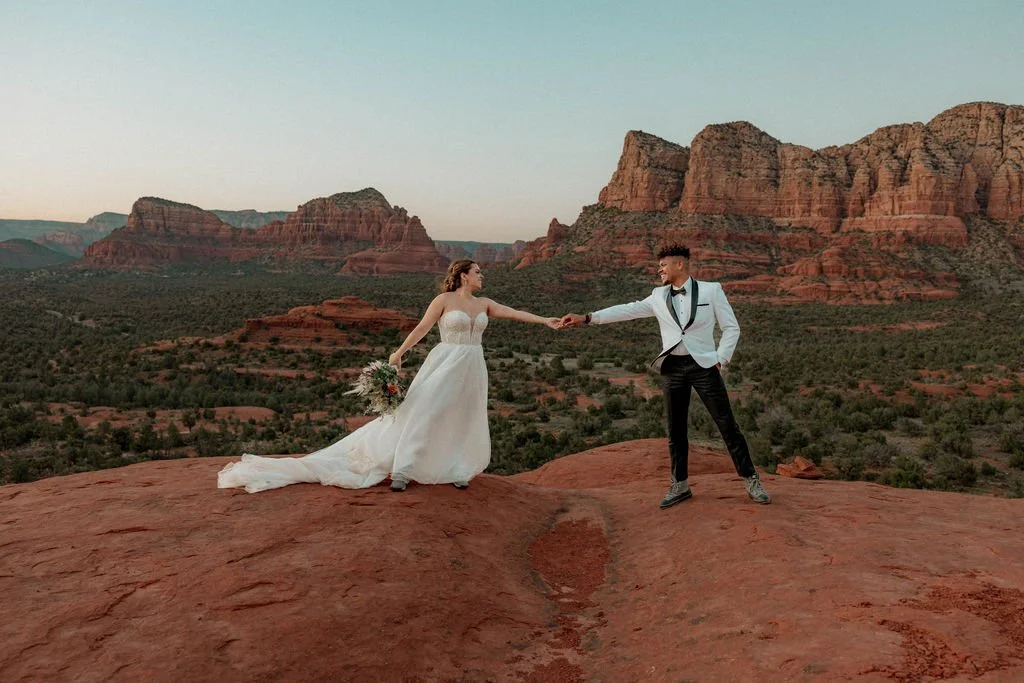
| High-Ridge & Overlook Sites | Sunrise/sunset elopements, adventure sessions | 2–10 | Dramatic, cinematic, epic-scale landscape |
For couples deciding between a resort ceremony and a more remote elopement site, it often comes down to guest count, mobility of guests (especially older family members), and how much hiking or driving people are realistically willing to do in wedding attire. It's also worth thinking about backup plans, Angel Fire's weather can shift quickly in summer, so venues with an indoor or covered option tend to reduce day-of stress. Shutterfreek scouts each location in advance to plan light direction, identify backup weather locations, and map realistic travel time between the ceremony site and any portrait locations, so nothing on the timeline is left to guesswork.
Angel Fire Wedding Photography Packages & What They Include
Pricing for Angel Fire wedding photography typically depends on coverage hours, number of photographers, travel logistics into the mountains, and whether the session is a full wedding or an elopement. Couples researching cost should treat any online pricing chart as a starting framework rather than a final quote, since elevation, permit requirements, and season all affect what a shoot actually involves. Below is a general framework couples can use when comparing photographers (exact pricing is confirmed after a consultation).
| Package Type | Typical Coverage | Best For | What's Usually Included |
|---|---|---|---|
| Elopement Session | 2–4 hours |
2–10 people Ceremony coverage, hike-in portraits, digital gallery |
Ceremony coverage, adventure portraits, location guidance, and an online digital gallery. |
| Half-Day Wedding | 5–6 hours |
Small-to-mid weddings Getting ready, ceremony, portraits, early reception |
Getting-ready coverage, ceremony, couple and family portraits, and coverage through the early reception. |
| Full-Day Wedding | 8–10 hours |
Traditional weddings Full-day coverage, second shooter option, reception |
Getting ready, ceremony, portraits, reception, detailed wedding moments, and optional second shooter coverage. |
| Adventure Add-On | 1–2 extra hours |
Any package Sunrise/sunset hike, alternate location, "day after" session |
Additional adventure coverage, alternate-location portraits, sunrise or sunset sessions, and extended storytelling. |
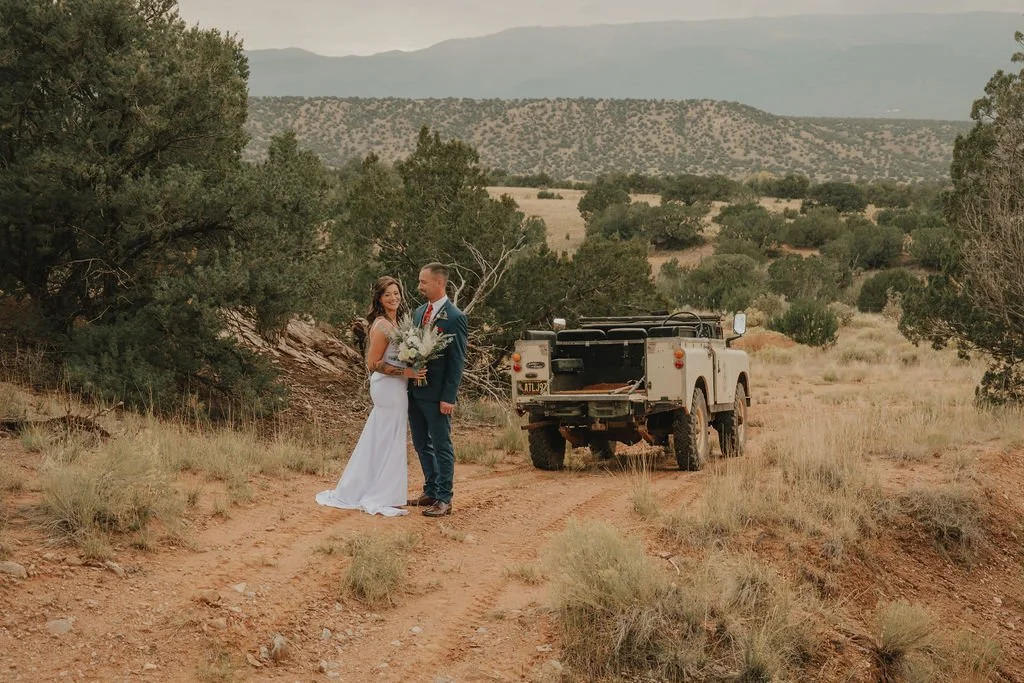
When comparing quotes from different Angel Fire wedding photographers, it helps to ask what's actually included beyond hours: number of edited images delivered, turnaround time for the final gallery, whether a second shooter is available for larger weddings, and whether travel fees apply for remote trailhead locations. Couples planning a mountain elopement in this region often find it useful to compare how Shutterfreek approaches similar terrain elsewhere, such as new mexico weddings adventure elopements, which outlines the adventure-elopement process in more detail across New Mexico locations, including Angel Fire.
Best Time of Year for Angel Fire Wedding Photography
Angel Fire's high elevation means the shooting season and visual style change dramatically month to month, and choosing a date is really choosing a color palette and light quality for your entire wedding album.
Late Spring (May–June): Green meadows, wildflowers starting to bloom, mild weather ideal for outdoor ceremonies without peak-summer crowds or the risk of afternoon monsoon storms.
Summer (July–August): Warm days, cooler evenings, and dramatic afternoon storm clouds that can create striking, moody light but require a flexible timeline and a backup indoor option.
Fall (mid-September–early October): Peak aspen color turns the mountainsides gold, widely considered the most photogenic and most requested season, and the one that books out fastest.
Winter (December–March): Snow-covered peaks and intimate, cabin-style elopements for couples who want a dramatic, quiet aesthetic and don't mind cold-weather logistics like heated getting-ready spaces.
Because fall color and peak summer weekend dates work quickly, most Angel Fire wedding photography sessions should be secured 9–14 months in advance. Couples set on a specific fall weekend should reach out even earlier, since aspen-season dates are often the first to sell out on a photographer's calendar.
Angel Fire Elopements & Adventure Wedding Sessions
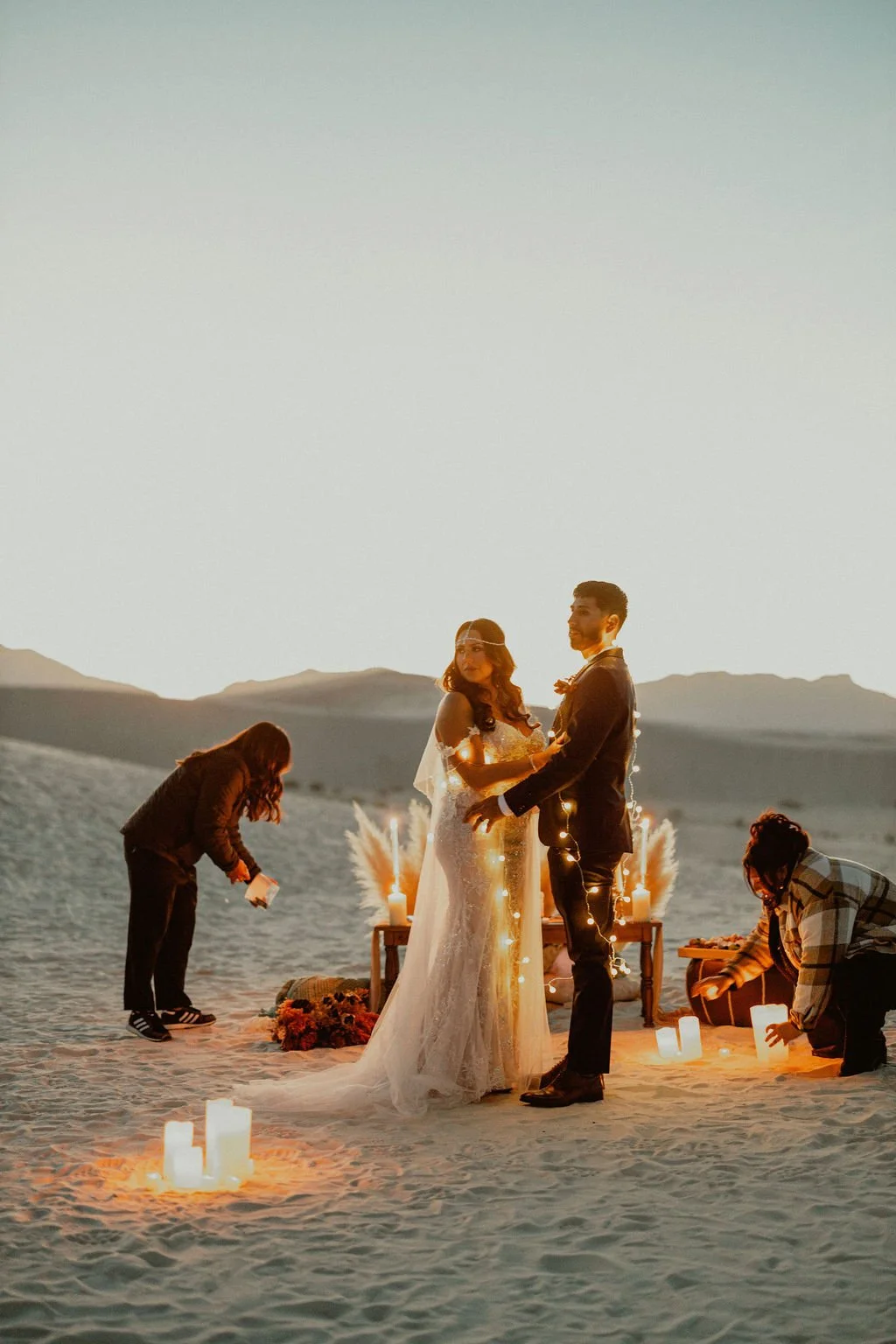
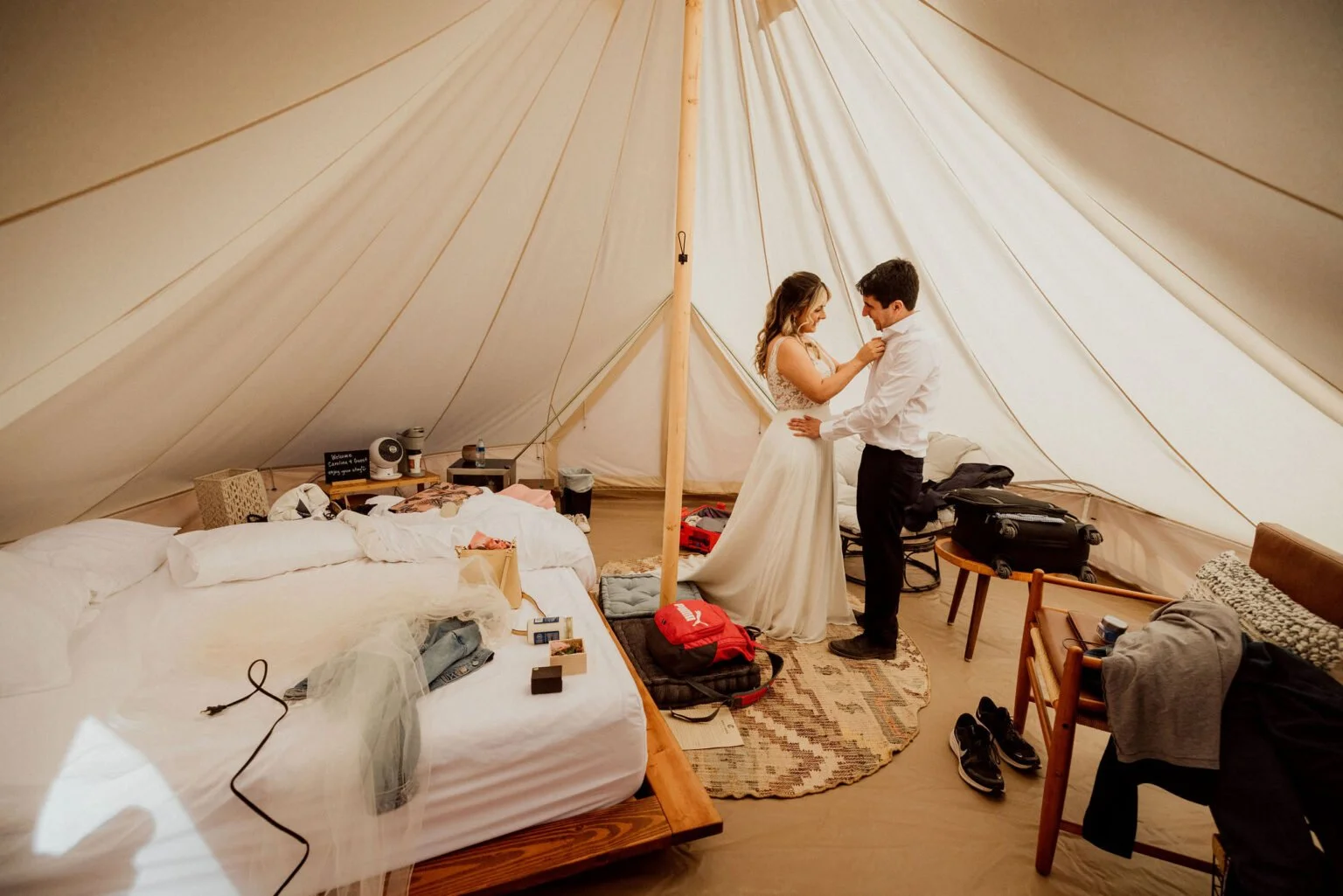
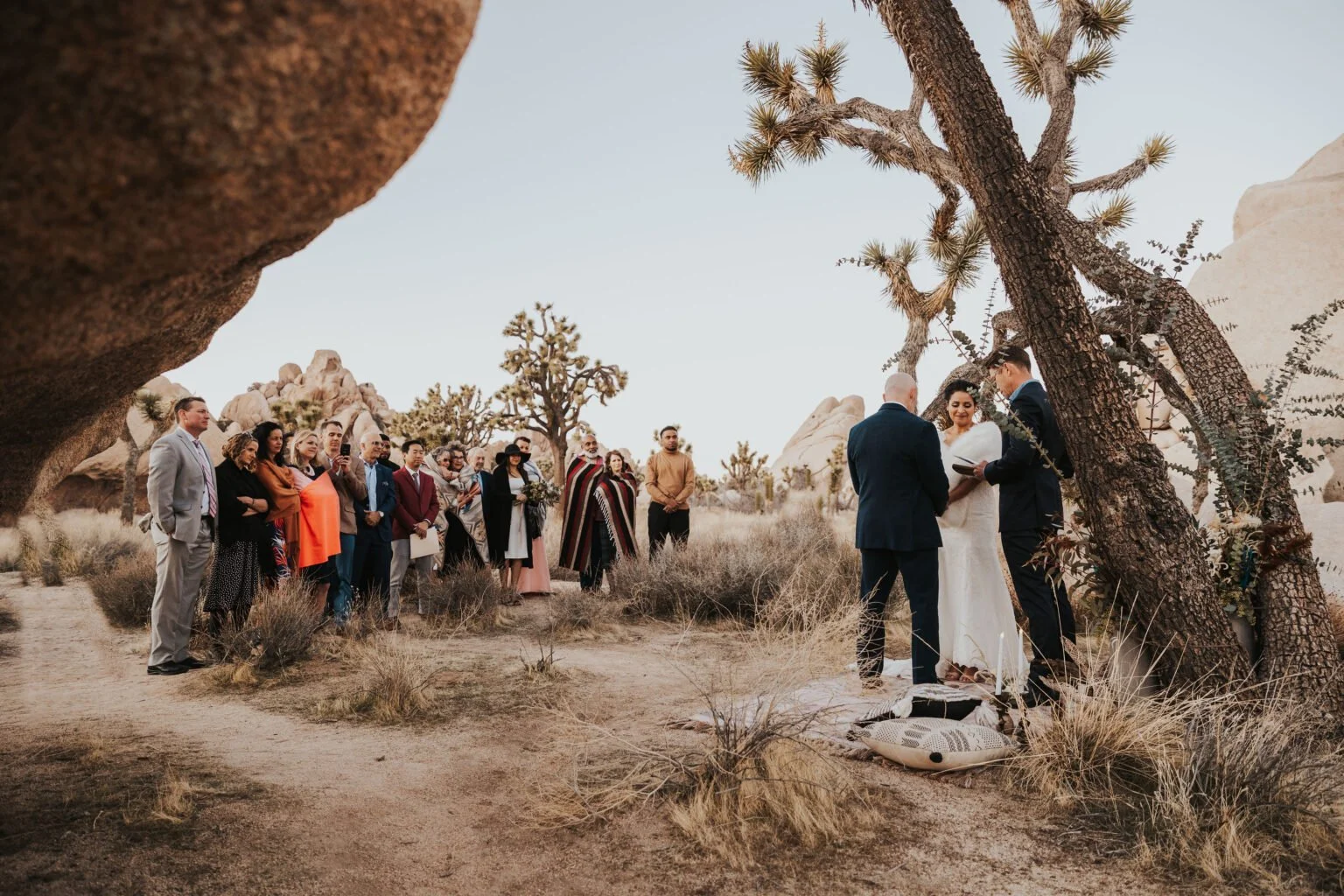
Elopements have become one of the most popular ways to get married in Angel Fire, largely because the area offers dramatic scenery without requiring a large guest list, a formal venue contract, or months of vendor coordination. A typical Angel Fire elopement might include a short hike to a ridge or meadow, a private ceremony with an officiant, and a portrait session timed around golden hour, often compressed into a single half-day window.
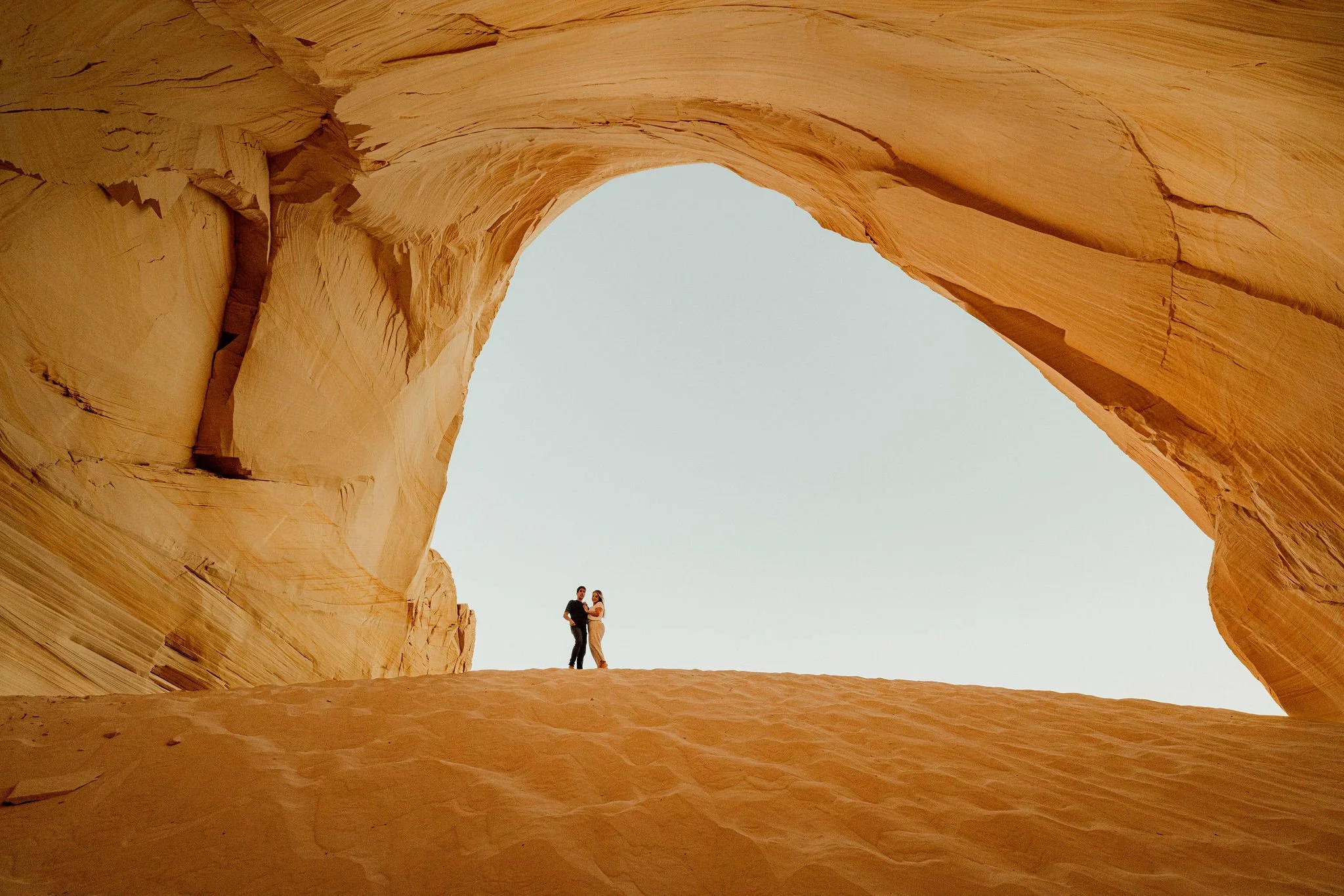
Shutterfreek's approach to elopement photography draws directly from experience shooting in comparable high-altitude terrain, including sessions covered under Utah weddings adventure elopements, where similar considerations, thin air, shifting light, and remote trail access, shape how a wedding day is planned and photographed. That cross-regional experience is part of why couples choosing an Angel Fire elopement often reach out after seeing adventure work from other mountain states and recognizing the same terrain-first approach they want for their own day.
If you're deciding between a traditional wedding and an elopement, it's worth reviewing what elopement coverage typically includes before booking. Shutterfreek's dedicated elopements page breaks down pricing, timeline structure, and permit considerations that also apply directly to Angel Fire, so couples can compare the elopement path against a full wedding with real numbers in front of them rather than guessing.
What to Expect at High Altitude on Your Wedding Day
Angel Fire's elevation isn't just a scenic detail, it has practical implications for how a wedding day should be planned, and it's one of the areas where local photography experience matters most.
Sun and light move differently at altitude. Golden hour can feel shorter, and the sun's position shifts faster than at sea level, so timelines need to build in slightly more buffer around sunrise and sunset portraits.
Weather changes quickly. Clear morning skies can give way to afternoon clouds or storms within a couple of hours, particularly in summer, which is why a flexible shot list matters more than a rigid one.
Physical exertion is more noticeable. A short hike that would feel easy at sea level can leave guests, and even the couple, more winded at 8,600+ feet, so build in rest points if a portrait location requires walking.
Layering matters for photos, not just comfort. Temperature swings between morning and evening are common, so couples often plan a layer (like a jacket or wrap) into their outfit that also photographs well.
Shutterfreek accounts for all of this when building a day-of shot list and timeline, so couples aren't left improvising around conditions that a locally experienced photographer would have anticipated.
Planning Your Angel Fire Wedding Day Timeline
A well-planned timeline is one of the biggest factors in how well wedding photos turn out at altitude, since light changes faster in the mountains and weather can shift a plan on short notice. A general sample timeline for a late-afternoon Angel Fire wedding:
12:00–1:30 PM – Getting ready photos (details, dress, suit, rings)
2:00 PM – First look (optional) and couple's portraits
3:30 PM – Wedding party and family formal portraits
4:30 PM – Ceremony
5:15–6:00 PM – Golden-hour couple portraits at a scenic overlook or meadow
6:30 PM onward – Reception coverage
Because Angel Fire's terrain includes both resort venues and remote trail access, Shutterfreek builds in buffer time for weather and travel between locations, something couples planning their own timeline should also account for, especially for sunrise elopements or high-ridge portrait sessions where a delay of even fifteen minutes can mean losing the best light.
Guest Travel & Lodging Considerations That Affect Your Photo Day
Even though this is a photography guide, guest logistics have a direct effect on how the wedding day actually unfolds, and by extension, how much usable daylight is available for portraits. Angel Fire is roughly a 3-hour drive from Albuquerque and closer to an hour from Taos, so most out-of-town guests will be arriving by car rather than flying directly in. A few planning notes worth building into your timeline:
Altitude adjustment time. Guests coming from lower elevations sometimes feel the altitude on arrival day, so weddings scheduled the day after guests land tend to have a more energized group for evening reception photos.
Limited lodging inventory during peak season. Fall weekends and summer holiday weekends can sell out lodging in Angel Fire and nearby Taos, so guests should be encouraged to book rooms as soon as the date is set, this indirectly affects photography too, since a rushed or stressed morning rarely produces relaxed getting-ready photos.
Road conditions in shoulder seasons. Late fall and early spring can bring unpredictable mountain weather, including early snow. Couples marrying in these windows should build a small weather buffer into both the ceremony and portrait schedule.
Distance between lodging and venue. If guests are staying in Taos or another nearby town rather than in Angel Fire itself, factor in extra drive time when setting a ceremony start time, especially for guests unfamiliar with mountain roads.
None of this replaces a wedding planner, but it's the kind of practical, first-hand knowledge that shapes how Shutterfreek recommends structuring a timeline, because a photography schedule only works if the rest of the day's logistics support it.
Choosing the Right Angel Fire Wedding Photographer for Your Style
Not every wedding photographer is a good fit for mountain terrain, and it's worth asking a few direct questions before booking anyone for an Angel Fire wedding:
Have they shot at altitude before, and can they show a full gallery from a similar location rather than just a handful of highlight images?
Do they have a plan for sudden weather changes, including backup locations and a willingness to adjust the shot list on the fly?
Are they comfortable hiking with gear to reach overlooks, meadows, or ridgelines that aren't accessible by car?
How do they handle guest logistics, such as coordinating family formals quickly so the group isn't standing at altitude in the sun for an extended period?
What does the final gallery actually include, full-resolution images, a realistic delivery timeline, and enough variety between wide landscape shots and close, candid moments?
A photographer who can answer these clearly, with specific examples rather than general reassurances, is more likely to deliver a gallery that actually reflects what made your Angel Fire wedding day feel the way it did, not just a technically well-exposed set of standard poses.
Ready to Plan Your Angel Fire Wedding?
Angel Fire's mountain landscape offers something most wedding venues can't replicate: a backdrop that changes with the light, the season, and the trail you choose. Whether you're planning a full wedding at a resort venue or a two-person sunrise elopement on a ridge, Shutterfreek brings the same adventure-photography experience used across the Rockies and Southwest to every Angel Fire wedding. Reach out with your date and vision, and let's build a photography plan around the mountain, not just the venue.
Frequently Asked Questions
-
Pricing generally depends on coverage length, number of photographers, and travel or hiking logistics required to reach a location. Elopement sessions tend to start lower due to shorter coverage windows, while full-day traditional weddings with a second shooter cost more. Shutterfreek provides exact quotes after a short consultation about your date, venue, and guest count, rather than a flat rate that ignores the specifics of your day.
-
Late September into early October is widely considered the best time for Angel Fire wedding photography because of peak aspen color, while June is a strong choice for couples who prefer green meadows and milder crowds. Winter weddings are also popular for couples wanting a quieter, snow-covered aesthetic and are often easier to book on shorter notice.
-
Some trails, overlooks, and public land areas around Angel Fire require permits for wedding ceremonies or commercial photography, depending on the specific site and land manager. Shutterfreek helps couples confirm permit requirements for their chosen location as part of the planning process, so there are no surprises the day of the shoot.
-
Most couples book 9–14 months ahead, especially for fall weekend dates when aspen color peaks and demand is highest. Elopements and weekday sessions can sometimes be booked with shorter notice depending on availability, but popular dates in September and October should be locked in well over a year out when possible.
-
Yes. Many Angel Fire couples combine a traditional or small ceremony with an adventure add-on, such as a sunrise or sunset hike to a scenic overlook for portraits. This is one of the most requested combinations for couples wanting both a formal ceremony and epic mountain landscape photos in the same gallery.
Keep reading