Best Desert Locations for Elopements in Utah
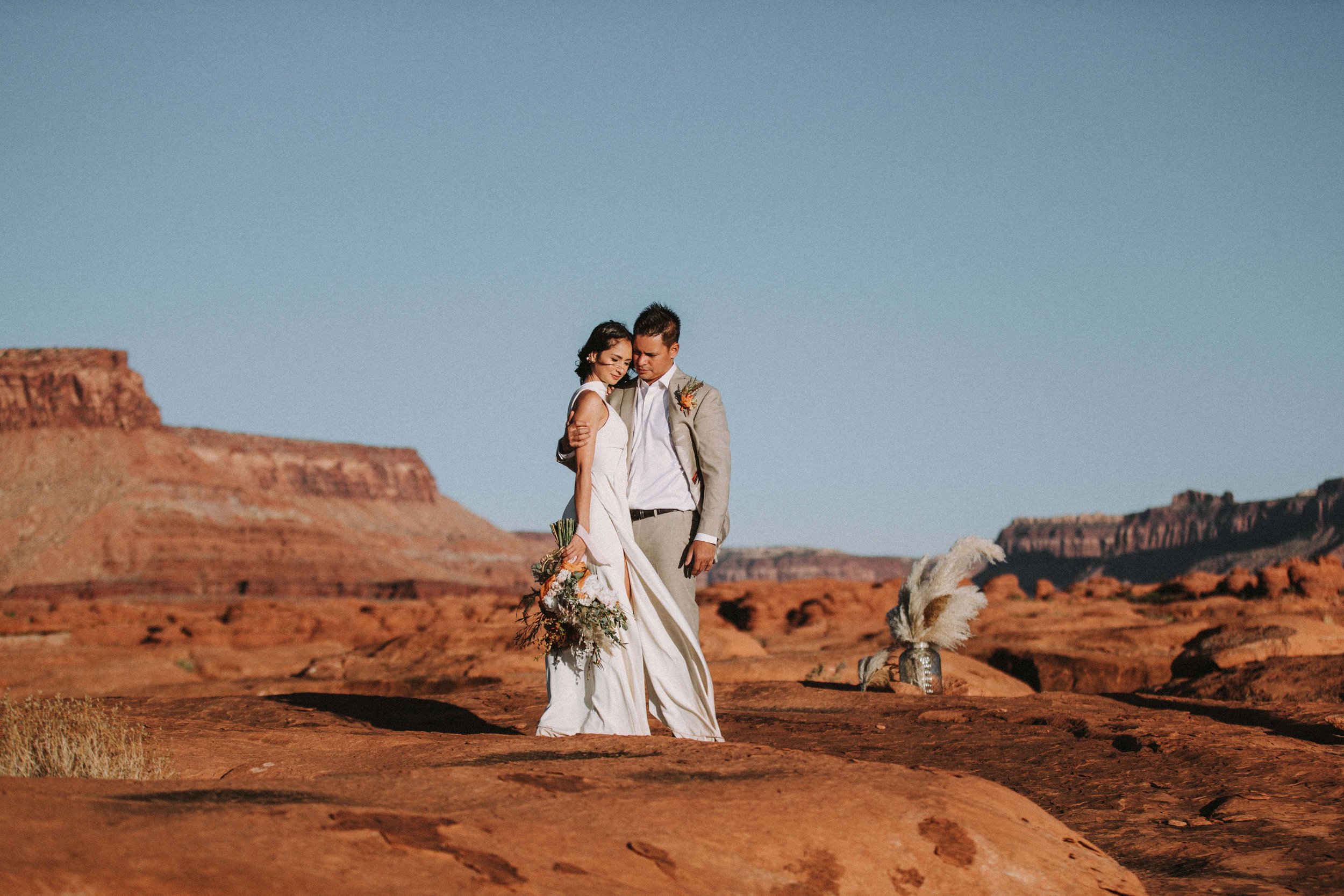
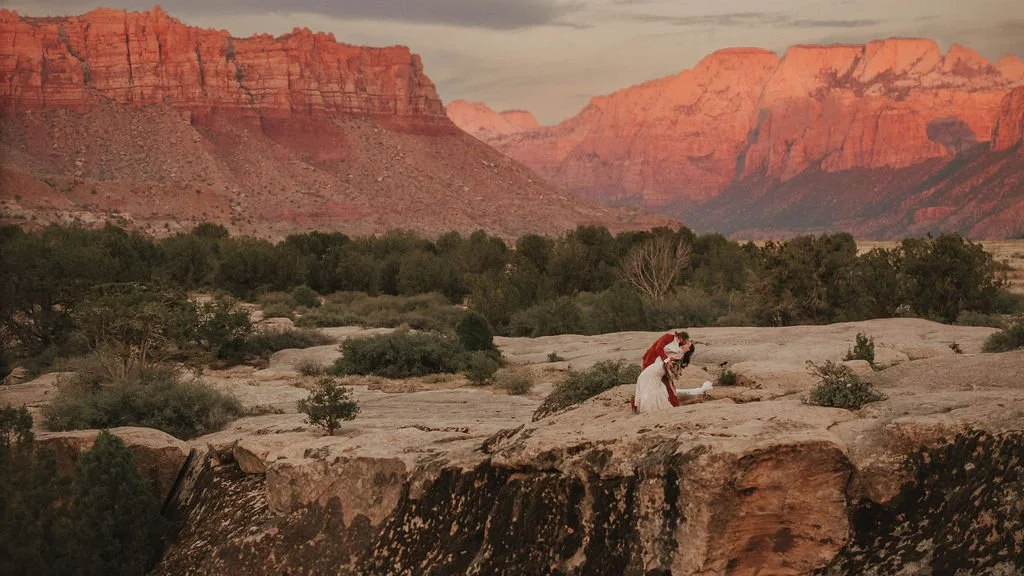
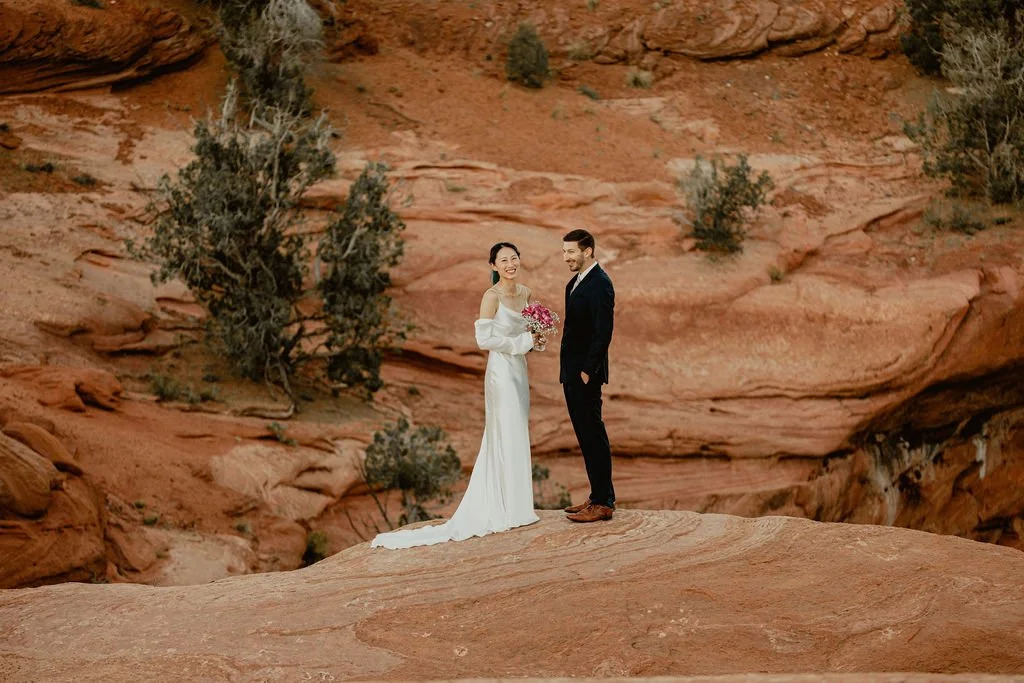
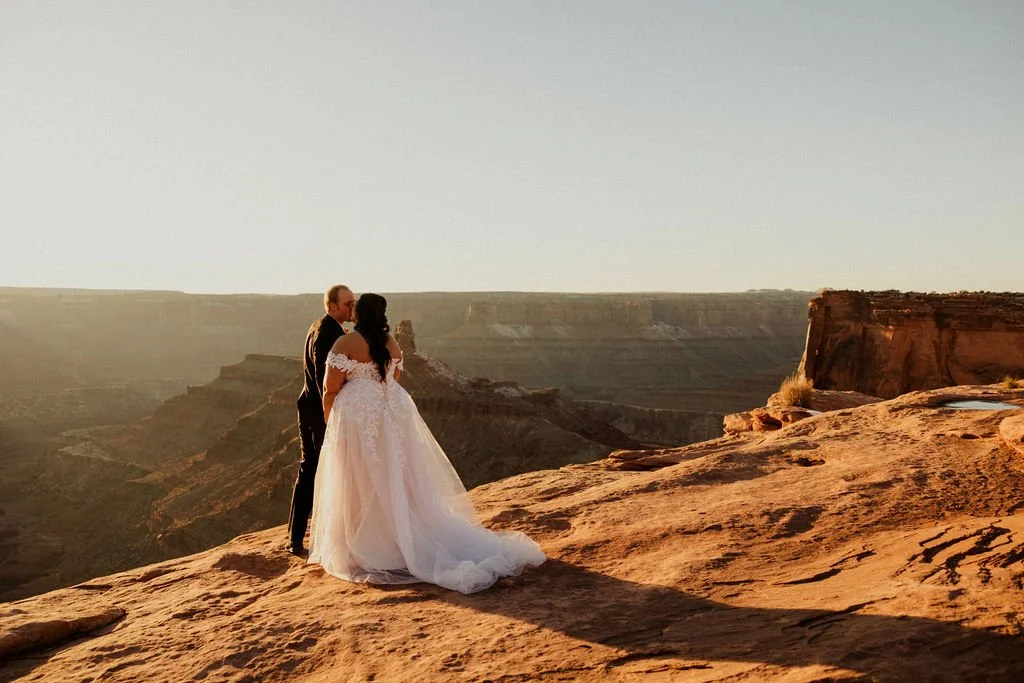
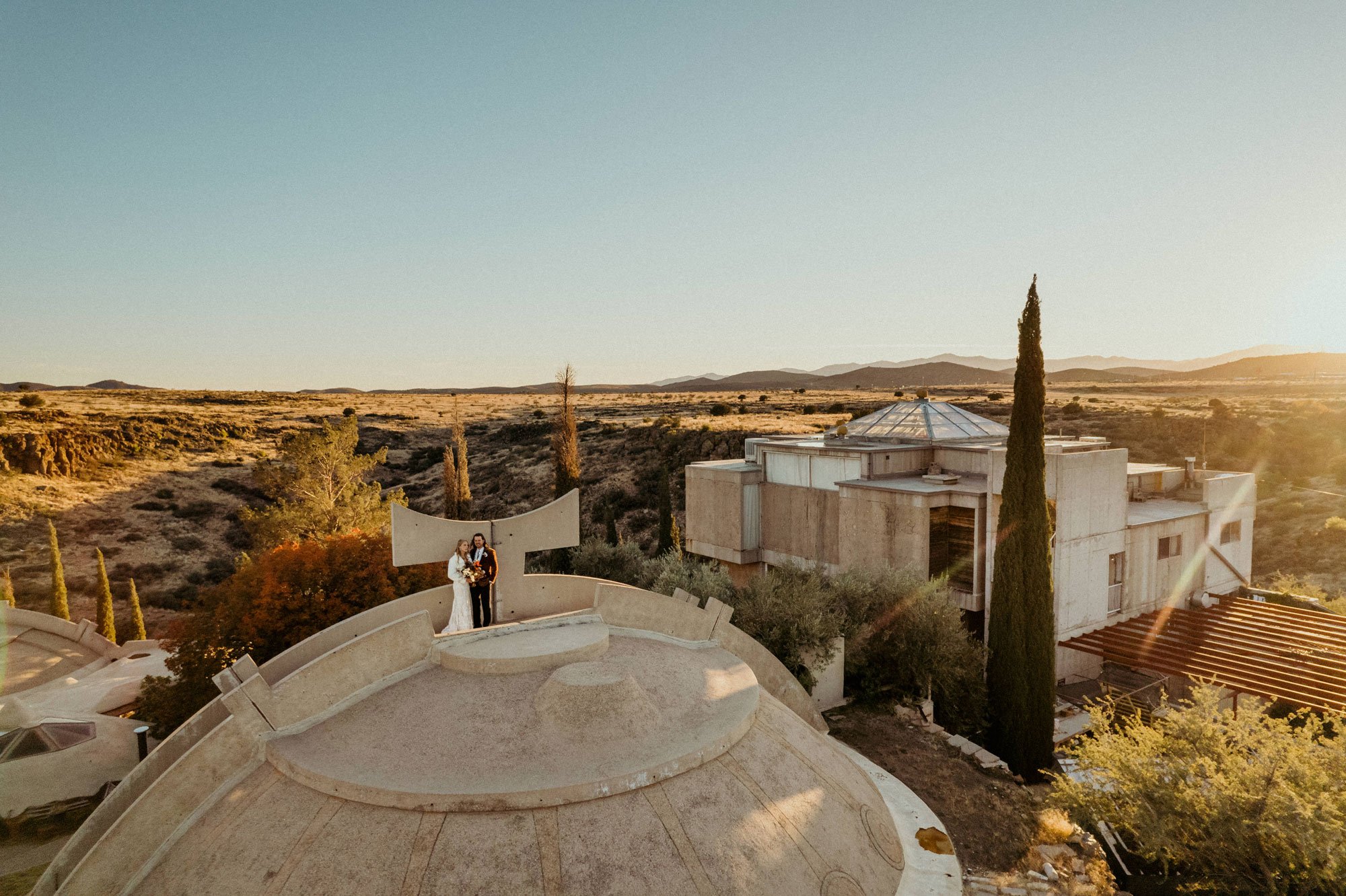
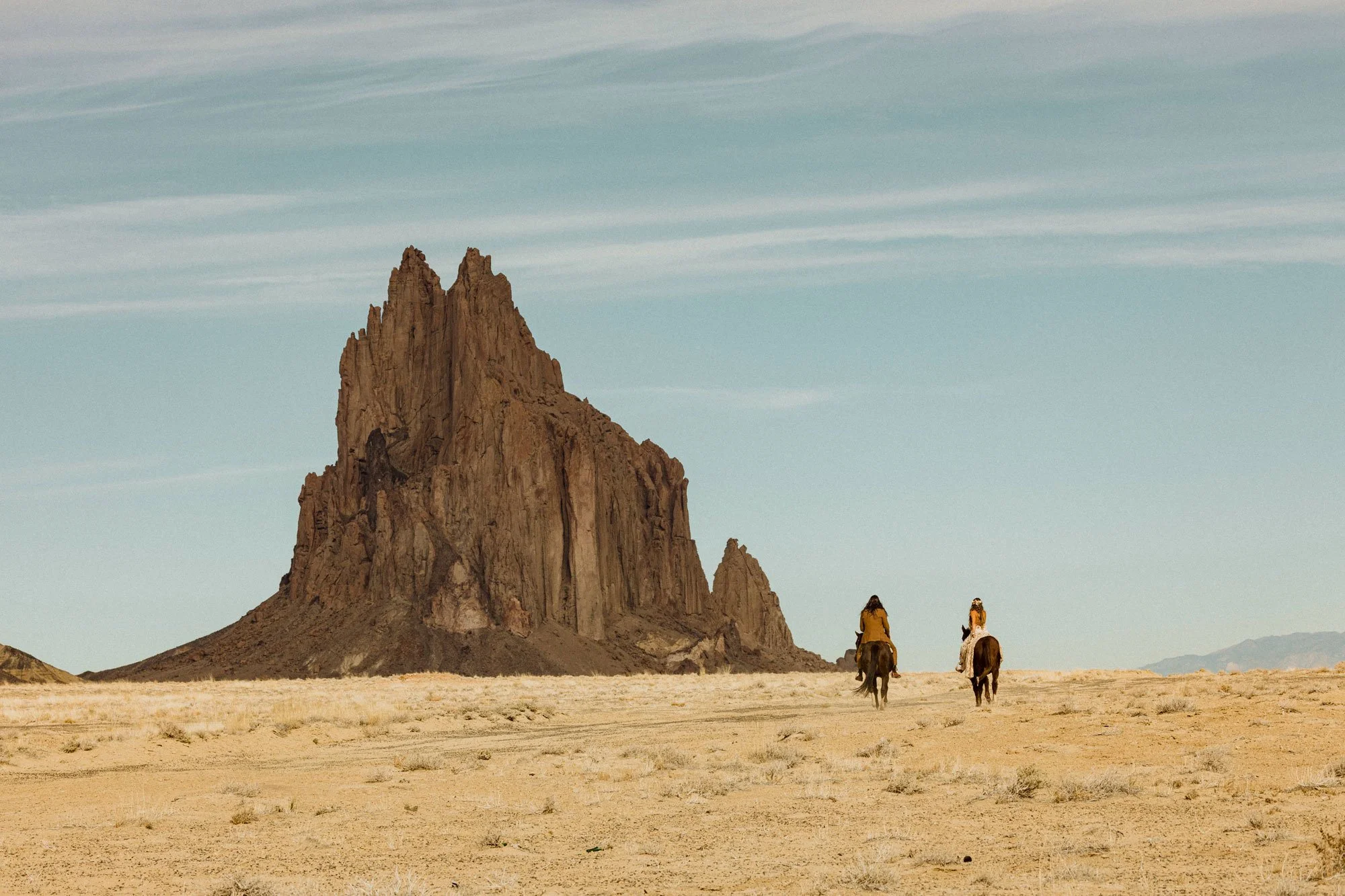
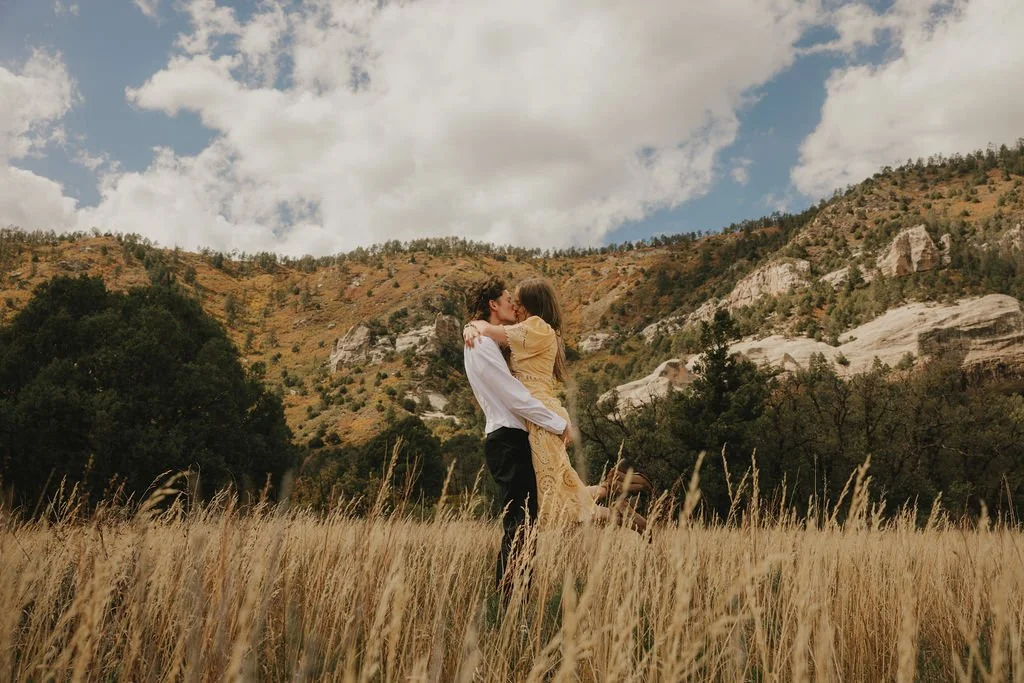
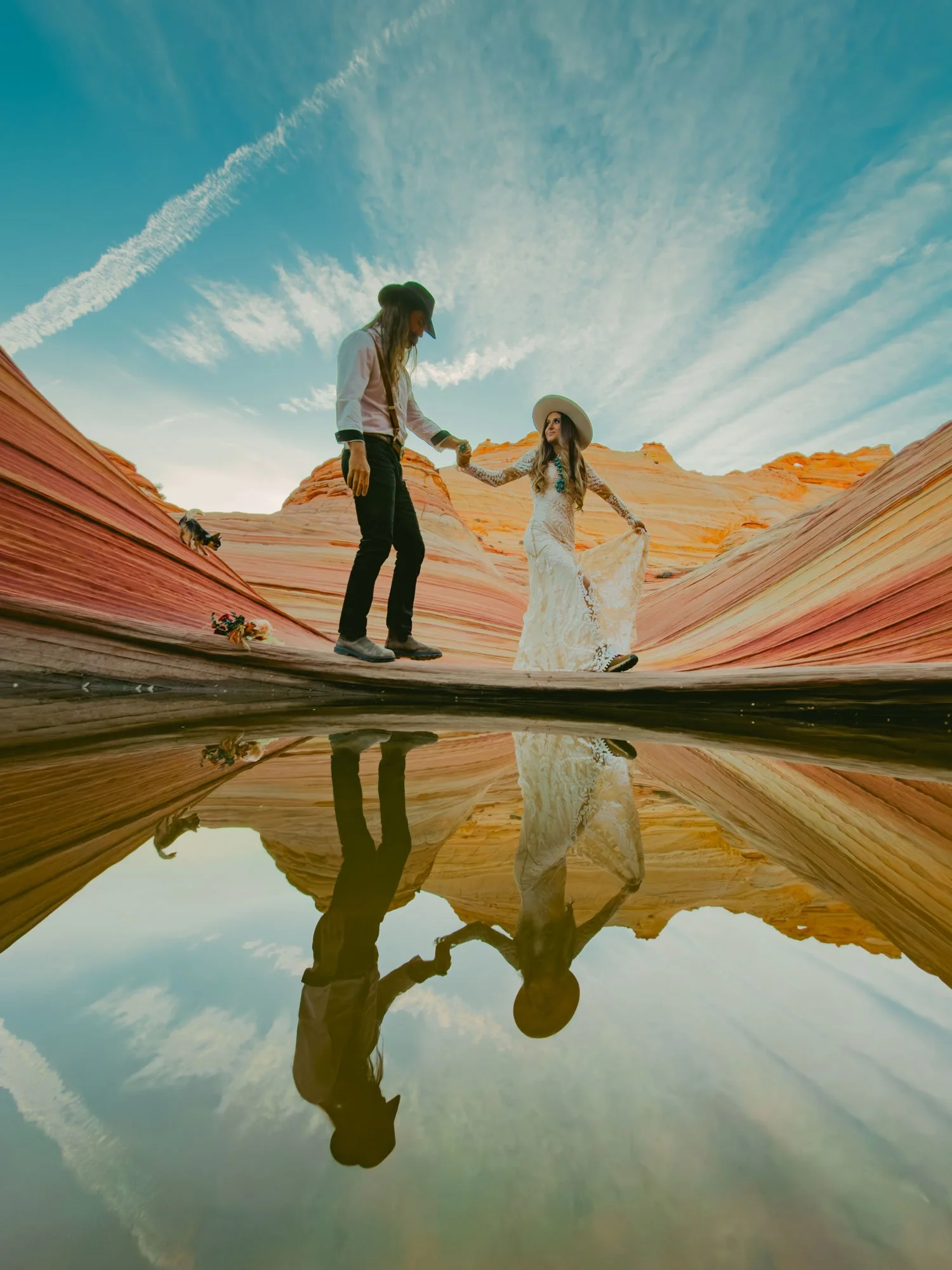
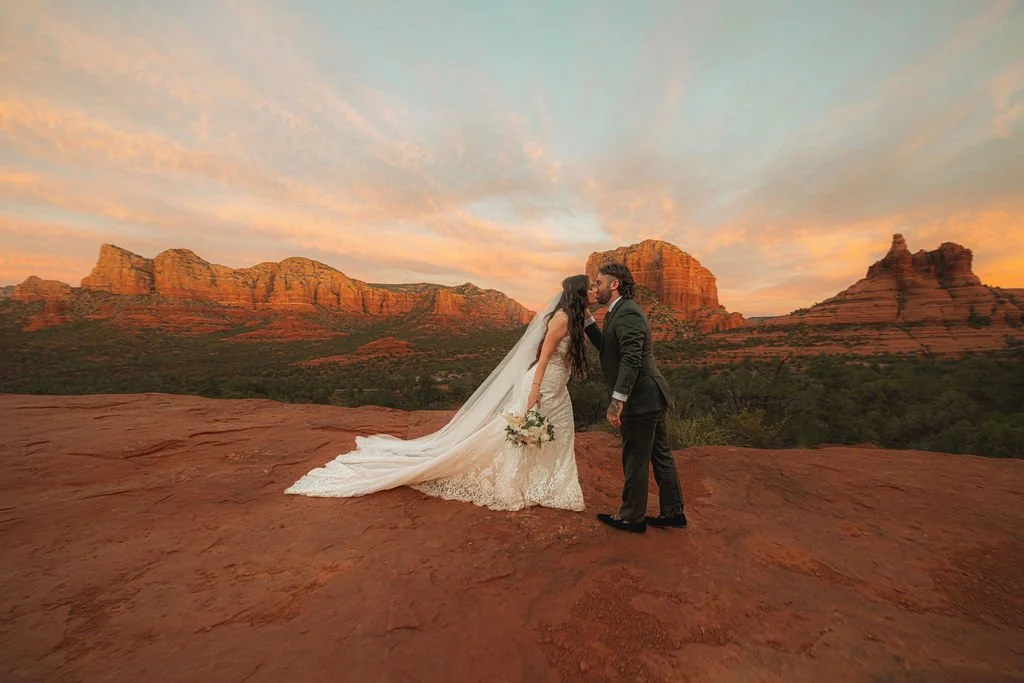
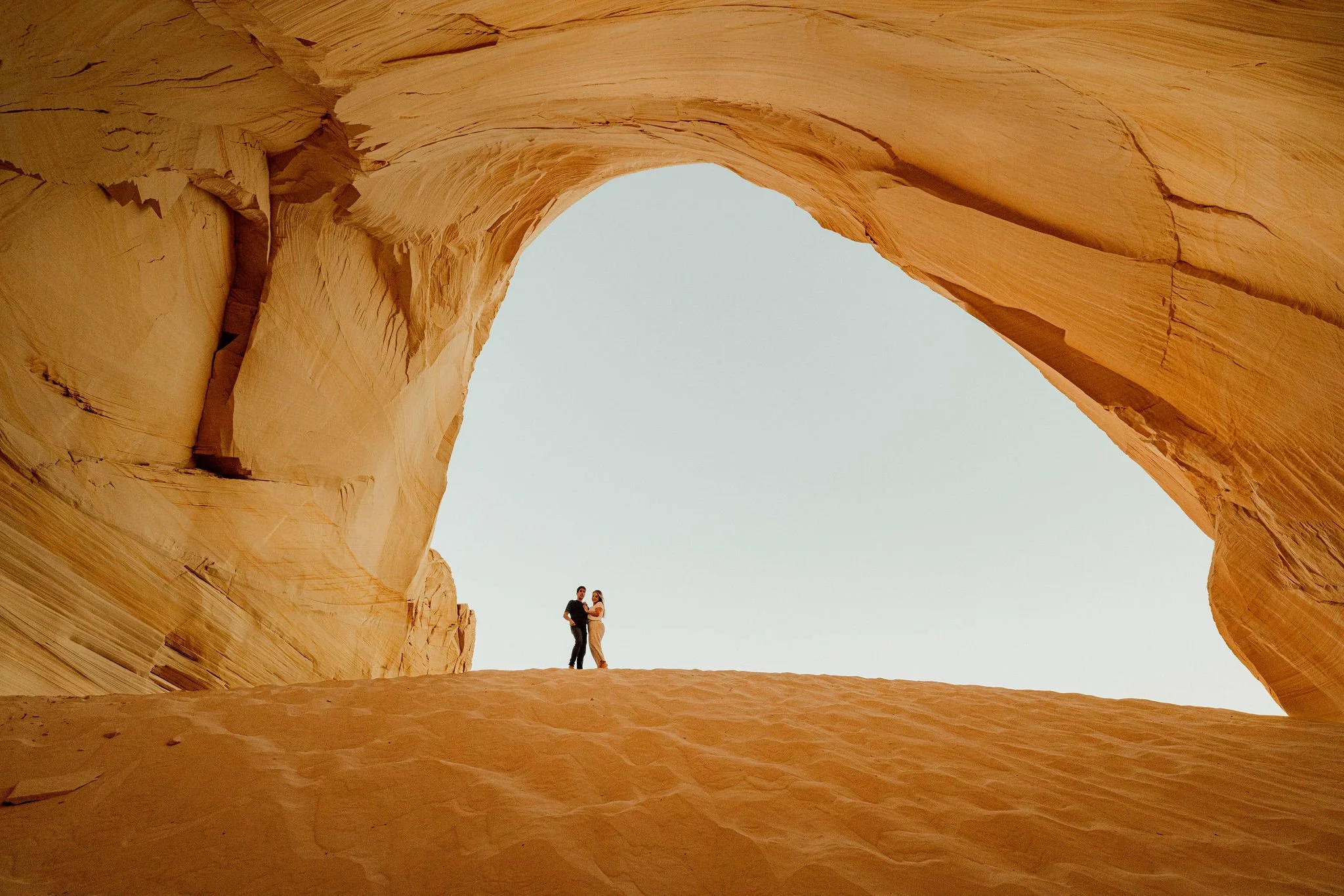
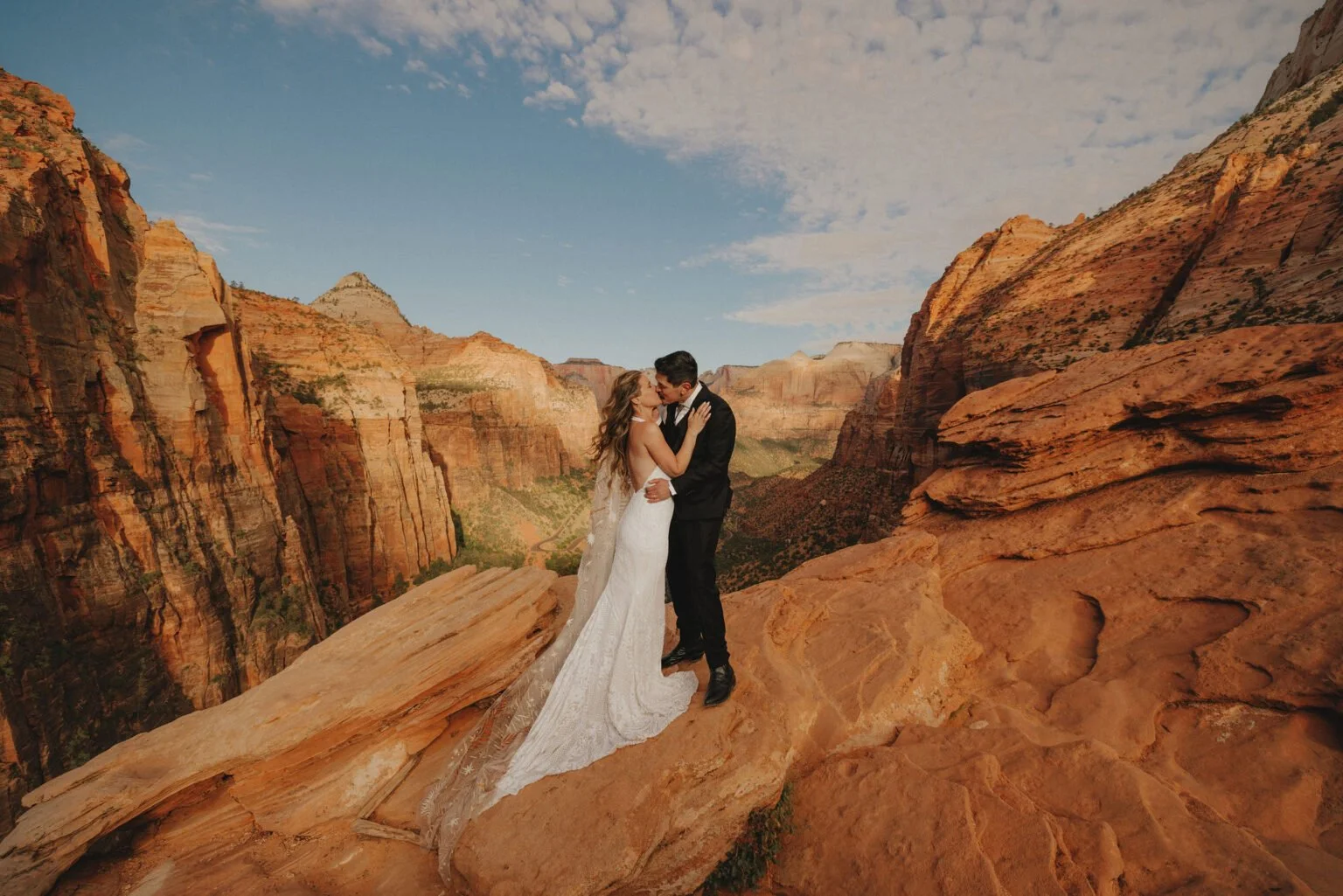
The best desert locations for elopements in Utah are Arches National Park, Canyonlands, Goblin Valley State Park, Capitol Reef National Park, and the Valley of the Gods — each offering dramatic red rock landscapes, golden-hour light, and the kind of untamed solitude that turns a private ceremony into an unforgettable visual story. Whether you're dreaming of canyon walls at sunrise or a windswept mesa at dusk, Utah's desert Southwest is hands down one of the most photogenic places on Earth to say "I do."
If you're already exploring your options with a professional adventure elopement photographer, elopements at Shutterfreek are designed specifically for couples who want real landscapes, not staged backdrops.
Why Utah's Desert Is the Ultimate Elopement Destination
Utah sits at the crossroads of five distinct geologic wonders, and no other state in the continental U.S. concentrates this much visual drama per square mile. The Colorado Plateau's eroded sandstone formations burned in shades of sienna, rust, and burnt orange create a natural cathedral that no venue rental can replicate.
Beyond the scenery, Utah's desert elopement locations offer:
Minimal crowds at non-peak hours compared to traditional wedding venues
Year-round shooting conditions with spring and fall providing near-perfect temperatures
Golden hour magic that lasts longer at elevation, giving photographers a wider editing window
Legal flexibility — Utah allows elopements in most national parks and state lands with proper permits
Proximity to other Southwest destinations, making it easy to combine with an Arizona adventure elopement or a Colorado mountain elopement as part of a longer adventure honeymoon
The 5 Best Desert Locations for Elopements in Utah
1. Arches National Park — Moab, Utah
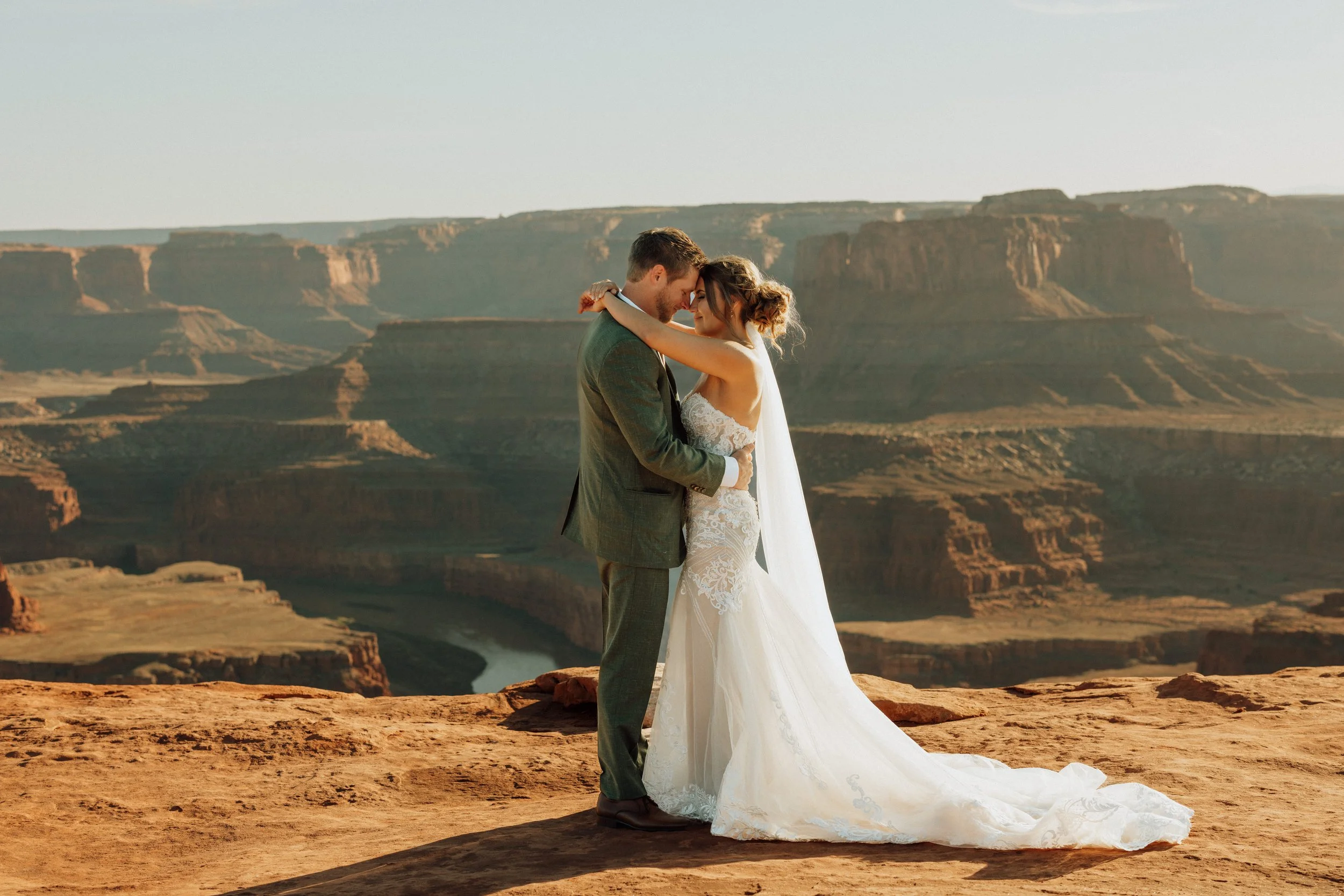
Moab is the undisputed capital of Utah desert elopements, and Arches National Park is its crown jewel. With over 2,000 natural sandstone arches — including the iconic Delicate Arch — the park delivers a visual backdrop that photographers chase from every continent.
Best spots within Arches for elopements:
Delicate Arch — Utah's most iconic landmark. Requires a 3-mile round-trip hike. Best at sunrise or late afternoon to avoid the midday crowds and harsh shadows.
Landscape Arch — A longer, more slender arch along the Devils Garden trail. Dramatic perspective, easier access.
Balanced Rock — Surreal, sculpted silhouette perfect for wide editorial-style portraits.
Sand Dune Arch — Sheltered by towering walls, ideal for intimate ceremonies with softer, diffused light.
Permit requirements: As of recent NPS policy, Delicate Arch and other high-traffic zones require timed entry reservations between April and October. Plan 4–6 months ahead for spring and fall dates.
Best season: Late March through May and September through November for comfortable temperatures (50–75°F) and peak color contrast.
2. Canyonlands National Park — Moab, Utah
Canyonlands is Arches' quieter, more rugged neighbor — and arguably more impressive in scale. The park is divided into four districts: Island in the Sky, The Needles, The Maze, and the rivers. For elopements, Island in the Sky is the go-to district.
Standing at Mesa Arch at sunrise is one of those rare photographic experiences where no amount of editing is needed. The arch perfectly frames the canyon below, and as the sun rises, it illuminates the underside of the arch in glowing gold and orange — a phenomenon that's become one of the most-photographed moments in adventure elopement photography.
Why couples choose Canyonlands:
Far fewer visitors than Arches, especially on weekdays
Mesa Arch sunrise is genuinely world-class
Grand View Point Overlook offers 180-degree canyon panoramas
Upheaval Dome provides an otherworldly, crater-like alternative backdrop
Logistics: Mesa Arch requires an early start (pre-dawn arrival) during busy seasons. Canyonlands has no timed entry as of now, but policies can change — always verify with NPS before booking.
3. Goblin Valley State Park — Emery County, Utah
If you want something wildly unique, Goblin Valley is unlike any other location on the list. Thousands of mushroom-shaped sandstone hoodoos — called "goblins" — dot the valley floor, creating a landscape that looks lifted from another planet entirely.
For couples who want their elopement images to feel truly one-of-a-kind, Goblin Valley is the answer. The formations create natural enclosures, passages, and frames that photographers can use for creative compositions impossible to replicate elsewhere.
Practical advantages:
Lower permit competition than national parks
Camping available on-site for overnight elopement experiences
Star photography is exceptional here — Emery County is a designated Dark Sky area
More flexibility with ceremony setup than strictly regulated national parks
4. Capitol Reef National Park — Torrey, Utah
Capitol Reef is one of Utah's most underrated national parks — and that's precisely what makes it one of the best elopement locations in the state. It sees roughly one-quarter of Arches' annual visitors, yet the Waterpocket Fold — a 100-mile-long wrinkle in the Earth's crust — produces canyon walls, domes, and slot canyons that rival anything in the Southwest.
Standout locations within Capitol Reef:
Hickman Bridge — Natural bridge framing the Henry Mountains; accessible via a 2-mile trail
Cathedral Valley — Remote, towering sandstone monoliths that require a high-clearance vehicle but reward with total solitude
Cohab Canyon — Red canyon walls and petroglyphs; excellent for intimate, shaded ceremonies
Fruita — The historic orchard district where green cottonwoods contrast with red canyon walls, especially beautiful in fall
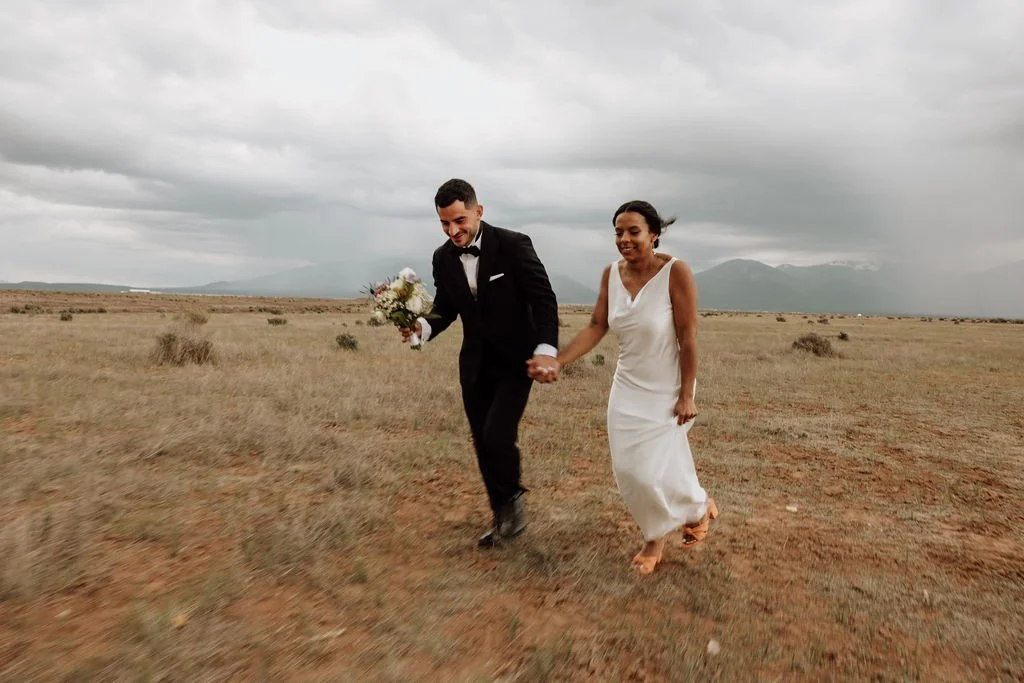
Couples planning a broader Southwest elopement adventure sometimes combine Capitol Reef with a New Mexico adventure elopement, extending the trip into desert high-country.
5. Valley of the Gods — San Juan County, Utah
Valley of the Gods is perhaps the best-kept secret on this list. Administered by the Bureau of Land Management (BLM), it's essentially Monument Valley without the fees, the crowds, or the restrictions. Sandstone buttes, spires, and mesas rise dramatically from a flat, red desert floor, accessible via a 17-mile dirt loop road.
Why it's a sleeper hit for elopements:
No permit required for small ceremonies (always verify current BLM policy)
Near-total solitude — it's rare to encounter more than a handful of vehicles
Proximity to Bears Ears National Monument expands your shooting locations
Stargazing is world-class — truly dark skies
Cedar Mesa petroglyphs nearby add cultural depth to the experience
This is the location for couples who want raw, unfiltered desert without any tourist infrastructure — just you, the rocks, and the horizon.
Utah Desert Elopement Location Comparison Table
Use this table to quickly compare the five locations based on key elopement planning factors:
| Location | Permit Required | Crowds | Best Season | Accessibility | Unique Feature |
|---|---|---|---|---|---|
| Arches NP (Moab) | Yes (timed entry) | High | Mar–May, Sep–Nov | Easy–Moderate | 2,000+ natural arches |
| Canyonlands NP | No (currently) | Moderate | Mar–May, Sep–Nov | Easy–Moderate | Mesa Arch sunrise |
| Goblin Valley SP | Day-use fee | Low | Mar–May, Sep–Nov | Easy | Alien hoodoo landscape |
| Capitol Reef NP | No (most areas) | Low–Moderate | Apr–Jun, Sep–Oct | Easy–Strenuous | Waterpocket Fold |
| Valley of the Gods | No (BLM land) | Very Low | Mar–Nov | Moderate (dirt road) | Complete solitude |
What to Know Before You Go: Utah Desert Elopement Planning Guide
Legal Requirements for Eloping in Utah
Getting legally married in Utah requires a marriage license issued by a Utah County Clerk's office. There's no waiting period — you can apply and receive your license the same day. Licenses are valid for 30 days and cost approximately $50–$75 depending on the county. An ordained officiant is required; many adventure elopement photographers are also ordained ministers.
Permits and Regulations
Every location has its own rules. Here's a general breakdown:
| Location Type | Permit Type | Approximate Cost | Lead Time Needed |
|---|---|---|---|
| National Park (ceremony) | Special Use Permit | $150–$300 | 4–8 weeks |
| State Park (ceremony) | Special Event Permit | $50–$150 | 2–4 weeks |
| BLM Land (small ceremony) | Often not required | Free–$50 | 1–2 weeks |
| Tribal Land | Tribal permit | Varies | 4–12 weeks |
Always verify current permit requirements directly with the managing agency before booking — regulations change seasonally and annually.
Best Time of Year for Utah Desert Elopements
Spring (March–May): Wildflowers, moderate temps, longer golden hours. Most popular — book early.
Summer (June–August): Hot (95°F+), but early morning and late evening shoots are manageable.
Fall (September–November): Cooler temps, warm light, thinner crowds. Second most popular window.
Winter (December–February): Dramatic snow-dusted red rock; cold but extraordinarily beautiful. Least crowded.
What to Wear for a Utah Desert Elopement
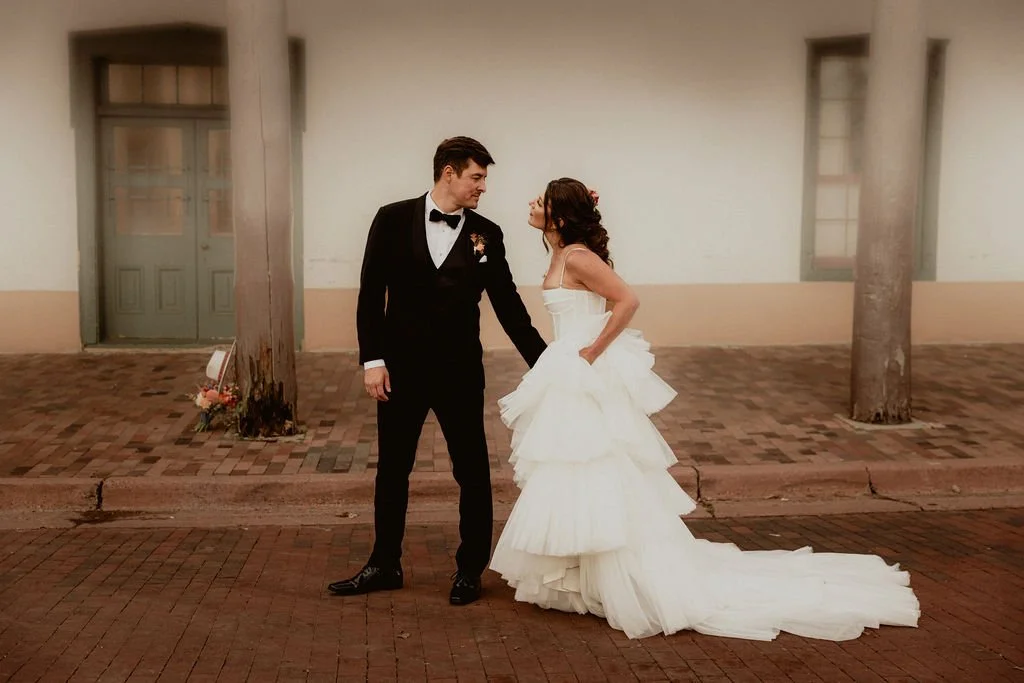
The desert backdrop rewards bold, earthy tones — terracotta, ivory, sage, dusty rose, and burnt sienna all photograph beautifully against red rock. Avoid bright white (it blows out against the sandstone in full sun) and highly reflective fabrics.
Practical considerations:
Opt for flowy, movement-friendly fabrics — they interact beautifully with desert wind
Closed-toe shoes for rocky terrain; bridal boots have become enormously popular
Bring layers — temperature swings of 30°F between sunrise and midday are common
Minimal jewelry photographs cleanly in high-contrast desert light
For a deep dive into how Shutterfreek approaches utah weddings adventure elopements, including full galleries from past desert sessions, explore the Utah elopement portfolio.
Final Thoughts: Choose Utah for Your Desert Elopement
Utah's desert isn't just a backdrop it's a co-author of your story. The scale of the canyons, the silence of the mesa, the way golden light pours through a sandstone arch at 6 a.m. none of it can be manufactured in a studio or replicated at a traditional venue.
Whether you choose the world-famous drama of Arches, the intimate solitude of Valley of the Gods, or the hidden grandeur of Capitol Reef, the desert will show up for you. The only thing left is making sure your photographer does too.
Shutterfreek specializes exclusively in adventure elopements across the Southwest desert — Utah, Arizona, Colorado, and New Mexico. Every session is custom-planned around your locations, light conditions, and the kind of images you want to carry for the rest of your life.
Frequently Asked Questions
-
Yes — most Utah national parks require a Special Use Permit for any organized ceremony, including elopements, regardless of group size. Fees typically range from $150 to $300, and applications should be submitted 4–8 weeks in advance. Some locations like Valley of the Gods (BLM land) currently require no permit for small, low-impact ceremonies, but always confirm directly with the managing agency before your date.
-
The most affordable Utah desert elopement is on BLM (Bureau of Land Management) land such as Valley of the Gods or Bears Ears, where small ceremonies often require no permit or only a minimal fee. You'll still need a Utah marriage license (~$50–$75) and an ordained officiant, but eliminating the national park permit saves $150–$300. Choosing a weekday in the shoulder season (November or early March) also keeps costs down.
-
For spring (April–June) and fall (September–October) — the peak seasons — booking 6–12 months in advance is strongly recommended, especially if your heart is set on Arches or Canyonlands. Winter and summer elopements offer more availability, sometimes as little as 6–8 weeks out. Permit applications for national parks should ideally be submitted 4–8 weeks before your ceremony date.
-
Yes, you can elope at Delicate Arch, but it requires advance planning. You'll need a Special Use Permit from Arches National Park, and during peak season (April–October), the arch area also requires a timed entry reservation. The 3-mile round-trip hike means you'll need to carry any ceremony items (flowers, décor) on foot. Sunrise ceremonies are highly recommended — both for the magical light and to arrive before the general crowd.
-
Valley of the Gods in San Juan County is consistently the most underrated Utah desert elopement location. It offers Monument Valley-style scenery — towering sandstone buttes and mesas — with almost no visitors, no national park fees, and minimal permit requirements. The 17-mile dirt loop road is accessible in most weather with a 4WD vehicle, and the dark skies overhead make it exceptional for twilight and after-dark photography.
Keep reading